





The tiger loaches (Syncrossus) are a genus of relatively large, very beautiful loaches. They were formerly classified under the genus Botia. Five species are recognized, including Syncrossus berdmorei. Unfortunately, this species is only occasionally available; in terms of coloration, it is one of the most beautiful Syncrossus species. Its natural range is in Burma’s Tenasserim Province, though there are also reports that it has been found in Thailand. The species is also bred in captivity in Indonesia.
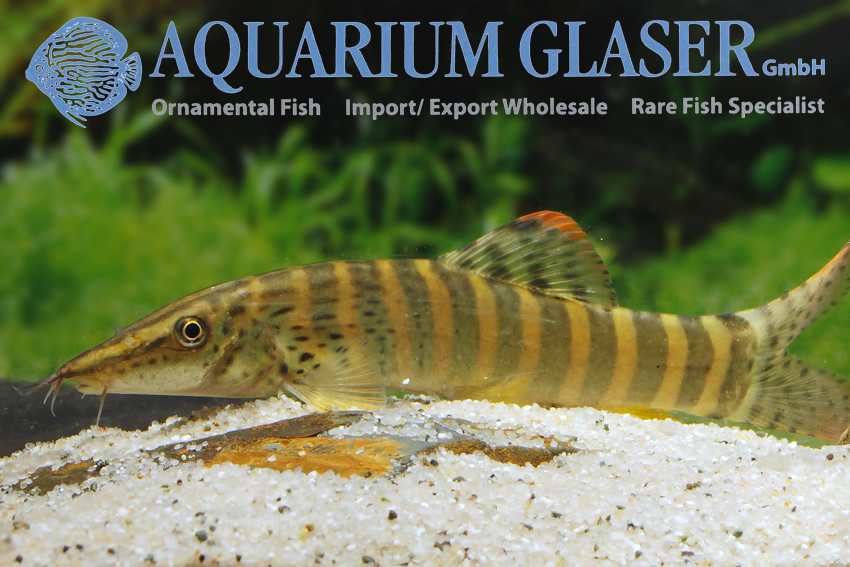
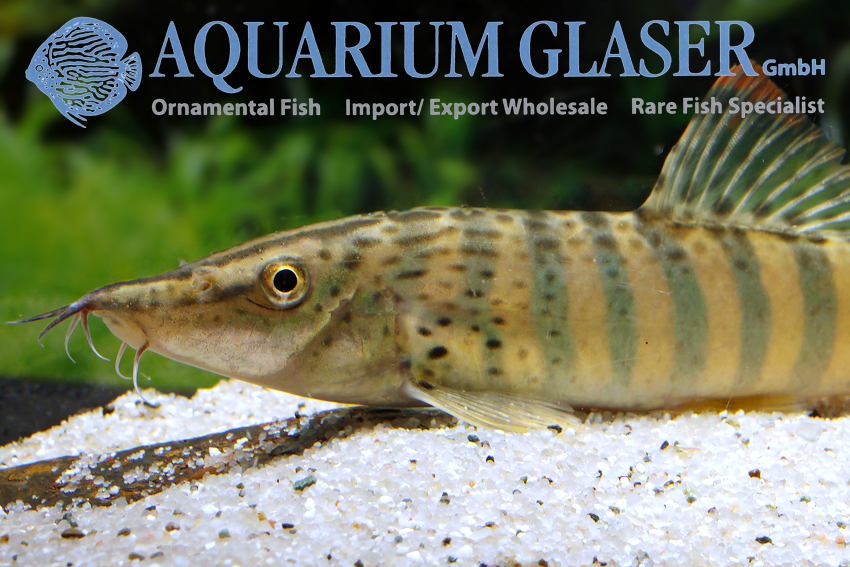
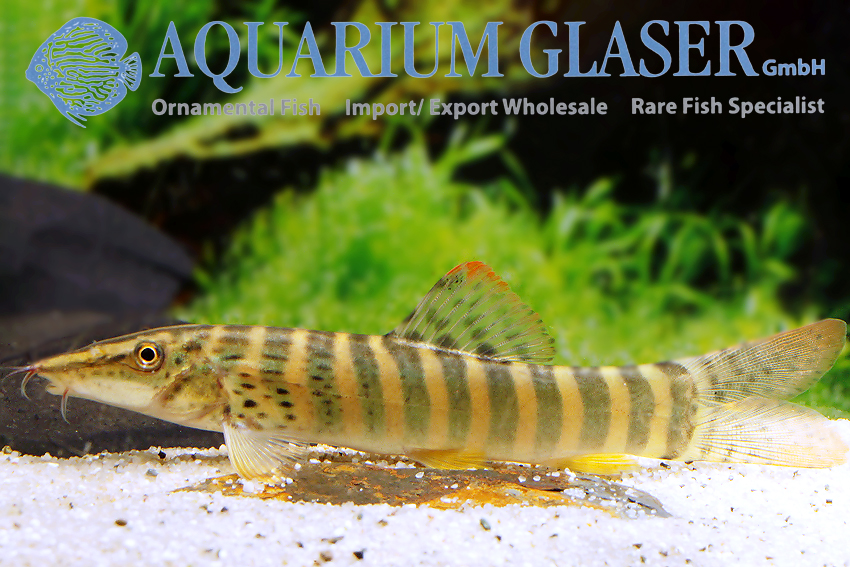
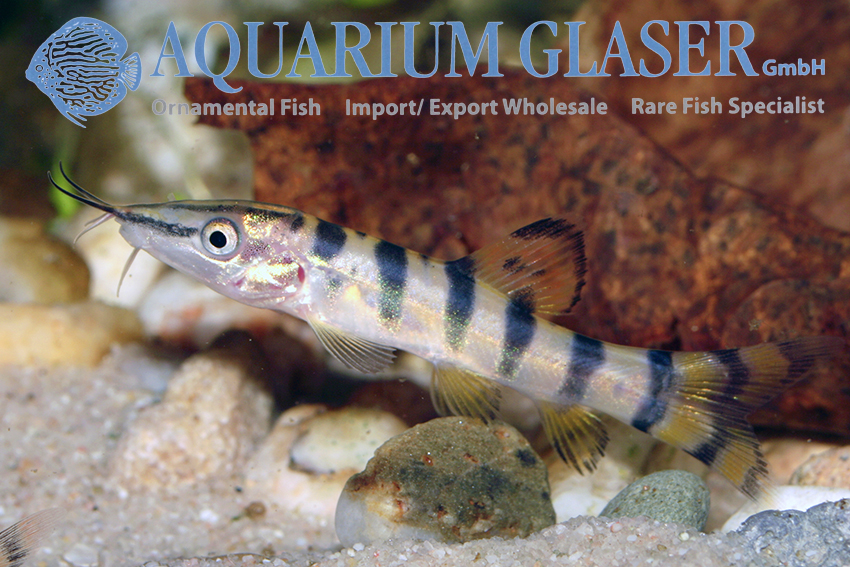
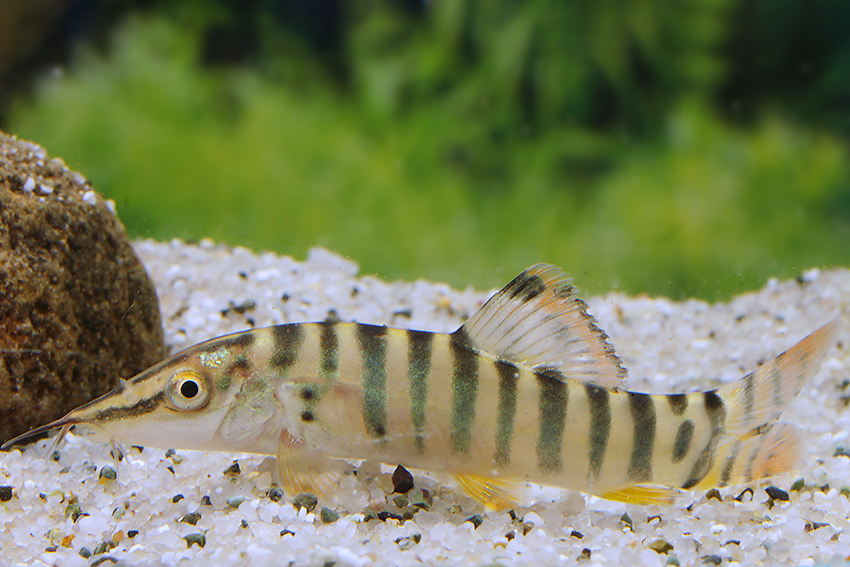
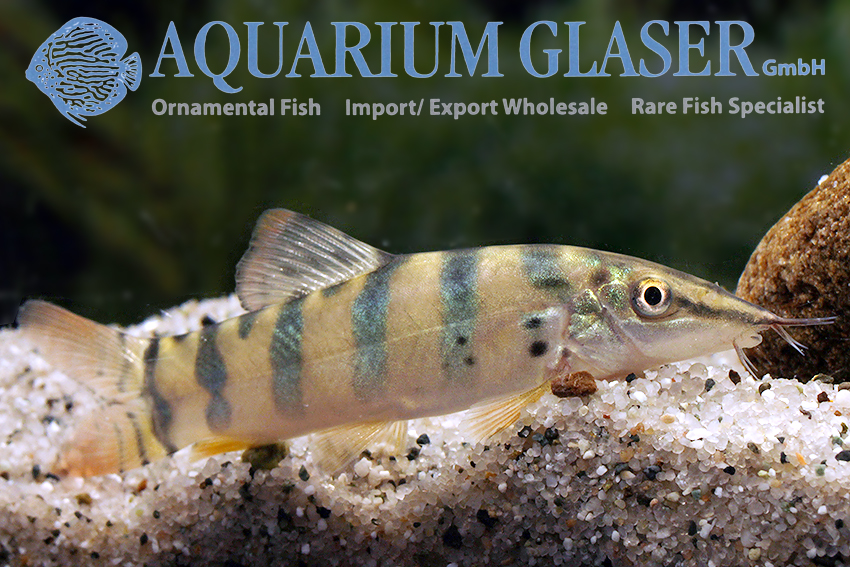
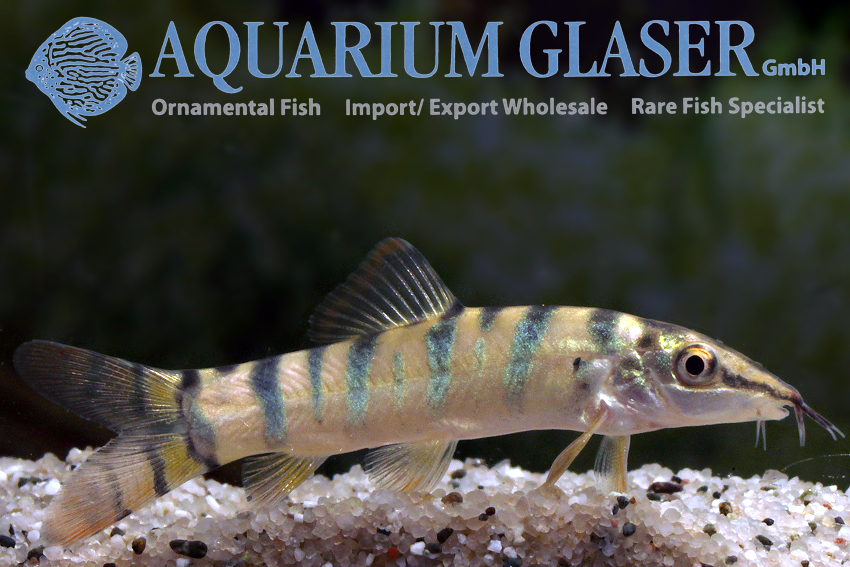
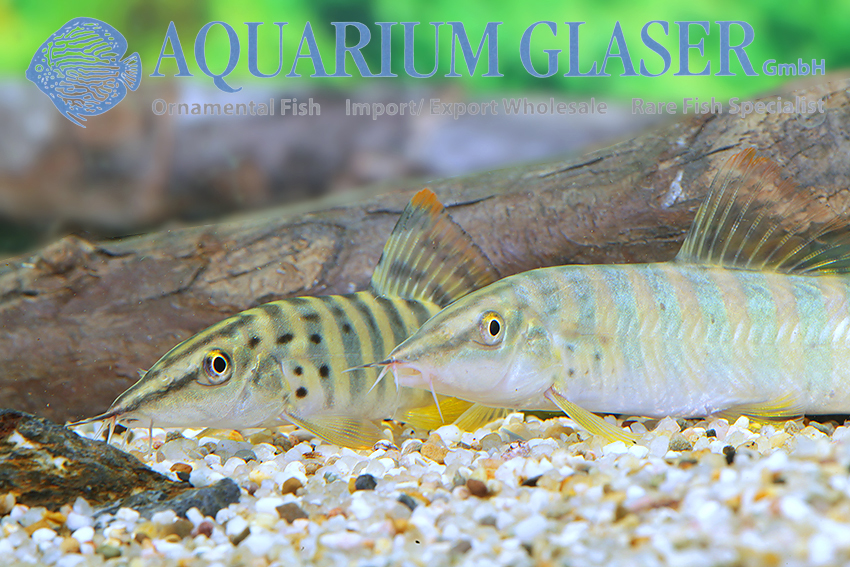
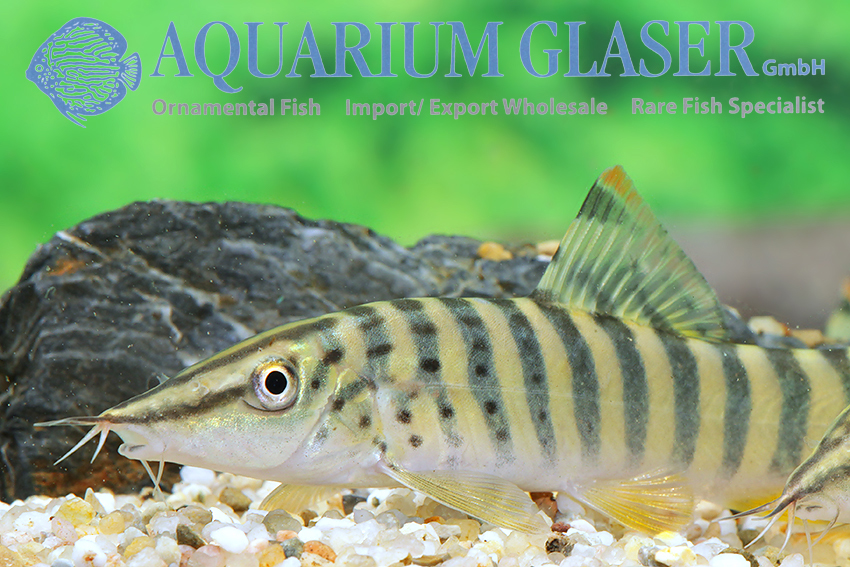
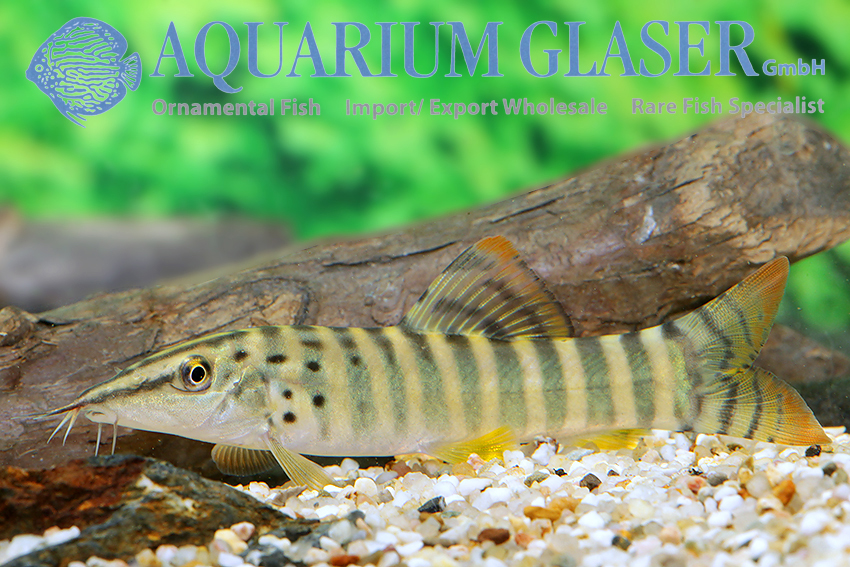
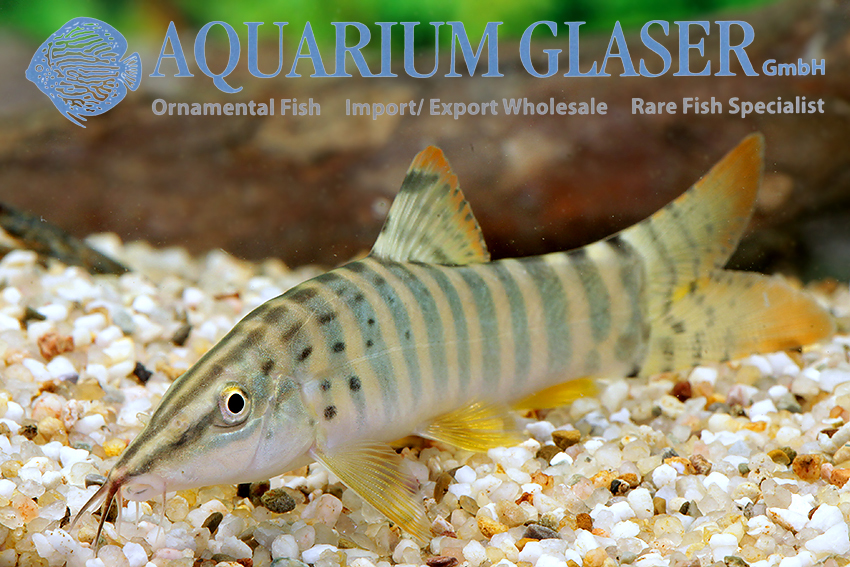
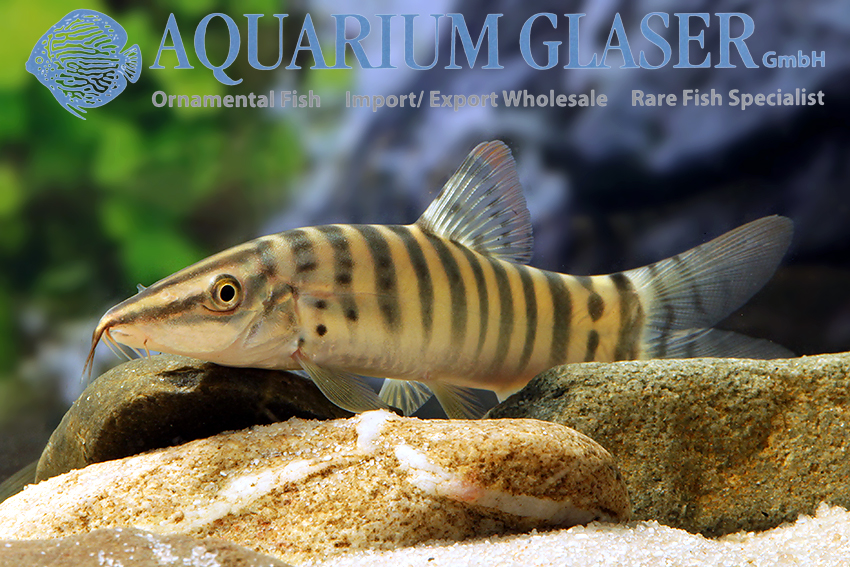
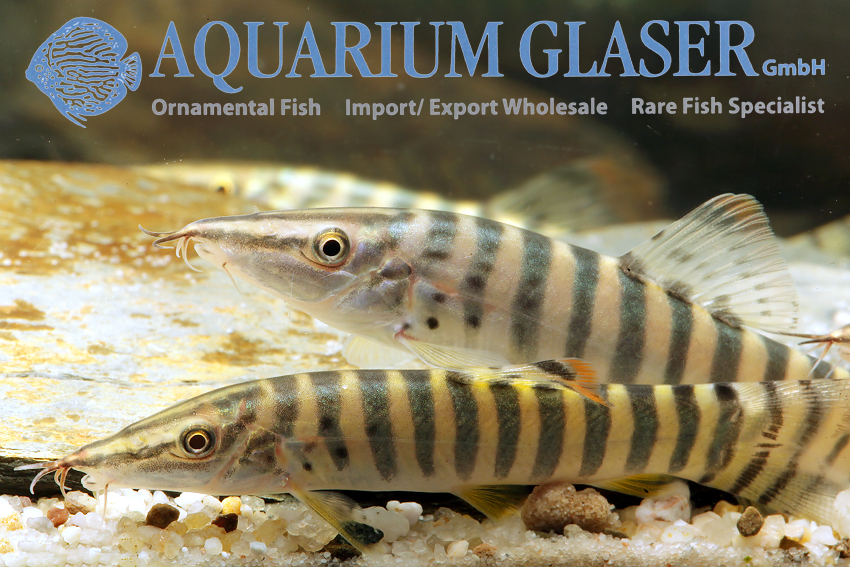
Unfortunately, confusion has repeatedly arisen—and continues to arise—when identifying tiger loaches. Three species have spots on their flanks in addition to vertical stripes, although these spots sometimes do not become visible until the specimens reach a length of about 5 cm: S. beauforti, S. berdmorei, and S. helodes. We distinguish between the species as follows: B. beauforti has only relatively small spots, primarily on the back, extending well below the dorsal fin; B. berdmorei has comparatively larger spots, only on the anterior body, beginning immediately behind the head, distributed across the entire body height, and almost never extending beyond the base of the dorsal fin; and B. helodes again has larger spots, predominantly on the ventral region, extending well below the dorsal fin. Whether this is accurate is uncertain, as the entire genus Syncrossus is in urgent need of revision.
Juveniles of S. berdmorei have a striped caudal fin, whereas in adults the caudal fin is spotted. In very small juveniles, the spots on the body are often still absent, as mentioned; when the spots do appear, they are quite large at first and become smaller and smaller as the fish grows, though they become more numerous.
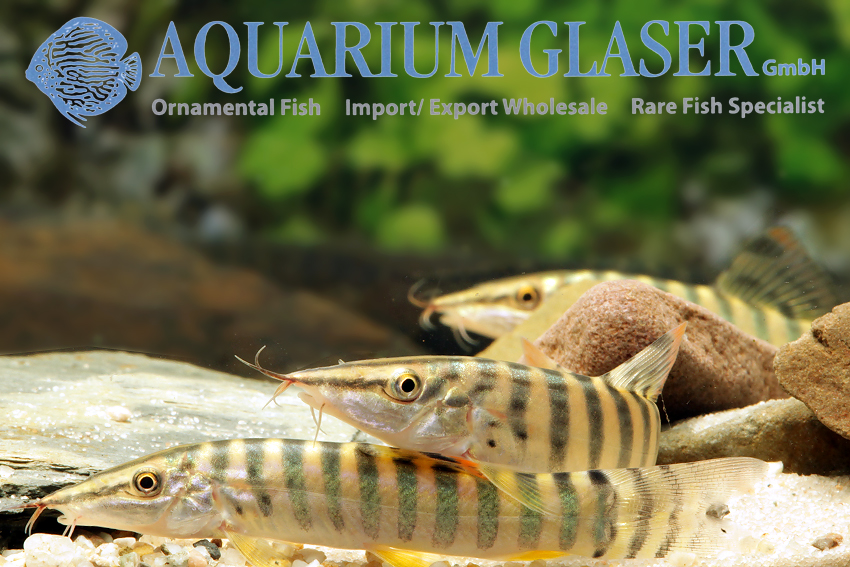
All tiger loaches are somewhat aggressive, which is important to keep in mind. It is therefore best to keep them in larger groups, as is done with African cichlids, so that aggression can be dispersed. Caution is also advised when keeping them with fish of other species. Under no circumstances should these relatively aggressive loaches be kept with small and sensitive species. Syncrossus are undemanding when it comes to water parameters and diet. Like all Botia-like loaches, they are excellent snail eaters!
Maximum size: approx. 15 cm; Temperature: 18–28°C; pH and hardness: not significant for care (tap water); Diet: omnivorous; Social behavior: quarrelsome fish with a social hierarchy.
For our customers: Depending on their size, these fish are listed under codes 398001 through 398004 on our stock list. Please note that we supply exclusively to wholesale customers.
Text & photos: Frank Schäfer
