








New Guinea remains one of the least explored regions on Earth. Its freshwater fish only made their way into aquariums relatively late. Among them is the peacock gudgeon or peacock goby, Tateurndina ocellicauda. This small species, which never grows larger than 5–6 cm, was not discovered until 1953. During the fourth Archbold Expedition, Hobart M. Van Deusen collected the first specimens in Peria Creek, Kwagira River, about 10 miles from the coast, in pool-like sections. In 1955, John T. Nichols of the American Museum of Natural History described the goby in a new genus created specifically for it, namely Tateurndina, as T. ocellicauda. To this day, it remains the only species in this genus.
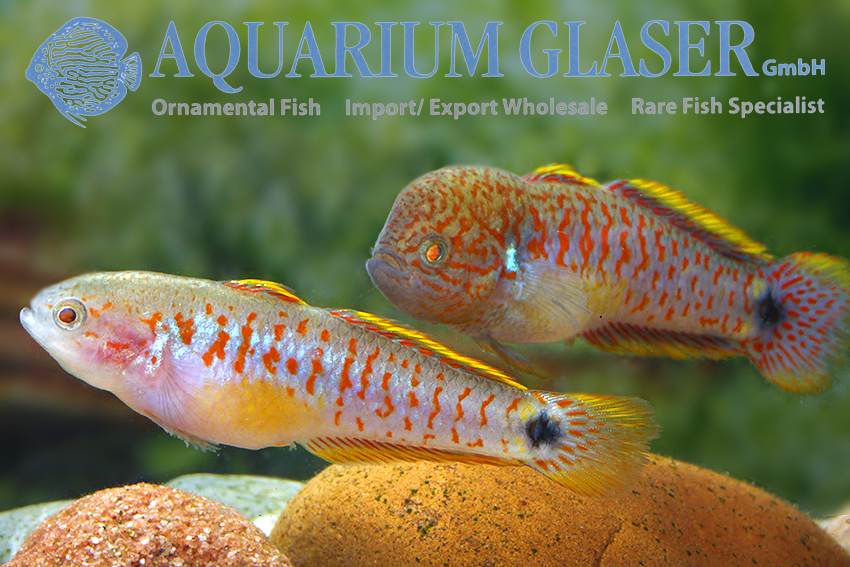
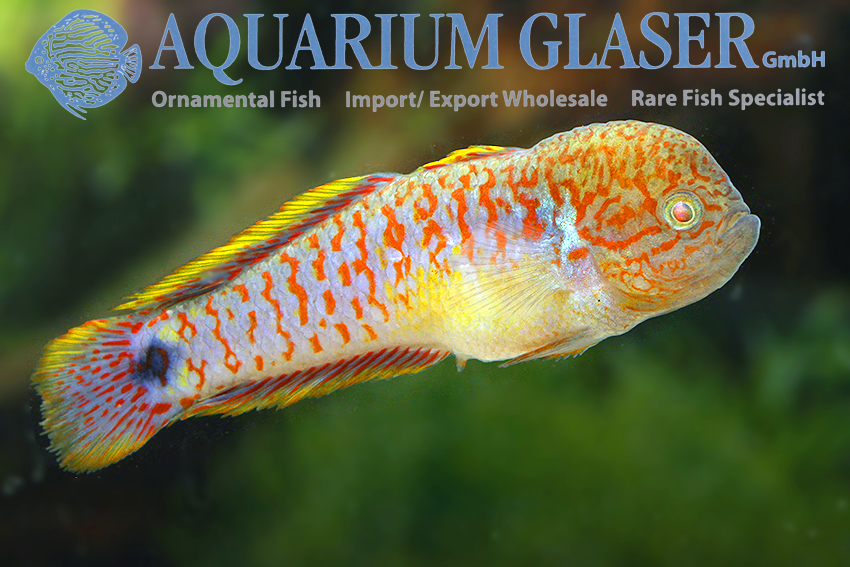
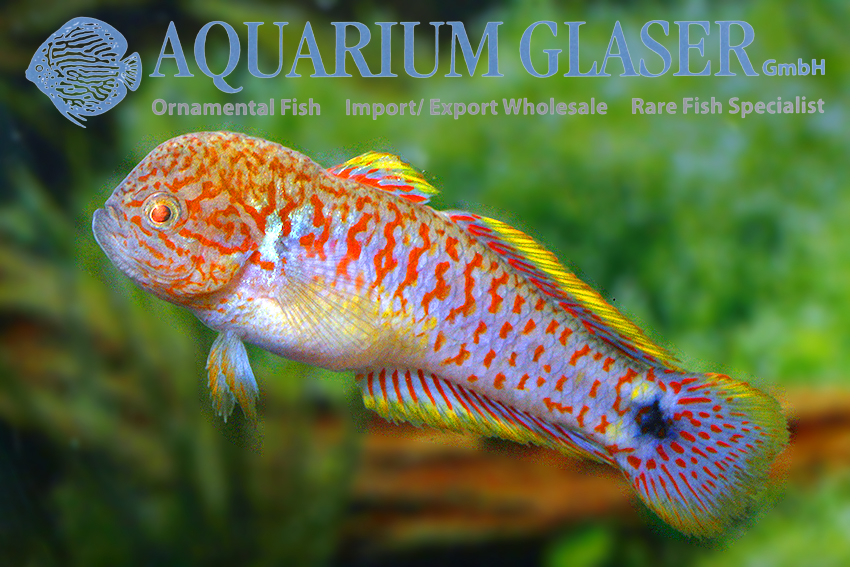
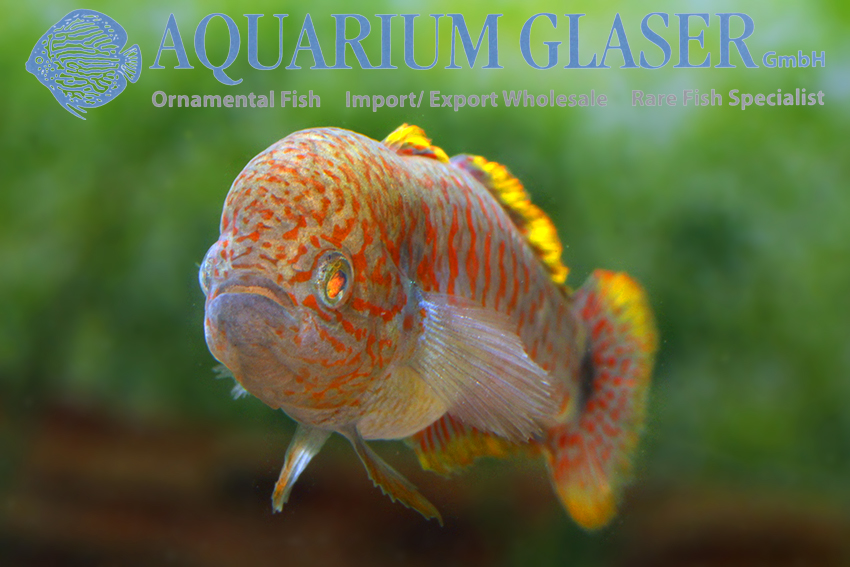
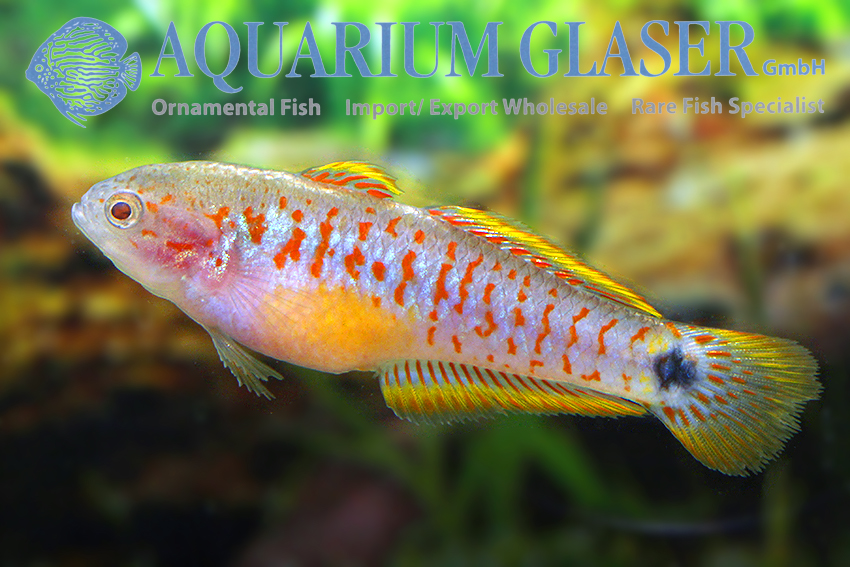
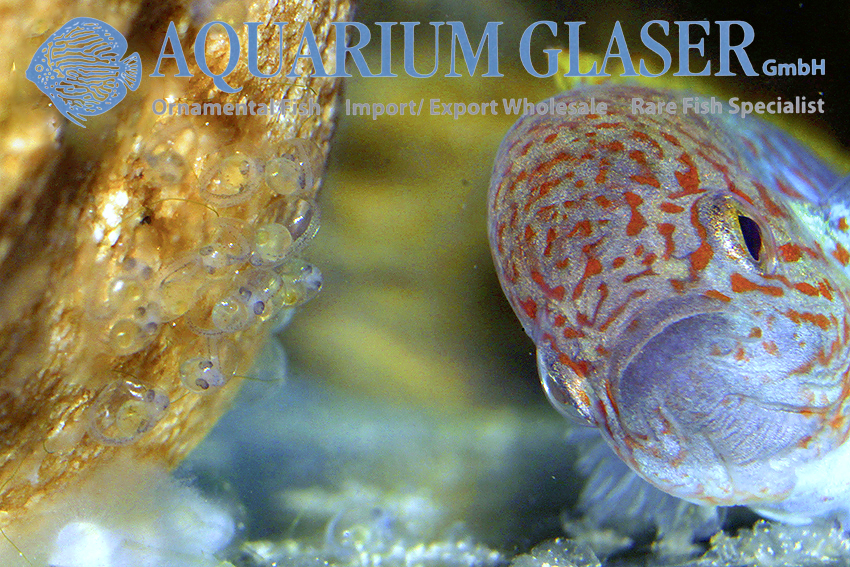
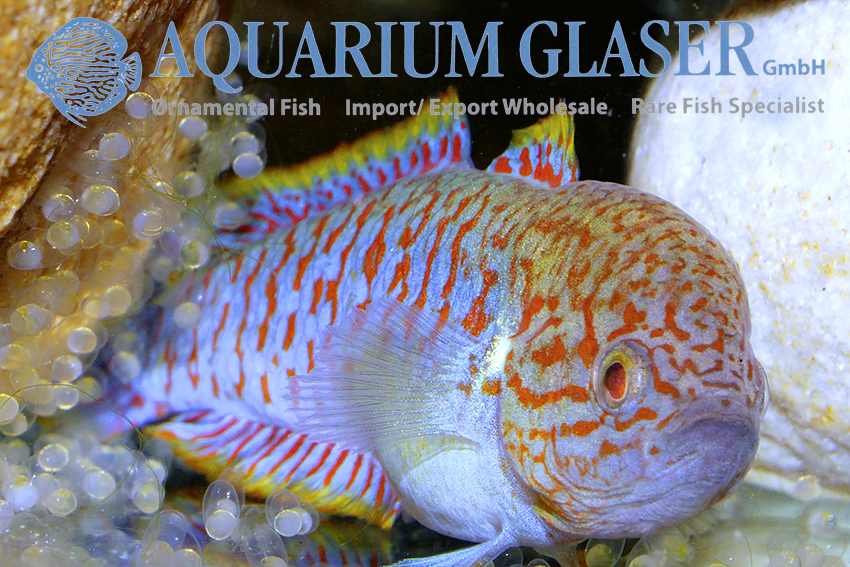
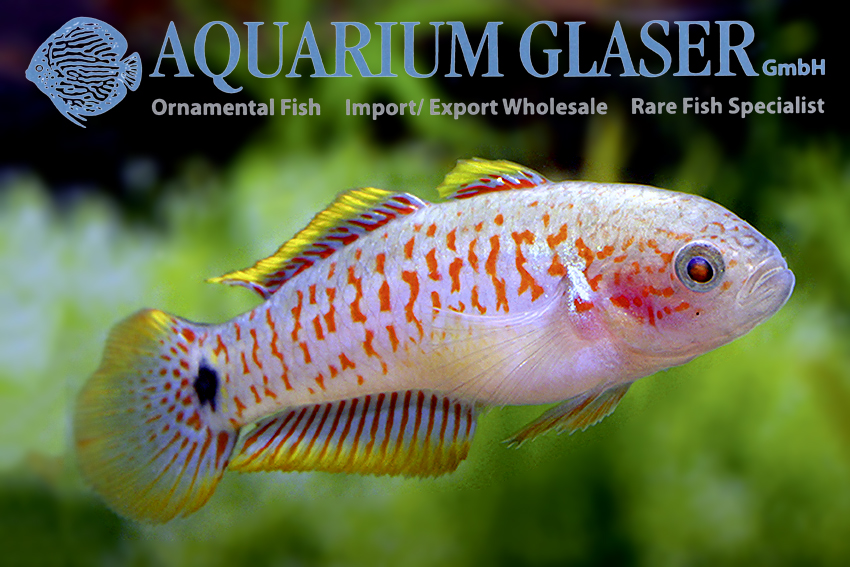
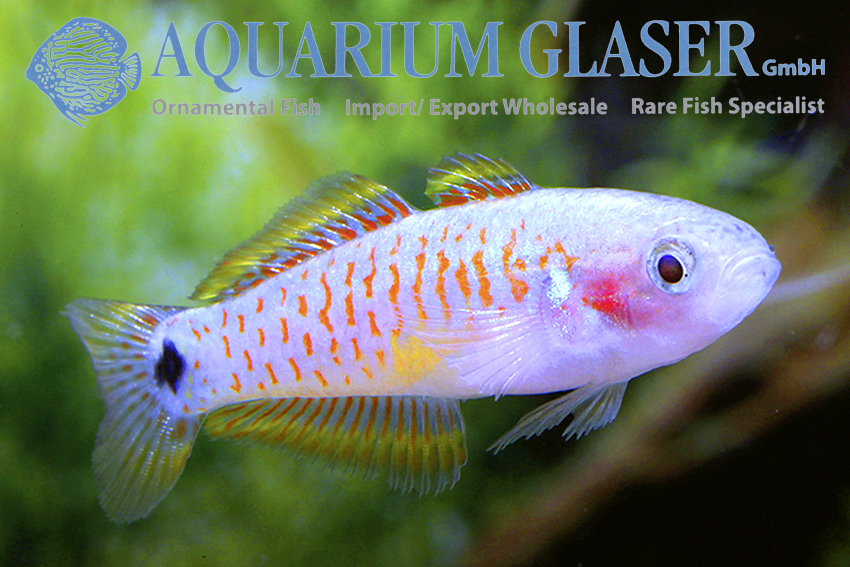
For a freshwater goby, the peacock goby is exceptionally colorful. And it has a truly unusual way of life. While most gobies are bottom-dwelling fish, the peacock goby swims freely in the water. Nichols had no idea about its coloration when he described the new species. His specimens, preserved in alcohol, were only brownish, lighter on the belly. The only striking color feature they exhibited was the large, partially light-edged spot at the base of the tail, which then served as the inspiration for the species name: “ocellicauda” means “with an eye spot on the tail.” However, this eye spot is not particularly noticeable in the living animal. In contrast, the gorgeous red vertical stripes on a blue background along the sides of the body and the red-spotted fins edged in bright yellow are real eye-catchers and make the pastel goby one of the most beautiful aquarium fish from Papua. The head is amazing! The sexes of the peacock goby can be distinguished quite early on: males have a flatter belly than females. As they age, the males develop an increasingly higher head, until they eventually look almost grotesque in old age. In the end, the head is somewhat reminiscent of that of the dolphinfish (Coryphaena). No specific purpose for this head shape is known. However, hump-headed fish are also found in all sorts of other species, especially cichlids, but also labyrinth fish. These are likely purely ornamental features, similar to the peacock’s magnificent tail, and serve primarily to attract females and intimidate other males.
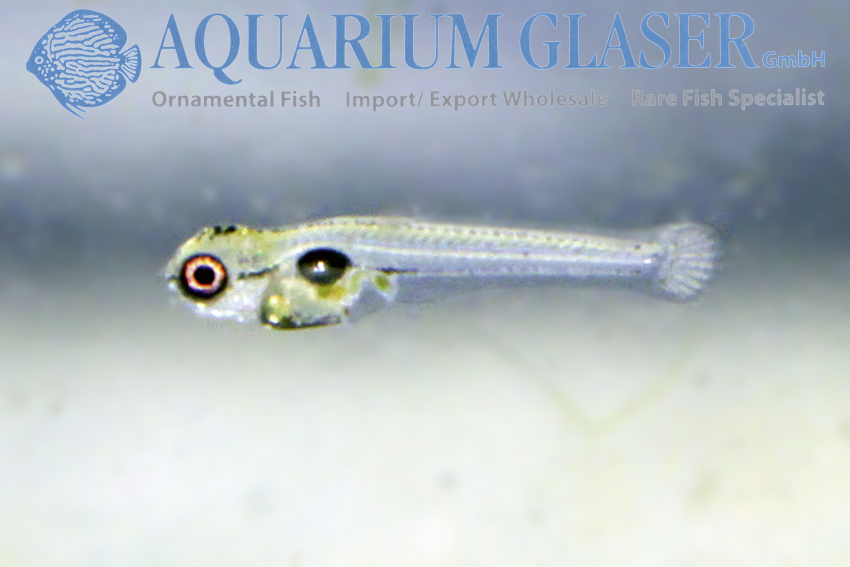
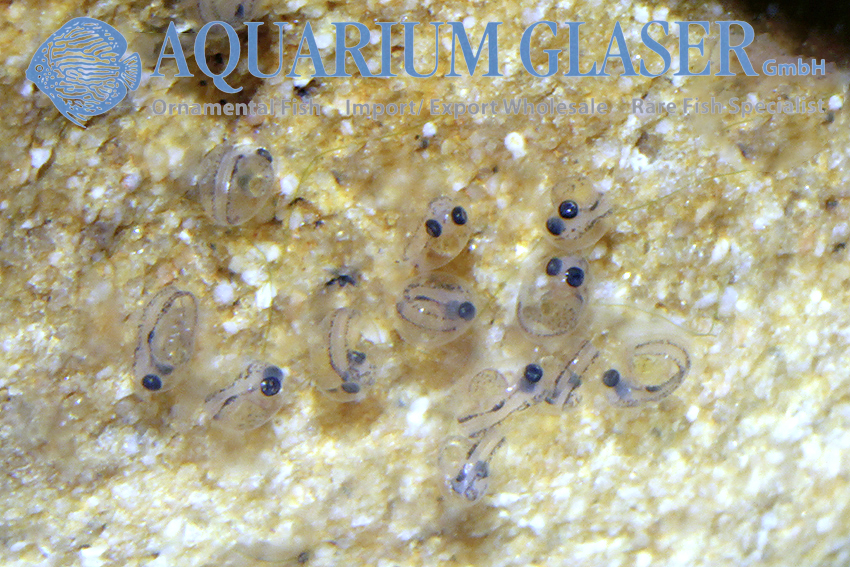
The peacock goby did not become known in the aquarium hobby until relatively late, in the 1980s. However, it took the hearts of enthusiasts by storm, as it combines many positive traits: it is always visible and very colorful; it is completely undemanding in terms of water composition and feeding; it is (at least mostly) peaceful; and it is easy to breed. And the latter, in turn, makes it an unusual goby. The vast majority of goby species are born highly underdeveloped. When they hatch, they are barely developed larvae that drift with the ocean currents and grow up in the plankton. Even most freshwater species do this. Although they spawn in freshwater, the larvae are washed out to sea by the currents of streams and rivers. With Tateurndina, it’s different: The larvae hatch from the comparatively huge eggs after about 10 days, and although they swim freely in the water and look like tiny shards of glass, they can already swim well enough to stay near their birthplace, where they also grow up. The male guards the clutch alone; the female has nothing to do with brood care. The female is therefore removed after egg-laying.
The peacock goby is generally an excellent choice for community tanks. It doesn’t matter how many Tateurndina of either sex are in the tank; they always get along peacefully with one another. However, they often cannot resist nibbling at the fins of certain other fish with long, extended fins. For this reason, Iriatherina werneri (the threadfin rainbowfish or featherfin rainbowfish), which is otherwise a good match in terms of both geography and size, should not be kept together with peacock gobies. Well-suited tankmates, on the other hand, include rainbowfish of the genus Melanotaenia, barbs, tetras, lampeye fish, catfish, dwarf cichlids, or loaches. Tateurndina can be fed dry food, frozen food, and live food; it enjoys everything, though it has no interest in plants as food. But after all, no aquarist has any objection to that….
For our customers: depending on size, these fish have codes 461001 (sm) through 461004 (lg-xlg) on our stock list. Please note that we supply exclusively to wholesalers.
Text & photos: Frank Schäfer
