








Until the early 1980s, all red jewel cichlids were referred to as “Hemichromis bimaculatus.” Then researchers took a closer look, reexamined old species previously considered synonyms, and in 1979, Loiselle concluded in a comprehensive revision that there are at least 8 species of red jewel cichlids. However, identification remained difficult, and there were frequent cases of misidentification.
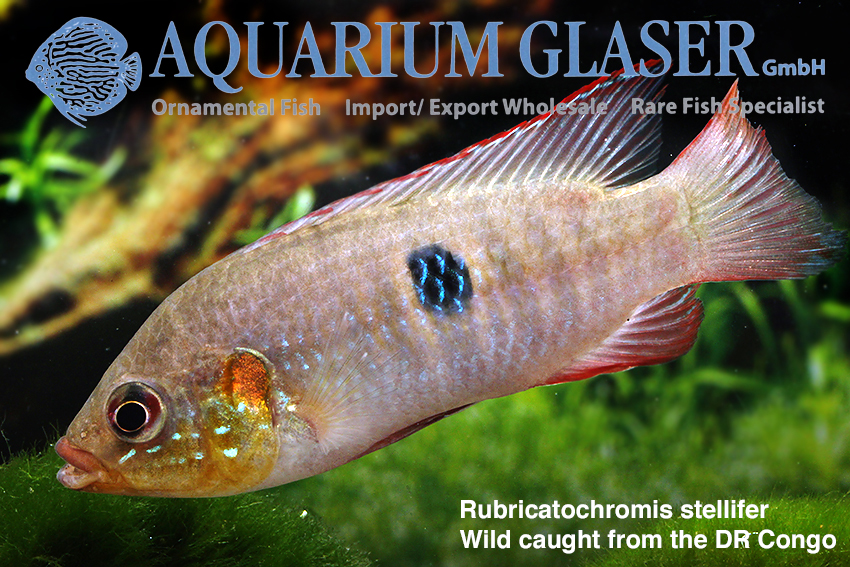
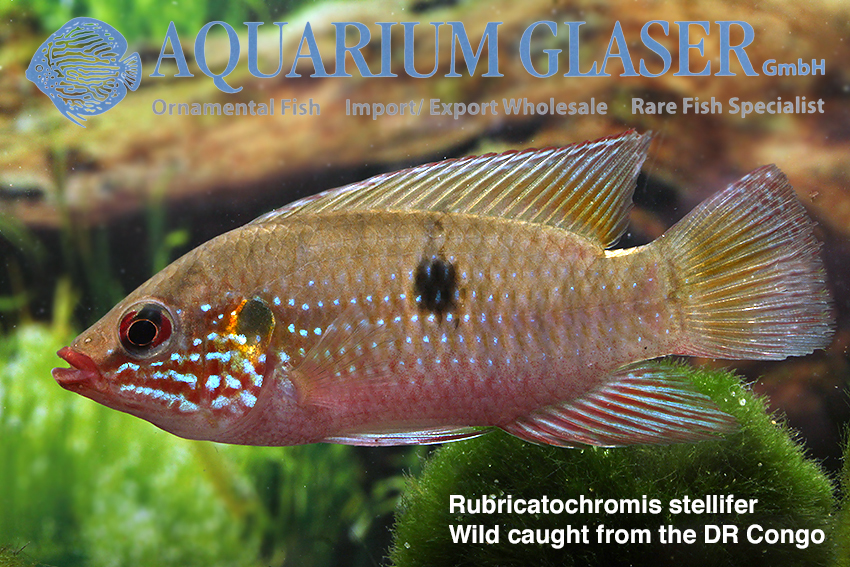

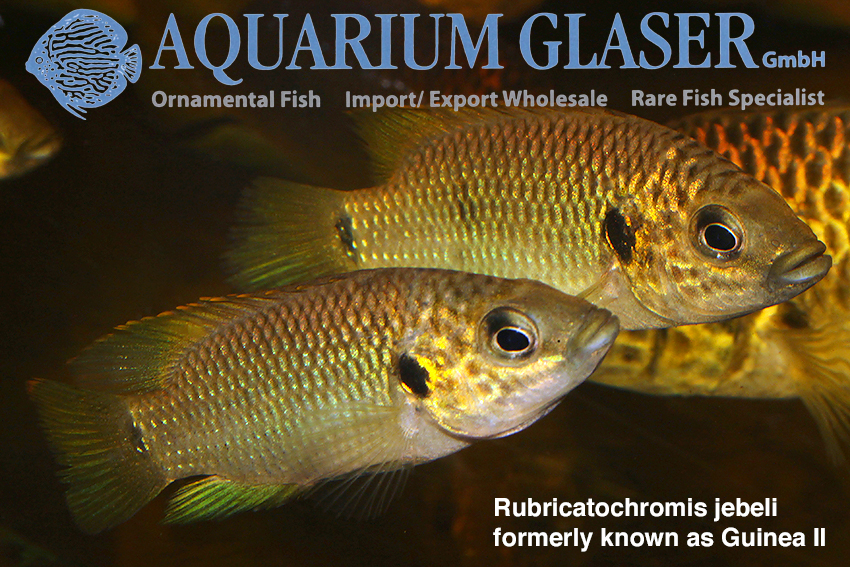
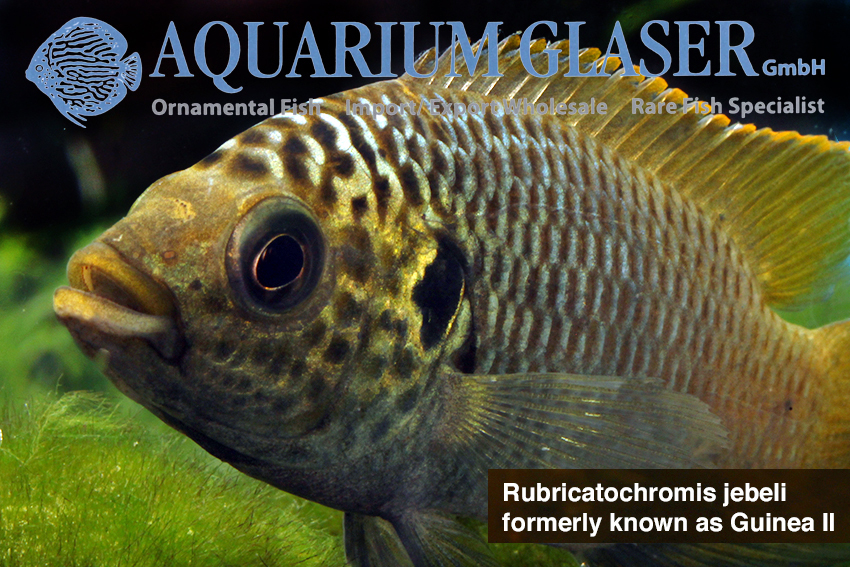
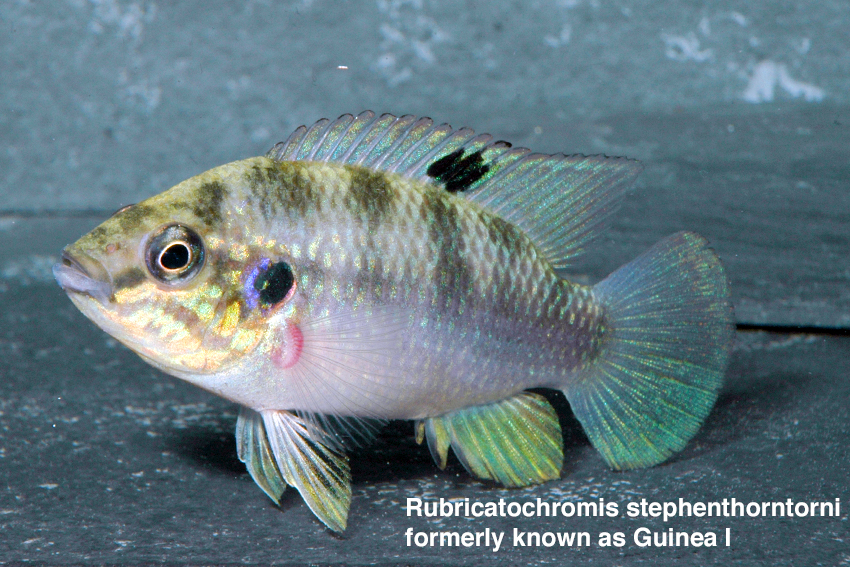
In 2022, the genus Rubricatochromis was established for the red jewel cichlids (https://www.aquariumglaser.de/en/25-perchlike-fishes/rubricatochromis-a-new-genus-name-for-the-red-jewel-cichlids/). Only the five-spot cichlids, which grow significantly larger, remained in Hemichromis. Most recently (September 2026), the same authors also examined the genus Rubricatochromis at the species level. They describe four new species, all of which have long been known in the aquarium hobby: R. gabonensis (formerly: “Red Gabon”: https://www.aquariumglaser.de/en/25-perchlike-fishes/hemichromis-sp-red-gabon/), R. jebeli (formerly: “Guinea 2”), R. stephenthorntoni (formerly: “Guinea 1”), and R. vanheusdeni (formerly: “Ankasa”: https://www.aquariumglaser.de/en/25-perchlike-fishes/hemichromis-sp-ankasa-2/). This probably doesn’t pose any real problems for anyone.
On the other hand, the inclusion of several well-known species is sure to spark a great deal of discussion. Several species previously considered valid—R. letourneauxi, R. exsul, and R. paynei – are now considered synonyms of R. guttatus, and R. lifalili is now a synonym of R. stellifer (though—and this is a note from us, not a quote from the scientific paper—the fish commonly referred to as “lifalili” in the hobby has always been a color variant of R. guttatus: https://www.aquariumglaser.de/en/25-perchlike-fishes/rubricatochromis-lifalili-formerly-hemichromis/).
The species delimitations and synonymizations were based (not exclusively, but in the final assessment) on molecular evidence (DNA analyses).
Another new finding is that R. fugax from Sierra Leone—which was scientifically described in 1976 but very quickly classified as a synonym of R. bimaculatus—is, in the authors’ view, a valid species. It differs externally from R. bimaculatus in that its lateral body spot is “fringed” at the edges (whereas R. bimaculatus has a solid, round spot).
References:
Lamboj, A. & S. Koblmüller (2022): Molecular phylogeny and taxonomic revision of the cichlid genus Hemichromis (Teleostei, Cichliformes, Cichlidae), with description of a new genus and revalidation of H. angolensis. Hydrobiologia v. 850 (no. 10-11): [1-22] 2177-2198.
Lamboj, A., & Koblmüller, S. (2026): Who Is Who in Rubricatochromis Lamboj & Koblmüller, 2022 (Cichliformes, Cichlidae): Taxonomic Revision with Description of Four New Species and Revalidation of R. fugax. Fishes, 11(9), 531. https://doi.org/10.3390/fishes11090531
Loiselle, P. V. (1979): A revision of the genus Hemichromis Peters 1858 (Teleostei: Cichlidae). 1. – The Hemichromis fasciatus species group. 2. – The Hemichromis bimaculatus species group. 3. – The Hemichromis guttatus species group. 4 – The Hemichromis letournauxi species group. Annales, Musée Royal de l’Afrique Centrale, Tervuren, Série in 8o, Sciences Zoologiques No. 228: 1-124.
Text & photos: Frank Schäfer & Erwin Schraml
