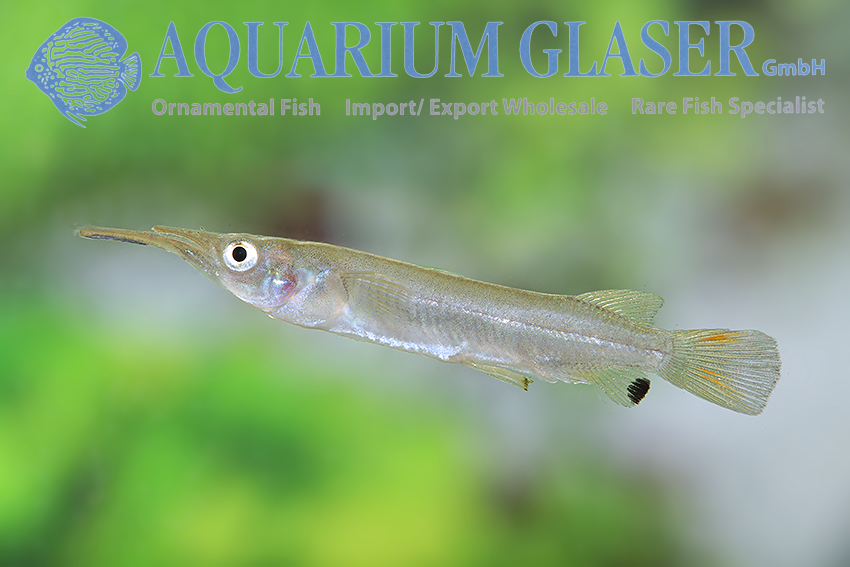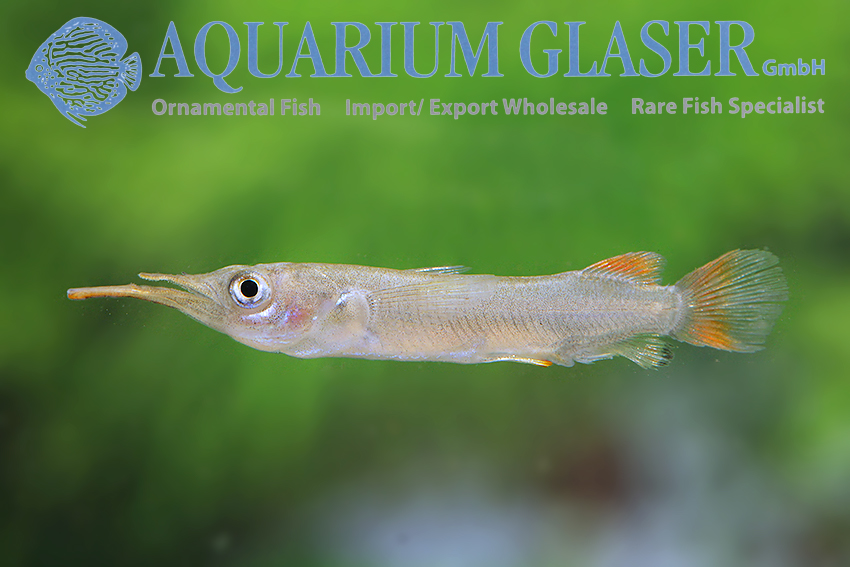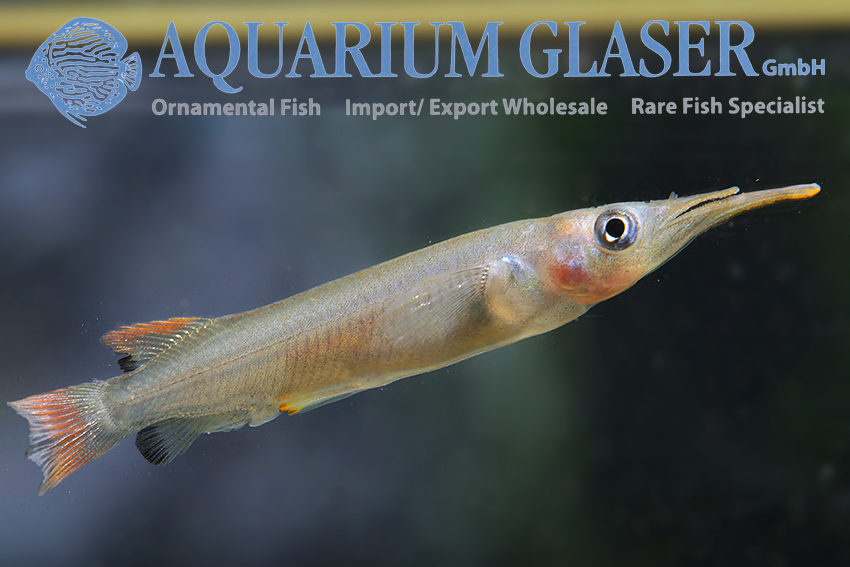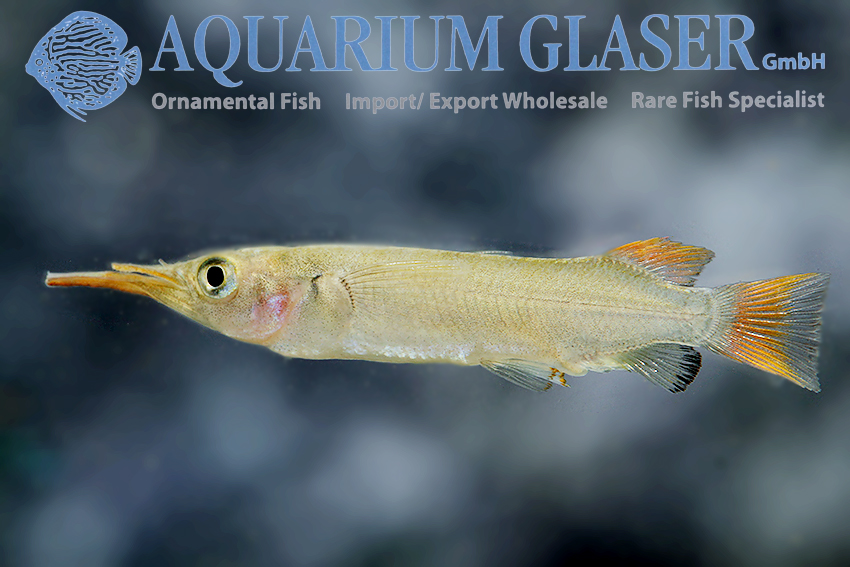

Author Archives: Frank Schäfer

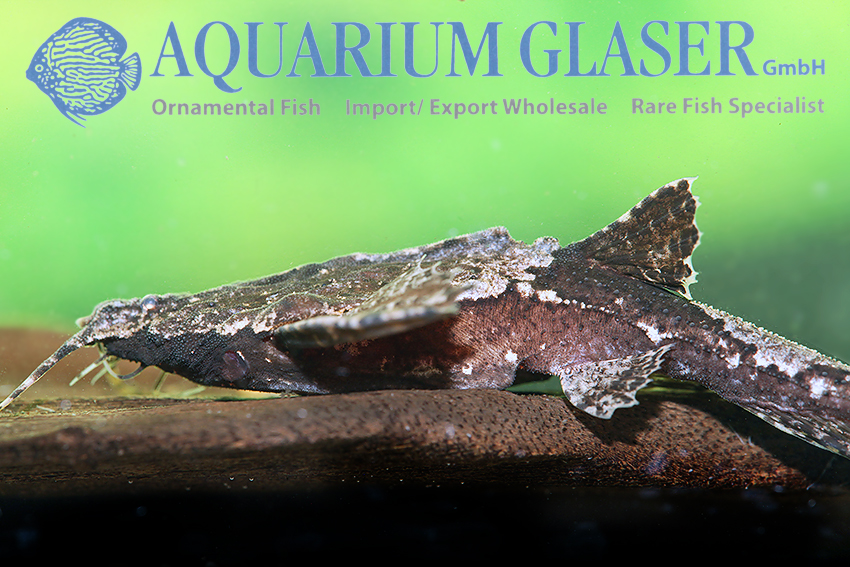
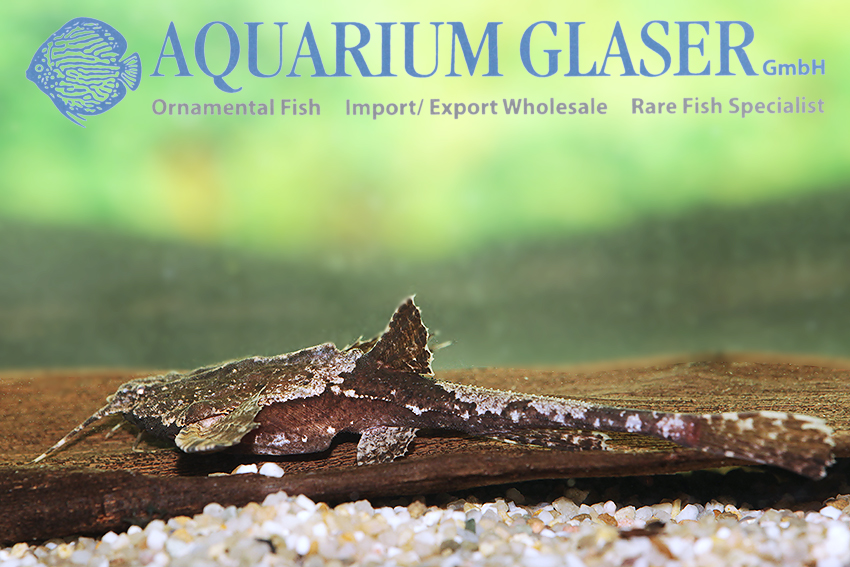
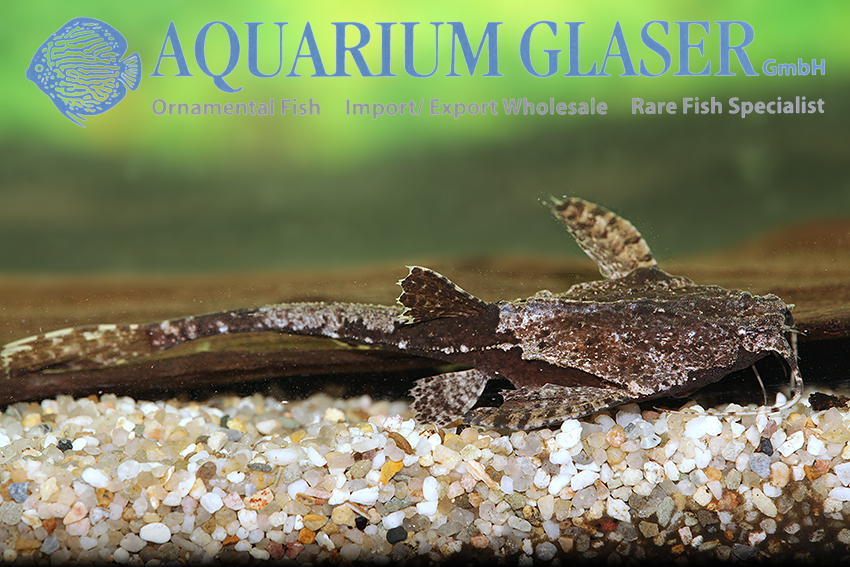
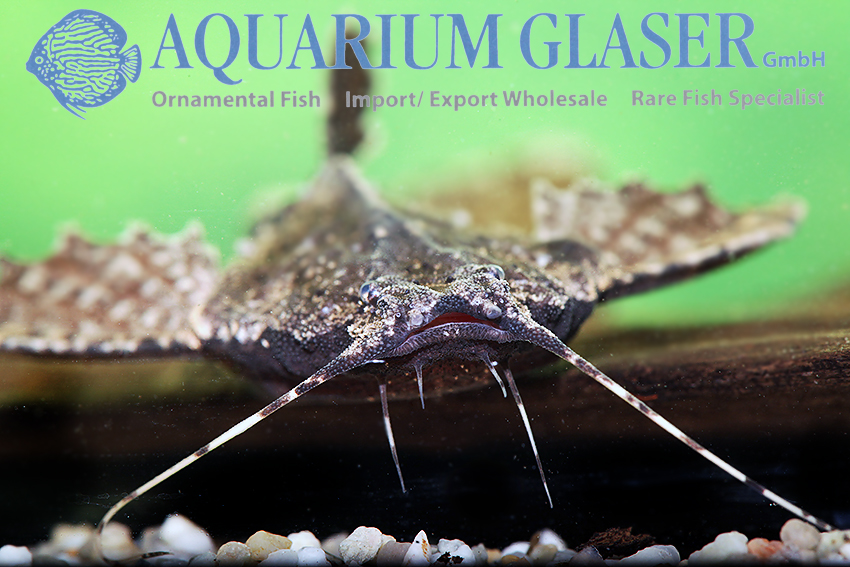
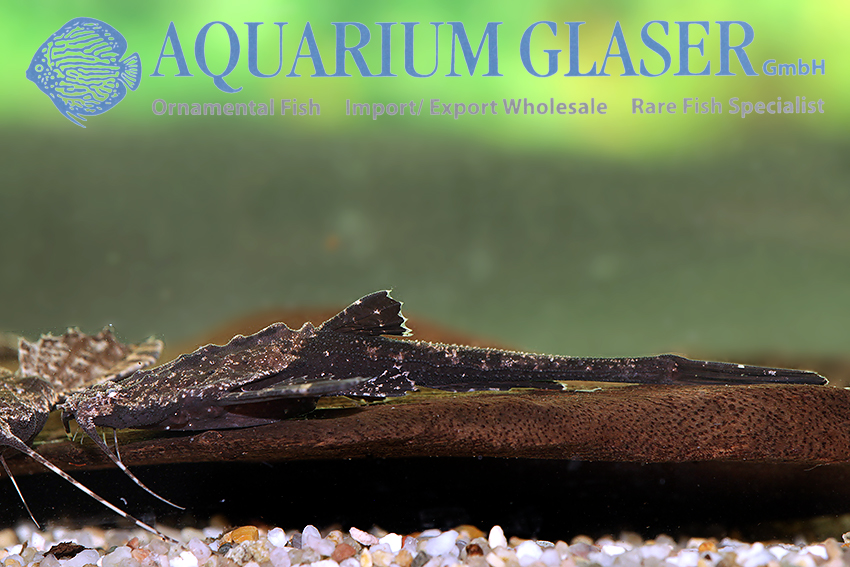
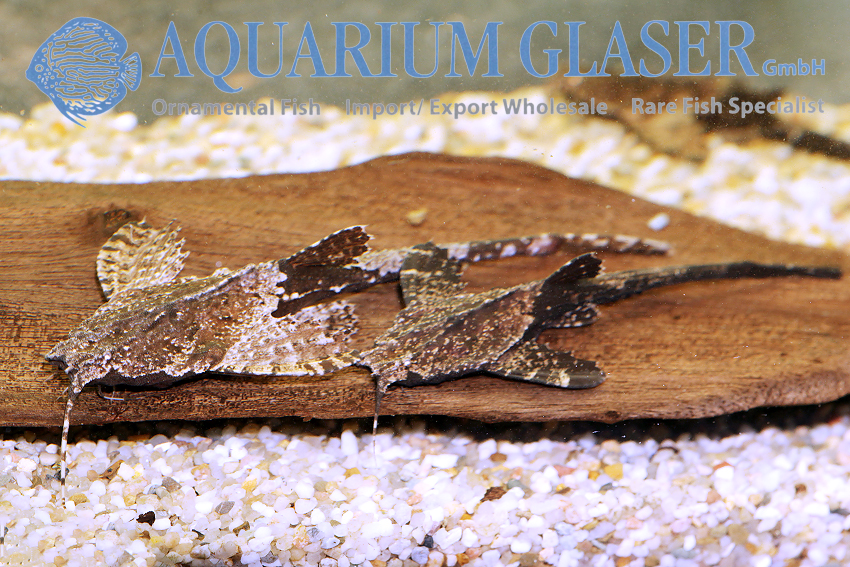
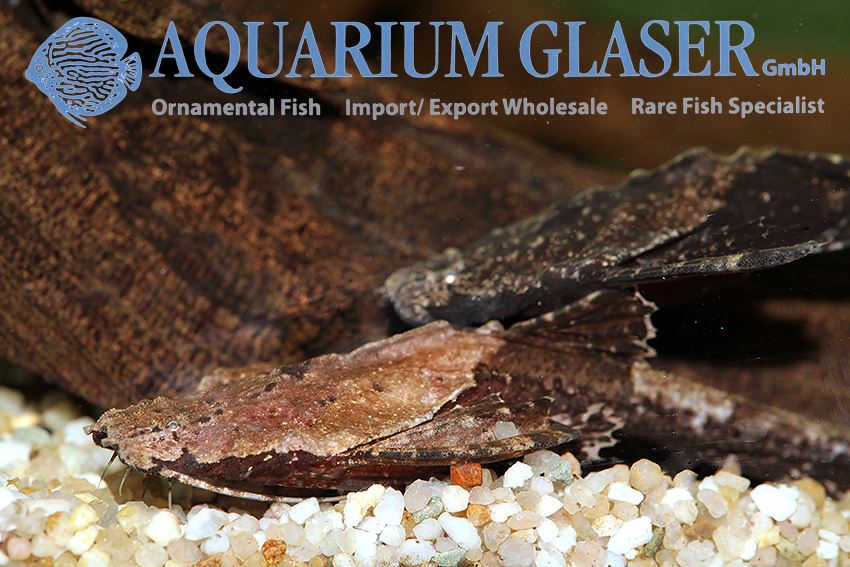
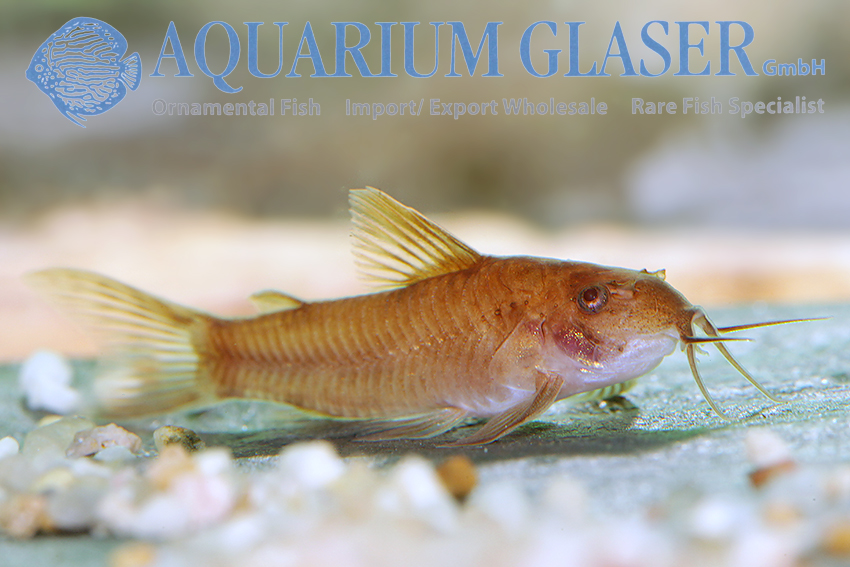
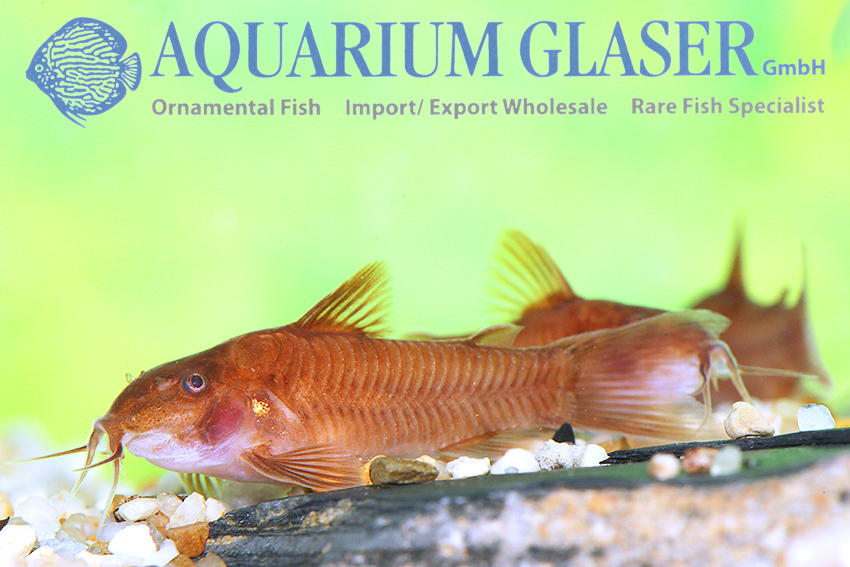
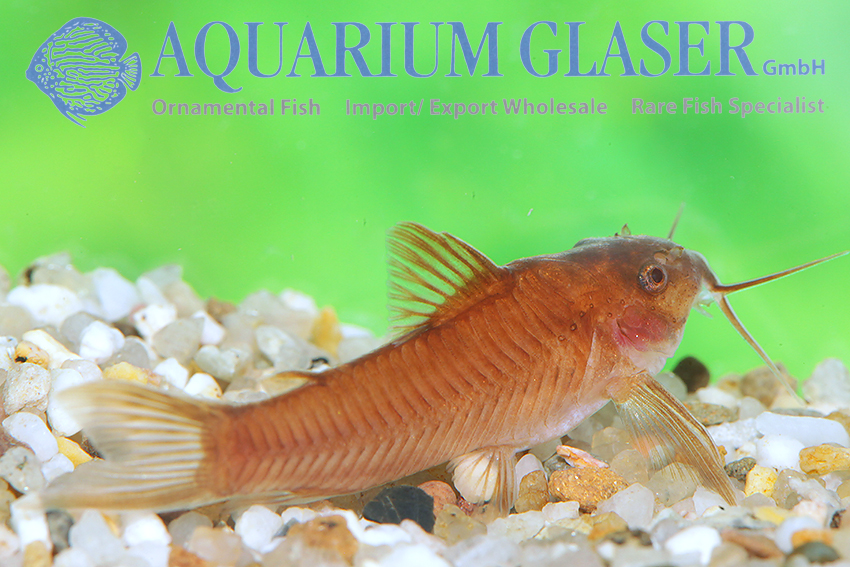
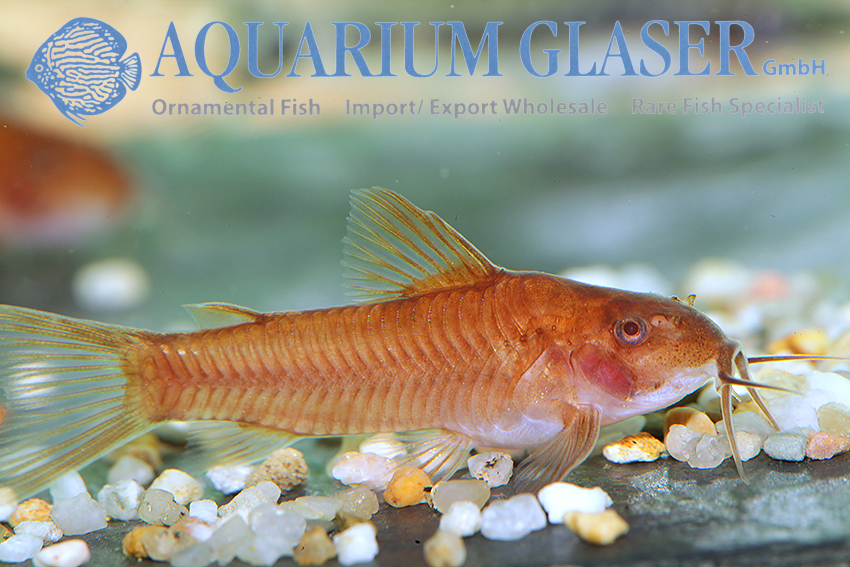
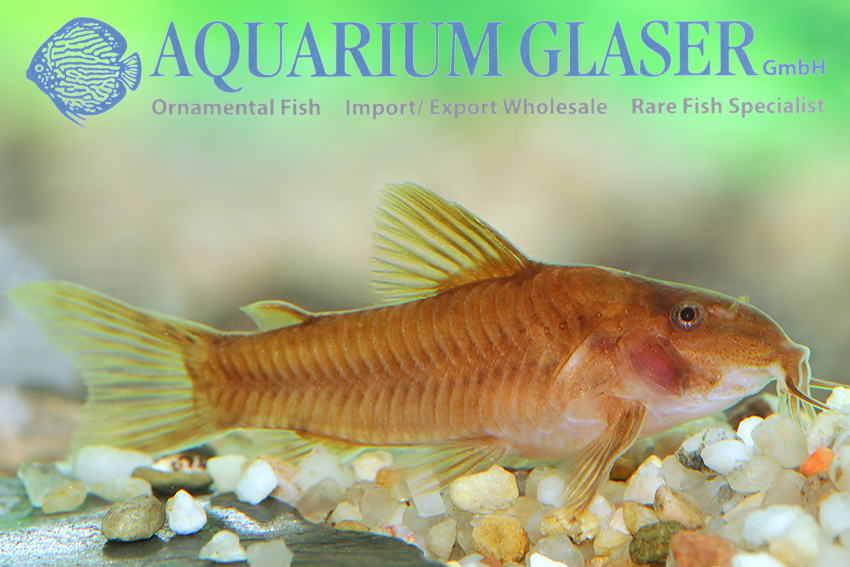
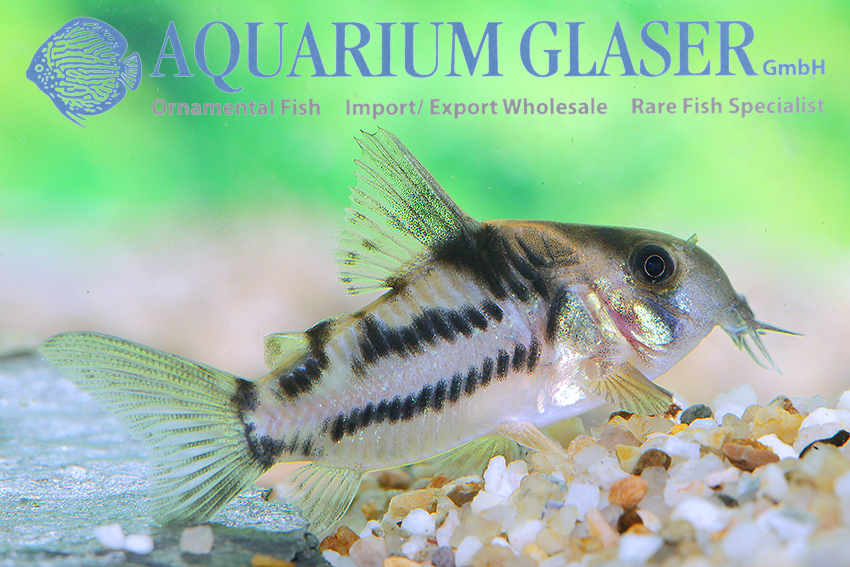
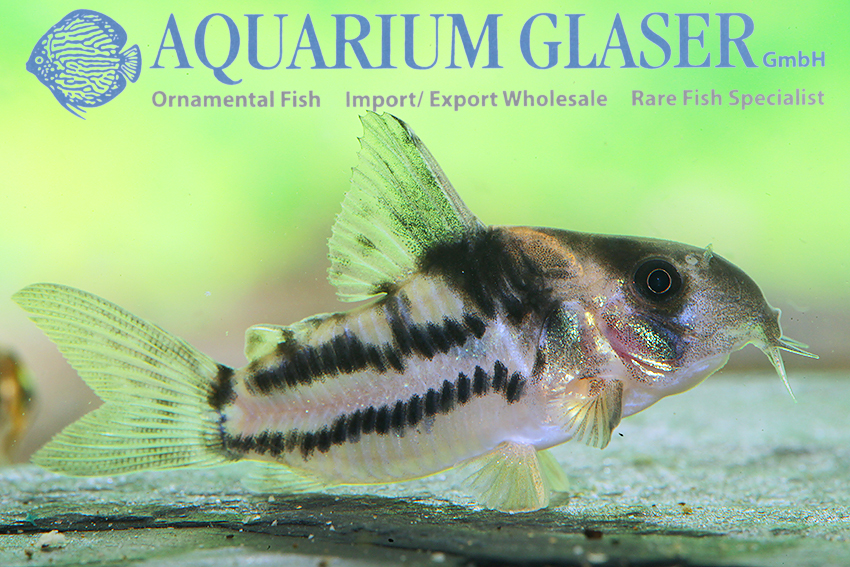
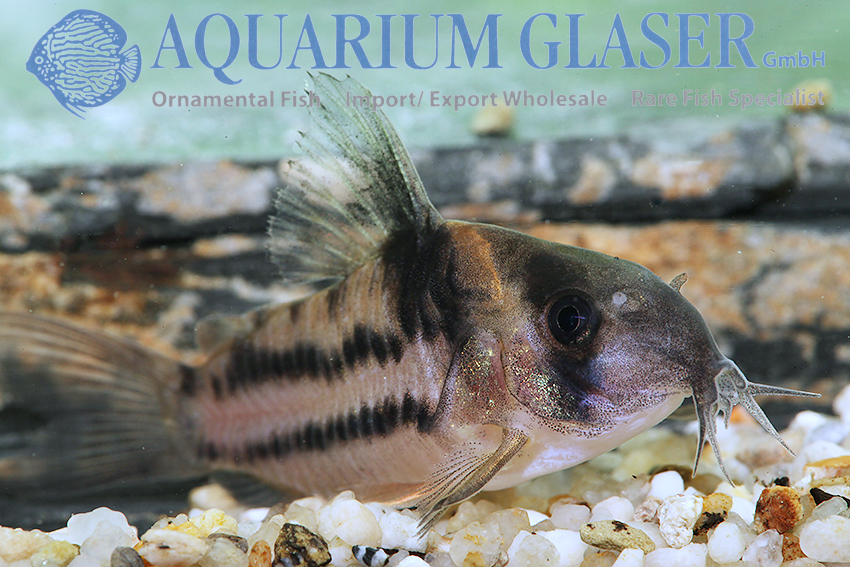
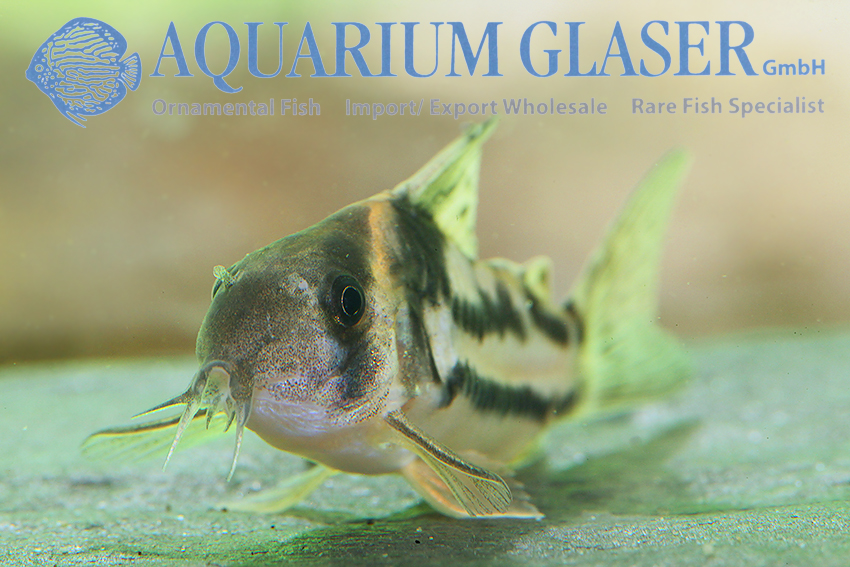
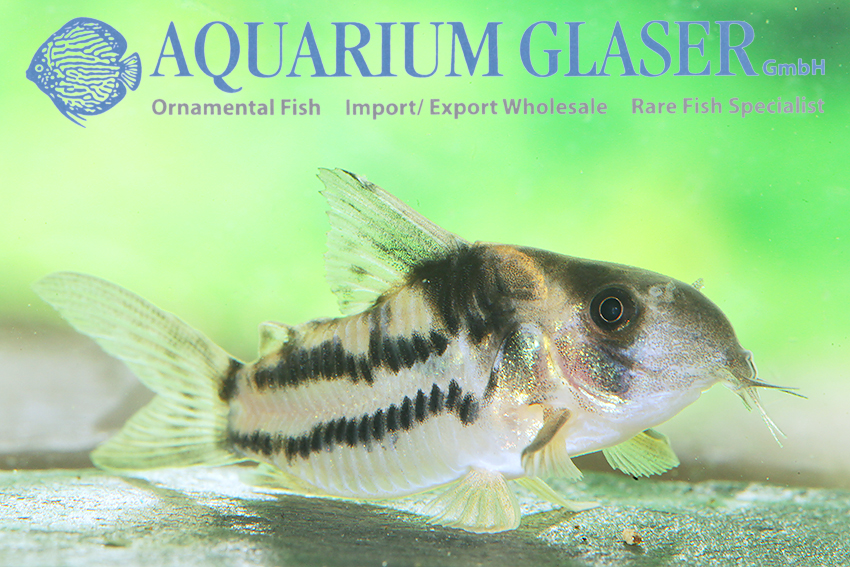
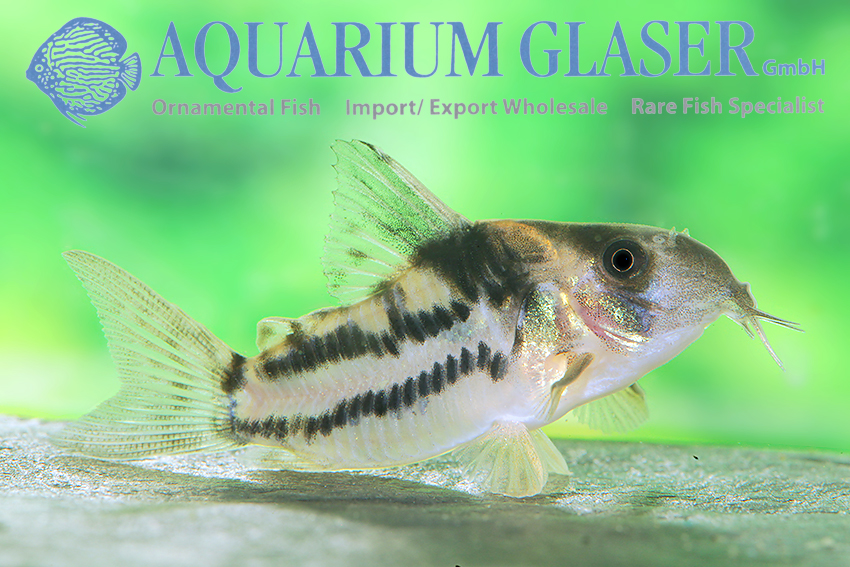
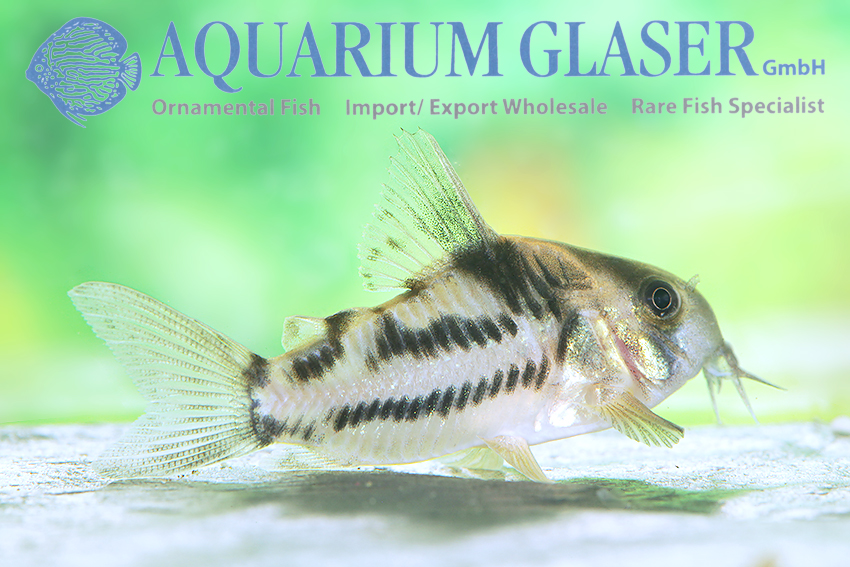
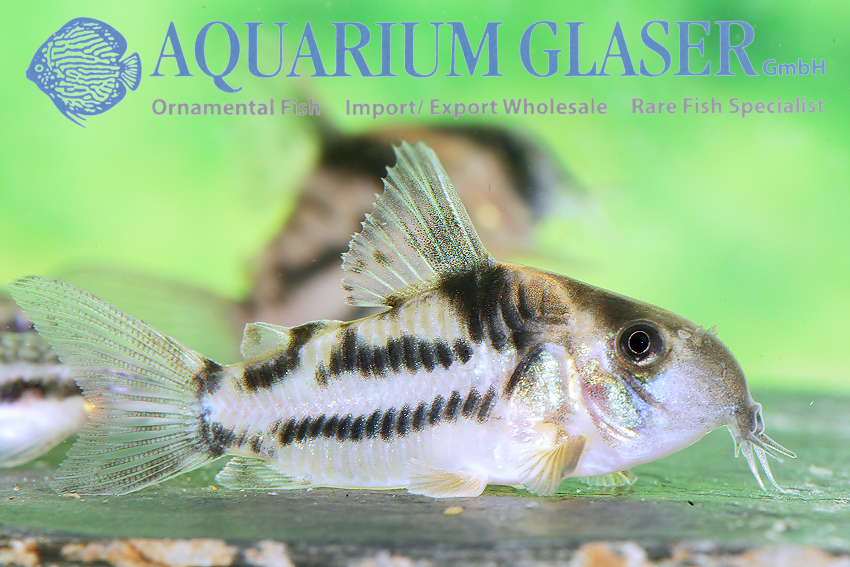
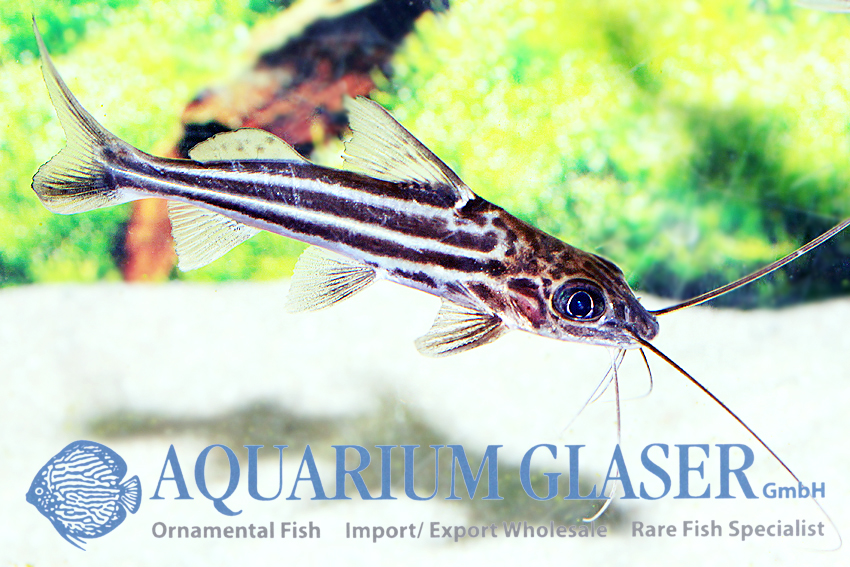
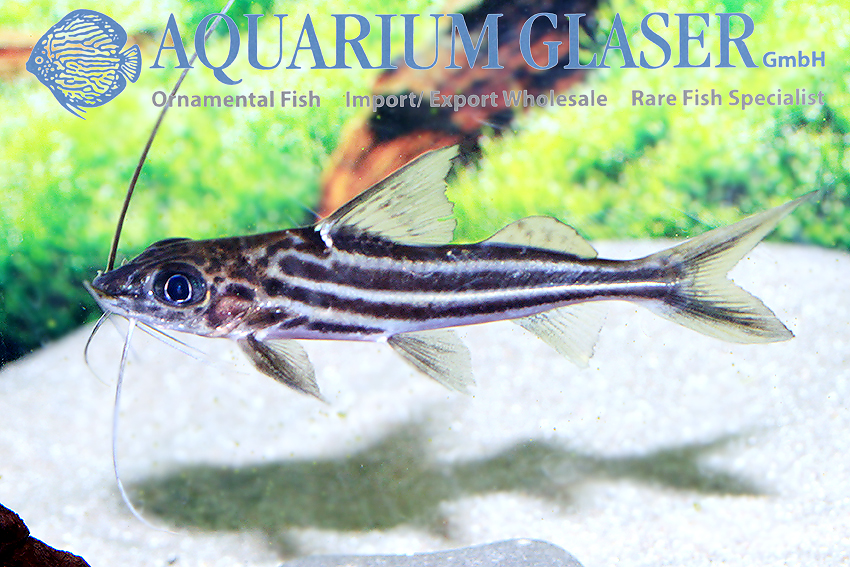
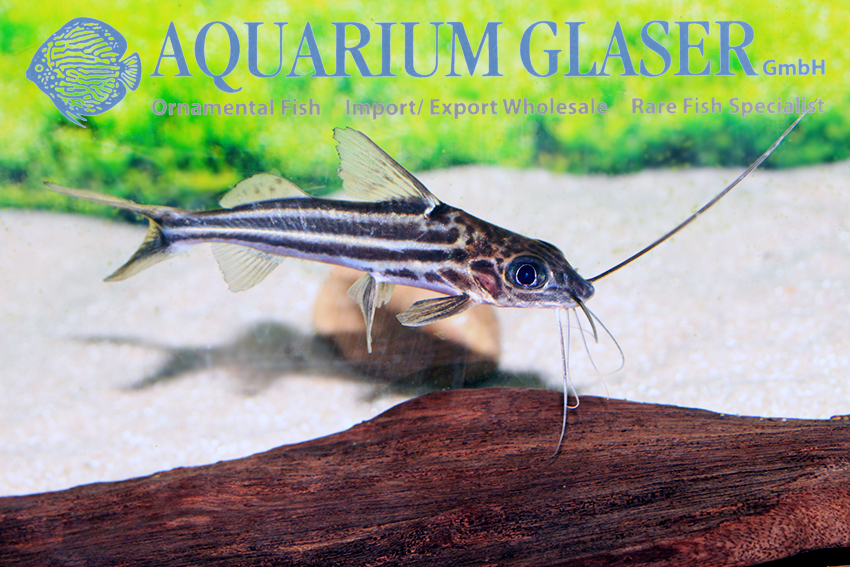
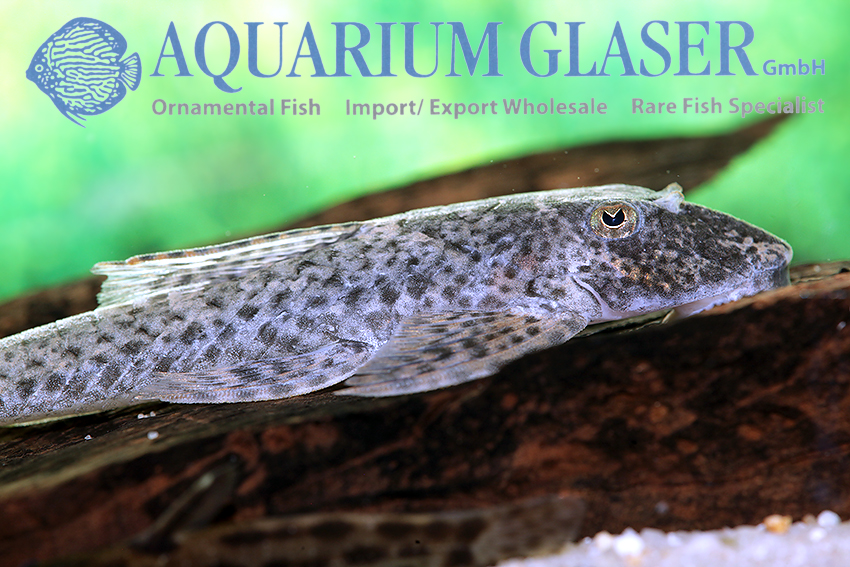
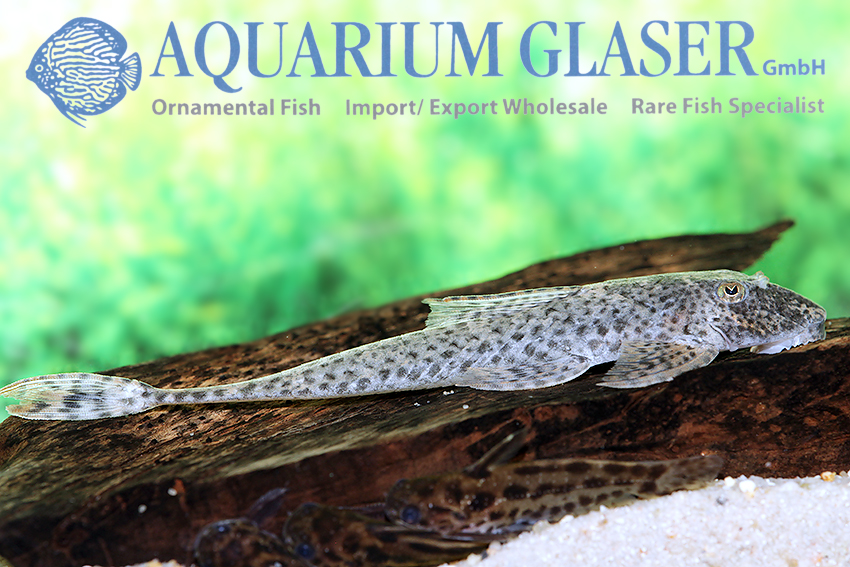
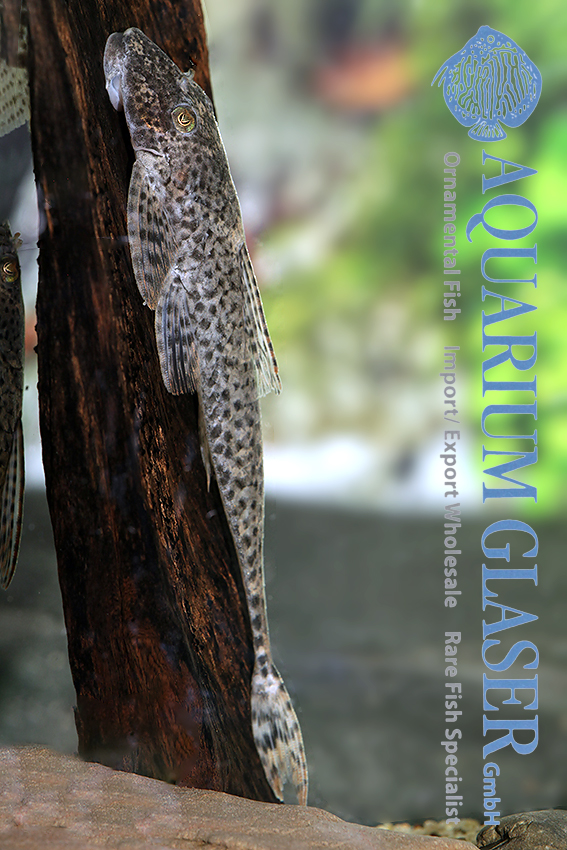
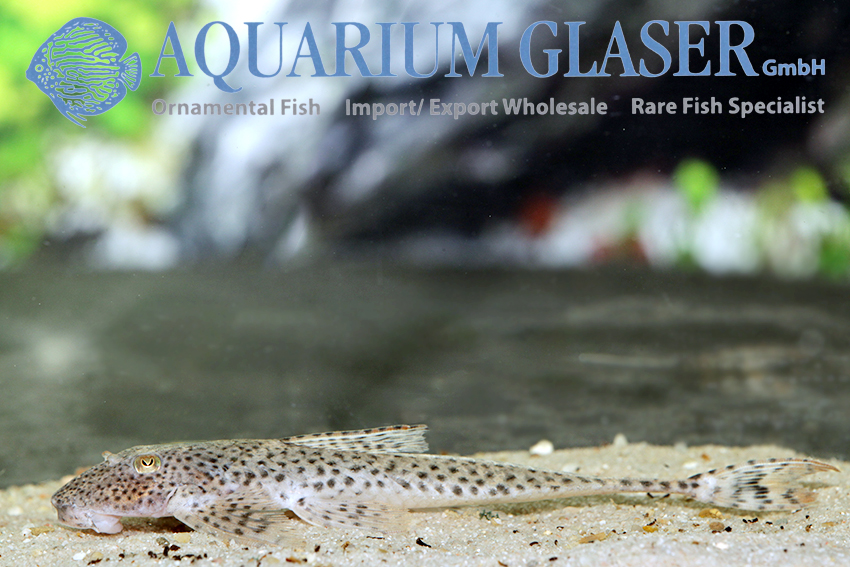
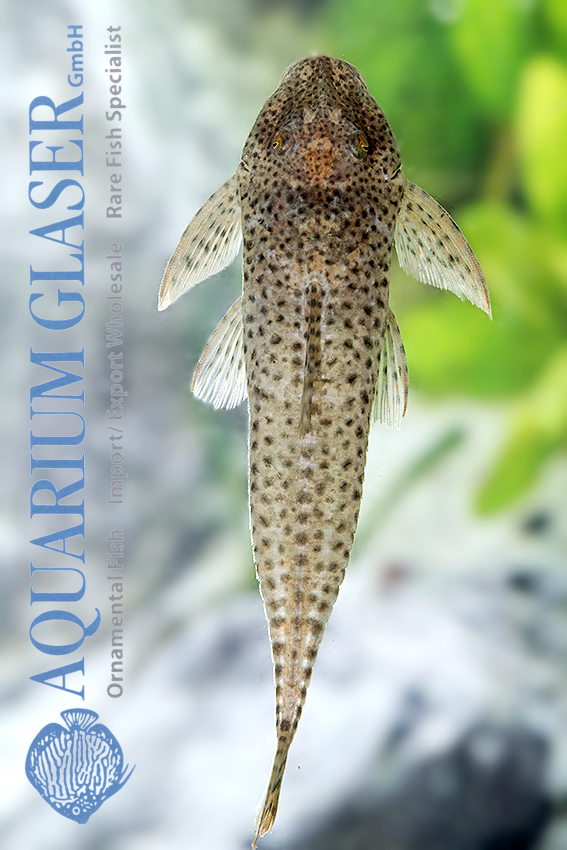
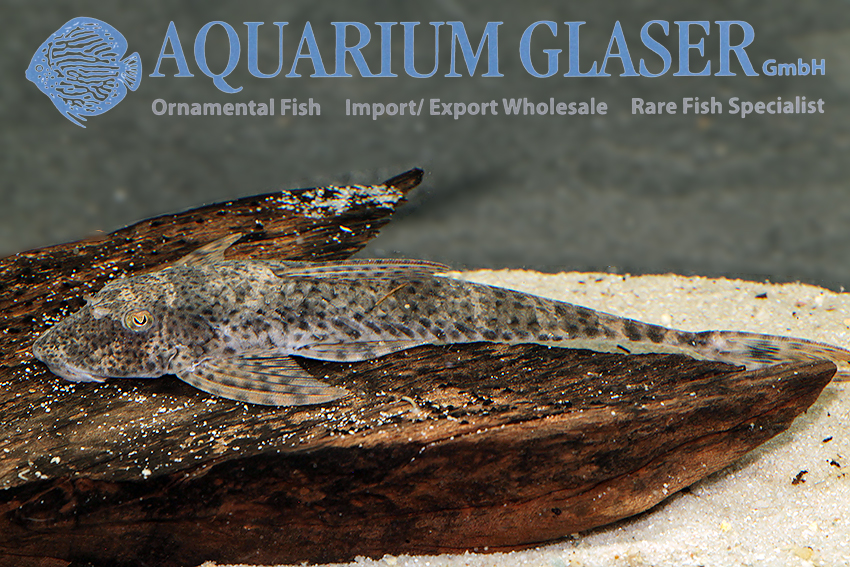
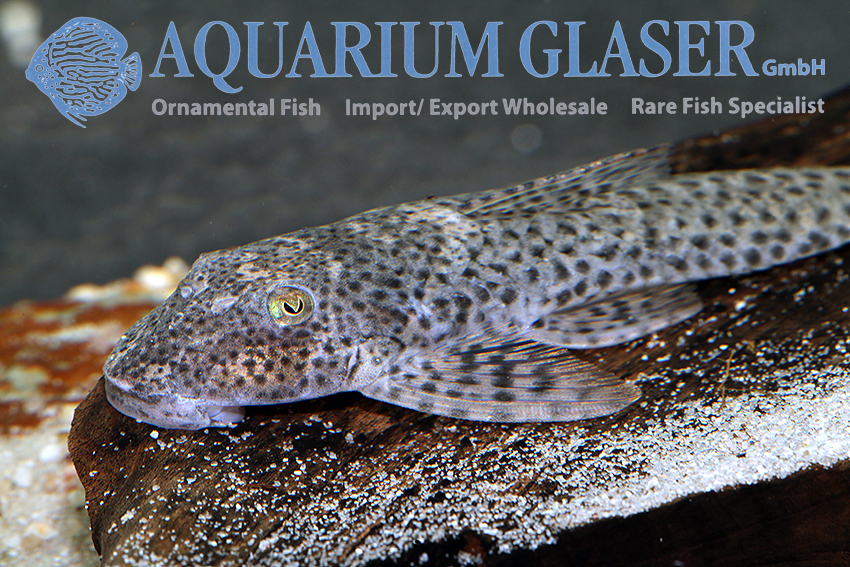
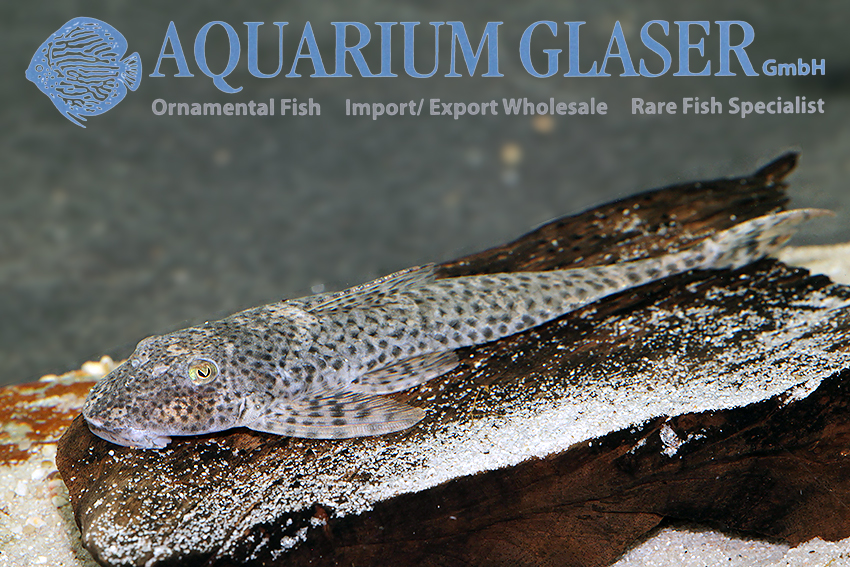
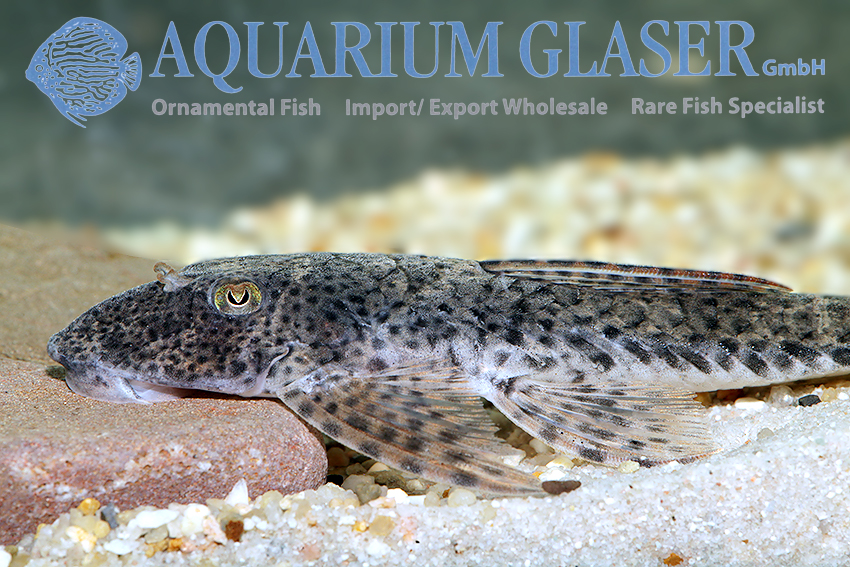
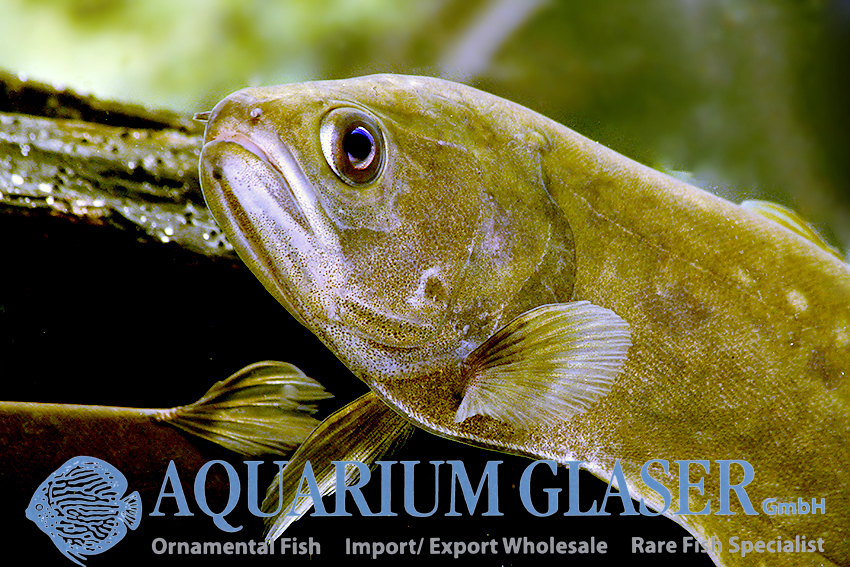
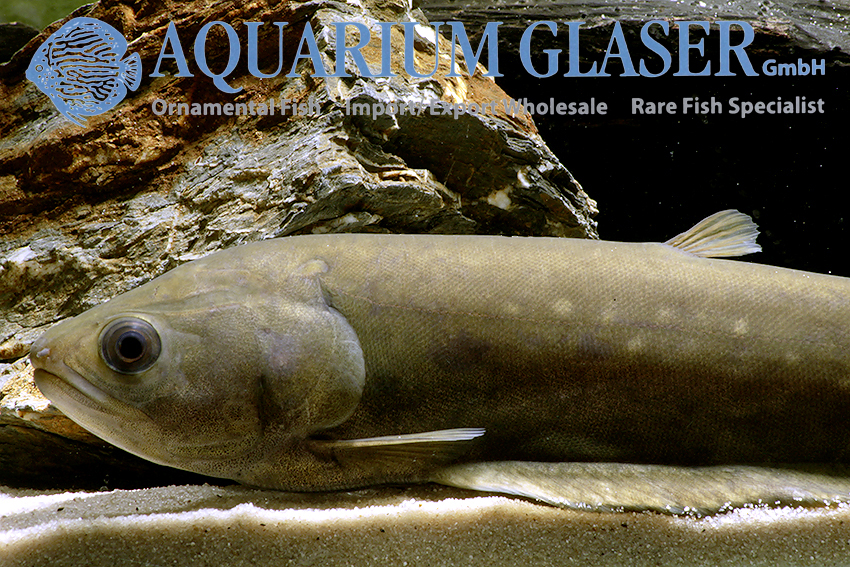
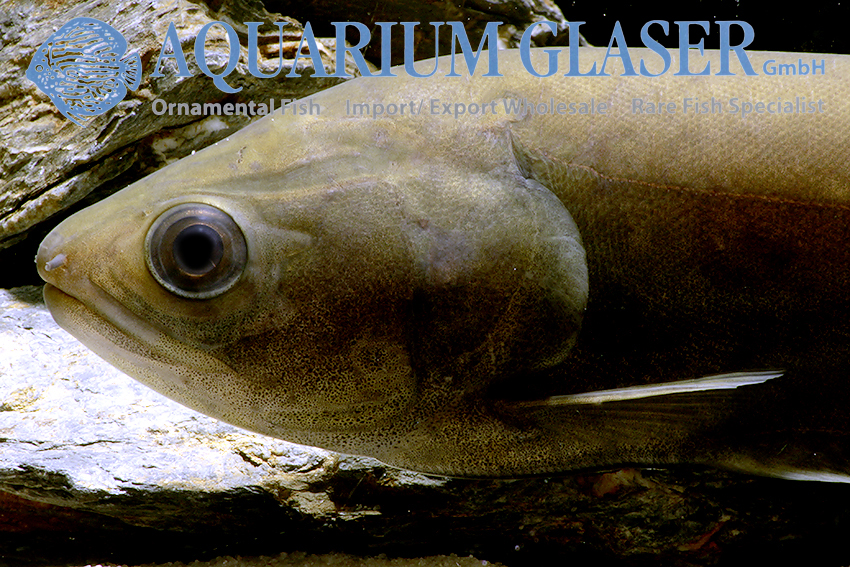
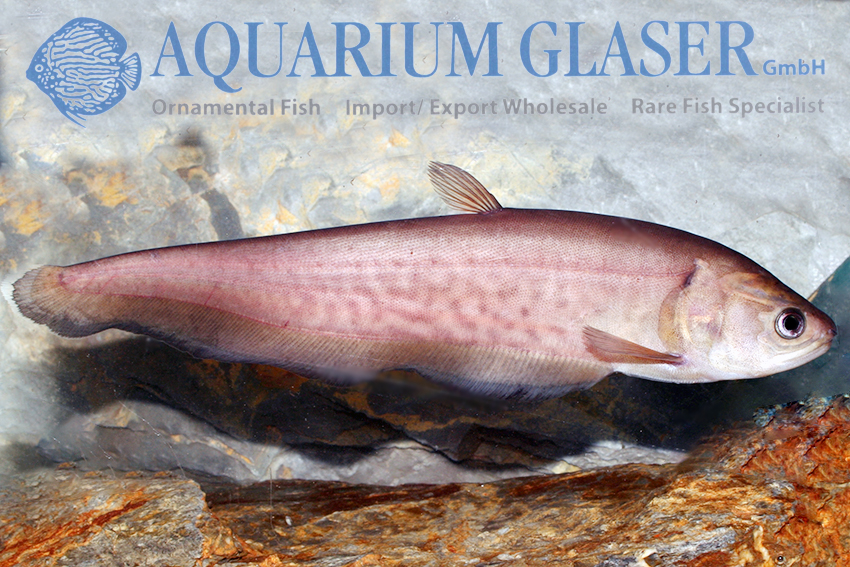
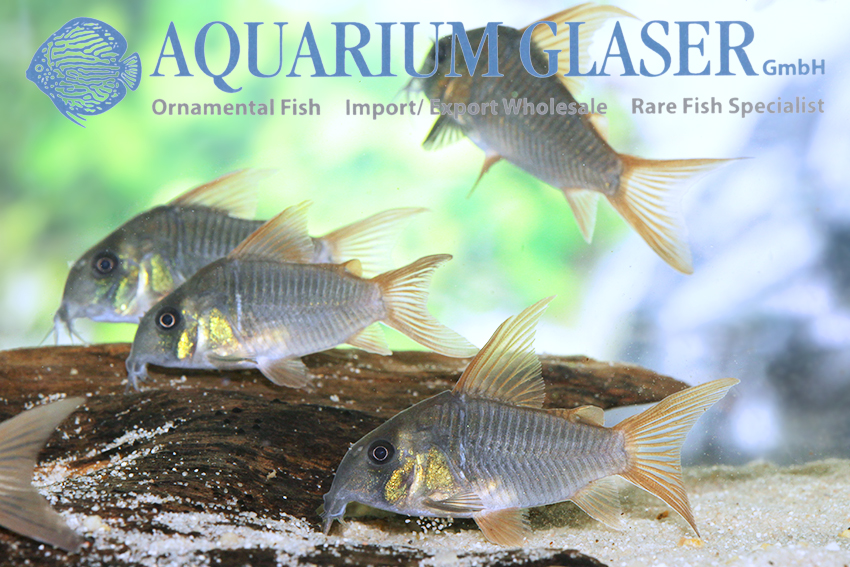
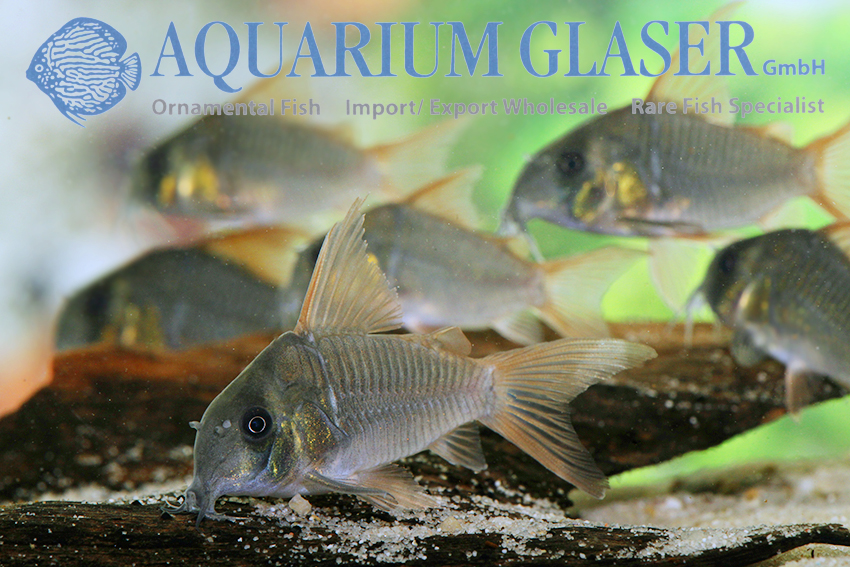
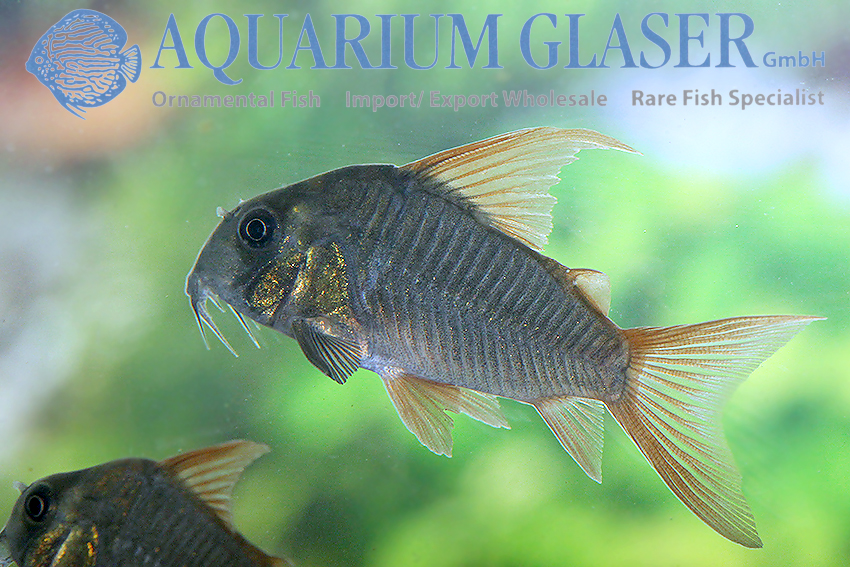
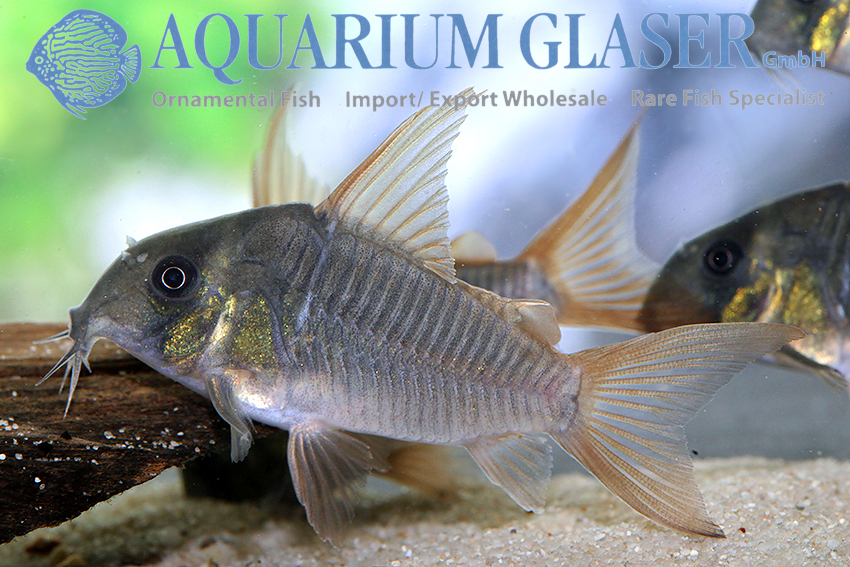
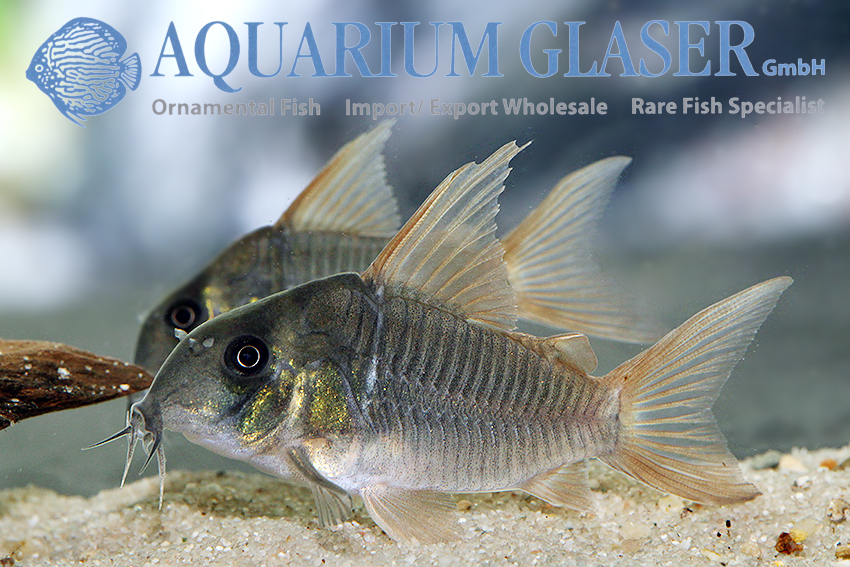
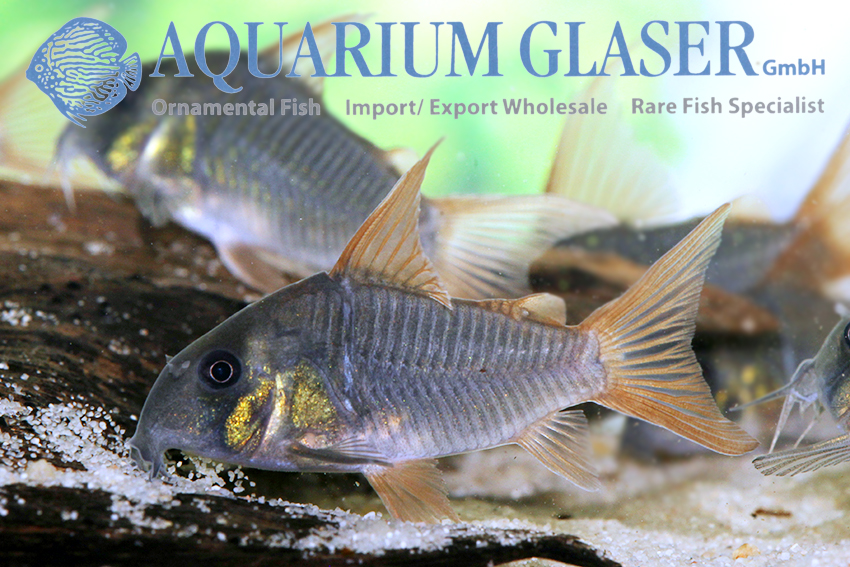
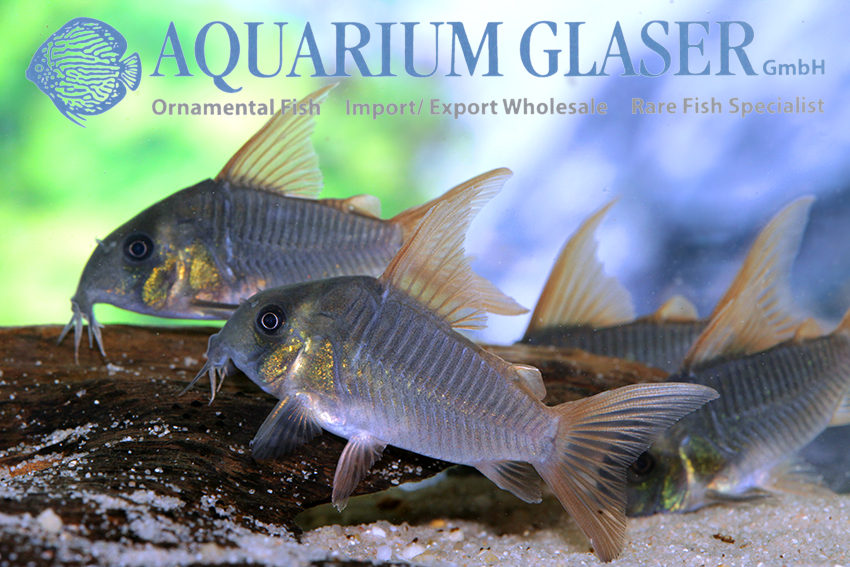
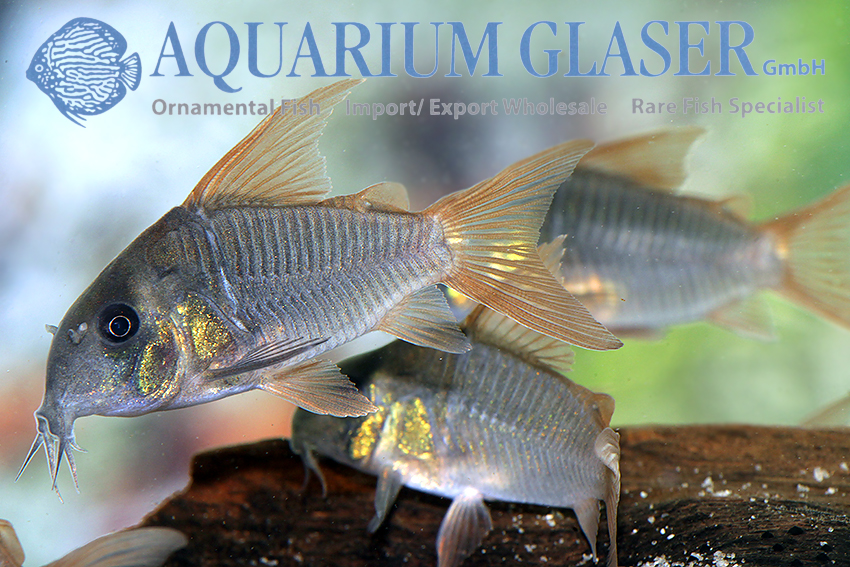
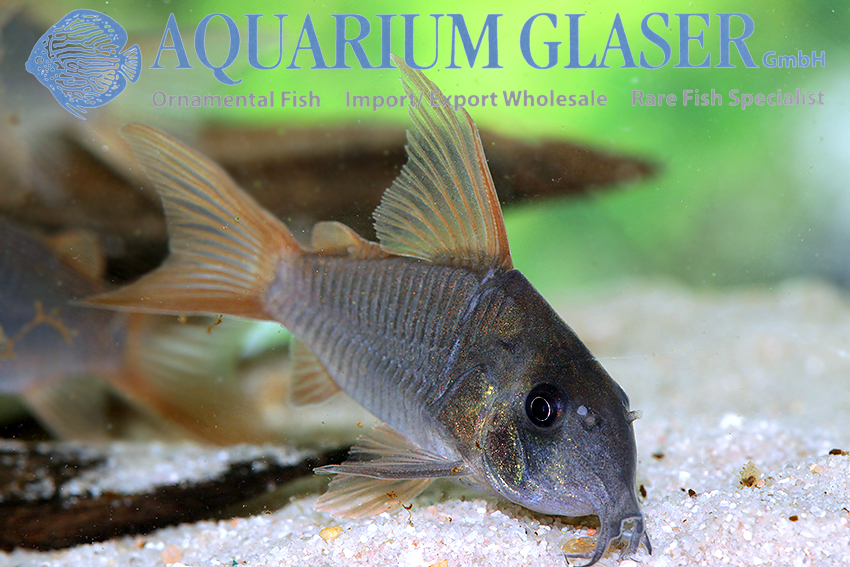
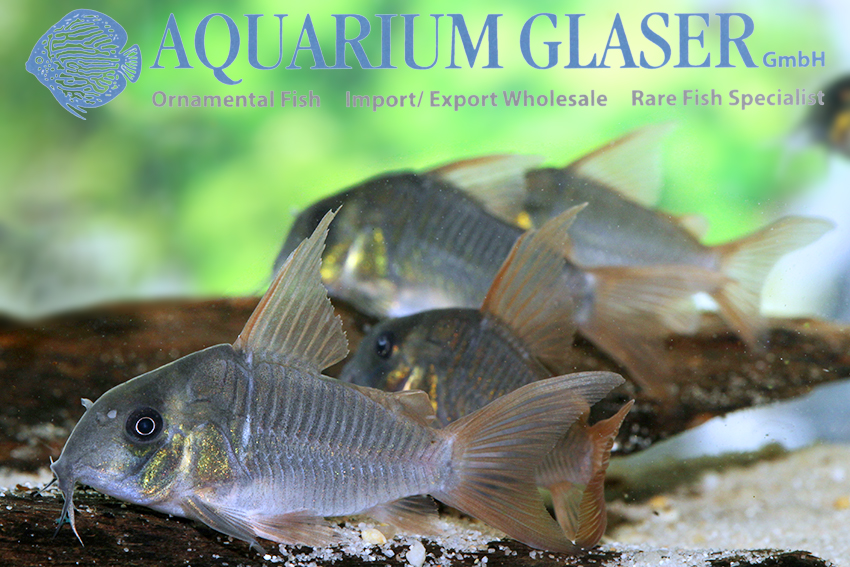
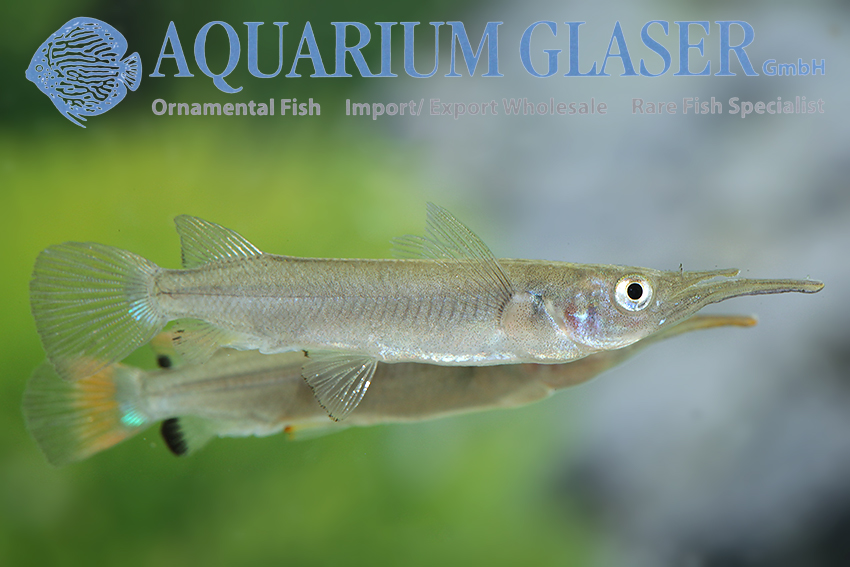
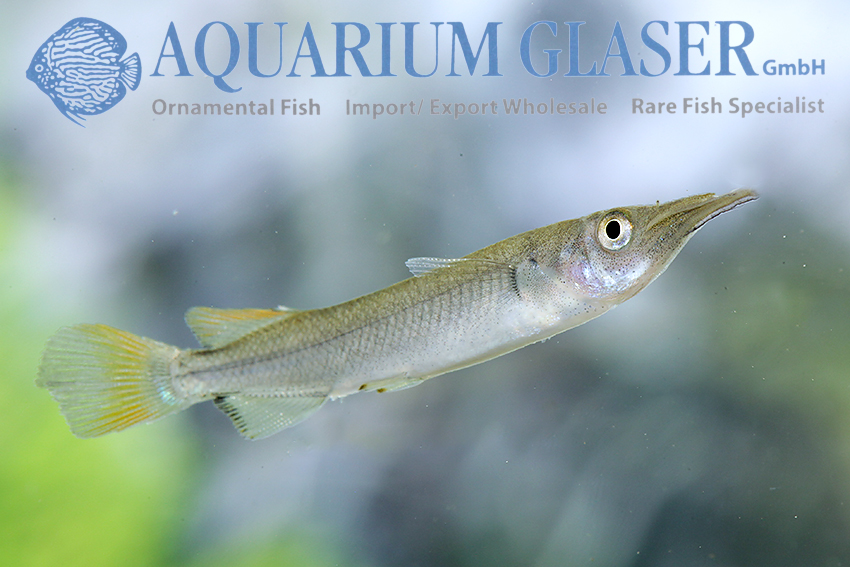
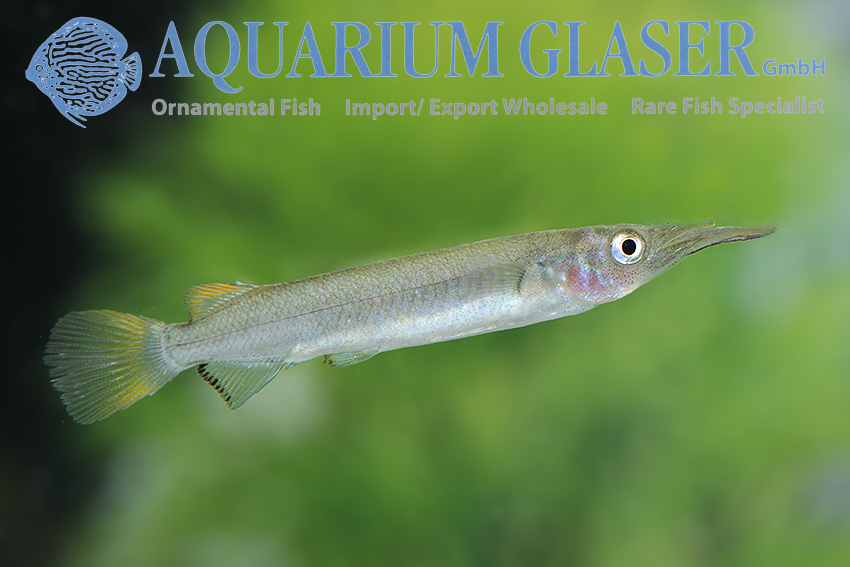
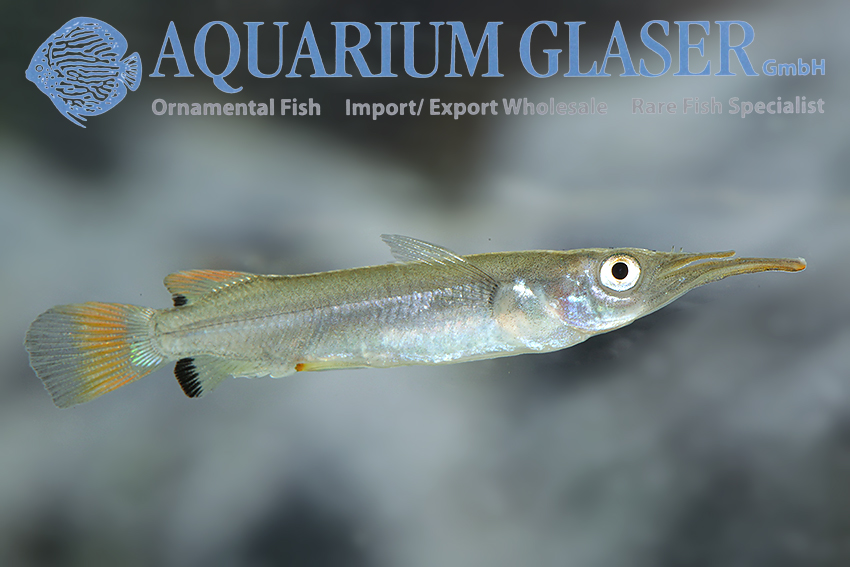
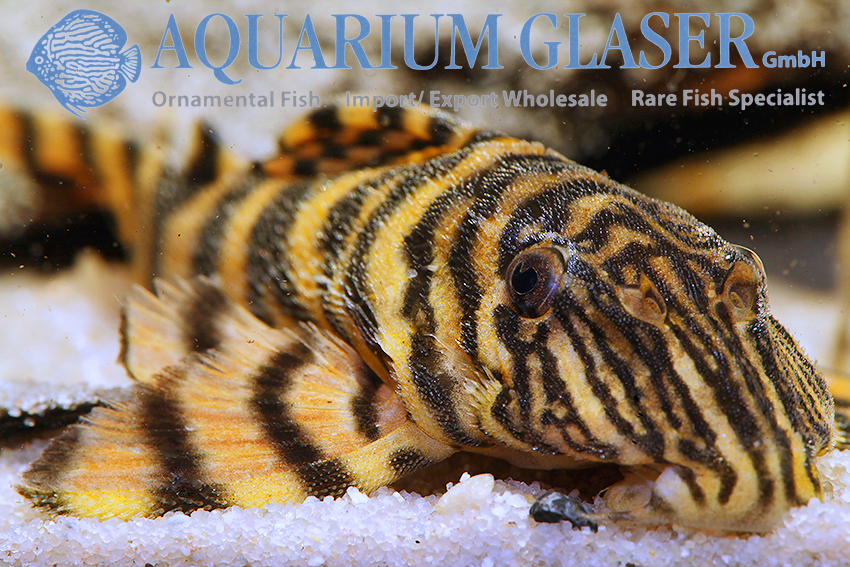
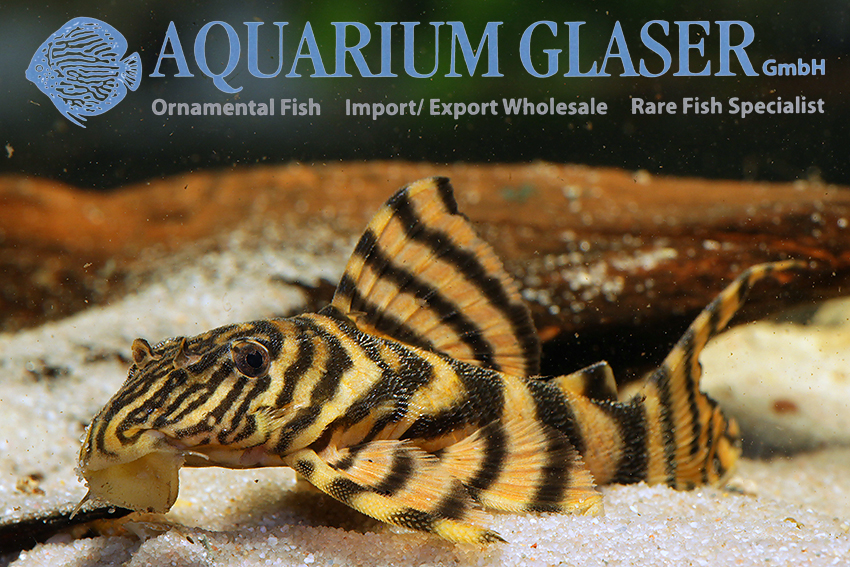
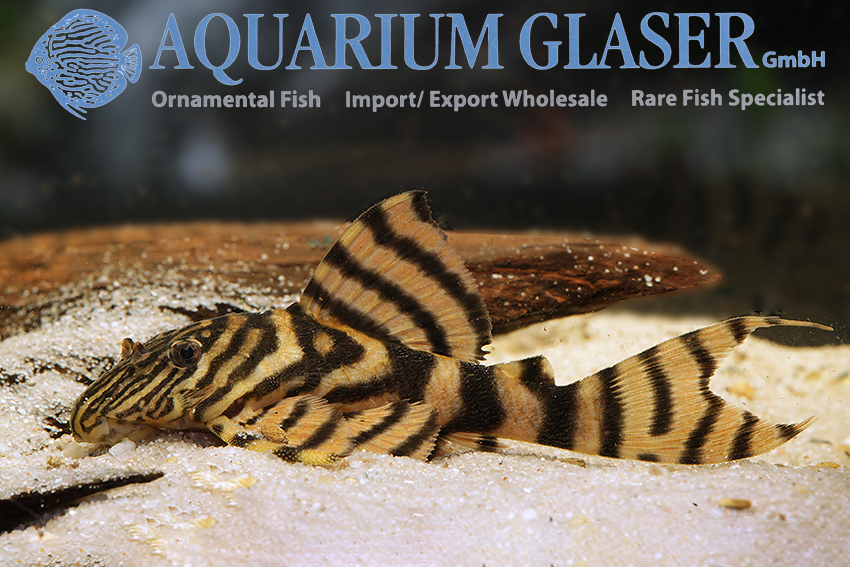
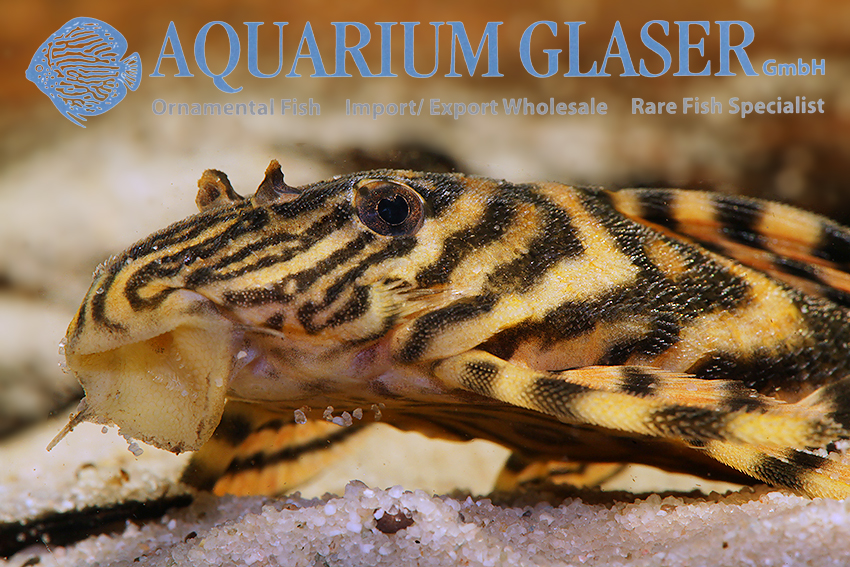
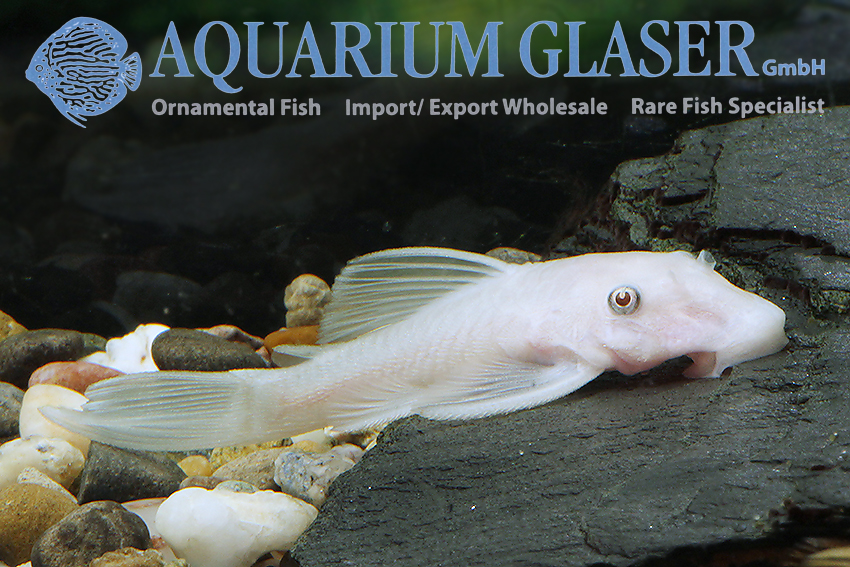
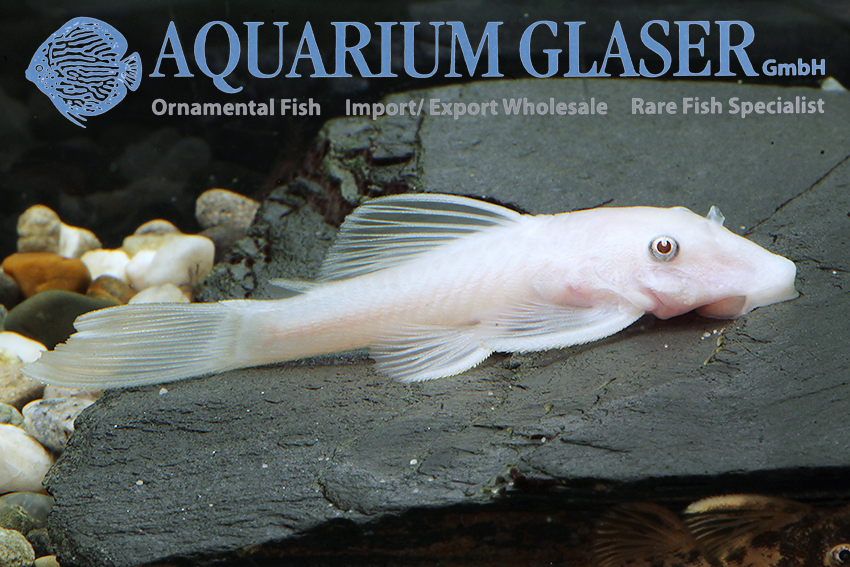
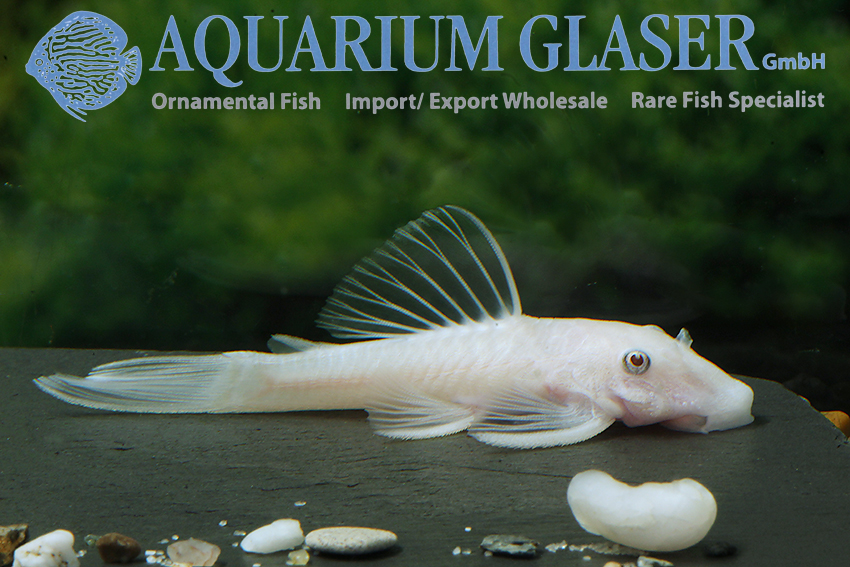
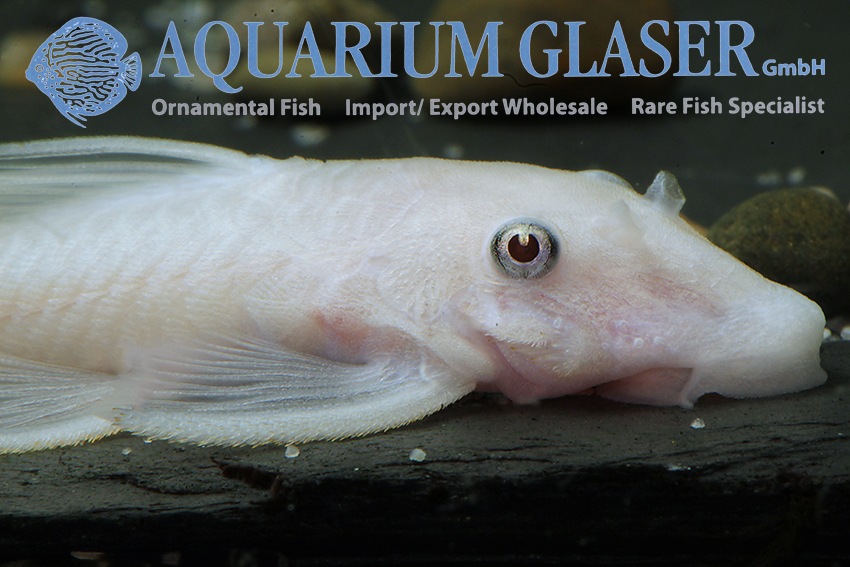
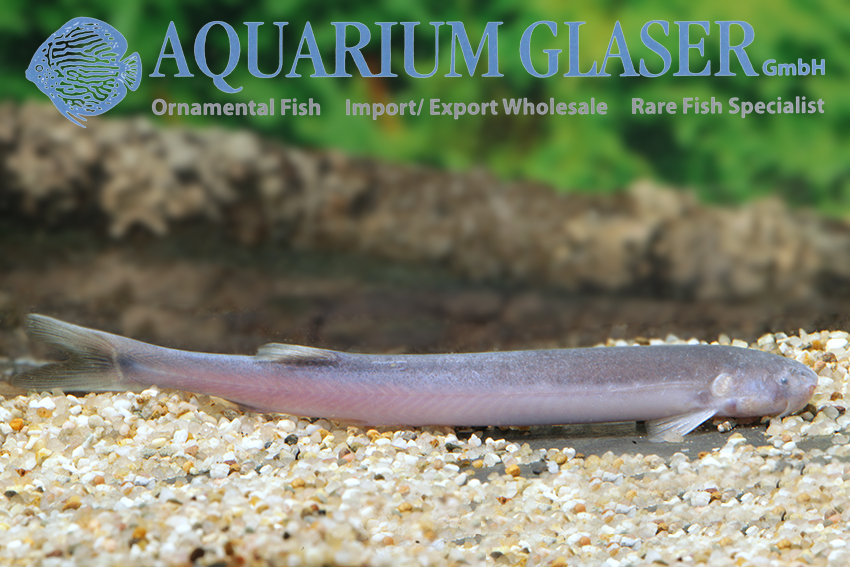
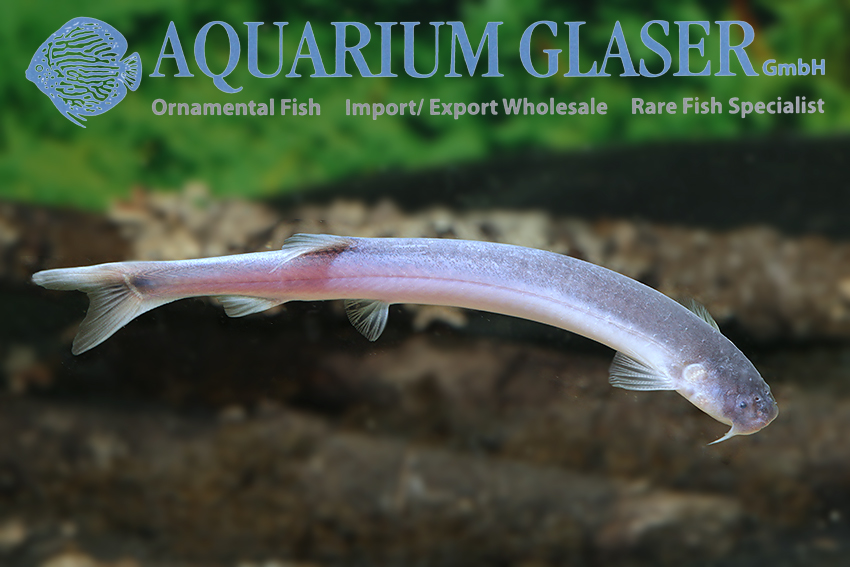
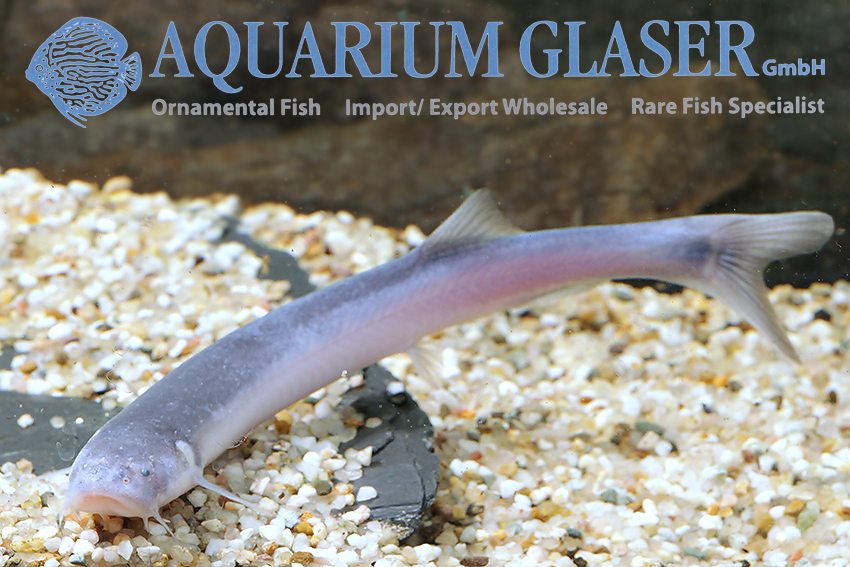
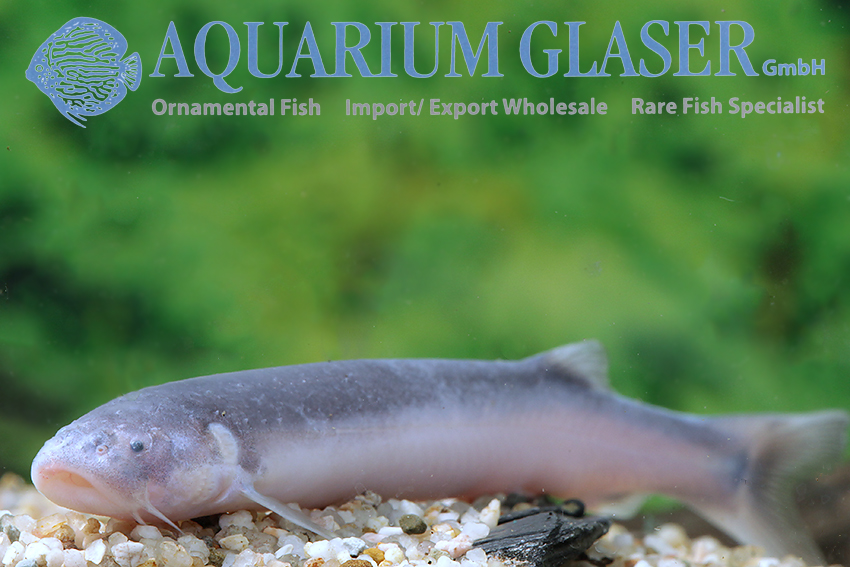
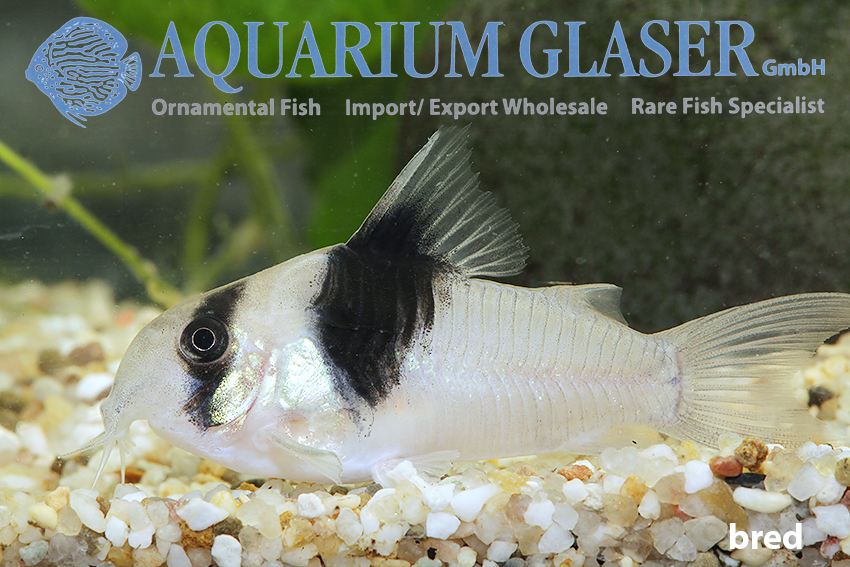
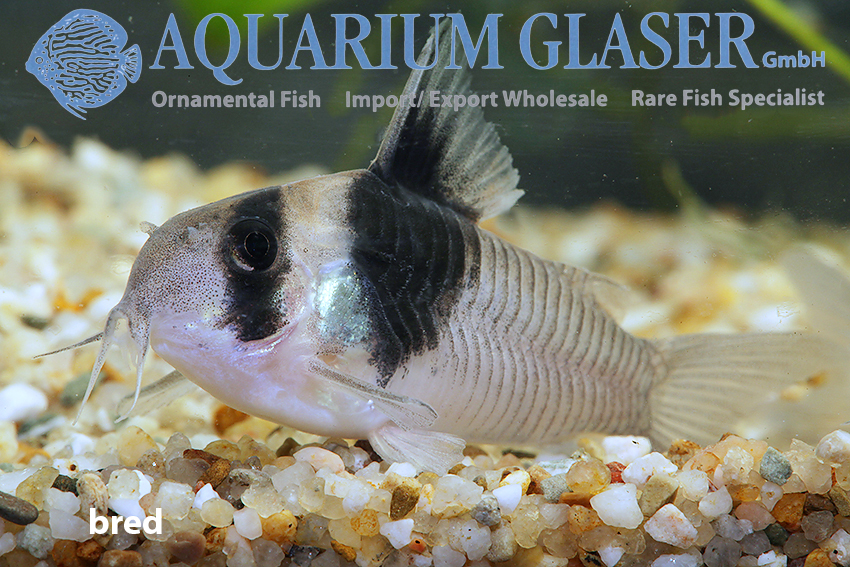
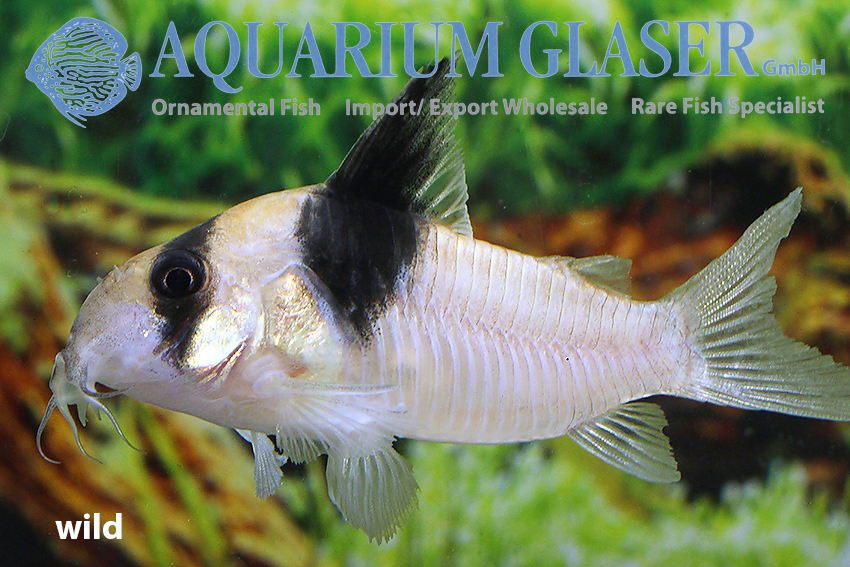
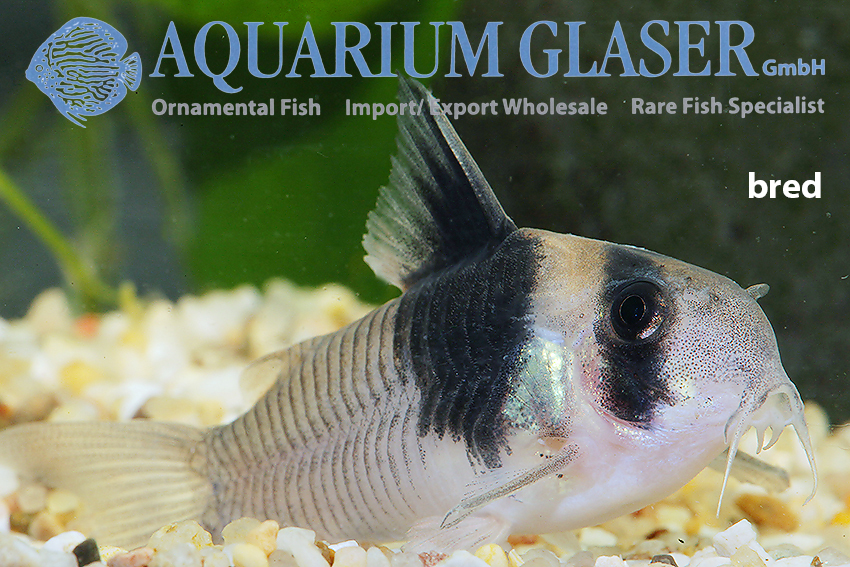
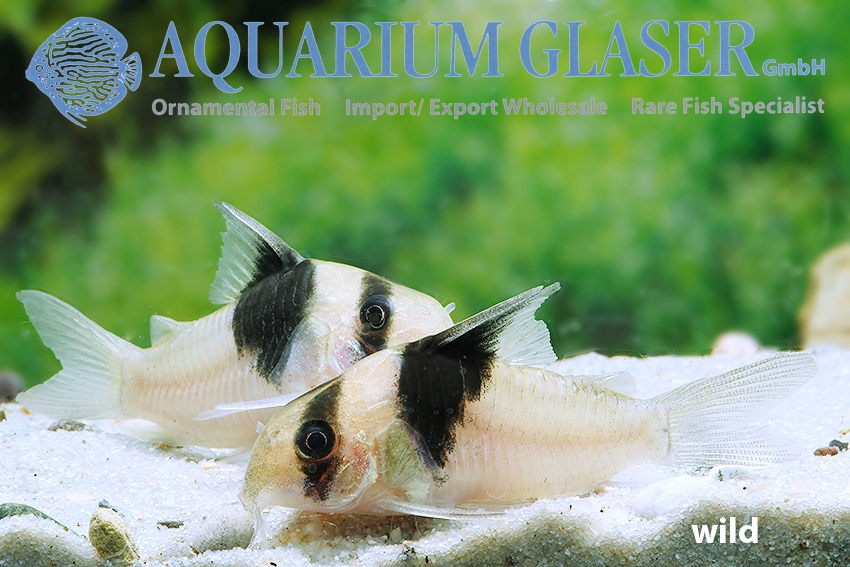
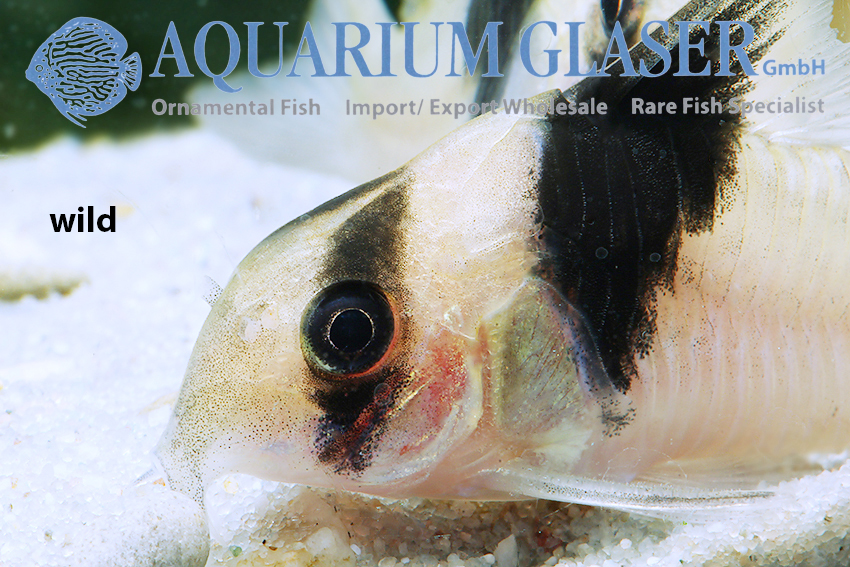
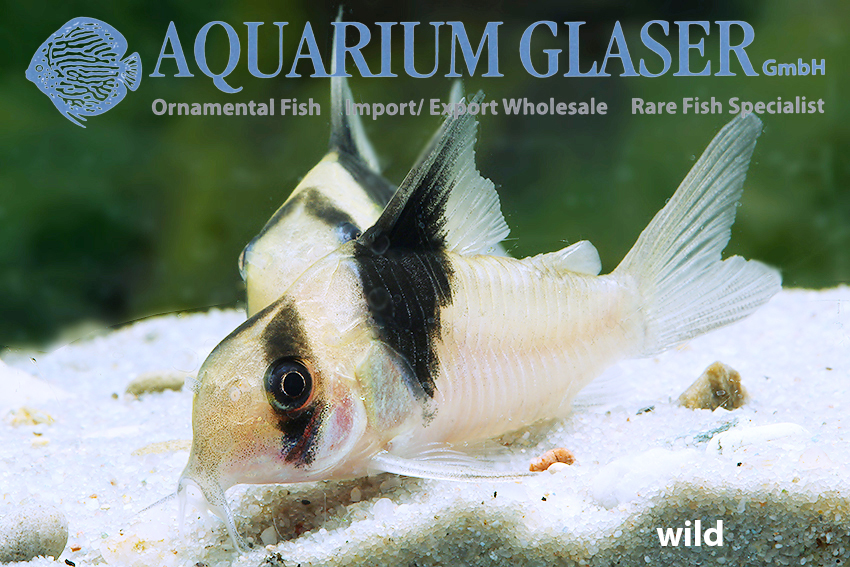
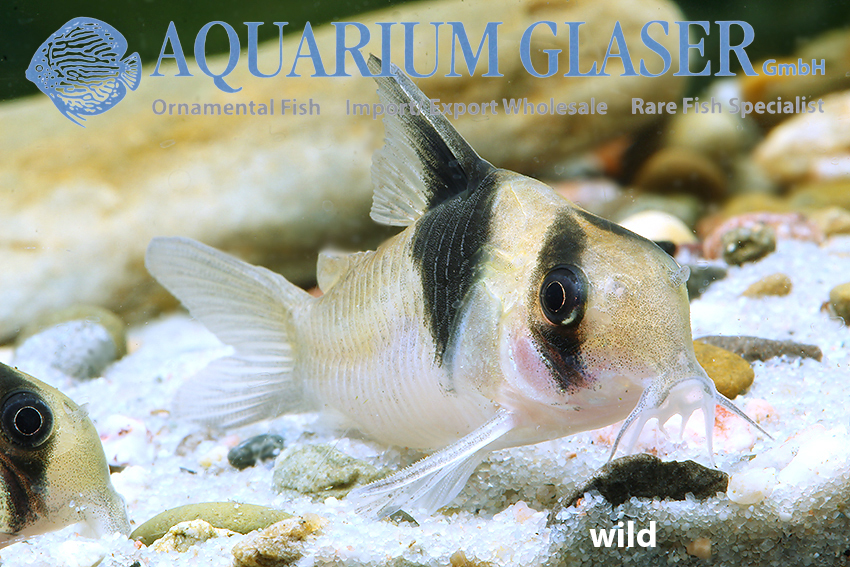
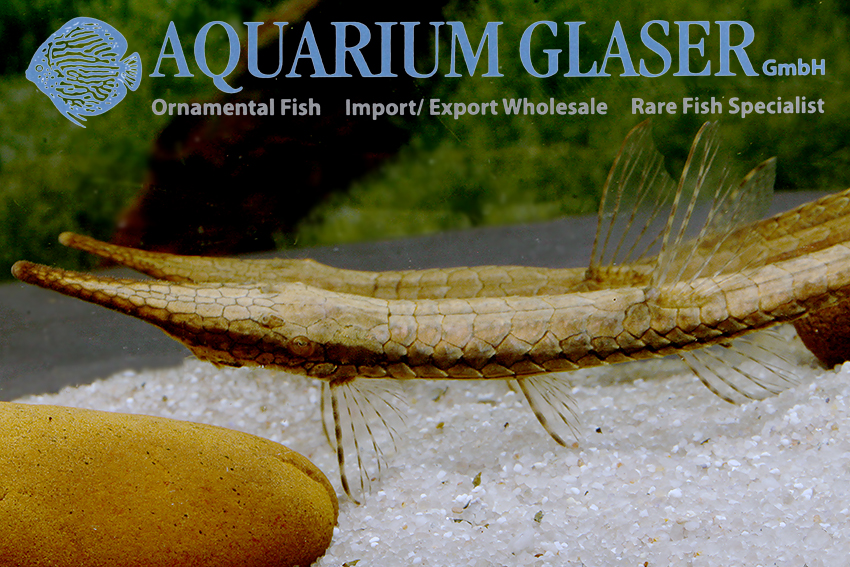
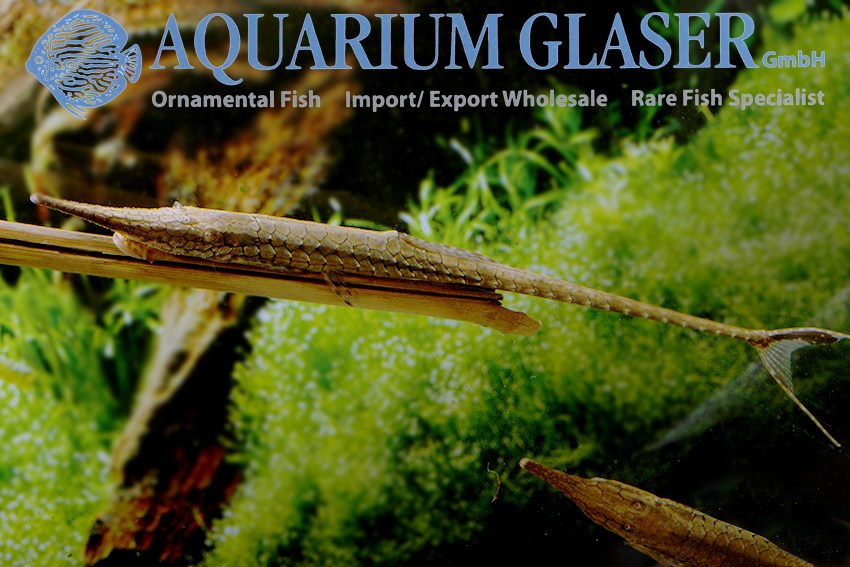
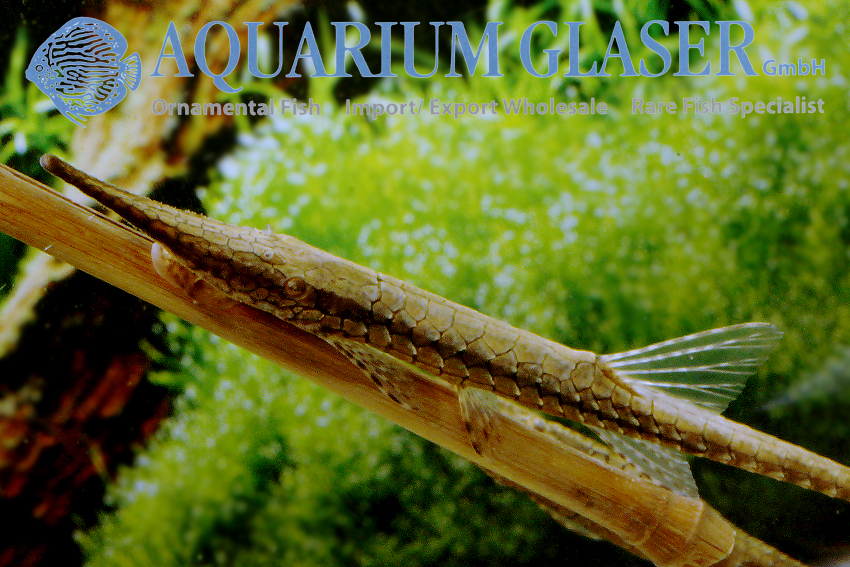
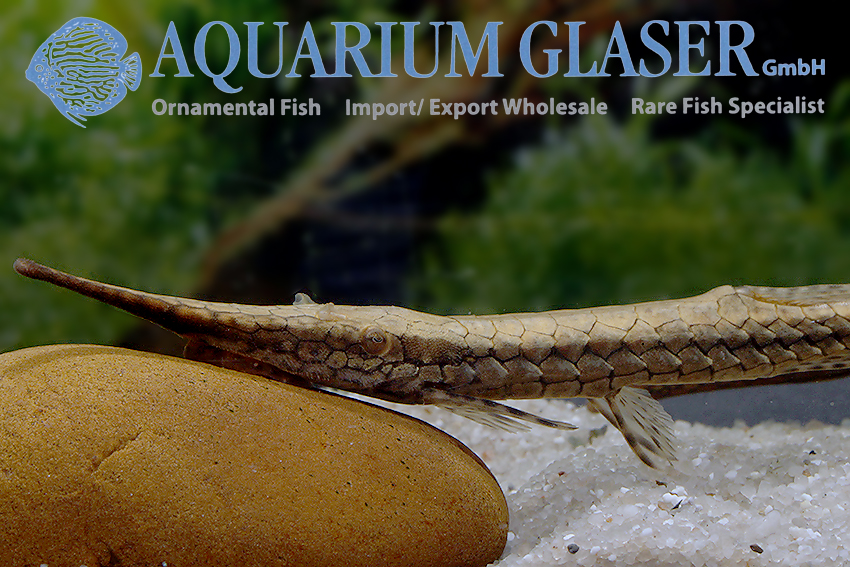
Bunocephalus coracoideus

16. October 2025

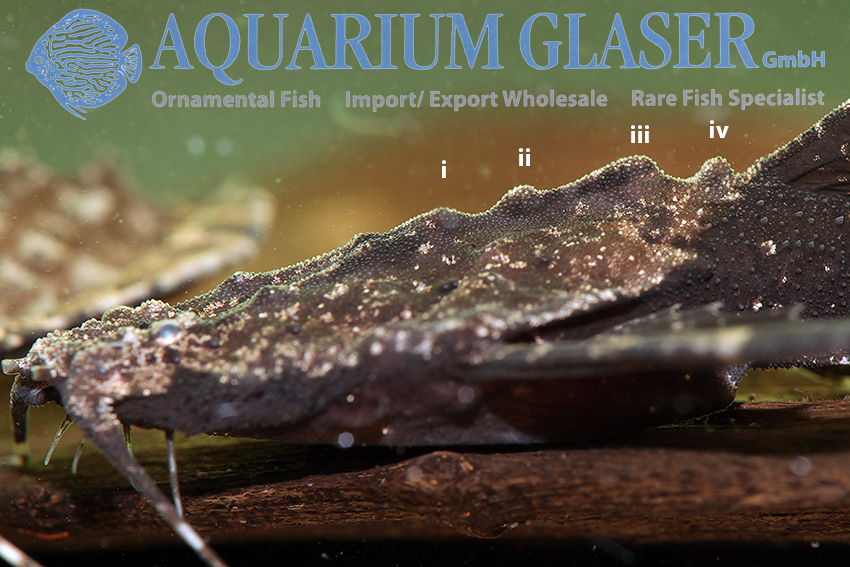
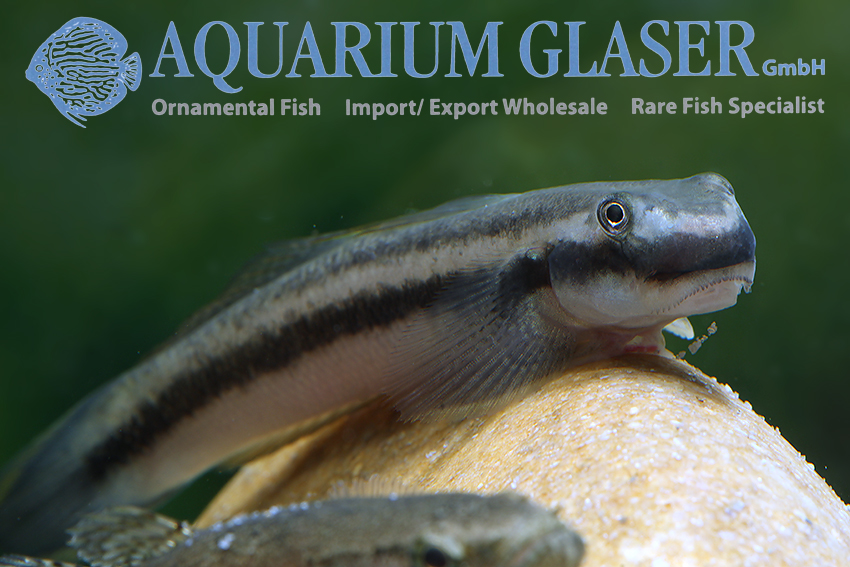
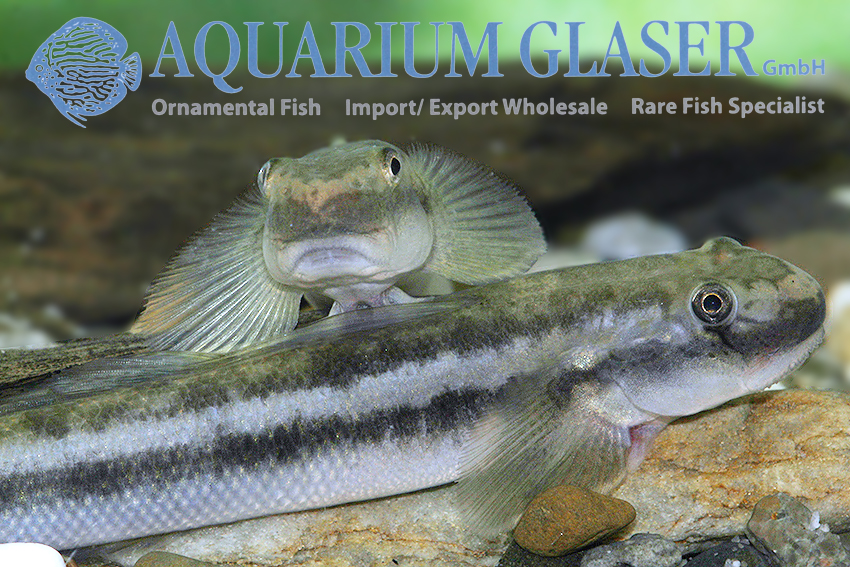
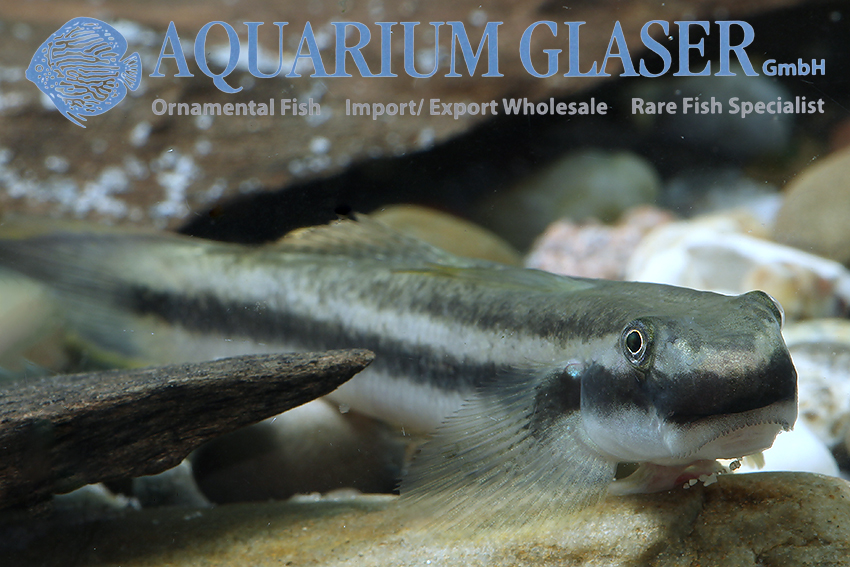
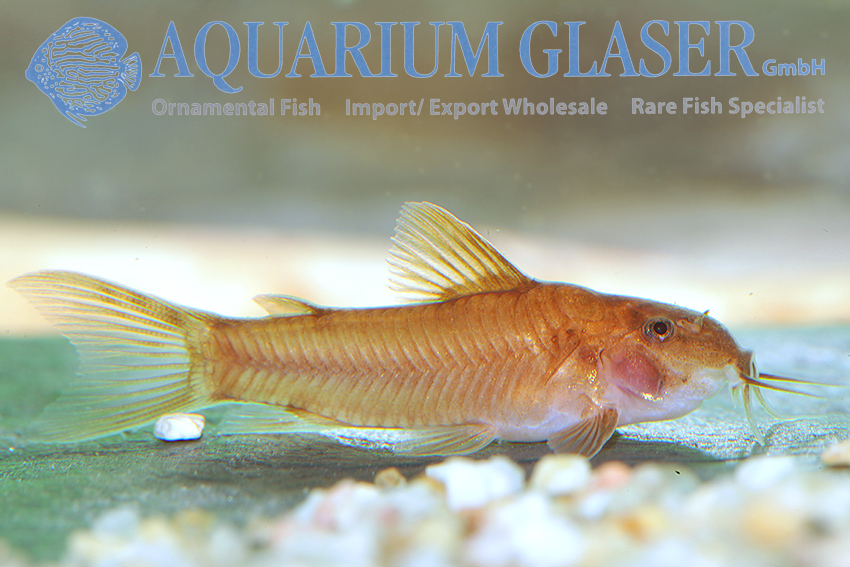
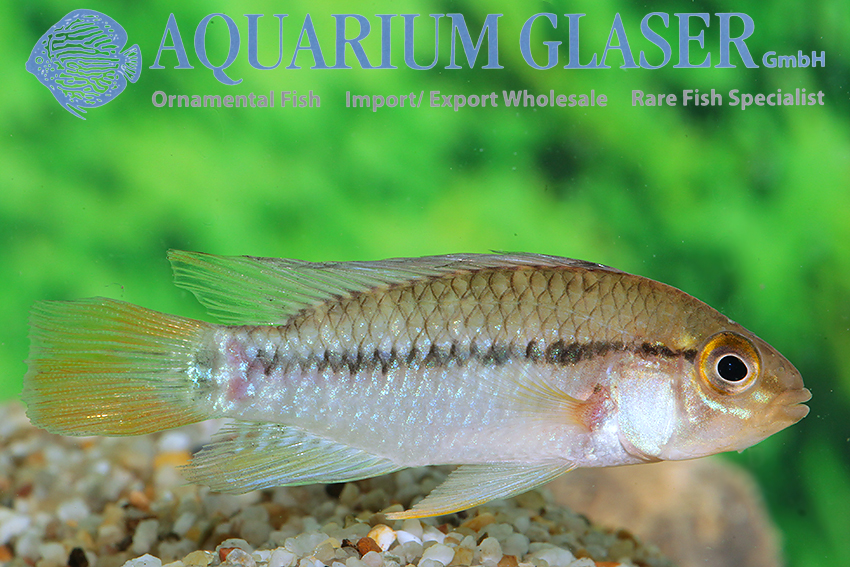
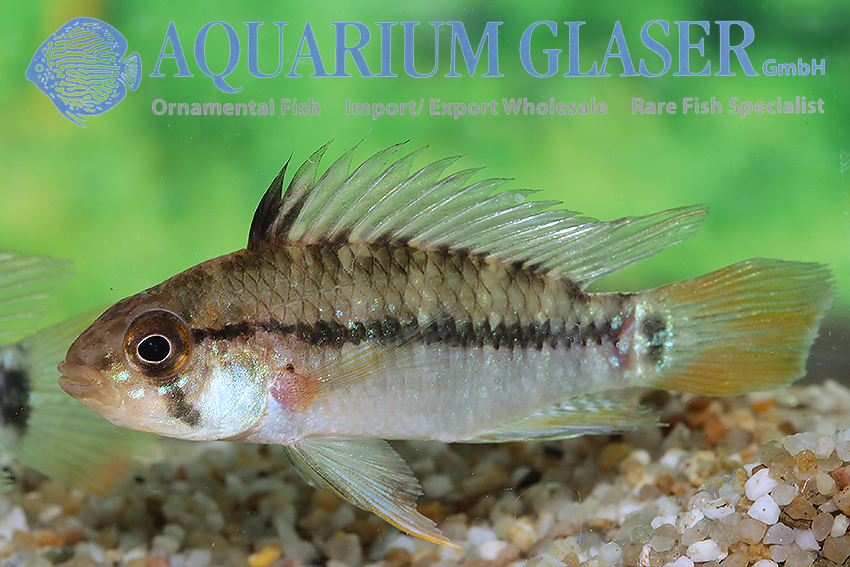
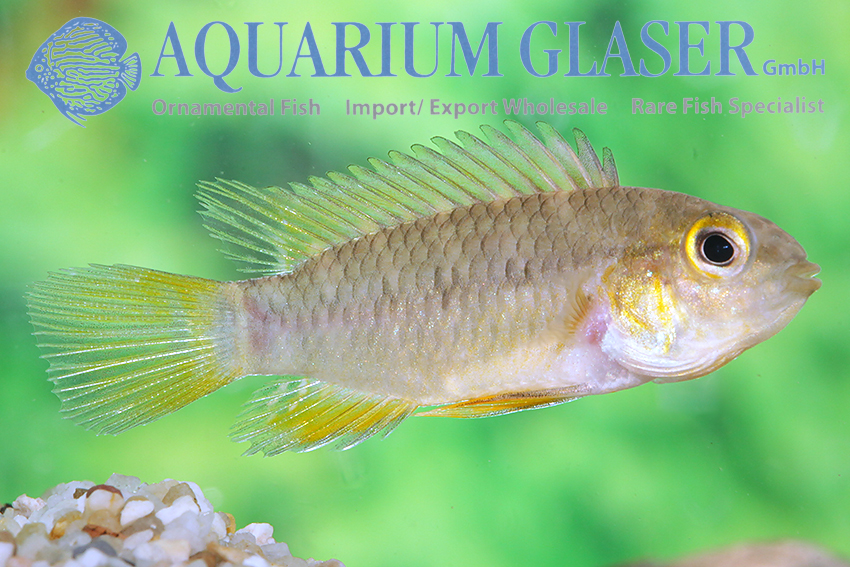
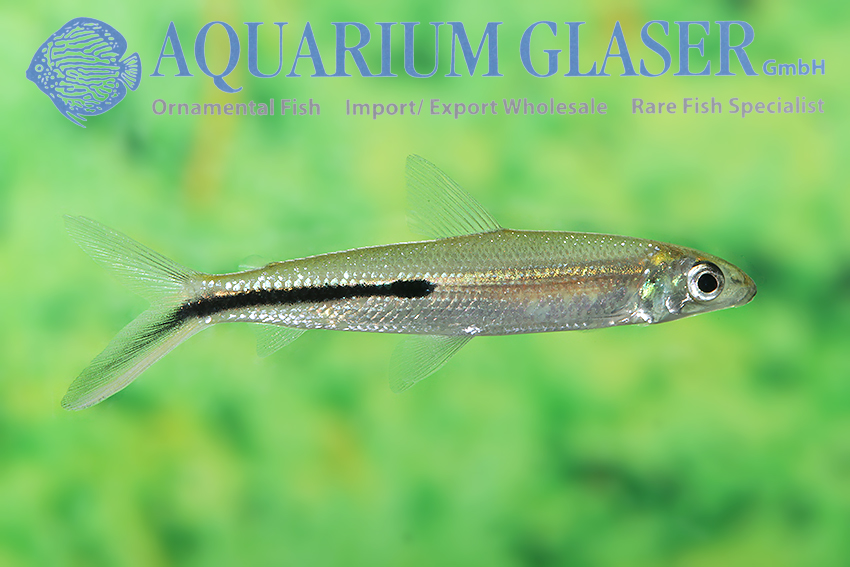
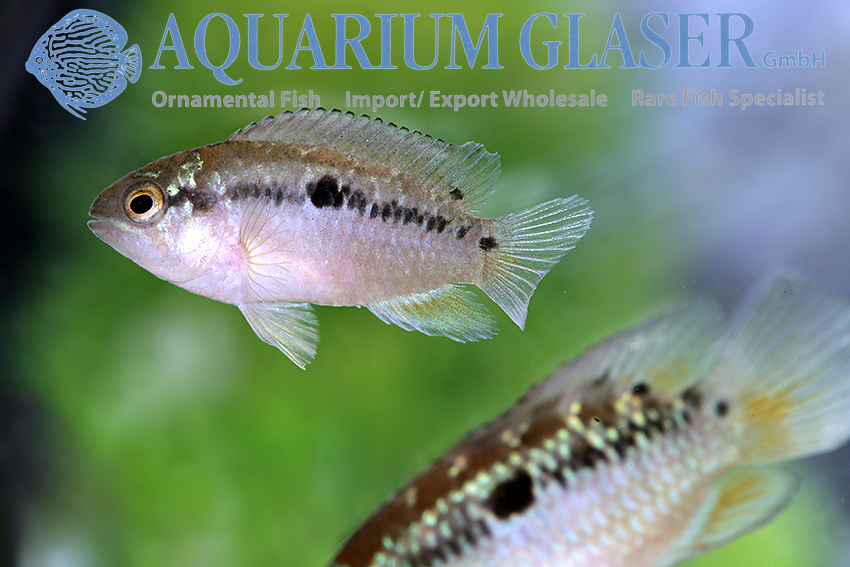
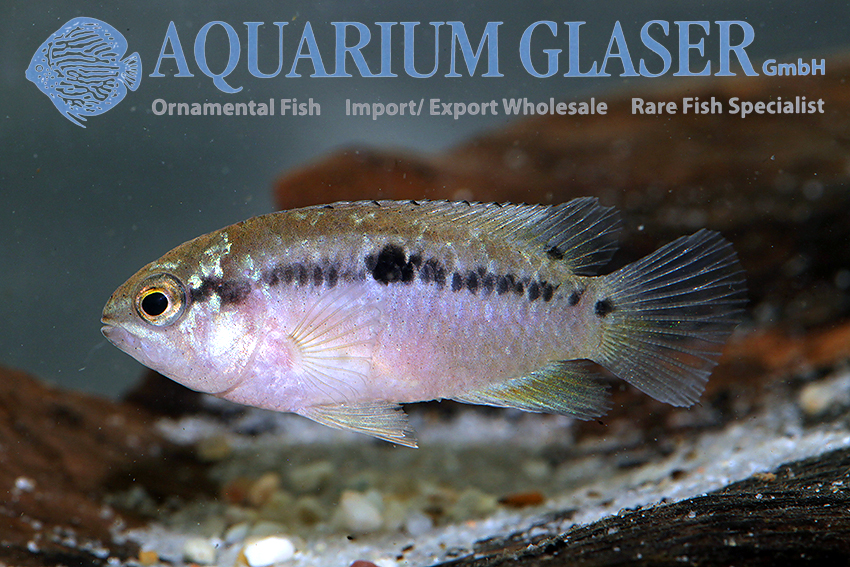
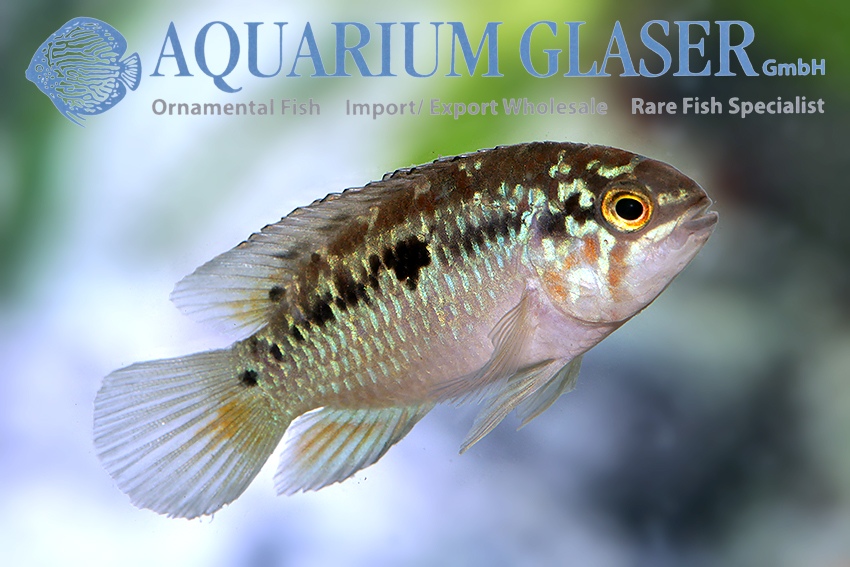
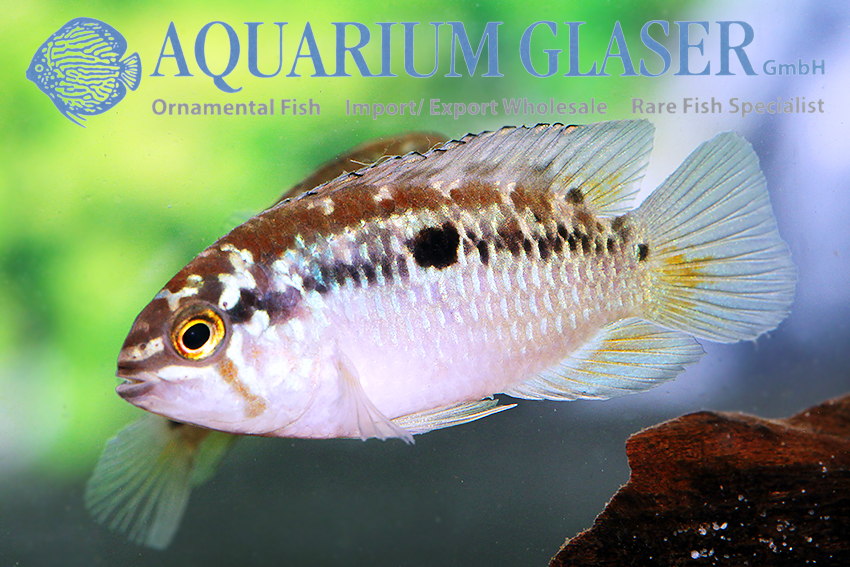
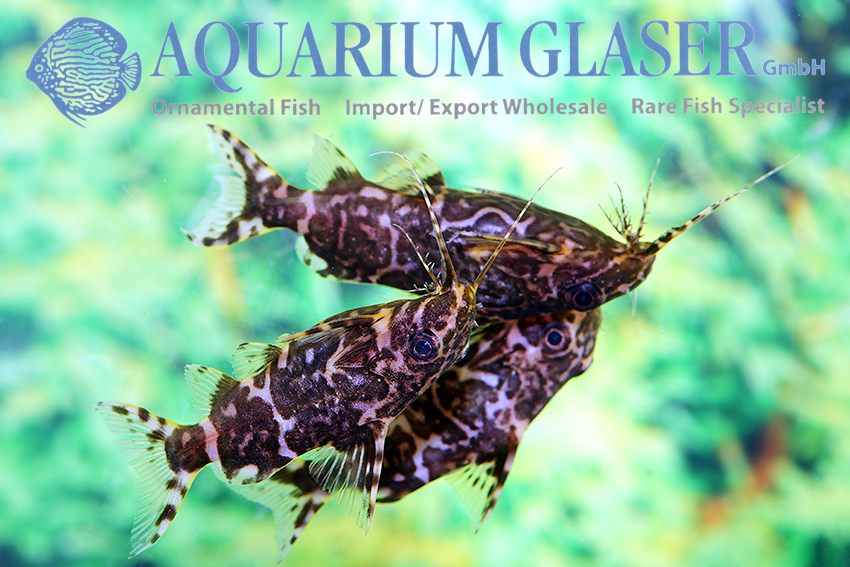
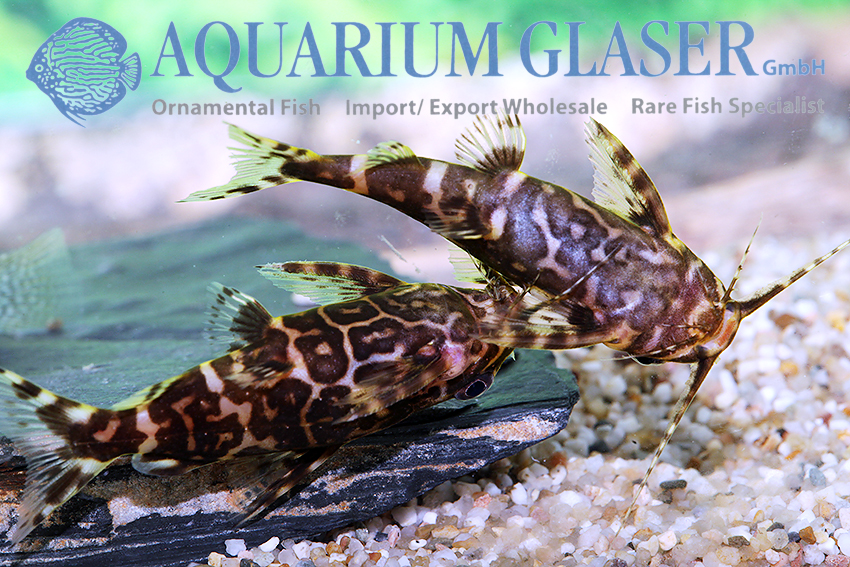
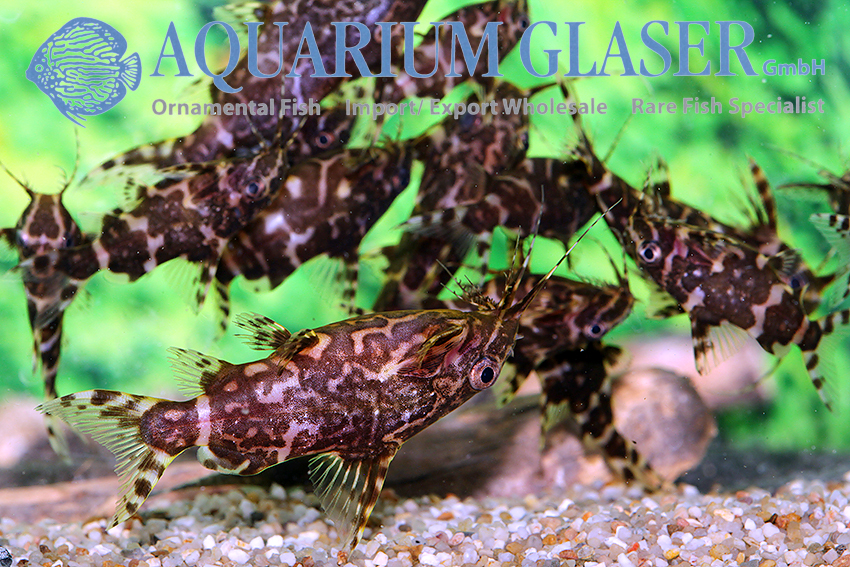
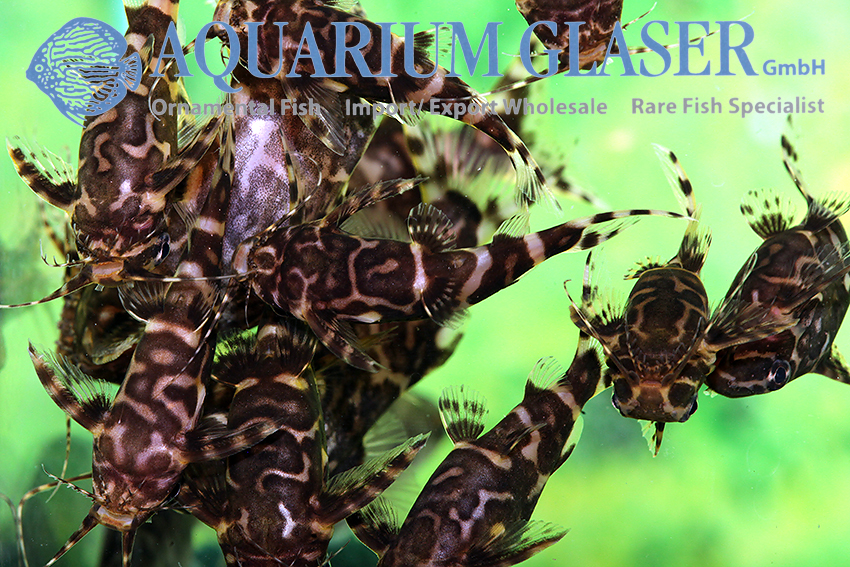
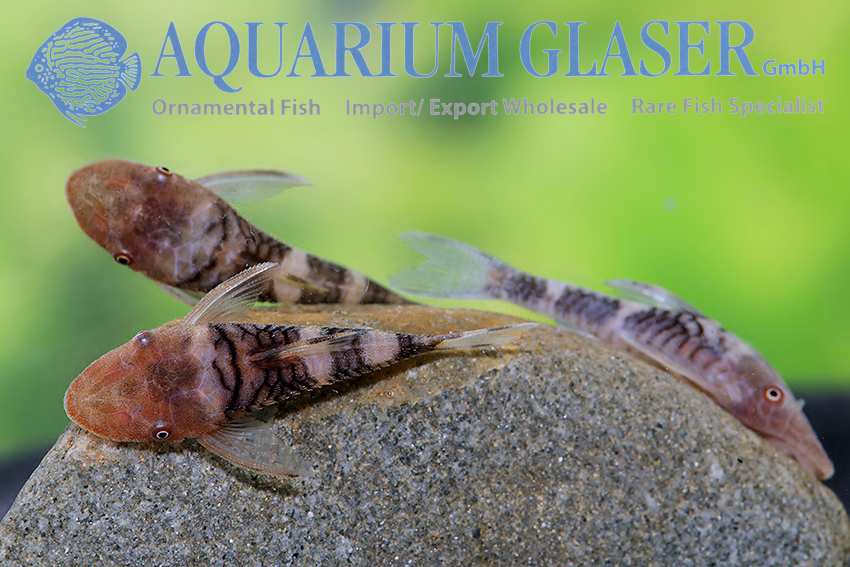
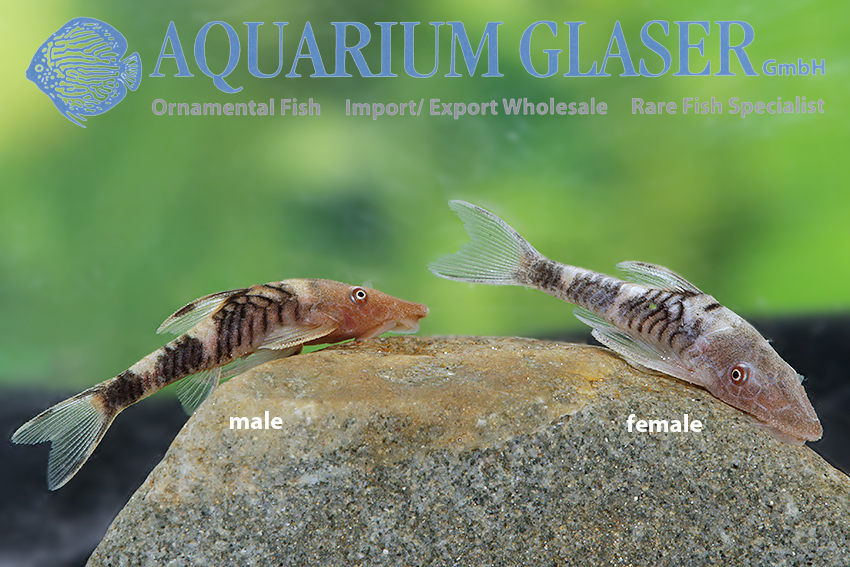
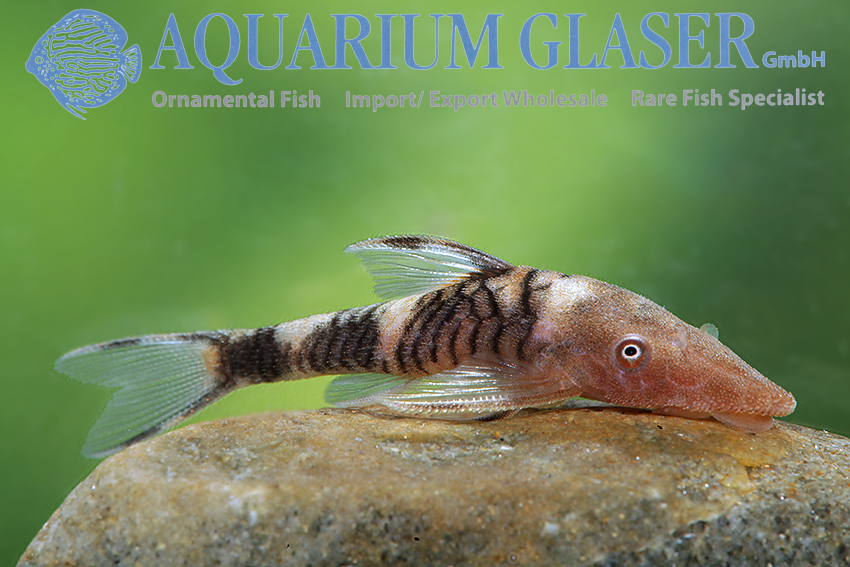
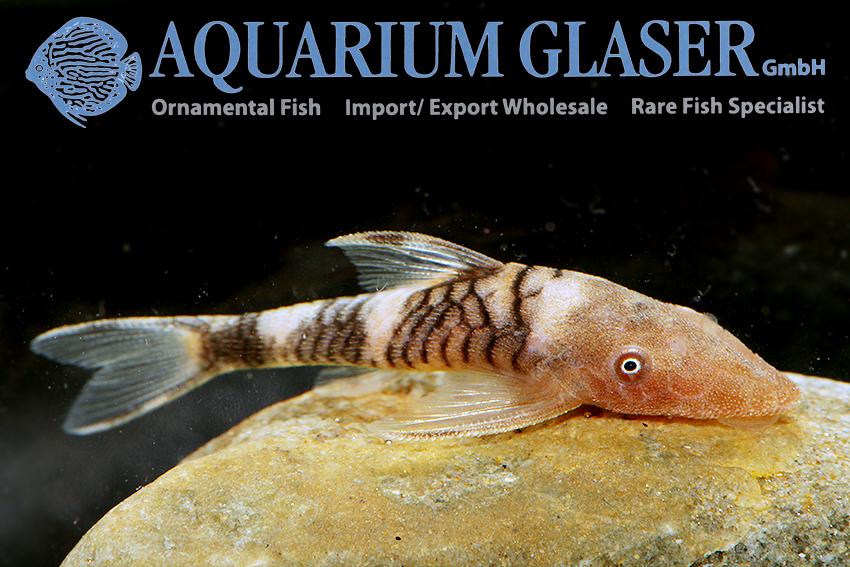
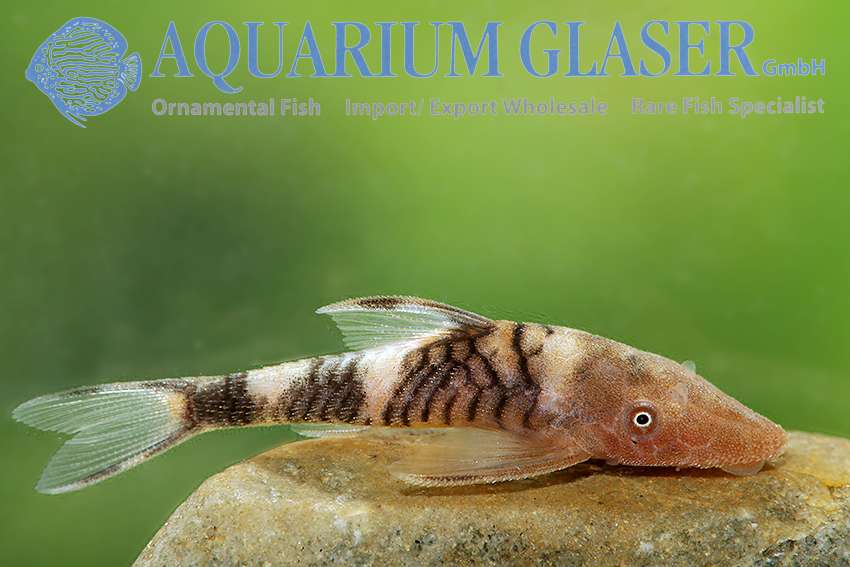
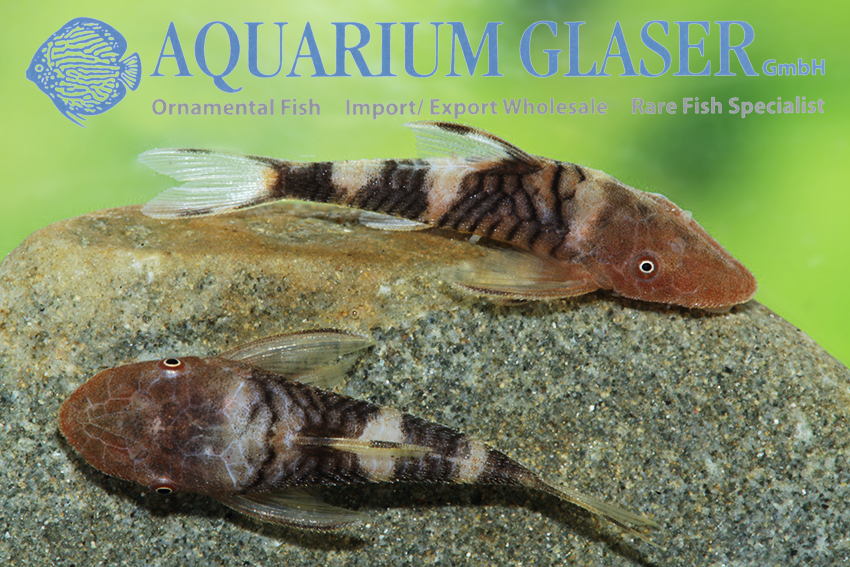
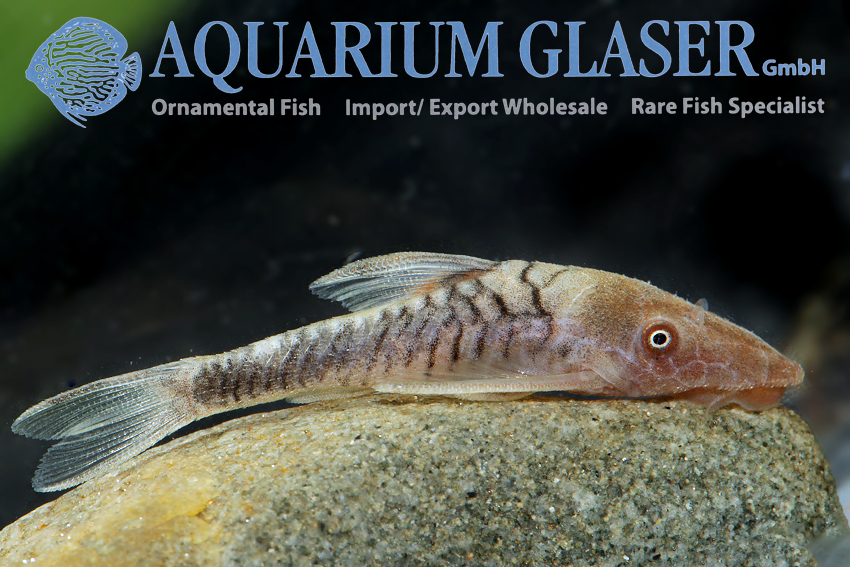
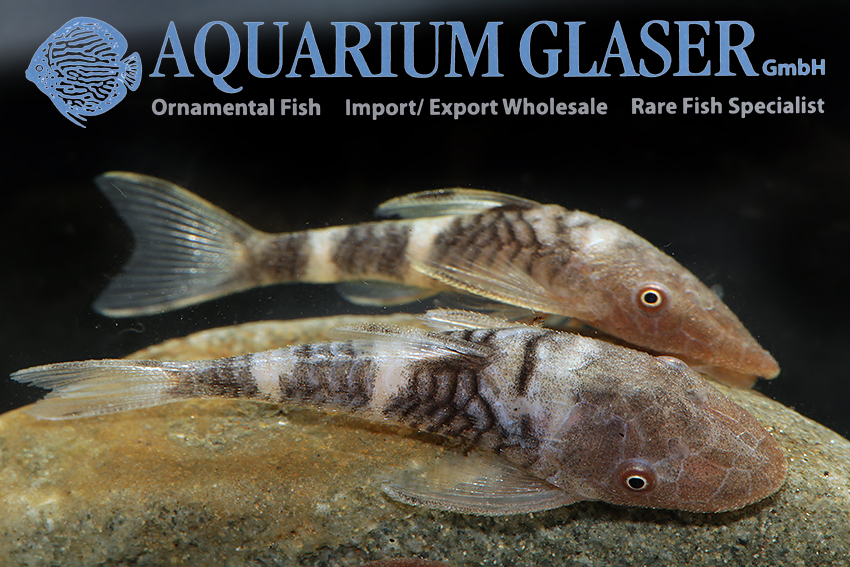
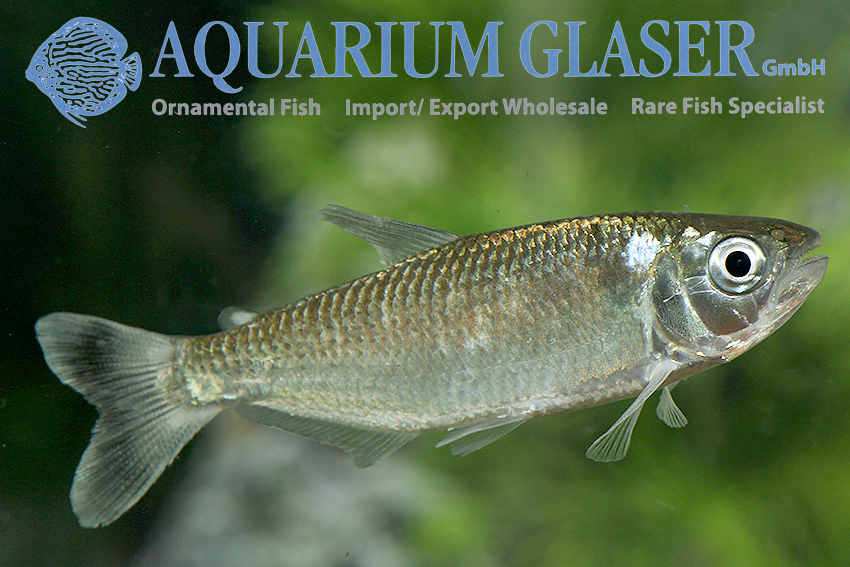
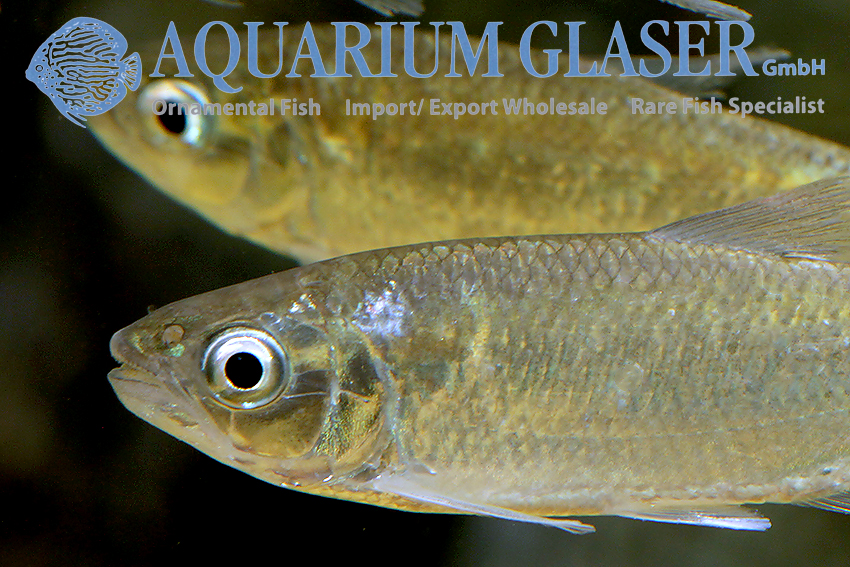
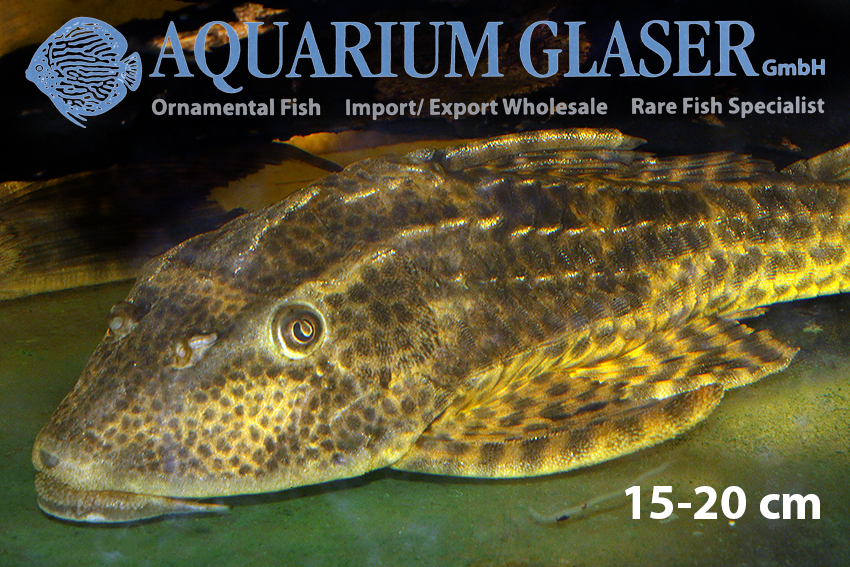
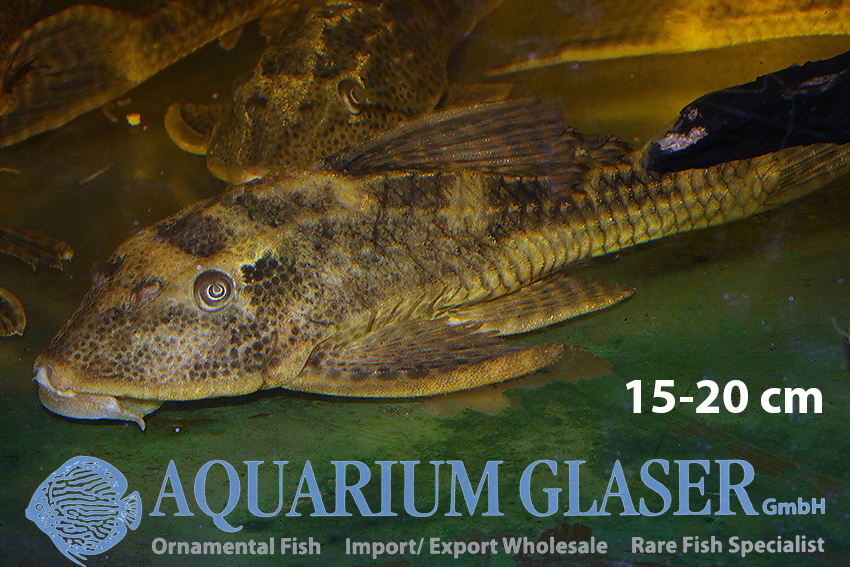
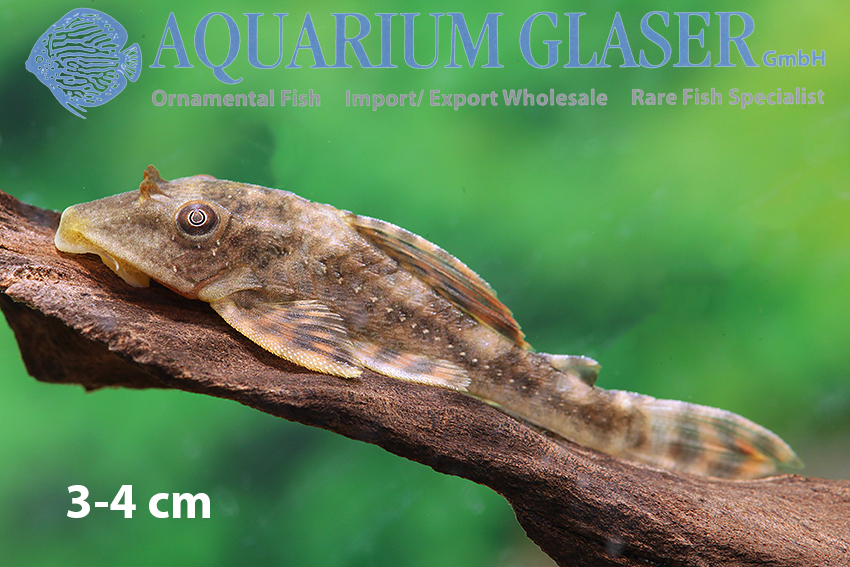
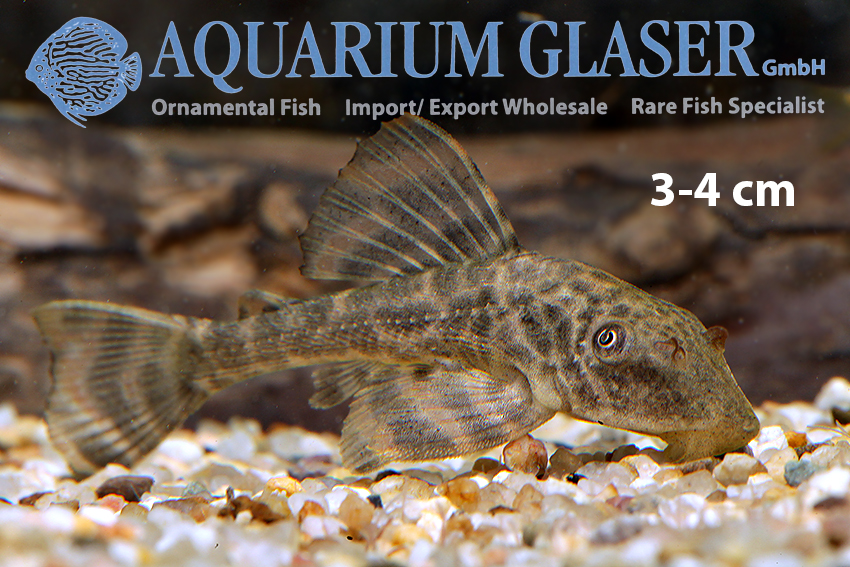
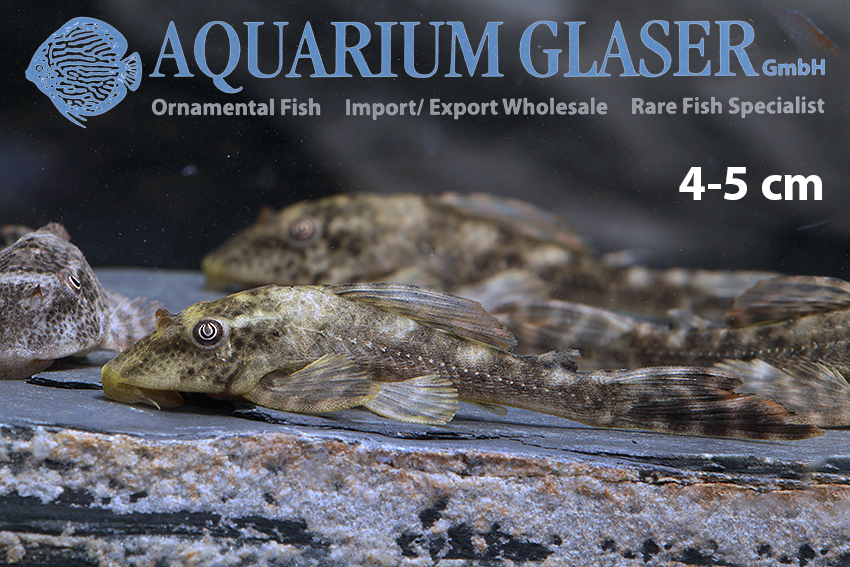
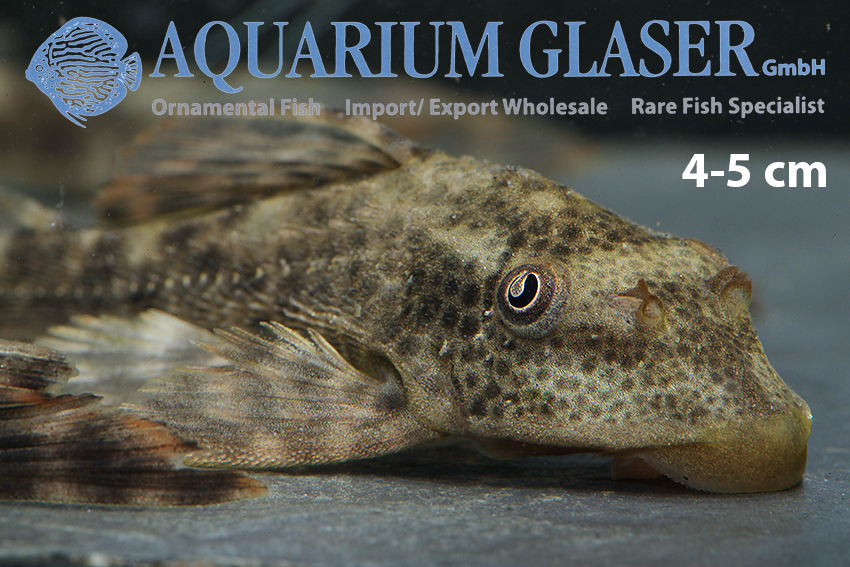
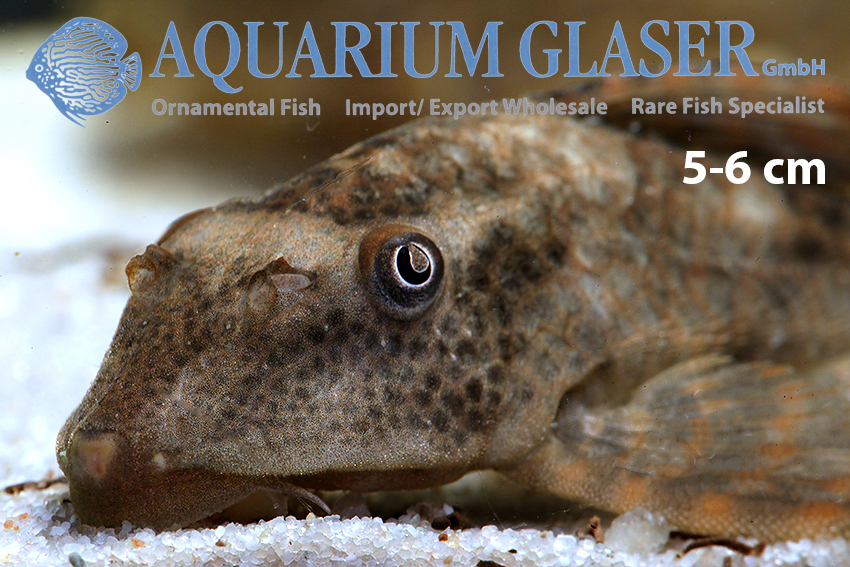
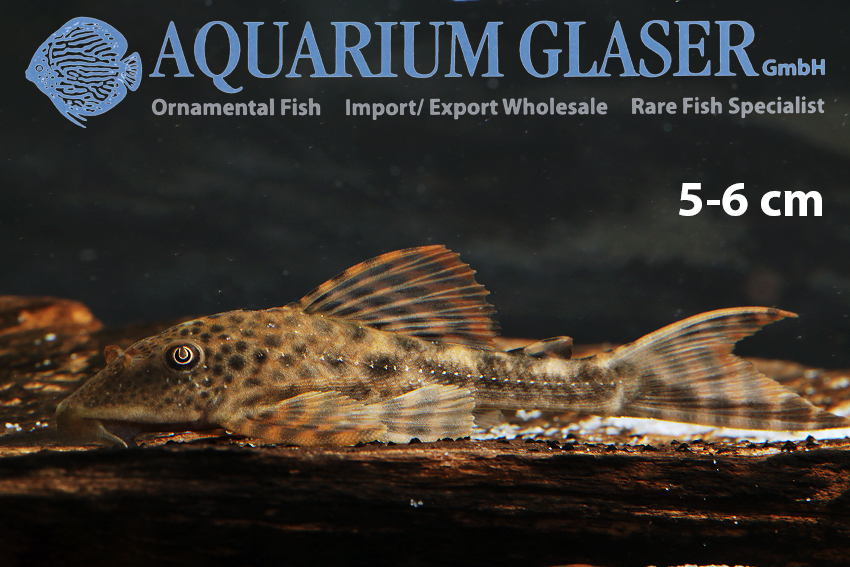
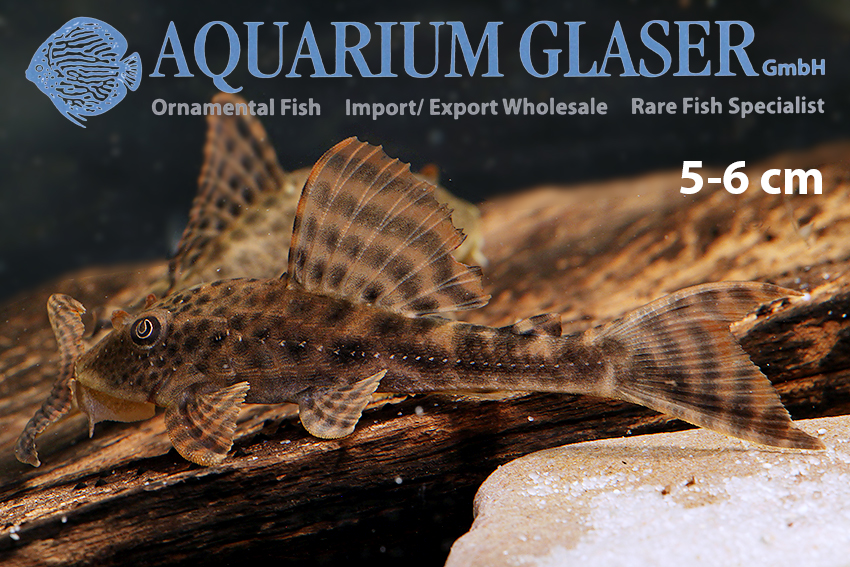
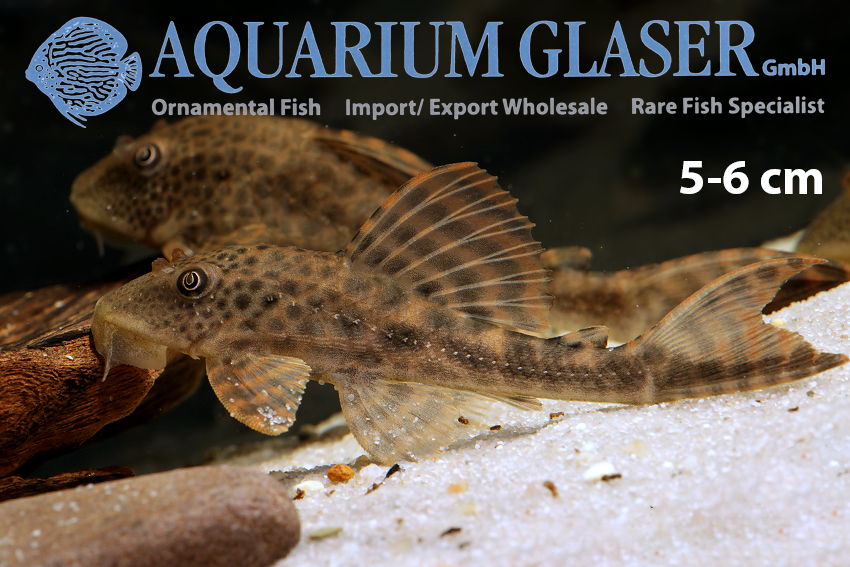
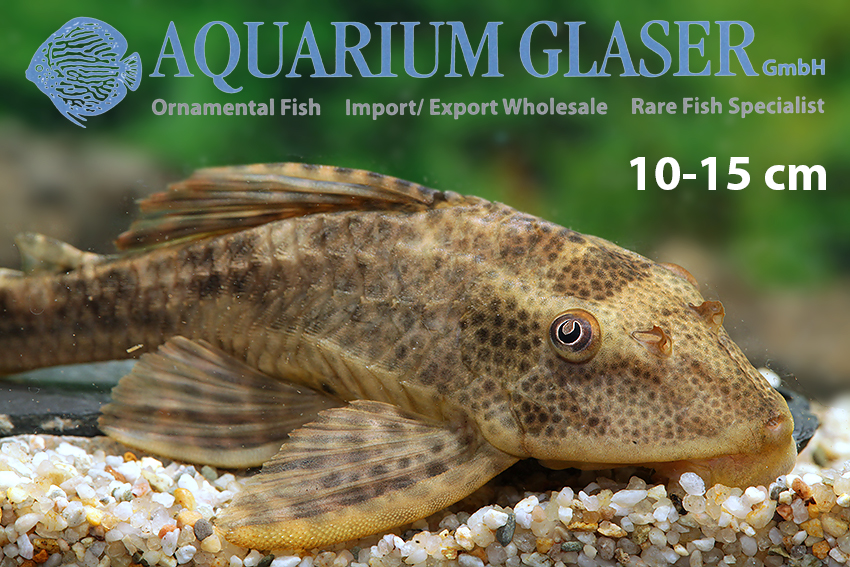
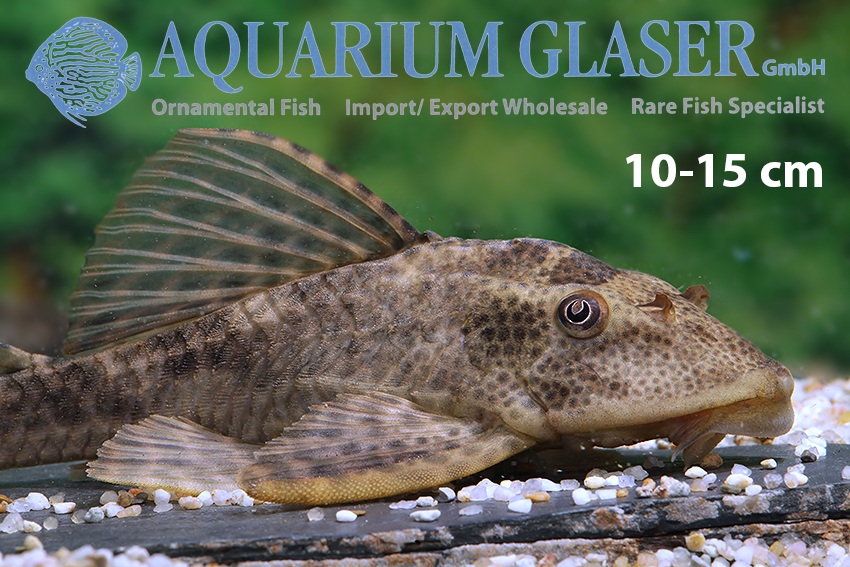
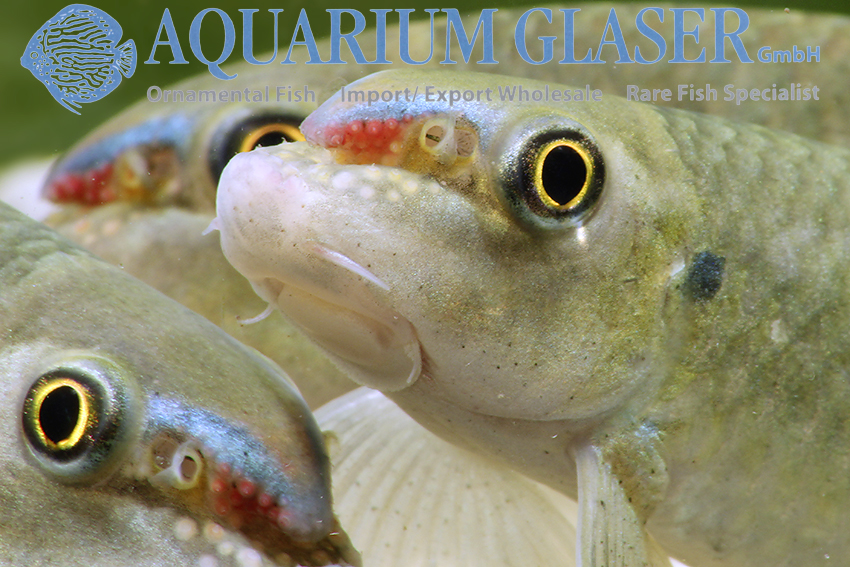
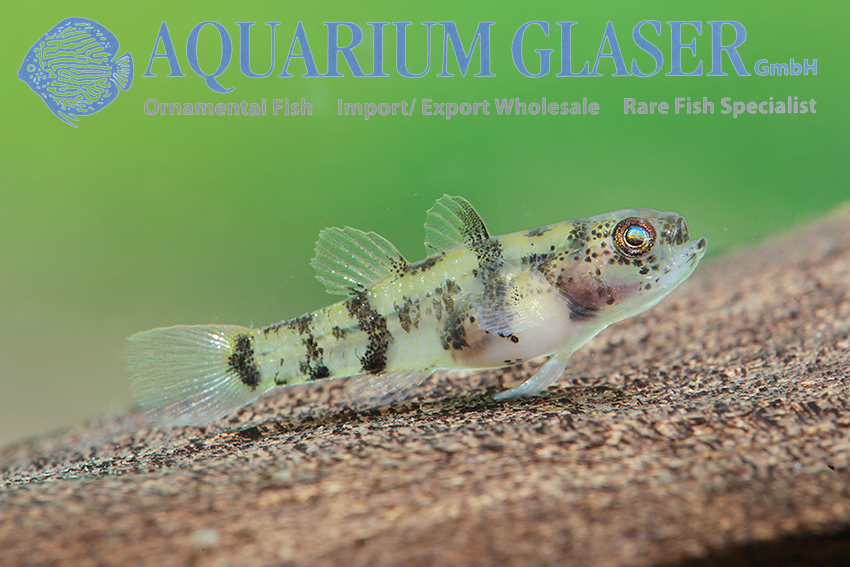
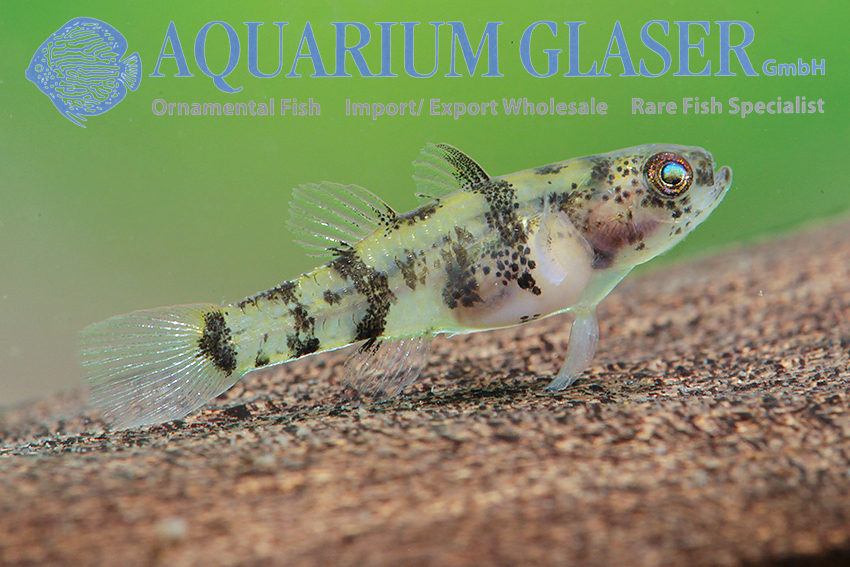
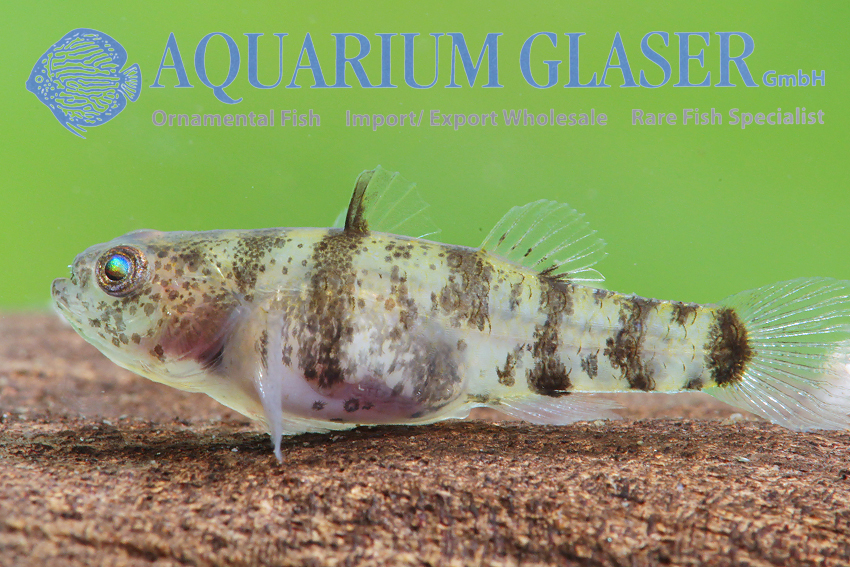
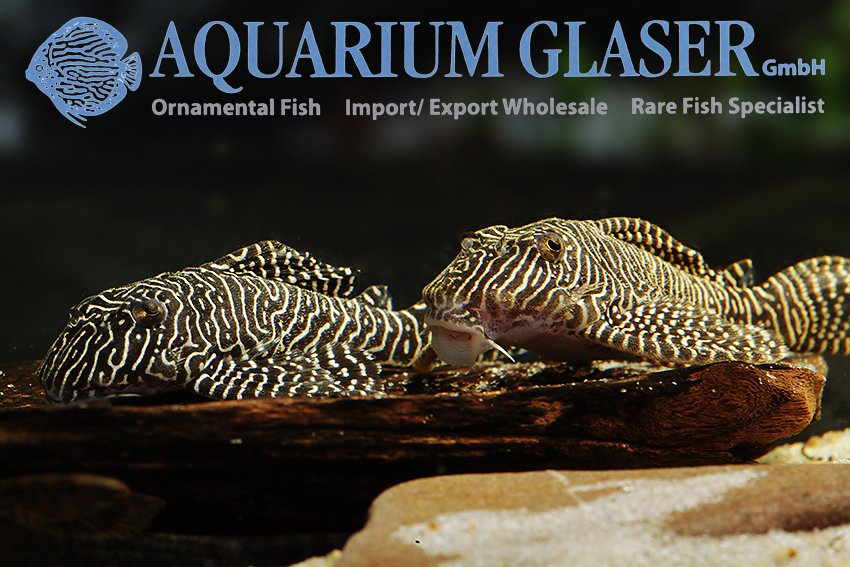
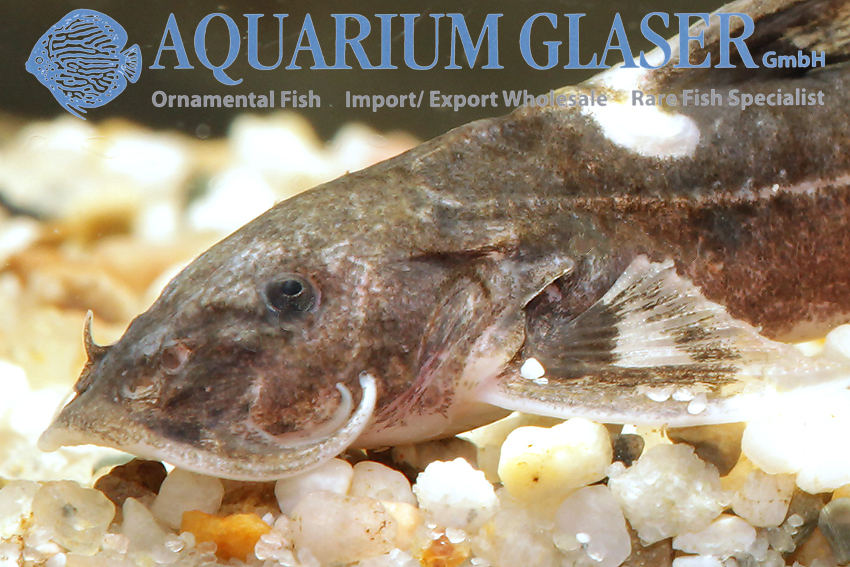
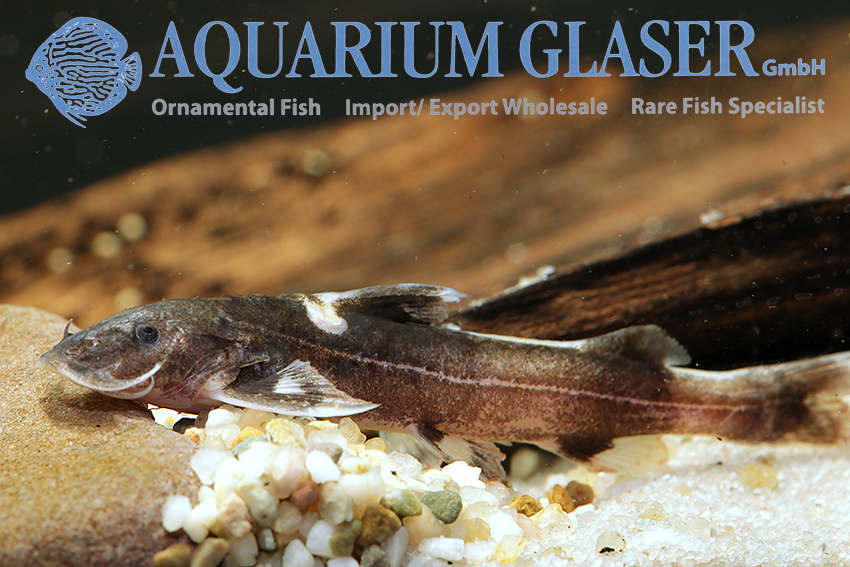
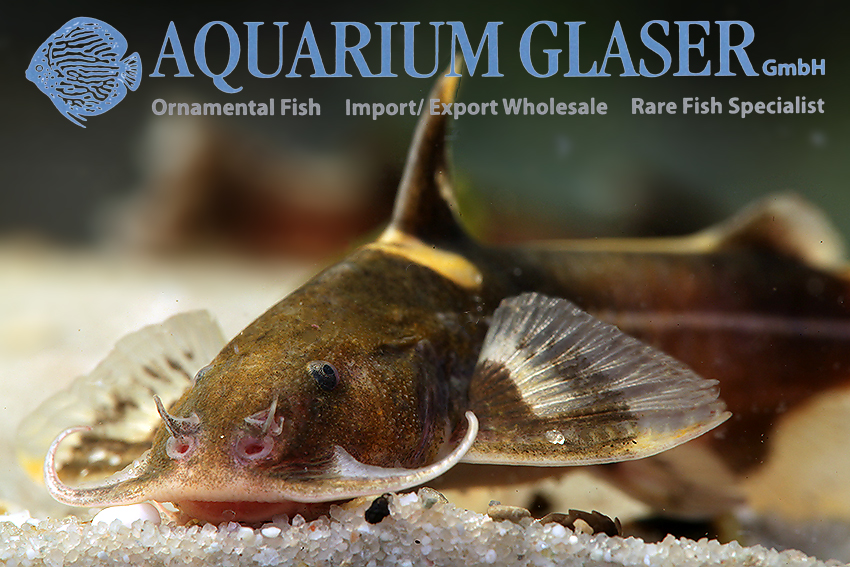
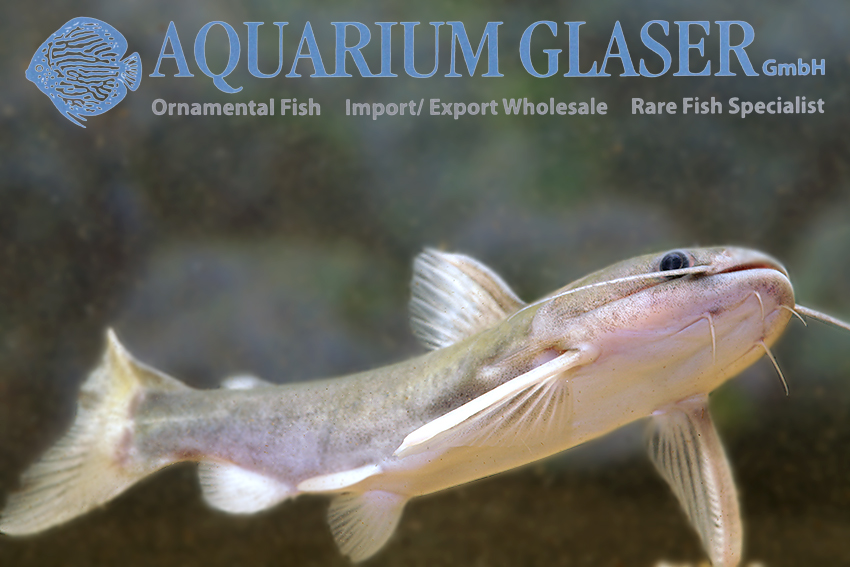
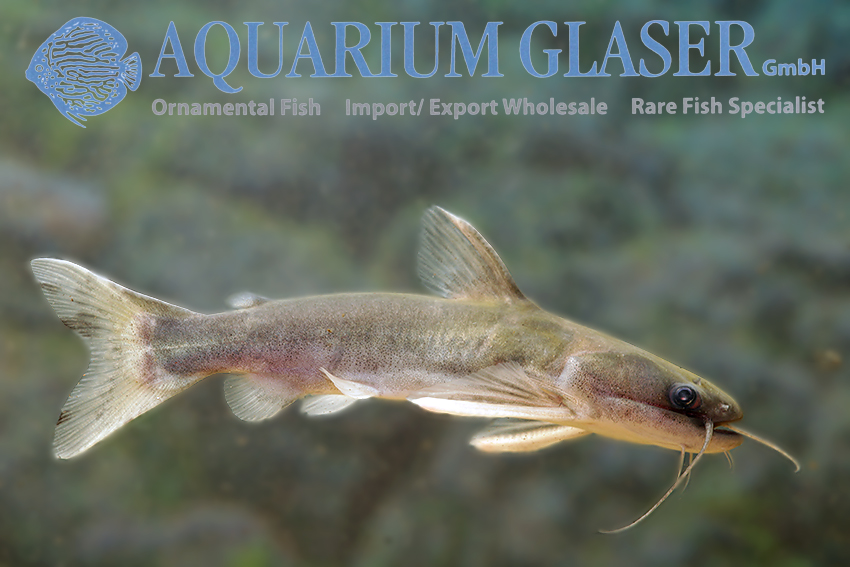
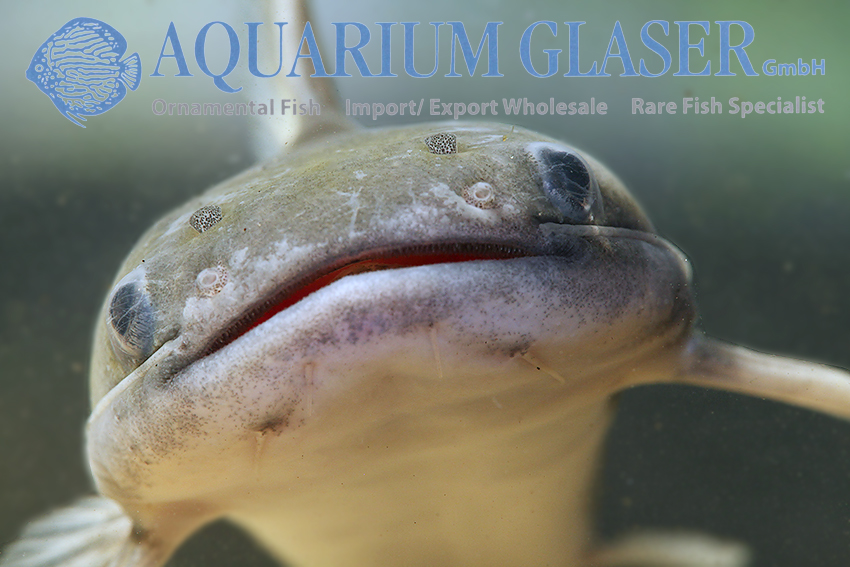
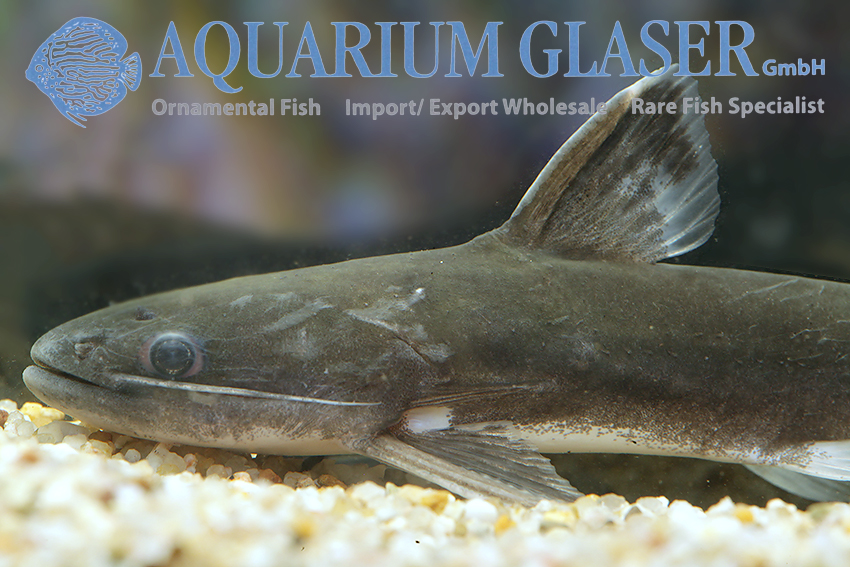
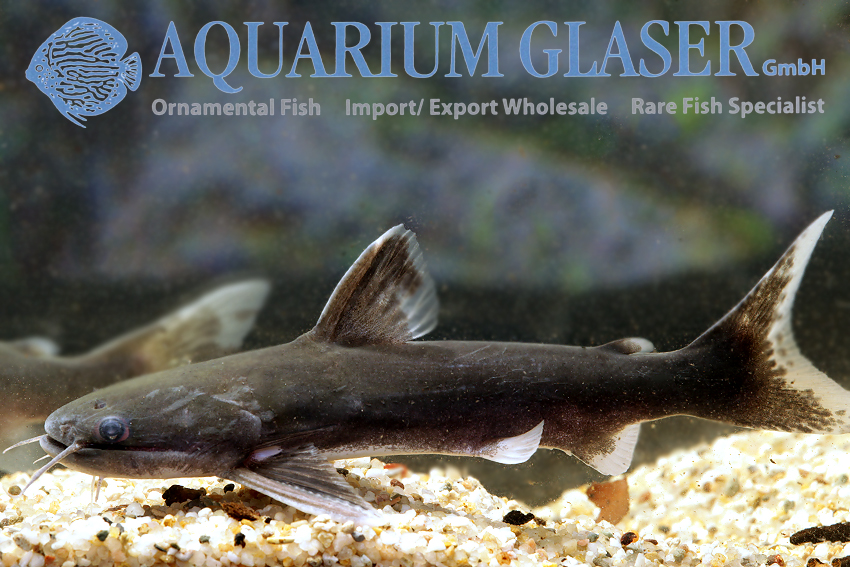
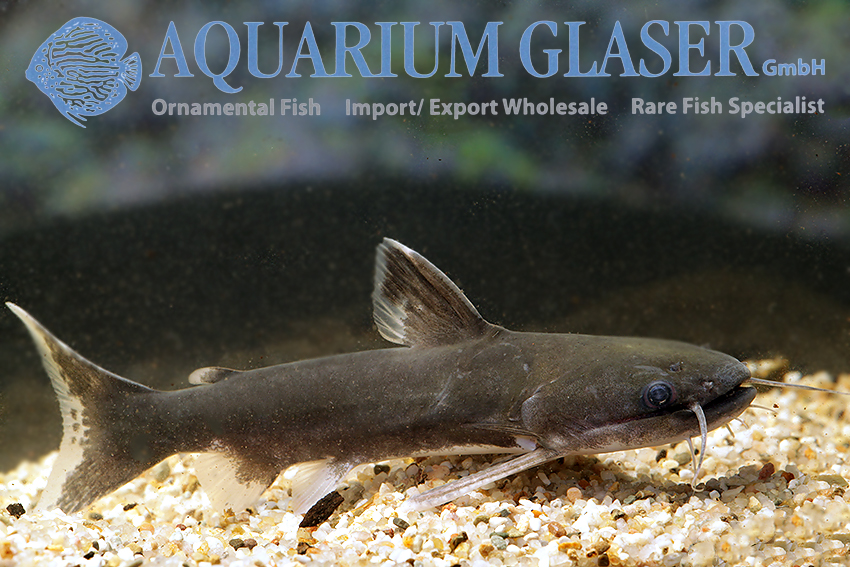
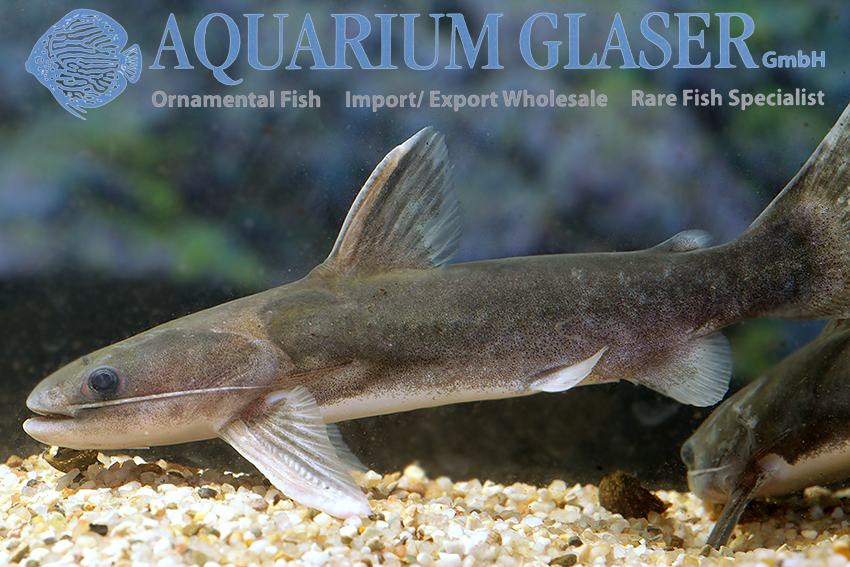
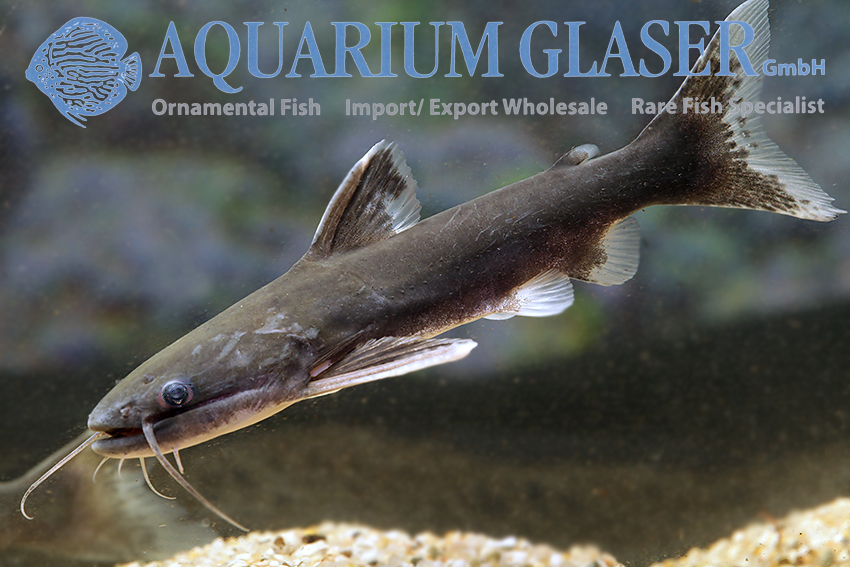
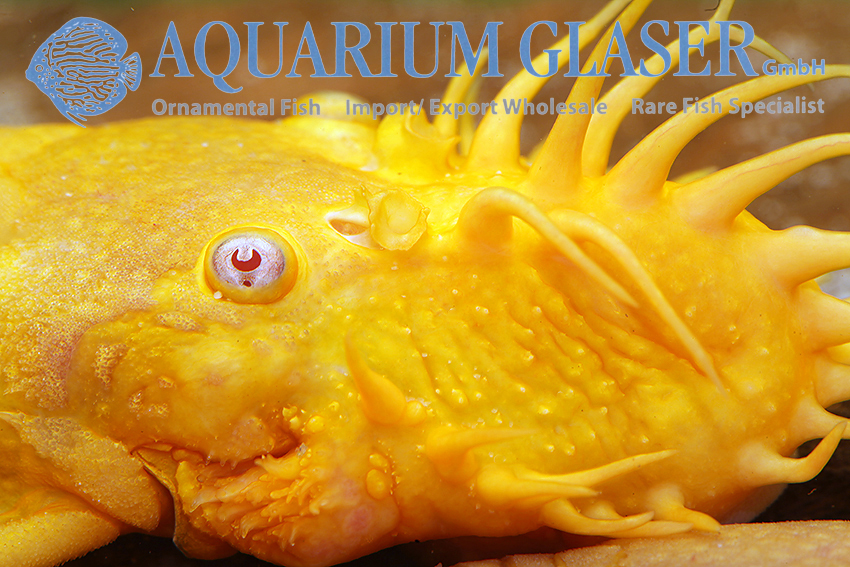
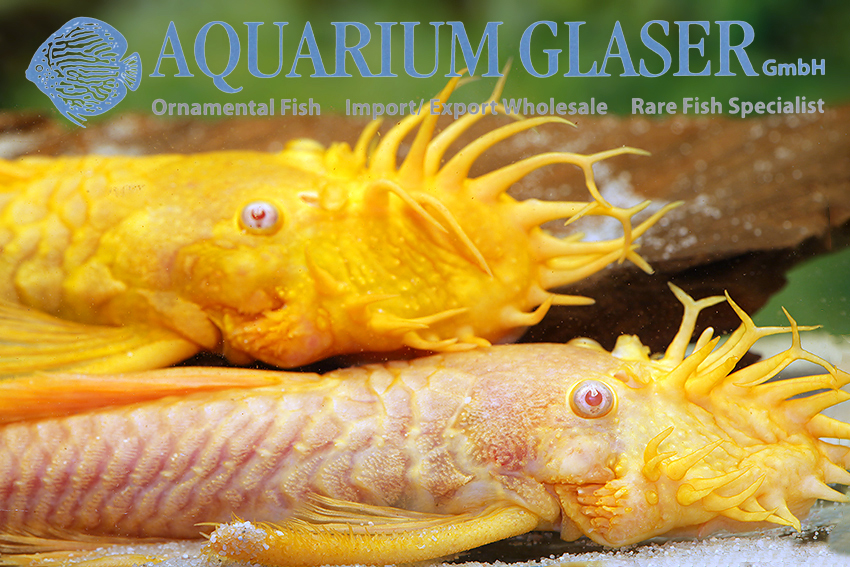
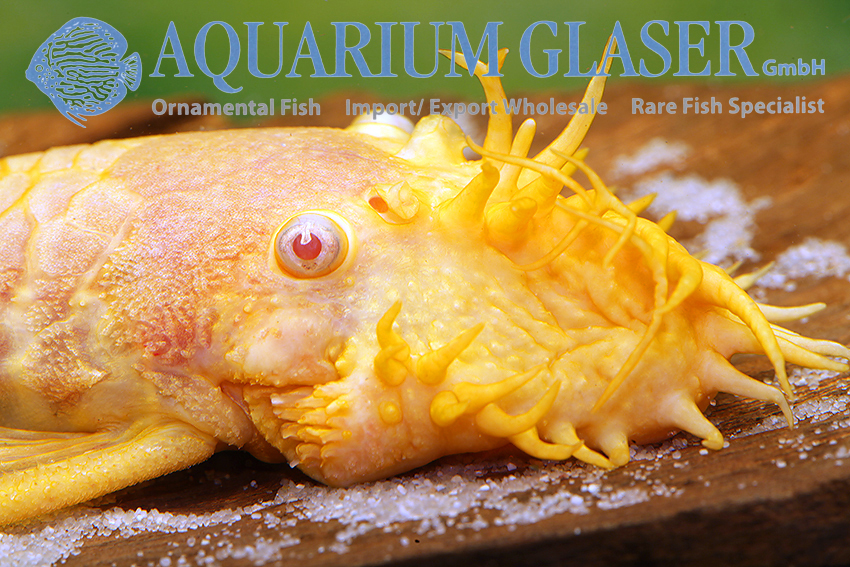
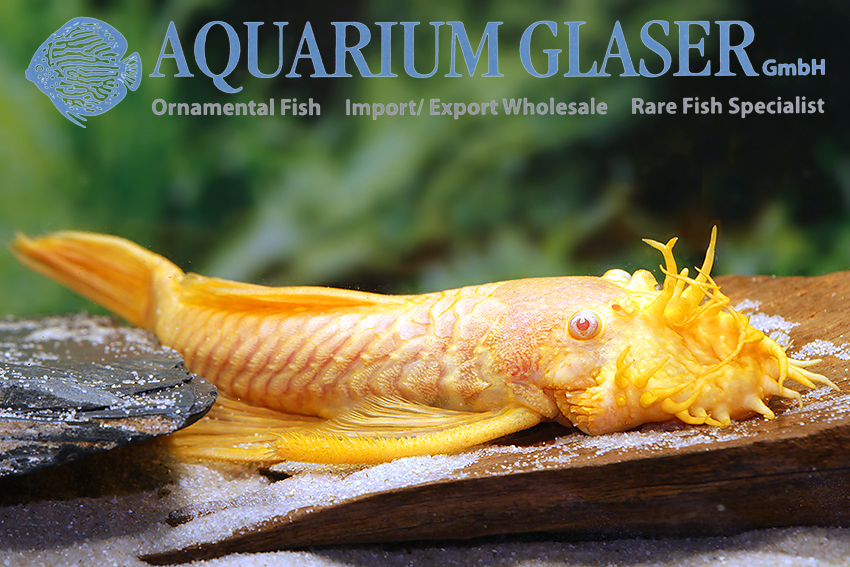
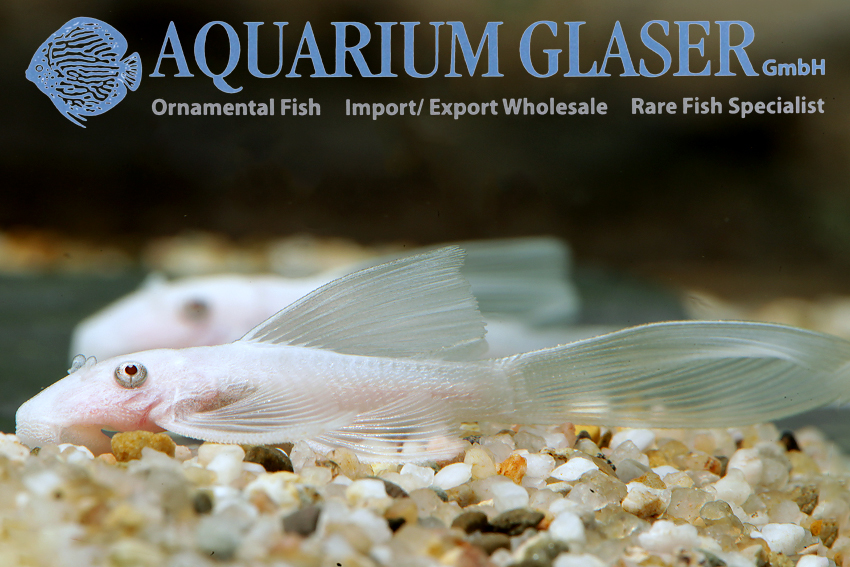
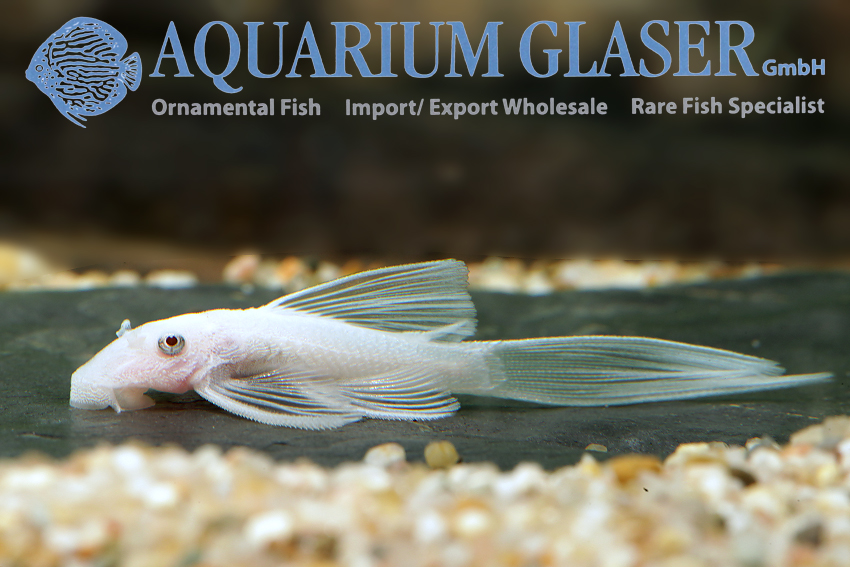
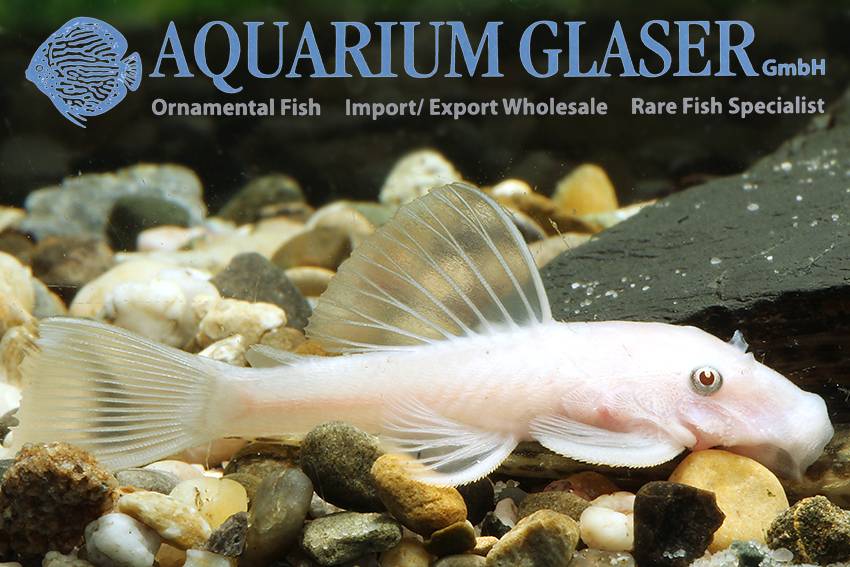
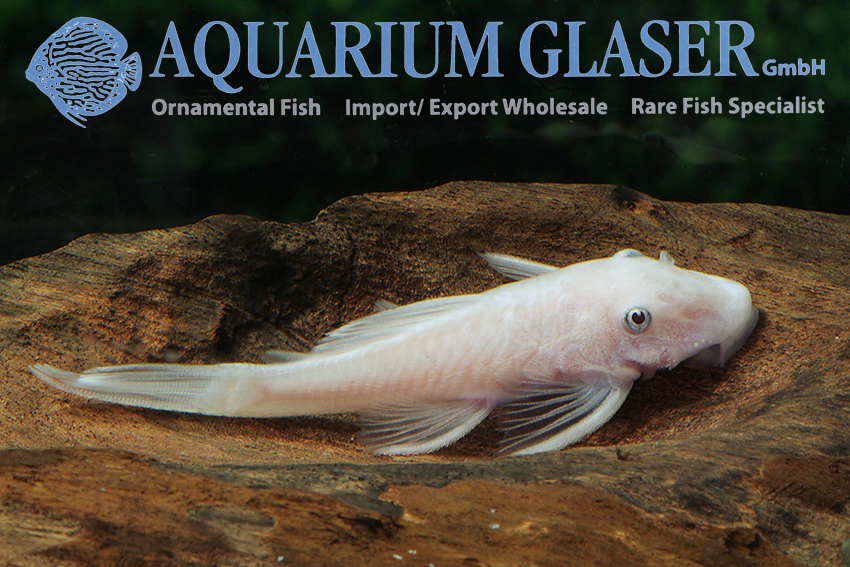
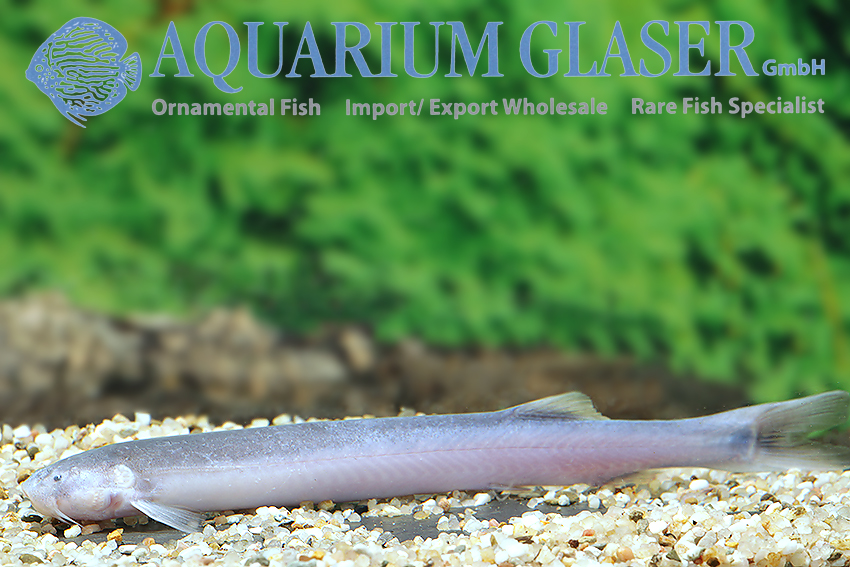
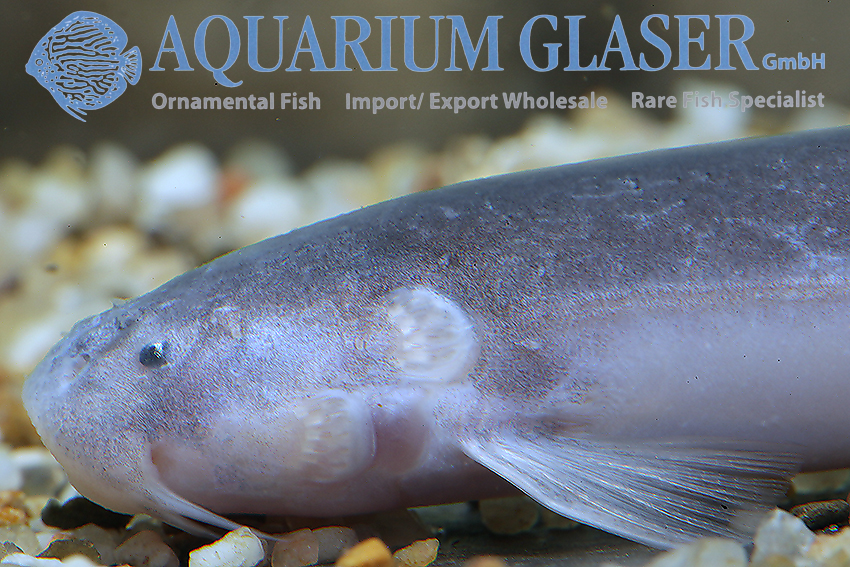
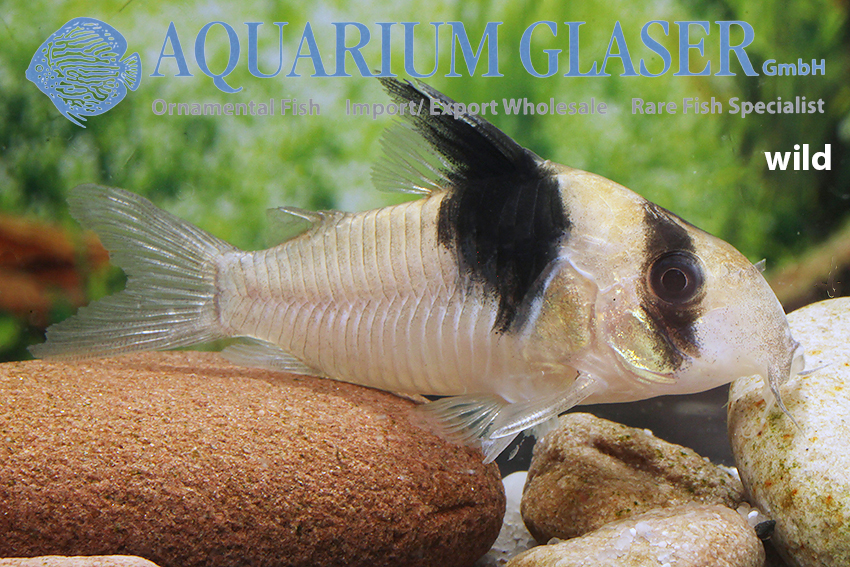
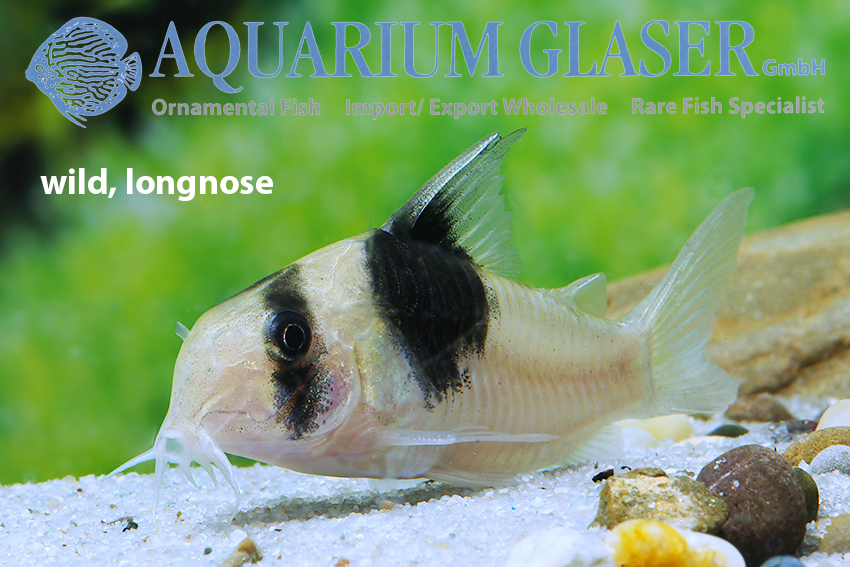
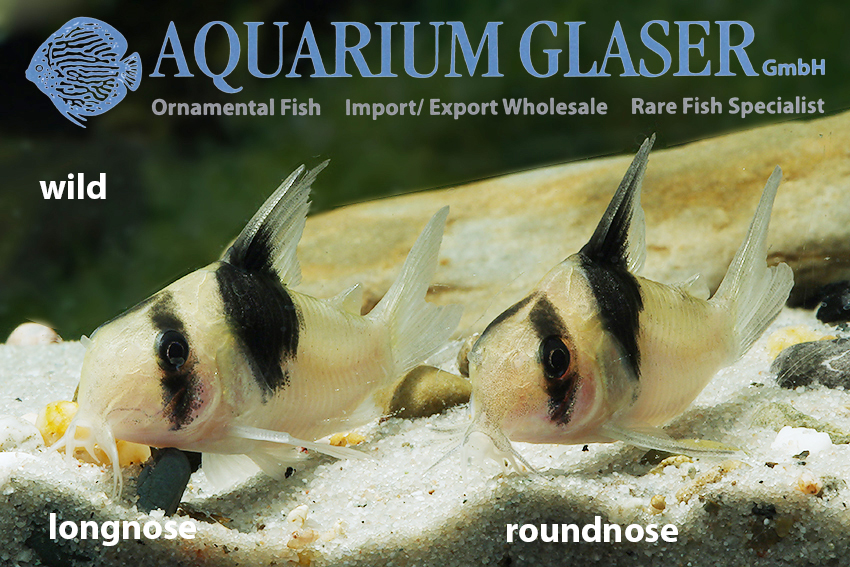
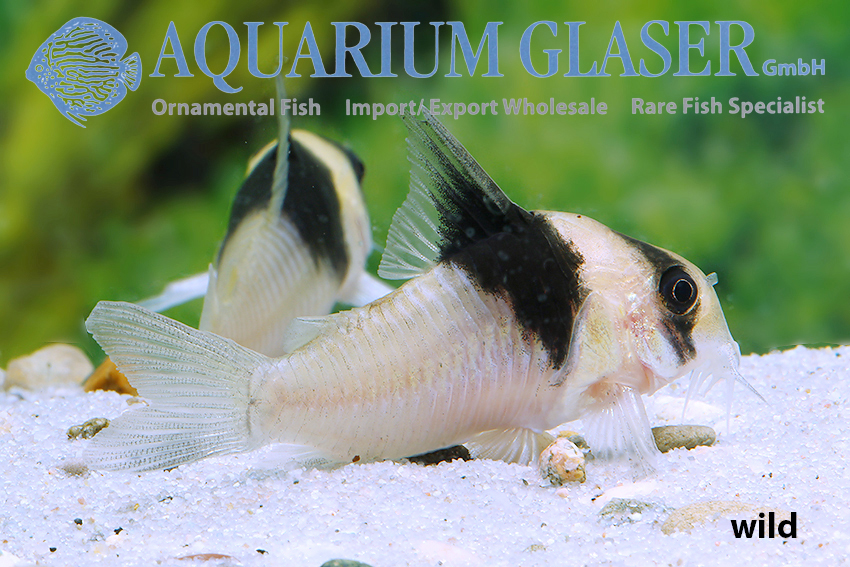
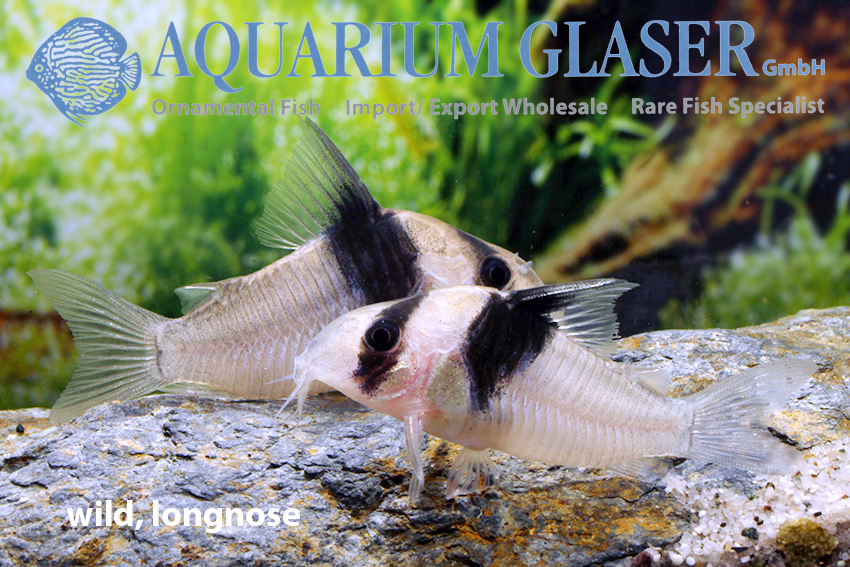
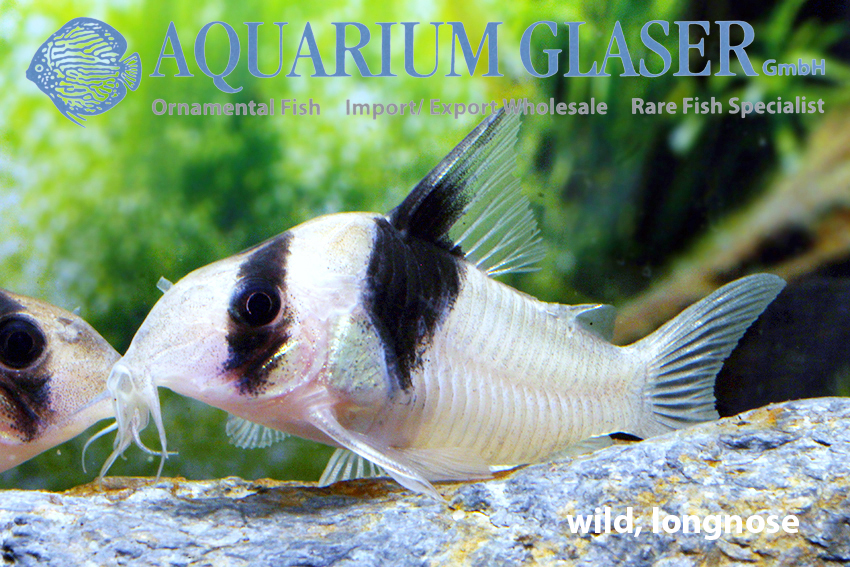
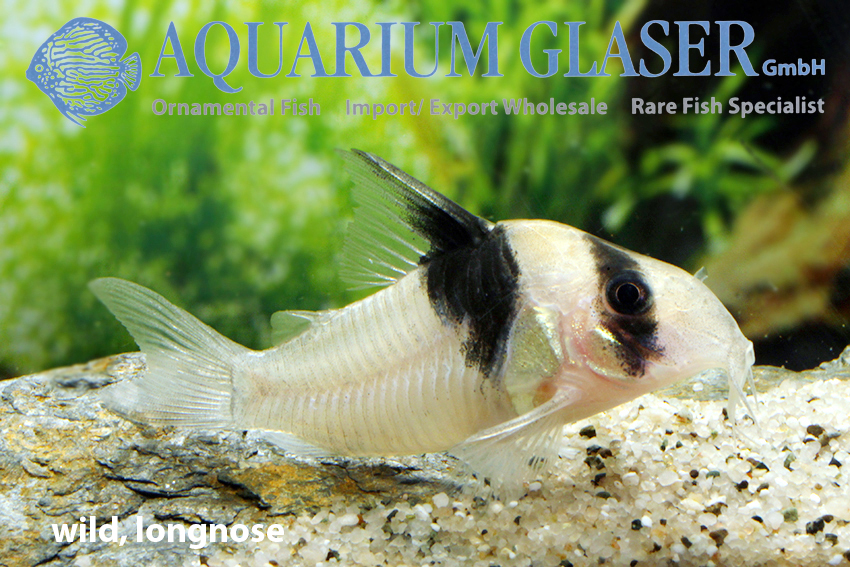
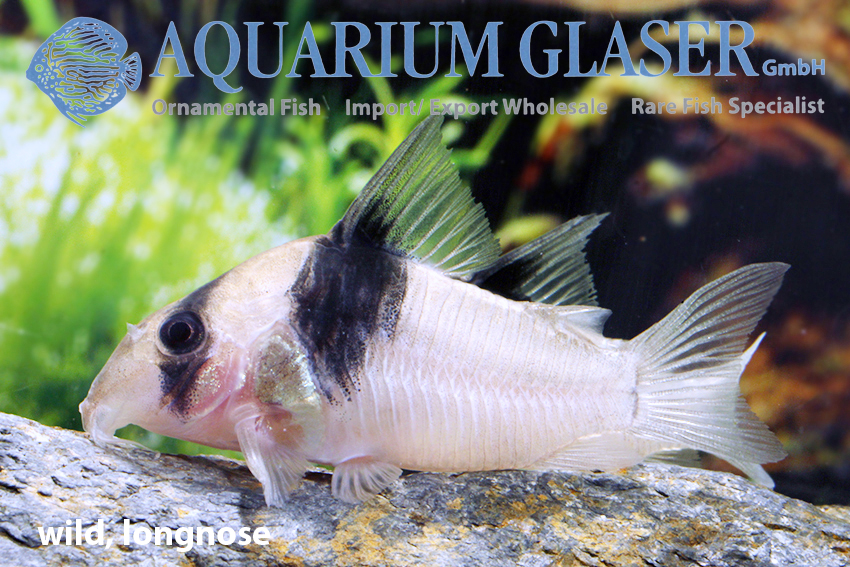
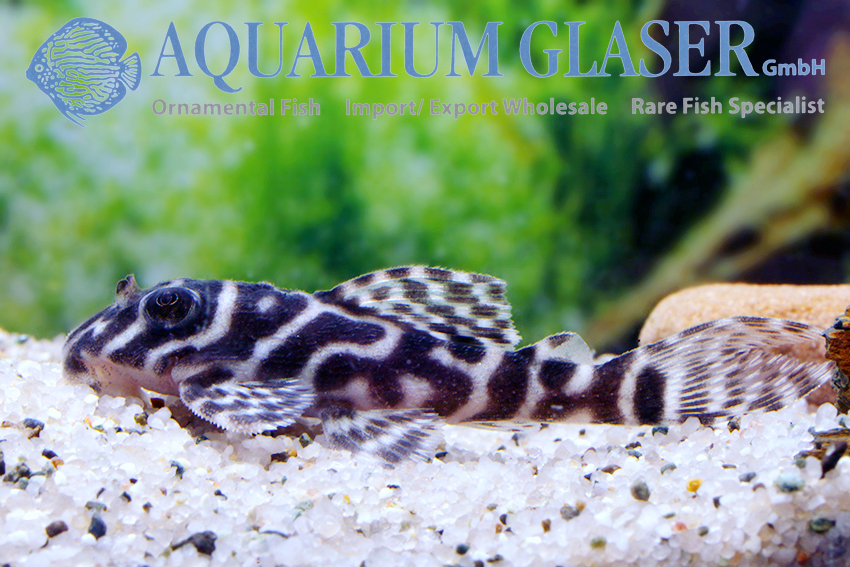
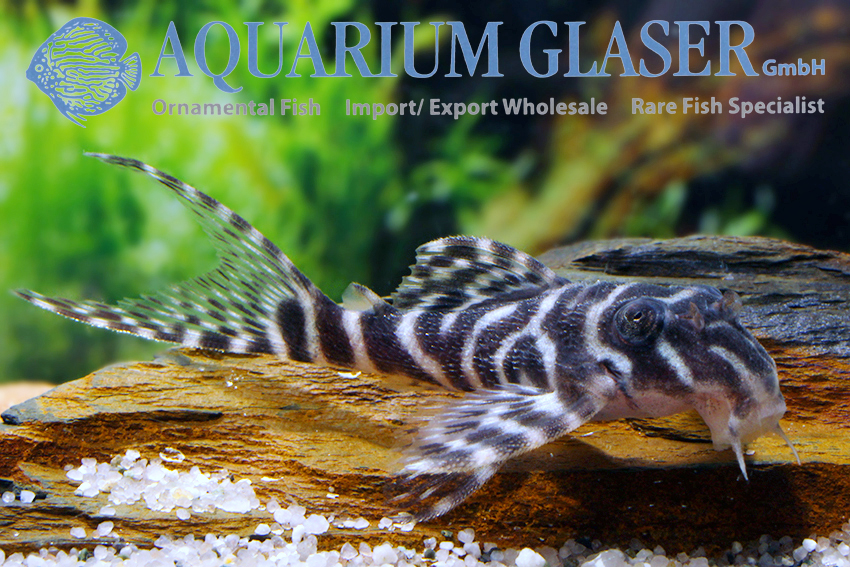
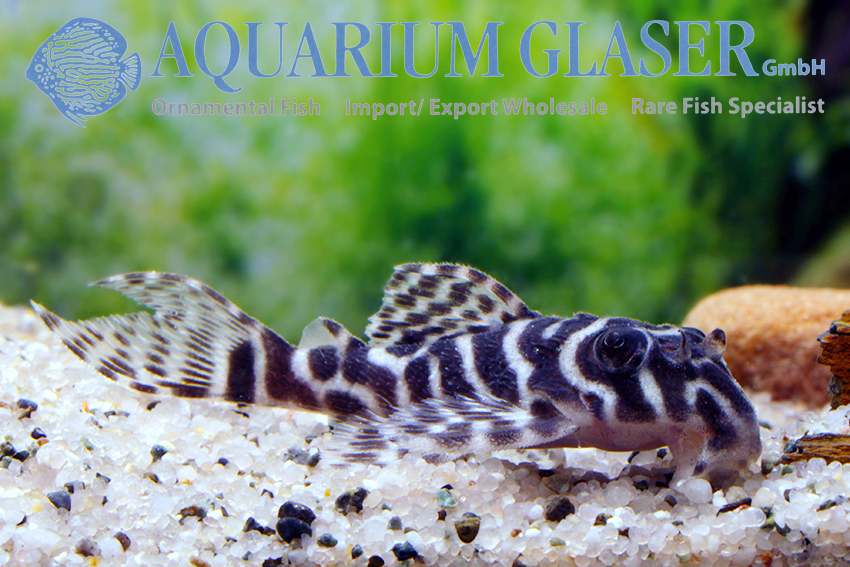
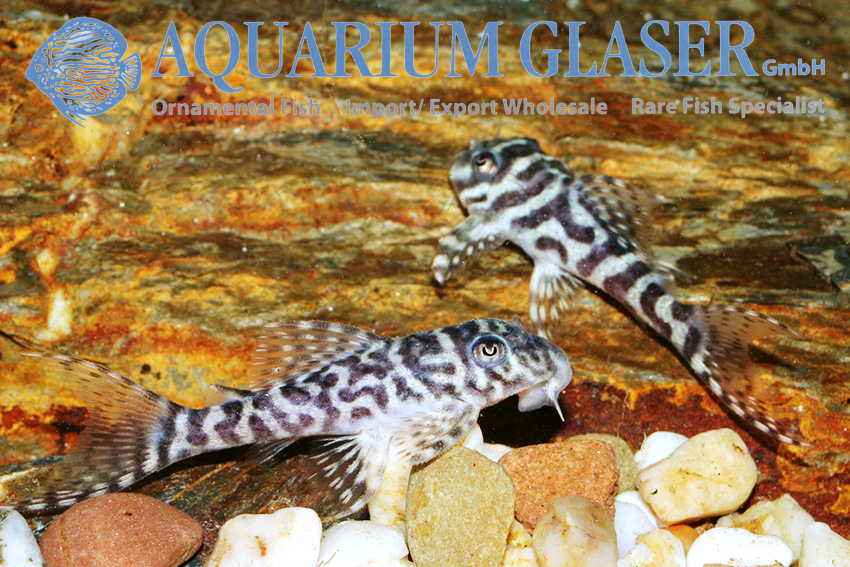
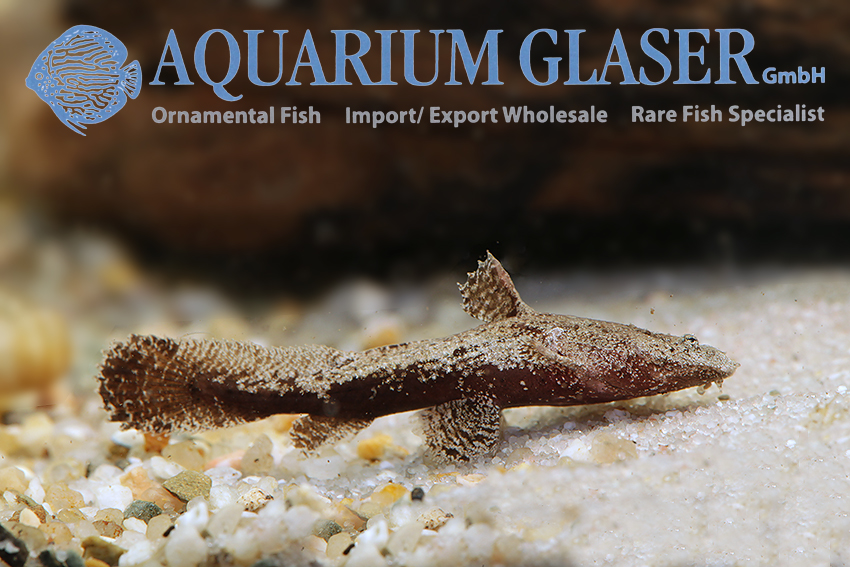
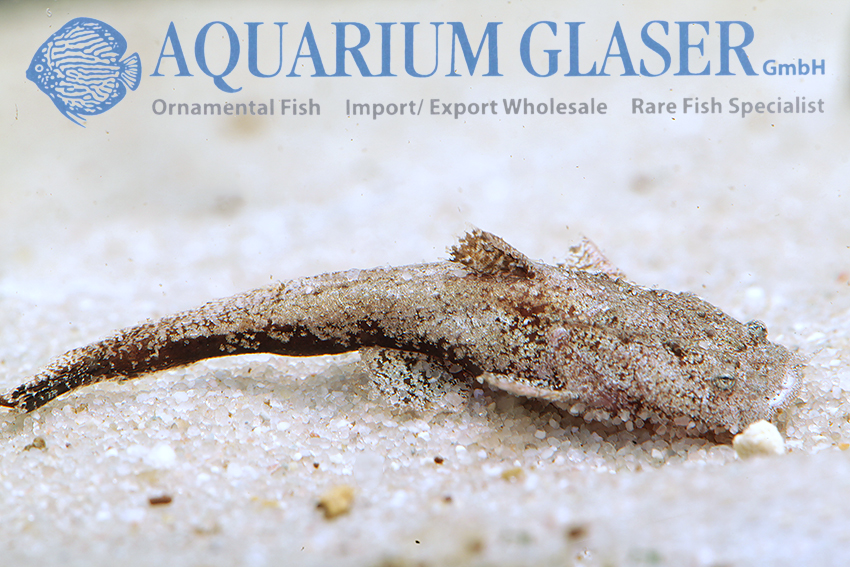
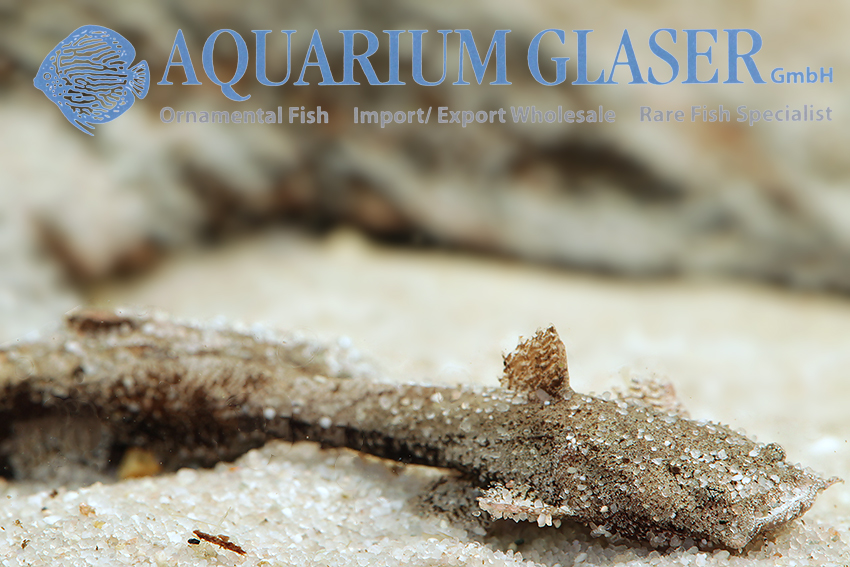
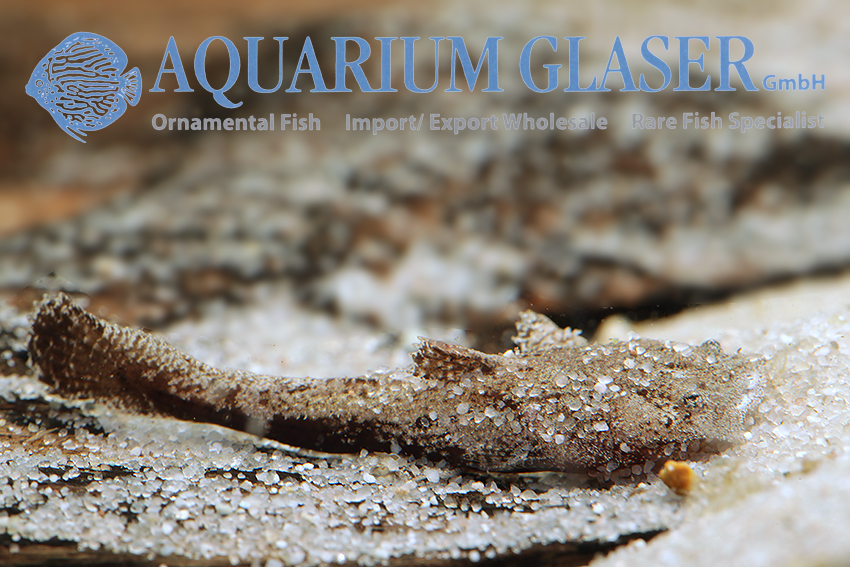
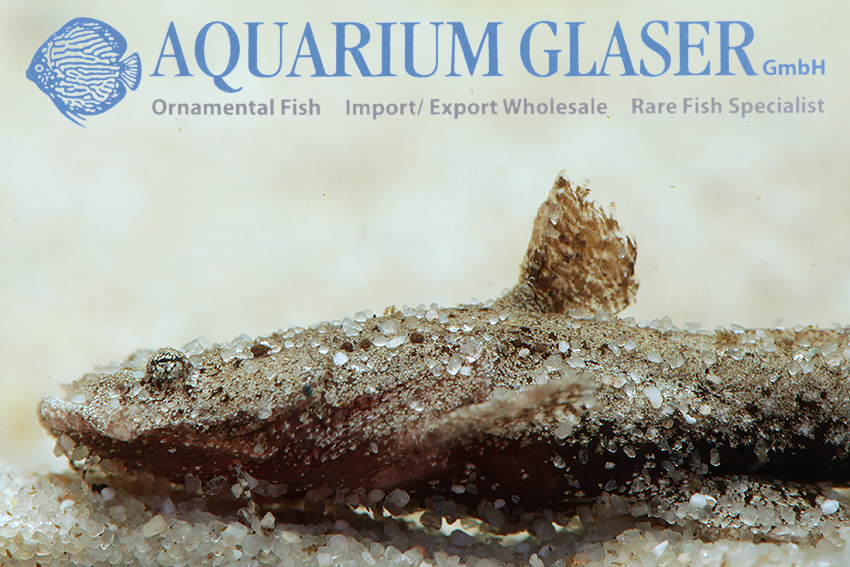
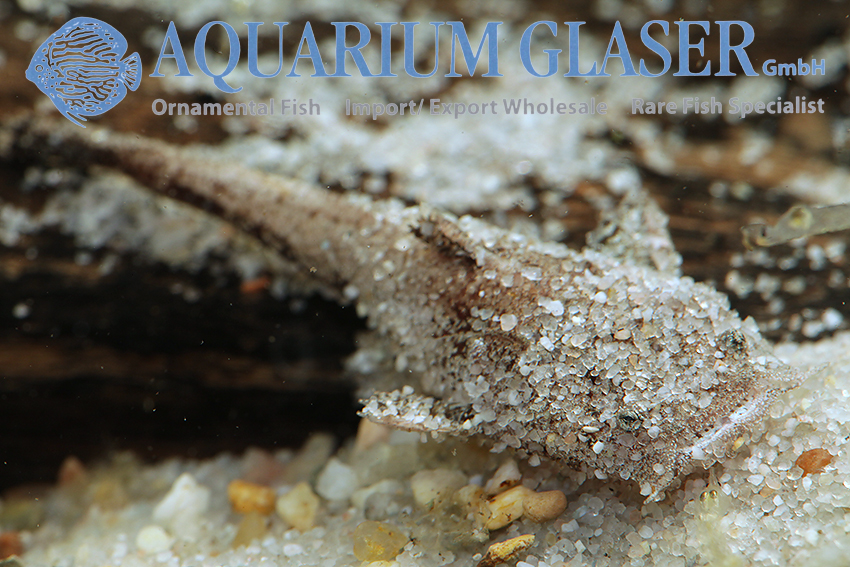
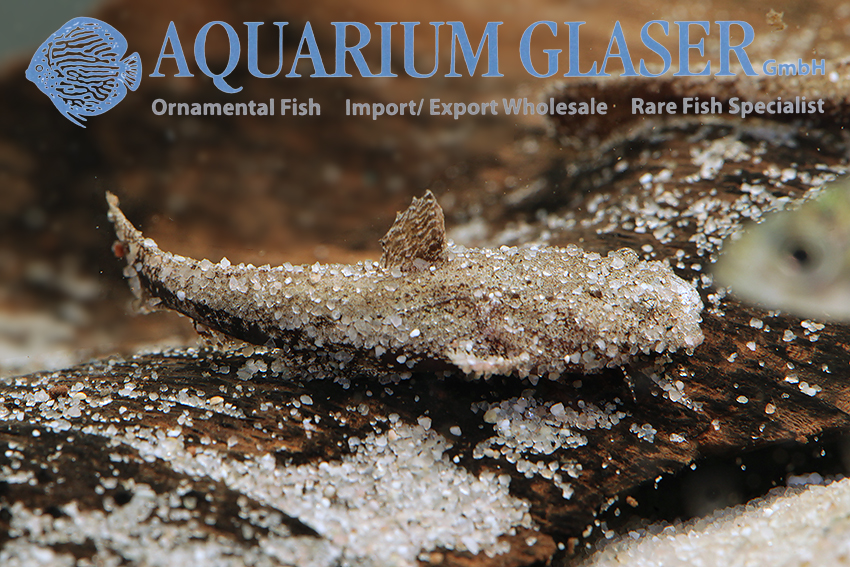
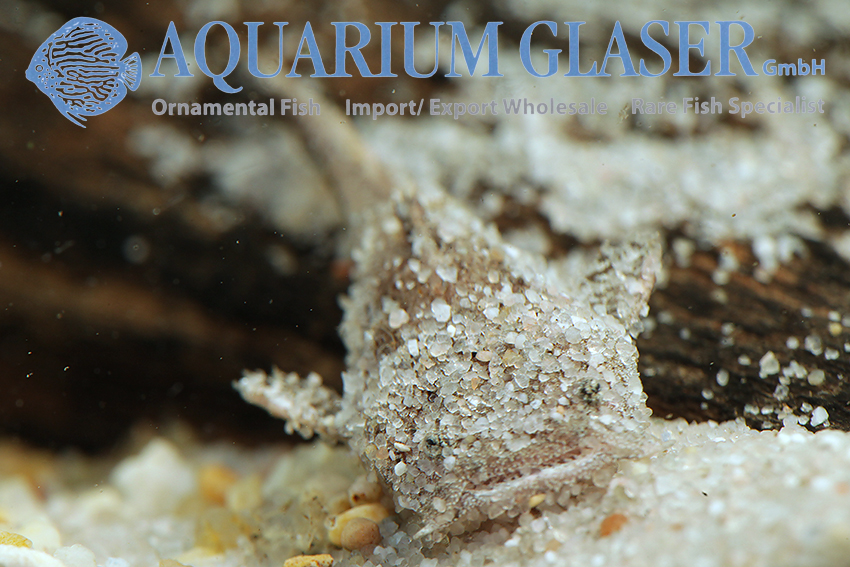
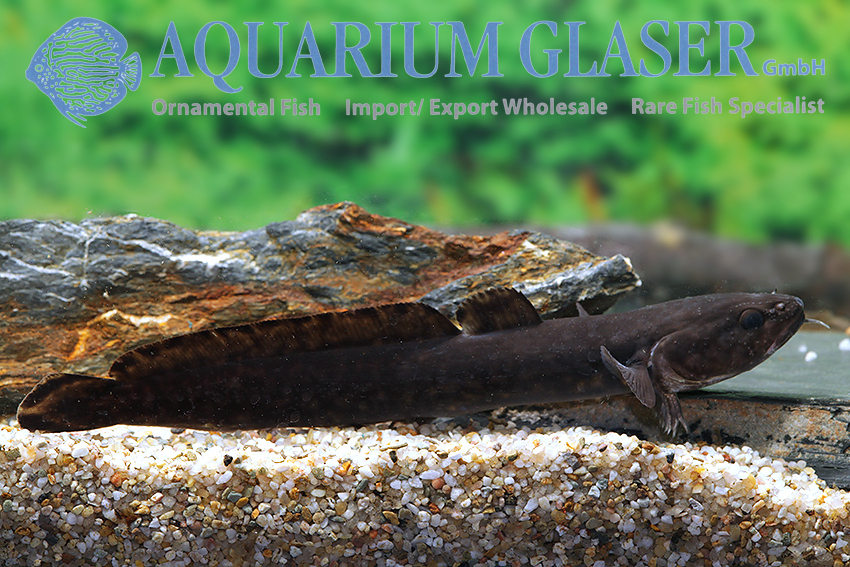
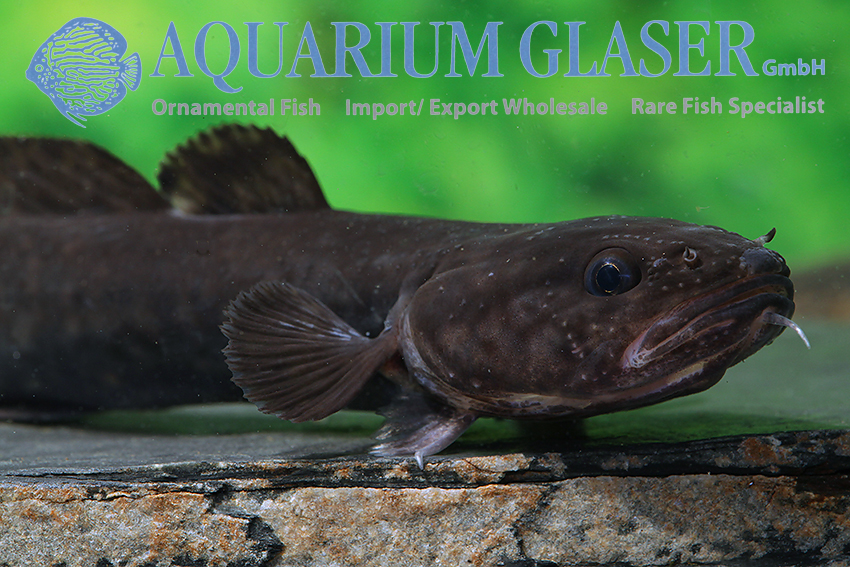
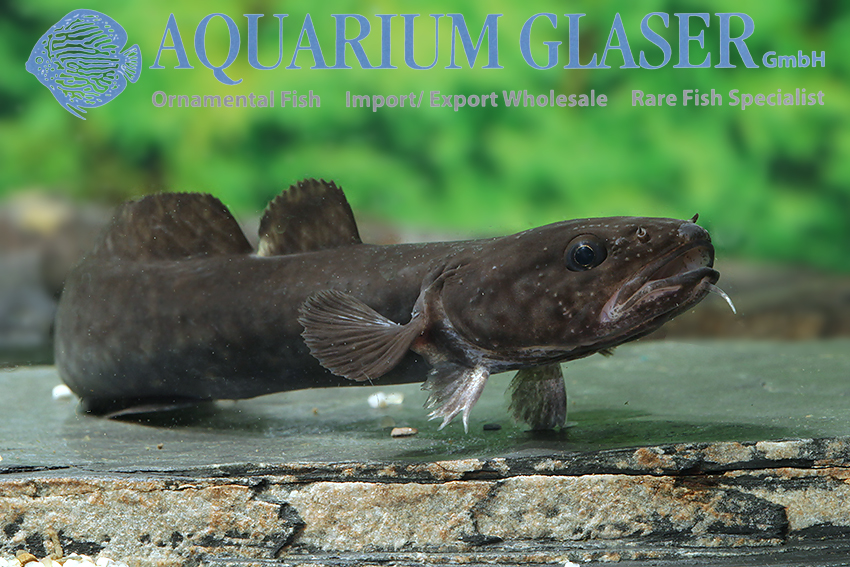
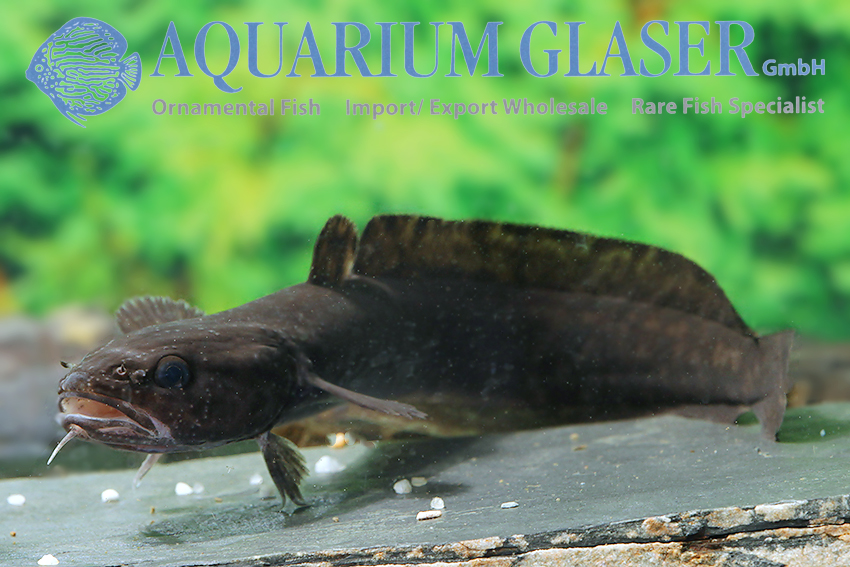
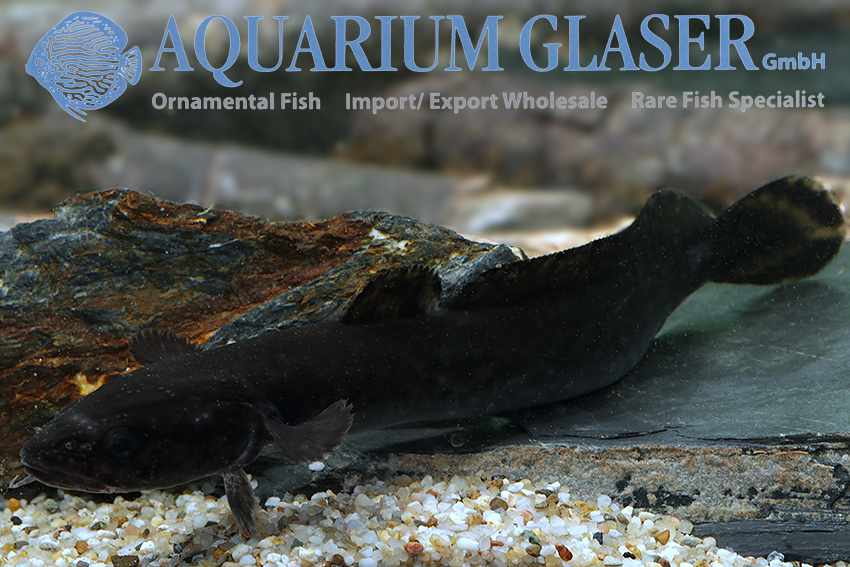
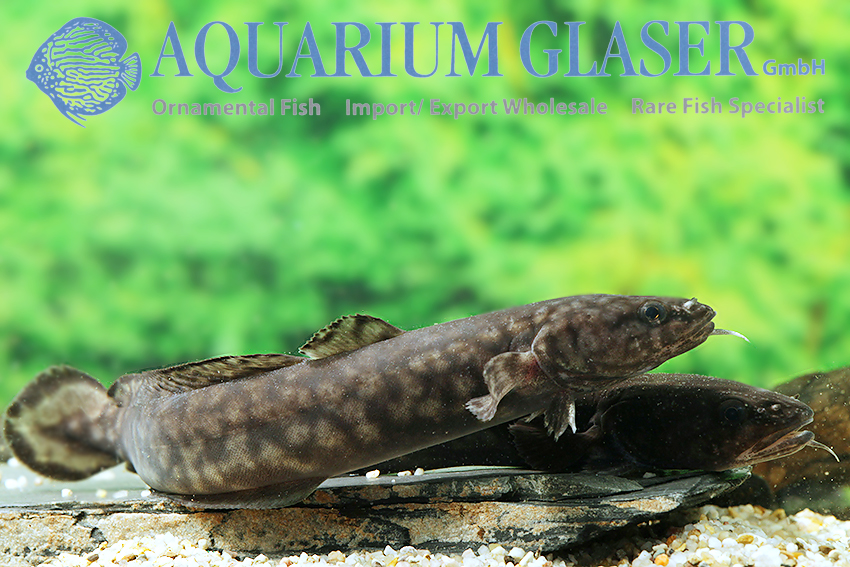
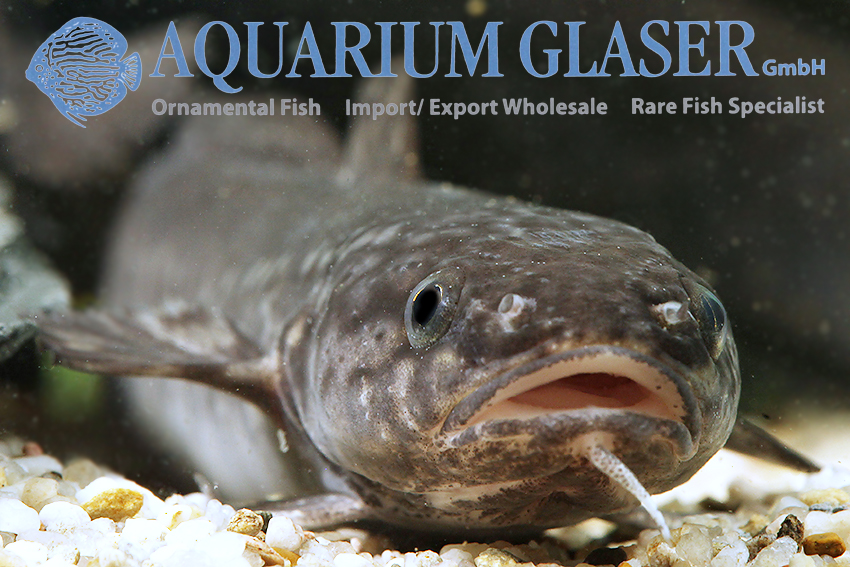
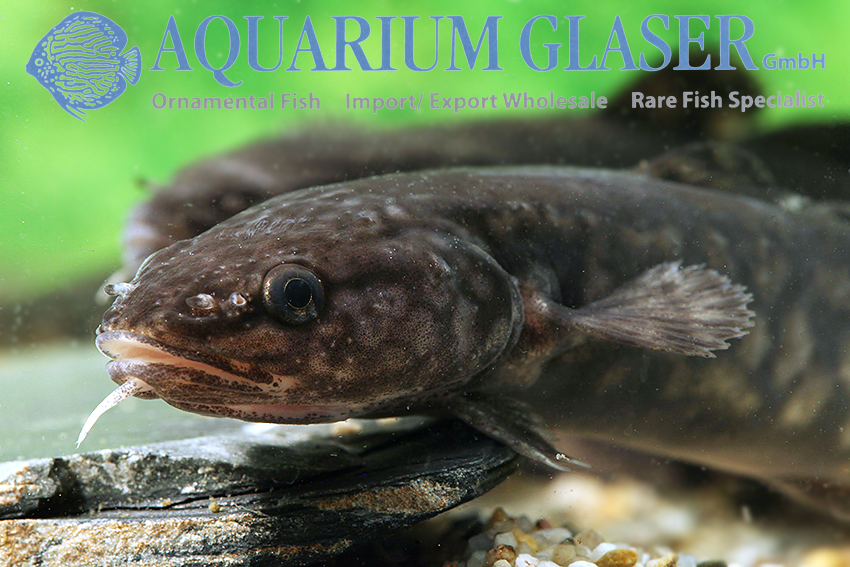
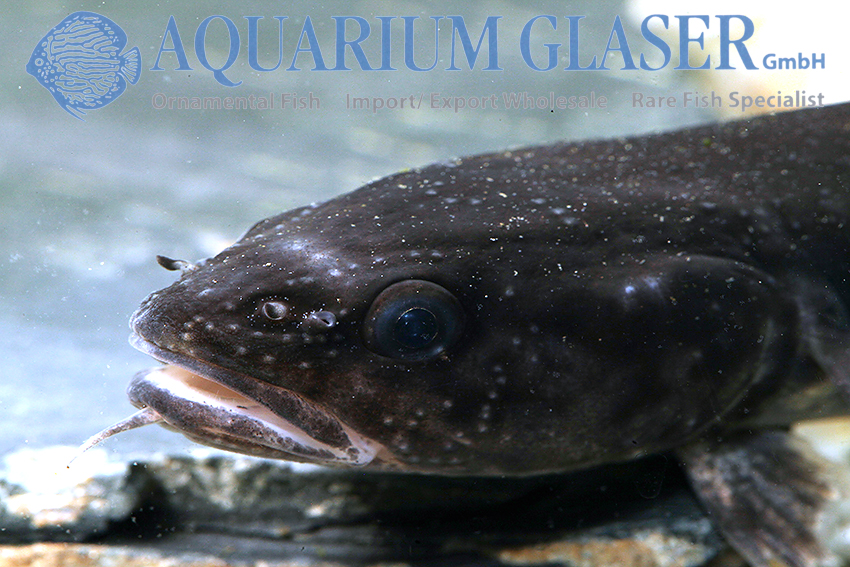
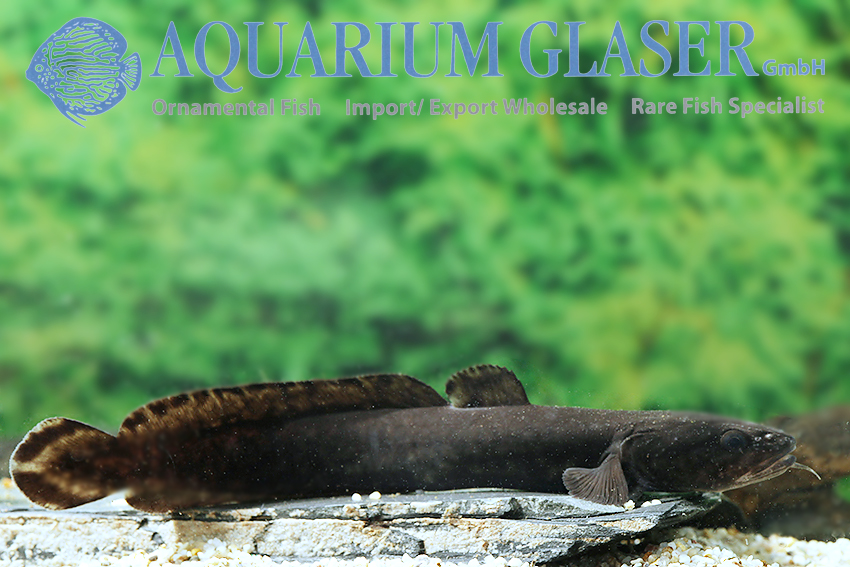
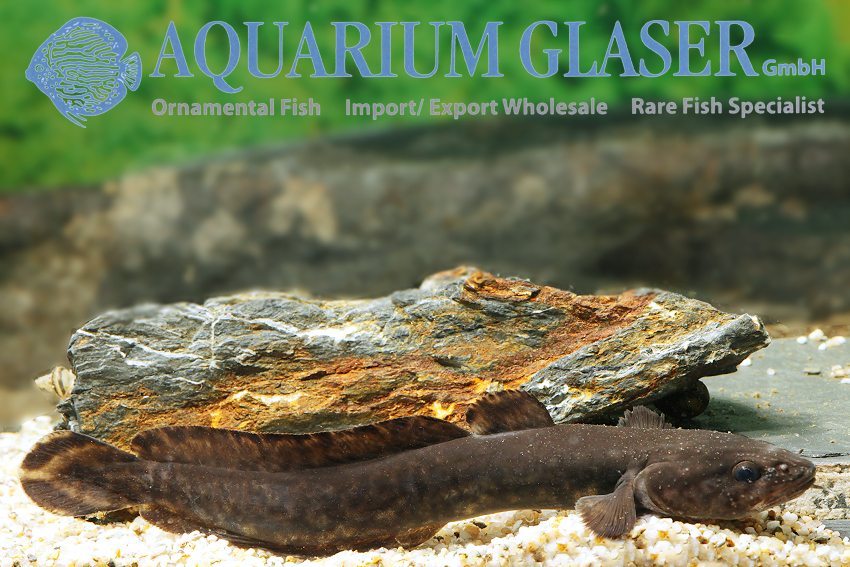
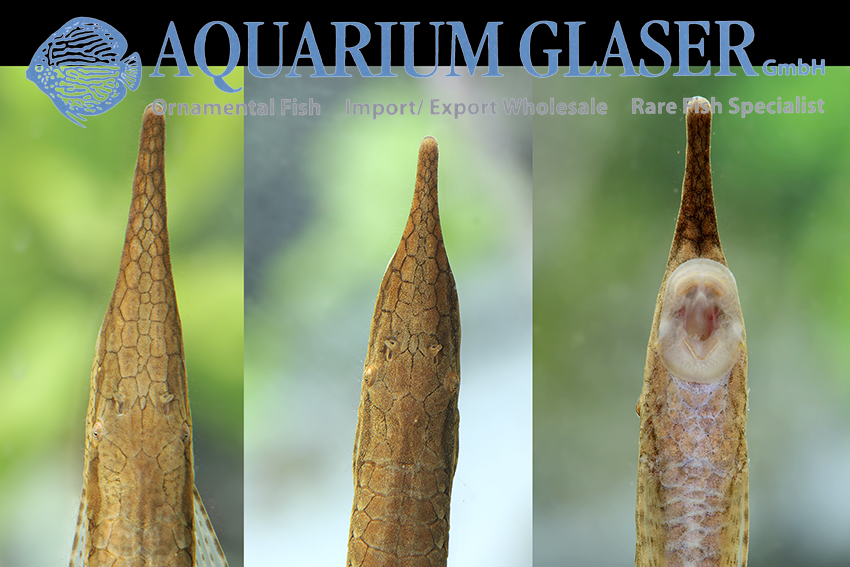
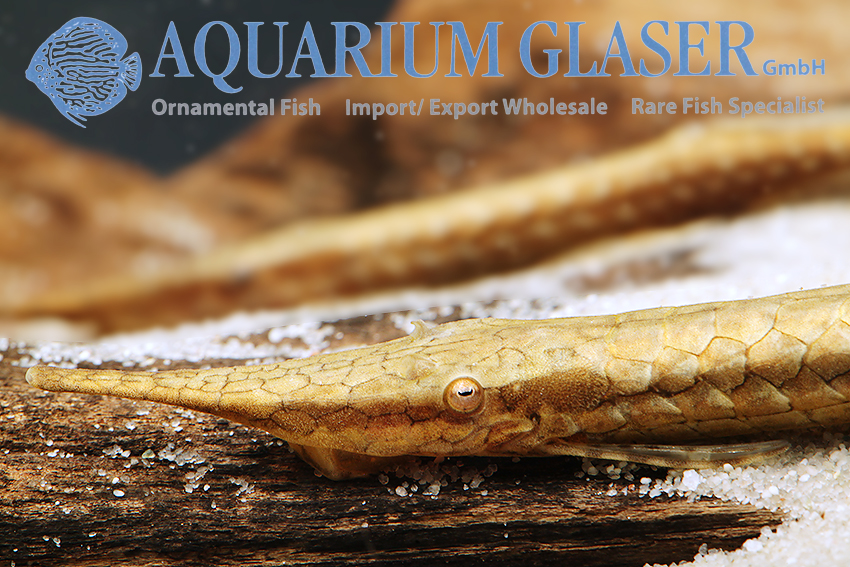
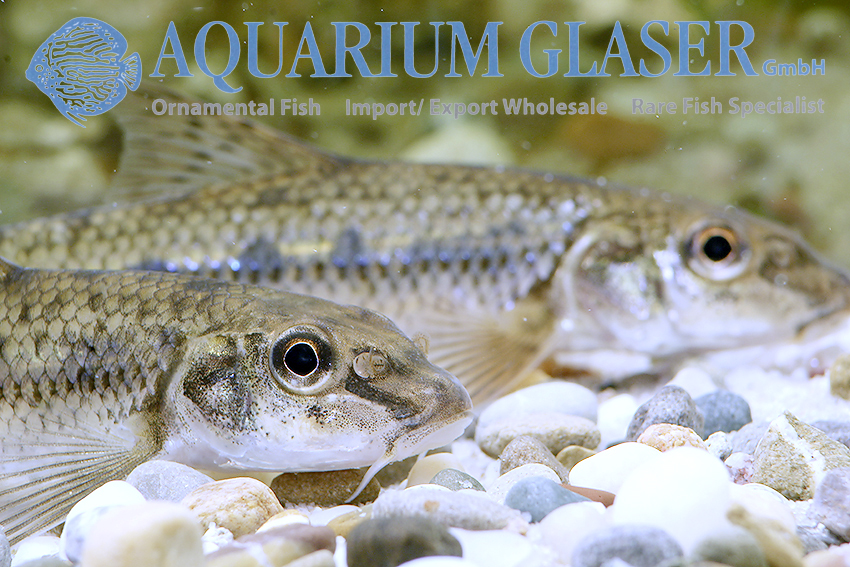
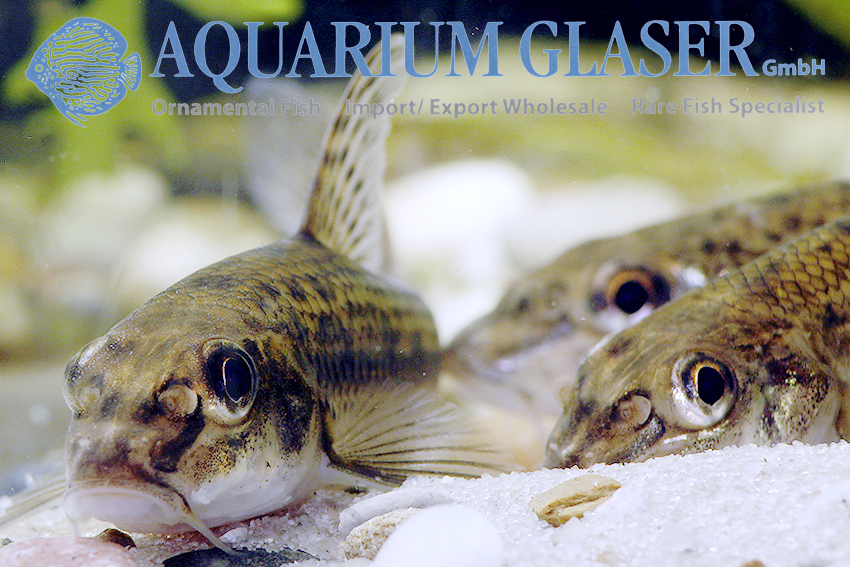
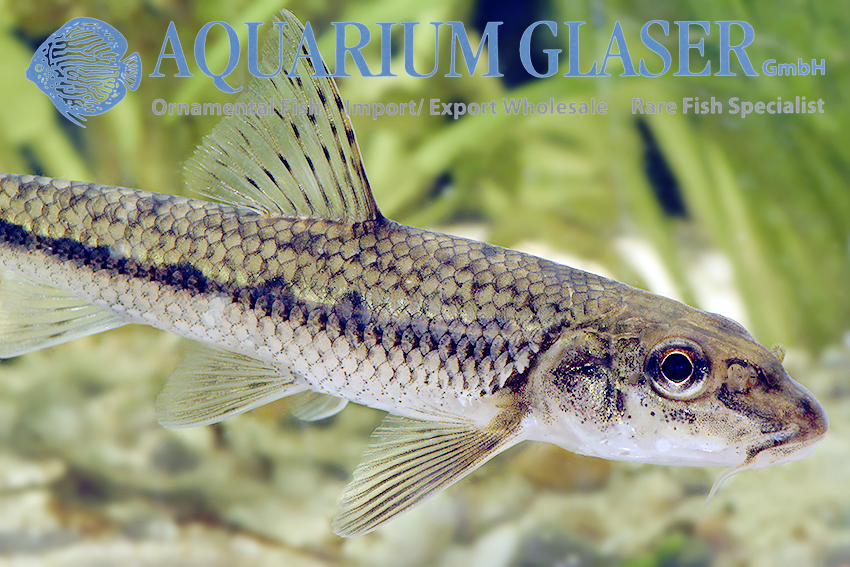
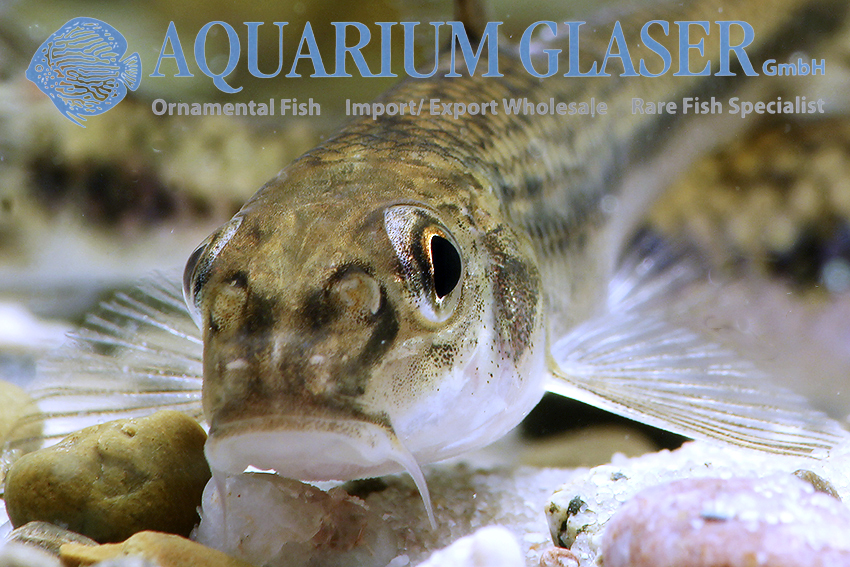
Banjo catfish (Bunocephalus) are extremely common in nature. That’s why we always have them in stock. We usually refer to these animals as Bunocephalus coracoideus, which may be correct in many cases. But when you look at such a swarm of banjo catfish, you notice that there are always other species mixed in. As a rule, it is not possible to identify them with reasonable effort, let alone sort them, but it is extremely exciting to raise and observe a group of perhaps 20 of these animals in an aquarium. Then you notice how variable these animals are in coloration, that there are clear differences in anatomy (especially the bone ridges along the middle of the back in front of the dorsal fin), and also that there are species that prefer to burrow more than others.
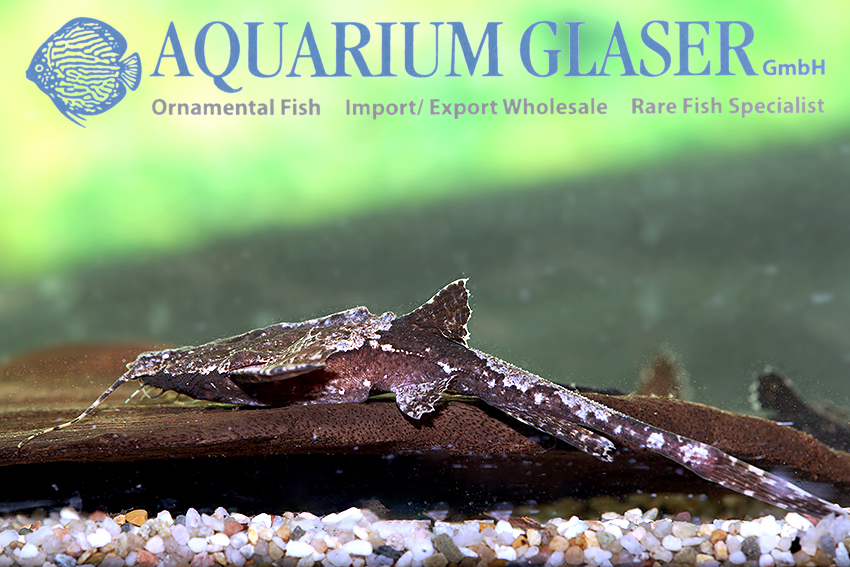
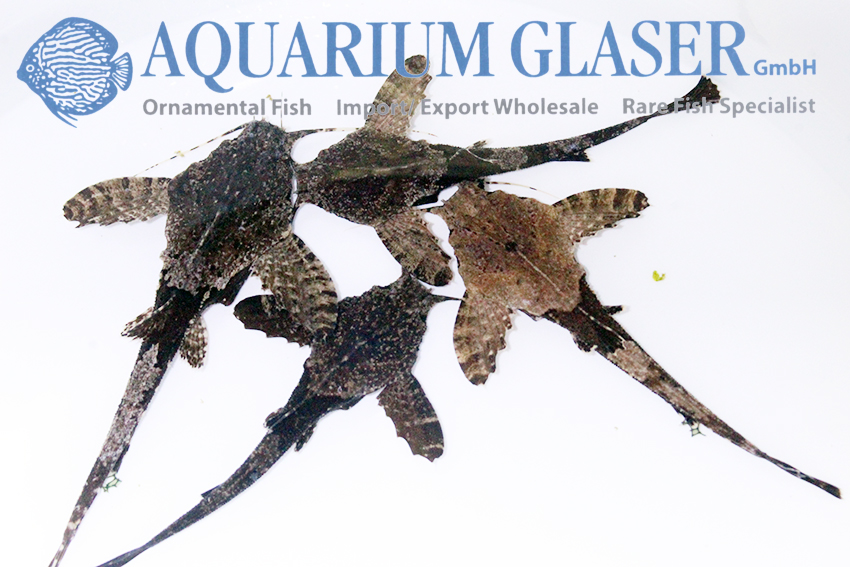
As mentioned, Bunocephalus are usually not identified in more detail in the trade and are marketed under the name B. coracoideus. It gets tricky when Bunocephalus that are visually distinguishable from the “mainstream” are imported; we try to identify these as accurately as possible, of course. That is why we will briefly describe here what we currently understand to be the “real” B. coracoideus.

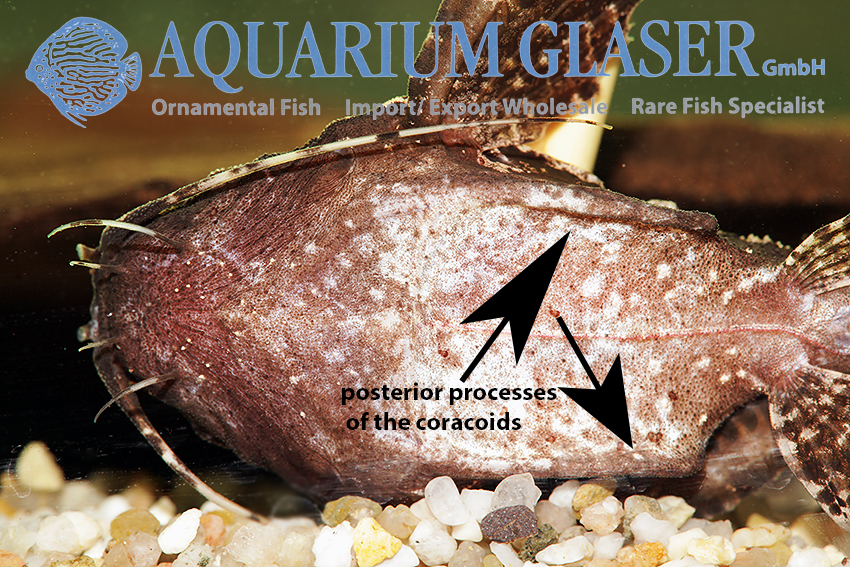
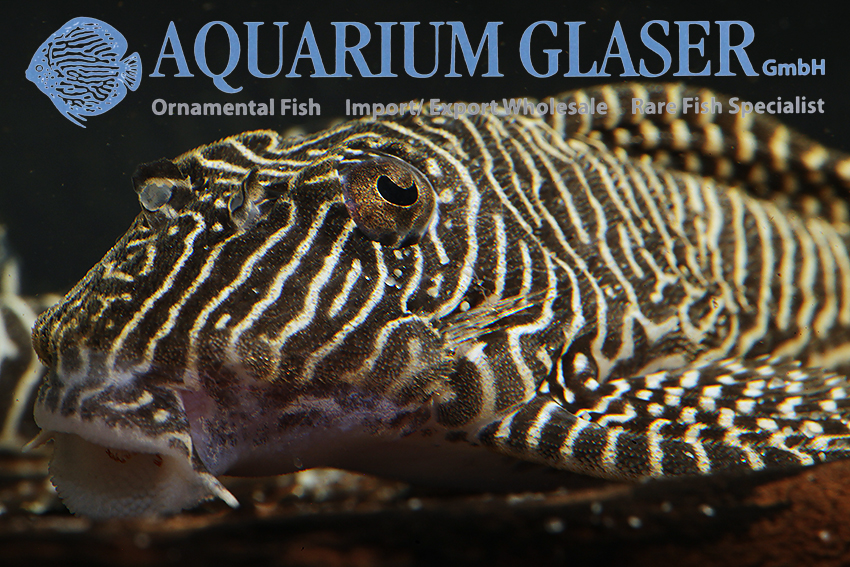
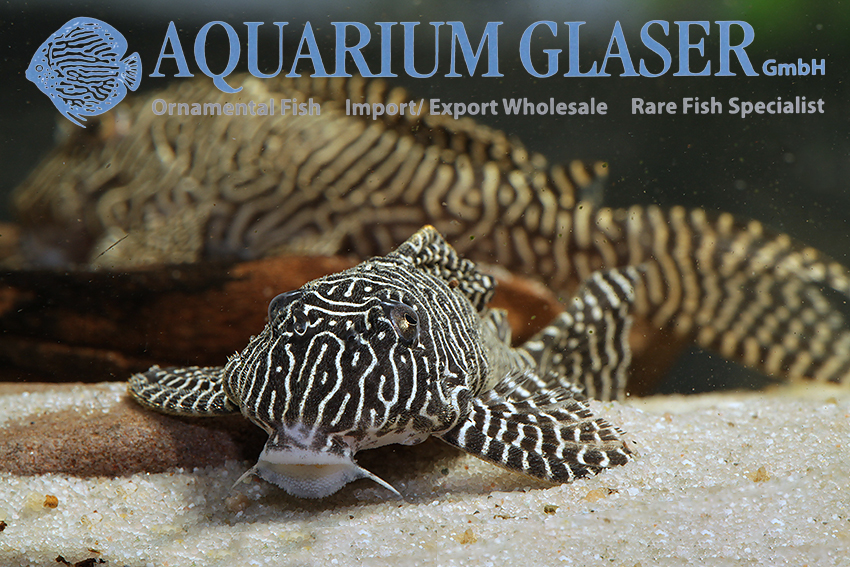
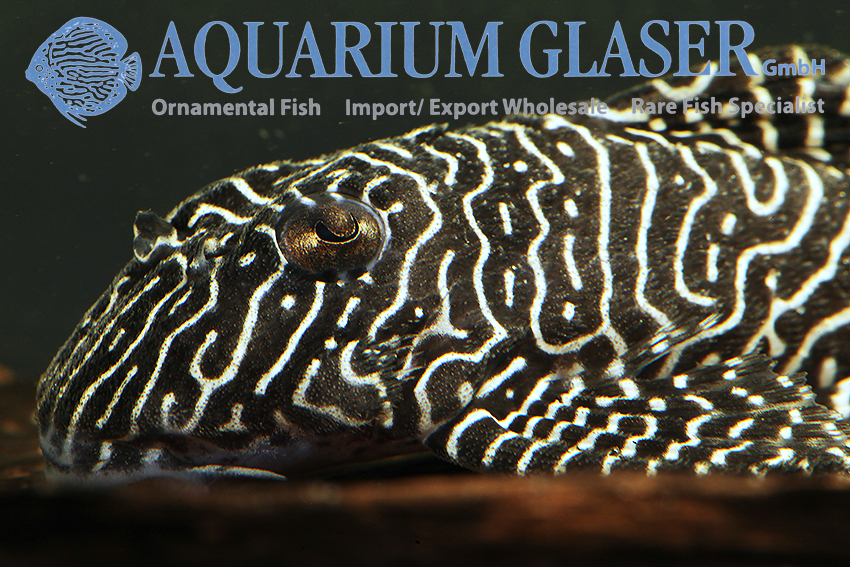
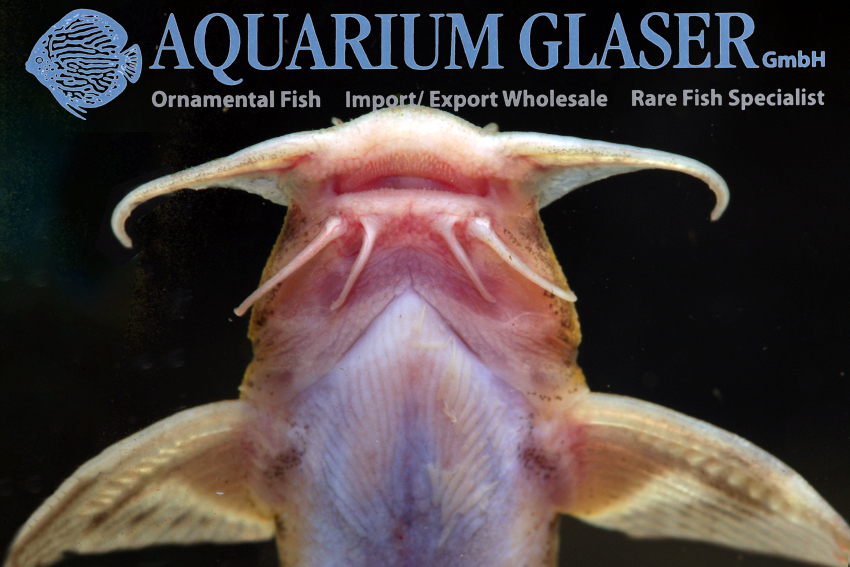
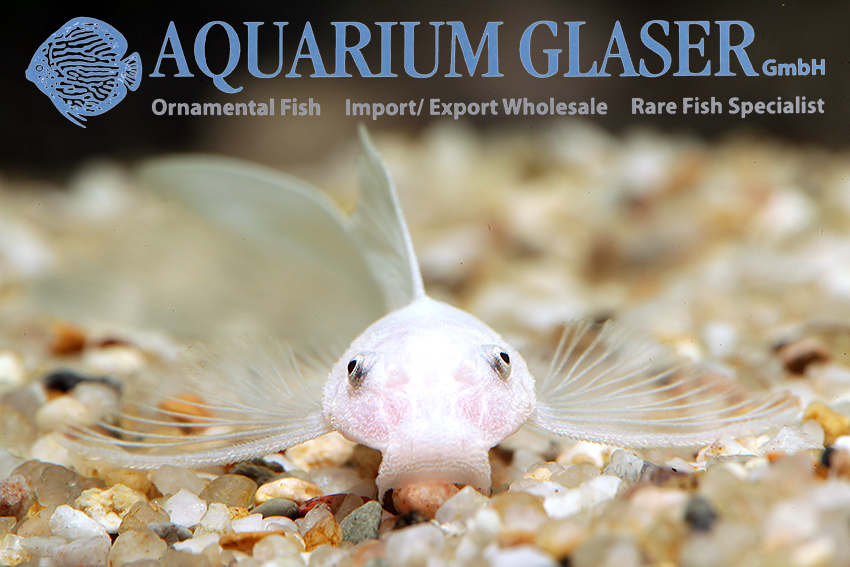
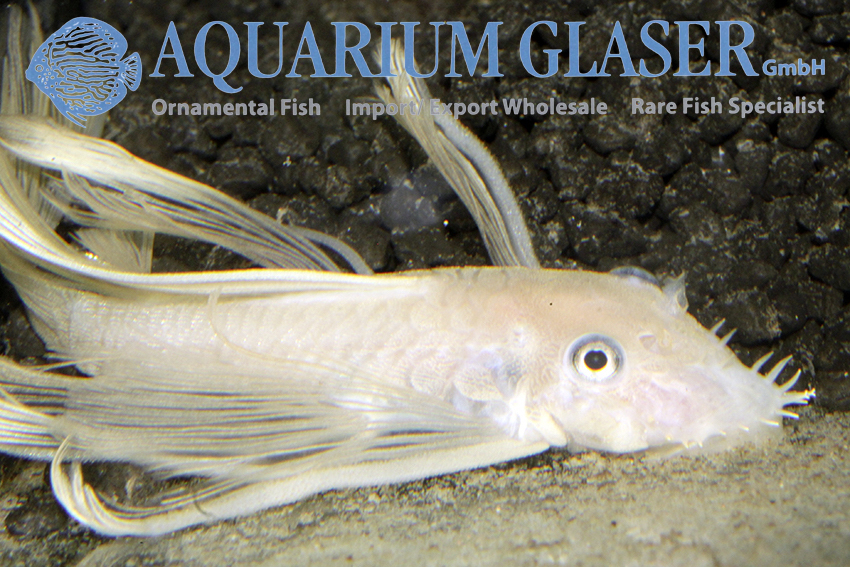
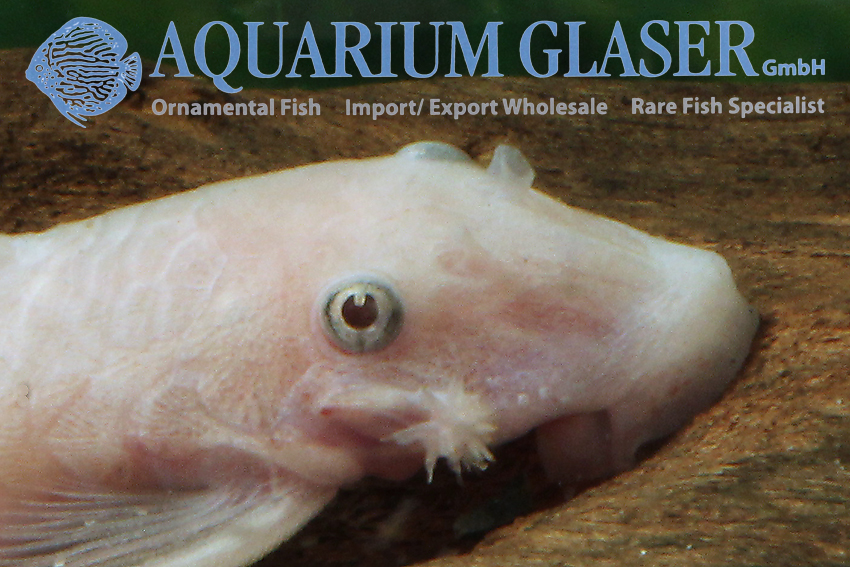
The species name “coracoideus” refers to a very characteristic feature of this species, the coracoid bones. These are bony processes that, in this case, support the pectoral fins. Since these bony processes lie directly under the skin, they are also clearly visible in living animals. According to current knowledge, B. coracoideus has the most pronounced coracoid bones in the genus Bunocephalus, which currently comprises 14 species. The ventral parts of the processes extend almost to the base of the ventral fins. A second feature that characterizes the species B. coracoideus very well are the bony protuberances along the middle of the head. Three distinct larger elevations can be seen here, and a small one immediately in front of the dorsal fin. This combination of features allows for a fairly reliable identification in most cases. Colouring is not such a good characteristic, as it is very variable. However, it almost always consists of a front part covering the head that differs from the colouring of the tail. A well-known synonym for B. coracoideus is B. bicolor; “bicolor” means “two-colored”.

B. coracoideus is widespread throughout the Amazon region and can therefore come to us from practically all ornamental fish exporting countries that have access to the Amazon. Currently, for example, we have some very beautiful specimens from Colombia in stock. However, genetic studies have shown that different populations of B. coracoideus, which are visually indistinguishable from one another, differ so significantly in terms of their genetic makeup that they should actually be considered different species. This is important to know in practice, especially when attempting to breed them. If you want to breed Bunocephalus, which is entirely possible, although not commonly practiced, you should always assemble your breeding stock from animals from the same import to avoid producing unwanted hybrids.

For our customers: B. coracoideus has code 212901 (2-3 cm) to 212907 (10-12 cm) on our stock list, depending on size. Please note that we only supply wholesale customers.

Text & photos: Frank Schäfer
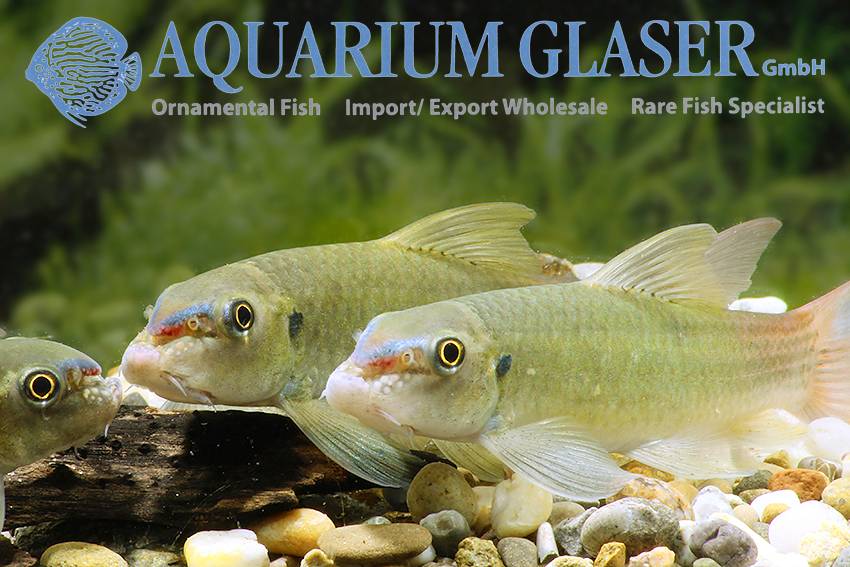
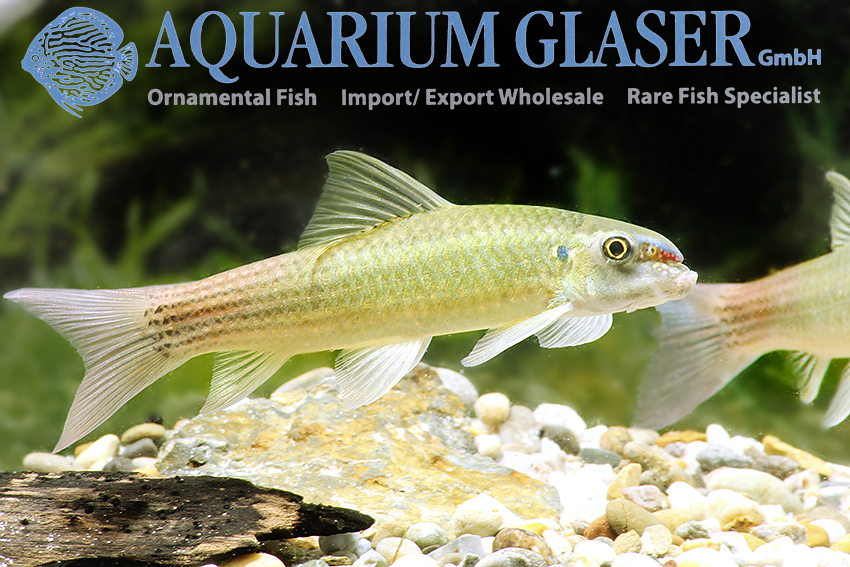
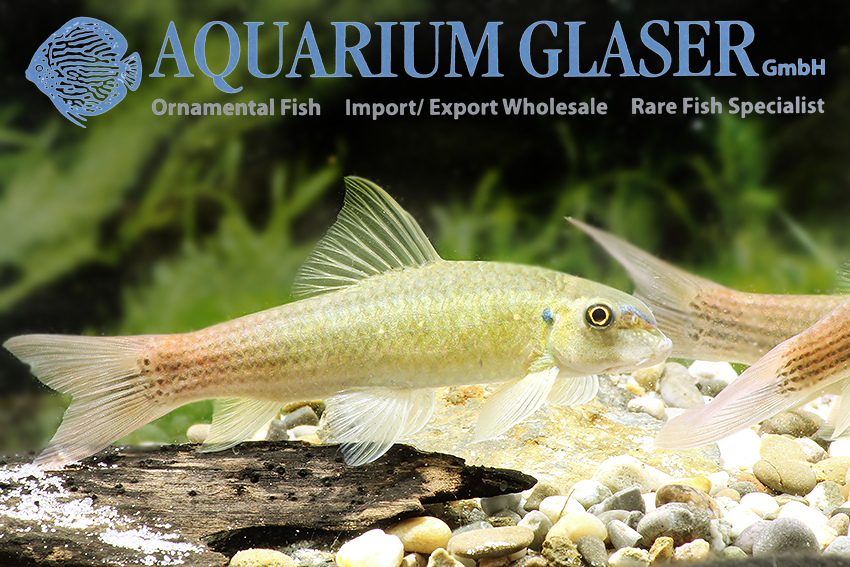
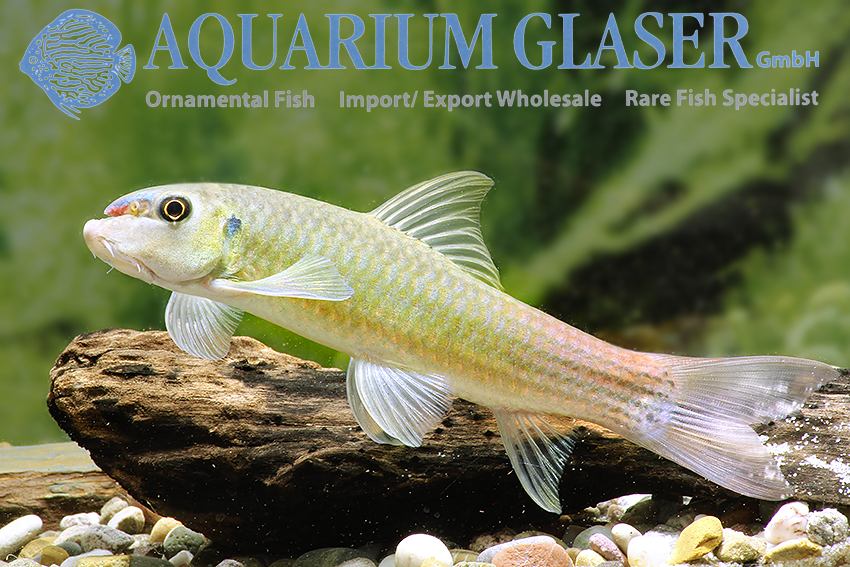
Garra qiaojiensis

10. October 2025

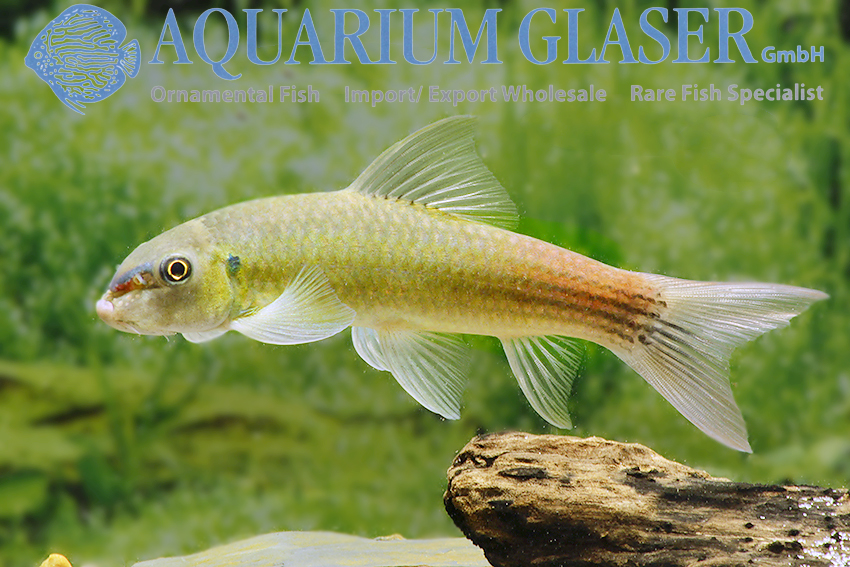
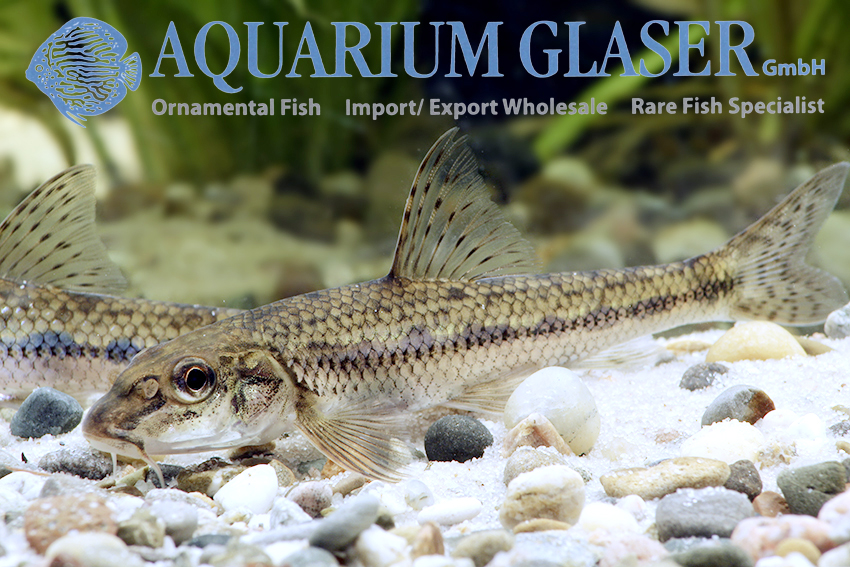
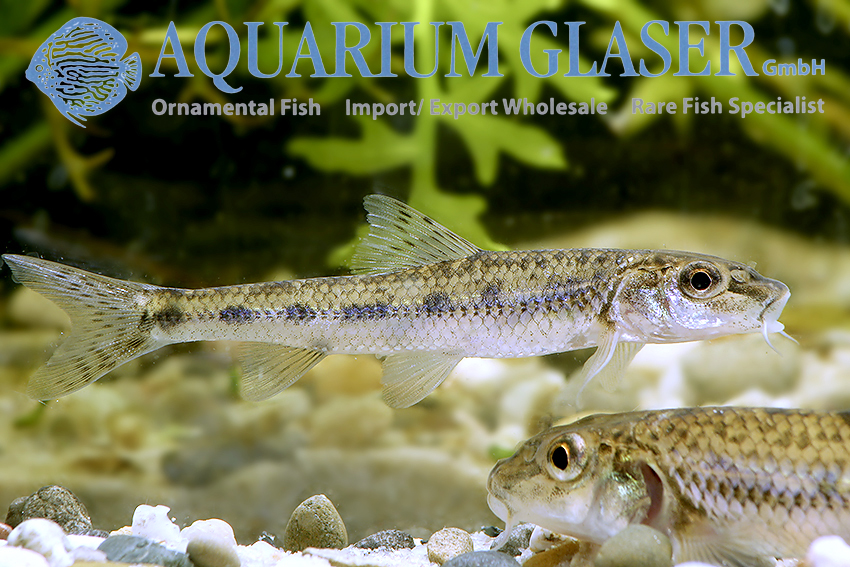
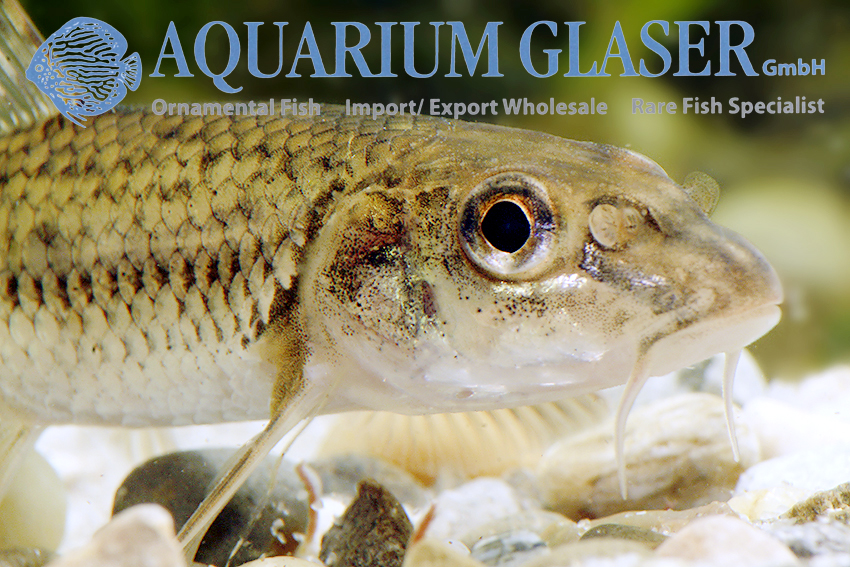
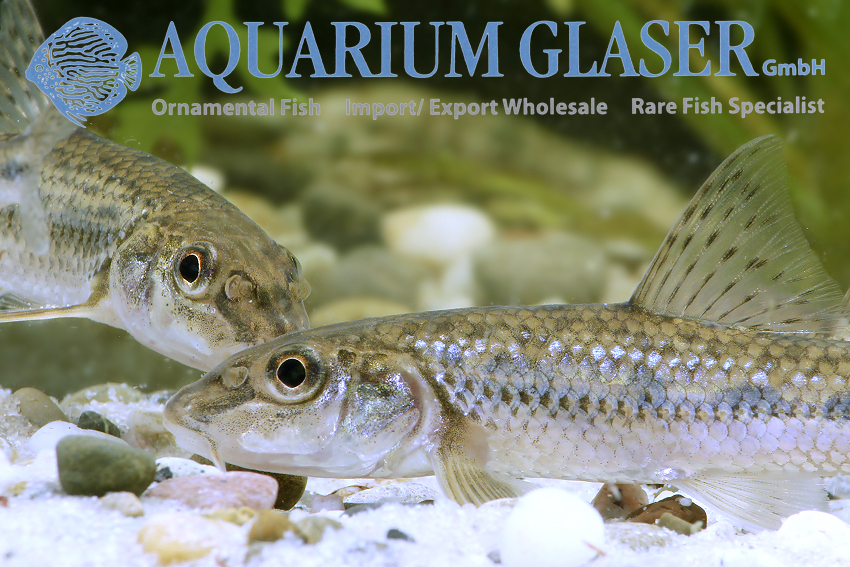
Many good aquarium fish have come to us from the extremely species-rich genus Garra. The “doctor fish” Garra rufa (https://www.aquariumglaser.de/en/fisharchive/garra-rufa-2/), Garra flavatra (https://www.aquariumglaser.de/en/08-carp-like-fishes-2-barbs-minnows-carps-goldfish-etc/garra_flavatra_en/) is very pretty, and Garra panitvongi (https://www.aquariumglaser.de/en/fisharchive/garra-panitvongi-sp-red-tail-2/) is bizarre and beautiful.

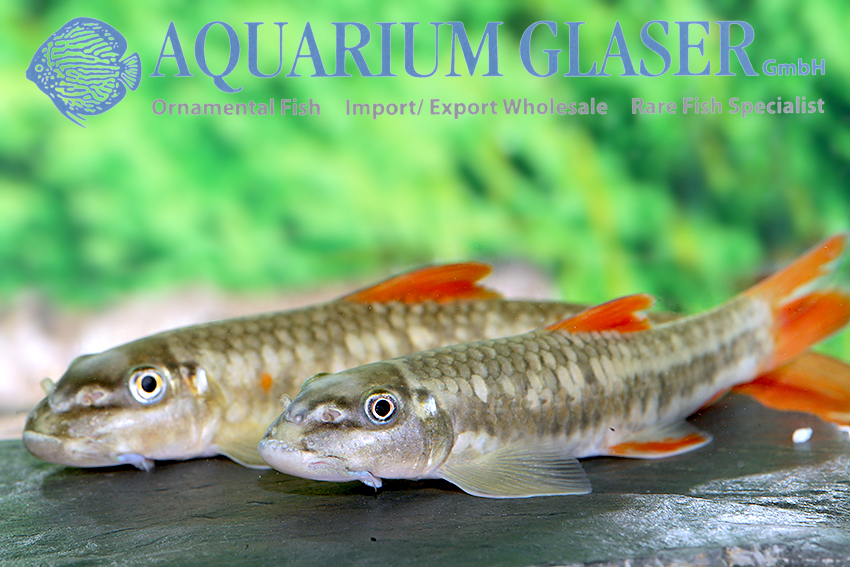
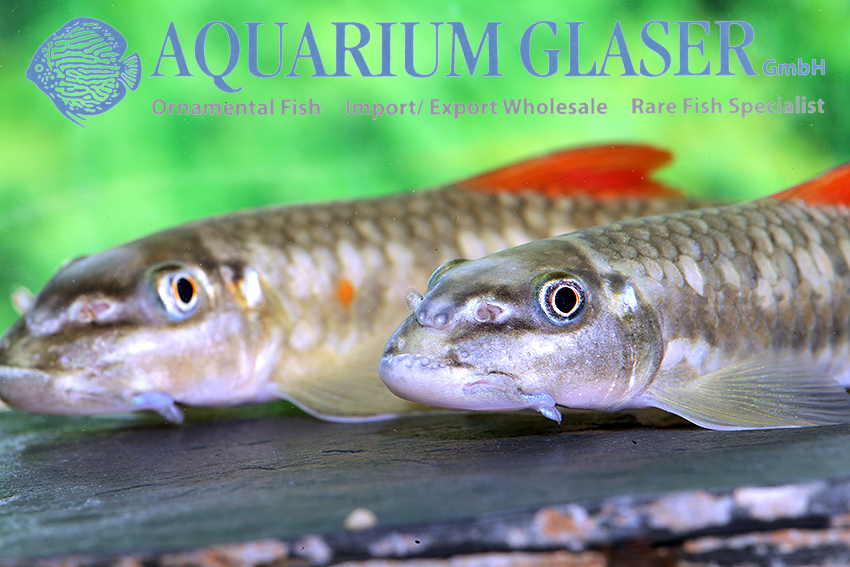
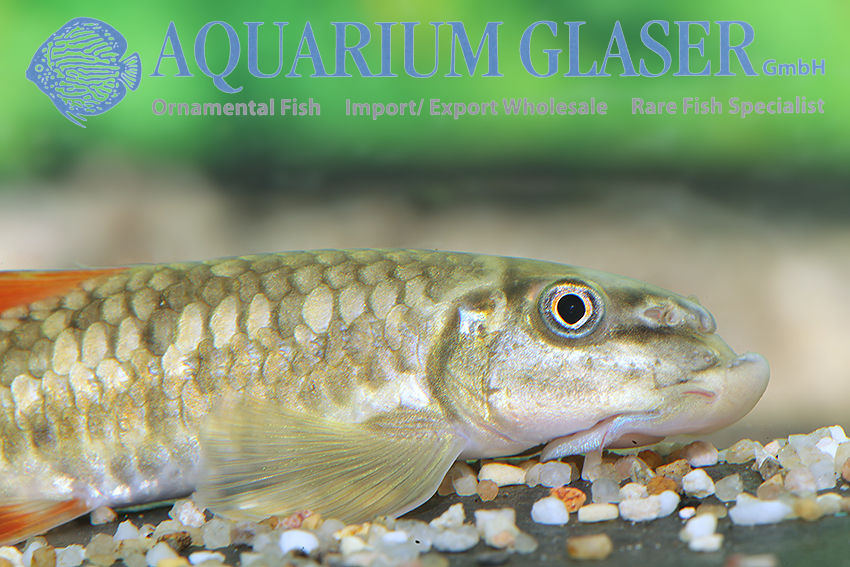
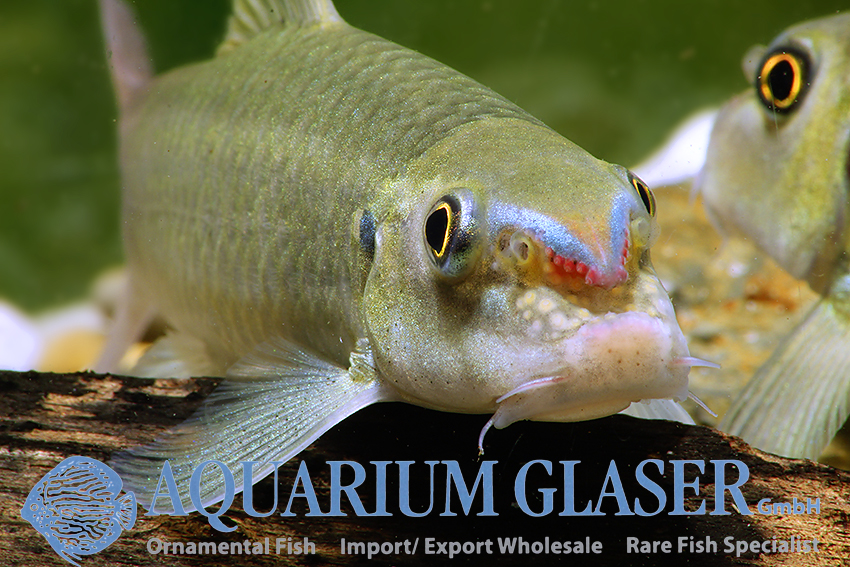
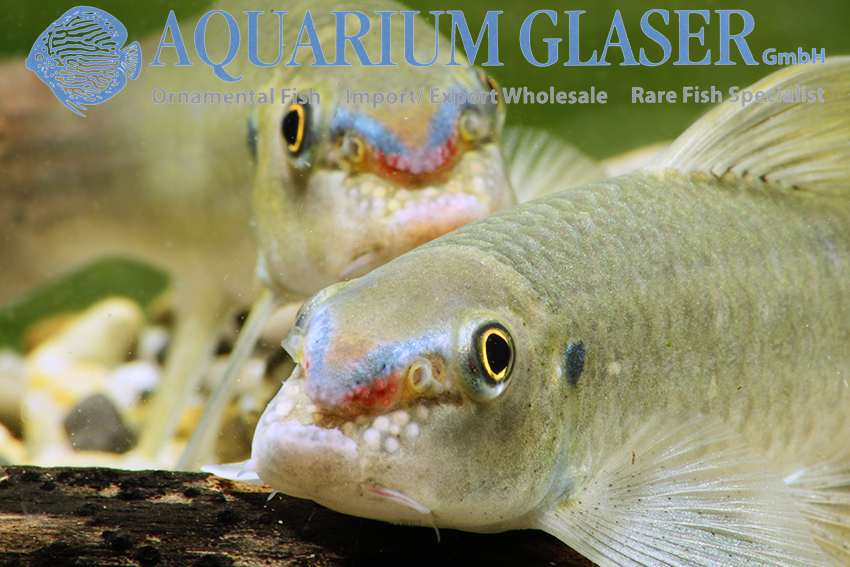
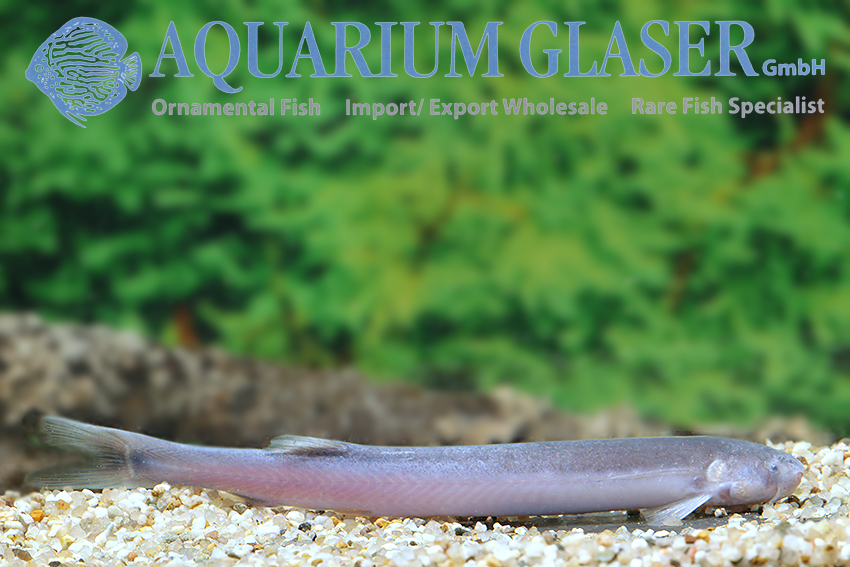
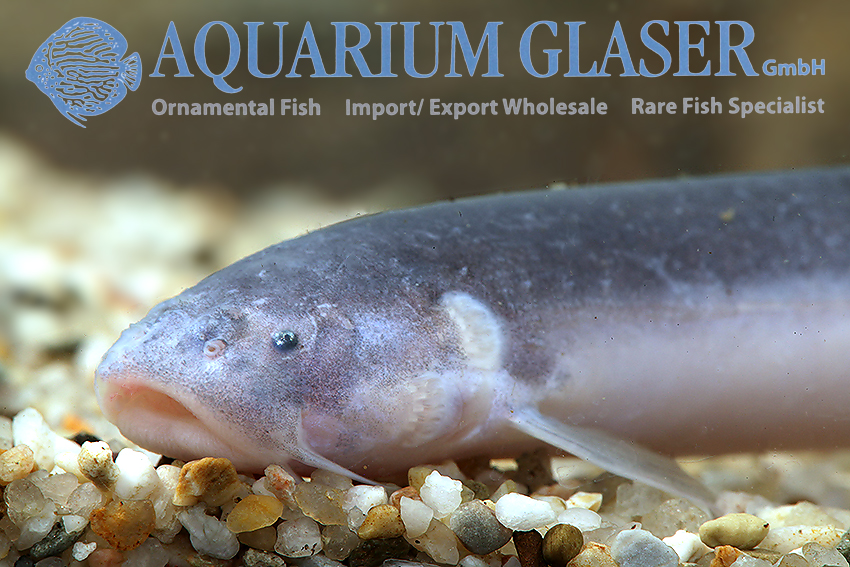
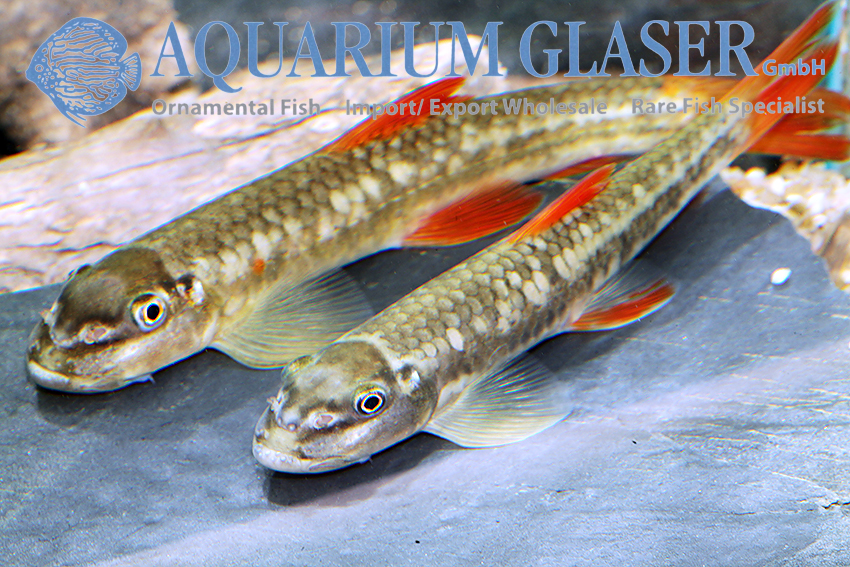
Now we received two specimens of a Garra species as samples, whose beauty took our breath away. This is Garra qiaojiensis, which occurs only very locally in the Irrawaddy system of China and Burma. Our fish come from the Putao region in Burma. They are approximately 9 cm long. Based on certain characteristics (one specimen has a red spot on its shoulder, which the other fish does not have, there are also differences in the coloration of the pelvic fins, and one fish appears to be slimmer than the other), we believe that they are a pair.

What took our breath away next, however, was the price. Our supplier only had a small number of animals in stock, all of which we have now imported.

For our customers: the animals have codes 416383 (8-10 cm) and 416384 (10-12 cm) on our stock list. Please note that we only supply wholesale customers.

Text & photos: Frank Schäfer

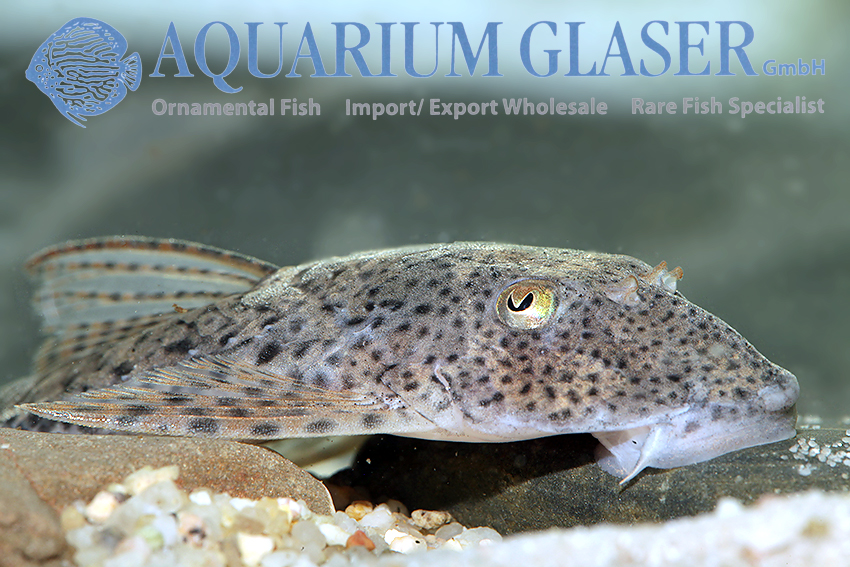
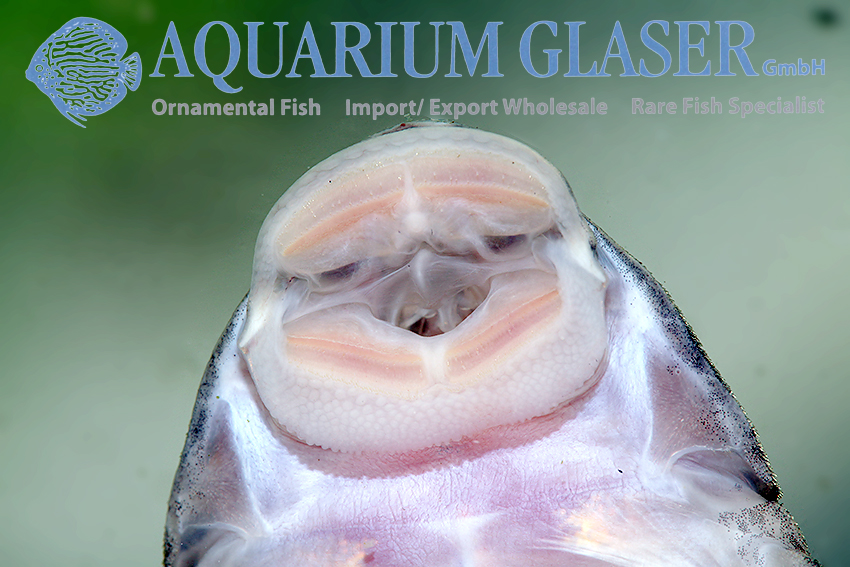
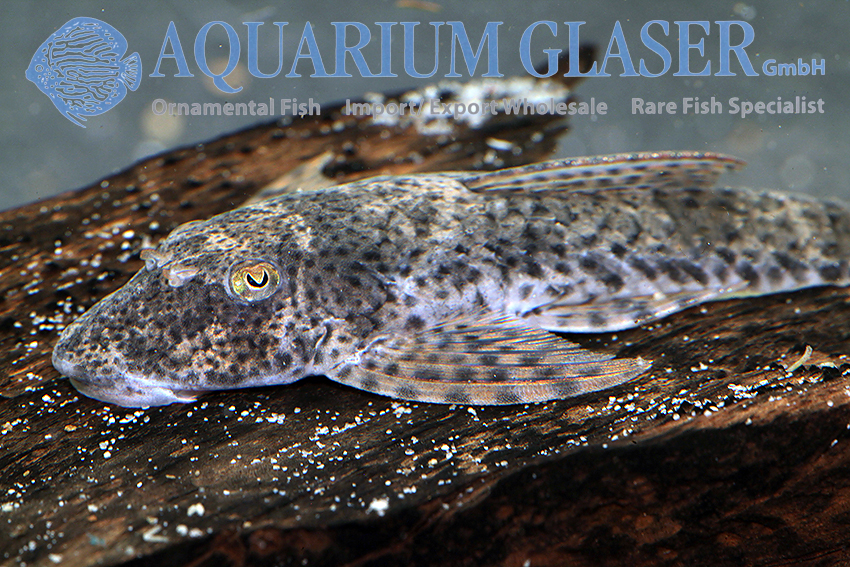
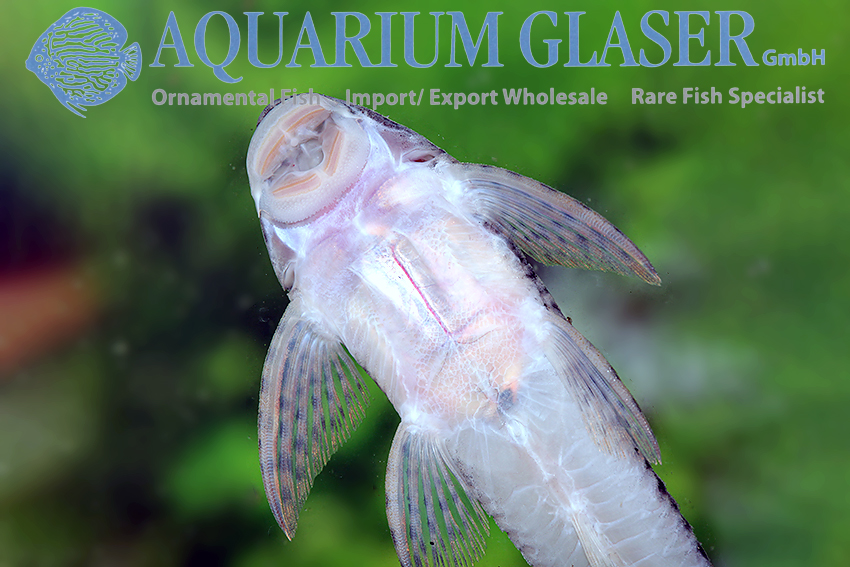
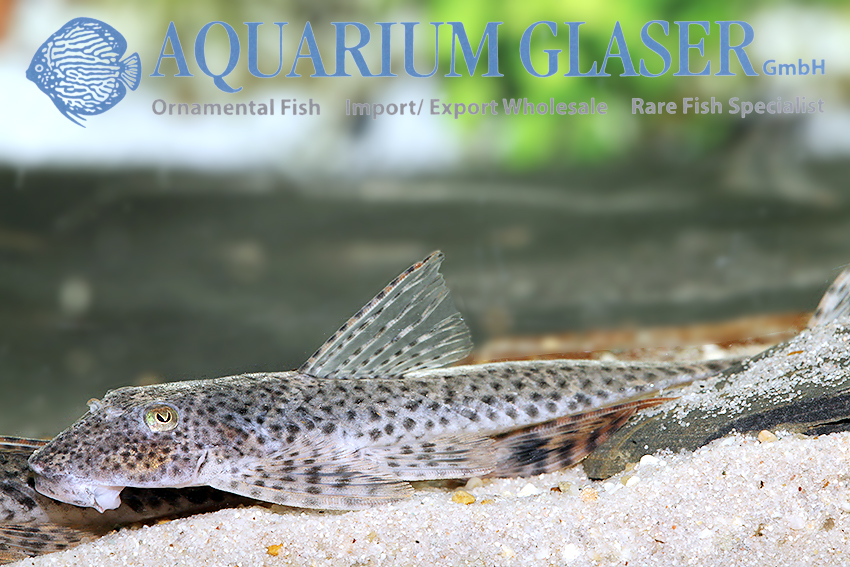
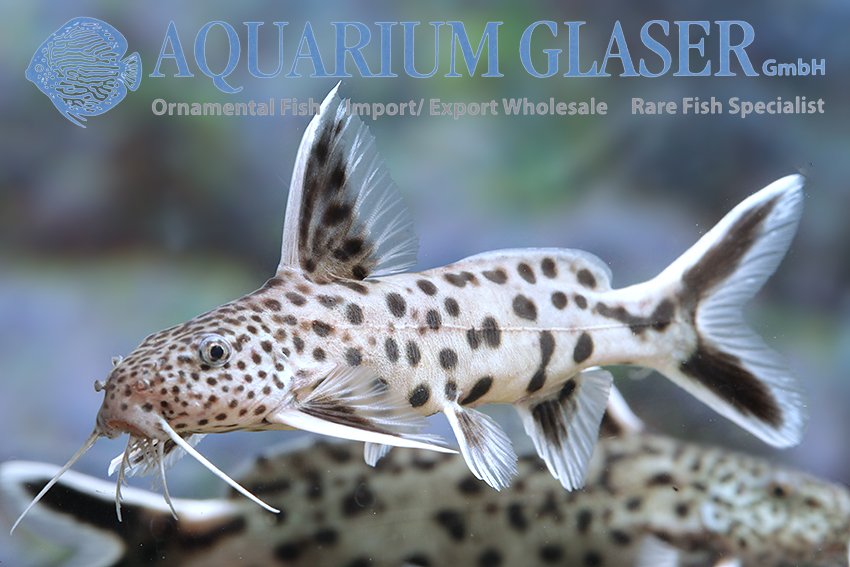
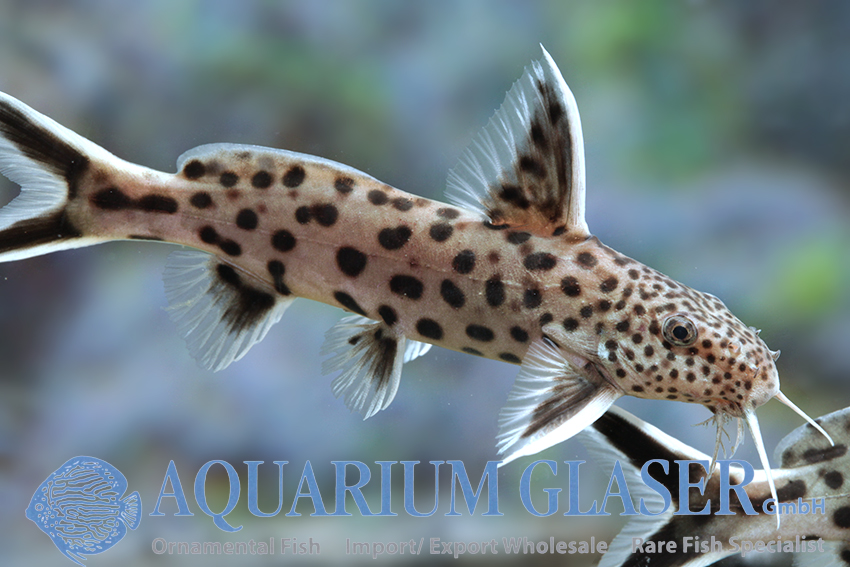
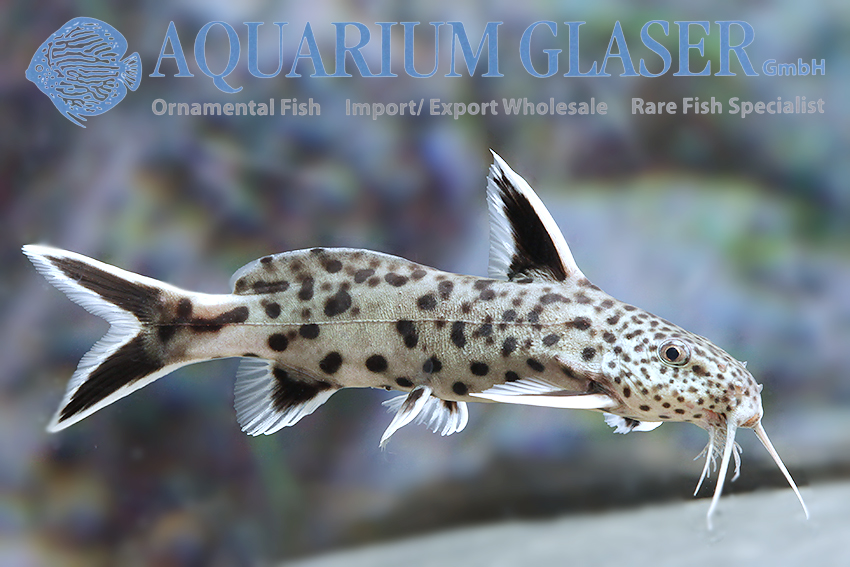
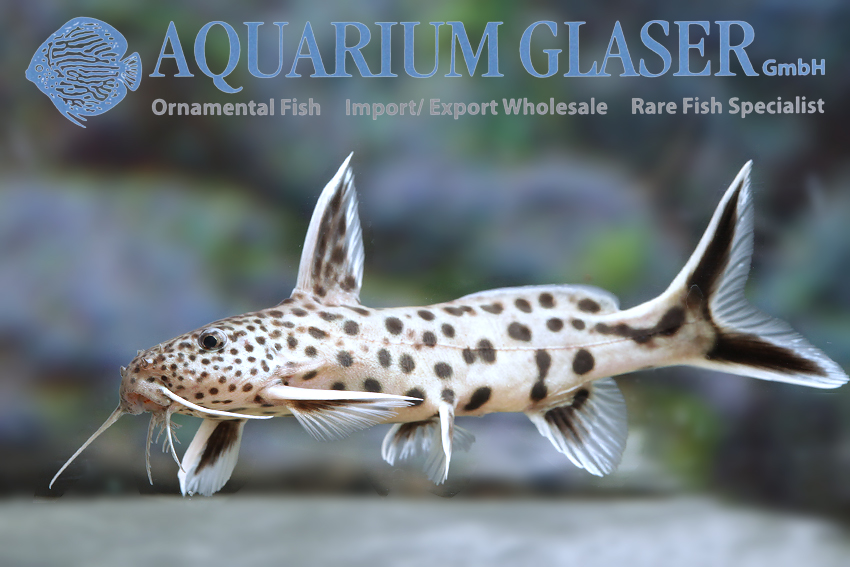
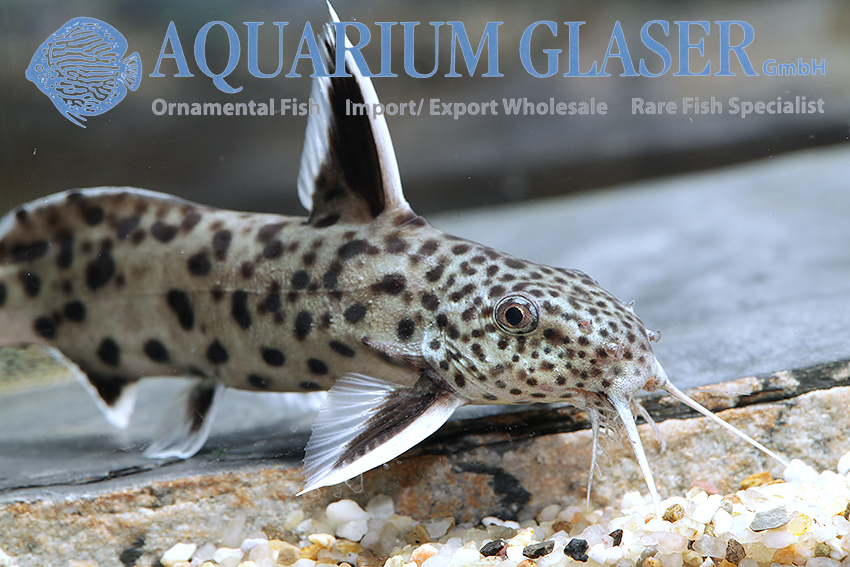
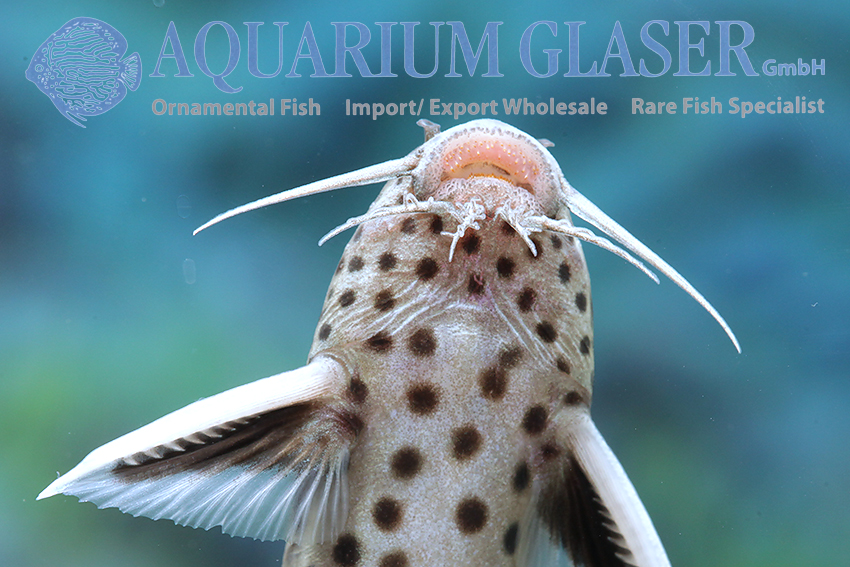
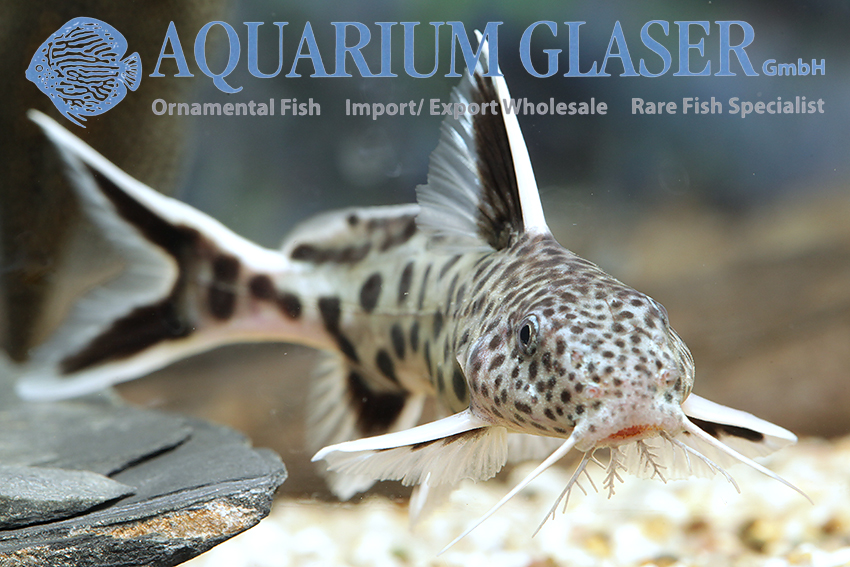
Spinipterus moijiri

10. October 2025

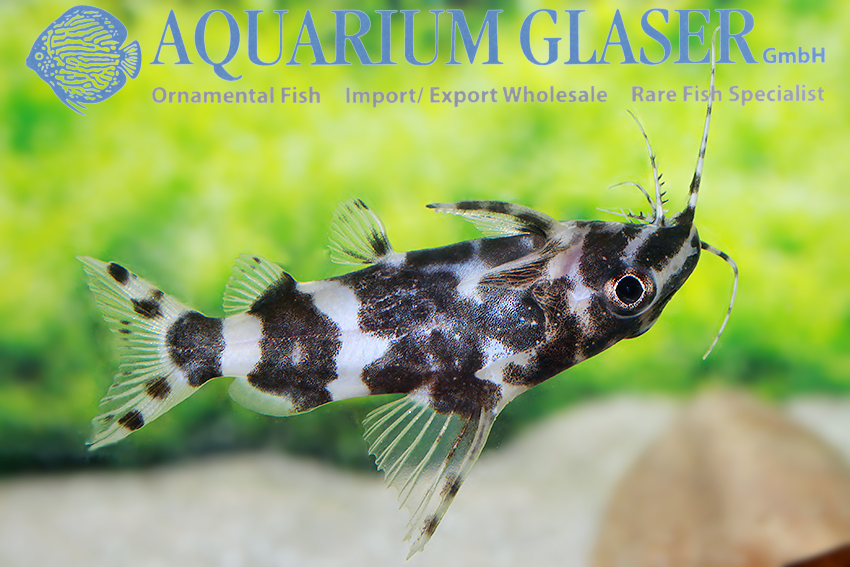
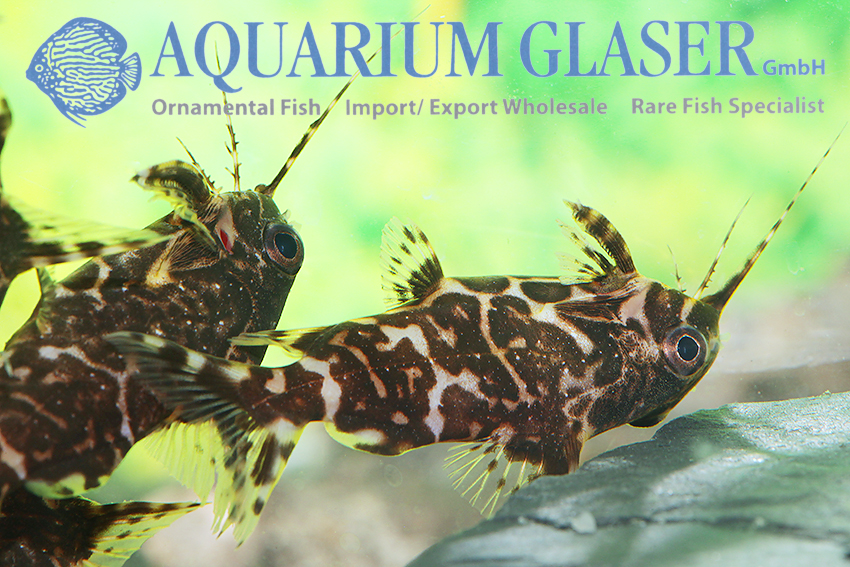
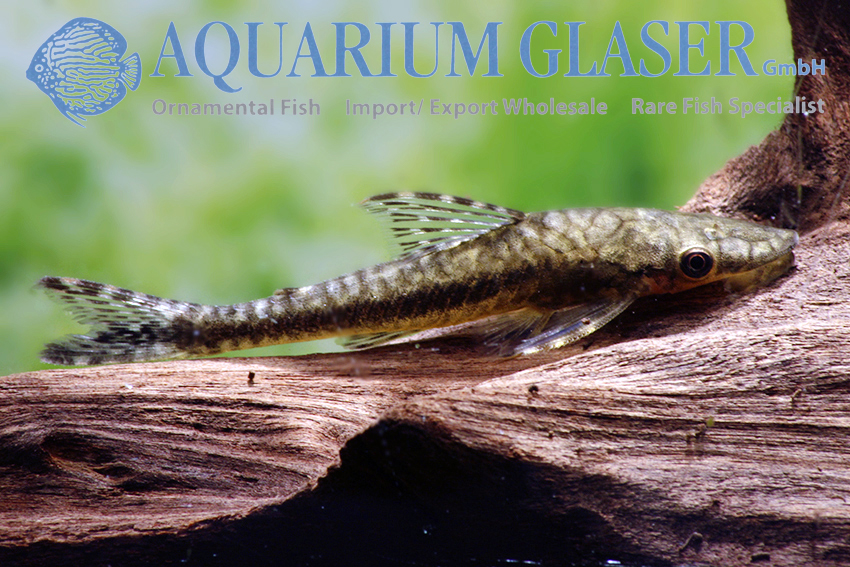
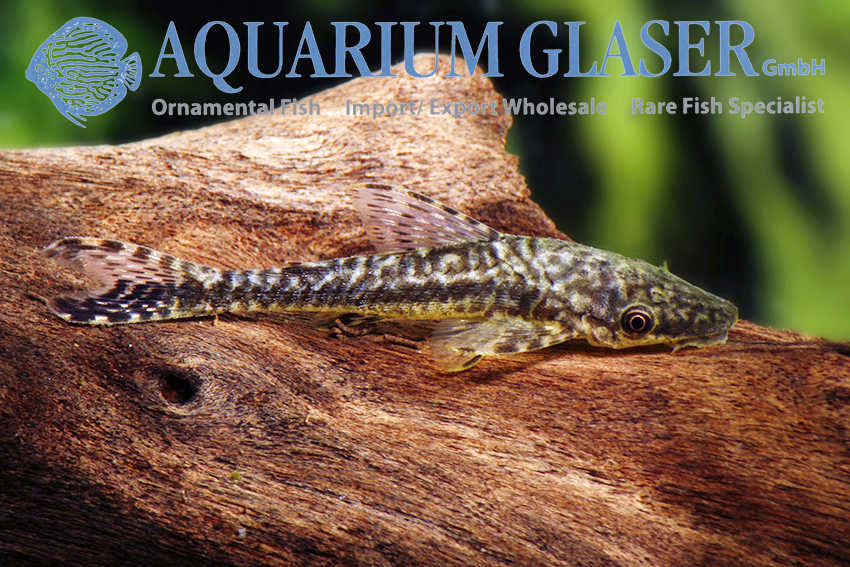
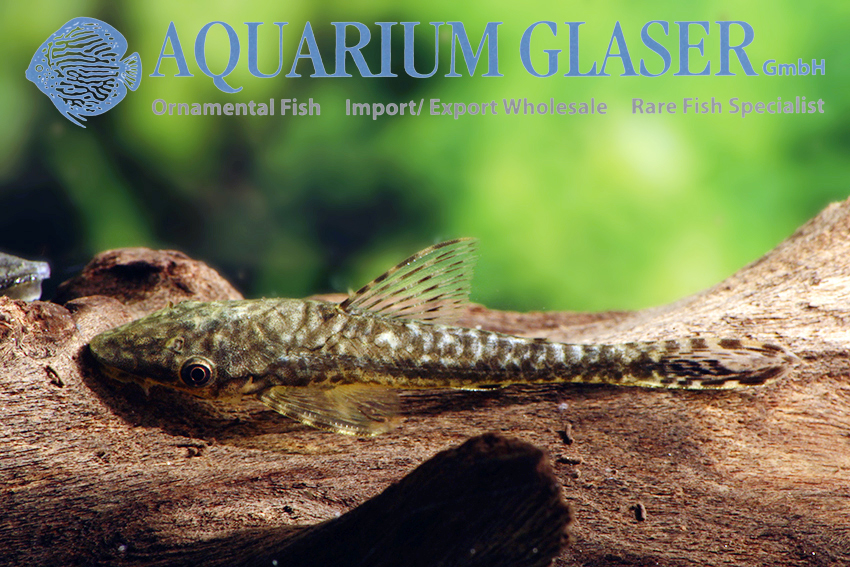
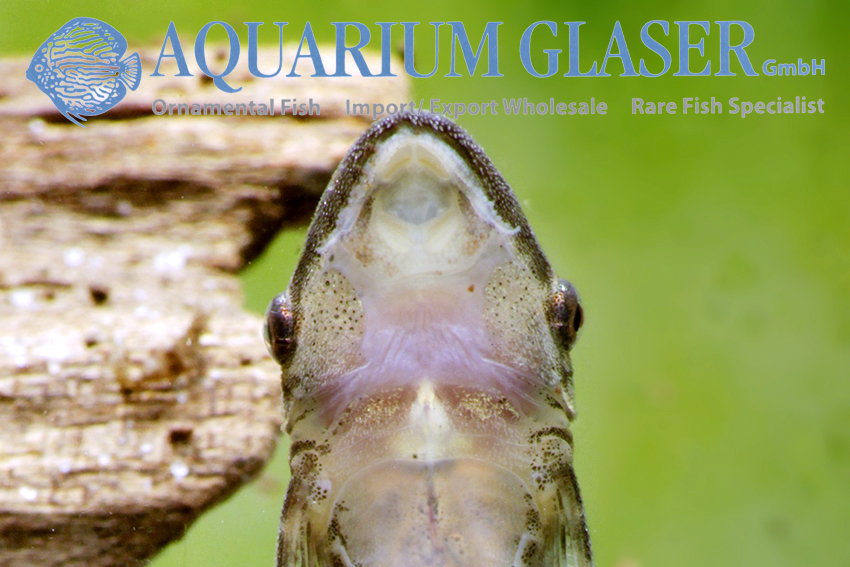
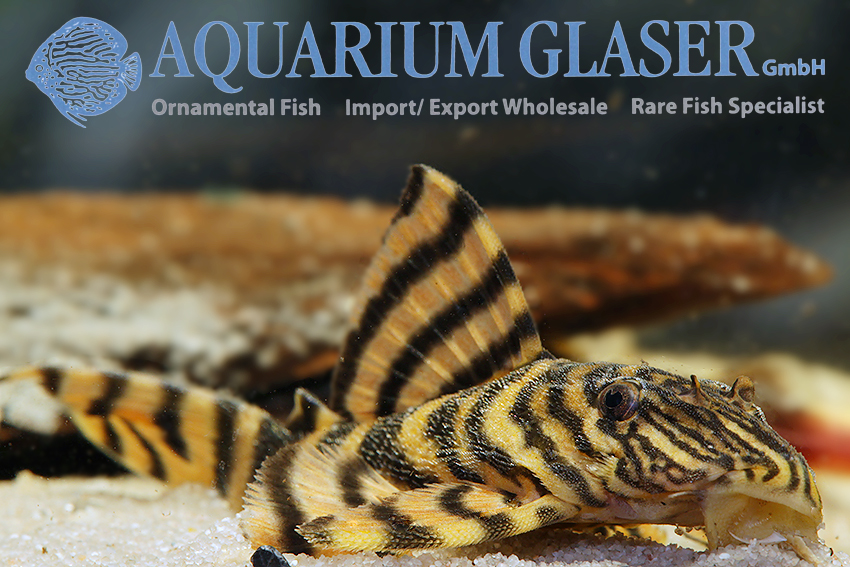
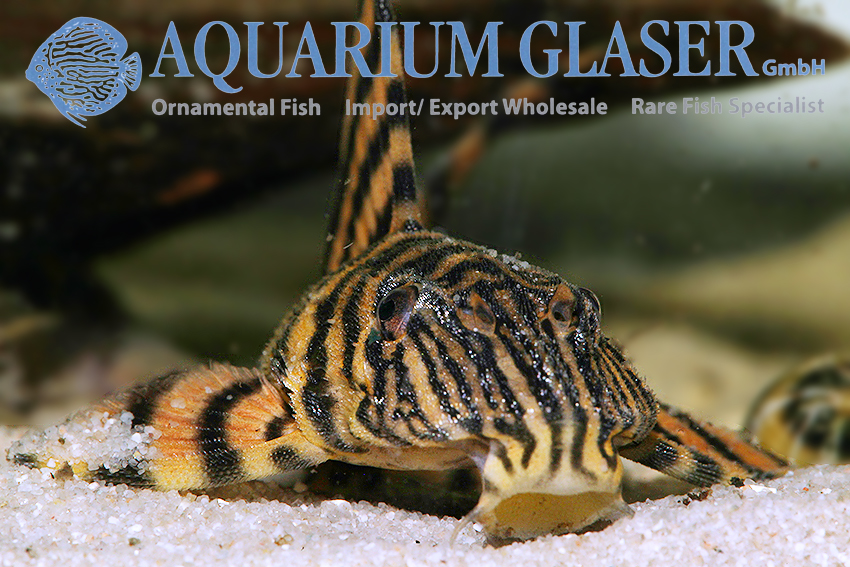
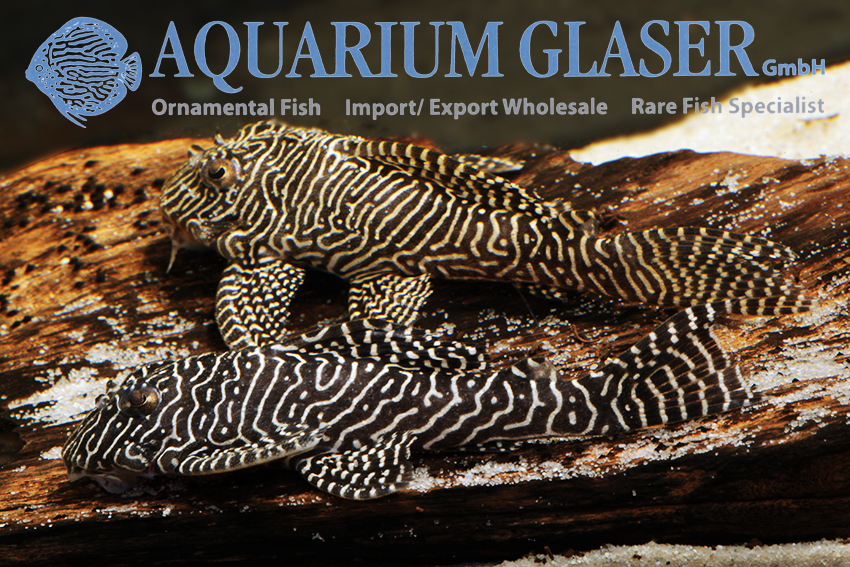
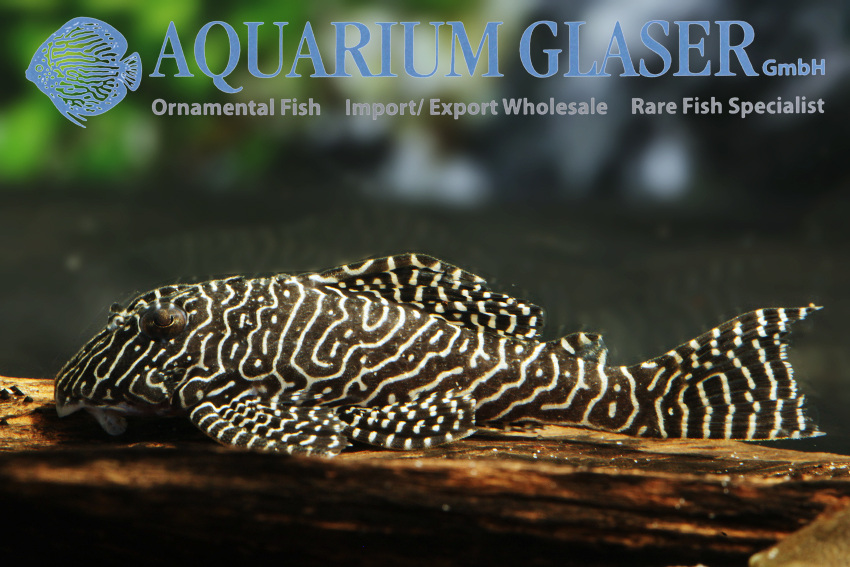
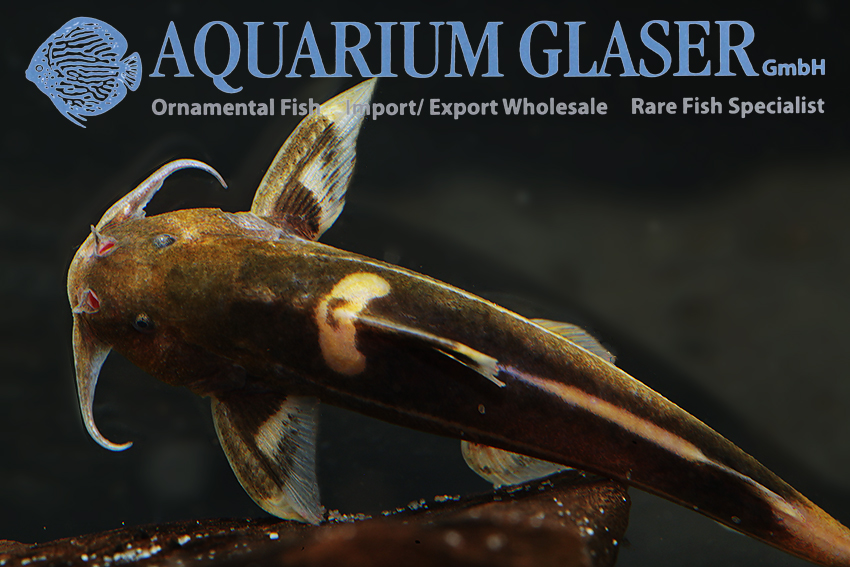
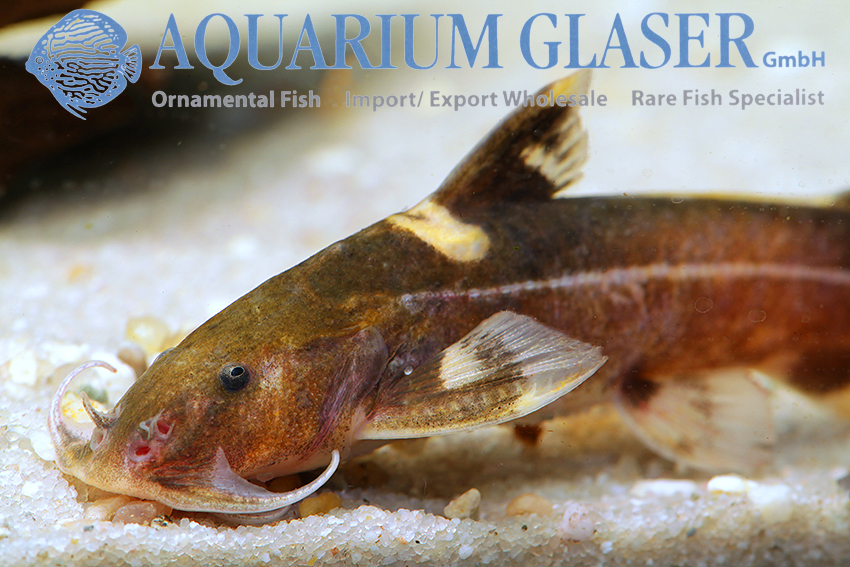
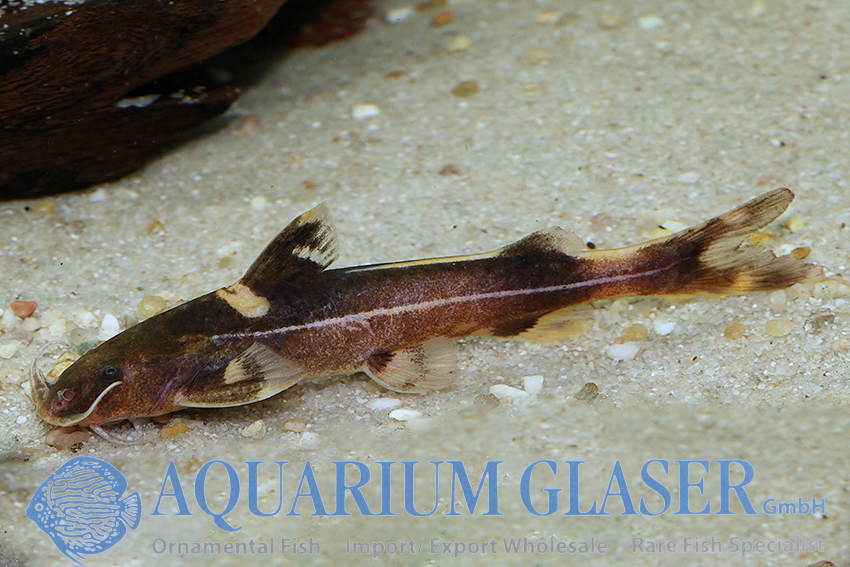
The discovery of a new genus of driftwood catfish—Spinipterus—is quite sensational. In 2011, the first species of the newly described genus (S. acsi) was described and the new genus was established for it. In 2019, the second species (S. moijiri) was added, which is significantly more attractive in appearance and displays a beautiful jaguar pattern when fully grown. In younger animals, the spots are still full, but later they become more ring-shaped. S. acsi grows to about 8 cm, S. moijiri to about 10 cm in length. S. acsi occurs in the upper Amazon basin (Peru, Brazil), S. moijiri in Peru (Rio Nanay) and Brazil (Rio Purus and Rio Japura). We obtained our animals from Peru.

They are very peaceful, strictly nocturnal catfish, which can be compared to Tatia from an aquaristic point of view. Both Spinipterus species have been successfully bred on several occasions. It has been found that these fish are best kept in groups. Unlike most Tatia species, they do not usually care for their young, but simply scatter the eggs freely in the tank. However, there have been isolated observations of females guarding the eggs in a tube.

As with all driftwood catfish, the sexes can be easily distinguished once they reach sexual maturity by the different shapes of their anal fins. The most important care measure for Spinipterus is certainly feeding. On the one hand, care must be taken to ensure that the animals get something to eat; this means that, at least in the early stages of acclimatisation, they may need to be fed even after the lights have been turned off. Conversely, once the fish have settled in and start appearing for feeding during the day, care must be taken to ensure that they do not become overweight. They are good and efficient eaters! They will happily eat any commercially available ornamental fish food. In nature, insects and their larvae are probably their main food source. Water hardness and pH are irrelevant, the water temperature can be within the usual range (24 to 28°C), and it does not matter if it is slightly higher or lower at times.

For our customers: the animals have code 295232 on our stock list. Please note that we only supply wholesalers.

Text & photos: Frank Schäfer

Nannostomus erythrurus

10. October 2025

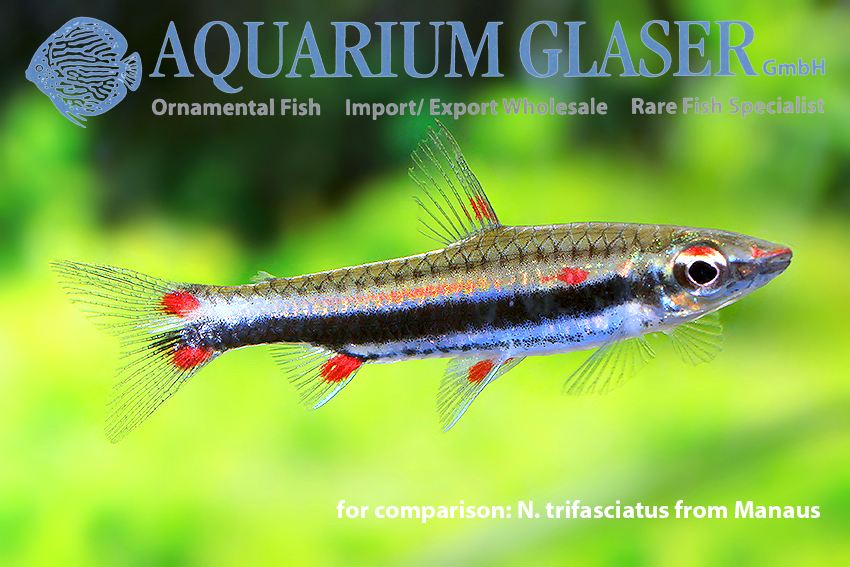
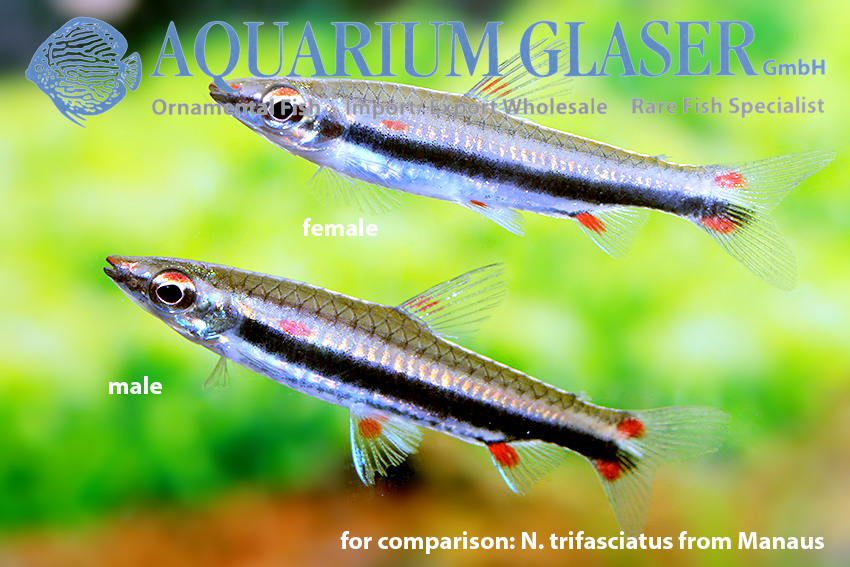
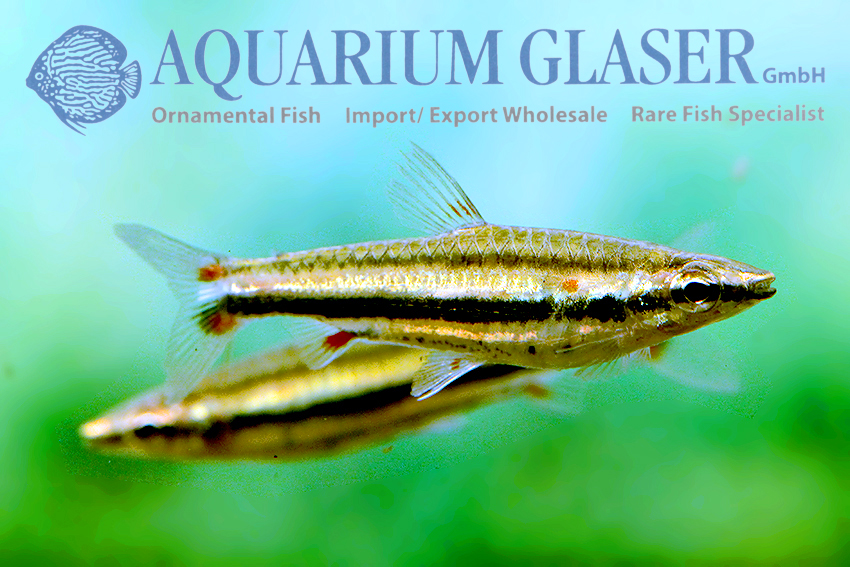
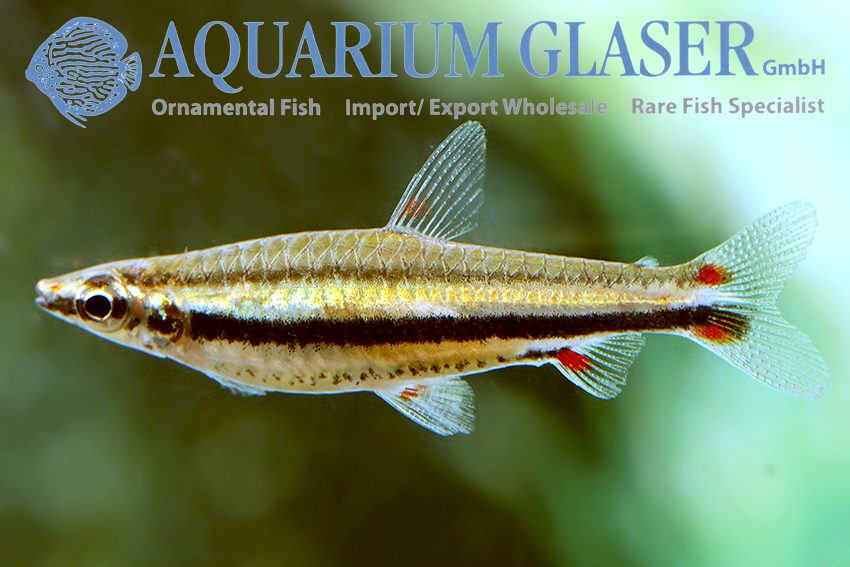
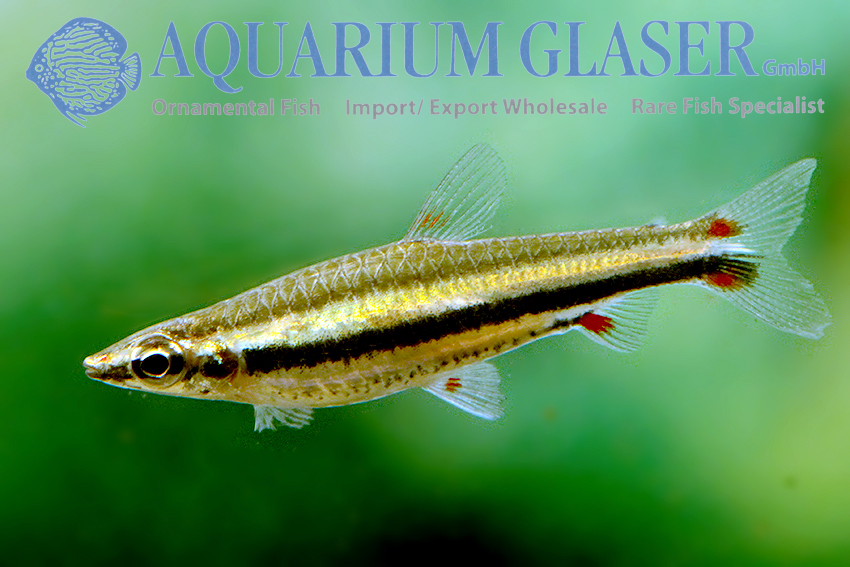
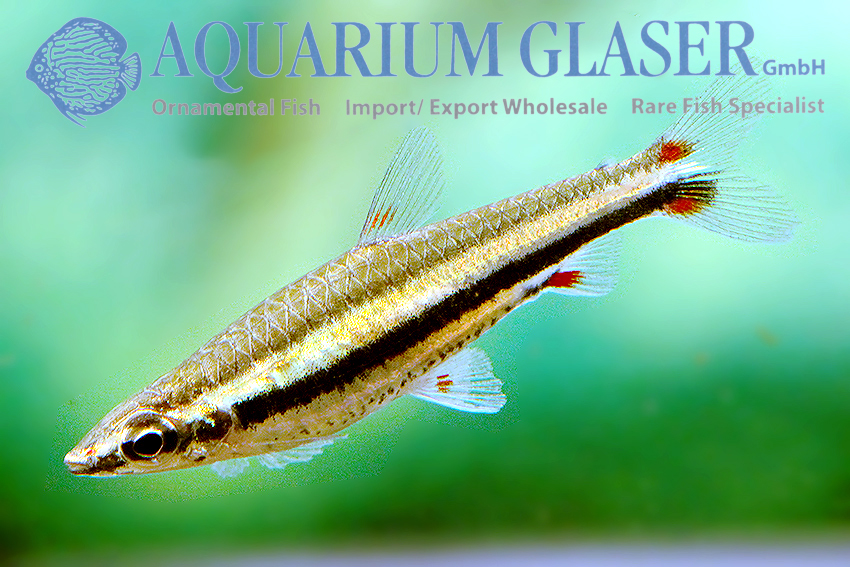
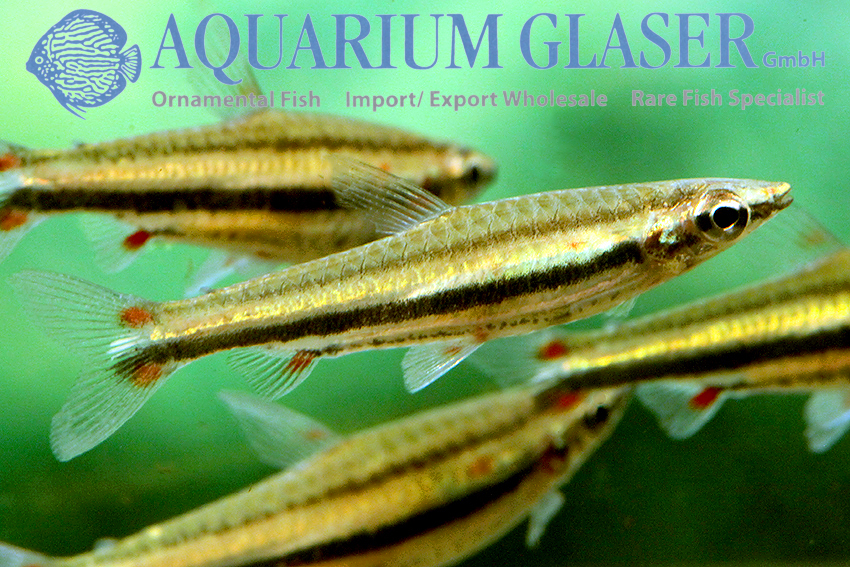
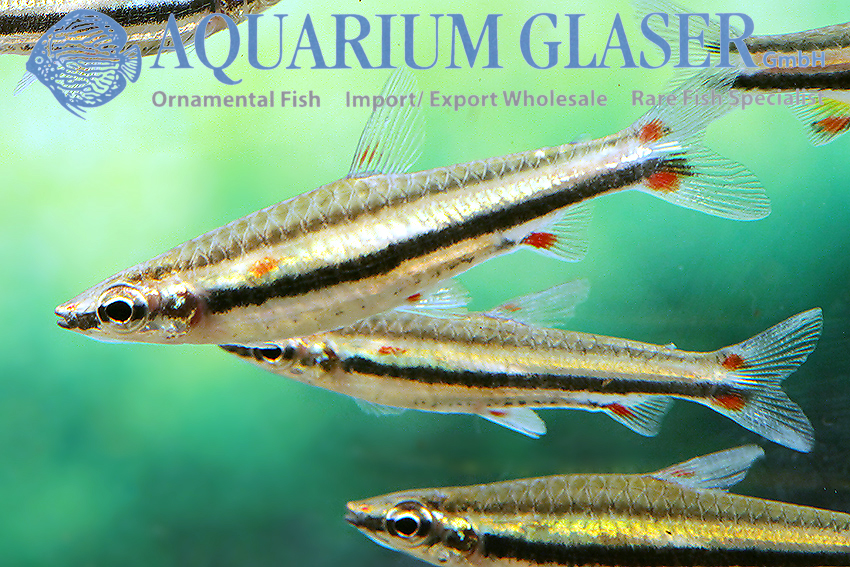
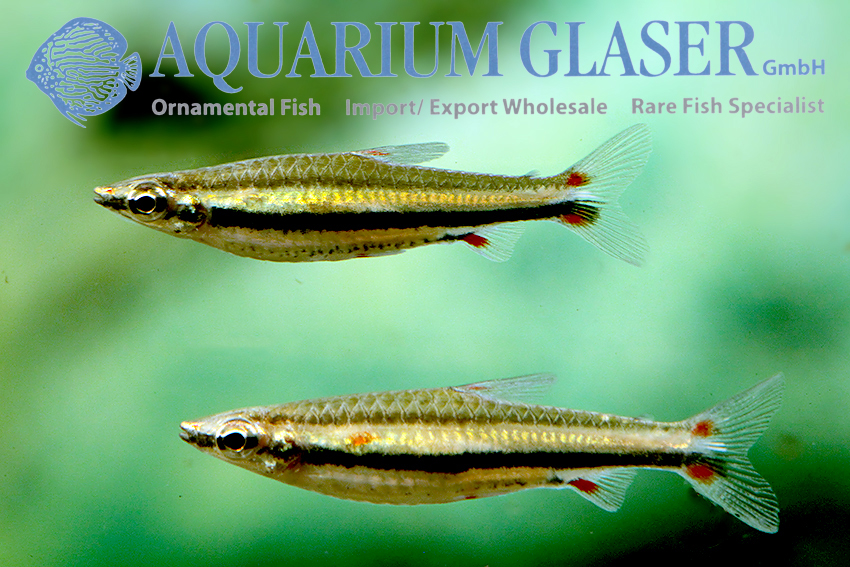
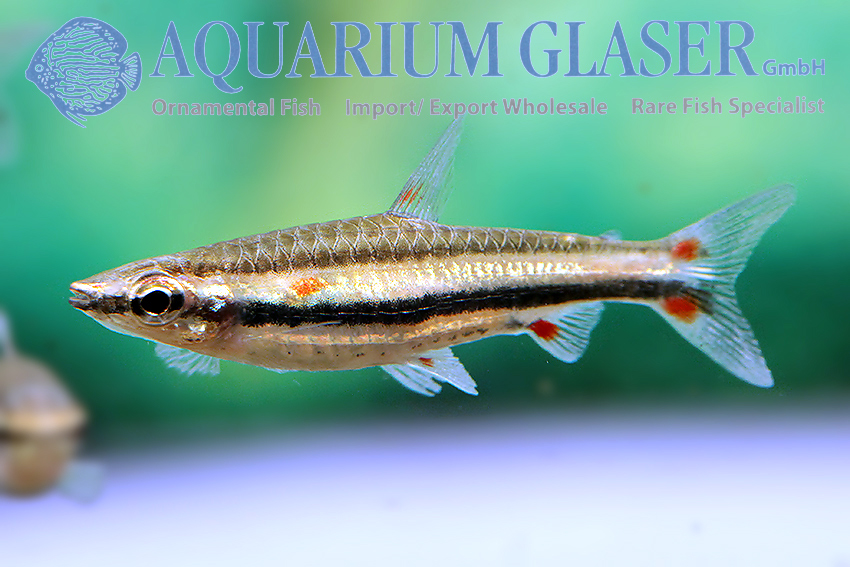
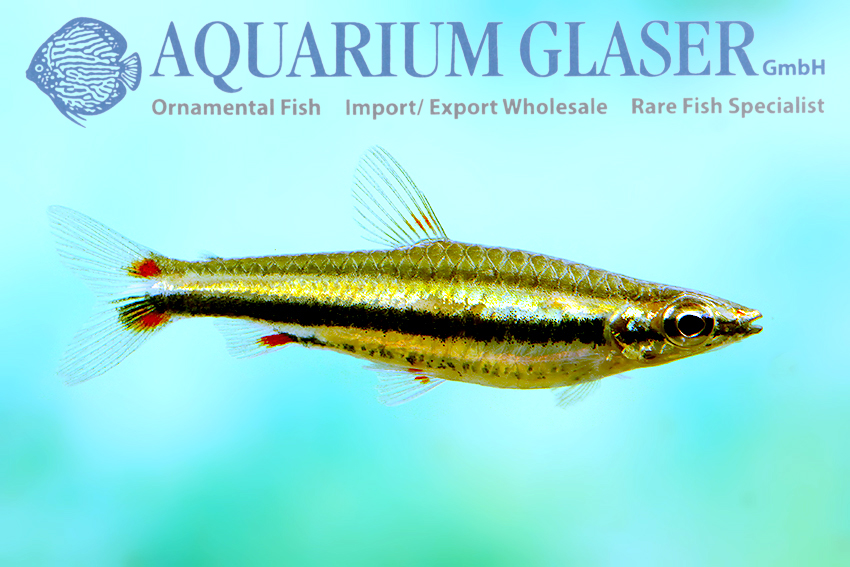
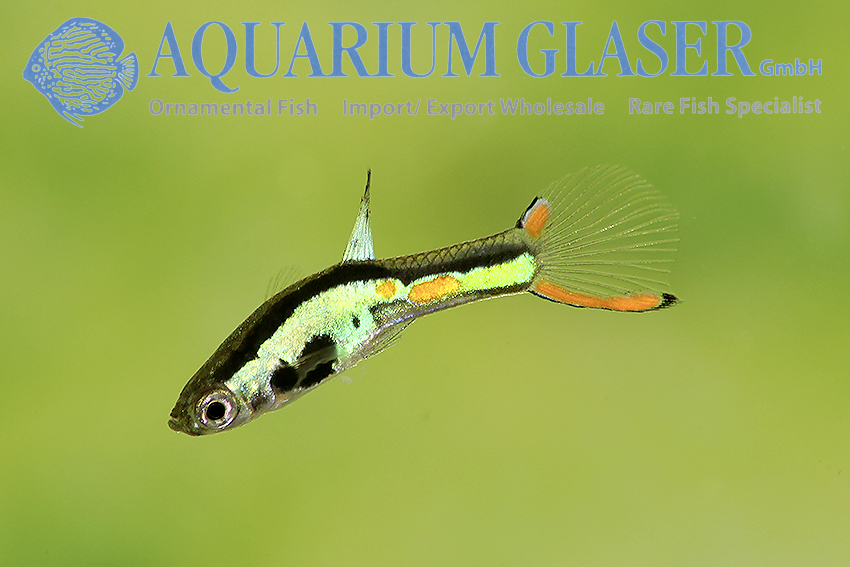
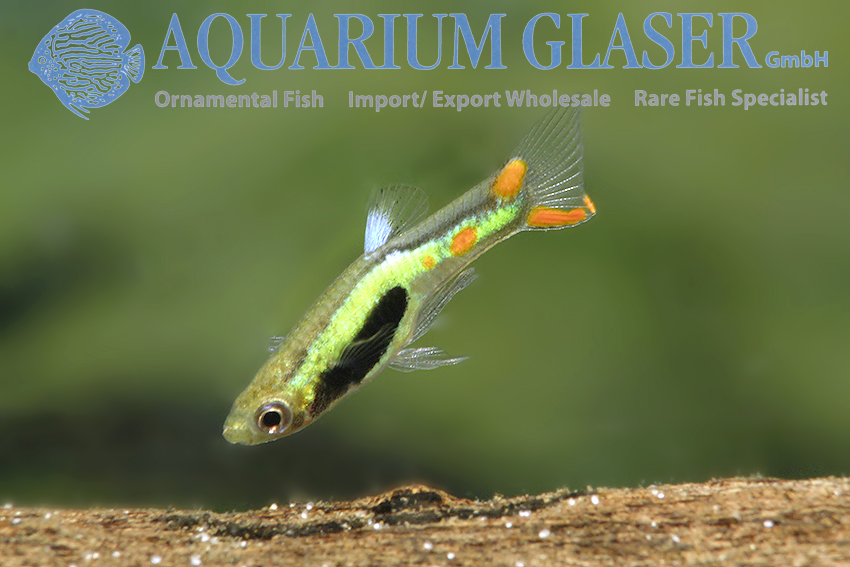
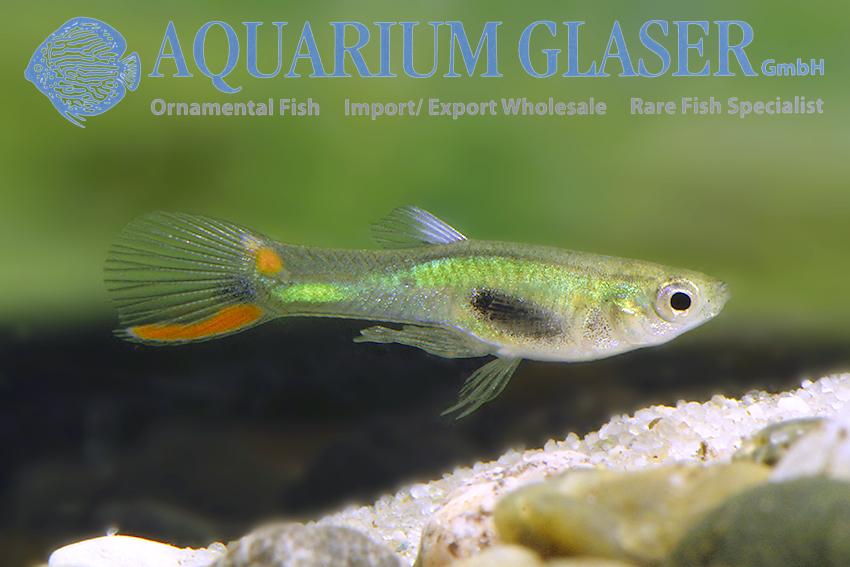
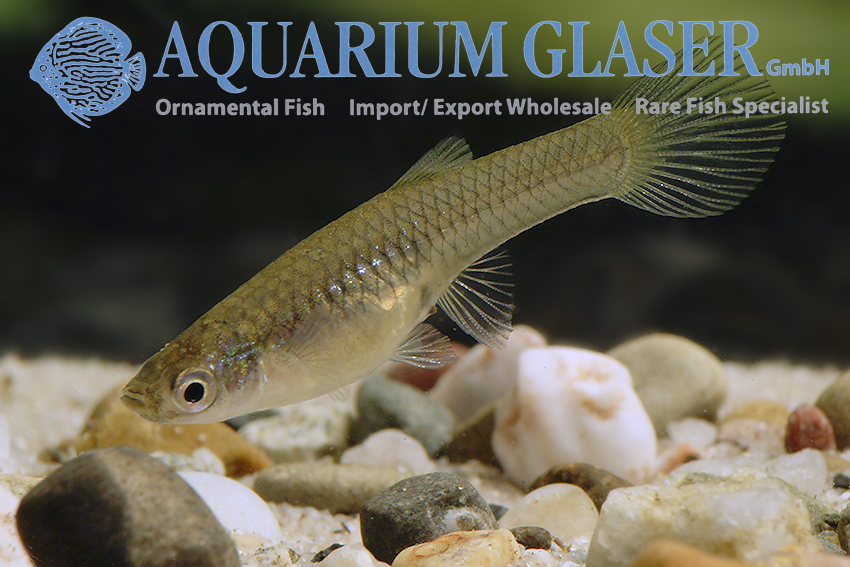
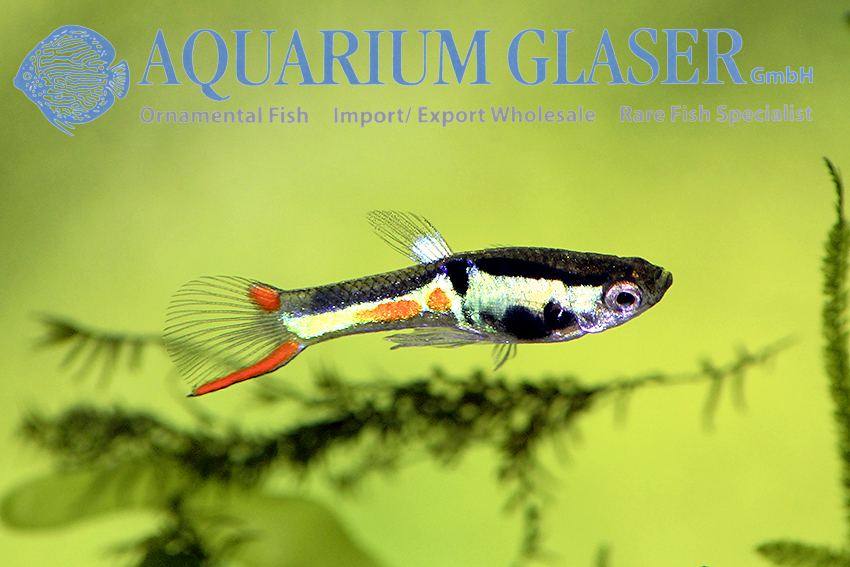
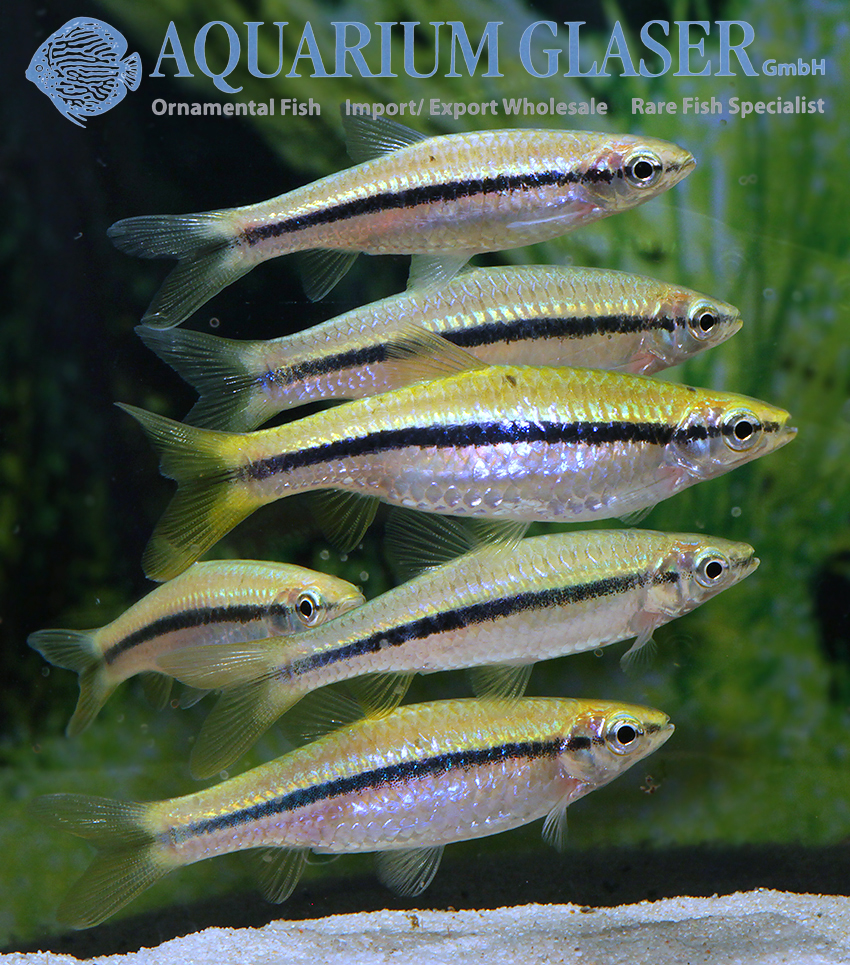
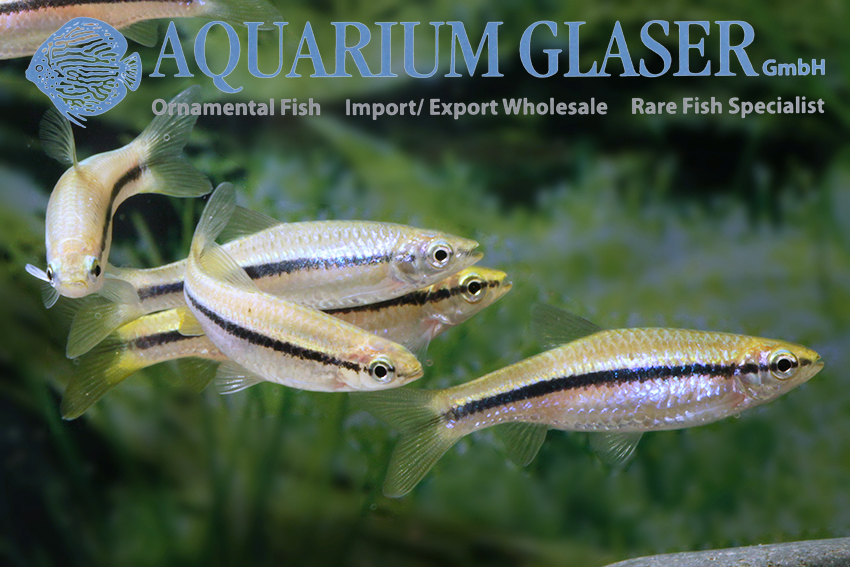
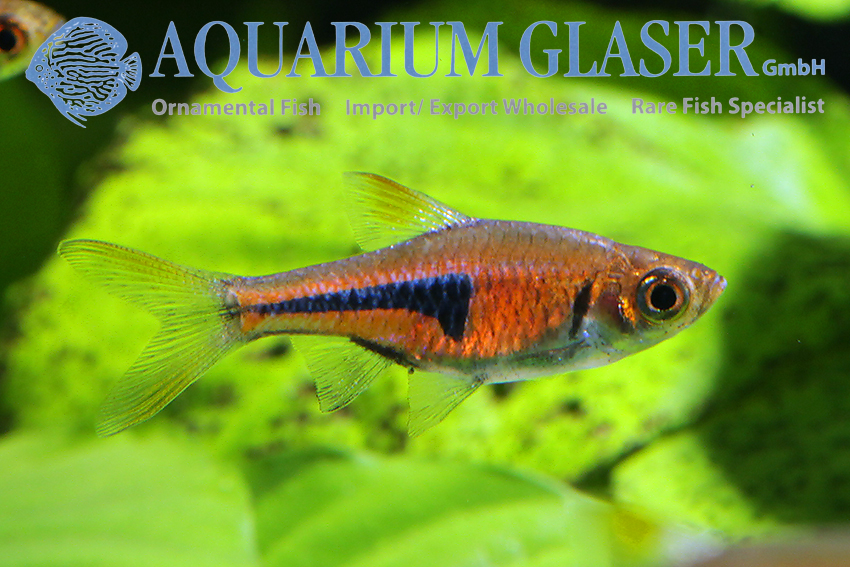
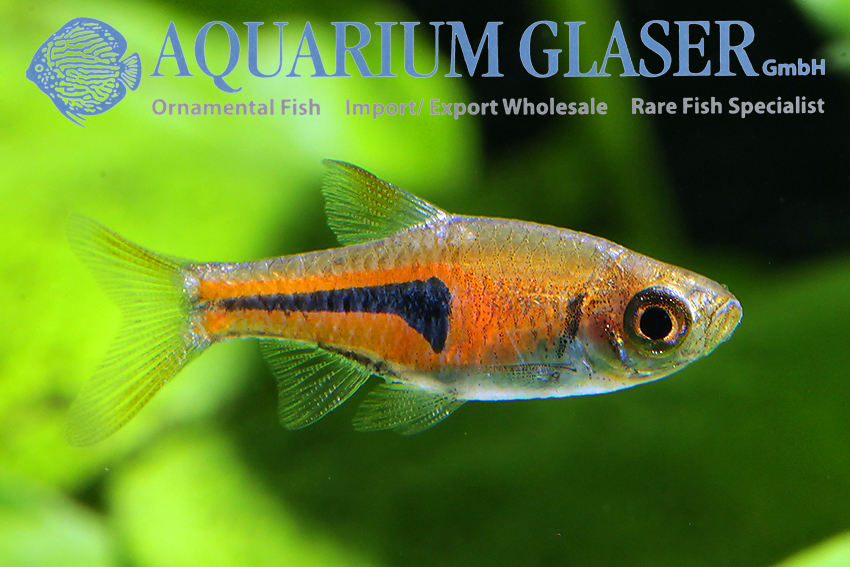
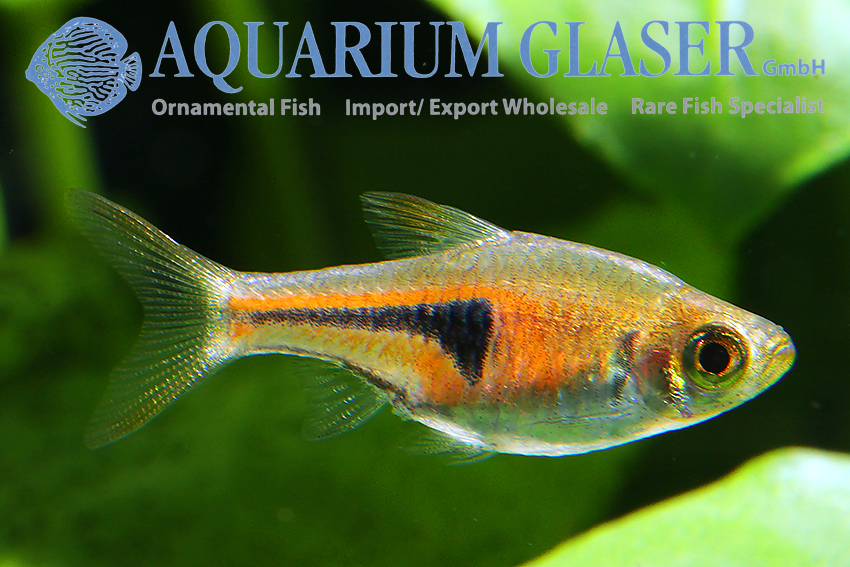
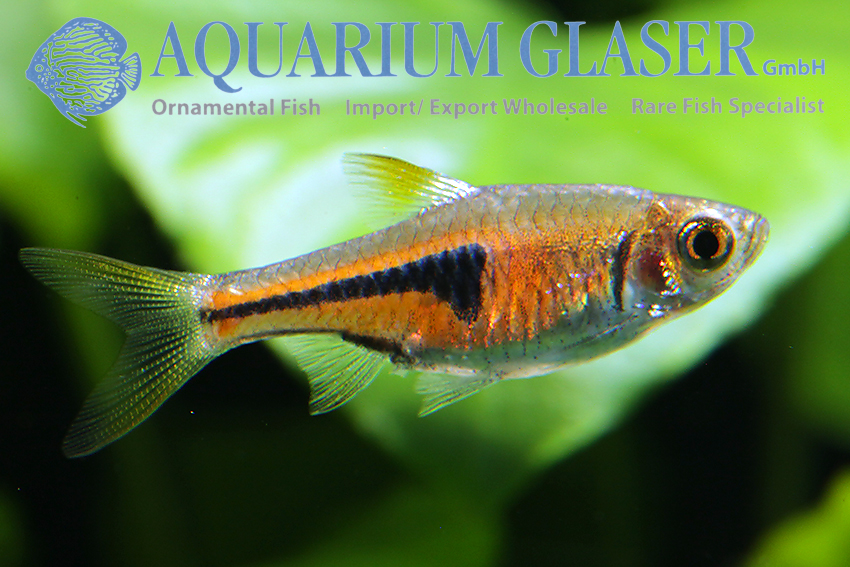
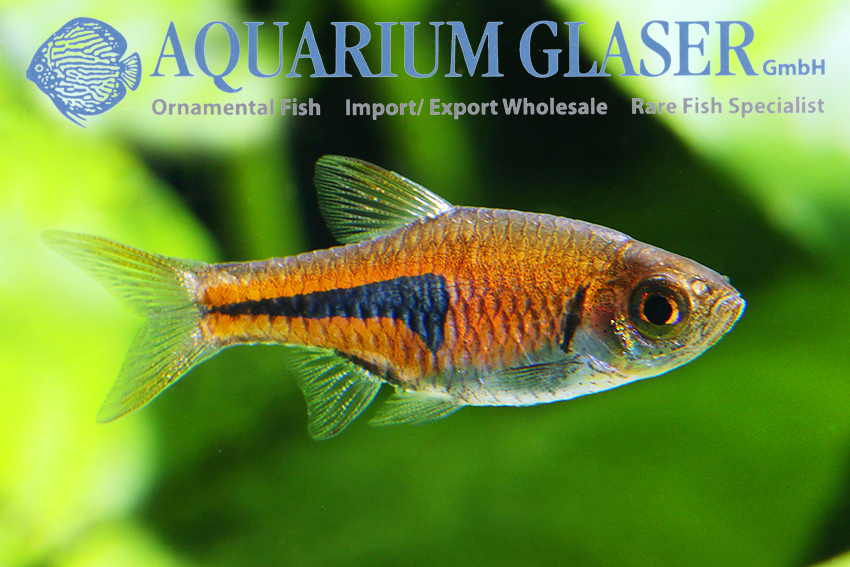
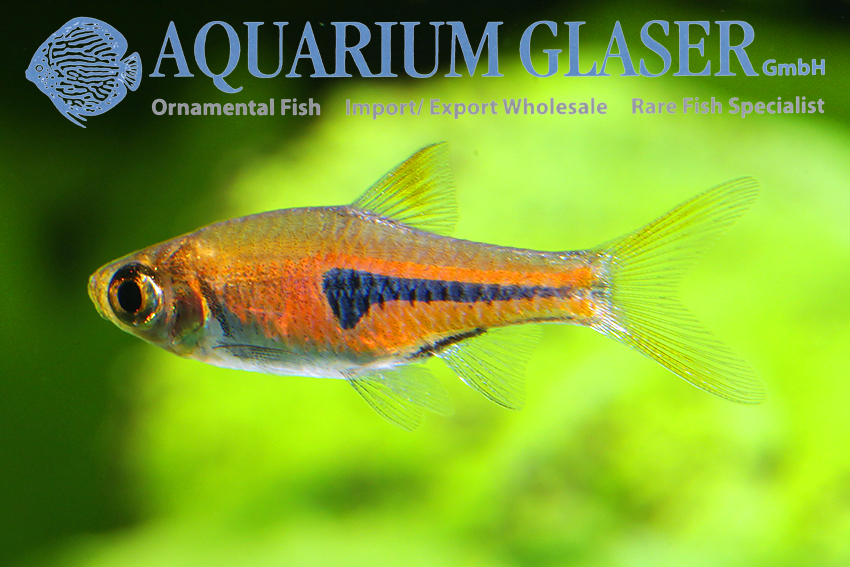
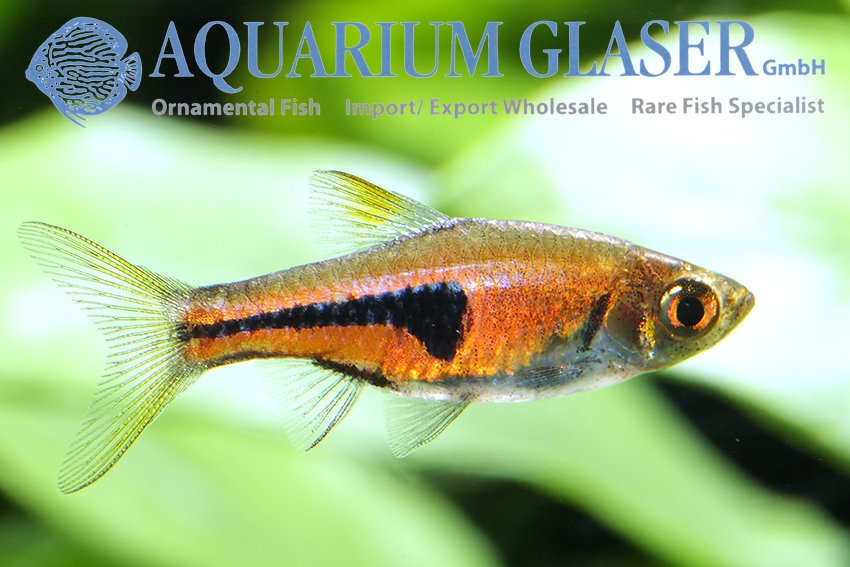
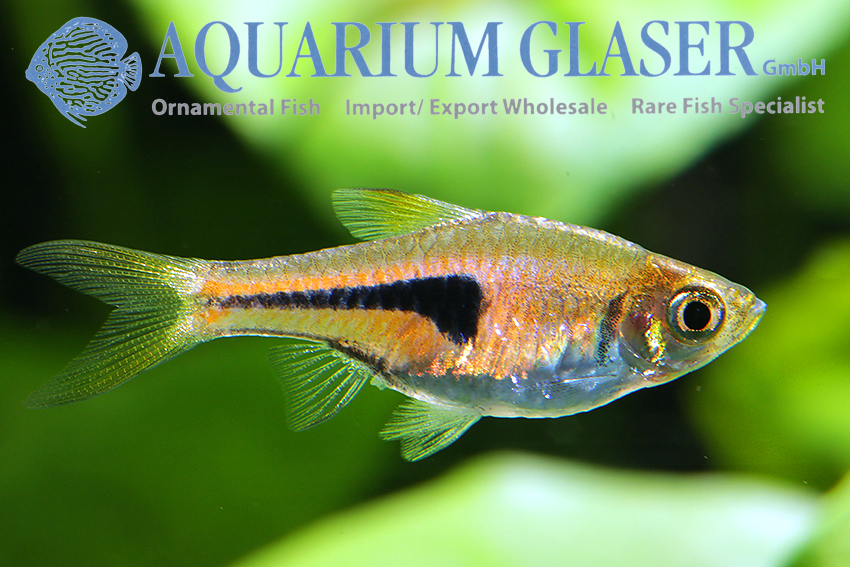
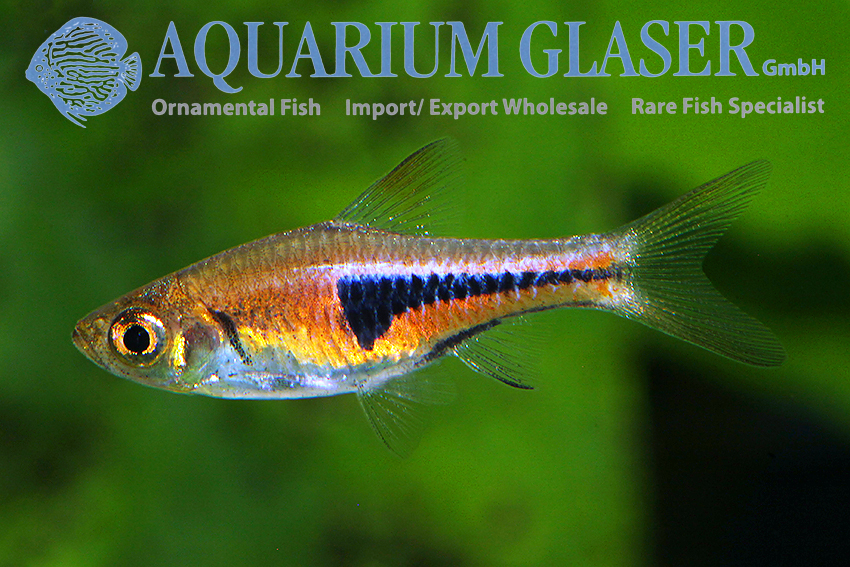
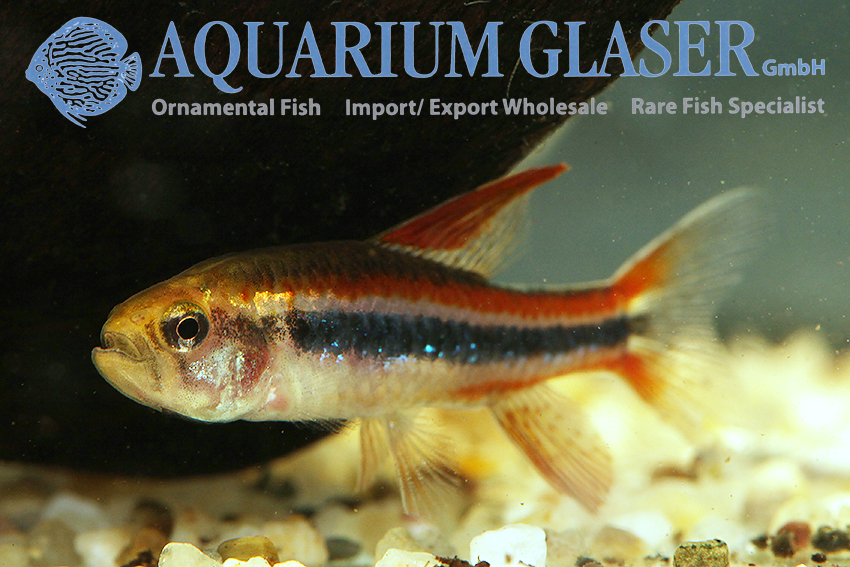
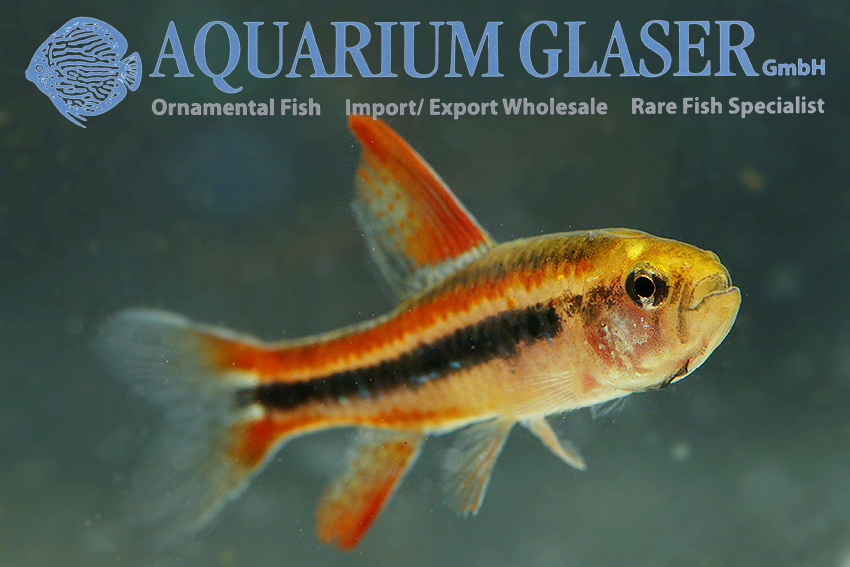
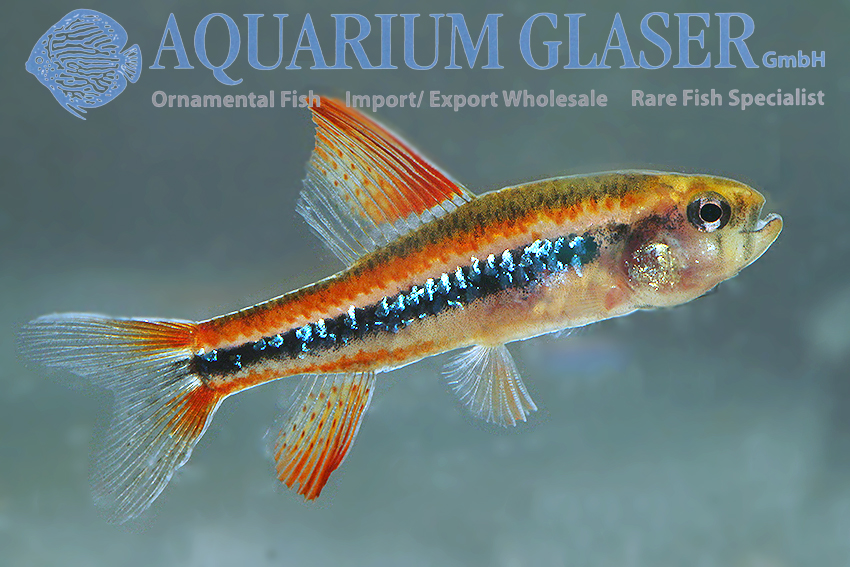
The three-banded pencilfish, Nannostomus trifasciatus, is one of the most popular ornamental fish. It combines numerous characteristics that make it desirable: beautiful coloration, peaceful nature, small size, and easy feeding. However, few people know that the name “Nannostomus trifasciatus” actually refers to several species. The “real” N. trifasciatus is relatively rare in stores. It comes from the area around Manaus in Brazil and Tabatinga/Leticia in the border triangle of Peru, Colombia, and Brazil. Its distinguishing feature: above the broad, dark longitudinal band, there is an additional narrow red stripe. Unfortunately, this stripe is easily overexposed and is therefore often difficult to see in photographs.

The twin species, N. erythrurus, is very widespread. It was first described from Guyana, but is also found in Peru and in the lower reaches of the Amazon in Brazil. The red stripe mentioned above is always absent here; only a red shoulder spot is often found. The similarity between N. erythrurus and N. trifasciatus is so great that until 2013, N. erythrurus was usually considered a synonym of N. trifasciatus; N. erythrurus was described as early as 1909.

From time to time, we receive such beautiful N. erythrurus from Peru and Brazil that we also distinguish them as a special species. Otherwise, no distinction is usually made between the two species in the trade.

N. erythrurus and N. trifasciatus do not differ in terms of the positive characteristics listed above. Both are ideal aquarium fish.

For our customers: N. erythrurus has code 272013, N. trifasciatus code 272301-272306 (depending on size). Please note that we only supply wholesale customers.

Text & photos: Frank Schäfer

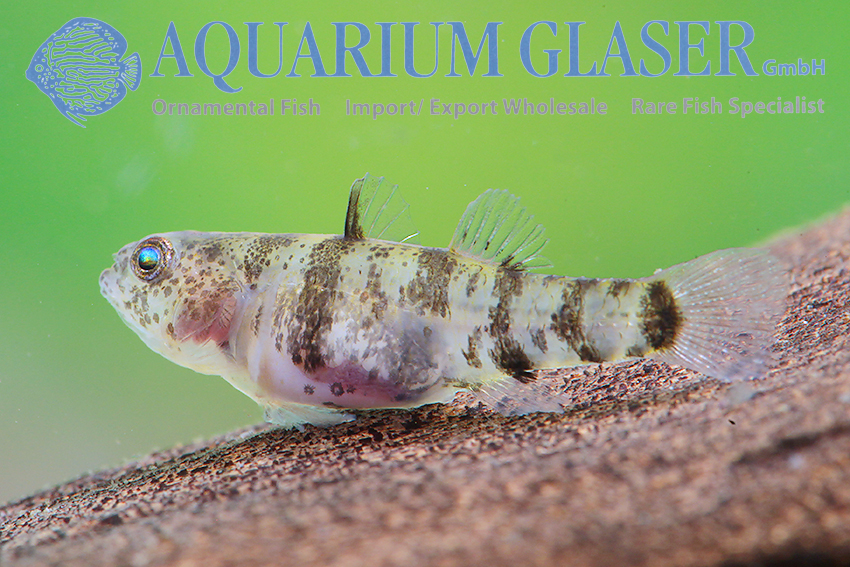
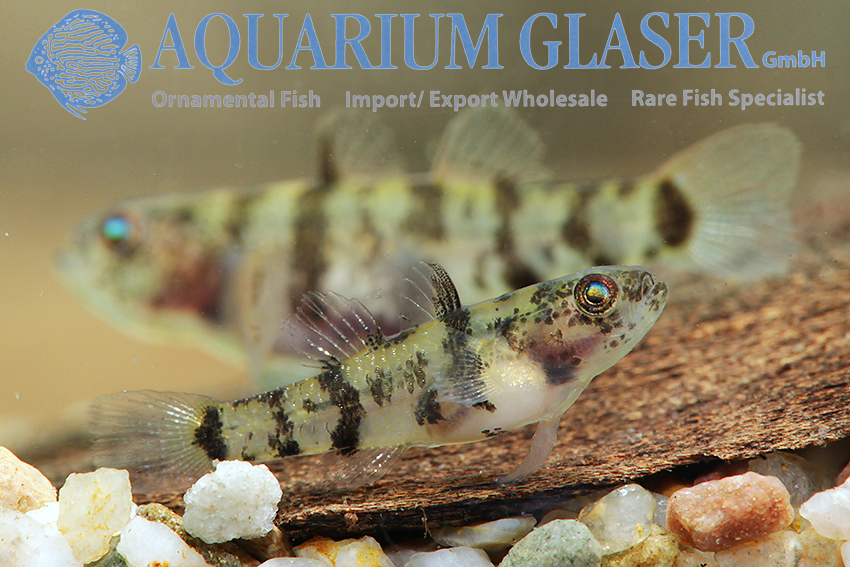
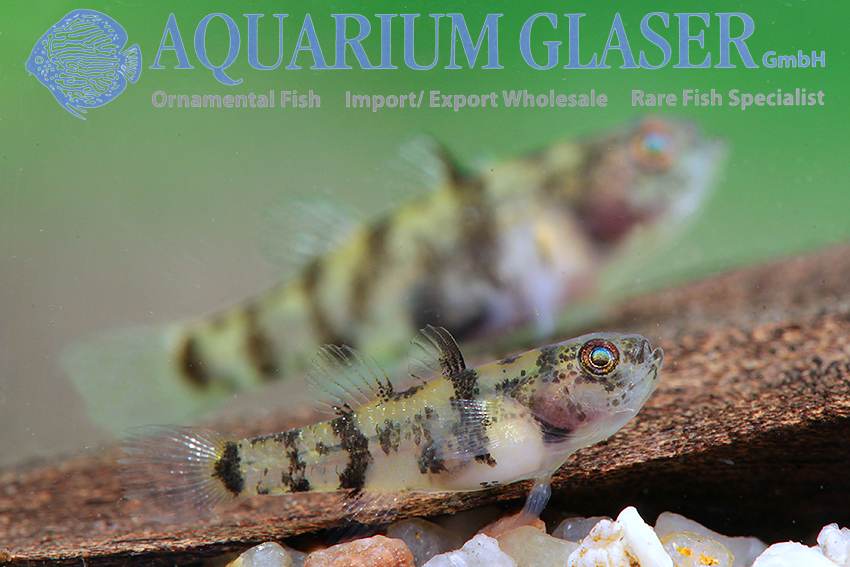
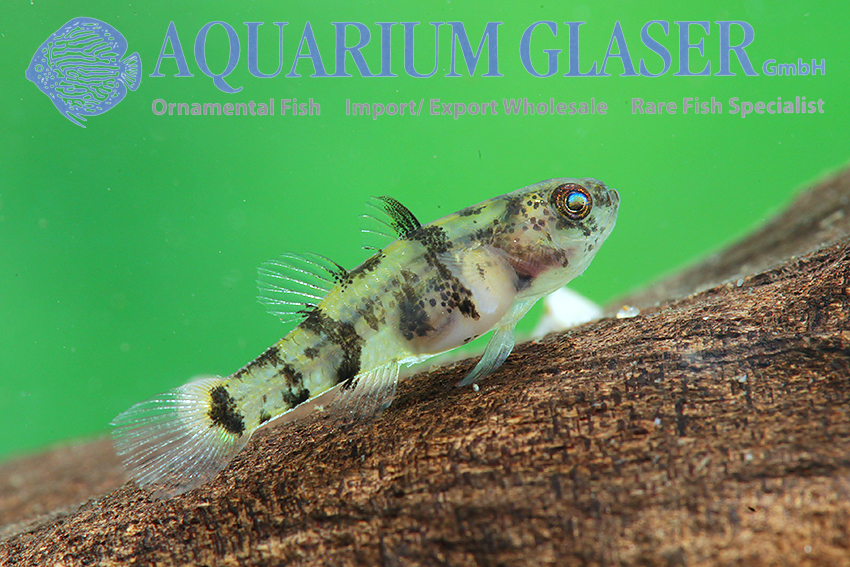
Sicyopterus microcephalus (incorrectly imported as S. longifilis)

10. October 2025

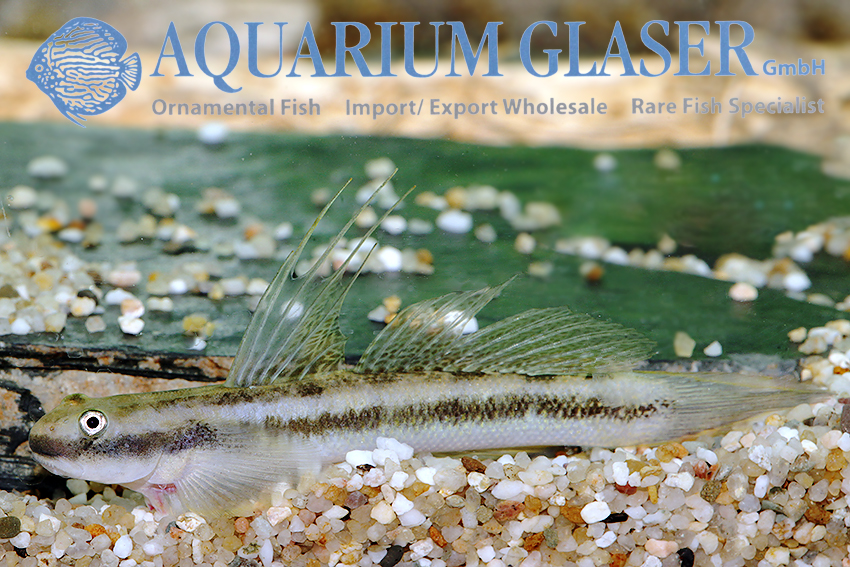
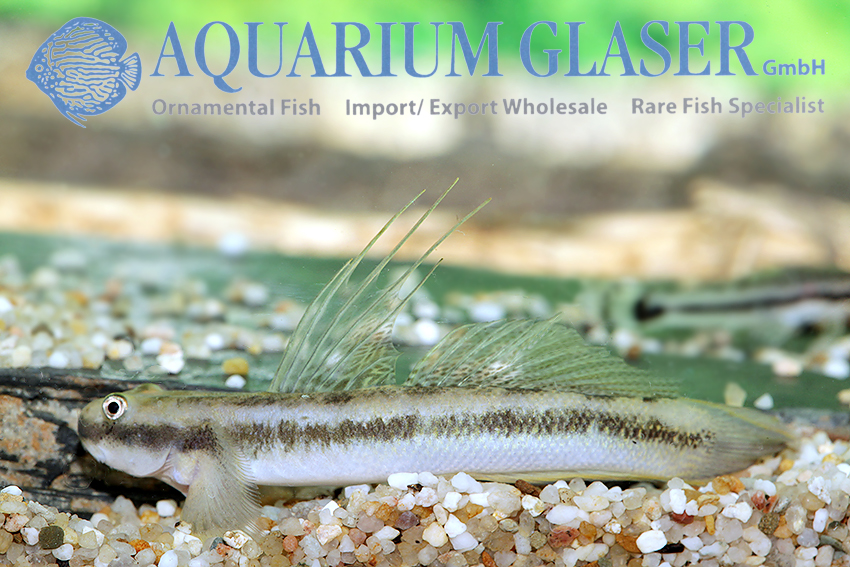
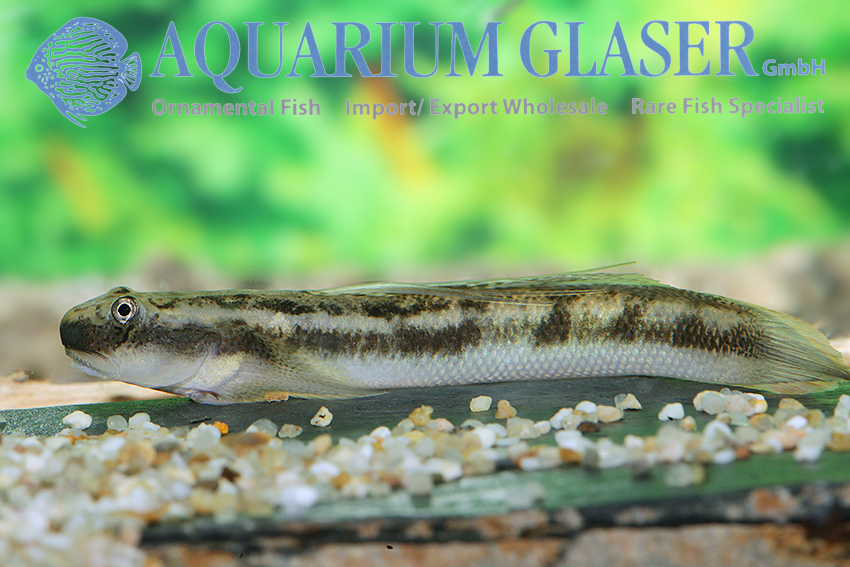
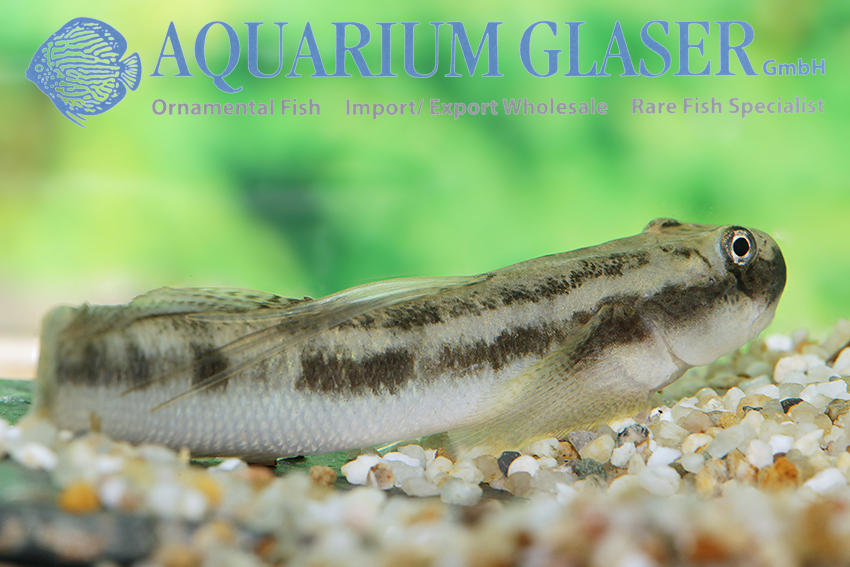
The genus Sicyopterus comprises the largest species of the increasingly popular sicydiine gobies, which include Stiphodon, Sicyopus, Sicydium, Lentipes, and others. All of these gobies undergo their larval development in the sea, while the adults live in pure freshwater and lay their eggs there. Since the larvae have hardly any yolk reserves, they must be carried relatively quickly into the sea by the current. This is why sicydiine gobies are only found in flowing waters and not very far from the sea. Depending on which ocean current the larvae are carried into, they may end up in freshwater far from their birthplace. This explains the sometimes huge distribution areas of many species.


Unfortunately, the detailed classification of the genus Sicyopterus is poorly understood. The approximately 27 to 33 currently recognized species (depending on the author) all look quite similar and are all very variable in color. Depending on their mood, age, and sex, they can have very different coloration. This makes them difficult to identify. It was not until 2018, for example, that Sicyopterus longifilis was first identified in Japan, a country that has been very well studied ichthyologically. Until then, only two other species of the genus were known from there, namely S. lagocephalus and S. japonicus. In clarifying the identity of the species new to Japan, the researchers (Maeda & Saeki, 2018) discovered that S. brevis, described in 1912 at the same time as S. longifilis from Ceram, is in fact only the female of S. longifilis (male).

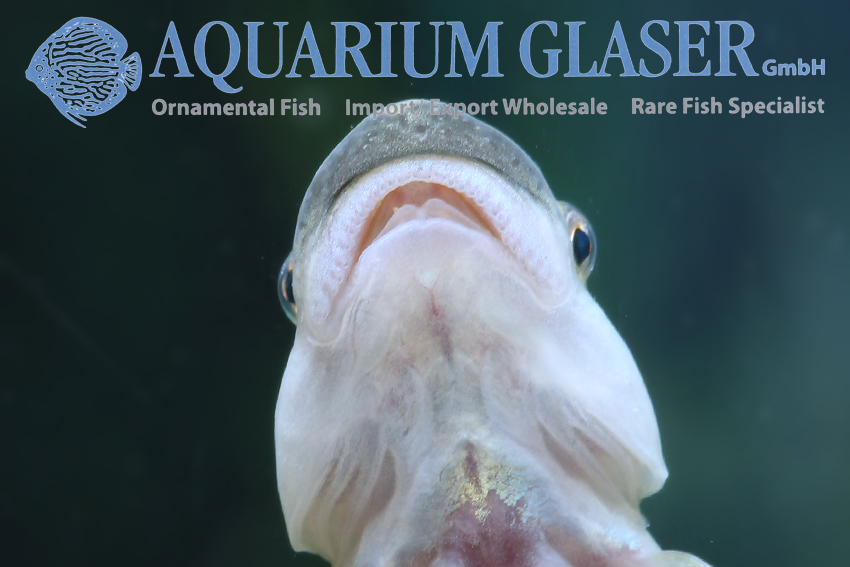
The most important distinguishing feature of S. longifilis for us aquarists is the combination of very long, free dorsal fin rays (at least in males; the dorsal fin rays of females are also free and elongated, but not quite as long) and the absence of a notch in the middle of the upper lip; the latter is best seen when the animal is suctioned to the front glass. The animals we imported under the name S. longifilis have long, extended dorsal fin rays, but they also have another lip feature: papillae on the upper lip. These are typical for S. microcephalus, but are absent in S. longifilis. Therefore, the pictures shown here are most likely of S. microcephalus and not S. longifilis.

Sicyopterus should be kept in aquariums that resemble a stream, i.e., with sand, gravel, and rubble areas. A few roots won’t hurt, but planting should be kept to a minimum. The fish appreciate a strong current. They often burrow into the ground, especially under flat stones, where they also spawn. Sicyopterus are easy to feed. Naturally herbivorous, they enjoy all kinds of dry and frozen food, as long as it is not too coarse. Hardness and pH value are insignificant; any tap water suitable for drinking is also suitable for the care and breeding of Sicyopterus. The water temperature can be between 20 and 28°C. Sicyopterus are generally peaceful fish, and intraspecific squabbles are always harmless in nature, at least in our experience. The species grows to a length of approx. 10 cm (including tail fin).

For our customers: the fish have code 455163 (5-7 cm) on our stock list. Please note that we only supply wholesale customers.

Literature:

Maeda, K. & T. Saeki (2018): Revision of species in Sicyopterus (Gobiidae: Sicydiinae) described by de Beaufort (1912), with a first record of Sicyopterus longifilis from Japan. Species Diversity v. 23: 253-262.

Text & photos: Frank Schäfer

Aspidoras raimundi C125 Red

12. September 2025

The genus Aspidoras has recently undergone a revision, resulting in several regroupings. Among other things, the species A. menezesi and A. spilotus, well known at least by name in the hobby, have been synonymized with A. raimundi. Cory-catfish enthusiasts agree that C125 and CW119 also belong here. More information on the wild type of A. raimundi can be found here: https://www.aquariumglaser.de/en/10-catfishes/aspidoras-raimundi-ceara-2/

According to our breeder, who first supplied us with these animals 11 years ago, the red form with red eyes appeared spontaneously among his offspring of wild-colored C125. Their exact origin was/is still unclear to us; we only know that they came from Brazil. As you can see, the red strain has been well stabilized. The final size of these beautiful and peaceful armored catfish is 4-4.5 cm. The usual care recommendations for armored catfish apply.

For our customers: the animals have code 208582 on our stock list. Please note that we only supply wholesale.

Literature:

Tencatt, LFC, Britto, MR, Isbrücker, IJH & CS Pavanelli (2022): Taxonomy of the armored catfish genus Aspidoras (Siluriformes: Callichthyidae) revisited, with the description of a new species. Neotrop Ichthyol. 2022; 20(3):e220040. https://doi.org/10.1590/1982-0224-2022-0040 

Text & photos: Frank Schäfer

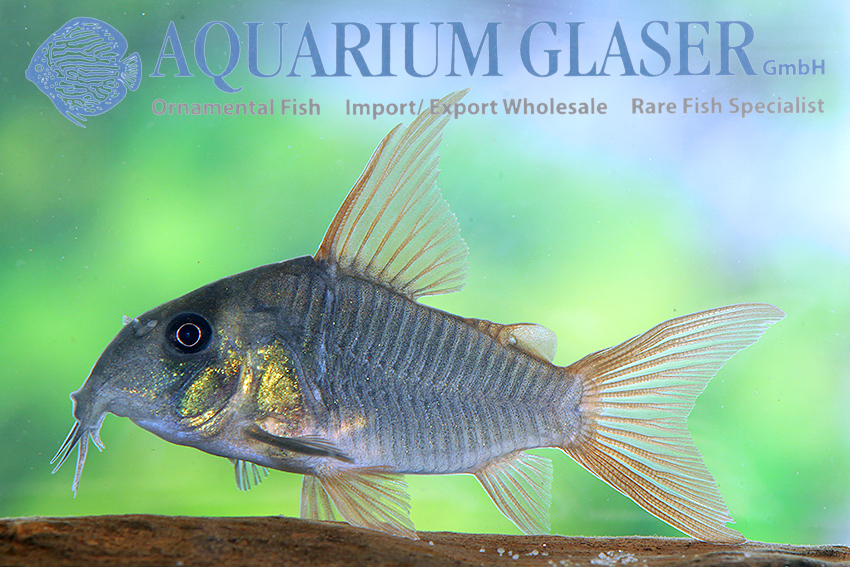
Hoplisoma sp. CW127 BRED

12. September 2025

One of the most magnificent armored catfish to become available in recent years is undoubtedly the CW127 from the Rio Jamanxim. For more information, see https://www.aquariumglaser.de/en/fisharchive/corydoras-sp-aff-parallelus-cw127-4/

We now have German captive-bred specimens of these magnificent animals in stock for the first time.

For our customers: the animals have code 240262 on our stock list. Please note that we only supply wholesale customers.

Text & photos: Frank Schäfer

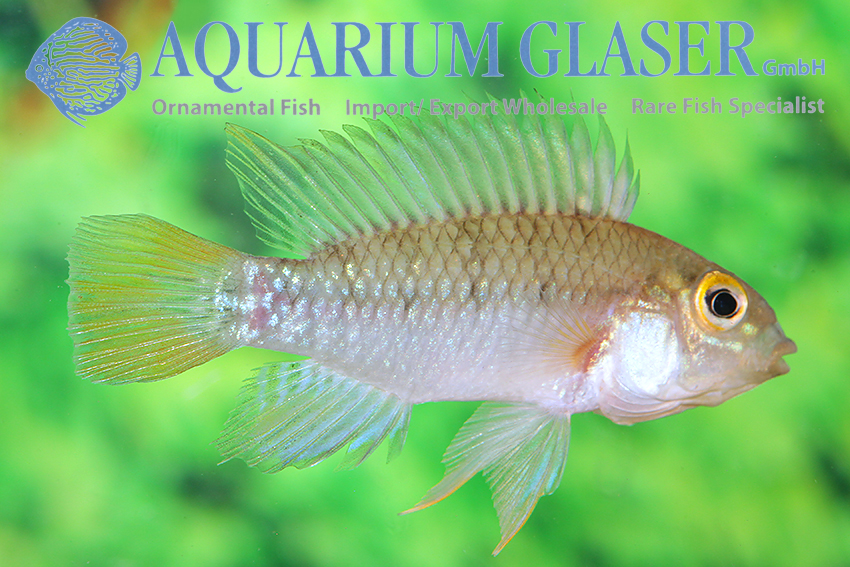
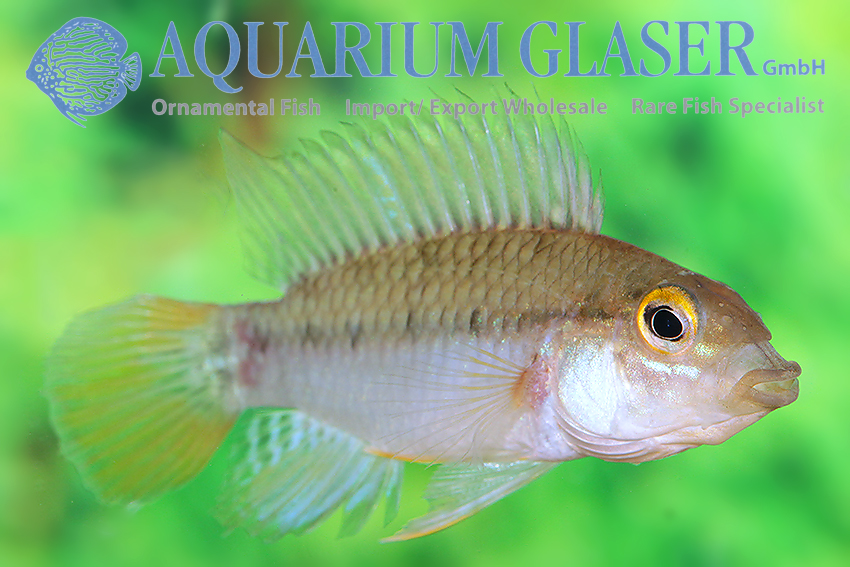
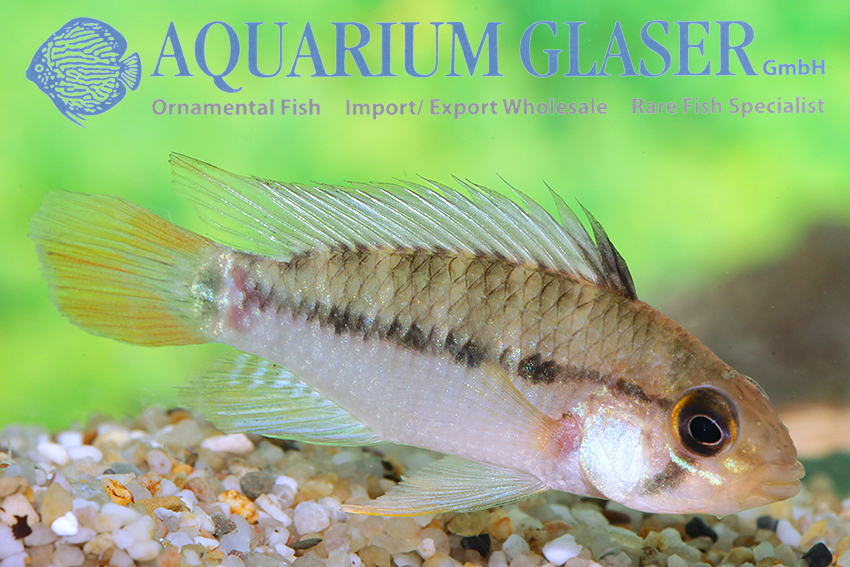
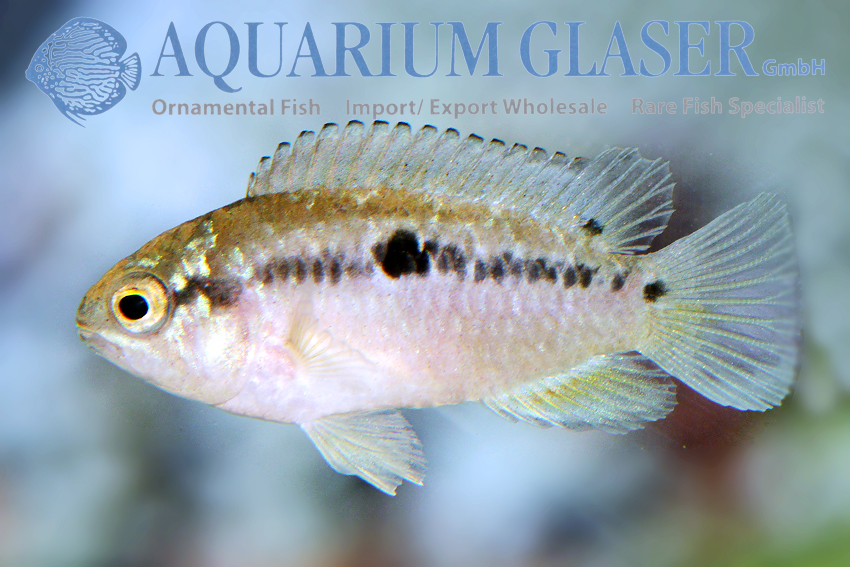
Apistogramma eunotus “Orange Tail”

12. September 2025

In this day and age, when absurd debates are being held about banning private animal husbandry as far as possible (“positive list”), we must always remember the great successes that have been achieved with many fish groups thanks to the aquarium hobby. The genus Apistogramma is a prime example of this. Until 1977, 31 species were known, but only 20 of these were valid. Today, almost 100 valid species are known (94 to be precise), and there are still a few that are already known in the hobby but have not yet been scientifically described. This enormous increase in knowledge would have been unthinkable without the interest of aquarists in these fish. If we now consider that knowledge of species is the absolute prerequisite for every conceivable form of species protection, the example of Apistogramma clearly shows that wild imports do not threaten species, but on the contrary form the basis for their protection.

The “first wave” of Apistogramma discoveries in the early 1980s also included a species from Peru that became known in the hobby as the “orange-tailed Apistogramma”: A. eunotus. This species, which is quite large by Apistogramma standards—males can easily reach 8.5 cm in length—originates from lowland rivers in Peru and neighboring areas of Colombia. Like almost all Apistogramma, the males are polychromatic, meaning that males of different colors can be found at the same location. However, the orange-tailed color morph, which is considered particularly attractive in the hobby, is relatively rare. Very often, entire imports of A. eunotus do not contain any males with colored tail fins. However, we have just received an import from Peru with a high proportion of such fish.

Apistogramma eunotus is special in that it not only dislikes the highly acidic water values (pH below 5.5) required for breeding in many species of the genus, but actually avoids them. A. eunotus also does not appreciate high concentrations of humic substances, which are almost essential for many Apistogramma species. Breeding this typical cave spawner with a mother-father family is also successful in slightly alkaline water of medium hardness. In nature, very different values have been found in A. eunotus biotopes, but never very acidic water. The water temperature in the aquarium should be between 23 and 27°C; in the wild, values between 18 and 31°C have been measured. Like all Apistogramma species, this one also needs places with fine sandy soil to chew through. Feeding is unproblematic; any commercially available ornamental fish food of a suitable size is readily accepted.

For our customers: the animals have code 619002 on our stock list. Please note that we only supply wholesale customers.

Text & photos: Frank Schäfer

Hemiodus semitaeniatus

12. September 2025

With 23 species, the genus Hemiodus is quite species-rich. The majority of species grow to a length of 15-20 cm, with the largest reaching around 30 cm. Previously, three genera were distinguished (Hemiodus, Hemiodopsis, and Pterohemiodus). However, the characteristics considered to be differences between the genera proved to be insufficiently relevant. Therefore, all three were merged back into one genus – Hemiodus. 

Hemiodus are sensitive to stress. Their capture, acclimatization, and transport can therefore only be successful with the utmost care. This is the reason why these fish are relatively rare in the trade. All species observed in aquariums to date exhibit a slanted swimming behavior. These elegant animals should always be kept in schools of at least eight, as individual fish can be very nervous. Another basic requirement is a large aquarium with plenty of free swimming space. Hemiodus are peaceful towards each other and towards fish of other species. There have been no reports of breeding in aquariums. Hemiodus can be described as undemanding in terms of water values (pH and hardness) and food (any standard ornamental fish food of a suitable size is readily accepted), but the water should be clear and rich in oxygen. A temperature between 24 and 28°C is probably optimal for all species.

The only species of the genus that is offered relatively regularly is Hemiodus gracilis. It has a characteristic pattern. A strong black longitudinal band begins approximately in the middle of the body and continues into the lower half of the caudal fin. Below this black band, the edge of the tail fin of H. gracilis is deep red – very attractive! H. semitaeniatus and H. goeldii are almost identical in color, but in both species the lower edge of the tail fin is white rather than red. H. semitaeniatus has significantly more scales in the longitudinal row than H. gracilis and H. goeldii (these have only about 50 fairly large scales in the longitudinal row, H. semitaeniatus has over 50, making the scales significantly smaller in relation to the body). You can easily shorten the scale counting by only counting the scales along the edge of the back before the base of the dorsal fin. Here, H. semitaeniatus has well over 20 scales, while H. goeldii has only 12.

We recently received „H. gracilis“ from Colombia, which unfortunately show no red in their tail fins. Closer investigation revealed that they are actually H. semitaeniatus. This species is widespread in South America: it has been reported in Brazil, Bolivia, Guyana, Colombia, Paraguay, Peru, and Venezuela. However, recent genetic studies on Hemiodus (Nogueira et al., 2020) suggest that this is more likely to be a species complex than a single species. The largest specimen of H. semitaeniatus measured to date was 20 cm long.

For our customers: the animals have code 258282 (4-6 cm) on our stock list. Please note that we only supply wholesale customers.

Literature:

Nogueira, A. F., C. Oliveira, F. Langeani & A. L. Netto-Ferreira (2020): Overlooked biodiversity of mitochondrial lineages in Hemiodus (Ostariophysi, Characiformes). Zoologica Scripta v. 50 (no. 3): 337-351.

Text & photos: Frank Schäfer

Pimelodus tetramerus

12. September 2025

The genus Pimelodus is quite species-rich, with 35 recognized species currently, and also very confusing due to a lack of recent revision. These South American catfish play only a minor role in aquariums. The only species regularly available in stores is Pimelodus pictus, the angel catfish, and P. ornatus is an expensive rarity sought after by specialists. Other species occasionally appear in small numbers in the trade, but are generally insignificant. With the species presented here, which we have occasionally been able to import from Venezuela or, as is currently the case, from Peru, the spectrum could be expanded by another species, as the animals are very attractive: Pimelodus tetramerus.

The species was described in 2006 from the Tocantins and Tapajos rivers in Brazil. Imports were made from the Rio Xingu, Venezuela, Colombia, and Peru. Grant (2021) suspects a species complex behind the various imports; although we do not rule out this possibility, the externally recognizable differences between animals from the various export areas are so minor that we do not distinguish between them. The size of the imported animals is usually around 6-9 cm; P. tetramerus grows to about 20 cm in length.

Unlike many other catfish, Pimelodus species are also active during the day. At least as juveniles, they are distinctly schooling fish, so you should always purchase 5-10 specimens at once. They are completely peaceful towards other fish, but smaller tank mates will of course be regarded as food. Pimelodus are as undemanding in terms of nutrition as they are in terms of water values, which is why even beginners can enjoy these beautiful fish. You just have to be careful with their extremely sharp fin spines. Both the pectoral fins and the dorsal fin have fin spines that are sharper than we have seen in almost any other fish species. It is therefore generally better to catch these catfish with a cup or similar, as there is a high risk of them becoming terribly entangled in any net.

For our customers: the animals have code 280113 on our stock list. Please note that we only supply wholesale.

Literature: 

Grant, S. (2021): Pims; Pimelodidae, Heptapteridae and Pseudopimelodidae Catfishes. Neuenstadt am Rübenberge, 220 pp.

Ribeiro, F. R. V. & C. A. S. de Lucena (2006): Nova espécie de Pimelodus (Siluriformes, Pimelodidae) dos rios Tapajós e Tocantins, Brasil. Iheringia, Série Zoologia (Porto Alegre) v. 96 (no. 3): 321-327.

Harttia punctata

5. September 2025

From the species-rich genus Harttia—currently divided into 28 species—hardly any ever find their way into our aquariums. The fish are relatively close relatives of the popular royal farlowellas (Sturisoma and Sturisomatichthys) and resemble them in many behaviors, but are considerably more demanding. Harttia need very clean, oxygen-rich, and warm water to thrive; in addition, fine food, such as the fish’s natural diet (algae and the microorganisms living in it), should make up the majority of their diet. Even minor care mistakes can be fatal for such fish. It is obvious that even catching and transporting them poses particular challenges. On the other hand, healthy animals have even been bred in aquariums.

Harttia punctata is one of two species found together in the Rio Tocantins in Brazil. The most important difference between the two species – the other being H. duriventris – lies in the shields on the abdomen. In H. duriventris, the entire belly is covered with bone plates, while in H. punctata, large parts of the belly are bare. Overall, however, it has been found that the pattern on the belly is quite variable within the species. H. punctata and H. duriventris hardly differ in color, but H. punctata has more numerous, more contrasting spots. In two randomly selected animals from our current import, the abdominal shields correspond to H. punctata. Since all the fish are very similar in color, we think that they all belong to the same species. However, we cannot rule out the possibility that some H. duriventris may be hiding among them.

Just like Sturisoma and Sturisomatichthys, Harttia are not cave breeders, but open breeders. The eggs are preferably laid on stones with a strong current flowing over the surface and guarded by the male until they hatch. Sexual differences seem to be limited to the fact that the males have a slightly wider head and a wider, spiked first pectoral fin ray. Rearing is broadly similar to that of royal farlowella.

All in all, Harttia punctata are fish for truly experienced aquarists looking for a challenge.

For our customers: the animals have code 255384 on our stock list. Please note that we only supply wholesale.

Literature:

Seidel, I. (2010): Ingos Harnischwelszucht. Tetra Verlag, Berlin-Velten, 272 pp

Text & photos: Frank Schäfer

Sternarchorhynchus mendesi

5. September 2025

The number of species in the genus Sternarchorhynchus has exploded in recent years. In 1994, only four species were known, but by 2006, the number had risen to ten, and today (2025), 32 species are recognized! This makes Sternarchorhynchus the most species-rich genus within the Apteronotidae family. 

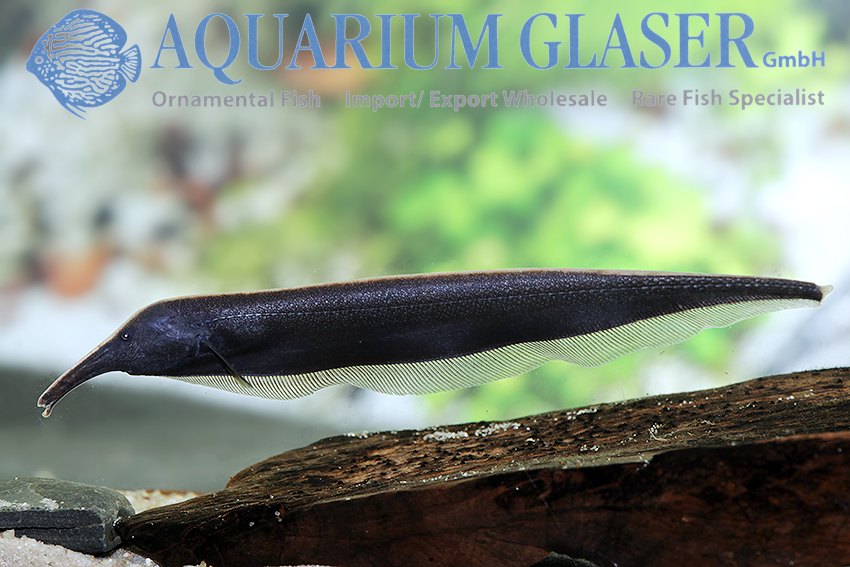
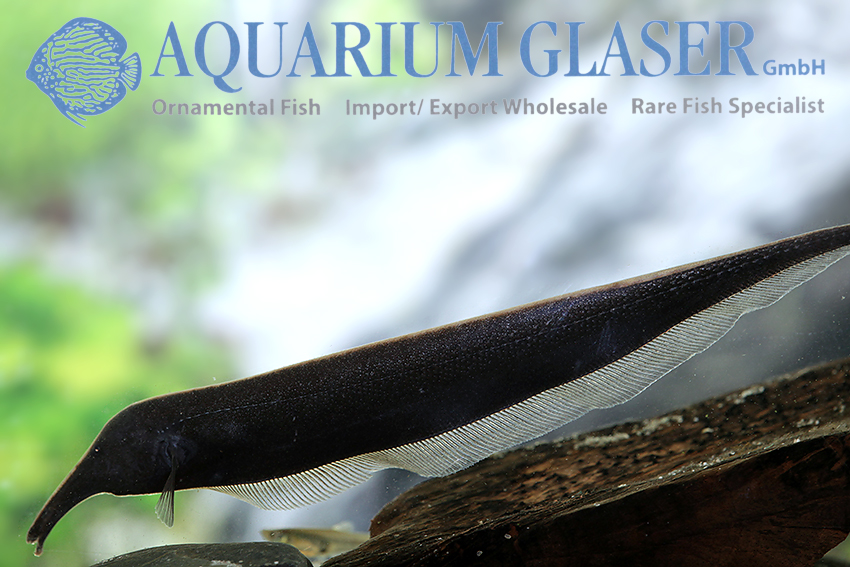
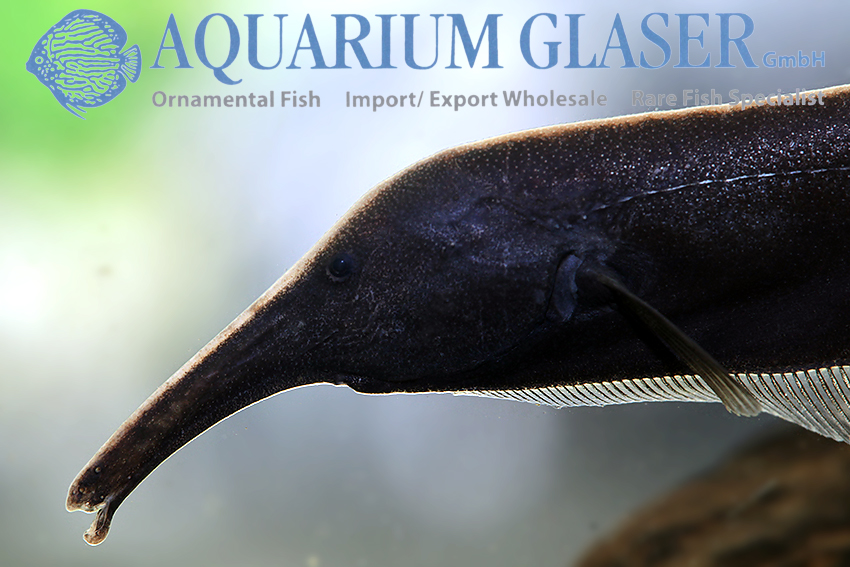
With a shipment of Apteronotus macrostomus (in the hobby known as A. leptorhynchus, see https://www.aquariumglaser.de/en/11-gymnotiformes-knifefishes-of-the-new-world/apteronotus-leptorhynchus-a-macrostomus-2/) from Colombia, we also received a single specimen of a Sternarchorhynchus species. According to the latest revision of the genus by de Santana & Vari (2010), there are seven species of the genus in Colombia: S. gnomus, S. marreroi, S. mendesi, S. mormyrus, S. oxyrhynchus, S. roseni, and S. yepezi. There are hardly any color differences between the species. Almost all are monochromatic dark brown with a light eel stripe; only S. gnomus lacks the light dorsal stripe or has only a faint one. If one follows the identification key for the species from the Orinoco in the aforementioned work, the shape of the mouth initially leads to S. oxyrhynchus; however, for those of us who are not deeply familiar with the subject matter, this characteristic is somewhat deceptive because we do not have good means of comparison.

The remaining key leads to S. mendesi (distinct dorsal stripe, no scales on the back). S. oxyrhynchus has 212–242 fin rays in the anal fin, making it a very elongated fish, while S. mendesi has 174–182. The photographed animal has approximately 177 anal fin rays (without an X-ray, slight inaccuracies in counting are possible at the very front and very back, but these are not critical for species identification). So it’s official: we have successfully imported Sternarchorhynchus mendesi for the first time!

This is remarkable in that S. mendesi is currently known from only eight specimens, all of which were found in the Río San Juan and Río Guanipa river basins in northeastern Venezuela. Apteronotus macrostomus, on the other hand, is caught in the Rio Meta basin in Colombia for export as an ornamental fish.

The largest specimen of S. mendesi known to date was just over 20 cm long. The imported fish has proven to be easy to care for so far; its current length is about 15 cm. At the end of its body, it has a small regenerative tail; as is well known, knifefish have the very unusual ability to regenerate lost parts of their spine at the end of their body, provided that no vital internal organs are affected. The animal proved to be completely peaceful towards even small tank mates (three-quarter-sized guppies). Sternarchorhynchus can be easily fed with frozen and live food in the aquarium; tubifex and bloodworm are particularly popular. South American knifefish have generally proven to be very adaptable in terms of water parameters such as hardness and pH value. The animals are mainly crepuscular, but come out of hiding during the day when feeding. The animals are only moderately compatible with conspecifics, see https://www.aquariumglaser.de/en/11-gymnotiformes-knifefishes-of-the-new-world/sternrachorhynchus-from-peru/. Since Sternarchorhynchus have sharp teeth in their mouths, they can theoretically injure each other. When keeping several animals together, it is therefore important to pay close attention so that you can intervene in time if necessary.

For our customers: the animal has code 293984 on our stock list. Please note that we only supply wholesale customers.

Literature: 

de Santana, C. D. & R. P. Vari (2010): Electric fishes of the genus Sternarchorhynchus (Teleostei, Ostariophysi, Gymnotiformes); phylogenetic and revisionary studies. Zoological Journal of the Linnean Society v. 159 (no. 1): 223-371.

Text & photos: Frank Schäfer

Pseudocrenilabrus multicolor

5. September 2025

The longest-serving mouthbrooding cichlid in our aquariums is Pseudocrenilabrus multicolor. It was introduced to Germany from Egypt as early as 1902. The animals, which are usually 4-5 cm long—the maximum length given in the literature is 8 cm—have never died out in the hobby since then. It can even be assumed that these fish have been kept and bred in conservation breeding for over 100 years without “new blood,” i.e., without any new imports. Only recently has it become somewhat quiet around it. We are therefore very pleased to be able to offer it again.

P. multicolor cannot compete with the colorful mouthbrooding cichlids from Lake Malawi, even though it is very colorful. But its colors are iridescent and small, while its larger cousins are strikingly colorful. On the other hand, it is always a great pleasure to observe the brood care of this lively little animal. Unlike most Malawi cichlids, the mother P. multicolor keeps the young fish in her mouth for many days (about a week) after they are first released, in case of supposed danger and at night.

P. multicolor should be kept at temperatures between 20 and 28°C in well-planted tanks, which should also have some areas of bare sand. During the spawning season, the male builds a shallow pit and attracts the fairer sex by displaying his magnificent colors and surfing across the bottom with his tail fin, showing her the way to the love nest. They will eat any standard ornamental fish food of a suitable size, whether dry, frozen, or live food. Due to its relatively small size, P. multicolor does not need large aquariums, but the males should not be underestimated during the spawning season. Filled with hormones, they successfully take on significantly larger opponents, and harmless peaceful fish also have nothing to laugh about.

For our customers: the animals have code 566303 on our stock list. Please note that we only supply wholesale customers.

Text & photos: Frank Schäfer

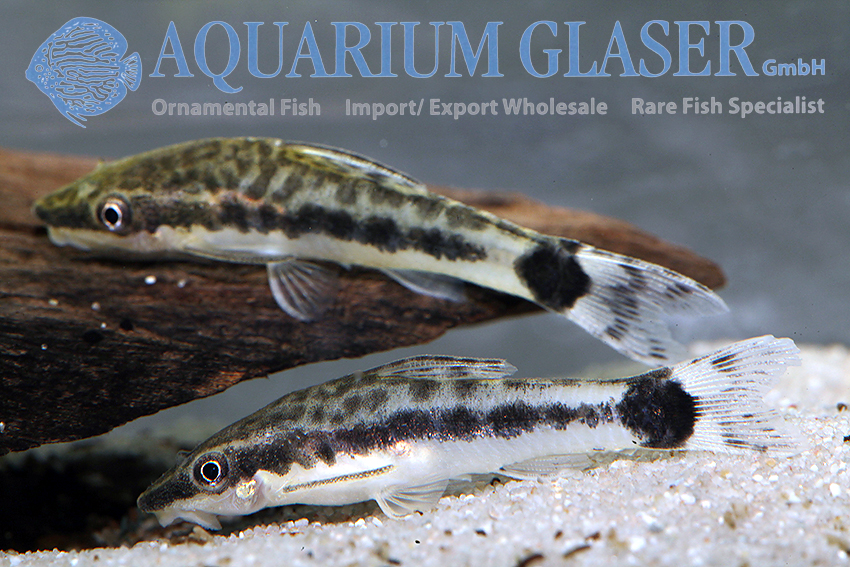
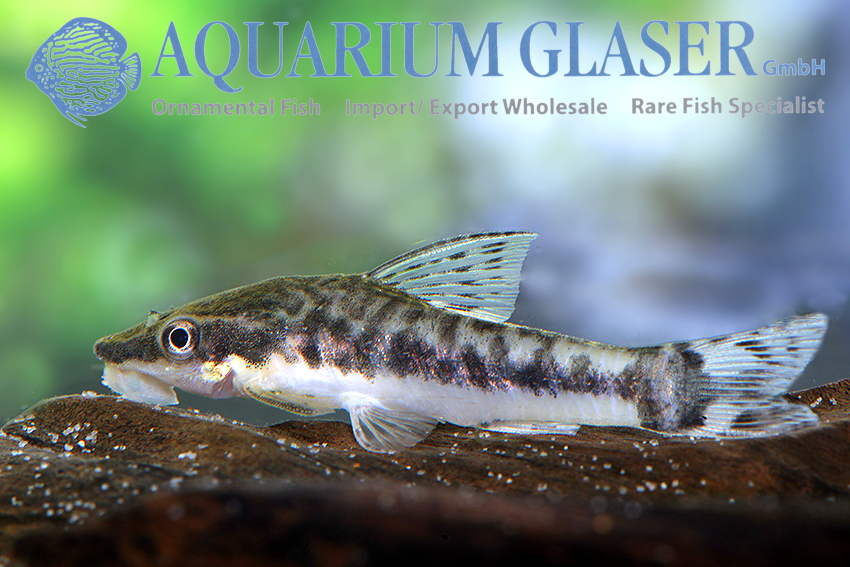
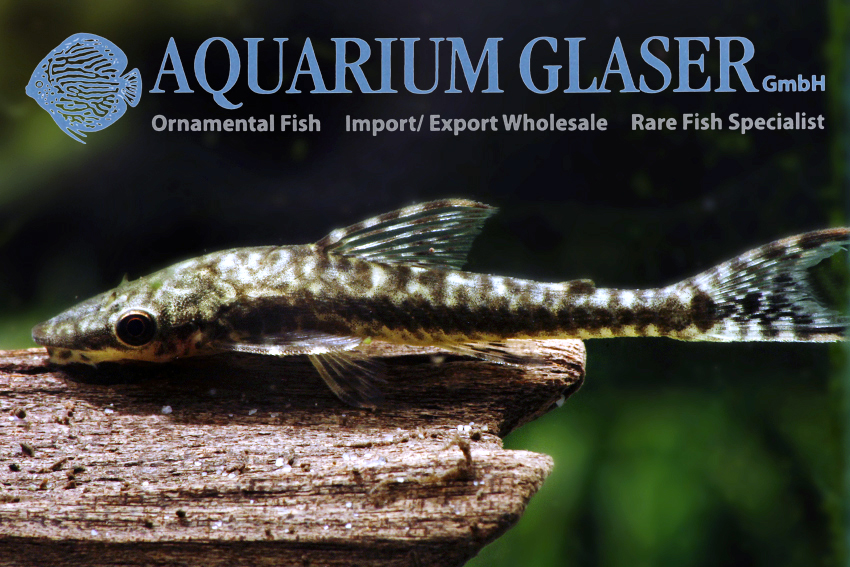
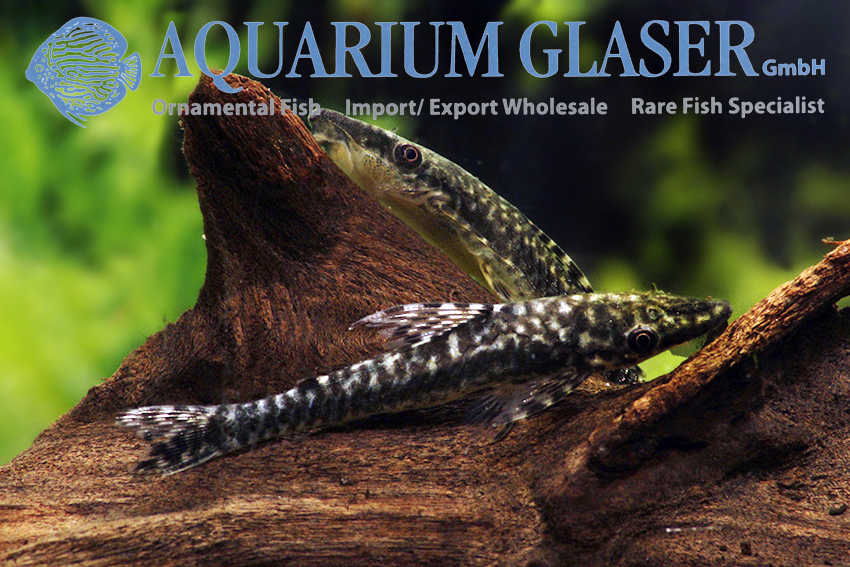
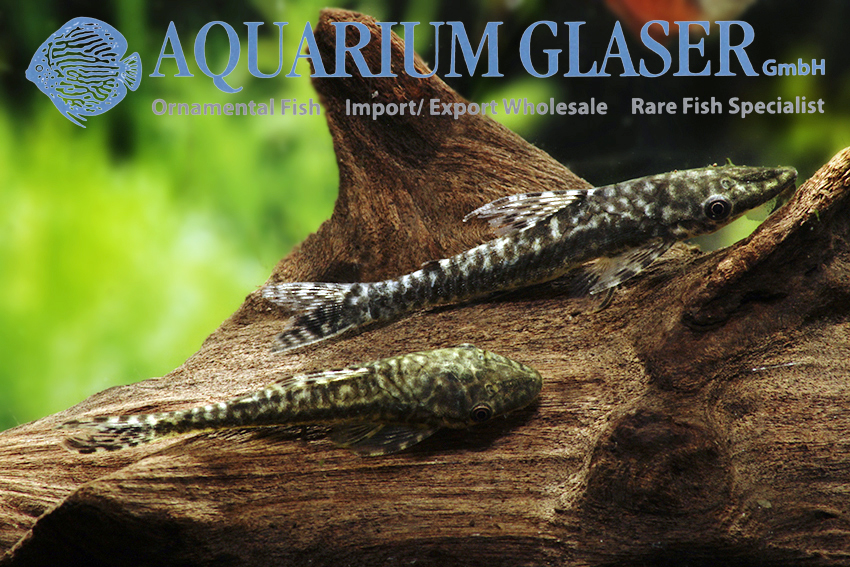
Otocinclus cf. macrospilus = O. mangaba?

5. September 2025

The small sucker catfish of the genus Otocinclus are among the most popular “cleaners” in aquariums. They tirelessly clean all surfaces they can reach. Since they usually only grow to 3-4 cm, rarely up to 5 cm in length, and perform their cleaning activities very delicately, they do not damage even relatively delicate plants, but ensure that they look clean and fresh.

Unfortunately, most of the 20 currently accepted species look very similar to each other. In 1997, Scott A. Schaefer published a major revision of the genus, in which 15 species were distinguished. This revision was intensively discussed in aquarium circles, and attempts were made on its basis to finally assign the correct names to the species available in the hobby. The success was rather modest. The majority of Otocinclus traded still sail under the name “Otocinclus affinis,” although this inconspicuous species from southern South America is hardly ever found in stores. Most of the animals designated as such belong to the species O. vestitus.

A pretty and very hardy species has been imported from Brazil for decades. It is called “Otocinclus cf. macrospilus” because of the very large spot on its tail root. The word ‘macrospilus’ means “with a large spot.” The species Otocinclus macrospilus was scientifically described as early as 1942 and illustrated in a very good drawing. The specimens on which the description was based were found in the Rio Morona, upper Amazon basin, Loreto department in Peru. Although the animals imported from Brazil visually matched O. macrospilus well, the locations where they were found were very far apart. Research revealed that the Brazilian specimens are caught in the Rio Purus; at least some of them come from the political municipality of Lábrea, located on the Rio Purus. This prompted the addition of “cf.” (stands for ‘confer’ and means “compare with”) to express a certain reservation in the determination. Rightly so, as it now turns out. One of the recently newly described species—Otocinclus mangaba from the Rio Madeira basin—is much more similar to the Otocinclus from the Rio Purus. The Rio Purus and the Rio Madeira flow parallel to each other for long stretches toward the Amazon and are only about 200 km apart on average.

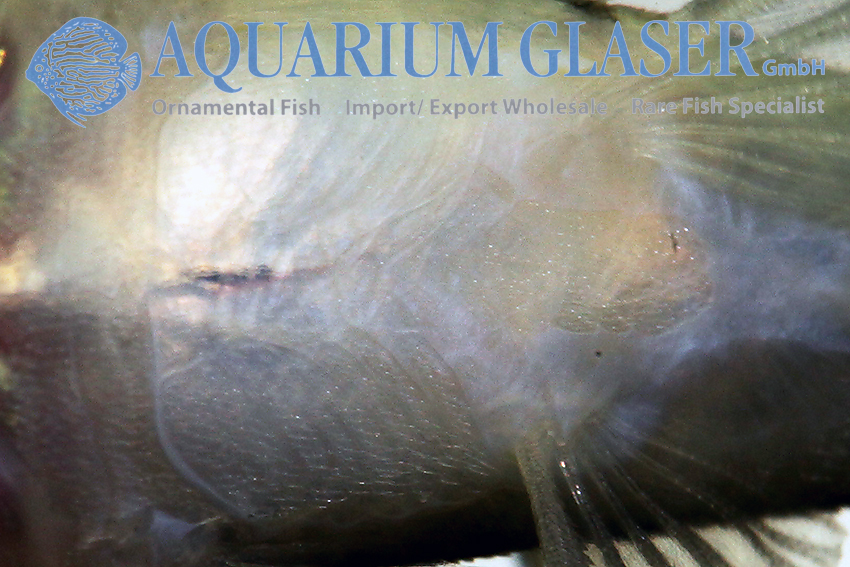
A feature that is rare in Otocinclus is typical of O. mangaba: the abdominal region between the large pectoral bone plates on the sides of the body is bare – just like in Otocinclus from the Rio Purus! The coloration of O. mangaba also corresponds very well to that of the animals from the Rio Purus. Some differences in detail are due to individual color variation, while others are mood-related. In the preserved holotype of O. mangaba, the large tail root spot appears to be divided into two parts, a front and a rear half. This is also the case in freshly imported animals, but this color feature largely disappears in well-acclimated animals.

Basically, it doesn’t matter which Otocinclus species you buy, as they are all excellent aquarium fish and outstanding cleaners. They should be kept in groups that are as large as possible, as they are social animals. And it is essential to ensure that they get enough food. Slices of vegetables (zucchini, potato, carrot, etc.) should always be available (replace daily, otherwise it will pollute the water), along with fine frozen food (cyclops, artemia, water fleas) and food tablets. This is the recipe for round and happy otos. Hardness and pH value are insignificant for these fish; any tap water suitable for drinking is suitable for their care. Males are smaller and slimmer, but there are no other differences between the sexes. Breeding is similar to that of armored catfish, i.e., the animals spawn in groups. Otocinclus do not care for their young.

For our customers: Otocinclus cf. macrospilus/O. mangaba have codes 274113-274116 on our stock list, depending on size. Please note that we only supply wholesale customers.

Text & photos: Frank Schäfer
Ivanacara bimaculata

29. August 2025

This cichlid was scientifically named and illustrated as early as 1912 under the name Nannacara bimaculata. However, it remained a phantom in the hobby. Its distribution area in Guyana (Potaro River) is considered one of the most difficult areas to travel to in South America. It was not until 1997 that Frans Vermeulen, together with Wim Suikers, was able to collect a few specimens and bring them back to the Netherlands. It became apparent that the species was very similar in behavior and appearance to I. adoketa, which at that time was still classified in the genus Nannacara. Consequently, the species was then incorporated into the genus Ivanacara, which was described in 2006.

To this day, this fish has remained a top rarity, as breeding it is just as challenging as breeding I. adoketa (see https://www.aquariumglaser.de/en/fisharchive/ivanacara-adoketa-nannacara-a-2/). Everything that has been said about I. adoketa also applies to I. bimaculata, which is why we refer to the corresponding entry at this point.

We are delighted to now be able to offer these beautiful cichlids as 3-4 cm long offspring. The young fish we currently have in stock already give an idea of how beautiful these fish will become. Even at this size, males and females are quite easy to distinguish by their color. Incidentally, according to the literature, males of I. bimaculata can grow to a maximum length of 13 cm and therefore no longer quite meet the definition of “dwarf cichlid” – by definition, this title is reserved for species with a maximum total length of 10 cm. Females, however, remain smaller. According to our breeders, I. bimaculata remains much smaller than stated in the literature – at least this strain. Males are said to be fully grown at a total length of about 6 cm; very old animals may still grow 1-2 cm.

For our customers: the animals have code 684062 on our stock list. Please note that we only supply wholesale customers.

Text & photos: Frank Schäfer
Synodontis sp. aff. nigriventris ZEBRA

29. August 2025

The upside-down catfish Synodontis nigriventris is the most popular species from the species-rich genus Synodontis. The comical behavior of these animals, which prefer to swim belly-up, is certainly the main reason for this. In addition, the species remains small, well under 10 cm. In fact, we have never seen animals larger than about 7 cm (including the tail fin). More information about the species can be found here: https://www.aquariumglaser.de/en/fisharchive/synodontis-nigriventris-4/

In addition to this species, we also occasionally have the “zebra” in stock. As far as we know, this species comes exclusively from the Lac Mai Ndombe area, a huge blackwater lake in central Congo. It differs from the “common” upside-down catfish in its extremely contrasting coloration, especially on the belly. The species name “nigriventris” means “with a black belly.” The belly of the common upside-down catfish is dark in color. If you look closely, you can see black dots on a dark background. In the “zebra,” however, the belly coloration consists of a complex marble pattern that is different for each individual fish. Overall, the pattern of the “Zebra” is reminiscent of the juvenile coloration of several Synodontis species. 

In terms of all care aspects and final size, the “Zebra” does not differ from the common upside-down catfish, except that it is perhaps even a little more social. It is almost impossible to photograph a single specimen when there are several in the aquarium.

For our customers: The animals have code 183413 on our stock list. Please note that we only supply wholesale.

Text & photos: Frank Schäfer

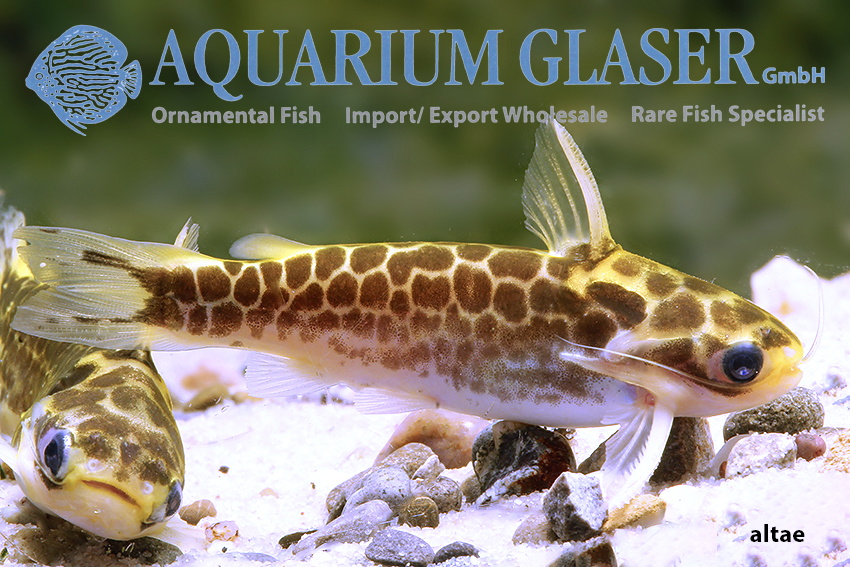
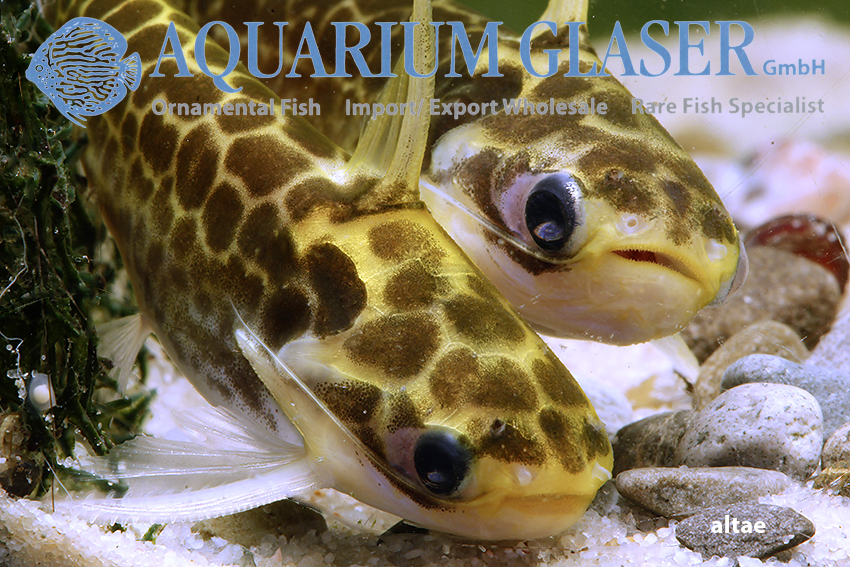
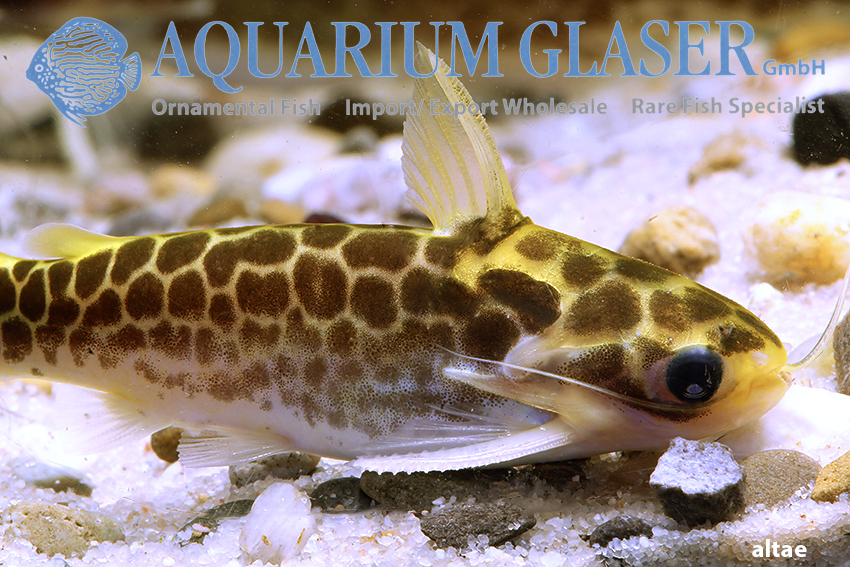
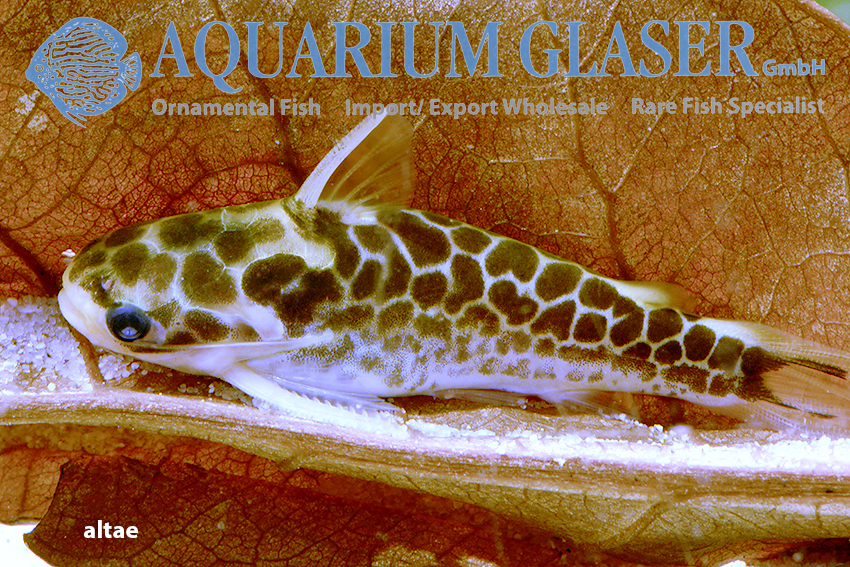
Tatia perugiae and Tatia cf. altae

29. August 2025

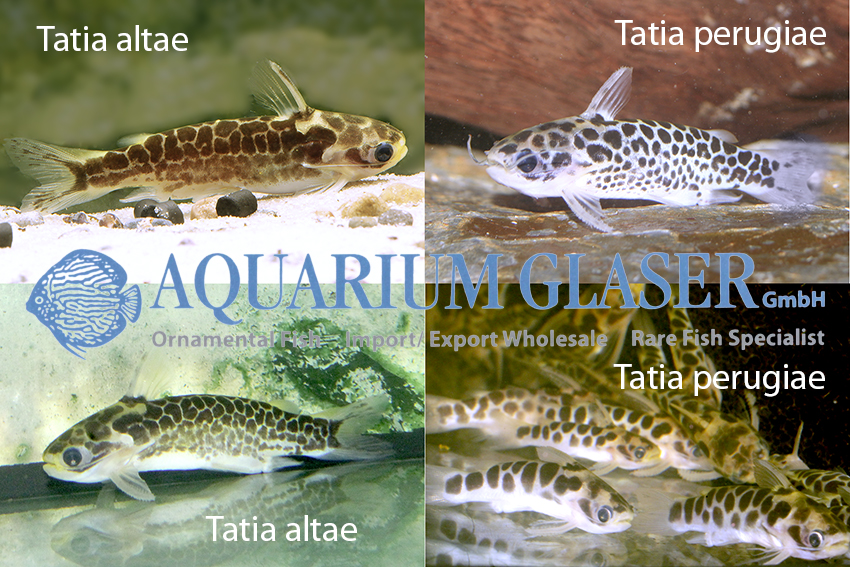
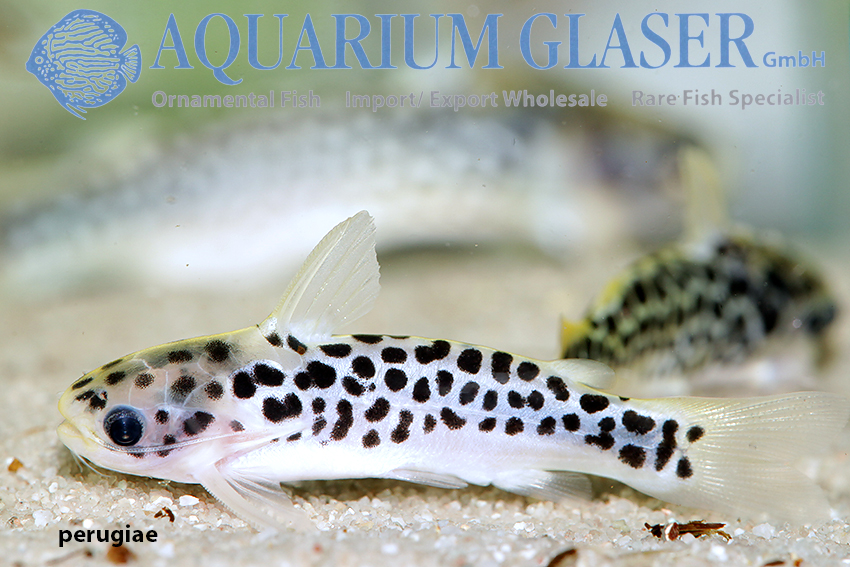
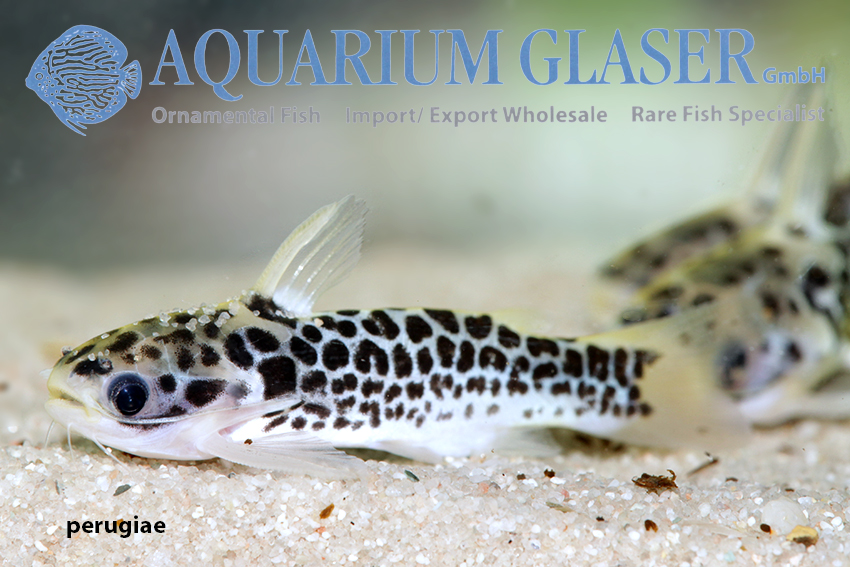
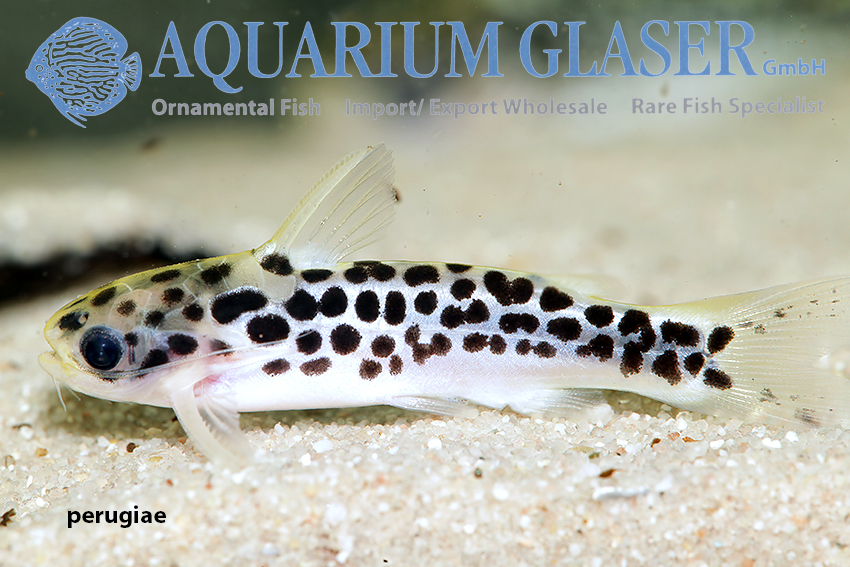
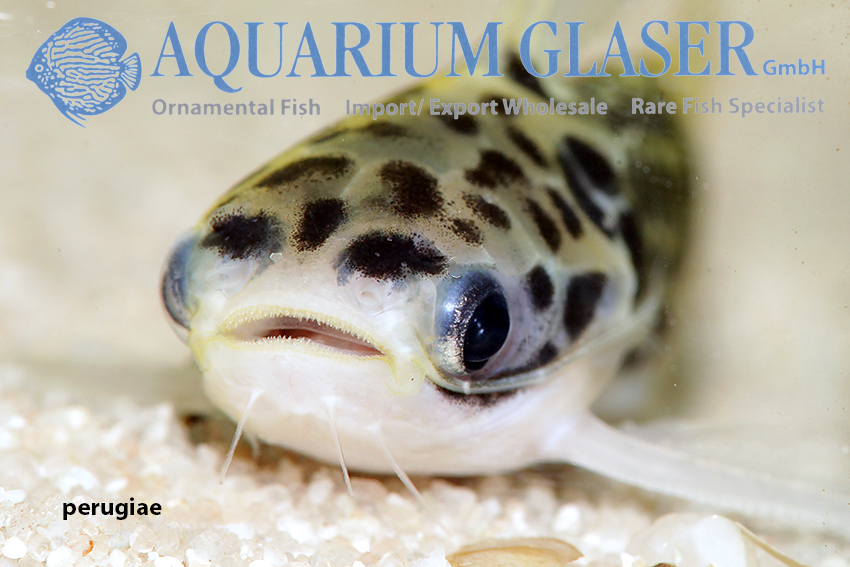
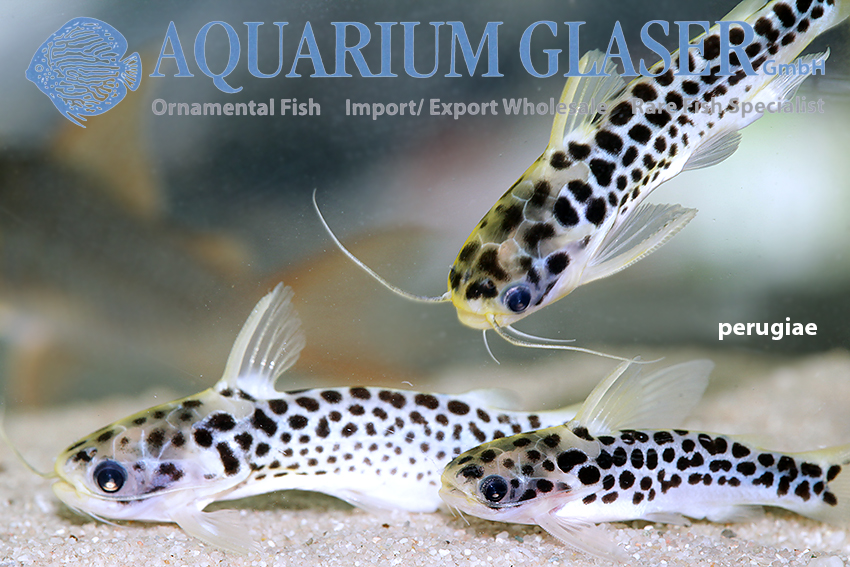
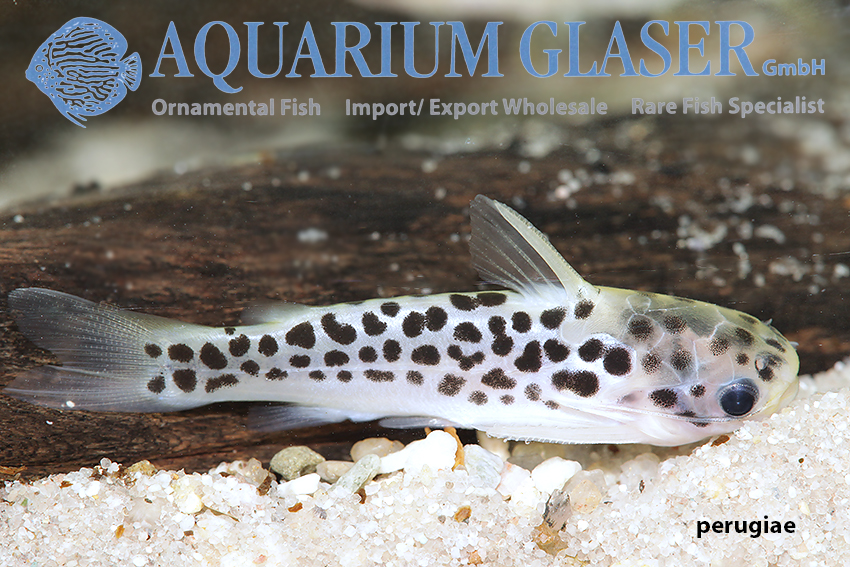
The driftwood catfish Tatia perugiae has become firmly established in the hobby. The species is small (4-6 cm), very pretty in color, and easy to breed in the aquarium. In addition, the animals are very peaceful and undemanding in terms of water composition and food. It is understandable that they usually only leave their hiding places to feed and then swim around busily. We source the species as offspring or from Peru. There are at least two color forms, one with relatively small and one with large dark spots (see collage of the two pictures on the right; all fish in this collage are sexually mature males). But overall, the species is highly variable in coloration, and each individual can be recognized by its personal spot pattern, which is as specific as a fingerprint.

Unfortunately, this species has already undergone several genus changes. It was first placed in Tatia, then in Centromochlus, then in Duringlanis, and now, in the most recent review by Luisa Maria Sarmento-Soares & Ronaldo Fernando Martins-Pinheiro (2020), back in Tatia. In the study by Calegari et al. (2019), which is only one year older, Duringlanis was still identified as a valid genus—in short, one should search for both genus names when compiling information on these fish.

In the same journal as Sarmento-Soares & Martins-Pinheiro, Henry W. Fowler described a very similar species from Colombia (Morelia, headwaters of the Rio Caqueta) as Centromochlus altae 75 years earlier. He wrote at the time that this species was very similar to Steindachner’s Centromochlus perugiae from 1882 (which originates from eastern Ecuador), but had a different pattern of spots.

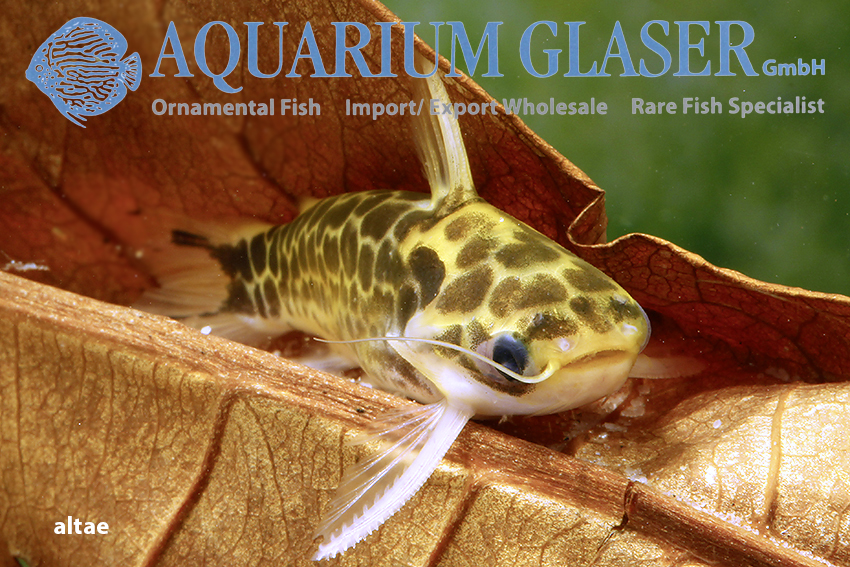
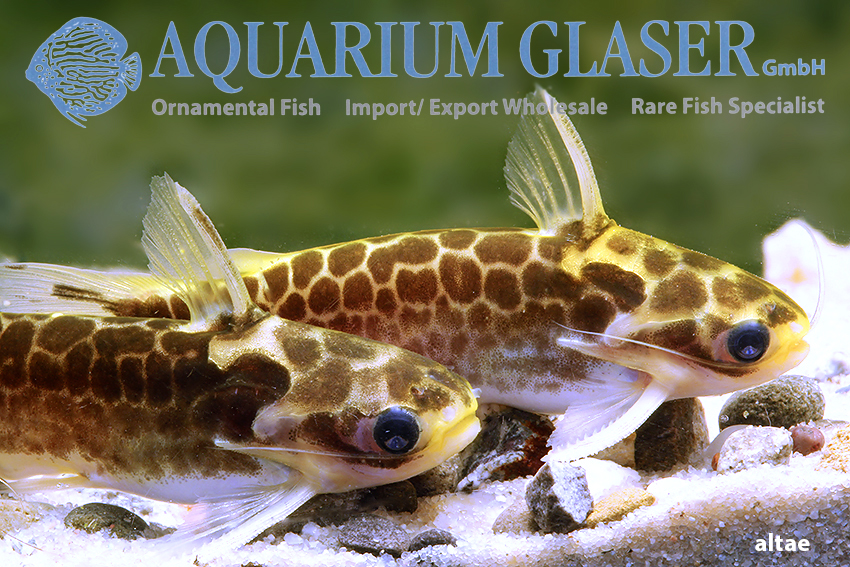
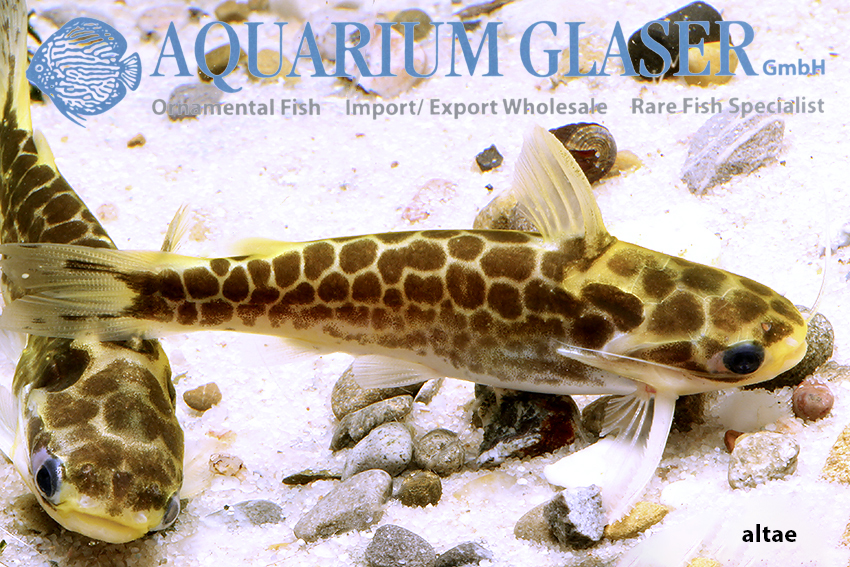
We have occasionally been able to import Tatia from Colombia, which are probably T. altae. Apart from the shape of the spots, the very pretty yellowish base color of the Colombian animals is striking, especially in the head area. All other characteristics and properties correspond to T. perugiae. The differences in coloration between the two species (if they are species and not just location variants) can be most easily seen in the collage attached to this post. Tatia altae has a light net pattern of fine lines on a dark background, while T. perugiae has round dark spots scattered on a light background.

All driftwood catfish—including Tatia perugiae and T. altae—practice internal fertilization. The specially shaped anal fin serves this purpose. A fertilized female can therefore lay viable eggs later in the absence of males, which they prefer to do in round caves. It has been shown that these small Tatia species like it warm, with 26-28°C being the most favorable temperature.

For our customers: Tatia perugiae has code 295811 (bred) and (depending on size) 295820-295822 (wild) on our stock list. Tatia altae has code 295401 on our stock list. Please note that we only supply wholesale.

Literature:

Calegari, B. B., R. P. Vari & R. E. Reis (2019): Phylogenetic systematics of the driftwood catfishes (Siluriformes: Auchenipteridae): a combined morphological and molecular analysis. Zoological Journal of the Linnean Society v. 187 (3): 661-773

Sarmento-Soares, L. M. & R. F. Martins-Pinheiro (2020): A reappraisal of phylogenetic relationships among auchenipterid catfishes of the subfamily Centromochlinae and diagnosis of its genera (Teleostei: Siluriformes). Proceedings of the Academy of Natural Sciences of Philadelphia, 167 (1): 85-146) 

Text & photos: Frank Schäfer

Hypoptopoma psilogaster

29. August 2025

The genus Hypoptopoma comprises small to medium-sized (the largest species is just over 10 cm long) armored catfish, which at first glance look like an enlarged version of Otocinclus. A characteristic feature of this genus is that the eyes are located on the sides of the head, giving a Hypoptopoma sitting on a plant stem an almost 360° field of vision. This feature is also found in the genus Oxyropsis, which, however, has a compressed, flattened caudal peduncle, while the caudal peduncle of all members of the genus Hypoptopoma is highly oval in cross-section. Furthermore, members of the genus Nannoptopoma have a similar eye position. With a maximum length of 3-4 cm, they remain significantly smaller than Hypoptopoma.

Unfortunately, species identification is a tricky business, even though a comprehensive revision of the genus was published in 2010. Once again, we received a beautiful Hypoptopoma species from Peru. The tail fin pattern is very striking, which led to its identification as Hypoptopoma psilogaster. In addition, the distribution area specified for H. psilogaster in the aforementioned revision fits: the Ampiyacu, Itaya, Nanay, Napo, and Yaguas rivers in the western Amazon basin. It is possible that we may also receive a mix of very similar species; we can never completely rule this out.

The maximum final size of H. psilogaster is given as 7 cm standard length, i.e. without the tail fin. The animals are peaceful both among themselves and towards fish of other species. Water temperatures can range from 22 to 28°C, with average values being most favorable. The hardness and pH value are hardly significant for care; any tap water suitable for drinking is also suitable for keeping these fish. In addition to algae and other growths, you should always offer these fish some vegetables (potatoes, zucchini, carrots, etc.) as food. It will be difficult to feed them solely on the algae growth in the aquarium. These catfish also like to snack on any standard ornamental fish food, with food tablets being particularly popular.

In any case, they are pretty animals and a different kind of algae eater than usual!

For our customers: the animals have code 262262 on our stock list. Please note that we only supply wholesale.

Text & photos: Frank Schäfer

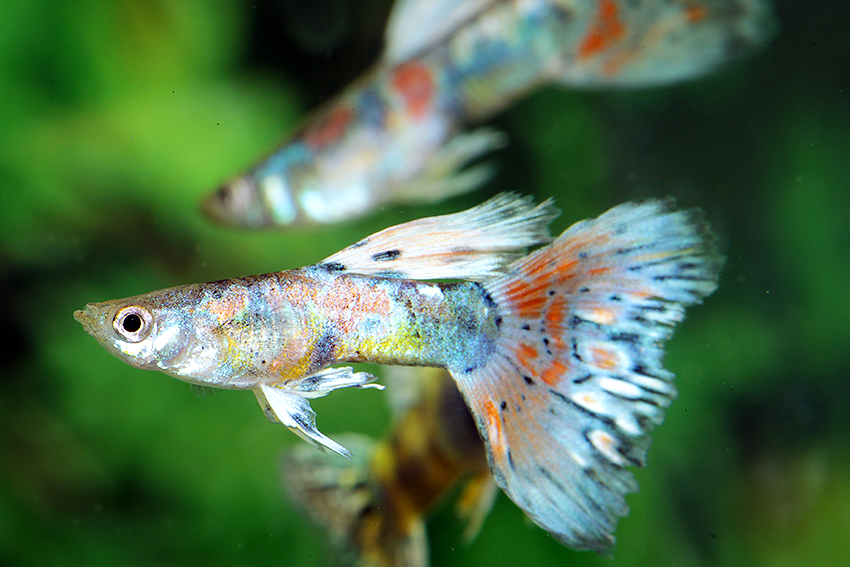
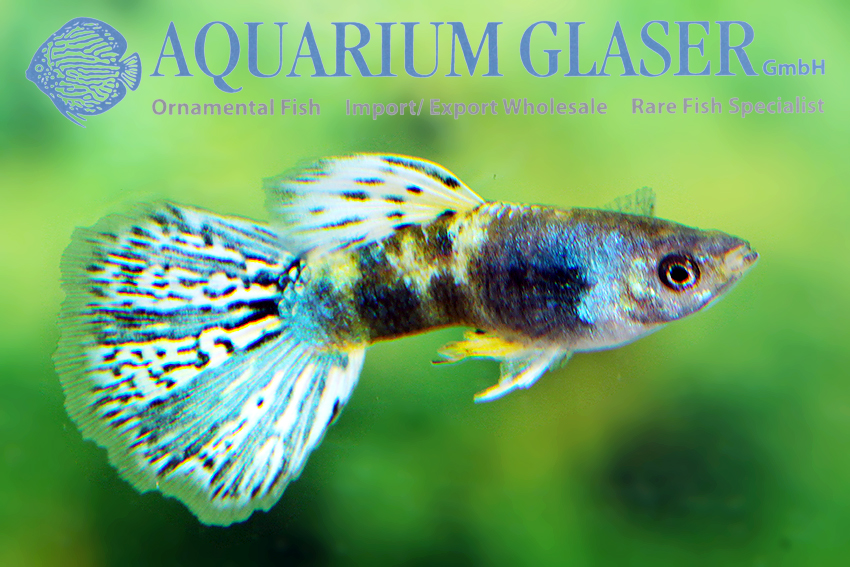
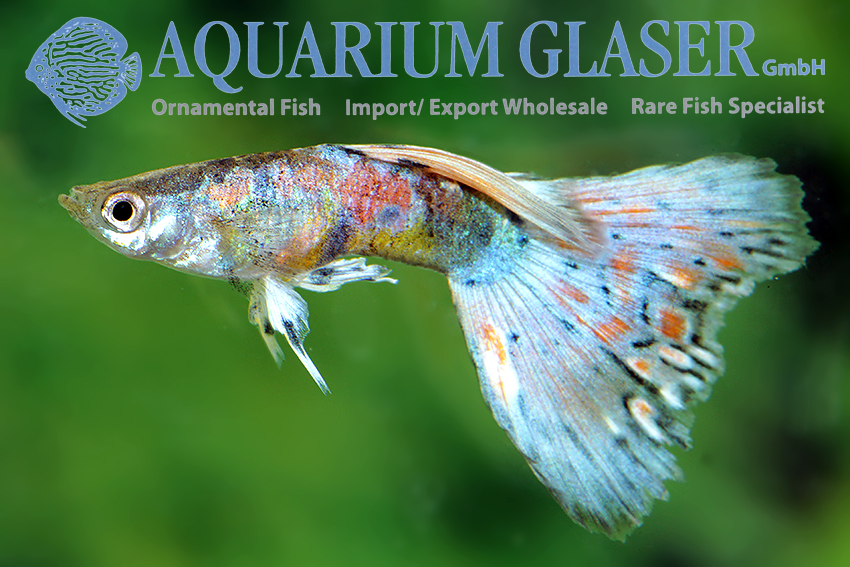
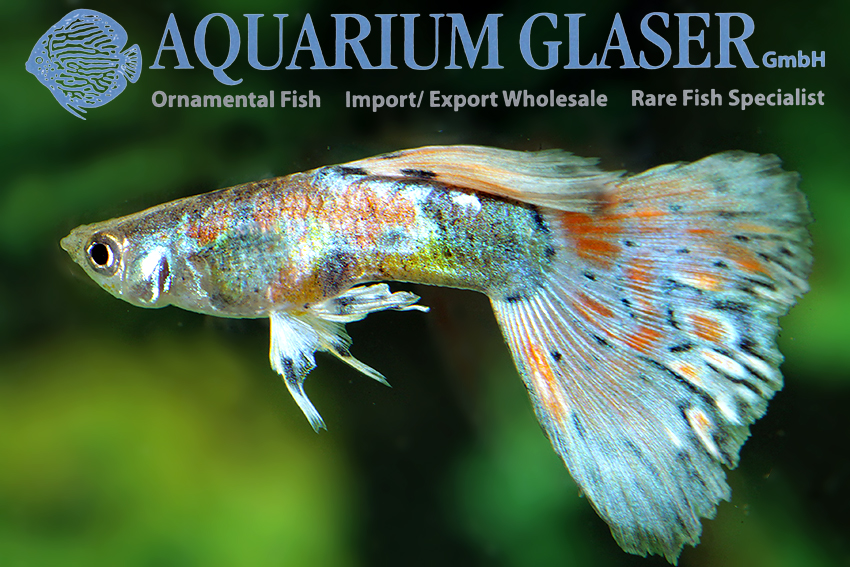
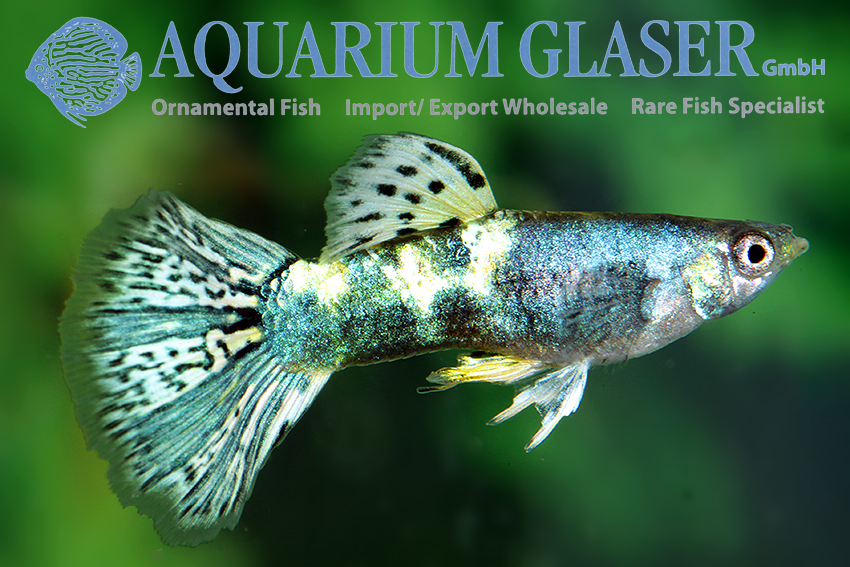
Poecilia reticulata Guppy Tricolor Cobra

22. August 2025

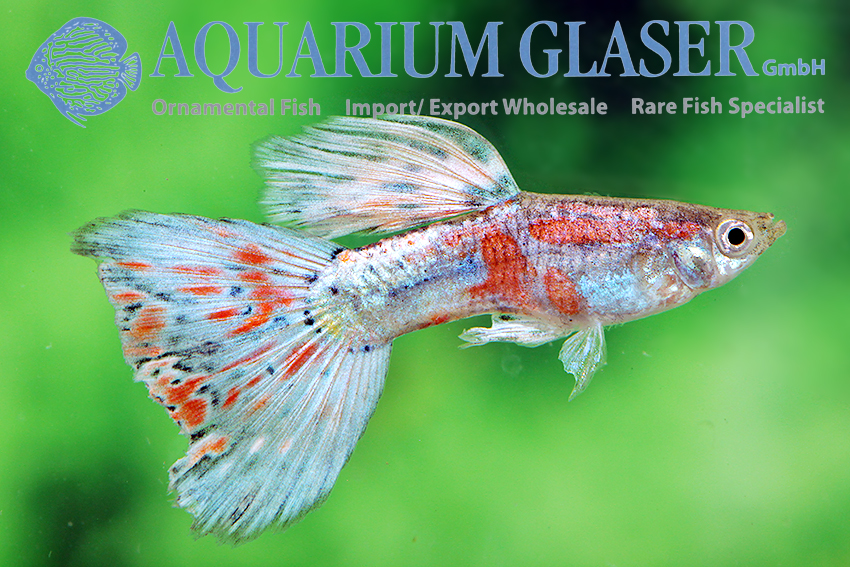
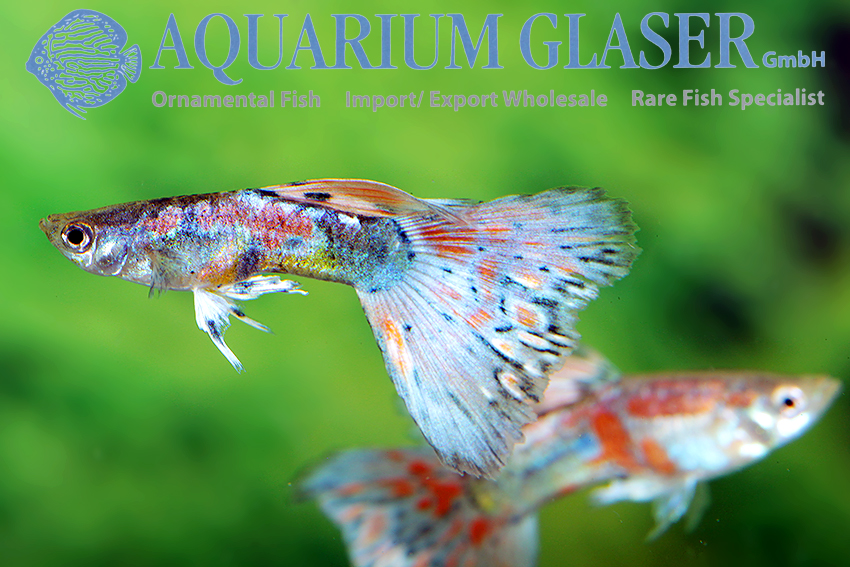
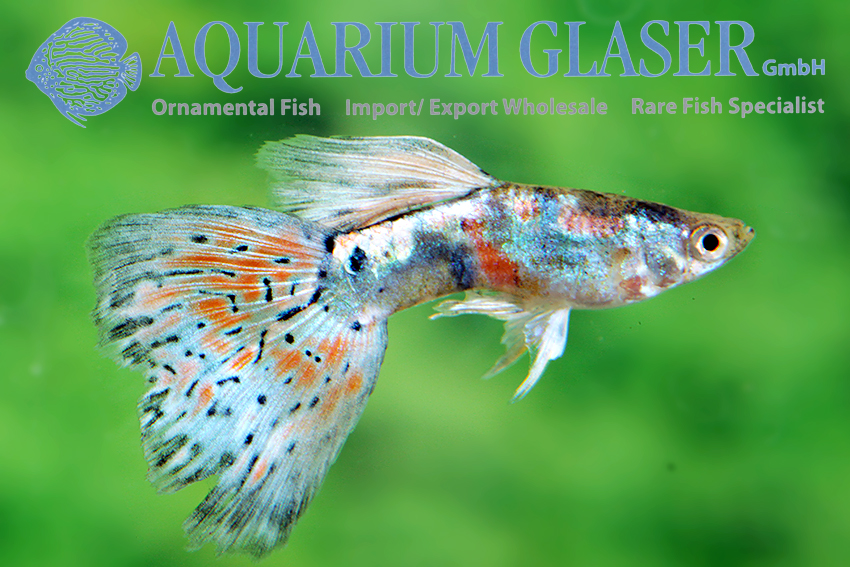
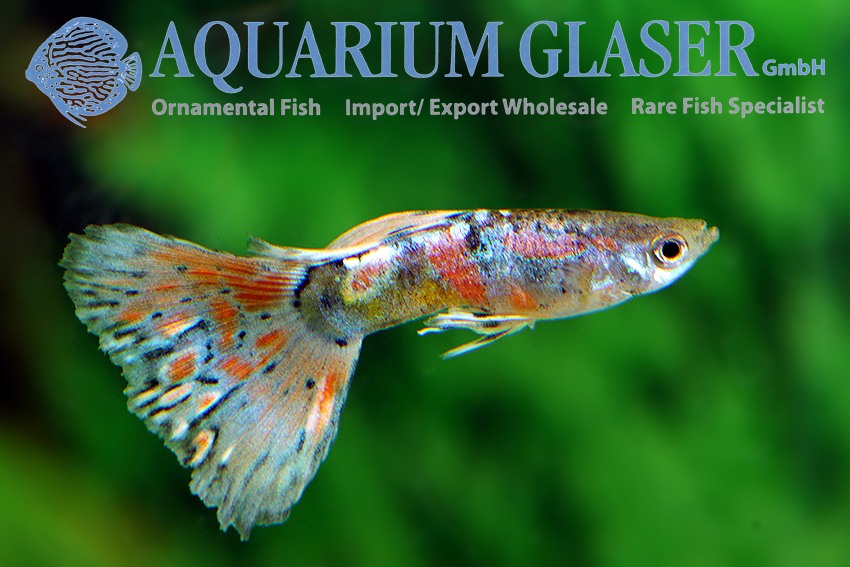
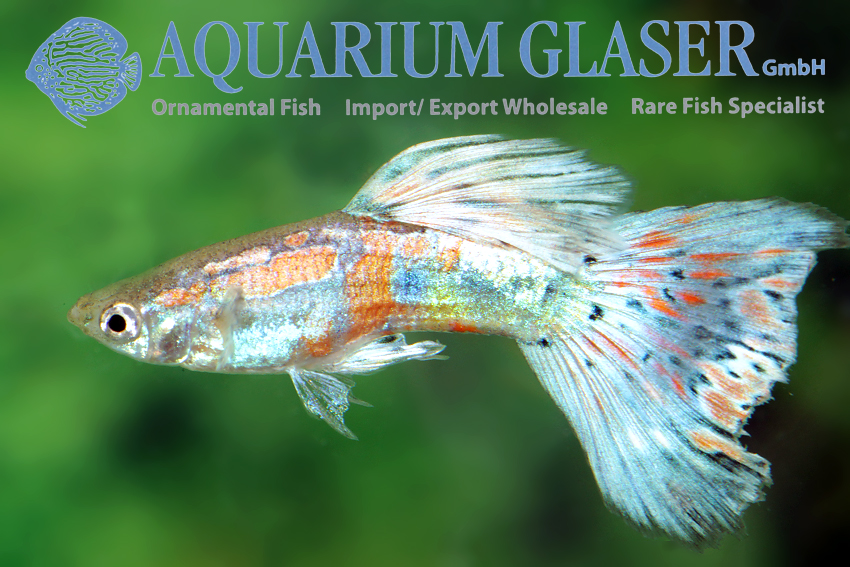
The meaning and nonsense of commercial names for guppys is a matter of debate. But there is no doubt that the so-called Guppy Tricolor Cobra is a truly colorful guppy. To some, the term “colorful guppy” may seem like a pleonasm, like “white gray horse” or “cold ice.” Of course, guppys are almost always very colorful. But that refers to the overall impression of the fish. 

With the Guppy Tricolor Cobra, the uneven coloring is the actual breeding goal. Each of the males looks as if an experimental child had tried out the new paint box; hardly any two specimens are completely alike. Particularly attractive are the diverse body colors. Colorful body colors are not that common in guppys, or even desirable. Many breeds are deliberately bred with black bodies, for example, in order to bring out the luminosity of the tail fin.

For our customers: Guppy Tricolor Cobra has code 418404 on our stock list. Please note that we only supply wholesale.

Text & photos: Frank Schäfer

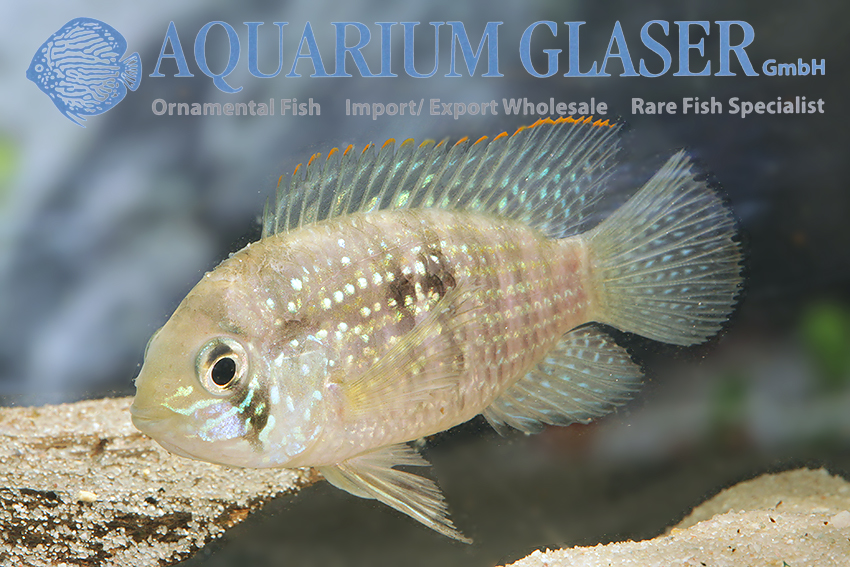
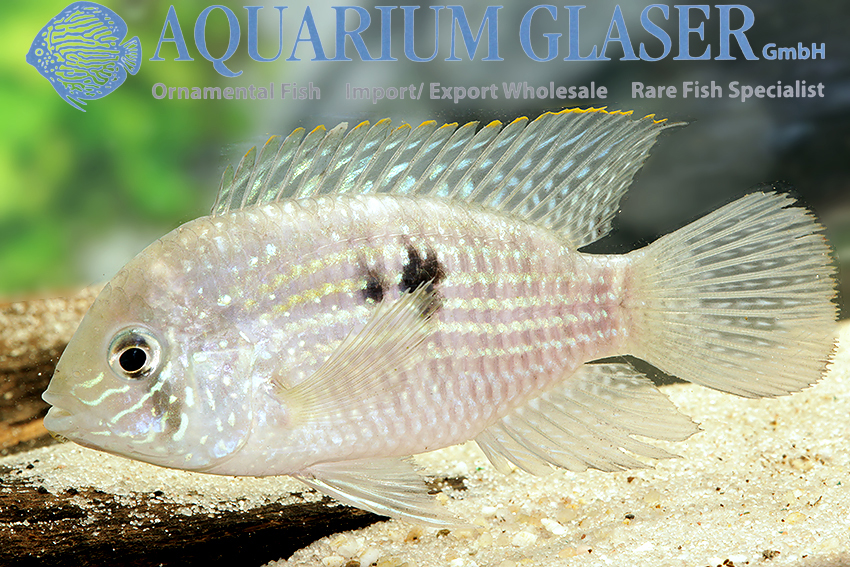
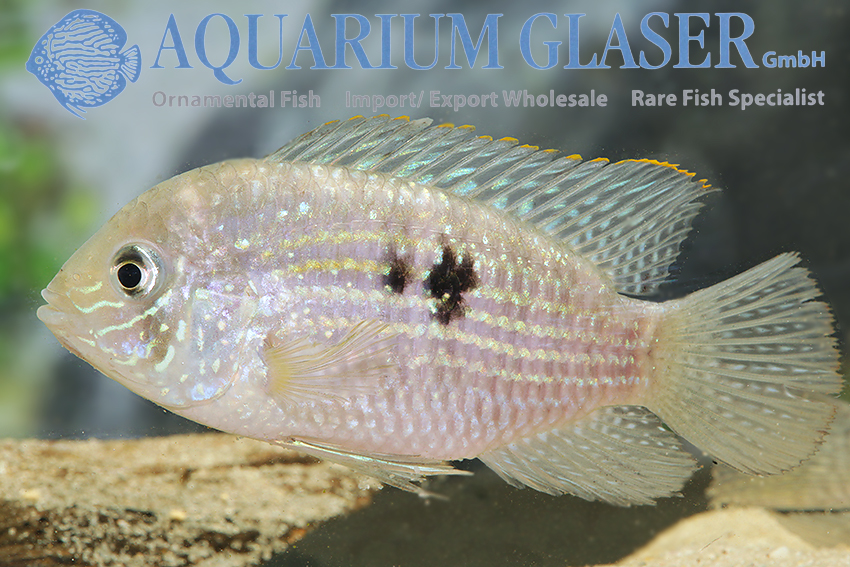
Andinoacara pulcher (formerly: Aequidens pulcher)

22. August 2025

There are relatively few aquarium fish for which a really common popular name has developed. Andinoacara pulcher (formerly: Aequidens pulcher) is one of them. It is regularly found in aquarium books under the name “Blue Acara”. The year of first introduction is given as 1906.

As with most well-known aquarium fish, it is no longer as easy to identify a species as it was almost 120 years ago. Trips to the areas of occurrence (in this case: Trinidad and Venezuela) have brought new insights. Many very similar, but in direct comparison certainly different forms were discovered. And so we cannot be one hundred percent sure that the Blue Acaras that we have been able to offer in their natural form again for a long time (nowadays the “Neon Blue” breeding form is usually kept, see https://www.aquariumglaser.de/en/fisharchive/andinoacara-pulcher-neon-blue-2/) are really Andinoacara pulcher or perhaps belong to another closely related species. These are German offspring, the origin of the ancestors, which were probably imported decades ago, can no longer be reconstructed.

Regardless, if you are looking for beautifully colored, rather big cichlids that neither reshape the entire aquarium to their taste nor regard every aquarium inhabitant as fair game for personal amusement, Blue Acaras are a good choice. The animals reach sexual maturity at 6-8 cm in length. The sexes are hardly distinguishable externally, which is why it is best to buy a group of 6-10 animals and give away any surplus once a pair has been found. The maximum length given in the literature is up to 18 cm. Of course, nobody knows how much aquarist’s fiction is hidden here. But you should reckon with 15 cm.

Andinoacara pulcher is an open brooder with a biparental family, i.e. both partners take care of spawn and fry. If possible, they prefer a transportable breeding substrate (e.g. a rough dead leaf or similar) to another solid substrate for spawning, but they are flexible. Any drinking water is suitable for maintenance and breeding. The water temperature for this fish can be in the range 22-28°C, it will also tolerate slightly higher or lower temperatures from time to time, but this should not become a permanent condition. They will eat any standard ornamental fish food of a suitable size.

For our customers: the animals have code 609501 on our stock list. Please note that we only supply the wholesale trade.

Text & photos: Frank Schäfer

Nomorhamphus celebensis and N. towoetii

22. August 2025

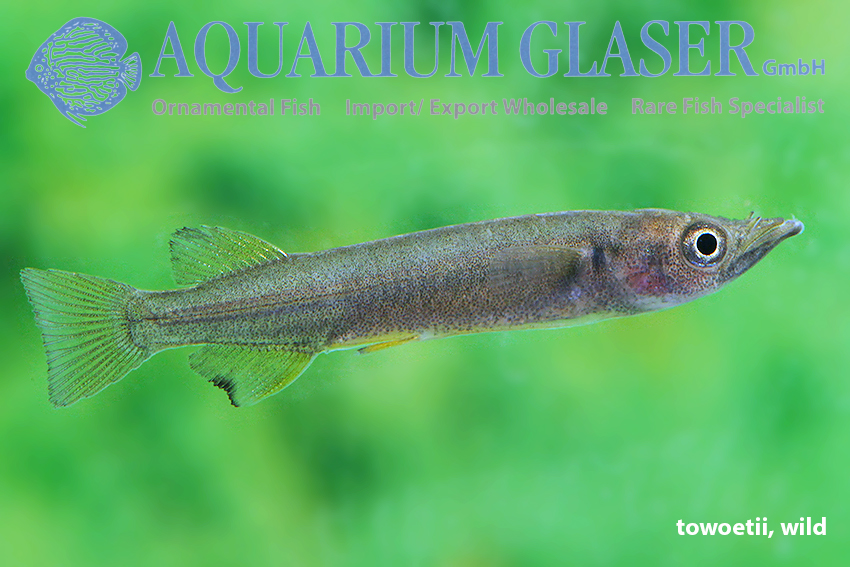
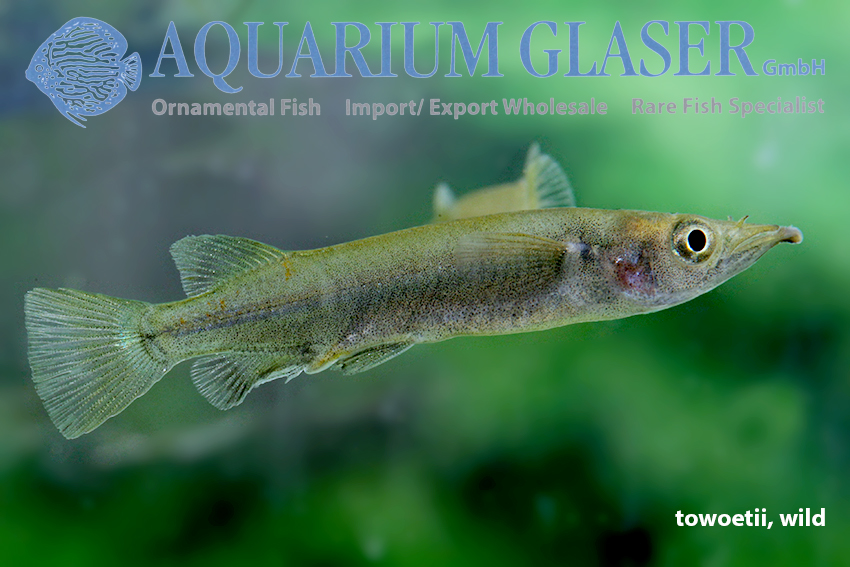
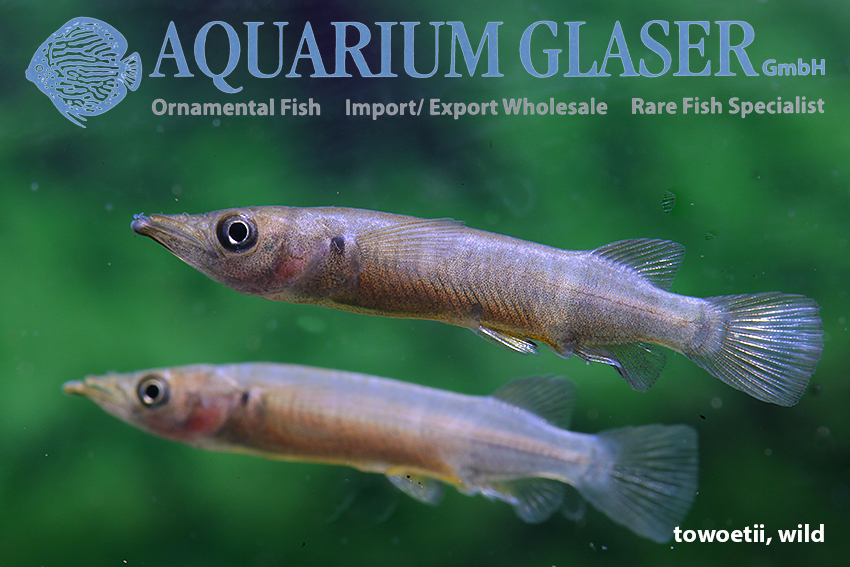
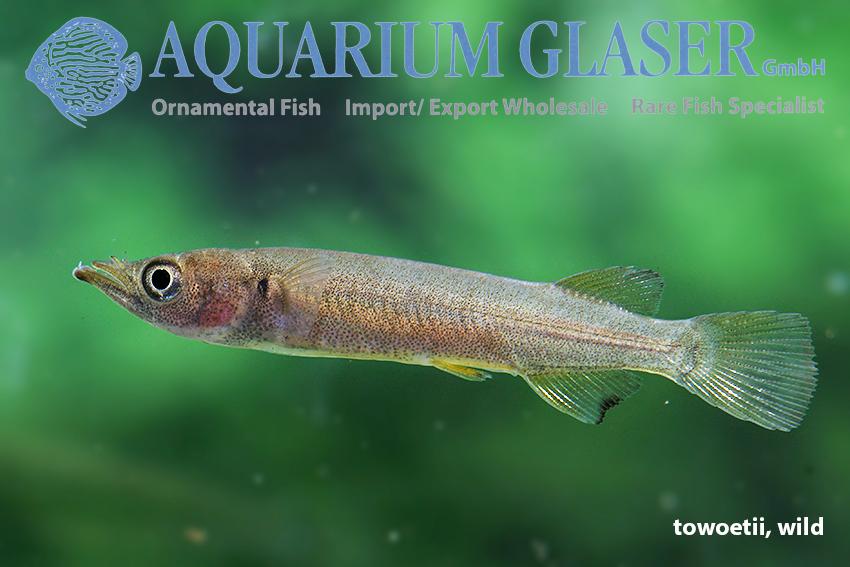
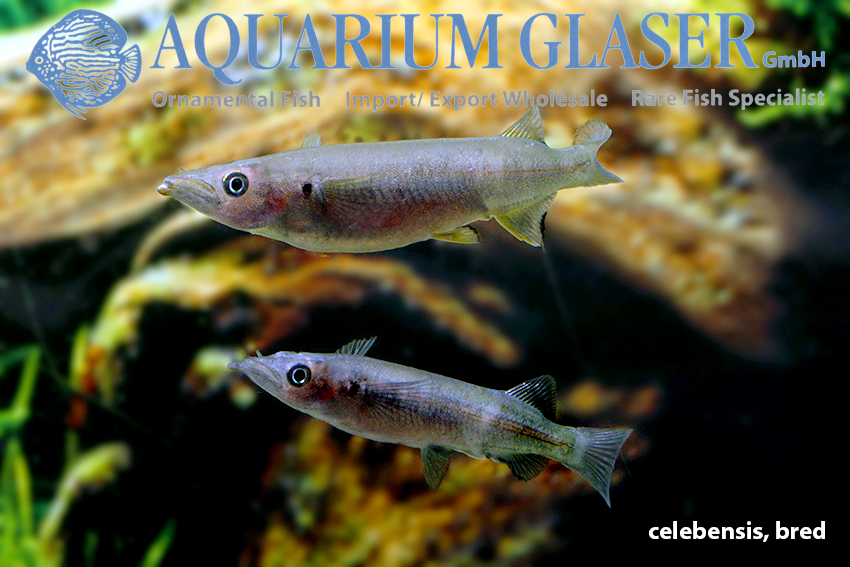
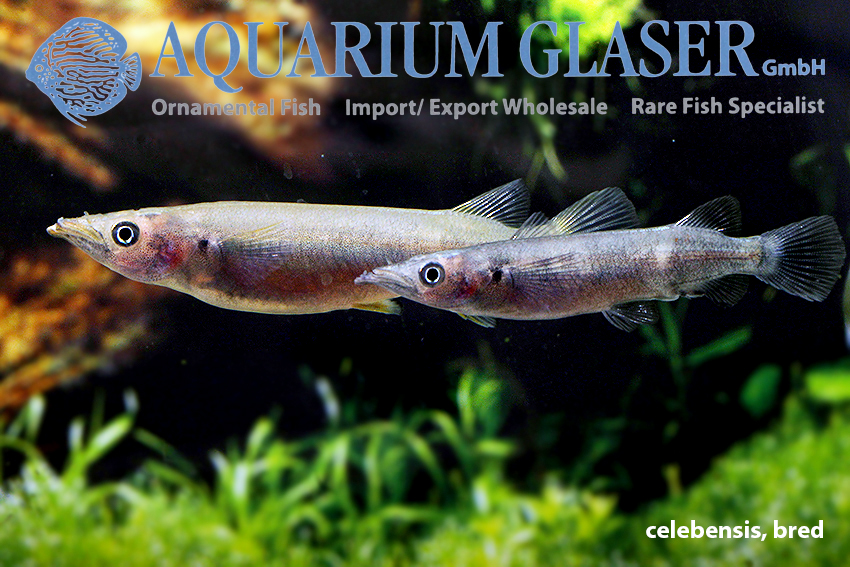
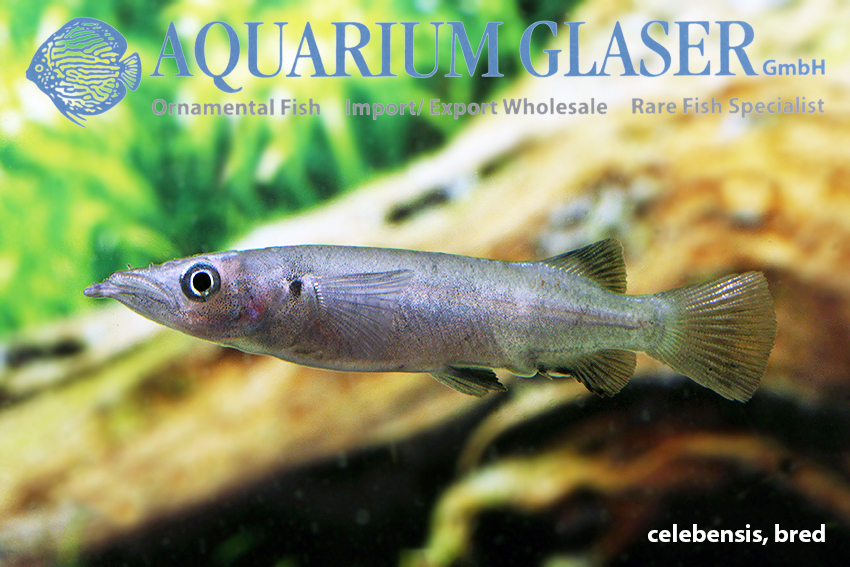
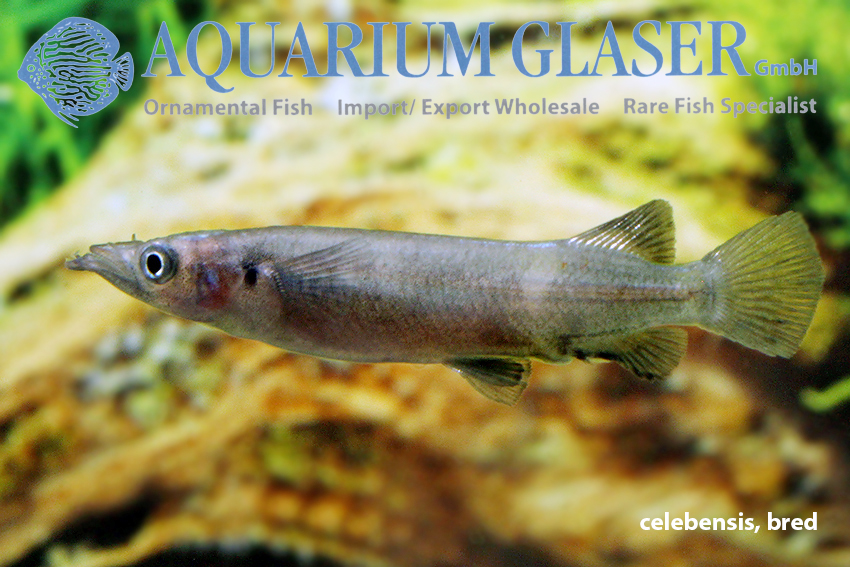
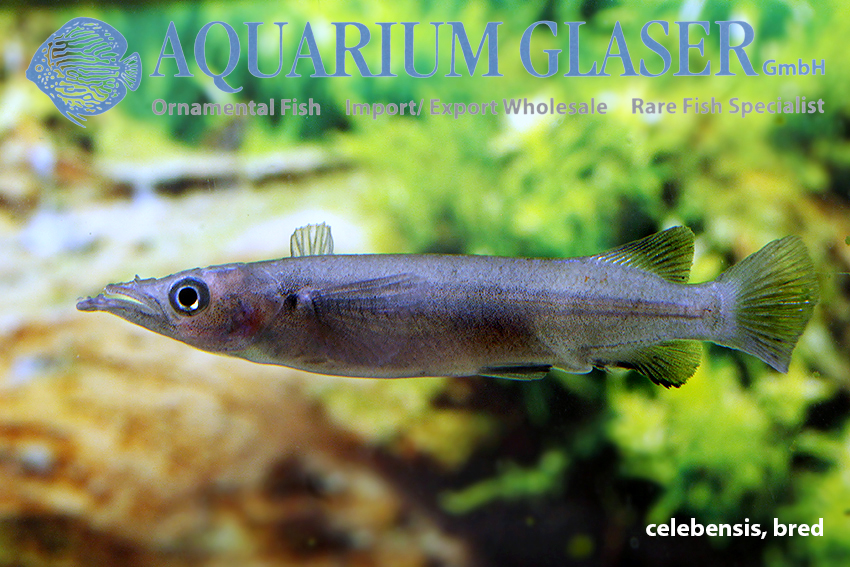
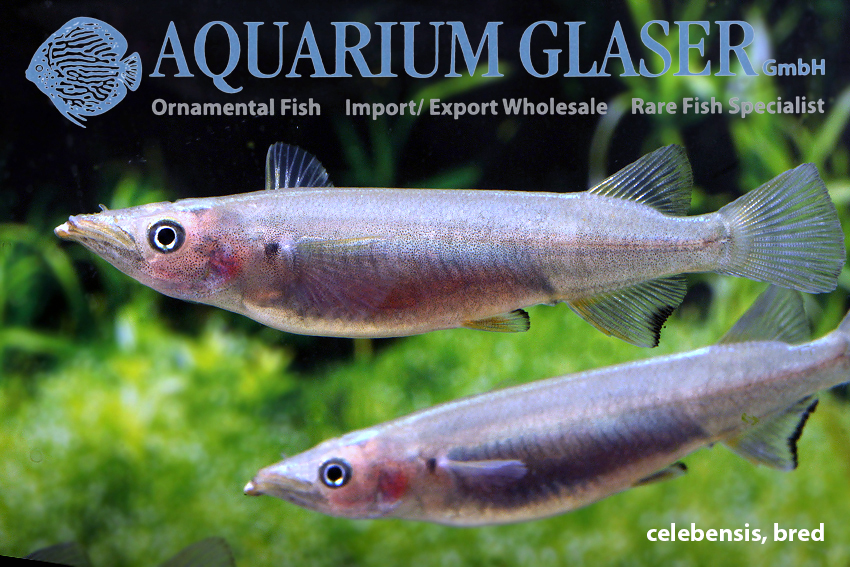
Most species of Nomorhamphus halfbeaks come from the island of Sulawesi (formerly: Celebes). Some, such as N. ebrardtii or N. rex, are mainly traded as wild-caught specimens, others, including N. liemi, are also bred. Black Celebes halfbeaks are very rare in the trade. We can sometimes offer captive-bred specimens of Nomorhamphus celebensis of 4-6 cm in length, sometimes also wild-caught specimens. Then it gets tricky, as we do not know the exact localities and without them an exact species classification is hardly possible. There are three scientifically described species of black Celebes halfbeaks: the aforementioned N. celebensis, plus N. towoetii and N. aenigma. Another species known in the hobby, which is characterized by an orange zone in the dorsal fin area, is still the subject of debate. At present, most authors consider it to be a color form of N. towoetii. Basically it wouldn’t matter, but there are behavioral differences. N. celebensis is the most peaceful of all halfbeaks, whereas N. towoetii is considered to be very quarrelsome. We are not yet aware of any evaluations of N. aenigma in this respect.

Let’s start with N. celebensis: This species may not be as colorful, but it is peaceful. You can socialize them well with each other as well as with fish of other species. During courtship the males become deep black with light vertical bands. In earlier reports (before around 1980), N. liemi, which had not yet been scientifically described at the time, was referred to as N. celebensis. These care and breeding reports, in which the males are described as very territorial, therefore do not refer to the “true” N. celebensis. While the males of this viviparous species stop growing at around 6 cm in length, the females can grow considerably larger at around 10 cm. When breeding, it is crucial to save the young from the parents, as they are very cannibalistic. Pregnant females should not be transferred to the litter aquarium too late, otherwise stillbirths may occur, but not too early either, as the lively animals like free swimming space. As you can see, even breeding supposedly “simple” livebearers has its pitfalls.

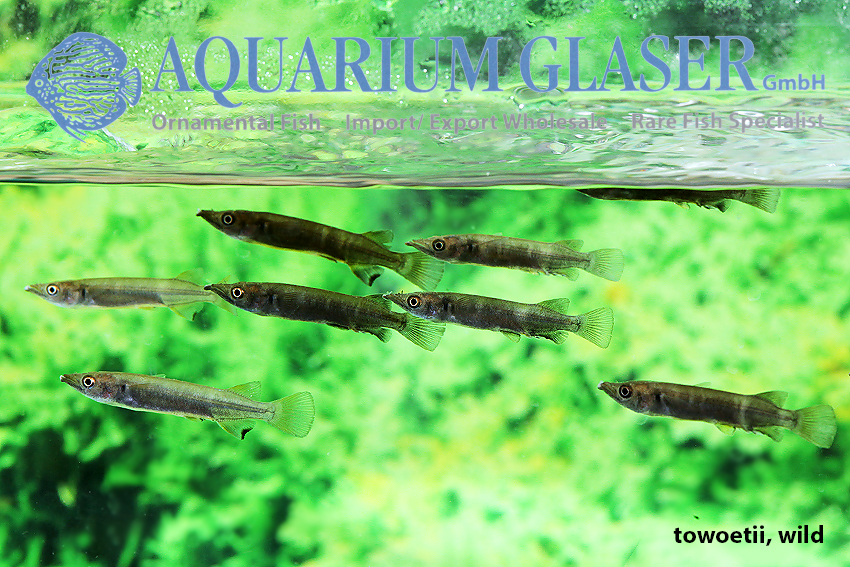
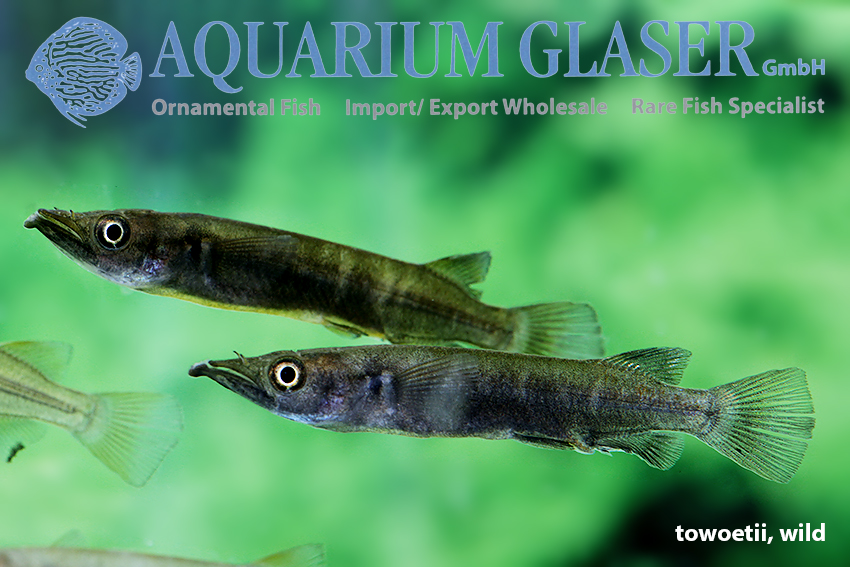
Now to N. towoetii: as already mentioned, this species is considered quarrelsome. It remains smaller than N. celebensis, females reach a maximum length of 8 cm, males 5-6 cm. The most certain difference between the two species N. celebensis and N. towoetii is that in N. celebensis the females always remain gray, while the females of N. towoetii can turn almost as black as the males. Currently (July 2025) we have been able to import wild-caught specimens, which should be N. towoetii due to the coloration of the females, but they are extremely peaceful among themselves and even like to swim in schools.

The strange shape of their mouths suggests that these fish mainly eat insects that fall to the surface of the water. In the aquarium, however, they are very fond of flake food. Care is easy in this respect. Nomorhamphus can be found in cool running waters. They do not necessarily need a strong current, but clean water. Good filtration and regular water changes are therefore essential. Unfortunately, there is serious misinformation about the occurrence of these fish, particularly in the scientific literature, which can lead to serious mistakes in keeping them. According to the literature, N. celebensis is native to Lake Poso and N. towoetii to Lake Towuti. However, they do not and did not occur there, but in the cool tributaries of the highlands, sometimes also in runoffs. In Lake Poso the water temperature is usually between 27 and 28°C, the water is slightly alkaline (pH around 8) and the water is relatively soft (total hardness around 5° dH, of which 4° KH). In the streams where Nomorhamphus live, however, the temperature hardly ever rises above 22°C!

Unfortunately, Nomorhamphus celebensis is (at least on paper) a critically endangered species. The main reasons given for this are the invasive fish species that have been introduced into Lake Poso, water pollution from various sources and intensive food fishing. However, this assessment is put into perspective when one considers that there are at most stray Nomorhamphus in the lake itself. There is no evidence of negative consequences of catching and exporting as aquarium fish; it is very unlikely that they exist. Nevertheless, it would be nice if a stable ex-situ population of these halfbeaks could be established; we have had to learn from bitter experience in the past how quickly a commercially unimportant fish species such as N. celebensis and N. towoetii can become extinct due to economic interests that are seen as overriding.

For our customers: the animals have code 438802 (as N. celebensis) on our stocklist. Please note that we only supply the wholesale trade.

Text & photos: Frank Schäfer

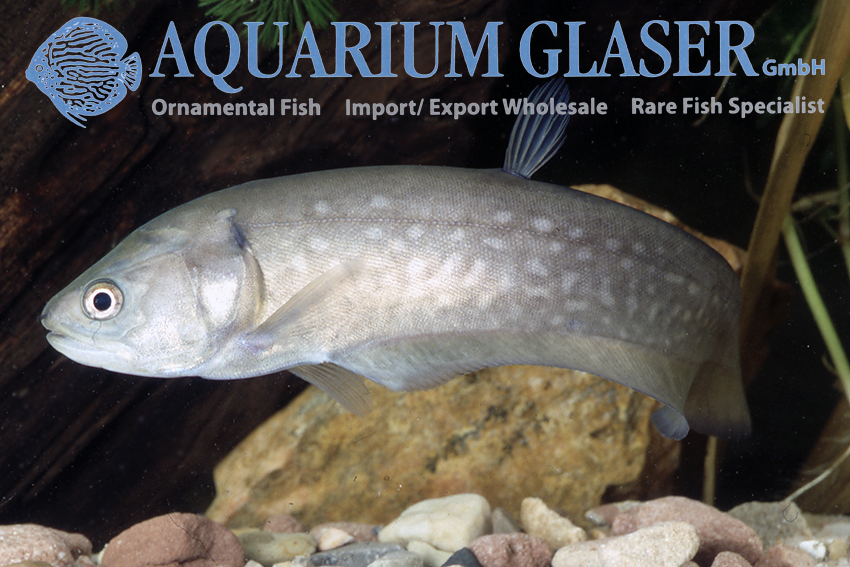
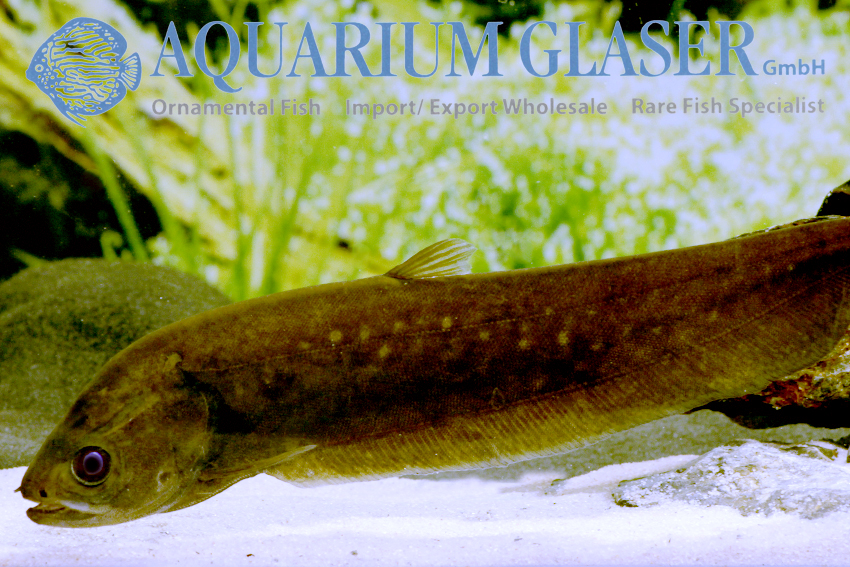
Papyrocranus afer

22. August 2025

The knifefish are very widespread in tropical Africa with three species. With a total length of about 60 cm, Papyrocranus afer belongs to the large knifefish, while a second African species, Xenomystus nigri, which also occurs in Nigeria, is one of the smallest (Old World) knifefish with a final length of 15-20 cm. The third, generally accepted species is Papyrocranus congoensis from the Congo, which is almost never available for the aquarium; it probably grows only slightly larger than 20 cm.

Strangely enough, there are hardly any aquaristic reports on P. afer, although at least some colour forms of P. afer have very attractively pattern. However, there is a breeding report by Ong Kay Yong, which appeared in the journal TFH in 1965. According to this report, P. afer is a paternal brood carer.

Among each other the animals are said to be very pugnacious. We cannot observe an increased incompatibility in P. afer, in our fishhouse 15 – 20 cm long P. afer live peacefully together in larger numbers (about 50 specimens). But in the long term we have not yet cared for the species, therefore one should take the warnings seriously and observe the fish well if one cares for several specimens, in order to be able to intervene quickly in case of possible disputes. 

Basically Papyrocranus are twilight and nocturnal predatory fish, which are to be cared for similar to their aquaristically better known Asian relatives of the genus Chitala. Although P. afer has several geographically assignable colour forms, they have not been described as independent species or subspecies so far. The animals we usually import from Nigeria are mostly light spotted forms.

Papyrocranus are obligatory air-breathers, which regularly swim to the surface of the water to catch their breath.

For our customers: the animals have code 155305 on our stocklist. Please note that we only supply the wholesale trade.

Text & photos: Frank Schäfer

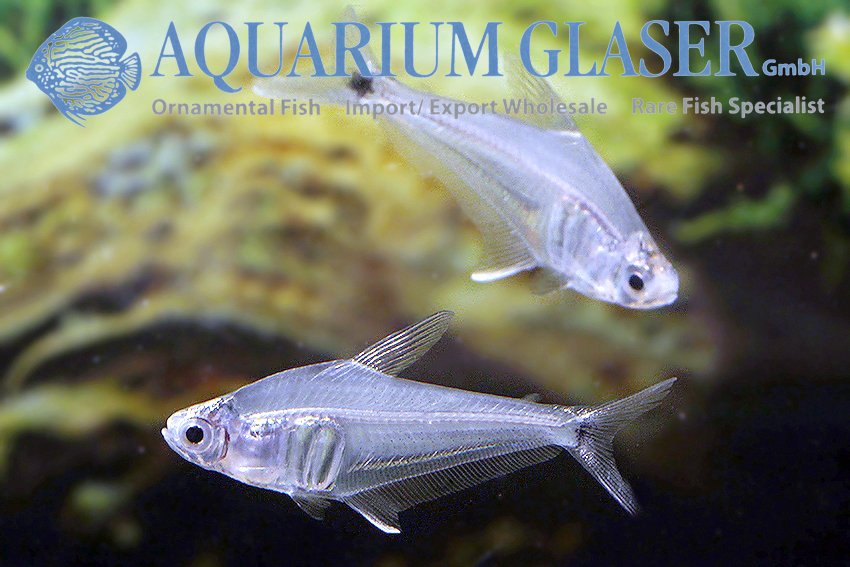
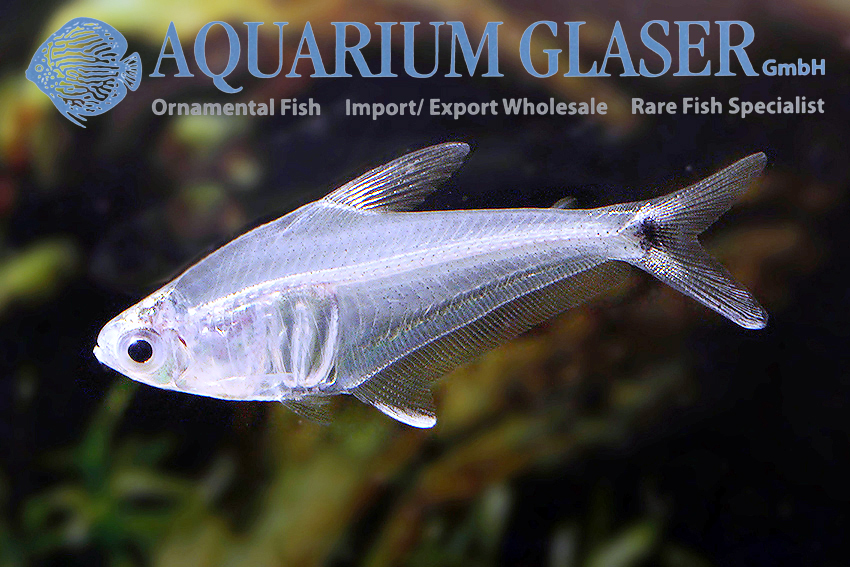
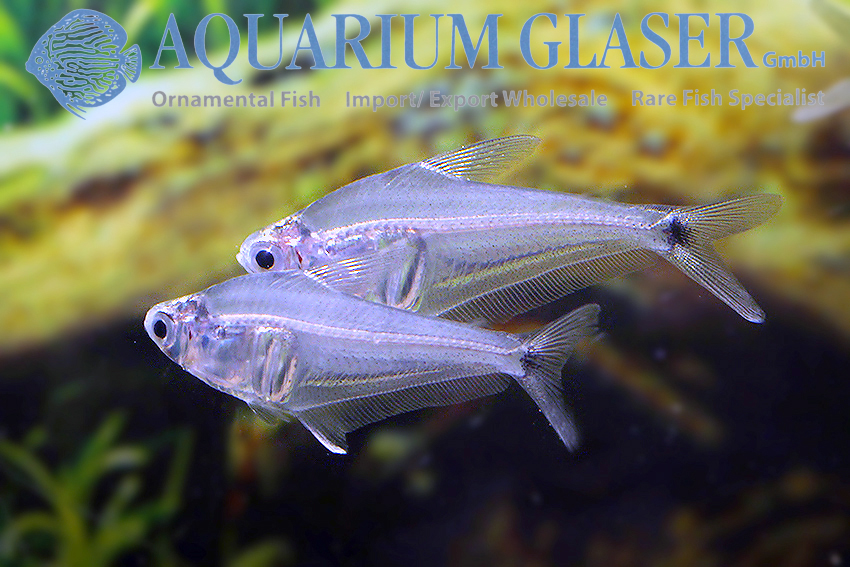
Protocheirodon pi

22. August 2025

In 1977 the „bible for all characin friends“ was punblished: Jaques Géry´s „Characoids of the world“. Almost at the end of this book a picture of a so far undescribed glass tetra was published that had an extremely unusual air bladder. This animal was described only one year later – in 1979 – by Richard P. Vari  as a new species, Leptagoiniates pi. The specific name refers to the shape of the air bladder that reminds one in the ancient Greek letter pi (π). Due to the transpareny of the animals the air baldder can be seen very good in live specimens. It was not easy for Vari to place the new species in a already described genus, but finally he decided to place it in Leptagoniates due to anatomical reasons.

New techniques bring new ideas. Two independent molecular analysis showed that the two species placed so far in Leptagoniates (namely L. steindachneri and L. pi) are not closely related at all, but have to be placed even in different subfamilies: L. steindachneri in the Aphyocharacinae, L. pi in the Cheirodontinae. L. pi is a species that is very close to the basal evolutionary branch of the Cheirodontinae. So recently Vari, Bruno F. Melo, and Claudio Oliviera erected a new genus for L. pi, Protocheirodon. This genus is so far monotypical; this means it contains only one known species, Protocheirodon pi. The description of Leptagoniates pi was one of the very first publications of R. Vari. Sadly this publication was one of the last of Richard P. Vari and published posthumous. He died, aged 66, on January 15th, 2016 from cancer.

To the best of our knowledge Lepatagoniates steindachneri has not been imported yet as an ornamental fish. Protocheirodon pi, on the other hand, is available from time to time from Peru. The species has a very wide distribution in South America and can be found in almost all major river systems in the central and western part of Amazonia, including the Solimoes, the Purus, Madeira, and Ucayali. The fish is found unsually over sandy bottoms in quiet waters along the banks of the rivers and in backwaters. There is no sexual dimorphism described, but we feel that the females become bigger than the males. However, this is not proofed by anatomical examination.

Keeping Protocheirodon pi is not complicated at all. We suggest the common name „Crystal Tetra“ for the species. The company of other fish makes P. pi feel safe. This must not necessarily be conspecifics, other peaceful fish can also do that job. P. pi is not a schooling fish in the strict sense of the term. Once the fish have settled in a tank they will inhabit very small territories that will be defended in a harmless way against other Crystal Tetras. One can term P. pi as an absolutely peaceful species. The fish will readily take any usual fishfood that fits in size. Plants are ignored. P. pi attains a maximum lengst of about 5 cm.

For our customers: the fish have code 266003 on our stocklist. Please note that we exclusively supply the wholesale trade.

Text & Photos: Frank Schäfer

Hoplisoma concolor

15. August 2025

Hoplisoma concolor (formerly Corydoras concolor) is a distinctive species from the Orinoco basin in Colombia and Venezuela. Its synonymization with Corydoras esperanzae was long overlooked, but is now completely undisputed. The first person to describe it, Castro, simply overlooked H. concolor in his 1987 work on the armored catfish of Colombia (the species had already been described by Weitzman in 1961), and the illustrations of C. esperanzae in this study clearly show H. concolor.

Typical for this species is the extremely steep forehead. The species name “concolor” ( = the monochromatic) essentially means that the species lacks a conspicuous melanophore pattern. However, there is an eye band (sometimes difficult to see, depending on the mood). Small juveniles have a fine dot pattern and can sometimes be confused with H. polystictus, which, however, does not have an eye band. H. polystictus is almost certainly very closely related to H. concolor, but originates from southern South America (Rio Paraguay basin). Adult animals cannot be confused.

The breeding of H. concolor is not diffucult ank possible – apart from major water changes – without any special triggers, similar to H. axelrodi. It is not often practiced because, although adult H. concolor are very beautiful. But young animals are very drab coloured and can therefore only be sold to connoisseurs.

For our customers: the animals have code 226004 on our stock list. Please note that we only supply wholesale customers.

Literature:

Castro, D. M. (1987): The fresh-water fishes of the genus Corydoras from Colombia, including two new species (Pisces, Siluriformes, Callichthyidae). Boletin Ecotrópica. No. 16: 23-57, Pls. 1-11

Text & photos. Frank Schäfer

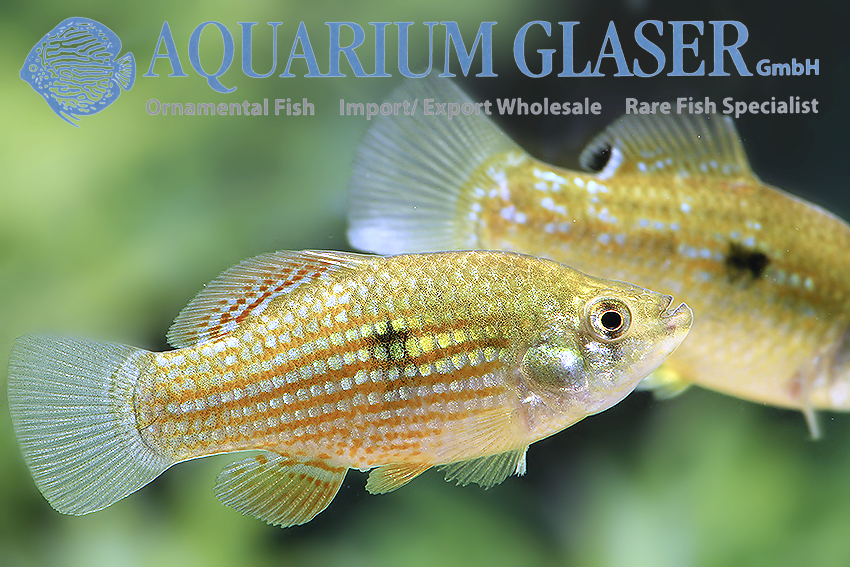
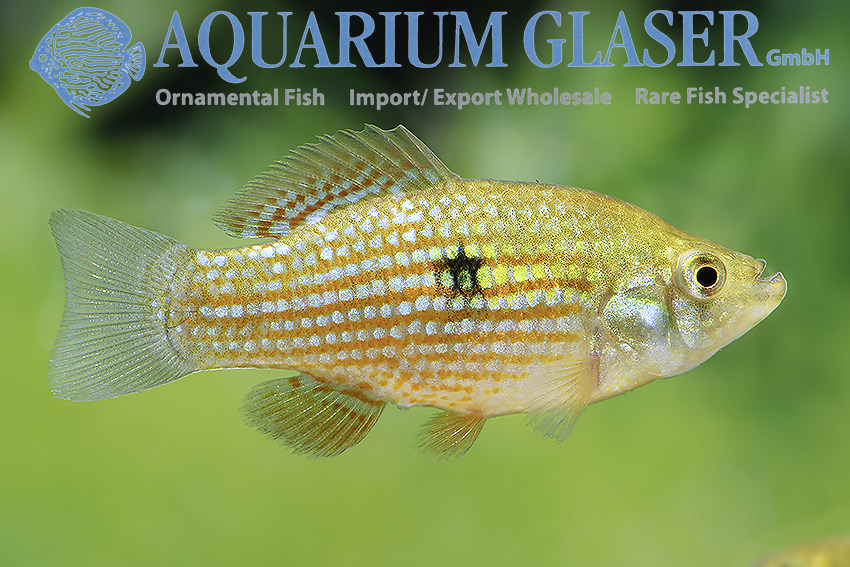
Jordanella floridae

15. August 2025

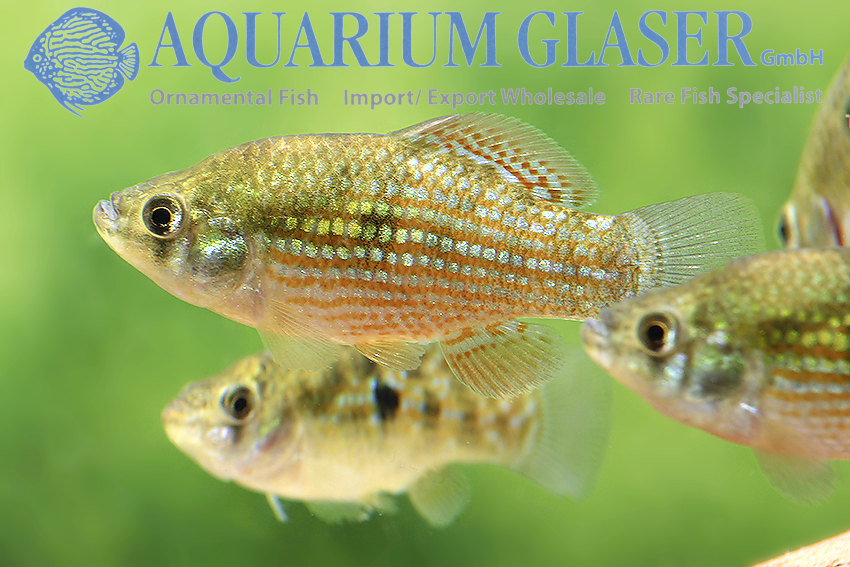
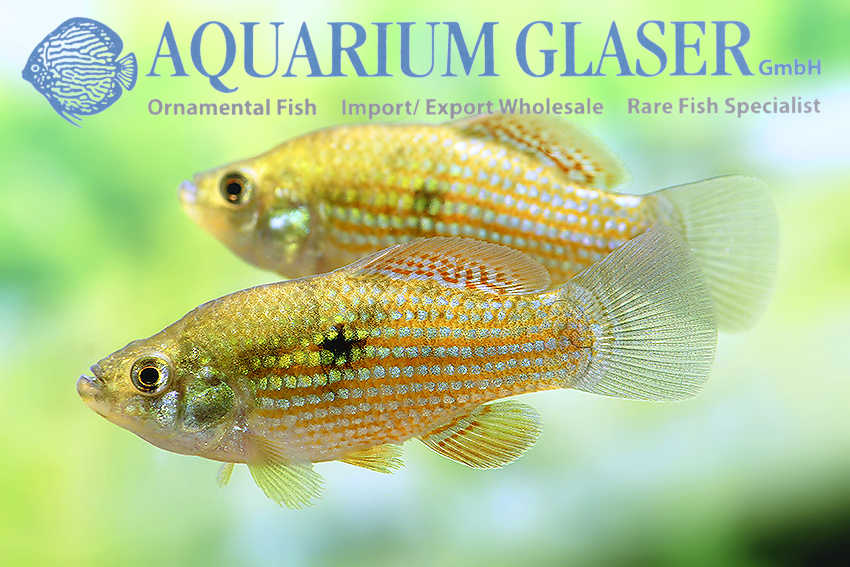
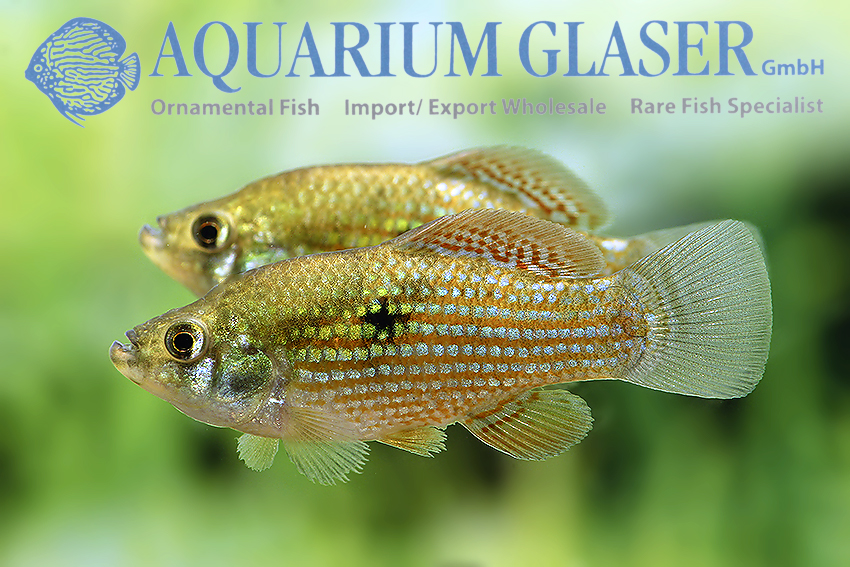
This killifish from North America is one of the evergreens in the aquarium hobby and has delighted many generations of aquarists. Unfortunately it has become quiet around this attractive animal in the last years. But now beautiful American Flag fish are available again from Southeast Asian breeders. 

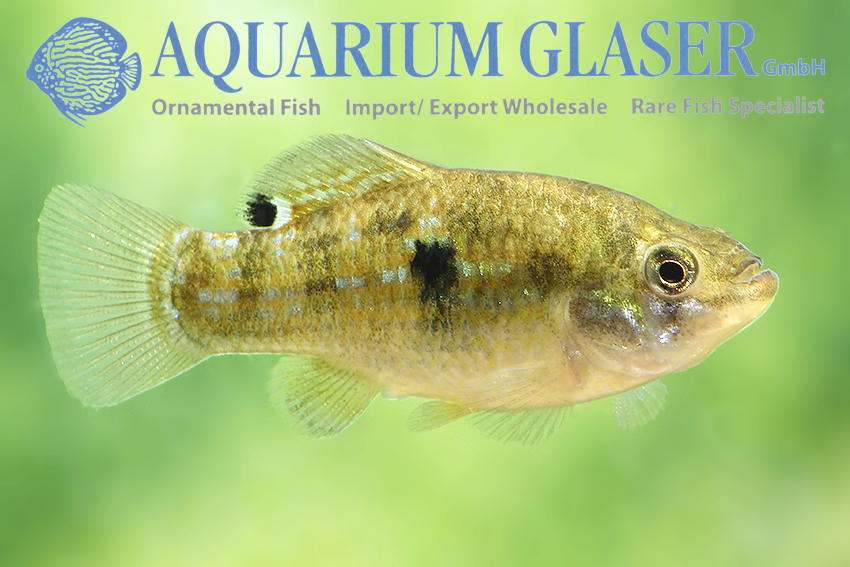
Jordanella floridae grows 4-6 cm long and is very temperature tolerant, which is why it is also well suited for stocking mini ponds in the warm season, where it reliably prevents the occurrence of mosquito larvae. Furthermore, filamentous algae are part of the food spectrum, which certainly does not annoy the pond owner. The eggs are also laid in algae cushions, the male defends the spawning ground against possible predators. In very small aquariums or miniature ponds, the American Flag is kept in pairs, otherwise group keeping is also possible without any problems.

Males and females are easily distinguished by the black spot in the dorsal fin, which only the females show.

As soon as the water temperature falls permanently below 15°C, you have to bring the American Flag into the house.

For our customers: the animals have code 327503 on our stocklist. Please note that we only supply the wholesale trade.

Text & photos: Frank Schäfer

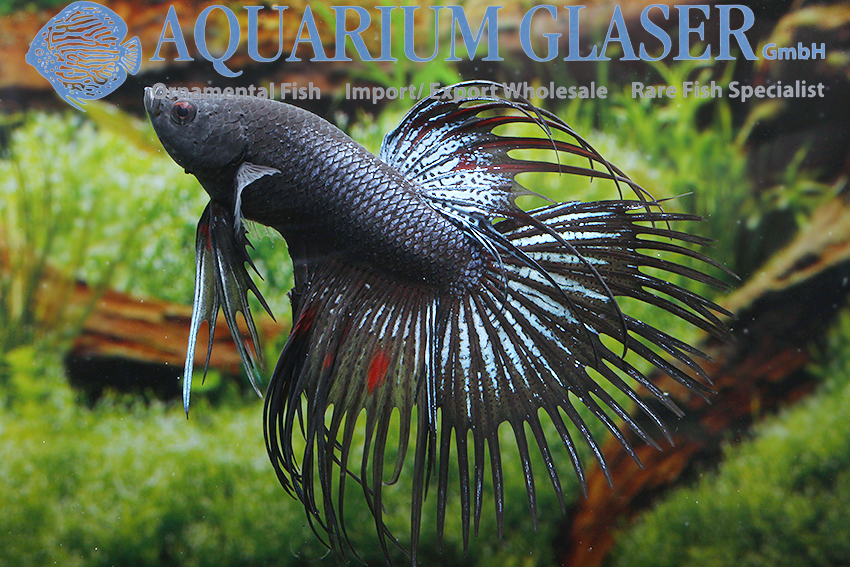
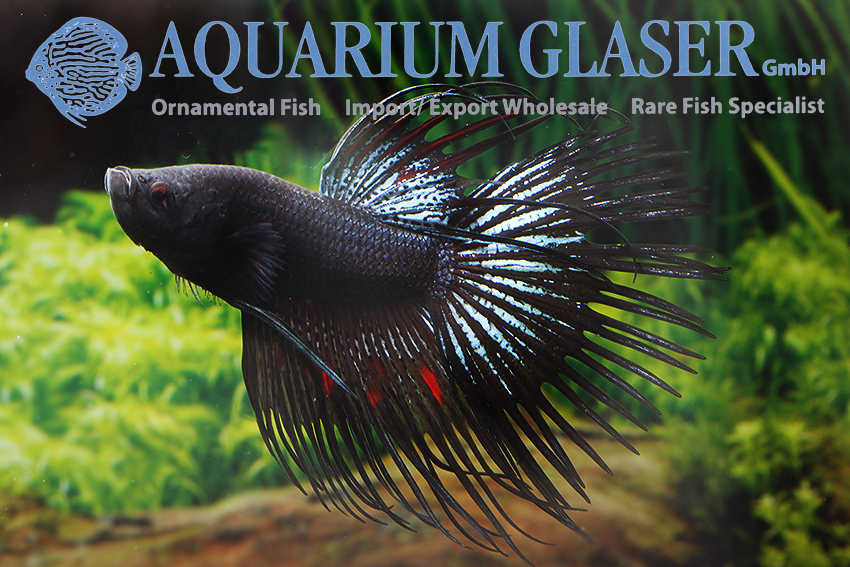
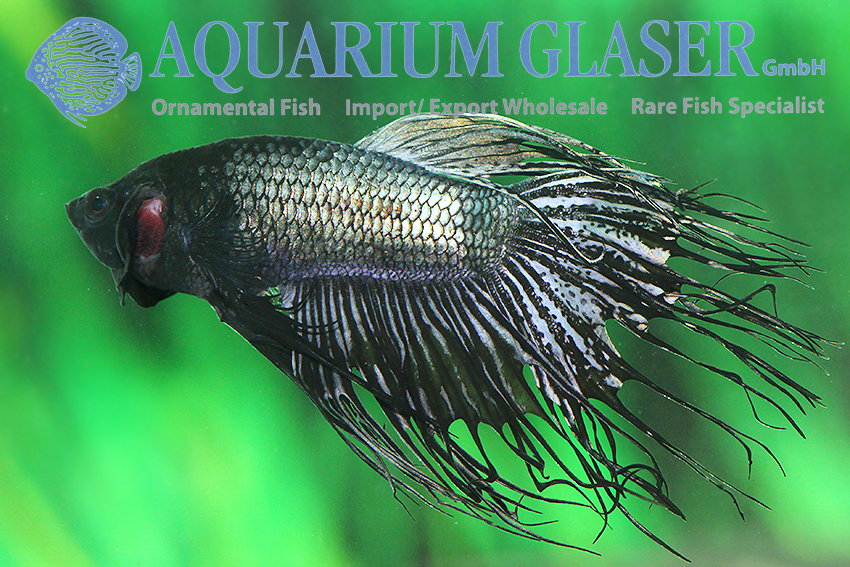
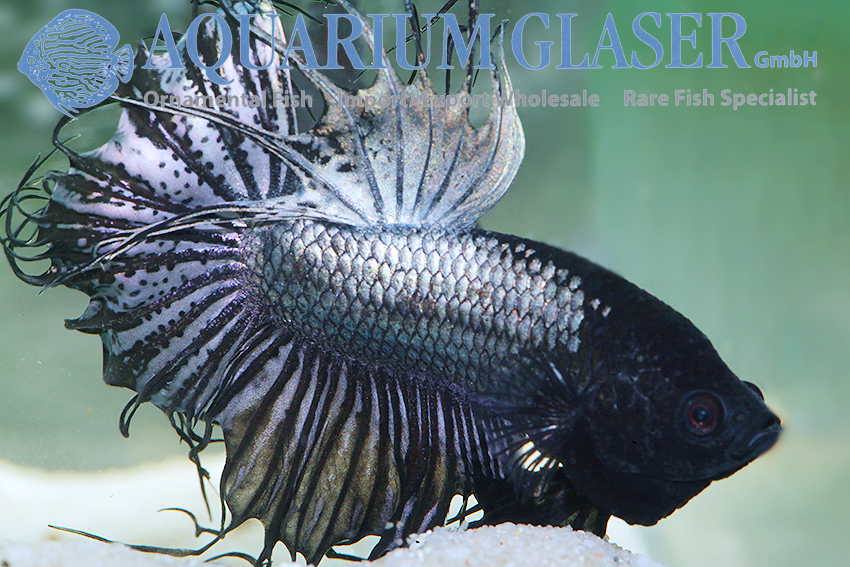
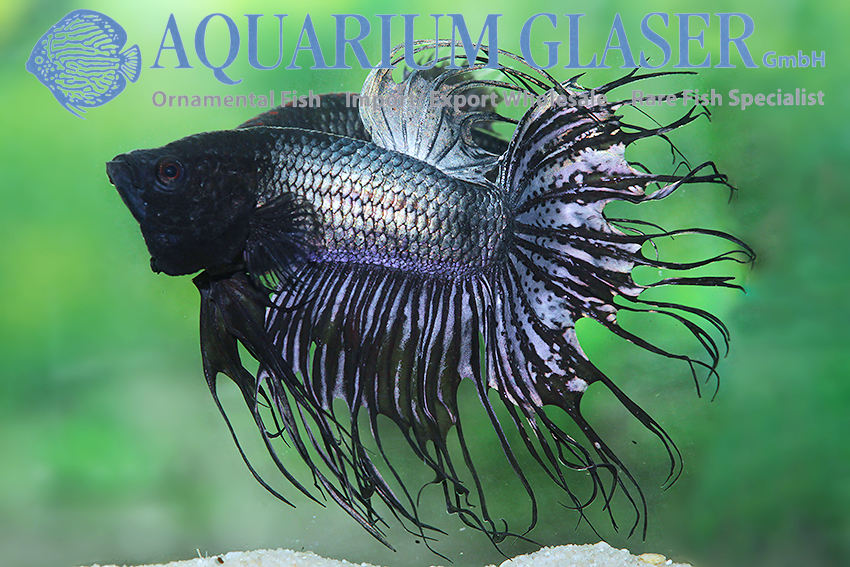
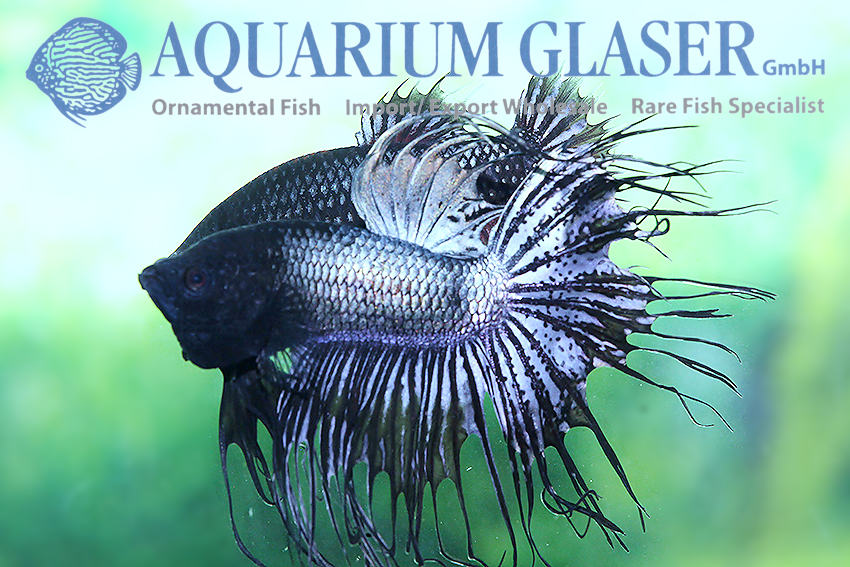
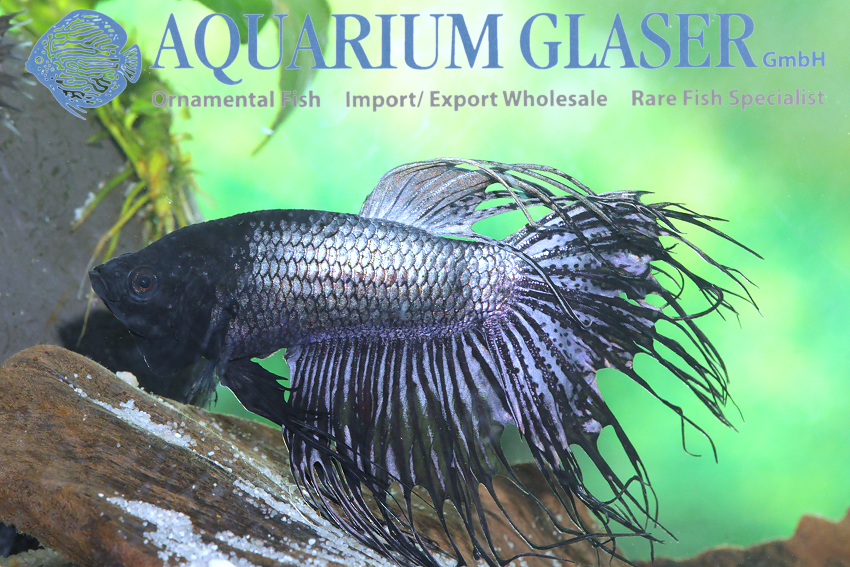
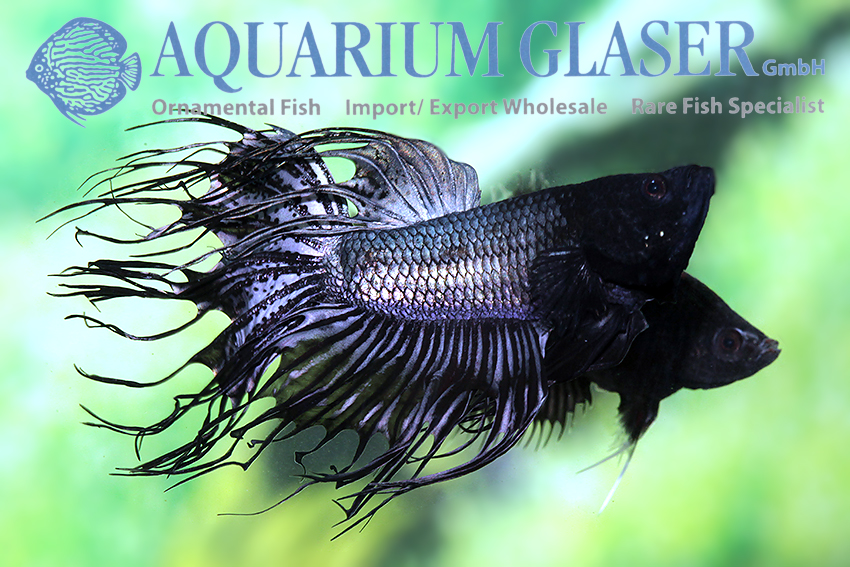
Betta splendens Crowntail Black Orchid

15. August 2025

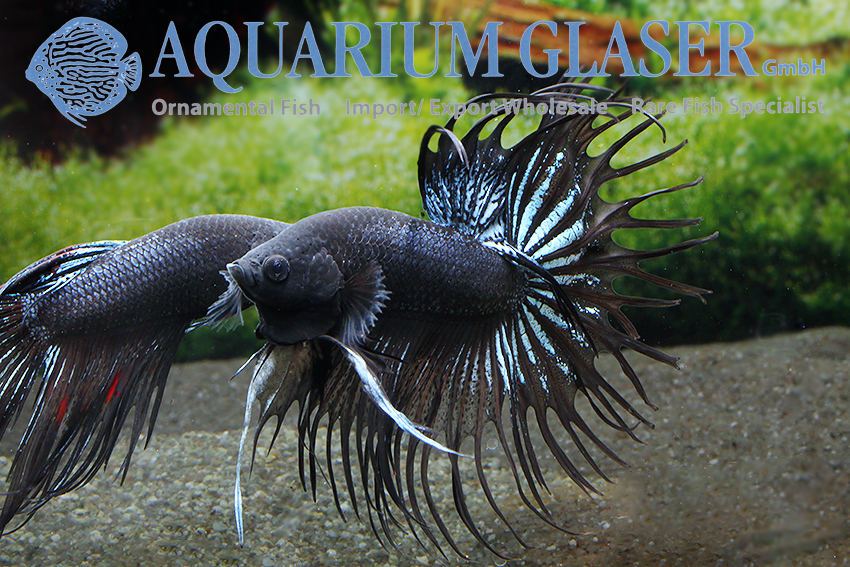
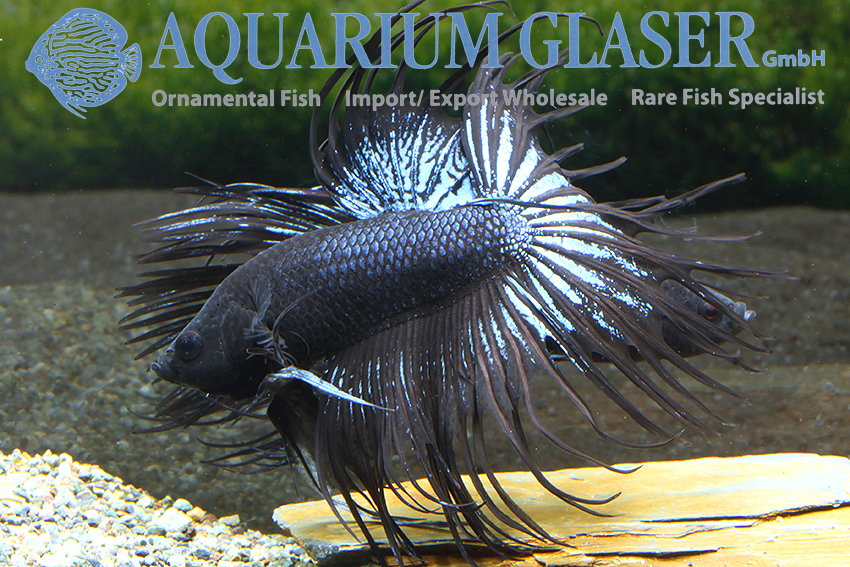
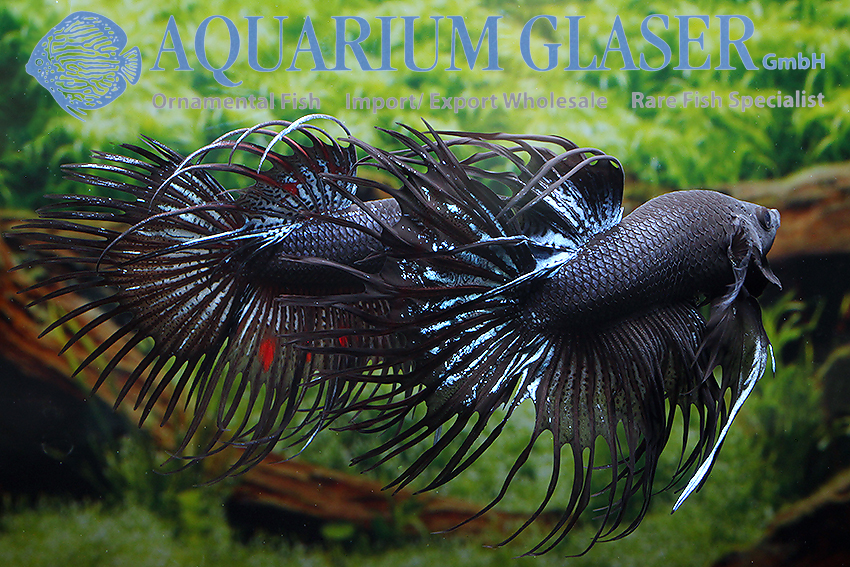
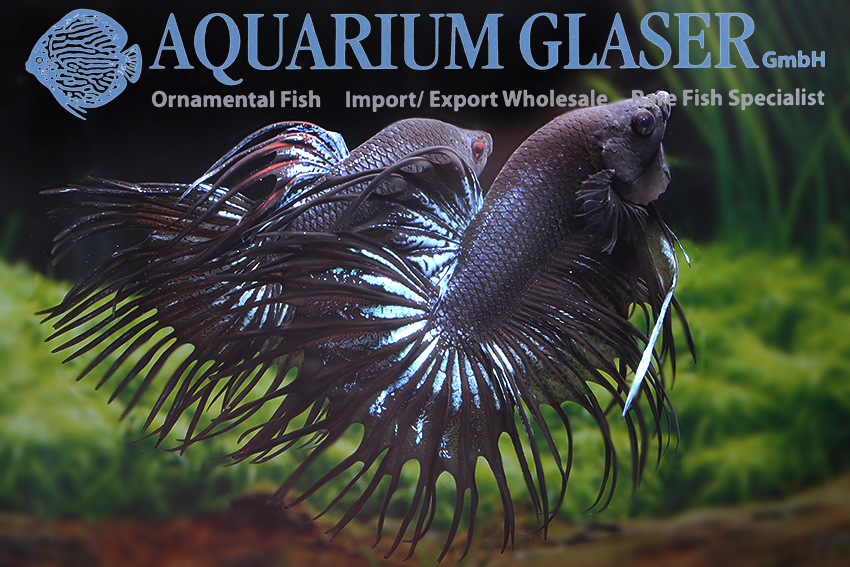
Crowntail bettas enjoy great popularity. Although the breeding form was probably already known in the 1960s and the gene for the crowntail factor is dominantly inherited, the fish only made their breakthrough in Central Europe and America at the beginning of this millennium. Their exact history is not documented, the first known verifiable mention was in Jörg Vierke’s labyrinth fish book from 1978, but crowntails had already existed for a long time by then. Freaks differentiate crowntails according to the number of splits in the free fin ray ends and several other criteria. But these are cases for specialists, such fine distinctions are not practicable in the trade.

We occasionally have wonderful black crowntails in stock under the name “Black Orchid” from a Thai breeding company. Black fighting fish have always been a special feature, as the color is inherited in a double recessive manner (i.e. “concealed”) and breeding them requires a lot of skill and breeding knowledge. The “Black Orchid” also has glossy cover colors, which makes it even more attractive.

The black crowntails should be kept in the same way as all other Siamese fighting fish, so under normal circumstances only one male should be kept per aquarium and care must be taken when socializing that the other fish do not pick at the fins. Overly lively fish species are not suitable as companions for bettas, as are veil guppies, which are very often attacked by bettas.

For our customers: the animals have code 390163 on our stock list. Please note that we only supply the wholesale trade.

Text & photos: Frank Schäfer

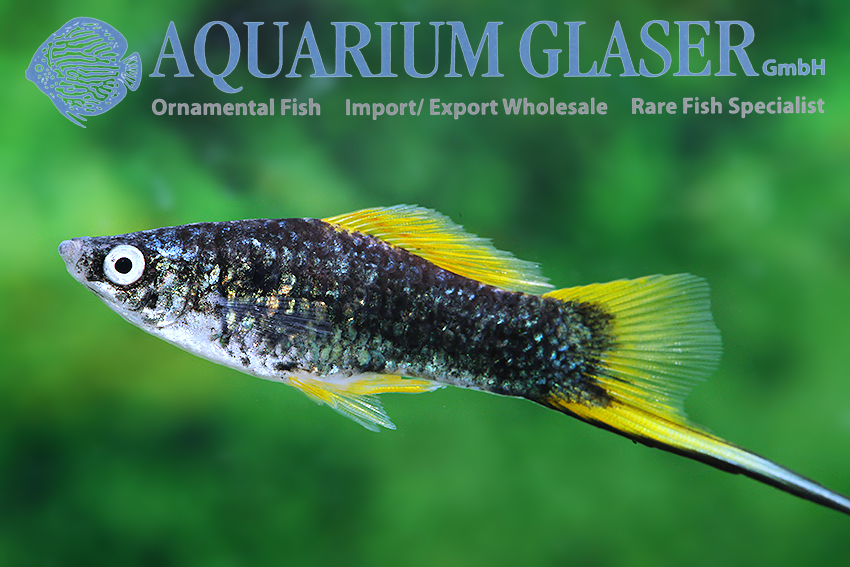
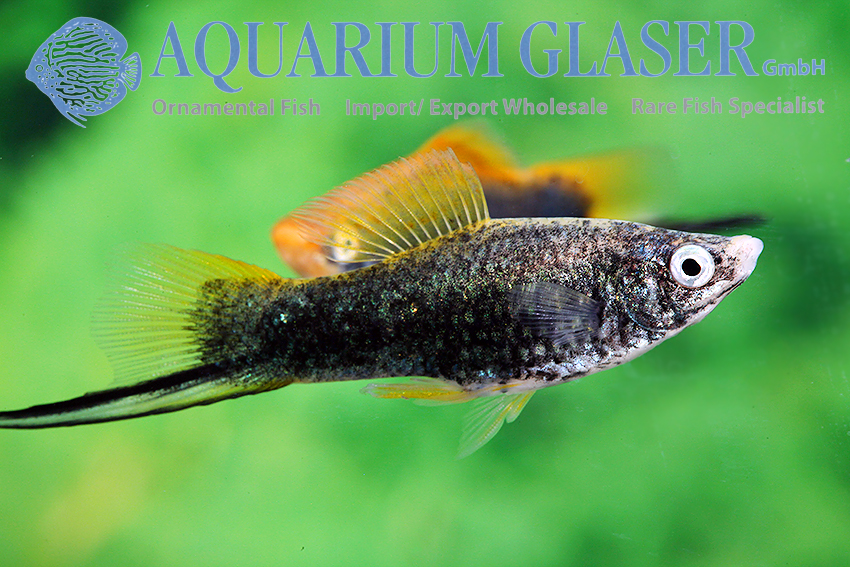
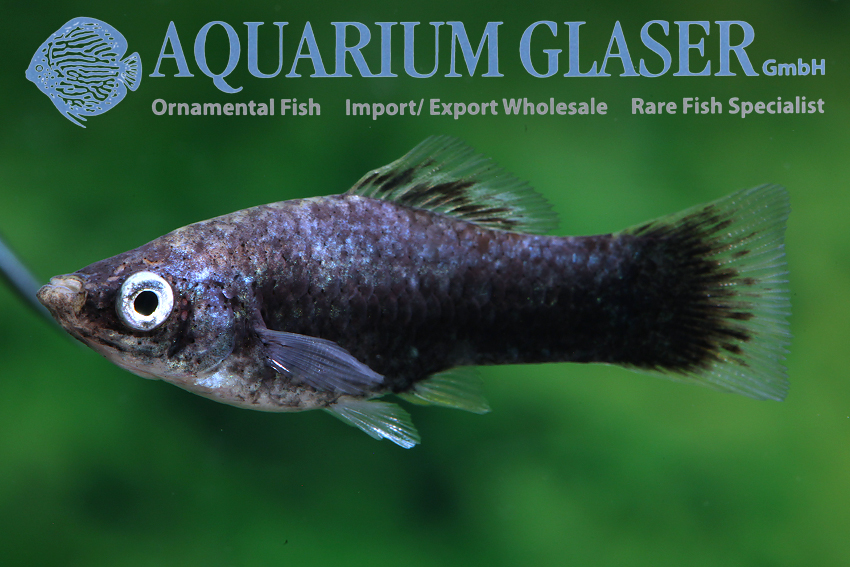
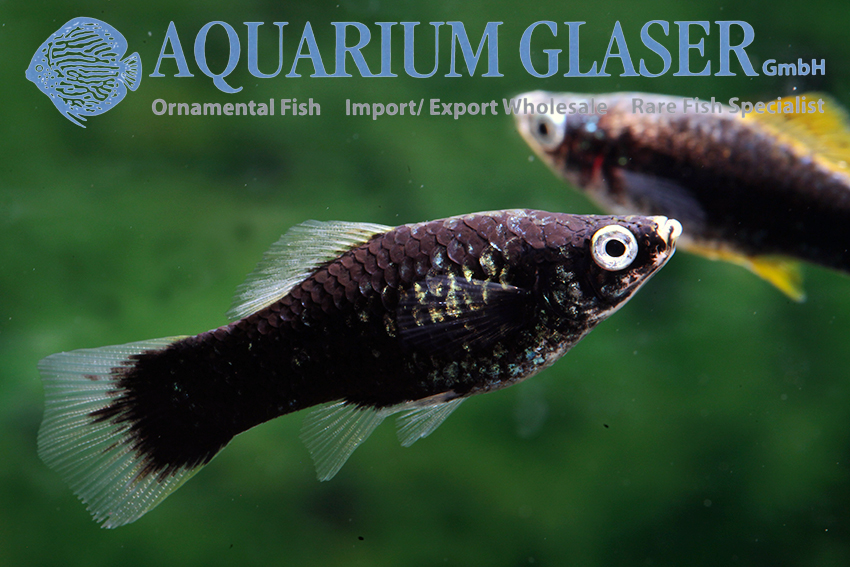
Girardinus metallicus “Black Belly”

15. August 2025

The Metallic Topminnow, Girardinus metallicus, like all Girardinus species (currently 7 species are recognized), originates from Cuba. It is the only species that has been able to establish itself in the hobby. Black-bellied males do not occur in nature, at least nobody has ever found any there; in the hobby, on the other hand, one finds almost only these beautiful animals. 

While it is generally assumed that the black-bellied (only the males have this characteristic) Girardinus metallicus is a breeding form, there are also voices to the contrary, which indicate that the courtship behavior of the black-bellied is clearly different from the courtship behavior of the normally colored animals and that it is therefore perhaps an undescribed species.

Be that as it may: the Metallic Topminnow, which is usually 3-4 cm (max. 5 cm) long in the male sex and 5 cm (max. 9 cm) long in the female, is a very lively and beautiful livebearer, whose care can be recommended without reservation.

For our customers: the animals have code 416704 on our stocklist. Please note that we only supply the wholesale trade.

Text & photos: Frank Schäfer

Nannoptopoma sp. Zebra Rio Tigre (LDA110)

8. August 2025

Armored catfish are known to be a very species-rich and diverse group of fish. The largest species can grow to a length of one meter; Nannoptopoma are among the smallest known species, reaching only about 3-4 cm in total length.

The genus Nannoptopoma is easily recognizable by its eyes, which are positioned very far to the sides of the head, allowing the fish to see both upwards and downwards. This eye position is otherwise only found in the considerably larger Hypoptopoma and Oxyropsis. At times, Nannoptopoma was even considered synonymous with Hypoptopoma, but the latest scientific research has reconfirmed the separation and independence of Nannoptopoma (Delapieve et al, 2018).

So far, only two species of dwarf sucker catfish of the genus Nannoptopoma have been scientifically described, namely N. spectabile and N. sternoptychum; in the hobby, we also know of two undescribed species from Peru, which were presented in Aqualog Bookazine #9 as LDA109 and 110. While N. spectabile and N. sternoptychum are not very striking in color and differ mainly anatomically (the pectoral fins are considerably longer in N. sternoptychum, and the species also has a row of conspicuous bone plates in the pectoral girdle area), LDA 109 and 110 are very attractively colored with high contrast and differ significantly from each other in color.

Freshly imported Nannoptopoma are quite sensitive, which is probably due to the quality of the holding conditions in their country of origin. Once they have successfully acclimatized (sturdy yogurt has proven to be a very effective food for rebuilding disturbed intestinal flora, Mike Meuschke, verbal communication), they are by no means extremely demanding. Sufficient dead leaves should always be available in the aquarium as a staple food (beech, oak, sea almond, small amounts of walnut). Some keepers recommend larger aquariums, which largely feed the animals on their own and offer more stable water conditions. In any case, Nannoptopoma species are only suitable for experienced aquarists, especially since they are often quite shy.

Nannoptopoma sp. Zebra / LDA110 from Peru (Rio Tigre basin) is anatomically closer to N. spectabile than N. sternoptychum and is also often referred to as N. spectabile in the trade. As with N. spectabile, the tips of the pectoral fins do not reach the base of the anal fin and there are no bony plates on the ventral side above the shoulder girdle. However, there is no doubt that LDA110 is a scientifically new, undescribed species, as N. spectabile is more or less uniformly brown in color. Nannoptopoma sp. Zebra Rio Tigre (LDA110) was and is also referred to as N. sp. “Peru,” which is unfortunate, as three of the four species mentioned here occur in Peru.

To our knowledge, breeding has not yet been reported, but the closely related N. spectabile has already been successfully bred in aquariums (Weidner & Dotzer, 2004). The reproductive behavior is reminiscent of Hypoptopoma, i.e., the animals are not cave spawners, but the eggs are laid openly (e.g., on one of the aquarium panes), but the males care for the brood until the young swim freely. Males and females seem to differ in LDA110 by the spines on their pelvic fins (with spines in the presumed males). In addition, the head coloration of some animals is rather reddish (presumed males), while others are rather pale (presumed females).

For our customers: the animals have code 271294 on our stock list. Please note that we only supply wholesale.

Literature:

Delapieve, M. L. S., P. Lehmann A and R. E. Reis (2018): An appraisal of the phylogenetic relationships of Hypoptopomatini cascudinhos with description of two new genera and three new species (Siluriformes: Loricariidae). Neotropical Ichthyology v. 15 (no. 4) e170079 (für den 18 Dez. 2017): 1-37

Weidner,T. & Dotzer,P.(2004): Klein, aber oho! Nannoptopoma cf. spectabilis. (Das Aquarium, 415,1:21-24): 2004/01:21-24

Text & photos: Frank Schäfer

Nomorhamphus cf. kolonodalensis

8. August 2025

For the first time we succeeded in importing a highly interesting, apparently small half-beak species from Sulawesi (formerly Celebes), which is most probably N. kolonodalensis. This species was scientifically described in 2000. It is named after the Kolonodale region. The Black Sulawesi Halfbeaks Nomorhamphus celebensis and N. towoetii, which were imported together with this species, also come from this region. 

As far as we know, only images of live females of N. kolonodalensis have been published so far. These correspond very well with our animals. The males are polychromatic; some match well with the color description in the original scientific description, others do not. As some doubts therefore remain, we have decided to insert a “cf.” between the genus and species names to make it clear that we do not consider the identification to be entirely certain.

Our specimens are 4-5 cm long in both sexes (total length with caudal fin). The largest specimen mentioned in the first description was 67.9 mm long (without caudal fin). Presumably the fish will still grow a little. But they are already highly sexually active. Particularly striking is the frequent beak-opening displayed by the males as an act of display and courtship. It is therefore displayed against both males and females. We were unable to establish any correlation between coloration and beak-tearing activity. A male with completely colorless fins was just as active as one with orange fins. Only the particularly striking males with red-orange fins and strong black markings in the dorsal and anal fins showed restraint.

Because of this strongly pronounced imposing behavior, the small fish should be kept in large aquaria with plenty of current and cover in the surface area (tall plants such as Vallisneria, whose leaves float on the surface of the water). Suppressed specimens could otherwise be harmed by distress. However, we have not observed any physical injuries caused by bites. Nomorhamphus species require cool water between 18 and 23°C. Apart from that, care is not difficult. The water should be slightly alkaline. Flake food is readily accepted, but feeding fruit flies (Drosophila) and live midge larvae will certainly have a positive effect on their well-being and the number of offspring. All Nomorhamphus species are viviparous.

For our customers: the namils have code 438873 on our stocklist. Please note that we exclusively supply the wholesale trade.

Text & photos: Frank Schäfer

Trichopsis schalleri

8. August 2025

Schaller’s Croaking Gourami is one of the unfortunately rarely available labyrinth fish. These pretty animals mostly come from central Thailand (they can be found comparatively far north and also in Vietnam) and grow to around 4 cm in length. This makes them slightly larger than the Dwarf Croaking Gurami (Trichopsis pumila 2.5-3 cm) and slightly smaller than the Large Croaking Gurami (T. vittata up to 6 cm).

They are very undemanding fish that are ideal for a community aquarium with small, peaceful fish from Southeast Asia – e.g. Rasbora species. In contrast to many other labyrinth fish, the males like to build their foam nest under a broad plant leaf or in caves, only rarely is it placed on the surface of the water.

Croaking gourami are so called because they can produce audible growling sounds. These sounds are produced by the fish running a bone over tendons that run over the air-filled swim bladder. Croaking gouramis play the guitar, so to speak. The croaking itself is a show of strength. The fish croak and whoever croaks the loudest wins. When mating, the males also croak to show that they are really great and strong. But the females also croak in this species and are very emancipated.

The sexes are difficult to distinguish in Trichopsis and can only be distinguished when the animals are ready to spawn. Then you can see in the backlight that the ovaries of the females rise diagonally backwards towards the middle of the body, so the intestines appear like a triangle. The testicles of the males are thin strands along the spine and are barely visible. This makes the intestines appear rounded towards the tail when viewed against the light.

Sometimes, but only very rarely find vertically striped animals can be found among our Schallers Growling Gurami. This phenomenon occurs in both sexes. It is not yet clear whether this is a mutation or another species.

The water values do not play a role in their care, any drinking water is suitable. The water temperature can be in the range of 24-28°C, or slightly higher for breeding. They will eat any ornamental fish food of a suitable size. Plants are not bothered by Croaking gouramis.

For our customers: the animals have code 470903 on our stock list. Please note that we only supply the wholesale trade.

Text & Photos: Frank Schäfer

Synodontis petricola ( = S. lucipinnis)

8. August 2025

The squeaking catfish (Synodontis) of Lake Tanganyika became world-famous when one of their species was found to have cuckoo breeding behavior. This involves the catfish sneaking their spawn to mouthbrooding cichlids. The catfish are not only hatched by the cichlids, but the brood parasites even feed on the young cichlid stepsiblings in the mother’s mouth. Many aquarists wanted to observe this fascinating and unique behavior and so the demand for Synodontis from Lake Tanganyika increased enormously. It soon became apparent that there were several species of catfish, some of which looked very similar. The identification of these catfish made life difficult for scientists and aquarists. However, it soon became apparent that many of the lake’s Synodontis do not exhibit cuckoo behavior, but are crevice spawners, depositing their eggs in rock crevices etc. and then leaving them to fend for themselves.

Among the non-parasitic catfishes, Synodontis petricola is the most frequently imported and bred species. Similar to the Tropheus cichlids of the lake, there are many different looking Synodontis petricola (“phenotypes”). It was long disputed whether these were different species. The Synodontis petricola-like ones are distinguished from the other similar-looking sqeakers in the lake by a snow-white dorsal fin spine, which makes them easy to recognize. A relatively small phenotype of this Synodontis petricola group was scientifically described in 2006 as Synodontis lucipinnis. It and a very similar, even smaller form were called “Dwarf petricola” in the hobby.

A major new study on the Synodontis of Lake Tanganyika and its inflows and outflows was recently published (September 2024) (Englmaier et al.). With freshly collected, extensive material and a re-examination of the museum material, both morphological ( = physical) and genetic characteristics were critically examined and put to the test once again. One of the findings was that S. lucipinnis falls within the variance of S. petricola and does not exist as an independent species. The authors confirm the large number of phenotypes in S. petricola, there are also (as was to be expected) genetic differences between them, but these differences are too minor to justify the establishment of separate species. In the same paper – this should only be mentioned here in passing – the cuckoo catfish S. grandiops is equated with the cuckoo catfish S. multipunctatus, so the valid name for the cuckoo catfish is again S. multipunctatus. And S. ilebrevis is synonymized with S. polli, the latter being the valid name.

Synodontis petricola is a beautiful squeaker that is one of the smaller species in the Synodontis genus, usually measuring 8-10 cm in length (very old animals may even reach 15 cm in huge aquaria). Their attractive coloration, lively nature and interesting behaviour are the reasons for their great popularity. S. petricola is currently offered almost exclusively as a captive-bred species and is a perfect catfish for Tanganyika cichlid aquariums, but also fits well in other societies. The water should have a pH value above 7.5 and be 25°C or warmer, otherwise the fish have no special requirements. They are usually peaceful with each other and with other fish. A few exceptions prove the rule. They will eat all common ornamental fish food. These catfish live in shallow water in the wild; in the wild they are only really active at night and at dusk. During the day they seek out dimly lit hiding places, which should also be offered to them in the aquarium. After acclimatization, however, S. petricola are often out and about in the aquarium during the day, especially at feeding times.

For our customers: these catfish have code 185400 (2-3 cm) to 185406 (12-14 cm) on our stock list. Please note that we only supply the wholesale trade.

Literature:

Englmaier, G. K., R. Blažek, R. Zimmermann, V. Bartáková, M. Polačik, J. Žák, D. P. Mulokozi, C. Katongo, H. H. Büscher, L. Mabo, S. Koblmüller, A. Palandačić & M. Reichard (2024): Revised taxonomy of Synodontis catfishes (Siluriformes: Mochokidae) from the Lake Tanganyika basin reveals lower species diversity than expected. Zoological Journal of the Linnean Society v. 202 (art. zlae130): 1-38.

Text & photos: Frank Schäfer

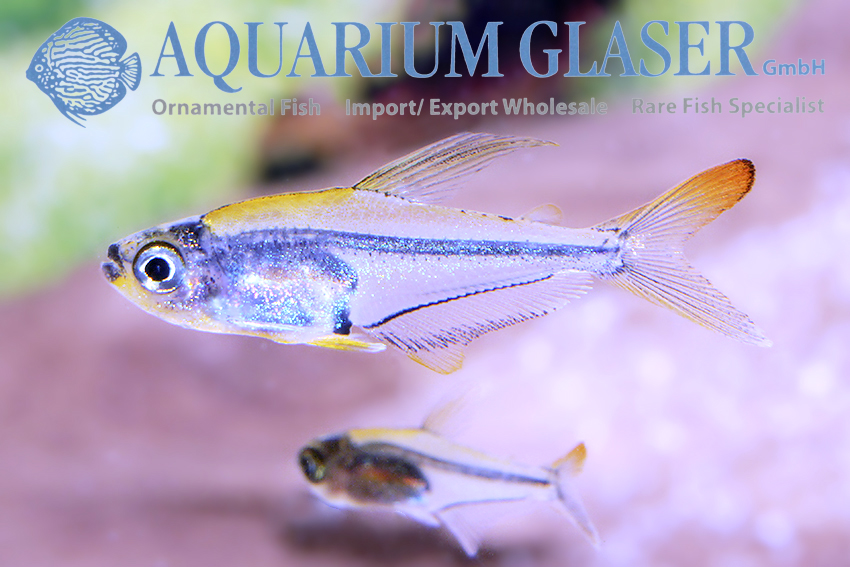
Trochilocharax ornatus

31. July 2025

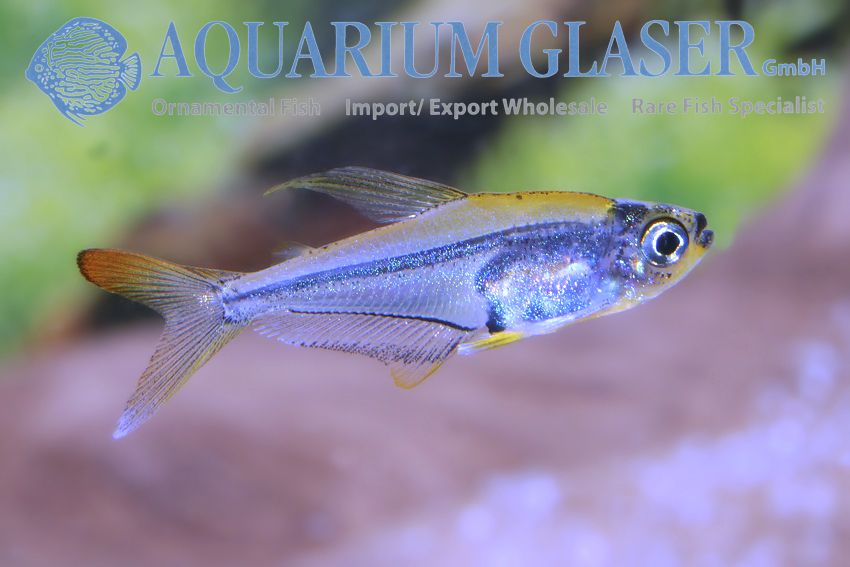
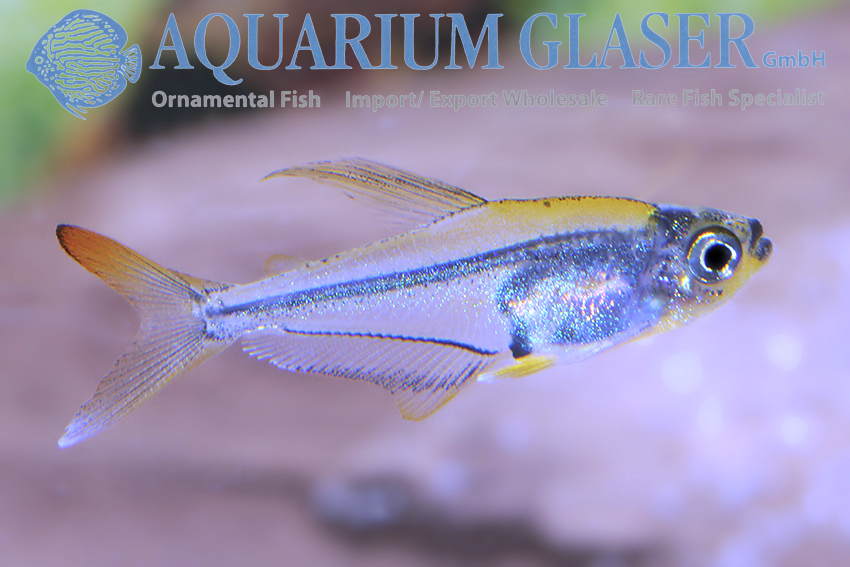
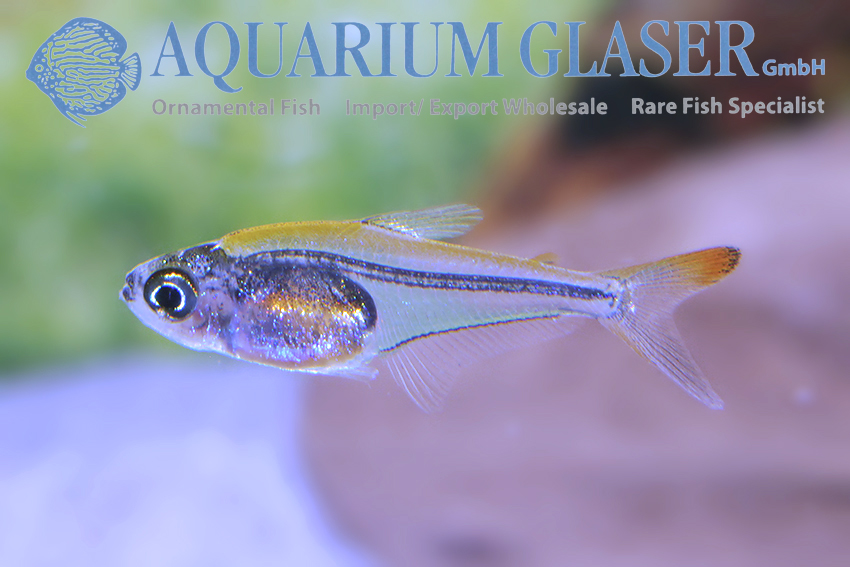
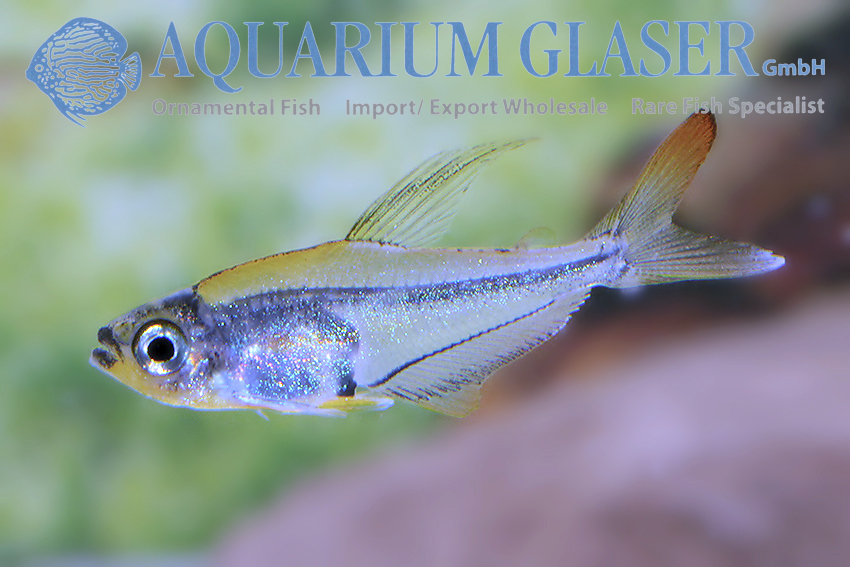
We were able to import this cute dwarf tetra from Peru for the first time in April 2003. Since then, we have succeeded in importing it from time to time. The fish was initially provisionally called “Heterocharax sp. – Orangefin Tetra” or “Hummingbird Tetra”, sometimes also referred to as “Tyttocharax sp.”. A. Zarske scientifically described the species in 2010 as Trochilocharax ornatus and also created a new genus for it. Depending on the lighting, the barely 2 cm long jewels shimmer blue or are transparent. This dwarf tetra is extremely lively and has so far proved to be easy to keep.

Males and females are very easy to distinguish, as the males have an elongated dorsal fin and colored ventral fins. The maximum length of these animals is less than 2 cm (excluding the caudal fin), males are significantly larger than females. The hummingbird tetras are adaptable with regard to close-up feeding and chemical water conditions. Any common ornamental fish food of a suitable size is readily accepted. They ignore other fish and plants.

Interestingly, these tetras have internal fertilization. It is not yet clear how they do it, but the females lay fertilized eggs on plant leaves and roots without the presence of males; of course, they must first be kept together with males. Apart from the tiny size of the young, breeding does not present any particular difficulties. You can find a free breeding report online (in German only) here: https://www.datz.de/suesswasser/243-der-kolibrisalmler-ein-zwerg-mit-innerer-befruchtung

For our customers: The fish have code 258332 on our stocklist. Please note that we only supply the wholesale trade.

Lexicon: Heterocharax: means “deviant Charax”. Charax is a different genus of characin. Trochilocharax: after the scientific word for “hummingbirds”, Trochilidae, which in turn is derived from the ancient Greek word “trochilos”, which was used by Aristotle for a small bird. Charax is another tetra genus. ornatus: Latin, means “adorned”. Tyttocharax: ancient Greek, means “tiny charax”. Charax is another genus of characin.

Text & photos: Frank Schäfer

Clibanarius africanus

31. July 2025

The cute hermit crab Clibanarius africanus has become a popular invertebrate. It is a euryhaline animal, which means that it can live in both pure freshwater and pure seawater. However, the life expectancy in pure freshwater seems to be limited to a few months, which is why it is better to keep the animal in brackish water. We keep our animals in weak brackish water with good results. We add 150 g of sea salt (for reef aquariums) to 100 liters of aquarium water. The animals thrive very well in this low salt density. Incidentally, the animals on which the first description is based were collected in the period 1890-1892 in the river near Bibundi in Cameroon, i.e. near the coast in fresh or brackish water. A typical characteristic of the species is the very long last leg limb, the tarsus, which is rare in this form within the species-rich genus Clibanarius.

Clibanarius are pure detritus eaters, i.e. they consume dead plant and animal matter, and in the aquarium also any common fish food. Normally we receive the animals with brown snail shells, which come from the species Tympanotonus fuscatus, but sometimes they also carry white shells of the snail species Pachymelania aurita.

The distribution of C. africanus extends along the Atlantic coast of Africa, the specimens we imported come from Nigeria where, according to the exporter, they are collected in the Majidun River near Ikorodu. These crabs are normally brown in color. However, we currently have a few specimens in stock that are a beautiful blue color.

For our customers: the animals have code 483123 on our stocklist. Please note that we only supply the wholesale trade.

Lexicon: Clibanarius: Latin name for a heavily armored cavalry warrior. africanus: means “originating from Africa”.

Text & photos: Frank Schäfer

Xiphophorus hellerii “Berlin”

31. July 2025

The famous Berlin cross of the swordtail is the result of a gene transfer by hybridisation. Sounds complicated? The Berlin Swordtail is a breed originally produced by crossbreeding species, which was later adapted to the appearance of swordtails by displacement breeding. In red and yellow Platy (Xiphophorus maculatus) strains, black-spotted animals occasionally appear as a result of spontaneous mutation. This color mutation is sex-linked and occurs only in female Platys. By crossing such black-spotted Platy females with red males of the swordtail one obtains hybrids, with which also the males can carry the black spot. These hybrids are, like all known crosses of different Xiphophorus species, intermediate between the parent species. I.e., they have gotten something from both parents regarding the appearance. The hybrid males are larger than normal Platys, but as high backed and stocky as these. The sword of the hellerii-father is hardly recognizable. Only by consequent crossing of the black spotted hybrid males to red female swordtails one finally got Berlin swordtails.

We almost always have Berlin swordtails in stock, as this pretty, very varied spotted breed has enjoyed great popularity since 1916, although breeding them is not easy and requires a great deal of knowledge of genetics. We obtain our Berliners from various breeders in South and South-East Asia, sometimes also from Europe or Israel.

For our customers: the animals have code 420913 on our stocklist. Please note that we exclusively supply the wholesale trade.

Text & photos: Frank Schäfer

Guppy Endler Lime Green

31. July 2025

We always have a good selection of different Endler types in stock, including both natural and cultivated forms. Especially with the Endler-Guppy the boundaries blur very quickly, because certain colour characteristics can be stabilised by selection. The “Lime Green” is a selection of the “Green” (see https://www.aquariumglaser.de/en/18-toothcarps-killis-and-livebearers/new_endler_sports_en/), but still very variable. 

For our customers: the animals have code 419113 on our stocklist. Please note that we only supply wholesalers.

Text & photos: Frank Schäfer
Hoplarchus psittacus

25. July 2025

Hoplarchus psittacus is one of the very rarely available large cichlids from South America, which is called “Acara paragua” – parrot cichlid – by the indigenous population because of its red breast, which is reminiscent of the colors of some parrots in the Amazon region. Hoplarchus psittacus is the only species of the genus. It comes from the Rio Negro and the upper drainage of the Orinoco (Brazil, Colombia and Venezuela) and can reach a length of up to 40 cm. Most of our imports come from Colombia.

The animals are very quarrelsome with each other if they are not given sufficient individual space. Once they have this, they can be classified as peaceful, at least once the hierarchy has been established. This behavior is known from many large cichlids. The parrot cichlid is an omnivore and therefore vegetarian food should not be missing from the diet.

Unfortunately, the sexes are difficult to distinguish: Females remain smaller, have a flatter forehead and shorter ventral fins. But while dominant males are always easy to recognize, you can unfortunately only be sure about animals that look like females when they are spawning. Weaker males disguise themselves as females, thus avoiding aggression from the boss.

Breeding has only rarely been reported to date, which is probably due to the rare imports and the difficulty in distinguishing the sexes. While the water values for maintenance are of secondary importance, the water for breeding must be soft and acidic. The animals form a parental family. The pair digs a large and deep pit in the ground and spawns on the solid ground. Other breeders report spawning on flat stone slabs. Apparently the species is flexible in this respect or there are different spawning patterns depending on the population. The water temperature for maintenance should be between 24 and 28°C, for breeding 2-3°C more.

This species is relatively susceptible to hole-in-the-head disease and therefore hygiene in the aquarium should be a top priority.

For our customers: the animals have code 683023 (6-8 cm) to 683028 (18-22 cm) on our stock list. Please note that we only supply the wholesale trade.

Text & photos: Frank schäfer

Danio kyathit and D. quagga

25. July 2025

From time to time we have beautiful wild catches of these two Danio species from Burma in stock, which are often characterized by particularly intense red tones in the fins. D. kyathit and D. quagga replace D. rerio, the zebrafish from India, in Burma. Apart from the coloration, the three species are absolutely identical, also in terms of care and breeding in the aquarium.

When the independence of the Burmese from D. rerio was discovered, it was initially believed that the spotted and striped animals from Burma were of the same species and merely color variants, which were grouped together under the species D. kyathit. Later it was decided to describe the striped Burmese as a separate species, D. quagga. However, there are always individual animals in the wild that represent intermediate forms – so-called intergrades – that are neither clearly D. kyathit nor clearly D. quagga. Nature is somewhat more complex than we would like it to be with our pigeonhole thinking.

Burmese zebrafish are beautiful, problem-free aquarium fish that are ideal for unheated indoor aquariums. The temperature requirements are 14-28°C, depending on the time of year, for breeding it may even be a little warmer, but if the animals are kept too warm permanently, they lose color and become susceptible to disease. The chemical composition of the water does not matter, any drinking water is suitable for keeping them. Any commercially available fish food is eaten, plants are ignored and zebrafish, which incidentally reach a size of 4-5 cm, are completely peaceful towards other fish.

For our customers: the spotted Danio kyathit has code 413613, the striped D. quagga code 413603 on our stock list. Please note that we only supply the wholesale trade.

Text & photos: Frank Schäfer

Tetraodon schoutedeni

25. July 2025

In the 1960s Tetraodon schoutedeni was one of the most common freshwater puffers in the trade. Also the breeding of the animals succeeded regularly. The fish are free spawners without brood care. But the civil war in Congo changed the situation drastically and even nowadays catchers are reluctant to go to the occurrence areas of the species.

We are happy that now once again we succeeded in importing some animals. The fish are about 4-6 cm long, fully grown they are 7-10 cm. Males often remain smaller, seem to be more contrastingly colored and have longer snouts, but overall the sex differences are not particularly distinct. Tetraodon schoutedeni, also known as the Leopard Pufferfish, is considered one of the most peaceful pufferfishes, but one must always keep in mind with pufferfishes that they are individualists. Leopard Pufferfish are pure freshwater dwellers.

For our customers: the animals have code 191603 on our stocklist. Please note that we only supply wholesale. 

Text & photos: Frank Schäfer

L200 Hemiancistrus subviridis and Baryancistrus demantoides

25. July 2025

L-numbers were never intended as a substitute for scientific species designations, but rather to illustrate the diversity of imported loricariids and simplify communication. This is why it happened more frequently that the same zoological species was given several L-numbers, e.g. L18, L81 and L177. They look different, but belong to the same species, namely Baryancistrus xanthellus. The reverse case – i.e. two different species being given the same L number – has hardly ever occurred. One exception is L200. Behind the L number 200 are two species that imitate each other and even belong to different genera. One L200 has been described as Hemiancistrus subviridis. It has a clear gap between the end of the dorsal fin and the beginning of the adipose fin. The second species, on the other hand, known commercially as “L200 Highfin” or “L200a”, has been described as Baryancistrus demantoides. Here the dorsal fin is connected to the adipose fin. The height of the dorsal fin is variable in both species and is not a species criterion. The two L200s are often imported together, as they occur in the same biotope at least in some places and are also caught together. Export countries for both L200s are Colombia and Venezuela, where they are found in the Orinoco, Ventuari and Casiquiare. Both species can interbreed, at least in the aquarium, and even in wildcaughts it is not always easy to classify them.

In individual cases, it is therefore not easy to decide which of the two catfishes is present. There are many L200 Hemiancistrus subviridis with high and long dorsal fins, so it’s easy to get it wrong. If you want to know exactly, you have to look at the mouth. In L200 Hemiancistrus subviridis the mouth appears horizontal-oval, the number of teeth is reduced and the tips of the teeth are wider. The latter makes the tips of the teeth look like bright dots in flashed images. The mouth of L200a Baryancistrus demantoides is vertically oval, the teeth are small and numerous, without widened tips. The coloration of the dorsal fin, which is usually (!) without markings in L200 Hemiancistrus subviridis, but usually (!) shows bright dots in L200a Baryancistrus demantoides, also often provides an indication. However, there are also L200 with dots and L200a without dots in the dorsal fin. It will probably never be possible to completely avoid having some L200a between L200 and vice versa.

Except for breeding experiments (they are typical cave breeders with a father family), it is not really important which of the two L200s you have. Both are very beautiful fish and good algae eaters, both have the same life requirements and grow to a similar size (20-25 cm). The hardness and pH value are of secondary importance for keeping them, although soft and slightly acidic water is usually less contaminated with bacteria, which is pleasant for the catfish. The temperature should be in the range of 26-30°C, so they are warm water fish. Both have a high food requirement, which must be taken into account, and the food should mainly be vegetarian. It appears that L200a Baryancistrus demantoides is somewhat more territorial towards conspecifics than L200 Hemiancistrus subviridis, but that is the whole difference from a maintenance point of view.

For our customers: the animals have code 26480-L 200 (Hemiancistrus subviridis) and 26480-L 200A (Baryancistrus demantoides) on our stock list. Please note that we only supply the wholesale trade.

Text & photos: Frank Schäfer

Chrosomus erythrogaster

18. July 2025

Unfortunately, only very few small fish species from the USA are represented in the hobby. One of the species occasionally offered is the very pretty minnow species Chrosomus erythrogaster. This species is widespread in the wild and common in suitable habitats. It is usually found in small mountain streams from Minnesota and western Pennsylvania, south to Arkansas and Alabama; there are also several isolated occurrences. We currently have German offspring of this peaceful schooling fish on offer.

The species reaches a maximum size of 10-12 cm, they usually grow to 5-7 cm long. The fish do not require heating, but still feel very comfortable at temperatures above 24°C. The chemical composition of the water (hardness, pH) is not important for keeping them; any drinking water is suitable. Any common ornamental fish food is readily accepted, plants are not bothered.

They are gravel spawners. Usually several males compete for one female. These fish do not practice brood care.

For our customers: the fish have code 411043 on our stock list. Please note that we only supply the wholesale trade.

Text & photos: Frank Schäfer

Cichla sp. Royal Silk

18. July 2025

People with large aquariums often also want large fish. It’s amazing how many people with large or even very large aquariums there are nowadays; otherwise it’s hard to explain why the Tucunaré or peacock cichlids of the genus Cichla, which used to be considered specialist fish and only develop their most beautiful coloration from around 30 cm in length and can grow up to the metre mark, are now enjoying growing popularity not only among gourmets and anglers, but also among ornamental fish enthusiasts. The 16 currently recognized species have one thing in common: as juveniles, they are rather colourless and give little indication of what they will become.

Due to the fact that the aquaristic demand for cichlids has increased so much, there are now also a number of breeders who are involved in the breeding of species, especially those from remote areas. This almost inevitably results in color variants and mutants. After all, Cichla clutches contain thousands of eggs (9,000 to 15,000 eggs have been counted in Cichla ocellaris!), of which only a few survive in the wild, but the majority survive under aquarium conditions. In Cichla kelberi, for example, the breeding form “Spider” was created (see https://www.aquariumglaser.de/en/25-perchlike-fishes/cichla-kelberi-spider-2/).

The breeding form “Royal Silk” has recently appeared on the ornamental fish market and is still traded as a top rarity. The animal photographed is only 8-10 cm long and already looks fantastic! Apart from the frightfulness typical of the genus, we can’t say anything else specific about the fish; the usual rules for keeping Cichla species in the aquarium apply.

For our customers: Cichla sp. Royal Silk has code 637053 on our stocklist. Please note that we only supply the wholesale trade.

Text & photos: Frank Schäfer

Caridina mariae Deep Blue Tiger Yellow Eyes ( = Neocaridina sp. Tiger)

18. July 2025

Tiger shrimps were among the first dwarf shrimp species to enter the hobby around 30 years ago. At that time, they were still simply numbered, the “Tiger” was Caridina or Neocaridina sp. V. Only specialists can clarify the genus affiliation of dwarf shrimps, there are no recognizable characteristics on live animals. In 2015, Klotz & von Rintelen finally gave the Tiger Shrimp its current scientific name, Caridina mariae. The original home of the animals, which are up to 3 cm long (males remain smaller), is Guangdong province in China.

The wild form is gray-brown transparent with the characteristic black tiger stripes. The first mutants soon appeared in the aquarium, and today the wild form is hardly ever seen in the hobby. Colorful cultivated forms have replaced them. These include a blue-colored mutant with yellow eyes. Under aquarium conditions, many species of dwarf shrimp cross, resulting in a constant stream of new color varieties. If you attach importance to pure breeding, you should therefore only keep one shrimp species per aquarium.

In nature, the water is extremely soft, but under aquarium conditions a certain hardness (3-4° KH) is more favorable, as otherwise the pH value becomes unstable. In addition, the water temperature should not rise above 25°C, at least not permanently. At room temperature (18-22°C) the animals are lively and reproduce abundantly. 20-40 eggs per litter are normal, the hatchlings are not bothered by the parents and immediately live as miniature versions of mom and dad. Tiger shrimps are growth eaters, but are happy to eat pretty much any common ornamental fish food. However, care should be taken to ensure that the protein content is not too high. Dead leaves (beech, oak, cattapa etc.) should always be available as a food source in every aquarium for dwarf shrimps.

For our customers: the animals have code 485442 on our stock list. Please note that we only supply the wholesale trade.

Literature:

Klotz, W.; von Rintelen, T. (2014). To “bee” or not to be—on some ornamental shrimp from Guangdong Province, Southern China and Hong Kong SAR, with descriptions of three new species. Zootaxa. 3889(2): 151-184

Text & photos: Frank Schäfer

Brycon cf. pesu1

18. July 2025

The genus Brycon comprises around 45 species, which are distributed across large parts of South and Central America. They hardly play a role in aquaristics, but are very important as food fish. They are medium-sized to large fish. The smallest species belong to the B. pesu complex (approx. 16 cm standard length, i.e. without caudal fin), while the largest – whose impressive appearance captivates the eye in underwater photographs and shapes our perception of Brycon species in general – can reach a standard length of over 70 cm.

The species Brycon pesu was scientifically described as early as 1845. Since then, all smaller Brycon species with a black caudal fin band and/or black adipose fin from Brazil, Bolivia, Ecuador, French Guiana, Guyana, Colombia, Peru, Suriname and Venezuela have been called “Brycon pesu”. It has been firmly assumed for decades that this is not a single species, but a species complex. The actual Brycon pesu would then probably only occur in the Guyana Shield. We have now received Brycon from the complex around B. pesu from the Araguaia/Tocantins basin in Brazil for the first time. The B. cf. pesu occurring there were only recently examined in a scientific paper (Panarari-Antunes et al, 2008). It was found that the two different color types of “Brycon pesu” from this water system are actually two different, genetically clearly representable species. One species has a red stripe in the anal fin as a clear external distinguishing mark, the other does not.

Unfortunately, we received the species without red stripes (the other one would certainly be even more attractive). We named it Brycon cf. pesu1 according to the suggestion in Panarari-Antunes et al. This Brycon may not have particularly striking colors, but in our opinion it is still an enrichment for the hobby. Tetras of this medium size class, which enliven an aquarium with medium-sized cichlids and catfish, are rather rare. There is not too much to say about the care requirements of Brycon cf. pesu1. They are lively schooling fish, playful and peaceful. As this is a first import, we are not yet able to provide any long-term experience. Our animals willingly accept any common ornamental fish food, the water temperature can be between 22 and 25°C, probably a little higher is also possible. Other fish species from the Araguaia/Tocantins have shown good adaptability to different water parameters (pH and hardness). In nature, the water there is soft and slightly acidic. The aquarium for Brycon species must be well covered, as they are excellent jumpers.

For our customers: the animals have code 212713 on our stock list. Please note that we only supply the wholesale trade.

Literature:

Panarari-Antunes, R. S., Prioli, A. J., Prioli, S. M. A. P., Júlio Jr, H. F., Agostinho, C. S., & L. M. Prioli (2008): Molecular variability in Brycon cf. pesu Müller and Troschel, 1845 (Characiformes: Characidae) from the Araguaia-Tocantins basin. Genetics and Molecular Research, 7(1), 95-106.

Text & photos: Frank Schäfer

Panaqolus sp. L374

11. July 2025

There are several tiger plecos of the genus Panaqolus. First L2 was imported from the Rio Tocantins and introduced in 1988 in the very first “L-catfish article” in the Datz. In 1992, LDA1 from the Rio Negro was added, which was given the additional L number 169 in 1994. The tiger pleco presented in 2001 as LDA64 and a little later (2002) again as L306 comes from the Takutu River in the border region of Guyana and Brazil; this species is the only one that has been scientifically studied to date. It has been named Panaqolus claustellifer in 2016. Tiger plecos from the Rio Anapu in Brazil received two L-numbers. L374 comes from its upper reaches and L403 from its lower reaches. They received their L-numbers in 2004 and 2006. We received animals that were visually indistinguishable from L374 in 2014 with the locality designation “Alto Nhamunda” (https://www.aquariumglaser.de/en/10-catfishes/10b-catfishes-suckermouths-plecos-and-l-numbers/panaqolus_sp_alto_nhamunda_en/). The Rio Nhamunda forms the border between the states of Amazonas and Pará. Almost all known localities of tiger plecos are therefore in the state of Pará in Brazil, the only exception being P. claustellifer.

There are two established aquarium strains of L374; the species is hardly ever imported as a wild catch. The first aquarium strain originates from animals imported by Jens Gottwald in 2003, the second from a strain imported by Transfish at the end of 2003. The two strains differ slightly in color in that the so-called Gottwald strain has more orange in its coloration, while the Transfish strain is somewhat more greyish. Both retain their contrasting coloration even in old age. The animals reach a length of 13-15 cm.

We can currently offer very nice offspring of L374 of the “Gottwald strain”. All tiger plecos are easy to care for. They require clean, low-germ water, which should not be too hard and slightly acidic. The water temperature can range from 25-29°C. All Panaqolus need soft wood as a basic food source and can be additionally fed all kinds of vegetables. Any common ornamental fish food is also accepted, but you just have to be careful that the specialized wood-eaters with their very long intestines do not get too much of it, otherwise there may be severe digestive problems. Only one species of tiger catfish should be kept per aquarium, otherwise they may cross-breed. They are typical cave breeders with a father family.

For our customers: the animals have code 26480-L 374X-2 (5-7 cm) on our stock list. Please note that we only supply the wholesale trade.

Text & photos: Frank Schäfer

Sewellia sp. Spotted (SEW01)

11. July 2025

The genus Sewellia includes the most popular and probably most beautiful of all hillstream loaches: Sewellia lineolata (see https://www.aquariumglaser.de/en/fisharchive/sewellia-lineolata-2/). Enthusiasm for this fish continues to this day. Scientifically, considerably more species of Sewellia are known; a total of 18 species have been described to date, but the status of some species from Vietnam, which were named in a book on the fishes of Vietnam in 2006, is unclear, as the descriptions are not very informative and are accompanied by very poor pictures.

For example, it is not yet clear whether the Sewellia sp. Spotted from Quang Nam Province in central Vietnam, which is popular in the hobby, belongs to a scientifically new species or whether it is possibly identical to one of the three species named in the above-mentioned book, S. monolobata, S. polylobata or S. tetralobata. Maurice Kottelat, probably the best loach expert of our time, assumes that S. monolobata and S. polylobata are the same species. As a “first reviser”, he selects S. monolobata as the valid name for this case. Kottelat considers S. tetralobata to be a synonym (a more recent second description) of Sewellia albisuera.

We cannot decide or clarify these matters here; what is interesting is that among our currently imported S. sp. spotted is a specimen that corresponds very well with S. albisuera. It should also be noted that S. albisuera lives in the same river as the well-known S. lineolata. However, these two species are ecologically distinct. S. albisuera is adapted to very strong currents, S. lineolata is not.

So let’s just stick with the name Sewellia sp. Spotted or Sewellia sp. SEW01, as the species is also known among loach enthusiasts. This species, which grows up to around 6-8 cm long, is just as easy to keep in the aquarium and reproduces just as readily as S. lineolata. What the animals need is oxygen-rich, clear and low-germ water, a good current, regular partial water changes, water temperatures in the range 22-26°C and an aquarium richly decorated with stones. The water hardness and pH value are of secondary importance, extreme values should be avoided. The animals are uncomplicated omnivores and will accept all common live, frozen and granulated foods of a suitable size in addition to aufwuchs. They prefer to spawn in coarse gravel, but in our fishhouse they also make do with the coarse-pored filter sponge. And so one day the cute, black and white ringed young of this species appeared among their parents, uncles and aunts, who completely ignore these pretty little creatures.

For our customers: Sewellia sp. Spotted has code 455072 (md) to 455075 (xlg-sh) on our stocklist. Please note that we only supply wholesale.

Text & photos: Frank Schäfer

Xiphophorus hellerii black

11. July 2025

The black breeding form of the swordtail Xiphophorus hellerii is also known as the Hamburg breeding form because the aquaristic tradition that is often cited states that it was first bred in Hamburg in 1912 by a breeder named W. Hoffmann. However, it is also undisputed that other black strains were created somewhat later independently of this. Black swordtails do not exist in nature. It is also not a cross between a black molly and a swordtail. The black coloration is the result of crossing wild platies (Xiphophorus maculatus) with green swordtails (X. hellerii).

Hamburgers are black swordtails whose scales usually have a green or blue sheen (“mirror”). The black coloration can extend to the fins, but most specimens have red, yellow or transparent fins. Black swordtails are not homozygous, at least to our knowledge there have never been any reports of homozygous black swordtails. Even after 18 generations of strict inbreeding, in which only black animals were mated, there are still red and green fish among the young of a black pair (D. Gentzsch in Das Aquarium, 1995, issue 309: 13-16).

Because it used to be believed that inbreeding was harmful in general and especially in the case of black swordtails, the doctrine that hamburgers should always be bred by crossing a black animal with other color forms applied until the end of the last millennium. Today’s black swordtails are correspondingly inconsistent in terms of coloration. Today, however, it has been proven that inbreeding in fish is generally harmless. Of course, there are also hereditary diseases in fish that can be exacerbated by inbreeding, but a good breeder can avoid such pitfalls by making the right breeding choices.

From an aquarium point of view, black swordtails are not only special in terms of color. They are relatively large swordtails, which should be kept in the largest possible aquarium in order to breed magnificent animals. Their preferred temperature is somewhat lower than that of many other X. hellerii; experienced breeders recommend 18-22°C. In addition, the late males of the black swordtails only become sexually mature really late (often only at around one year of age) (early males at around 3-4 months). Before that, they largely look like females, which has led to the myth of the sex change in swordtails. The sex ratio in litters is approx. 50:50. Black swordtails are not as fertile as many other X. hellerii, in which litters of large females can easily produce 150 young or more. Black swordtail females only produce a third of this number or less and do not become so bulky when they are about to spawn.

For our customers: black swordtails have code 420401 (small) to 420405 (show size) on our stocklist. Please note that we only supply the wholesale trade.

Text & photos: Frank Schäfer

Hypostomus boulengeri

11. July 2025

Every aquarist probably knows the genus Hypostomus by name, to which 154 species are currently assigned (including Cochliodon, which is sometimes seen as an independent genus and sometimes as a synonym of Hypostomus). Of this huge variety, however, only one species is regularly found in the trade, namely Cochliodon basilisko, also known as Red Bruno. Hypostomus luteus is a popular aquarium fish among specialists. Another species is repeatedly mentioned, but is practically never found in the trade: H. plecostomus. The animals referred to as such in the trade are actually Glyptoperichthys (formerly: Liposarcus) pardalis.

Hypostomus boulengeri is also a real rarity in the hobby. However, it is frequently found in the wild. This explains why it repeatedly appears as by-catch among ornamental fish from Paraguay. This time there was a larger number of these suckermouth catfish among the “Red Bruno”, so we sorted them out. As we have pictures of various sizes between 3 and about 20 cm in length – the maximum achievable size is given as 24.5 cm standard length, i.e. without caudal fin, which corresponds to a total length of about 30 cm – we take the opportunity to document the change in coloration from small juvenile fish to adult animals and also the various individual and mood-dependent colorations.

Keeping these animals is very simple. H. boulengeri are generally peaceful with each other and with other fish, and fights between conspecifics are always harmless. Of course, the aquarium must not be too small in view of the expected final size. H. boulengeri are good algae eaters, but will happily accept any food in the aquarium. The water temperature should vary seasonally and be cooler (18-20°C) for a few months and warmer (24-28°C) the rest of the time. We have no information about breeding in an aquarium and it has probably never been attempted.

Incidentally, there is a second, very similar sibling species in the Rio Paraguay, namely Hypostomus formosae. The main external difference between H. boulengeri and H. formosae is the tip of the snout, which is naked in H. boulengeri and has normal shields in H. formosae. All the animals that we then looked at more closely had a naked snout tip, so they are H. boulengeri.

For our customers: H. boulengeri has code 262483 (4-7 cm) on our stocklist. Please note that we only supply the wholesale trade.

Text & photos: Frank Schäfer

Brochis bifasciata ( = Corydoras bifasciatus)

4. July 2025

Given the current (June 2025) 159 C-numbers and 216 CW-numbers, you would think that all 203 scientifically accepted species of the subfamily Corydoradinae (i.e. Aspidoras, Brochis, Corydoras, Gastrodermus, Hoplisoma, Osteogaster and Scleromystax) would be appearing more or less regularly in the hobby. But this is not the case. Two longnosed species from the Rio Tapajós catchment, scientifically described in 1972 and 1976, are still a mystery: Brochis bifasciata and B. ornata (both originally described as Corydoras species). While it has still not been possible to import specimens of Brochis ornata that correspond exactly to the original description (there are, of course, all kinds of very, very similar-looking species), B. bifasciata has finally been imported recently.

Why is this beautiful long-snouted fish so rare? Nobody knows; the first scientific description was made, as already mentioned, in 1972. The type locality is given as follows: Creek at left bank of Rio Cururu, tributary of upper River Tapajós near Maloca do Conzale, about 7°45’S, 58°00’W, Pará State, Brazil.

Brochis bifasciata is the long-snouted version of the equally very, very beautiful Hoplisoma sp. CW127 (https://www.aquariumglaser.de/en/10-catfishes/corydoras-sp-aff-parallelus-cw127-4/), which is also very difficult to obtain. According to the exporter, both species come from the Rio Jamanxim, a tributary of the Tapajós. Hoplisoma sp. C133 (https://www.aquariumglaser.de/en/10-catfishes/10a-catfishes-corydoras-co/corydoras_from_the_rio_jamanxim_c_bifasciatus__en/), which is very similar to CW127 and lacks the black zone in the dorsal fin, which merges into a shoulder band running towards the belly, was also occasionally imported with the indication of origin “Tapajós”. This pattern is very typical for Hoplisoma sp. CW127 and is also found in B. bifasciata. For Hoplisoma sp. C133 there is an identically marked Brochis species, i.e. a long-snouted species, which to our knowledge has not yet been assigned a C or CW number. However, there is another CW number for a fish that is very similar to B. bifasciata and is also imported together with it: Brochis sp. CW135. These animals have a slightly different dorsal pattern. In our opinion, this falls within the variance of B. bifasciata, but who knows? Since the phenotype CW135 has so far only appeared in single specimens, we do not offer it separately from B. bifasciata. It should also be mentioned that in the type specimen of B. bifasciata the lower of the two longitudinal bands runs along the midline, i.e. where the two rows of lateral bone plates meet. In our current import, there are also specimens in which the second longitudinal band runs clearly below the midline. All in all, B. bifasciata appears to be as variable as B. pulcher, for example.

One thing is for sure: the Corydoras-like armored catfishes still offer enough exciting questions to keep generations of scientists and aquarists busy!

For our customers: Brochis bifasciata have code 224204 on our stocklist. Please note that we only supply the wholesale trade.

Text & photos: Frank Schäfer

Garra panitvongi ( = sp. Red Tail)

4. July 2025

This beautiful sucking barb was scientifically described in 2023 in honor of the meritorious naturalist Nonn Panitvong. Nonn found the animals together with other members of siamensis.org in 2006, so the location (the Kasat River in western Thailand) is well documented. For the history of the discovery of this species, please see https://www.aqualog.de/blog/garra-sp-rotschwanz-godzilla-kommt-vom-kasat-river/

The article also documents the impressive fighting behavior of this species, in which the males open their frontal processes (scientifically: proboscis) like horns and then wrestle with each other like bulls.

The closest related species in Thailand is certainly Garra fuliginosa Fowler, 1934, from which Garra panitvongi is, however, clearly different in color.

Of course, this Garra species is also a good algae eater, but it is more likely to be kept for its own sake and to promote algae growth for the benefit of the fish than to degrade it to a stone cleaner.

For our customers: the animals have code 416481 (3-4 cm) to 416484 (7-9 cm) on our stock list. Please note that we only supply the wholesale trade.

Text & photos: Frank Schäfer

Brachygobius mekongensis

4. July 2025

In the genus Brachygobius we find some of the smallest freshwater goby species. One of these dwarfs is B. mekongensis, a species that was only scientifically described in 2000. The late scientific recording of this species, which is widely distributed in the Mekong River basin in Laos, Cambodia and Thailand, is due to the fact that it was previously regarded either as a juvenile of another species or as an eastern population of the Indian dwarf species B. nunus.

At less than 2 cm in length, B. mekongensis is fully grown. The females are somewhat larger and fuller than the males. There is even a breeding report on the animals from 1990, although H. Horsthemke incorrectly identified them as B. aggregatus – forgivable, as the species B. mekongensis had not yet been described at the time. According to him, B. mekongensis spawns on hard substrate (i.e. not in caves, like many other Brachygobius species). The approx. 30 eggs are guarded by the male until hatching.

B. mekongensis is a pure freshwater species, there are no reports from brackish water. In the wild, it prefers waters with abundant underwater vegetation, e.g. Vallisneria. The water depth is usually 0.3-1.5 m. The dwarf fish species Boraras micros and Indostomus spinosus, which are also occasionally encountered in the hobby, live together with it.

In the aquarium, the dwarf gobies are best fed with small live food. If the rain barrel or pond does not provide enough food, grindal worms, chopped tubifex and Artemia nauplii are a good substitute. B. mekongensis are not demanding in terms of hardness and pH value; any drinking water is suitable for maintenance and breeding. The temperature can be between 22 and 28°C.

For our customers: the animals have code 407152 on our stock list. Please note that we only supply the wholesale trade.

Text & photos: Frank Schäfer

Hypancistrus sp. L260 Queen Arabesque

4. July 2025

It is astonishing that this strikingly colored catfish from the Rio Tapajós in Brazil (state of Para) has not yet been scientifically recorded. Since 1998 it has carried the L-number 260 and since then has also been one of the regularly imported and bred L-catfish.

There are great similarities to L411 from the Rio Jari. Unfortunately, almost all L-catfish interbreed under aquarium conditions (there have even been reports of hybrids between H. zebra L46 and L260). You should therefore pay attention to species purity when putting together breeding groups. Otherwise there is a risk that aquarium strains – i.e. breeding forms – will be created and the original species will die out in the hobby. In view of the dramatic worldwide extinction of species (private animal husbandry is not responsible at all for this, just as an aside), we should try to avoid this.

Keeping L260 is easy. This omnivorous fish grows up to approx. 12 cm long and is considered to be relatively tolerant, both of each other and of other species. On the whole, the care of this species can be equated with that of the well-known Aquarium-Ancistrus, although L260 is less tolerant of poor water conditions. However, there are two important differences: L260 likes it warmer (26-30°C) and L260 hardly eats algae or other plant material. However, experienced keepers swear by raw potato pieces as supplementary food. This food can remain in the aquarium all day and is eaten with pleasure. This food has proved to be very effective, especially with somewhat lean wild-caught fish, in order to replenish them quickly.

For our customers: the animals have 26480-L 260-2 (6-8 cm) on our stock list. Please note that we only supply the wholesale trade.

Text & photos: Frank Schäfer

Rasbora daniconius

2. July 2025

From India we were able to import Rasbora daniconius, This minnow usually grows to 6-8 cm in length, the largest specimen ever measured supposedly measured 15 cm. The species is found in Bengal together with such well-known and popular ornamental fishes as zebra danio (Danio rerio), rosy barb (Pethia conchonius), dwarf gourami (Colisa lalius) and chameleon fish (Badis badis). Rasbora daniconius is a wonderful contrast fish to the above species in the community aquarium.

The animals are completely peaceful omnivores, plants are ignored. Like the majority of minnows, this species appreciates the company of its conspecifics and should be kept in a group of at least five, preferably 10-15 specimens. The water temperature can be between 18 and 28°C, any tap water suitable as drinking water is suitable for the care. R. daniconius are free spawners without brood care.

For our customers: the fish have code 451703 on our stocklist. Please note that we supply exclusively to wholesalers.

Text & photos: Frank Schäfer
Melanotaenia sp. “Kali Tawa”

27. June 2025

This new dwarf rainbowfish, which has obviously not yet been scientifically described, was only introduced to the aquarium hobby in 2019. As is so often the case with rainbowfishes, it was found during a privately funded and conducted research trip. Its provisional name Melanotaenia sp. “Kali Tawa” refers to the place where it was found in Papua New Guinea.

With a total length of normally 7 cm (several years old specimens are said to be able to reach 10 cm), this species is one of the smaller representatives of the genus. The combination of snow-white dorsal and anal fins and red caudal fin, plus an orange front ridge and blue tones on the flank, makes them highly attractive in terms of color. In the trade we have juvenile offspring about 4 cm long, which are of course not yet fully colored, but even these are already quite pretty!

For our customers: the fish have code 428803 on our stocklist. Please note that we only supply the wholesale trade.

Text & photos: Frank Schäfer

Trigonostigma espei

27. June 2025

Of the five species currently assigned to the genus Trigonostigma (harlequin barbs) – the well-known common harlequin barb T. heteromorpha, the most recently described T. truncatus, the dwarf T. somphongsi, T. hengeli and T. espei – the last two are often confused; unfortunately, this also happens to us from time to time if we are not very careful.

The reason for this is that both species look pretty darn similar in the juvenile stage, i.e. at 1-2 cm in length. When fully grown up, they can hardly be confused; both species remain about one centimeter smaller than the common harlequin barb at a total length of 3 – 3.5 cm. Adult T. hengeli have a zone between the edge of the gill cover and the colored, orange-pink band that accompanies the wedge spot, which is colored light brown-grayish beige like the back, while in T. espei the entire body, including the front body, is colored bright orange (females) to purple (dominant males) without any gaps. Only the wedge spot is naturally black. You can find pictures of T. hengeli here: https://www.aquariumglaser.de/en/08-carp-like-fishes-2-barbs-minnows-carps-goldfish-etc/trigonostigma-hengeli-4/

If the origin is known, identification is also easy. T. hengeli is only found on the Greater Sunda Islands of Sumatra and Borneo, T. espei only in southern Thailand, Cambodia and Vietnam. But as I said, juveniles cannot be identified without knowing their origin. And at the beginning of the season (May/June) it is mainly juveniles that are on the market. T. hengeli are always sent from Indonesia as T. espei with a certain persistence. And so it is easy to explain how the misnomer sometimes reaches private aquarists and causes ongoing confusion.

All harlequin barbs are beautiful fish and highly recommended. T. espei require soft and acidic water for breeding. Like its well-known cousin, it usually spawns with its belly upwards on the underside of broad leaves of aquatic plants (e.g. Cryptocorynes), but is not quite as strict about this. Occasionally, spawn is also deposited on the upper side of the leaves in a normal posture. All ornamental fish food of a suitable size is eaten. The completely peaceful animals do not damage plants. The water temperature should be in the range of 24-28°C.

For our customers: T. espei has code 451951 (sm) to 451954 (lg-xlg) on our stocklist. Please note that we only supply the wholesale trade.

Text & photos: Frank Schäfer

Glyptothorax buchanani

27. June 2025

The mountain catfish (Glyptothorax) are virtually unknown in aquaristics. It is a very species-rich group (almost 120 accepted plus presumably numerous undescribed species) of mostly small, current-loving catfish. The extremely limited experience of keeping these catfish shows that (as with many stream fish) they are sensitive animals that do not tolerate heavy organic pollution or the associated bacterial load. In other words: aquaria that are as large as possible, well run-in, well-filtered and sparsely stocked are the basic prerequisite for keeping these fish successfully in the long term.

In terms of compatibility, it should be noted that most species are peaceful towards other fish and conspecifics. However, the latter in particular still needs to be researched. It appears that Glyptothorax buchanani stress each other. In any case, the breathing frequency of two animals that were initially kept together and then separated was considerably reduced when only one specimen was kept per aquarium.

As flowing water inhabitants, Glyptothorax are adapted to sandy substrate (in which they sometimes burrow) with larger stones. The chemical composition of the water is of secondary importance, but bear in mind that hard, alkaline water offers many bacteria more favorable living conditions than soft, acidic water. Due to their sensitivity to bacterial infections, we therefore recommend soft to medium-hard water and a pH between 6 and 7. These fish are also demanding in terms of diet. Dry food and granules are hardly accepted, at least not during acclimatization. Live food is preferable (white mosquito larvae and adult Artemia are ideal for hygienic reasons, but the animals also like to eat Tubifex and red mosquito larvae, as well as mayfly larvae and various small crustaceans), later the animals will also take frozen food.

We received Glyptothorax buchanani from Thailand. This species, which was described in 1945, is endemic to Thailand and therefore only occurs there. It colonizes the river systems of the Mae Klong and Chao Phraya. It becomes about 6 cm long (without caudal fin). Almost nothing is known about the reproductive behavior of Glyptothorax species, except that they undertake spawning migrations.

For our customers: the animals have code 417792 (4-6 cm) on our stock list. Please note that we only supply the wholesale trade.

Text & photos: Frank Schäfer

Piaractus brachypomus

27. June 2025

Internationally, the largest serrasalmid species are called “pacu”: the red bellied pacu (Piaractus brachypomus, formerly Colossoma brachypomus or C. bidens) from the Amazon system, its twin species P. orinoquensis, which has only been differentiated from it since 2019, the yellow pacu (P. mesopotamicus) from the Parana-Paraguay system and the black pacu or cachama (Colossoma macropomum) from the Amazon. They all grow to around 80 cm in length and weigh over 20 kg. They are kept in aquaculture as excellent food fish and one species – the red bellied pacu – is probably now widespread in the tropics worldwide. In their native countries, however, these pacus are called Pirapitinga and the silver dollars of the genus Myletes & Co are referred to as pacus.

Anyway, red pacus are a must in any display aquarium as they are impressive creatures. However, we do not import them as large fish, but as small fish just a few centimetres long. They are usually bred ones from South-East Asia. As juveniles, red bellied pacus imitate a notorious cousin, the Red Piranha (Pygocentrus nattereri). In fact, they are almost indistinguishable from each other in terms of color. It is called Batesian mimicry when a harmless species imitates a defensive species and thus benefits from the fact that potential predators tend to be cautious.

Aquaristically, of course, it is known that piranhas represent the carnivorous branch of serrasalmids, while pacus are mainly vegetarians. Large animals love to eat fruit and nuts that fall from trees into the water. As this food is very rich in nutrients, the water under such trees is often heavily polluted with putrefactive substances and very low in oxygen. Pacus can withstand this and some species even develop an auxiliary respiratory organ at certain times in the form of a greatly enlarged, very well supplied with blood lip, through which additional oxygen enters the organism when the fish swims on the water surface.

Piaractus brachypomus is relatively unspecialized. It is also found in clean waters and as an opportunist it also eats small fish, shrimps etc., so it is not a pure vegetarian.

Keeping Pacus is easy, but only recommended for people who have huge aquaria. Piaractus brachypomus get on well with each other, but small fish are regarded as food supplements.

For our customers: the animals have code 218501 (4-6 cm) on our stock list. Please note that we only supply the wholesale trade.

Text & photos: Frank Schäfer

Pygocentrus cariba ( = P. notatus)

25. June 2025

Pygocentrus are the most famous and aquaristically most important piranhas. In contrast to all other piranhas, Pygocentrus are always schooling fish. They are less keen on fin pieces of other fish than Serrasalmus and Pristorycon species and with their particularly sharp teeth they can bite whole pieces out of a body. However, the Pygocentrus species are by no means bloodthirsty monsters either, but opportunists that use any food – often of plant origin – that is available.

Pygocentrus cariba is a beautiful species that is regularly found in the trade and represents the shoaling piranhas in the Orinoco. The large humeral spot (= shoulder spot) is typical of the species and is most pronounced in adolescent and young adult fish. Very small animals (under approx. 4 cm in length) do not yet show the humeral spot. Very old animals, like all Pygocentrus species, tend to be very darkly colored, in which case the species can hardly be distinguished. The species name cariba is only available via a caption (which authors before 1993 usually considered insufficient); Fink (1993) revised the genus Pygocentrus and established cariba as the correct species name for the shoal piranha with shoulder spot (principle of the “first reviser”), whereby the name P. notatus, which was previously considered valid, became a synonym.

This piranha usually grows to a maximum length of approx. 25 cm, the largest length stated in the scientific literature is 27.9 cm total length (including caudal fin).

For our customers: P. cariba has the code numbers 292600 (2-4 cm) to 292607 (18-22 cm) on our stock list. Please note that we only supply the wholesale trade.

Text & photos: Frank Schäfer

Hyphessobrycon peugeotorum ( = H. peugeoti)

20. June 2025

It’s amazing how many new, attractive tetra species have been discovered recently! Among them is Hyphessobrycon peugeotorum, which was only scientifically described in 2013 under the name H. peugeoti. It originates from the Brazilian state of Mato Grosso (middle drainage of the Rio Juruena, upper basin of the Rio Tapajós). The unusual species name does not refer to the French car builders, but (quotation): “Hyphessobrycon peugeoti is patronymic to the Peugeot family, who invented the Peugeot pepper mill mechanism in 1842 and whose manufacturing business led to the establishment of a carbon sink reforestation project in the fazenda São Nicolau, in central Brazil, and eventually to the discovery of this new species.” According to the rules of zoological naming, in this case (naming after several individuals, not after a single individual) the Latin plural genitive must be chosen for the species name – i.e. the word ending -orum – and not, as happened, the Latin singular genitive ending in -i.

Apart from that, Hyphessobrycon peugeotorum is a beautiful fish that we can offer as offspring. The species grows to a length of 4-5 cm and is completely peaceful. An experience in the photo tank indicates how the animal should be cared for in order to achieve optimum coloration. In our fishhouse, a male showed mating coloration and developed a black caudal fin (in normal coloration, the caudal fin is transparent and colorless). We caught the animal and some conspecifics, put them in the photo tank and waited. It shouldn’t normally take long for the now decolored animal to show mating colors again. Not so! Nine days passed and nothing happened. We warmed the water, added humic substances, fed live food, changed the water – everything you do to get tetras going. Nothing. Then we darkened the tank considerably! And now it worked. Apparently Hyphessobrycon peugeotorum likes it a bit dim. To each his own!

For our customers: the animals have code 261499 on our stocklist. Please note that we only supply the wholesale trade.

Text & photos. Frank Schäfer

PS: As we have learned, an objection was raised against the change of the species name peugeoti to peugeotorum, so that the species is currently more frequently referred to as H. peugeoti again.

Nematobrycon lacortei

20. June 2025

The Rainbow Emperor Tetra (Nematobrycon lacortei) is certainly one of the most attractive tetras in South America. Its home is in western Colombia where it is caught in the catchment area of the Rio San Juan. Males and females can be easily distinguished by the color of the iris. Already in small juveniles the males have a red, the females a blue iris.

To the same genus belongs the usually better known emperor tetra Nematobrycon palmeri. Nematobrycon can only be described as schooling fish to a limited extent, since the males at least occasionally defend territories against conspecifics – and this can happen quite violently. Your aquarium should therefore contain structure-forming elements such as roots and large plants.

Emperor tetras can be kept in medium hard water, but for breeding it should be soft and acidic. They will eat almost all offered foods, for a good spawning it is recommended to feed black mosquito larvae (Culex) regularly.

For our customers: the fish have code 272504 on our stocklist. Please note that we supply exclusively to wholesalers.

Photos F. Schäfer, Text K. Diehl

Tocantinsia piresi

20. June 2025

We just received one of the very rare imports of a very peculiar representative of the Auchenipteridae (driftwood catfish): Tocantinsia piresi. These catfish were first discovered in 1974 in the Rio Tocantins near Porto National in the state of Goiás in Brazil. Because they did not fit into any known genus, Mees described them as a new genus – Tocantinsia – and the species as the new species T. depressa. 10 years later, Mees discovered that he had produced a double description. As early as 1920, Miranda Ribeiro had described and illustrated a catfish from the Rio São Manoel (today better known as Rio Teles Pires, one of the two headwaters of the Rio Tapajós), Mato Grosso (also Brazil) as Glanidium piresi, which corresponds to T. depressa in all recognizable details. It is now known that the species is relatively widespread. In addition to the river systems already mentioned, the catfish is also found in the Rio Xingu, for example, where ecological studies have even been carried out on its reproductive biology.

At around 50 cm in length, Tocantinsia piresi is one of the large driftwood catfish. In the Rio Xingu, females reach sexual maturity at a slightly smaller body size (33.76 cm) than the males at 34.84 cm. The maturity of the gonads (testes and ovaries) was during the period of lowest water in the dry season. Stomach examinations of animals from the Rio Tocantins revealed that the fish are omnivores that eat both plant material (fruits, seeds, flowers) and animal material (frogs, insects, spiders, millipedes). However, almost all of their food was of terrestrial origin, i.e. it came from the land into the water.

In the aquarium, T. piresi are above all very fond of hiding. This must be taken into account when keeping them. The animals are best kept in a dimly lit aquarium with lots of larger stones between which they seek shelter. The stiff pectoral fins with their thick spines make the animals relatively immobile, and a dense tangle of plants in which they become entangled is the last thing they need. Our animals are peaceful with each other. The coloration is quite variable, we chose the darkest and the lightest individual of our import for the photo session. As the fish are currently approx. 10 – 12 cm long and not yet sexually mature, the sex difference that is usual for the catfish – an anal fin that has been converted into a mating organ in the male – is not yet recognizable. We therefore do not know whether the coloration is related to the sex.

For our customers: the animals have code 297233 on our stocklist. Please note that we only supply the wholesale trade.

Text & photos. Frank Schäfer

Ancistrus sp. “Gold Albino”

20. June 2025

Albinism is a mutation that can occur in almost any animal species, including humans. The word is derived from the Latin “albus” = white. The expression of the mutation is admittedly different. In some forms of albinism, some melanin (the black cell pigment) is still produced, in other forms hardly any or none at all. A conspicuous feature of albinos are the red eyes, which come from the fact that the blood vessels in the back of the eyes shine through. In addition, albinos are lighter colored on the body up to a complete white animals. But there is also the paradoxical case of black colored albinos with red eyes. This can happen when the genes for melanin production in different parts of the body are located in different genetic regions and are only partially affected by the mutation.

The Ancistrus Gold Albino is an albino breeding form, in which all black is missing, but the red color cells in the body are strongly developed. This is the reason for the intense golden-orange coloration. The eyes are always red in this breeding form. The fish enjoy great popularity because of their pretty color. Normally such fish are traded only in relatively small specimens, most often in sizes of 3-6 cm. They reach this size relatively quickly. Fully grown animals, however, become about 15-16 cm long. By then they are often many years old, so actually priceless, if you count care costs and labor. But sometimes – even if very rarely – such chunks come to us!

For our customers: the fish have code 204061 (2-3 cm) to 204068 (12-15 cm) on our stock list. Please note that we only supply the wholesale trade.

Text & photos: Frank Schäfer

Tetraodon lineatus “bred”

13. June 2025

The up to 40 cm long Nile pufferfish (Tetraodon lineatus) is a magnificent freshwater species from Africa. We have presented it in detail here: https://www.aquariumglaser.de/fischarchiv/tetraodon-lineatus-15-20-cm/

For some time now, we have also bred specimens of this species from Indonesia in stock. In Nigeria – the home of these fish – fewer and fewer people want to earn a living as fishermen. There too, the so-called work-life balance plays a major role and an air-conditioned office seems more attractive to many than a job in the wild. Although ornamental fish catchers earn significantly more than their colleagues who catch fish for food, there are now supply bottlenecks for some species for the reasons mentioned, which are then filled by bred fish.

We have noticed that the offspring are considerably more tolerant towards conspecifics than individuals from wild waters. We can keep these fish, which we receive in sizes of around 2 cm, together without any problems. They also get along wonderfully when they have grown to 6 cm. We haven’t had them here for longer than that.

These may already be the first signs of domestication. Because behavior is just as hereditary as external characteristics. When establishing a breeding stock, you will always select individuals that get along particularly well. Later, animals that have shown themselves to be peaceful during rearing will be used for further breeding, as only then is stress-free rearing possible on a larger scale.

For our customers: the offspring have code 190310 (2 cm) on our stock list. Please note that we only supply the wholesale trade.

Text & photos: Frank Schäfer

Oxyeleotris marmorata

13. June 2025

Most gobies live in the sea. And most gobies stay small, usually less than 10 cm. So Oxyeleotris marmorata, the Marbled Sleepergoby, is an exception in more than only one respect. The species is a giant among the gobies and becomes more than 50 cm long. And usually it lives in pure freshwater; only occasionally it is found in brackish water.

Oxyeleotris marmorata is a predator. A short look in the open mouth of the fish says more than thousand words. The species can swallow fish that have about have of the length of the goby itself. However, when kept in an aquarium this creature becomes very tame and can be easily fed via a forceps. Juveniles also feed on earthworms and frozen fish food.

The Marbled Sleepergoby is a calm fish that will not swim if it is not necessary. So the species does not need – compared with the size of the fish – very large aquaria. However, they are kept best alone, only one fish per tank, because they can be pretty pugnacious against conspecifics.

Oxyeleotris is a cave spawner that produces tens of thousands of eggs. The eggs are really tiny. There are no reports of a successful breeding in captivity, but most probably it has never been tried at all. The species has a very wide distribution in South-East Asia and is very common wherever it appears.

We have obtained juveniles from Thailand recently, so fans of predatory fish have now the chance to risk an attempt.

For our customers: the fish have code 440972 on our stocklist. Please note that we exclusively supply the wholesale trade.

Text & photos: Frank Schäfer

Nomorhamphus ebrardtii

13. June 2025

We imported very nice specimens of the halfbeak Nomorhamphus ebrardtii. This livebearing fish lives endemic (this means: exclusively there) on the island of Sulawesi, formerly known as Celebes. Here the species occurs mainly in smaller brooks. Maximum length of N. ebrardtii is around 6-7 cm.

The bright orange-red fins are very striking as well as the orange stripe on the belly is. However, the intensity of the colours depends much on the social postion of the individual fish. These fish have a strict hierarchy in both males and females. Only dominant specimens have the full strength of coloration. One should keep Nomorhamphus either by pair or in groups of 10 specimens upwards.

The fish need clean, oxygen-rich water. The pH should be neutral (around pH 7). They feed almost exclusively from the water surface. In the natural habitat they feed mainly on insects and most probably on pollen, on the aquarium they take readily food flakes (which should be rather small) and freeze-dried food items.

For our customers: the fish have code 438822 on our stocklist. Please note that we exclusively supply the wholesale trade. 

Text & photos: Frank Schäfer

Ancistrus sp. “Snow White Longfin”

12. June 2025

When asked: “May it be a little more?”, many Ancistrus enthusiasts answer: “Yes, I’d love to!”. The result is Veil Ancistrus, which are now available in pretty much all colors of the popular aquarium Ancistrus. Of course, the “Snow White Longfin” are still quite exclusive and only available from time to time. There are both red-eyed and black-eyed specimens of Ancistrus sp. “Snow White Longfin”. This is not always easy to recognize, which is why no distinction is usually made between the two varieties in the trade.

For our customers: the animals have code 204078 (4-5 cm) on our stocklist. Please note that we only supply the wholesale trade.

Text & photos: Frank Schäfer

Hyphessobrycon montagi

6. June 2025

With over 130 species, the genus Hyphessobrycon has become very confusing. New species are still being discovered. It has long been known that Hyphessobrycon is an artificial collective genus and that the species in it are not necessarily closely related to each other. For this reason, “groups” have been defined within Hyphessobrycon from time to time since the 1970s in order to better structure them.  One of these groups is that of the flag tetras, the so-called Hyphessobrycon heterorhabdus group. It is characterized by the fact that three different coloured longitudinal bands can be seen in life, namely one red, one black and one white. However, depending on the assessment of the respective researchers, other characteristics are also used to differentiate between groups, such as the presence or absence of spots in the shoulder area ( = humeral spots) or on the tail root.

Hyphessobrycon montagi clearly belongs to the Hyphessobrycon heterorhabdus group in terms of coloration, although the red longitudinal band is limited to a short piece on the caudal peduncle. However, this species, which was only scientifically described in 2014, has two species-specific unique features: two  humeral spots, which are arranged in a specific way, and an additional caudal root spot. In the most current, DNA-based review of all tetras (Melo et al. 2024), H. montagi is nevertheless placed in the Hyphessobrycon heterorhabdus group. According to current opinion, it includes H. amapaensis, H. cantoi, H. heterorhabdus, H. ericae, H. montagi, H. sateremawe and H. wosiackii. Externally very similar is the Hyphessobrycon agulha group with Hyphessobrycon agulha, H. clavatus, H. eschwartzae, H. herbertaxelrodi, H. klausanni, H. loretoensis, H. lucenorum, H. margitae, H. metae, H. mutabilis, H. peruvianus, H. wadai and H. zoe. However, both groups do not appear to be monophyletic, i.e. their members must be placed in different genera in the long term despite external similarities.

Some of the tetras in the two groups mentioned are aquarium veterans, others have never been kept and bred alive in the aquarium. We now have H. montagi – originally from Brazil: headwaters of the Rio Arapiuns (Rio Branco and Rio Aruã), the lower Rio Tapajós basin and small, direct tributaries of the Rio Amazonas (Igarapé da Ponte) in the state of Pará – available as German offspring for the first time. The animals differ very strikingly in their behavior from the well-known H. heterorhabdus and H. amapaensis. At least our offspring of H. montagi are much more involved in shoaling behavior. Although tetras are generally referred to as “schooling fish”, this is only true to a very limited extent. In reality, most tetra species prefer a certain degree of individuality in everyday life. They only show true shoaling behavior very rarely, namely when they feel threatened. One of the few exceptions are the rummy noses (Petitella bleheri & Co.), which actually always swim in shoals. And Hyphessobrycon montagi are very similar to these animals in their behavior.

The aquarium care of H. montagi is simple and typical of tetras. There are hardly any external differences between the sexes, the females are just slightly more robust. In the wild, females ready to spawn can be found from March to August. The animals live there in clear streams between 0.8 and 20 m wide, clear water with a moderate current, sandy bottoms with accumulations of leaves and at a relatively high water temperature of around 29°C. Adaptability to other water parameters is good, however. The only thing to watch out for is clean, low-germ water. They will eat any ornamental fish food of a suitable size.

For our customers: H. montagi has code 261373 on our stocklist. Please note that we only supply the wholesale trade.

Text & photos: Frank Schäfer

Literature:

Melo, B. F., R. P. Ota, R. C. Benine, F. R. Carvalho, F. C. T. Lima, G. M. T. Mattox, C. S. Souza, T. C. Faria, L. Reia, F. F. Roxo, M. Valdez-Moreno, T. J. Near & C. Oliveira (2024): Phylogenomics of Characidae, a hyper-diverse Neotropical freshwater fish lineage, with a phylogenetic classification including four families (Teleostei: Characiformes). Zoological Journal of the Linnean Society v. 202 (no. 1): zlae101: 1-37

Ancistrus “Snow White”

6. June 2025

White animals – preferably as pure white full albino with red eyes – exert a special attraction on many people. The white coloration gives them the impression of special purity and innocence. It is therefore no wonder that albinos sooner or later appear in the trade from almost all very frequently kept and bred animal species.

Albinos also exist in nature, because only a single gene is responsible for albinism. If this gene mutates, albinism occurs. Humans can also be born as albinos. In wild animals, albinos have a very low probability of survival as they are too conspicuous to potential predators. In the wild, adult albinos are therefore extremely rare and perhaps this also contributes to many people’s fascination with this color morph.

Overall, however, albinism is a relatively common mutation that occurs spontaneously time and again. In fish farms, where thousands of young animals are reared, it is therefore only a matter of time before albinism occurs. In the common bristlenose or Ancistrus (this species has not yet been clearly assigned to any wild species and is probably a hybrid that only occurs in human care), there are essentially two albino strains. “Normal” albinos in Ancistrus have a yellow body base color and red eyes, while the body color of the “Snow White” is really pure white. There are Snow Whites with black and red eyes; however, no distinction is usually made between the two in the trade. In terms of care and breeding, Snow White-Ancistrus do not differ from their other colored conspecifics, which is why they will not be discussed further here, with one exception: experienced breeders recommend keeping Snow White no warmer than 26°C, as experience has shown them to be more sensitive at higher temperatures.

For our customers: Snow White has code 204073 (4-6 cm) on our stock list. Please note that we only supply the wholesale trade.

Text & photos: Frank Schäfer

Pareiodon cf. microps

6. June 2025

The parasitic catfish of the subfamily Stegophilinae within the pencil catfish (Trichomycteridae) are famous and notorious as “Candirus”. They often specialize in blood as food and swim like little vampires into the gill cavity of large catfish, where they bite into a blood vessel and pump themselves full of the red elixir of life. Apparently they use the ammonium traces in the breathing water of the large catfish as a guide when hunting. When humans urinate underwater in the habitat of such Candirus, it can therefore happen that a Candiru swims into the urethra. If this happens, it is a death sentence for a human being without the help of a surgeon, as Candirus have spines on their heads with which they attach themselves to the urethra, making it impossible to pull them out. Needless to say, the stray Candirus soon die. A putrefaction process then begins and the infected people die from a severe urinary tract infection.

The genus Pareiodon belongs to these Candiruses. At present, only one species is assigned to the genus Pareiodon, namely P. microps, which is widely distributed in the Amazon basin. The photographed specimen comes from Peru. P. microps is too large for a human urethra. Adults reach a length of 9 cm (without caudal fin) or 11 cm (with caudal fin). P. microps is known to bite pieces out of the skin and gills of large food fish caught in nets.

It goes without saying that such animals only belong in the hands of researching specialists who know exactly what they are doing. The last time we had these catfish in the house was in 2006; they also ate tubifex and small food fish under aquarium conditions. We are now offering them again, but – for the reasons mentioned – only in very small numbers. We are only presenting this animal here because of its extreme rarity in the trade and as a warning, in case it should accidentally end up in a fish shipment.

For our customers: P. microps has code 276414 on our stocklist. Please note that we only supply the wholesale trade.

Text & photos: Frank Schäfer

Once again: Geophagus mirabilis

6. June 2025

Due to a misunderstanding, we inadvertently posted some wrong pictures last week. Instead of the Geophagus mirabilis described in the text, they were breeding specimens of G. sp. “Jatapu”, a scientifically undescribed species that we will soon be able to offer. Here are the correct pictures of fully grown Geophagus mirabilis.

Our heartfelt thanks to Uwe Werner, who first noticed the mistake and sent us the beautifully correct pictures, and to Andreas Jekel, who also helped to clear up the error. All pictures of the corresponding homepage entry show the real G. mirabilis: https://www.aquariumglaser.de/en/fisharchive/geophagus-mirabilis-3/

Rubricatochromis guttatus “Yellow Sunshine”

6. June 2025

The red jewel cichlids (Rubricatochromis, formerly Hemichromis) have been appearing in thermal waters in Central Europe for decades and seem to feel very much at home there. The first documented cases date back to the 1970s from the warm streams of Villach (Carinthia, Austria), but in the meantime they have appeared almost everywhere where the water temperature does not fall significantly below 20°C, even in winter. Apparently they are released there by people who have grown tired of the animals in the aquarium. This is – quite rightly – strictly forbidden! The only strange thing is that there have been so many releases of this cichlid species, as a large number of other cichlids are kept in aquaria much more frequently. There is a whole range of species in Rubricatochromis, but it is probably always R. guttatus, originally from coastal rivers in western Africa from Sierra Leone to Cameroon, that establishes itself in thermal waters.

The breeder writes to us about the origin of the “Yellow Sunshine”: “The parents come from a tributary of the Klinkenbach in Saarland (near the municipality of Schiffweiler). Until recently, this tributary was heated to a constant 30 degrees by a mine drainage system. However, the pit drainage was shut down in the autumn of 2024 and all the tropical fish that have established themselves there over the years (Molly, Guppy, Amatitlania nigrofasciata and the Rubricatochromis) have probably disappeared forever.” 

A striking feature of these Rubricatochromis “Yellow Sunshine” is the lemon yellow body color. In principle, Rubricatochromis guttatus is a polychromatic fish species, i.e. there are numerous color variants within one and the same population. In wild-caught specimens you will usually find all the transitions from moss green to deep red and the number of highlights (iriodophores) varies between barely present and starry sky-like. Aquarists usually select animals for breeding that are as red as possible and adorned with as many iriodophores as possible, which led to the breeding form marketed as “R. lifalili”. In the stream in Saarland, however, the undirected breeding choice obviously went in a different direction towards yellow!

As the only known occurrence of this color variant is extinct, it is now up to aquarists to decide whether or not the “Yellow Sunshine” will be preserved in the hobby. In the photo tank, the pair proved quite willing to contribute to the preservation of the species and soon spawned a large clutch of eggs.

For our customers: Rubricatochromis guttatus “Yellow Sunshine” has code 537552 on our stocklist. Please note that we only supply the wholesale trade.

Text & photos: Frank Schäfer

Geophagus mirabilis

30. May 2025

All Geophagus species are beautiful, but some are more beautiful than others. Since 2009, aquarists have known of a beautiful earth eater that only occurs in the Rio Aripuanã catchment in Brazil. Accordingly, the species was initially referred to as Geophagus sp. “Aripuana”. In January 2015, the beautiful species was scientifically described for the first time. Since then it has been correctly called Geophagus mirabilis. With Geophagus mirabilis, the species name – mirabilis means extraordinary, wonderful, admirable – says it all, because when fully grown, this species from the is one of the most beautiful representatives of its genus.


The animals grow to just over 16 cm long (without caudal fin, i.e. with caudal fin about 20 cm).  The species name refers to the pattern of markings: the black pattern, consisting of a series of spots along the flanks, is scientifically significant, as this is a clearly recognizable species characteristic even in preserved animals. On the other hand, describers also cite the beautiful markings on the head of living animals as the reason for the species designation.

One could also think of Hans Christian Andersen’s fairy tale about the ugly gray duckling, because young G. mirabilis are quite inconspicuous. Only when they grow up do they become magnificent swans – sorry – cichlids. A wonderful transformation! We would like to thank our breeder for providing the pictures of the magnificent breeding animals.

From time to time we are able to offer some offspring of this beautiful earth eater. This Geophagus is a biparental, larvophilic mouthbrooder. This means that both parents work together and take turns in caring for the brood, the eggs are laid on stones, roots, etc. and the larvae that hatch from them are cared for in the mouth.

For our customers. The animals have code 678752 (4-5 cm) on our stock list. Please note that we only supply the wholesale trade.

Text: Frank Schäfer, photos: Frank Schäfer & Uwe Werner 

Metynnis “hypsauchen” ( = M. altidorsalis)

30. May 2025

Silver dollars are the herbivorous counterparts to the carnivorous piranhas. Among them, the genus Metynnis – recognizable by its long, flat adipose fin – is the most important aquaristically, as its members still fit reasonably well into standard aquariums with a final size of 15-20 cm. Representatives of other genera can grow considerably larger. One species in particular has been represented in the hobby for decades as the “silver dollar”, albeit almost always with an inaccurate scientific name.

In fact, this fish, which used to be referred to in the trade as M. schreitmuelleri and M. hypsauchen, is actually M. altidorsalis. Due to the sometimes very confusing nomenclature of these tetras, we will not go into further detail here. The fact is that the “silver dollar” M. altidorsalis is regularly available in the hobby in good numbers as offspring from Southeast Asia and is usually traded under the name M. hypsauchen. The small black spots on the dorsal fin are a fairly good way of recognizing this species. Juveniles are usually silver-colored on the body, but adult specimens often show a black shoulder spot and irregular dark bands on the back. Males and females differ clearly in the shape of the anal fin, which in the female is narrow and evenly straight or slightly convex at the front edge, but in the male is broadly bulging in the front area and has a broad black edge.

Just for the sake of completeness: the species Metynnis hypsauchen really exists, M. schreitmuelleri (and others) are a synonym, the species is widely distributed in the Amazon, Rio Paraguay and northern Guyana Shield systems (Bolivia, Brazil, Guyana, Colombia, Peru and Venezuela), but is rarely encountered in the hobby. The “true” M. hypsauchen can be recognized in adults by the black ventral fins (colourless in M. altidorsalis) and by the fact that in sexually mature males the front of the anal fin is divided into two lobes of unequal size (only a single lobe in M. altidorsalis). Juveniles of many Metynnis species are very similar to each other. As far as we could research, Metynnis hypsauchen has no black dots in the dorsal fin (M. altidorsalis always has).

Originally, M. altidorsalis comes from rivers of the northern and eastern Guyana Shield, i.e. Guyana, French Guiana and Surinam. However, as breeding of this tetra with a maximum length of 14 cm has been successful since the 1950s, the species is rarely imported as a wild catch.

Metynnis are schooling fish and should always be kept in larger groups (from 8 specimens upwards). They are herbivores and, in the long run, even hard plants such as Anubias fall victim to them. A Metynnis aquarium is therefore decorated with root wood, stones, bamboo etc. Even though the fish will generally eat any commercially available ornamental fish food, plant material (leaf lettuce, dandelion etc.) should be a fixed part of the diet. The chemical composition of the water is irrelevant for their care, the temperature can be between 22 and 30°C. Silver dollars are free spawners on fine root tufts etc. and do not practice broodcare.

For our customers: the animals have code 267812 (3-4 cm) and 267814 (5-7 cm, photos) on our stock list. Please note that we only supply the wholesale trade.

Text & photos: Frank Schäfer

Micropterus salmoides

30. May 2025

Large mouth bass (Micropterus salmoides) originally come from the eastern United States where they inhabit waters from the Canadian border to Mexico. Since the 1880s, they have been introduced to Europe (and elsewhere) as sport and food fish and are now found wild in many areas. They are among the 100 most dangerous invasive species in the world. So here is our appeal to common sense once again: please never release any animals or plants from the trade into the wild. This is strictly forbidden and can cause enormous damage, even if they are native species.

Our large mouth bass come from a breeding farm and are intended for owners of large garden ponds or display aquariums.

These animals prefer shallow, low-flow, well-warmed waters with strong vegetation, which they need as protection from predators and cover for stalking.

They can grow up to 100 cm long and weigh 15 kg. However, the normal length that these fish reach is between 40 and 60 cm. As predatory fish, they feed on fish, crayfish, aquatic insects and their larvae. Eggs are laid in spring depending on the water temperature. Spawning takes place in bottom nests built by the male in the form of shallow pits, eggs and larvae are guarded by the male until about a month after swimming free. The differences between the sexes of these fish, which belong to the sunfish family (Centrachidae), are only very slight and hardly recognizable. The females are often somewhat lighter in color.

For our customers: the fish have code 853005 (12-20 cm) on our stock list. Please note that we only supply the wholesale trade.

Text & photos: Frank Schäfer

Hoplisoma (formerly Corydoras) sp. CW49

29. April 2025

Two beautiful new panda catfish (Hoplisoma) arrived from Colombia in 2010. As these species have not yet been scientifically studied, they have been assigned the code numbers CW49 and CW51. At first there was some confusion as to whether they were different species or just two color forms of the same species. Both have already been bred in the aquarium and have proved to be pure. This strongly suggests that they are two different species.

According to information on Ian Fuller’s website “http://www.corydorasworld.com”, where the CW numbers are also assigned, CW51 originates from the border area between Brazil and Colombia, where it is found in a small creek near the settlement of Villa Bittencourt. The location is close to the point where the Apaporis flows into the Rio Caqueta. This information comes from Heiko Bleher. According to the same source, CW49 comes from Colombia, also from a small creek that flows into the Rio Ica, close to the Indian settlement of Boa Vista.

Basically, the two differ in the shape of the black saddle spot. In CW49 it is about as wide as the dorsal fin, in CW51 it is significantly wider and only ends at the base of the adipose fin. How far this saddle patch extends towards the belly varies somewhat from individual to individual and is less variable in CW49 than in CW51. For pictures of CW51 see: https://www.aquariumglaser.de/en/fisharchive/corydoras-sp-cw-51-2/

There is also a somewhat more long-snouted form of CW49, which is more likely to belong to the genus Brochis in the sense currently used. As far as we know, this form has not yet received its own CW number. It appears to be very rare in the trade.

We can currently offer offspring of round-snouted (i.e. normal) CW49.

For our customers: Wild-caught CW49 have code 240194, offspring 240199 on our stocklist. Please note that we only supply the wholesale trade.

Text & photos: Frank Schäfer

Acipenser gueldenstaedtii

29. April 2025

Sturgeons are fascinating, ancient fish that have lived on earth for around 200 million years. Unfortunately, almost all species are threatened with extinction in the wild; the main reason is – as always – habitat destruction. As sturgeons have a complex migratory behavior and most species live partly in the sea and partly in fresh water, they are particularly vulnerable to environmental disturbance, as they need many different habitats to remain intact. In addition, sturgeon eggs (caviar) are a popular delicacy. As adult females are killed during spawning migration before they have had a chance to reproduce, this type of fishing is particularly destructive. For decades, sturgeons have therefore been kept in aquaculture in order to be independent of the constantly dwindling wild populations for meat and caviar production. As a by-product of this aquaculture, young sturgeon of various species are always sold in the pet trade in spring, during the garden pond season. Their shark-like swimming style and sometimes their beautiful appearance are fascinating and tempt many a fish lover to buy them. It should always be borne in mind that sturgeons grow large. The smallest species available in the trade is the sterlet (Acipenser ruthenus), which grows to around 60 cm in length (see: https://www.aquariumglaser.de/en/fisharchive/acipenser-ruthenus-2/).

Acipenser gueldenstaedtii is a medium-sized species with a maximum length of 2.3 m and a weight of over 100 kg. It originates from the Black Sea and its tributaries and is popularly known as the Waxdick or Russian sturgeon. However, the latter name often leads to confusion with A. baerii (Siberian sturgeon), which is why Waxdick should be preferred. Even though the Waxdick is usually a migratory fish in nature, it can remain in freshwater for its entire life; there are also stationary freshwater populations of the species in nature. Due to its particularly contrasting coloration, the Waxdick is one of the most beautiful sturgeons. Due to its expected size (around 150 cm is normal), it is only suitable for large ponds. If you want to keep sturgeons, you should read a good book to find out more about these very special animals, which can live for 50 years or more.

Please note that animals and plants sold in pet shops are intended exclusively for stocking aquariums and garden ponds. Under no circumstances should they be released into the wild, even (and even more so) if they are threatened with extinction! This will only cause great harm and will not have a positive effect.

For our customers: the animals have code 800503 (15-20 cm) on our stock list. Please note that we only supply the wholesale trade.

Text & photos: Frank Schäfer

Alestopetersius caudalis

29. April 2025

The yellow Congo tetra (Alestopetersius caudalis) is a popular and frequently offered ornamental fish. The species originates from the Congo, where it is at home in the lower reaches of the African river. Wild-caught fish are very rare in the trade. The species was first imported around 1950 and was soon bred. The animals in the trade today are almost without exception captive-bred, mostly from Indonesia, but other professional breeders in Europe and Asia also have the species in their range. 

On the occasion of the presentation of a small video (https://www.youtube.com/watch?v=7uXLpgRDoME), the question was raised via the comments function as to whether the animals shown (captive-bred from Indonesia) are not Alestopetersius tumbensis rather than A. caudalis. In fact, the two species are extremely similar and they also occur together – at least in places. From a scientific point of view, the most important difference between the two is the shape of the teeth: five-pointed in caudalis, many-pointed (8-9 points) in tumbensis. The different tooth shape was considered so important that a separate genus Duboisialestes was even established for tumbensis (plus bifasciatus). In addition, preserved specimens can be distinguished by their black markings. In A. caudalis, a broad dark longitudinal band extends from the shoulder patch to the caudal fin, whereas in A. tumbensis the longitudinal band is much narrower and there is a clear gap between the shoulder patch and the longitudinal band. Unfortunately, you can’t see this at all in live specimens, or can only see a hint of it.

The question came as a surprise to us, because although the species A. tumbensis (the genus Duboisialestes was declared a synonym of Alestopetersius by Munene & Stiassny in 2012) was described in 1951 on the basis of specimens imported into the Netherlands for the ornamental fish trade, it has not been mentioned in the hobby since then as far as we know. We do not kill animals for identification purposes, but we were able to recognize the shape of the teeth from a macro photograph of the mouth of one of our fish: clearly five-pointed, i.e. A. caudalis.

The exact species identification of African small tetras is and remains a complex matter. Not only aquarists have difficulties with this, but also professional ichthyologists. The markings given in the scientific papers (especially black bands, stripes etc.) are, as already mentioned, often only vaguely recognizable or not recognizable at all in living animals. The lesson for us from this story is that we will look twice as closely the next time we import wild-caught yellow Congo tetras. Perhaps we will discover A. tumbensis among them and then be able to provide a live photo of the species (as far as we know, none exists so far). Who knows, maybe you can also see differences between the two species in live animals …

By the way: general information on Alestopetersius caudalis can be found here: https://www.aquariumglaser.de/en/fisharchive/alestopetersius-caudalis-2/

For our customers: the animals shown in this post, captive bred from Indonesia, have code 138004 (xlg) on our stocklist. Please note that we only supply the wholesale trade.

Literature:

Boulenger, G. A. (1899): Matériaux pour la faune du Congo. Zoologie.–Série I. Poissons nouveaux du Congo. Quatrième Partie. Polyptères, Clupes, Mormyres, Characins. Annales du Musee du Congo (Ser. Zoologie) v. 1 (fasc. 4): 59-96, Pls. 30-39.

Géry, J. (1995): Description of new or poorly known Alestinae (Teleostei: Characiformes: Alestidae) from Africa, with a note on the generic concept in the Alestinae. aqua, Journal of Ichthyology and Aquatic Biology v. 1 (no. 4): 37-64.

Hoedeman, J. J. (1951): Studies on African characid fishes I. The tribe Alestidi. Beaufortia v. 1 (no. 3): 1-8.

Mbimbi Mayi Munene, J. J. & M. L. J. Stiassny (2012): A new Alestopetersius (Characiformes: Alestidae) from the Kwilu River (Kasai basin) of central Africa; with a phylogeny for the genus and synonymy of Duboisialestes. Zootaxa No. 3166: 59-68.

Poll, M. (1967): Révision des Characidae nains Africans. Annales, Musée Royal de l’Afrique Centrale, Tervuren, Série in 8o, Sciences Zoologiques No. 162: 1-158

Text & photos: Frank Schäfer

Sarcocheilichthys parvus

29. April 2025

The genus Sarcocheilichthys from China has the potential to become a new star in the ornamental fish sky. There is a complex of small (6-7 cm) species within the genus in southern China, which are characterized by a broad longitudinal band. The males of all three species develop very pretty vermilion fins at spawning time. The females, on the other hand, develop a long egg-laying tube, as we know from bitterlings. It is not known whether Sarcocheilichthys also spawns in mussels. The fish of this genus inhabit smaller rivers and do not require additional heating if the aquarium is kept indoors. 

One of the three species is Sarcocheilichtys parvus. Even if it is not spawning season, the males give an idea of how pretty they will be. You can find pictures of all three species here: https://www.aquariumglaser.de/en/08-carp-like-fishes-2-barbs-minnows-carps-goldfish-etc/sarcocheilichthys-parvus-2/

Sarcocheilichthys parvus are a pure joy in the aquarium. They are peaceful, sociable animals that adapt well to aquarium life. Any common ornamental fish food is readily accepted, but it should not be too coarse, as the mouth of Sarcocheilichthys parvus is small and made for pecking. From a scientific point of view, Sarcocheilichthys belong to the gudgeon family (Gobioninae) and not to the bitterling family (Acheilognathidae).

For our customers: the animals have code 433753 on our stocklist. Please note that we only supply the wholesale trade.

Literature: 

An, C.-T., E Zhang & J.-Z. Shen (2020): Sarcocheilichthys vittatus, a new species of gudgeon (Teleostei: Cyprinidae) from the Poyang lake basin in Jiangxi Province, South China. Zootaxa 4768 (no. 2): 201-220.

Text & photos: Frank Schäfer

Awaous flavus ( = A. strigatus)

25. April 2025

The butterfly goby (Awaous flavus, formerly known aquaristically under the synonym A. strigatus) has a large distribution area along the Atlantic coast of South America. They are found in the lower reaches of rivers in Brazil, Guyana, Suriname, Venezuela, Colombia and on islands off the coast. Adults of this species, which is a maximum of 10 cm long, live in fresh water or shallow brackish water (approx. 0.4‰), but the larvae develop in the sea. This also explains why the species is found on islands in the Caribbean. The animals that we are currently able to offer for the first time in a long time come from Brazil.

In the wild, the butterfly goby feeds on small particles that it filters out of the sandy, muddy bottom. In the aquarium, the animals are problem-free feeders, but the food particles must not be too coarse. The males – recognizable by their greatly enlarged mouths, the colourful first dorsal fin and wider dark fringes in the fins, but to be absolutely sure, you have to look at the gential papillae, which are shaped differently in males and females – become territorial when it comes to reproduction. Otherwise these gobies tend to be sociable. However, A. flavus requires a firm substrate for spawning, such as a flat stone, a root or similar. Such substrates are rather rare in the sandy-muddy biotope they inhabit, and the males defend a good spawning site with corresponding intensity. The fight between two males is spectacular: with wide open mouths, they push each other back and forth face to face, not unlike a deer fight.

The numerous eggs are attached to the ceiling of a cave and are tiny; the male guards the clutch. The eggs often hatch after just 13 hours and the larvae are passively drifted into the sea, where they develop in the plankton. As far as we know, rearing in the aquarium has not yet been successful, but has probably not yet been seriously attempted.

The aquarium for butterfly gobies should be sparsely decorated at the bottom and have as large an area as possible. The height is of secondary importance. The bottom should consist of fine sand, at least in some areas, into which these fish occasionally burrow. The water temperature can be in the range of 24-28°C.

We have also made a small film about these fish, which you can watch here: https://www.youtube.com/watch?v=8eiMbj4IoNo

For our customers: the animals have code 209903 (6-8 cm) on our stock list. Please note that we only supply the wholesale trade.

Text & photos: Frank Schäfer

Parodon sp. cf. pongoensis

25. April 2025

The Parodontidae are a relatively small group of bottom-dwelling tetras. The family consists of three genera with a total of approx. 32 species. The genera are distinguished from each other by two characteristics: firstly, the number of unbranched rays in the pectoral fin: one each in Parodon and Apareiodon and two in Saccodon; and secondly, the lack of teeth in the lower jaw in Apareiodon and Saccodon, whereas Parodon has teeth there. Unfortunately, the dentition features are not recognizable in living animals, which is why species identification and even genus assignment is often only very vague, as all species have a fairly generalized appearance. The differentiation of species in scientific descriptions is also mainly based on the shape of the teeth. In the hobby, however, the family Parodontidae is only occasionally represented by a single species, namely Apareiodon affinis from Paraguay (see https://www.aquariumglaser.de/en/09-characoids-tetra-relationship/apareiodon-affinis-2/), which is why they are rarely encountered.

We have now been able to import a member of the Parodontidae from Peru. As all the specimens arrived alive, it was/is not possible to identify them precisely. However, only three species of Parodontidae are known from Peru so far: Parodon buckleyi, P. pongoensis and Saccodon wagneri. So we started by looking at the descriptions of these three species, which fortunately are all illustrated. This enabled us to quickly rule out Saccodon wagneri, which was described in 1863, as in this species the dorsal fin is so far forward that its end is still before the base of the pelvic fins. In our fish, the dorsal fin sits roughly above the pelvic fins. This leaves Parodon buckleyi, described in 1887, and P. pongoensis, described in 1942. Both look very similar; however, P. pongoensis is known in scientific collections with specimens from the vicinity of Pucallpa (drainage of the Rio Ucayali), while P. buckleyi is reported much further north. As the Pucallpa region is an important area for ornamental fish collectors, it is quite likely that our specimens come from there and belong to the species Parodon pongoensis. However, we do not have any final certainty about this, which is why we refer to the species on our stock list as Parodon sp. cf. pongoensis (the “sp. cf.” means “not exactly determined, but very similar to”).

Apart from the occurrence in Peru, which is also the type locality of P. pongoensis (forest brook, foothills at Pongo de Manseriche, Marañón River drainage, Peru), this species is widespread and also occurs in the drainage of the Orinoco in Colombia, adjacent to Peru in Ecuador and further south in Brazil (state of Goiás, Formosa, river Água Quente, tributary of the Paranã, catchment area of the Tocantins). The maximum length is probably around 12 cm. In larger animals, the lower caudal fin lobe turns more and more black; this is not yet visible in our juveniles, which are currently 3-4 cm long.

We have not noticed any special features in terms of care so far. The lively animals like to swim in groups with their own kind. Other fish are hardly noticed. The water temperature can be between 22 and 26°C. The water values are unimportant as long as the water is clean. They feed on aufwuchs and can be used as “algae eaters”. However, they will also eat pretty much any common ornamental fish food that fits in their mouths. P. pongoensis is therefore a diurnal algae eater for South American aquaria, a stylish alternative to the always somewhat secretive suckermouth catfish.

For our customers: the animals have code 275882 on our stocklist. Please note that we only supply the wholesale trade.

Text & photos: Frank Schäfer

Macrobrachium spinipes

25. April 2025

Macrobrachium rosenbergii is the largest and therefore frequently bred large-armed shrimp in aquaculture for food purposes. We have this impressive species more or less regularly in our program for specialists and show aquariums. For the biology and pictures of this species, see https://www.aquariumglaser.de/en/31-crayfishes-shrimps-crabs-snails-mussels/macrobrachium-rosenbergii-3/

M. spinipes is closely related to M. rosenbergii and has often been confused with it in the past (for the complex name history of the two species, see Shy, Wowor & Ng, 2013). It grows to the same size and reaches a weight of over one kilogram. The natural distribution ranges from Australia to the Philippines. This species has also been in aquaculture in Taiwan, for example, since the 1980s, but for a long time it was not distinguished from M. rosenbergii, although the two species were given different popular names, because breeders, fishermen and traders were well aware of the differences. In 2013, Shy, Wowor and Ng cleared up the confusion. 

Larger specimens (over 5 cm carapax length; the carapax is the head shield in crabs and shrimps) of M. rosenbergii and M. spinipes look very similar. Both are gray-blue in color, M. spinipes has fine yellowish lines on the carapace, which are missing in M. rosenbergii. The easiest way to distinguish between the two species is by the color of the inner antennae, which are bright blue in M. spinipes and reddish or whitish in M. rosenbergii. 

But the juveniles of M. spinipes are spectacularly differently colored, with longitudinal stripes all over the body and a bright red rostrum. We can occasionally import such specimens from Taiwan. They are undoubtedly very desirable, but one must not forget in the initial rapture how large they grow. In addition, large Macrobrachium are real predators that can hardly be kept together with small fish (unless the fish are to be used as food). M. spinipes are also very quarrelsome among themselves. They are best kept individually, otherwise limb losses are inevitable.

The larvae of M. spinipes develop in the sea, just like those of M. rosenbergii, while the adults are pure freshwater inhabitants. The larvae are successfully reared using Artemia nauplii as food. Under aquarium conditions, however, they are unlikely to be bred and reared as they take up a lot of space.

For our customers: the animals have code 485002 on our stock list. Please note that we only supply the wholesale trade.

Literature: 

Shy, J.-Y., Wowor, D. & P. K. L. Ng (2013): A new record of the giant freshwater prawn, Macrobrachium spinipes (Schenkel, 1902) (Crustacea: Decapoda: Palaemonidae) from Taiwan, with notes on its taxonomy. Zootaxa 3734 (1): 045-055

Text & photos: Frank Schäfer

Inlecypris auropurpureus

25. April 2025

Lake Inle in Burma has a high proportion of endemic fish species, i.e. those that are found exclusively there. One of these is Inlecypris auropurpureus, a Danio with vertical stripes on a golden band. The number and shape of the stripes are slightly different in each individual. Inlecypris is closely related to the malabar danio (Devario) and the genus has even been declared a synonym of Devario at times; however, most scientists do not currently agree with this. 

Inlecypris auropurpureus is very undemanding in terms of aquarium care. It is a very peaceful schooling fish that should be kept in aquaria that are not too small so that its swimming abilities can be fully appreciated. The maximum length of the species is 8-10 cm, but animals over 5 cm in length are rarely found in the wild.

The water in Inle Lake is hard and the pH value is slightly alkaline (central part of the lake: pH 7.6 – 8.8, tributary of the lake: pH 7.1 – 7.2). The water temperature during the day is in the range of 21.3 – 28.8°C, the air temperature can fluctuate between 5°C (minimum temperature) and 38°C (maximum temperature) (all data according to: Khaung et al., 2021). Inlecypris can and should therefore be kept in normal tap water; for many species from Inle Lake it has also proven to be a good idea not to heat the aquarium at times, i.e. to keep the animals at room temperature (18-22°C). This has a positive effect on the immune system. 

A good flake food serves as a basic diet; the animals go wild for approach food (e.g. Drosophila) and black mosquito larvae. Such food should be given whenever possible. The animals will thank you with bright colors and liveliness. The sexes of Inlecypris auropurpureus differ mainly in terms of body shape, females are somewhat paler in color and rounder in the abdominal area. They are prolific spawners; spawning takes place on or near fine plants. Inlecypris do not practice brood care.

For our customers: the fish have code 421823 on our stocklist. Please note that we only supply the wholesale trade.

Literature:

Khaung, T., Iwai, C. B. & T. Chuasavathi (2021): Water Quality Monitoring in Inle Lake, Myanmar from the floating Garden Activity. Malaysian Journal of Fundamental and Applied Sciences, Vol. 17: 593-608

Text & photos: Frank Schäfer

L66 is now Hypancistrus seideli

17. April 2025

The scientific processing of loricariid catfishes with L-numbers is progressing. The confusing variety of forms that some species develop is a problem that is almost impossible to solve, even for ichthyologists, i.e. professional fish experts. In a recent study, a team of scientists looked at two Hypancistrus species from the Rio Xingu, namely L174, which is now called Hypancistrus yudja, and L66, which was named in honor of our well-known and beloved Ingo Seidel.

For the species diagnosis of H. seideli, the scientists decided to use the pattern of markings as the most important diagnostic feature. After examining a large number of specimens from the entire distribution area of the animals (in the entire lower Xingu channel from the outermost downstream part of the Volta Grande do Xingu to the confluence with the Rio Amazonas), they came to the conclusion that all variations (L66, L236, L287, L333, l399, L400, LDA69) can be assigned to this one species. This is largely consistent with the observations of aquarium breeders, who have found that the young of a pair of the same phenotype can exhibit a huge variety of patterns. The researchers also note that H. seideli colonizes a wide variety of habitats and is not nearly as specialized as many other Hypancistrus species. Thus, the diversity of patterning and body shapes is probably an outward expression of different habitats and not a species trait.

The good news is: due to its great adaptability and wide distribution, Hypancistrus seideli can currently be classified as “least concern” under species conservation aspects, in contrast to the highly endangered H. yudja (L174), which we will report on separately later.

For our customers: H. seideli has code 26480-L 066- on our stock list. Please note that we only supply the wholesale trade.

Literature:

Sousa, L. M. de, E. B. de Sousa, R. R. de Oliveira, M. H. Sabaj Pérez, J. Zuanon & L. Rapp Py-Daniel (2025): Two new species of Hypancistrus (Siluriformes: Loricariidae) from the rio Xingu, Amazon, Brazil. Neotropical Ichthyology v. 23 (no. 1): e240080: 1-25.

Text & photos: Frank Schäfer

Chanda nama

17. April 2025

Until the 1950s, all aquaristically known species of glass perch were known under the genus name “Chanda”. The first major regrouping was carried out in 1955 by Fraser-Brunner, who revived the (old) genus Ambassis (with 20 species), placed the species nama in the monotypic genus Hamiltonia (i.e. only one species is assigned to it), established the new genus Gymnochanda and left only 11 species in Chanda. This was the state of affairs until shortly before the turn of the millennium. Then the more recent revision by Roberts (1995) was followed, who revised the pure freshwater species. There are also many marine species – especially in Ambassis, but also in other genera not mentioned here – that go into brackish water but are not able to live permanently in fresh water.

According to Roberts, the family Ambassidae in freshwater consists of 5 genera with a total of 15 species: Chanda (only 1 species with C. nama); Gymnochanda (2 species); Paradoxodacna (1 species), Parambassis (11 species). This genus concept was the one usually used until today; now a new study (Yoshigou, 2025) has been published recently (January 2025), in which the author again considers all species. For the first time, Yoshigou’s study also comprehensively considered possible externally recognizable sexual differences and juvenile characteristics. Previously, some generic concepts had proved to be overlapping and therefore unreliable.

According to Yoshigou, the following classification now applies: Ambassis (26 species, including three as yet undescribed); Tetracentrum (3 species); Parambassis (9 species, including two whose classification is uncertain); Chanda (13 species); Pseudambassis (1 species); Gymnochanda (5 species); Denariusa (2 species); a total of 59 species. The aquaristically most important glass perches are now almost all (again) Chanda: C. ranga (India); C. siamensis (SE Asia, https://www.aquariumglaser.de/en/25-perchlike-fishes/parambassis-siamensis-2/) and C. pulcinella (Burma, https://www.aquariumglaser.de/en/25-perchlike-fishes/parambassis-pulcinella-2/). The small Indian glass perch is now called Pseudambassis lala (https://www.aquariumglaser.de/en/fisharchive/parambassia-lala/) and everything remains the same with the already undisputed Gymnochanda.

Glass perch are only represented by very few species in the hobby. We have just received a very unusual species from India, which is very rarely imported: Chanda nama. The reason for this rarity is that these glass perch are food specialists. In the wild, they are scale eaters. In the biotope, three species of glass perch are almost always caught together: C. nama, C. ranga and P. lala. The predators probably take advantage of the peaceful shoal of the other two species to be able to approach potential victims unnoticed.

In the aquarium, C. nama will immediately accept any frozen or live food that is suitable for their mouths. Food specialization is therefore not essential for their survival in human care. But just as a cat won’t let it mouse, Chanda nama won’t let it pester other small fish. They are therefore real specialist fish, very exciting for behavioral studies, but not suitable for common community aquariums. C. nama is said to be able to grow to a length of 11 cm; however, we have never seen specimens over 6 cm in length in the wild or in the aquarium, so this is most likely due to confusion with other species. The species is widespread and common throughout India and neighboring states. Our specimens come from the Calcutta area. The water values are not important for keeping them, any tap water suitable for drinking is suitable. These animals do not need salt, they are pure freshwater inhabitants. They are best kept in a shoal with their own kind or other glass perch, as in the wild. There are no known sex differences, but it appears that the females grow larger than the males. Glass perch spawn in plants and do not practise brood care.

For our customers: the animals have code 408603 on our stock list. Please note that we only supply the wholesale trade.

Literature:

Fraser-Brunner, A. (1955): A synopsis of the centropomid fishes of the subfamily Chandinae, with descriptions of a new genus and two new species. Bulletin of the Raffles Museum No. 25: 185-213

Roberts, T. R. (1995): Systematic revision of tropical Asian freshwater glassperches (Ambassidae), with descriptions of three new species. Natural History Bulletin of the Siam Society v. 42: 263-290.  

Yoshigou, H. (2025): Morphological comparison within the glass perchlets genus Ambassis (Osteichthyes: Ovalentalia: Ambassidae), with reference to the comparison of some characters shared with other related genera. Miscellaneous reports of the Hiwa Museum for Natural History v. 66: 1-47.

Text & photos: Frank Schäfer

Chaca chaca GERMAN BRED

17. April 2025

Frogmouth catfish (Chaca) are rarely kept in the aquarium and even more rarely bred. There are four species: Chaca chaca from India, C. burmensis from Burma, C. bankanensis from Malaysia and parts of Indonesia and C. serica from south of Borneo. The four species look very similar and were not distinguished from each other for a long time.

In the wild, Chaca catfish live on muddy-sandy bottoms, into which they also like to burrow. This makes them dreaded traps in the water, because if a person steps on them barefoot, the catfish raises its dorsal fin, which is armed with a sharp and pointed sting. The sting hurts badly and is of course very susceptible to infection. In view of their usual way of life, it is very surprising that chacas have proved to be cave breeders in the aquarium!

We are now able to offer small specimens from domestic breeding for the first time ever. The animals are 3-4 cm long and already look like miniature versions of their parents. They also behave like this. When the opportunity presents itself, they dig themselves into the sand. The grains of sand stick to the skin and provide perfect camouflage!

General information on caring for Chaca can be found here https://www.aquariumglaser.de/en/fisharchive/chaca-chaca-4/ and here https://www.aquariumglaser.de/en/10-catfishes/10e-catfishes-from-asia/chaca_bankanensis_en/

For our customers: the animals have code 408311 on our stock list. Please note that we only supply the wholesale trade.

Text & photos: Frank Schäfer

Thorichthys affinis

17. April 2025

“The unexpected often happens” says the well-known proverb. That’s what happened to us with Thorichthys affinis. Some time ago we received juveniles of – according to the breeder – Thorichthys meeki, the firemouth cichlid. The 3-4 cm long juveniles didn’t have much to offer in terms of color, but they were extremely harmonious in terms of body shape. We therefore stocked an aquarium in our office display with 10 of these lovely fish. „Meekis” had already lived in the facility in the past and had always given us and our customers a lot of pleasure.

Time passed, the fish grew up and today they are 6-8 cm long (total length, including tail fin). Pairs have been found and the animals are also reproducing. Thorichthys are open breeders (this means that the clutch is laid openly on a stone, root or similar, in contrast to the hiding breeders, which do this in a cave), although our animals spawned somewhat hidden in semi-caves in a stone structure. The parents’ brood care is very intensive, the other tankmates (a shoal of Poecilia salvatoris and some Hyphessobrycon bentosi) had to retreat to small areas of the aquarium (dimensions: 120 x 36 x 48 cm, L x H x D) where they are left alone. In general, the parents are very reserved. None of the by-fish are injured. The impressive Thorichthys-typical threat with lowered mouth bottom is obviously sufficient. Even supernumerary, unfeminized males fight with each other, but there are never any injuries. One thing surprised us: T. meeki always has a blood-red mouth bottom and breast and our animals here “only” show a strong yellow-orange. On the other hand, the fins of our animals are beautifully marked, while those of the firemouth have much fewer highlights.

In fact, we didn’t get any meekis at all, as a quick research revealed, but the closely related species T. affinis. There are two different colored varieties of this “dwarf meeki”. One with an orange-red mouth bottom from the area of Lake Peten in Guatemala (this is also the type locality of the species, which was scientifically described as Heros affinis as early as 1862) and one from Belize, which has a more yellow mouth bottom. Apparently our animals belong to the Belize population.

We have not had any Thorichthys affinis on offer for over 20 years. This relatively small Thorichthys species (it rarely grows to over 10 cm in length) can justifiably be described as a rarity. Due to their compatibility and small size, they can also be kept well in groups in aquaria of normal dimensions and the whole spectrum of fascinating cichlid behavior can be studied. Whether the classic red firemouth or this yellow dwarf meeki is the more beautiful species? That is certainly in the eye of the beholder. In any case, we really like the T. affinis!

For our customers: T. affinis has code 637500 on our stocklist. Please note that we only supply the wholesale trade.

Text & photos: Frank Schäfer

Nothobranchius ruudwildekampi

11. April 2025

The genus Nothobranchius is a prime example of how aquarium keeping and science complement each other wonderfully. These killifish are typical seasonal fish; the genus is restricted to East Africa and offshore islands. In the wild, Nothobranchius only live for a few weeks. They produce eggs, which survive the drying out of the rainwater pools in the ground where the adult fish live. Only in the next rainy season do some – not all! – of the eggs hatch. The young fish grow up in record time and reproduce at the age of just a few weeks. However, as it is never quite certain whether a rainy season will provide sufficient rainfall to complete the fish’s reproductive cycle, not all the eggs hatch at once. Some eggs even remain dormant for years! This is a real challenge for breeders.

Ruud Wildekamp (actually Rudolph Hans Wildekamp, 1945-2019) was one of the most important researchers of the genus in modern times. He and Lothar Seegers laid the foundation for today’s understanding of these animals. Although Wildekamp was “only” self-taught, his ichthyological work is fully recognized by the scientific community. Between 1977 and 2010, he scientifically described and named 24 (of 97 currently accepted) Nothobranchius species, either alone or in cooperation with other ichthyologists. Until 1977, only 14 Nothobranchius species were known! It is only right that a Nothobranchius species from the Mbezi River in eastern Tanzania was named in his honor in 2009.

We have received small numbers of this beautiful killifish as German offspring. For general care conditions of Nothobranchius see https://www.aquariumglaser.de/en/18-toothcarps-killis-and-livebearers/nothobranchius_foerschi_en/

For our customers: the animals have code 338223 on our stocklist. Please note that we only supply the wholesale trade.

Text & photos: Frank Schäfer

Apistogramma bitaeniata Blue wild

11. April 2025

We have already reported on Apistogramma bitaeniata several times, please see hhttps://www.aquariumglaser.de/en/25-perchlike-fishes/apistogramma-bitaenata-brazil/ or https://www.aquariumglaser.de/en/fisharchive/apistogramma-bitaeniata-putumayo-4/. This species is without doubt one of the most beautiful dwarf cichlids around. We have recently received a locality variant from Brazil that differs in color from the specimens we normally obtain from there. In the light of the torch, we noticed a lot of blue fluorescent spots on the freshly imported specimens, which is why we refer to them as “blue” on the stock list. In acclimatized specimens, however, these blue fluorescent colors are only visible to a limited extent and yellow color elements come to the fore.

The supplier gave us Careiro da Várzea as the area where they are found, which is a community at the confluence of the Rio Negro and the Amazon, about 25 km southeast of Manaus. For several reasons that cannot be discussed in detail here, such information should always be viewed with a certain degree of skepticism.

Whether blue or yellow, Careiro da Várzea or anywhere else: they are beautiful fish! A. bitaeniata requires clean water with as few germs as possible. Hardness and pH value are not particularly important for pure maintenance, but in soft, acidic water the fish are most beautifully colored and only in such water is the spawn able to develop. Apart from that, all the basic rules of Apistogramma care apply, i.e. sandy substrate, a richly structured aquarium and, if possible, an excess of females (3-4 females per male). They will eat any common ornamental fish food of a suitable size and the water temperature for this species should be in the range of 24-30°C. A. bitaeniata are typical cave breeders, the female, which is intensely yellow in color during the spawning mood, takes care of the spawn and young fish, while the male defends the territory of his harem.

For our customers: the photographed animals have code 615084 on our stocklist. Please note that we only supply the wholesale trade.

Text & photos: Frank Schäfer

Limia islai

11. April 2025

Lago Miragoane in Haiti is one of the largest natural freshwater lakes in the Caribbean, with a length of 12 km and an area of about 25 km2. In terms of its fish fauna, it is aquaristically exciting. Similar to the cichlids in the great African lakes, the livebearing toothcarps of the genus Limia have developed a special species richness in Lago Miragoane. Nine species are found there, two of which were not scientifically described until 2020. In addition, there is an interesting Gambusia species (G. beebei) in Lago Miragoane.

Of the Limia species L. nigrofasciata and L. vittata belong to the more popular aquarium fishes, the rest are seen only very occasionally by specialists. We can now offer fone of the newly described species as offspring: L. islai. This species is very similar to L. nigrofasciata. The peculiarity of L. islai is that each animal is striped differently. Thus, there are specimens with many and those with few flank stripes; this phenomenon occurs regardless of sex.

Wild specimens grow to 3-4 cm, but it is expected that old aquarium specimens (especially females) may exceed this size by 1-2 cm. Care does not differ from that of known species, according to previous findings. Like all Limia (by the way, the genus was considered synonymous to Poecilia for a long time, but is considered valid again in recent scientific works) the fish like it warm (24-28°C) and a certain amount of plant food in the diet (e.g. vegetable flake food) should not be missing.

For our customers: the animals have code 424752 on our stocklist. Please note that we supply exclusively to wholesalers.

Text & photos: Frank Schäfer
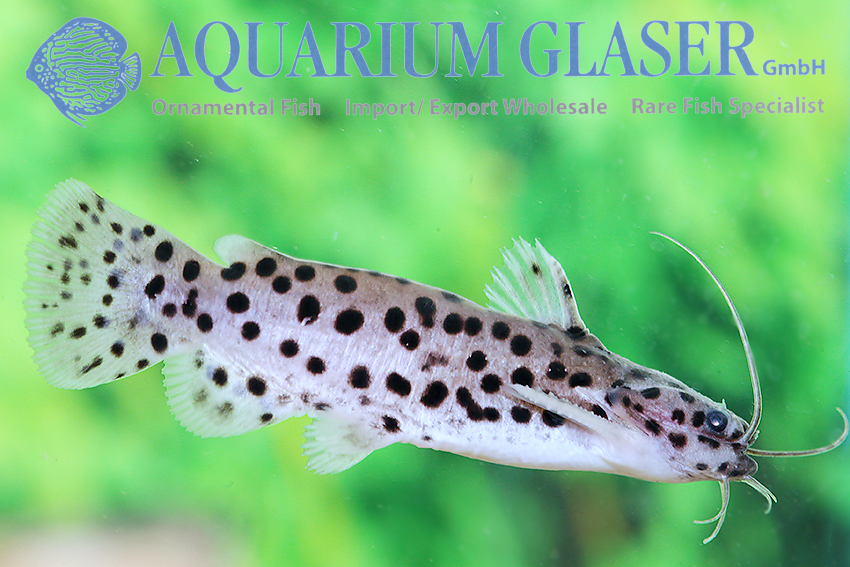
Lota lota

11. April 2025

Do you know him? When a biologist comes to the fish facility, the fish keeper says: there are 50 of them and they’re all called Lothar!

All jokes aside: Lota lota, the burbot or eelpout, is hardly ever seen alive as a juvenile fish, even by enthusiastic cold-water aquarists. It is one of the very few cod relatives that lives permanently – its entire life from egg to death – in freshwater. And the burbot – unmistakable due to its individual chin barbels – is actually a cold-water fish.

In aquarium lingo, anything that does not require additional heating in aquariums set up in living spaces is called a cold-water fish. In scientifically correct usage, species that (at least in nature) do not tolerate temperatures above 16°C, or only for a very short time, are called cold-water fish. These are surprisingly few species in the native fauna, mainly those from the salmonid family, i.e. salmon, char, trout and whitefish. Especially deep-water forms among them are extremely sensitive to higher water temperatures.

However, the burbot is not quite so super-sensitive, at least relatively small juveniles – our specimens are 15-20 cm long – prove to be adaptable. For this post, they had to be acclimatized to the 20-22°C in the photo aquarium and all three of the animals selected for this post accepted this without complaint. However, we don’t know how long such high temperatures will last. Experience with brown trout, for example, has shown that animals kept at higher temperatures (22-24°C) become leaner and leaner in the long term; their metabolism is so high at such high temperatures that they cannot eat as much as their bodies consume. We therefore generally advise against carrying out such experiments and recommend 18°C as the upper limit for the water temperature of burbot & co.

Burbot can grow to a maximum length of 150 cm and weigh 34 kg. However, the normal size is around 40 cm. It is an obligate predator. In addition to fish, juveniles also eat invertebrates, but mature burbot almost exclusively eat fish. The animals are crepuscular and nocturnal. When introducing them to dead food (fish meat, but preferably whole fish such as smelt), this should be taken into account and they should be fed in the evening. The burbot stays hidden during the day.

This striking fish is widespread in Europe and has a number of local names. In German alone there are more than five of them. In English and French it is called “burbot”, the old French “lotte” for the species was the reason for the scientific name “lota”. In large parts of Europe, the burbot is extinct or endangered, but as a species it is considered “not endangered ( = least concern)” due to its large distribution area. Our burbot come from a pond farm.

For our customers: the animals have code 852004 on our stock list. Please note that we only supply the wholesale trade.

Text & photos: Frank Schäfer
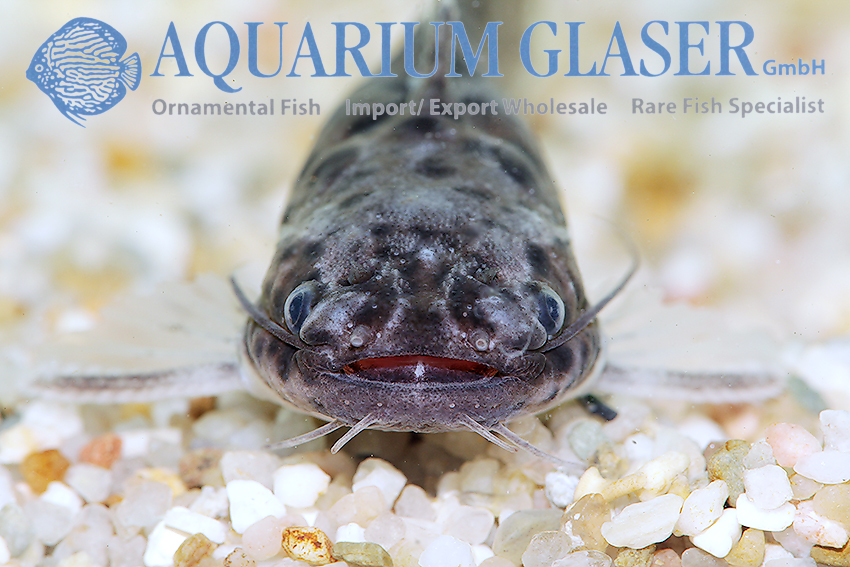
Megalamphodus erythrostigmus = Hyphessobrycon erythrostigma

11. April 2025

The regrouping of large fish families continues. After the barbs, armored catfish and cichlids, it’s now the turn of the characins. A major revision was published in September 2024, prompting us to retrain once again. Not all tetra species have been included yet, so it will certainly take a few years before the new name combinations are generally used. We are also being conservative and cautious for the time being and are waiting to see what the future brings. 

Aquarists can easily follow the reintroduction of the genus name Megalamphodus for the phantom and rosy tetras in the broadest sense. In English they are all referred to as “rosy tetras”, based on the most common species in the hobby, Megalamphodus rosaceus (formerly often referred to as Hyphessobrycon ornatus, see https://www.aquariumglaser.de/en/09-characoids-tetra-relationship/hyphessobrycon-rosaceus-ornatus-2/). Within the rosy tetras, three species are well defined, namely the bleeding hearts. There are three of them: M. erythrostigmus (https://www.aquariumglaser.de/en/09-characoids-tetra-relationship/hyphessobrycon-erythrostigma-2/), M. pyrrhonotus (https://www.aquariumglaser.de/en/09-characoids-tetra-relationship/hyphessobrycon-pyrrhonotus-2/) and M. socolofi (https://www.aquariumglaser.de/en/09-characoids-tetra-relationship/hyphessobrycon-socolofi-var-green-2/. All have a bright red shoulder spot, which has earned them the interantional name bleeding hearts.

In spring we often receive very large and fully-grown Megalamphodus erythrostigmus ( = Hyphessobrycon erythrostigma) from Peru, very magnificent fish, as is the case now. We would like to take this opportunity to point out the name changes.

For our customers: the animals have code 260107 (sh, i.e. show size) on our stocklist. Please note that we only supply the wholesale trade.

Text & photos: Frank Schäfer
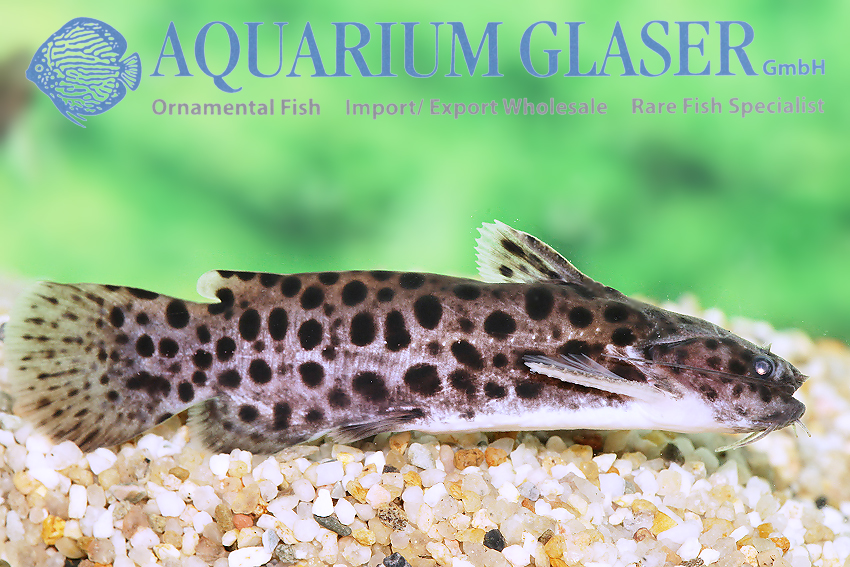
Viviparus viviparus

4. April 2025

Among the freshwater snails native to Central Europe, three species play a special role due to their considerable size (4 cm and larger): the ramshorn snail, the great pond snail and the river snail. At least in the case of the latter – the river snail – the specific article “the” river snail is actually inappropriate, as the most recent checklist of freshwater molluscs in Germany (Gloer & Zettler, 2005) lists four species (Viviparus acerosus, V. ater, V. contectus and V. viviparus). However, they are so similar to each other that only proven specialists can confidently identify them. For this reason, they have always all been referred to as “Viviparus viviparus” in the literature for hobbyists and we in the trade usually do not differentiate between the species either.

Just for your information: the animals shown here and currently offered by us belong to the species V. acerosus. The “real” V. viviparus is most easily recognized by a finger test. If the tip of the shell (the technical term is “apex”) is so pointed that it clearly stings when you press on it with your bare fingertip, it is not V. viviparus. As the mollusc specialist Dr. Vollrath Wiese (WA/BAV species protection expert for molluscs, chairman of the German Malacozoological Society) wrote to us: “The animals pictured are (…) Danube river snails Viviparus acerosus. They probably come from south-eastern Europe and are invasive neozoa in all waters in Germany except for a tiny area on the Danube (…)”.

River snails are sexually separate and breathe through gills. This distinguishes them quite clearly from the other two snails mentioned, which are lung-breathers and hermaphrodites. In addition, all Viviparus species give birth to fully developed, already quite large young, while the ramshorn and the great pond snail deposit gelatinous egg packages. The males of river snails can be recognized by the fact that they have two unequally shaped antennae; one of the two is thickened like a club. In females, both antennae are equally developed.

Viviparus are not algae eaters in the strict sense as algae are only a small part of their diet. 80% of their food is detritus, i.e. dead, decaying animal and plant remains. Viviparus are therefore very plant-friendly animals that normally do not even touch delicate plants.

We obtain our Viviparus from pond farms. They are intended exclusively for stocking garden ponds and aquariums. Please never release any animals or plants from the trade into the wild and ensure that garden pond animals cannot migrate.

For our customers: the animals have code 879603 on our stock list. Please note that we only supply the wholesale trade.

Literature: Gloer, P. & M. L. Zettler (2005): Kommentierte Artenliste der Süßwassermollusken Deutschlands. Malakologische Abhandlungen 23: 3-26

Text & photos: Frank Schäfer
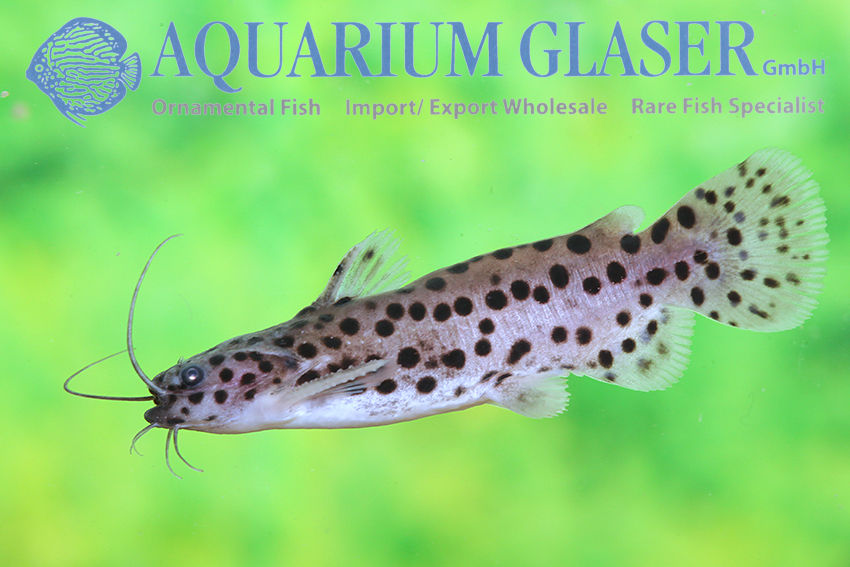
Hyphessobrycon pulchripinnis

4. April 2025

The lemon tetra, Hyphessobrycon pulchripinnis, is one of the most popular aquarium fish of all and can be found in the standard range of pet shops all over the world. As with so many everyday species, little thought is given to them, but the lemon tetra holds many secrets!

Its native habitat was unknown until 1980, although the species was described as early as 1937. The first description was based on aquarium fish imports whose origin was unknown and only vaguely stated as “probably Amazonas”. Although breeding the fish is not easy (randomly matched pairs often do not spawn, the females have to be brought to spawn at regular intervals so that the spawn remains fertile, etc.), wild catches were hardly ever made and it was not until 1980 that Gery discovered that the home of the lemon tetra is in the lower Amazon basin, more precisely in the middle and lower Tapajós between Itaituba and Jacare Acanga, as well as in streams that flow into the Rio Curua do Sol. Other authors also mention the Xingu and the Tocantins.

We have recently received wild catches of H. pulchripinnis from the Rio Cuiaba in the state of Mato Grosso (Brazil). This is an extremely rare event and gave us food for thought. As you can see from the picture of our supplier, freshly caught animals are crystal red. But in the aquarium, the animals usually discolor. This phenomenon is known from many fish species. The cause is most probably our clean aquarium water. In nature, the water is almost always cloudy due to clay or other suspended particles. The coloration of a fish cannot be controlled arbitrarily. This is done by hormones whose production is triggered by stimuli perceived by the eye (light, shade, water turbidity, color of the substrate, etc.). Although this explains very well why most fish in bright, sparsely furnished aquariums with little structure are very pale in color, it does not explain why they sometimes show bright colors after a certain period of time.

A group of “Muzel Red Cherry” tetras are swimming in one of our tanks in the show aquarium at Aquarium Glaser. They are imports from Brazil, but we assume that they were bred there. The Muzel are predominantly bright red-colored animals, but there are also some with a yellow body color. These yellow animals look very similar to lemon tetras. In the yellow Muzel tetras, the shoulder spot (= humeral spot) is also strongly pronounced, which is only very faintly visible in red Muzel tetras. All fins of both Muzel colors are bright red. This clearly distinguishes them from “true” lemon tetras, which at best have faintly orange dorsal and anal fins. The caudal fin of “true” lemon tetras is always transparent and colorless. “Bolivia Orange” lemon tetras also have this characteristic (see https://www.aquariumglaser.de/en/09-characoids-tetra-relationship/hyphessonbrycon-cf-pulchripinnis-bolivia-orange/). 

Obviously there is a whole circle of forms around H. pulchripinnis, which includes the following species/forms: 1. the “classic” H. pulchripinnis, which has been at home in aquaria since 1937 (colorless caudal fin, usually also dorsal and anal fins, anal fin with yellow and black line on the leading edge, dorsal fin also with black on the leading edge); 2. the pulchripinnis “Tapajós”, as illustrated in the Aquarium Atlas Volume 1 (cuvette photo on site), which lacks the black line at the beginning of the anal and dorsal fin; to our knowledge, this species is not represented in the hobby or is not distinguished from the “normal” lemon tetra; 3. the “Bolivia Orange”, which has existed in the hobby since around 1980 (colorless caudal fin, dorsal and anal fins bright red, black line at the front edge of the anal fin missing); 3. the “Muzel Cherry Red”, in which all fins and the body are bright red, black line on the front edge of the anal fin is missing, in the hobby since about 2021; 4. the “Muzel Yellow”, which looks like the “Muzel Cherry Red”, but with a yellow-orange body. The mystery surrounding the sometimes crystal red “normal” lemon tetras remains unexplained, of which our supplier wrote to us: “In fact I see most of the tetras from Cuiaba like this (note: red is meant), I have already received some to send to China and after a few weeks most of them lose their color, or some get a better color…. it’s a shot in the dark…”

Keeping all lemon tetras is very easy and even beginners can manage it. The up to 4.5 cm in length animals are kept in groups in well-structured aquaria, where each fish soon occupies a tiny territory. They will eat any common fish food and the temperature can be between 22 and 28°C. The water should (but does not have to) be soft and slightly acidic, then the colors are at their best.

For our customers: the “normal” captive-bred lemon tetra has code 261603, the wild-caught tetra from the Mato Grosso 261642 on our stock list. Please note that we only supply the wholesale trade.

Text: Frank Schäfer, photos: H.-J. Mayland, E. Schraml, F. Schäfer

Apistogramma psammophila

4. April 2025

The two-banded dwarf cichlid, Apistogramma diplotaenia, is one of the dream fish of many Apistogramma lovers. The species originates from the Rio Negro drainage in Brazil. Unfortunately, this fish is also one of the most demanding species of the genus and even minor carelessness – e.g. a missed water change and the resulting increase in bacterial load of the water – is very resented. 

Because of its unique coloration, A. diplotaenia was previously considered to be unmistakable until 2019 when a sibling species, A. psammophila was described from the Rio Atabapo in Colombia. In fact, it is impossible to distinguish the two species in the juvenile stage without knowledge of their origin. There is one distinct feature that differentiates A. diplotaenia and A. psammophila, and that is vertical black stripes on the belly of A. psammophila, which never occur in A. diplotaenia. Unfortunately, this stripe coloration cannot be provoked well. It is obviously only shown depending on the mood, but in which mood? Strongly stressed animals fade completely and during aggressive actions the stripes are also not visible or at most indicated. Apparently they are best seen in relaxed, rather “bored” animals. A second characteristic is the shape of the caudal fin (round in A. diplotaenia, lanceolate in A. psammophila), but this is only clearly visible in fully grown males and therefore irrelevant for juvenile determinations.

In any case we are very proud to be able to offer this precious species. For the care of this fish we recommend only experienced specialists. It seems to us that the fish, although they are still very small with 2-3 cm and just sexually mature, are extremely incompatible with each other. There are no damage fights, but constant stress seems to be enough to harm the immune system to such an extent that severe diseases occur.

For our customers: the animals have code 626632 on our stock list. Please note that we only supply wholesale.

Text & photos: Frank Schäfer
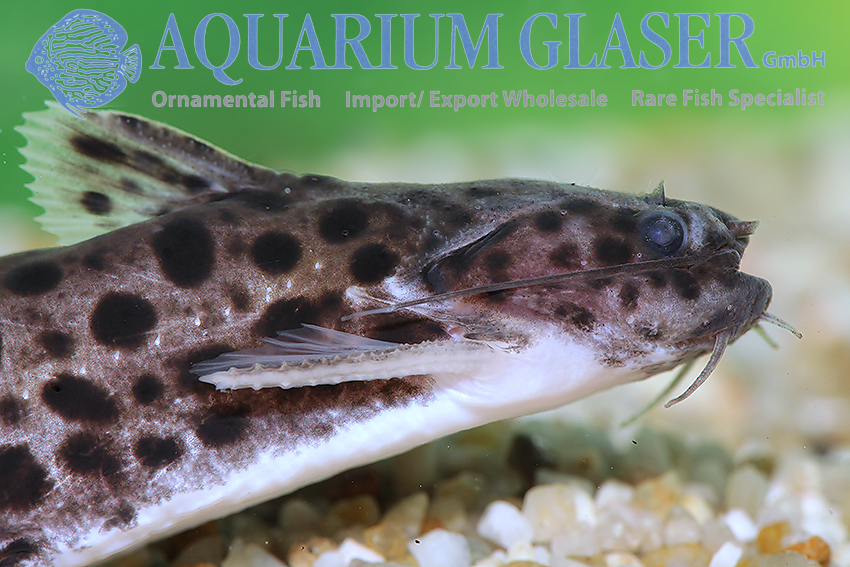
Cyprichromis leptosoma “Mpulungu”

4. April 2025

Cyprichromis and Paracyprichromis are very special mouthbrooding cichlids from Lake Tanganyika. The animals sometimes live in huge shoals and feed on small animals that they pick out of the free water column. To attract the attention of the females, the males can be very brightly colored. They do not occupy actual territories. The females, on the other hand, are as inconspicuously colored as possible and enjoy the protection of the community from predators in the shoal.

As Ad Konings emphasizes in the 4th edition of his “Tanganyika Cichlids in their Natural Habitat”, the behaviour of Cyprichromis and Paracyprichromis should not be misinterpreted to mean that these fish lead a pelagic life far from the shore in the lake (pelagic means that an organism lives in open water without any binding to structures). On the contrary: they only occur where there are rocky shores. They flee to the rocks in case of danger and this is also where their young grow up. This explains why there are so many local variants of these cichlids – similar to Tropheus and other rock-bound cichlid species. The small Cyprichromis never migrate far from their home reef. 

At present, 5 species of Cyprichromis are known: C. coloratus, C. leptosoma, C. microlepidotus, C. pavo and C. zonatus. In addition there are the probably still undescribed species C. sp. “Leptosoma Jumbo”, C. sp. “Leptosoma Kigoma”, C. sp. “Leptosoma Kitumba” and C. sp. “Kibishi”. Most of these species produce different color variants and some are – not to make it too easy – polychromatic in the male sex. This means that differently colored morphs occur within a reproductive community or site variant. The meaning of polychromatism in males of animal species – the phenomenon occurs in relatively many cichlids (especially Apistogramma), but also in birds (e.g. Gouldian finches) – is not yet understood. There are many exciting observation opportunities here.

Cyprichromis leptosoma differs from the similar, as yet undescribed species by its bright blue head roof. The species has a wide distribution in the lake. The locality Mpulungu is in Zambia. The dorsal fin coloration is characteristic of several Zambian populations. There are blue-tailed and yellow-tailed males. The maximum length of the species is less than 10 cm.

Cyprichromis are easy to care for. They should be kept in groups of 8 or more. The sex ratio is not important. More males means that the females have more rest and there is more color in the aquarium, as the females are drab brown. Cyprichromis leptosoma „Mpulungu“ is an agamous mouthbrooder in the female sex; agam means “without a fixed pair bond”. 

The water should be slightly alkaline (pH 7.5 – 8.5) and warm (around 28°C). It will eat any common ornamental fish food that fits in its mouth.

For our customers: the animals have code 519703 on our stocklist. Please note that we only supply the wholesale trade.

Text & photos: Frank Schäfer
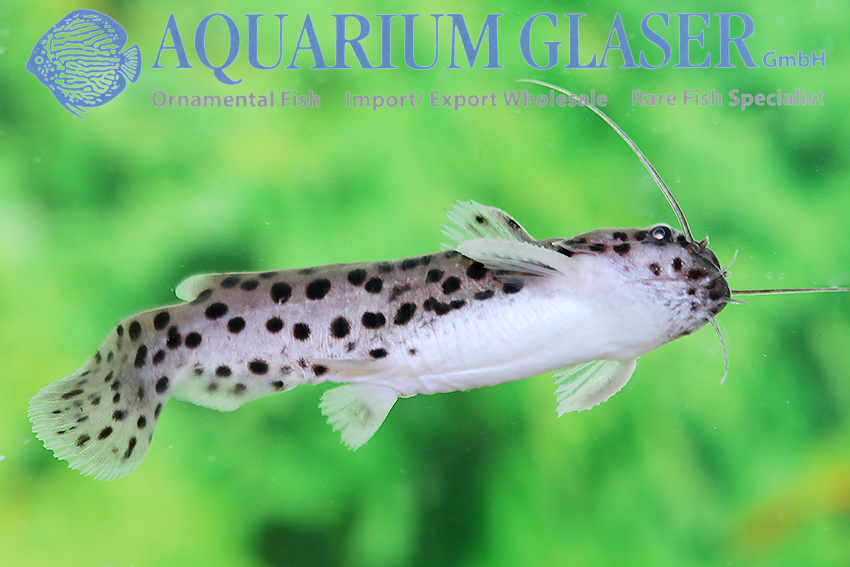
Carassius auratus – Goldfish Oranda Tricolor

4. April 2025

The breeding of certain goldfish is one of the most demanding of all breeding activities – if it is done consciously. This is because characteristics such as coloration, finning, eye and skin changes in goldfish are usually not controlled by a single gene, but by several genes. This also affects the expression, i.e. larger or smaller fins and, for example, the size and extension of the hood. The mating of two visually similar parents therefore often results in only a small proportion of young animals that really look like their parents. There are also stable inheriting goldfish, such as the black telescope, also called black demekin or black moor, but this is rather rare. After all, the characteristics of goldfish, which have resulted from spontaneous genetic changes (mutations) over the centuries of breeding, theoretically allow hundreds of different breeds to be bred. In most cases, however, it is only individual animals that deviate significantly from the familiar forms.

Tricolored goldfish – there should be red, black and white color parts on each animal – belong to the difficult breeding forms. Not because of the way they are kept – this does not differ from that of other goldfish – but because only a relatively small proportion of the fish in a brood actually become tricolored. The supply therefore barely covers the demand and this makes them somewhat more expensive than is generally the case.

Right now we can offer very pretty tricolored goldfish. They are still very small at 3-4 cm in length. Please do not put these animals, which in this case were bred in Thailand, into your garden pond in early spring. These young fish have never been exposed to temperatures below 24°C. Even though goldfish can generally cope physiologically with water temperatures between 4 and 32°C, they need to be acclimatized slowly. This is why small goldfish from foreign breeding farms must first be acclimatized in aquaria. They must not be introduced to outdoor ponds before mid-May, sometimes not until June. And please remember: ornamental fish belong in aquariums and garden ponds, but never in the wild. Please never release any animals or plants bought anywhere.

We have also made a short film about these fish, which you can watch here: https://www.youtube.com/watch?v=_gnDkdVnIlU

For our customers: the animals have code 815700 on our stocklist. Please note that we only supply the wholesale trade.

Text & photos: Frank Schäfer
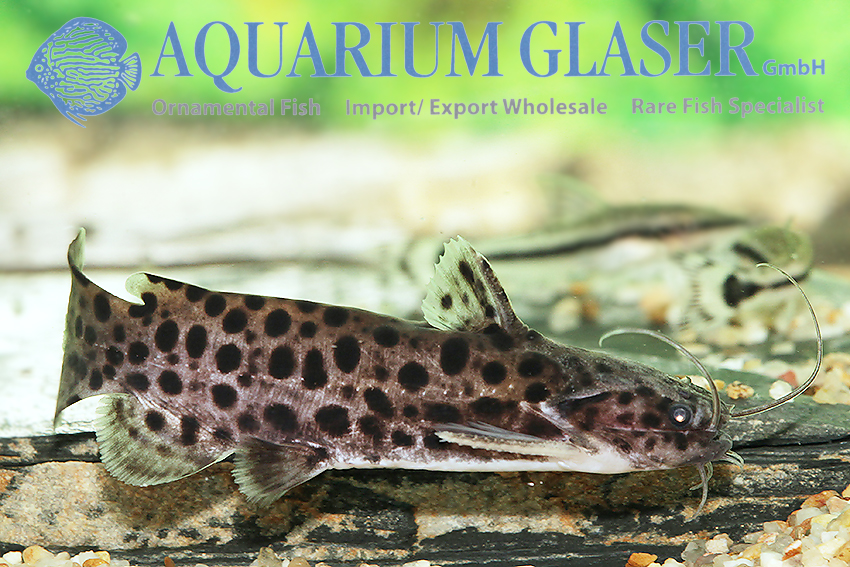
Hyphessonbrycon cf. pulchripinnis “Bolivia Orange”

1. April 2025

The lemon tetra, Hyphessobrycon pulchripinnis, is one of the most popular aquarium fish of all and can be found in the standard range of pet shops. As with so many everyday species, little thought is given to them, but the lemon tetra holds many secrets!

The ancestors of the animals that we can occasionally offer as beautiful captive-bred specimens are said to originate from Bolivia. They differ from the well-known lemon tetra (from Brazil) by their intense orange color and the absence of the otherwise typical black fin fringe in the anal fin. According to our breeder, the fish also differ in their spawning behavior. This orange lemon tetra is therefore presumably a new, undescribed species.

They are very easy to keep and can even be kept by beginners. The up to 4.5 cm long animals should be kept in groups in well-structured aquaria, where each fish soon occupies a tiny territory. They will eat any common fish food and the temperature can be between 22 and 28°C. The water should (but does not have to) be soft and slightly acidic, then the colors are at their best.

For our customers: the new animals, which we call “Orange Bolivia”, have code 261632, the classic lemon tetra 261603. Please note that we only supply the wholesale trade.

Text Frank Schäfer, Photos: Frank Schäfer and H. J. Mayland/Aqualog-Archives

Xiphophorus hellerii, cave swordtail

1. April 2025

Central America is famous for its numerous karst caves. A particularly interesting fauna has often developed in them. Perhaps the best-known cave fish in Mexico is the blind cave tetra (Astyanax jordani or Anoptichthys jordani, see https://www.aquariumglaser.de/en/fisharchive/blind-cave-tetras/). As with many cavefish, its eyes are severely atrophied. However, there are four underground lakes in the home cave of the blind cave tetra. In the lake that is closest to the cave entrance and into which some light still enters, the animals still have eyes. The deeper the various lakes inside the cave, the more atrophied the tetra’s eyes become. The completely blind form, which has been bred in the aquarium since 1936, comes from the rearmost of the four cave lakes.

Among the livebearing toothcarps, only the Atlantic molly (Poecilia mexicana) was previously known to develop cave forms. These animals are usually pale pink in color and have small but functional eyes. 

The conversion of a karst cave in the Central American state of Guatemala into a large disco led to the discovery of a previously unknown cave population of the swordtail, Xiphophorus hellerii. The interesting thing is that the fish actively migrated from small underground streams into the area of the dance hall, where there is a larger fountain with a water feature that is fed by these same streams. While the cave swordtails living in the streams are snow-white – including the sword of the males – the animals that have migrated into the illuminated part already show hints of color, mostly delicate red tones and some black longitudinal banding. All cave swordtails, both those living in the streams and those in the disco pond, have blue eyes. The very latest development is that there are now occasional animals that are bright red in color on large parts of their body on a snow-white ground coloration. Researchers attribute this to the light spectra of the disco ball on the cave ceiling. It is also fascinating to see how the disco cave swordtails feed. While the stream population feeds on bat droppings, the disco pond swordtails have switched to olives from martinis and peanut flips thrown into the pond by disco visitors.

We have now received offspring of these fascinating animals for the first time.

For our customers: The fish have 471105 on our stock list. Please note that we only supply the wholesale trade.

Text & photos. Frank Schäfer

Poecilocharax weitzmani

28. March 2025

Of course, this fish is anything but a novelty and has been imported in relatively large numbers for many years. But isn’t it beautiful? This small animal is an ideal companion for the cardinal tetra (Paracheirodon axelrodi), with which it also occurs in the wild. Poecilocharax weitzmani grows to 3-4 cm and is relatively widespread in the upper Amazon and upper Orinoco. It is found in Colombia, Venezuela, Brazil and Peru. Despite its large mouth, it is a peaceful fish. 

However, P. weitzmani is a truly special characin, as – in contrast to most other characin relatives – it is a cave breeder with brood care. In the aquarium, the males occupy hollow pieces of bamboo as breeding grounds and guard the spawn there until the young hatch. However, breeding is not easy, because in order for the spawn to develop well, you need water values similar to those in nature: hardness practically undetectable and pH around 4.5-5. You need some experience to keep such water stable over a longer period of time. It is therefore not advisable to aim for such water values for normal keeping. Just as with the cardinal tetra, the adaptability to water values as they come out of the tap in Central Europe is very good. Even in such water, the small fish reach an age that is 5-10 times longer than in the wild.

We can currently offer P. weitzmani from Colombia and Brazil. Basically, we can’t see any visual differences between the two local forms, but the Brazilian specimens are currently much larger, almost fully grown. And among them are a few (1-2 animals per 500 specimens) male individuals with a brilliant red coloration that we have not (consciously) seen before. So far, P. weitzmani has only been bred by specialists interested in behavioral studies due to its abundance and the resulting low price; breeding is not economically worthwhile. It is possible that this will change now that this magnificent variety has become known.

There are observations from aquarists that describe P. weitzmani as shy. This does not correspond with our observations. The animals photographed, for example, were imported only a few days ago and already present themselves as if they had been born there in the very sparsely furnished photo tank with a few pieces of wood and leaves. With regard to all care factors (food, temperature, lighting, furnishings), please refer to the extensive literature on cardinal tetra. P. weitzmani does not have any significantly different requirements with the exception of the aforementioned spawning caves.

For our customers: the animals have code 281004 (md-lg) and 281005 (lg-xlg) on our stocklist. Please note that we only supply the wholesale trade.

Text & Photos: Frank Schäfer

Farlowella hahni

28. March 2025

The needle catfish (Farlowella) are whimsical representatives of the loricariid catfishes (Loricariidae), reminiscent of sticks. They graze on fine growth with their typical sucking mouth. They are usually common animals in the wild, which is why they attracted the attention of scientists early on. The first species was described in 1853 (F. acus), the last for the time being in 2023 (F. wuyjugu). All in all, 51 described species are currently assigned to this genus. How many of these are valid, however, is disputed. This is due to the fact that many Farlowella species look quite generalized. The measurements used to distinguish species – e.g. length of the snout process (rostrum) in the body length and the like – often prove to be inapplicable. These things are too variable, as we know today. That is why publications about Farlowella are very often accompanied by question marks regarding the naming of the species. This applies to both scientific and, to an even greater extent, popular publications. Farlowella species usually grow to a length of 12-18 cm.

From time to time we receive very attractive Farlowella from Paraguay. There are five species in the region (characterized by the large rivers Paraná and Paraguay): F. jauruensis, F. hahni, F. isbruckeri, F. paraguayensis and F. azpelicuetae. The first species (F. jauruensis) has a pattern of markings that is clearly different from all other species. Viewed from above, the rostrum is dark colored (vs. light or with a reticulated pattern). This species, previously only known from the upper reaches of the Rio Paraguay, is therefore by no means identical to our species. The pattern on the caudal fin of our imports is particularly striking and typical of the species. The upper caudal fin lobe is either completely dark or at least half dark in color. The dark coloration continues into the base of the lower caudal fin lobe. This excludes F. azpelicuetae and F. isbruckeri, which only have two dark stripes in the upper and lower half of the caudal fin. Our imports differ from F. paraguayensis by the clearly and strongly pronounced net pattern in the head area (missing in F. paraguayensis). The only remaining possibilities are therefore that our fish are F. hahni or an as yet undescribed species. 

Species identification is not unimportant for two reasons: firstly, the care conditions of a southern species from the Paraná-Paraguay region differ in terms of seasonal temperature development – it can be quite cool here at times. And secondly, you need to be sure which species characteristics need to be taken into account when putting together breeding groups.

Otherwise, the various Farlowella species hardly differ in their care requirements. They require clean water with as few germs as possible and a good current, while the hardness and pH value are irrelevant for their care. The greatest difficulty in keeping Farlowella species lies in feeding them sufficiently. They are slow eaters that must not have any food competition in the aquarium. The growth – i.e. fine algae and the small creatures it contains – is not sufficient to feed them under aquarium conditions. Nevertheless, as much dead wood, dead leaves, reed and bamboo stems etc. as possible should be introduced into a Farlowella aquarium. Farlowella will not swim unnecessarily, so it is not important to ensure that there is free swimming space. On the other hand, the somewhat stiff and clumsy animals can become hopelessly entangled in filamentous algae or dense tufts of aquatic plants. This should therefore not be allowed in the Farlowella aquarium. Food tablets are an excellent basic food, along with fine frozen food (e.g. Cyclops) or Artemia. Vegetable pieces (zucchini is well suited, not so well potatoes or carrots. They contain a lot of sugar and quickly spoil the water) and crushed frozen peas complete the food plan. If everything goes well, breeding Farlowella is not very difficult. Like Sturisoma and Sturisomatichthys, they spawn on open surfaces (preferably an aquarium pane), the male guards the spawn until the fry hatch. The sexes of Farlowella are not easy to distinguish. The females are fuller, old males develop bristles (odontodes) on the rostrum.

For our customers: the animals have code 253662 on our stocklist. Please note that we only supply the wholesale trade.

Text & photos: Frank Schäfer
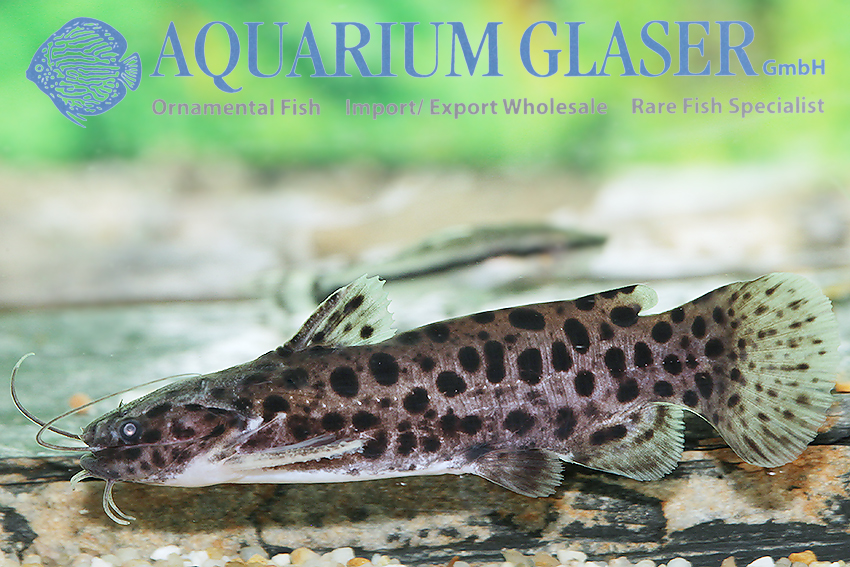
Gobio gobio, gudgeon

28. March 2025

The gudgeon, Gobio gobio, is one of the smallest native fish. It usually grows to 8-12 cm, rarely over 15 cm long. The record is said to be 21 cm, but such giants are as rare as people over 2.20 m long. Because of its small size and pretty colouring (compared to the mostly silvery other native species) it has been kept in aquariums since the beginning of aquarium science, where it thrives very well. The water temperature can be in the range of 15-25°C, which can be easily realized in living rooms even today, avoiding long lasting temperatures above 22°C and aiming for a cool hibernation at around 8°C and 6-8 hours of light.
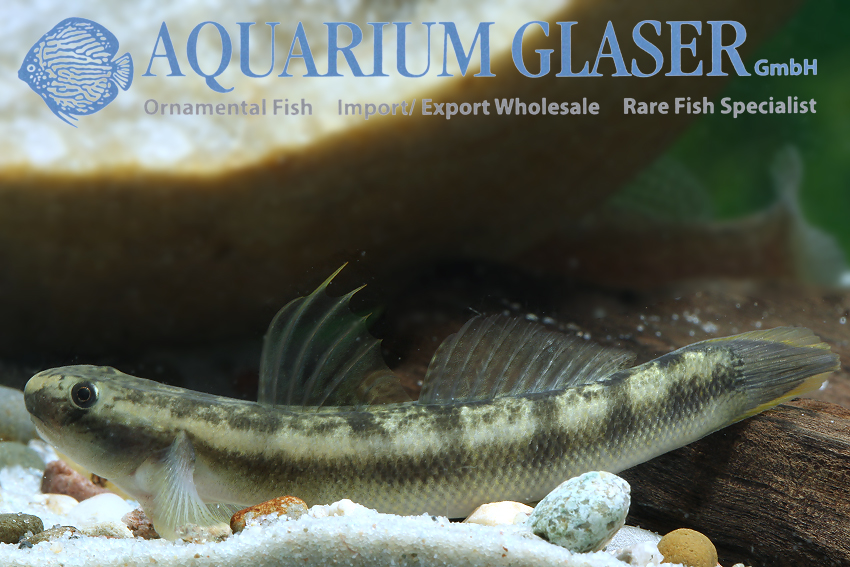
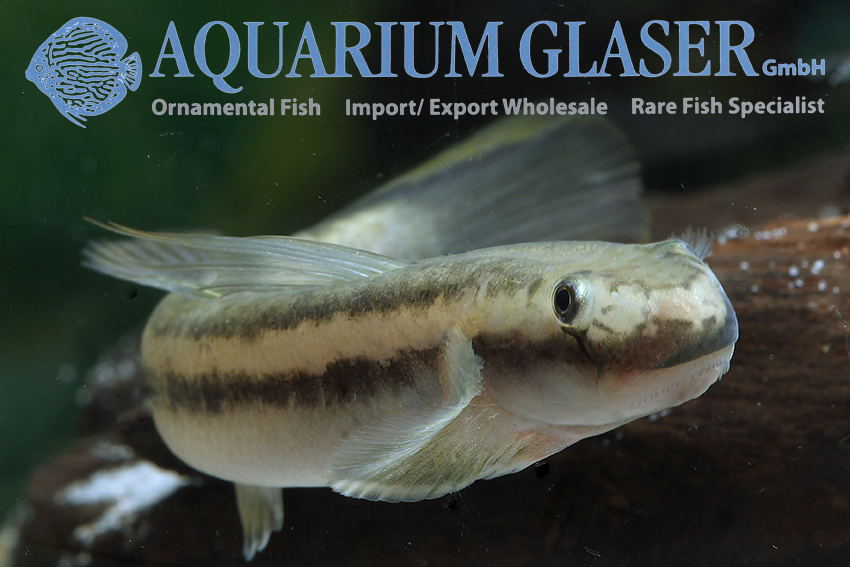
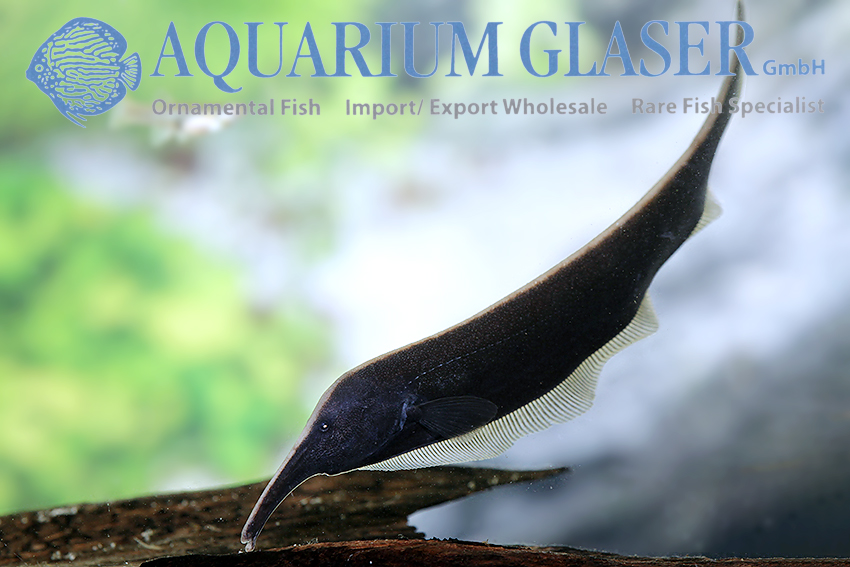
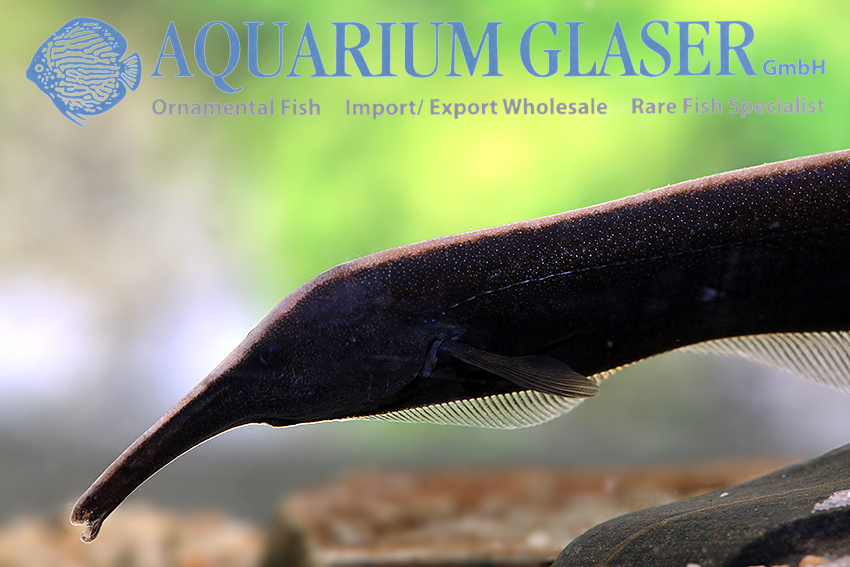
The gudgeon is a bottom fish that likes to swim in a troop with its own kind and is completely peaceful against other fish. It needs open bottom areas of sand and gravel where it looks for its food, which consists of small animals of all kinds (in the aquarium any usual fish food that sinks to the bottom). Vegetable food does not play a big role and is rather accidentally included. In nature, gudgeons are mainly found in clear, often flowing water. The aquarium should therefore be well maintained and have only a little mulm on the bottom.

The gudgeon is only suitable for the garden pond if it fulfils its requirements for clear, clean water and free ground surfaces with sand and gravel. The gudgeon cannot live in fully grown swamp ponds.

Gudgeons spawn in gravel; they do not care for their brood.

For our customers: the animals have code 819503 on our stocklist. Please note that we only supply the wholesale trade.

Text & photos: Frank Schäfer