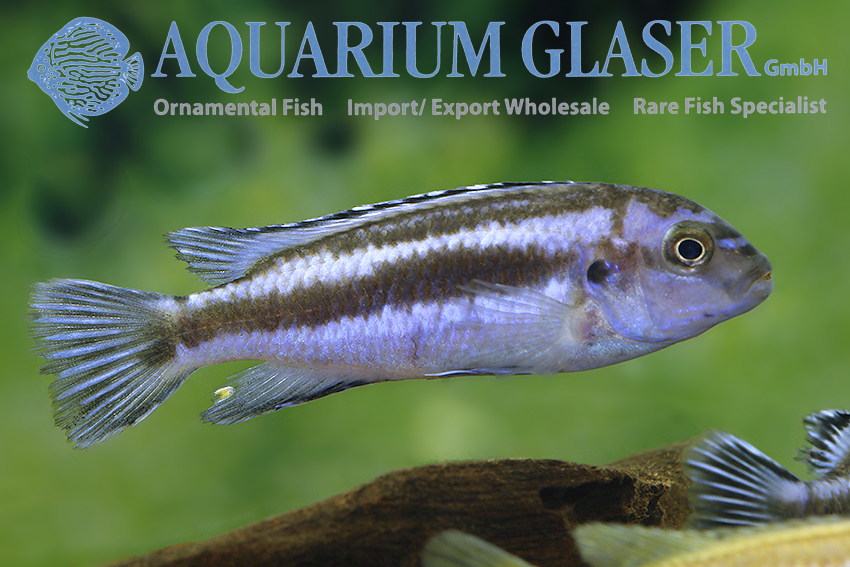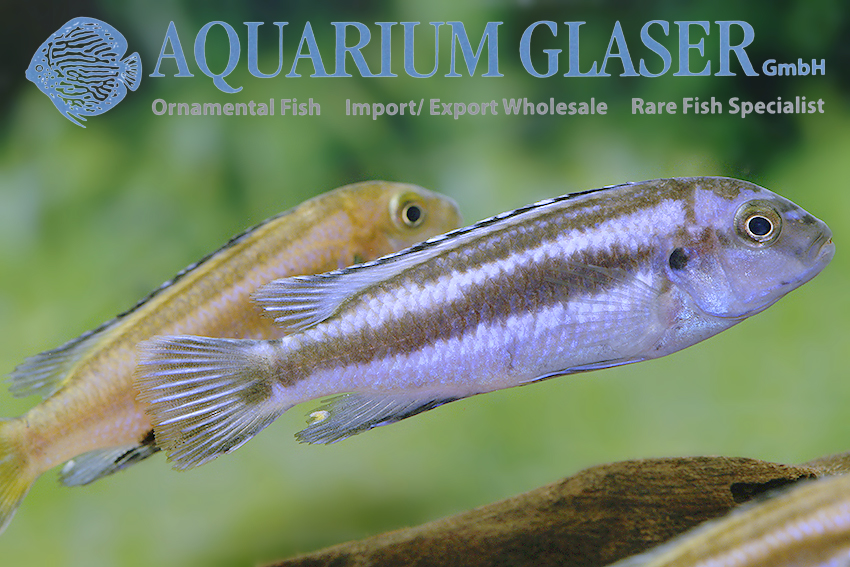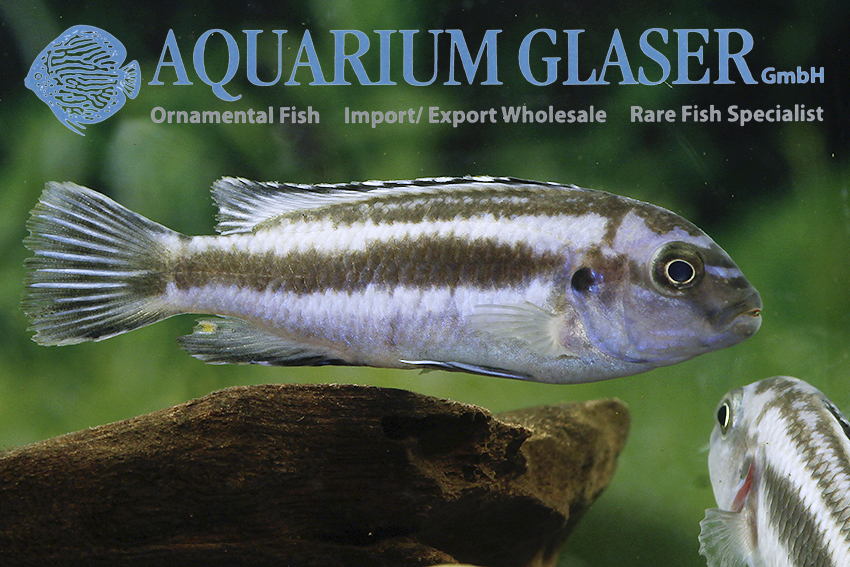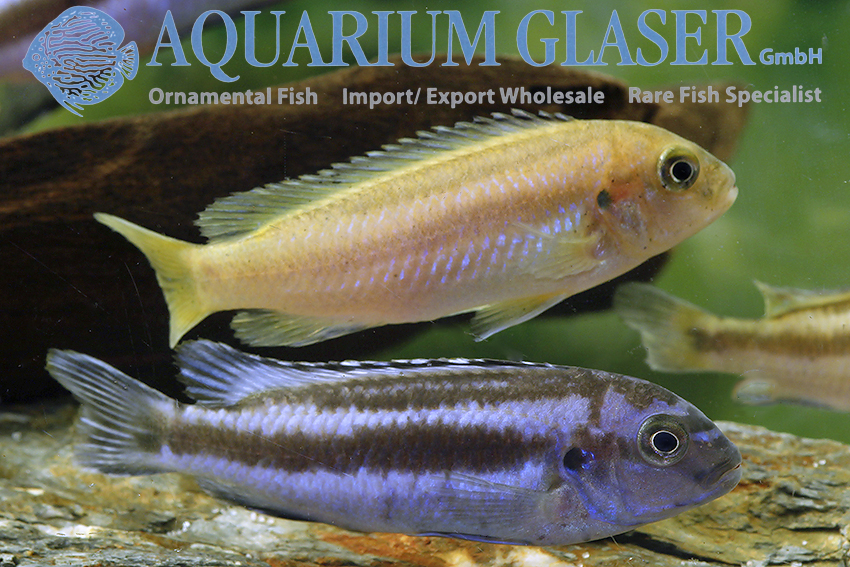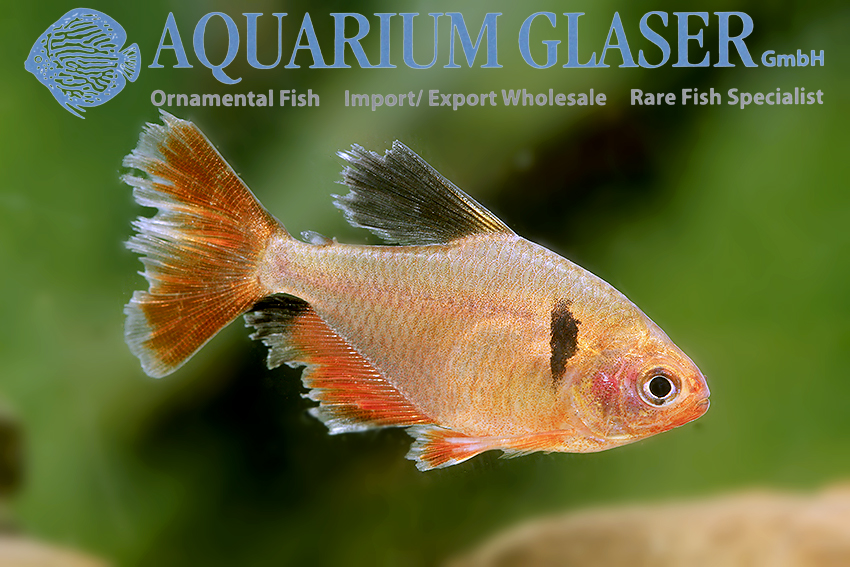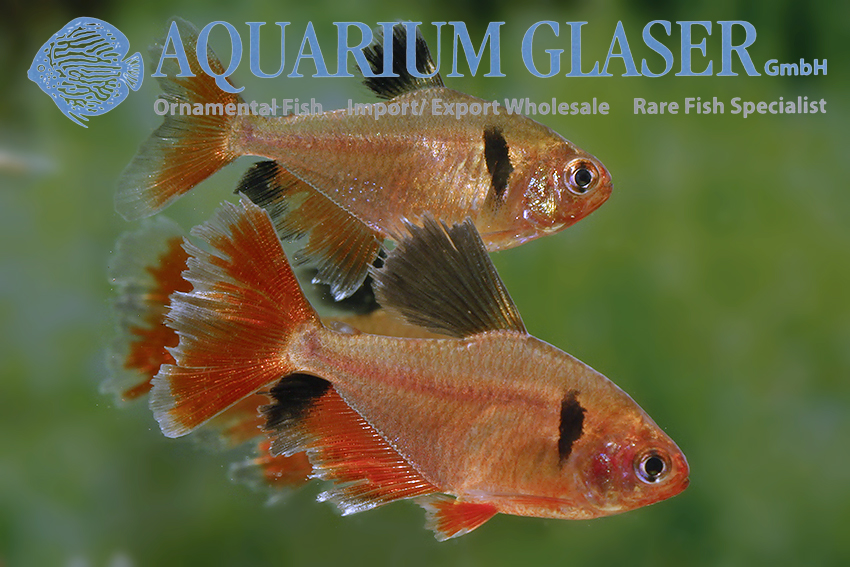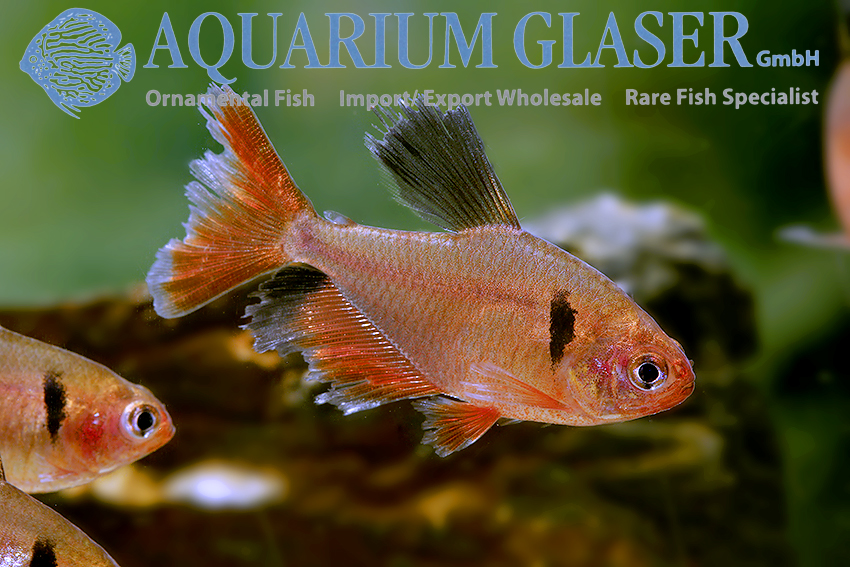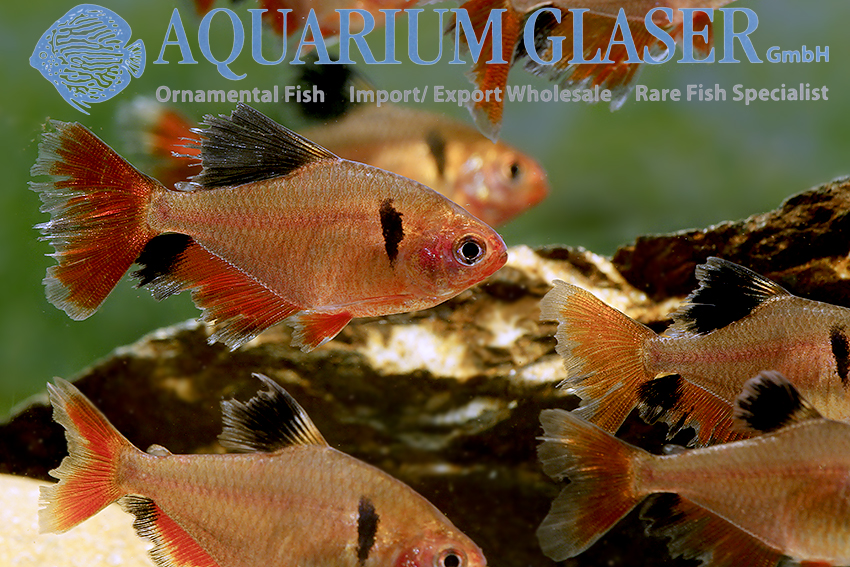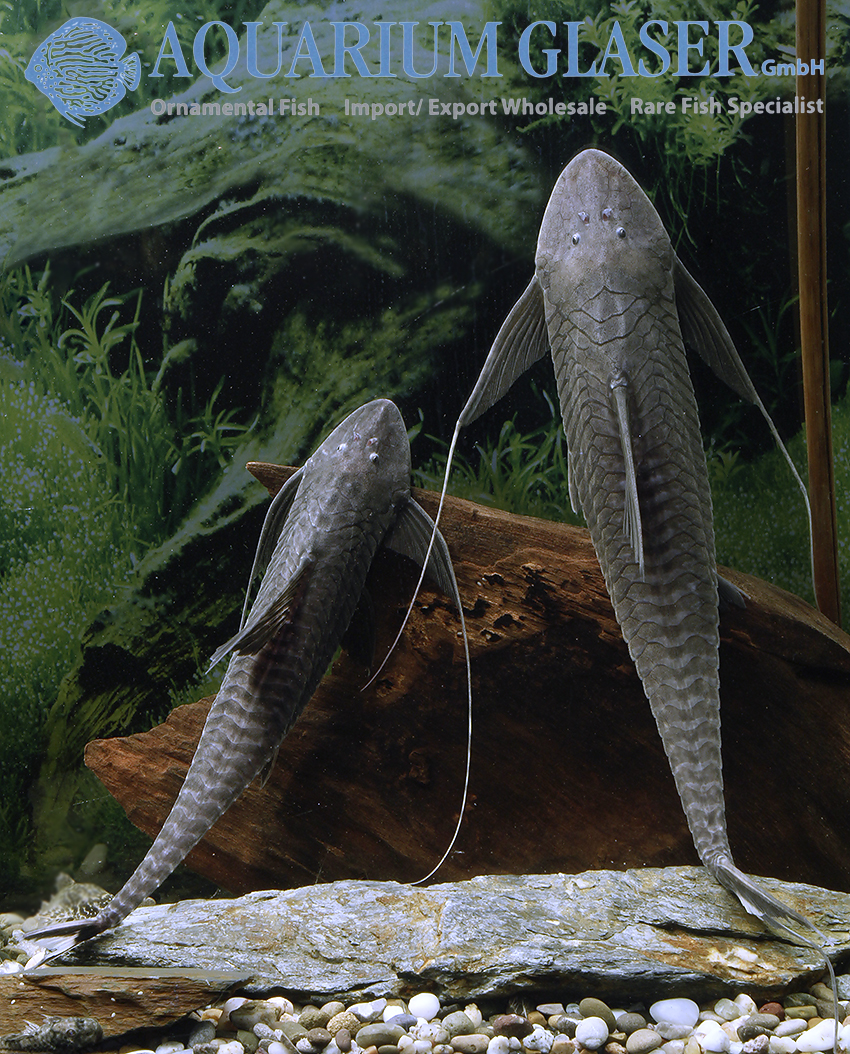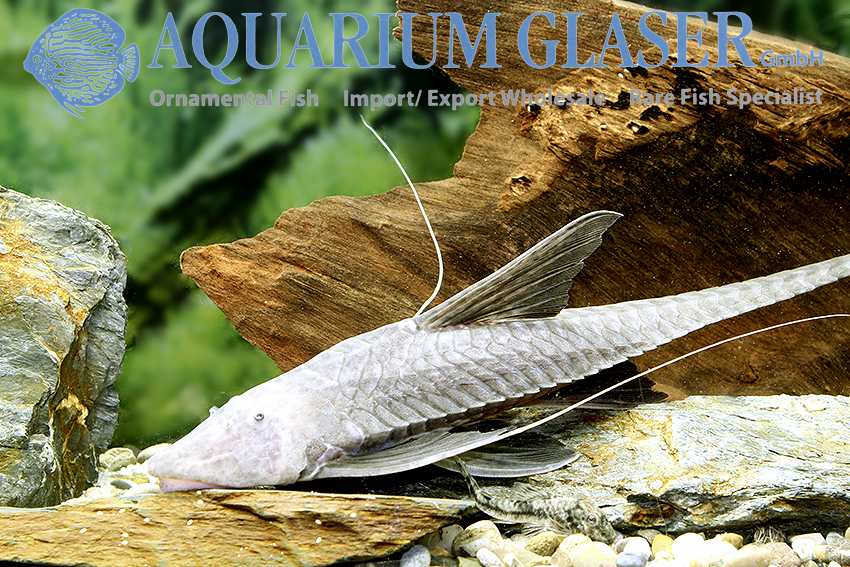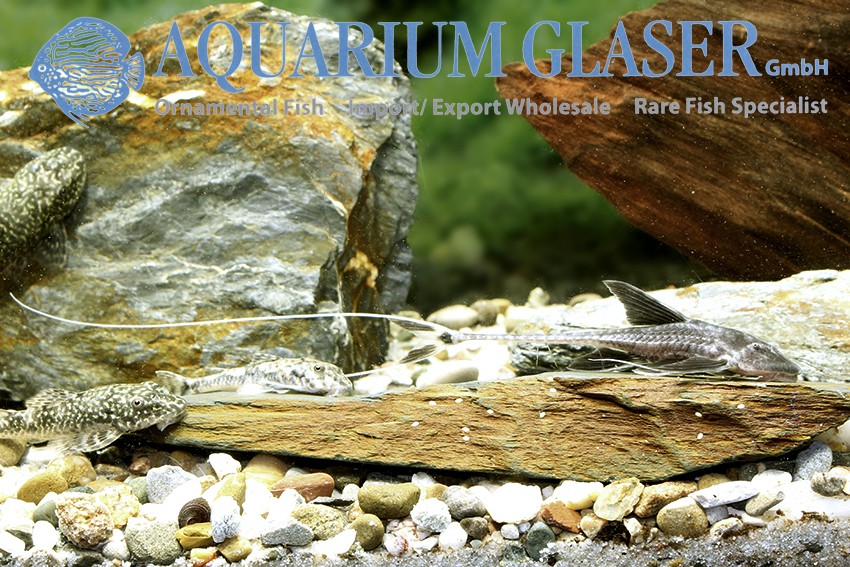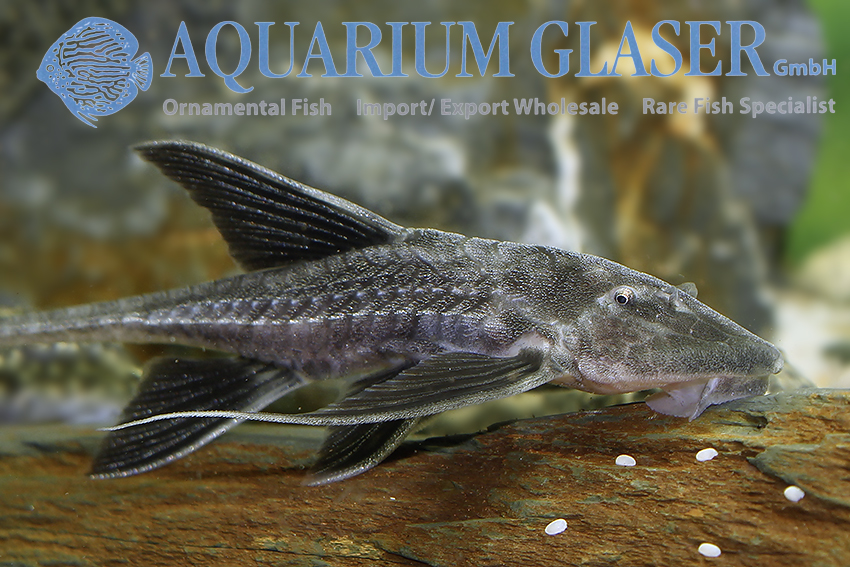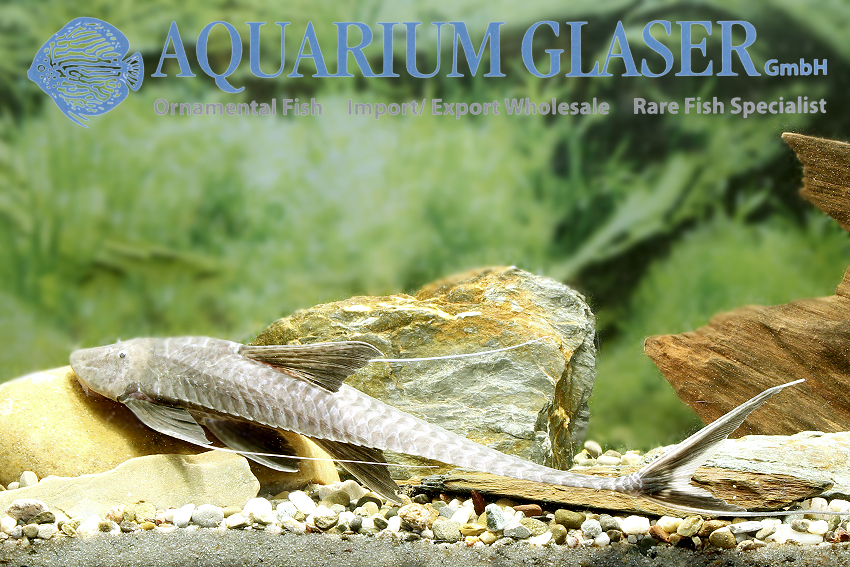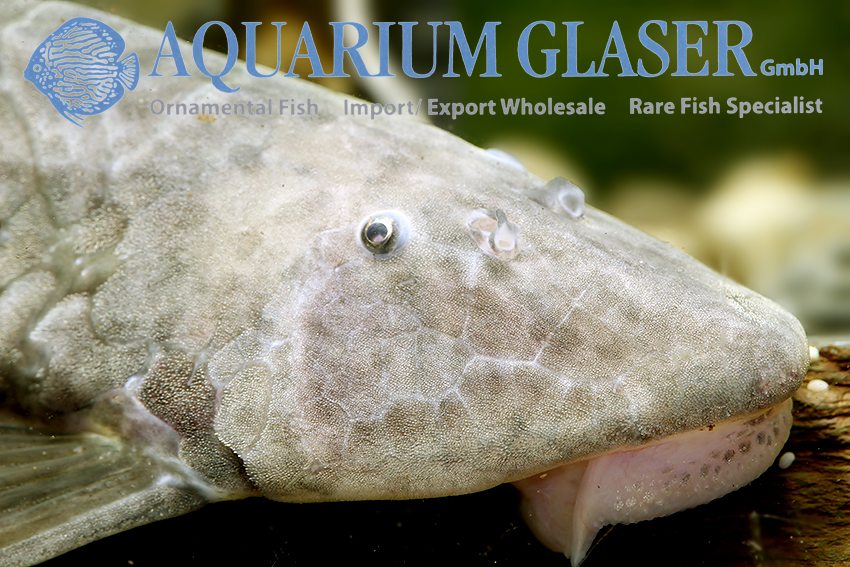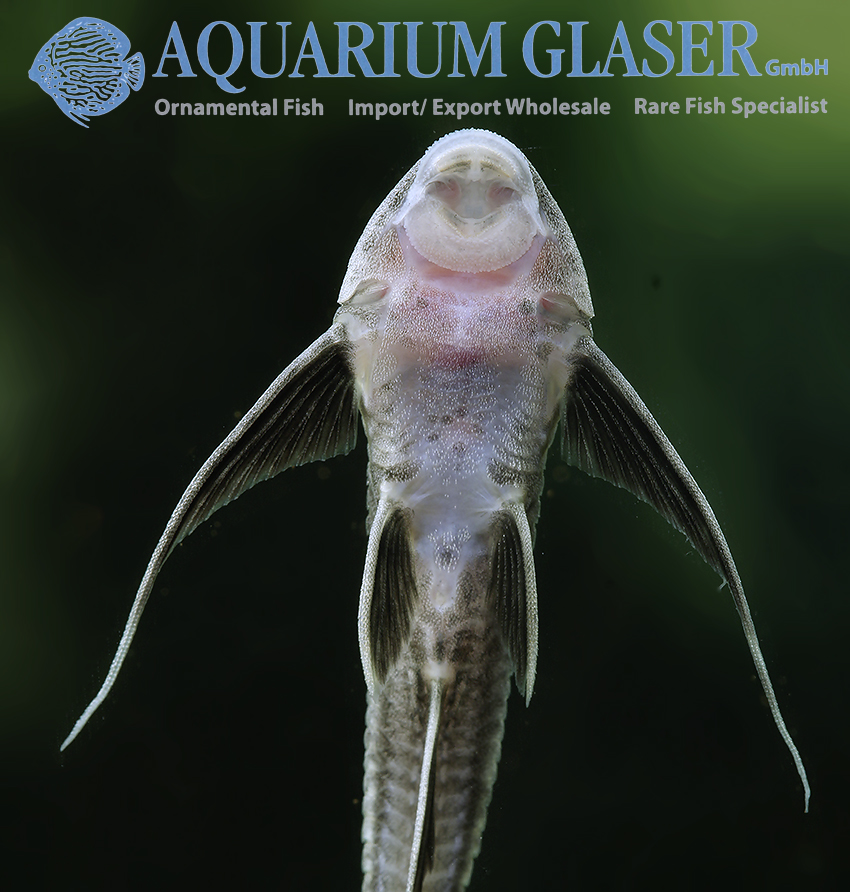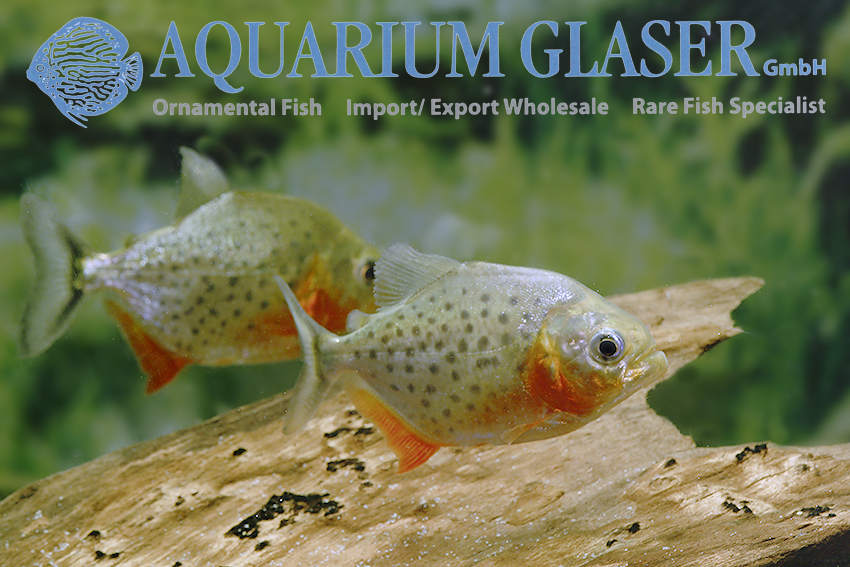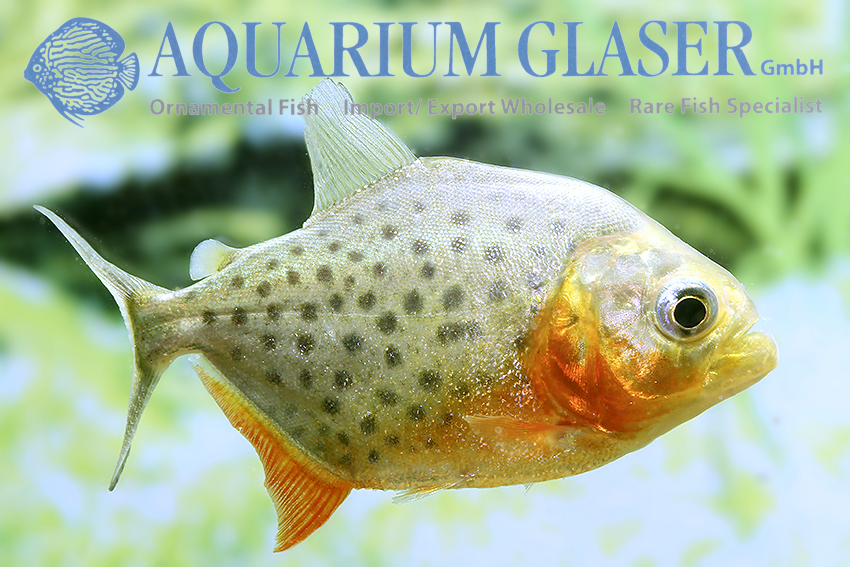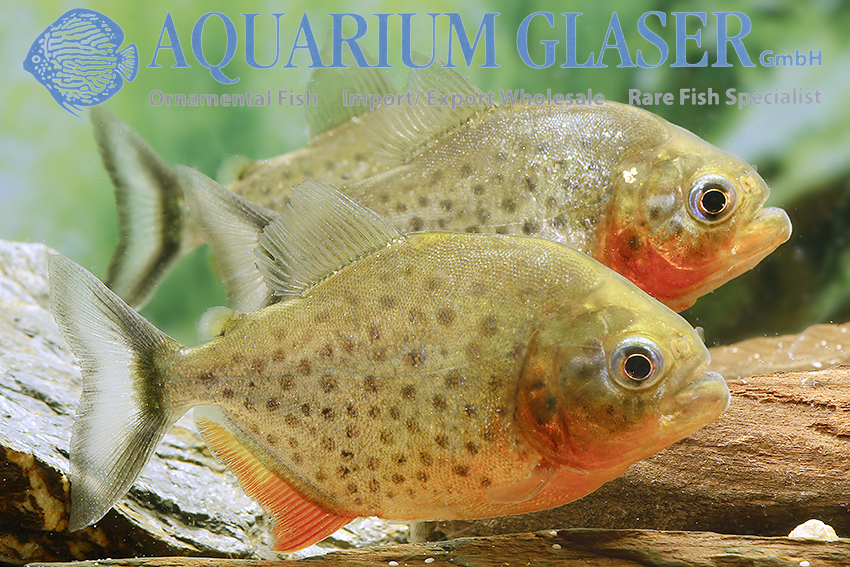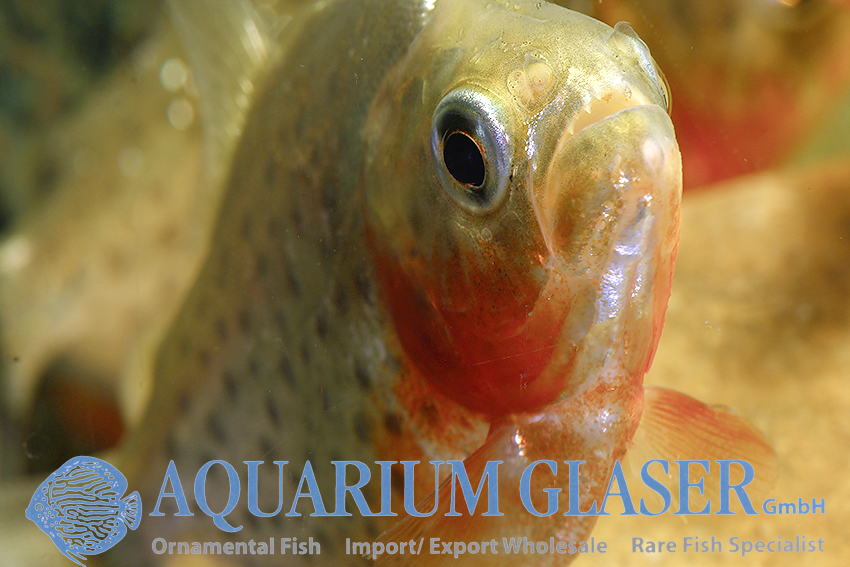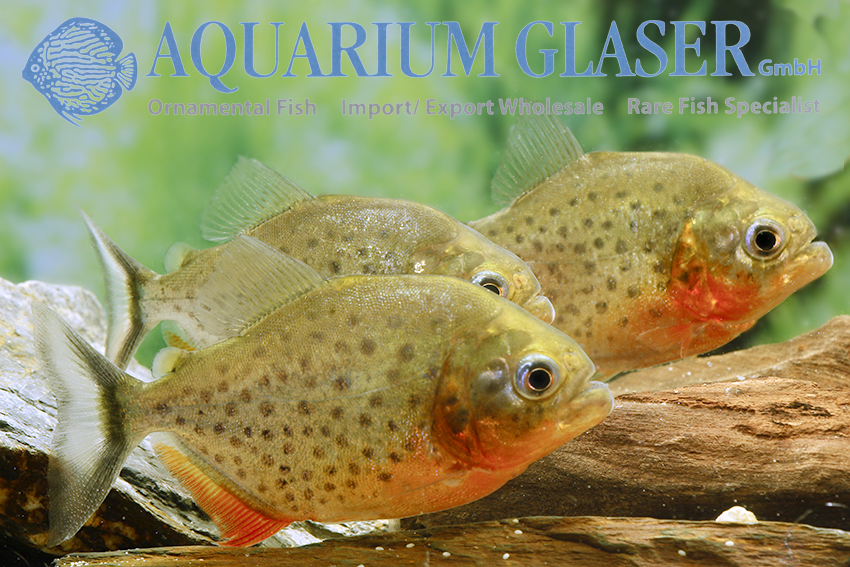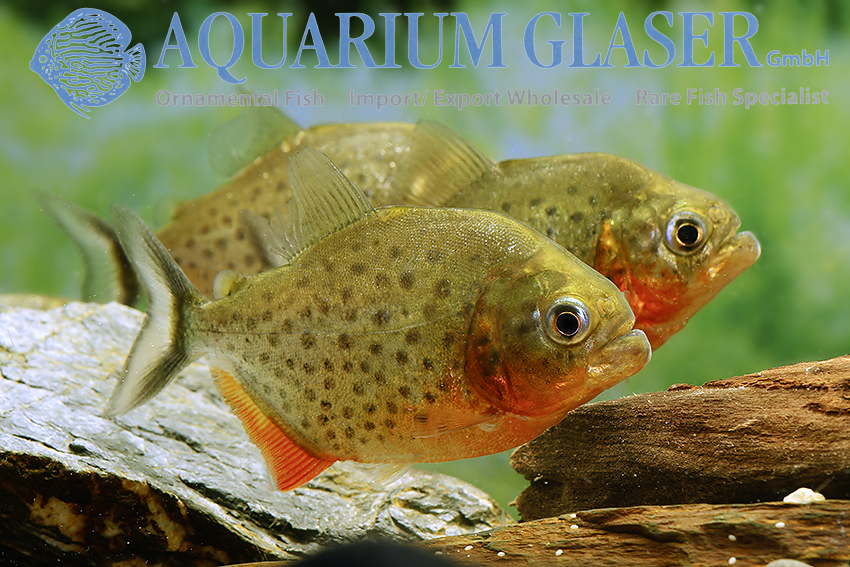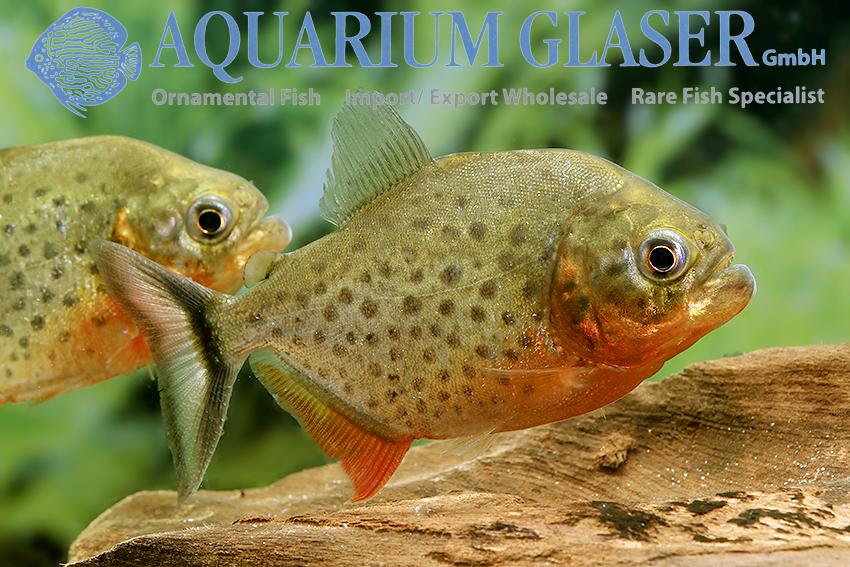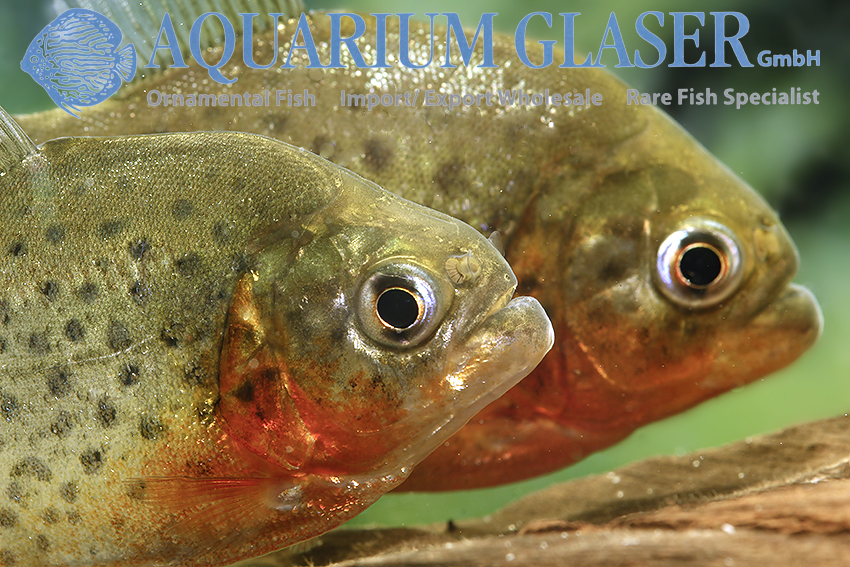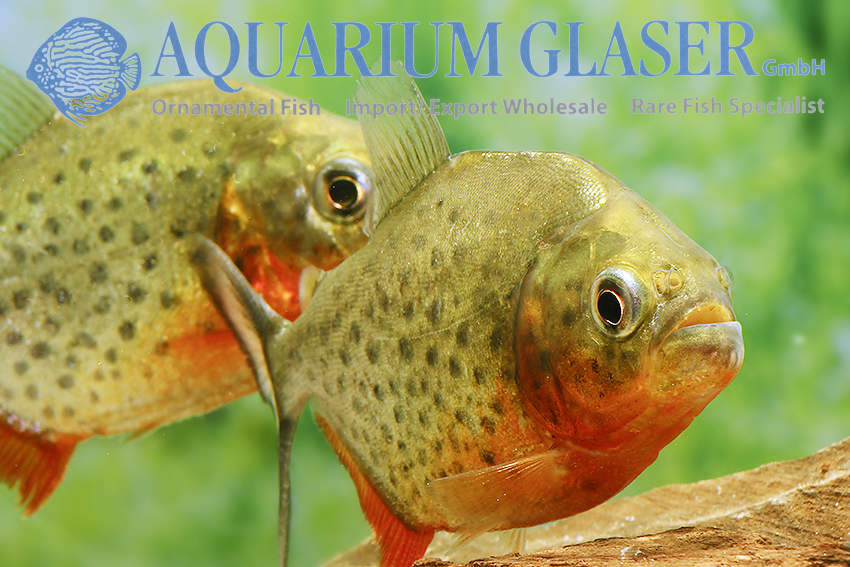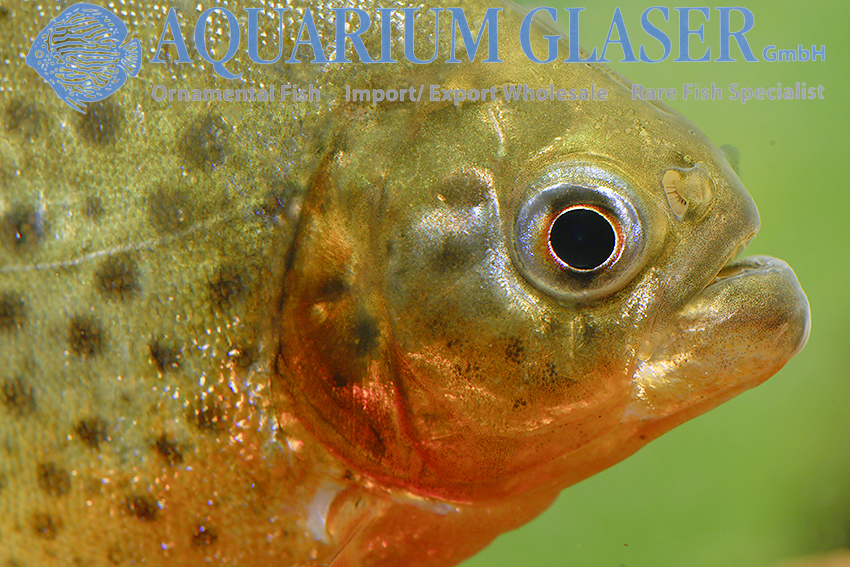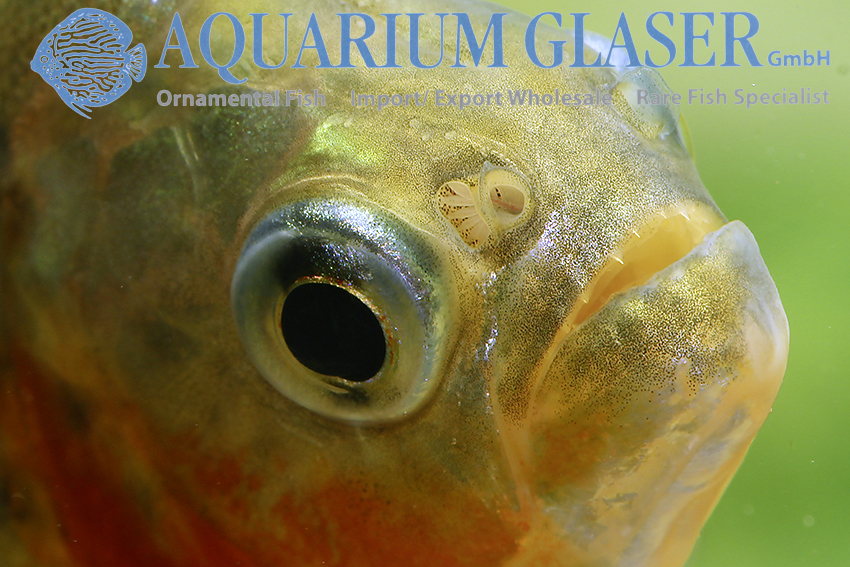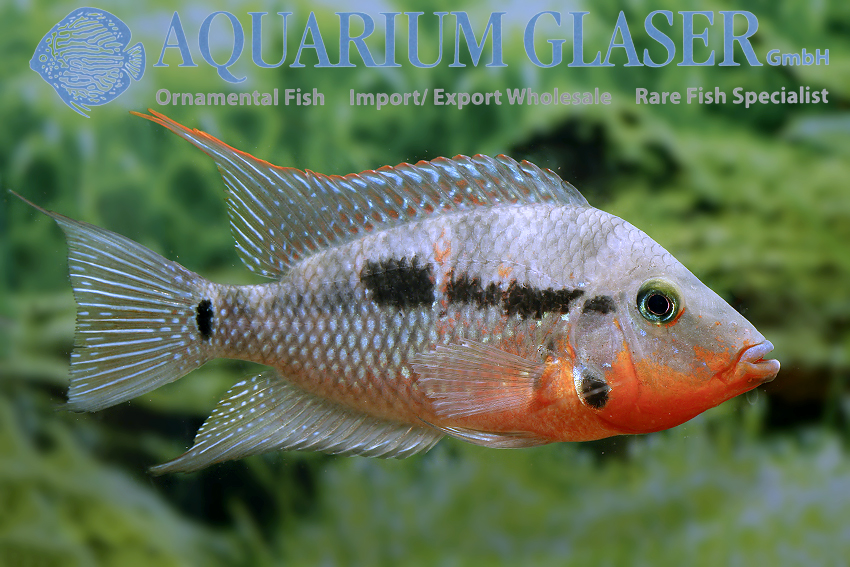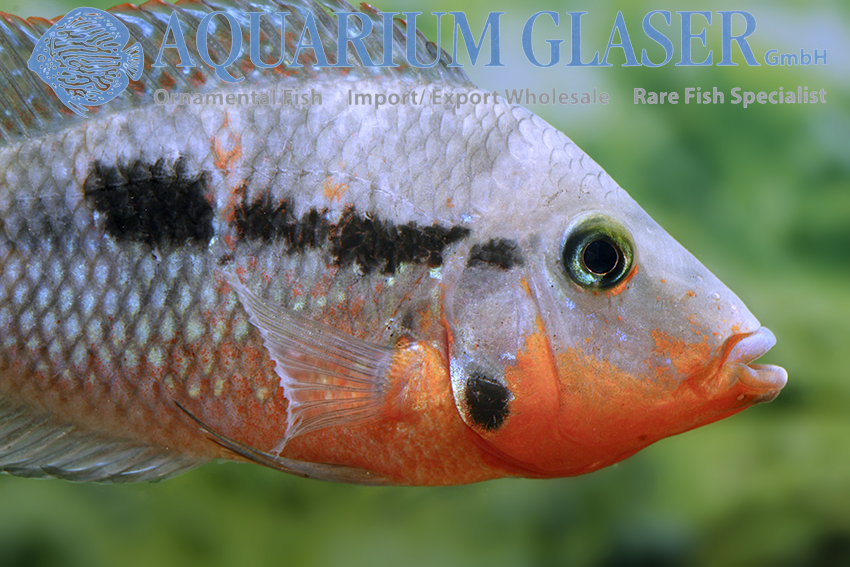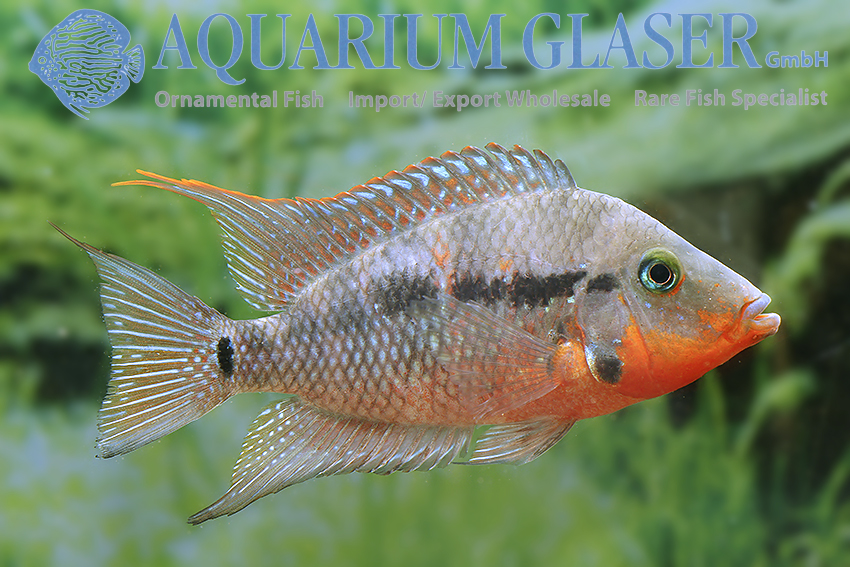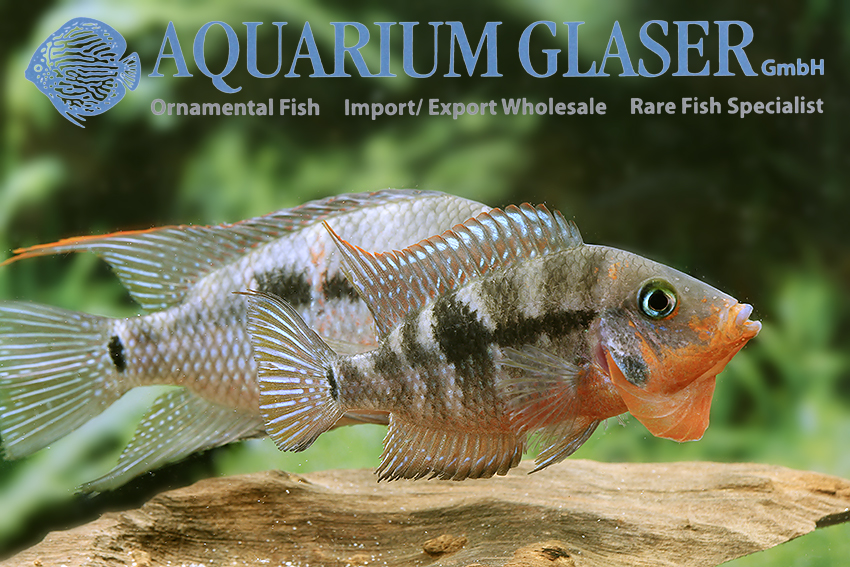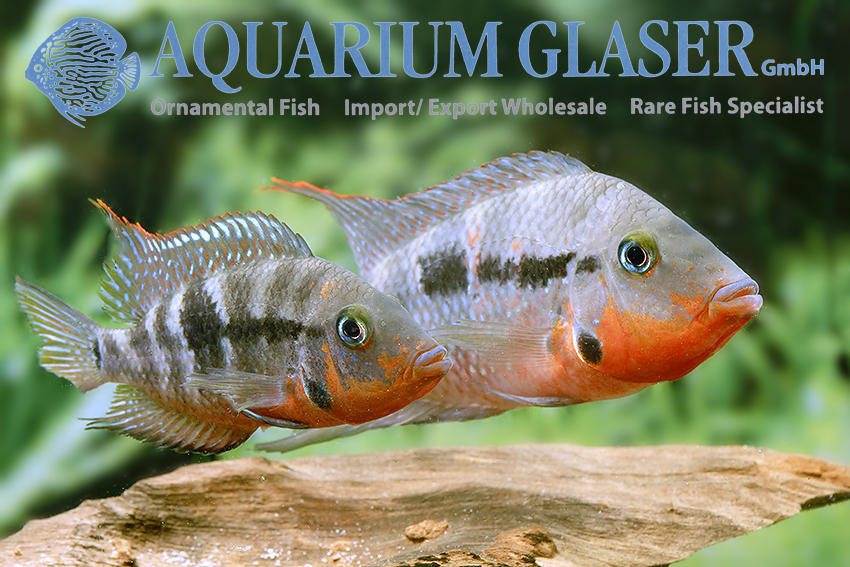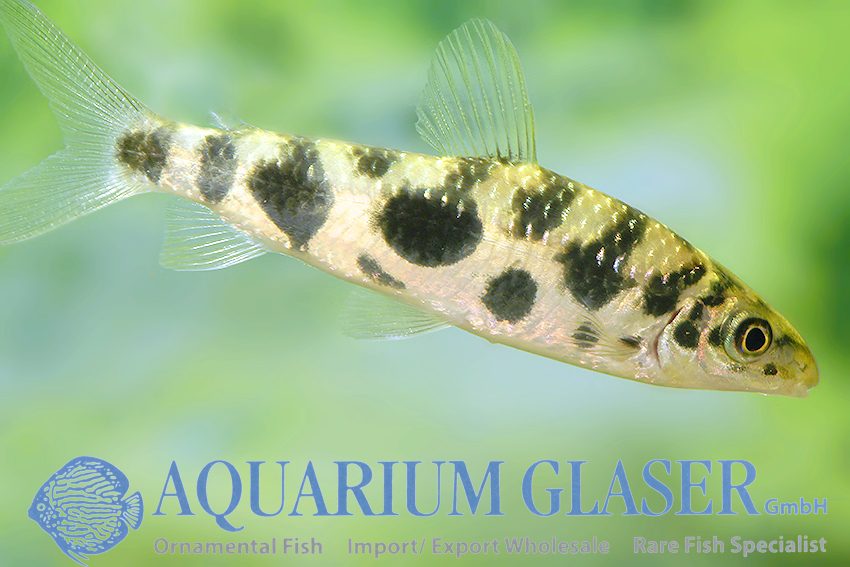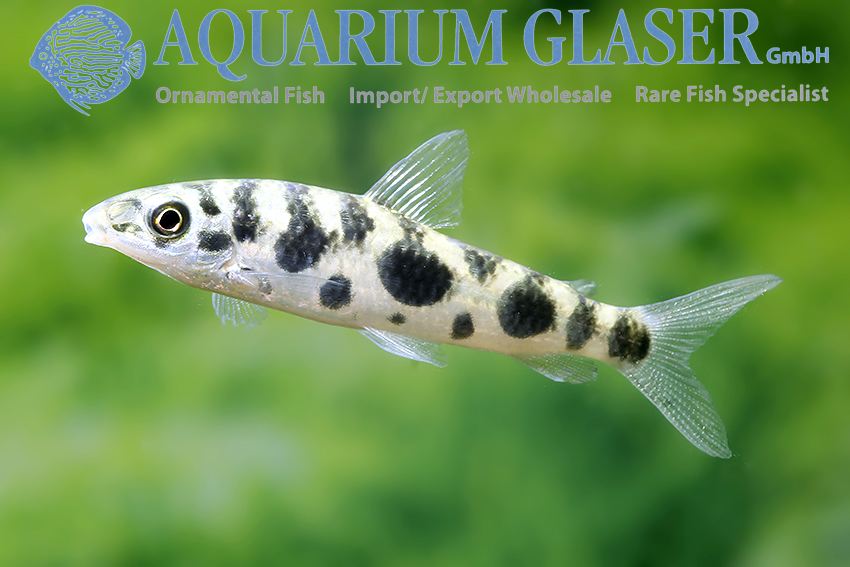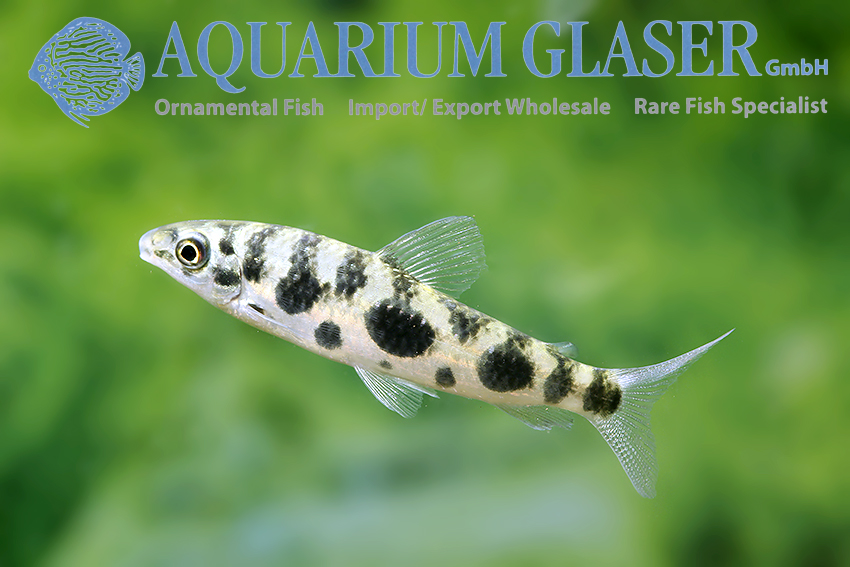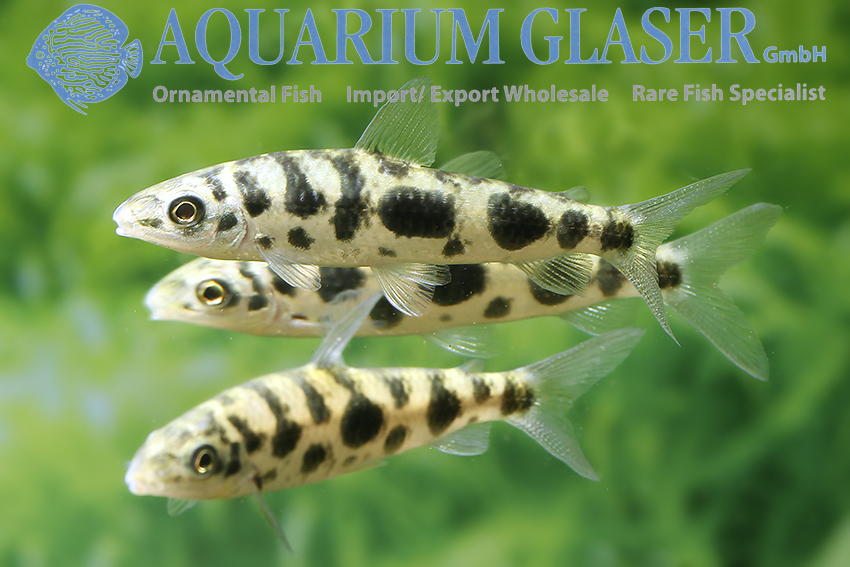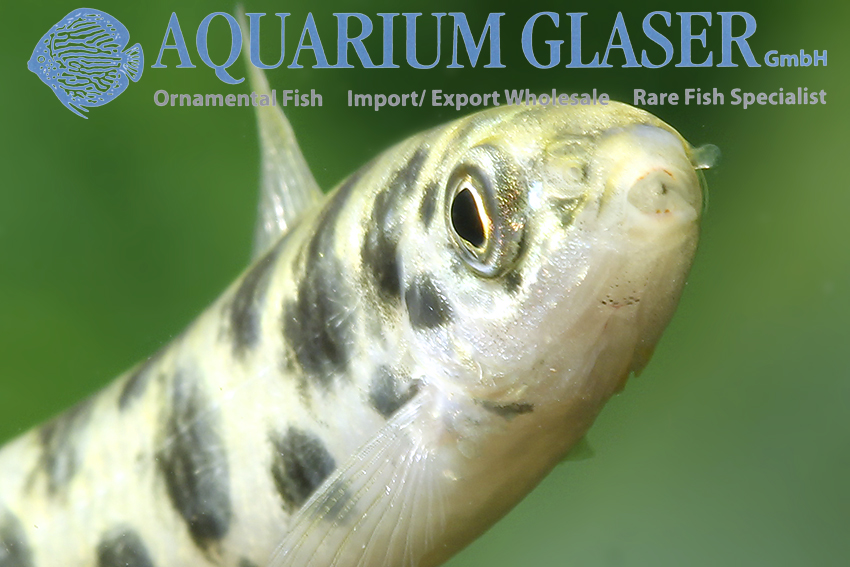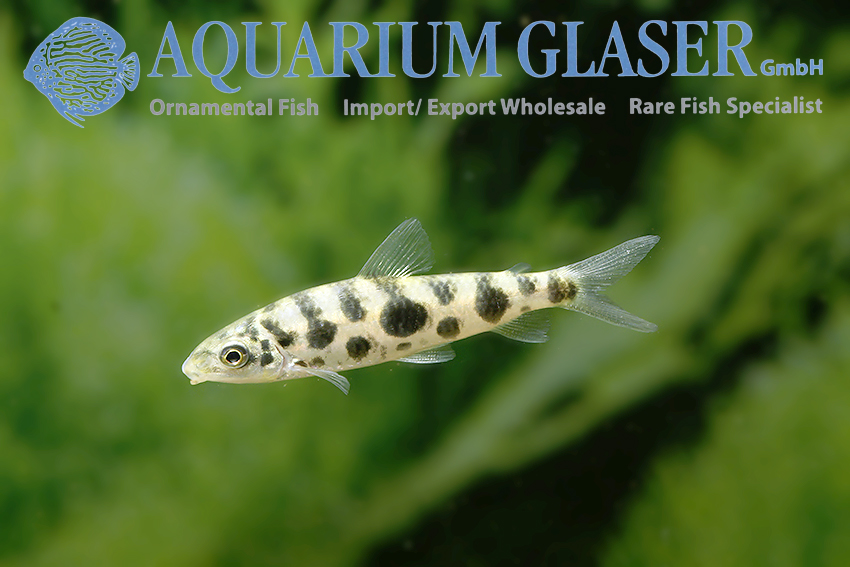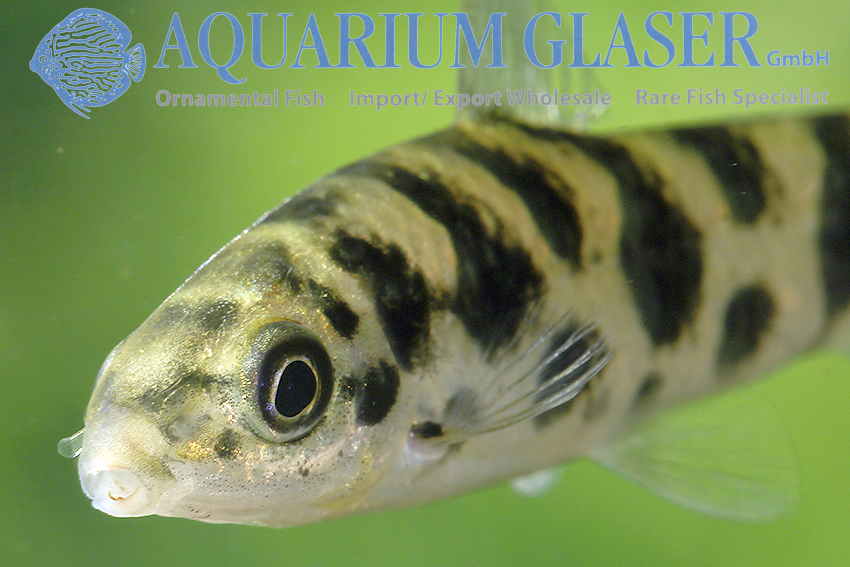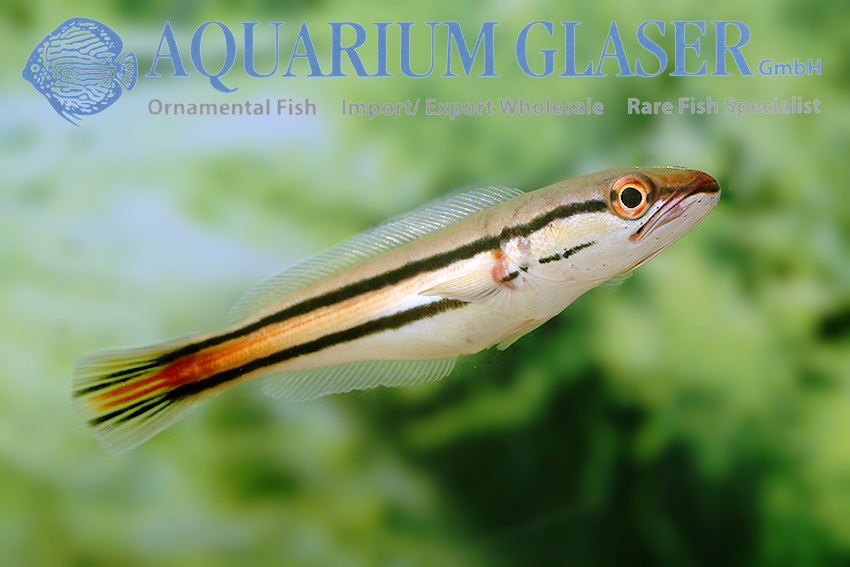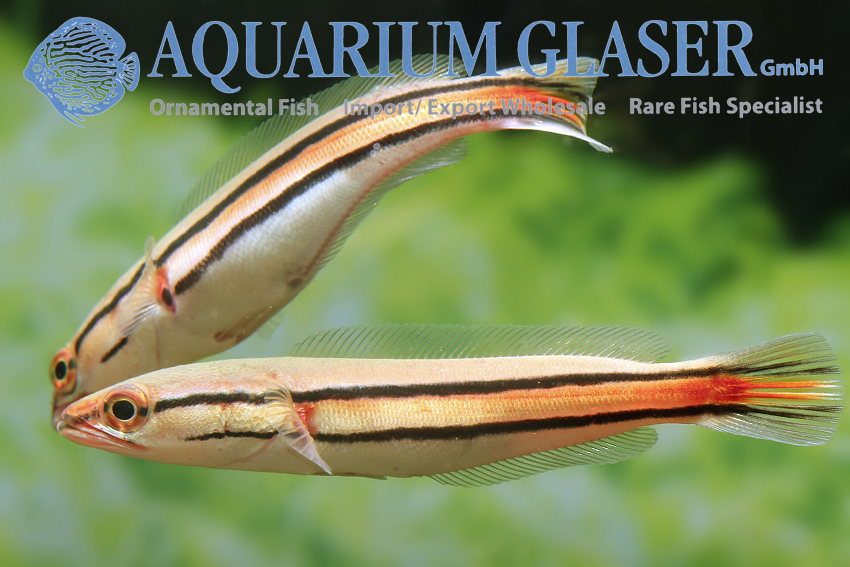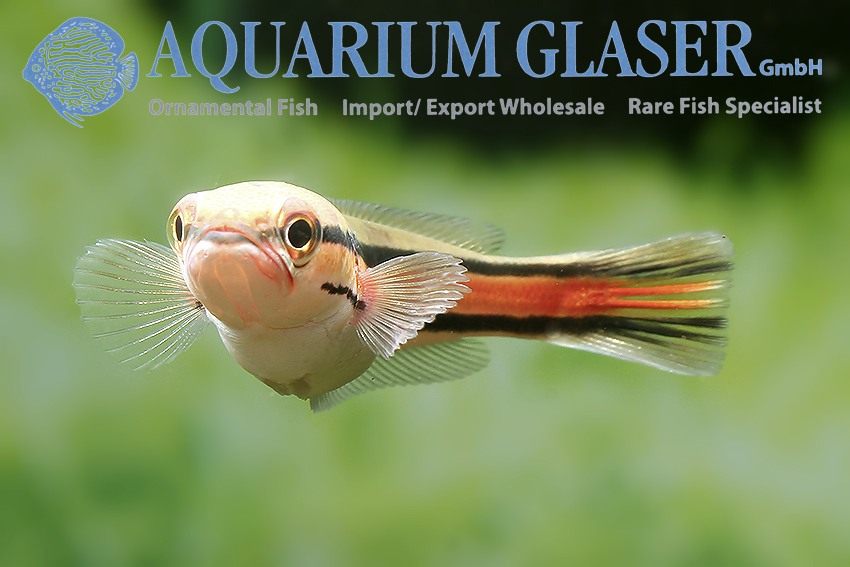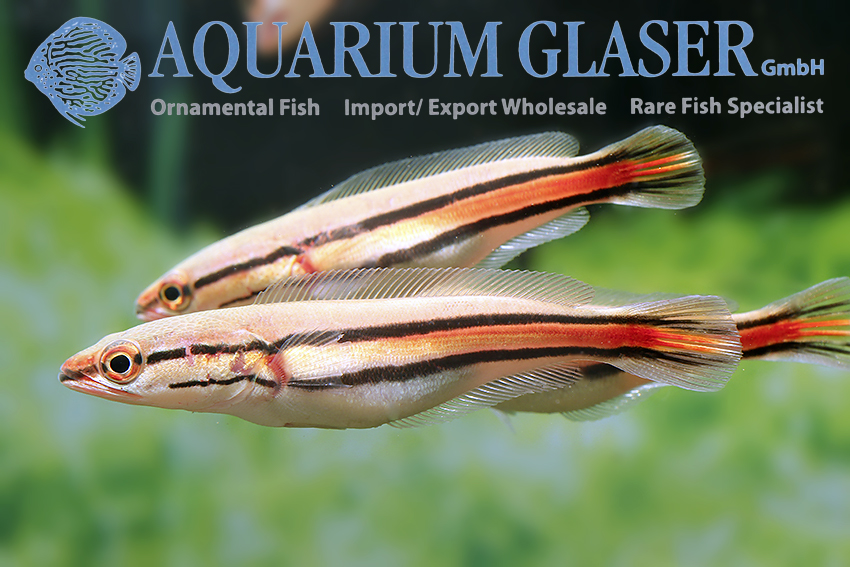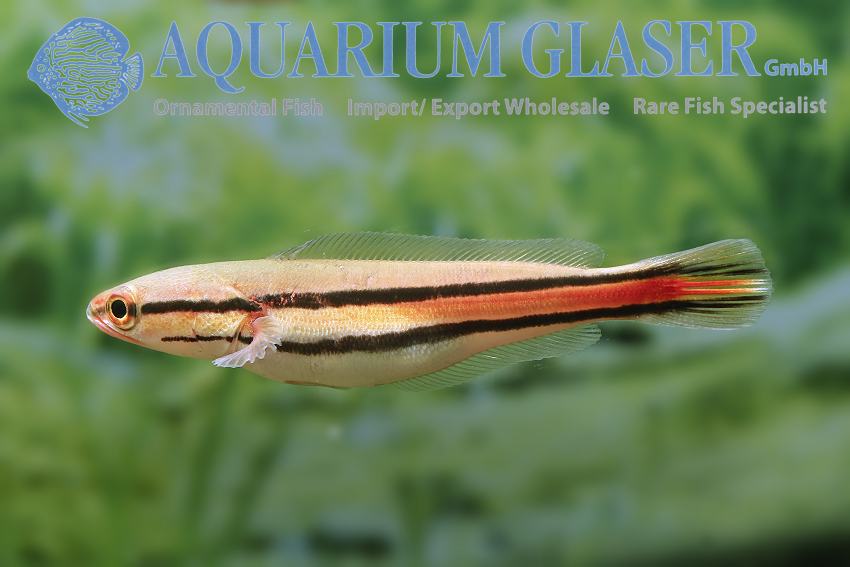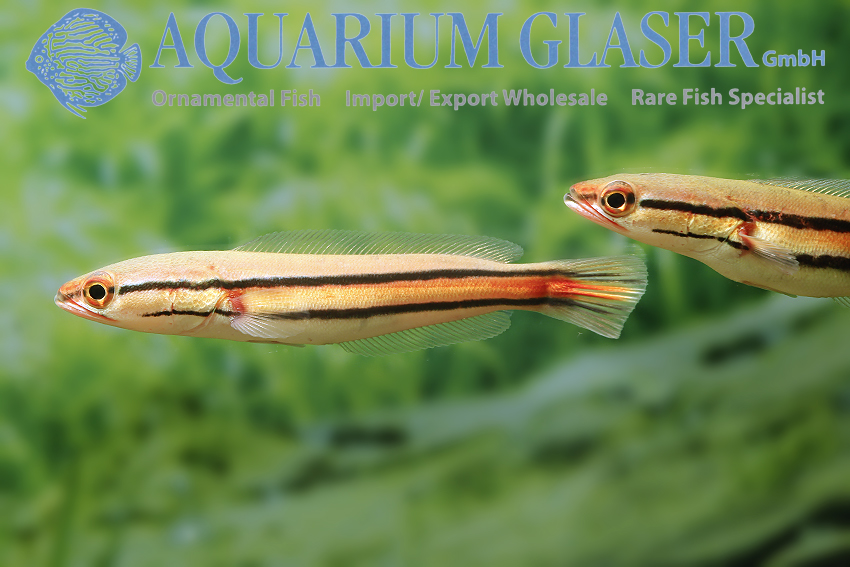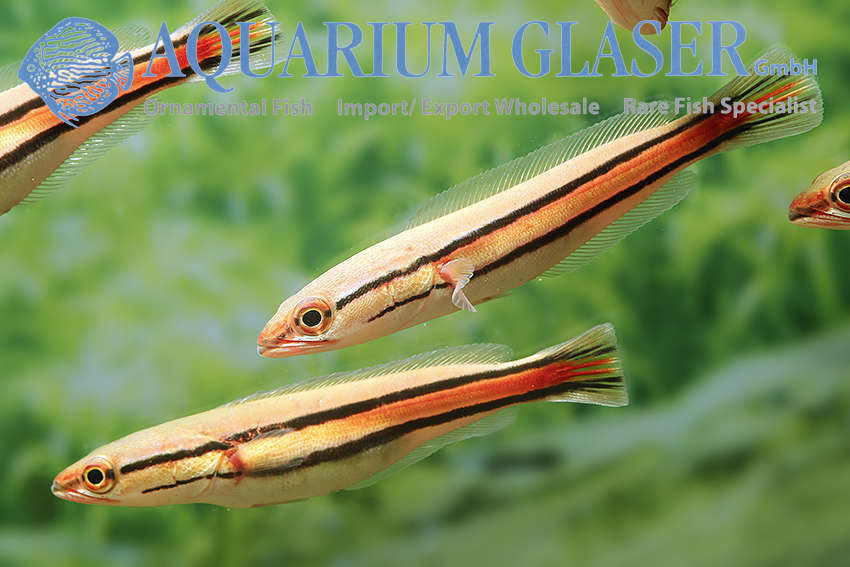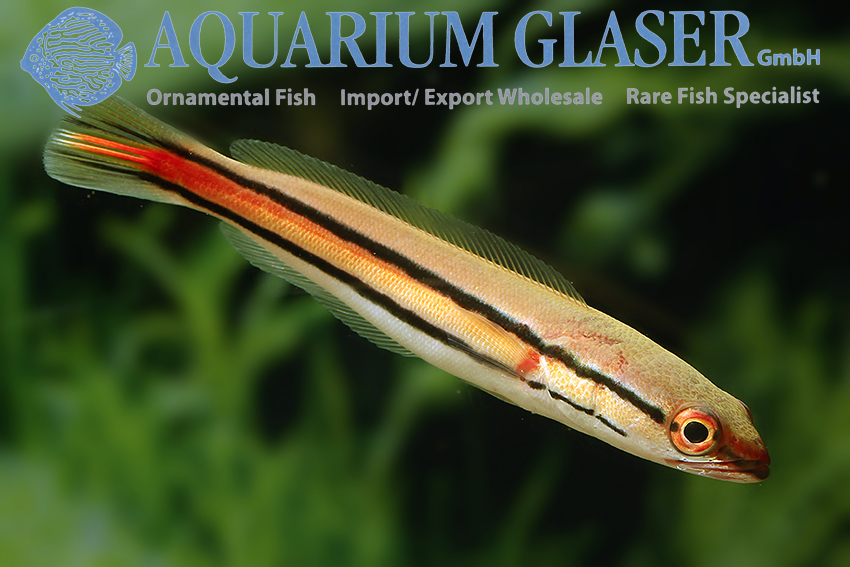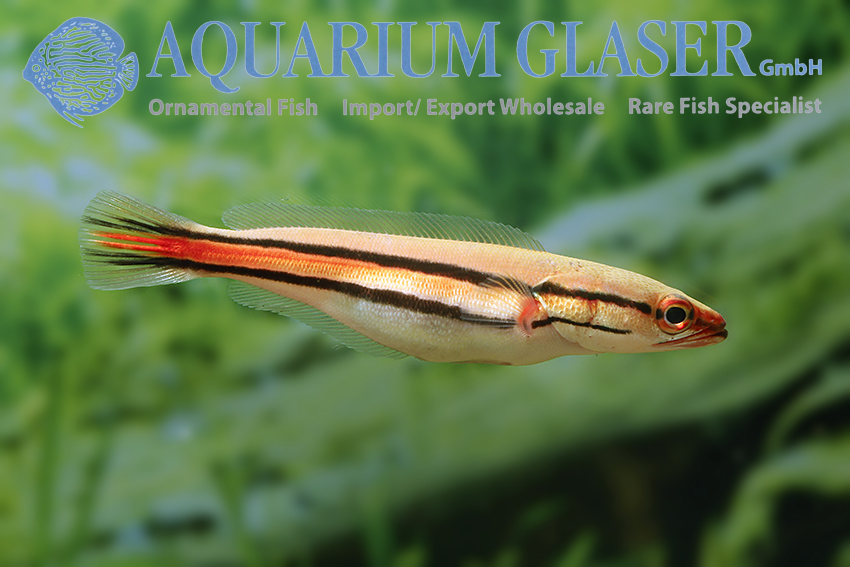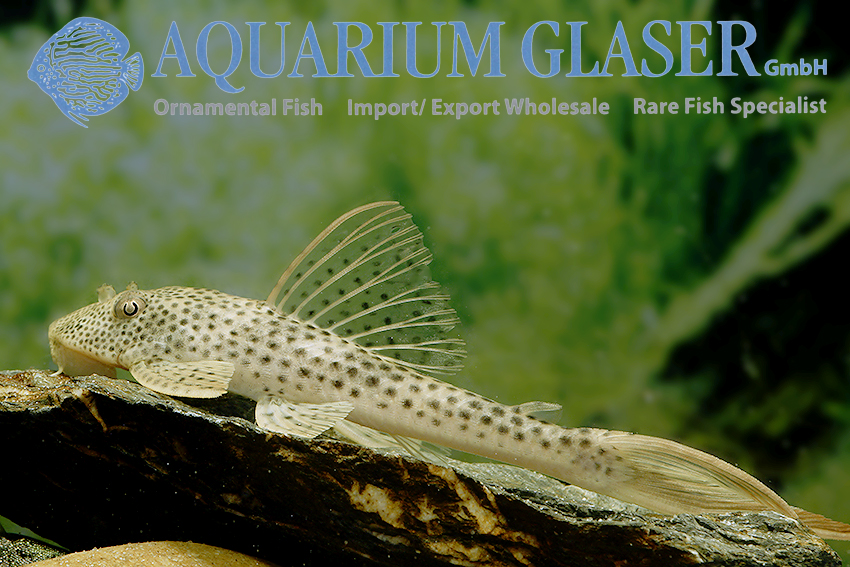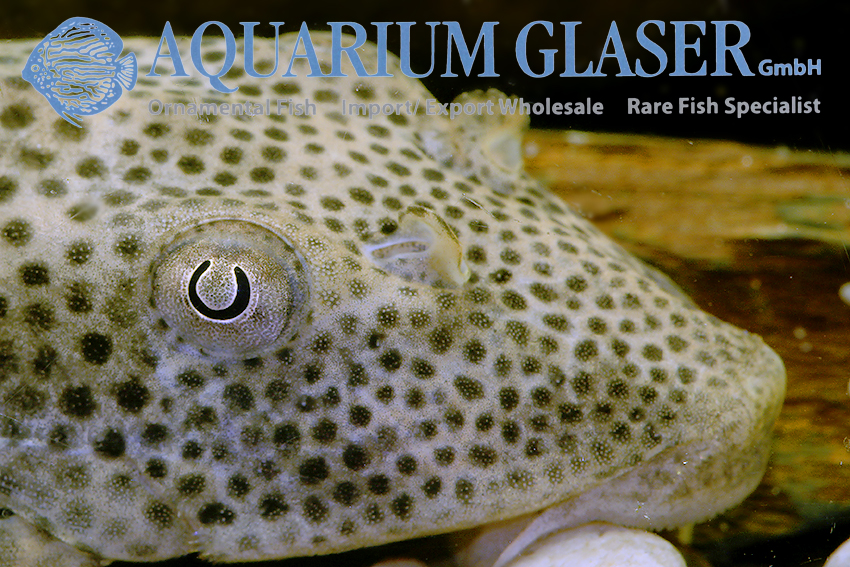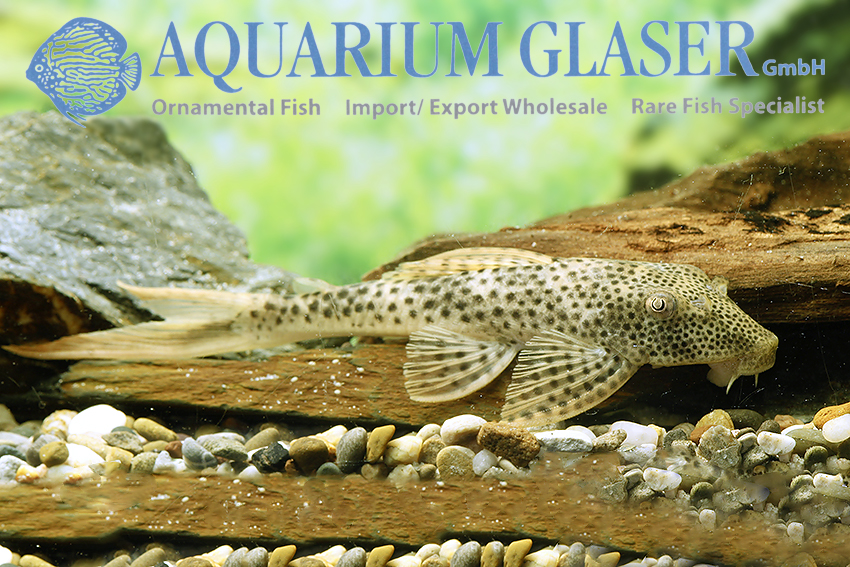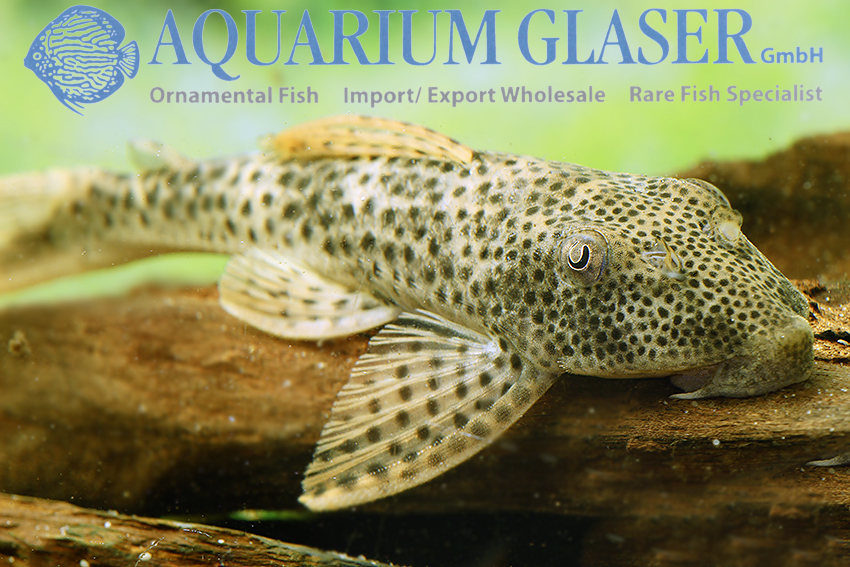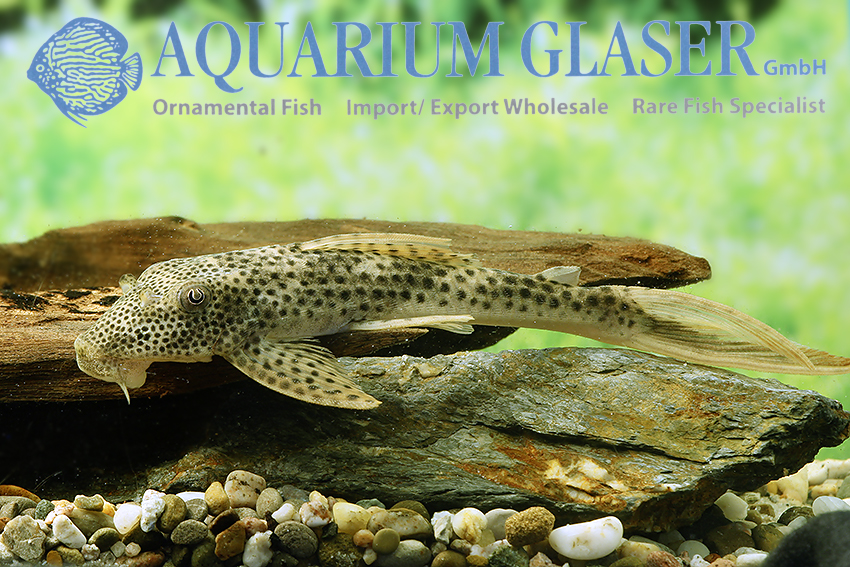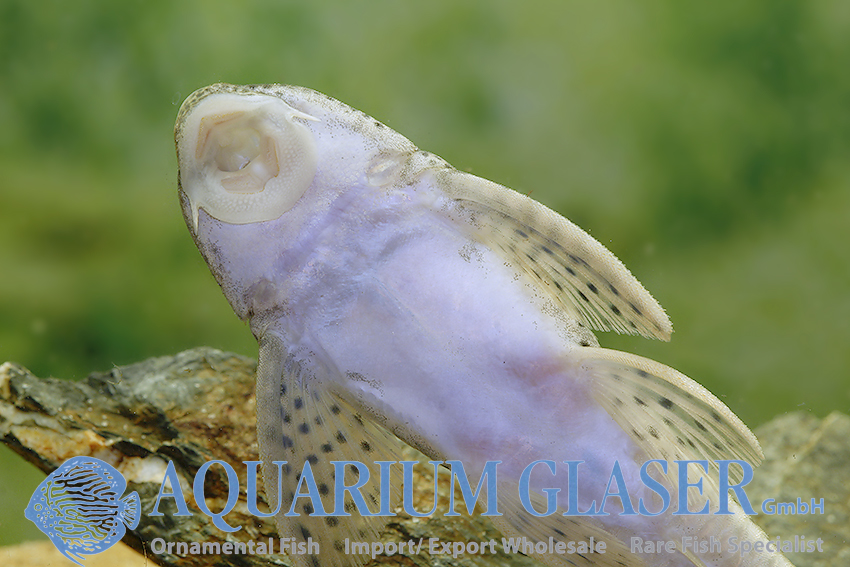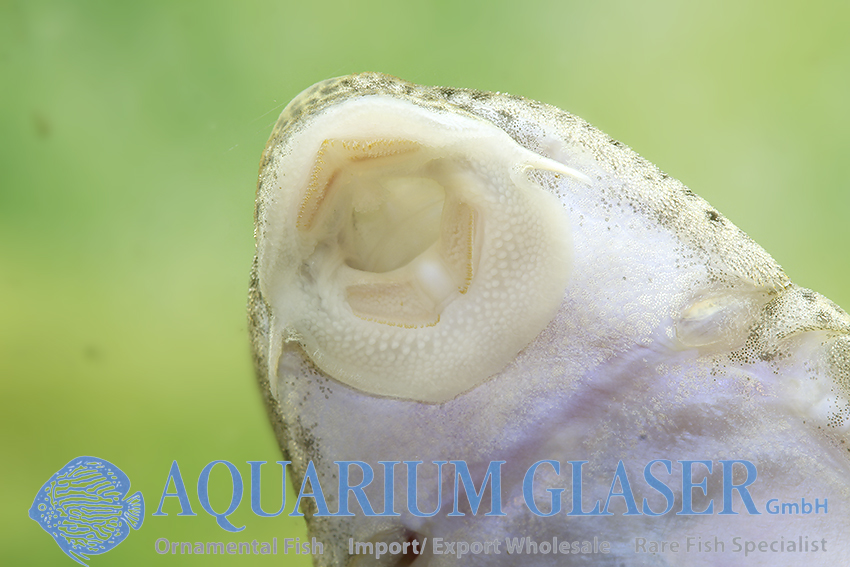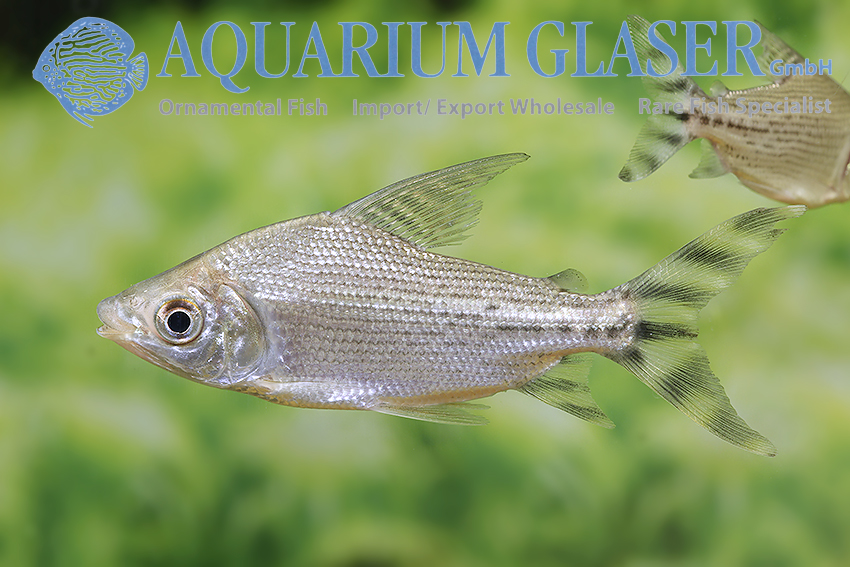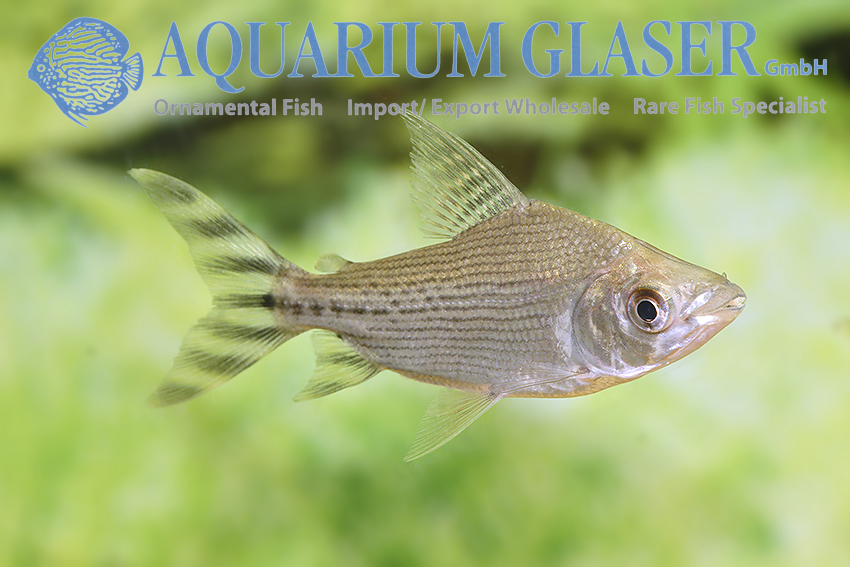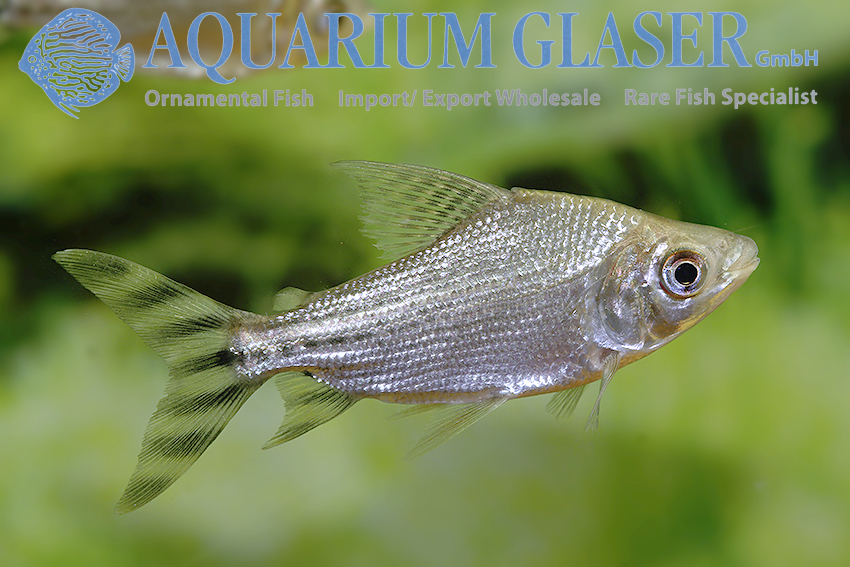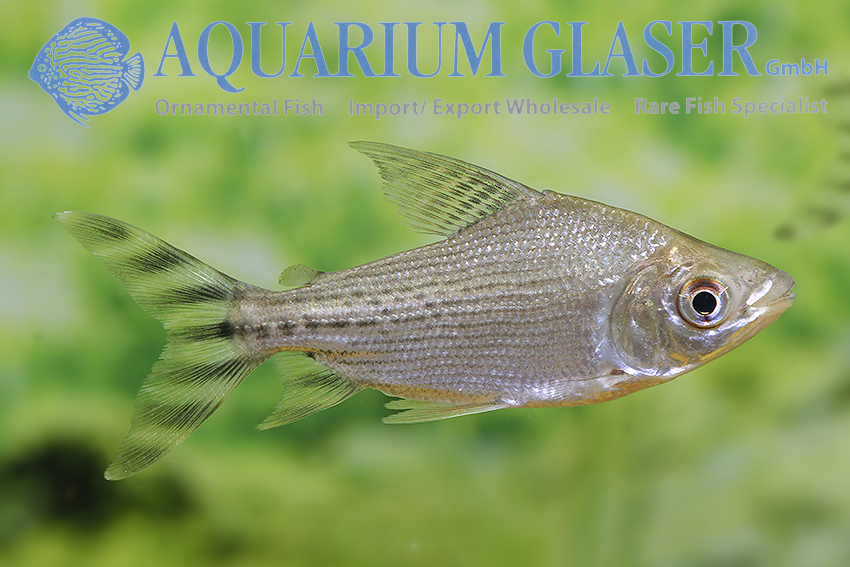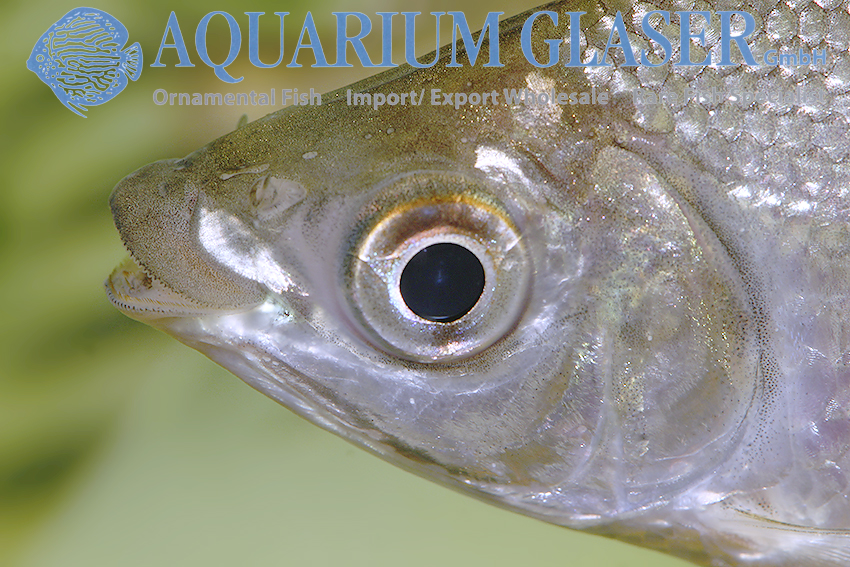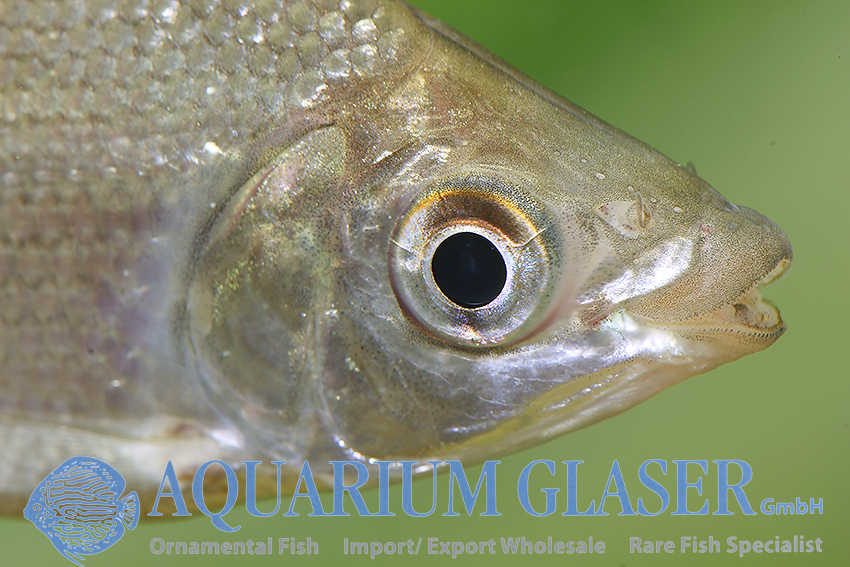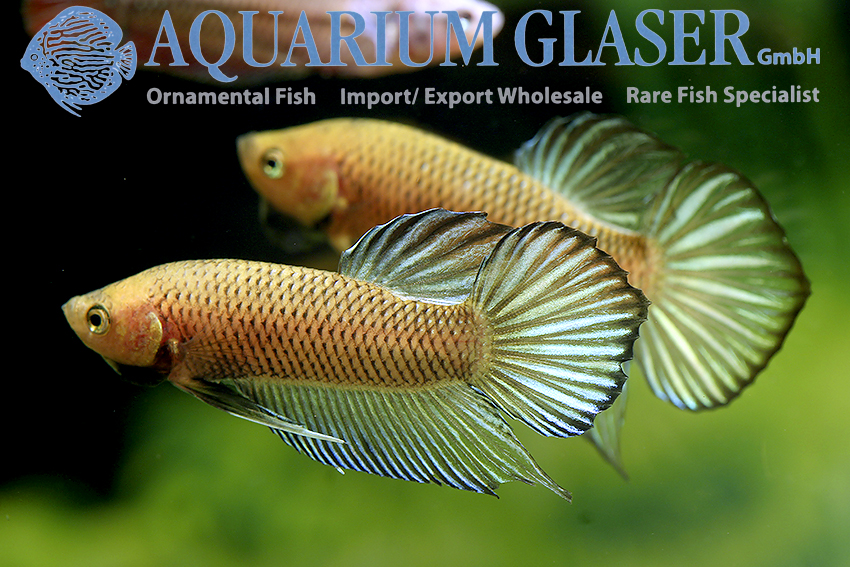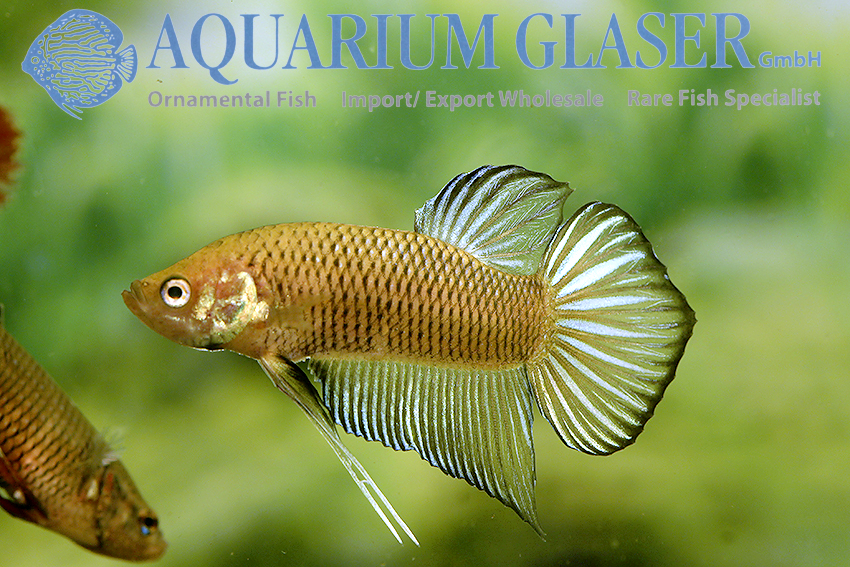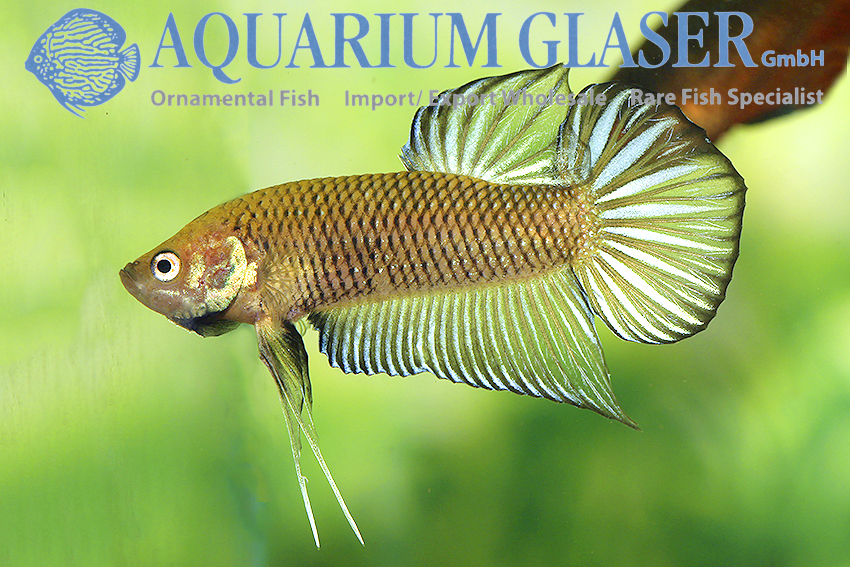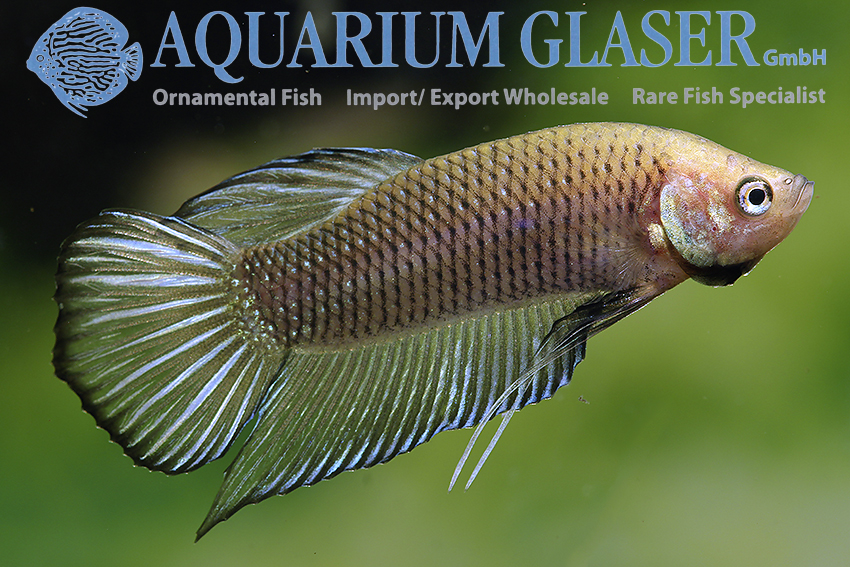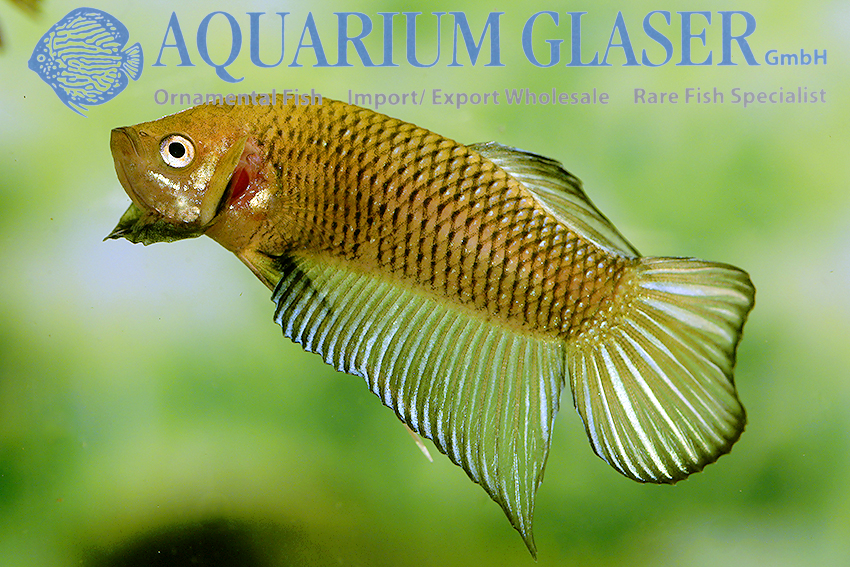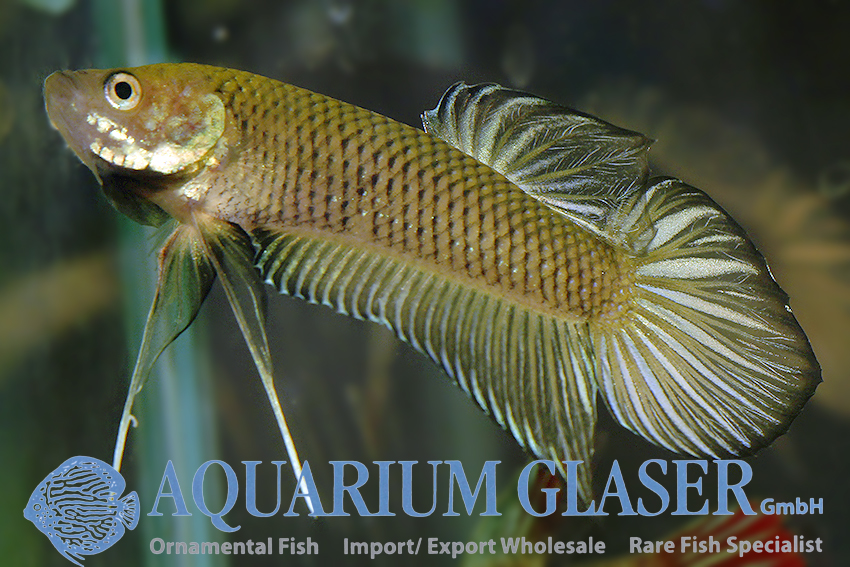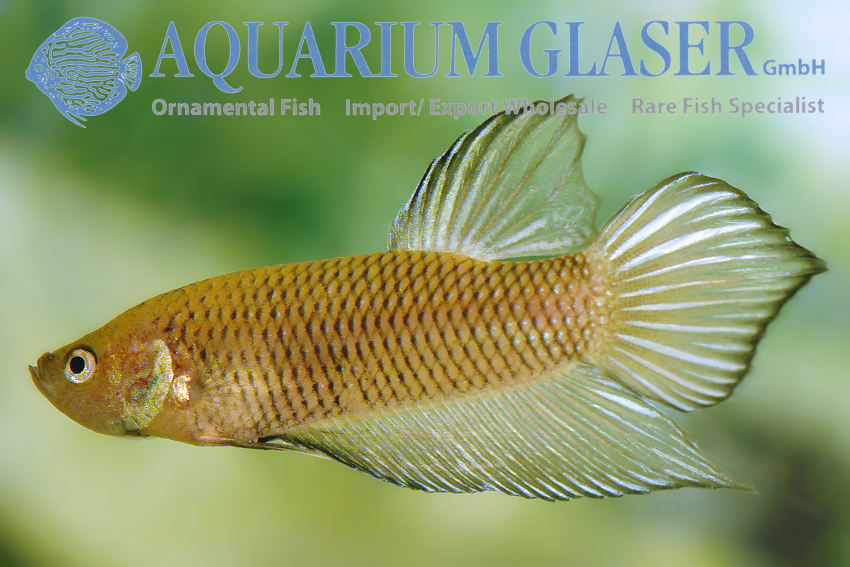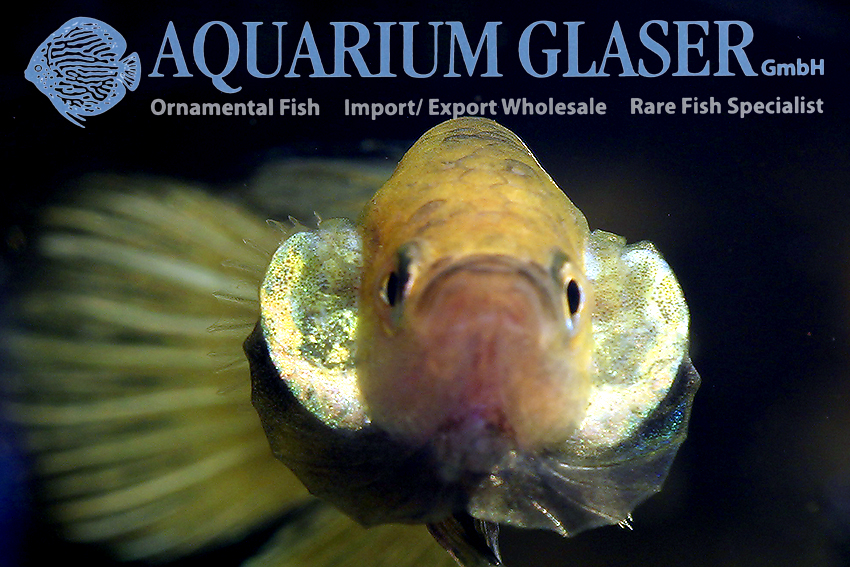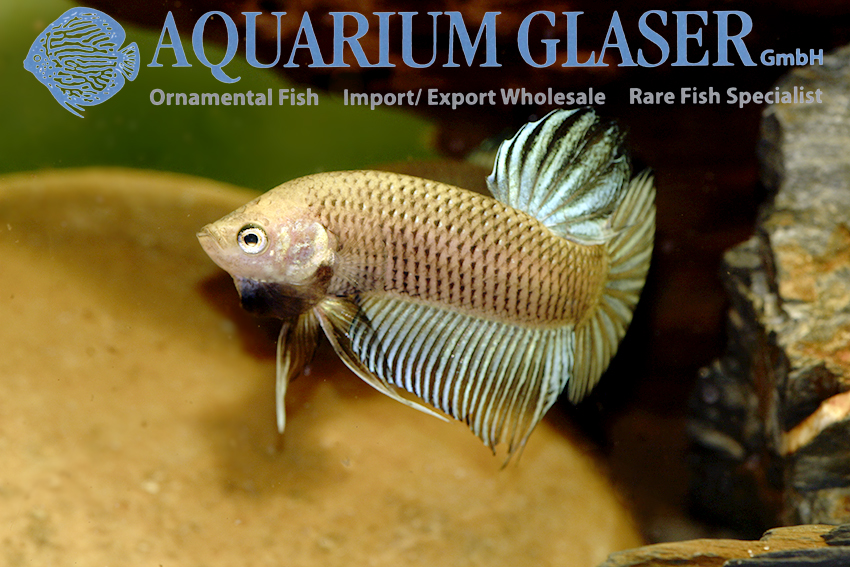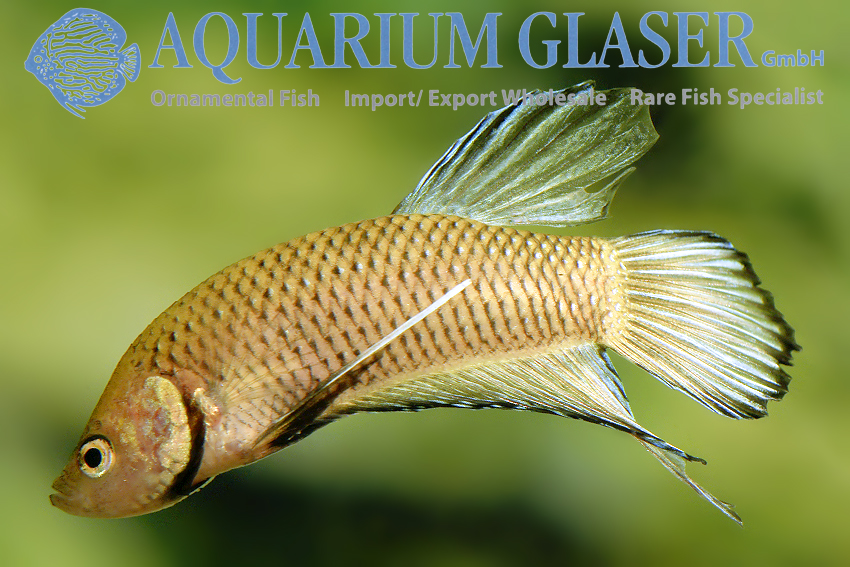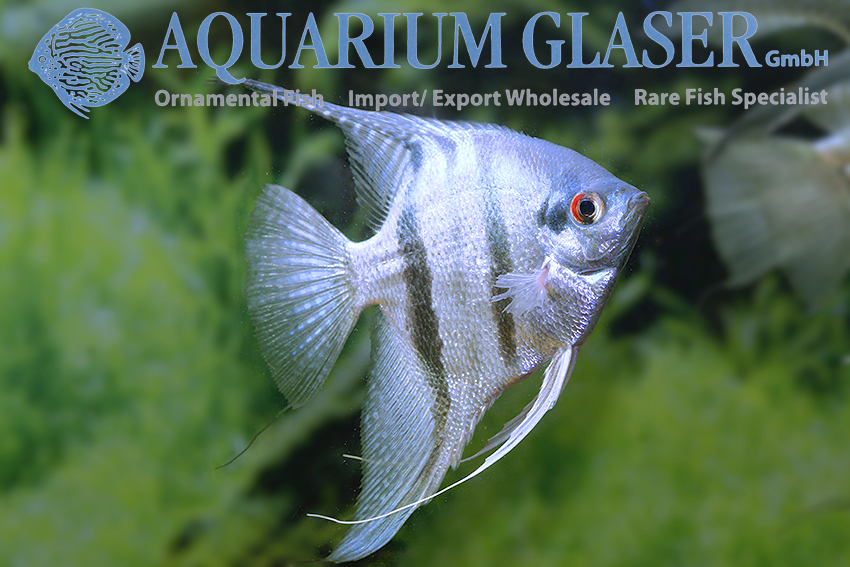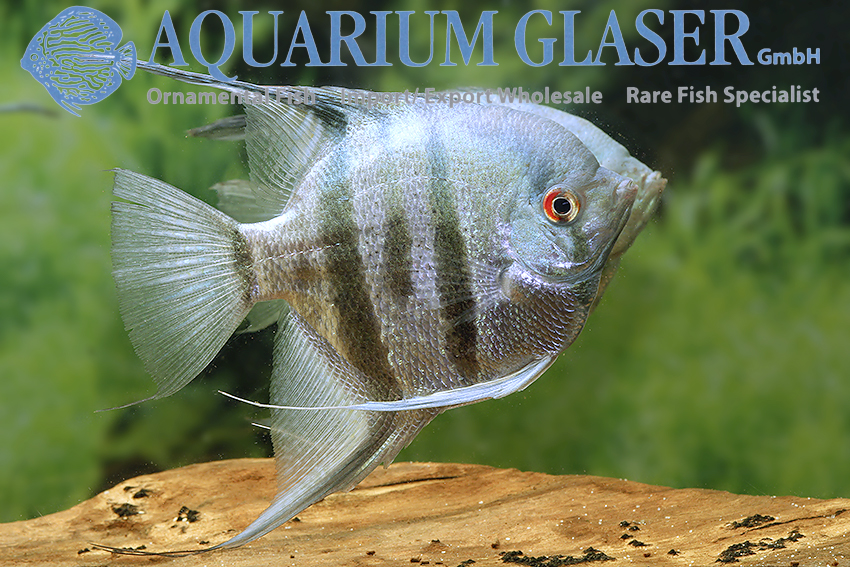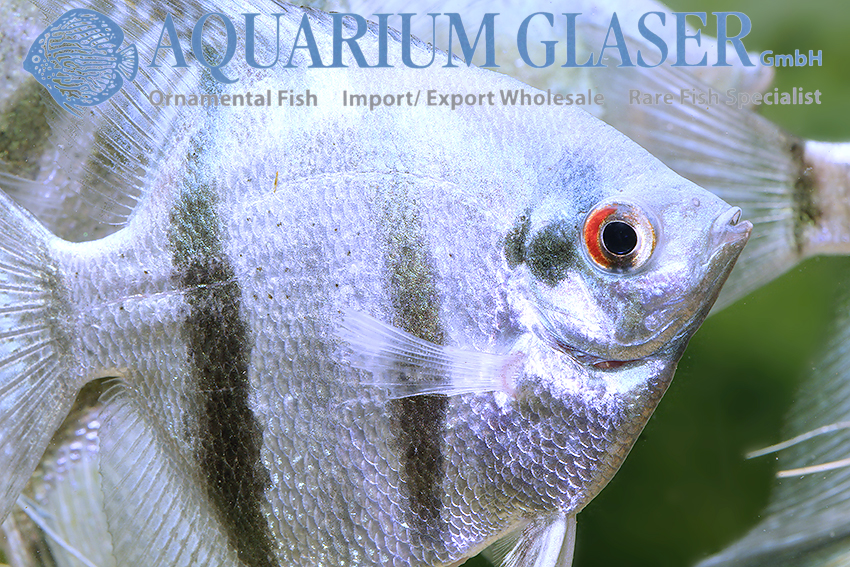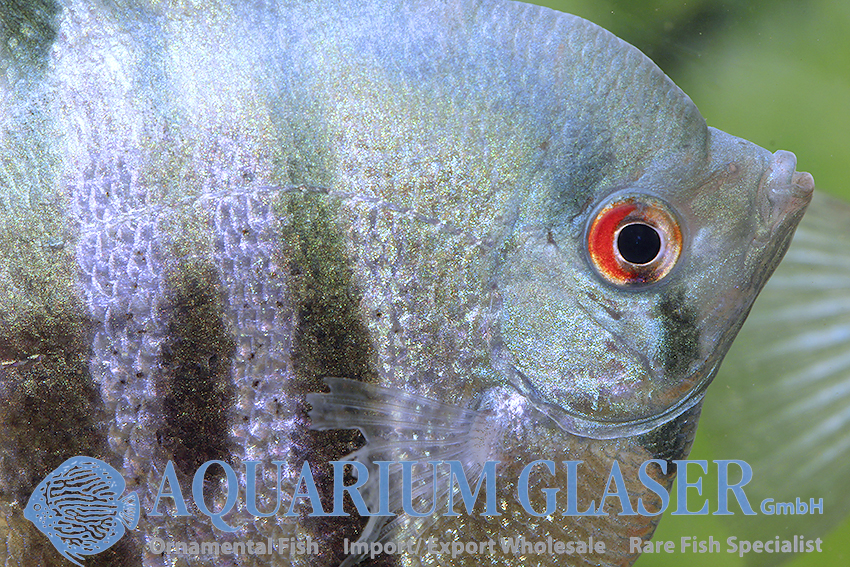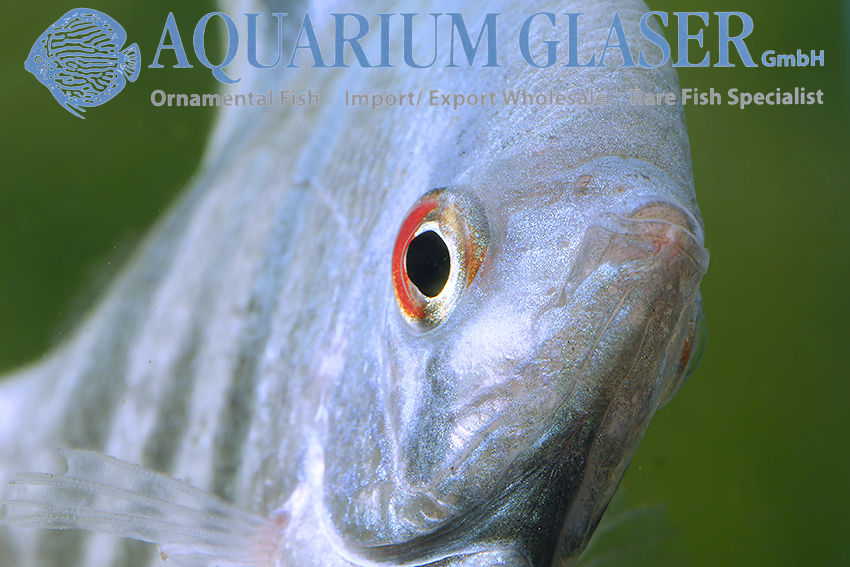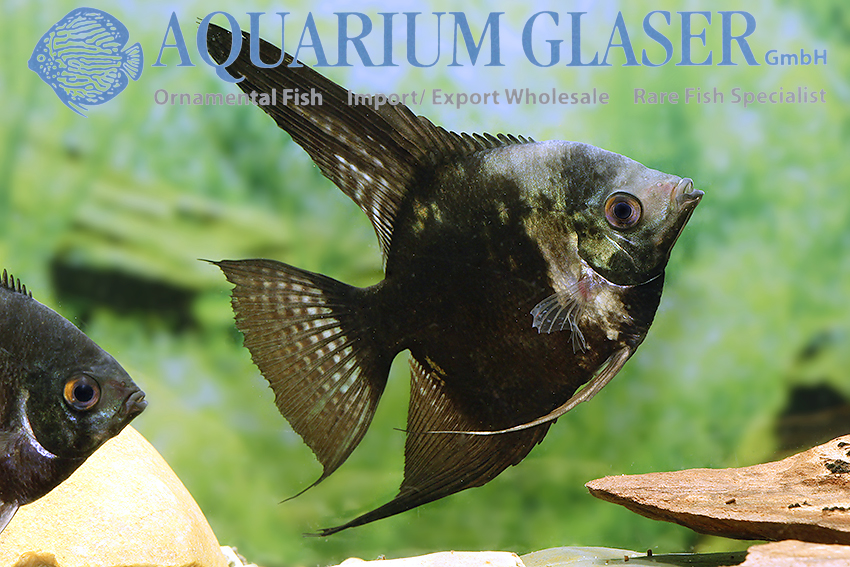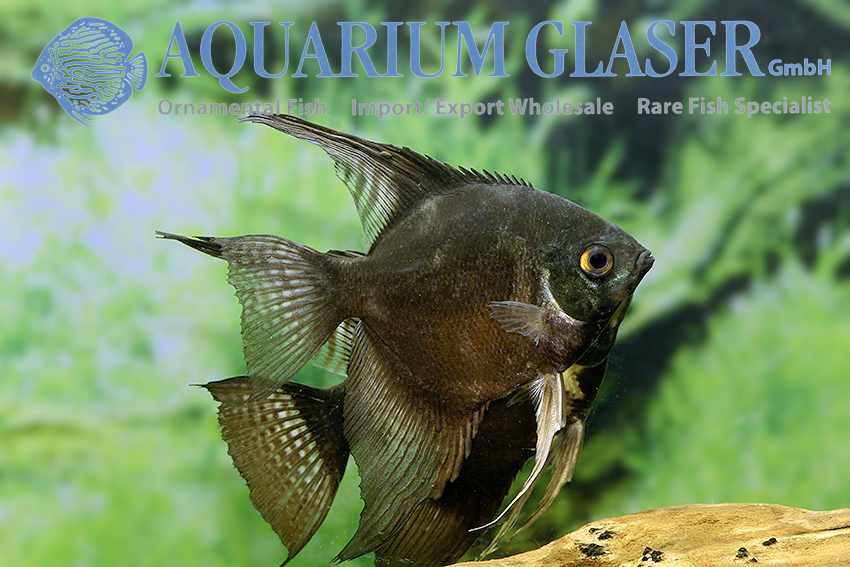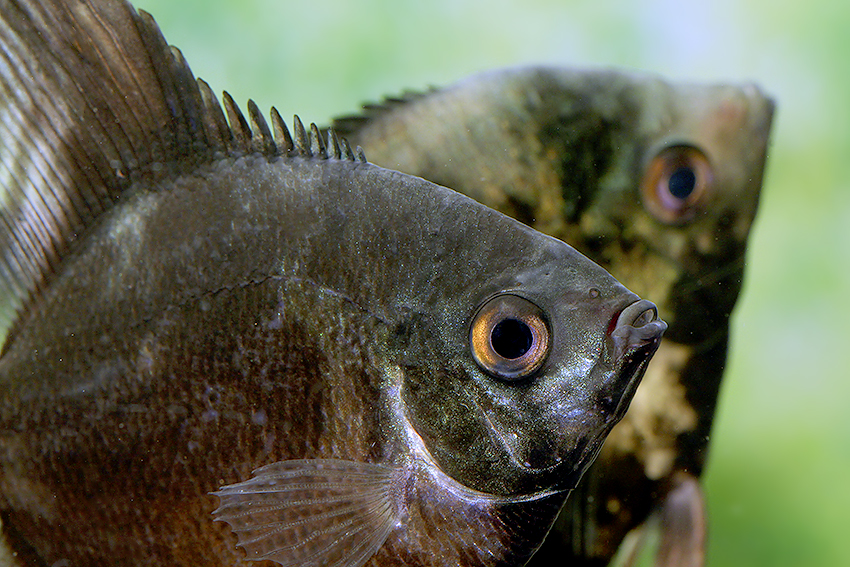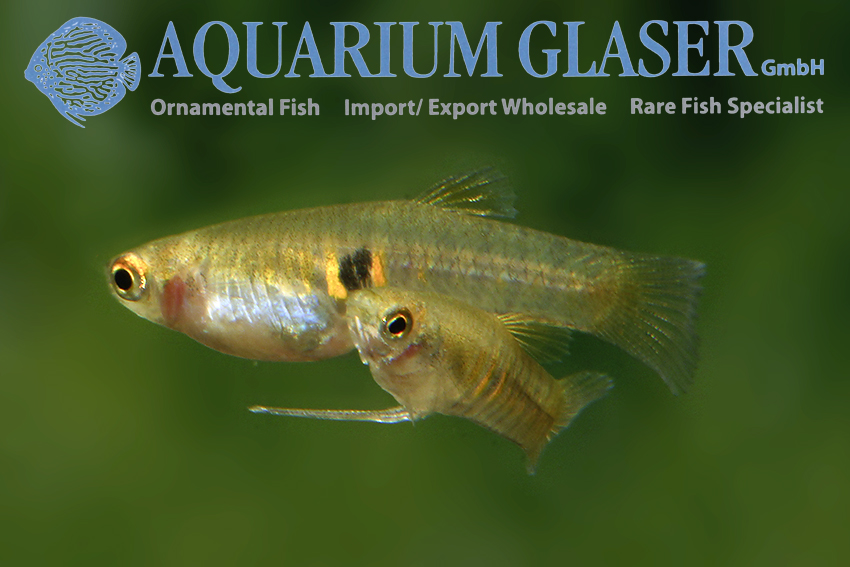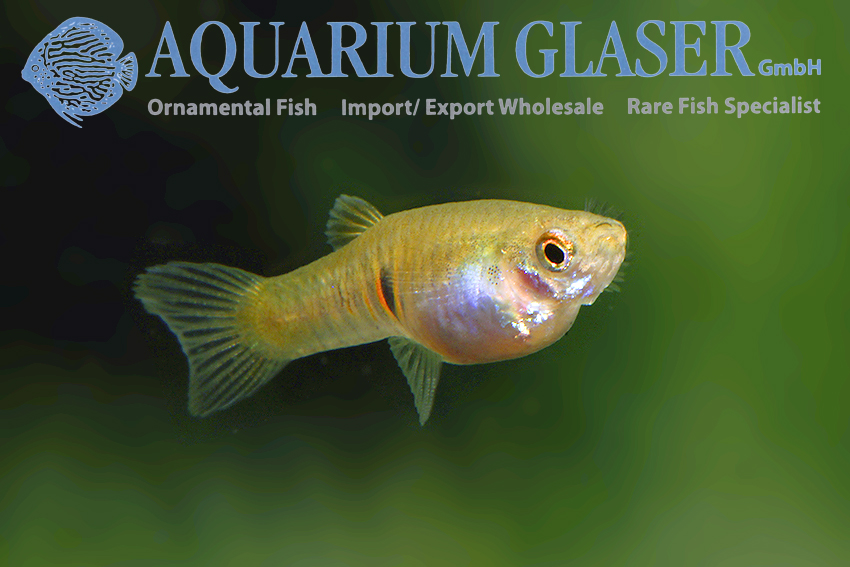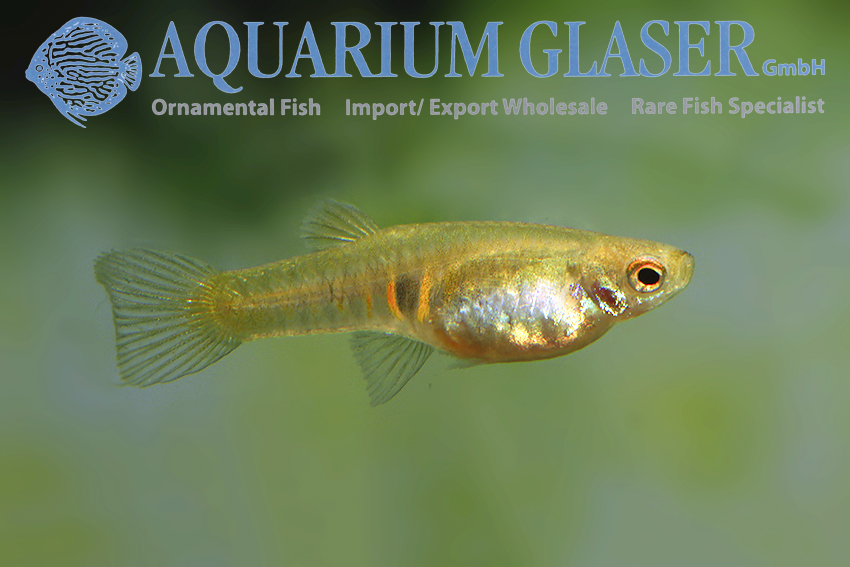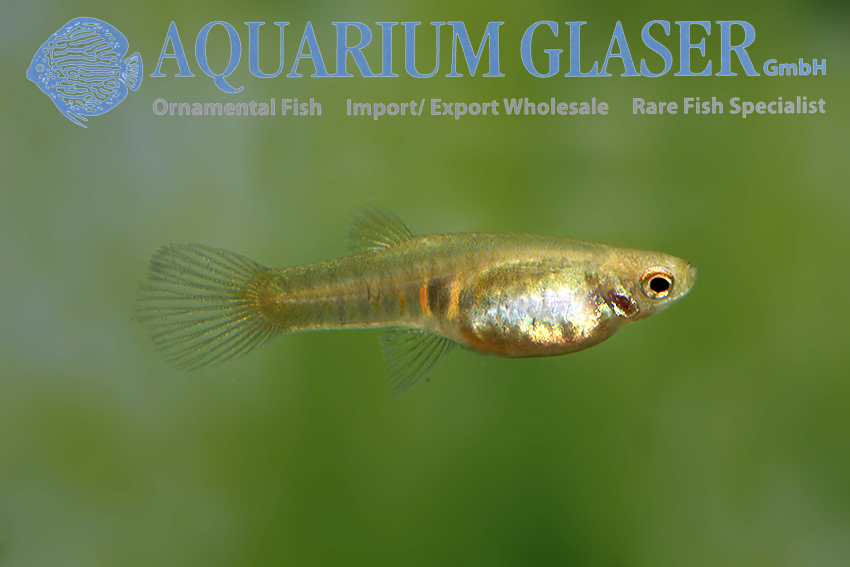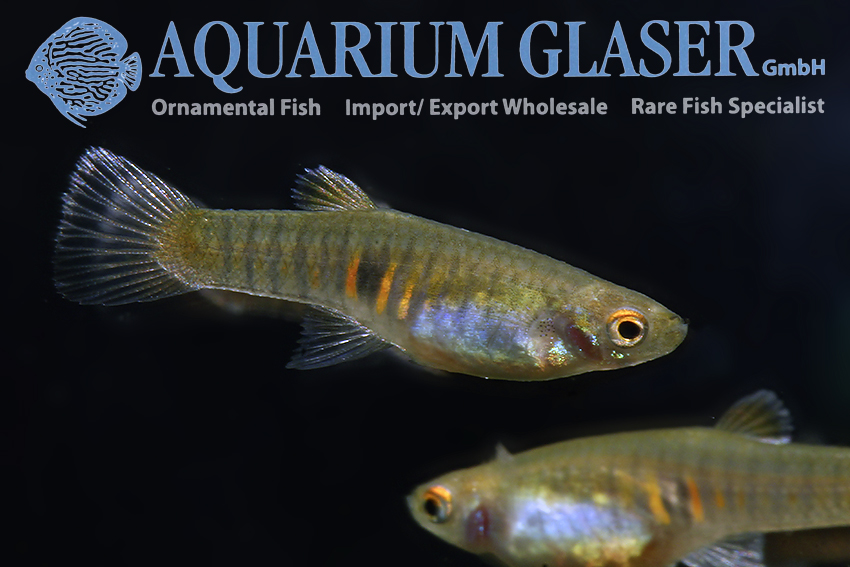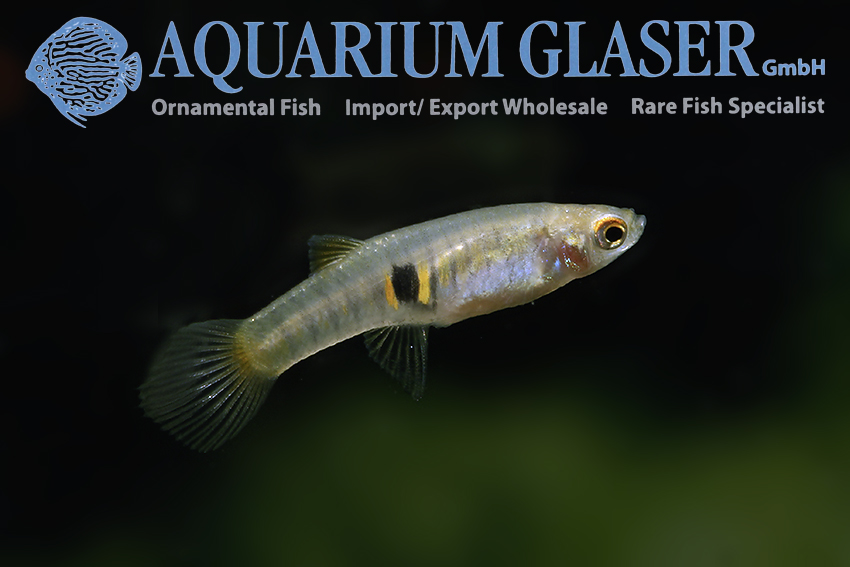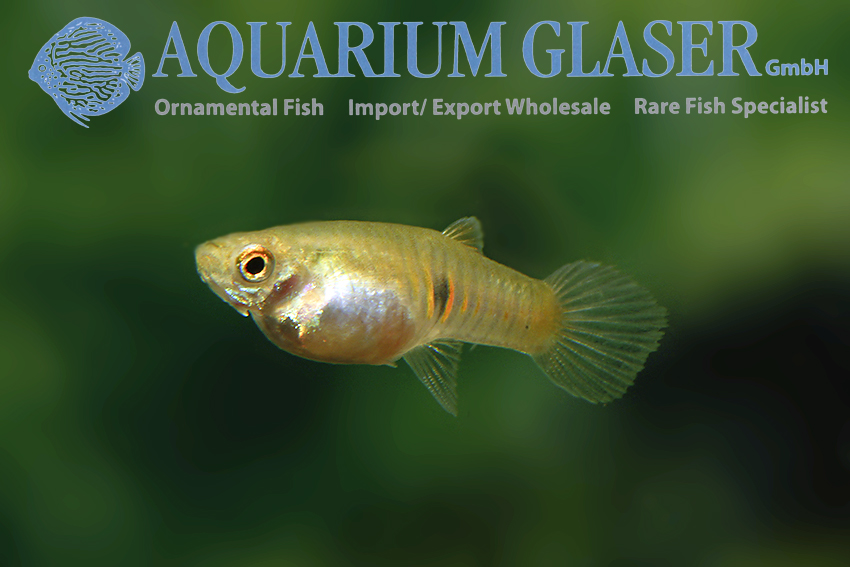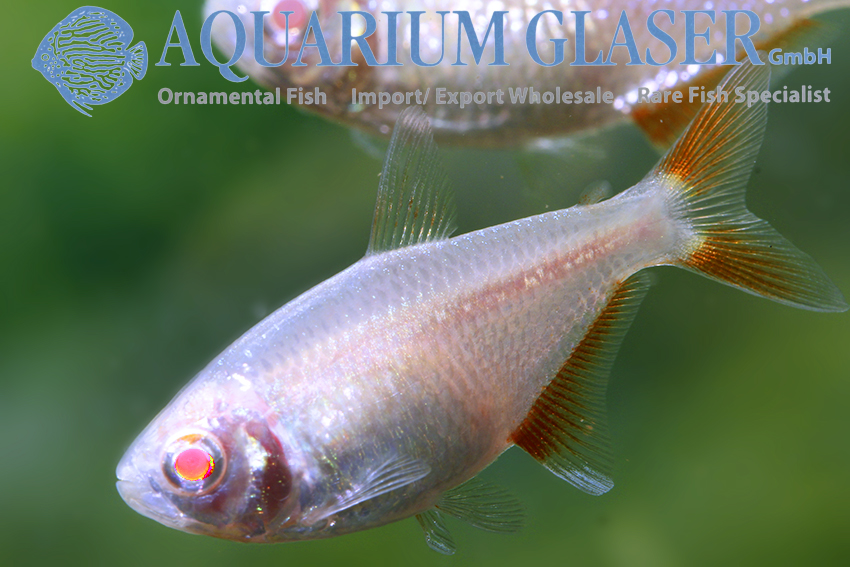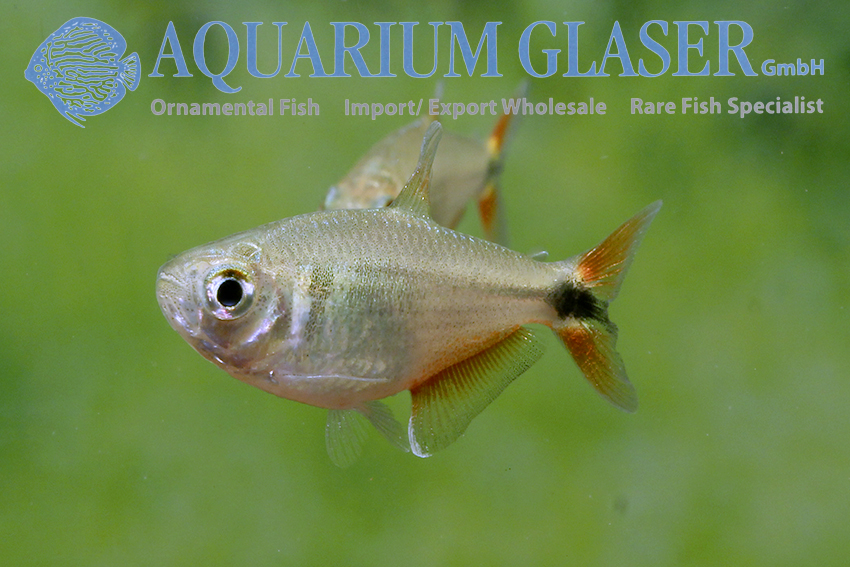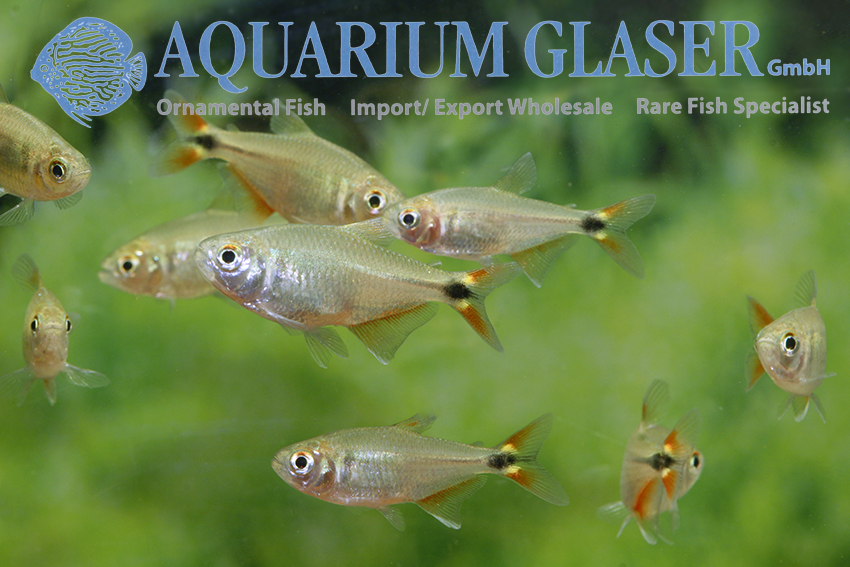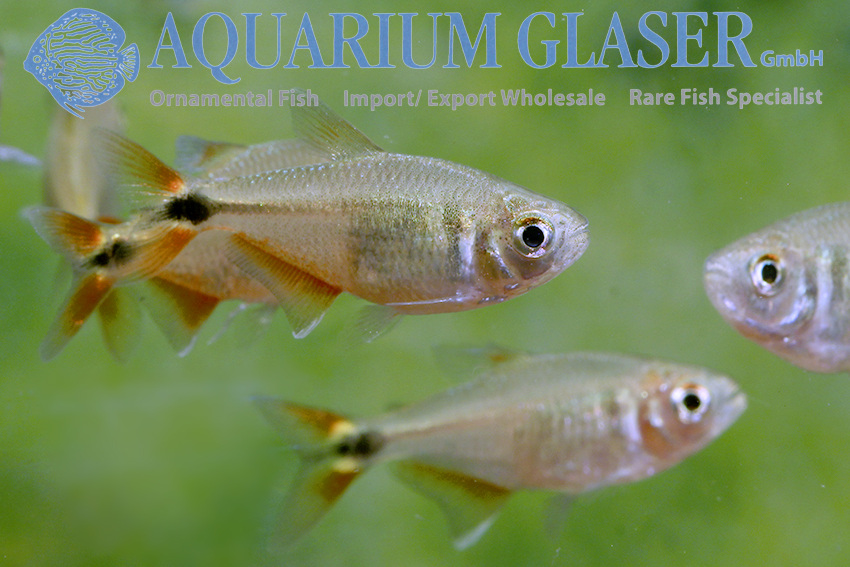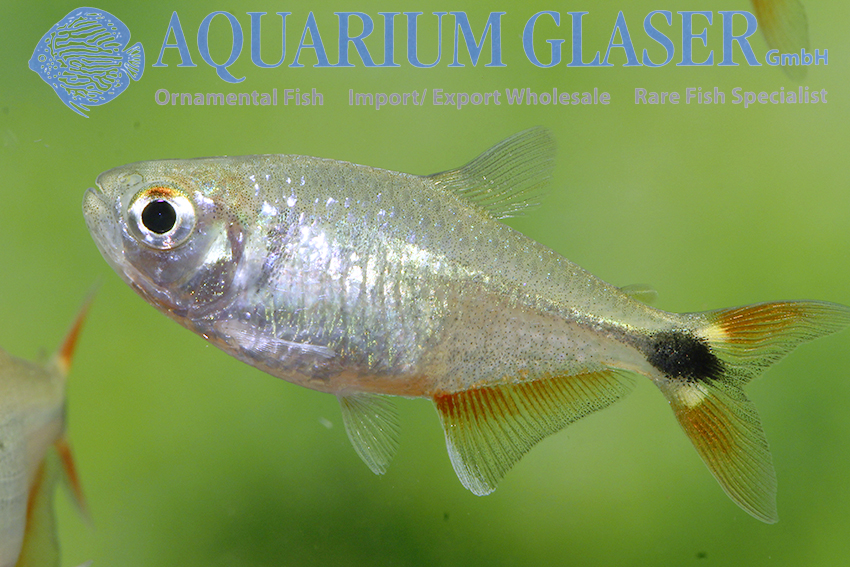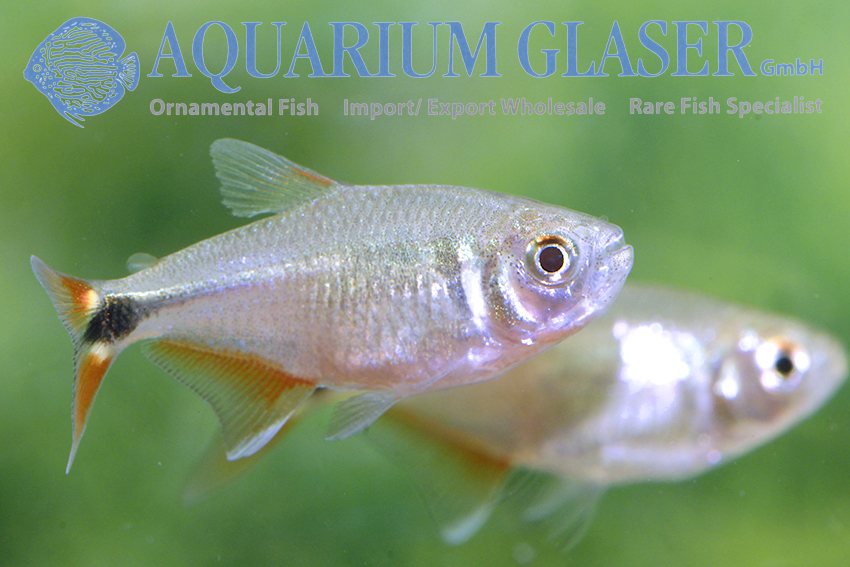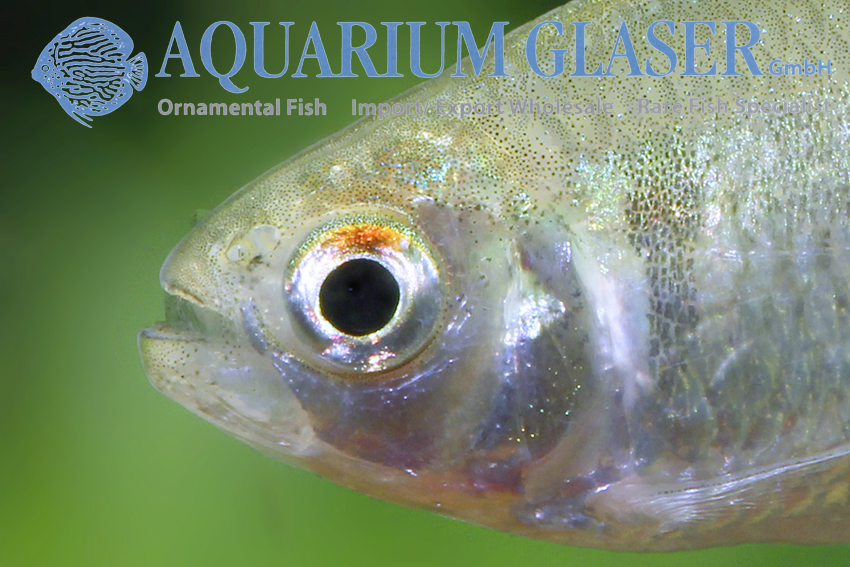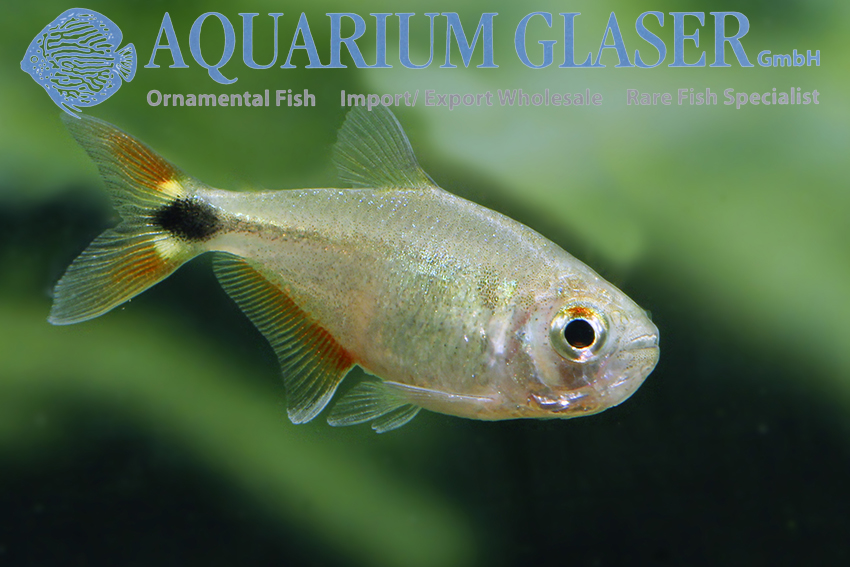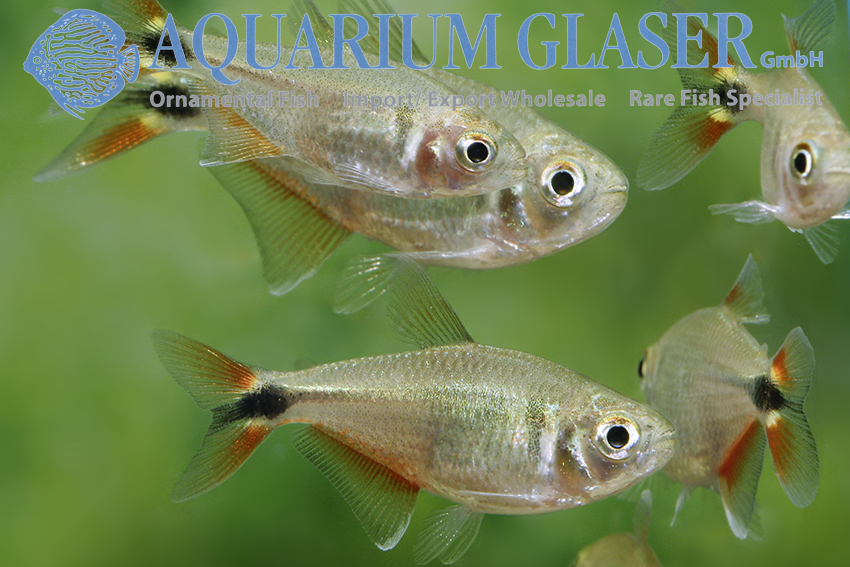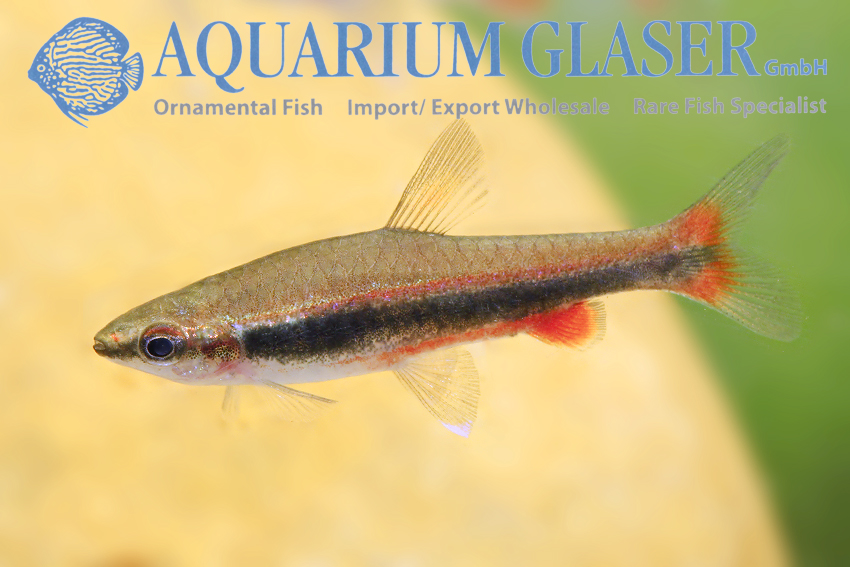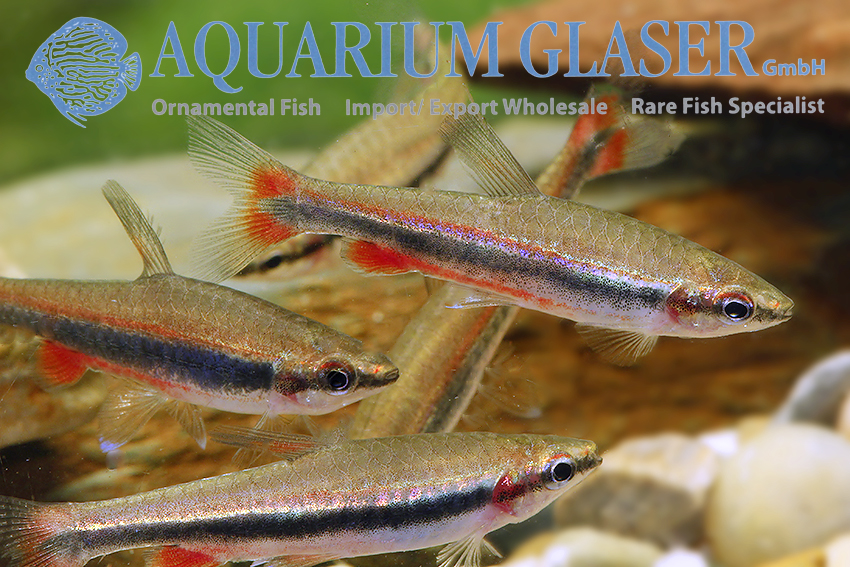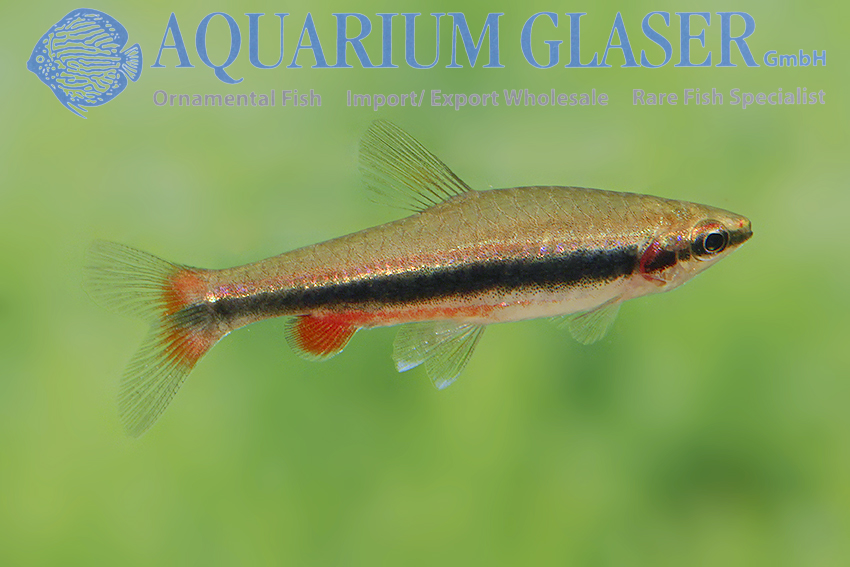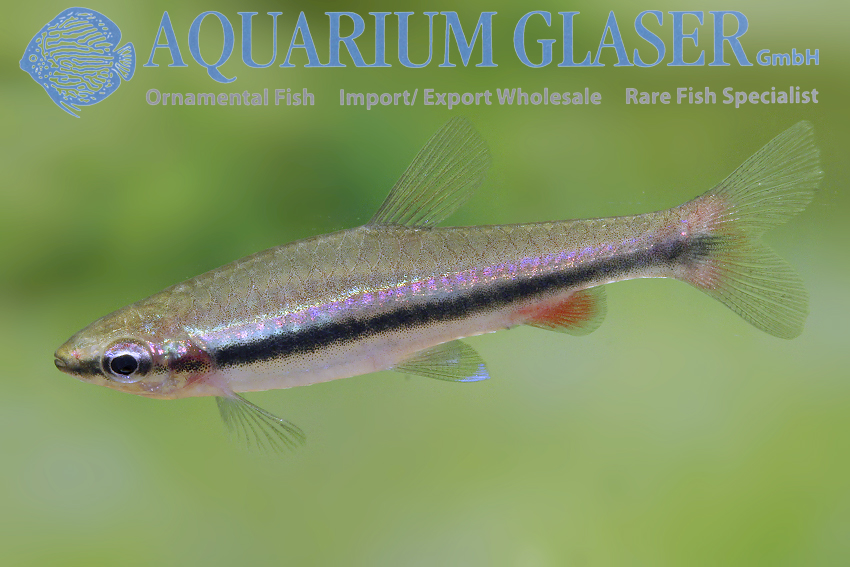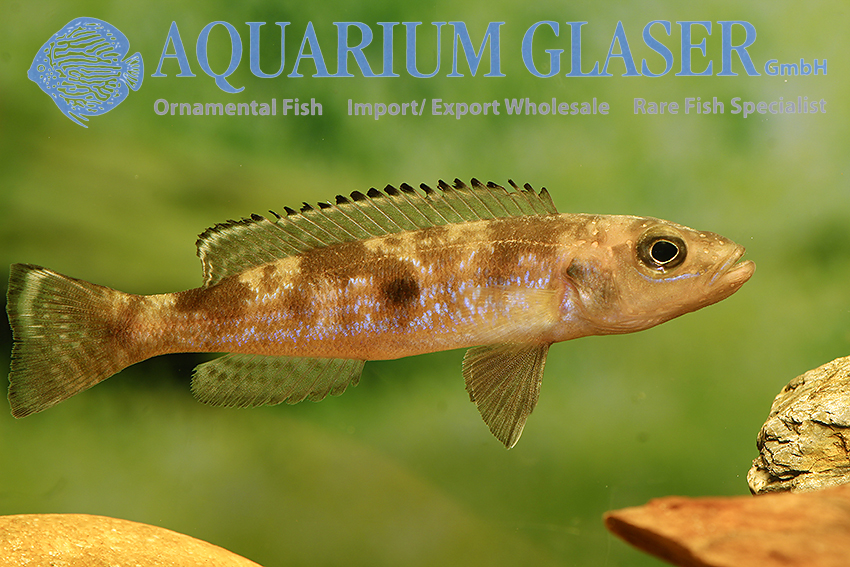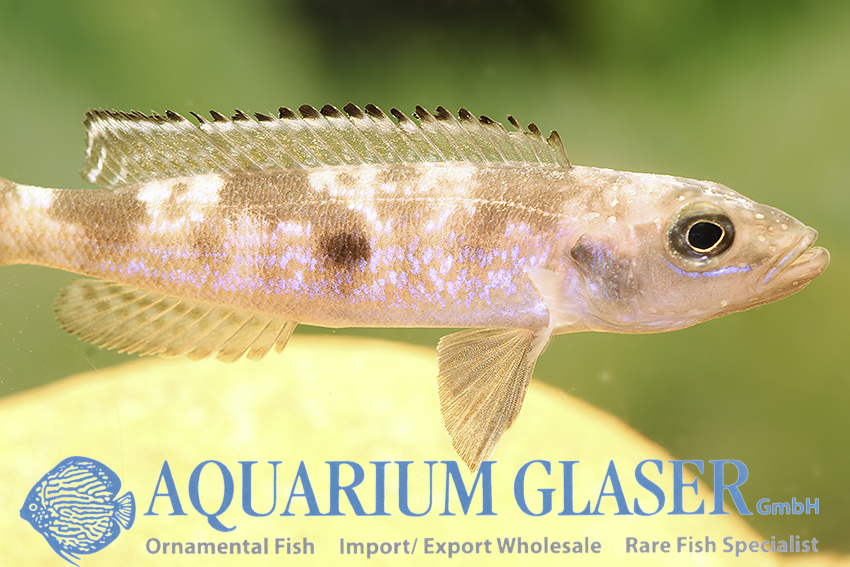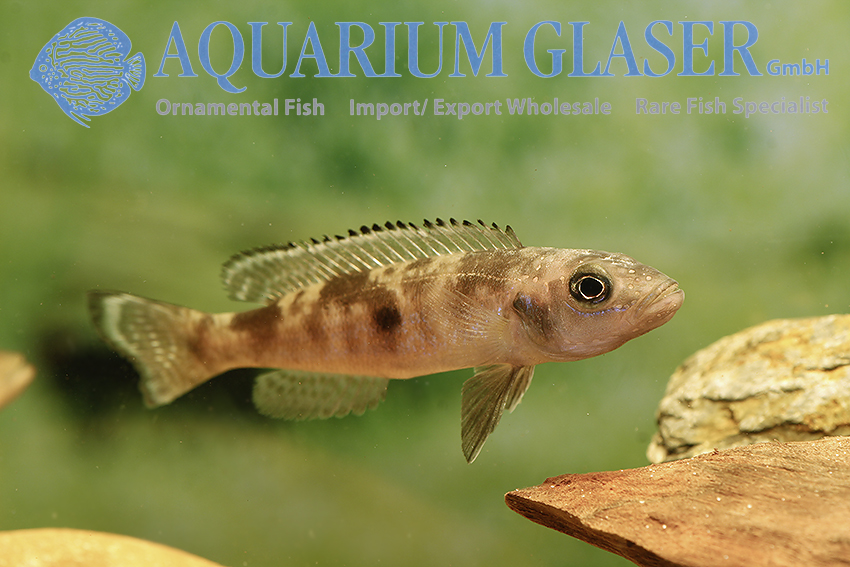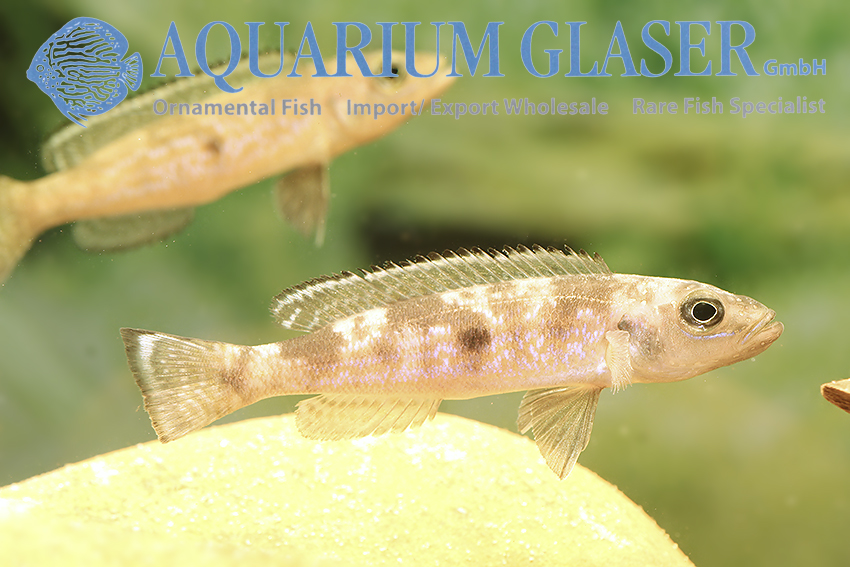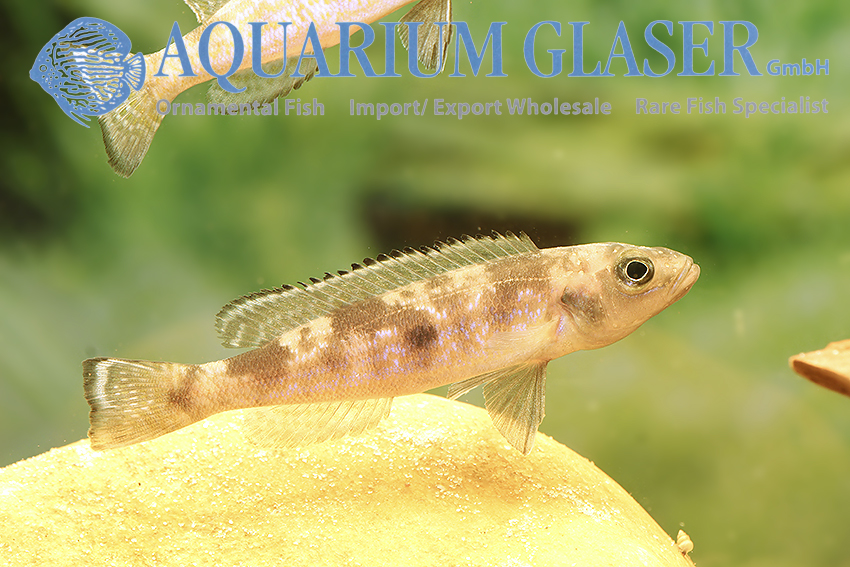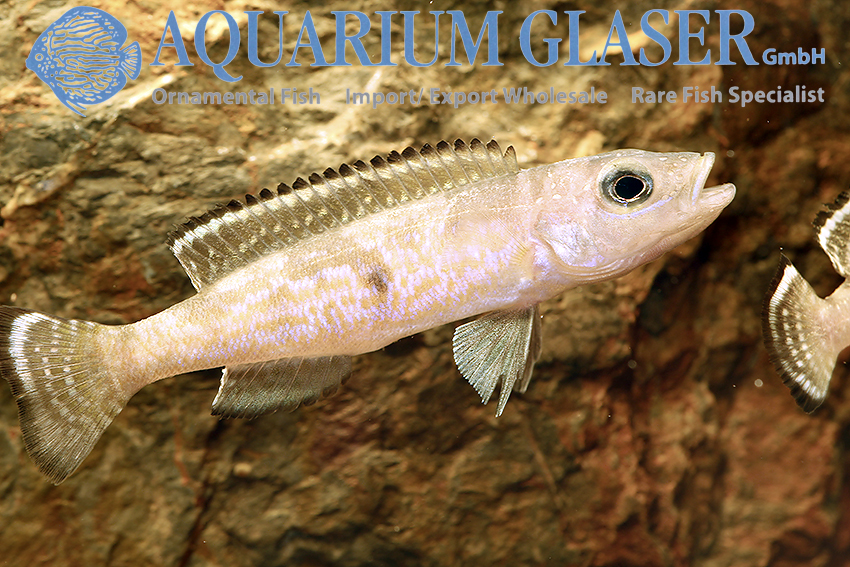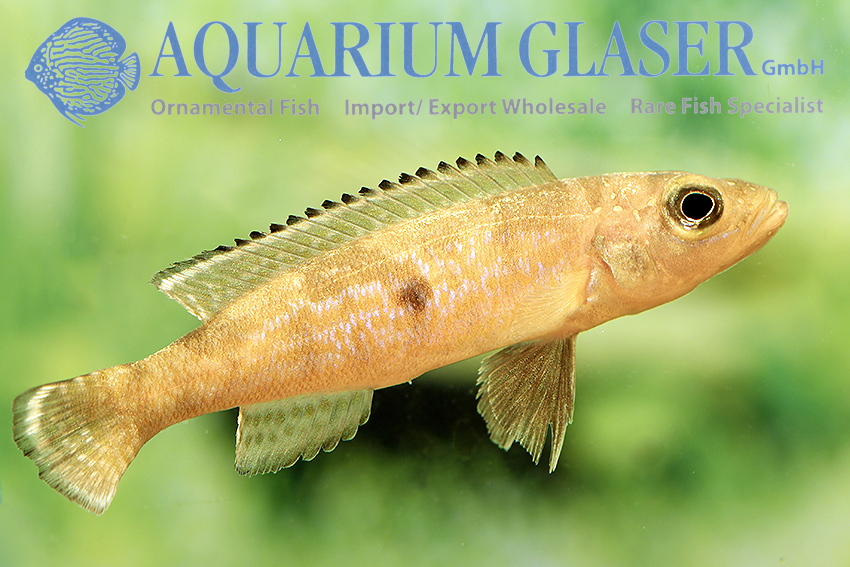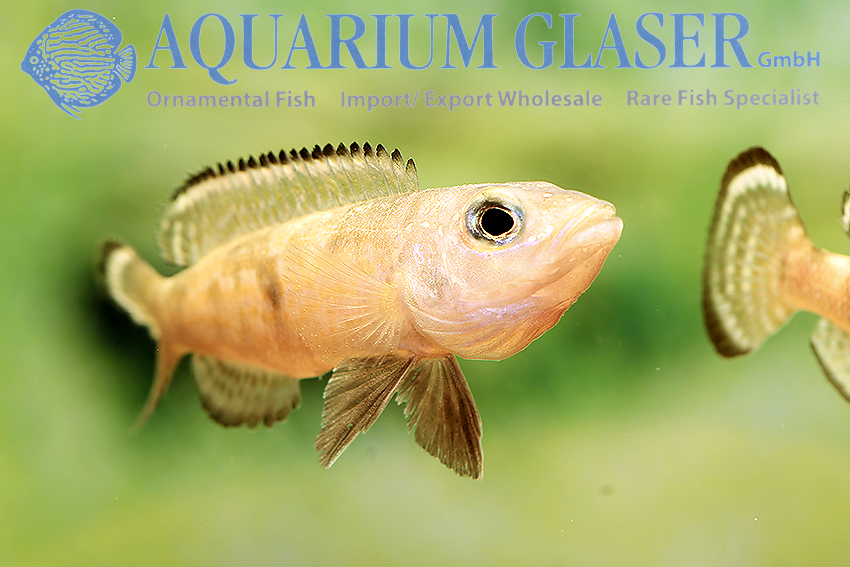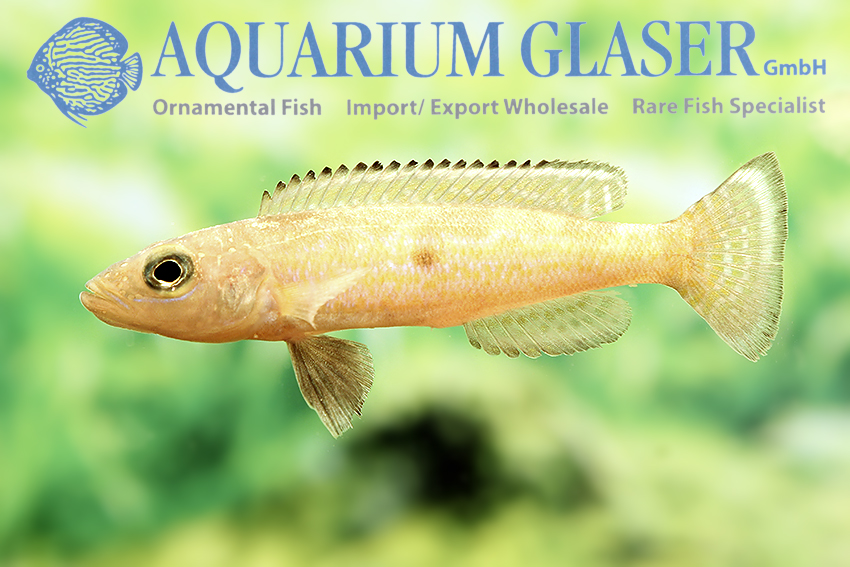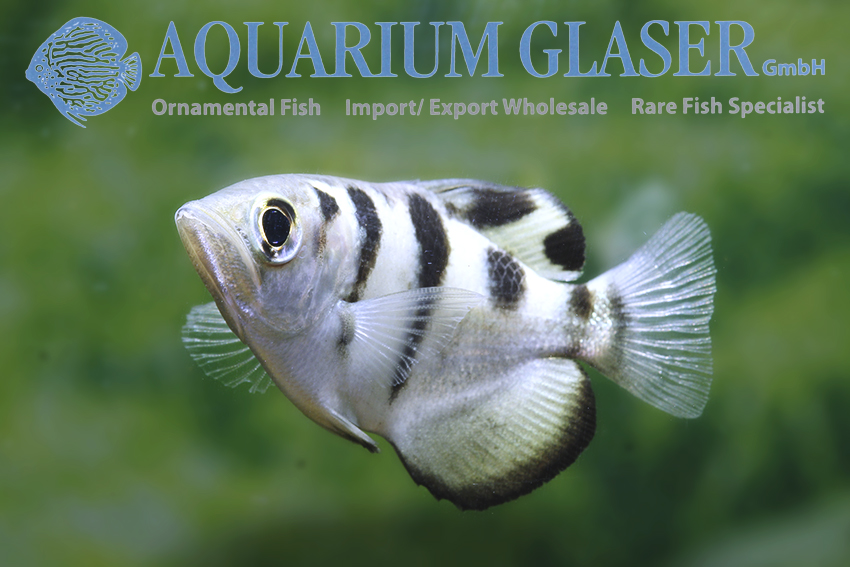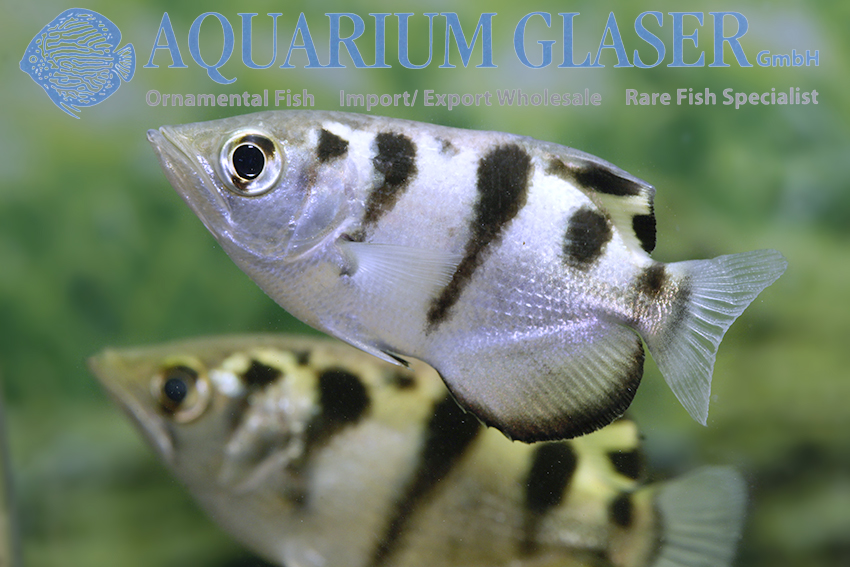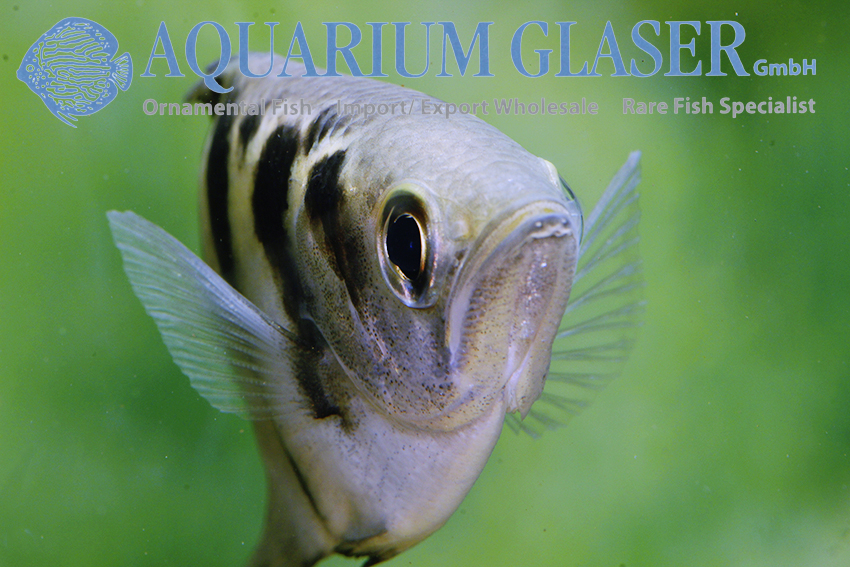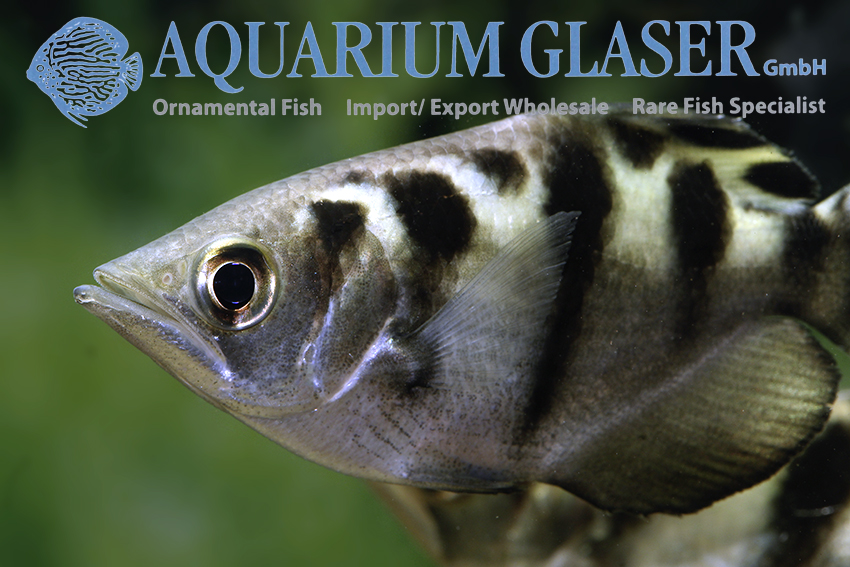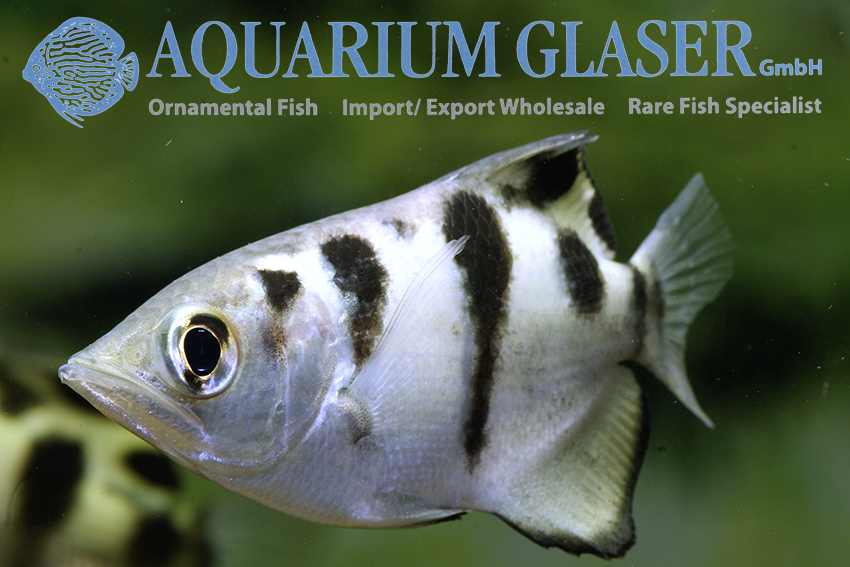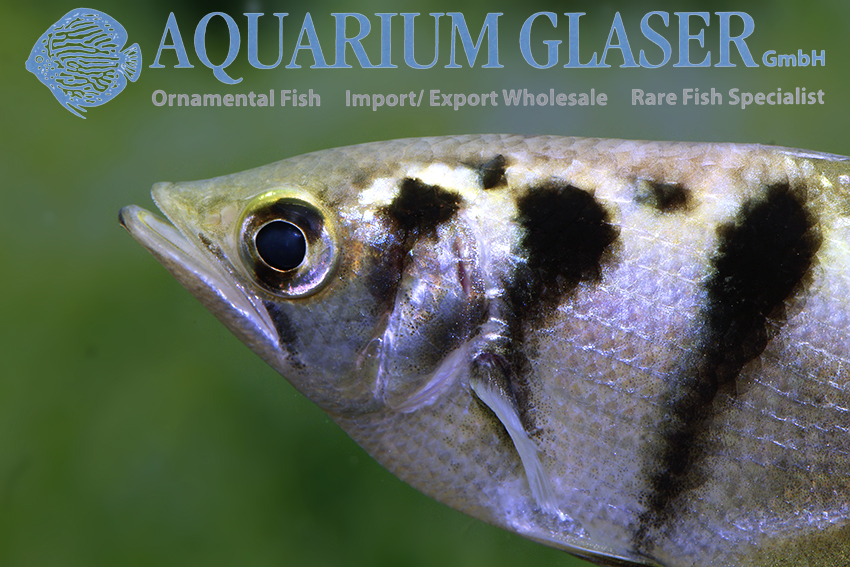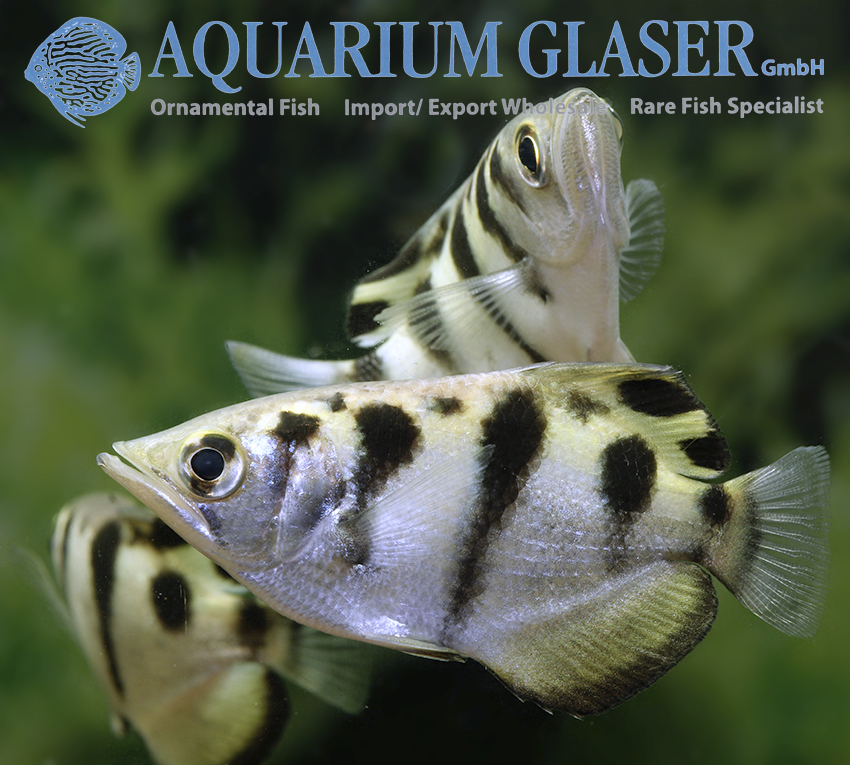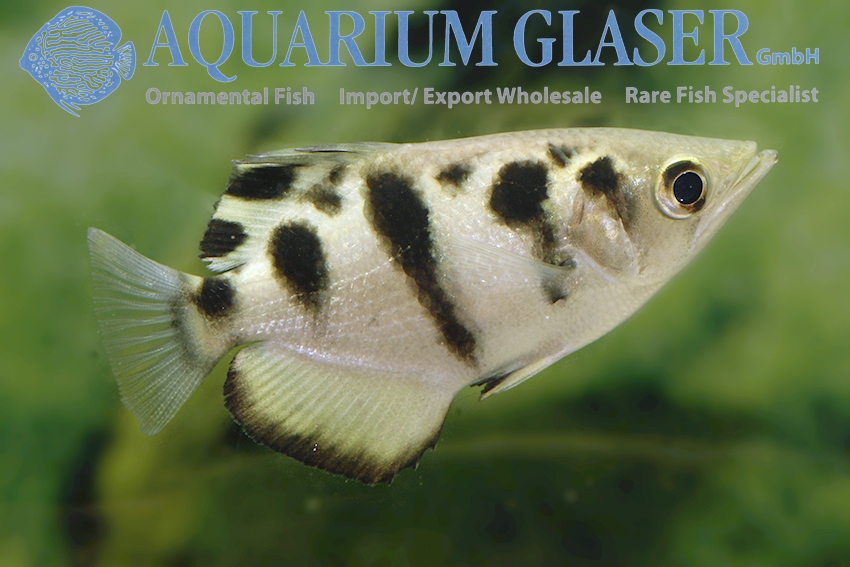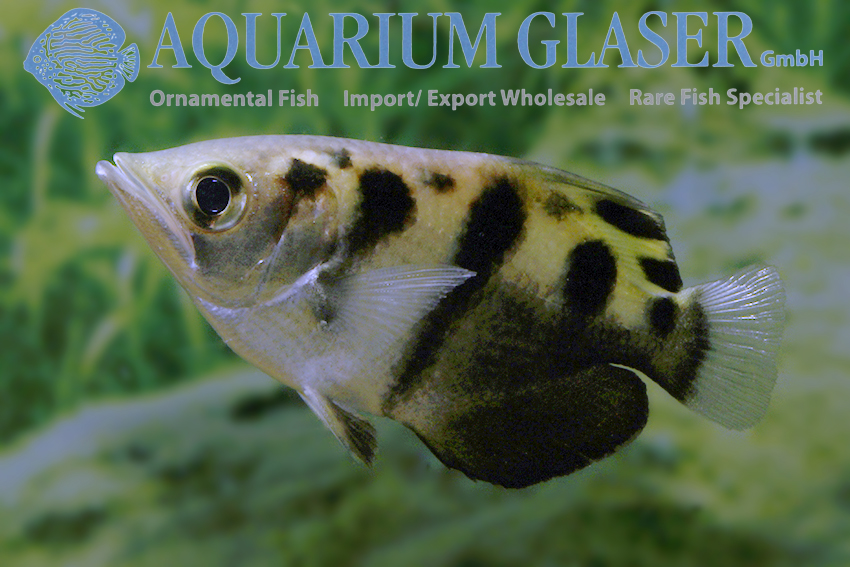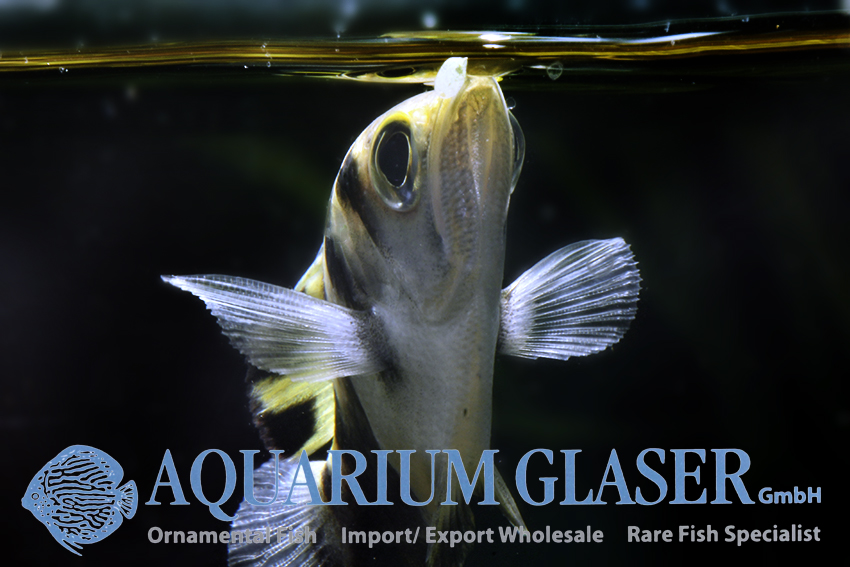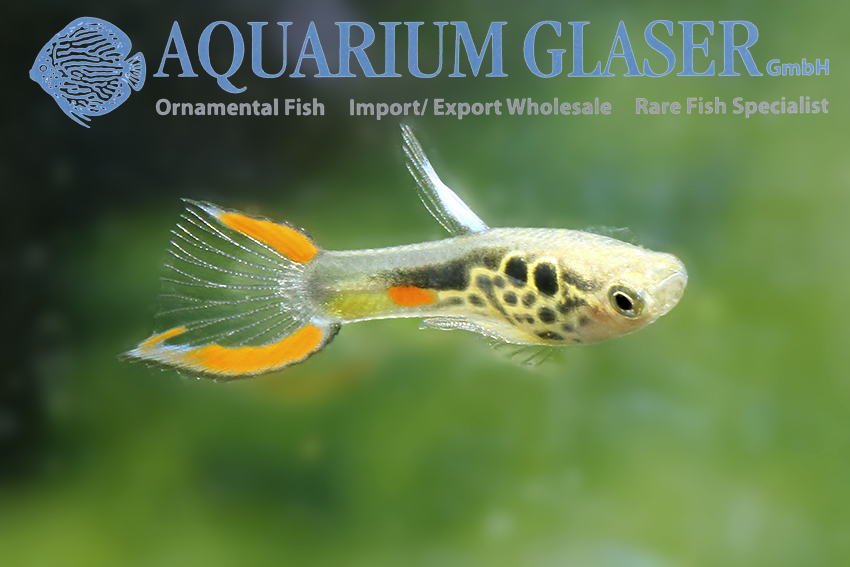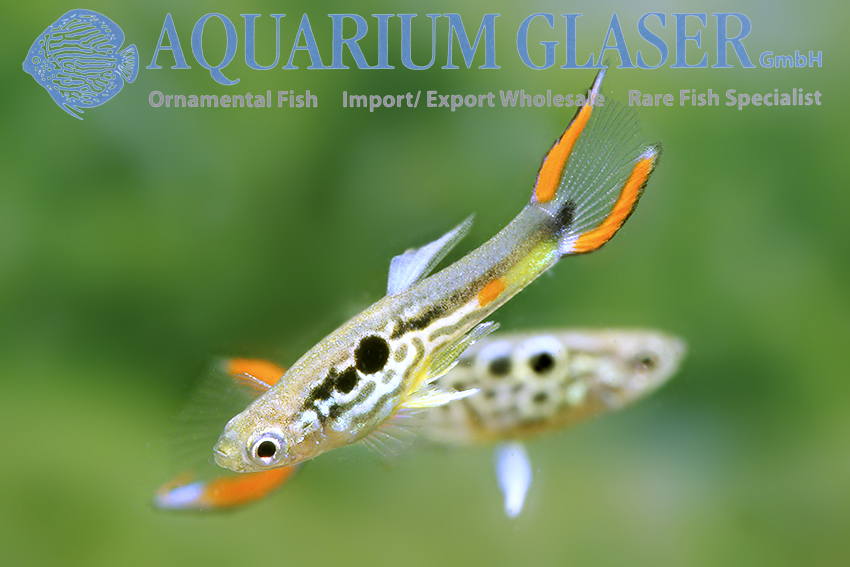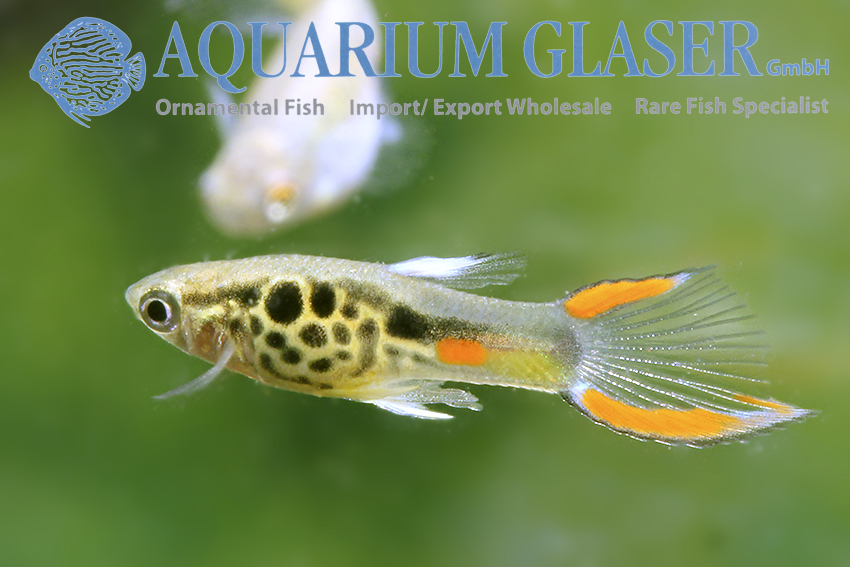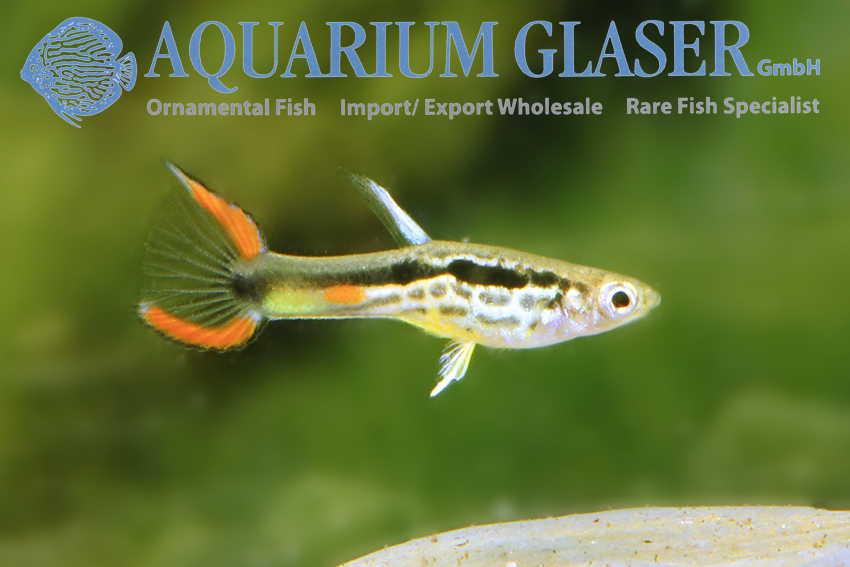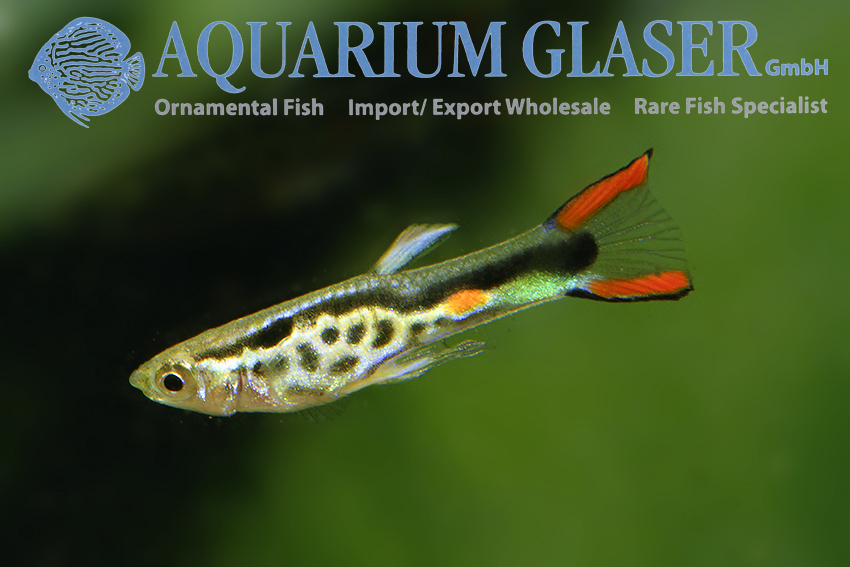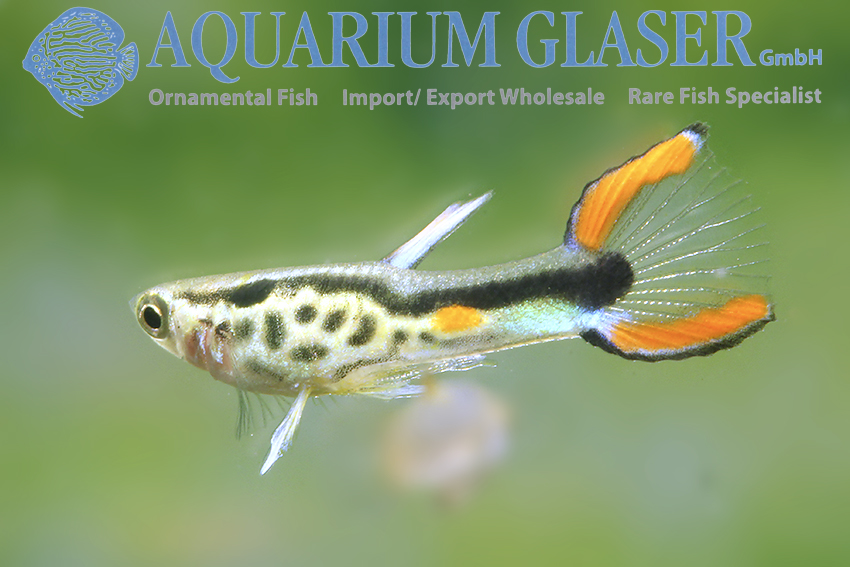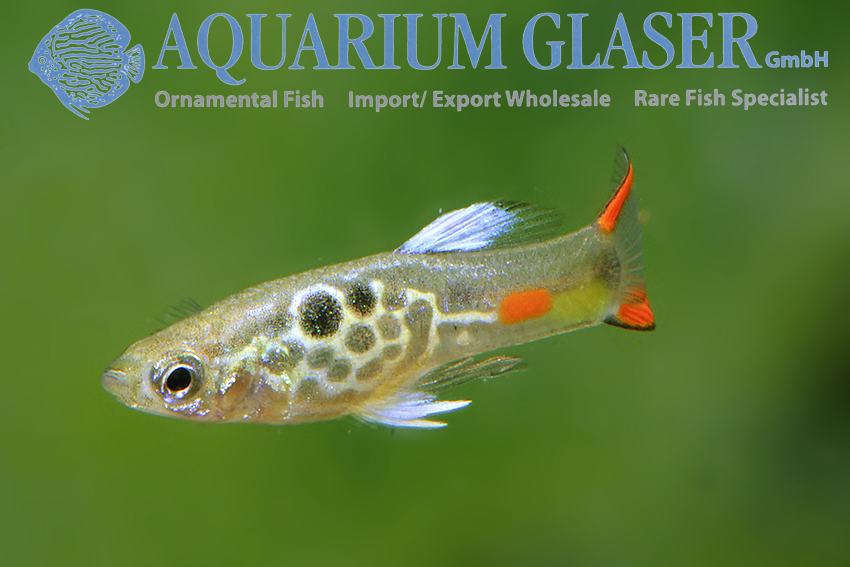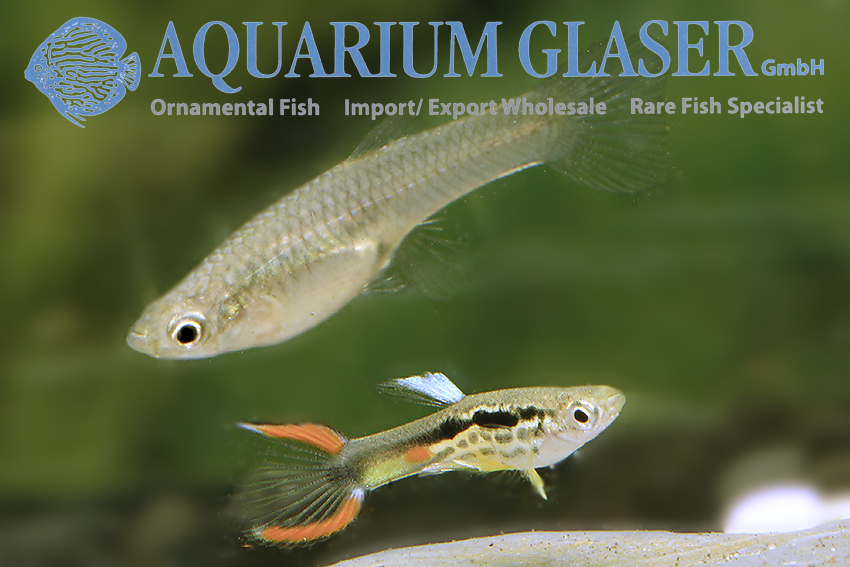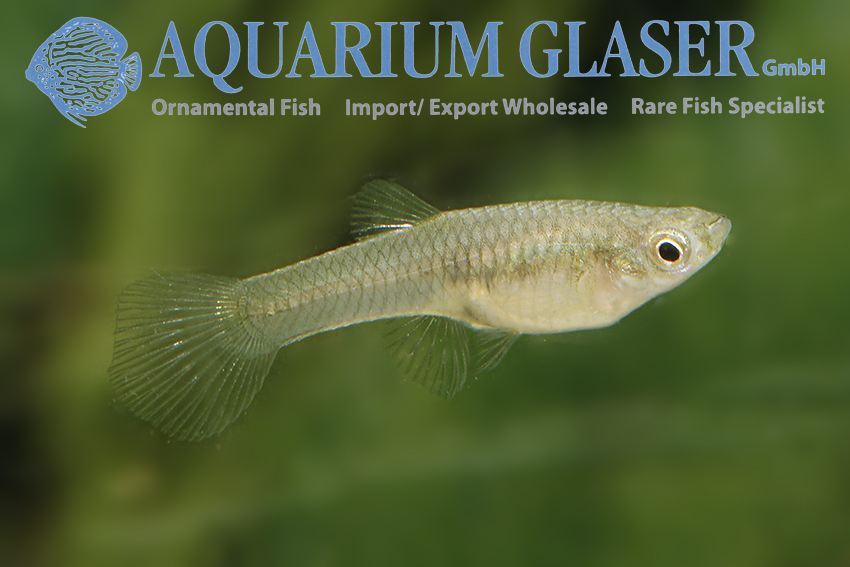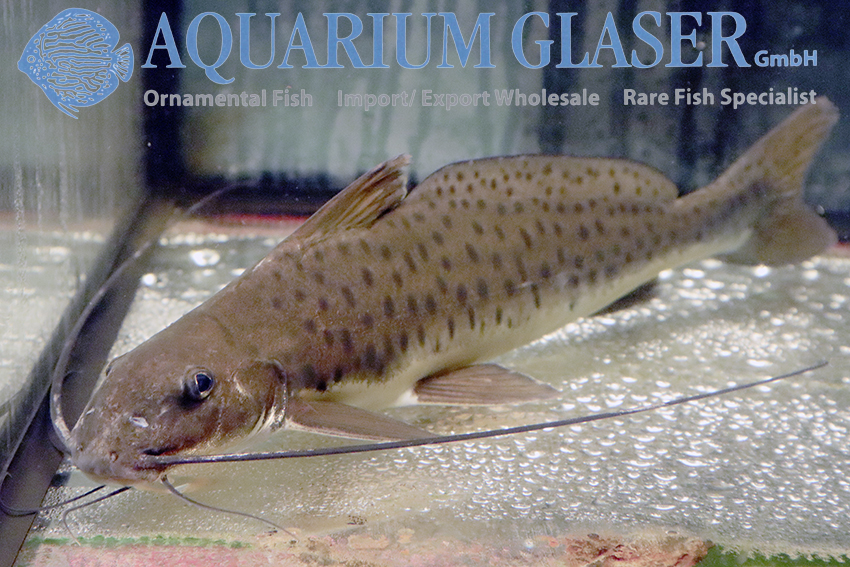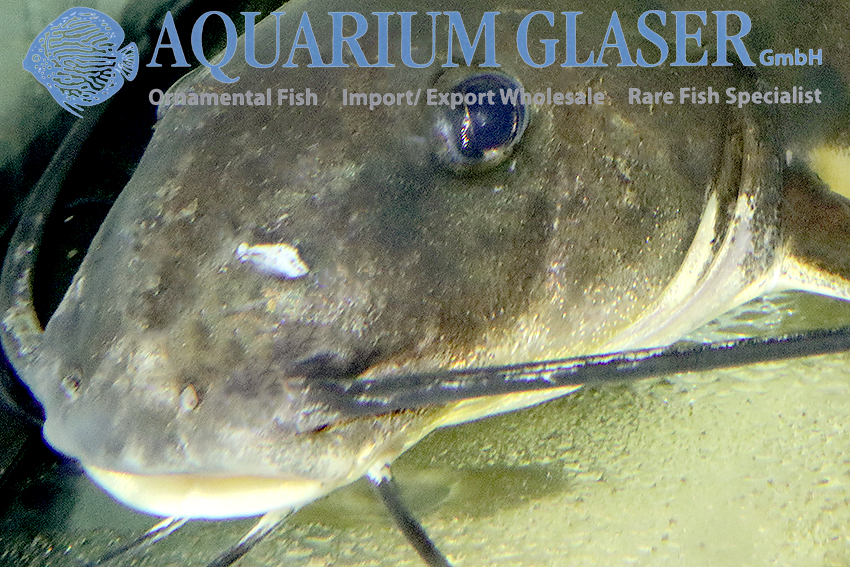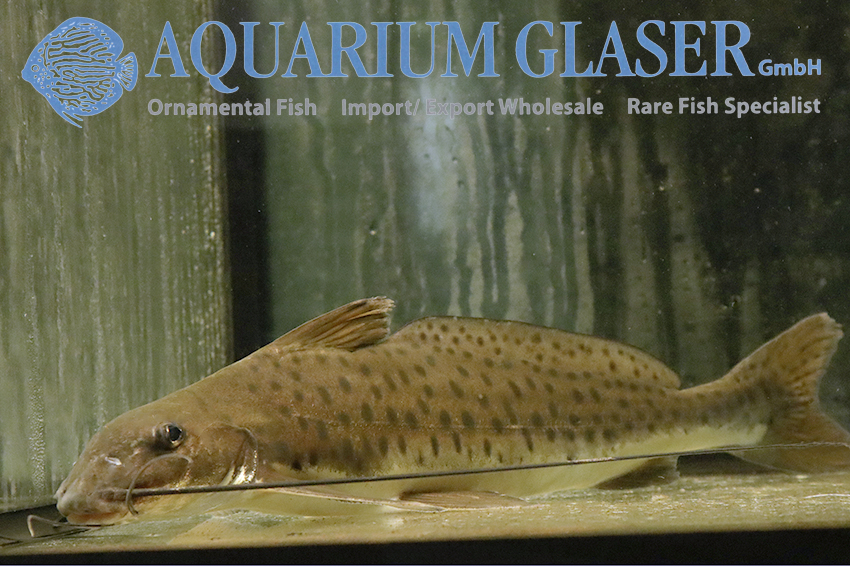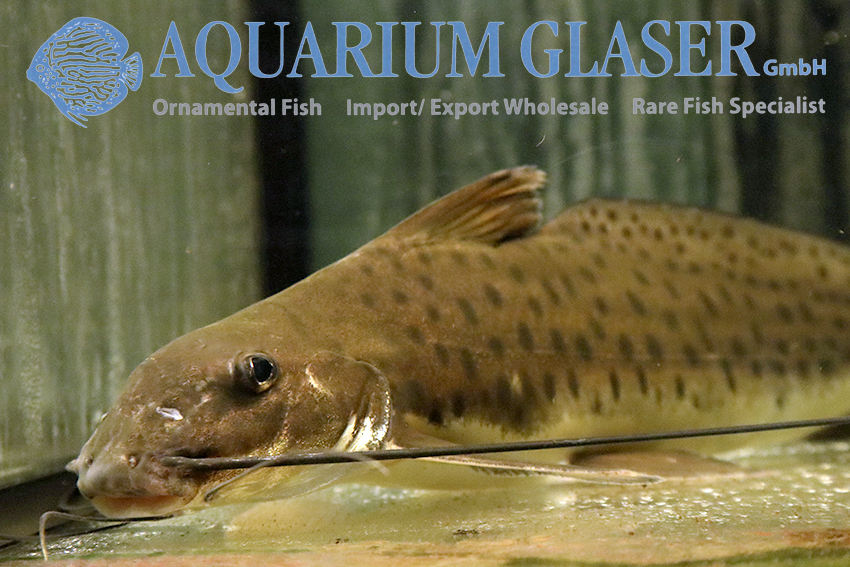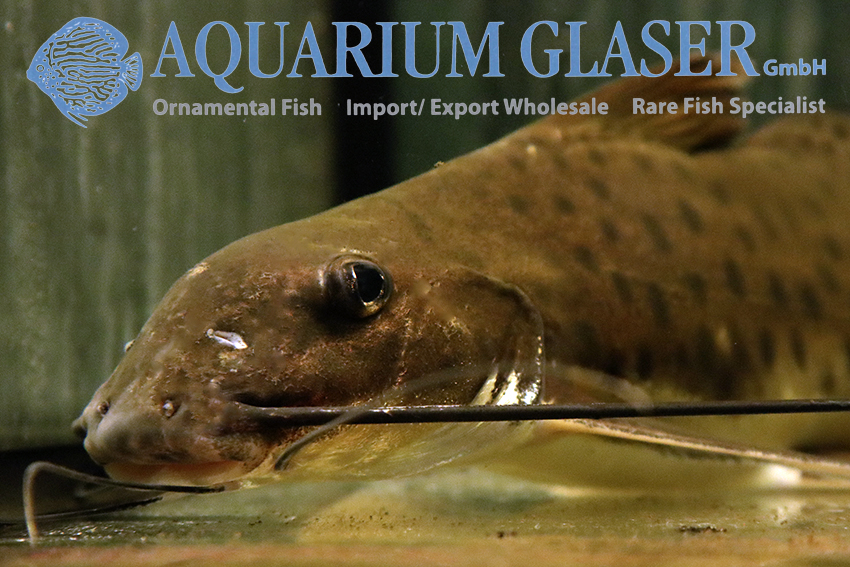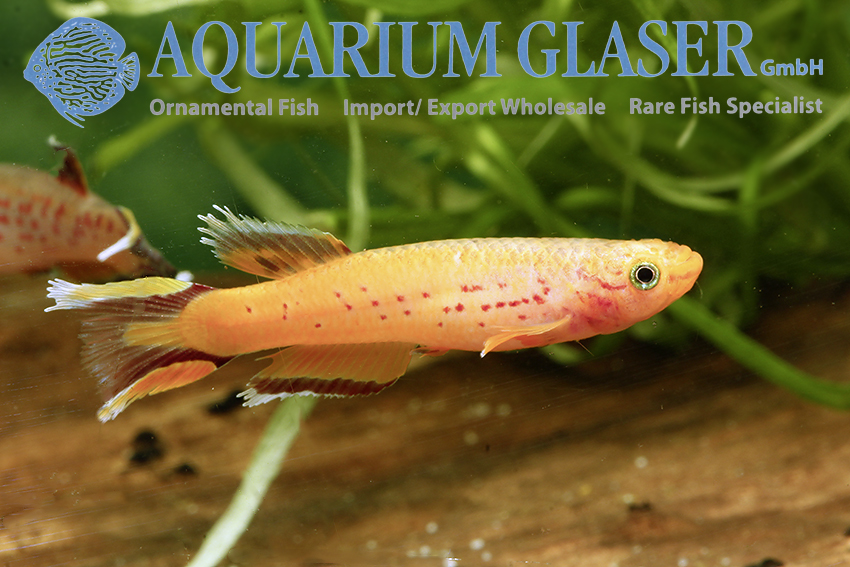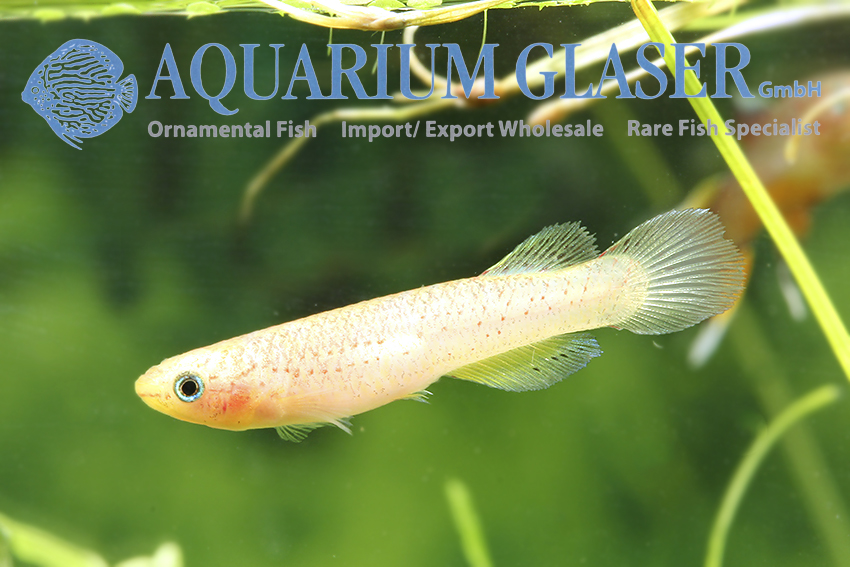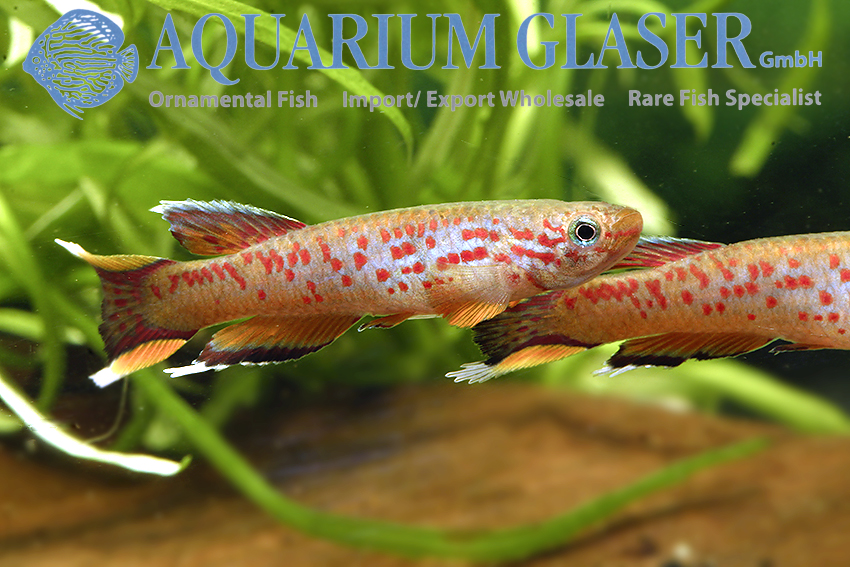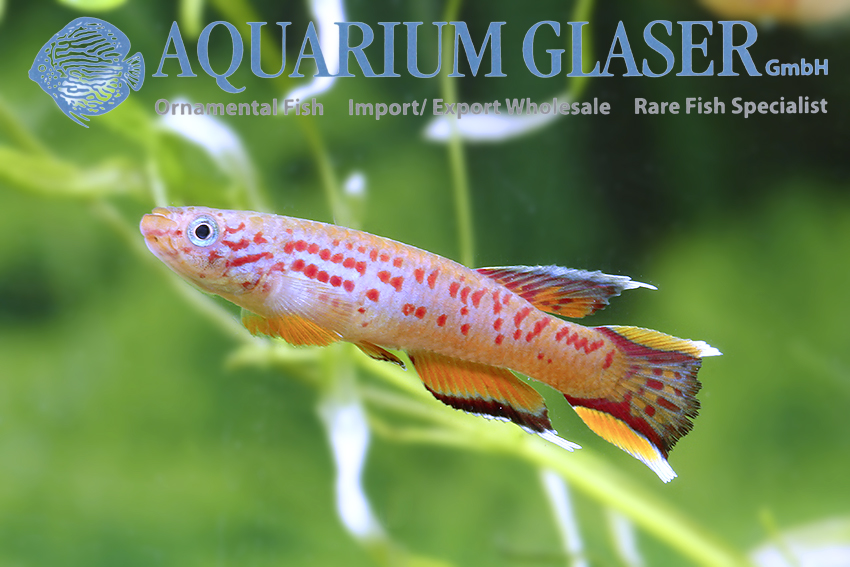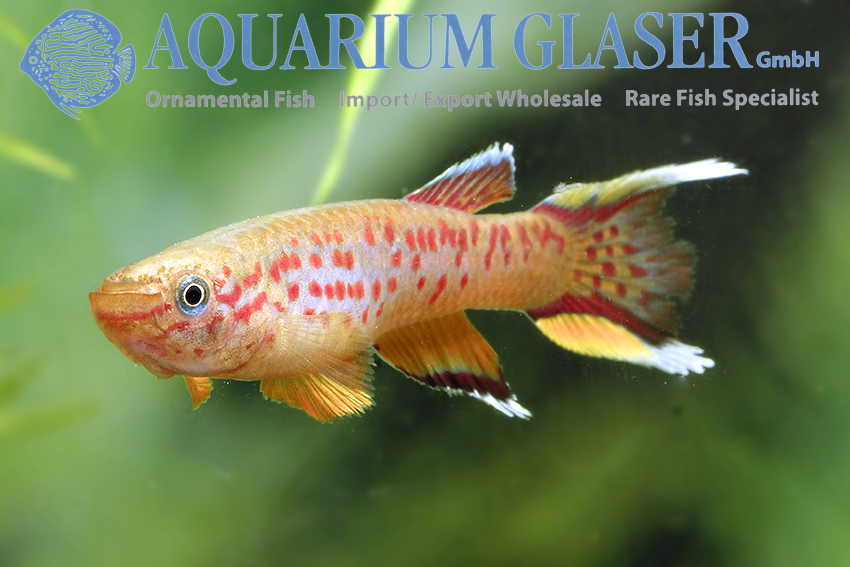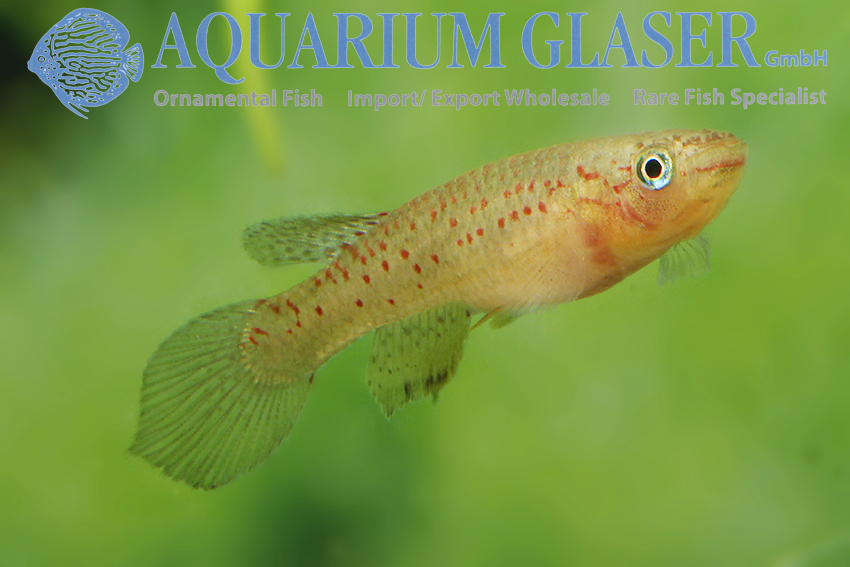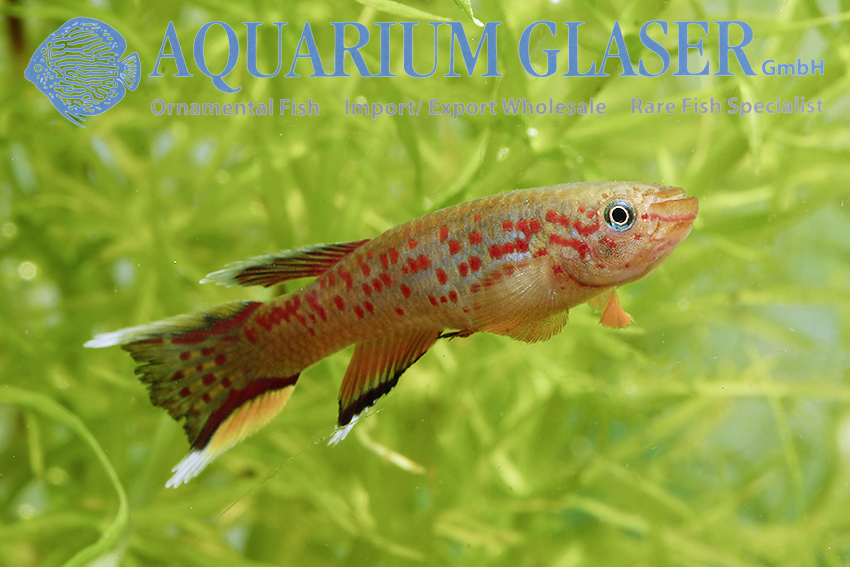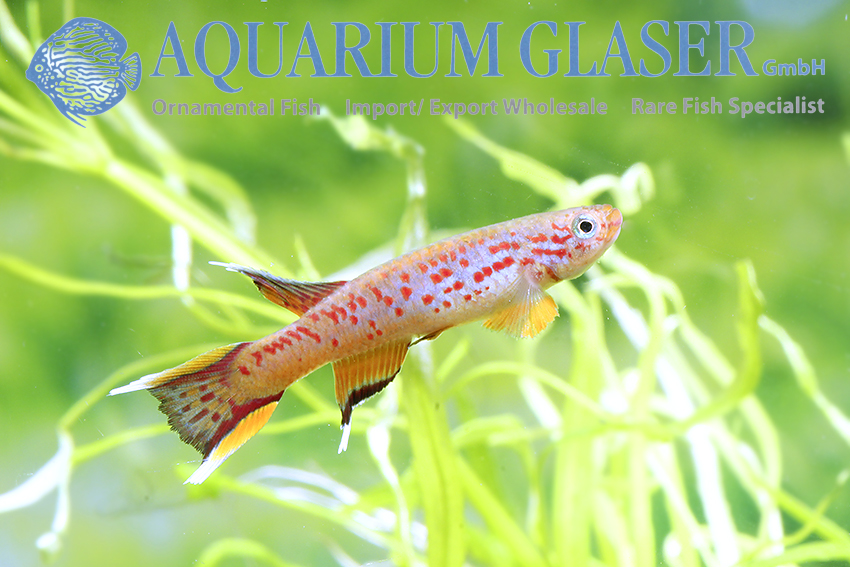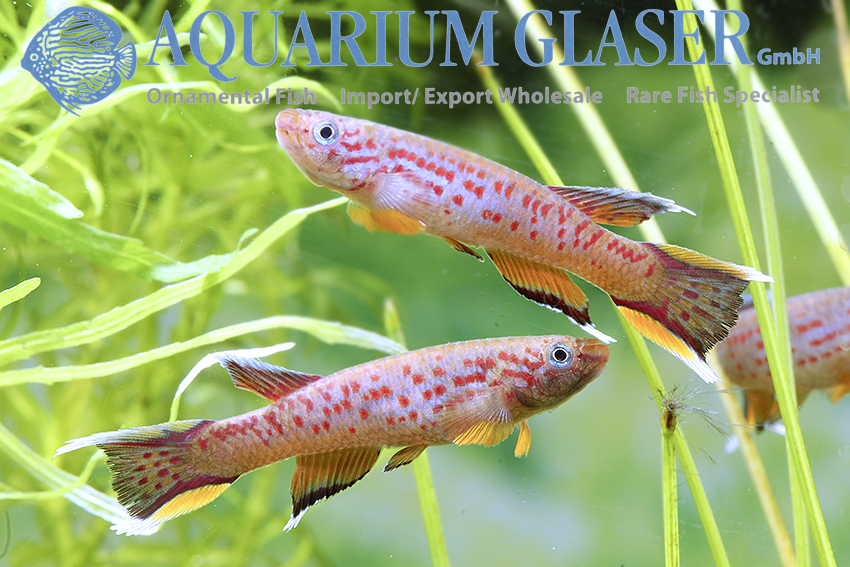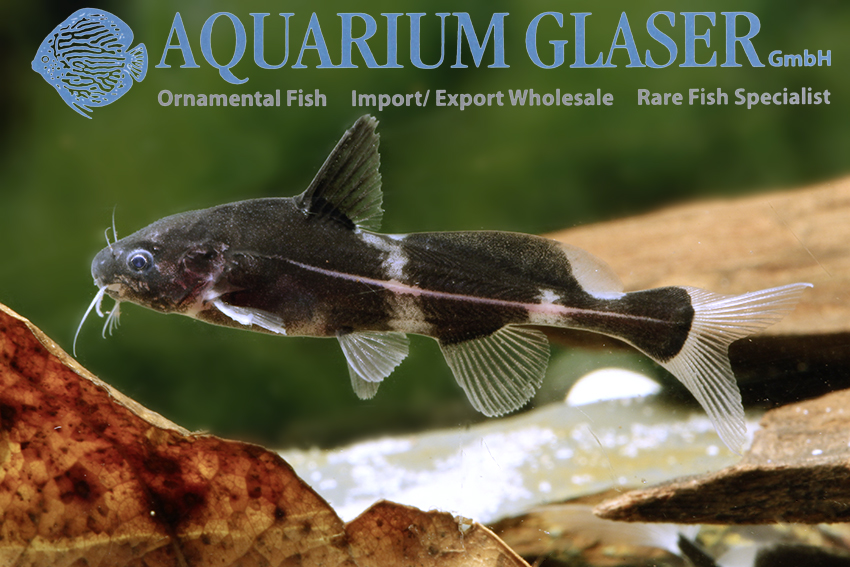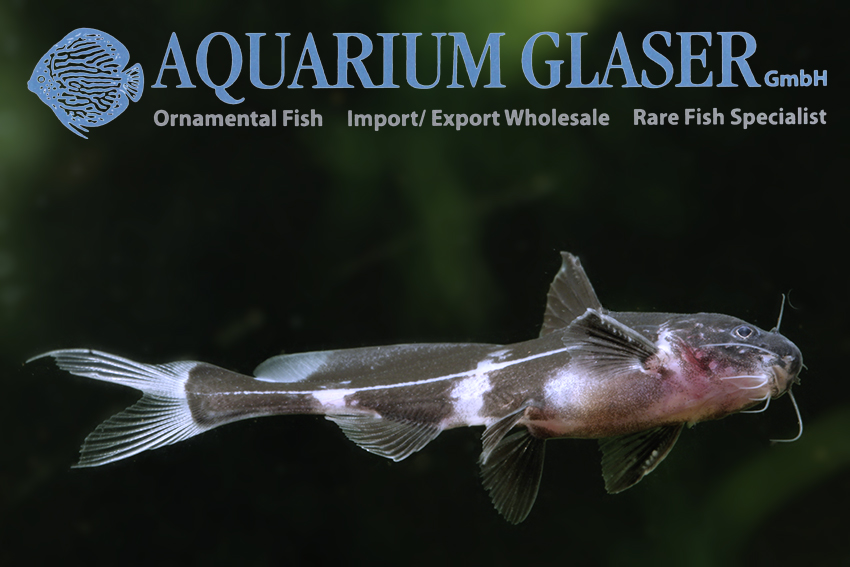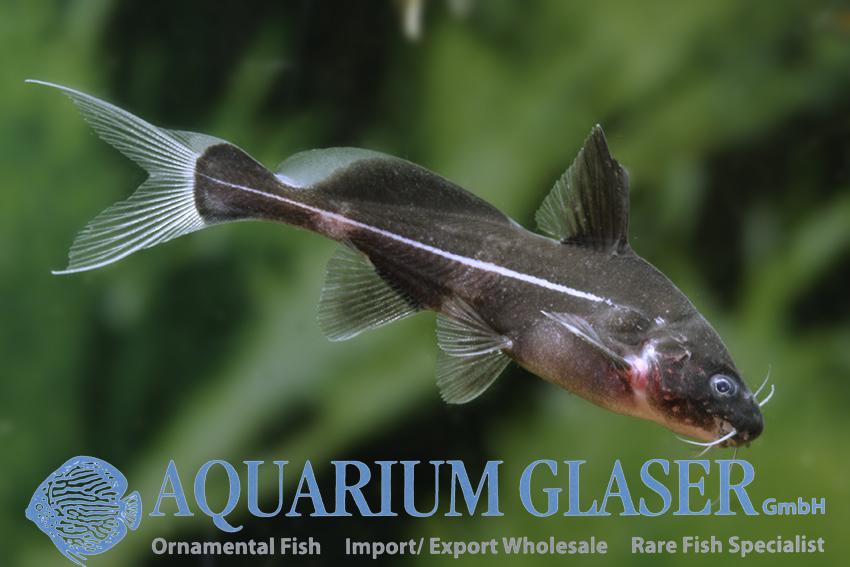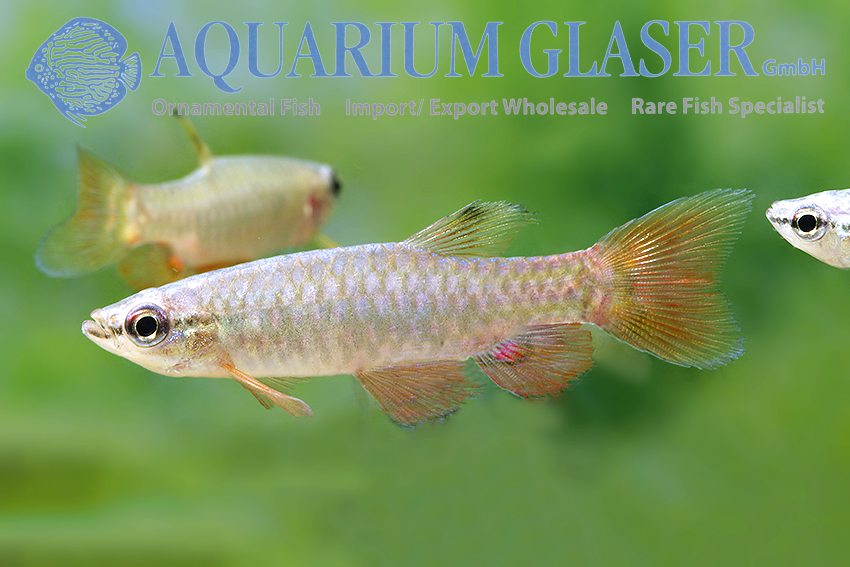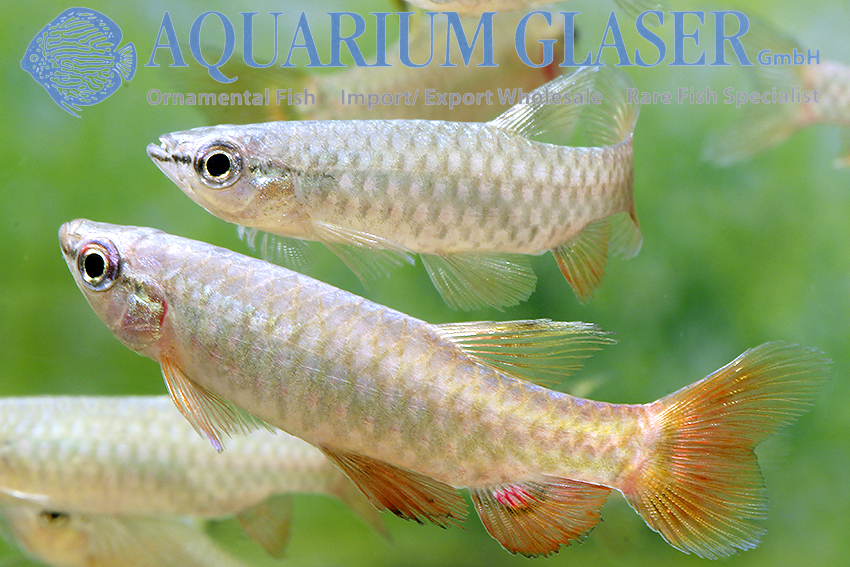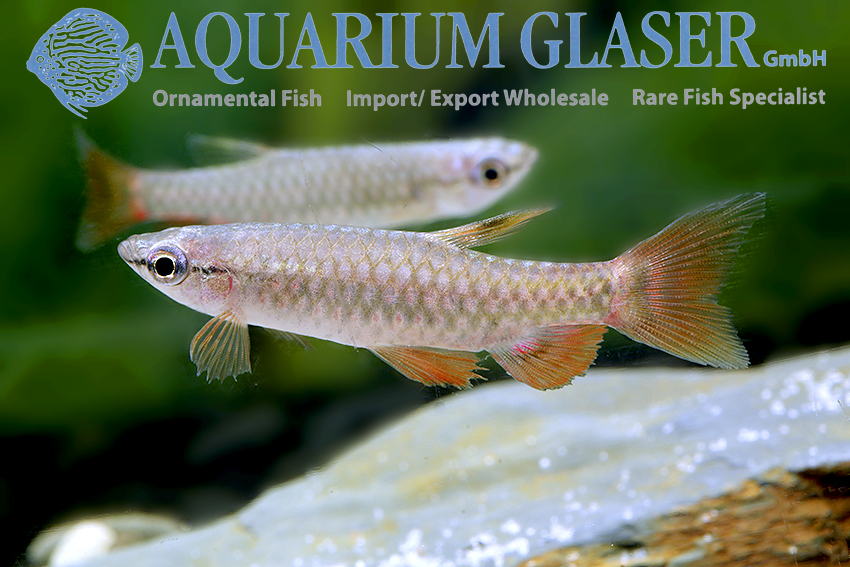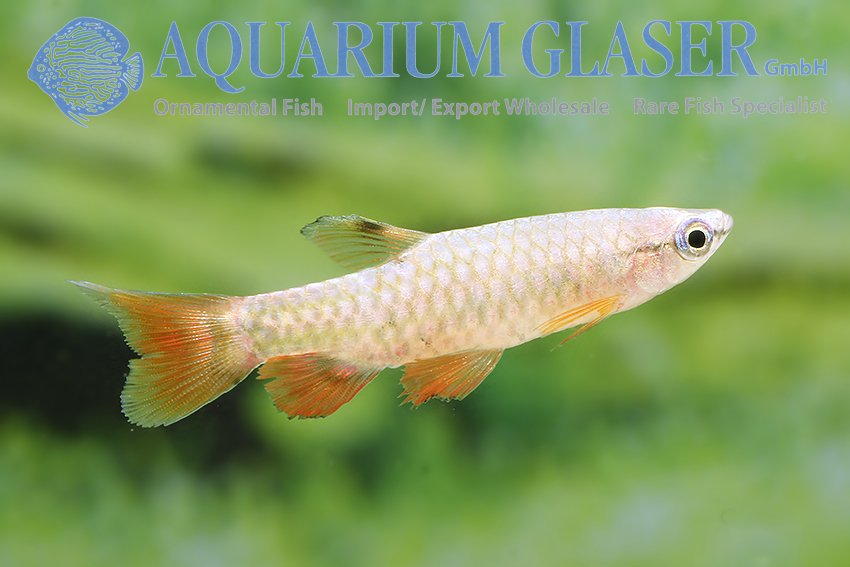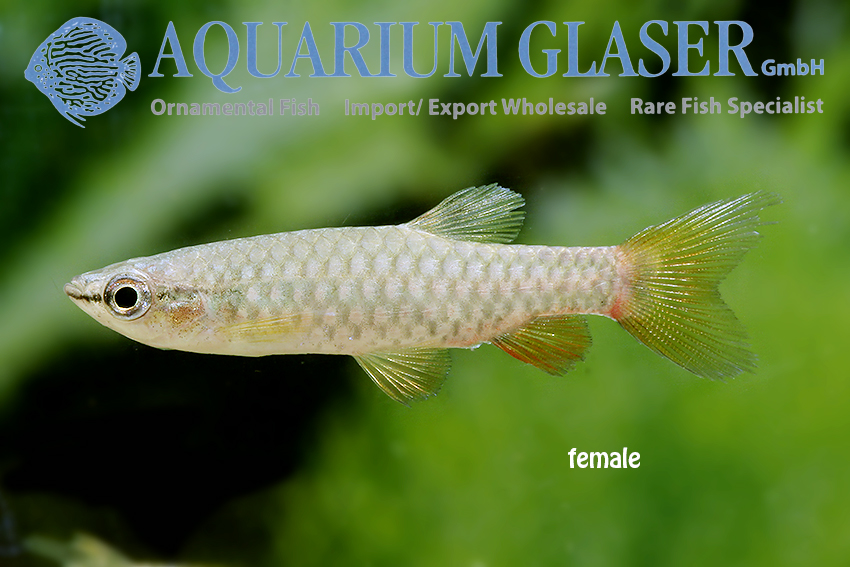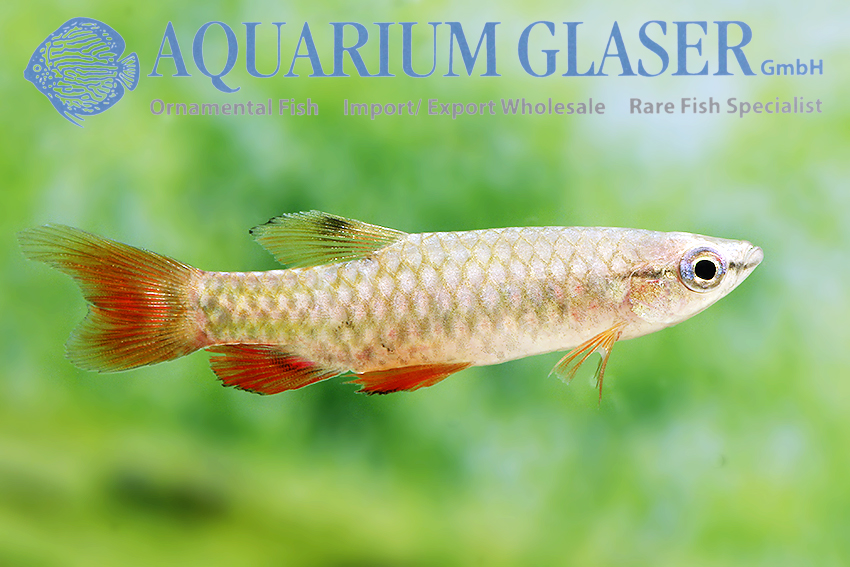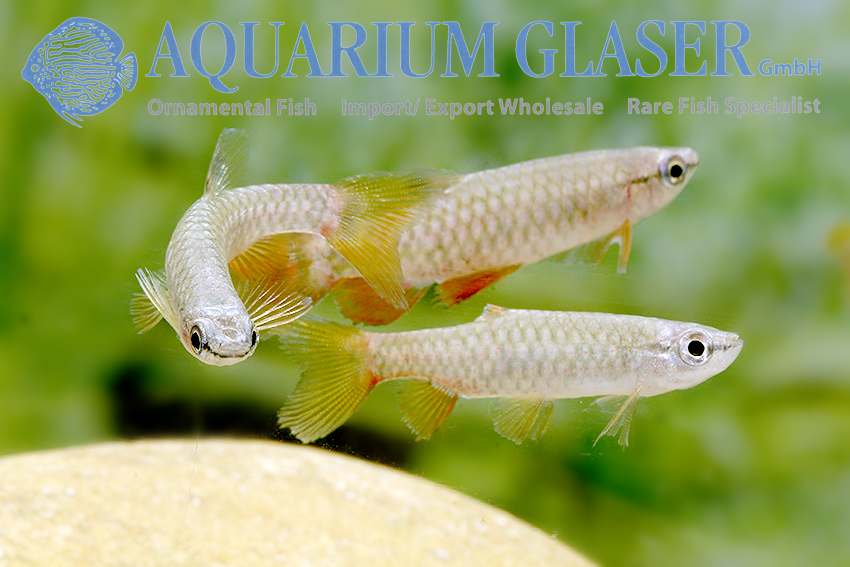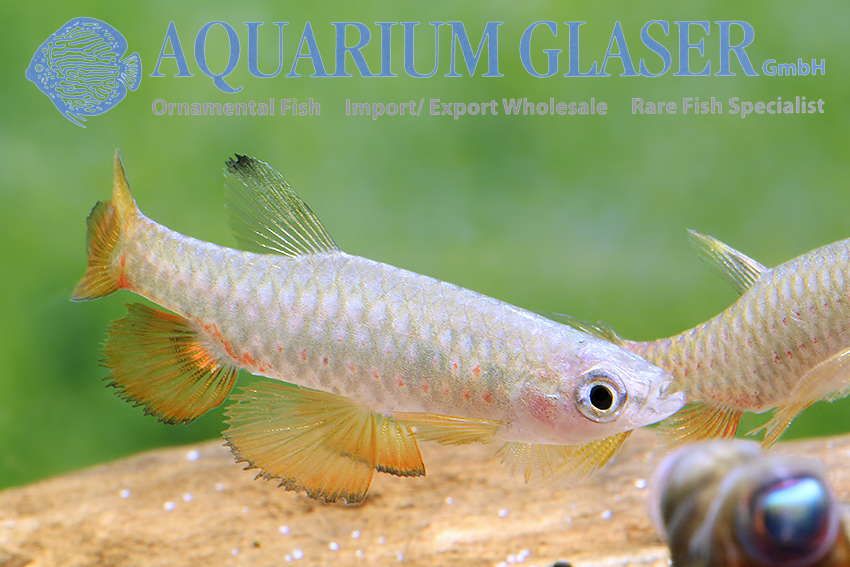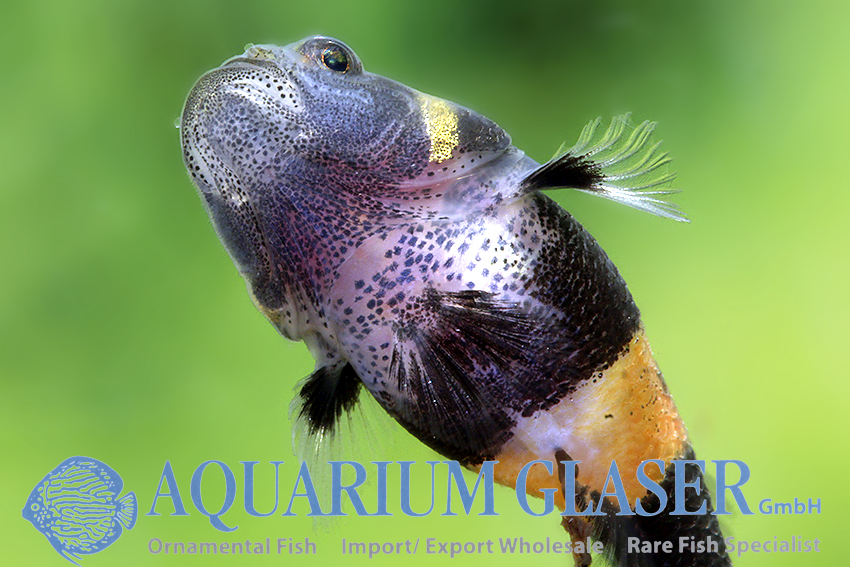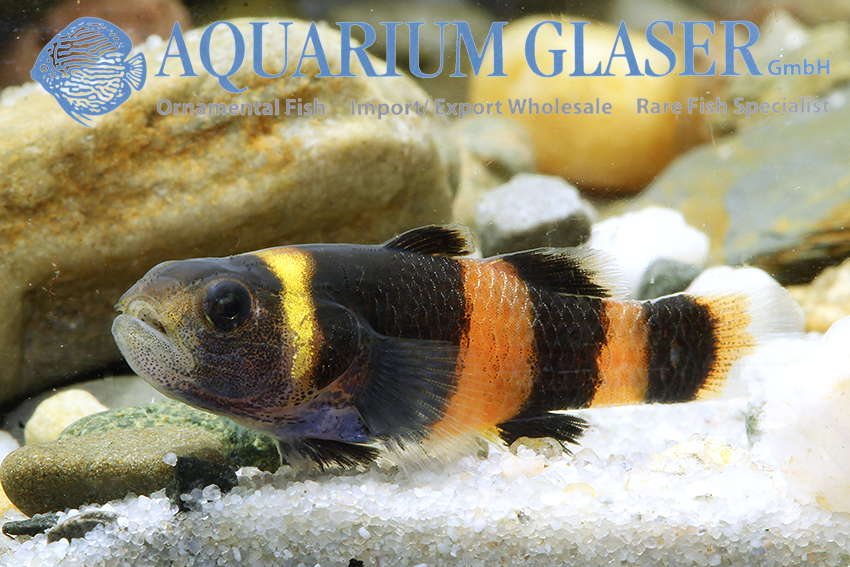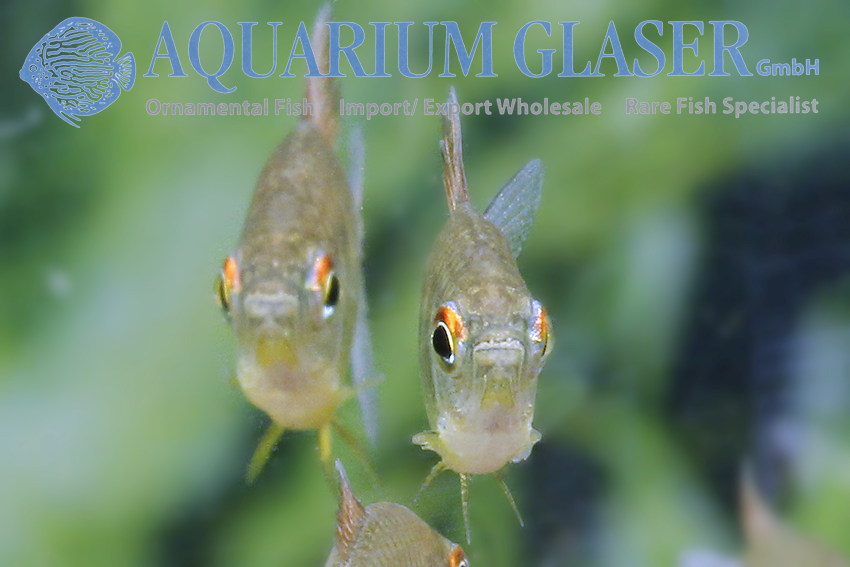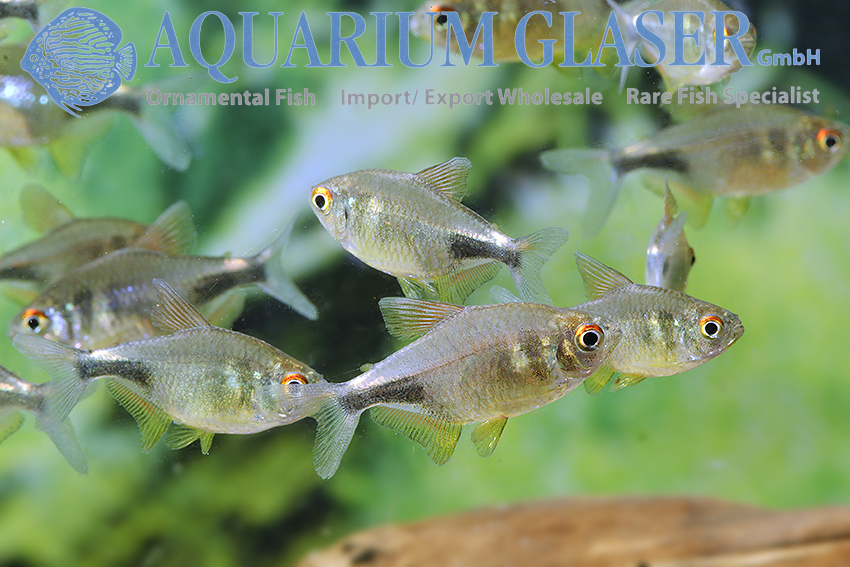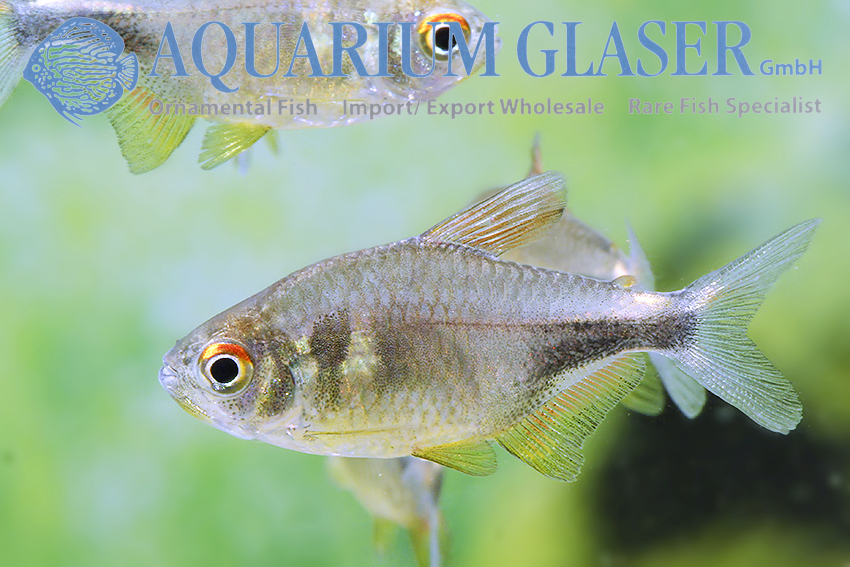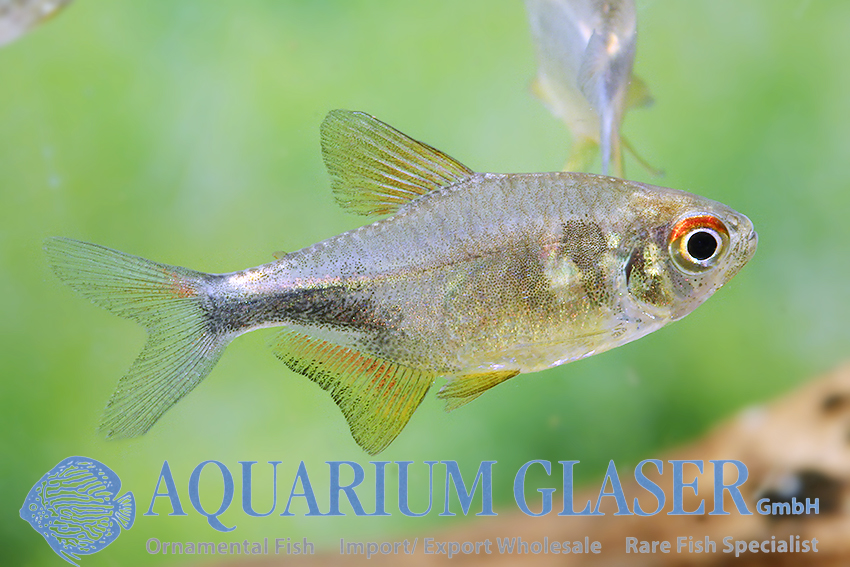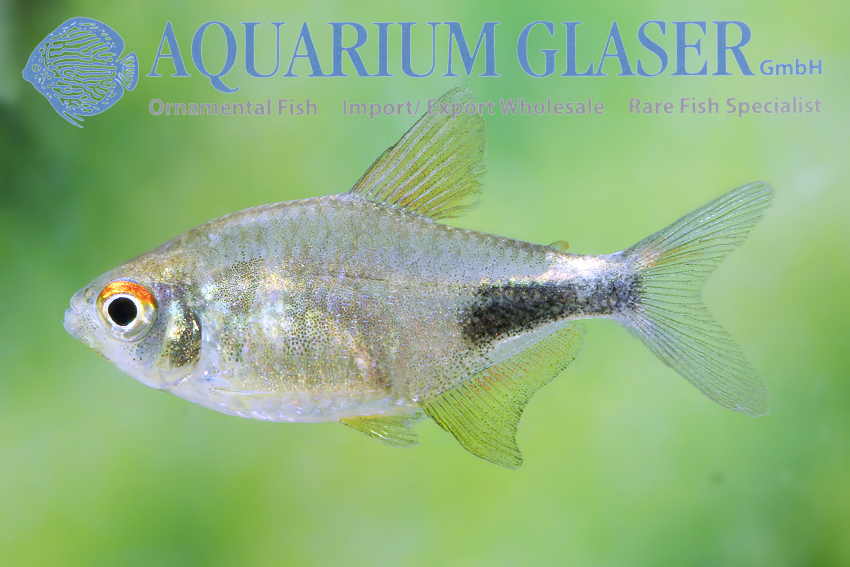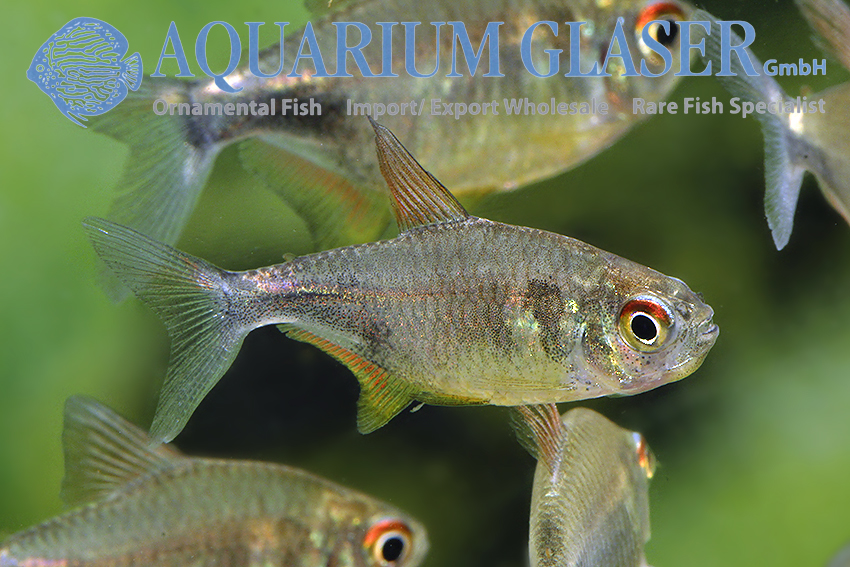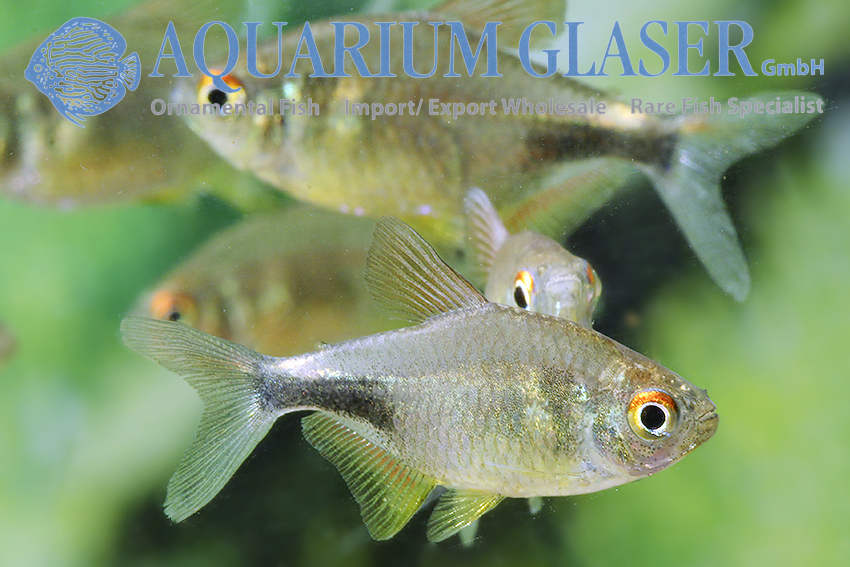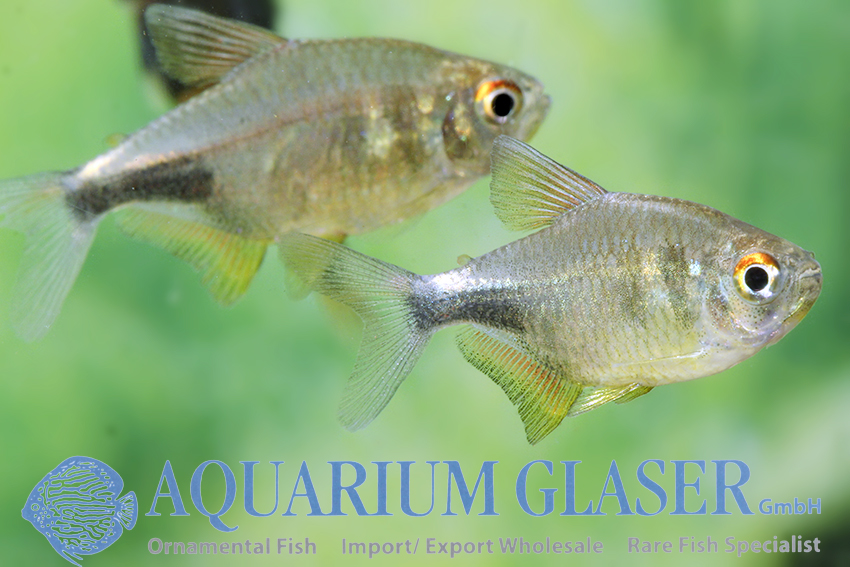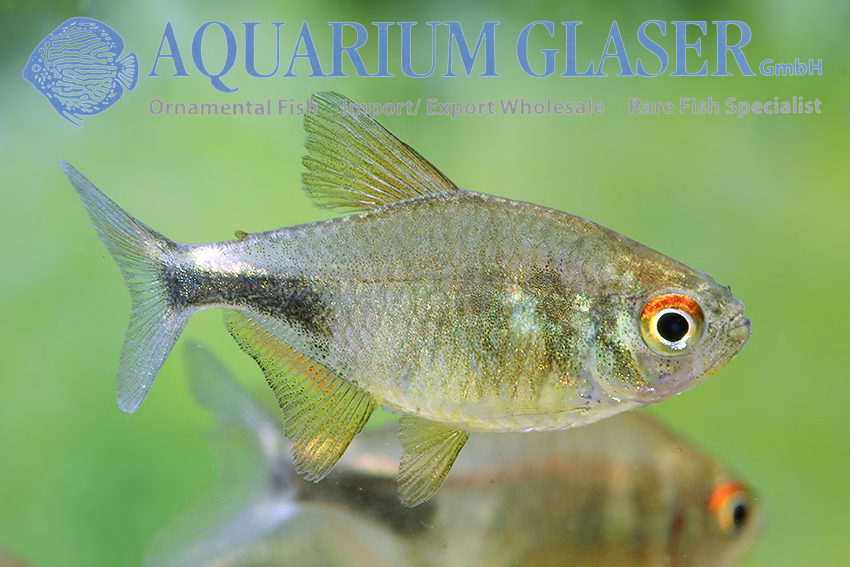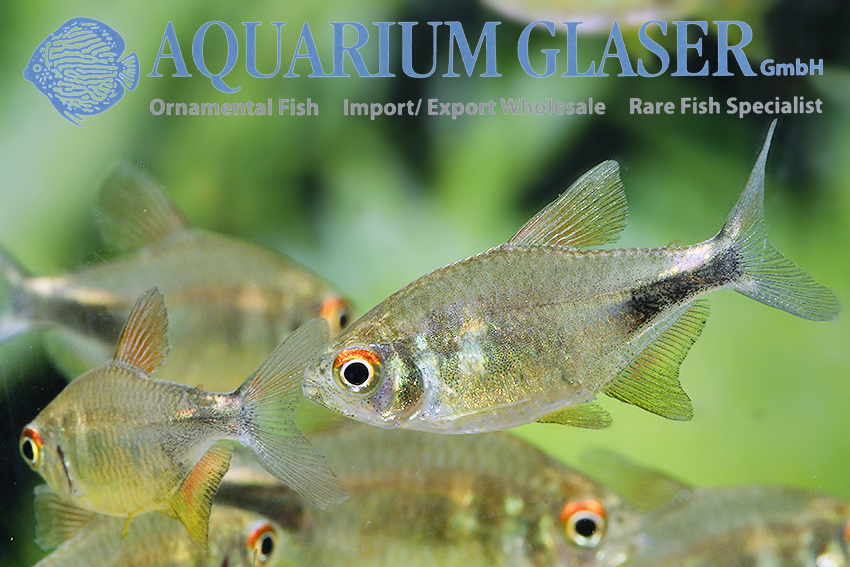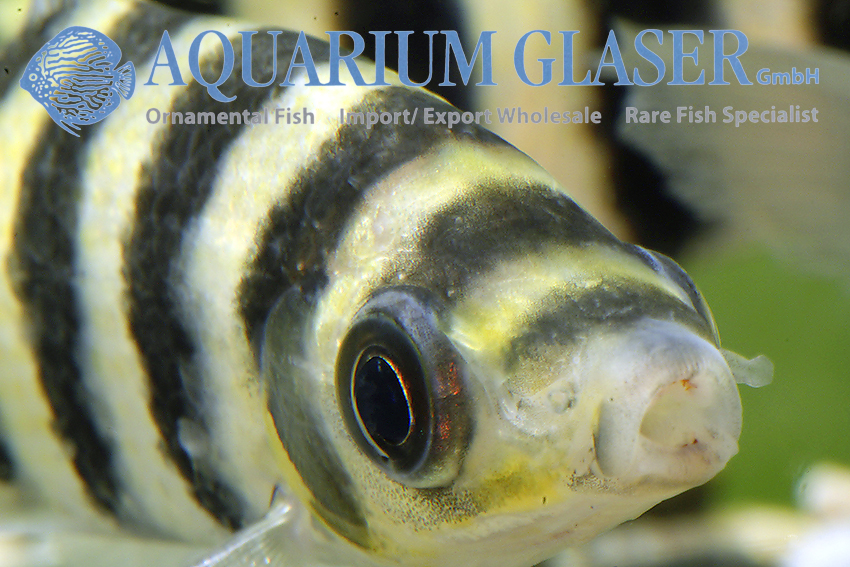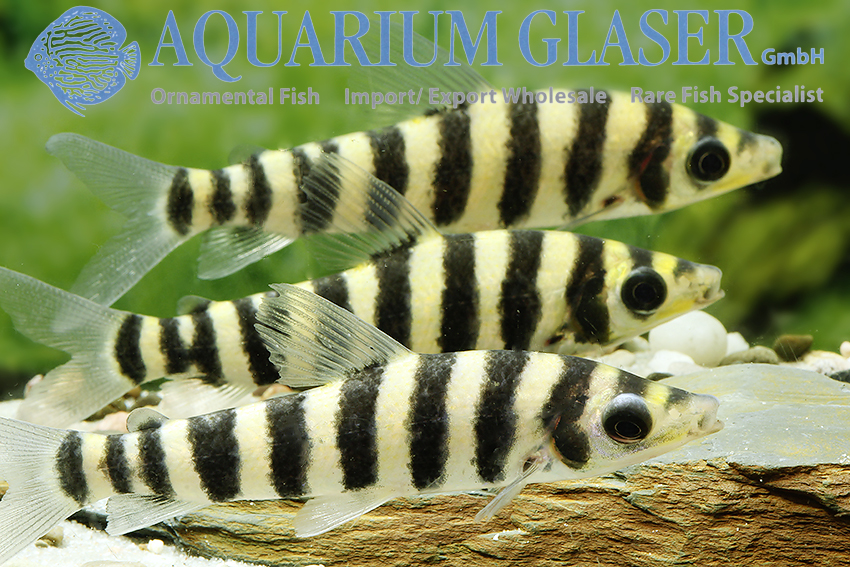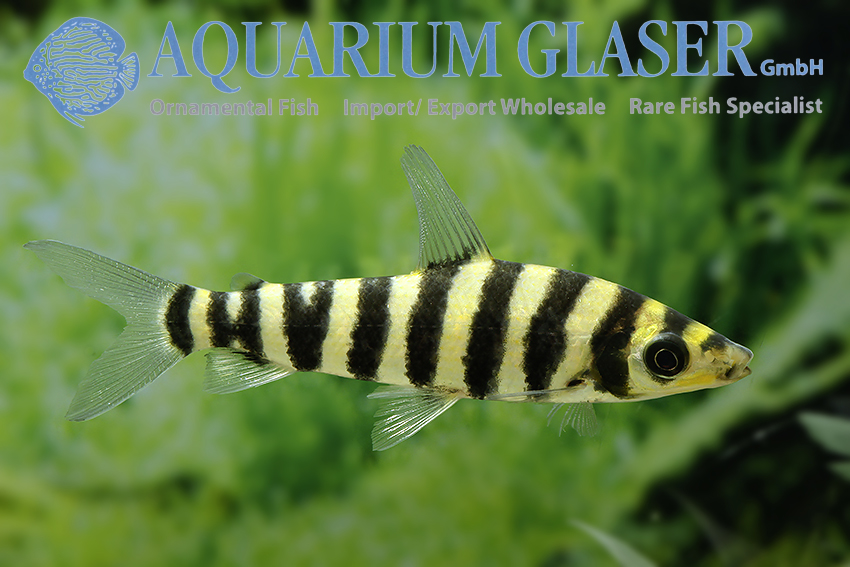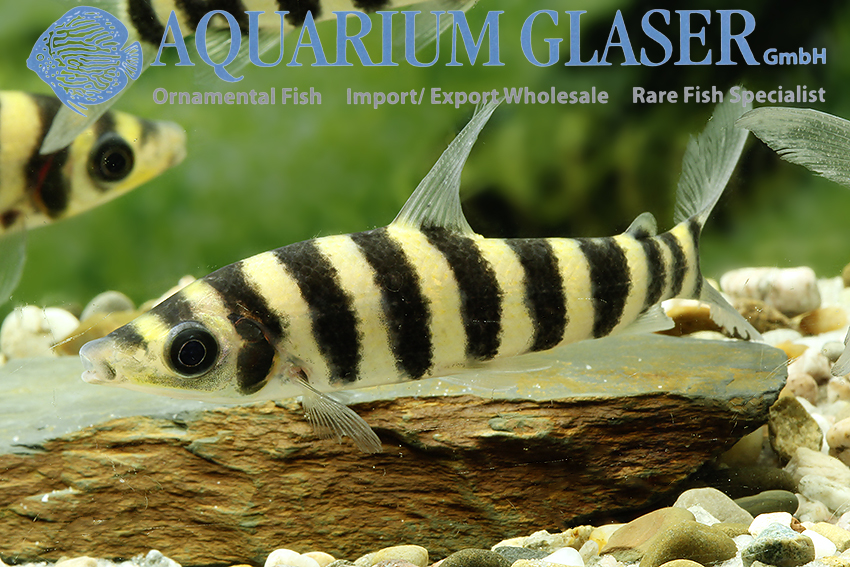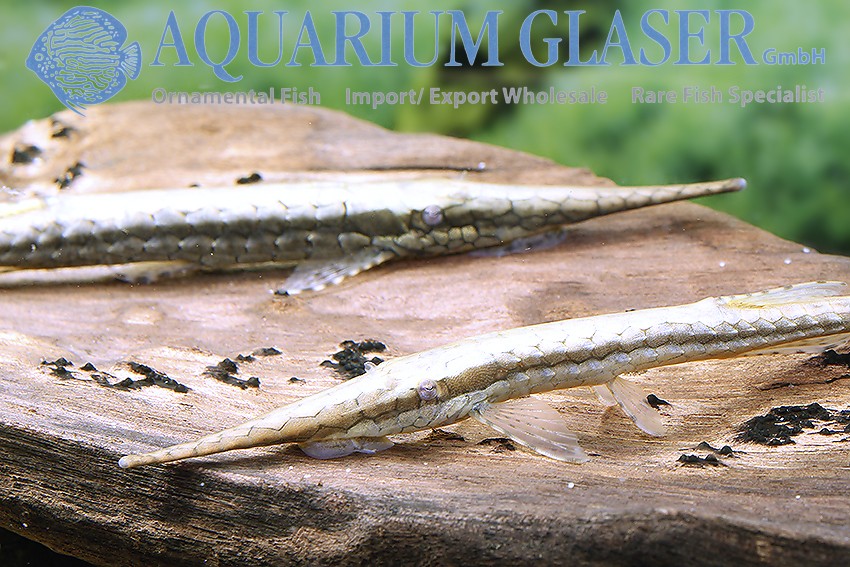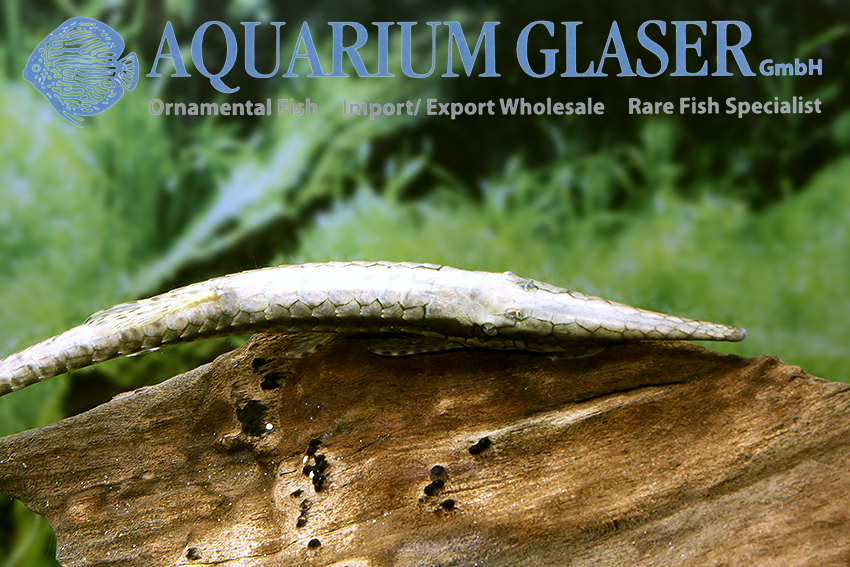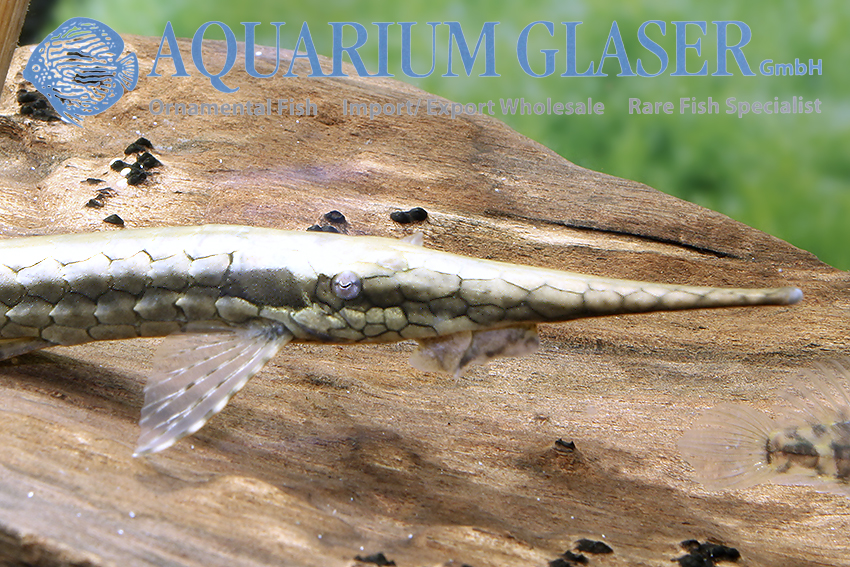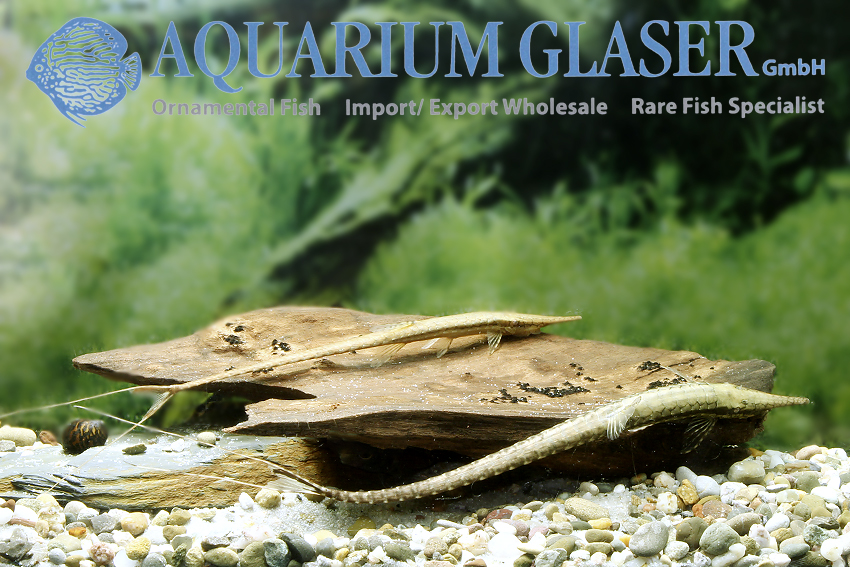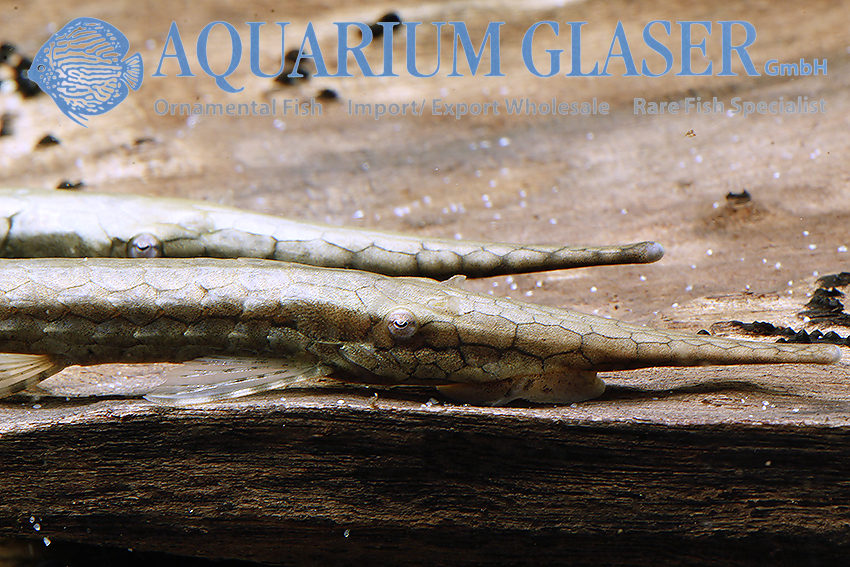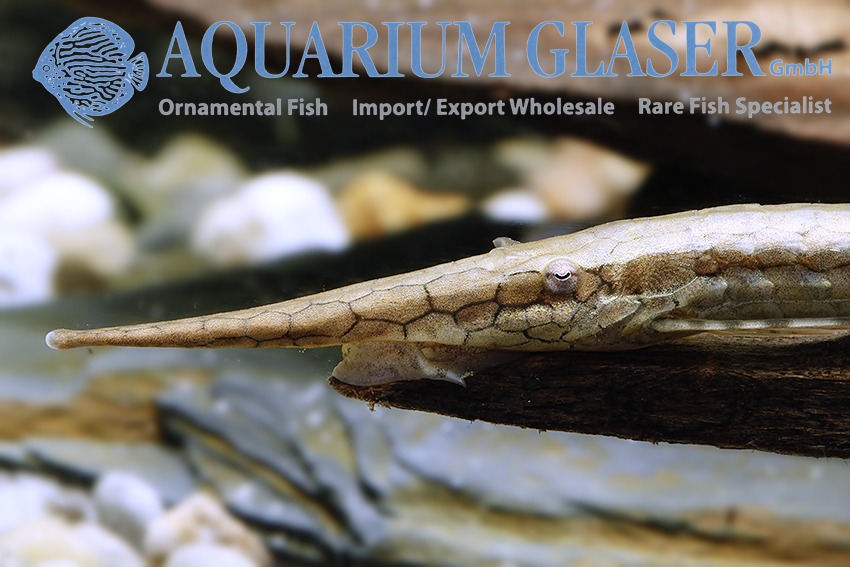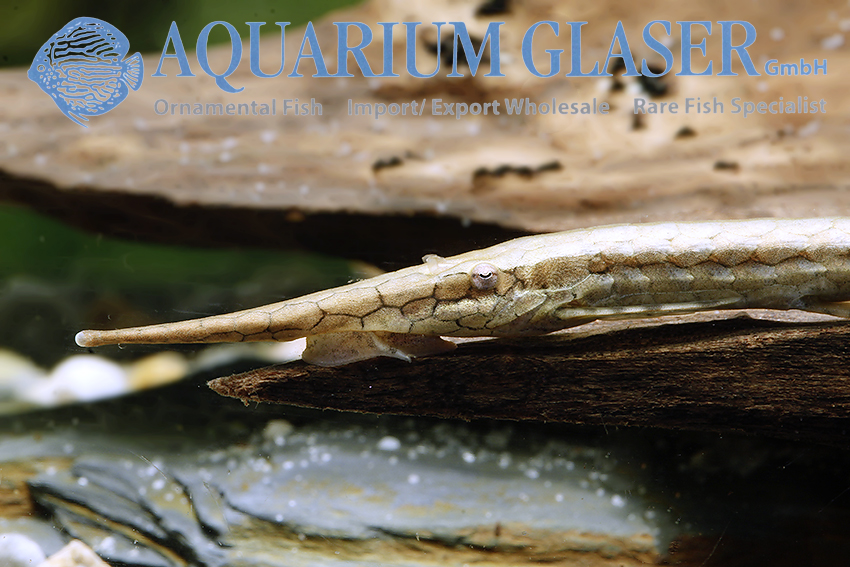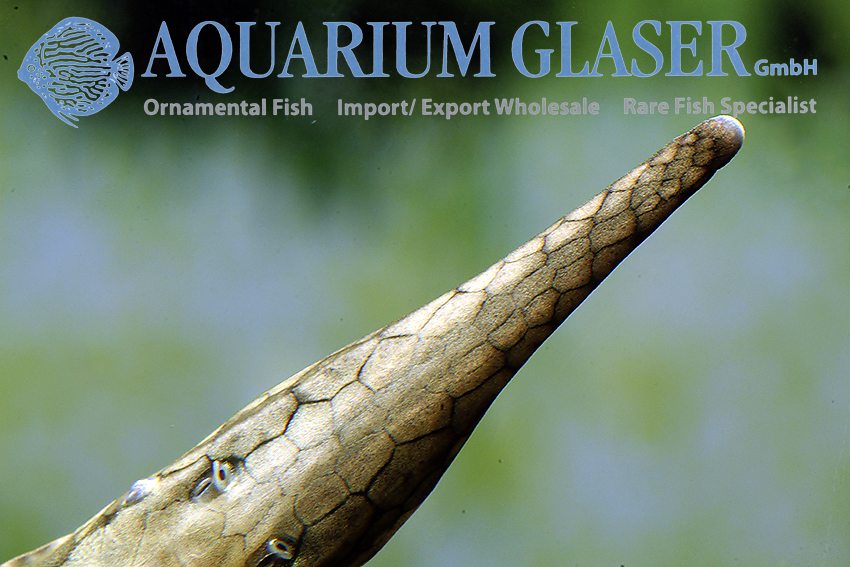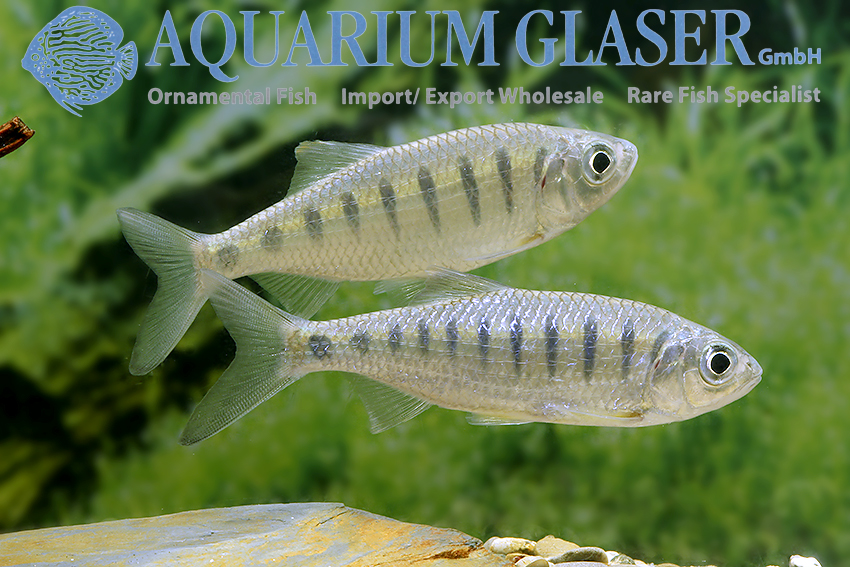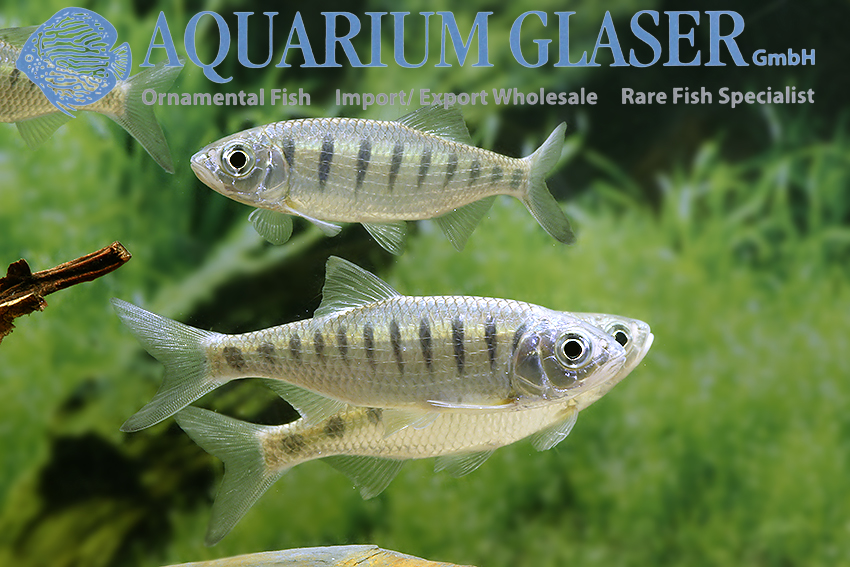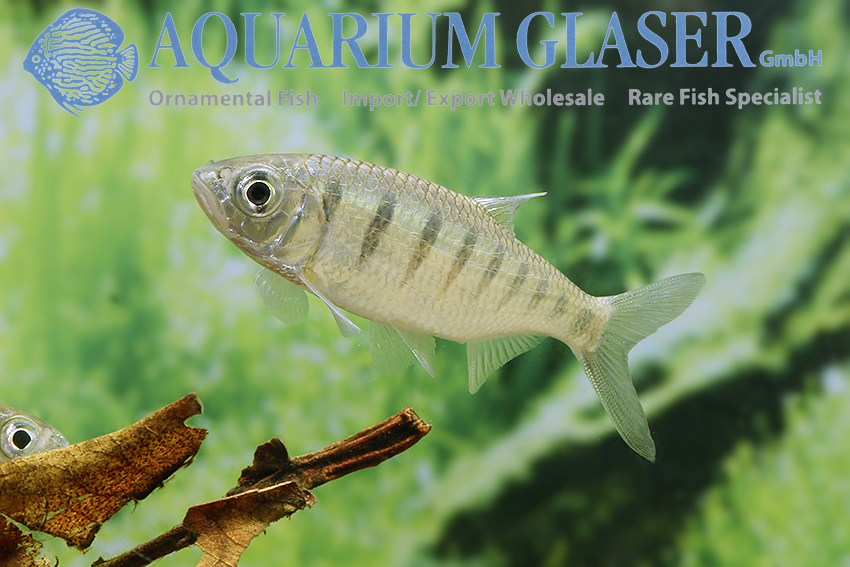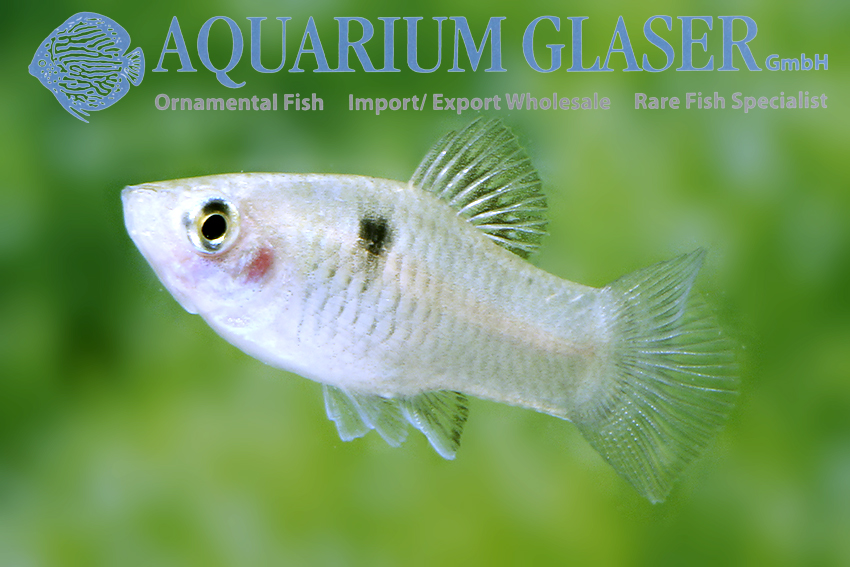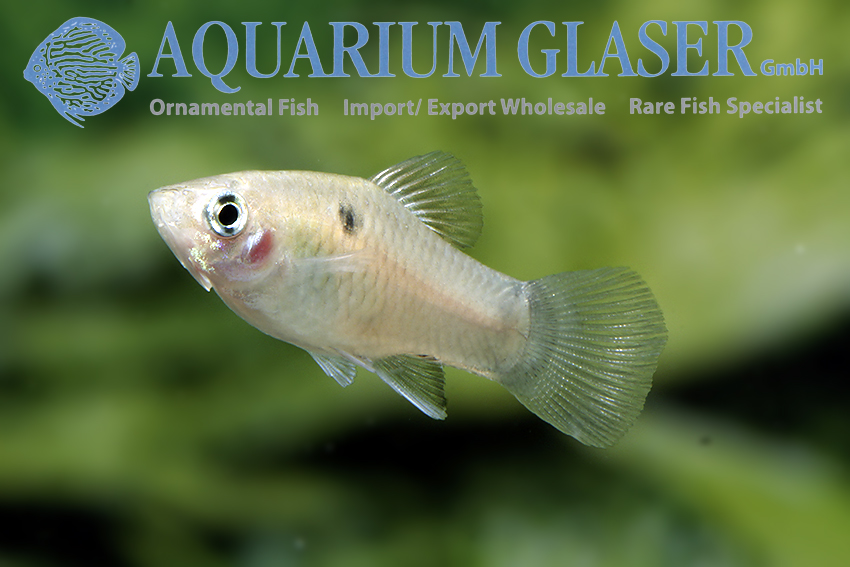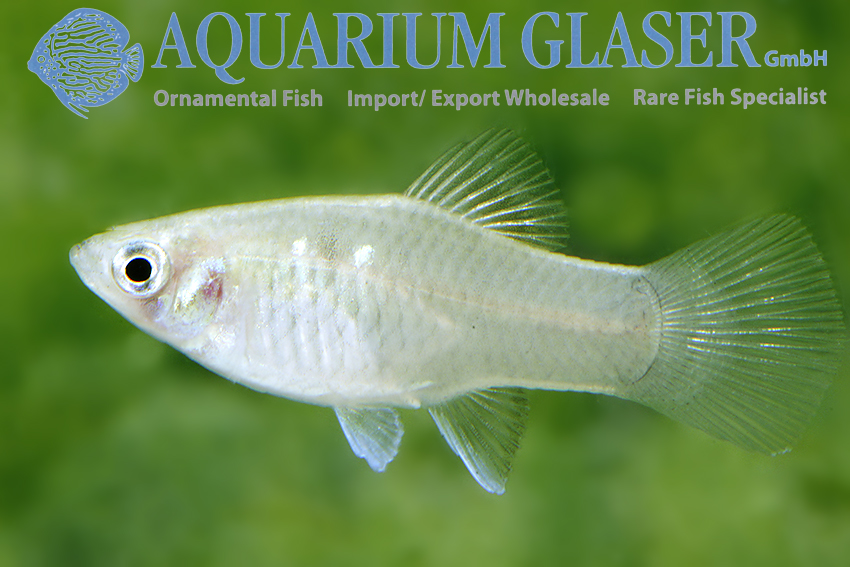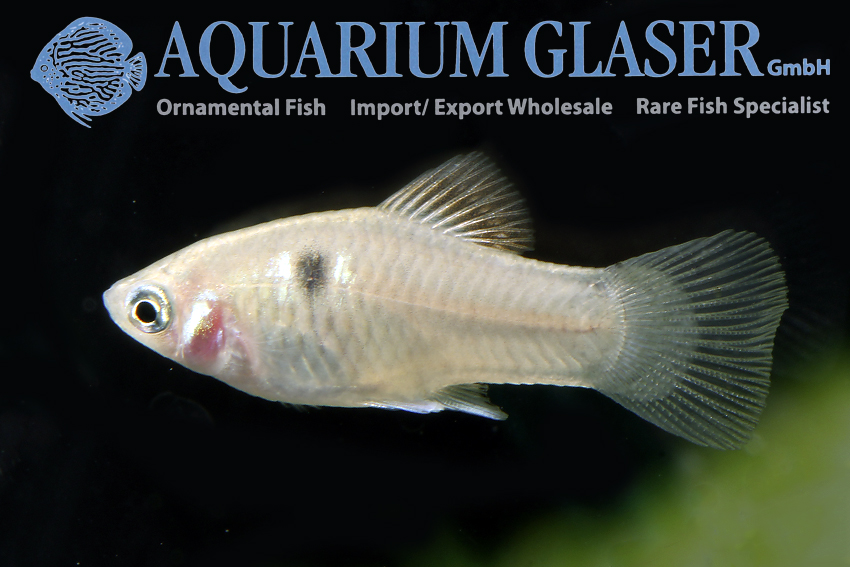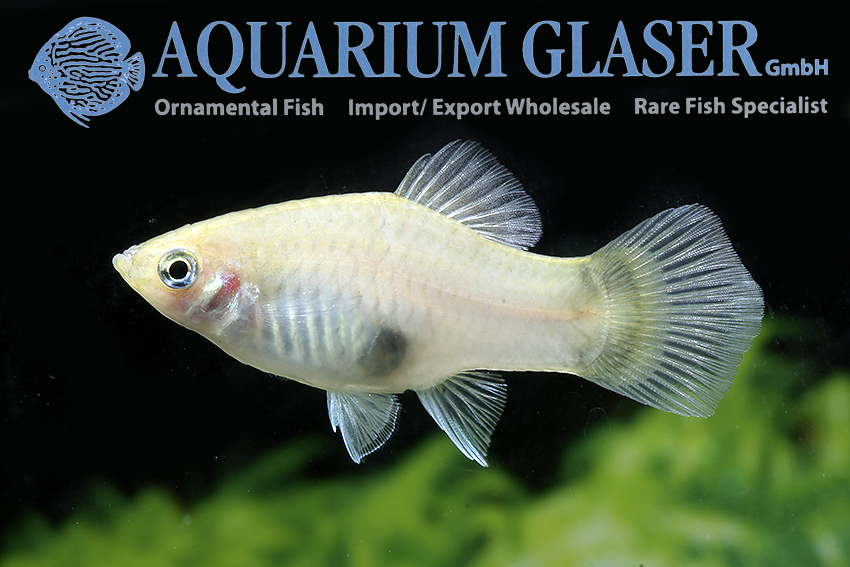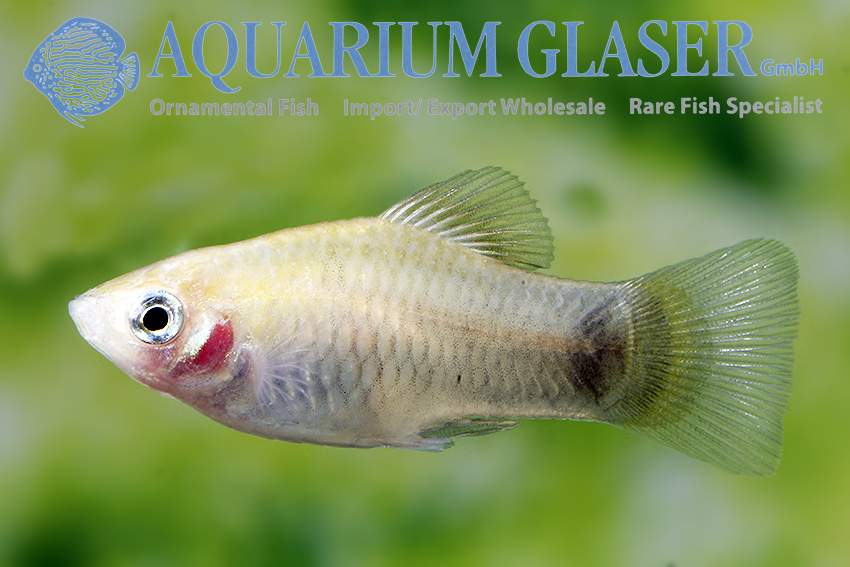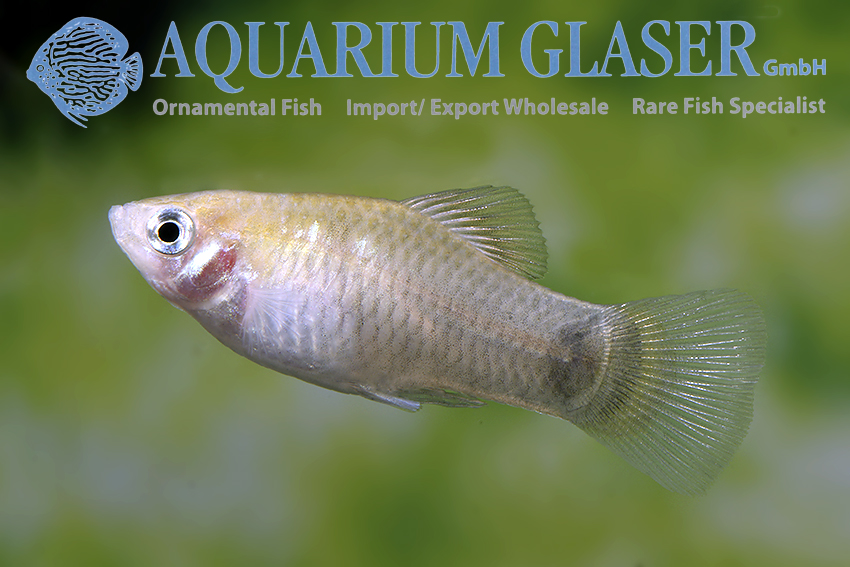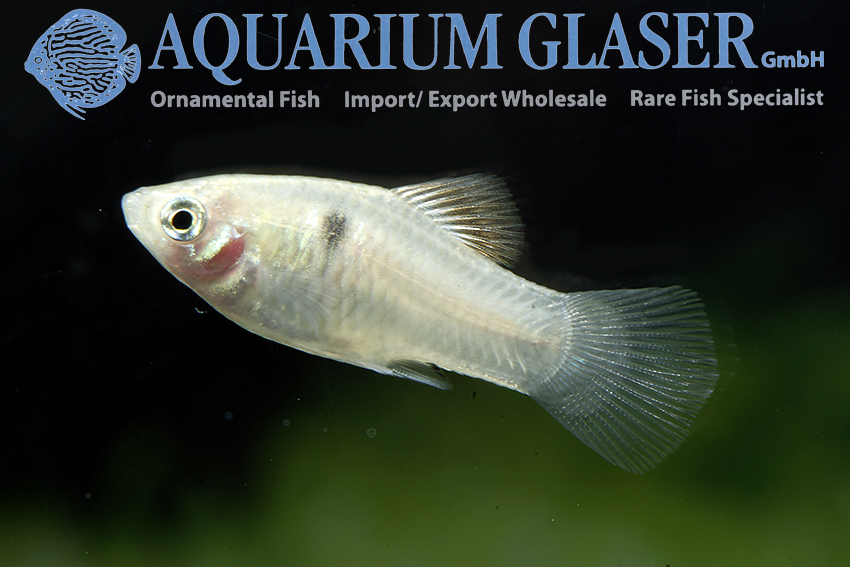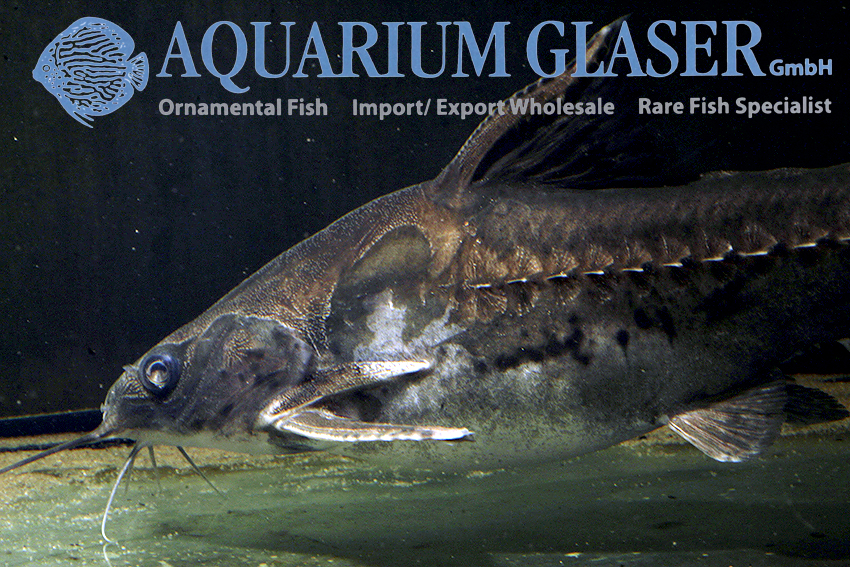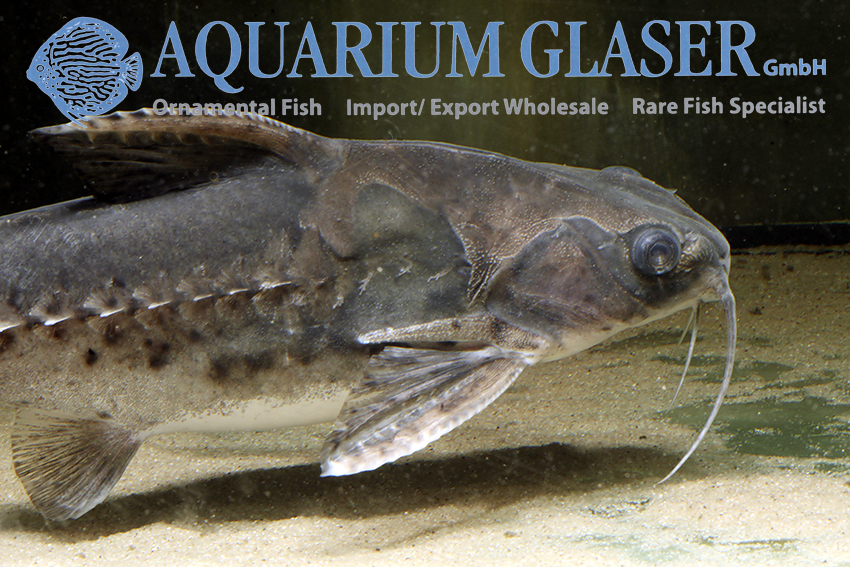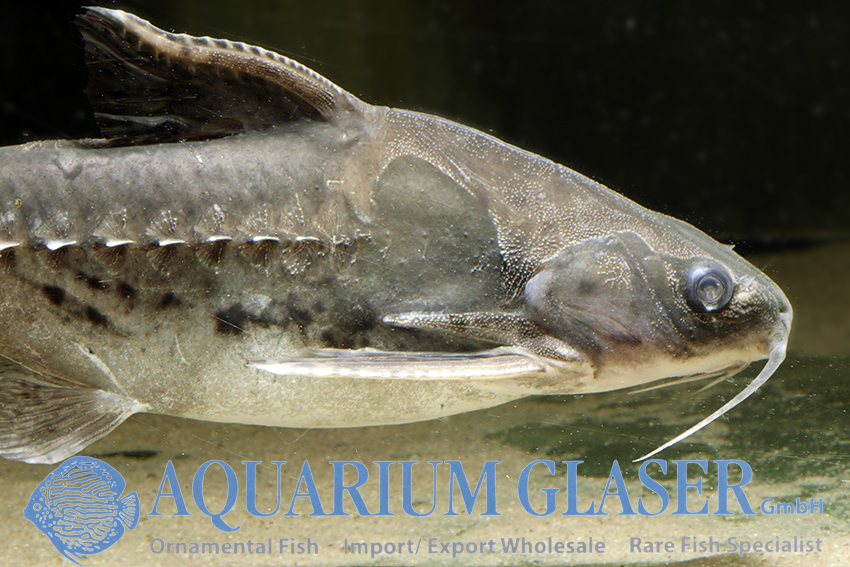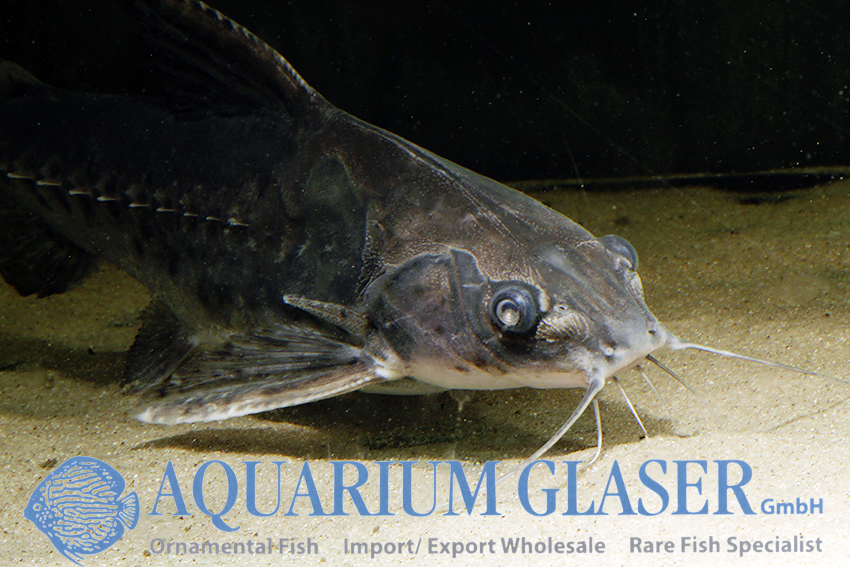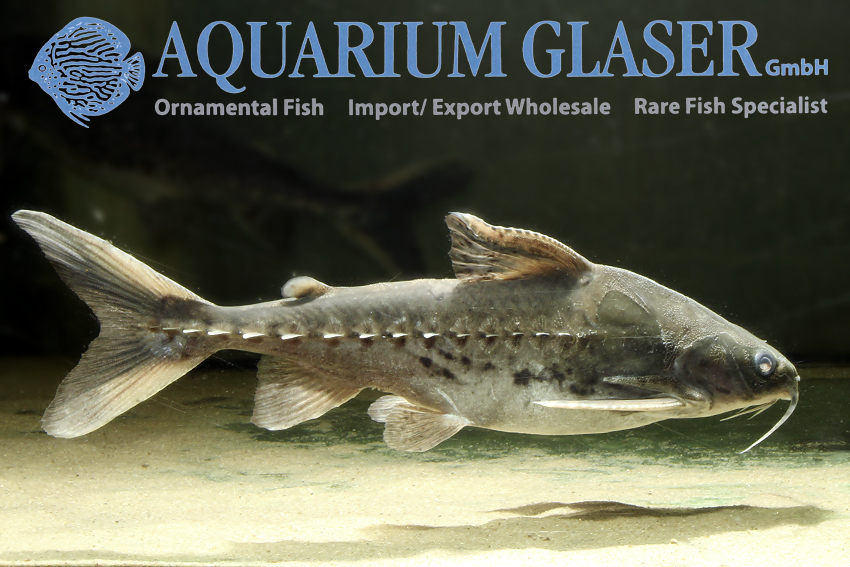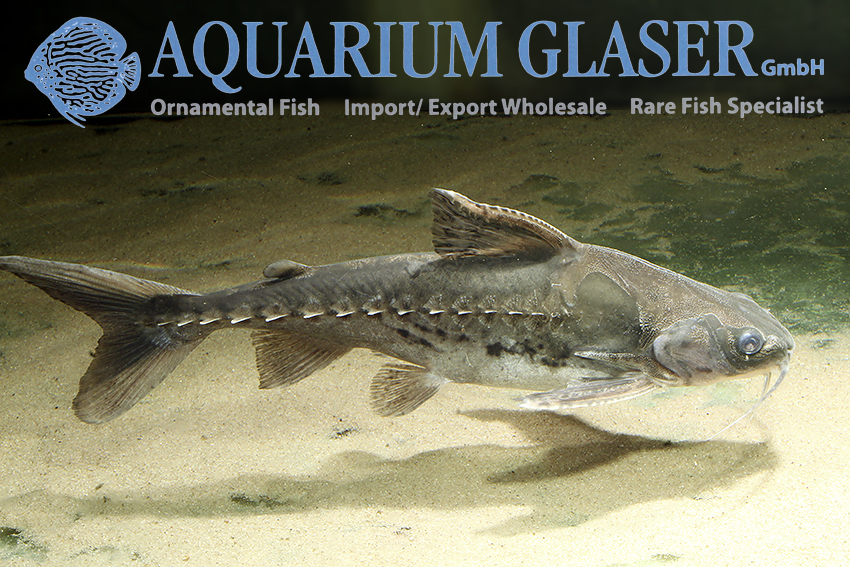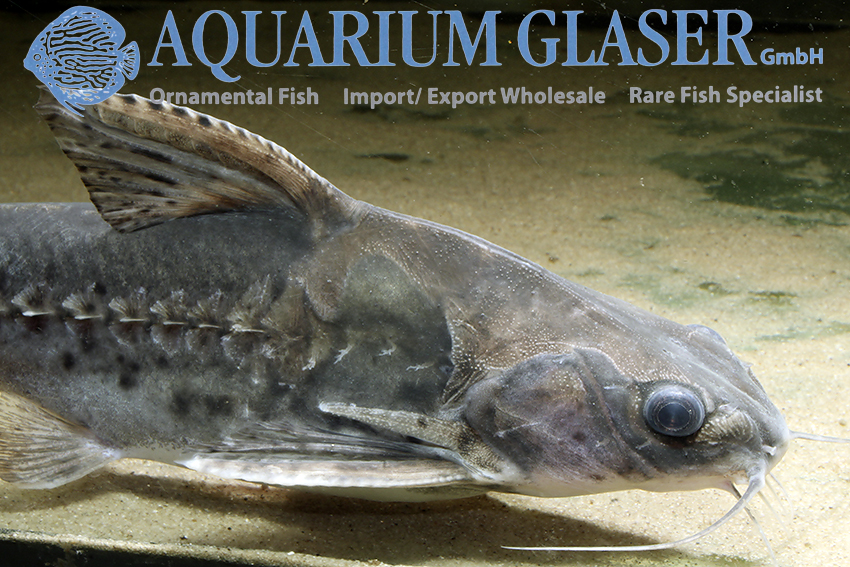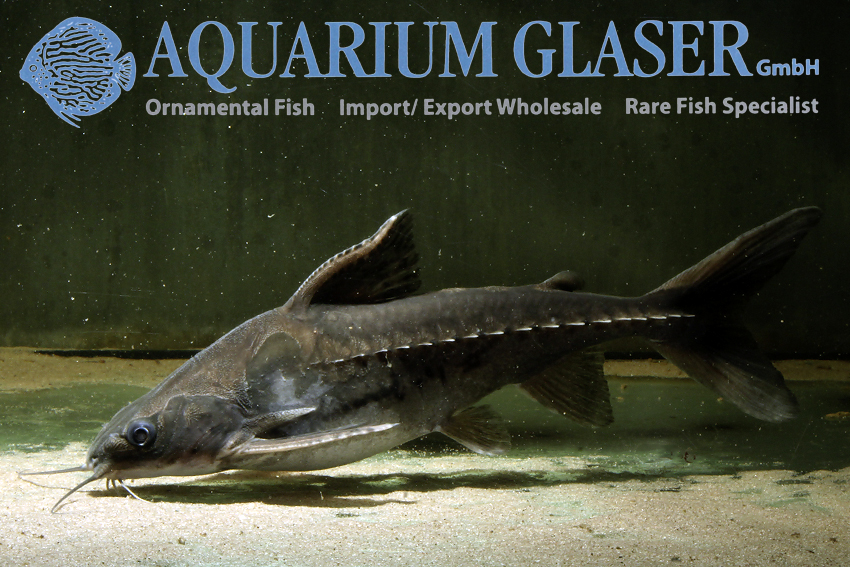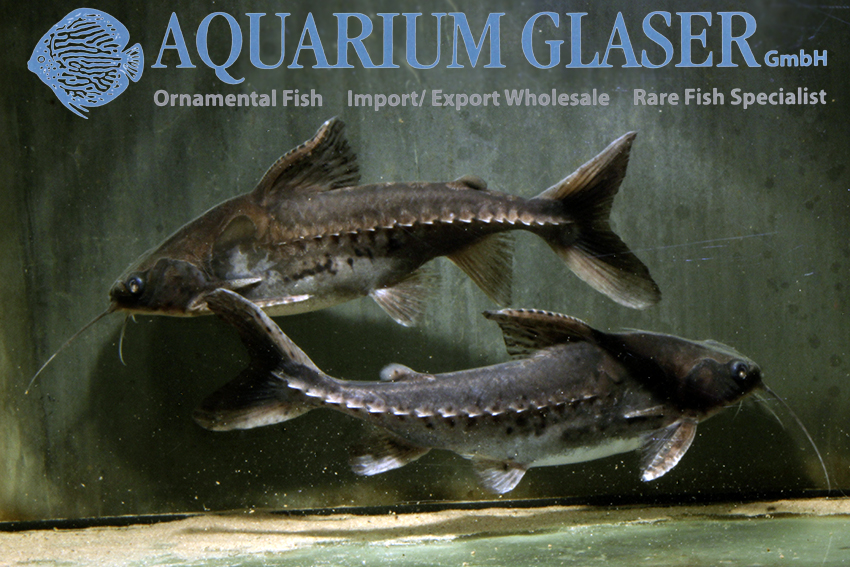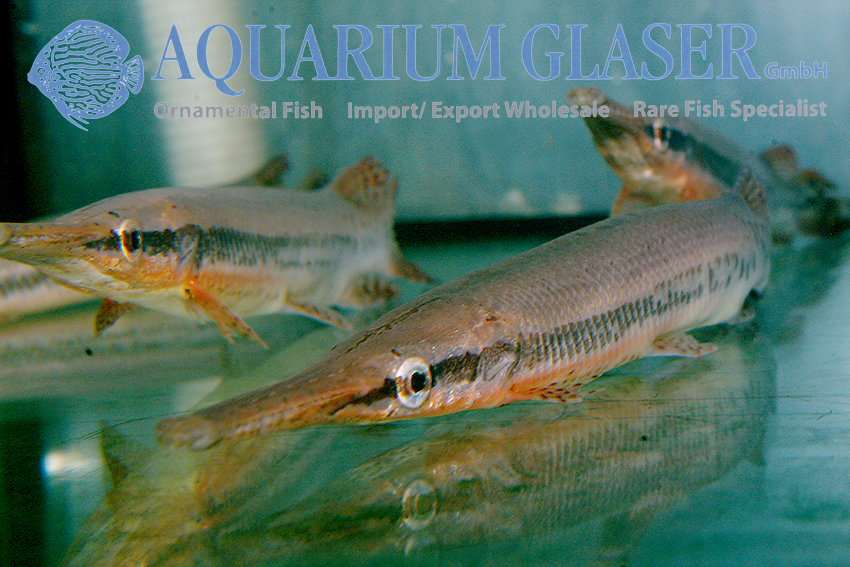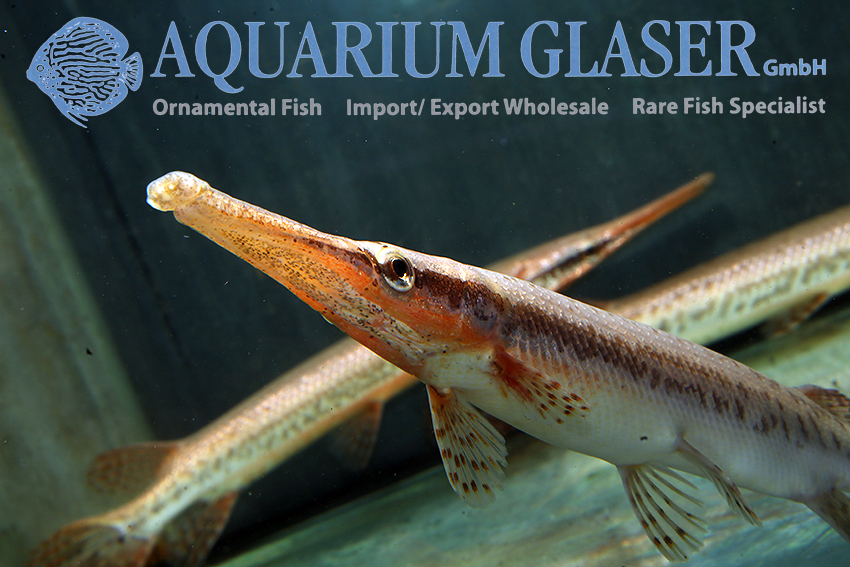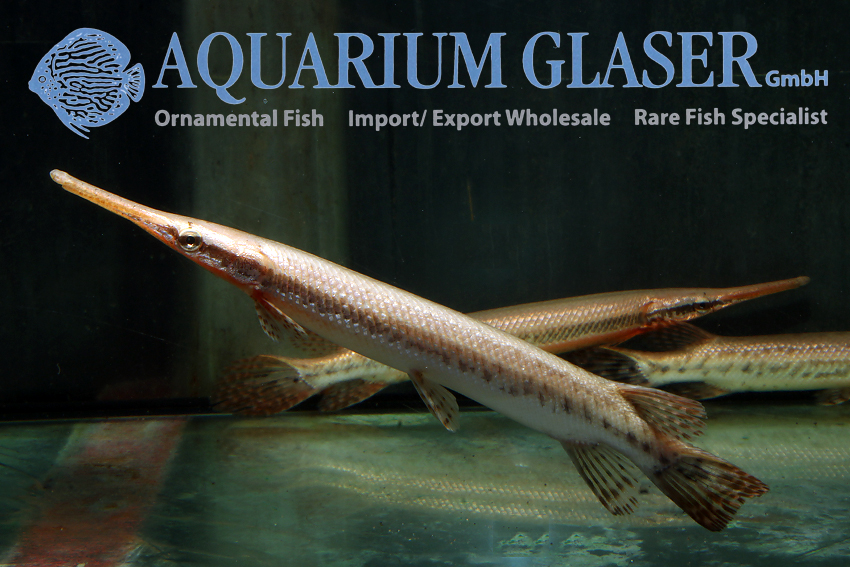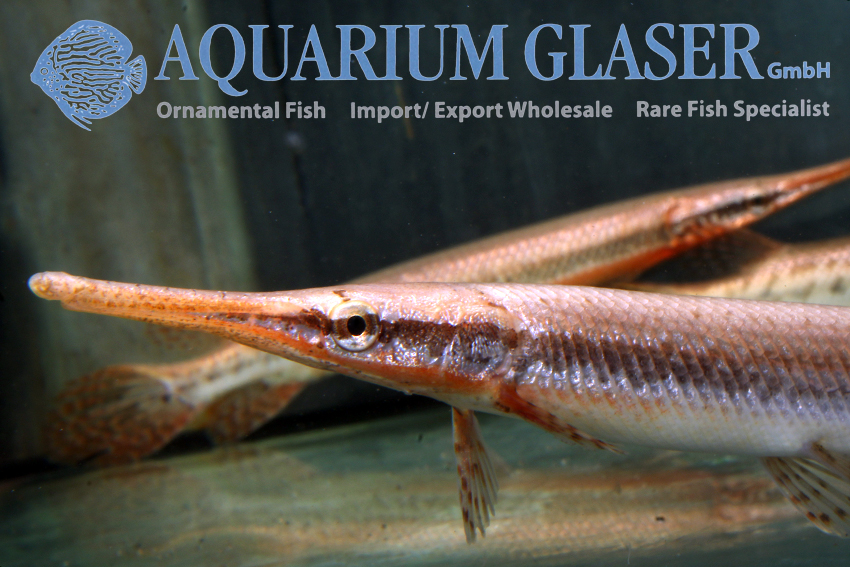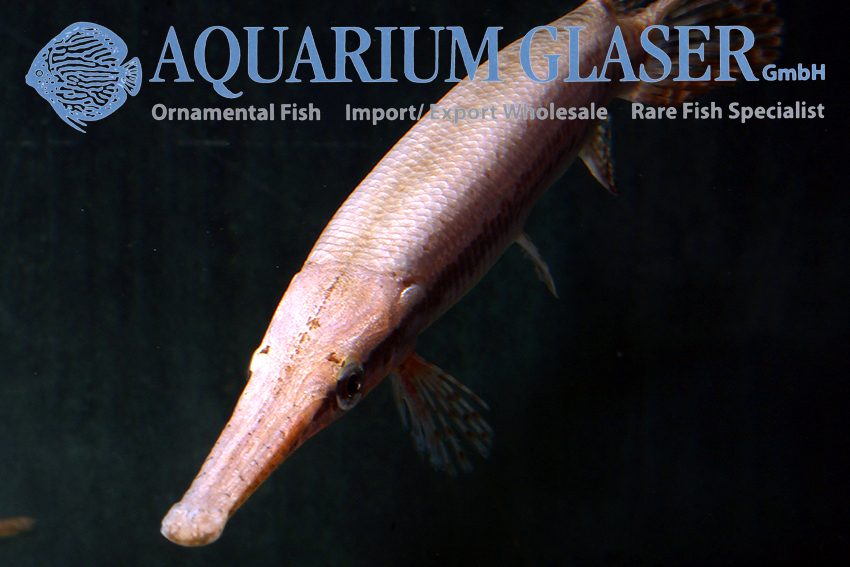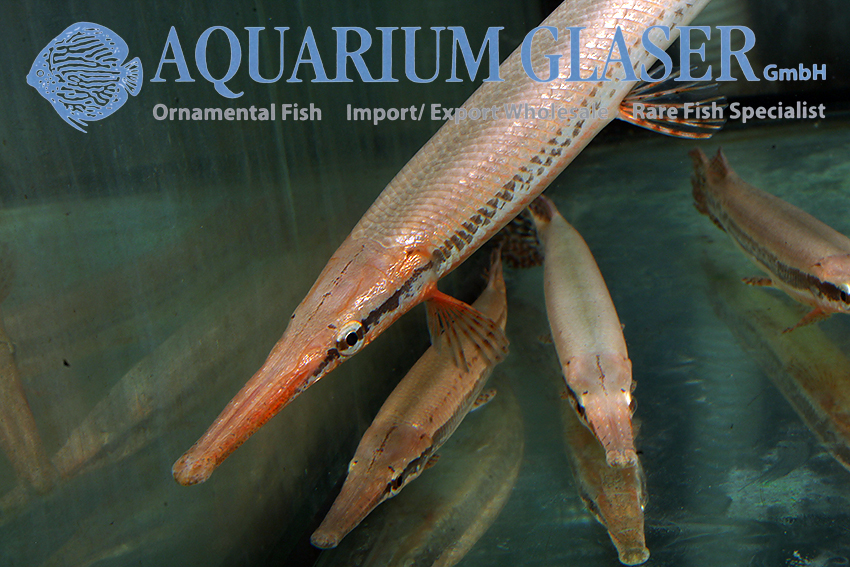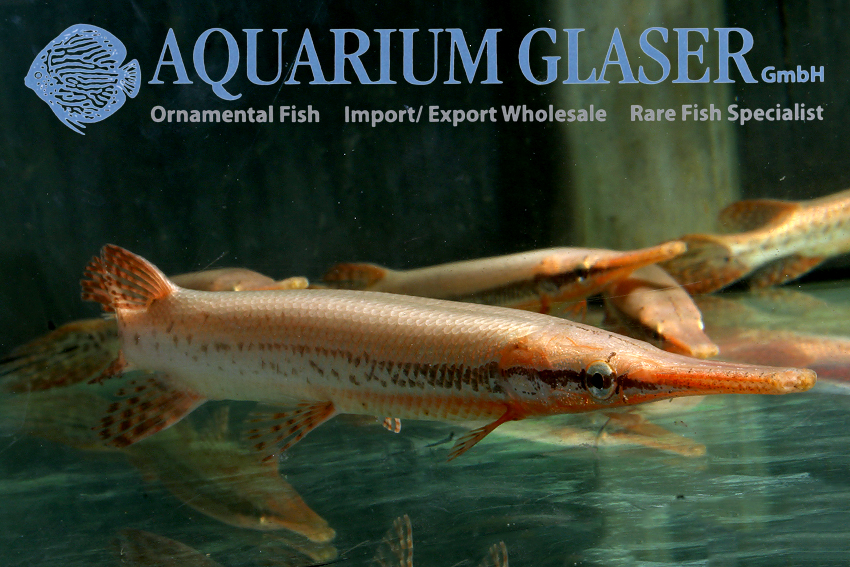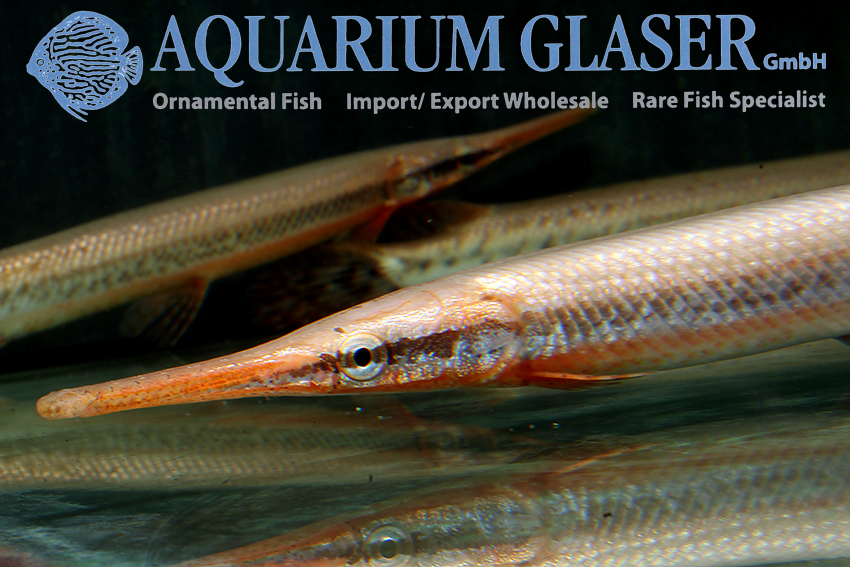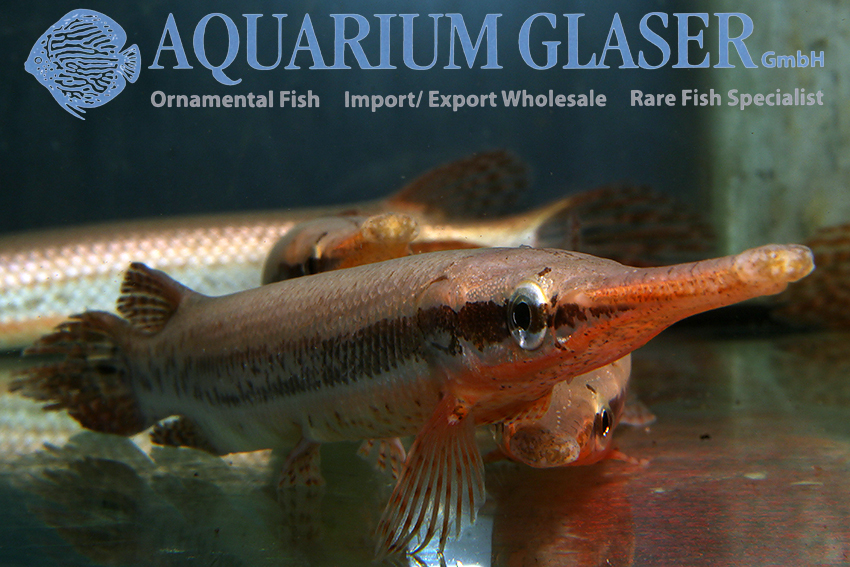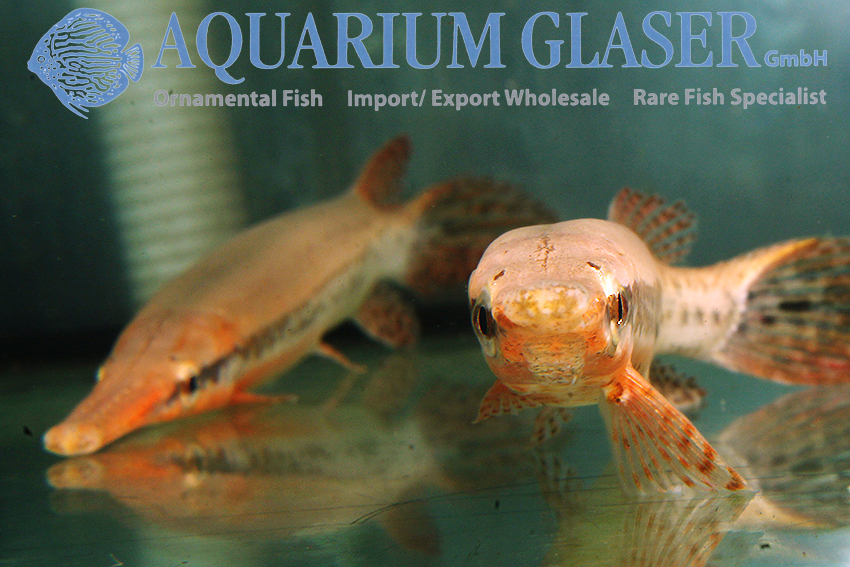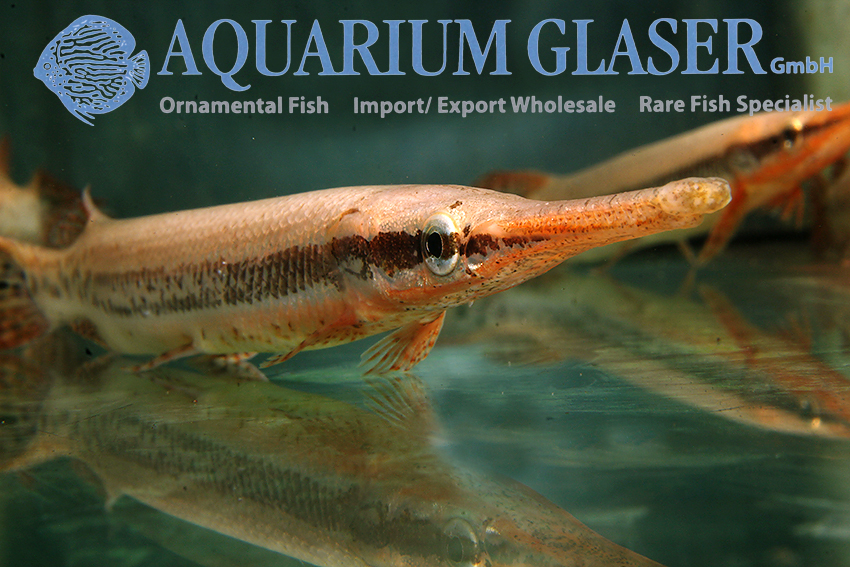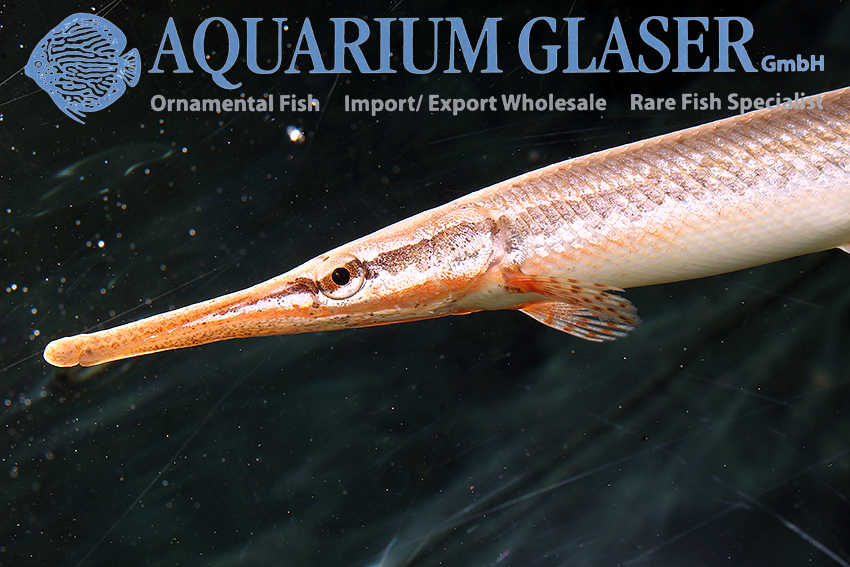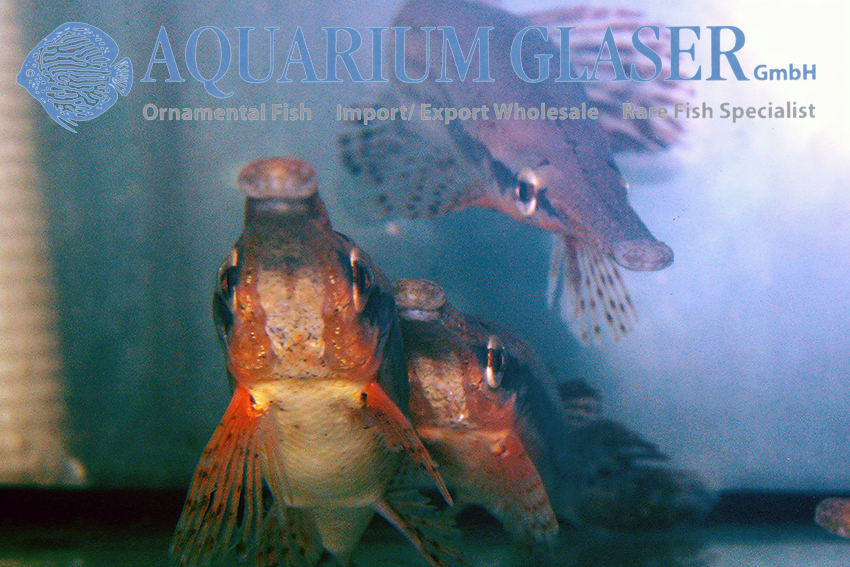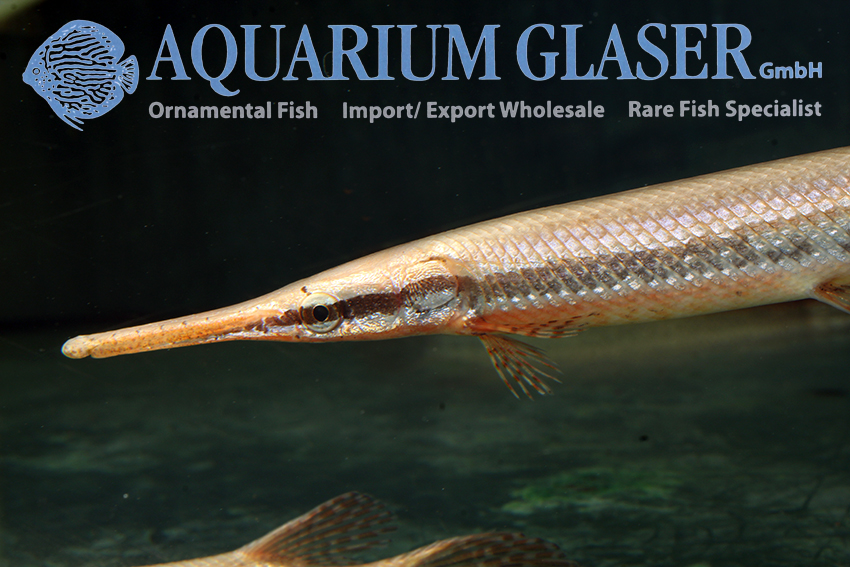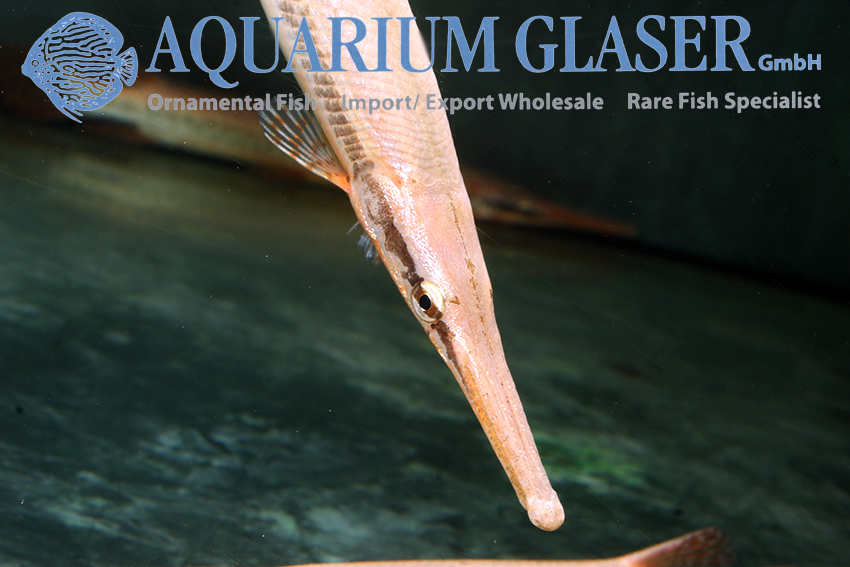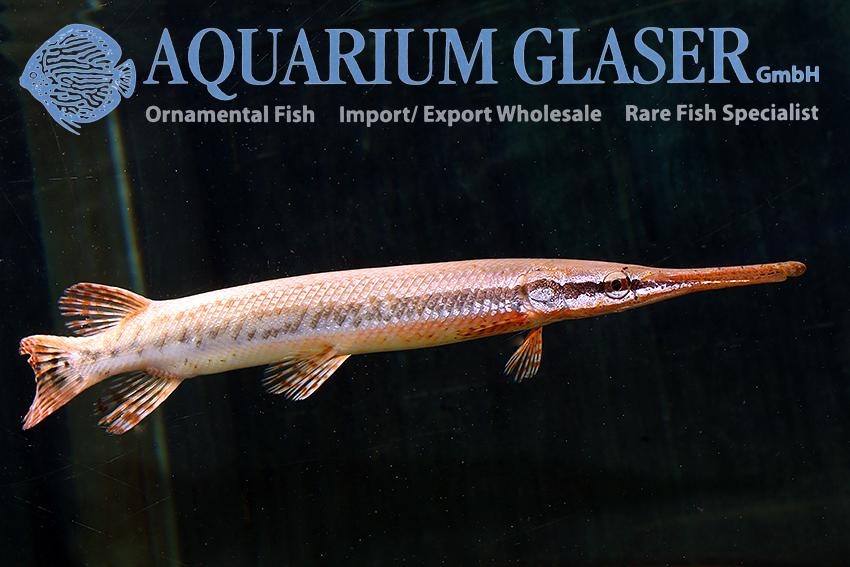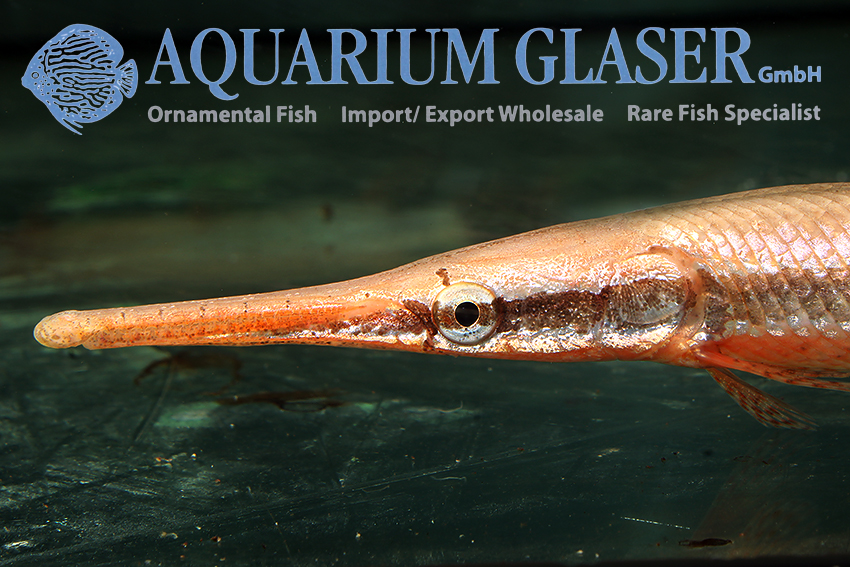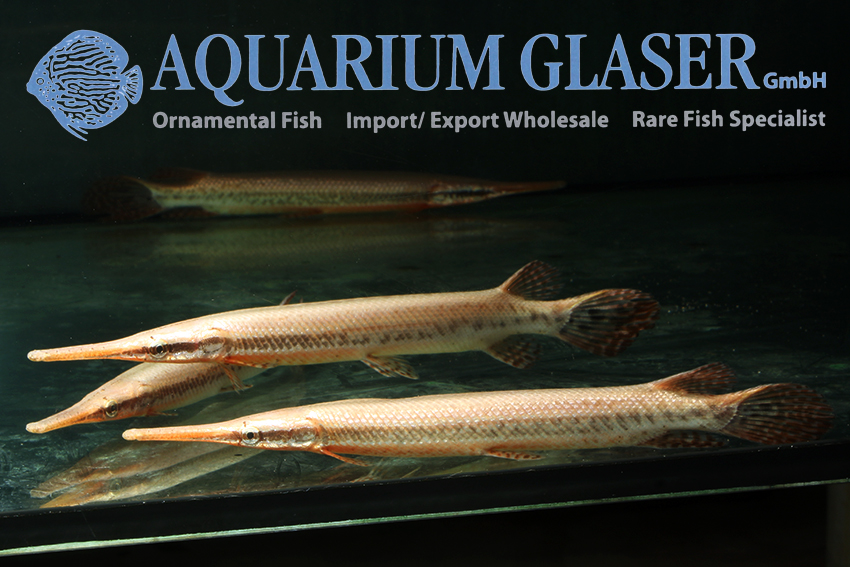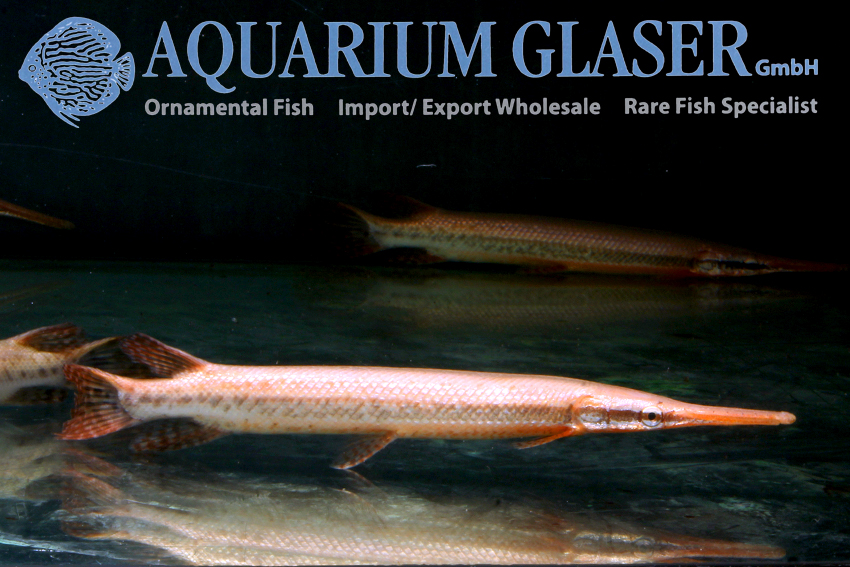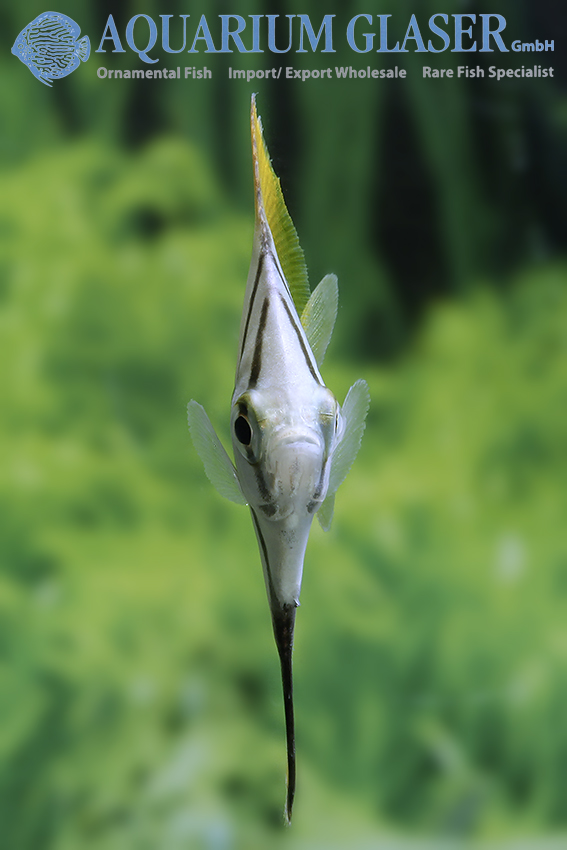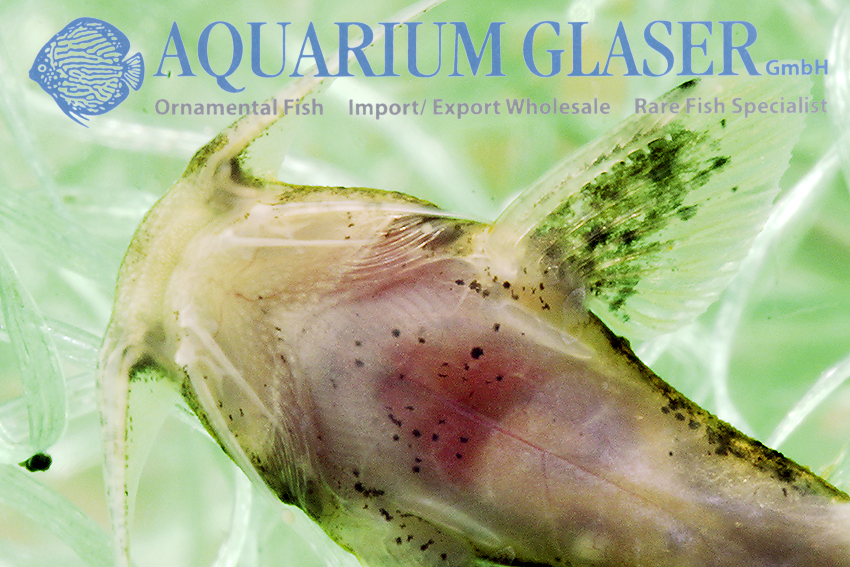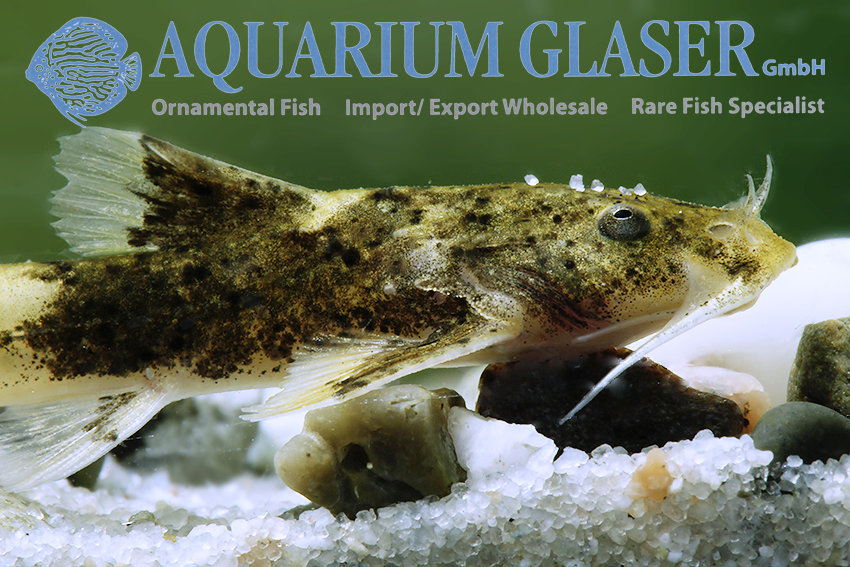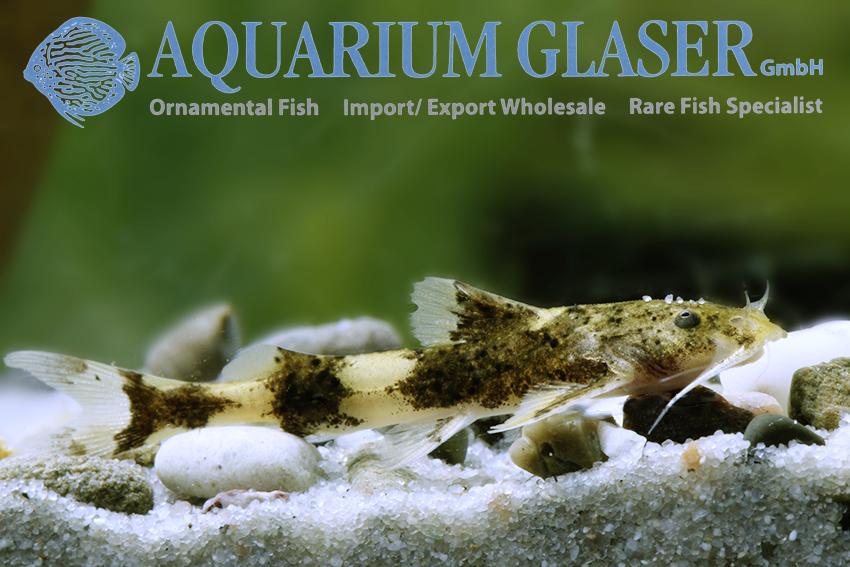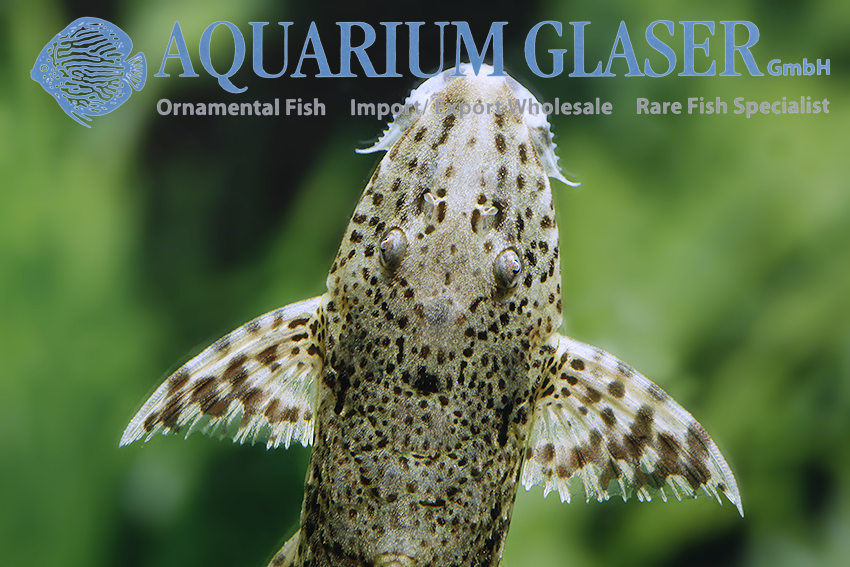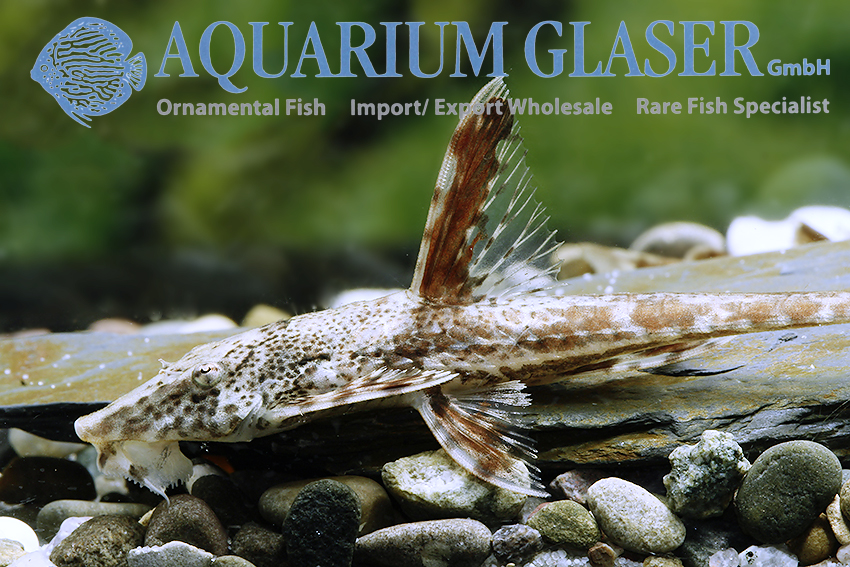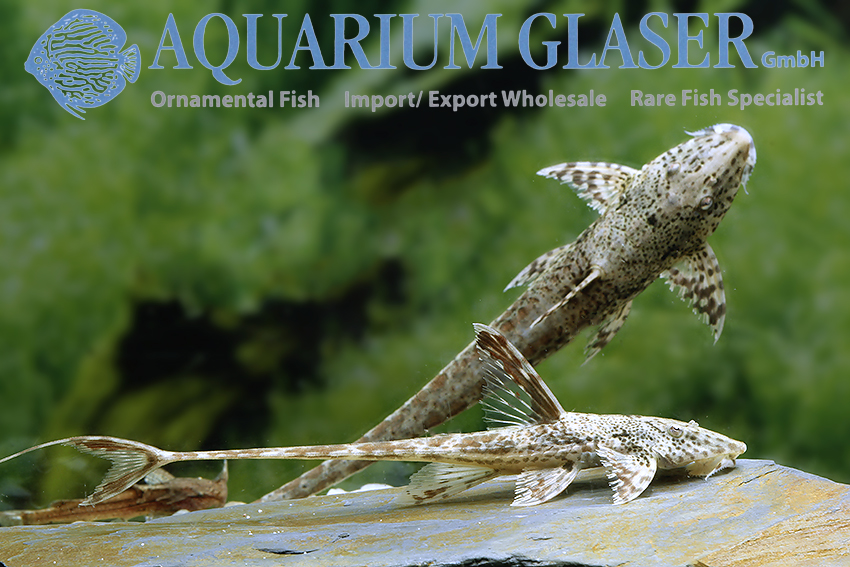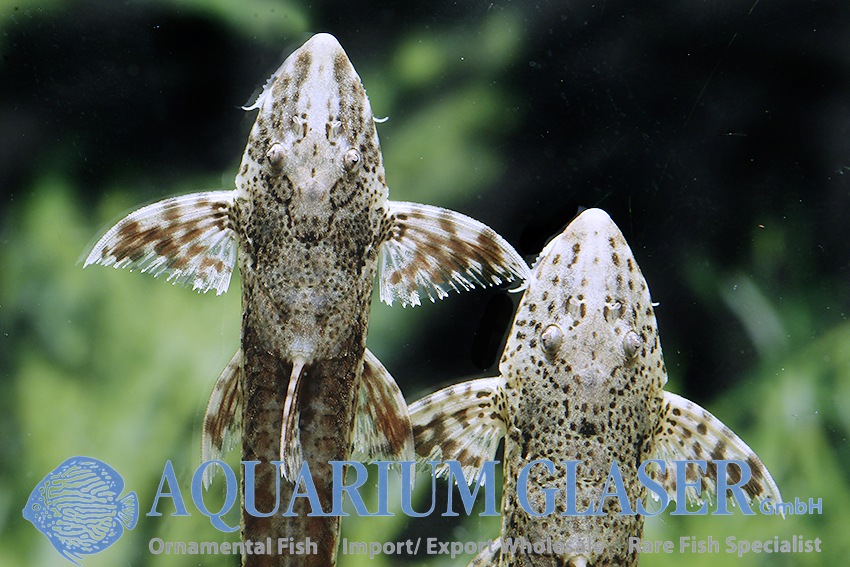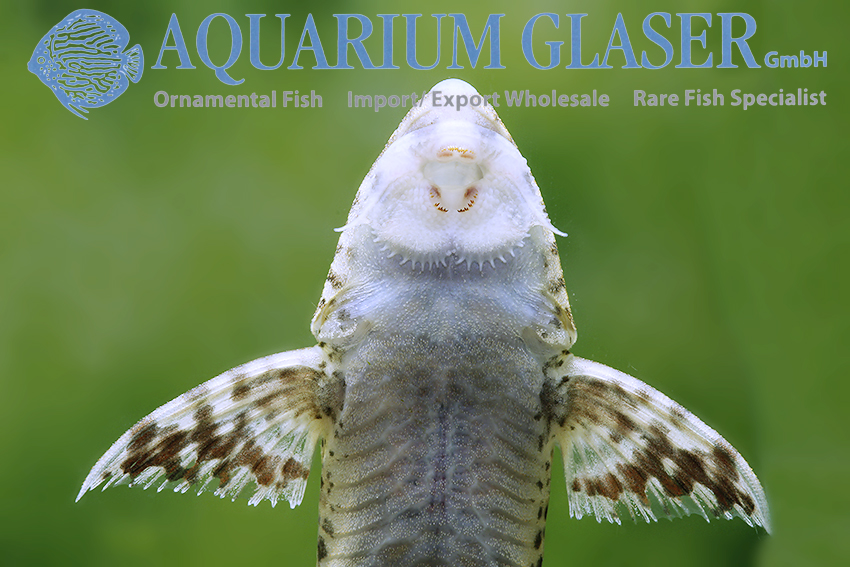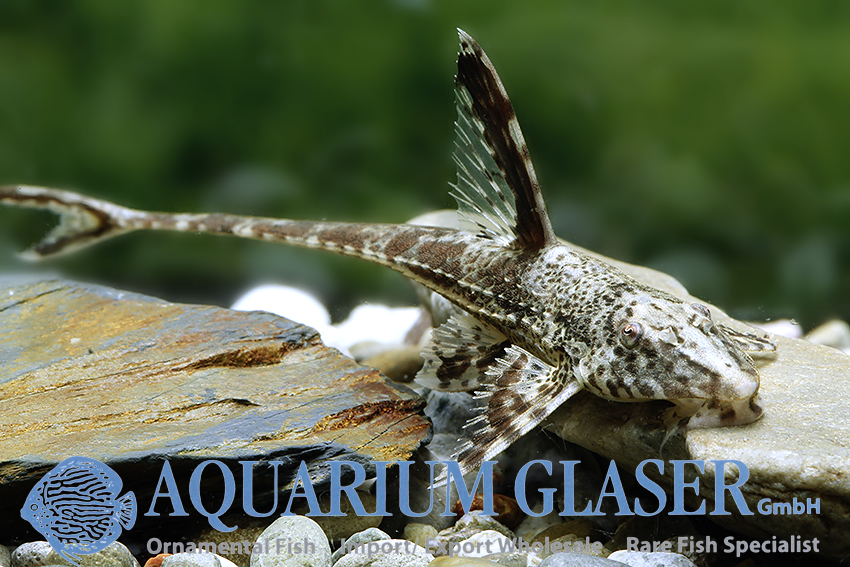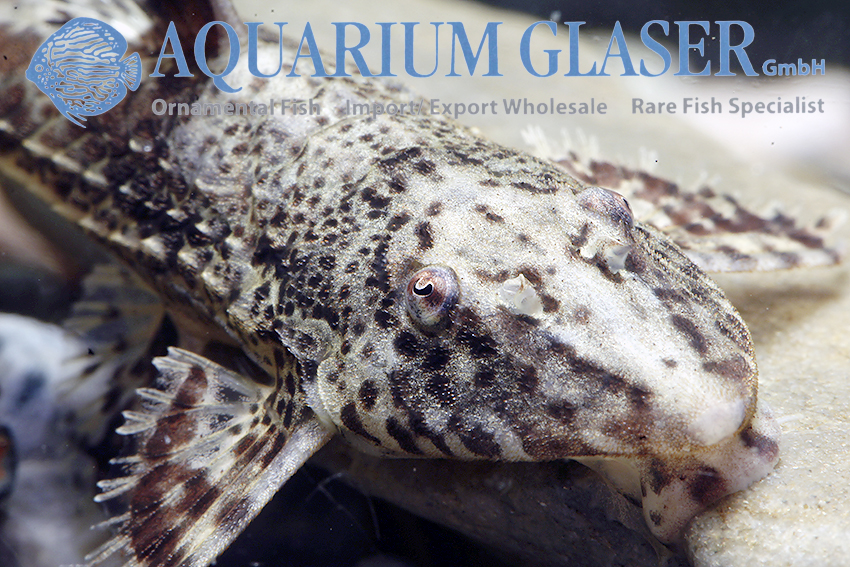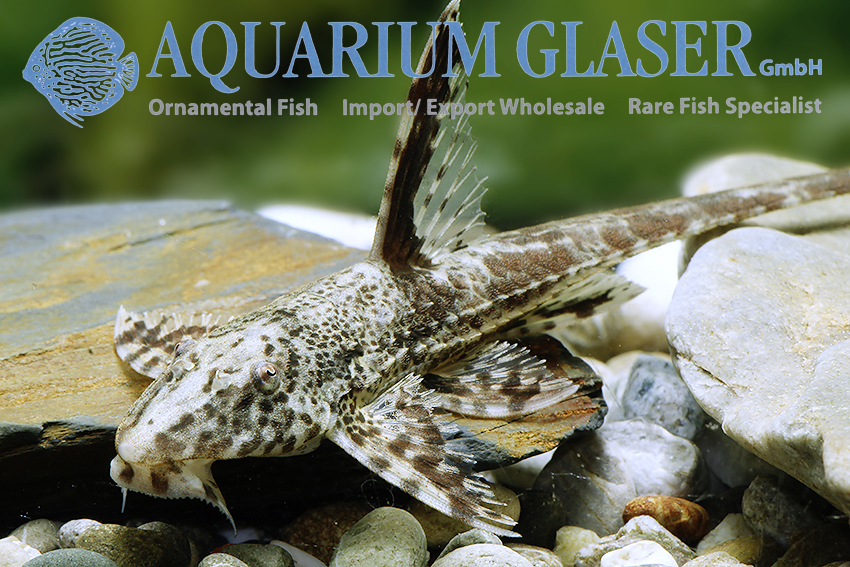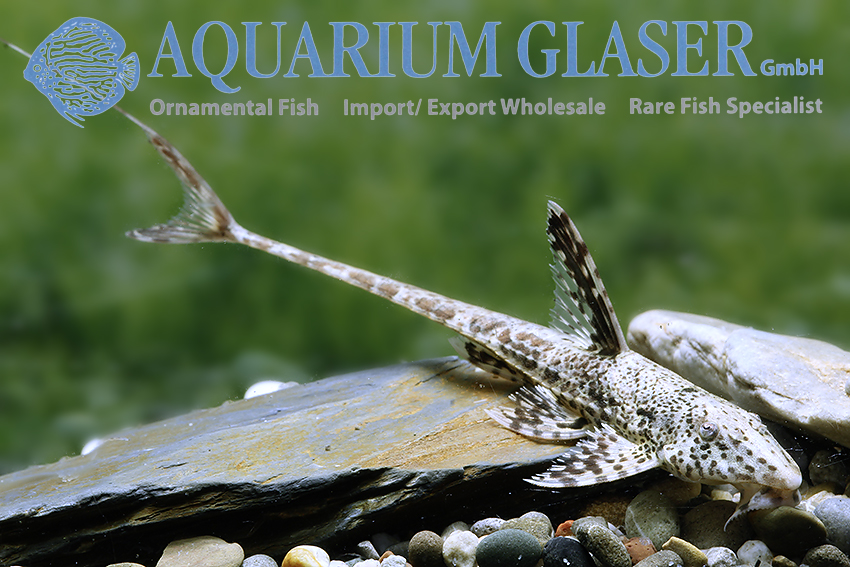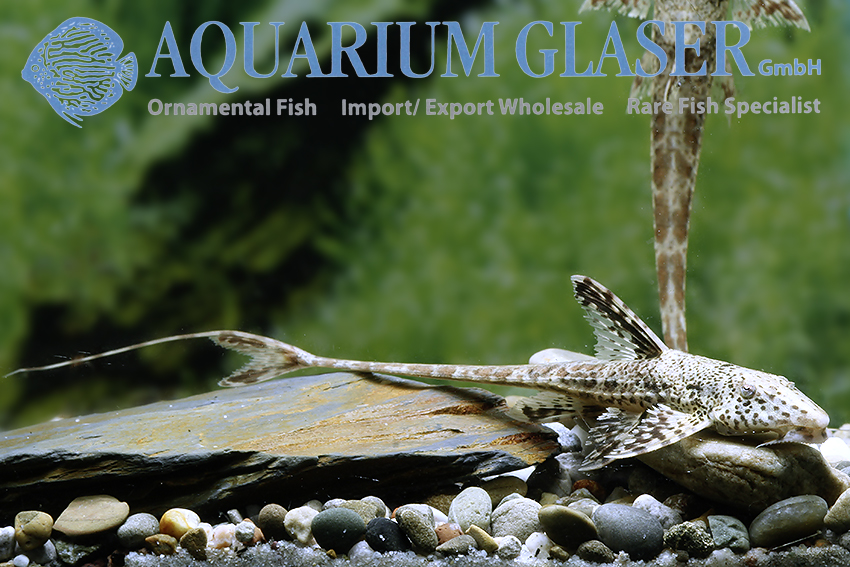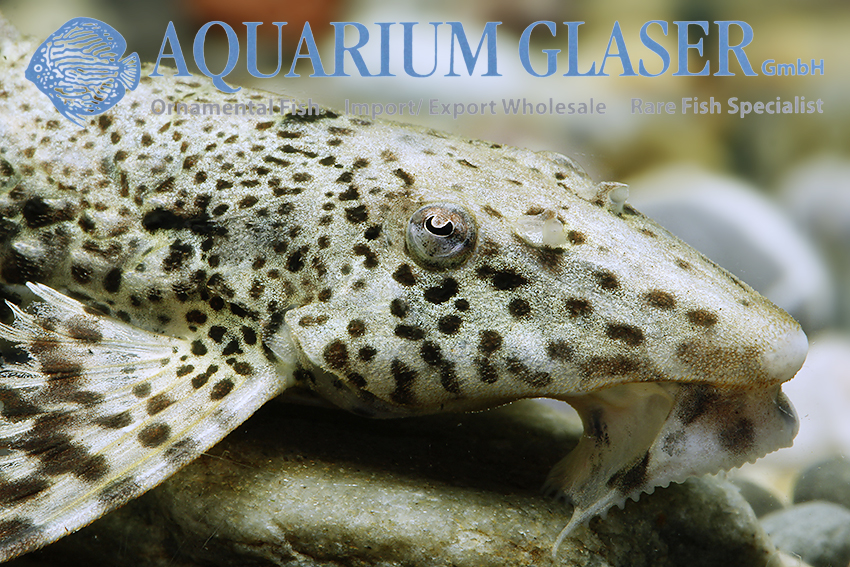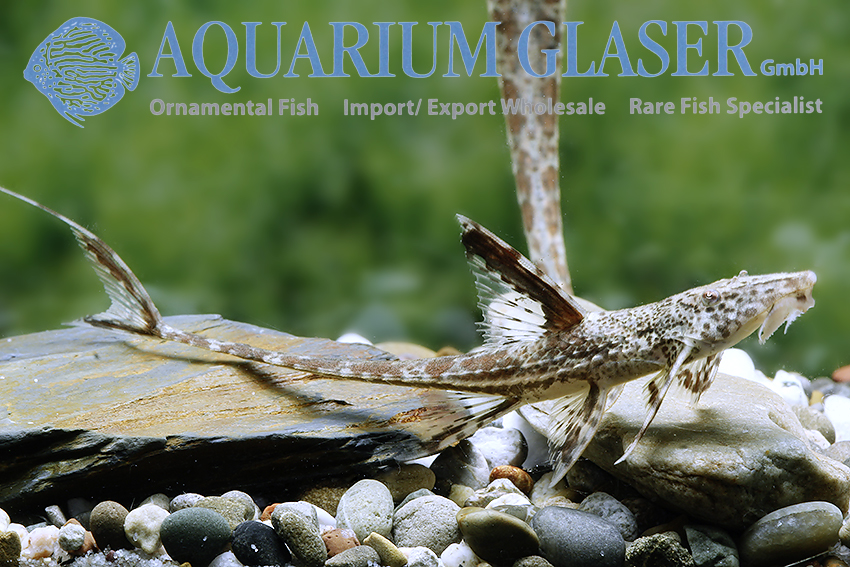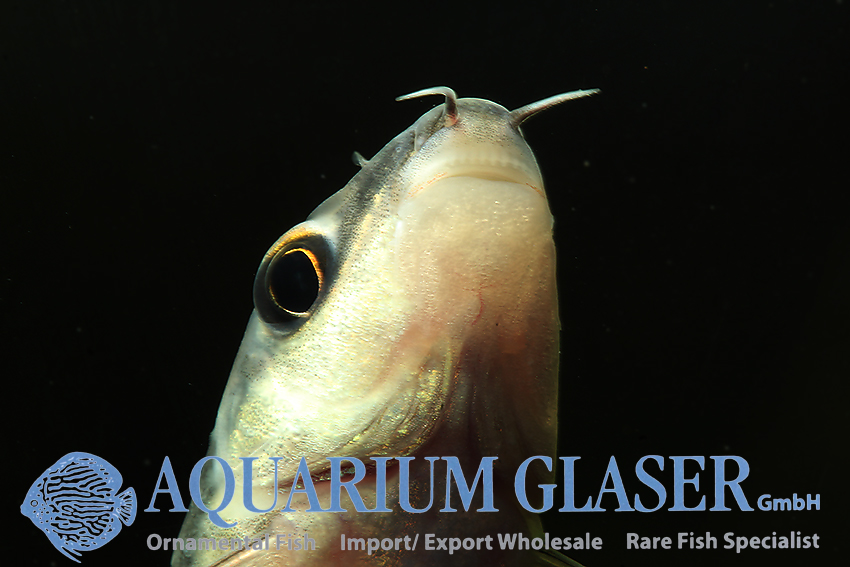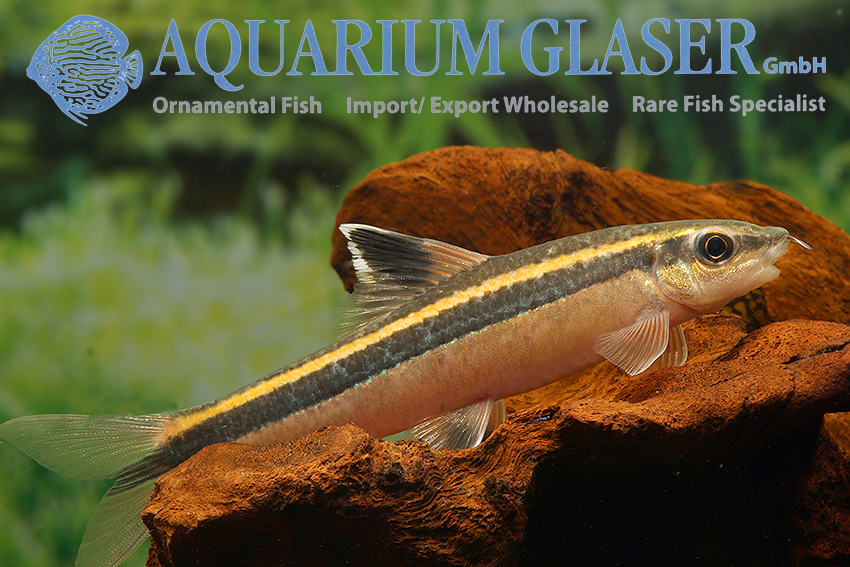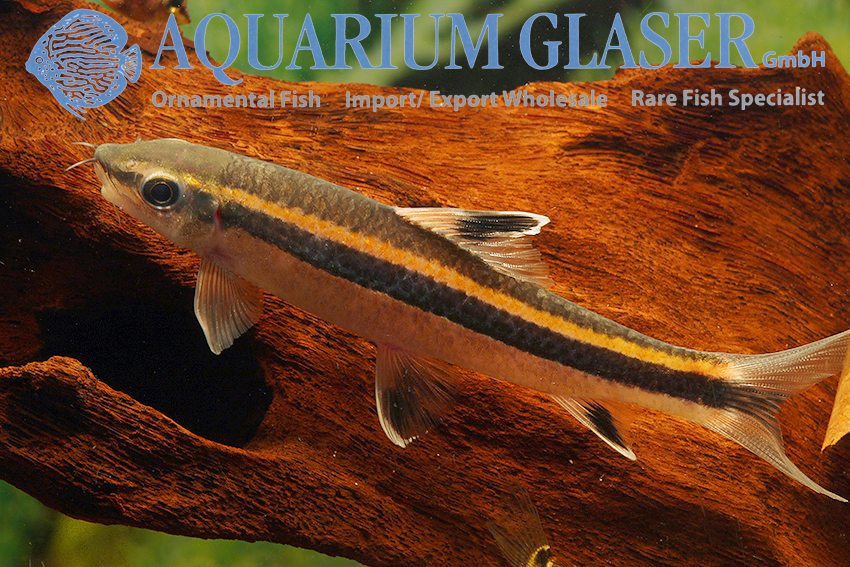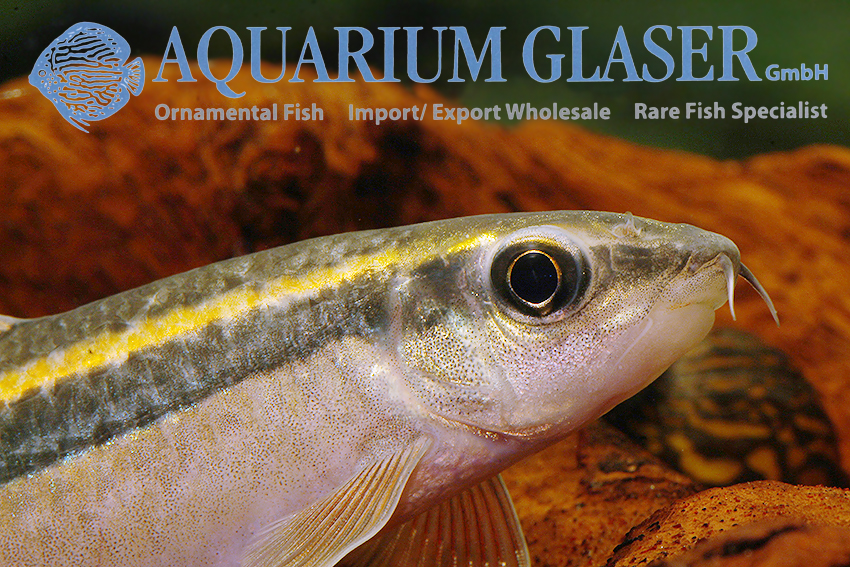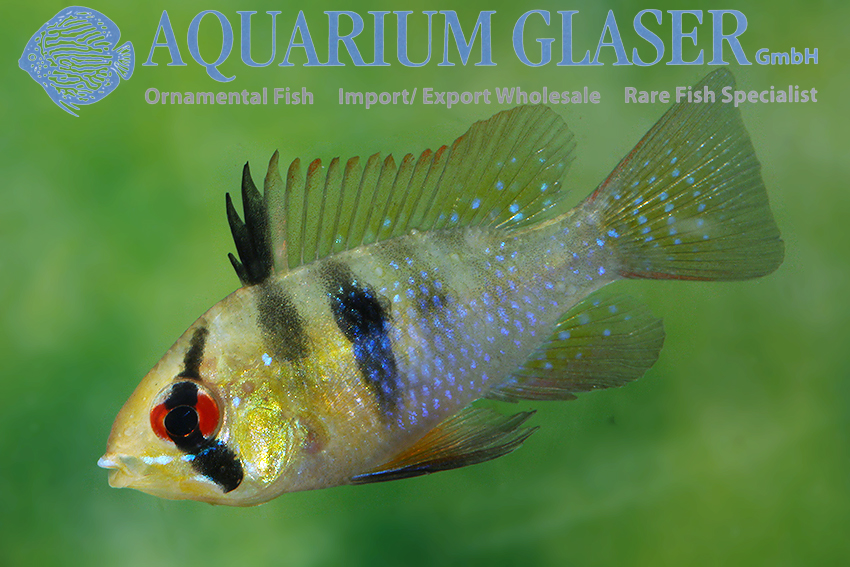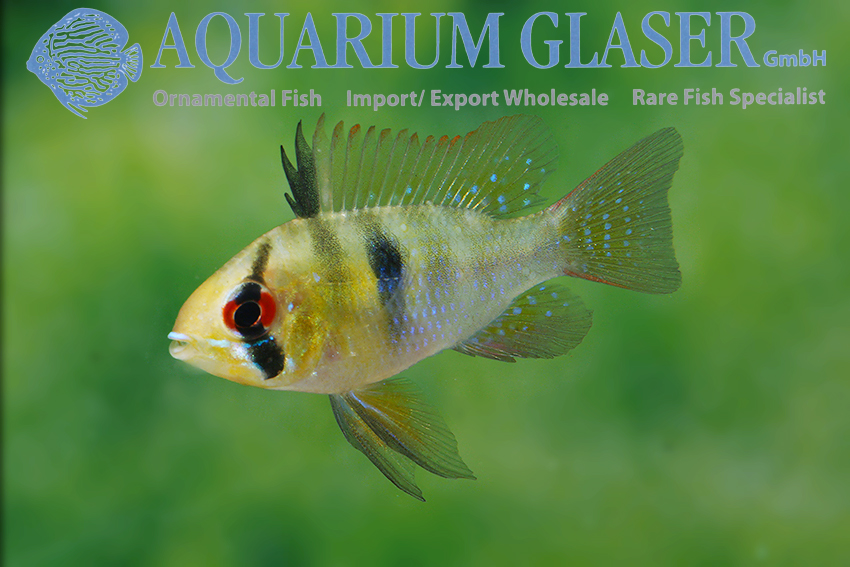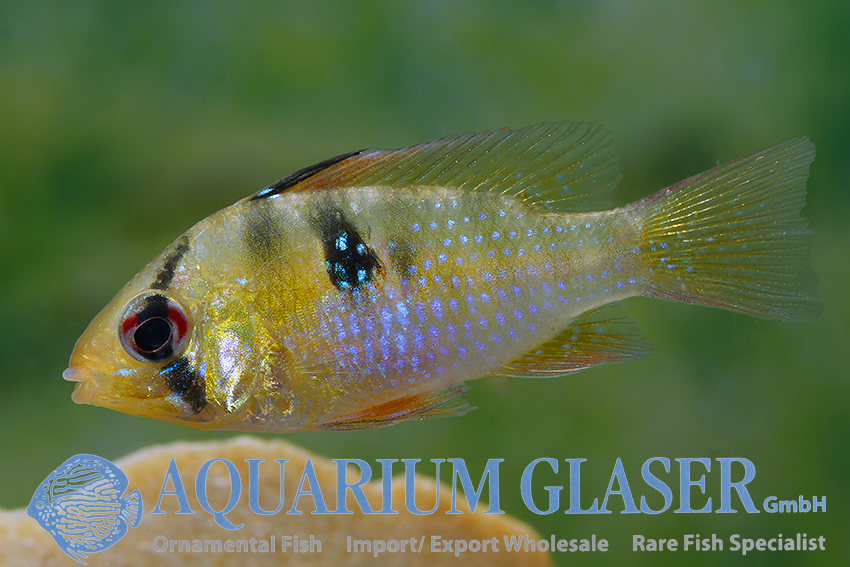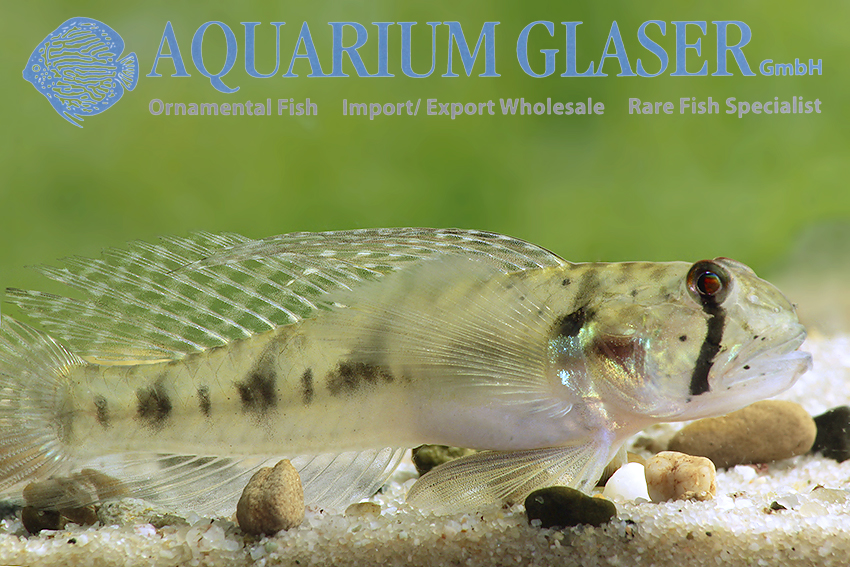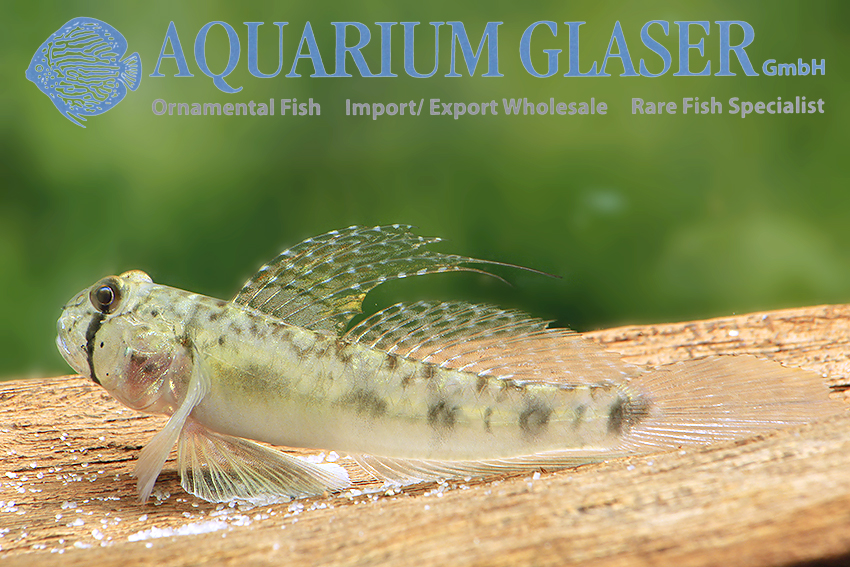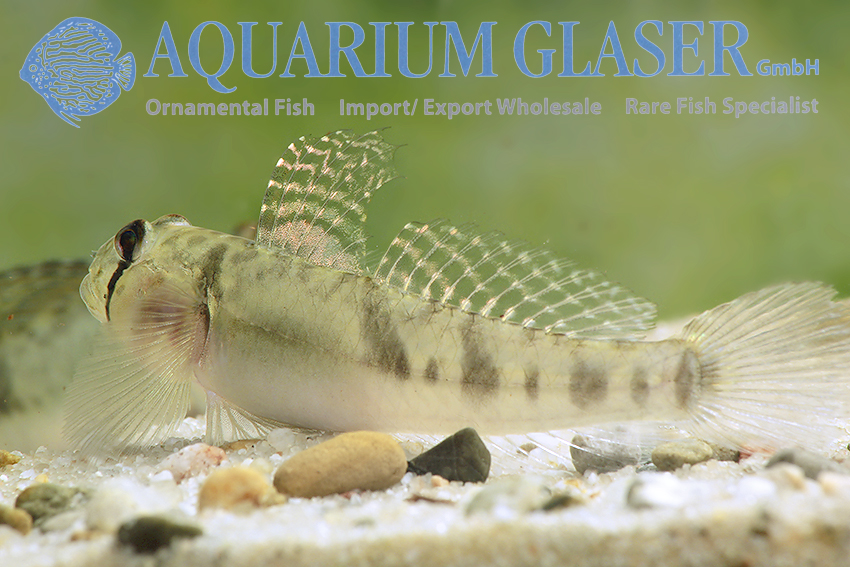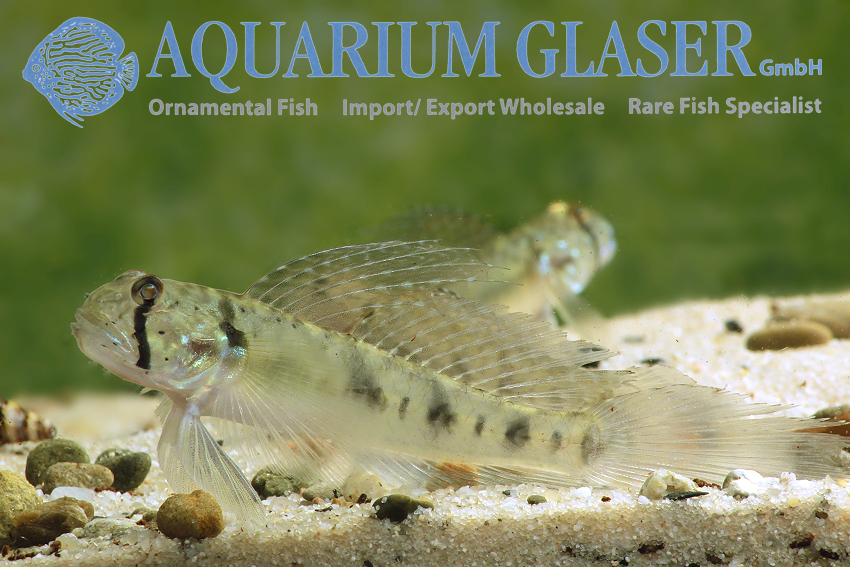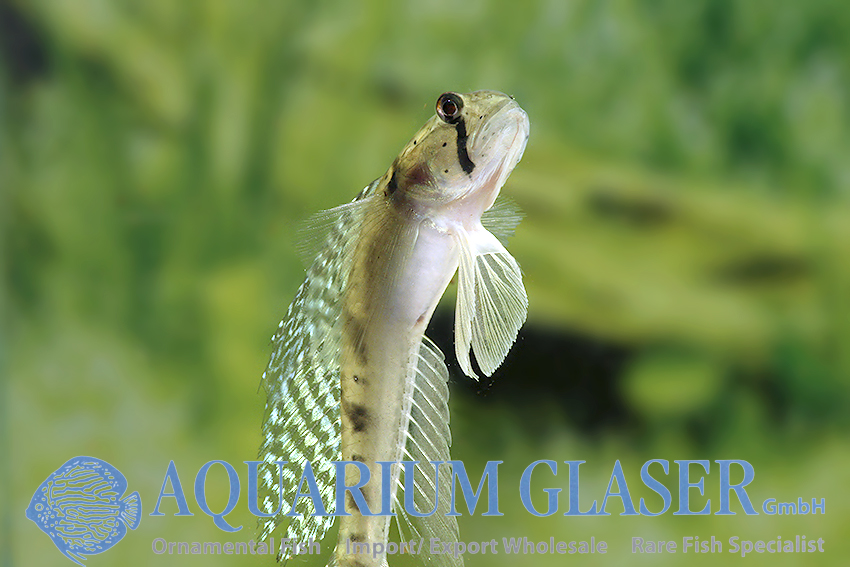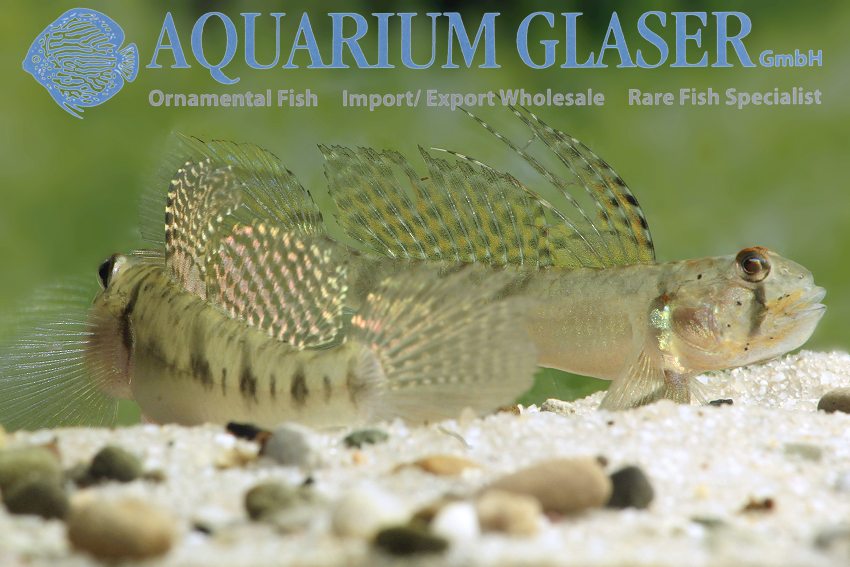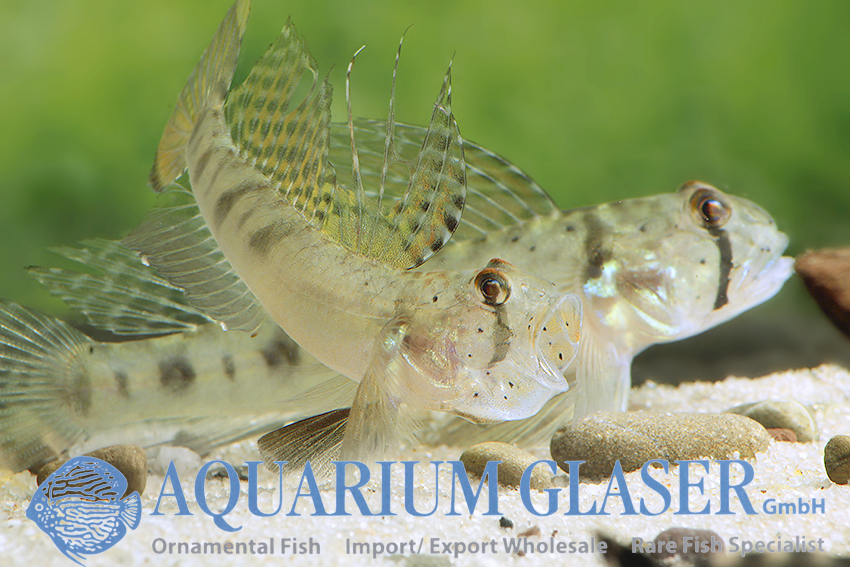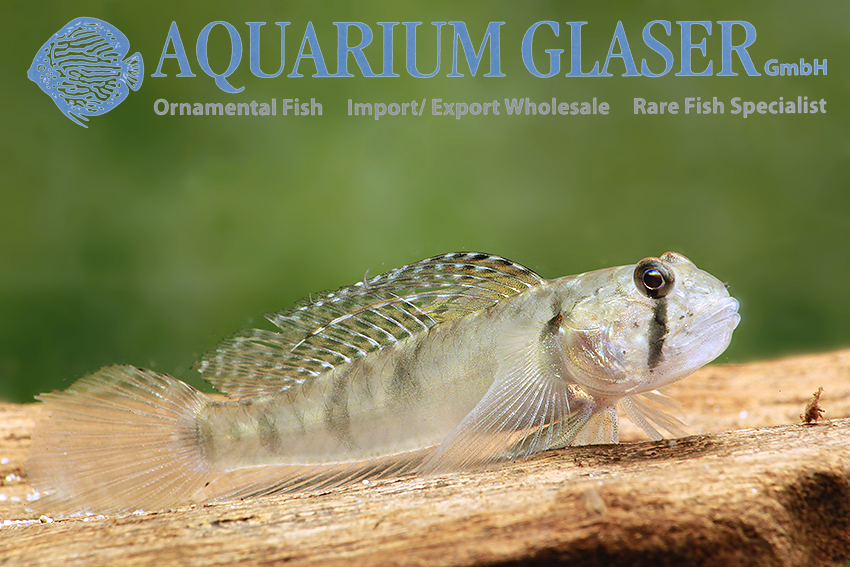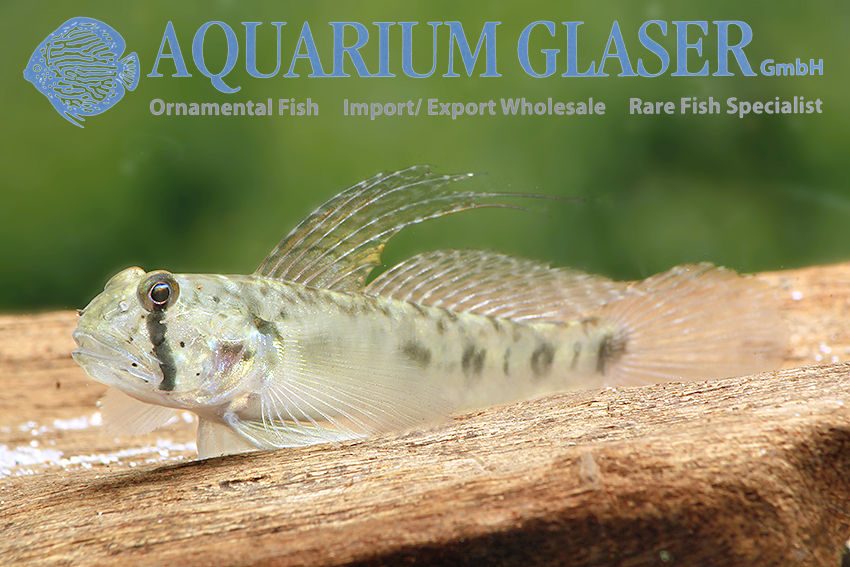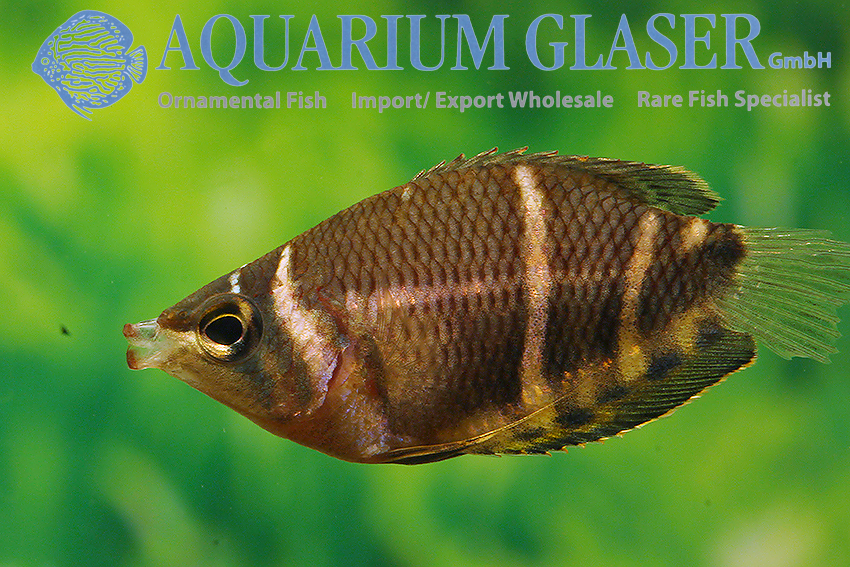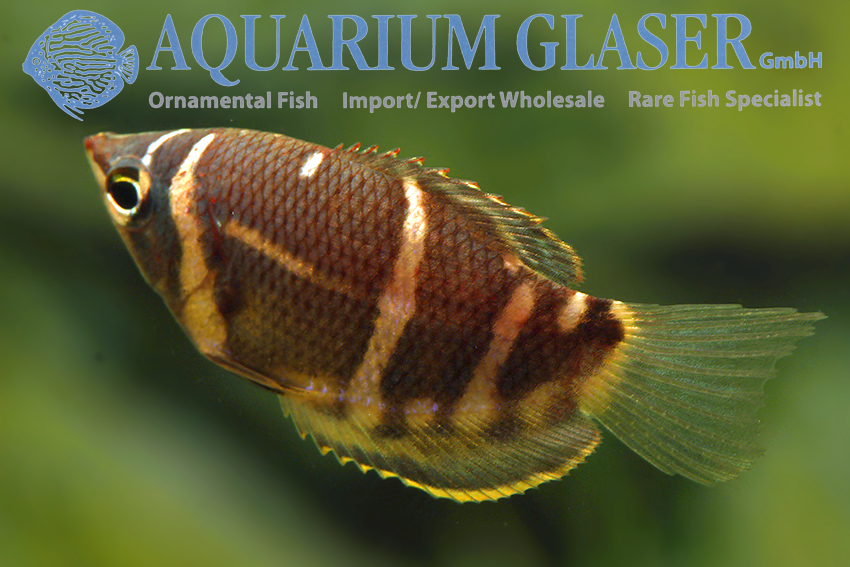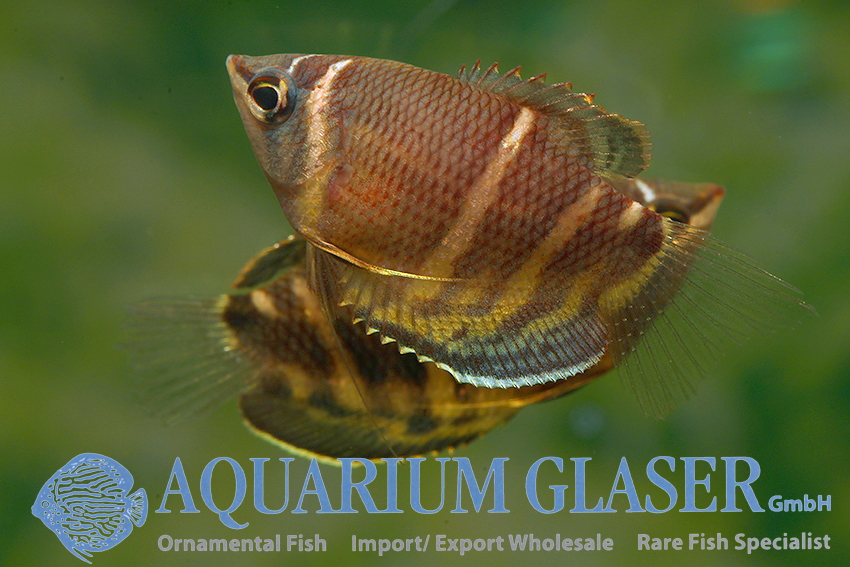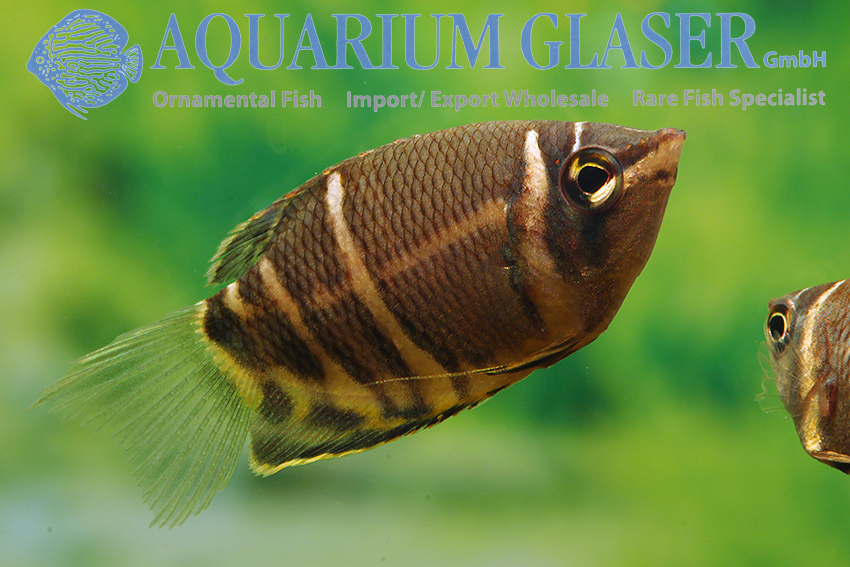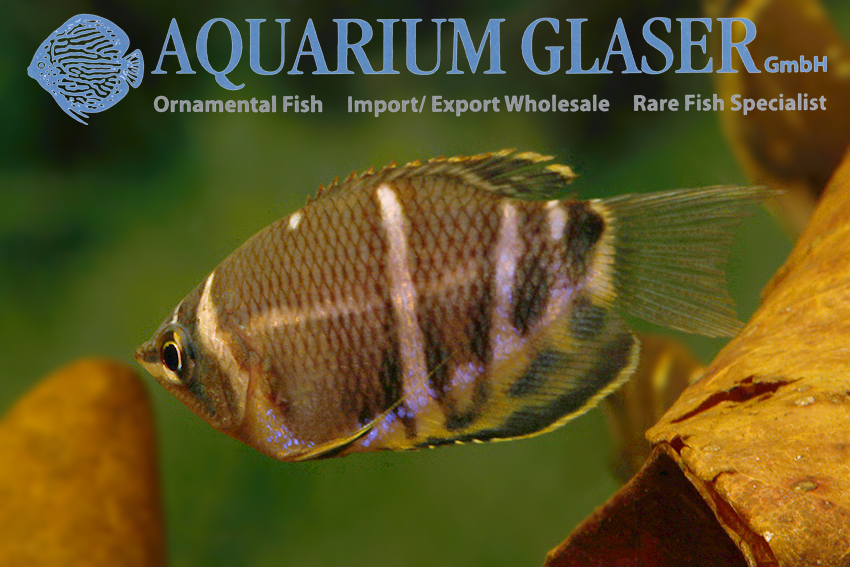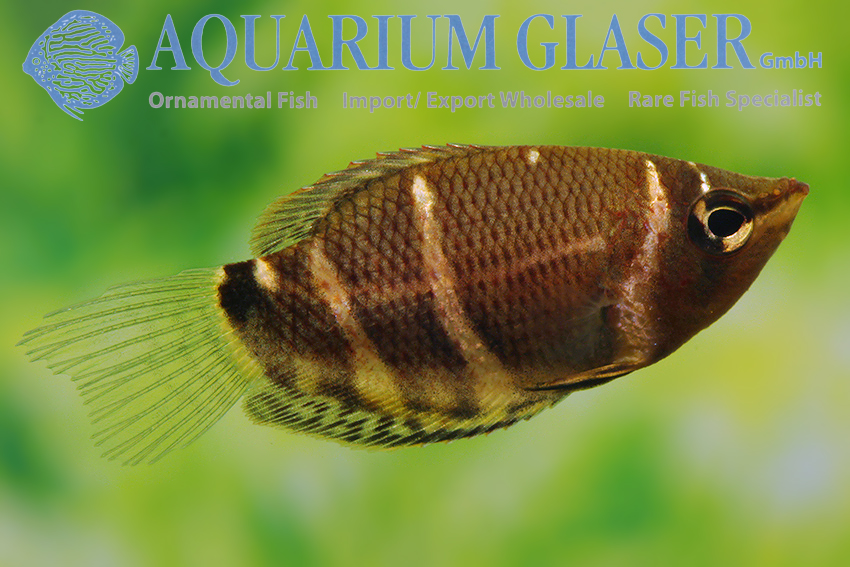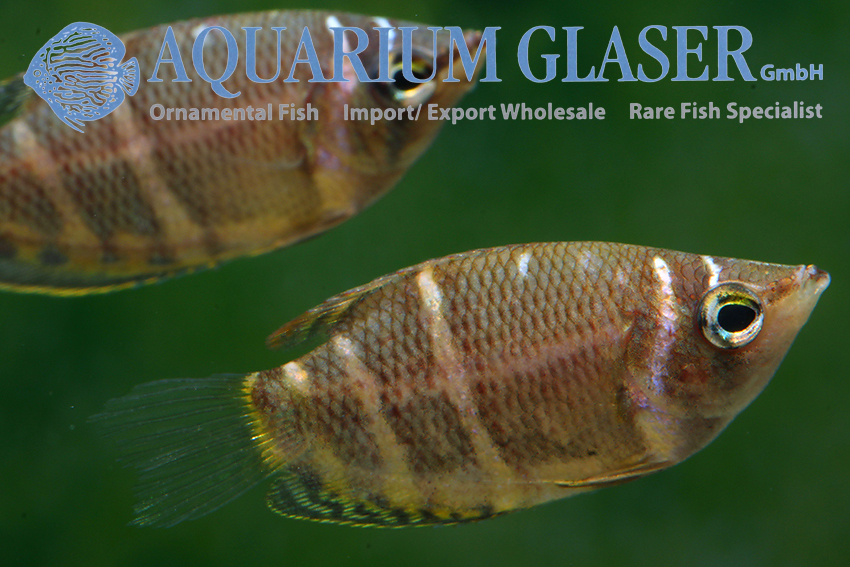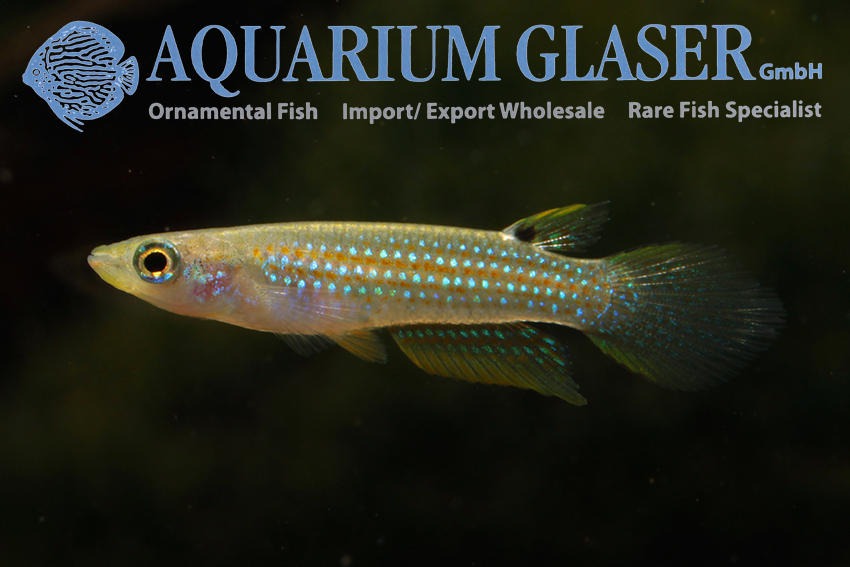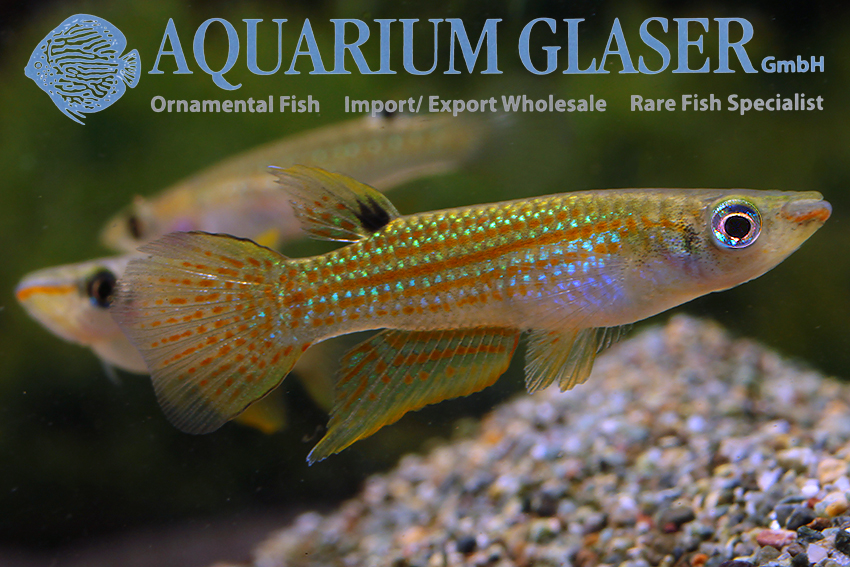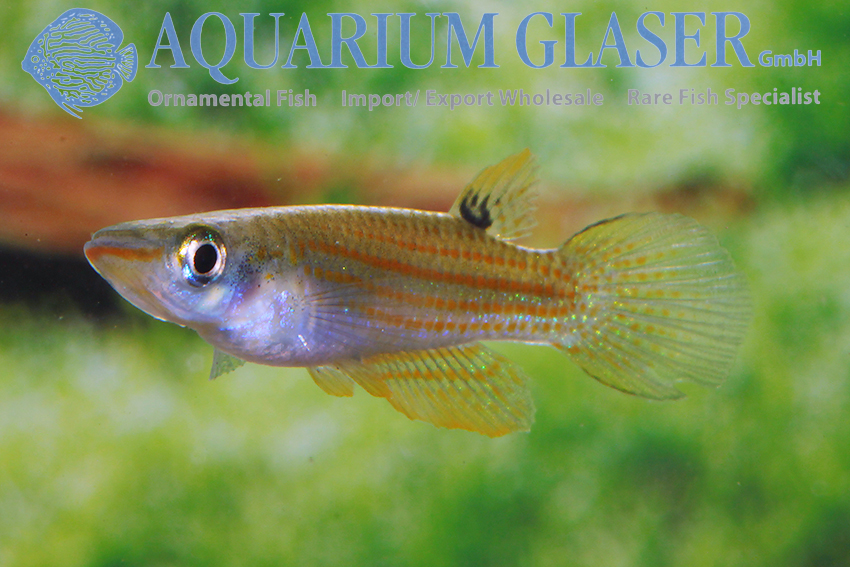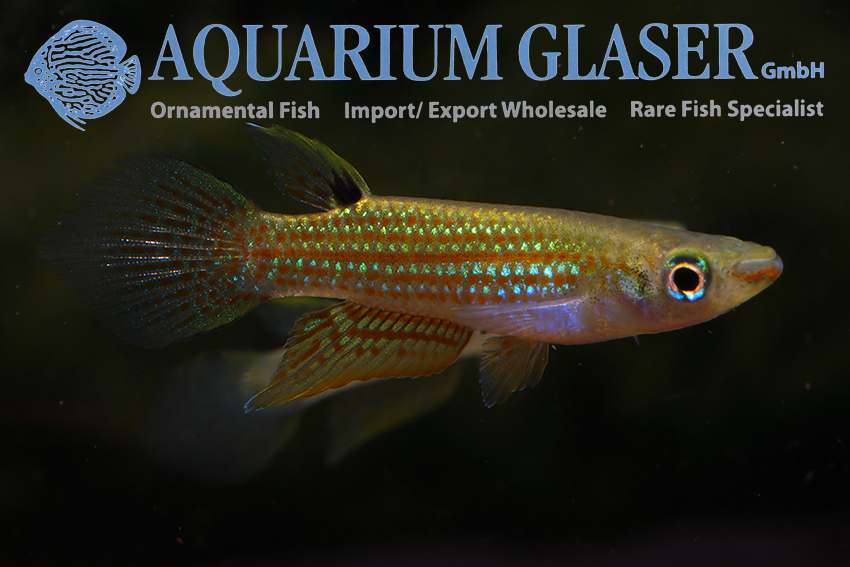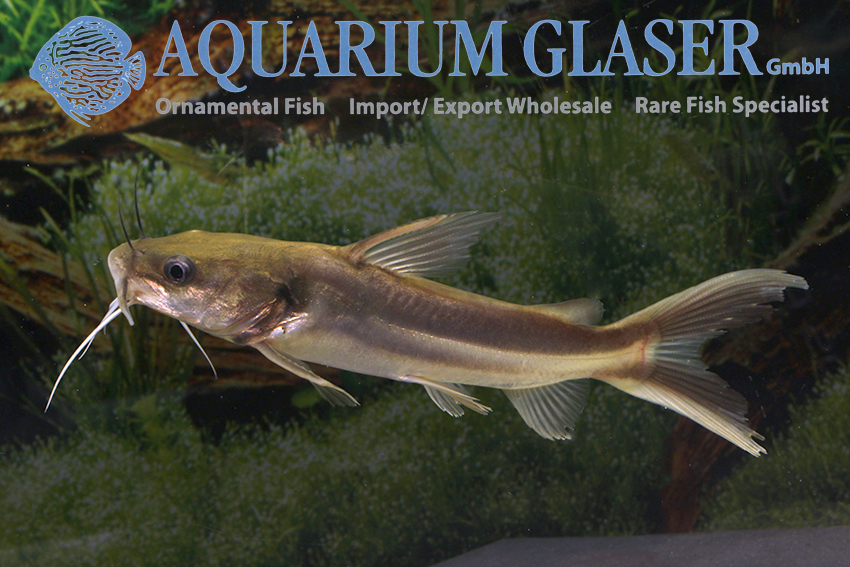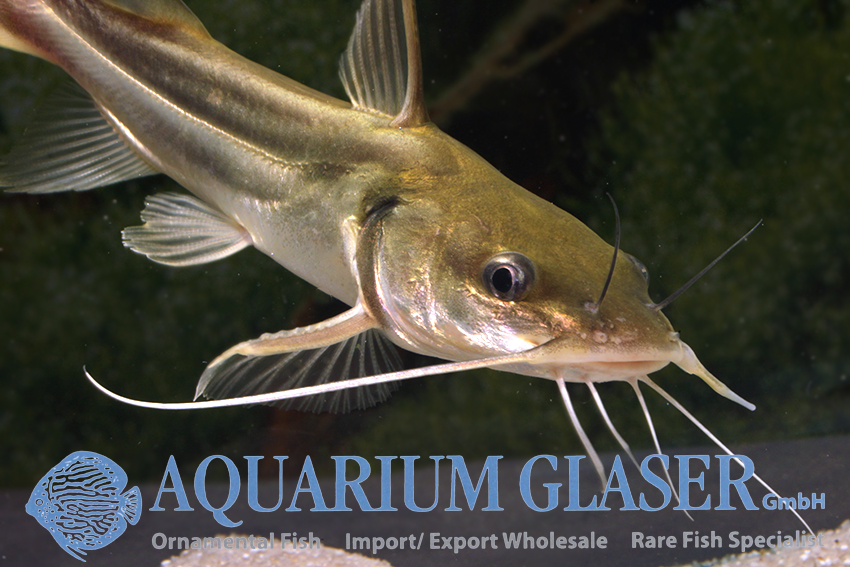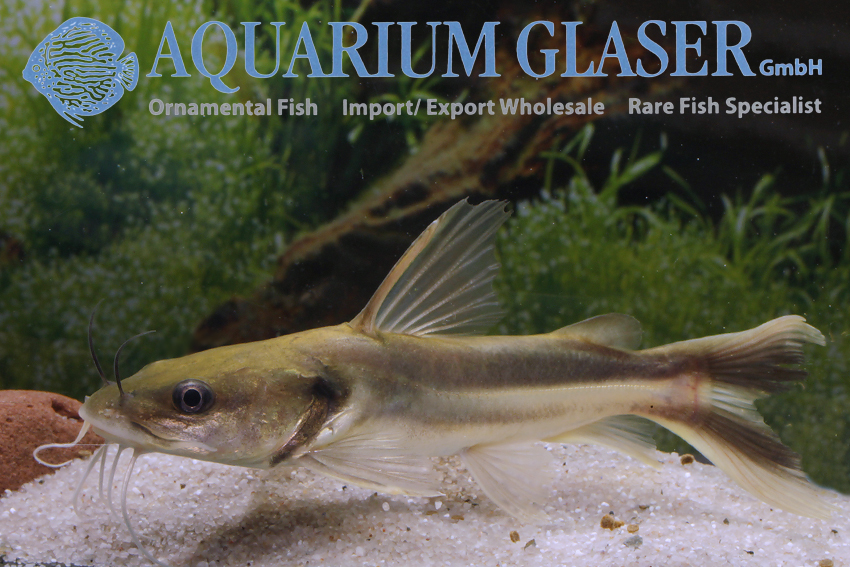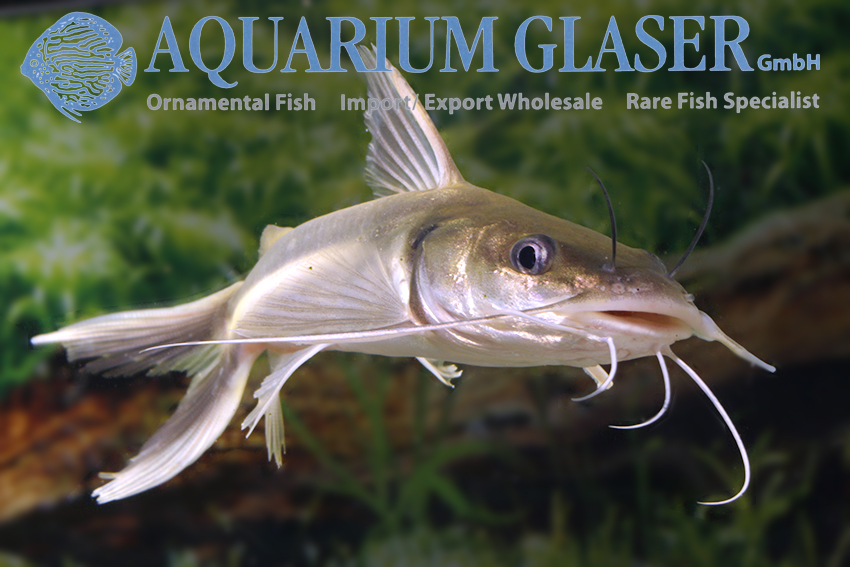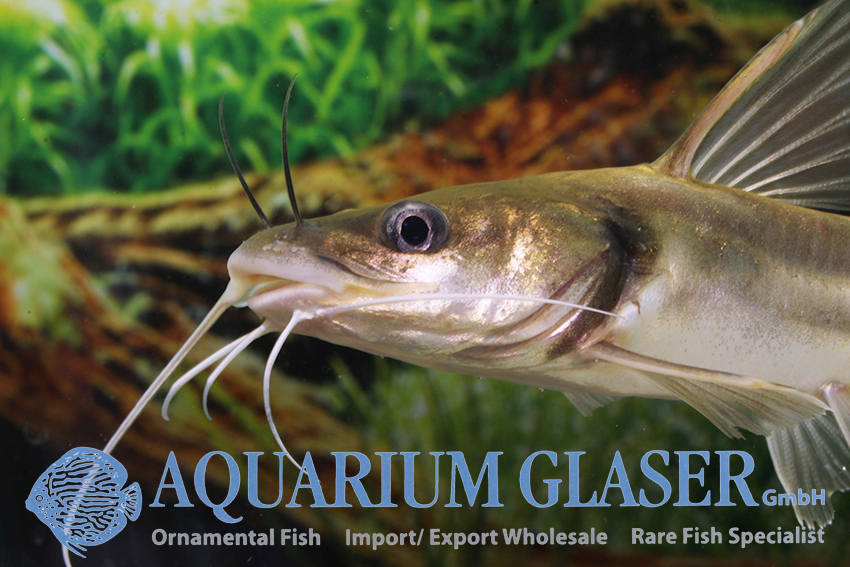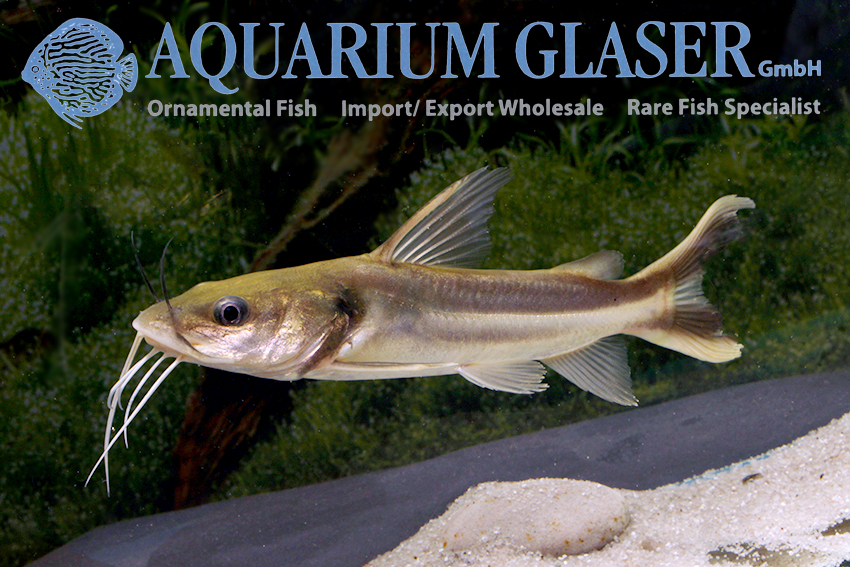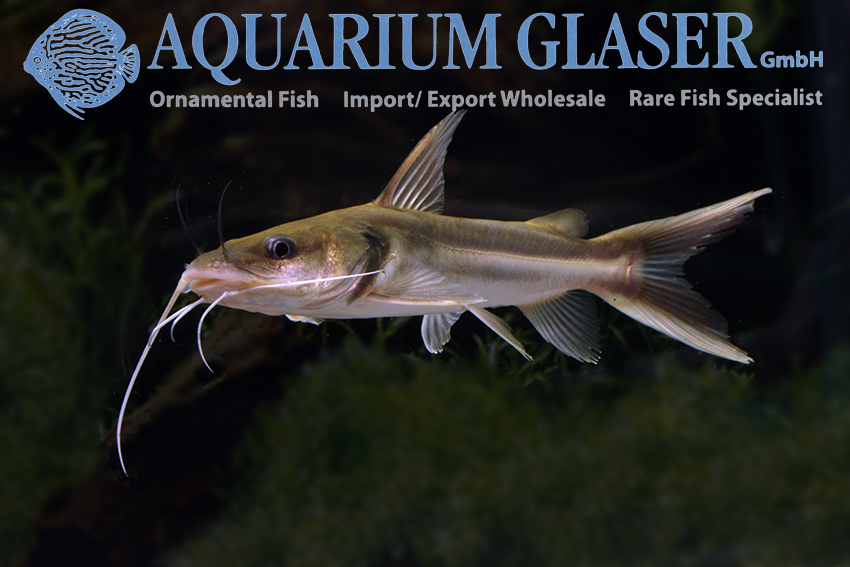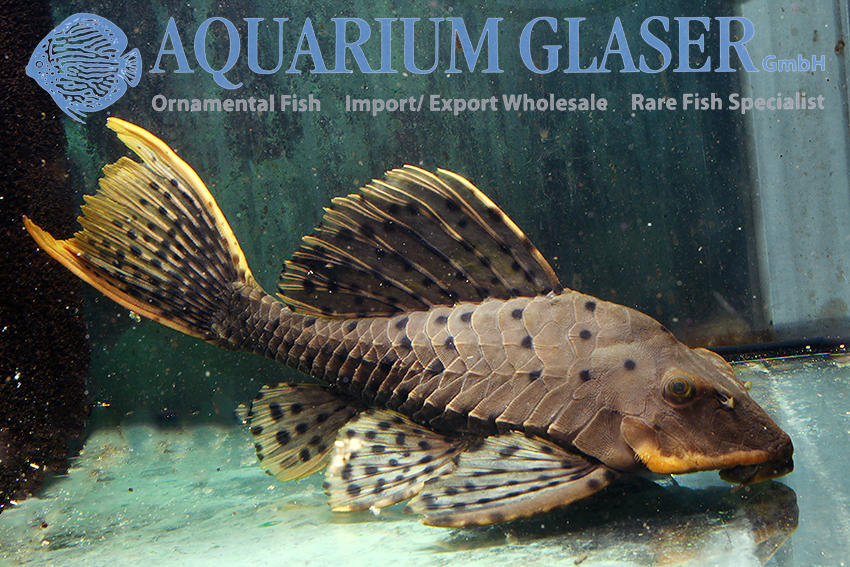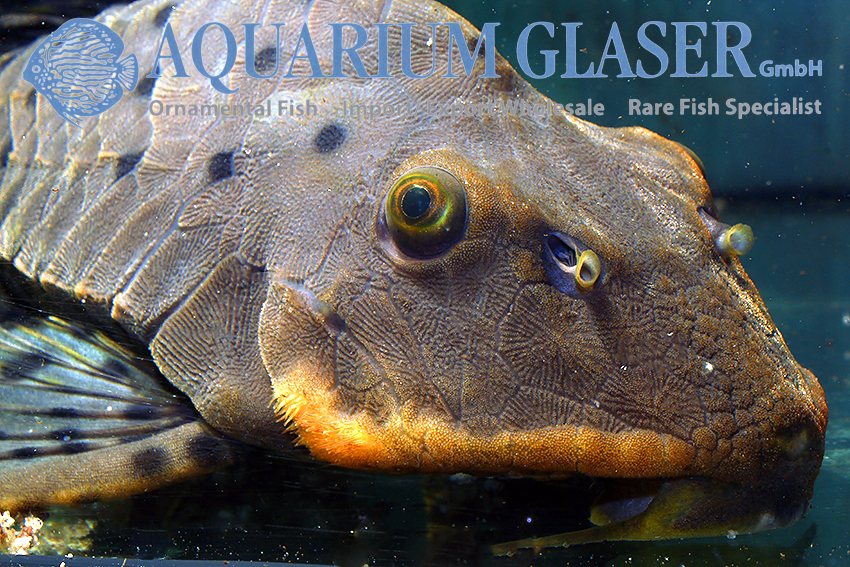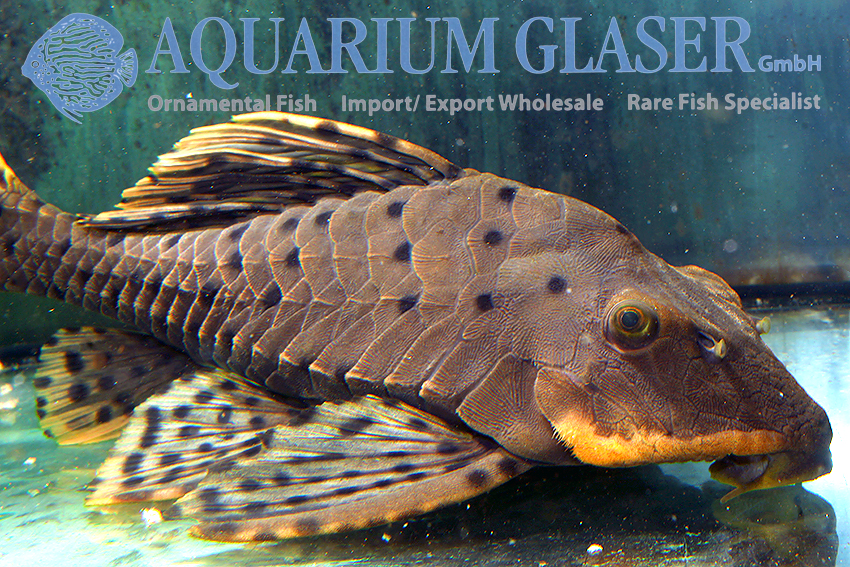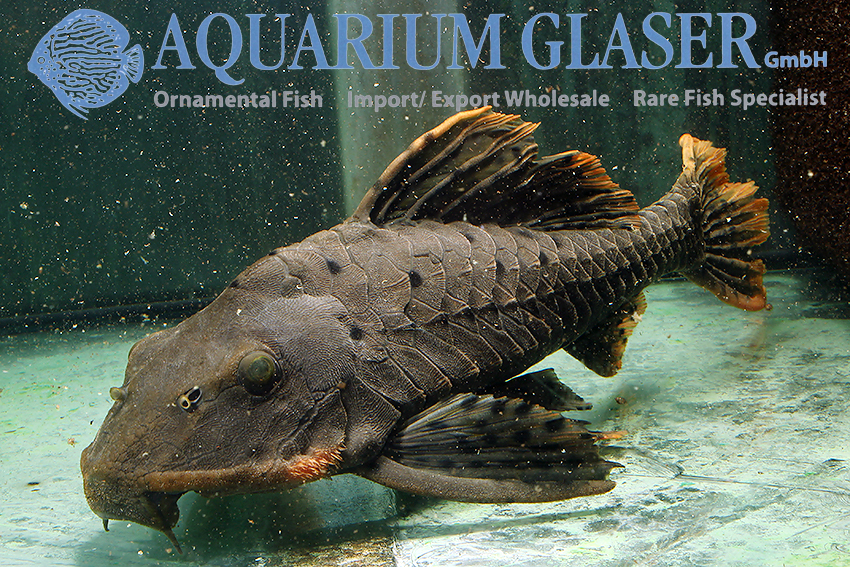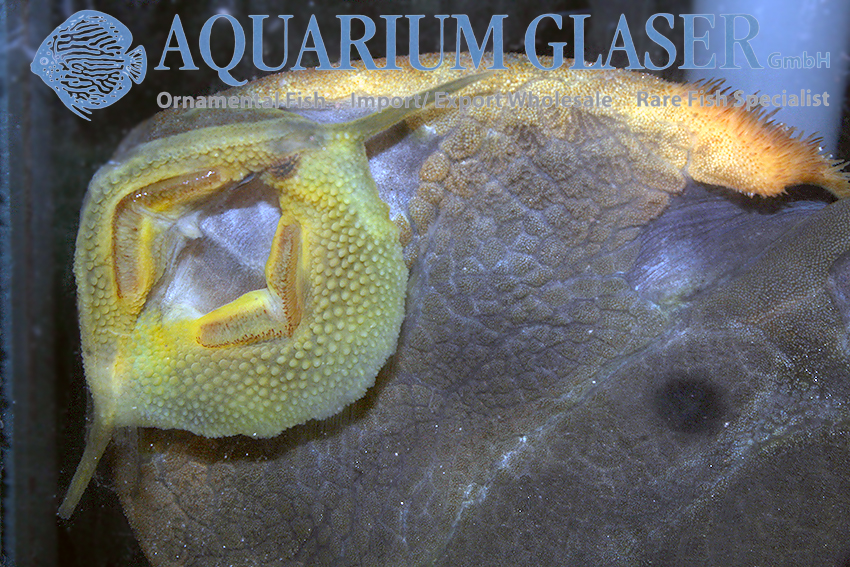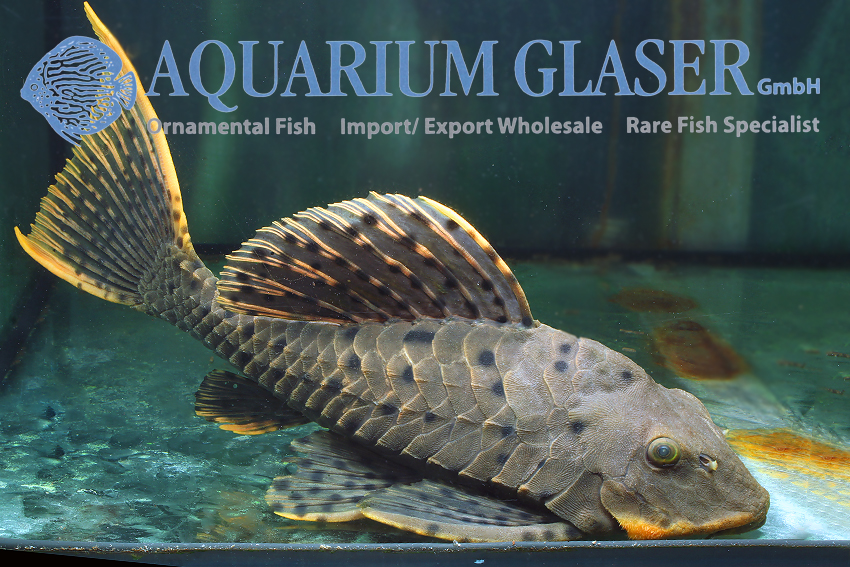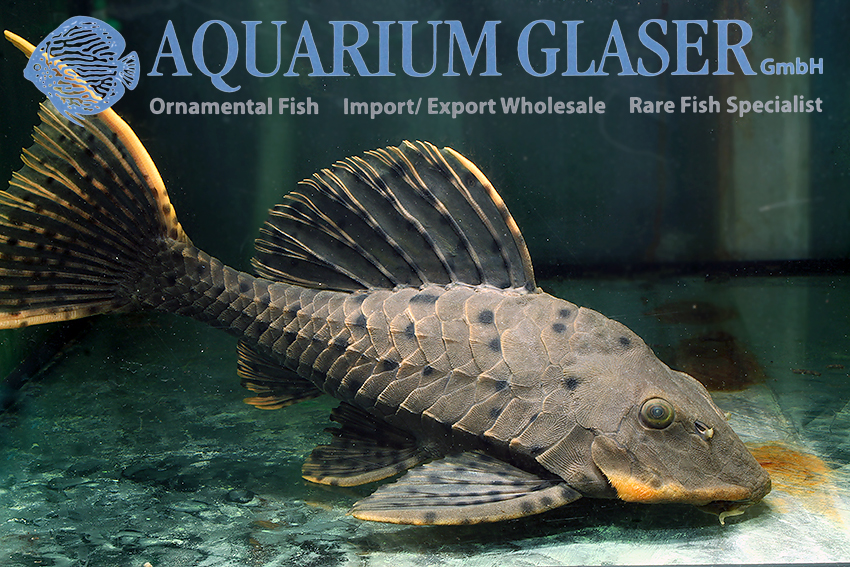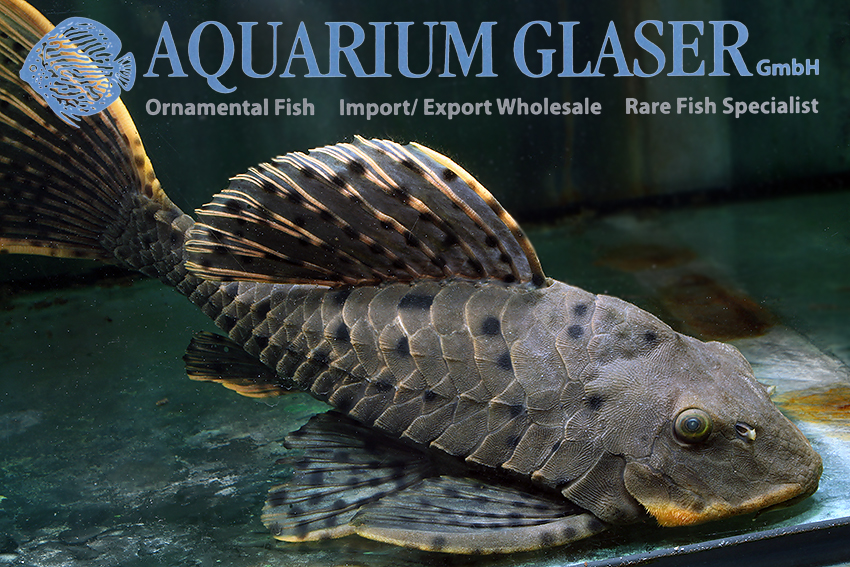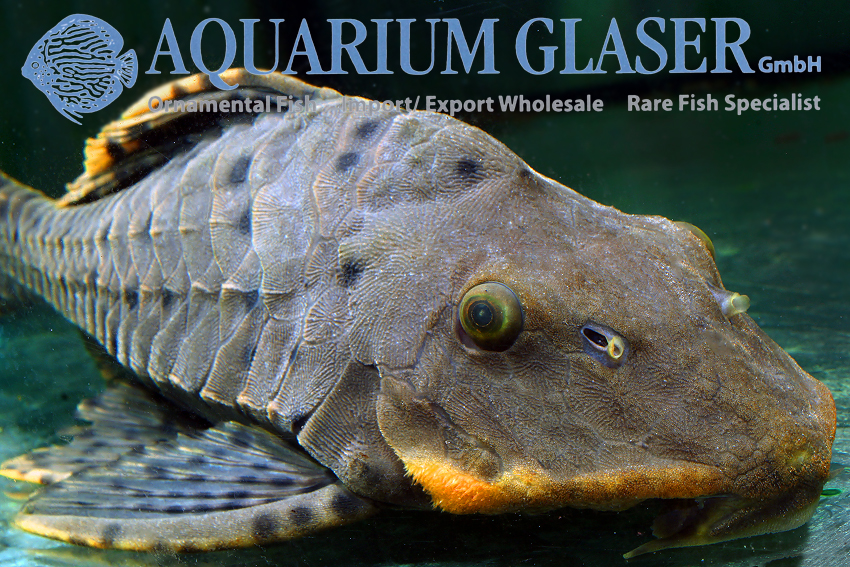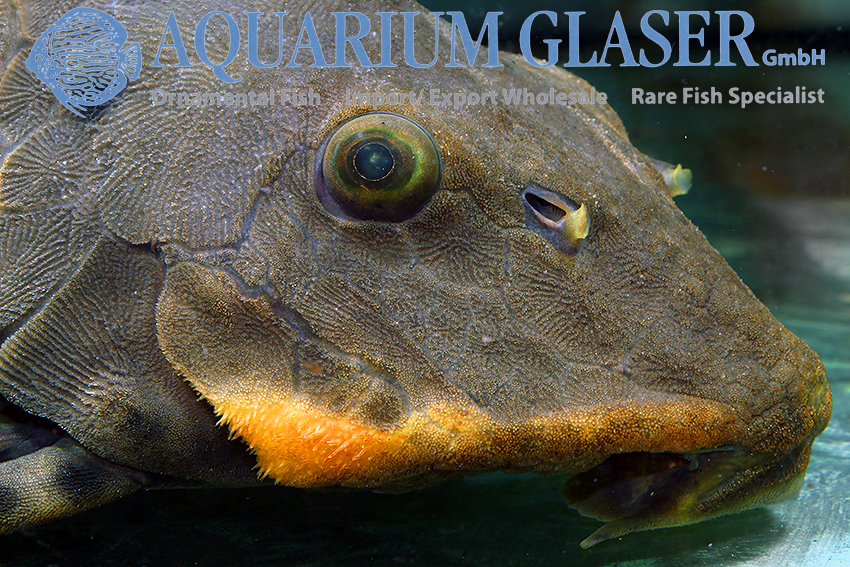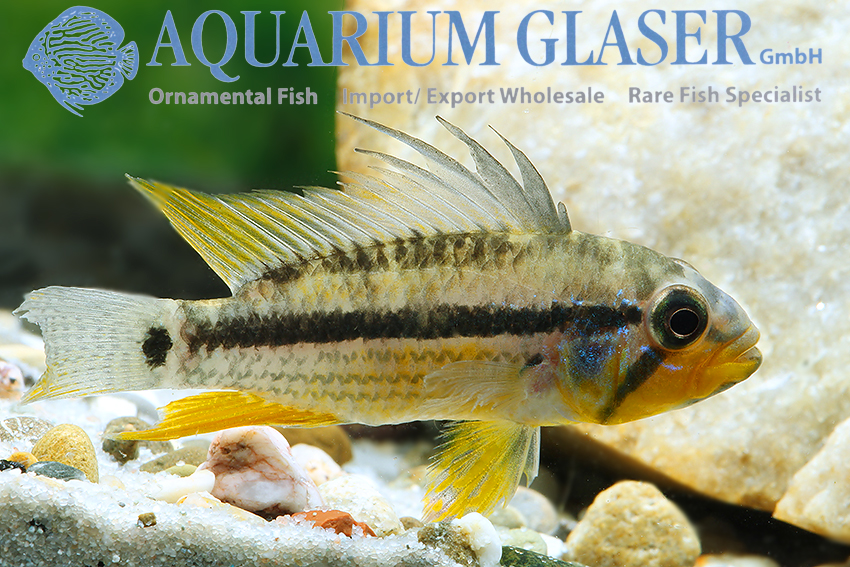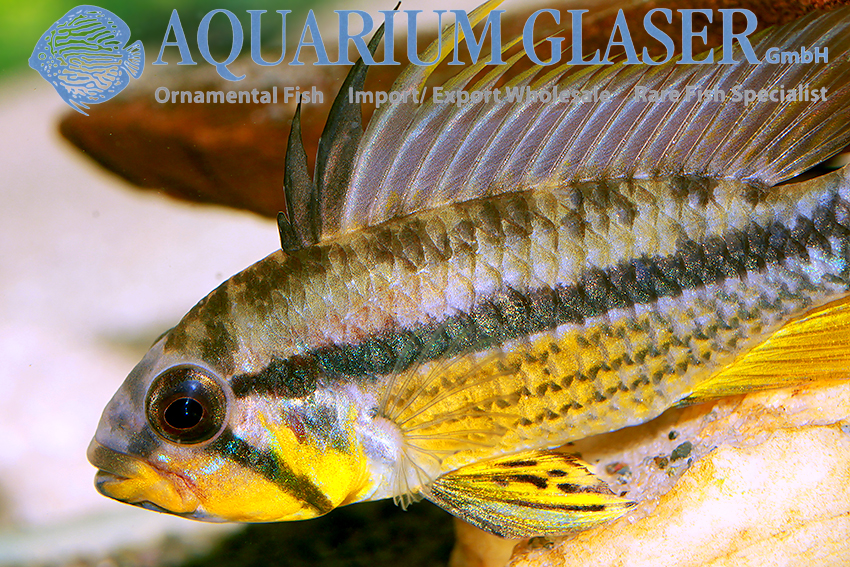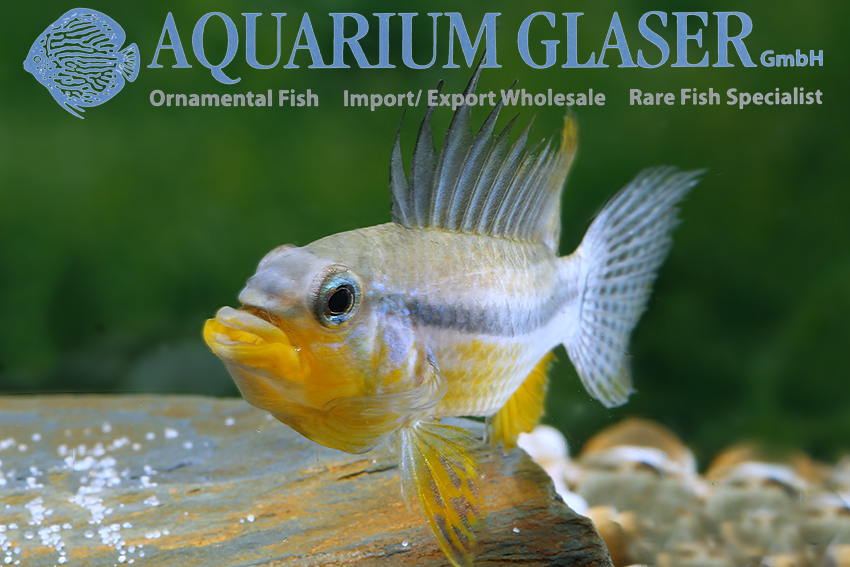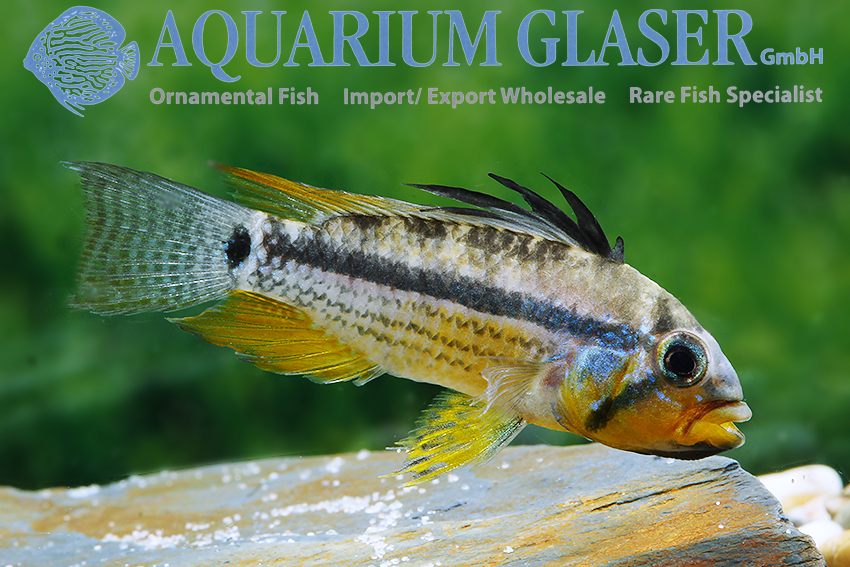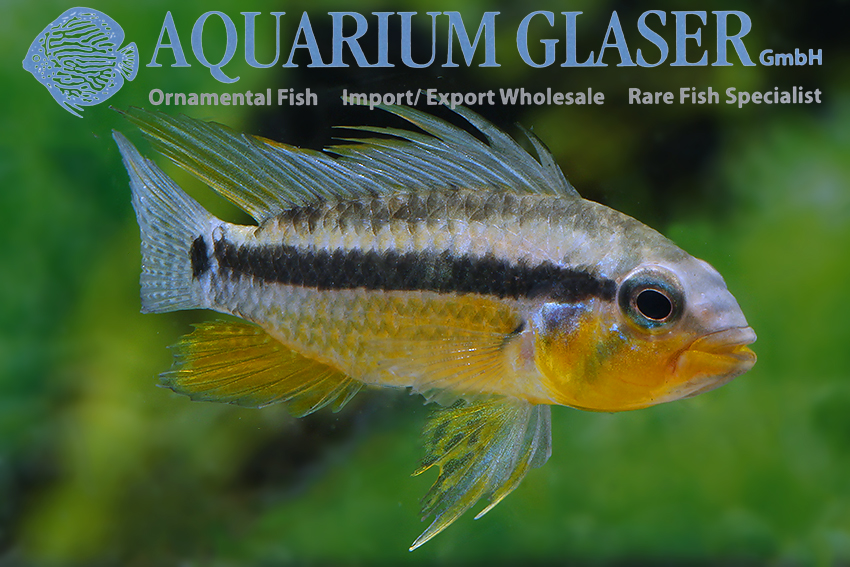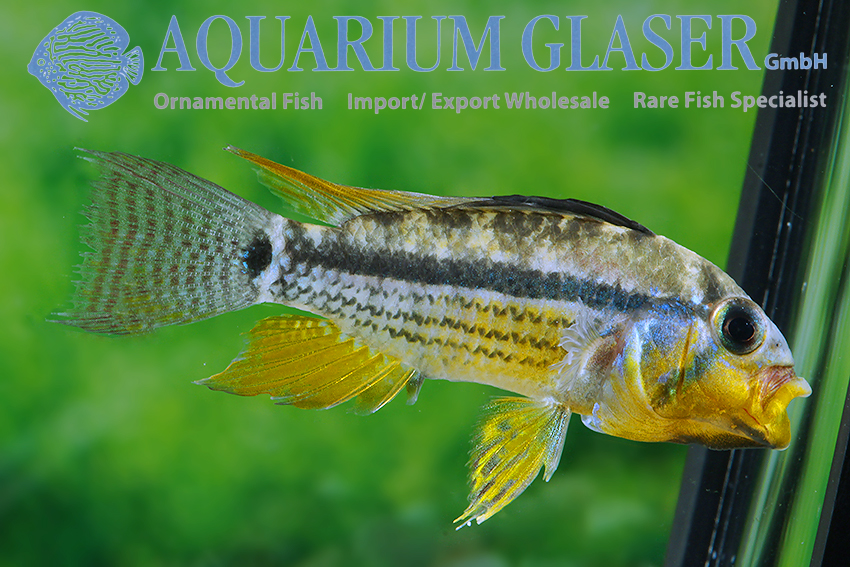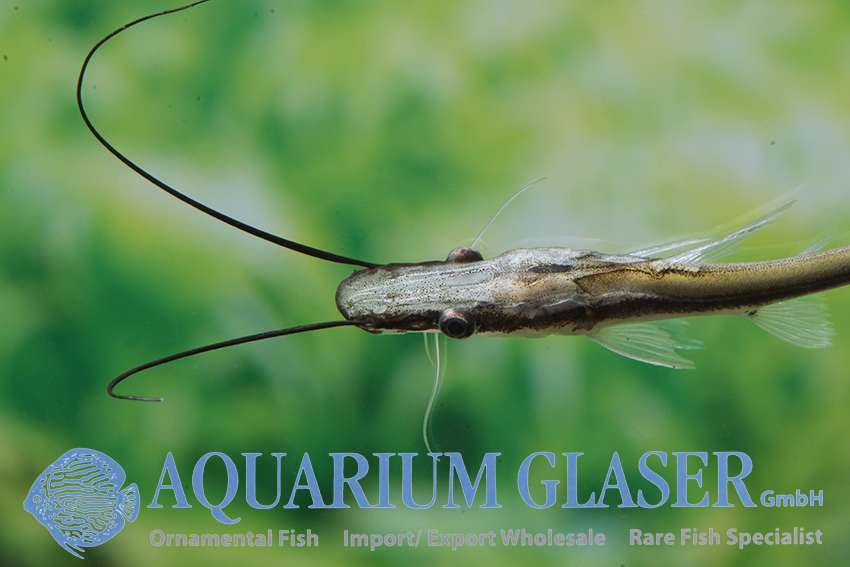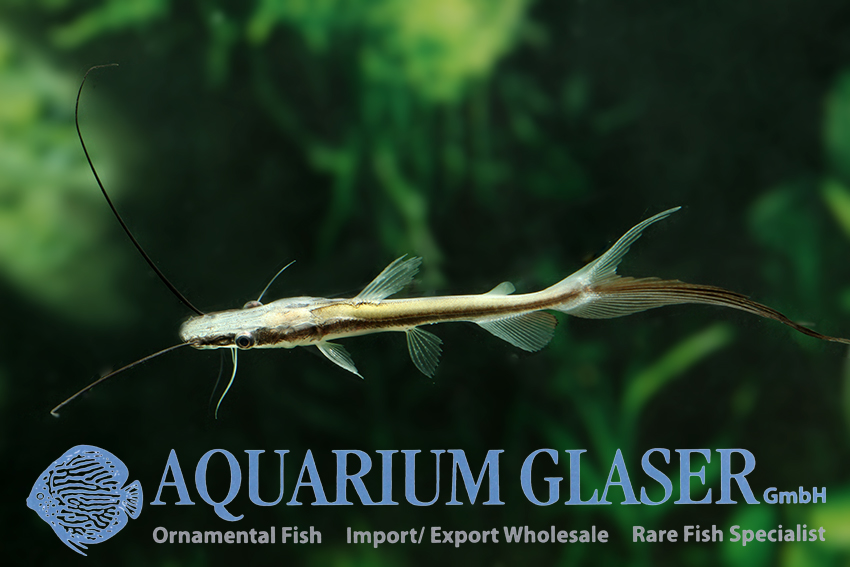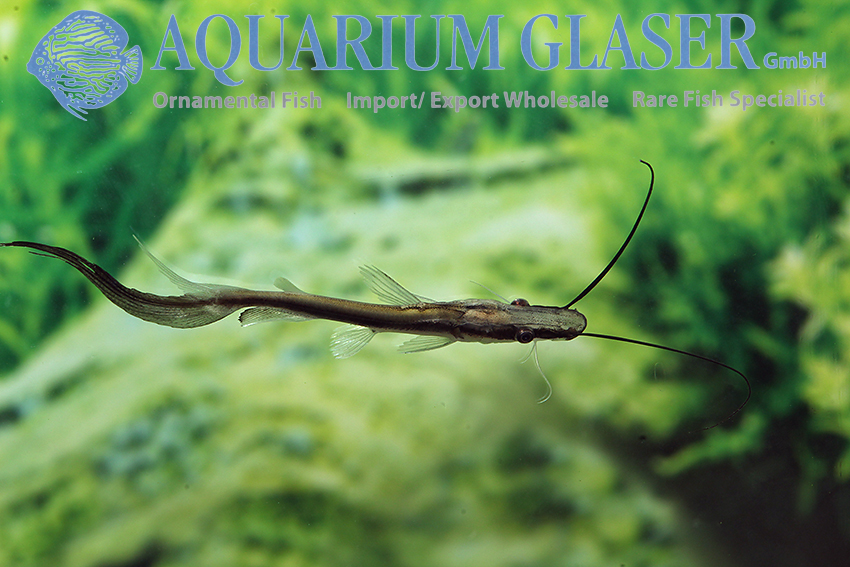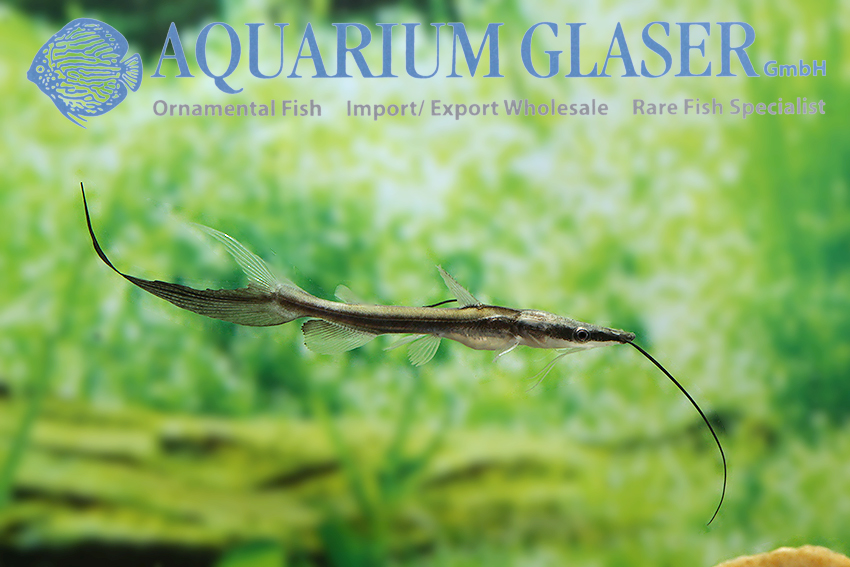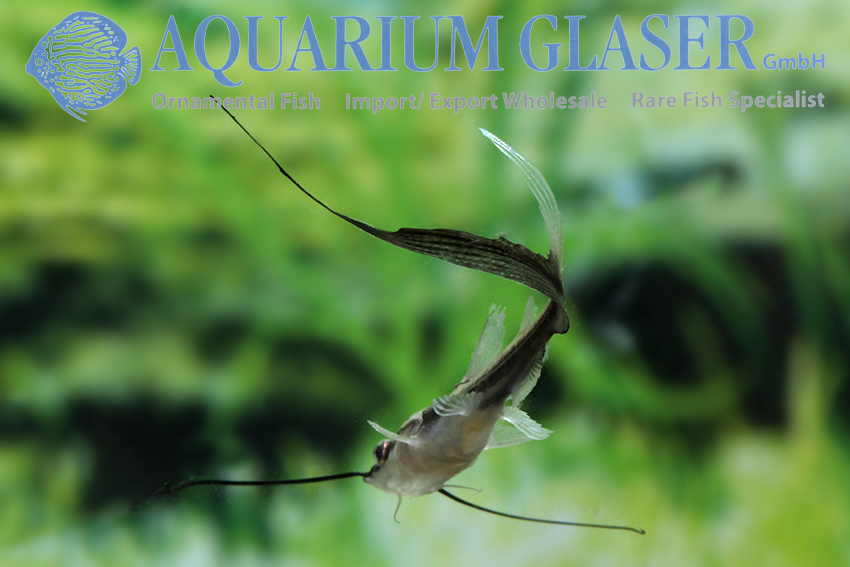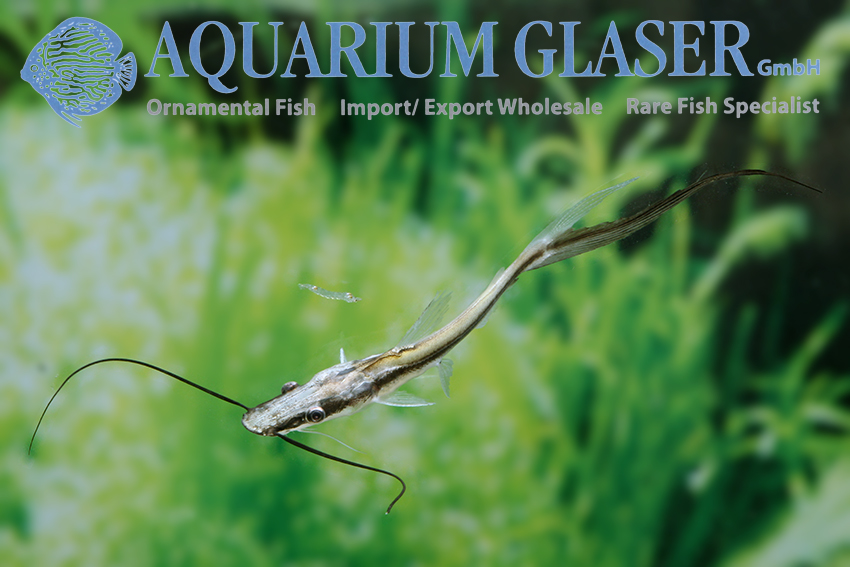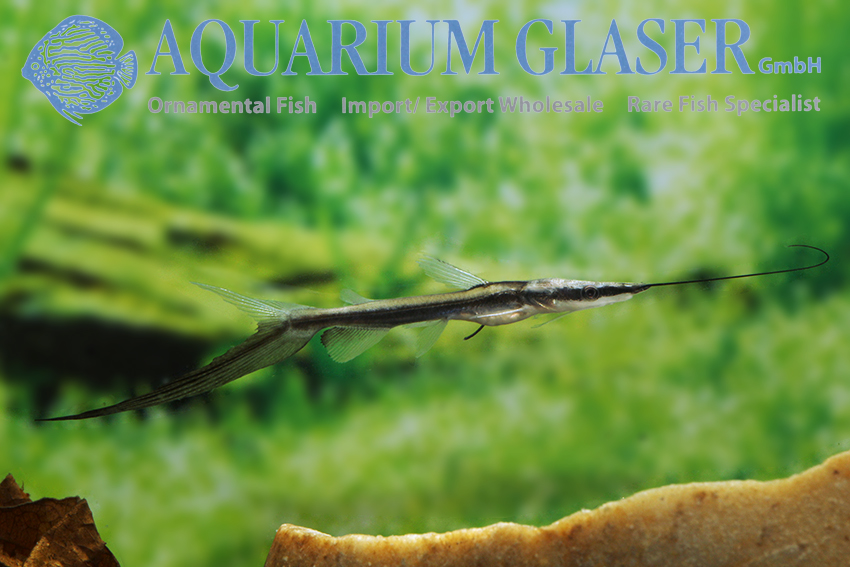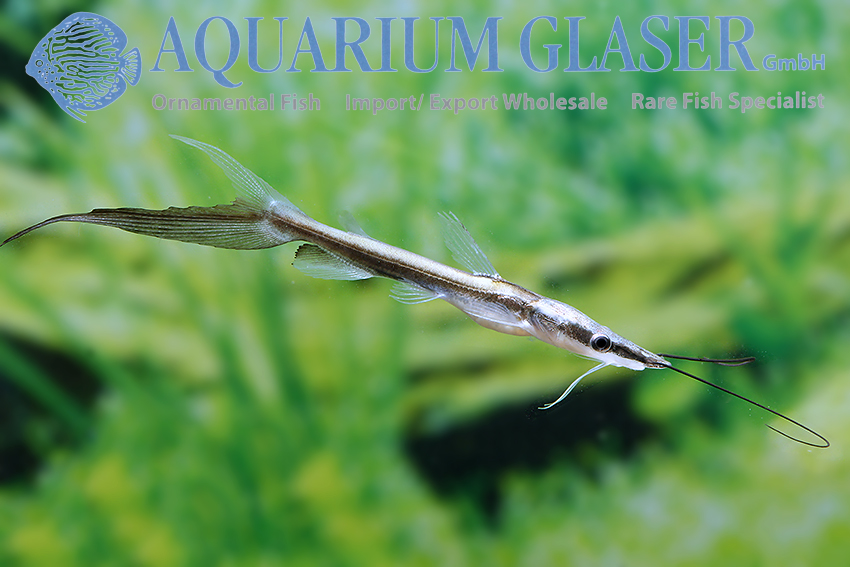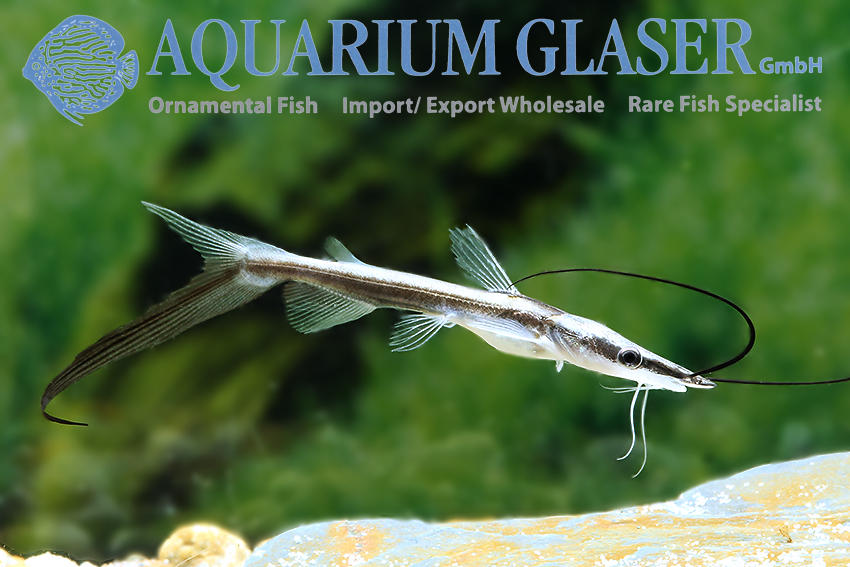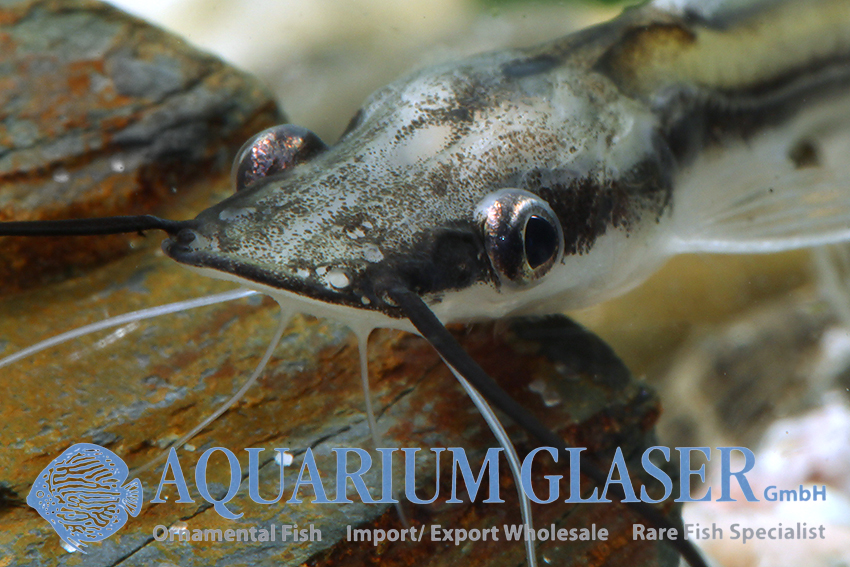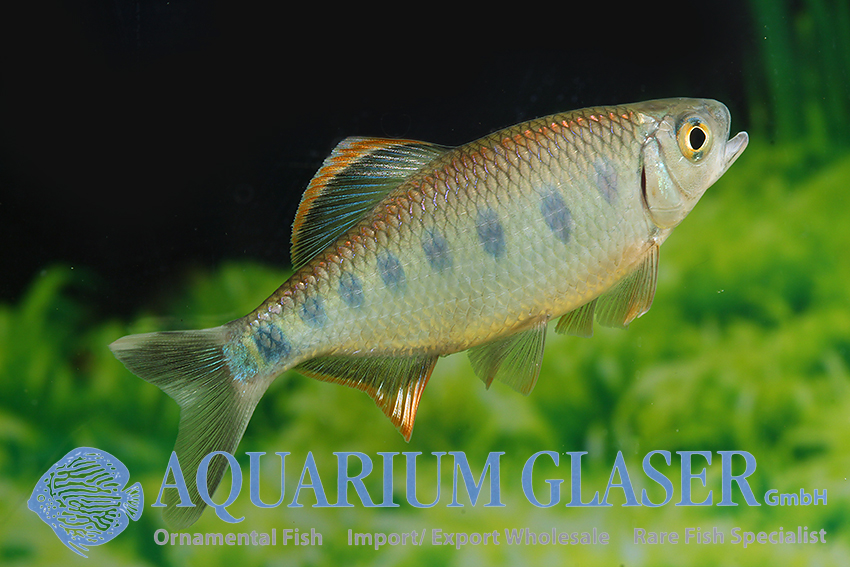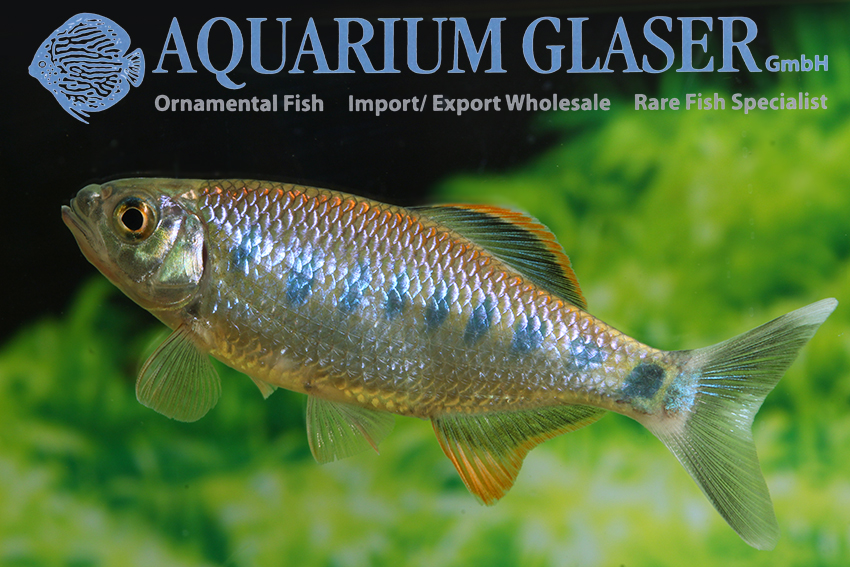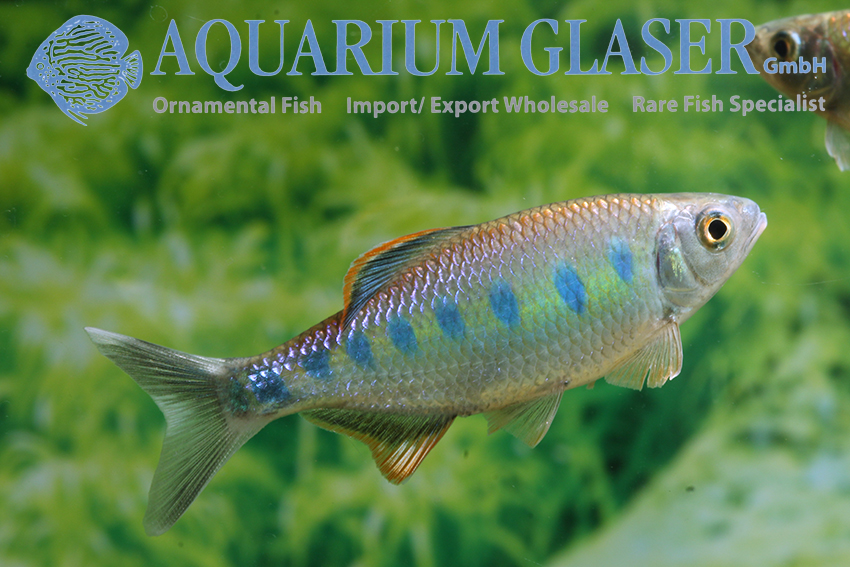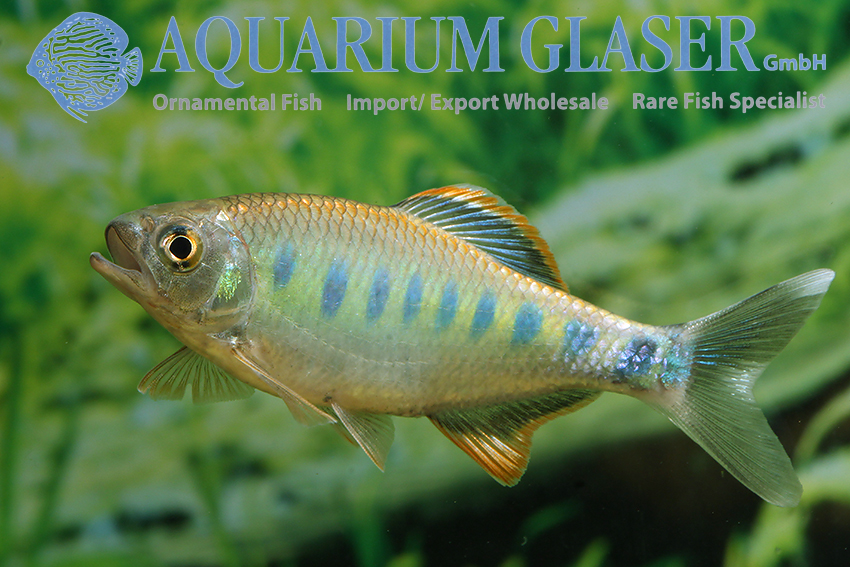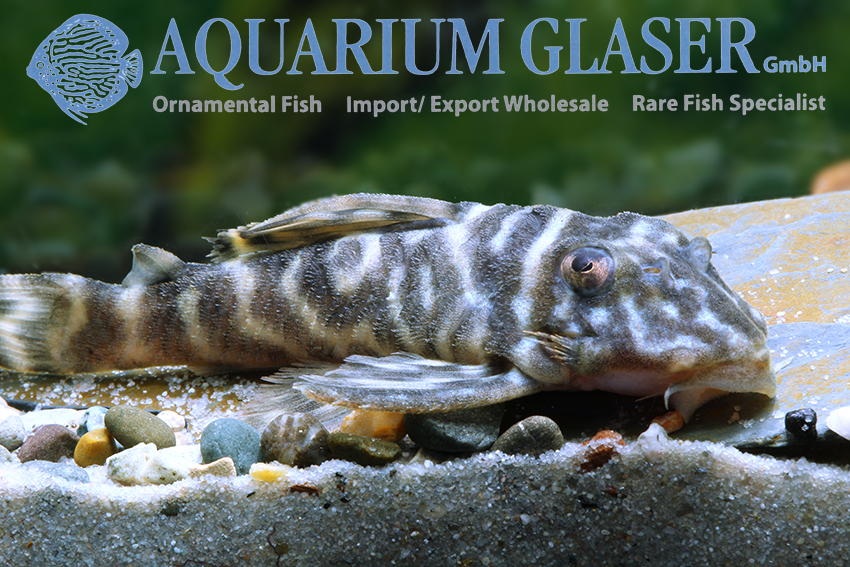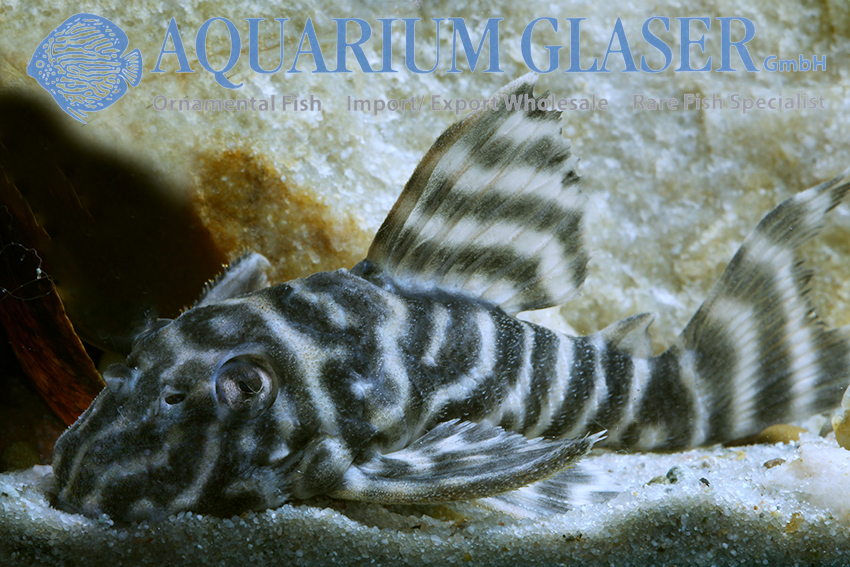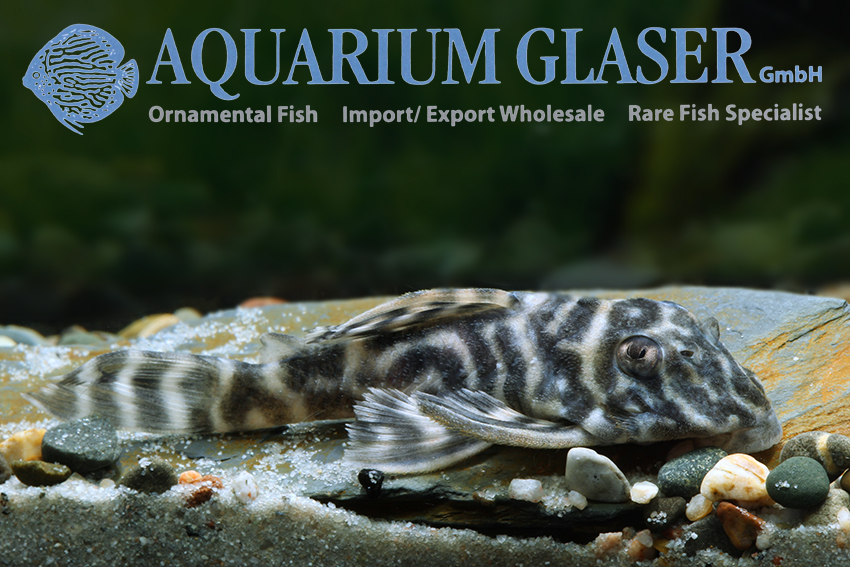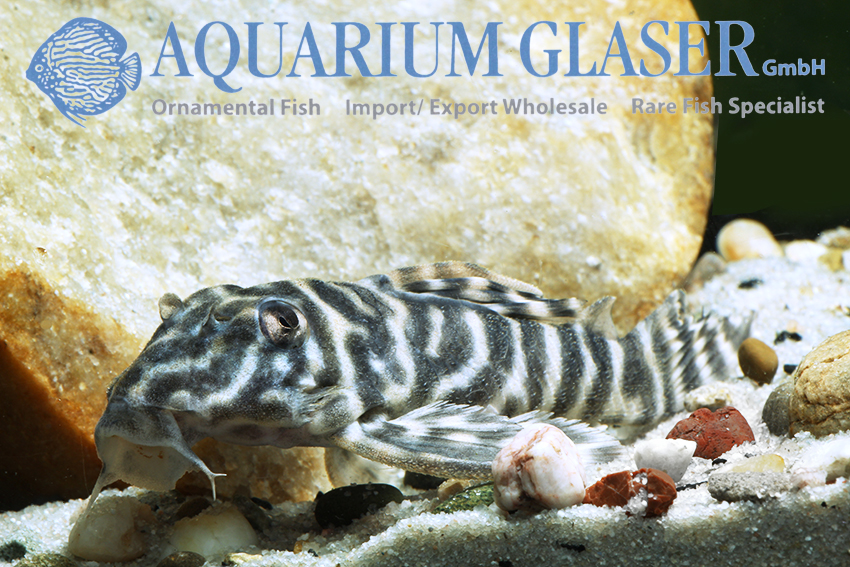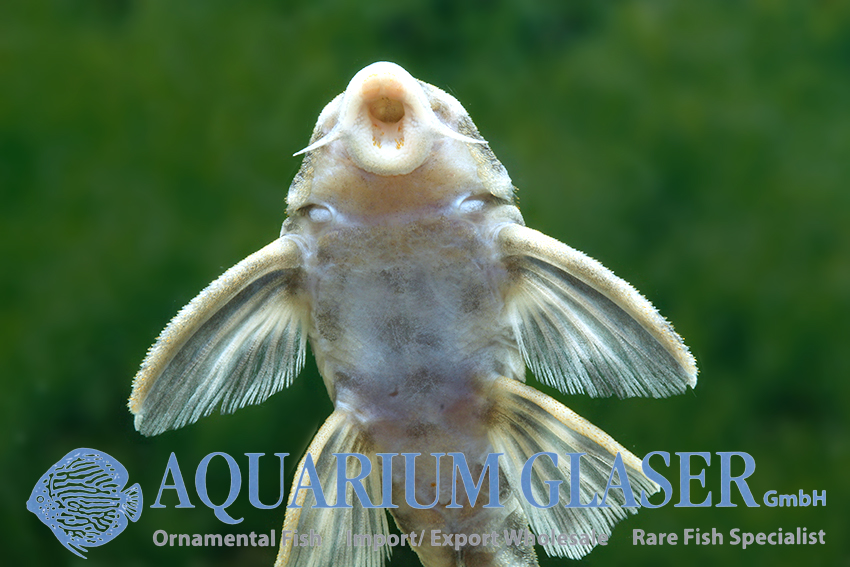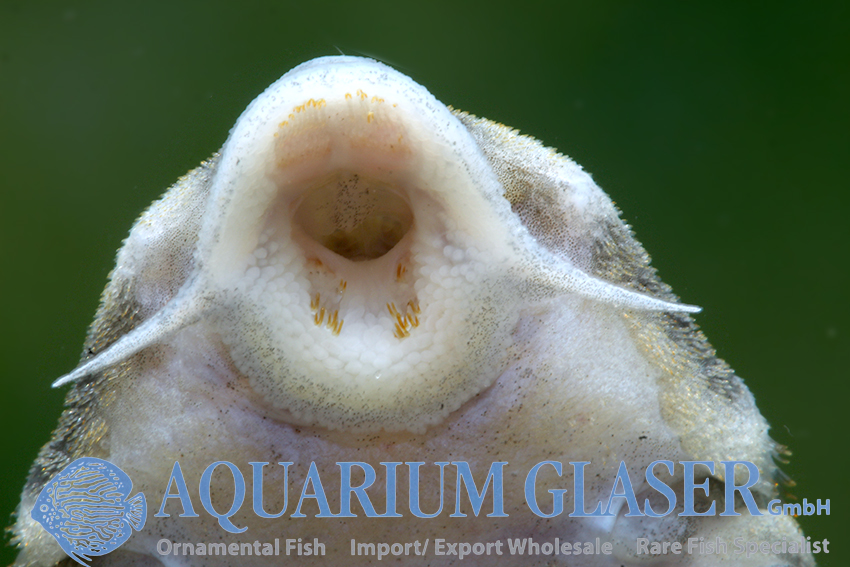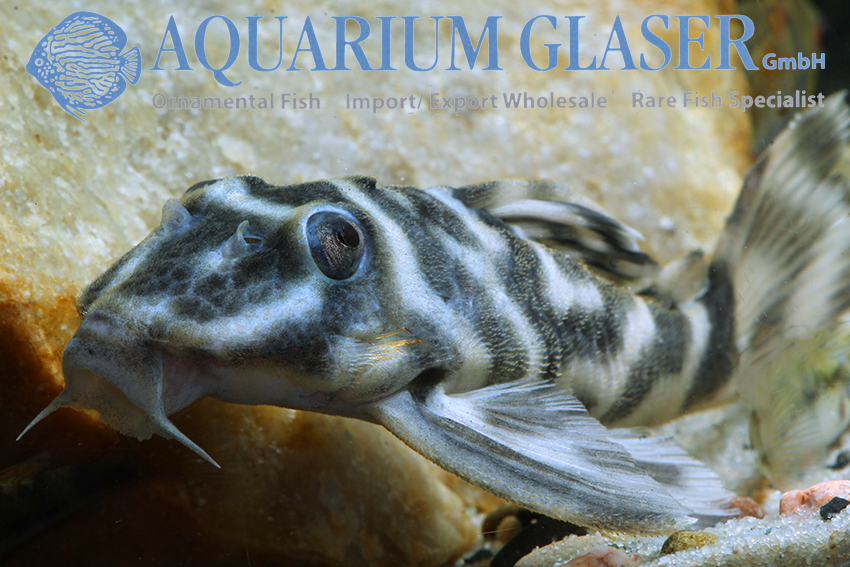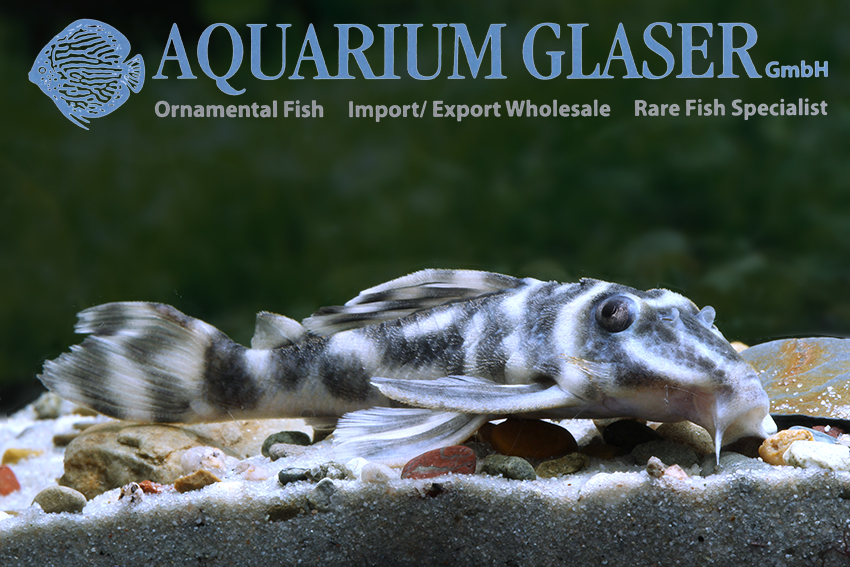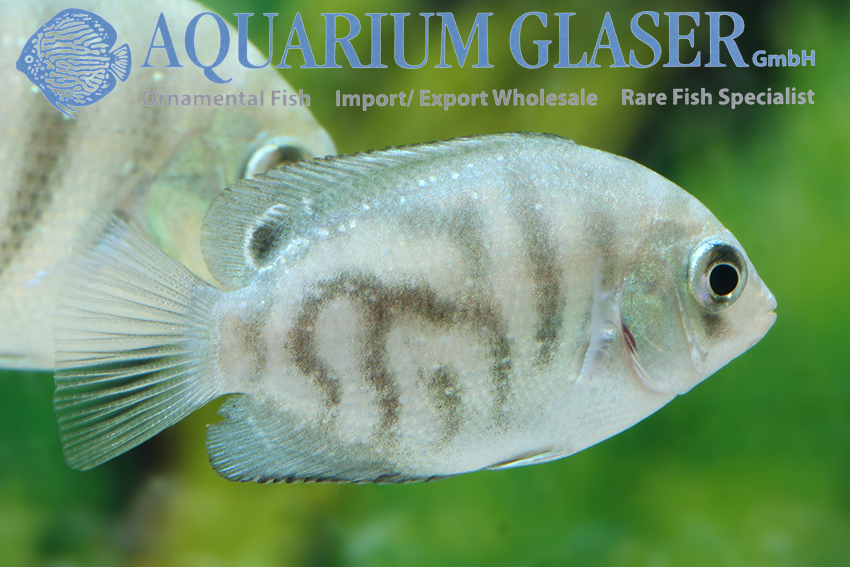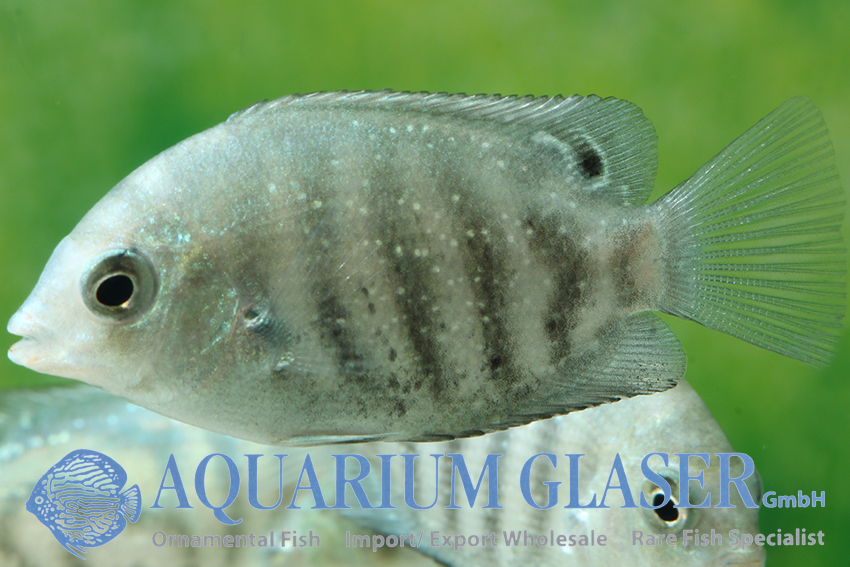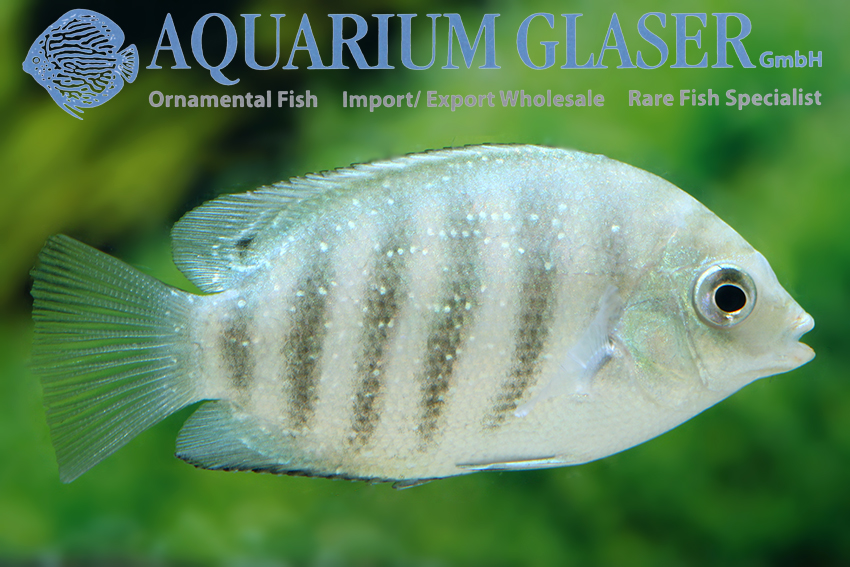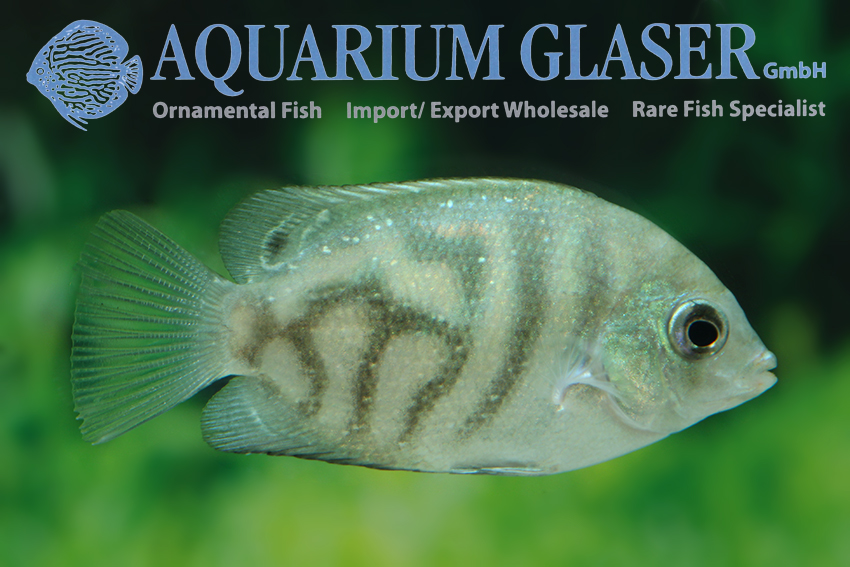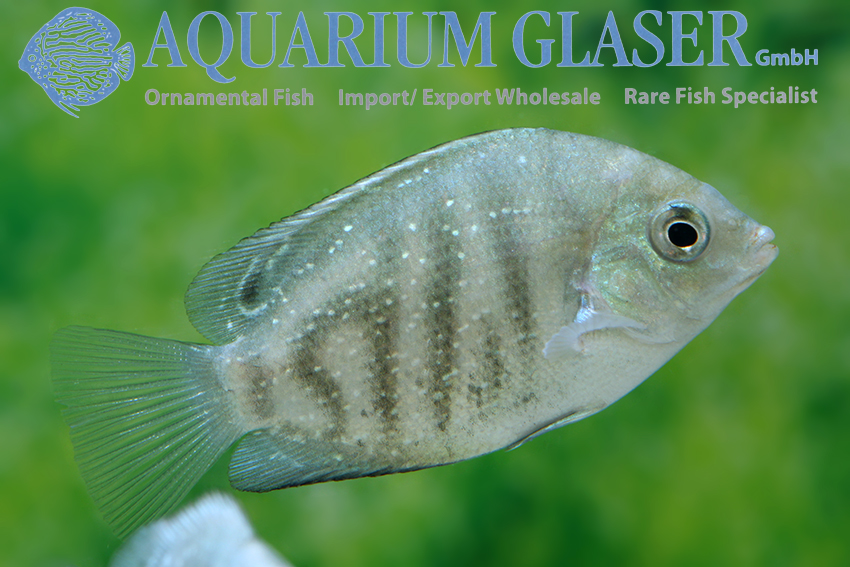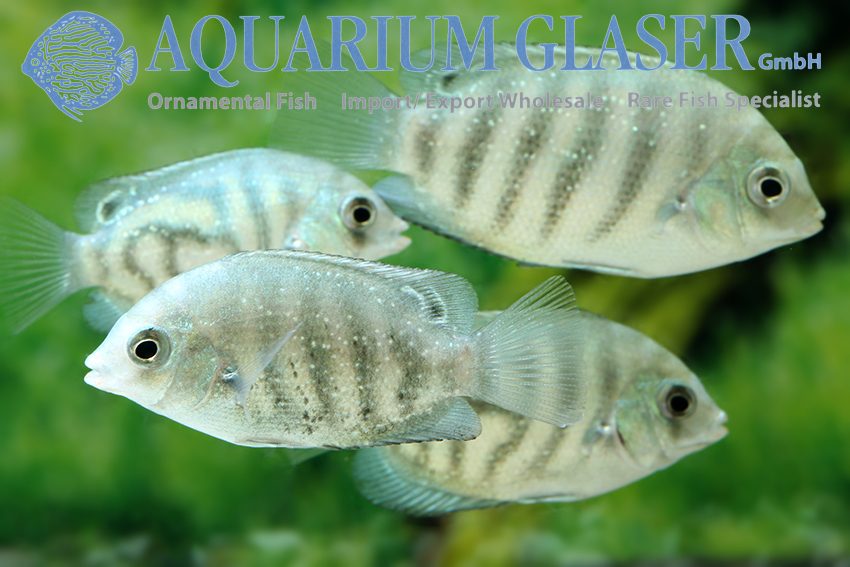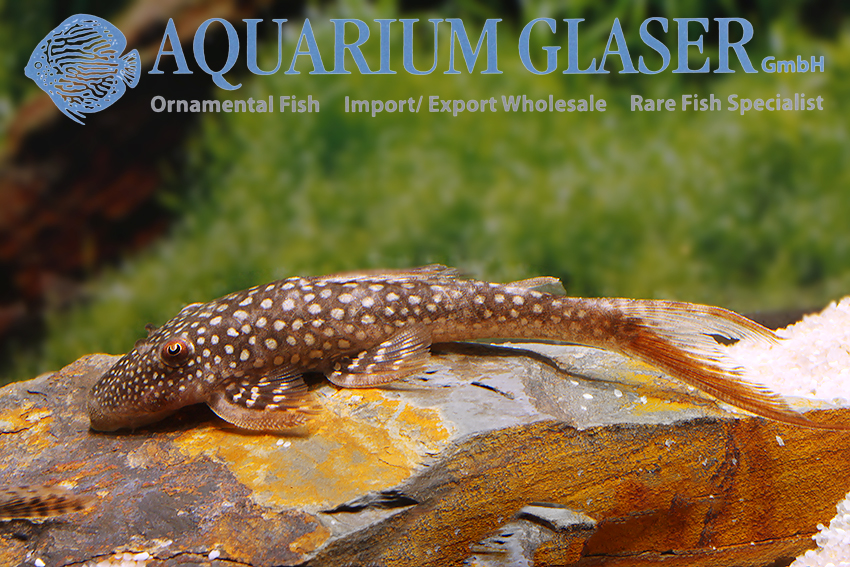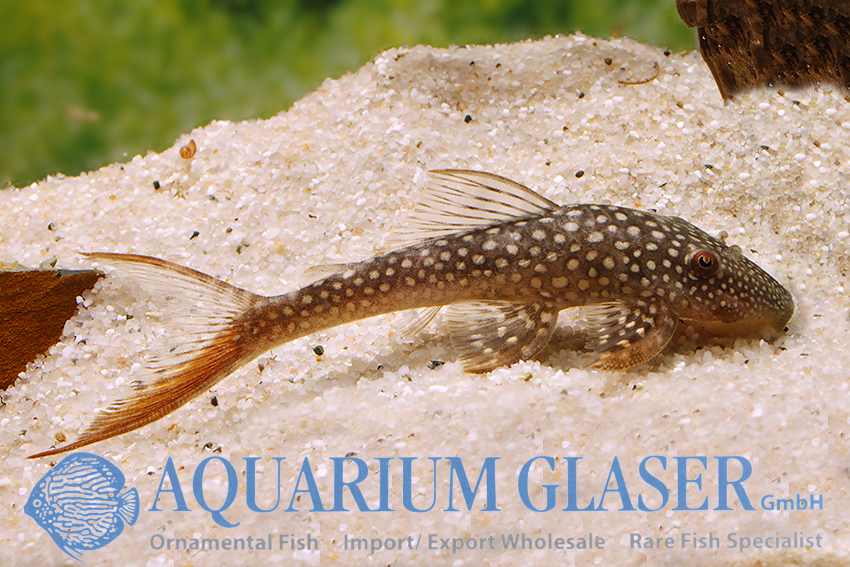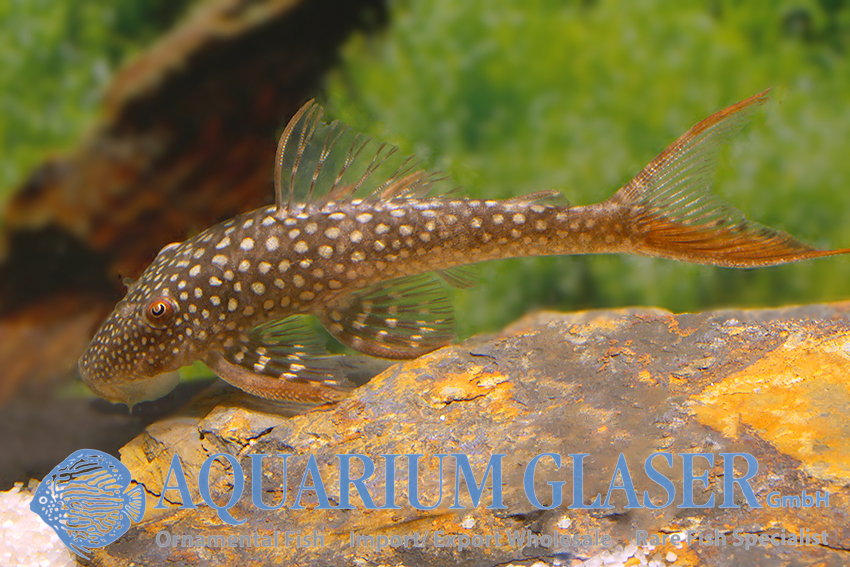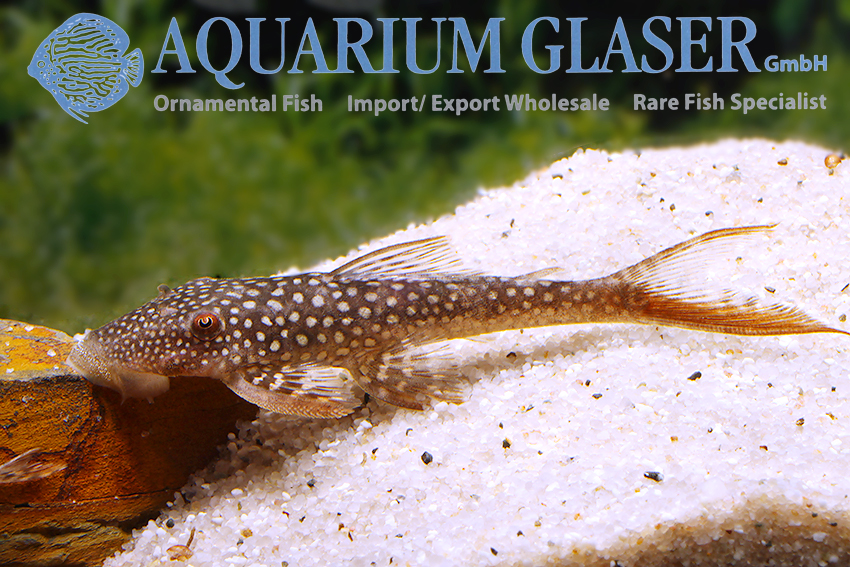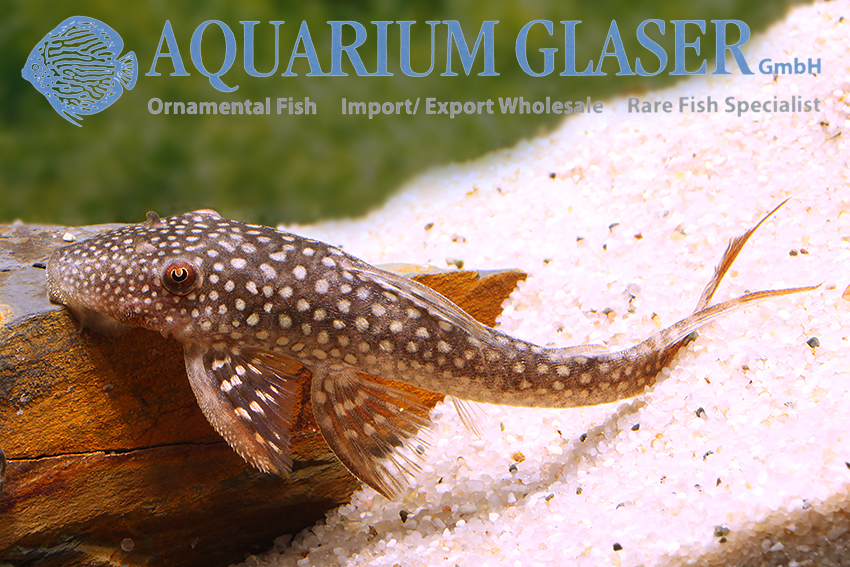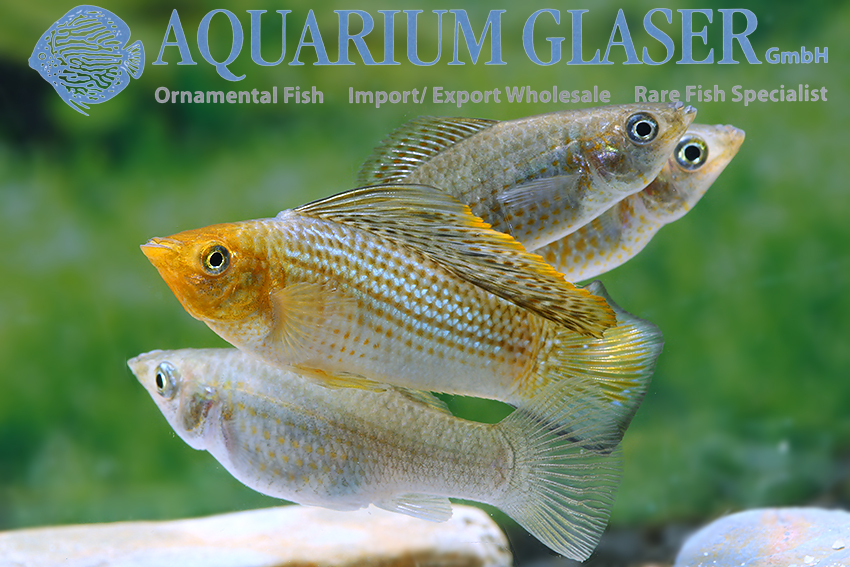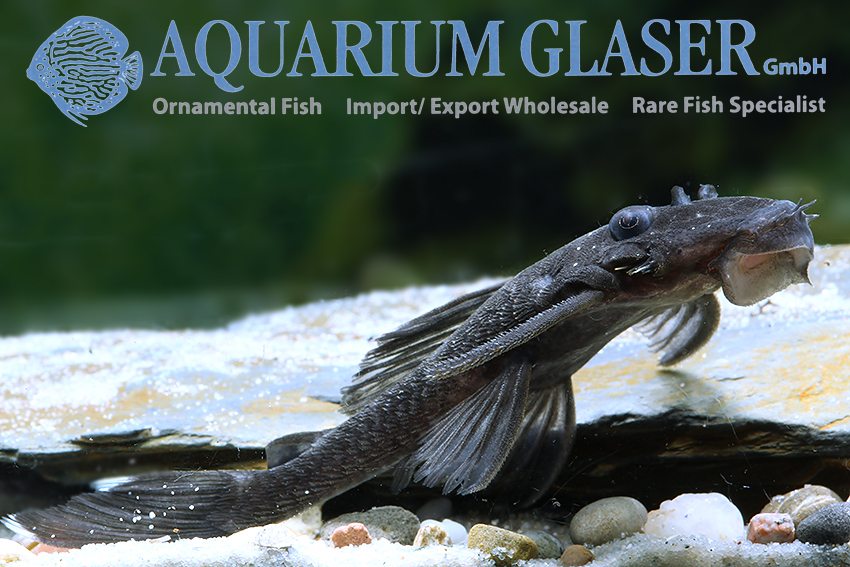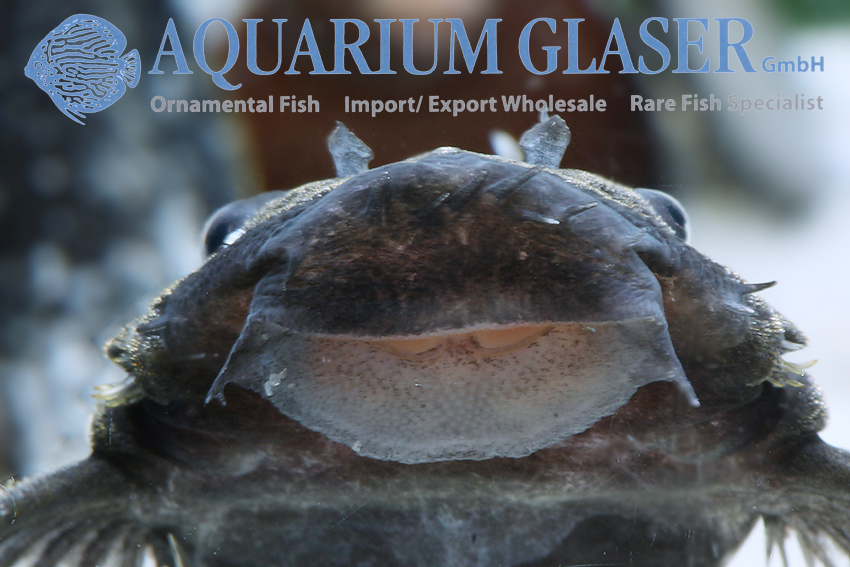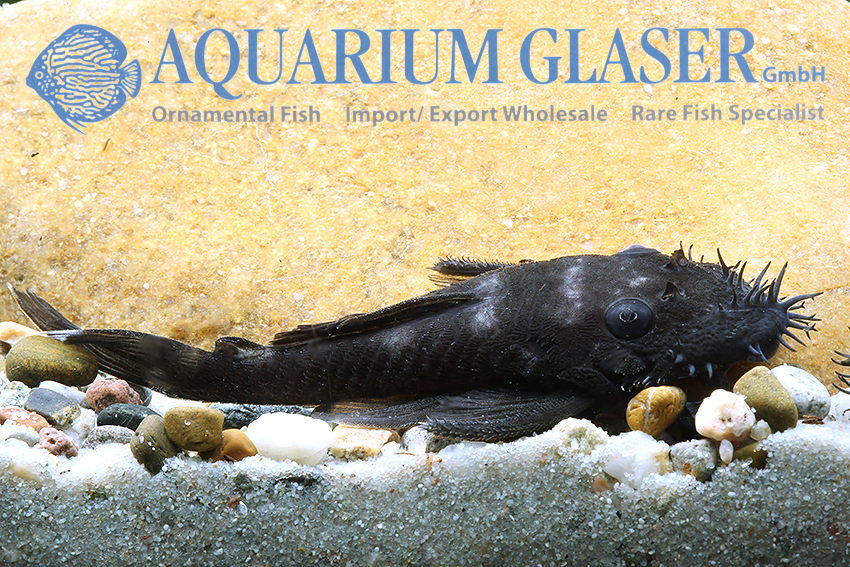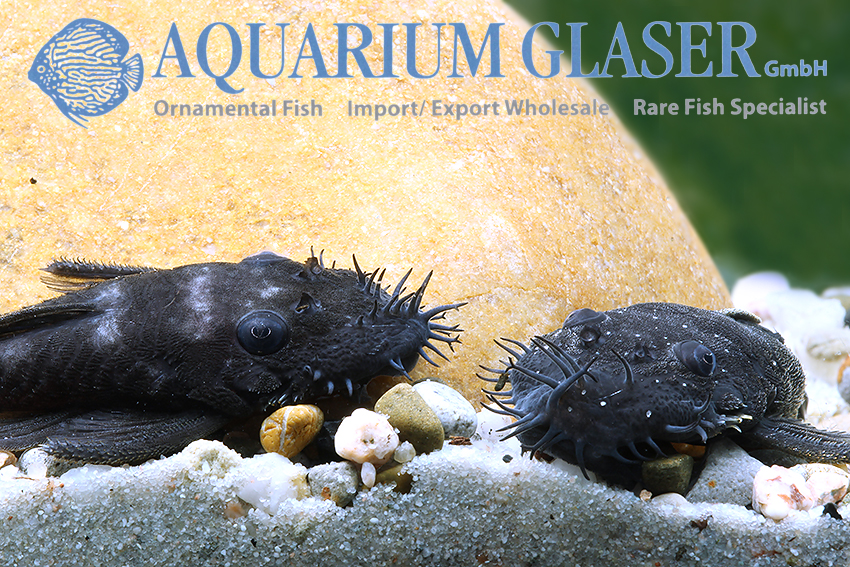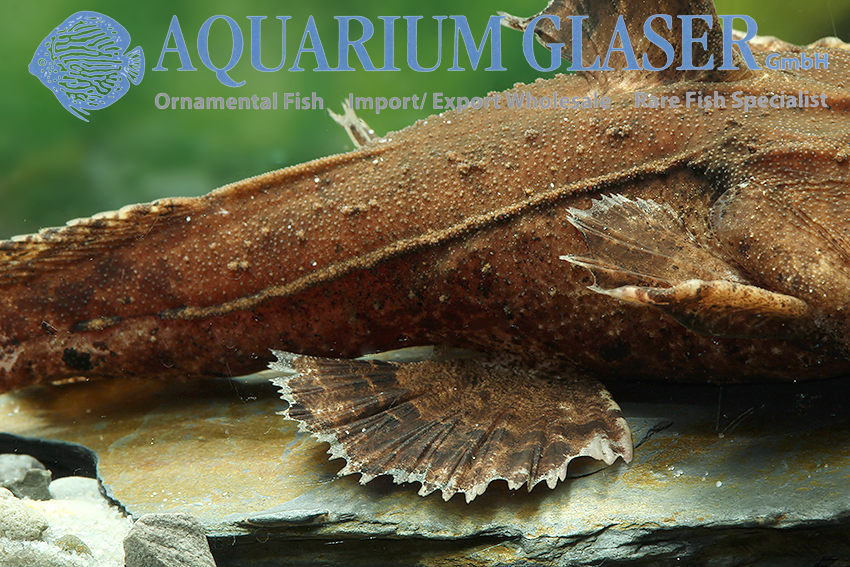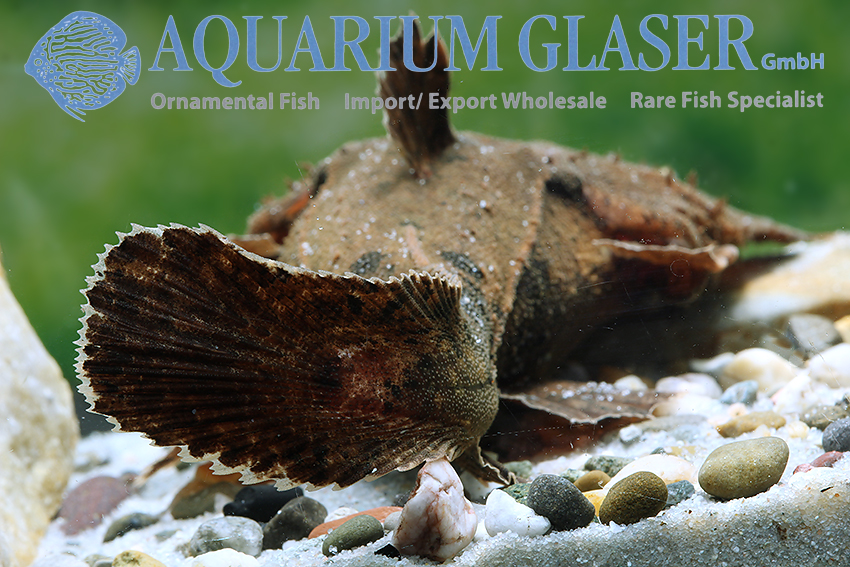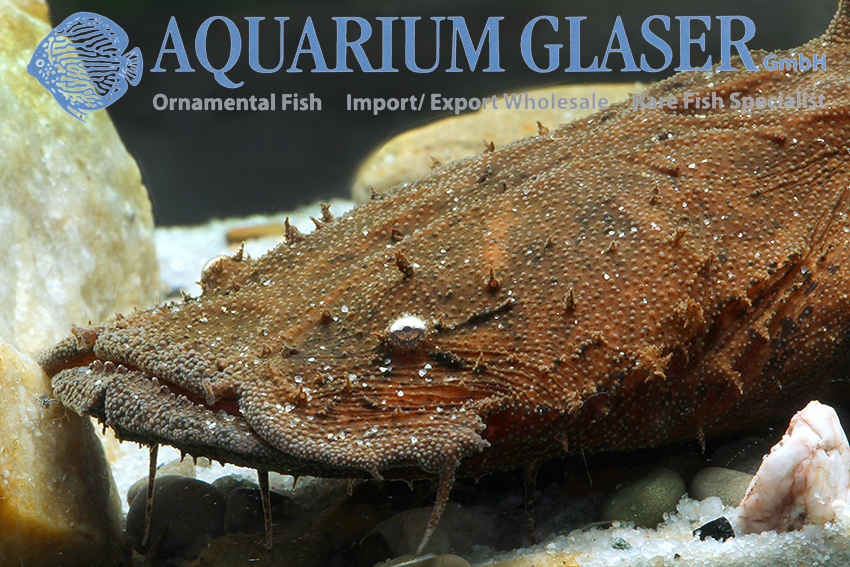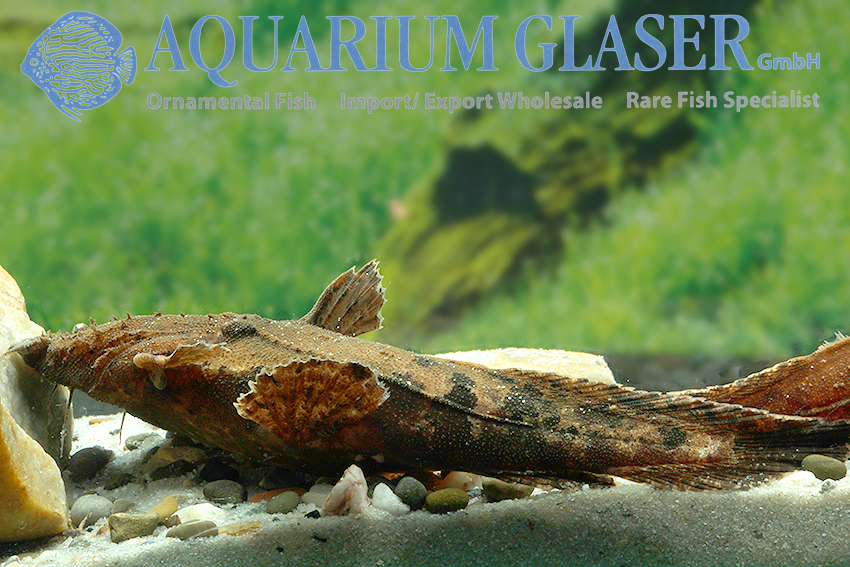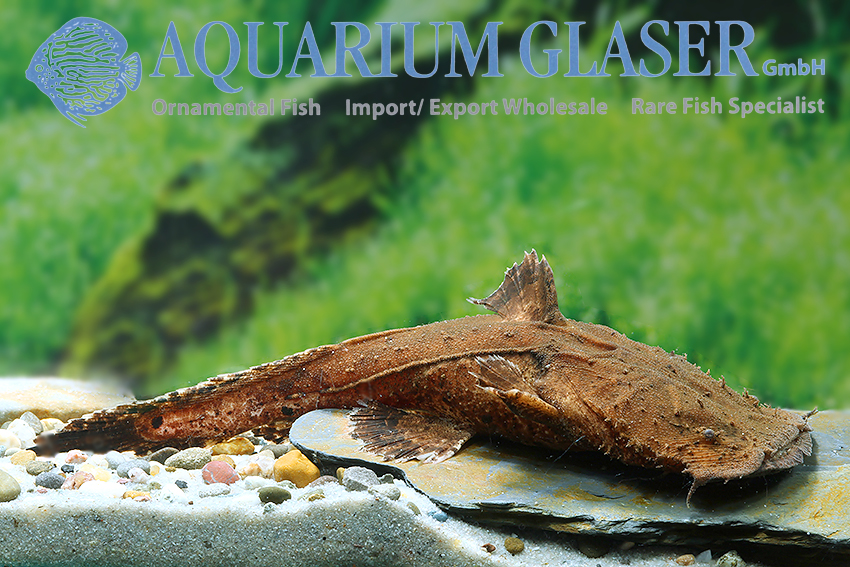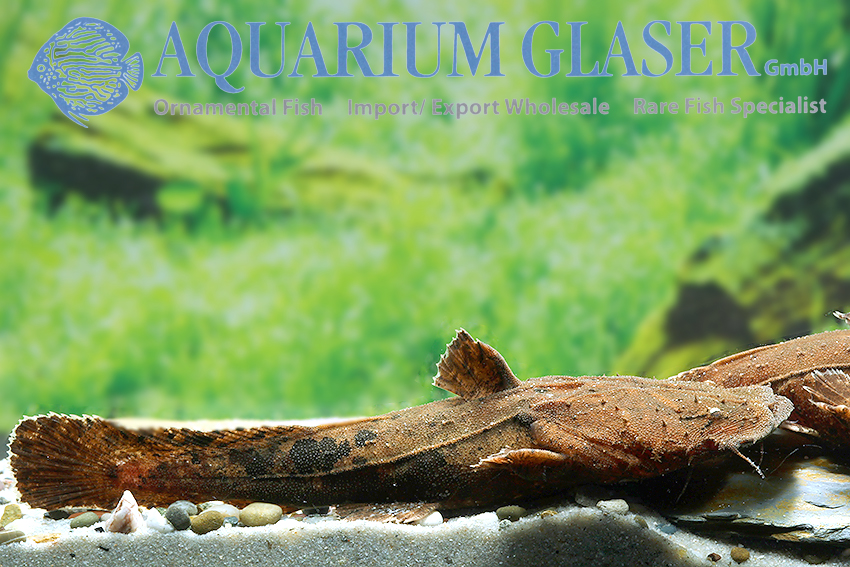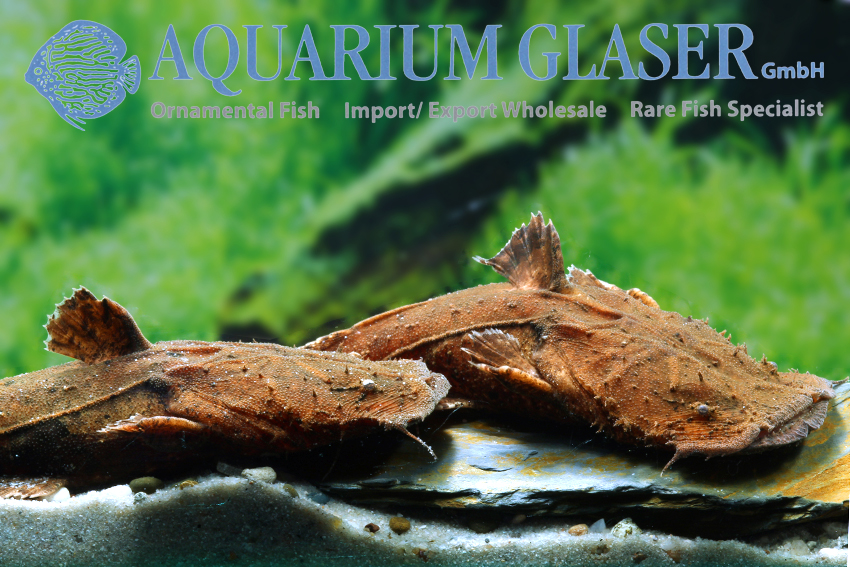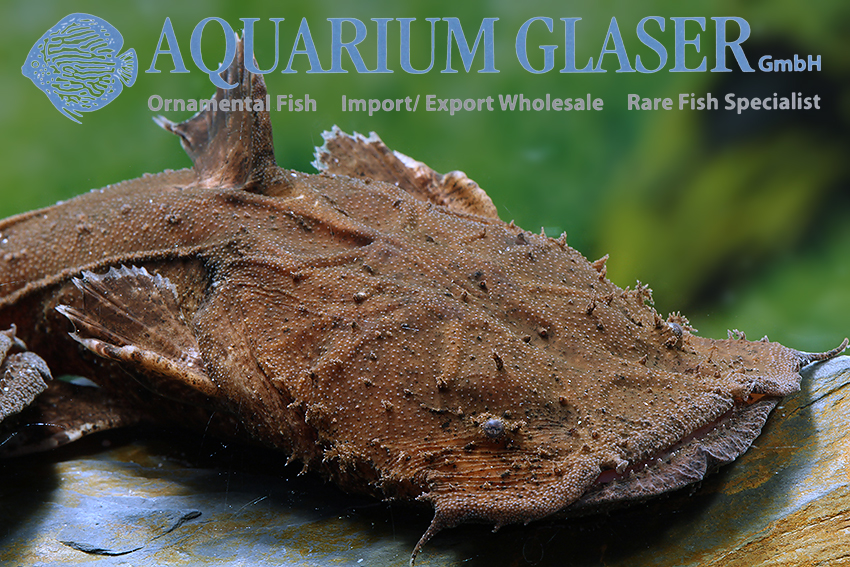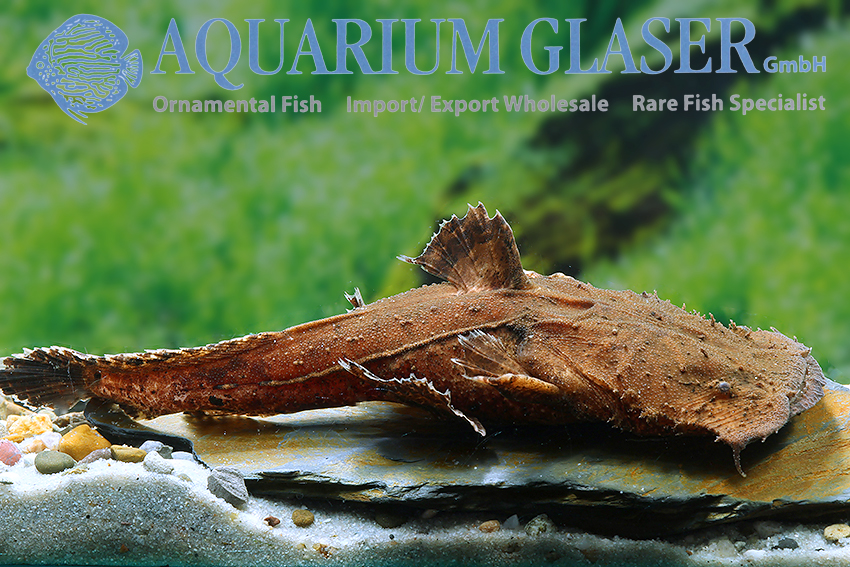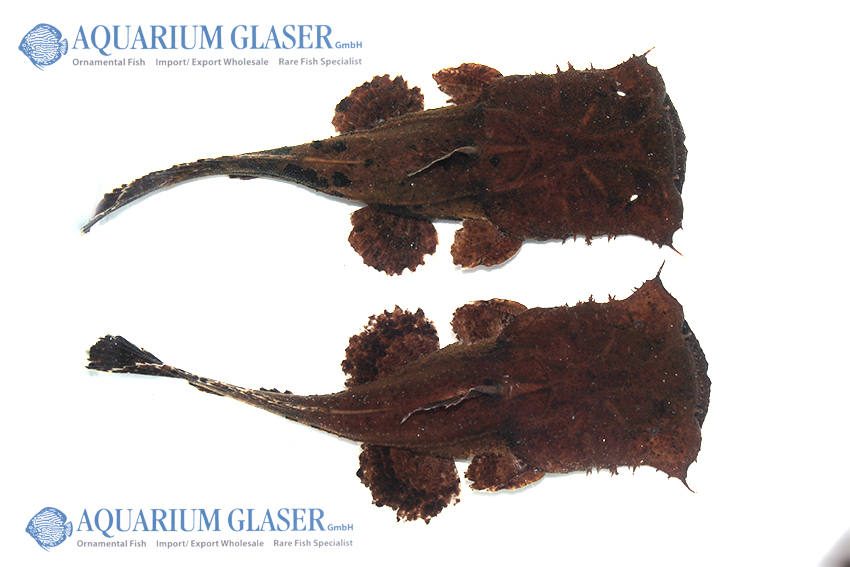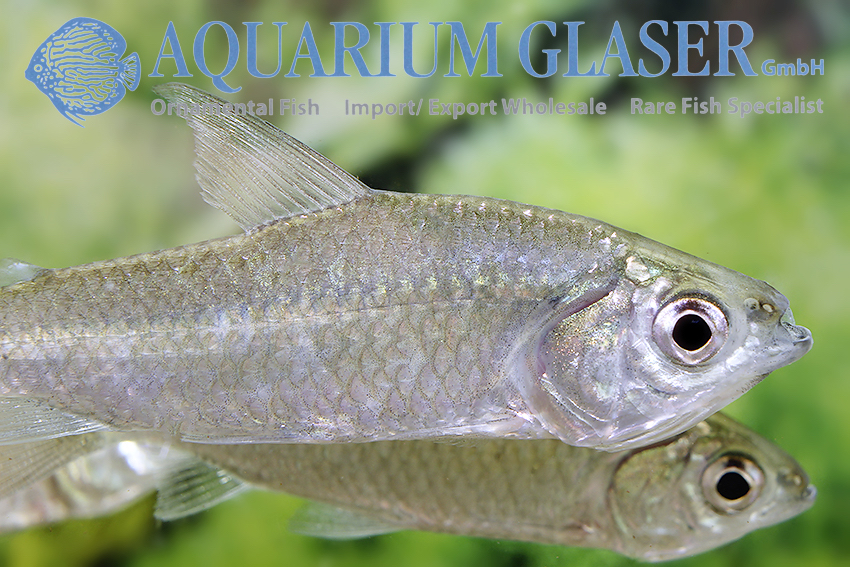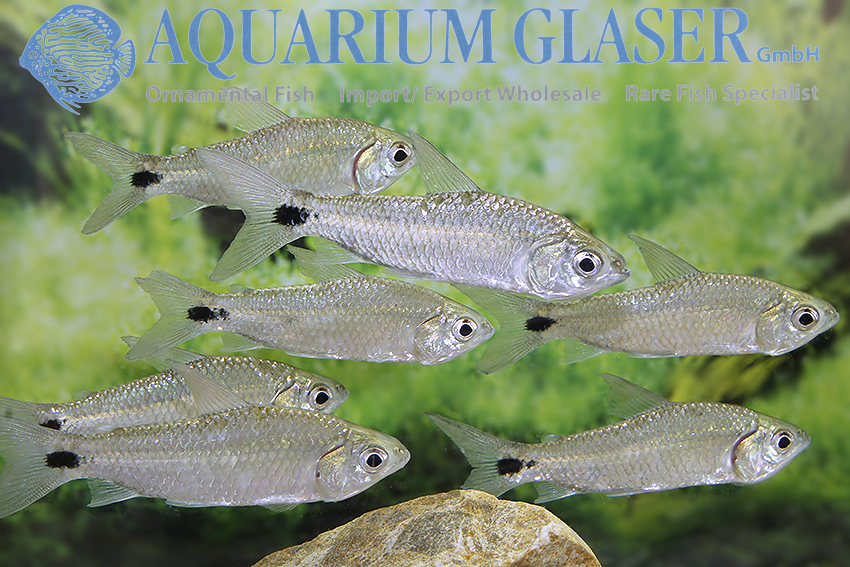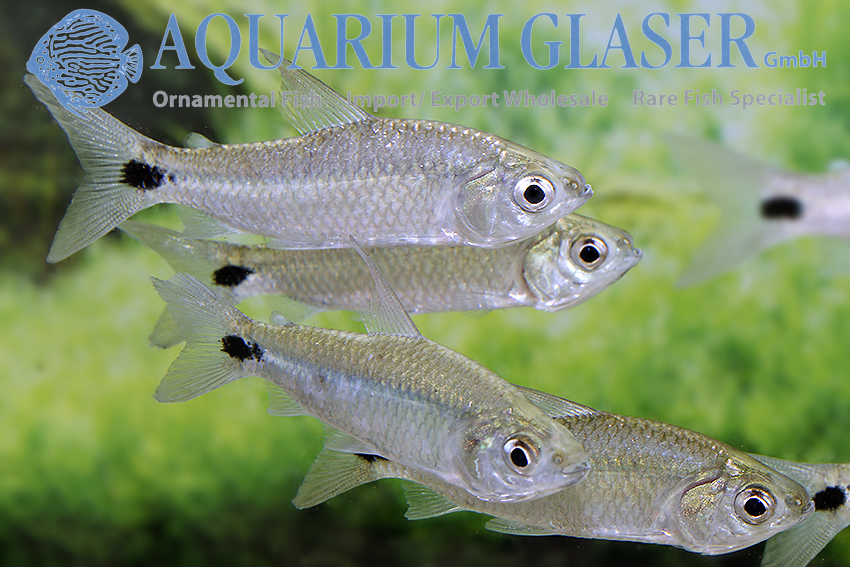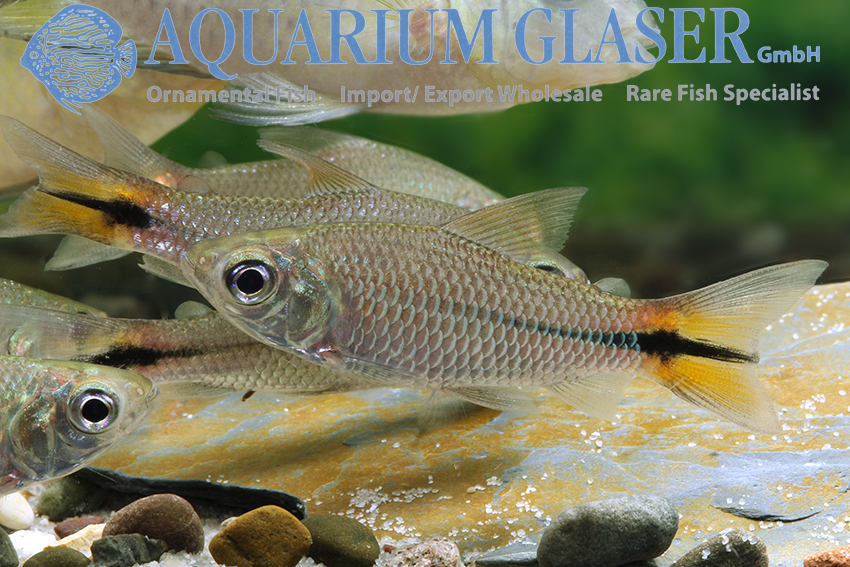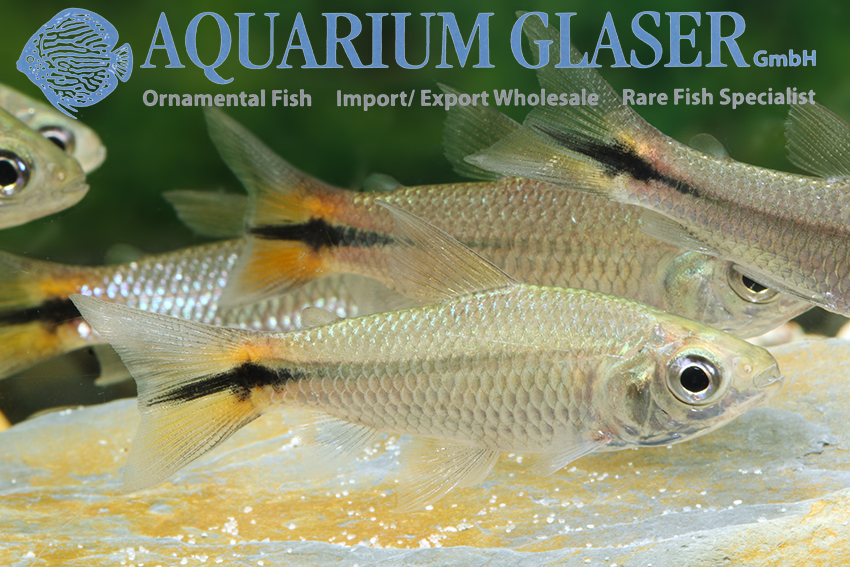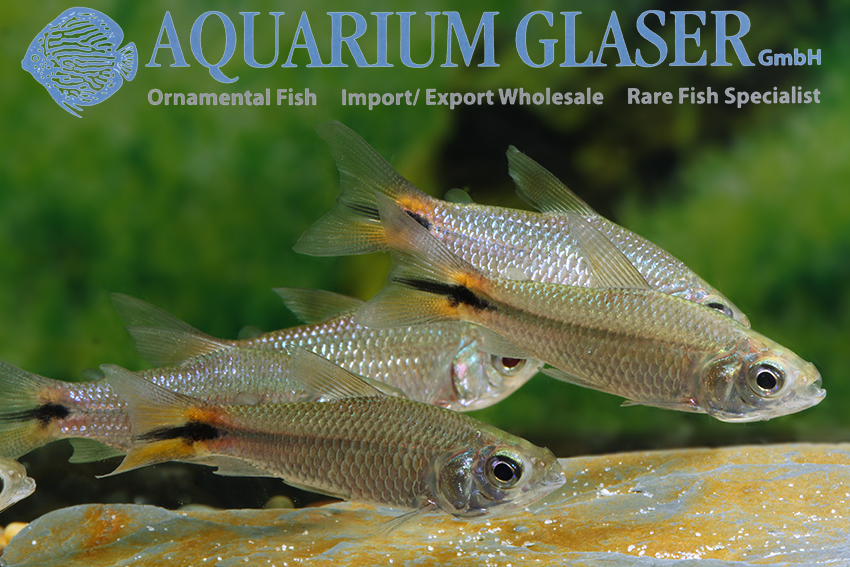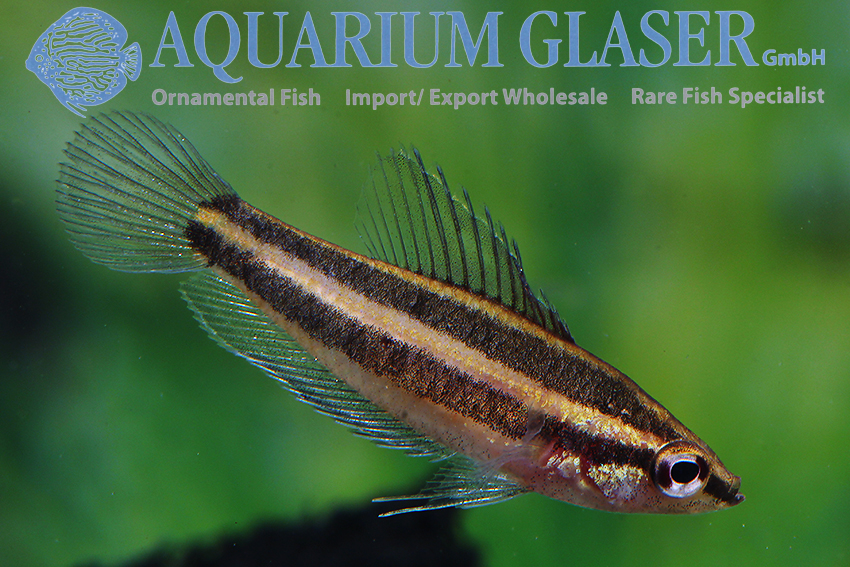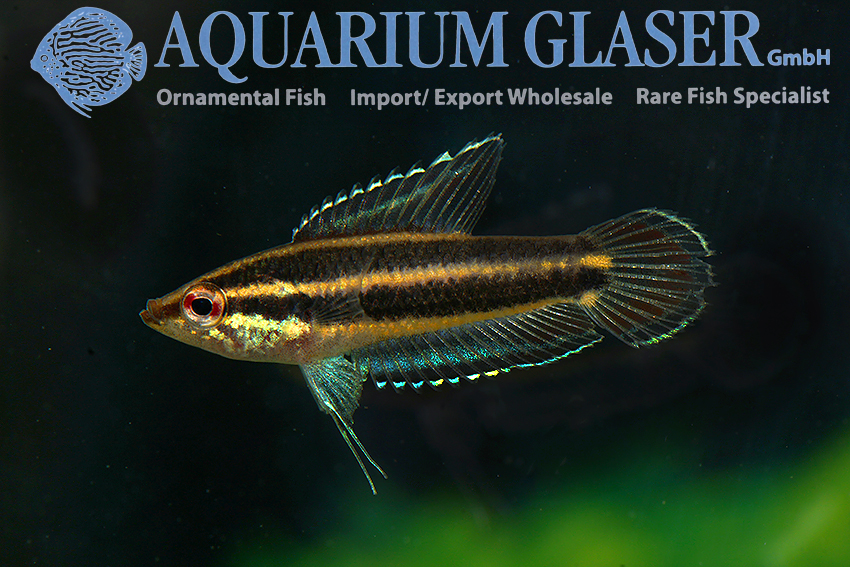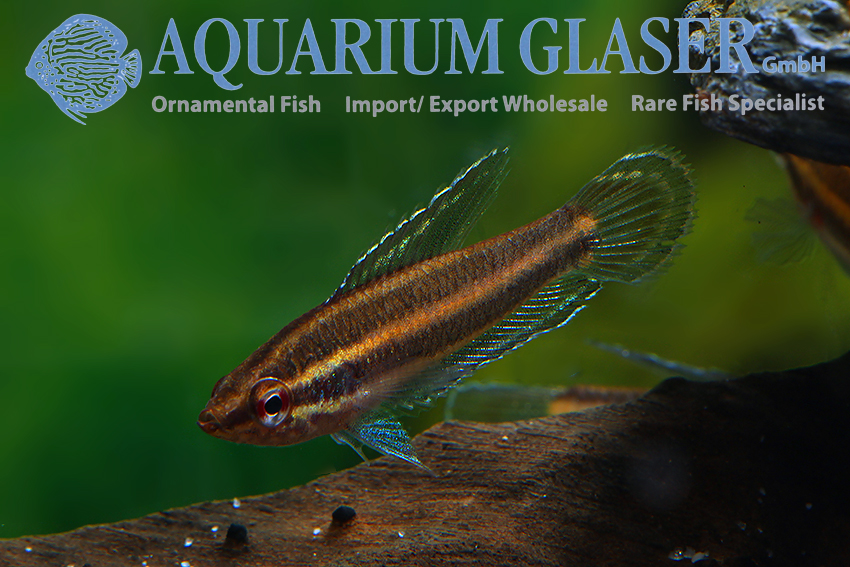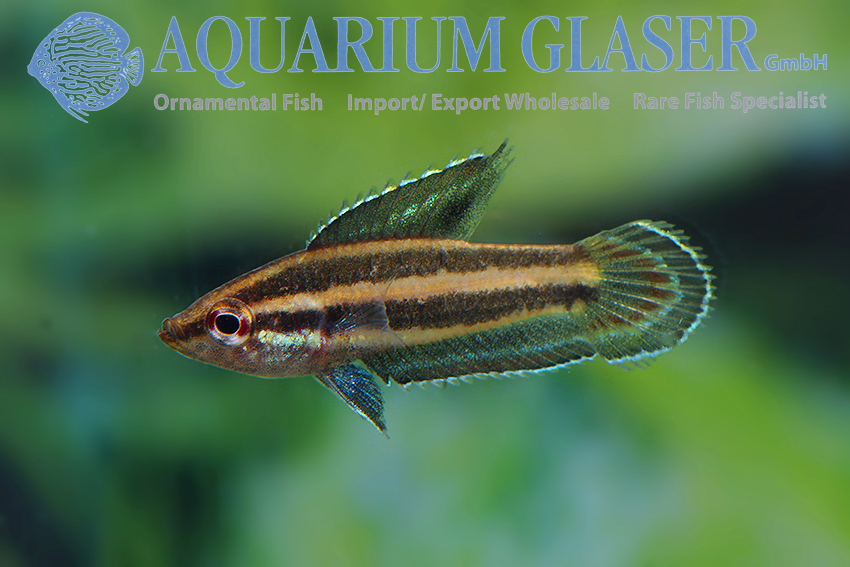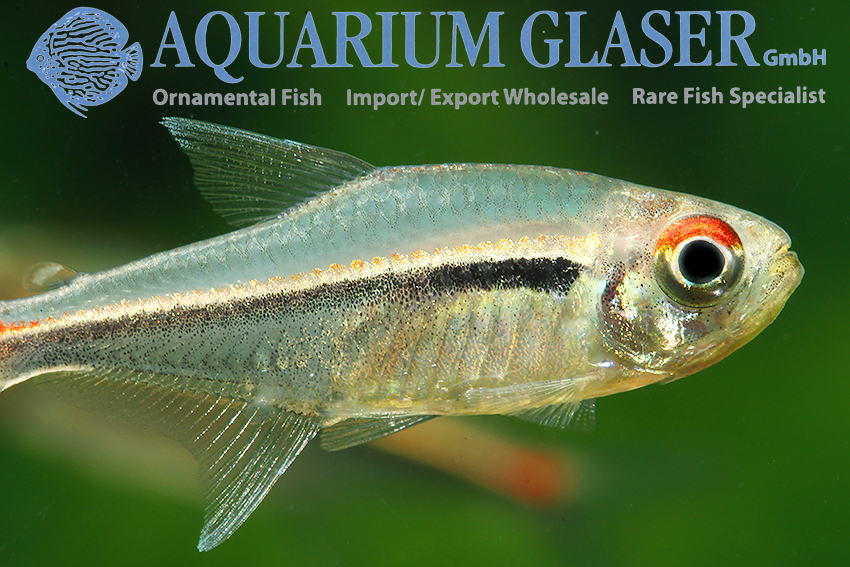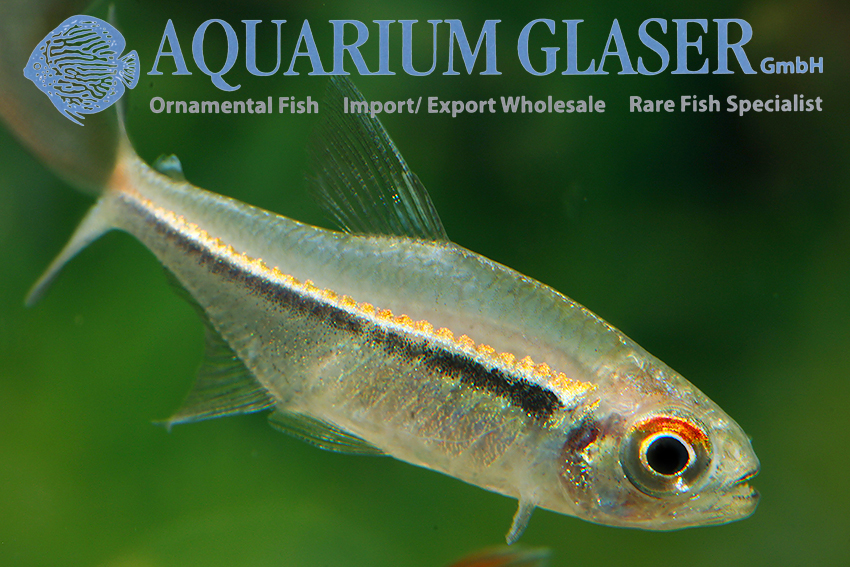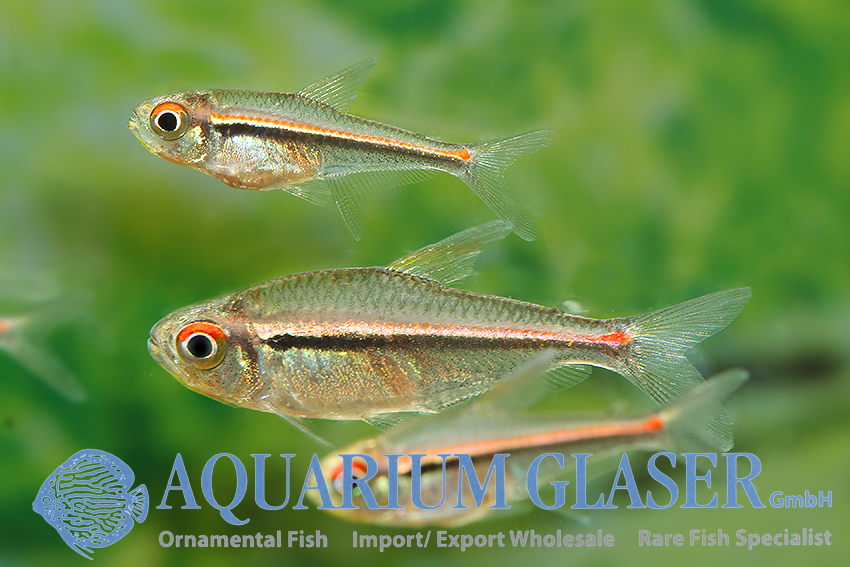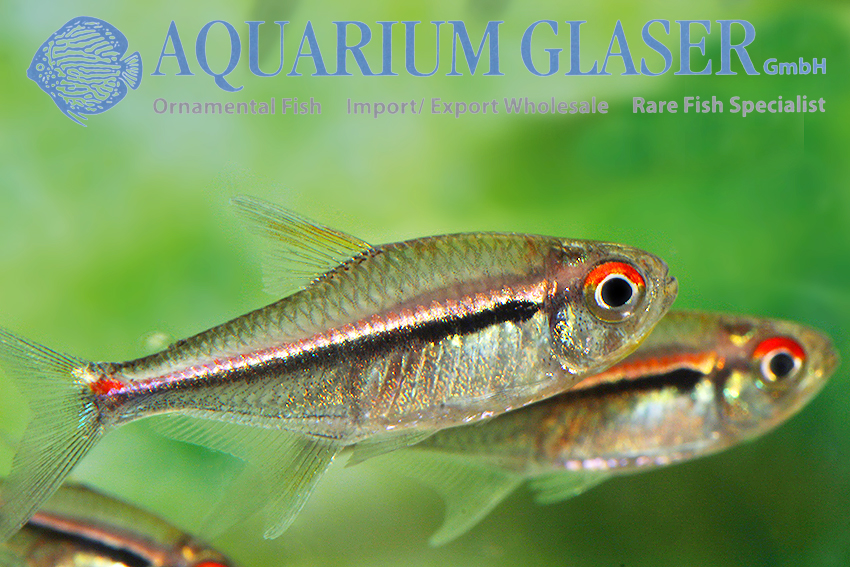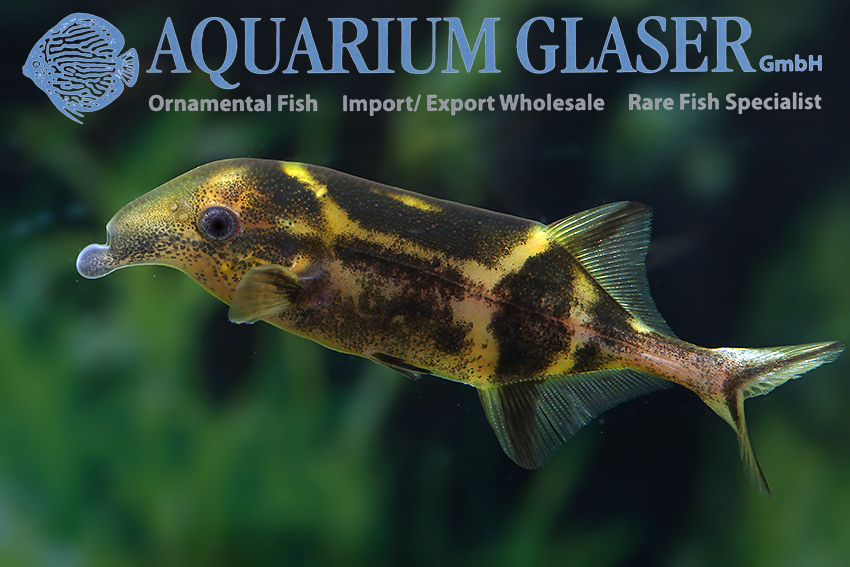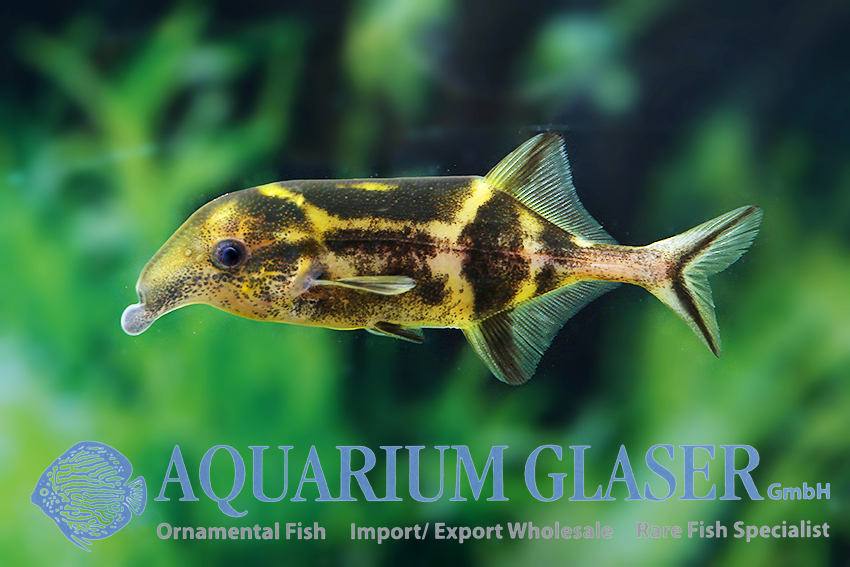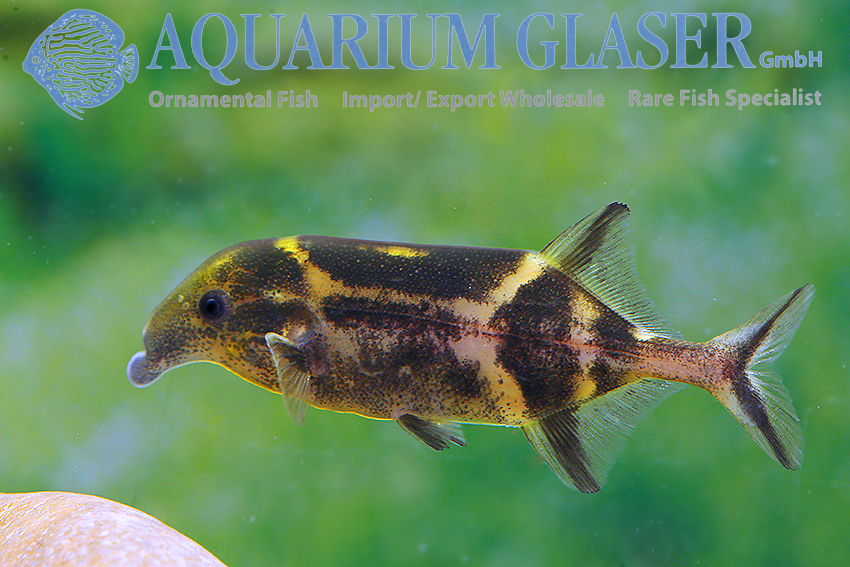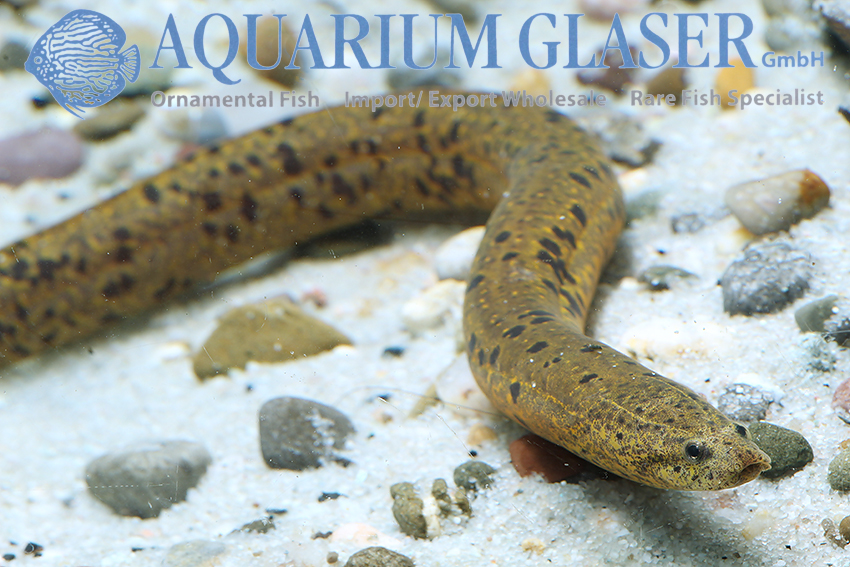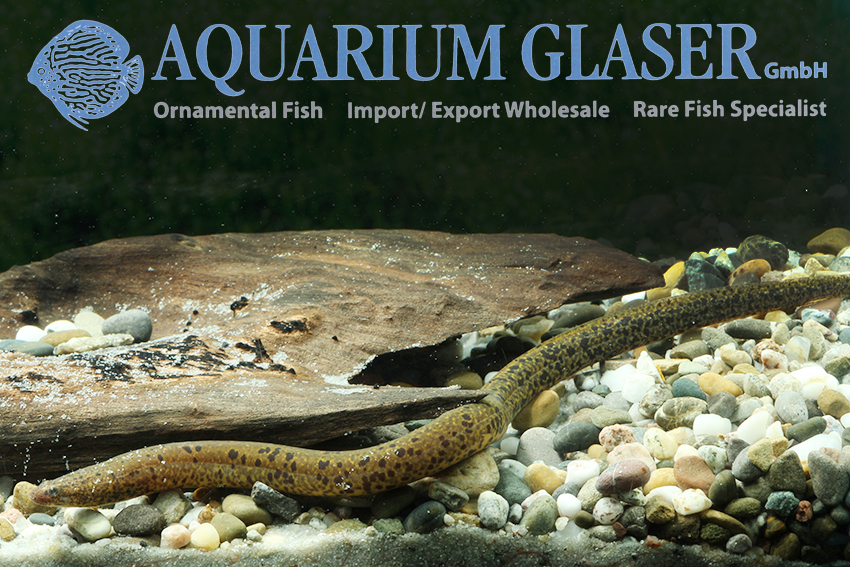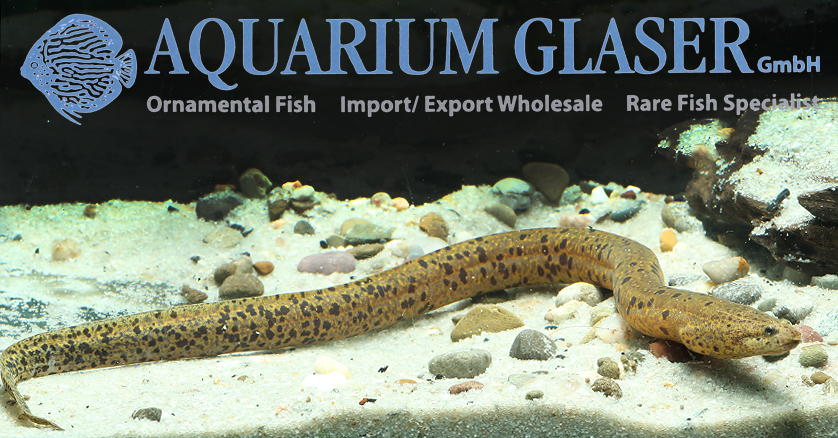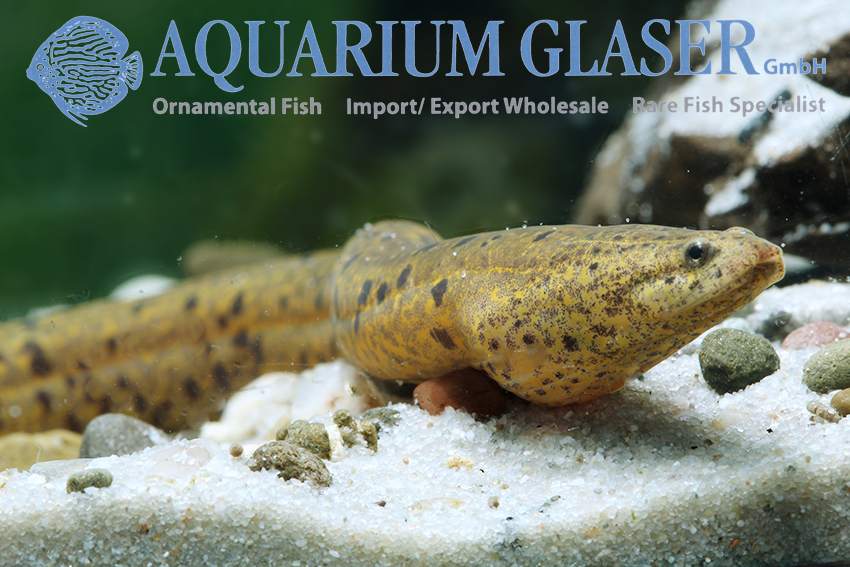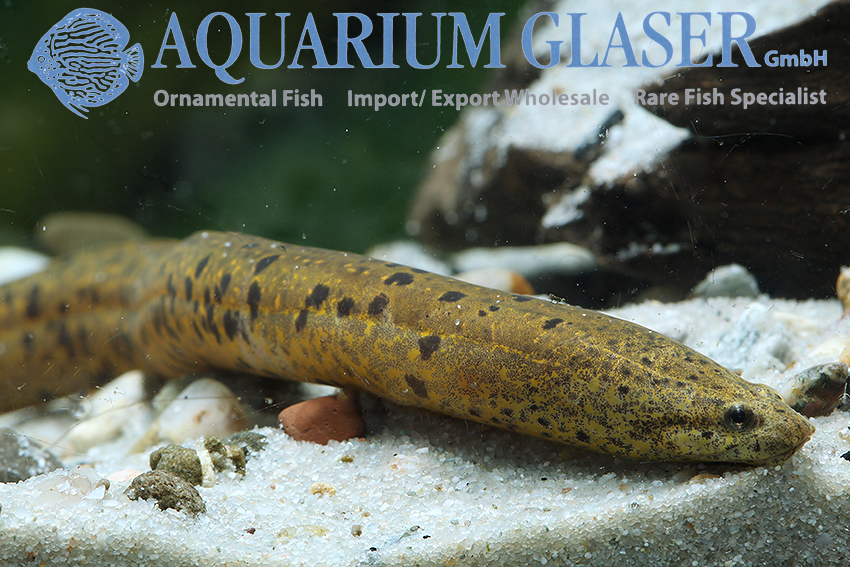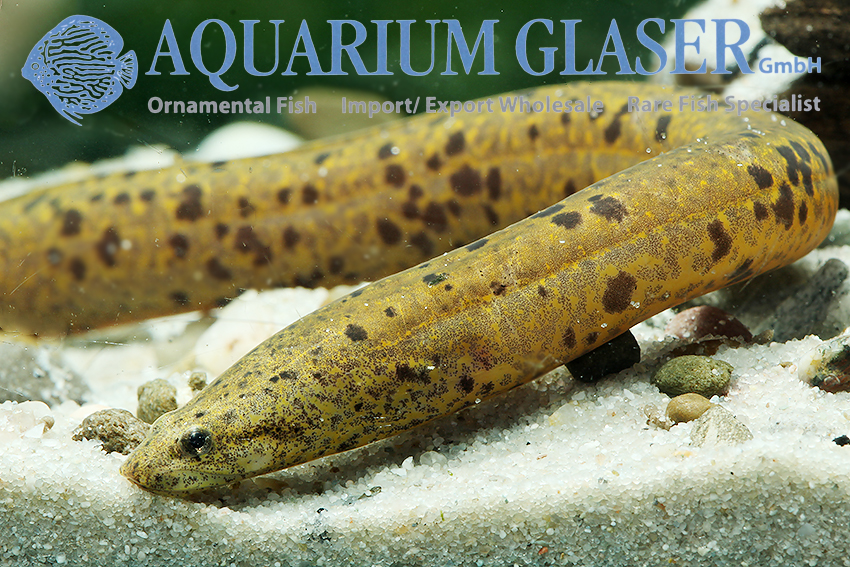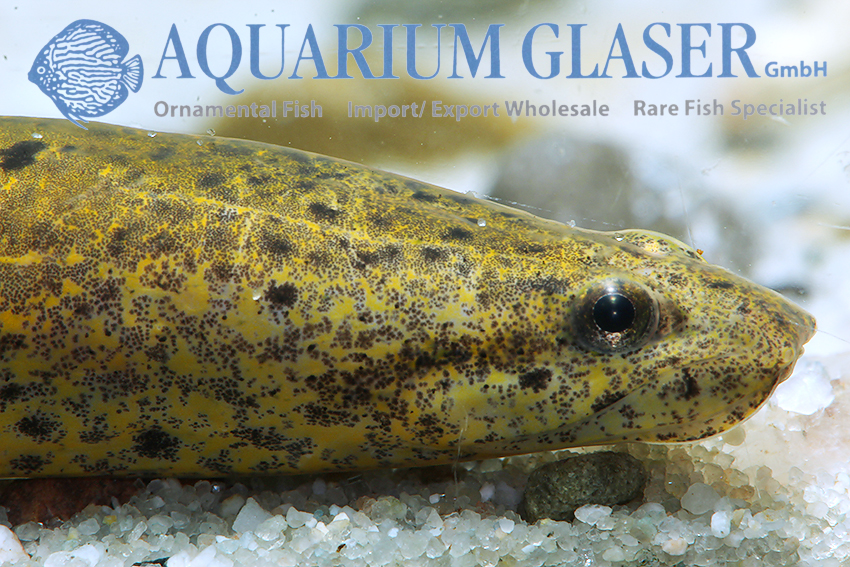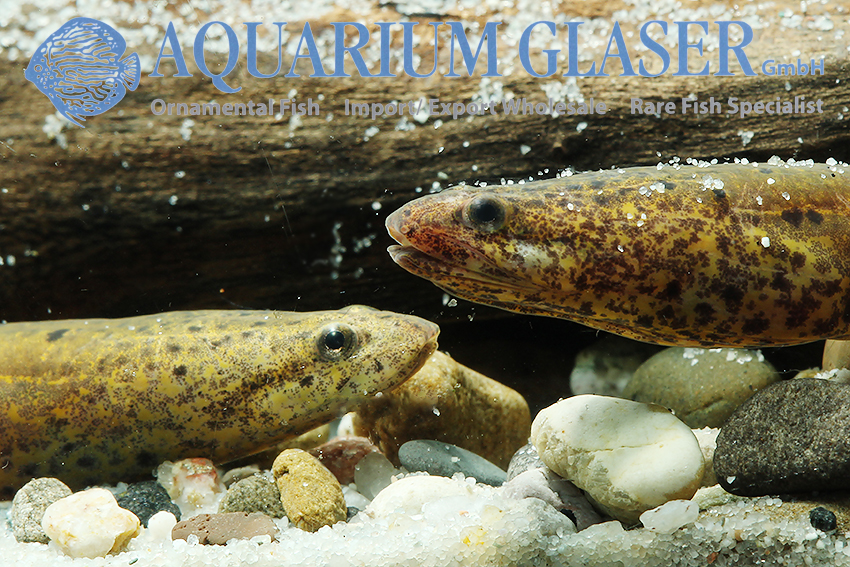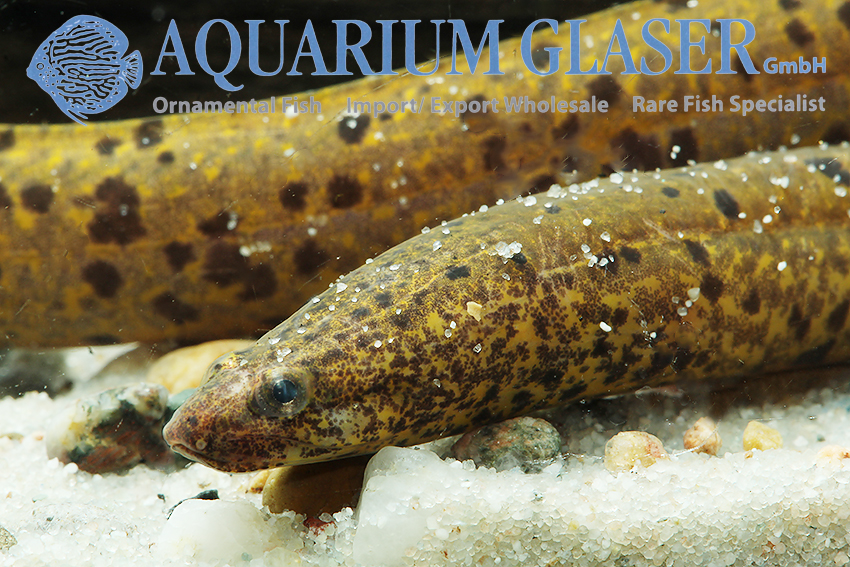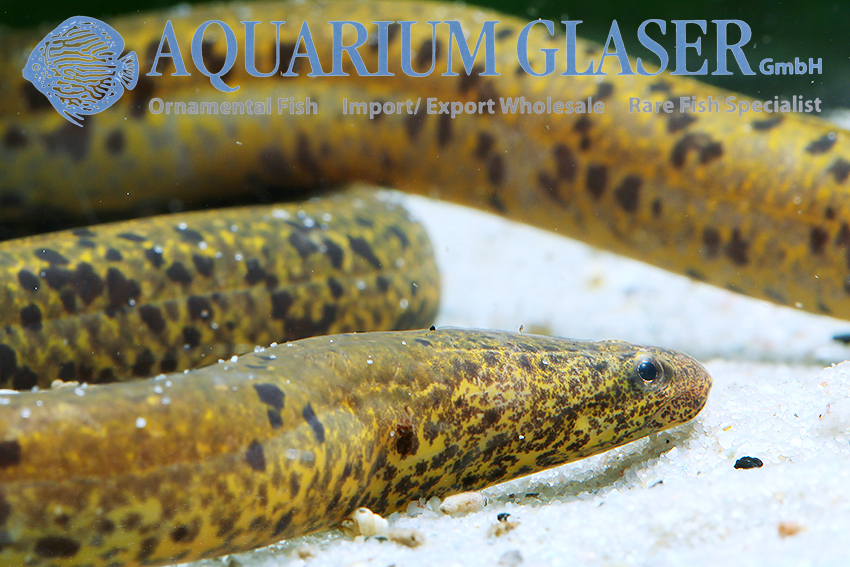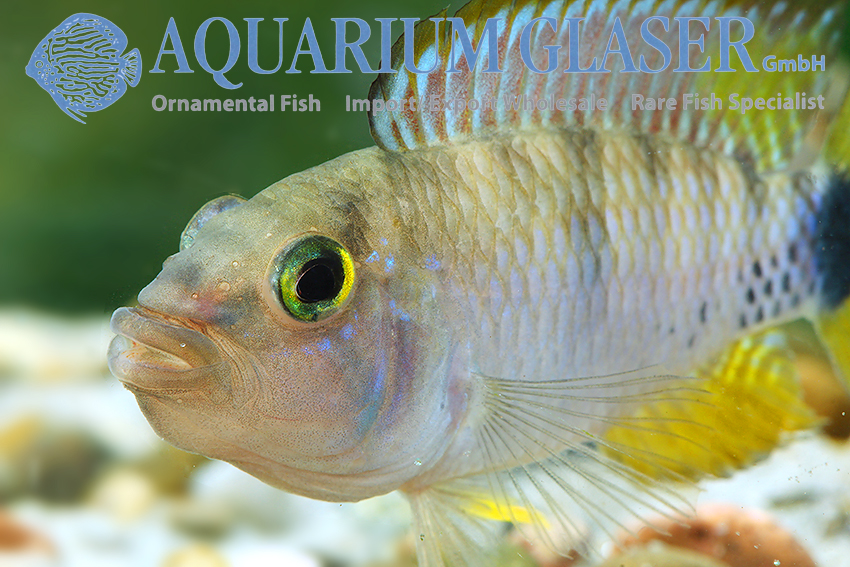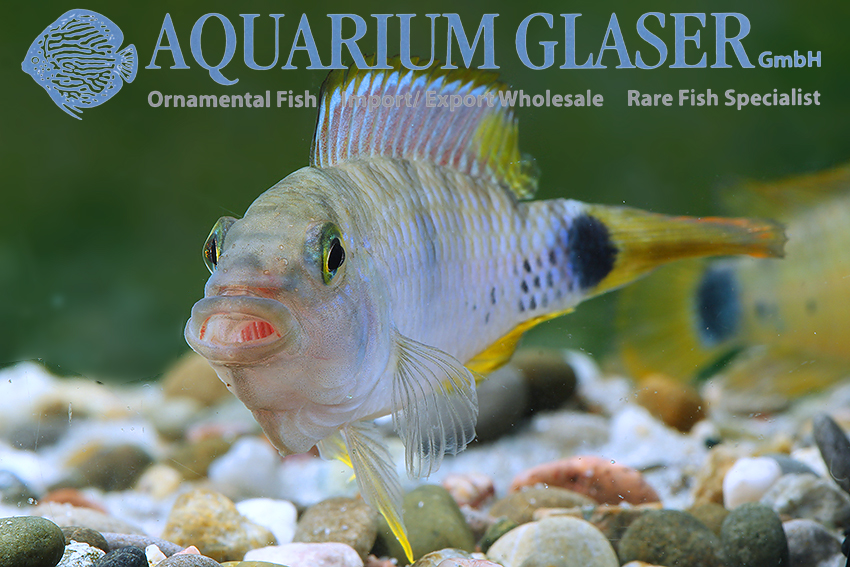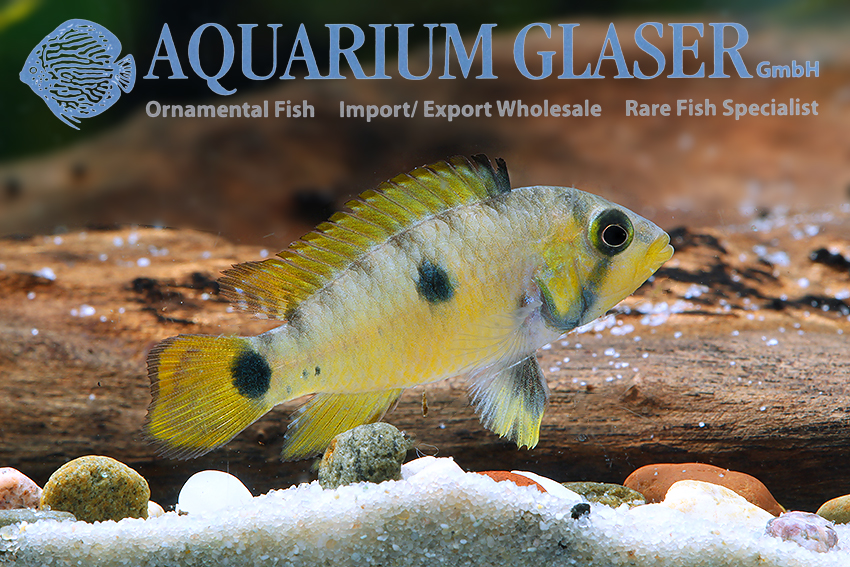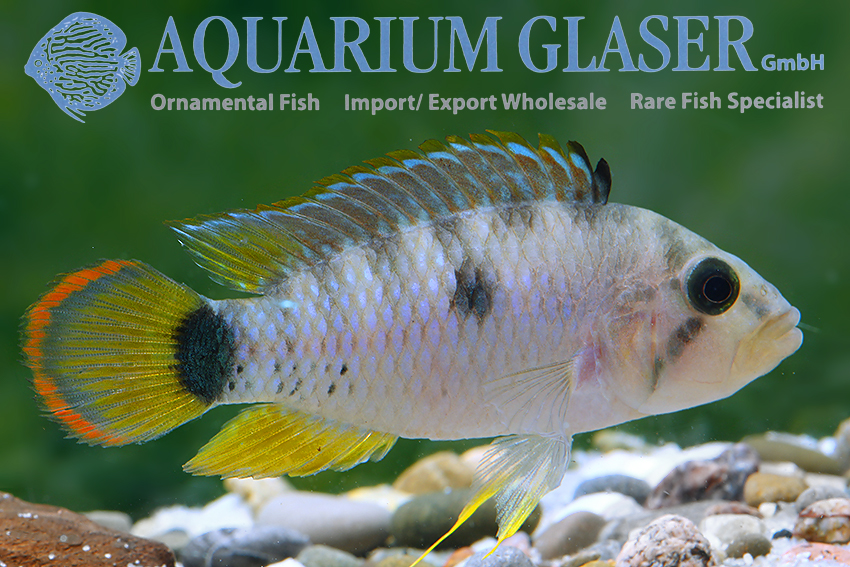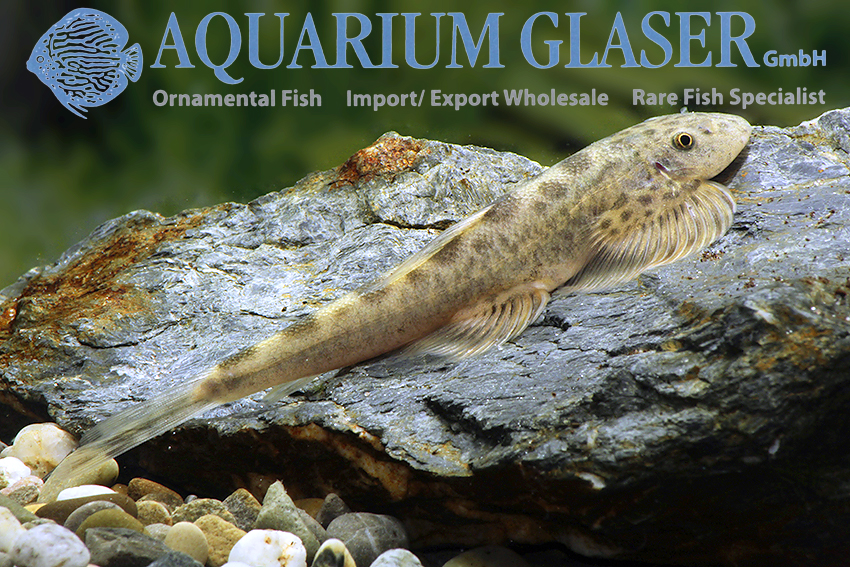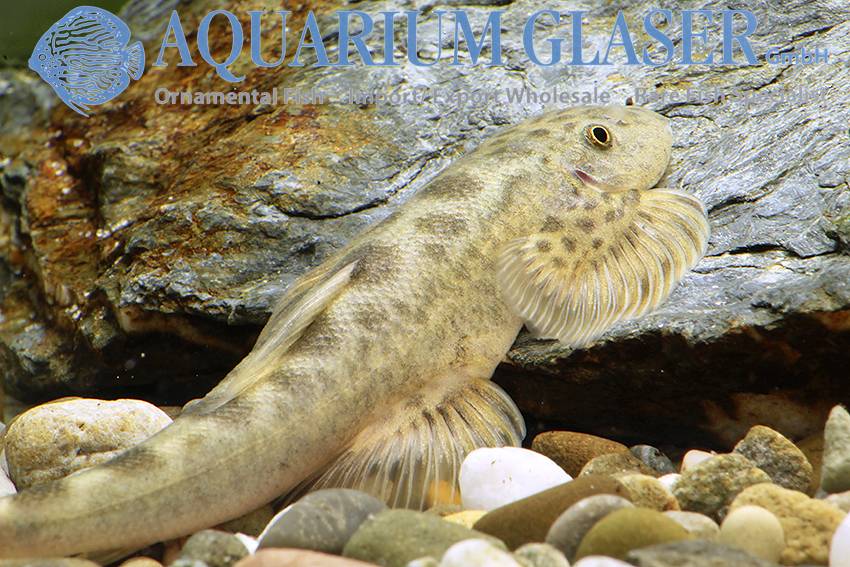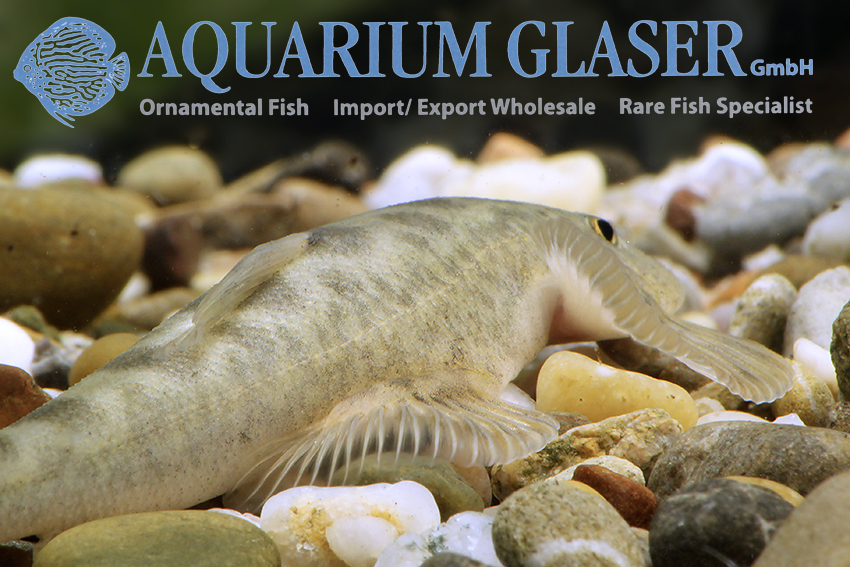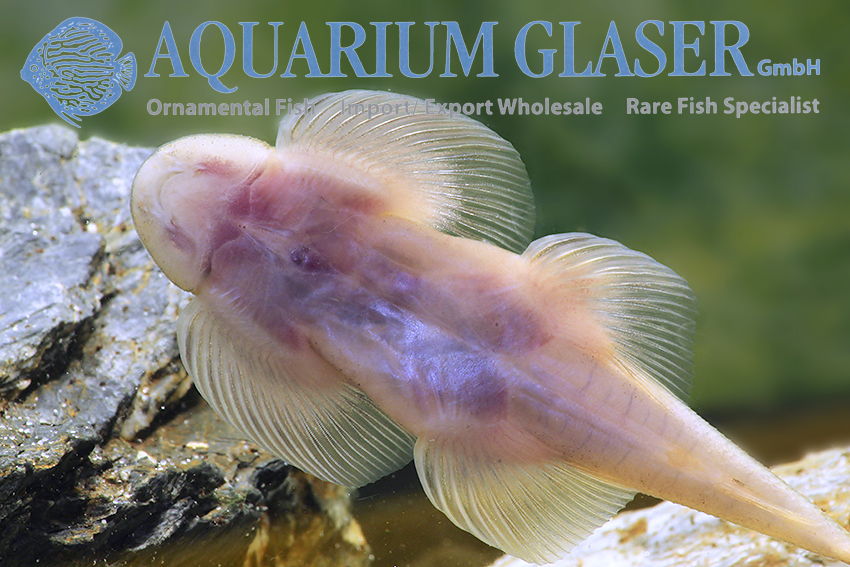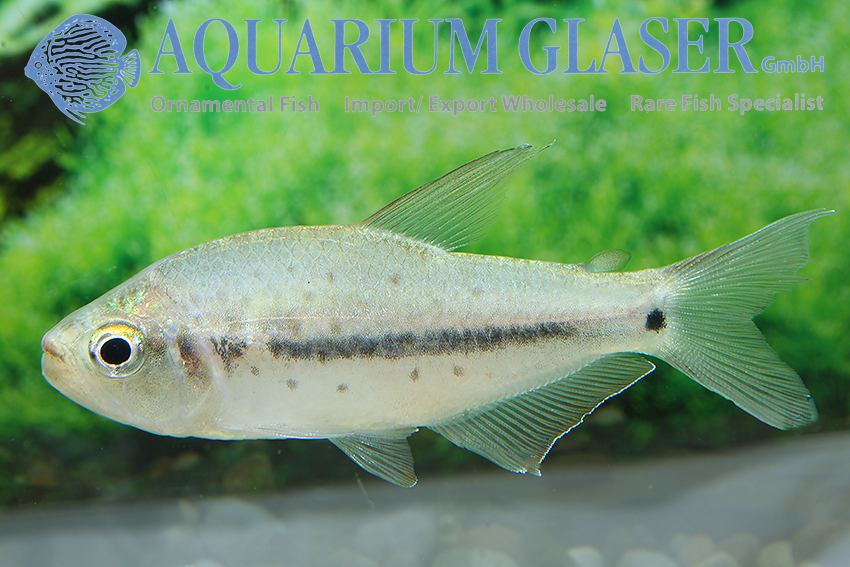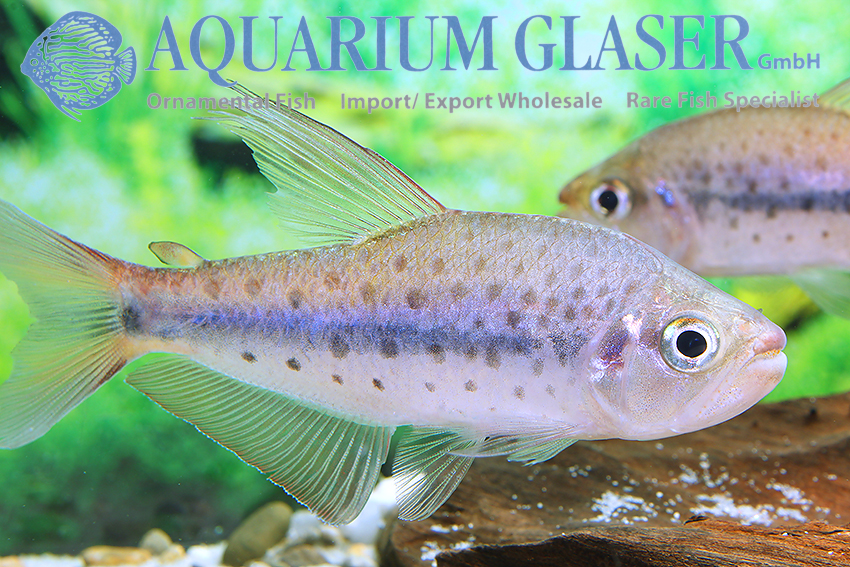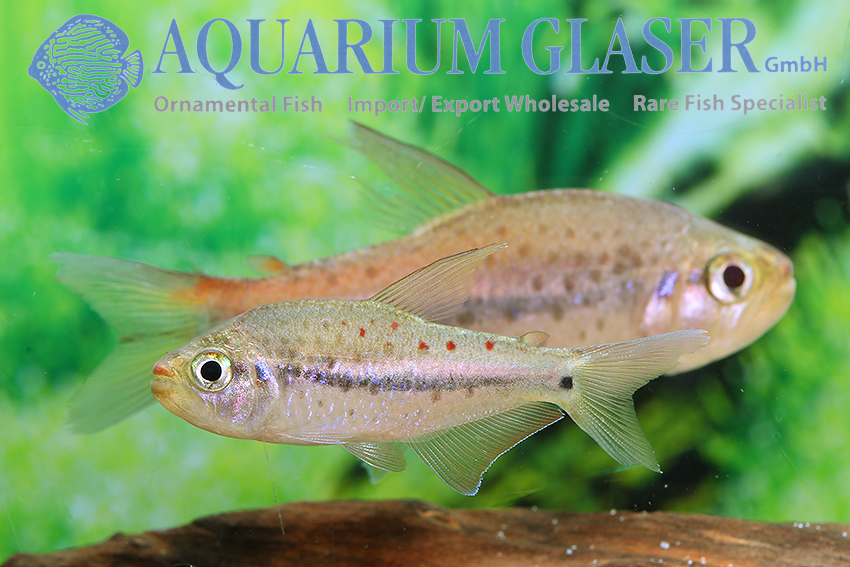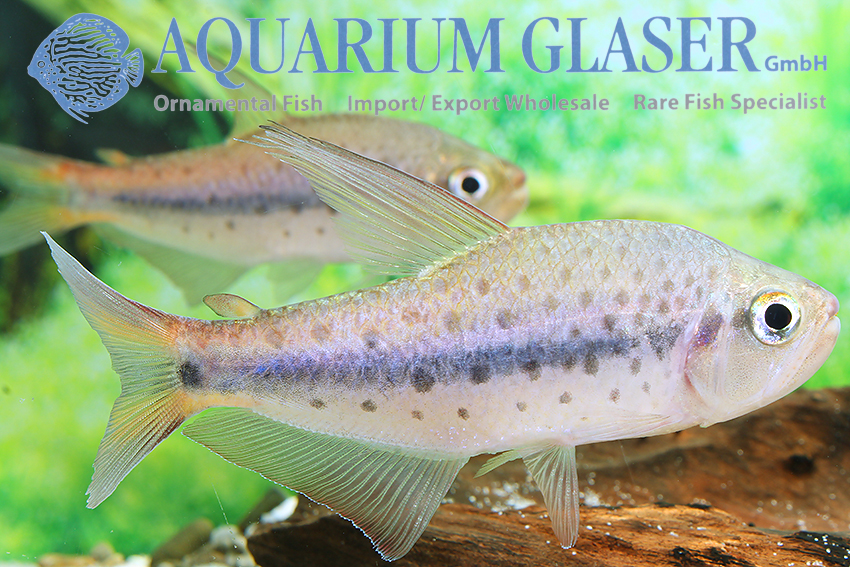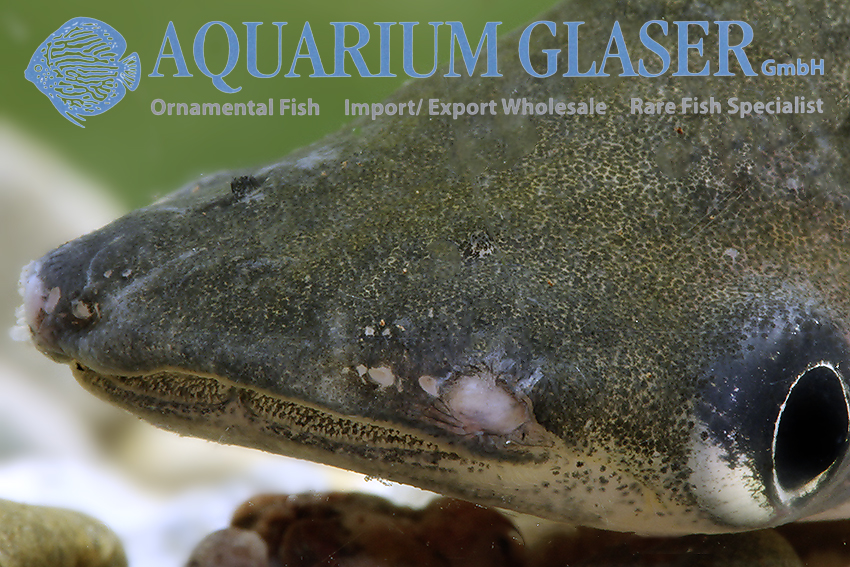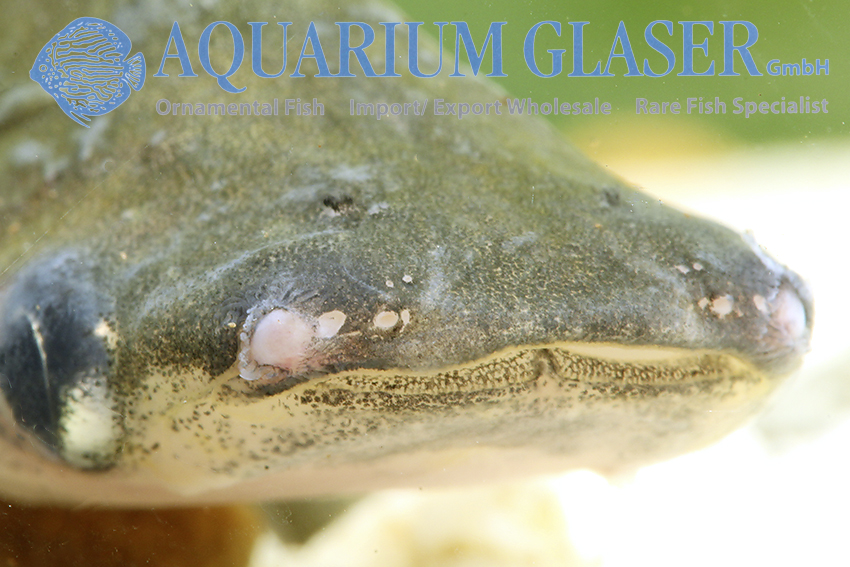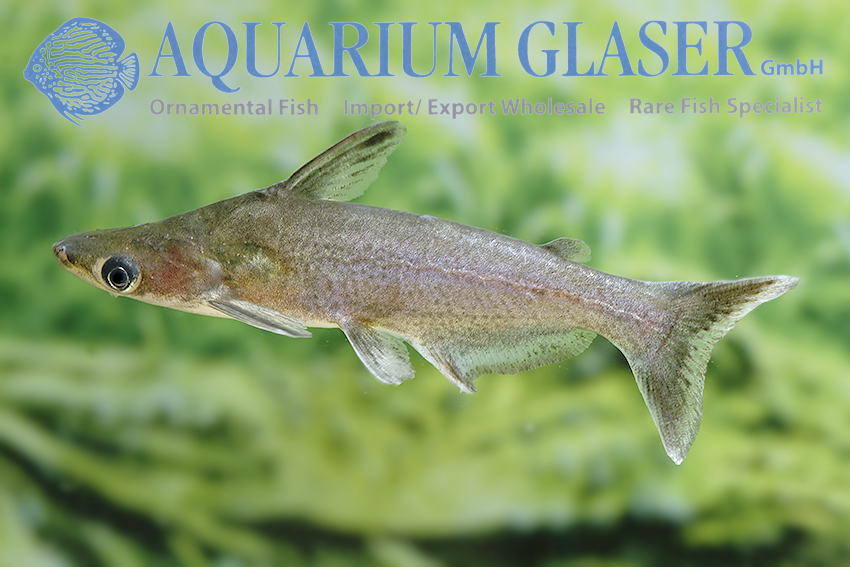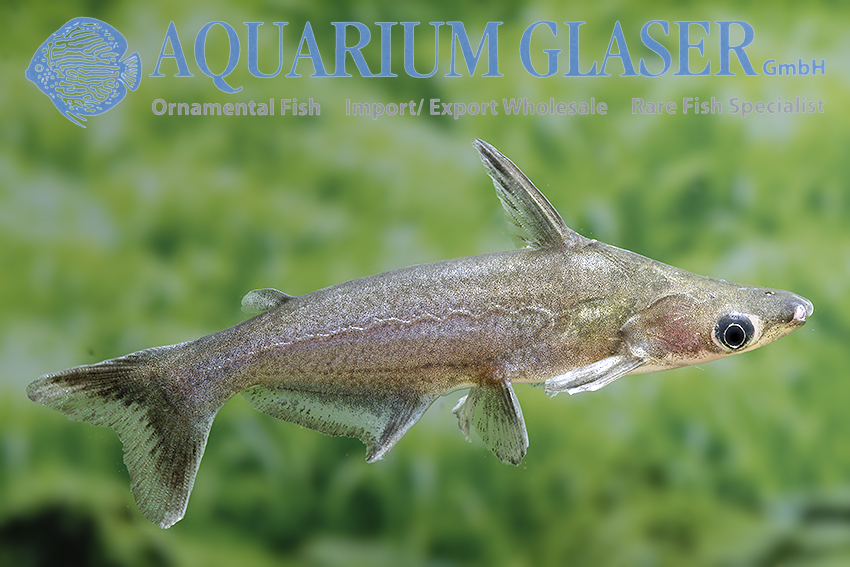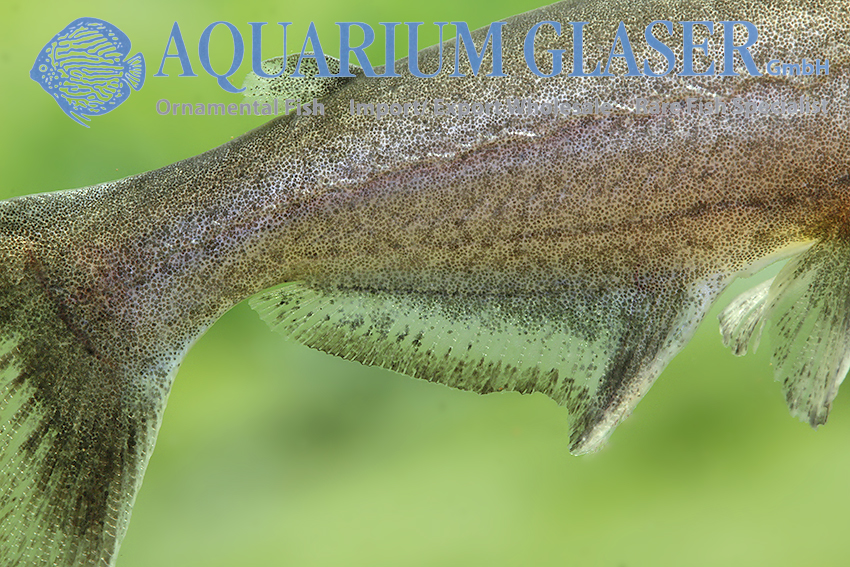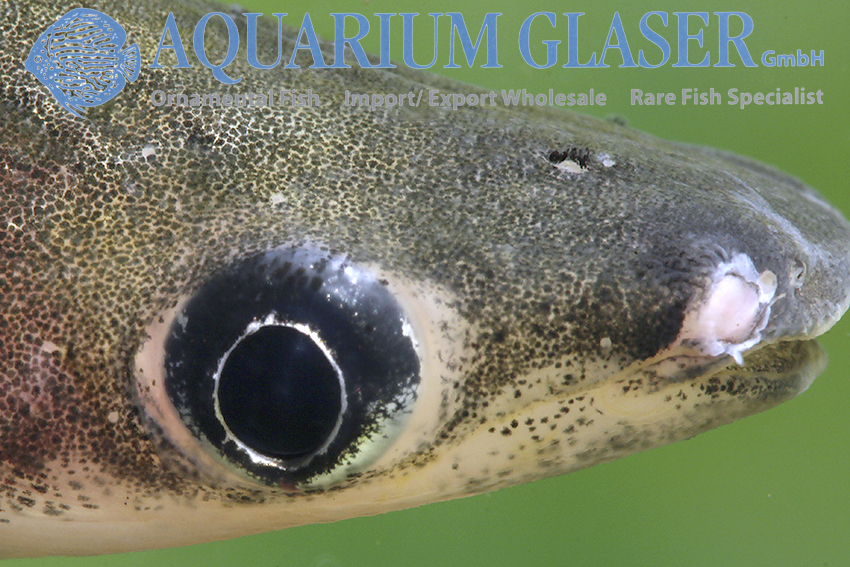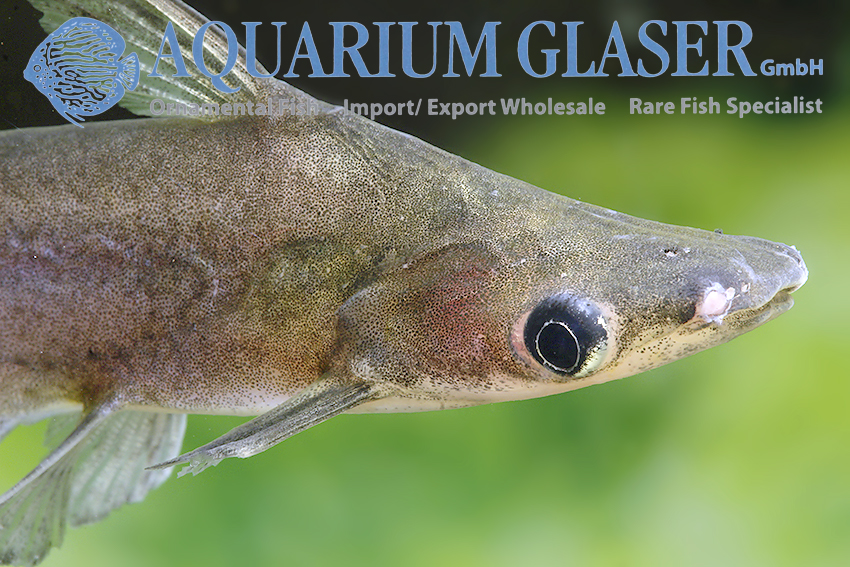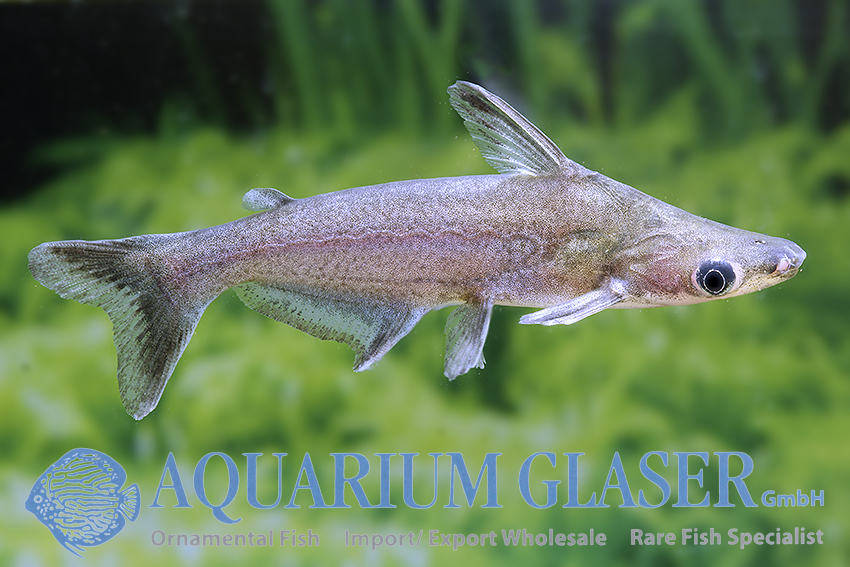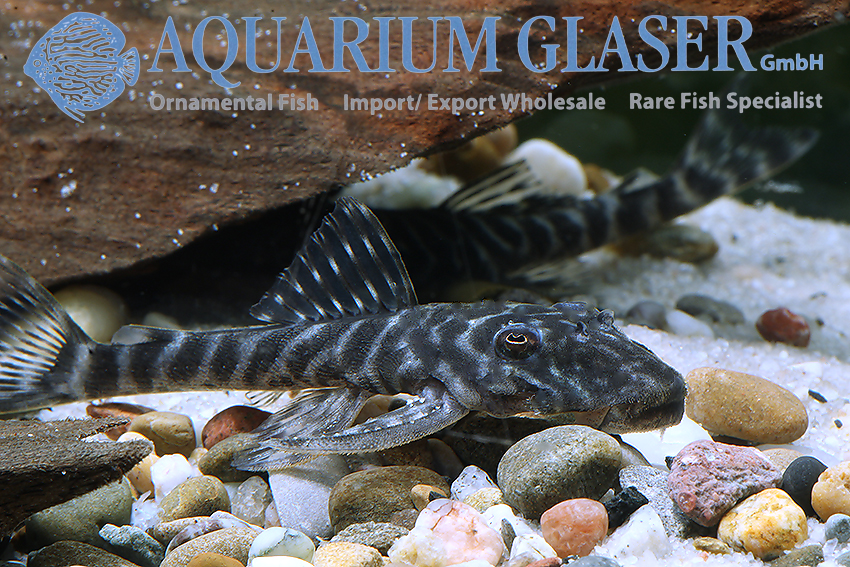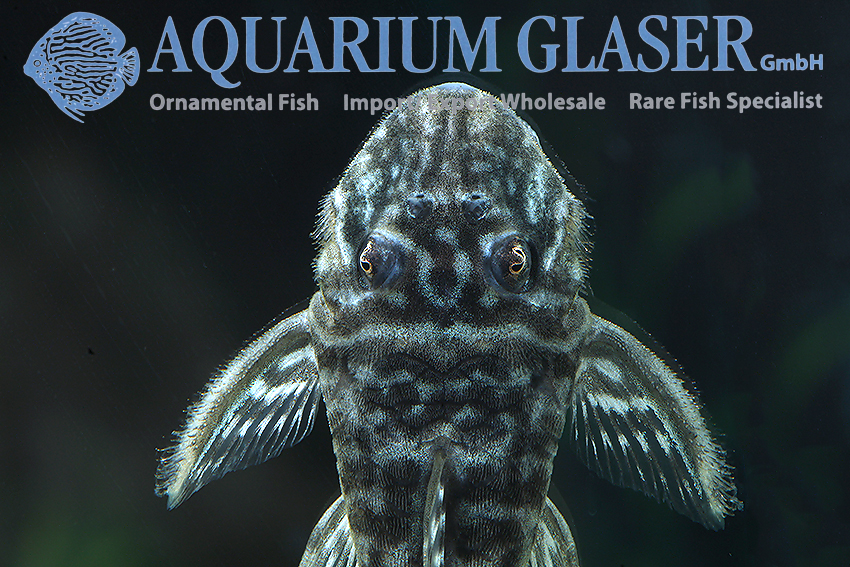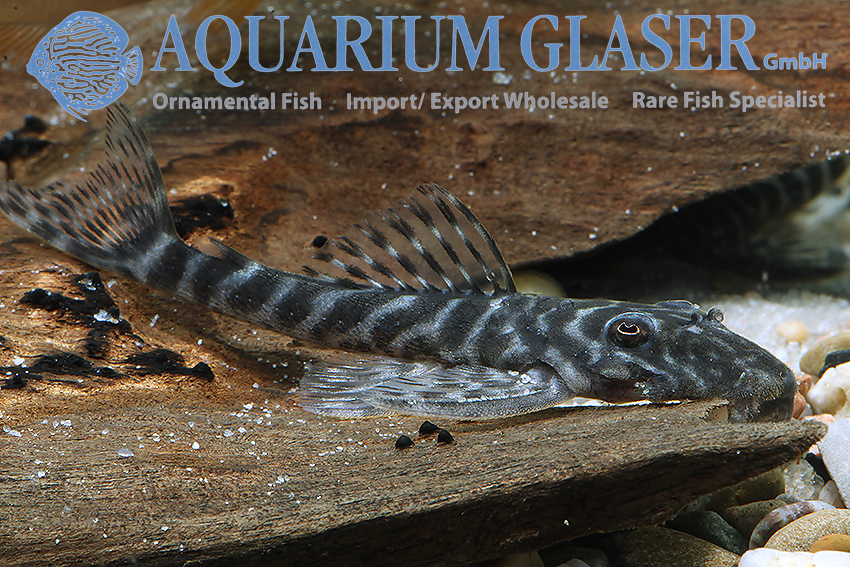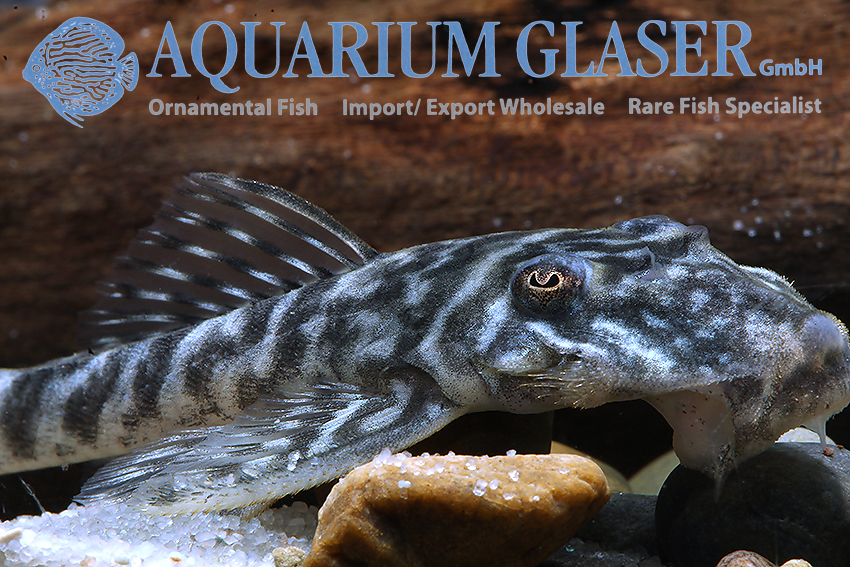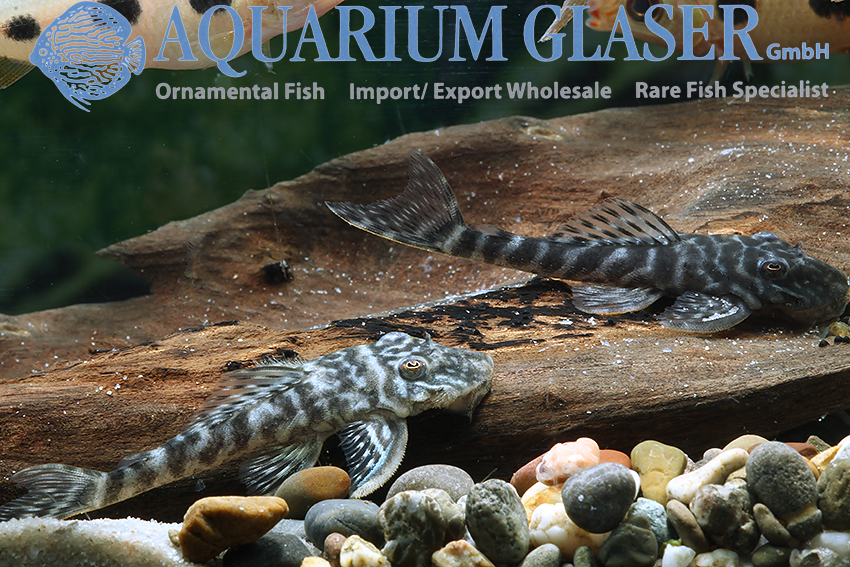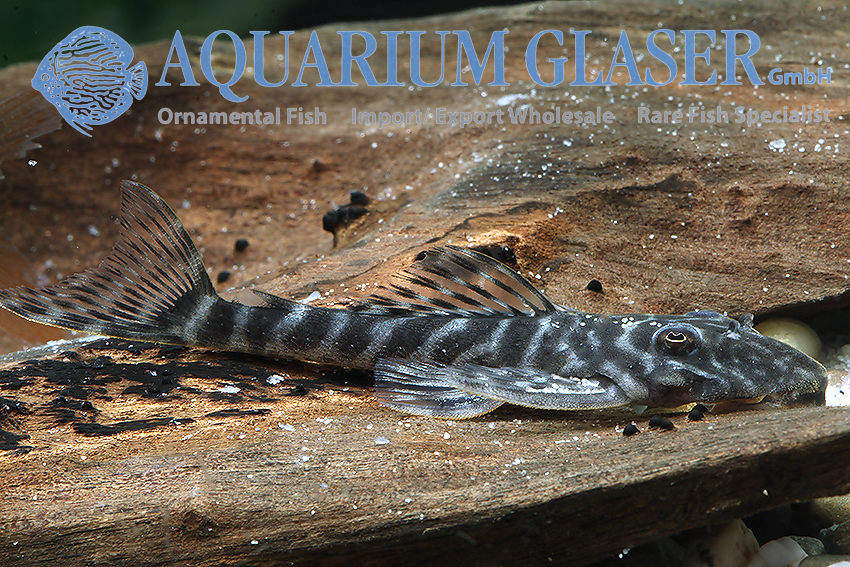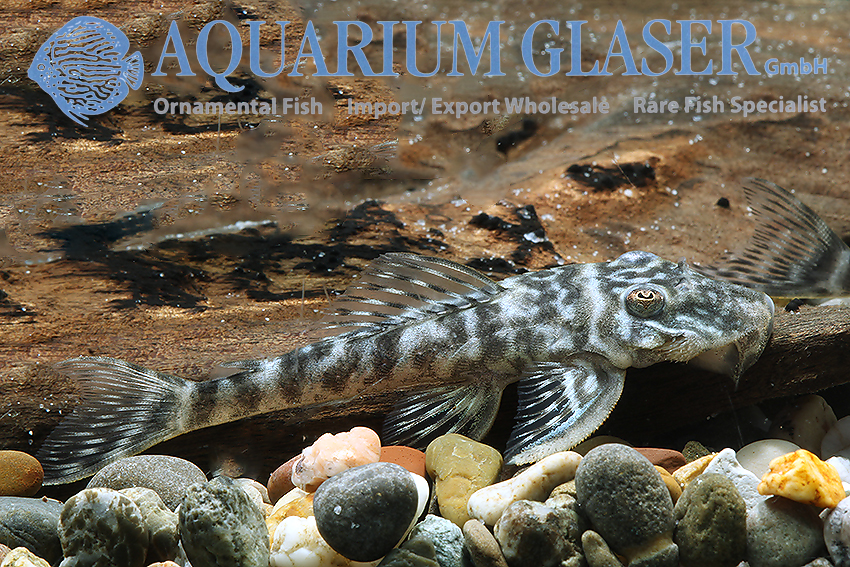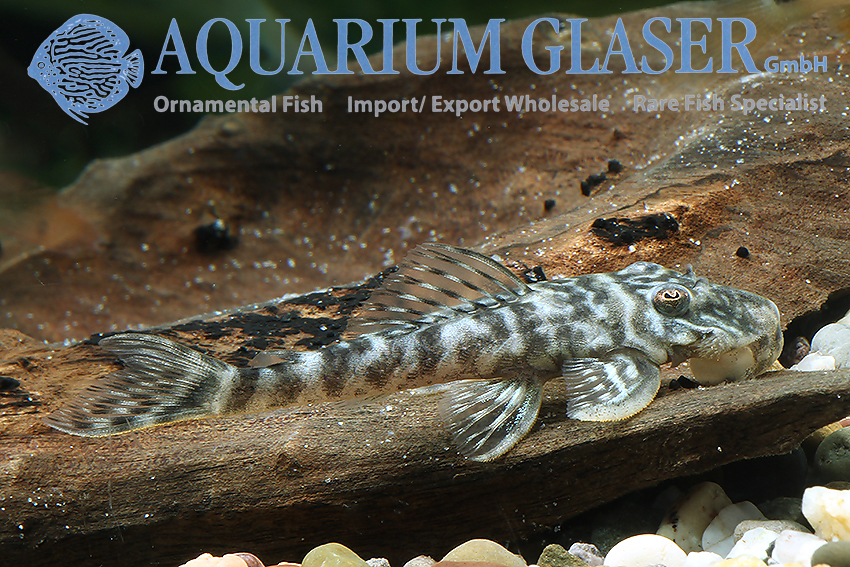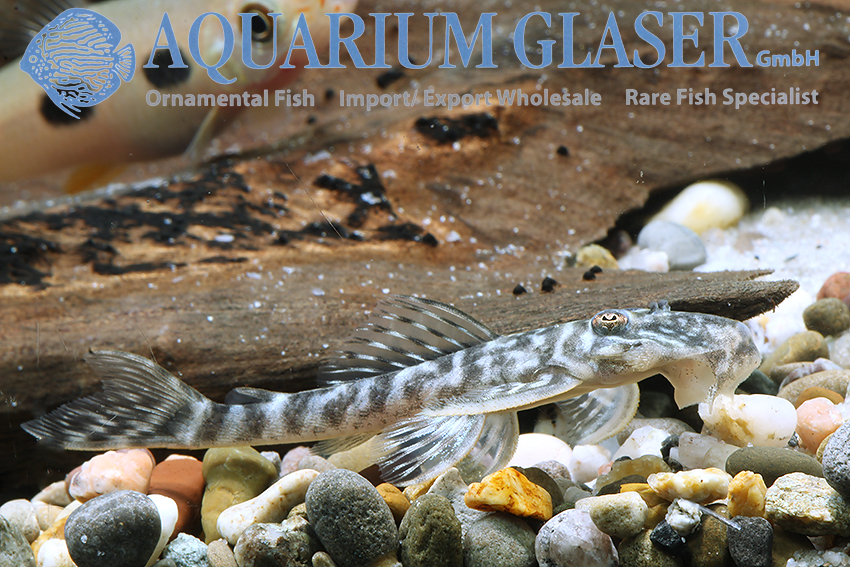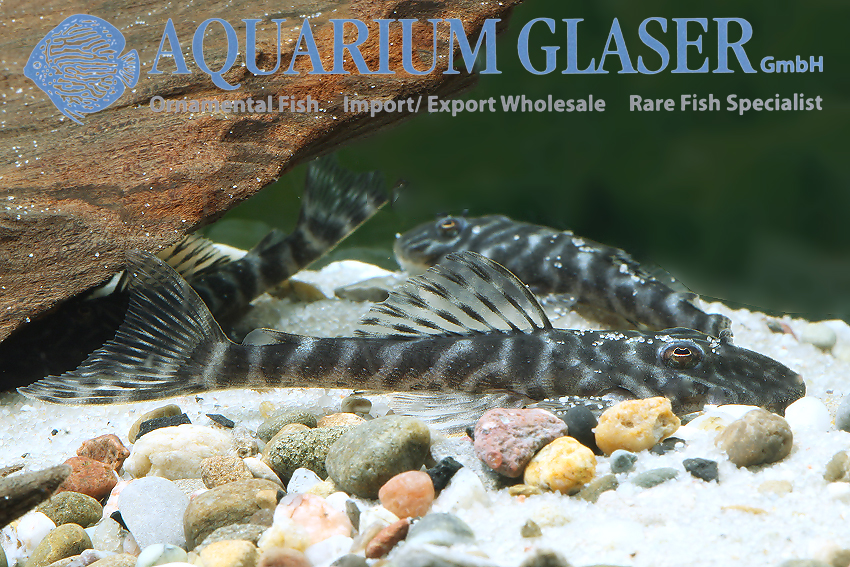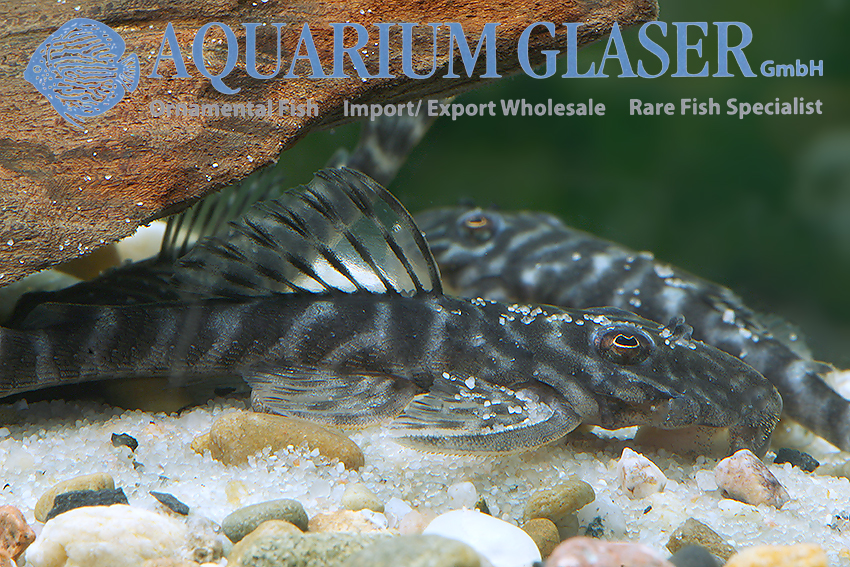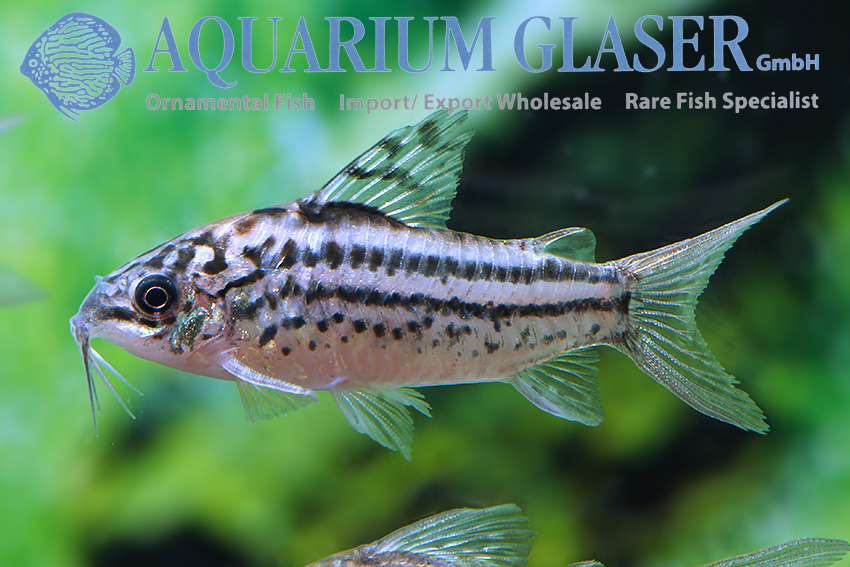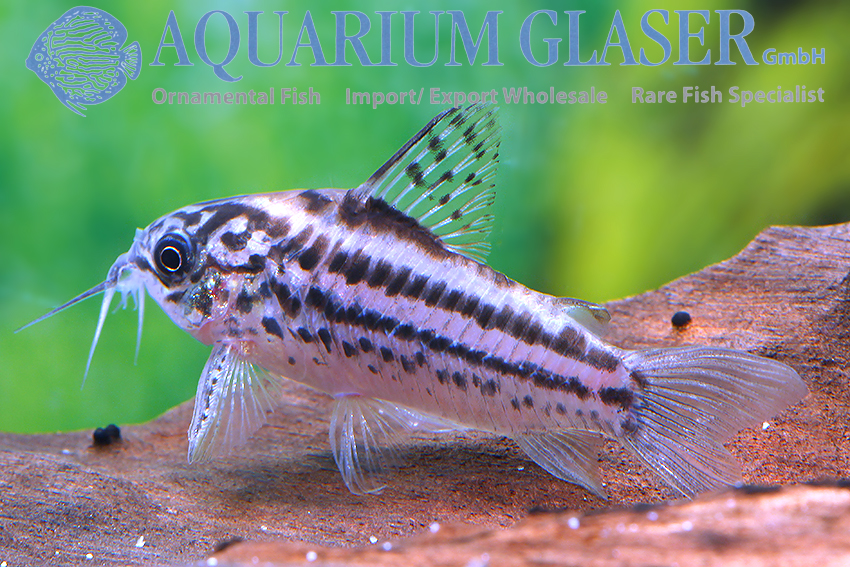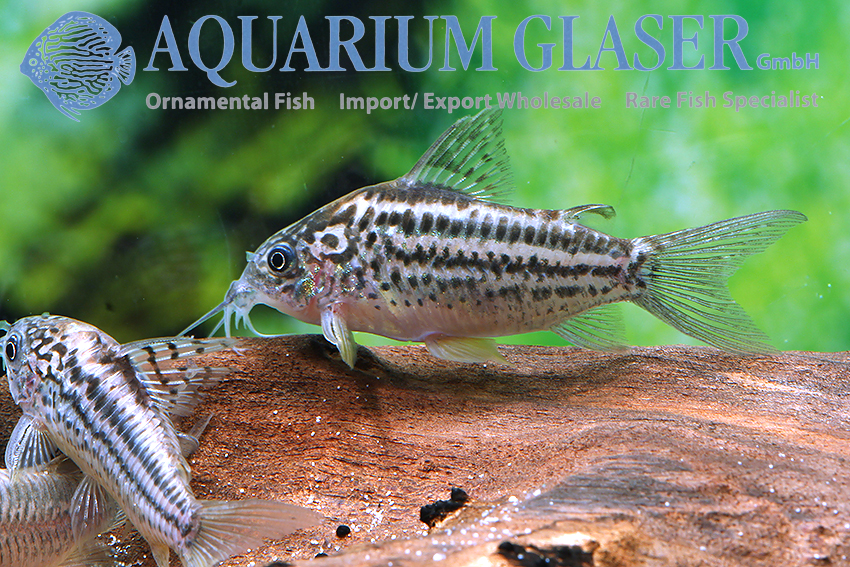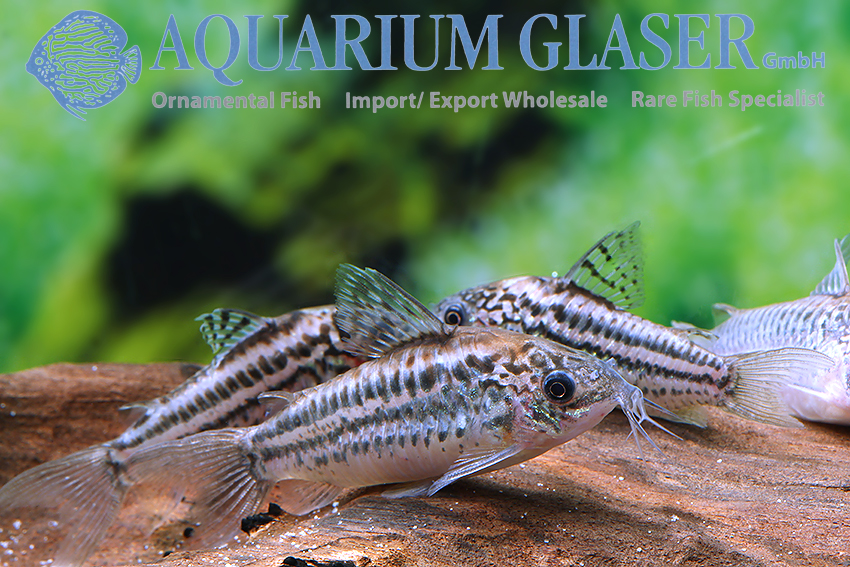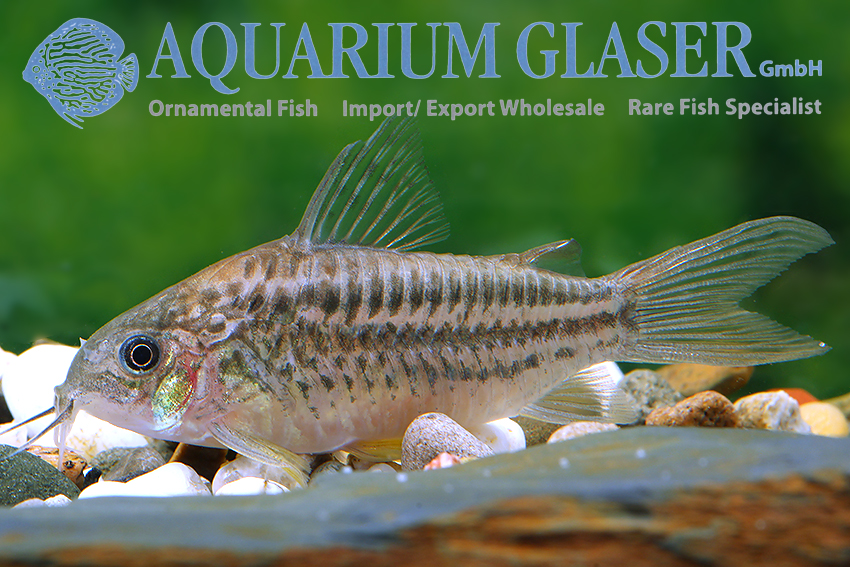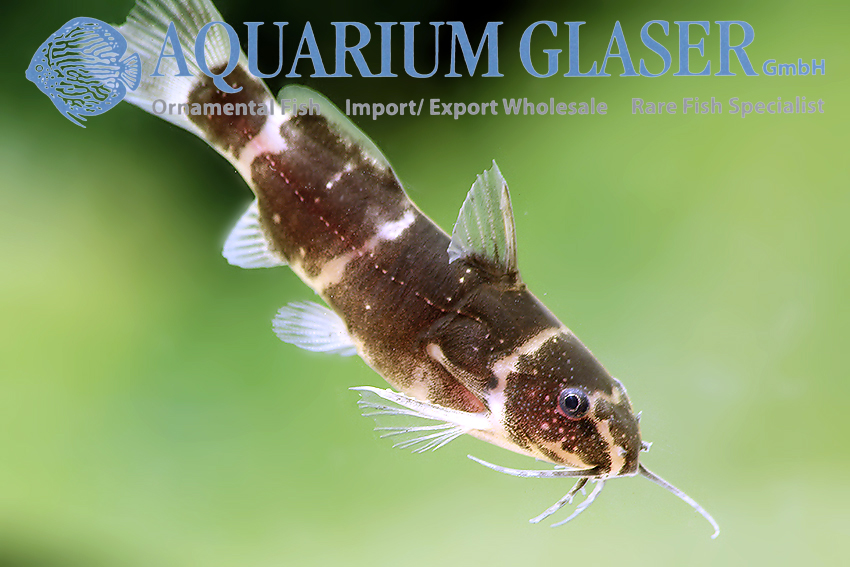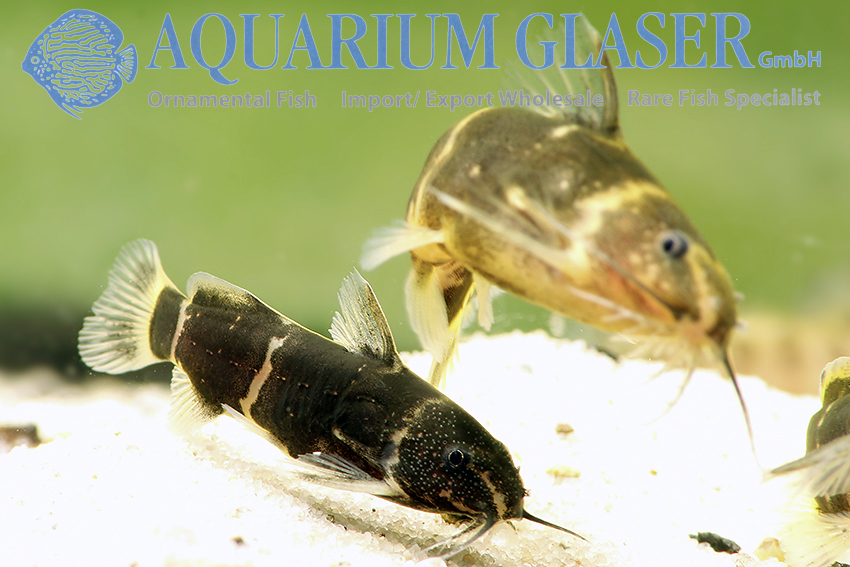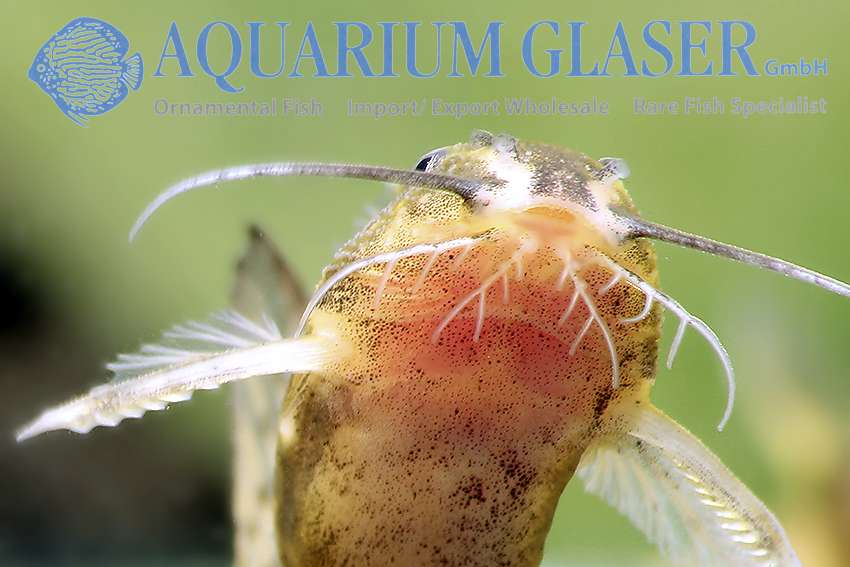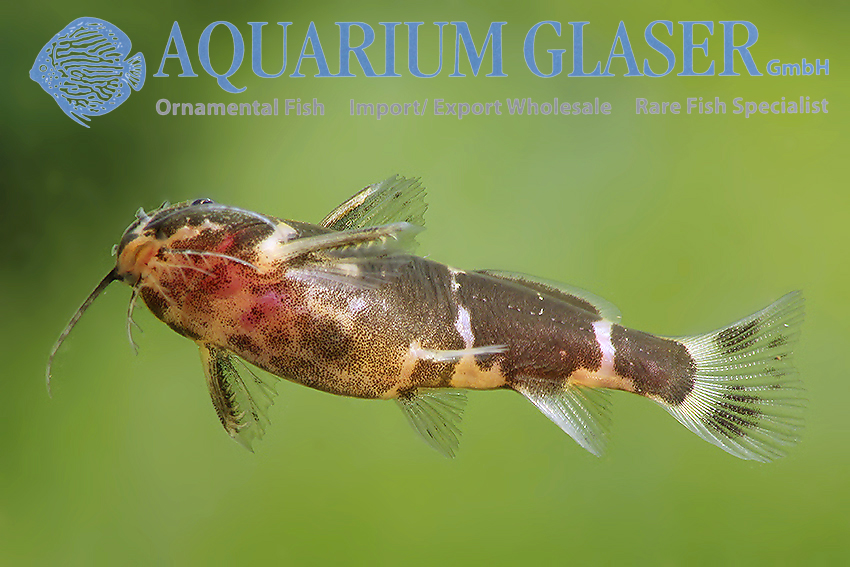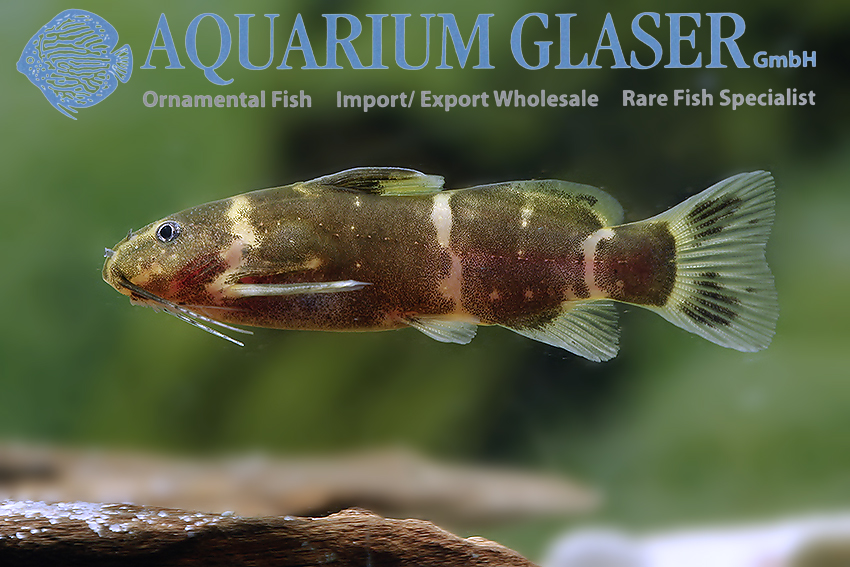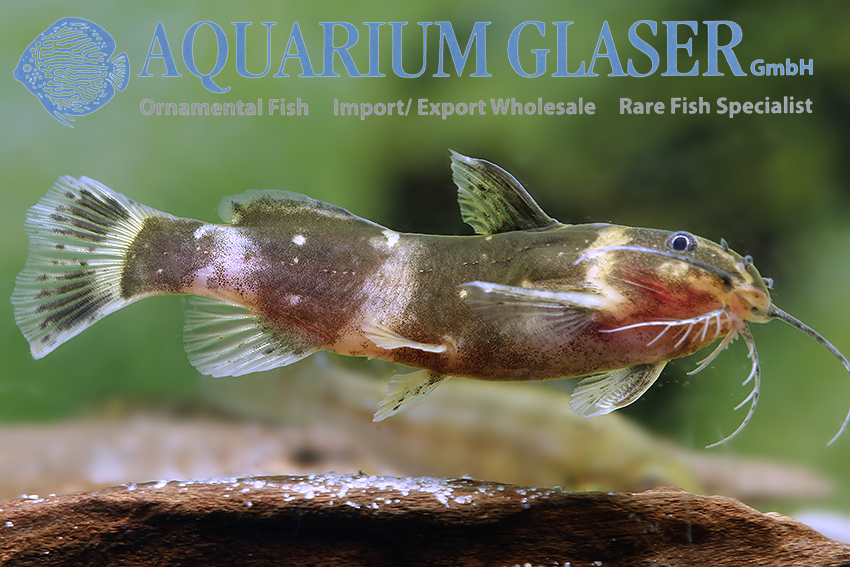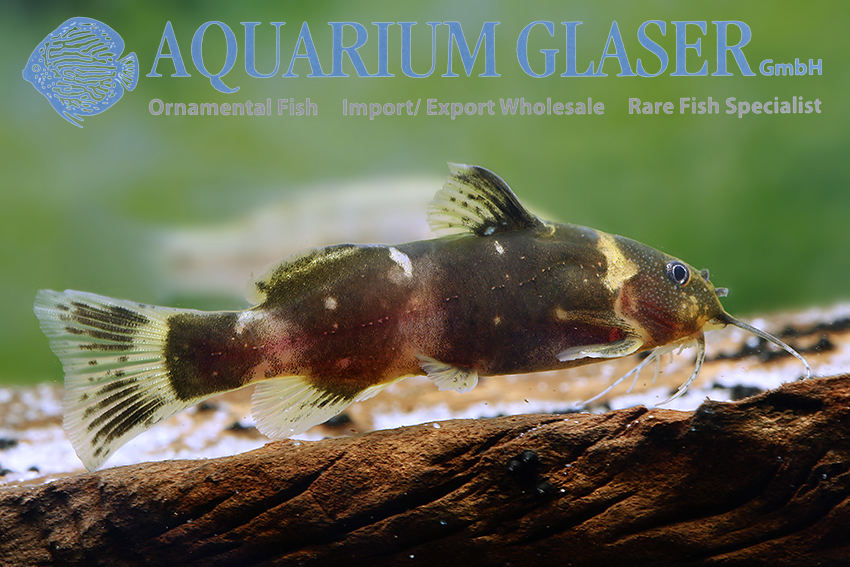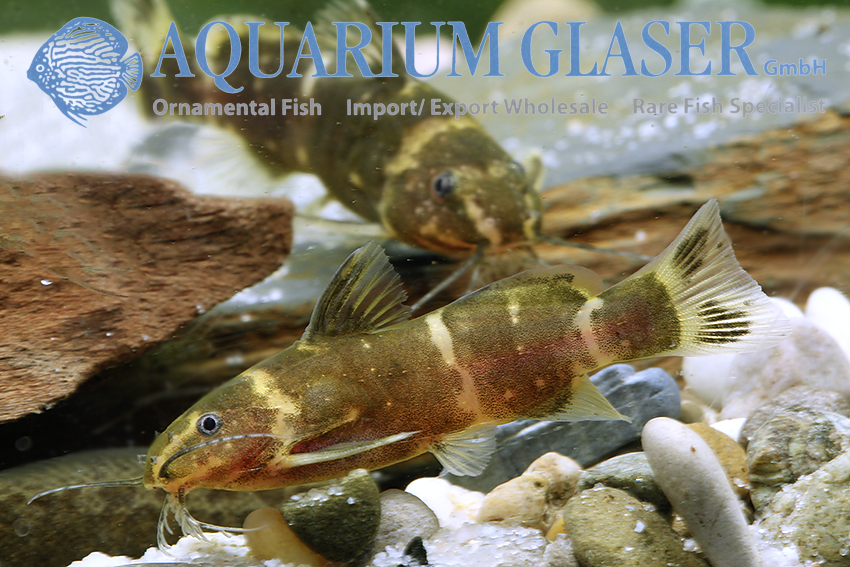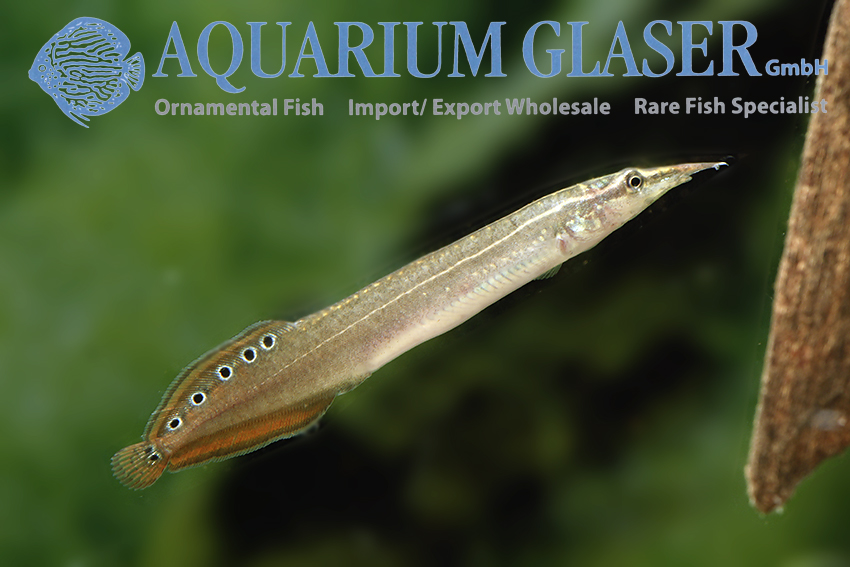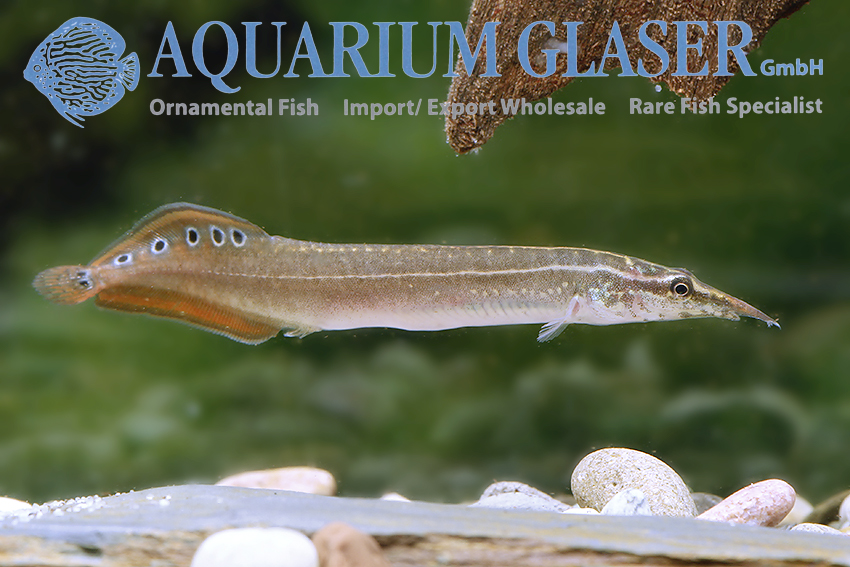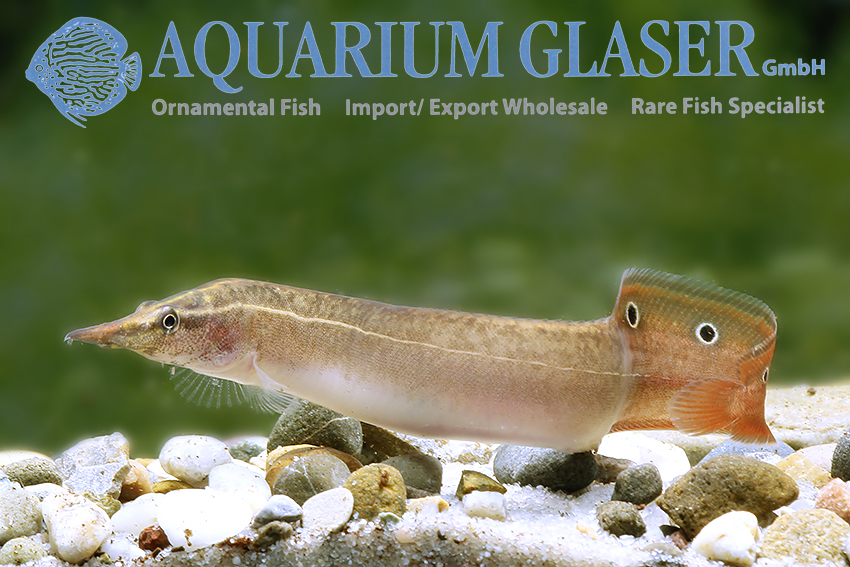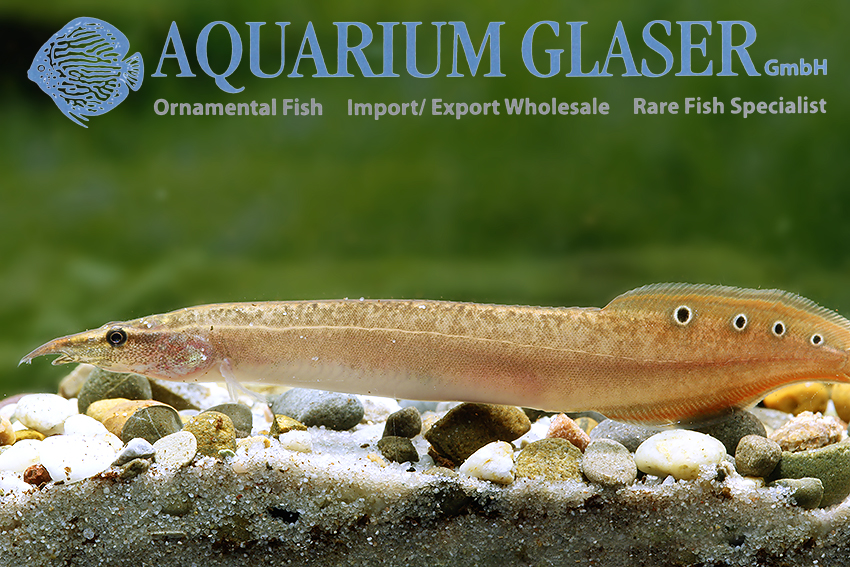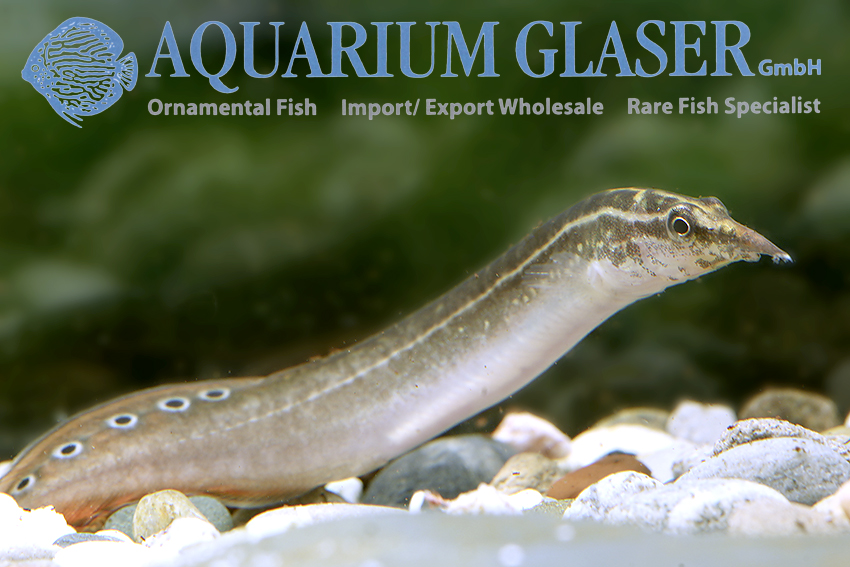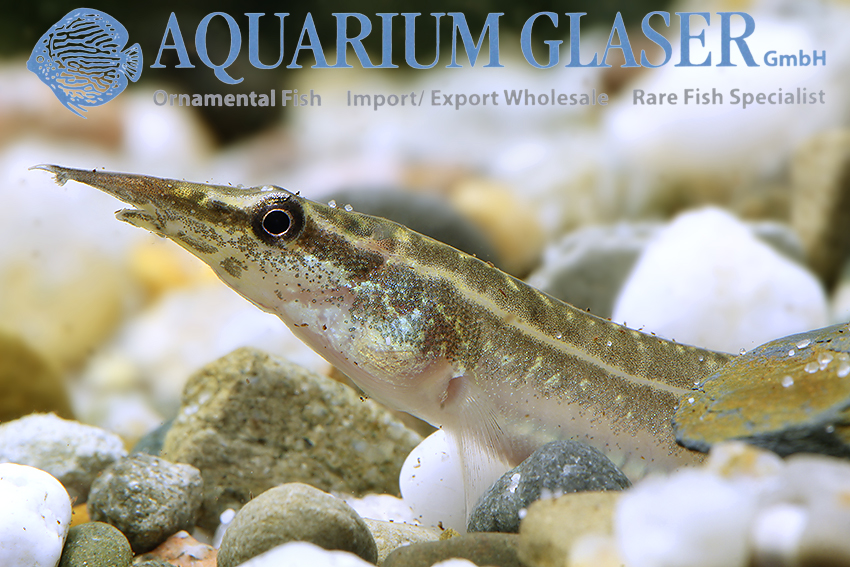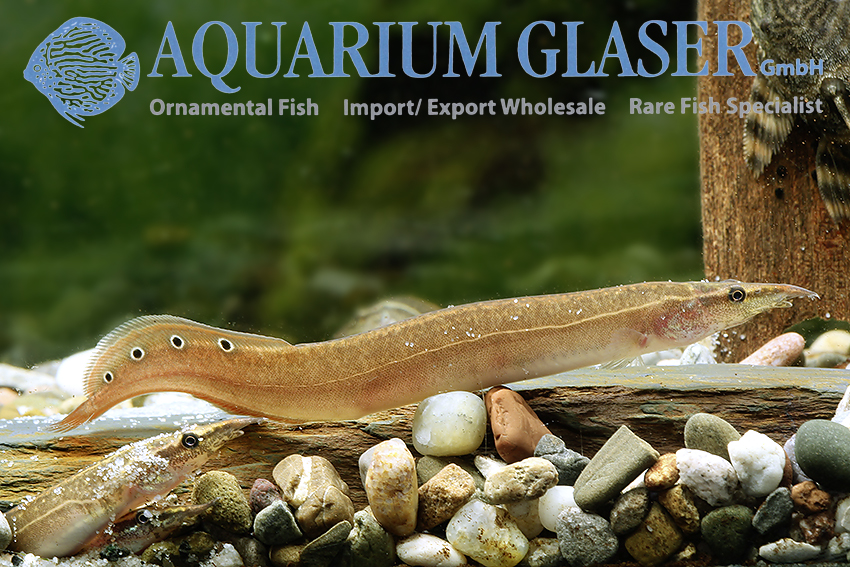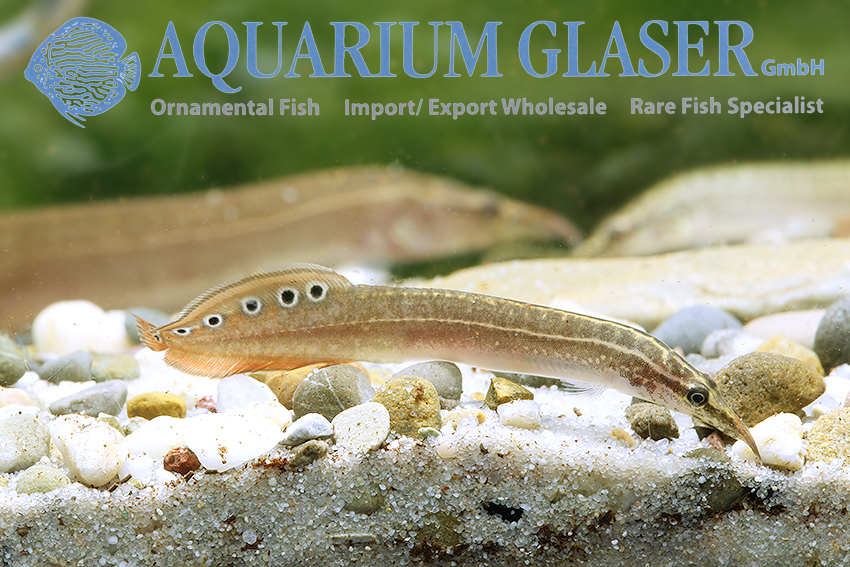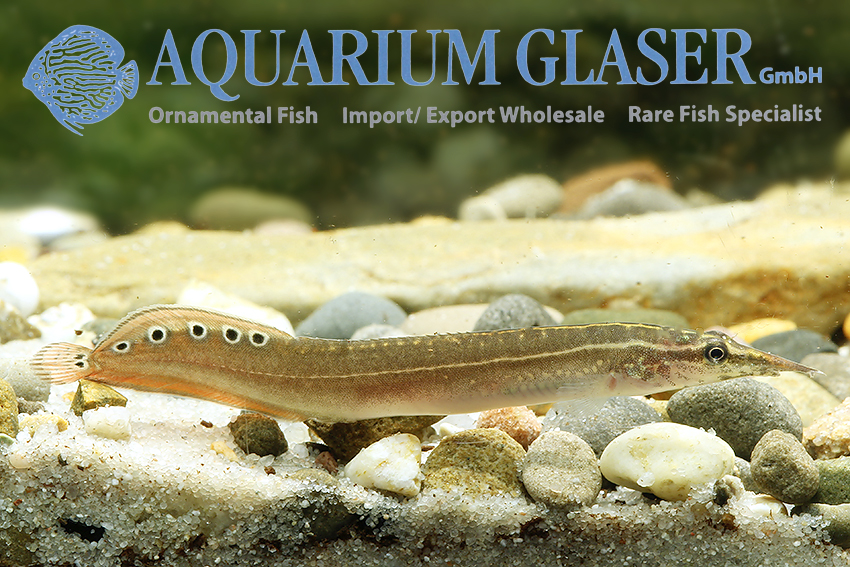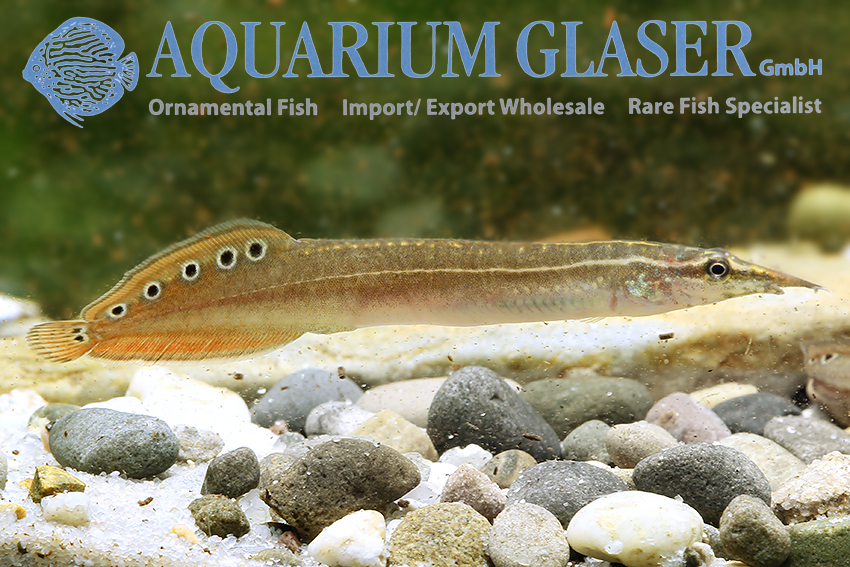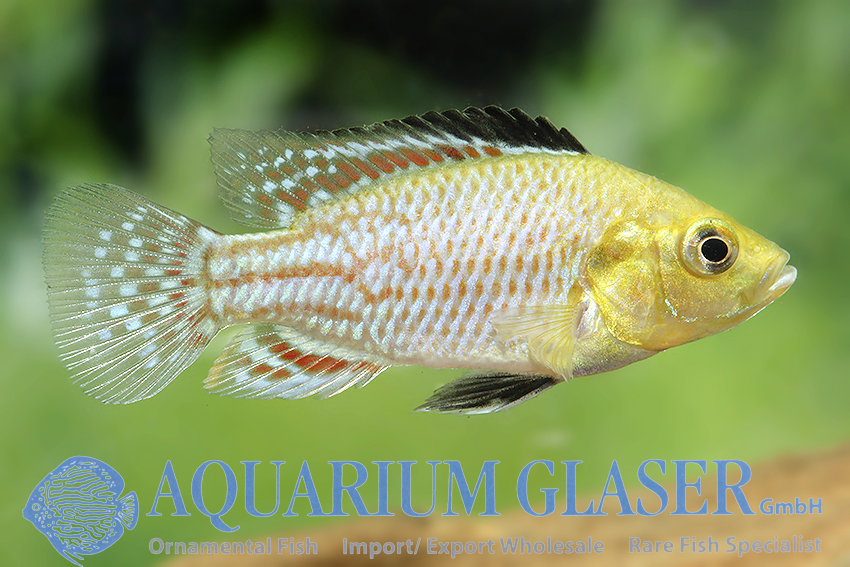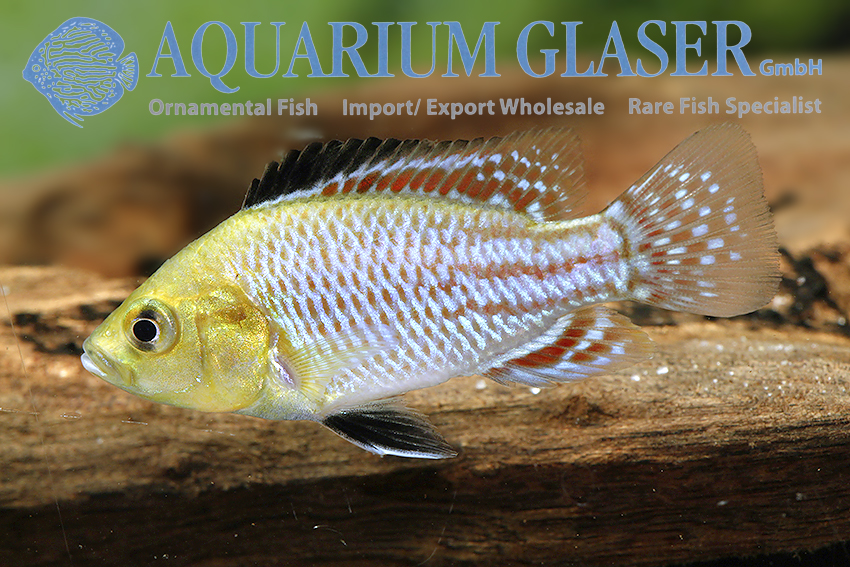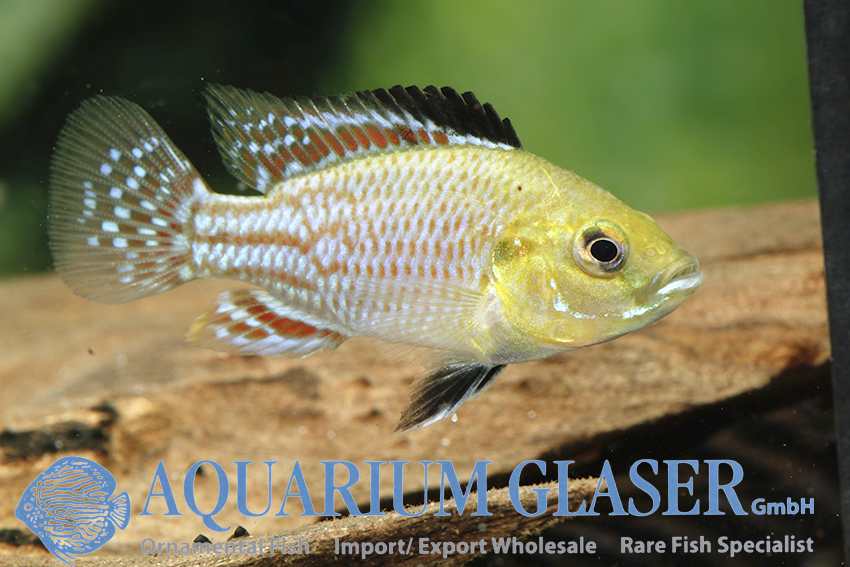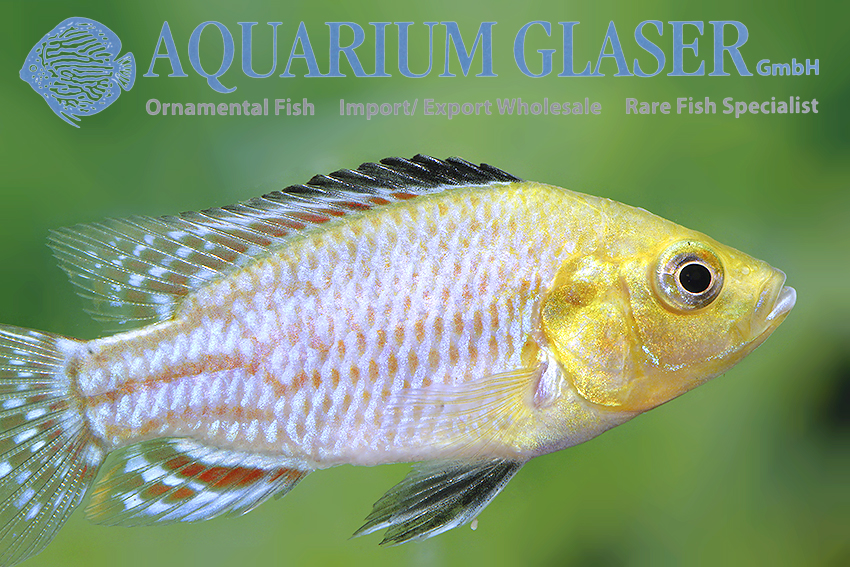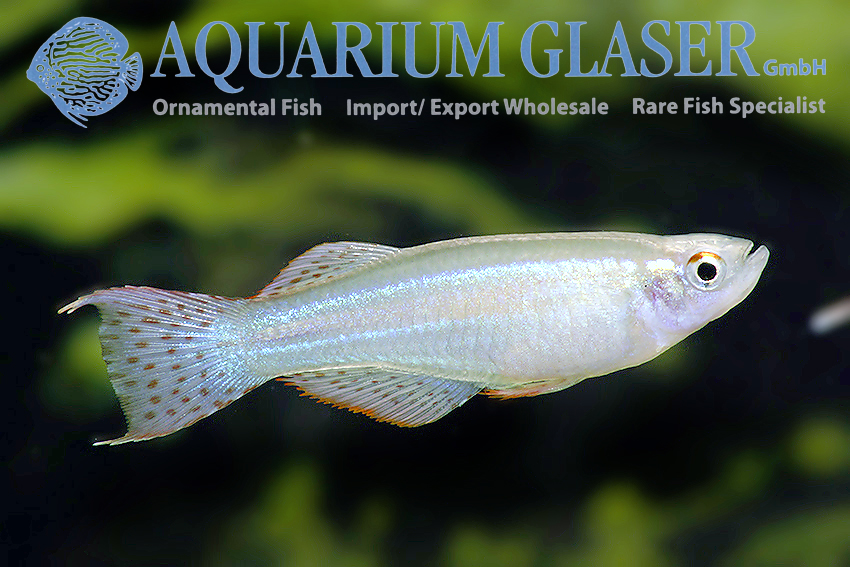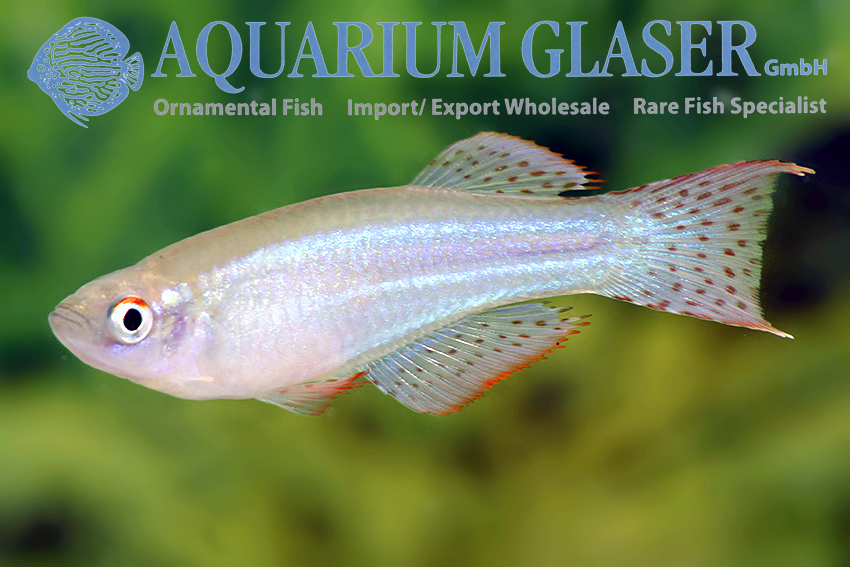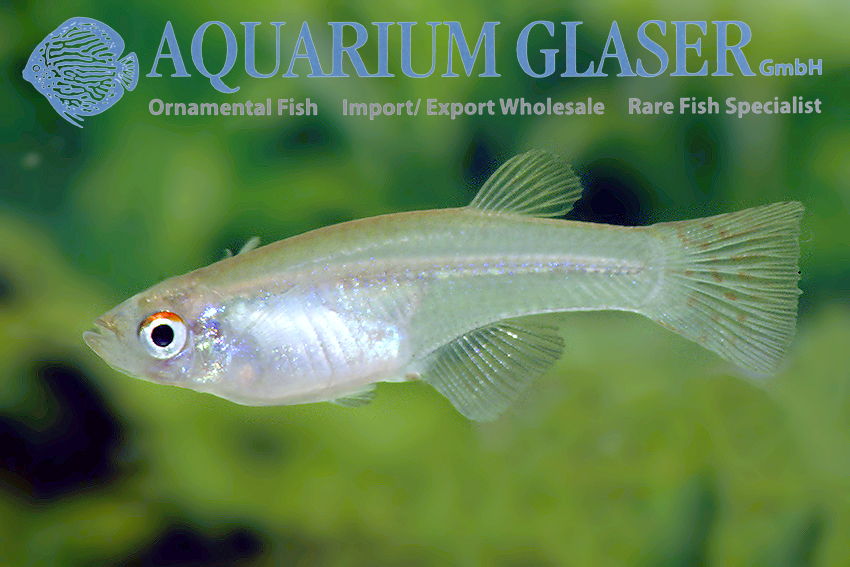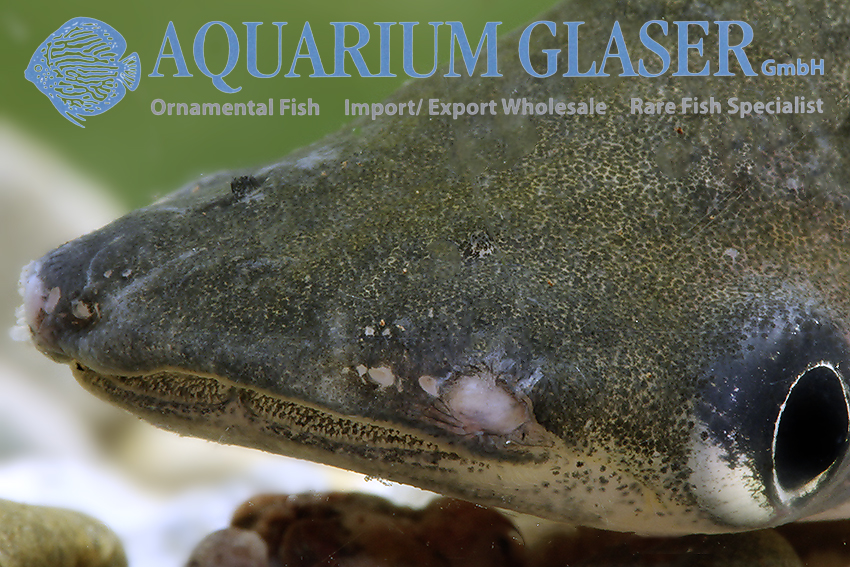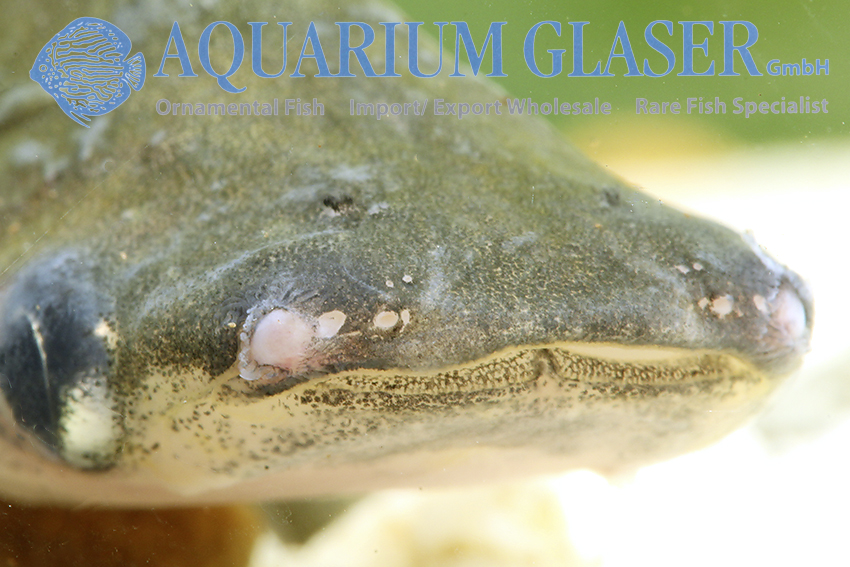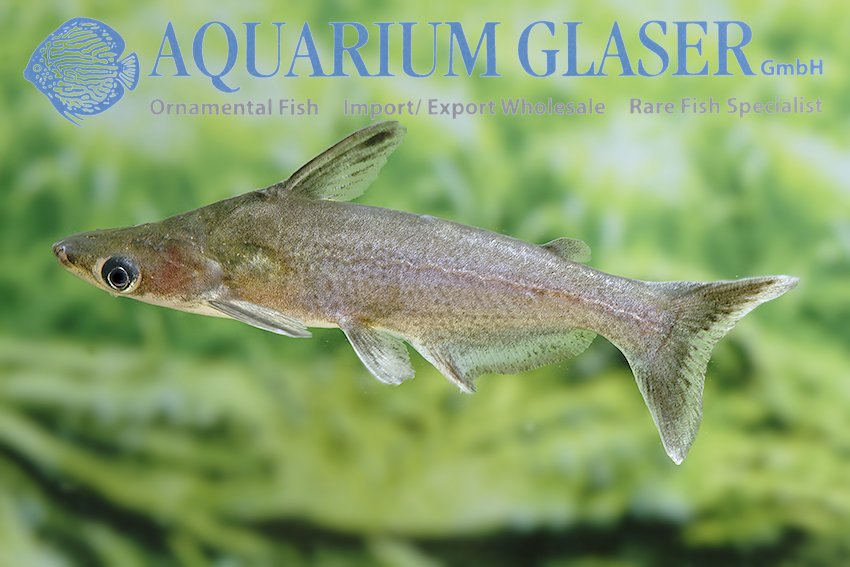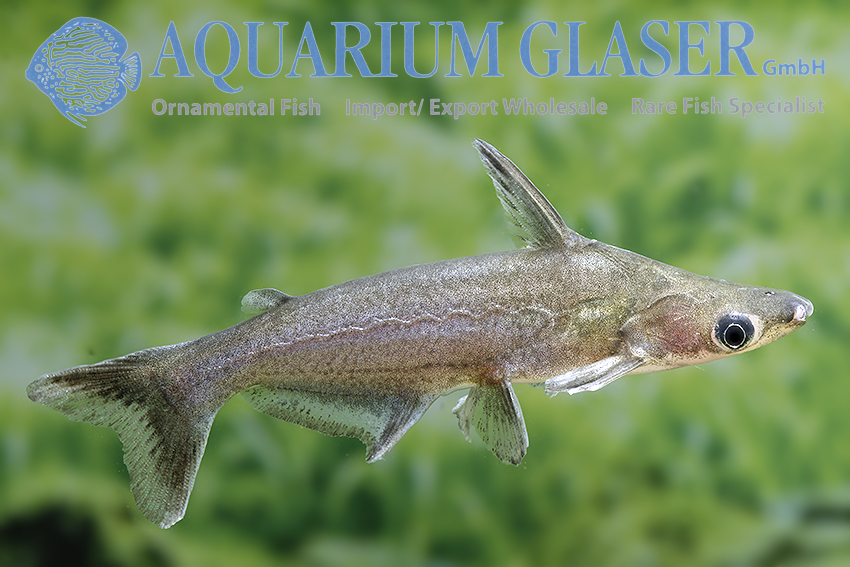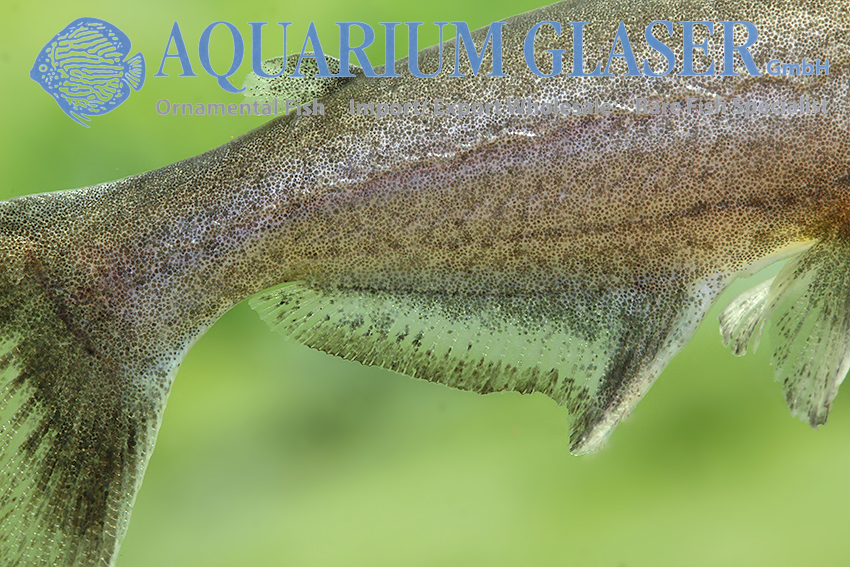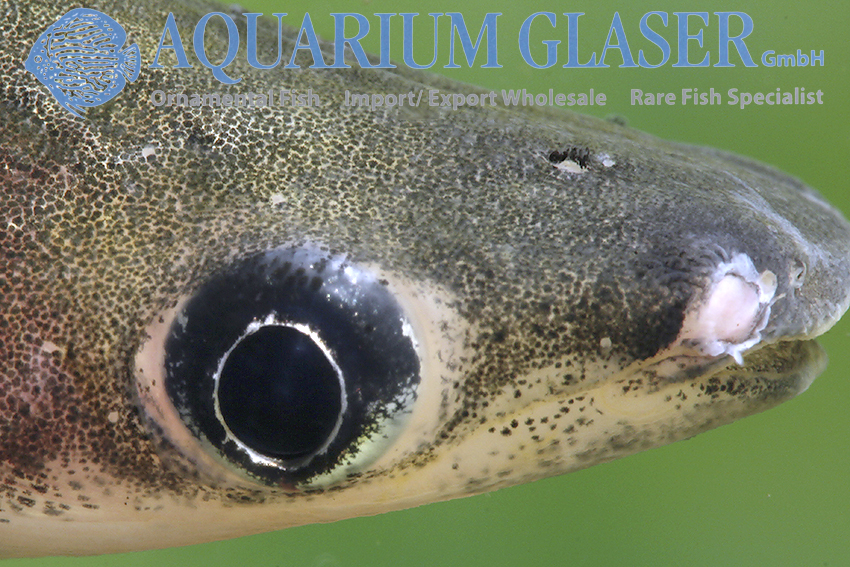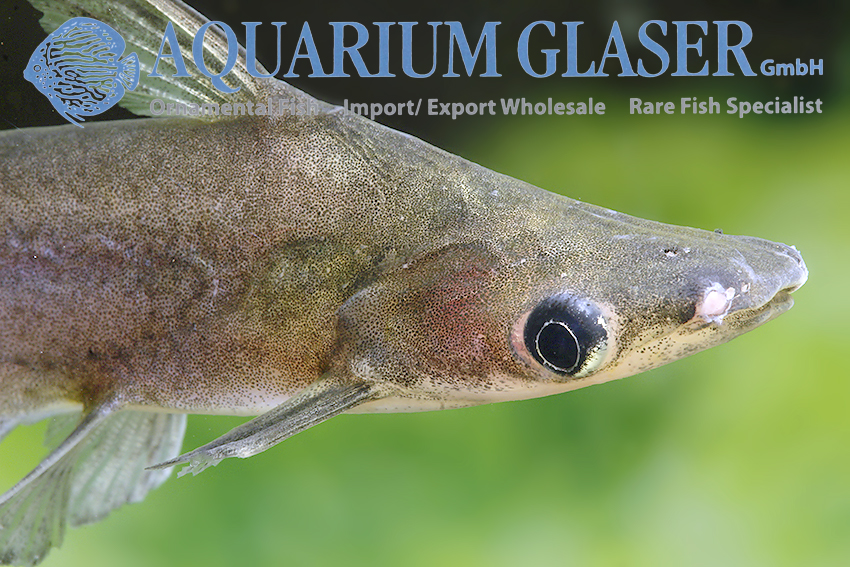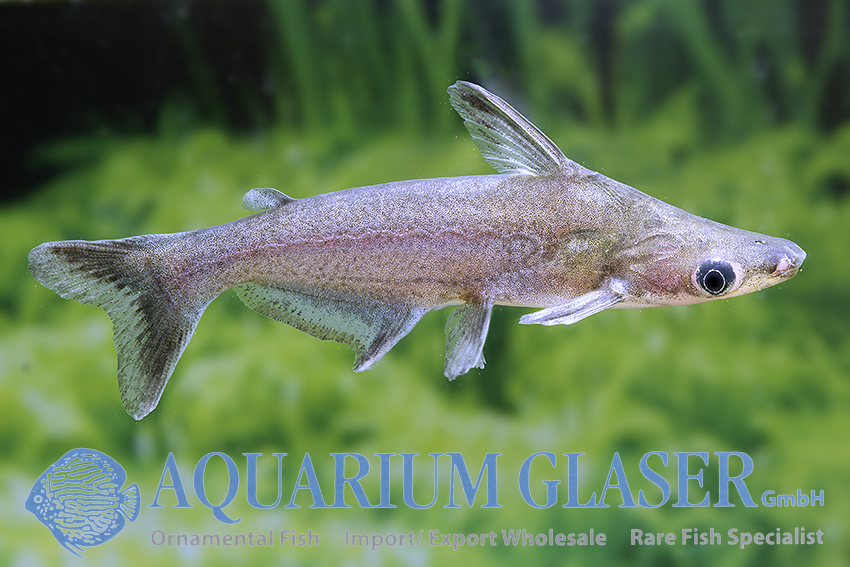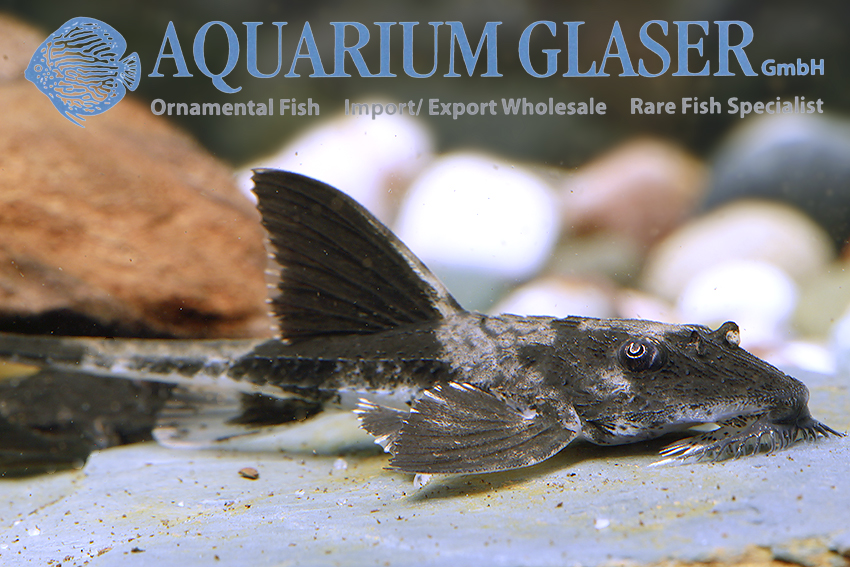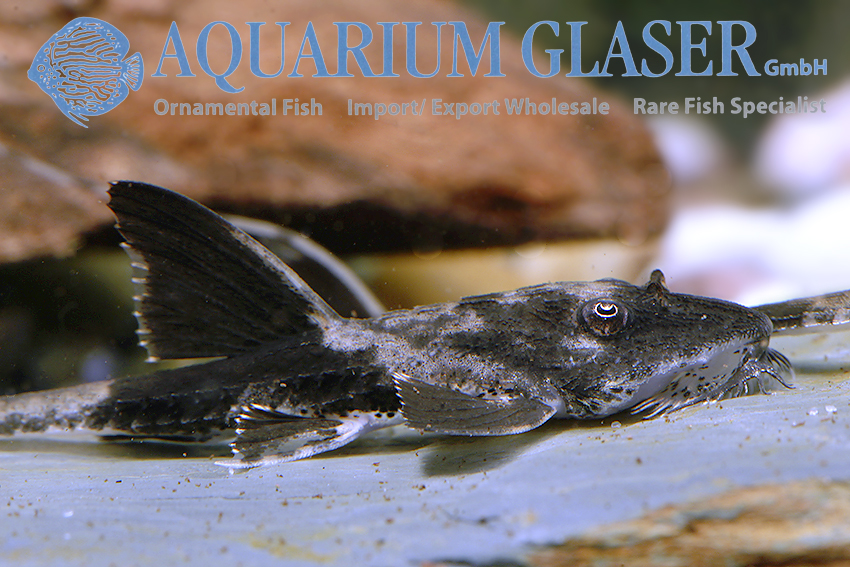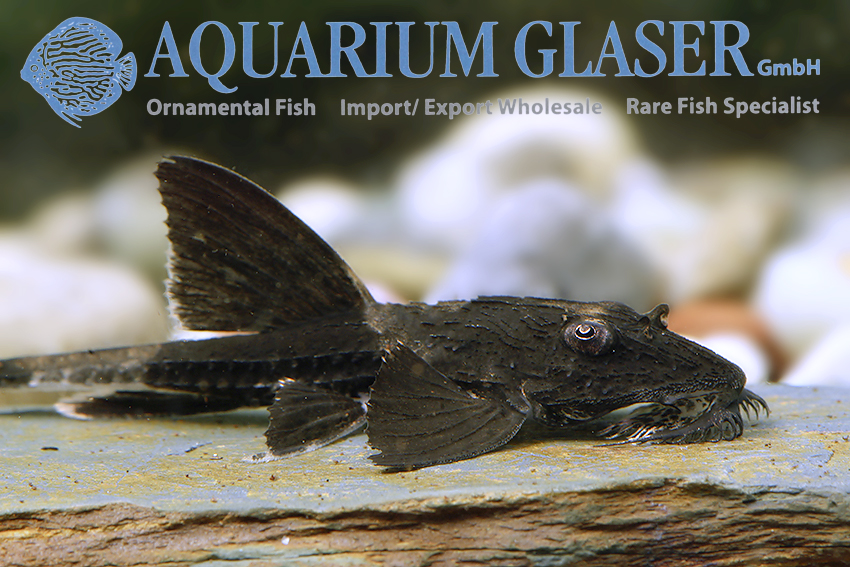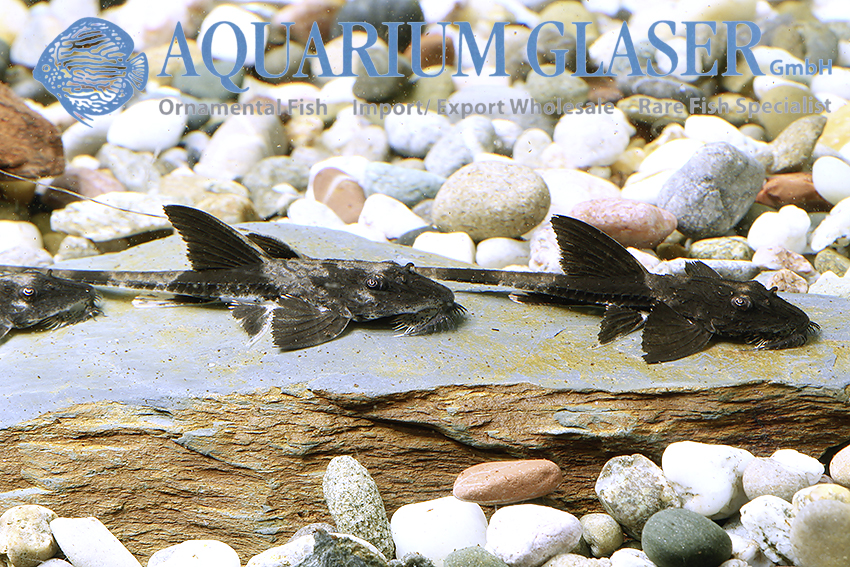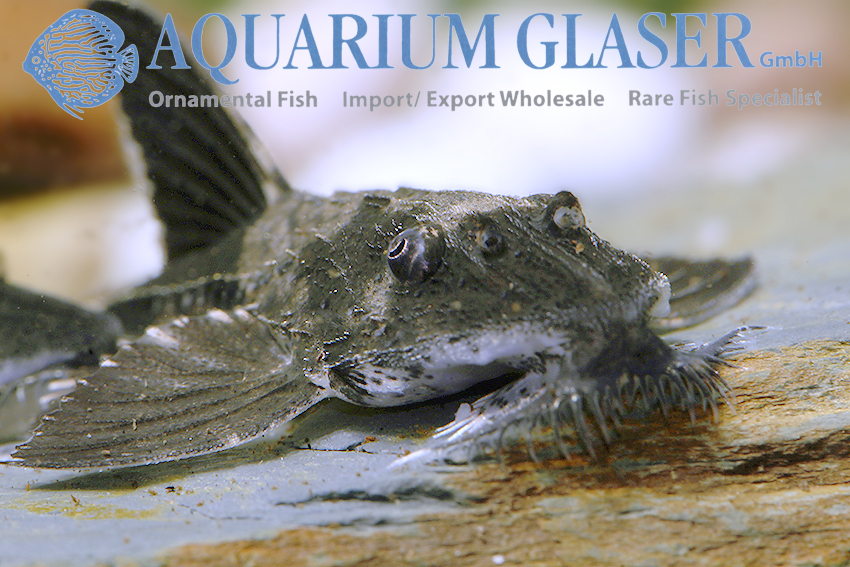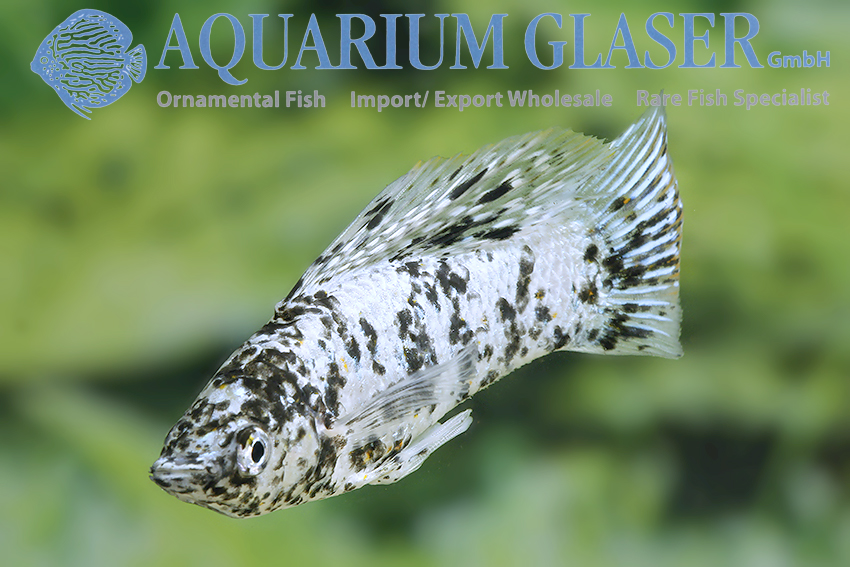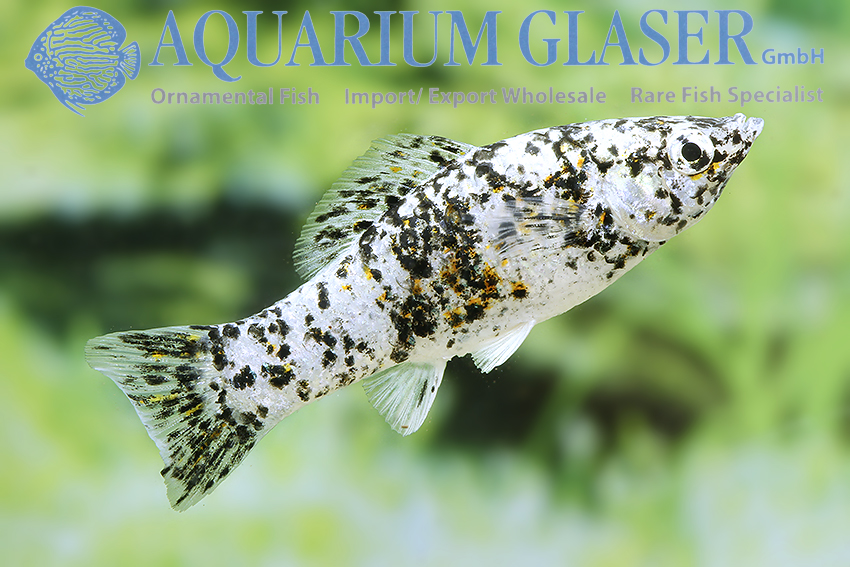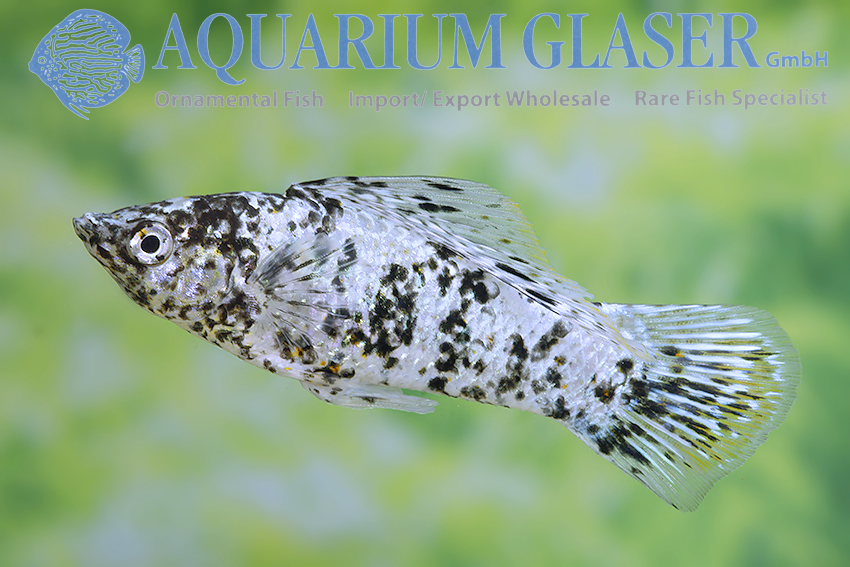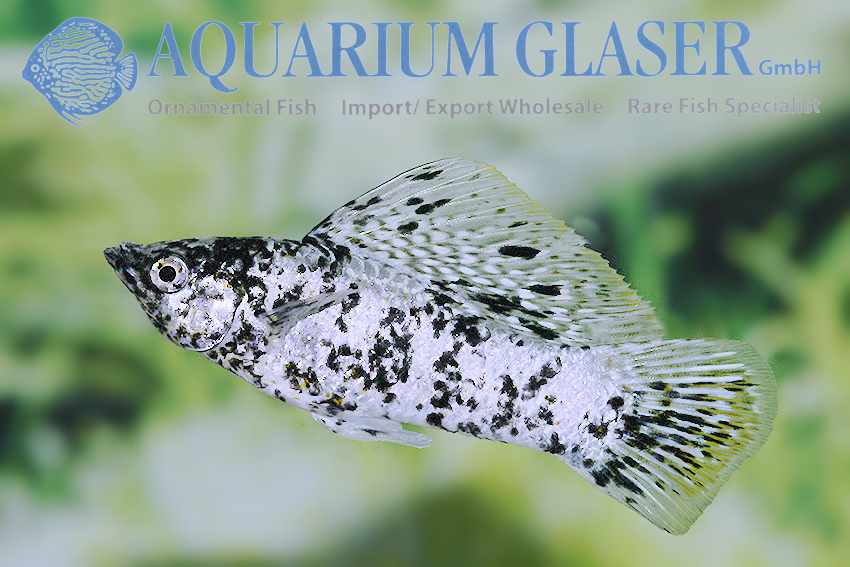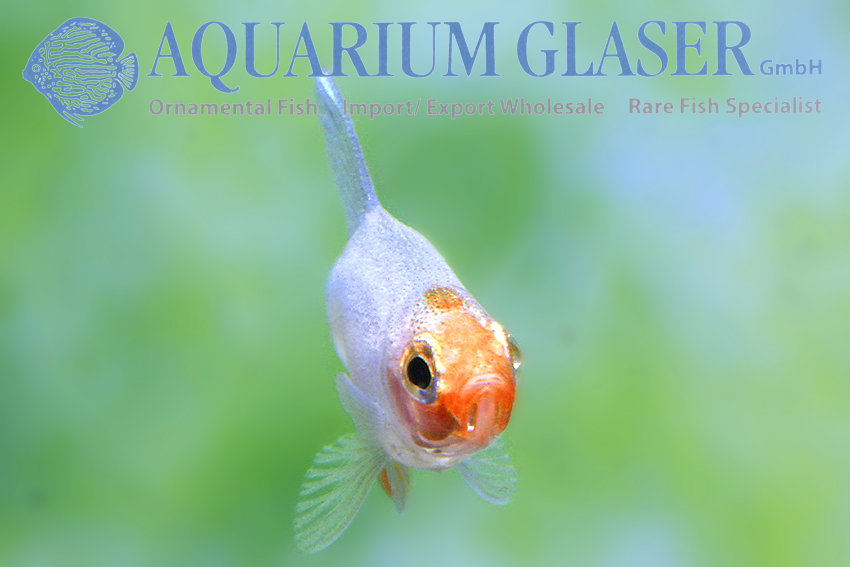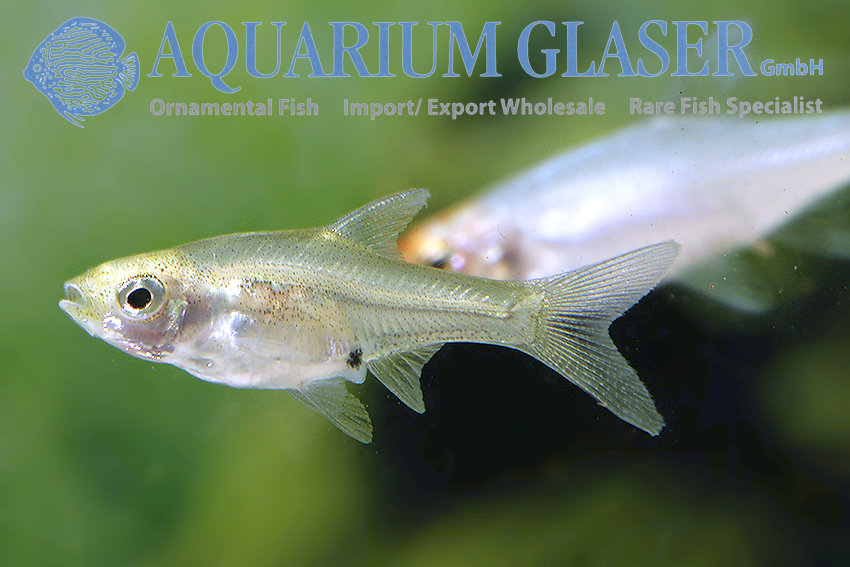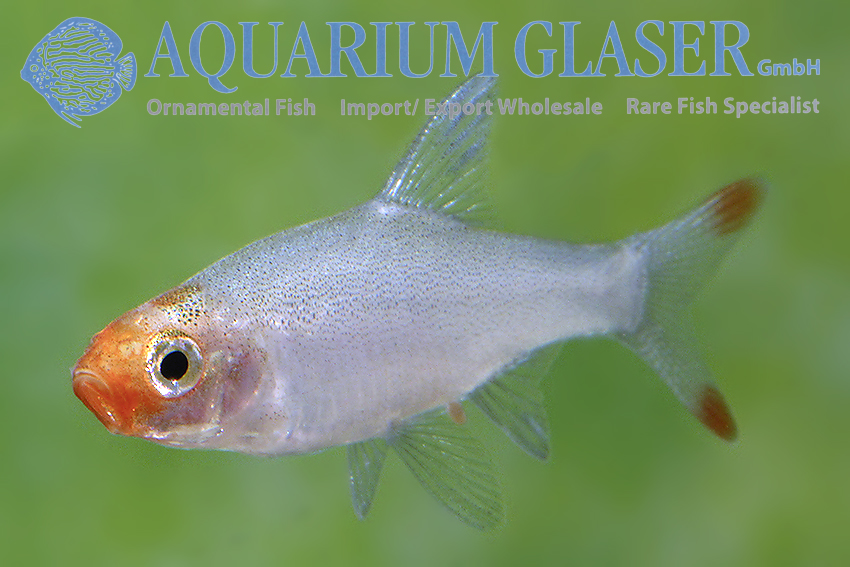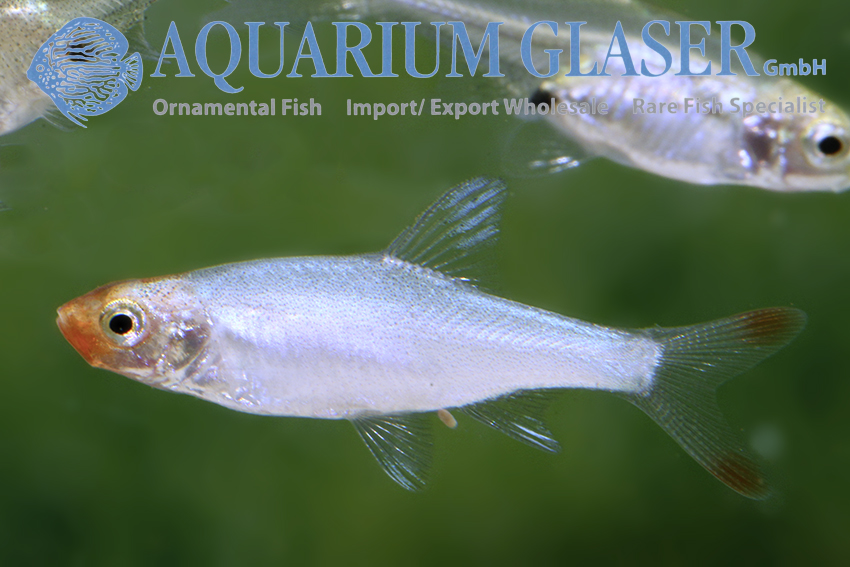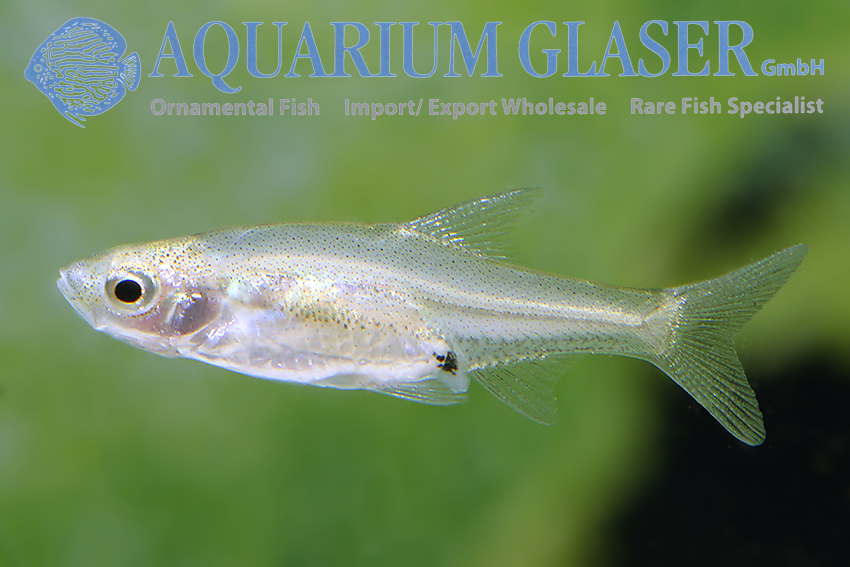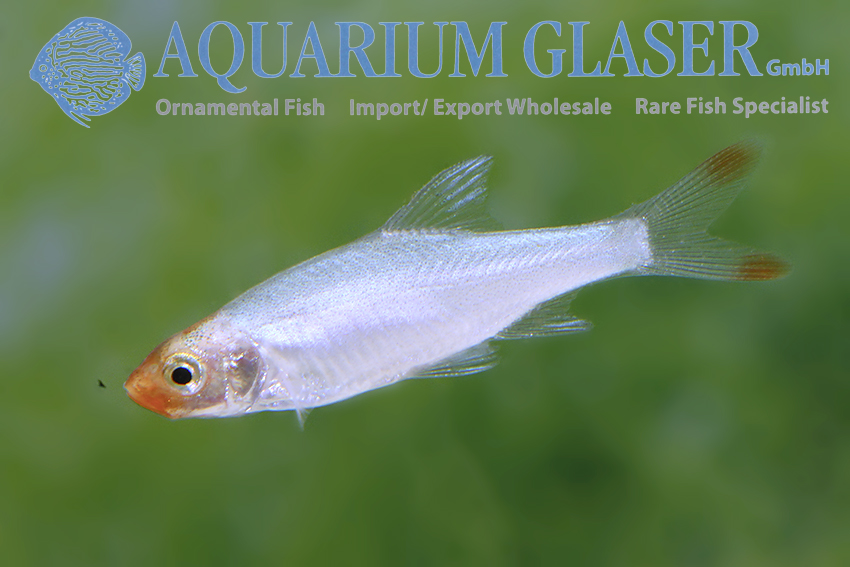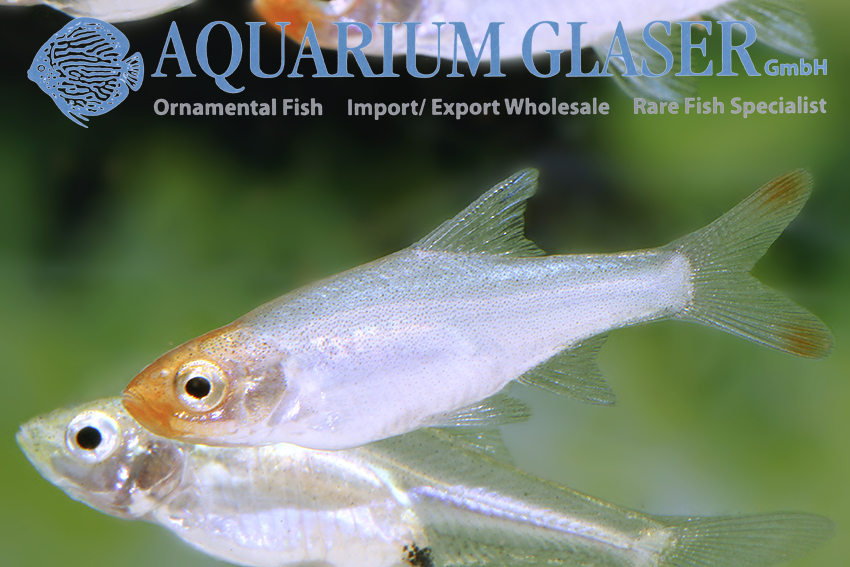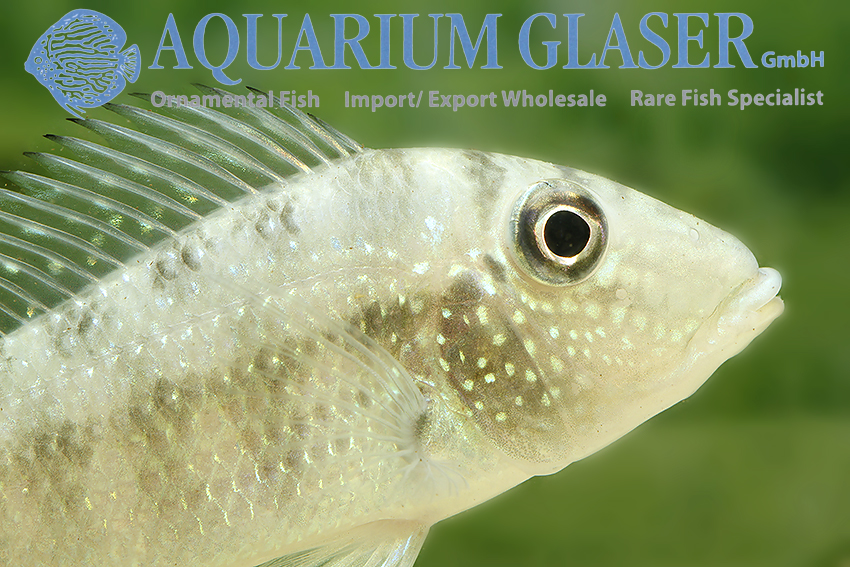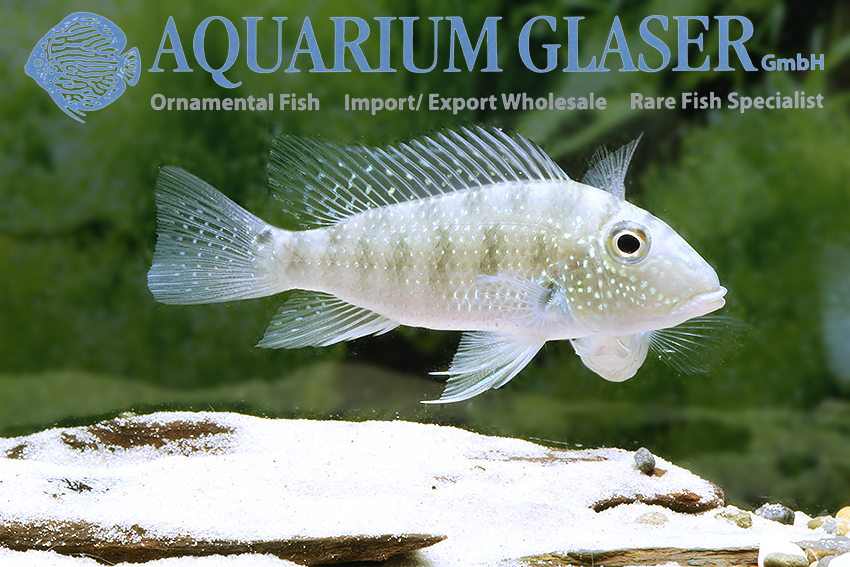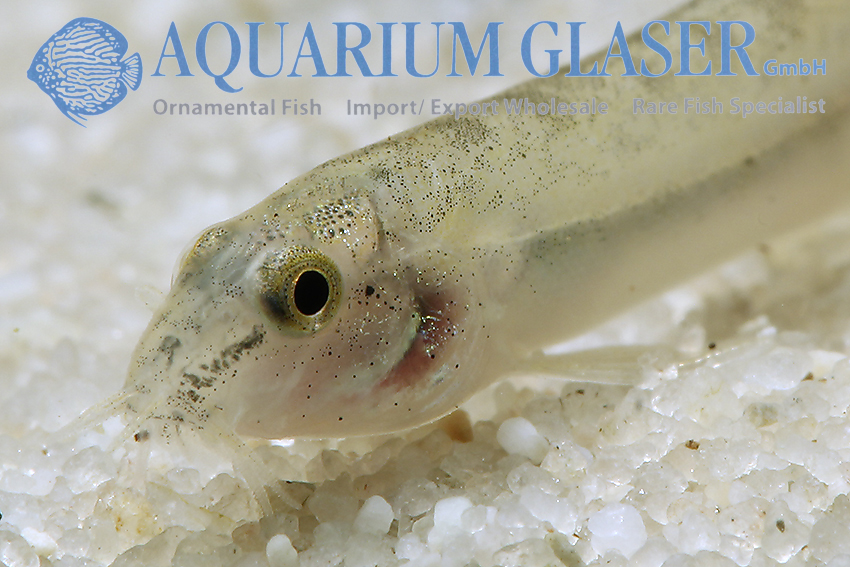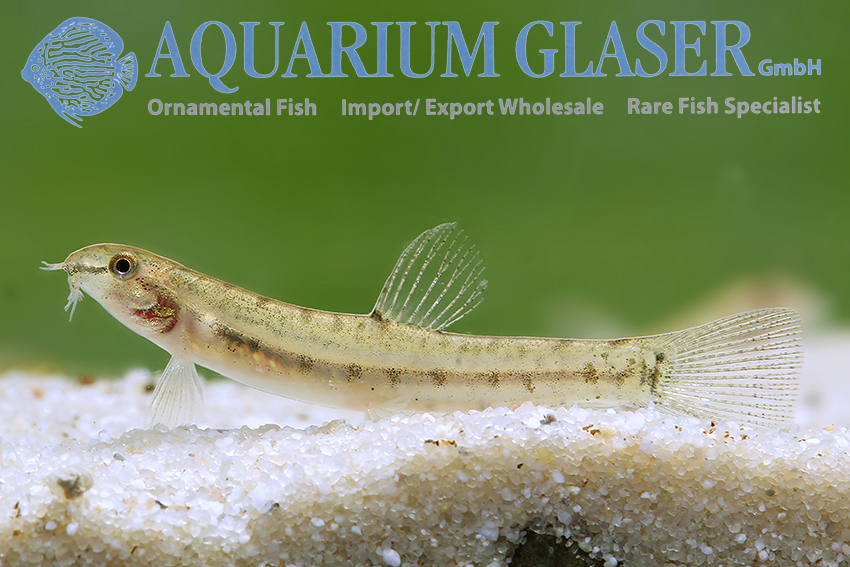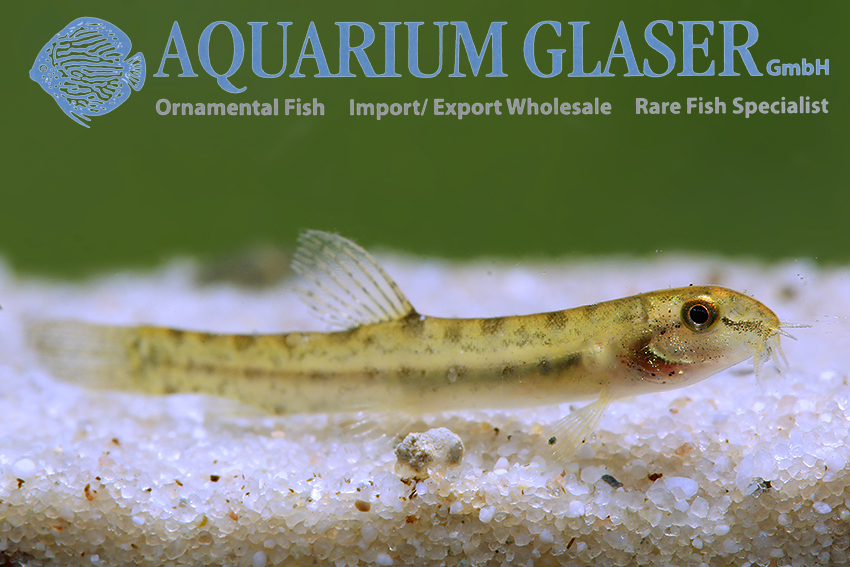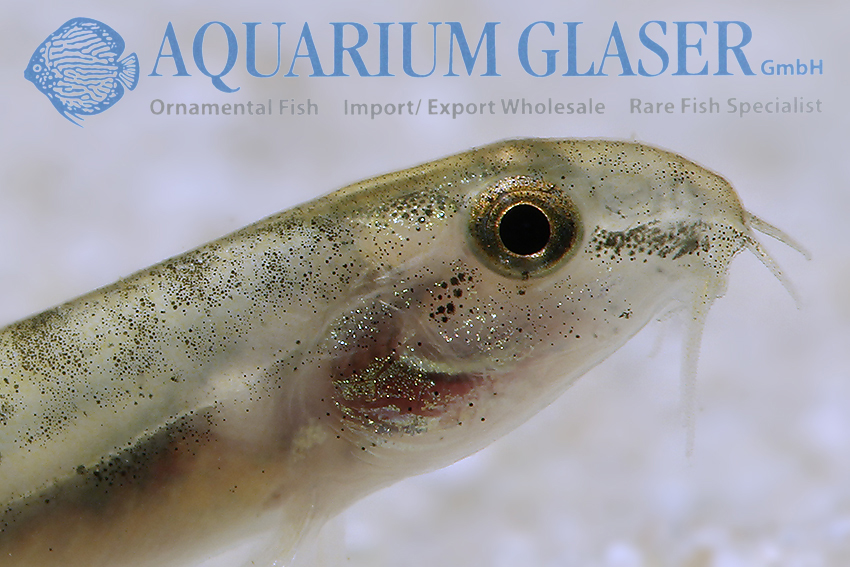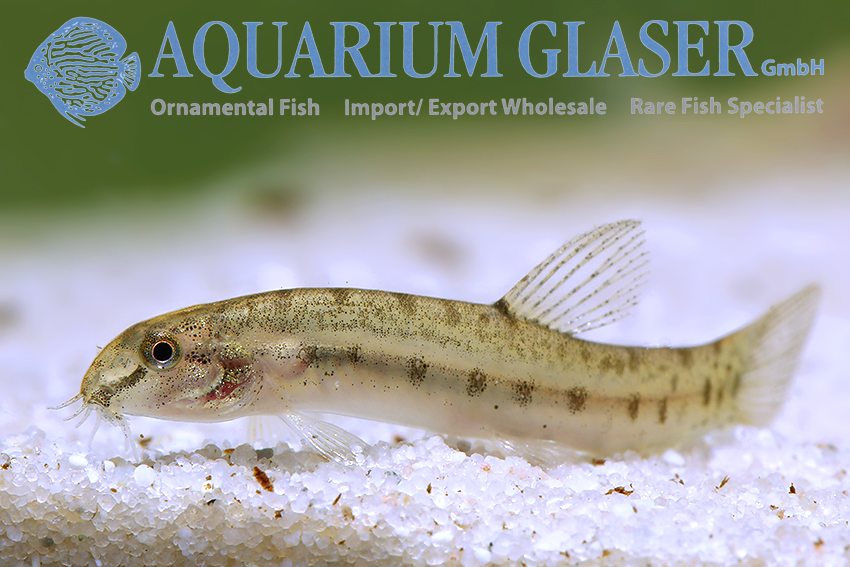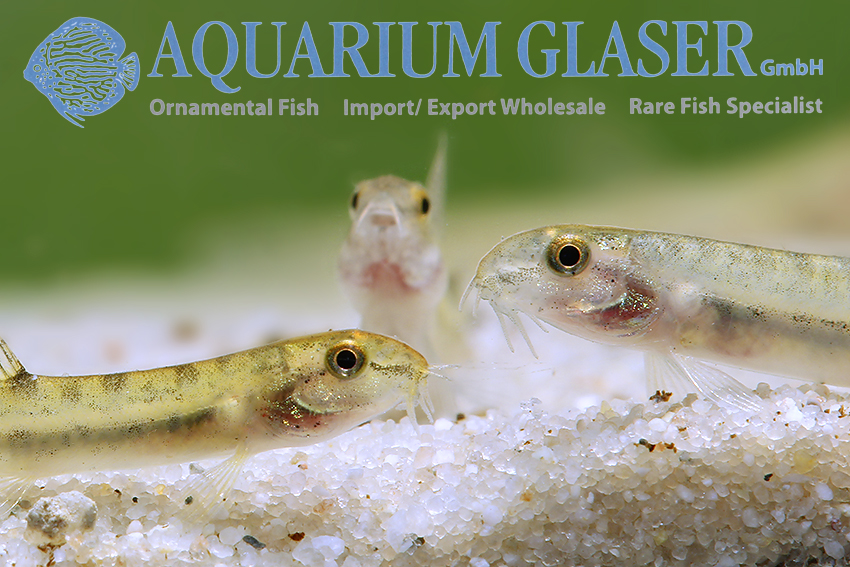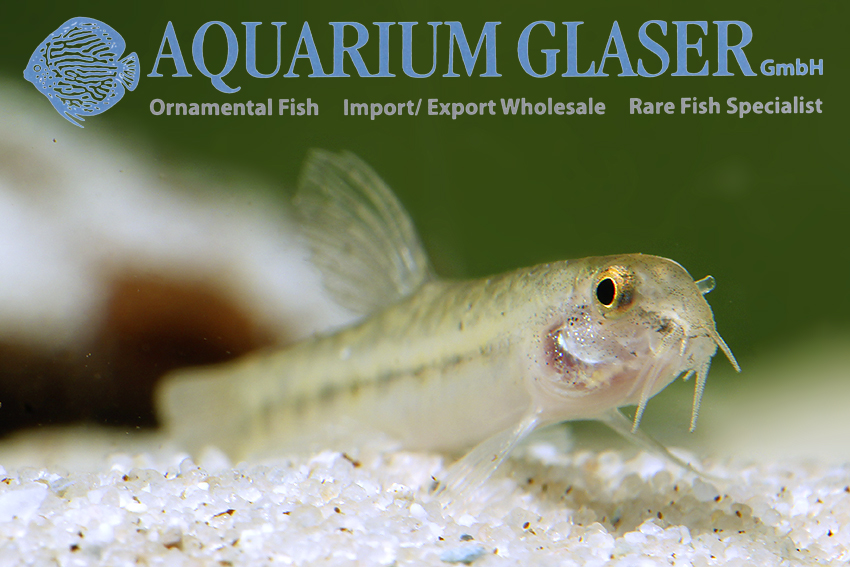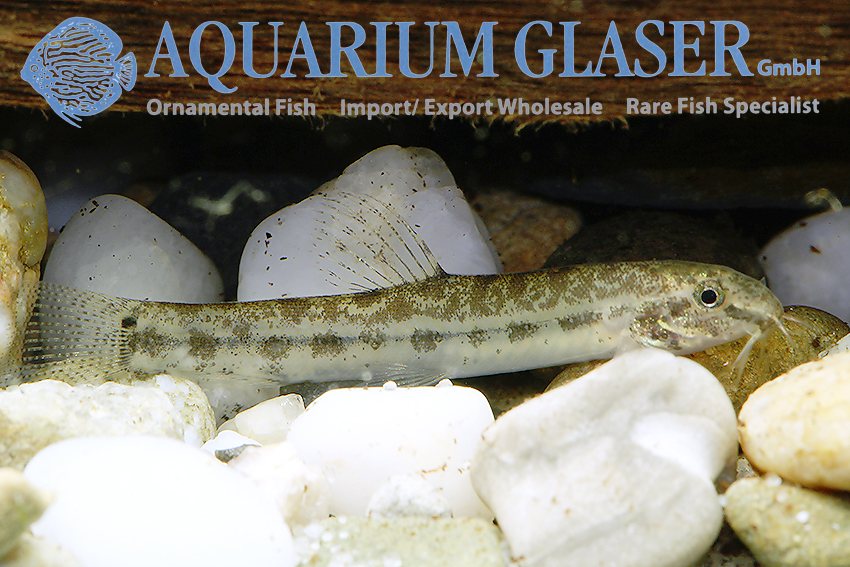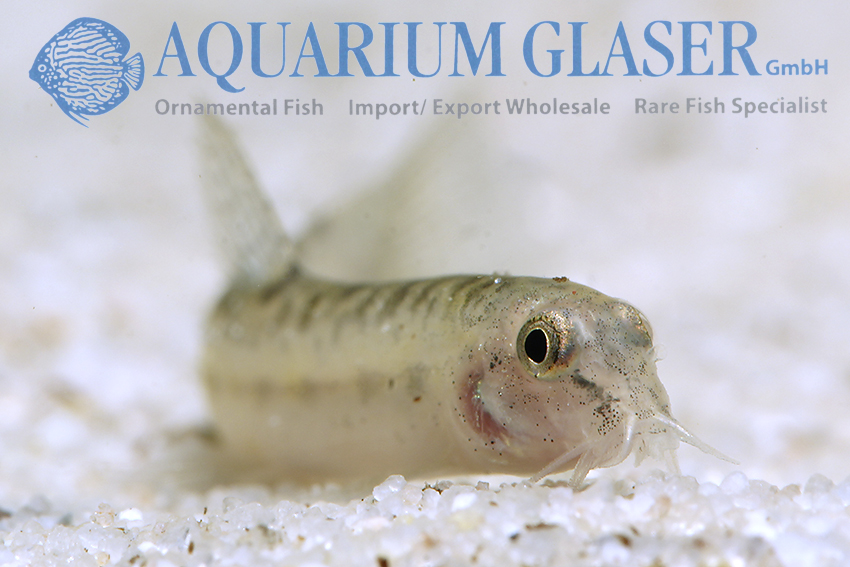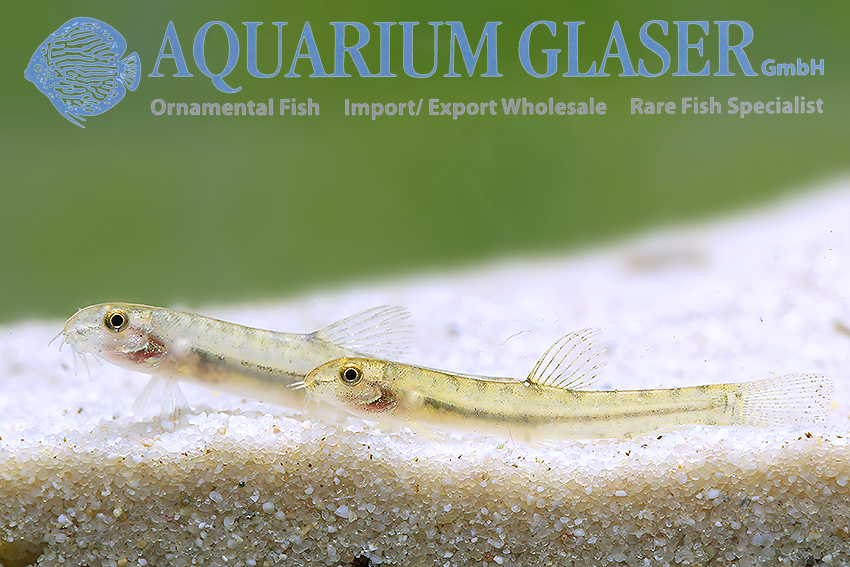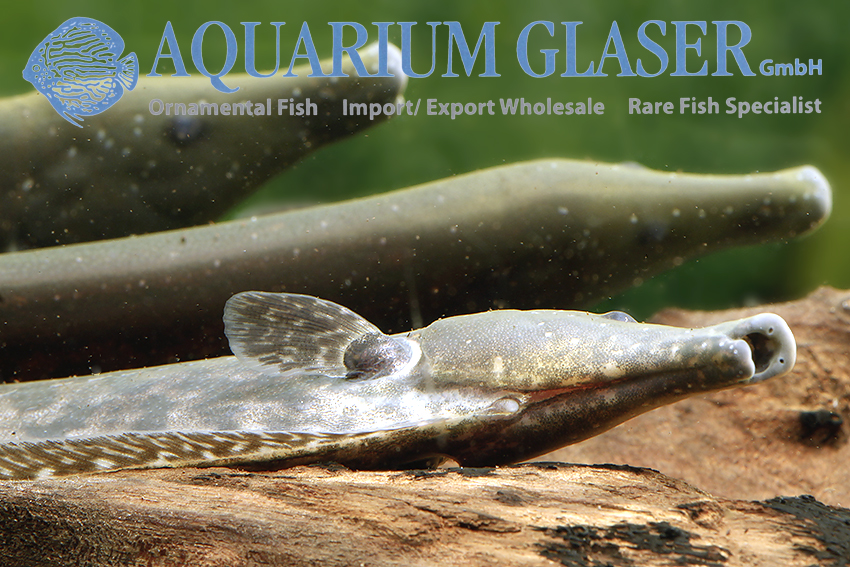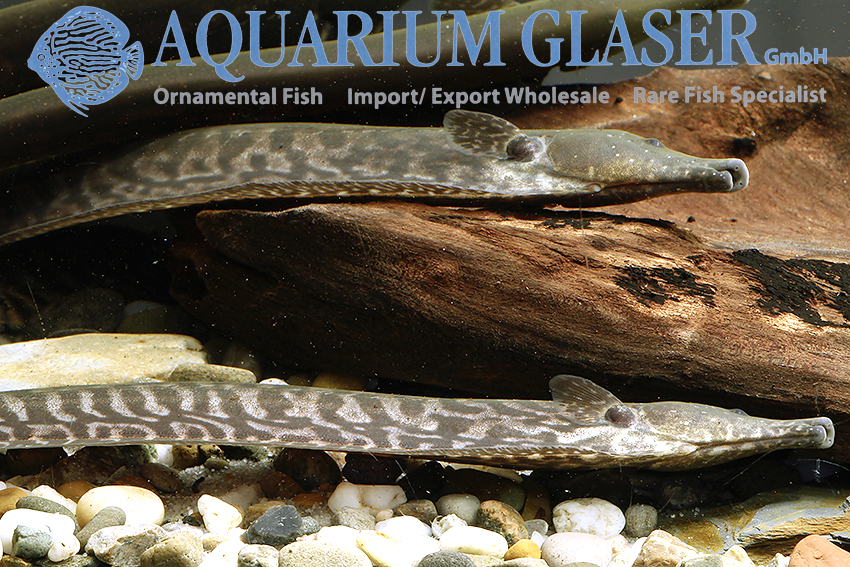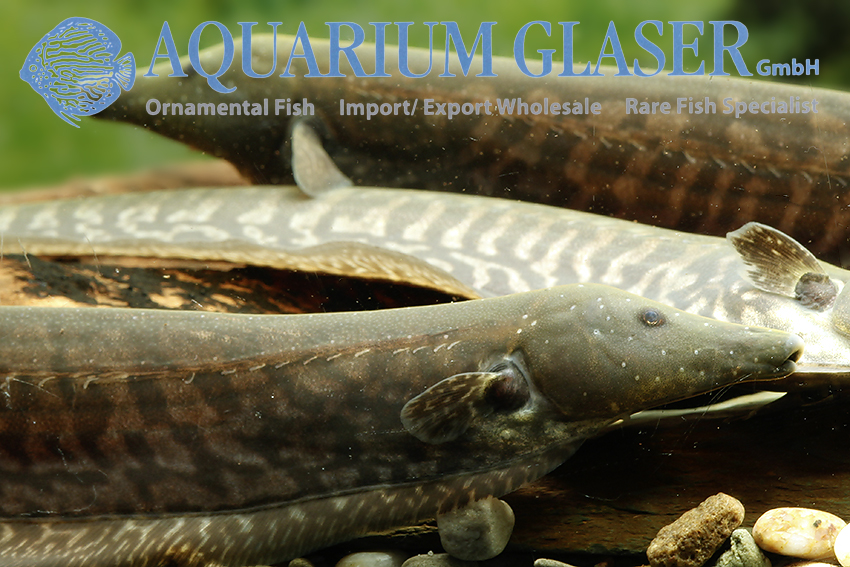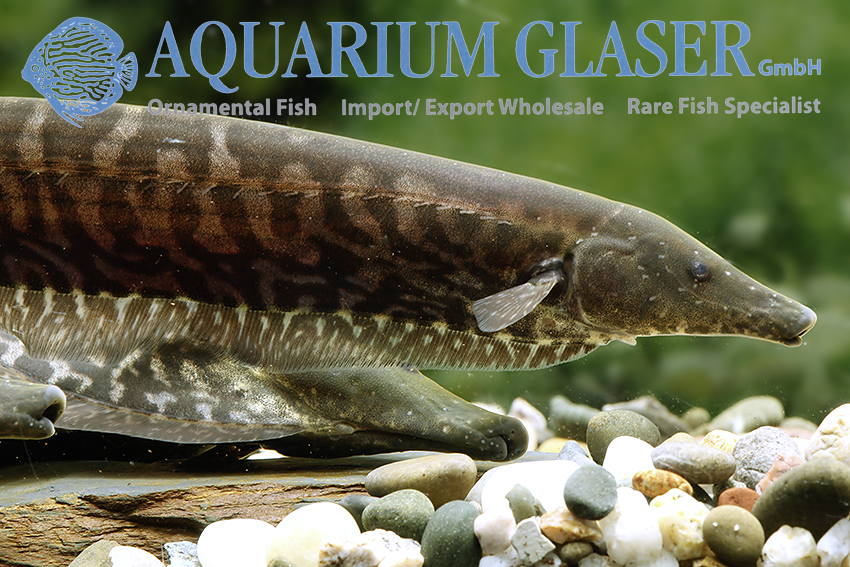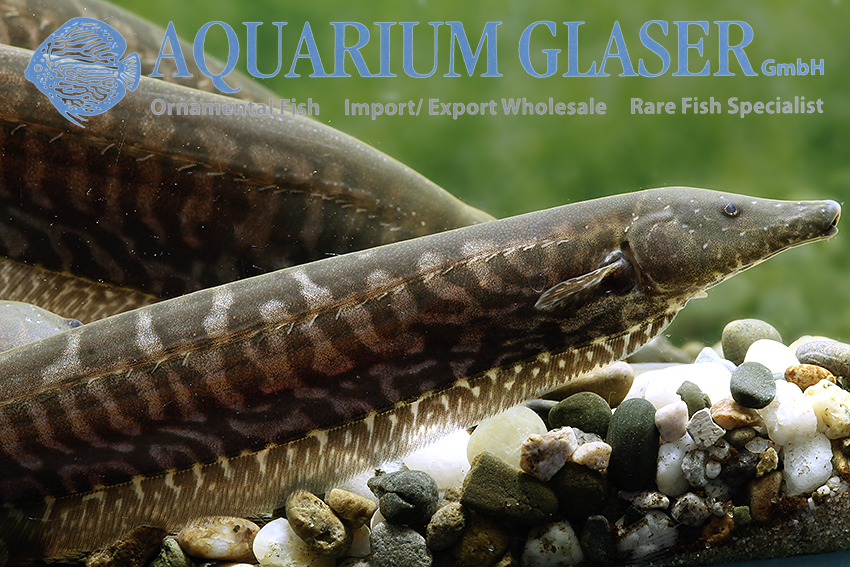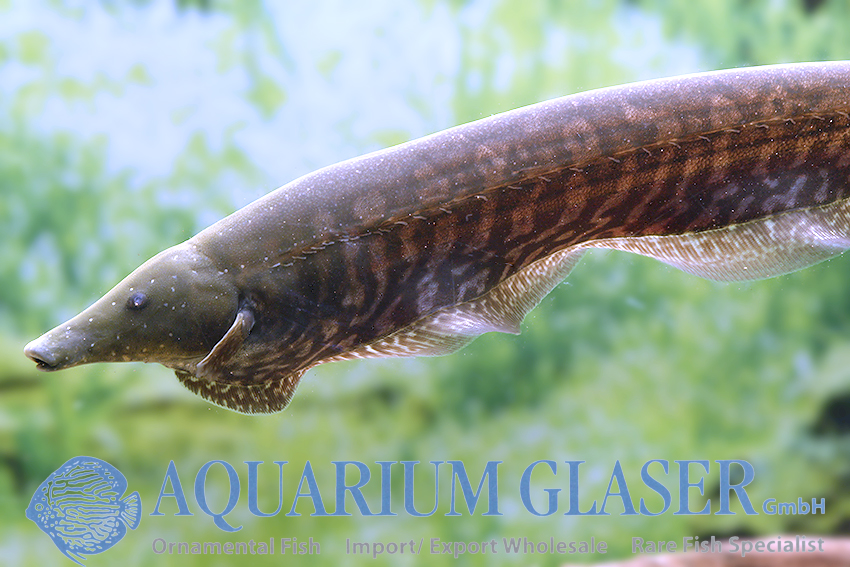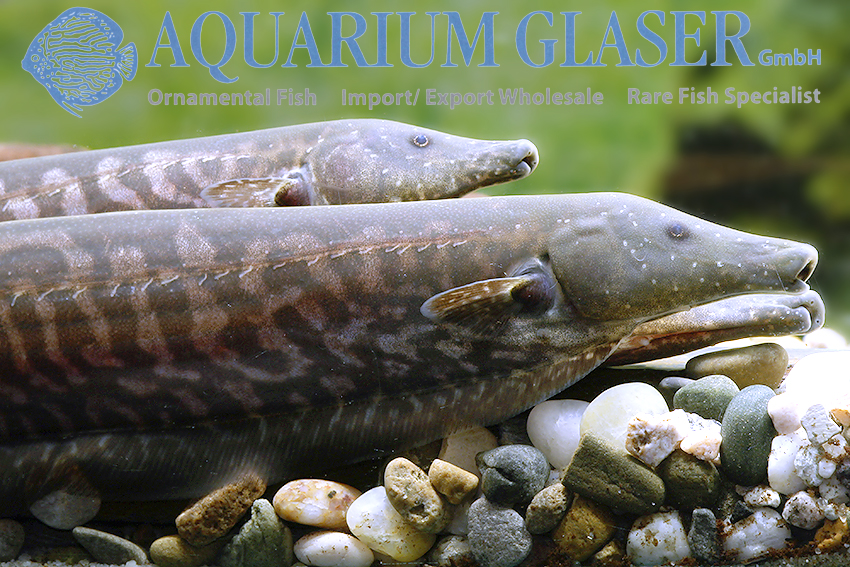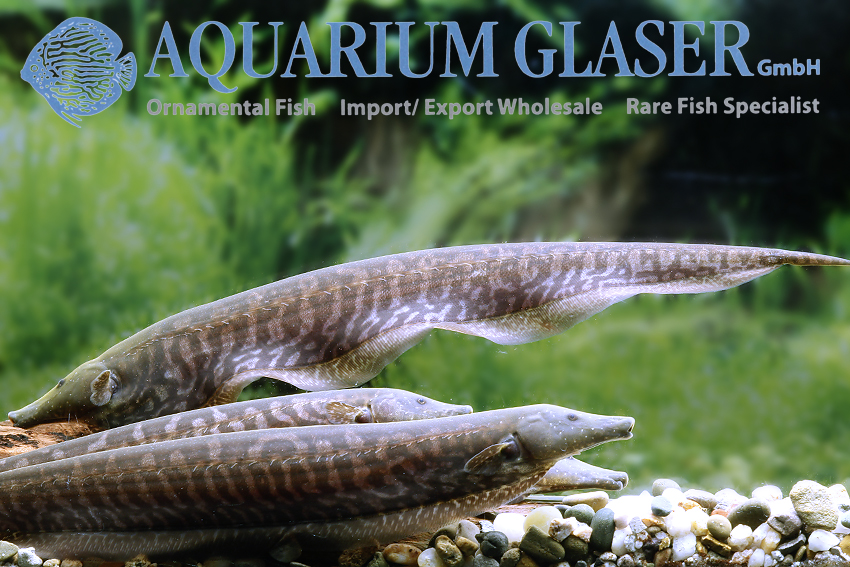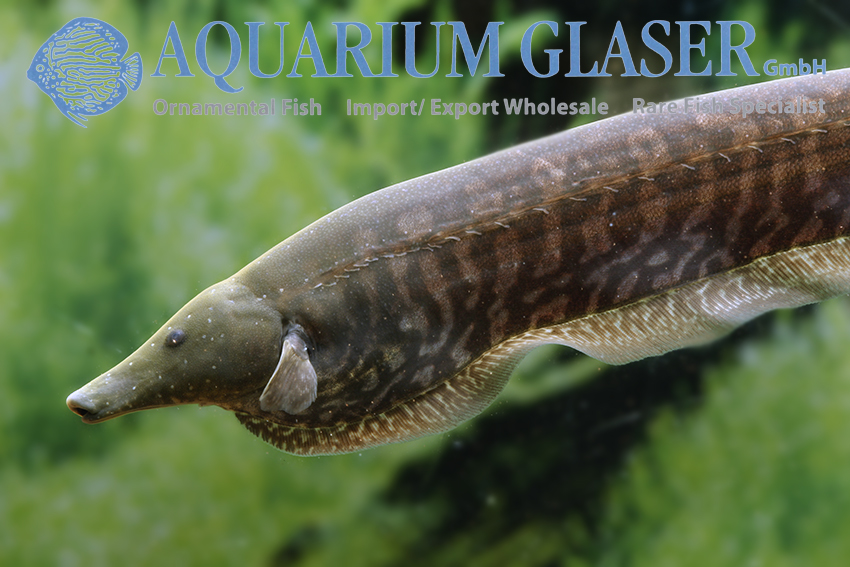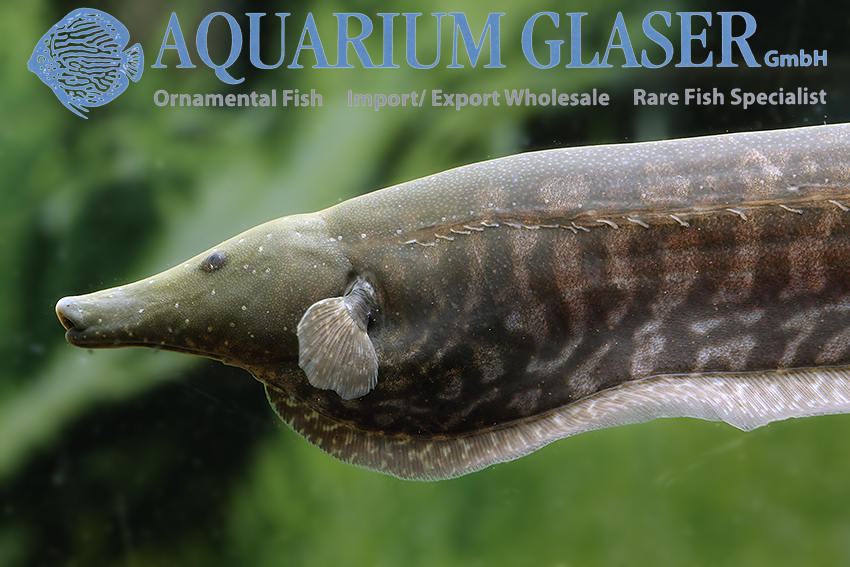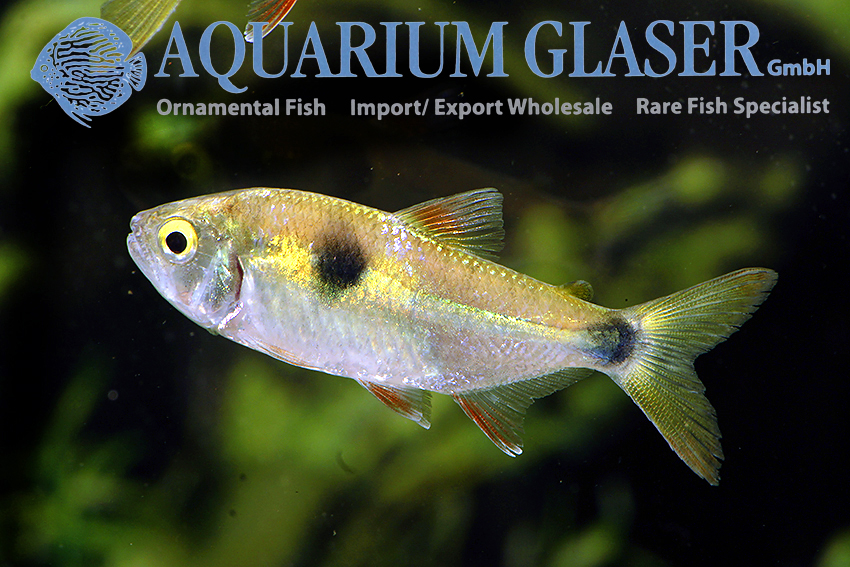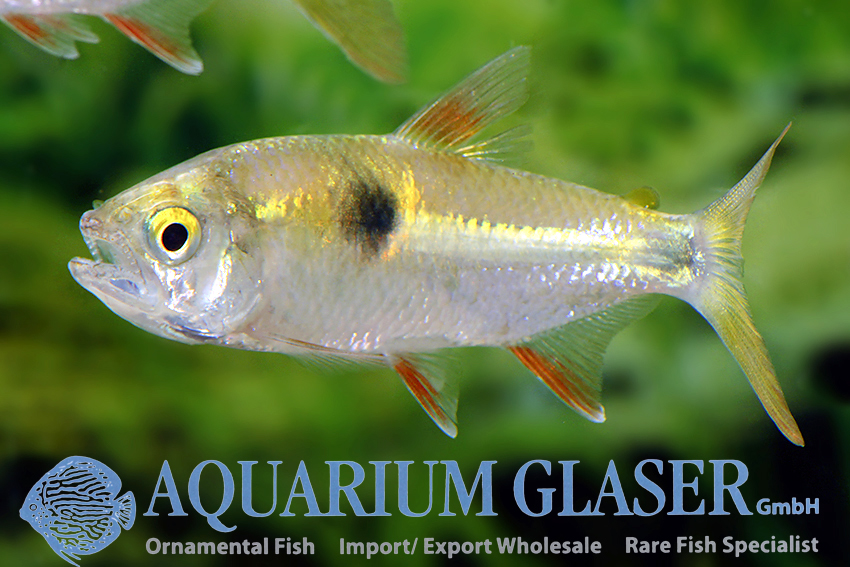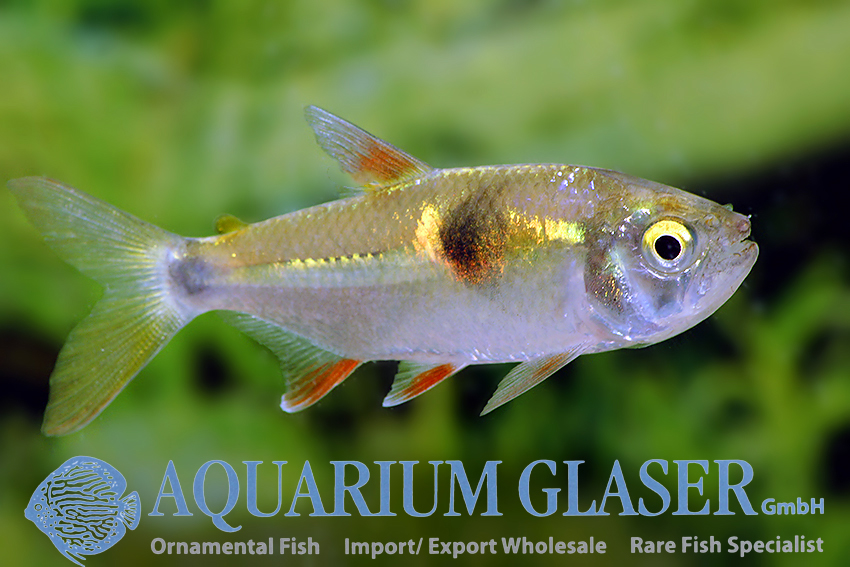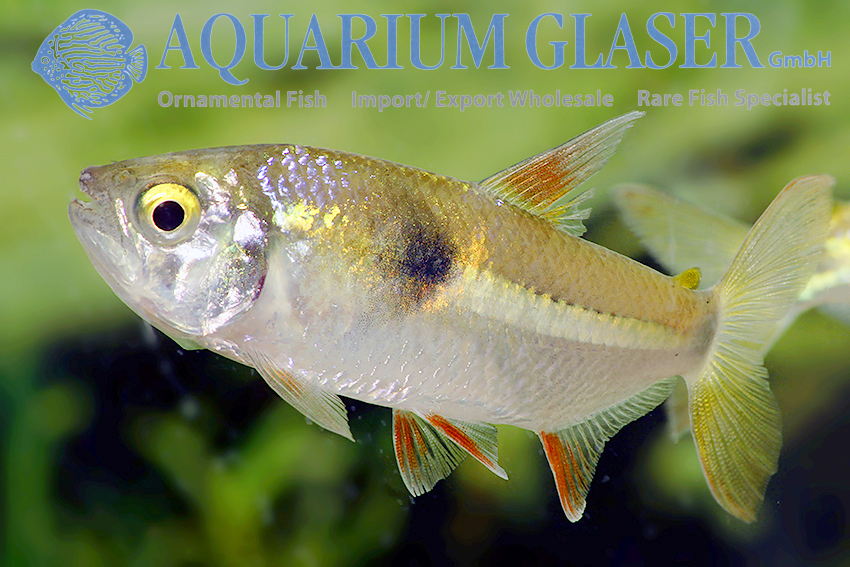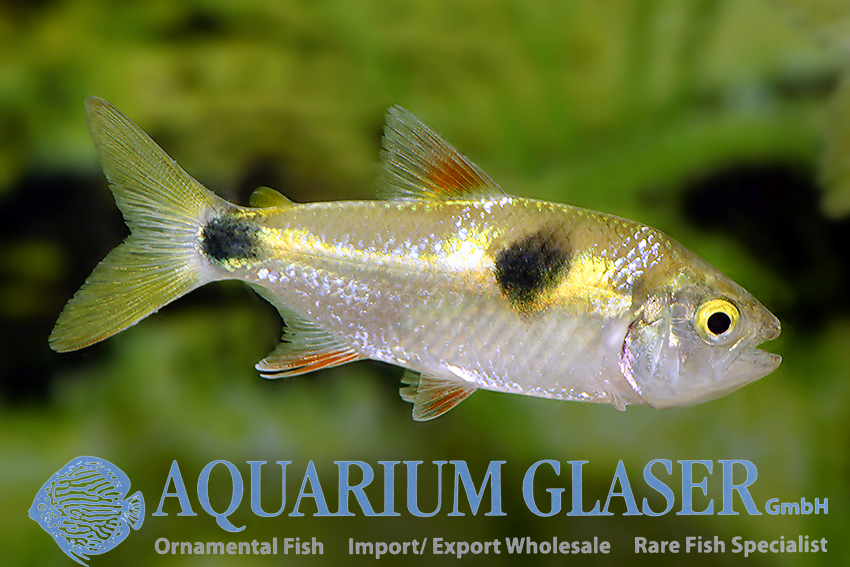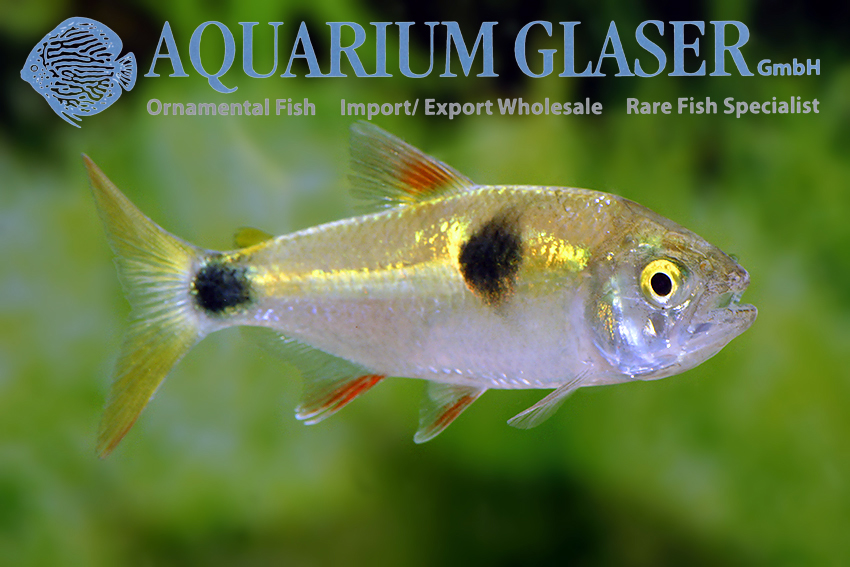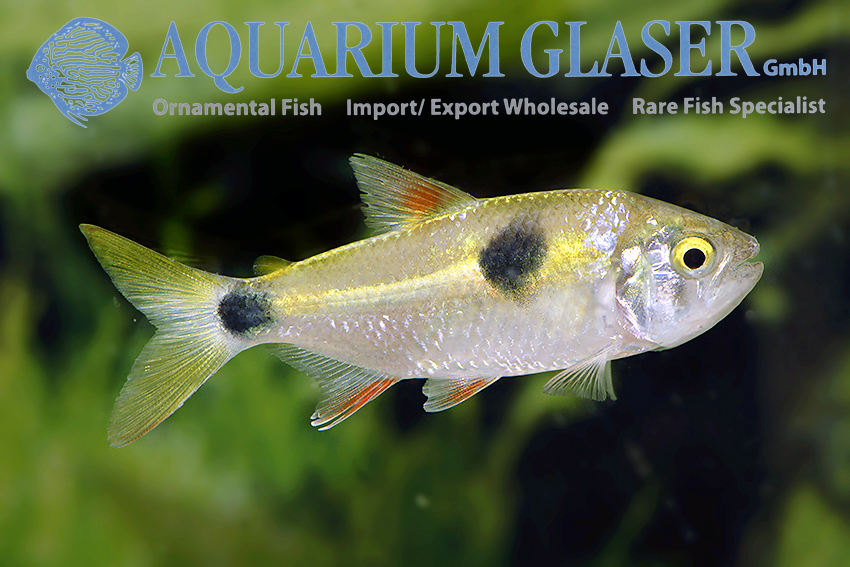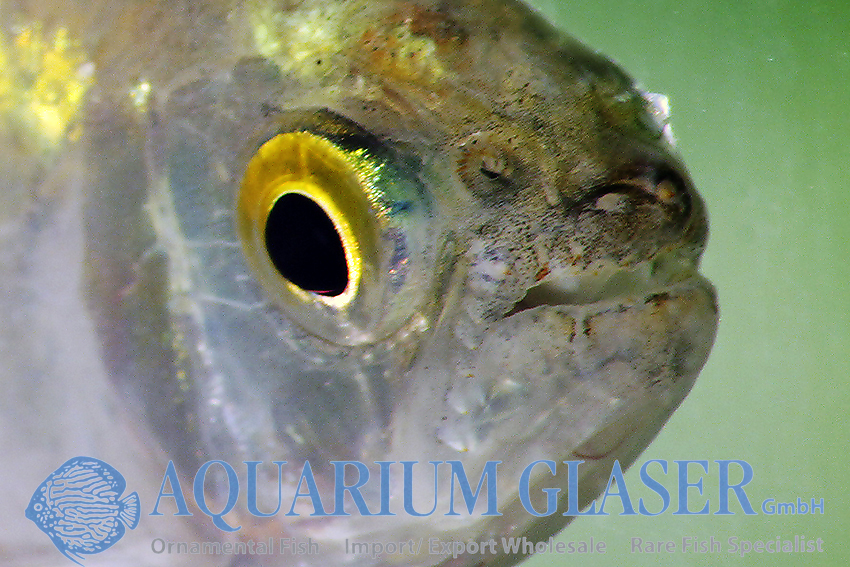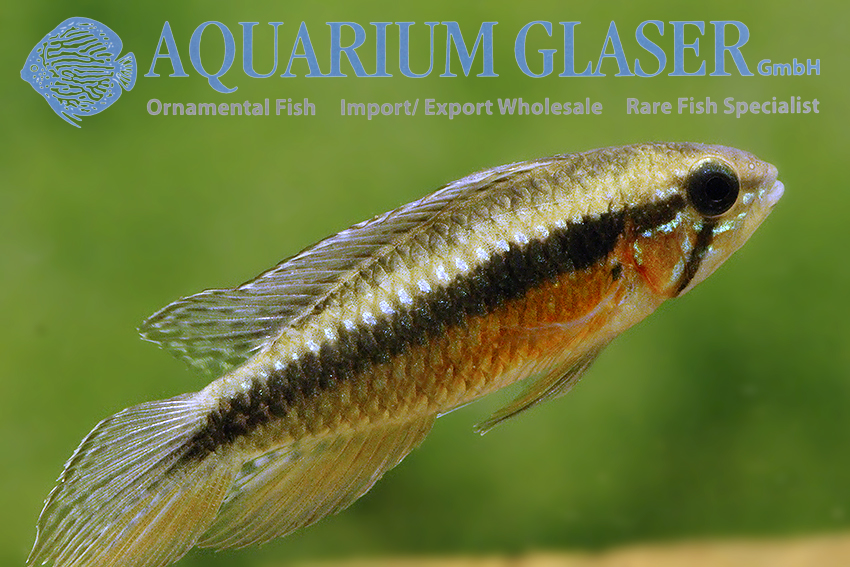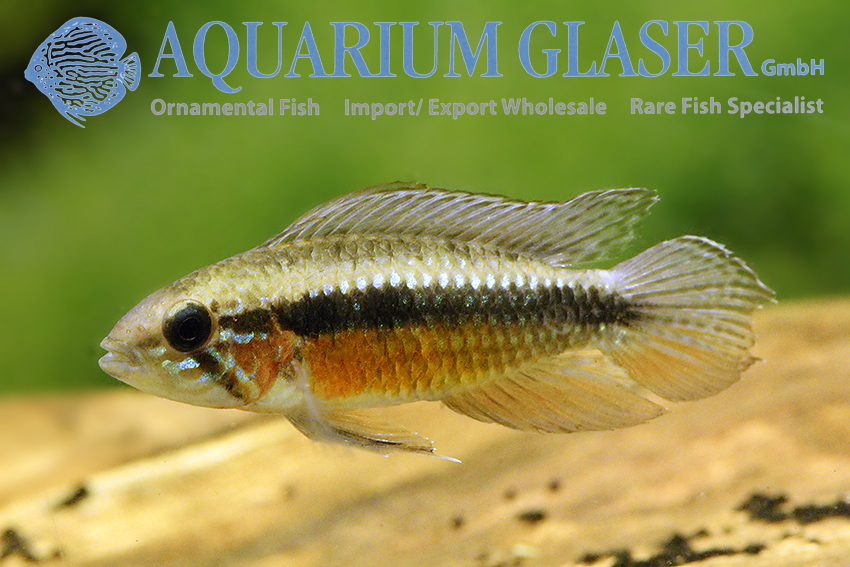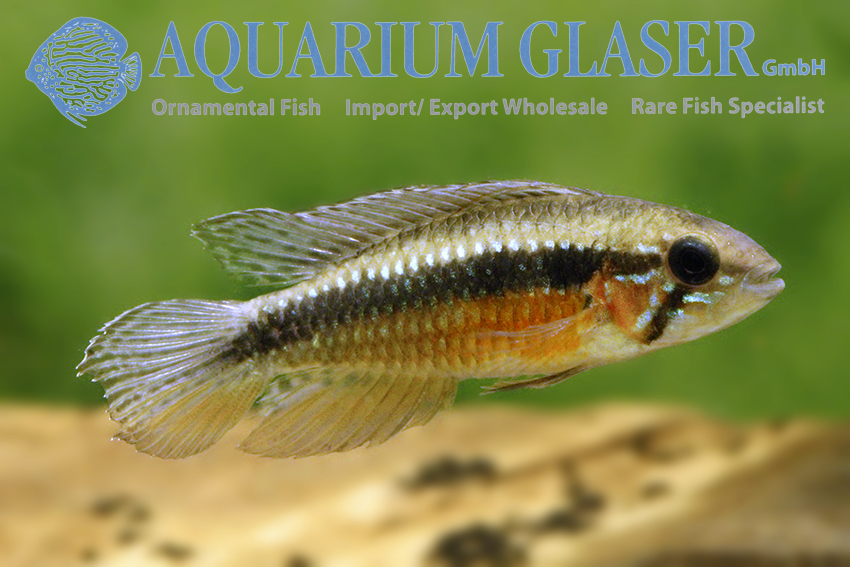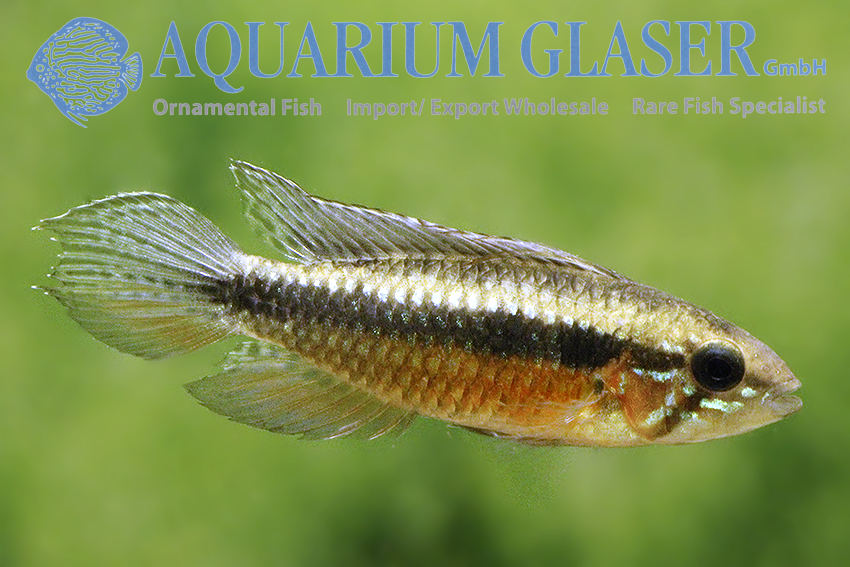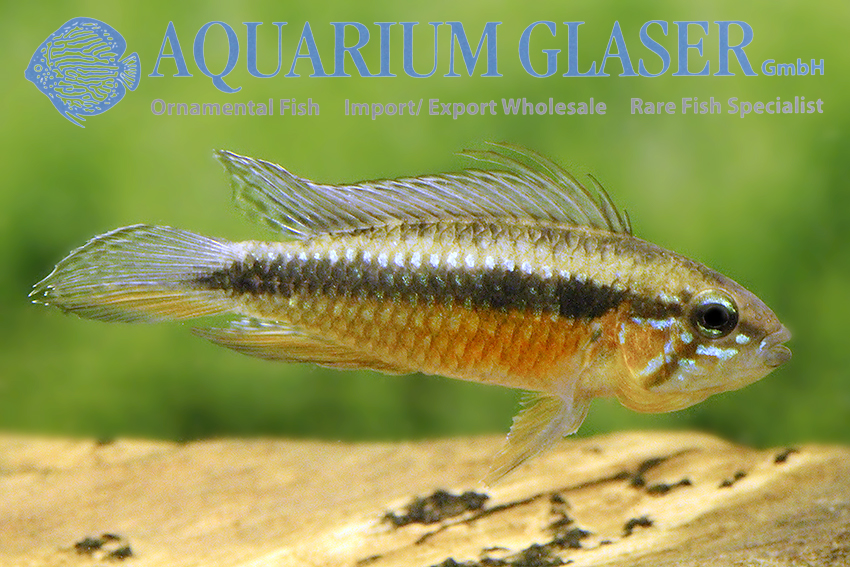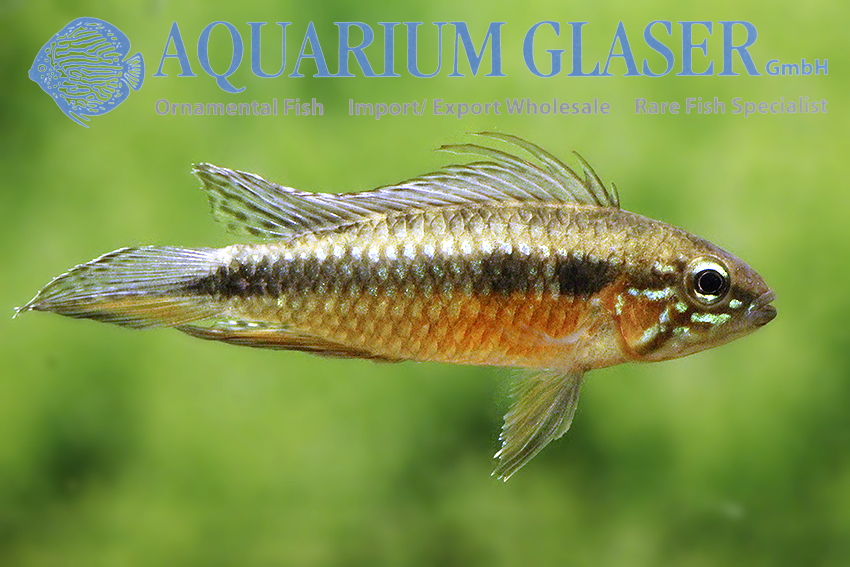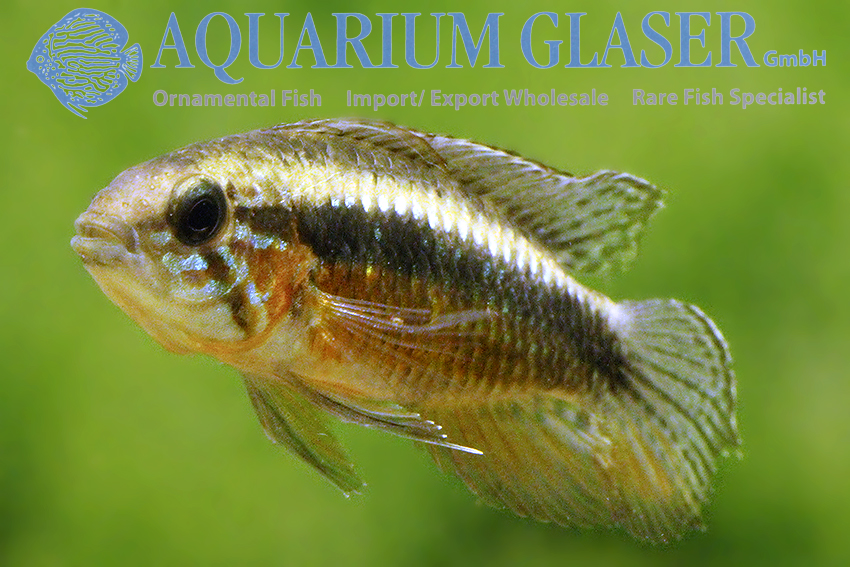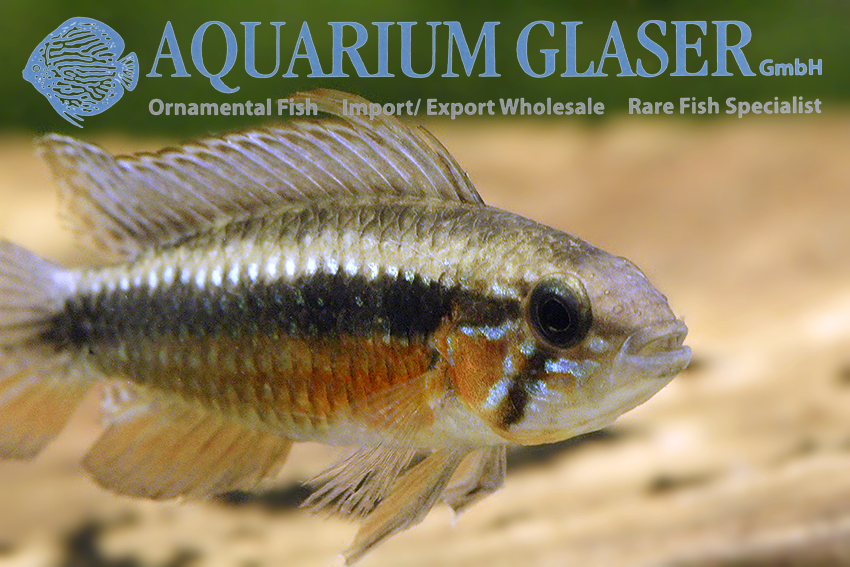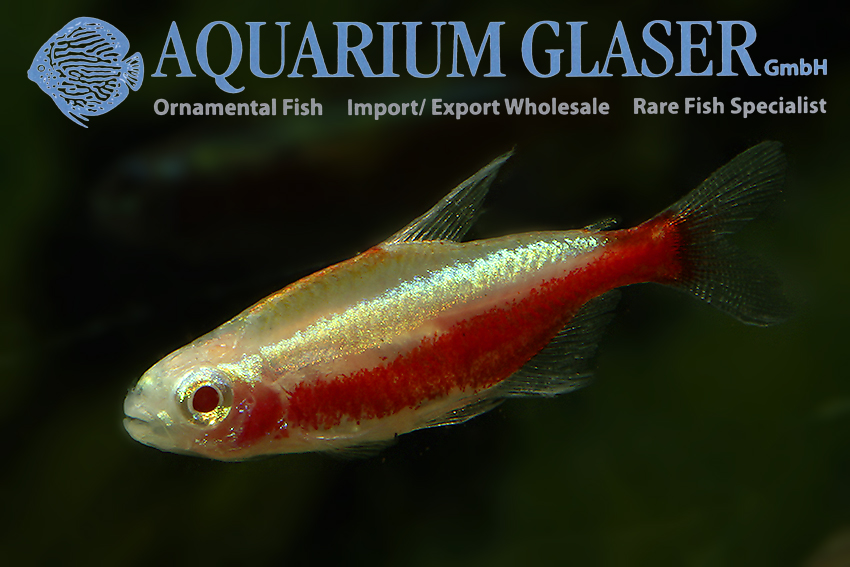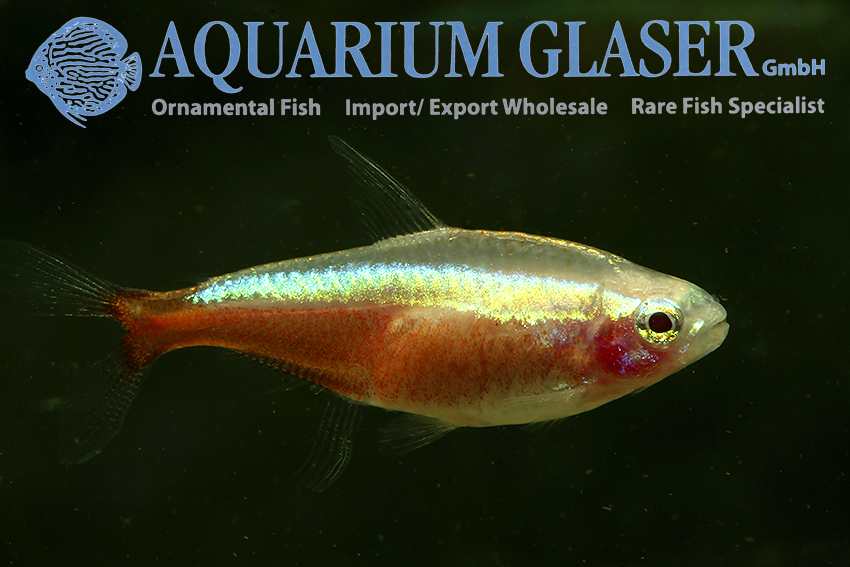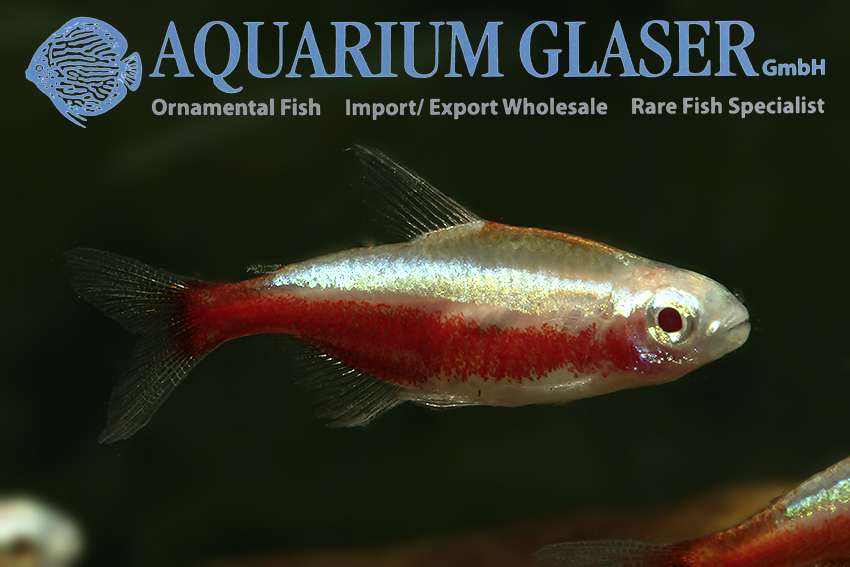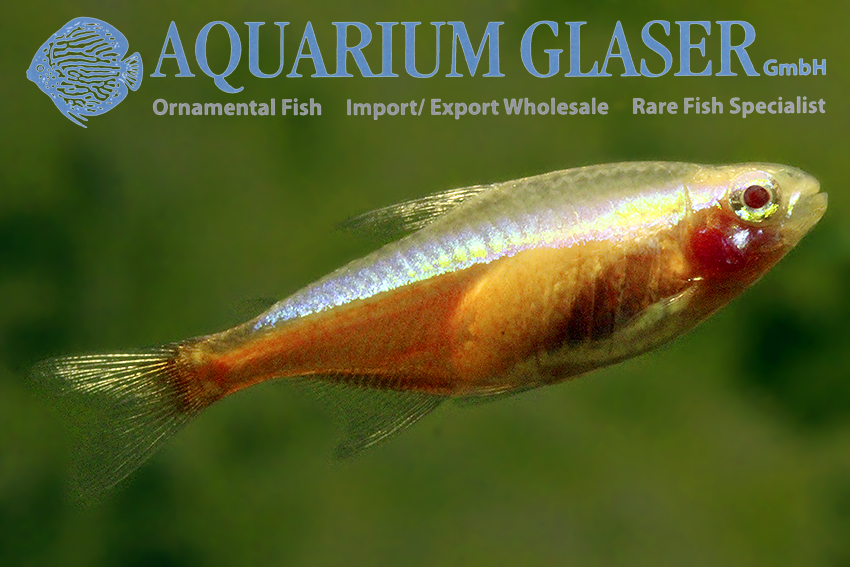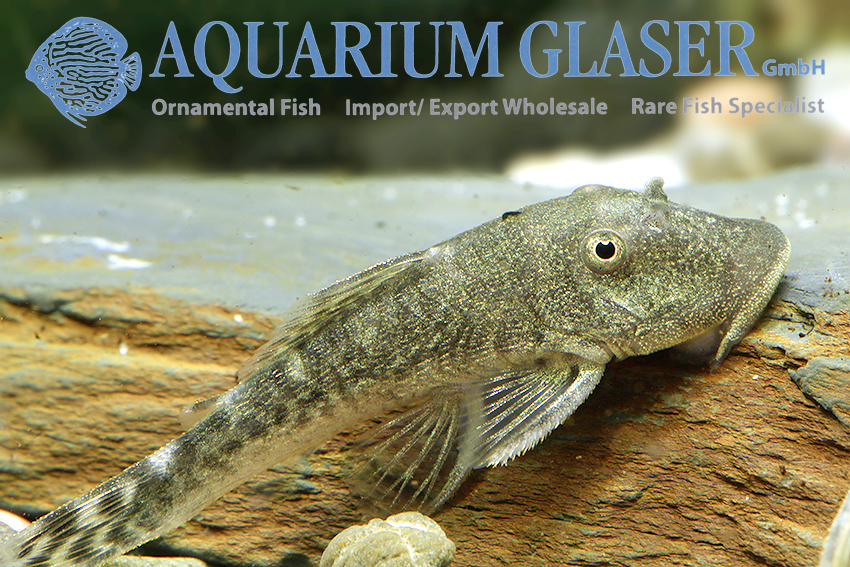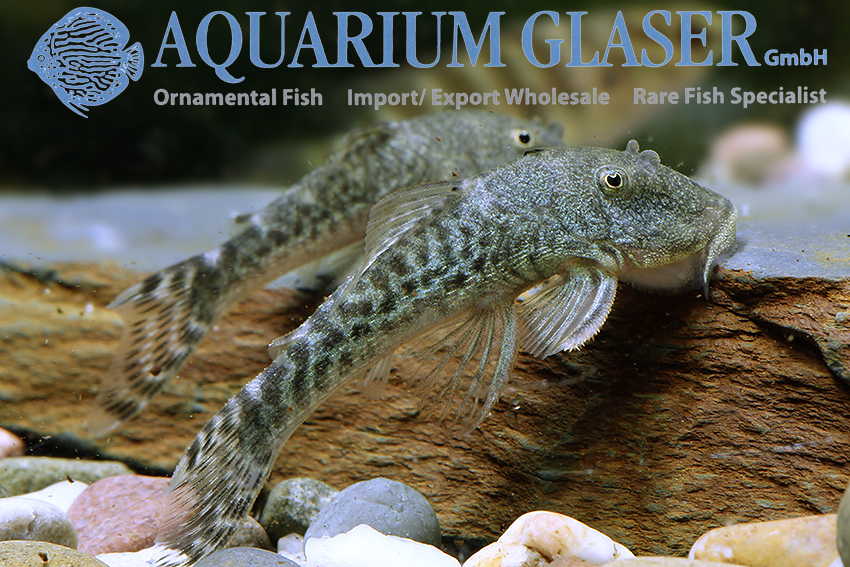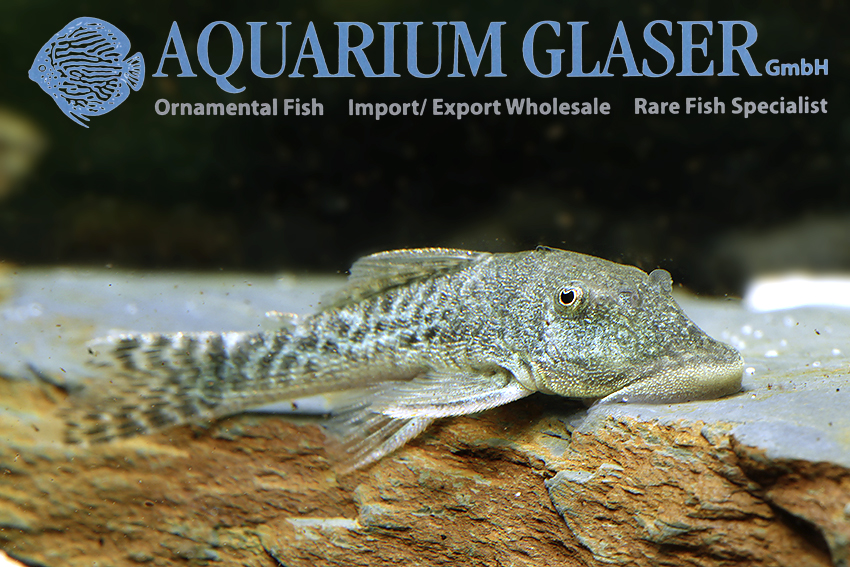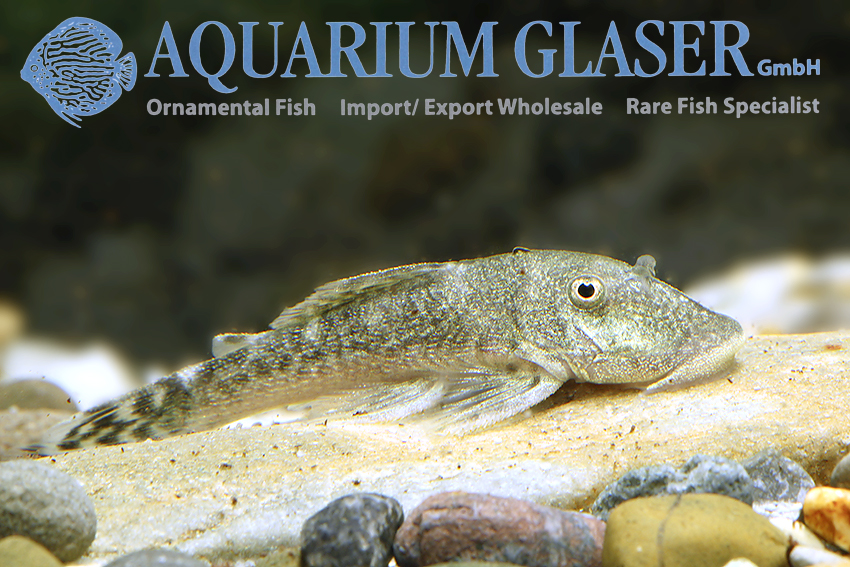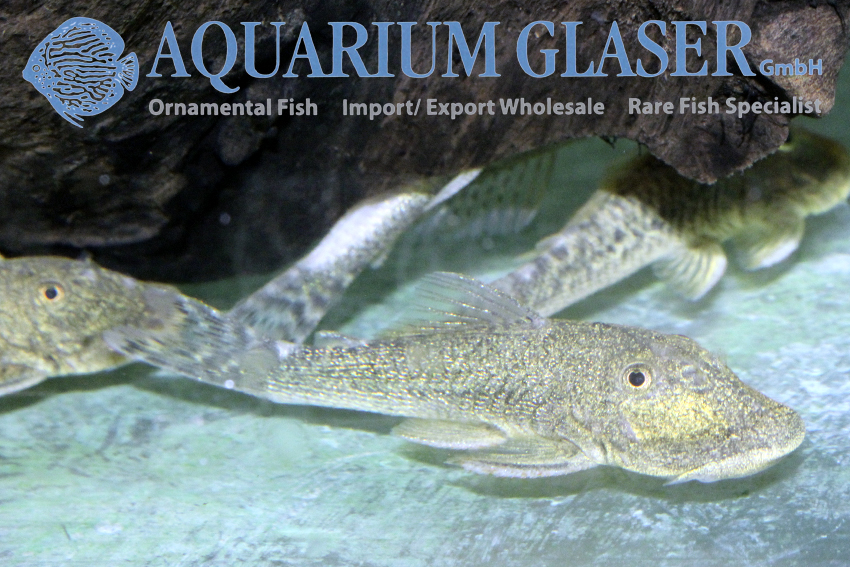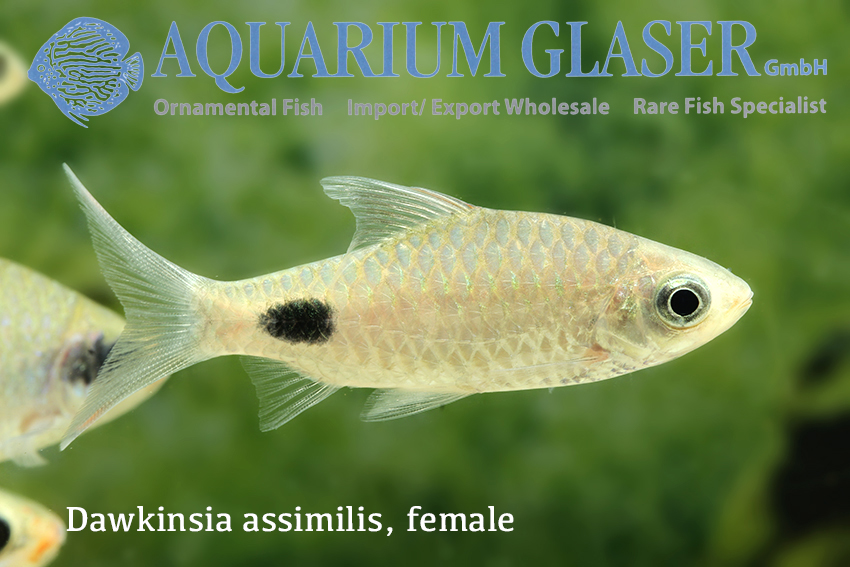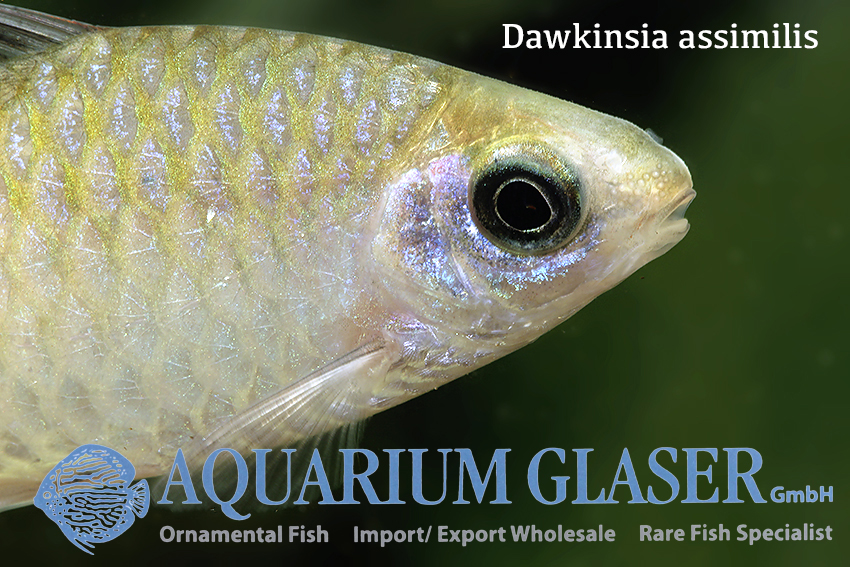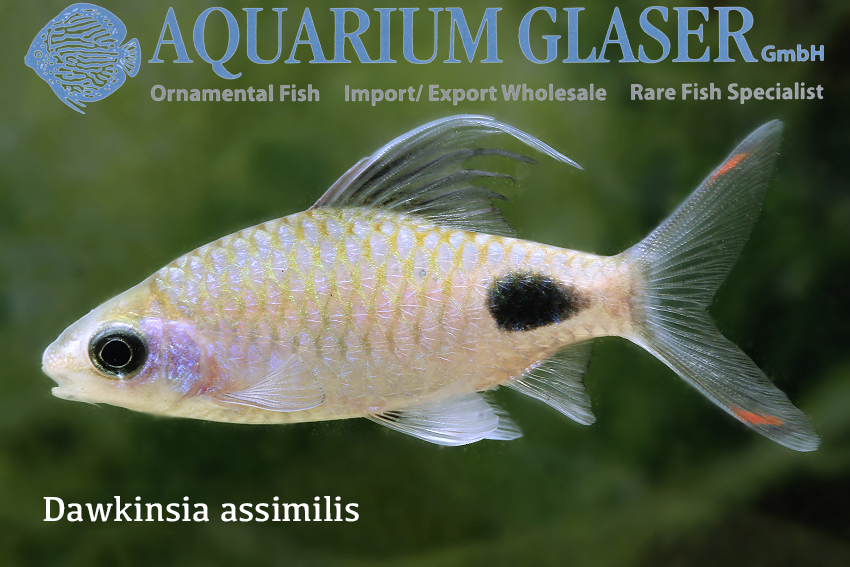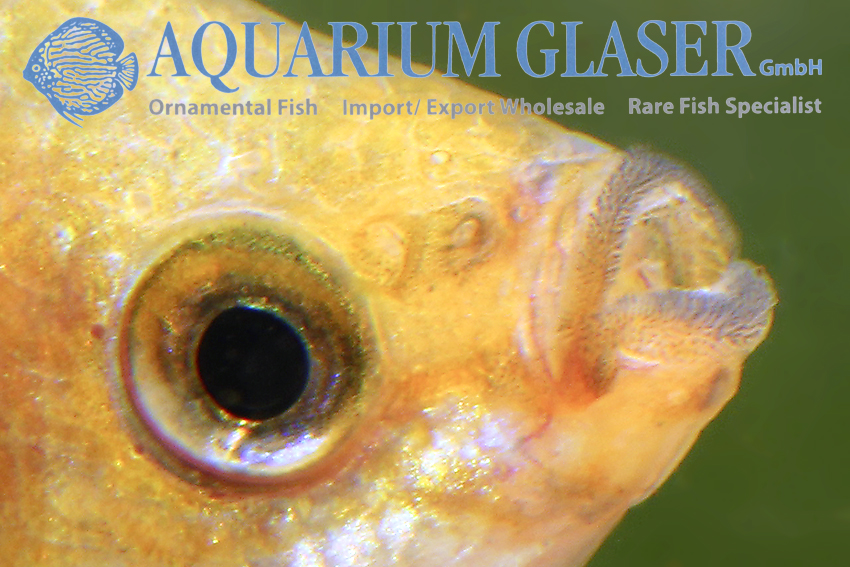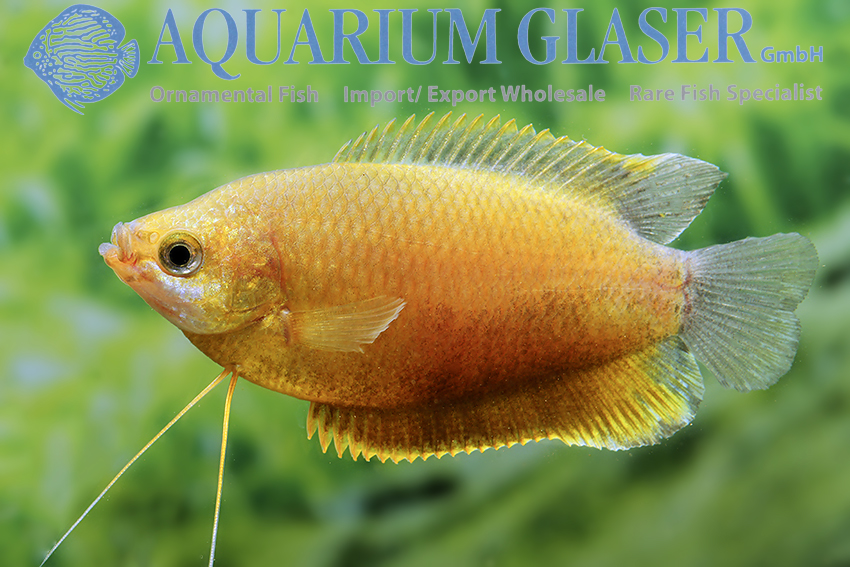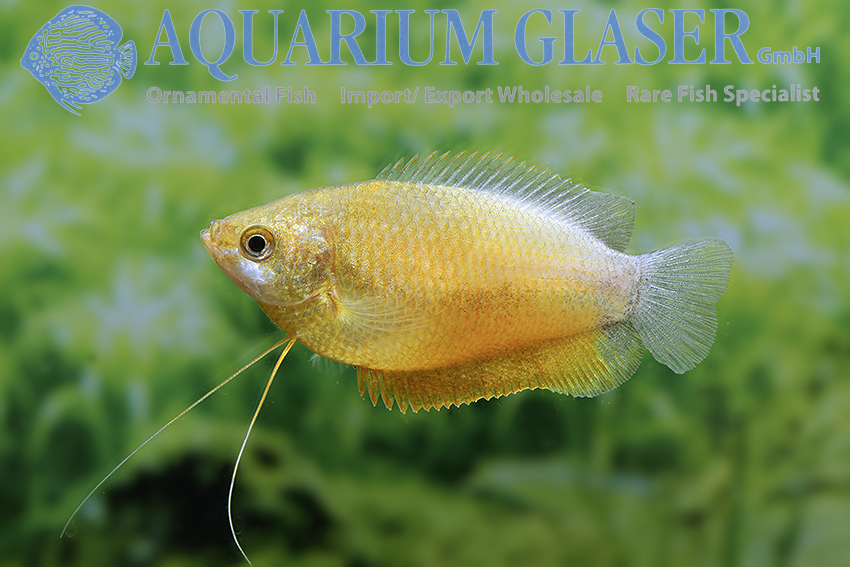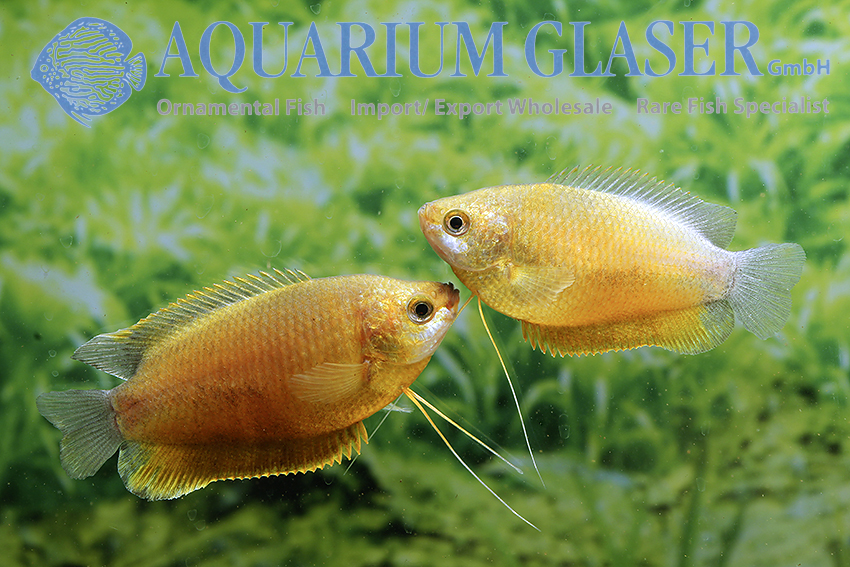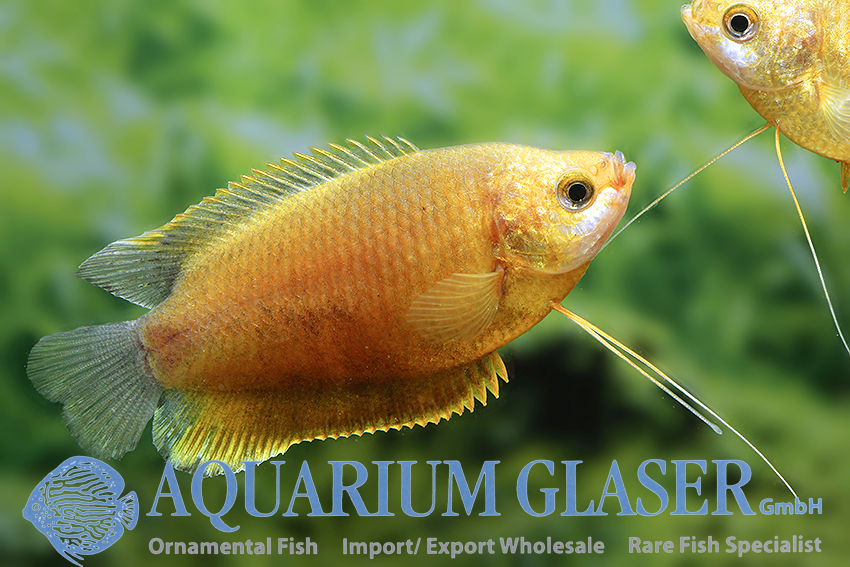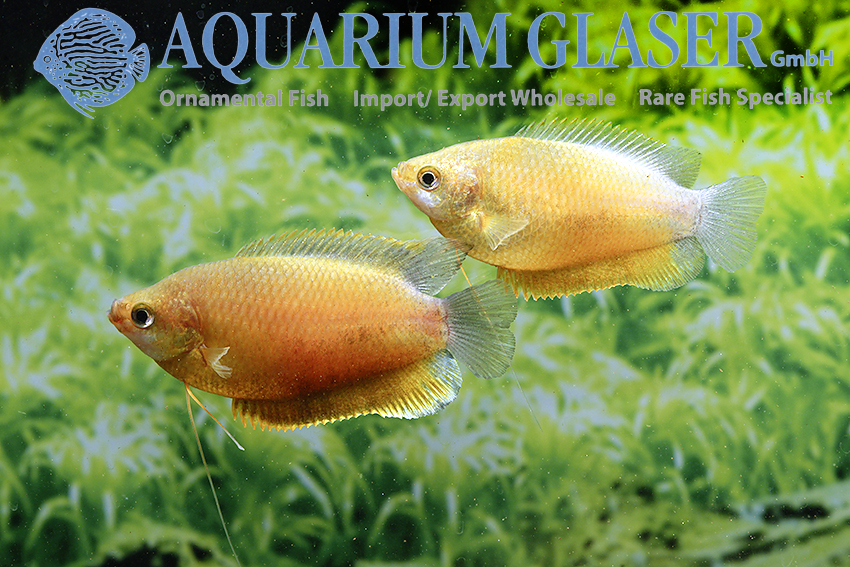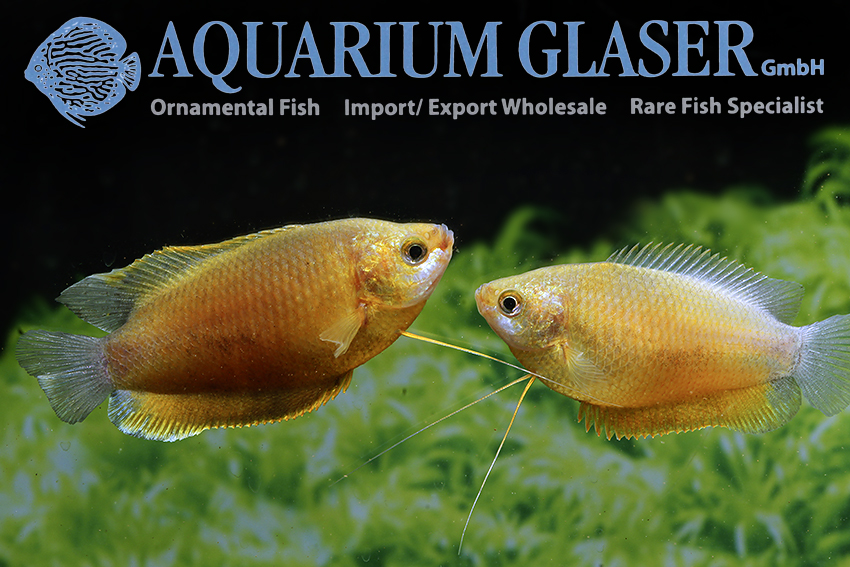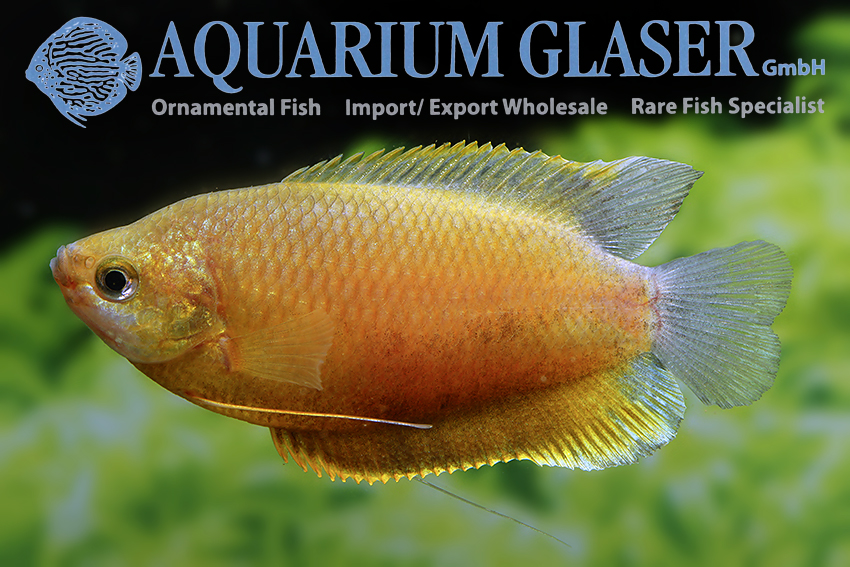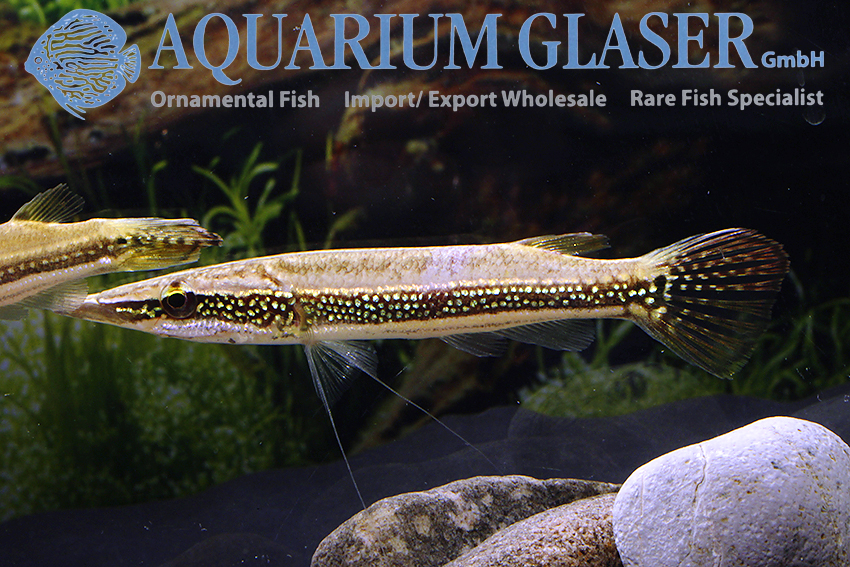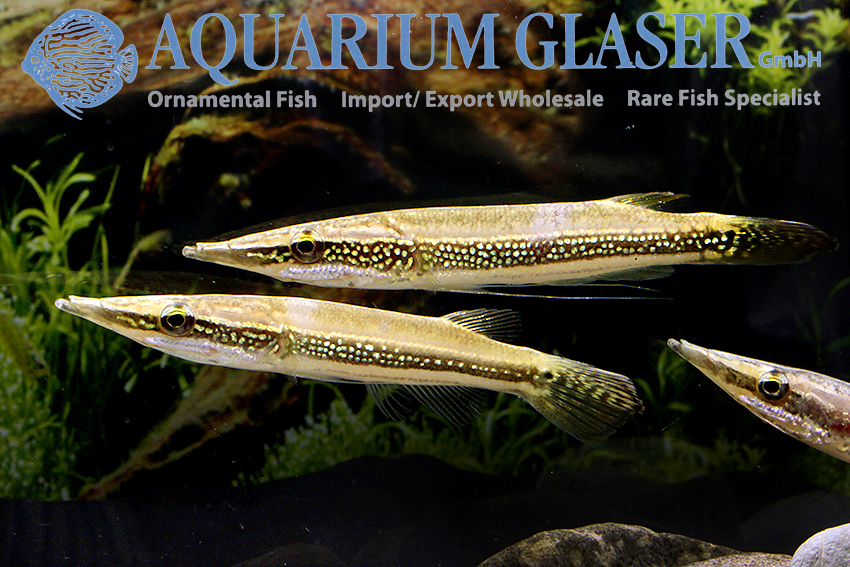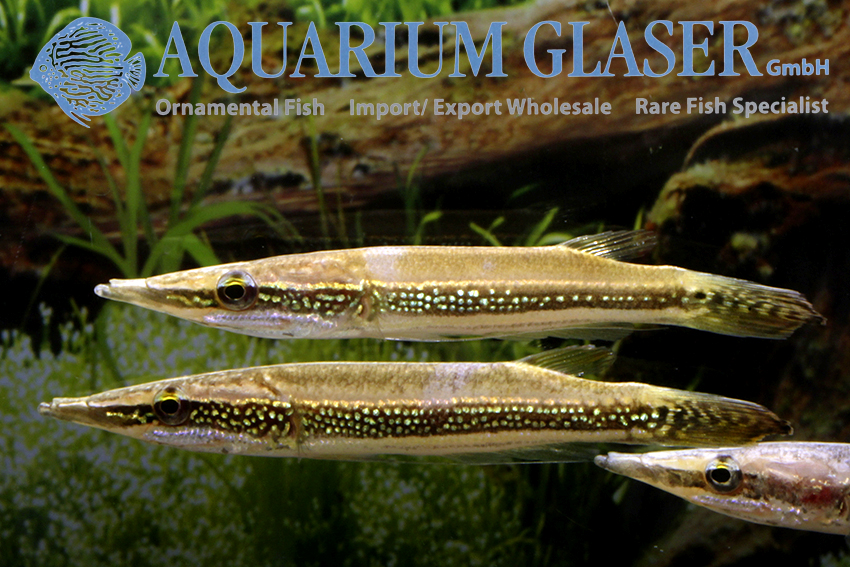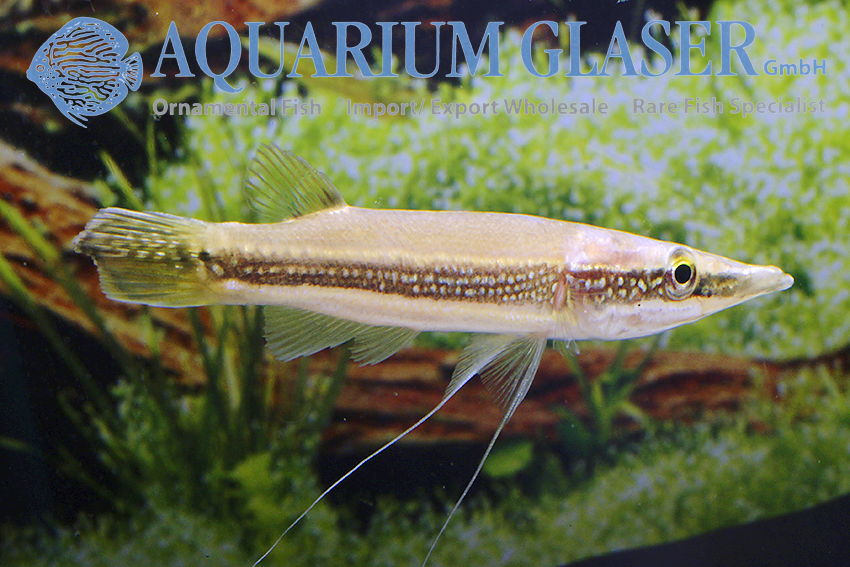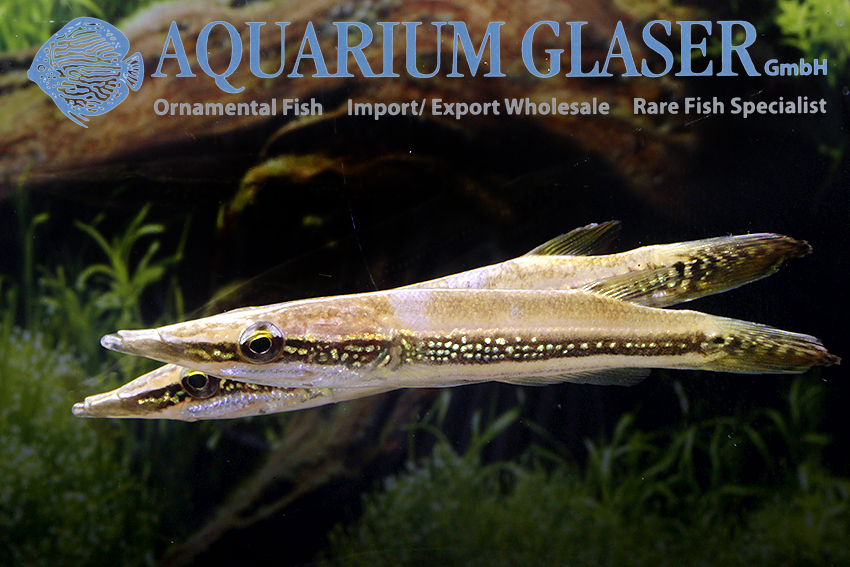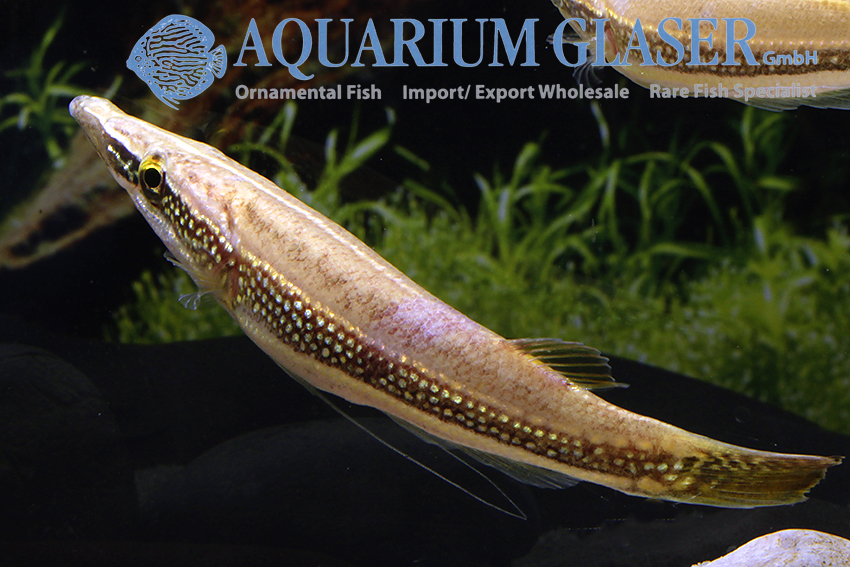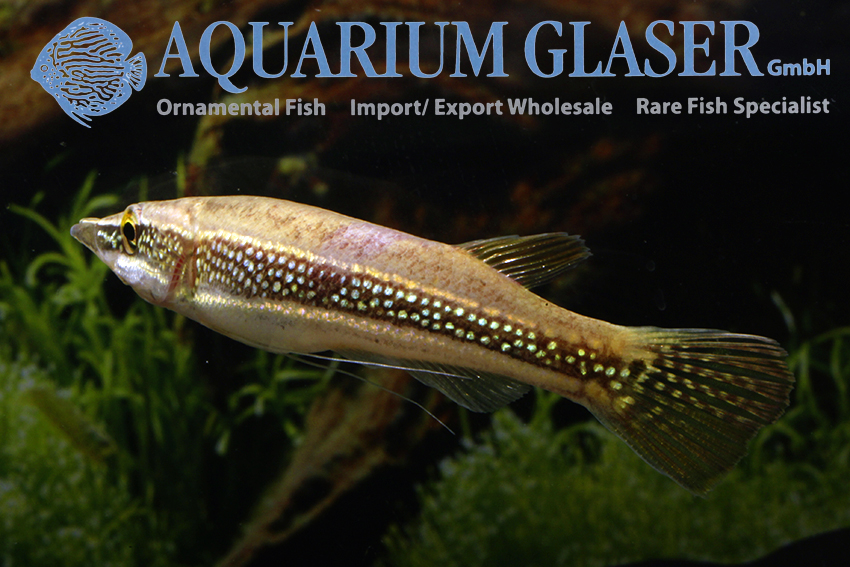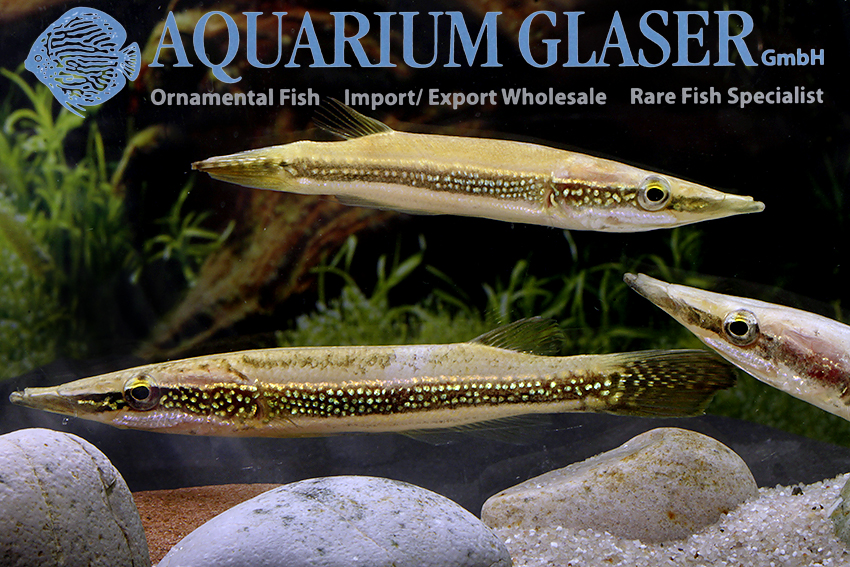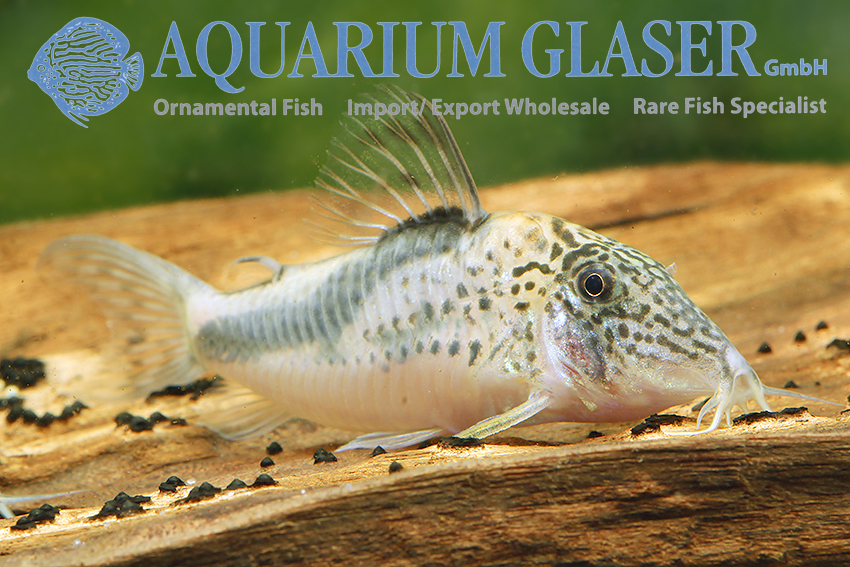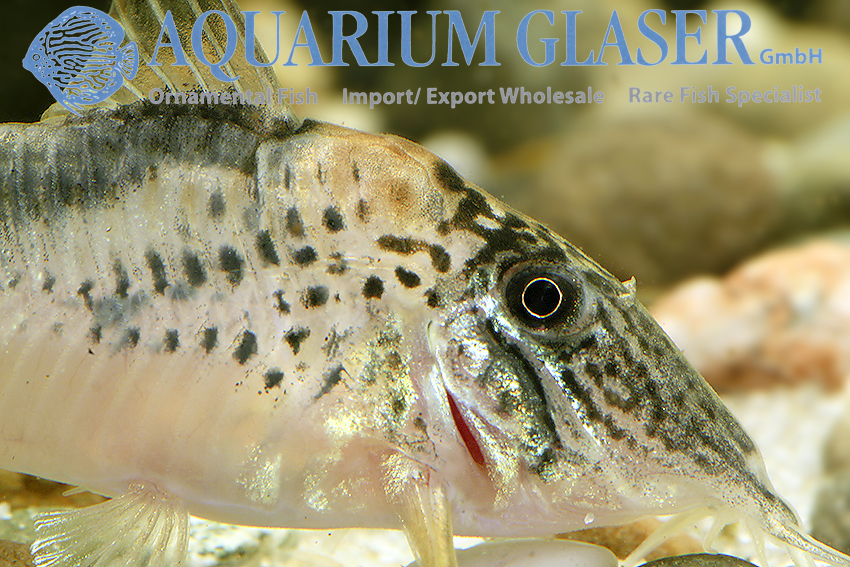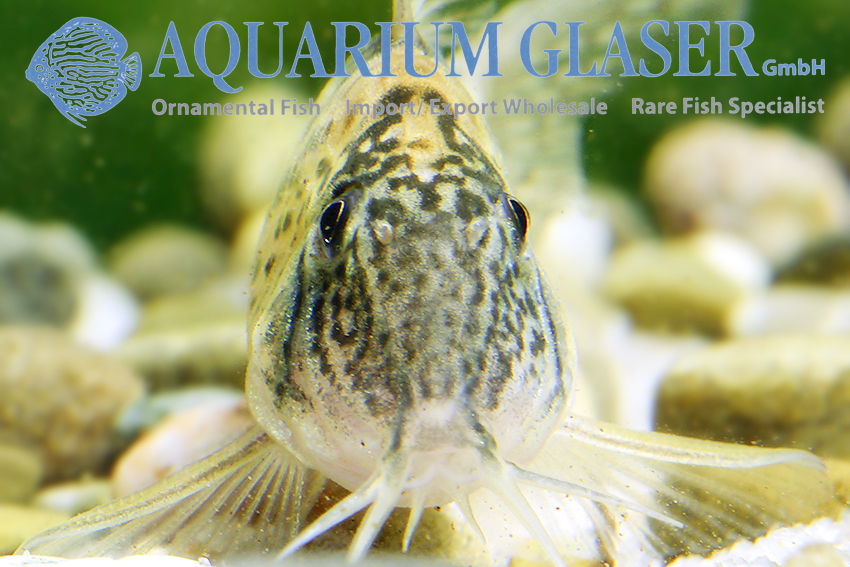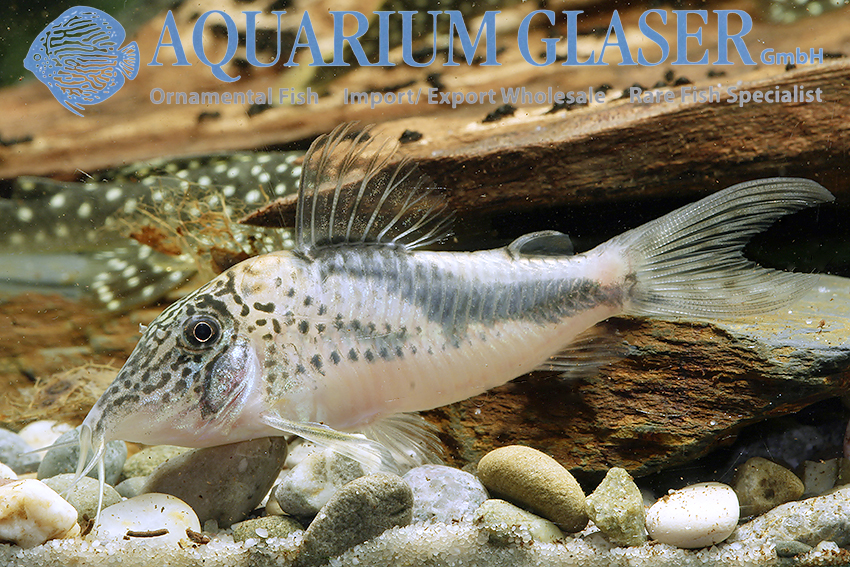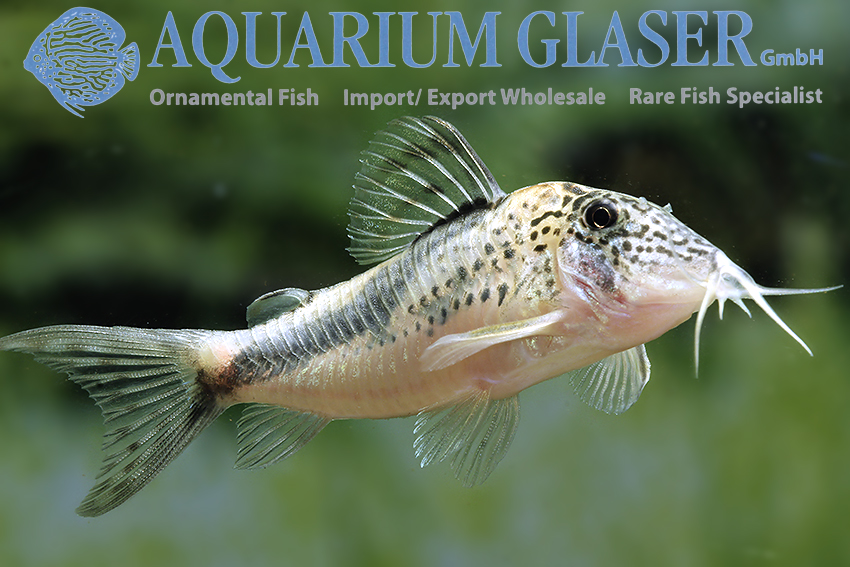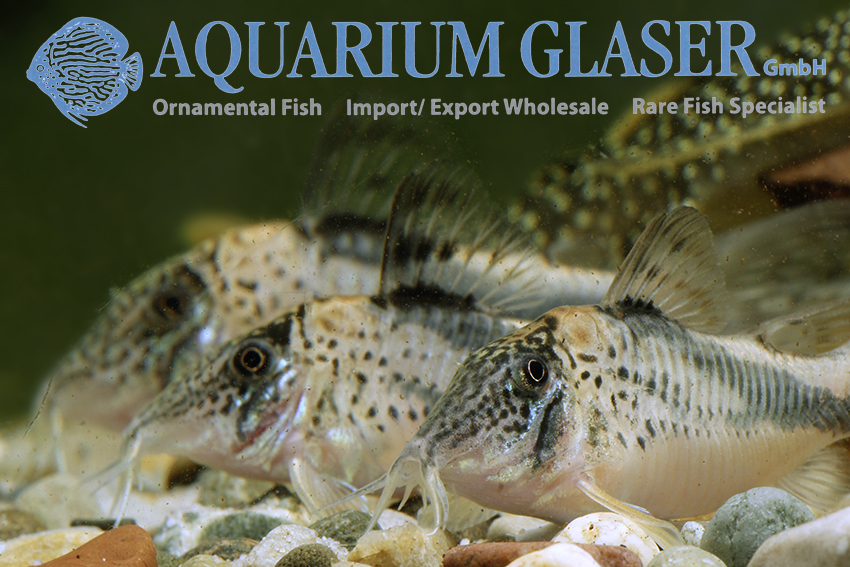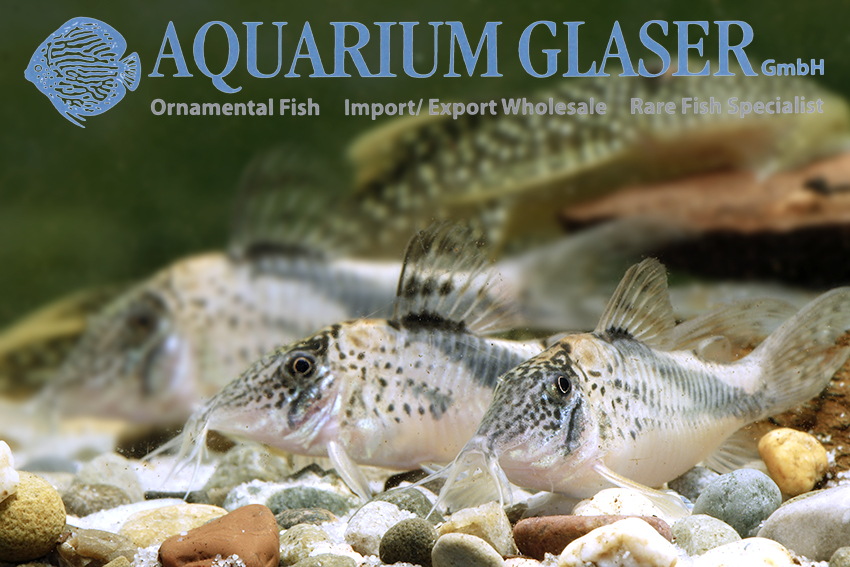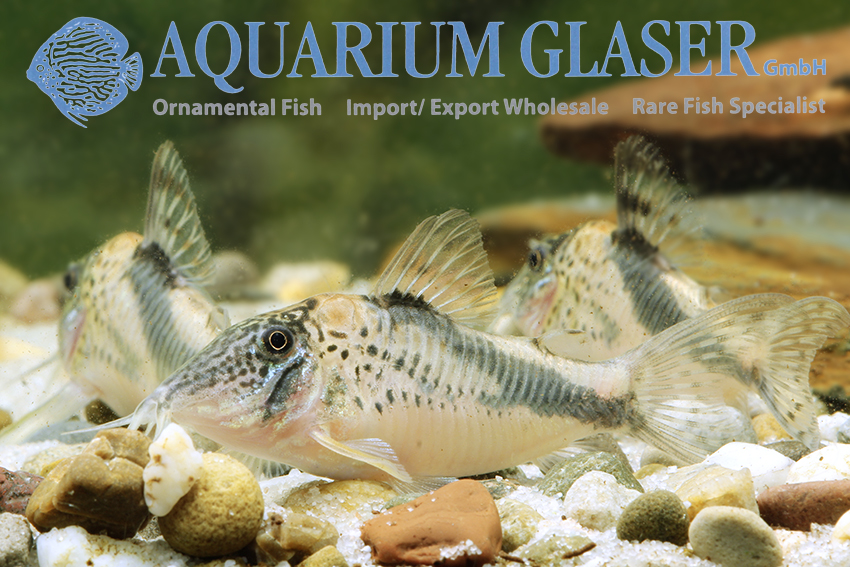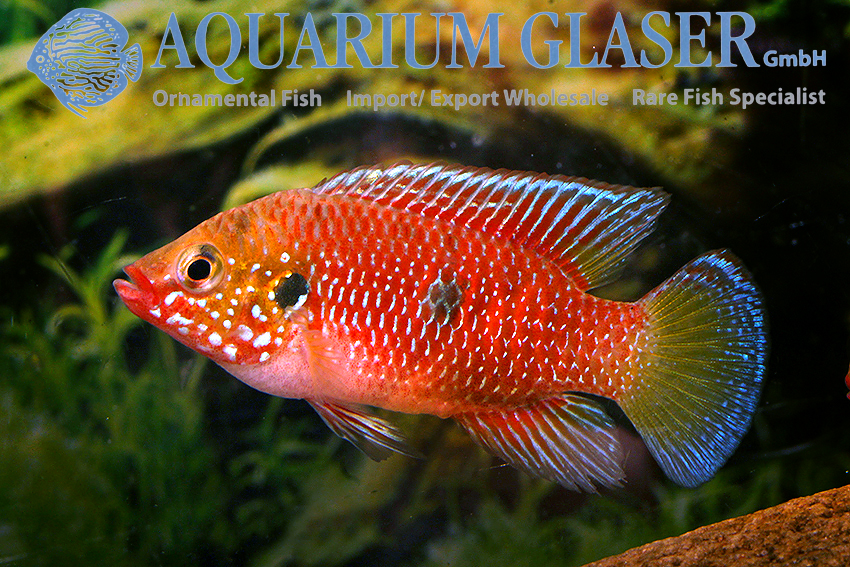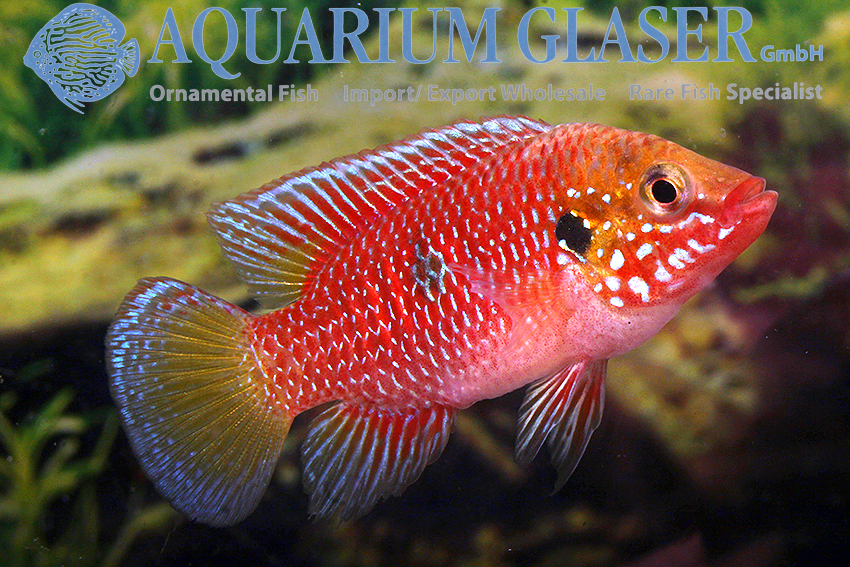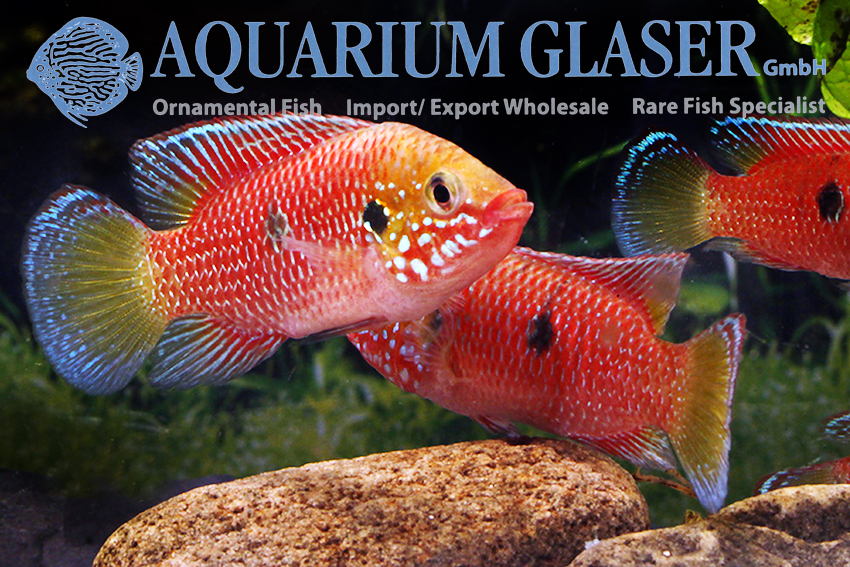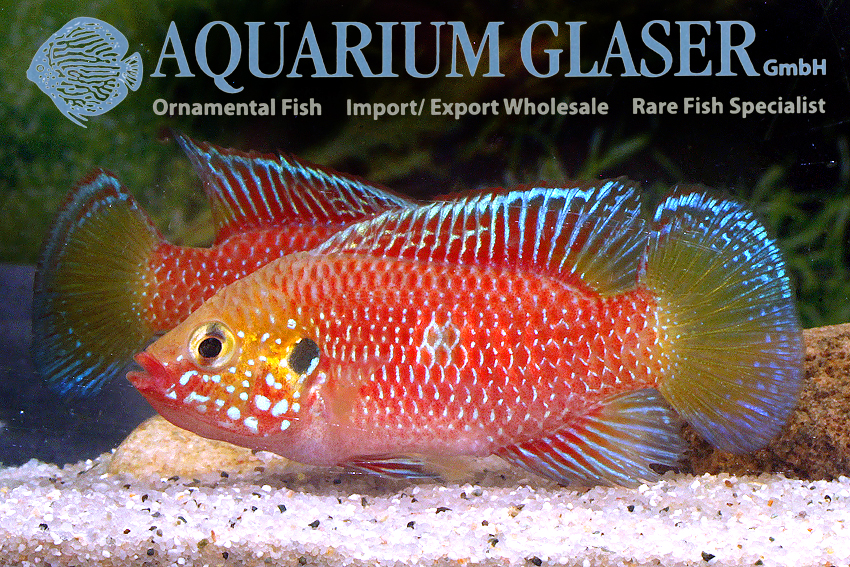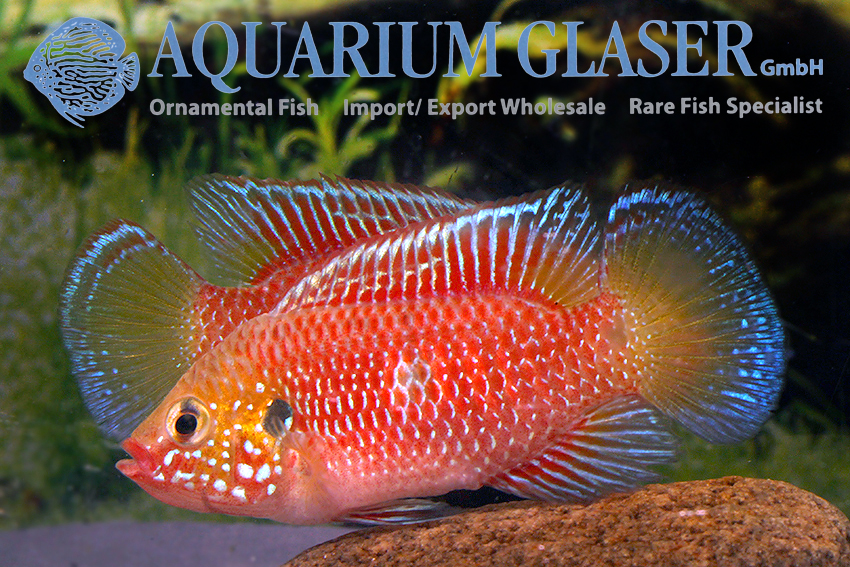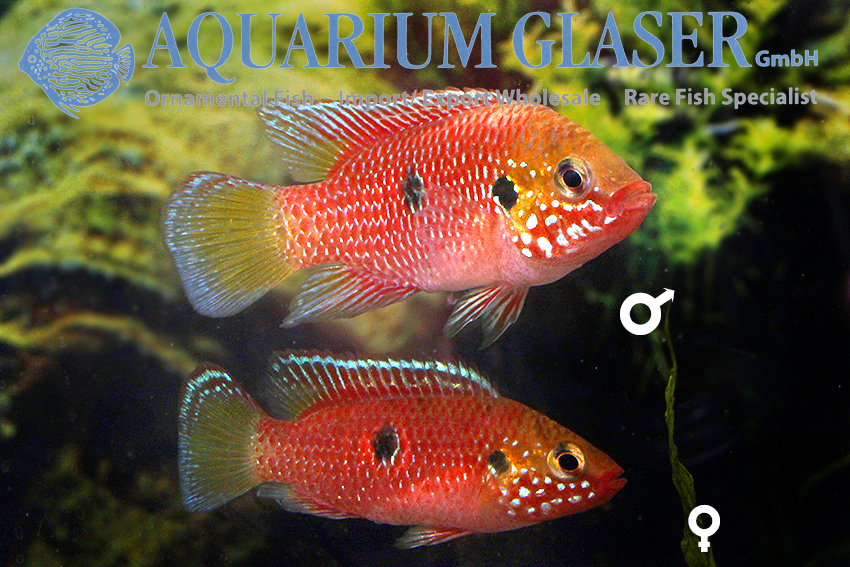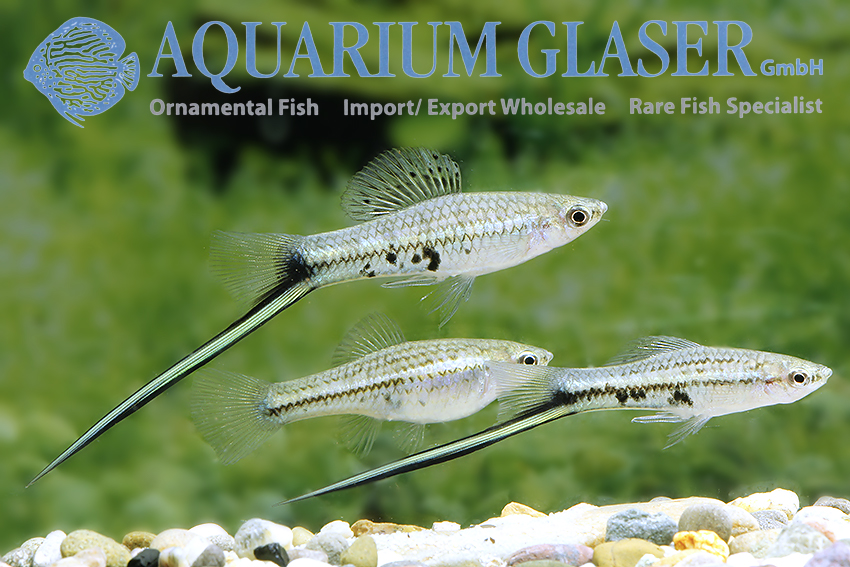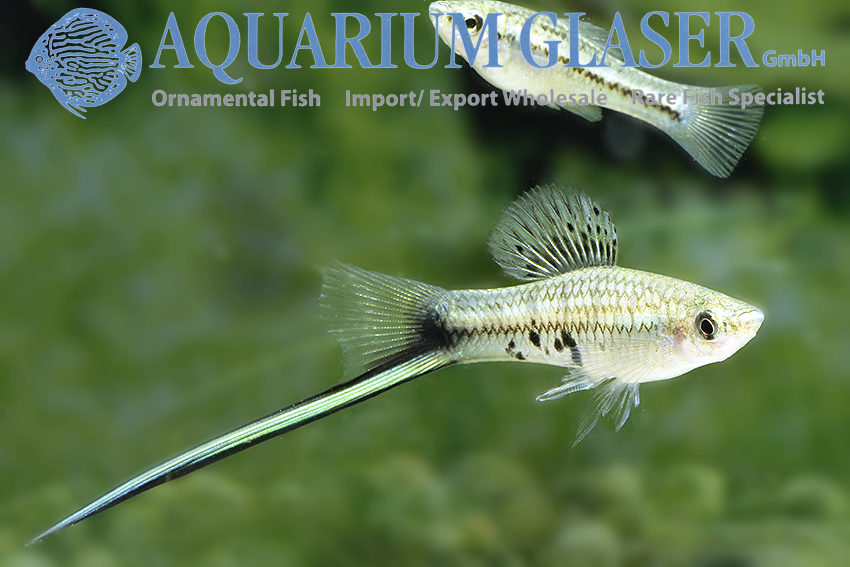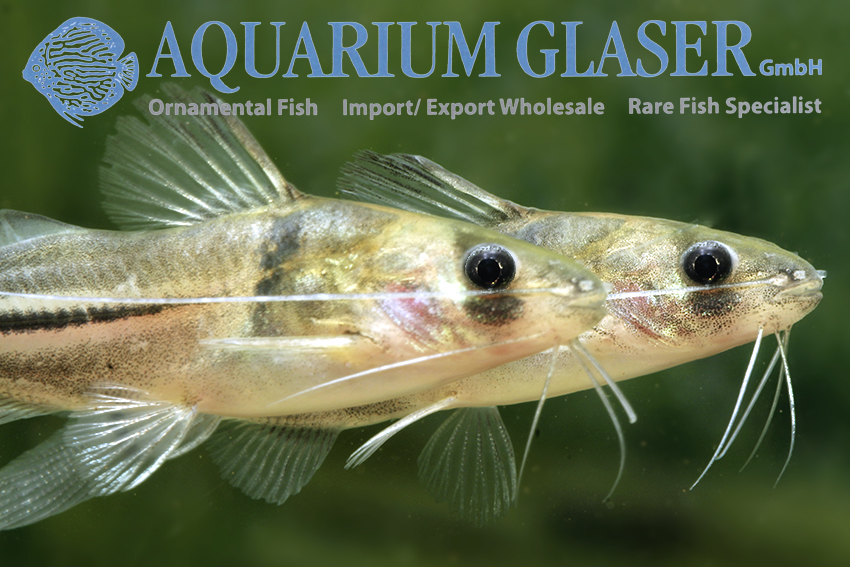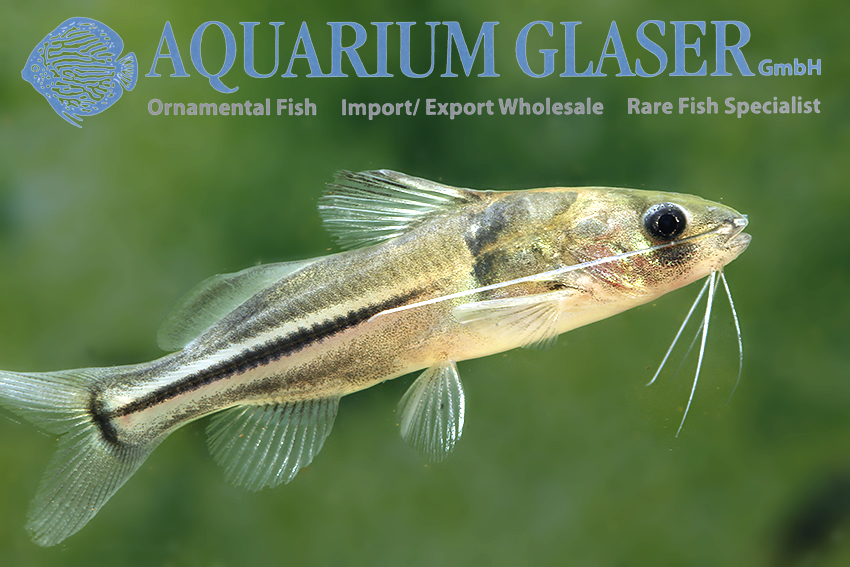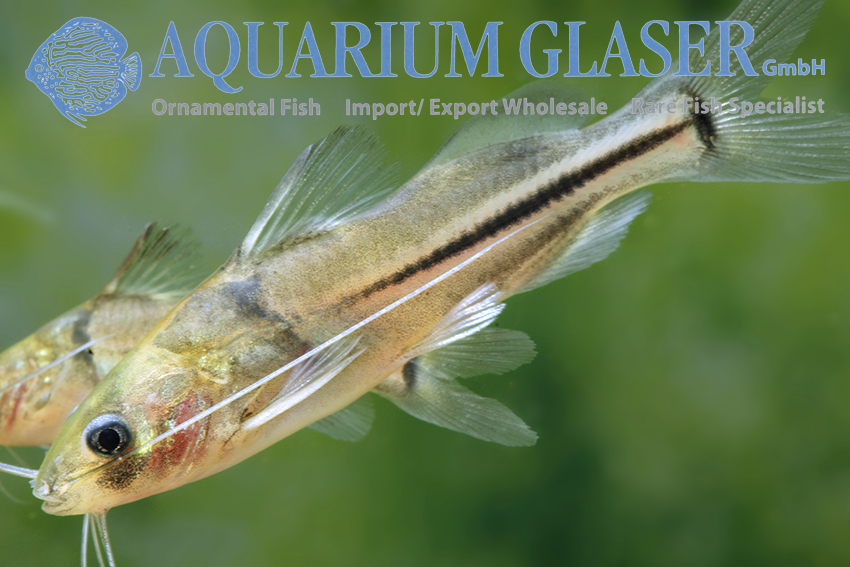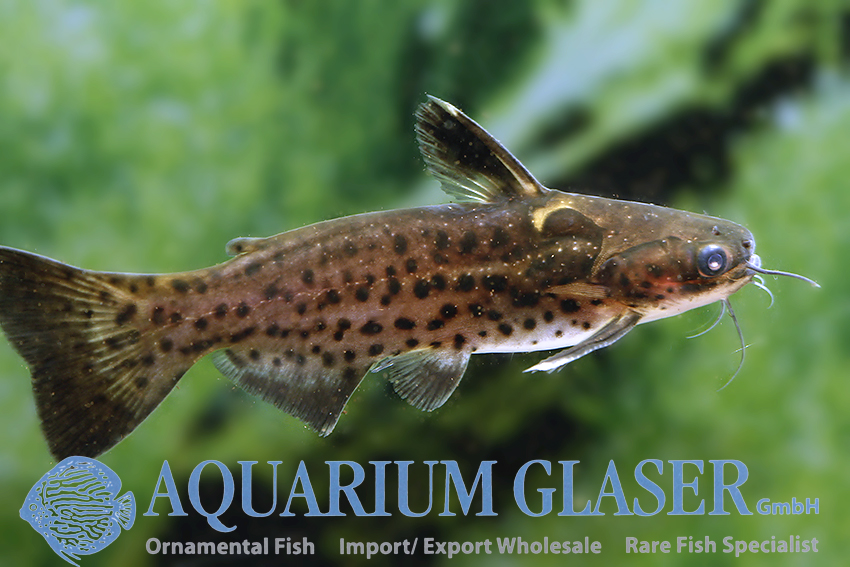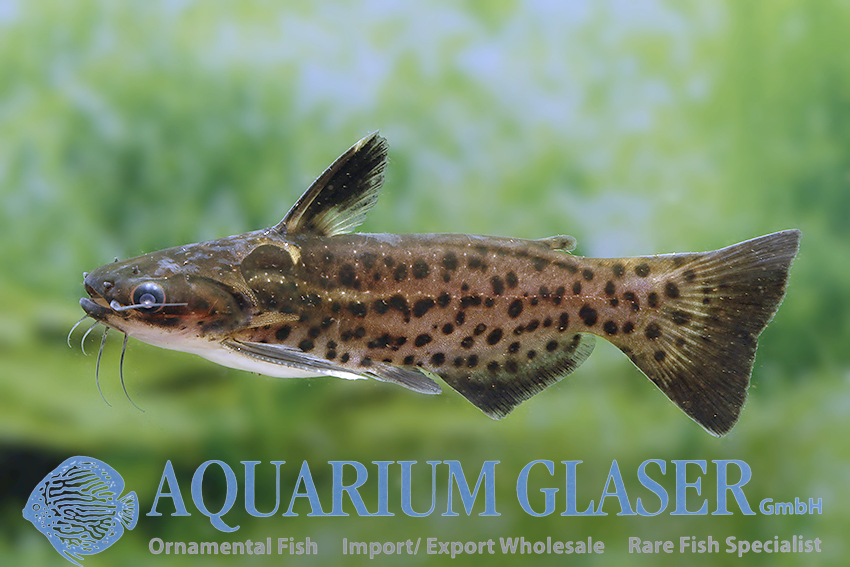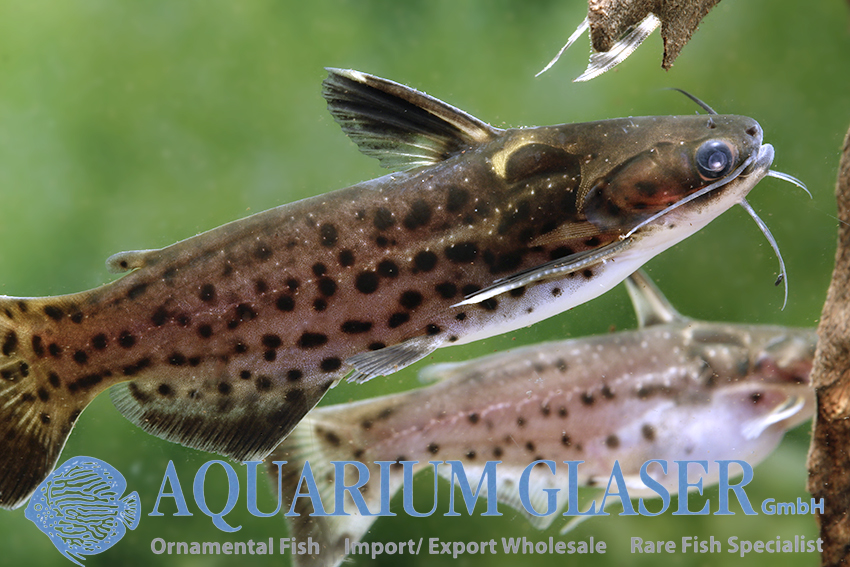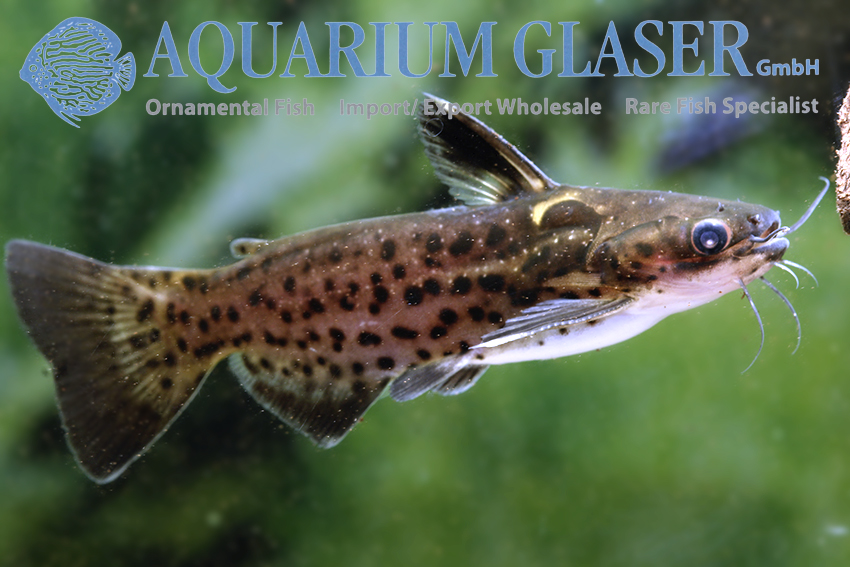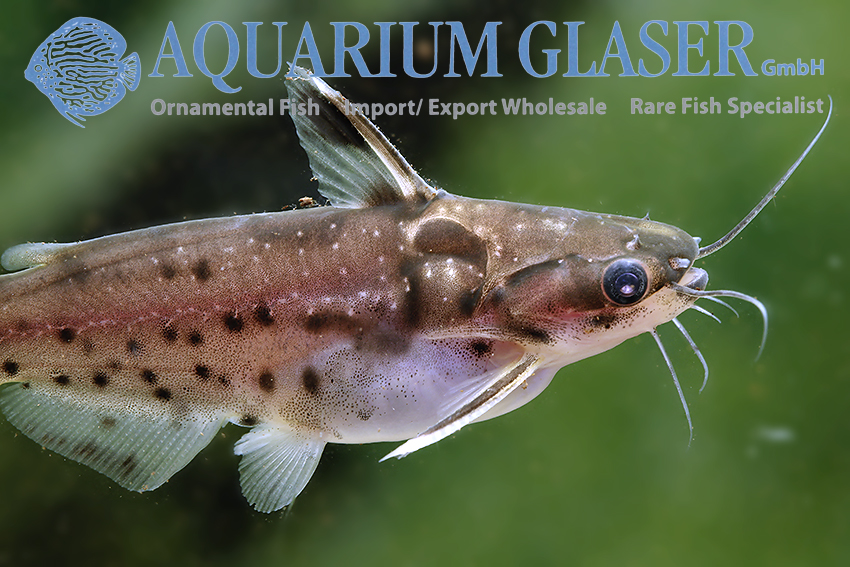

From Indonesia we have received captive bred specimens of a gar species, which stands out due to its reddish brown (normally blackish, gray or silver) basic coloration with partly brick-red coloration parts. Unfortunately, it is not possible for us to name the species correctly, because the reliable identification of gar is only possible on the basis of characteristics that are not visible on living specimens, and we have never had any losses with these fish so far. In addition, it cannot be ruled out that these fish are cross-bred (hybrids), which could only be “unmasked” with elaborate genetic examinations.
To us it seems most likely that the fish are a breeding form of Lepisosteus oculatus – or a cross.
One must assume with these animals that they can become over one meter long. From this it is obvious that the red gars are only suitable for specialists, zoos and show aquariums. However, for them the fish is a beautiful attraction.
The care is not difficult, except for the size. The fish become tame and can be easily fed with frozen fish, which they take from a forceps. In nature, gars often inhabit oxygen-deficient waters and therefore have an air-breathing habit. Strong currents are not liked by gars. They are completely peaceful against conspecifics and non-species fish that do not serve as food.
For our customers: the animals have code 848023 on our stocklist. Please note that we supply only wholesale.
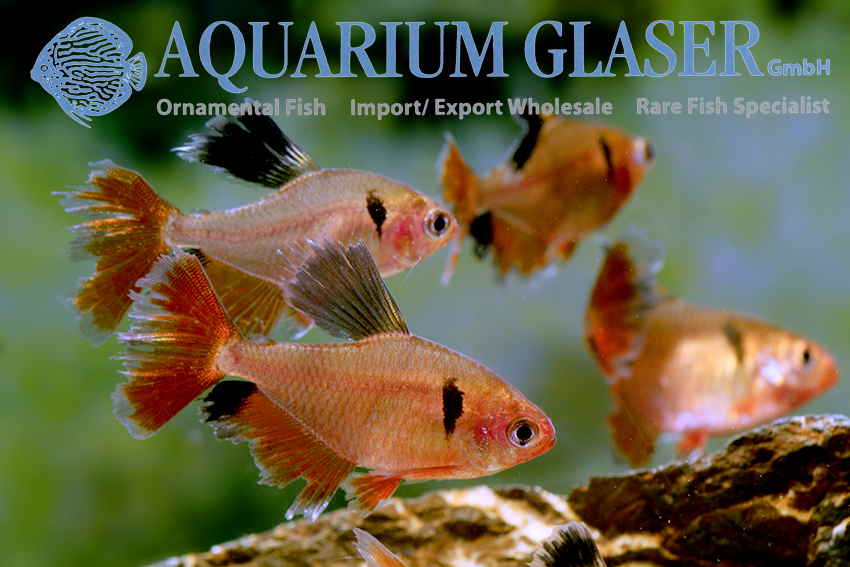
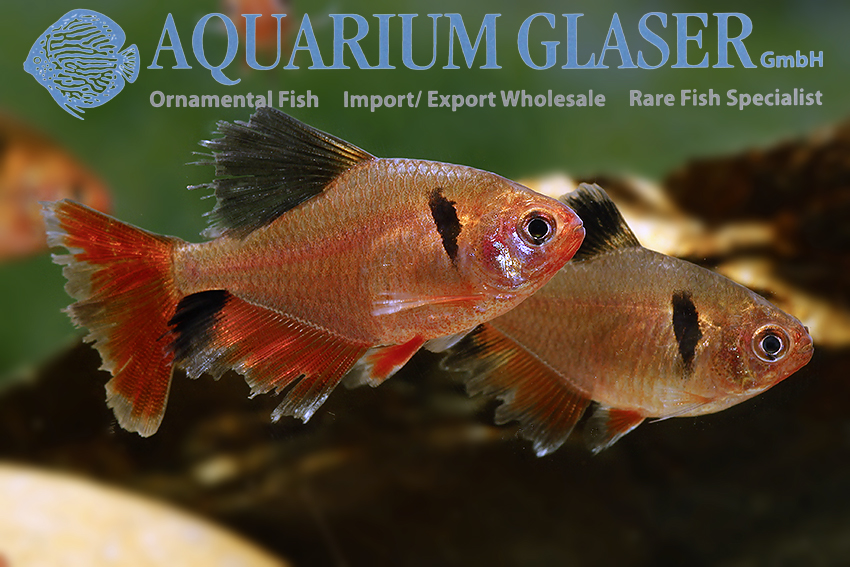
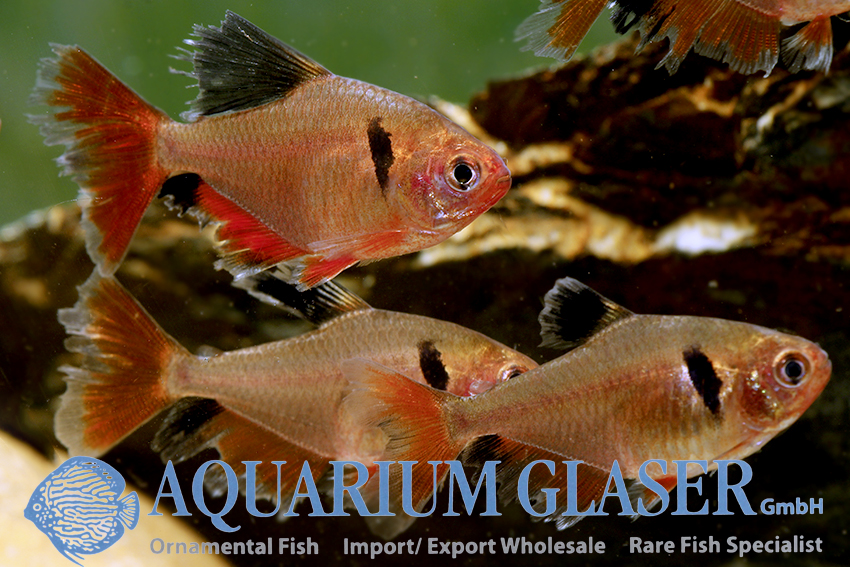
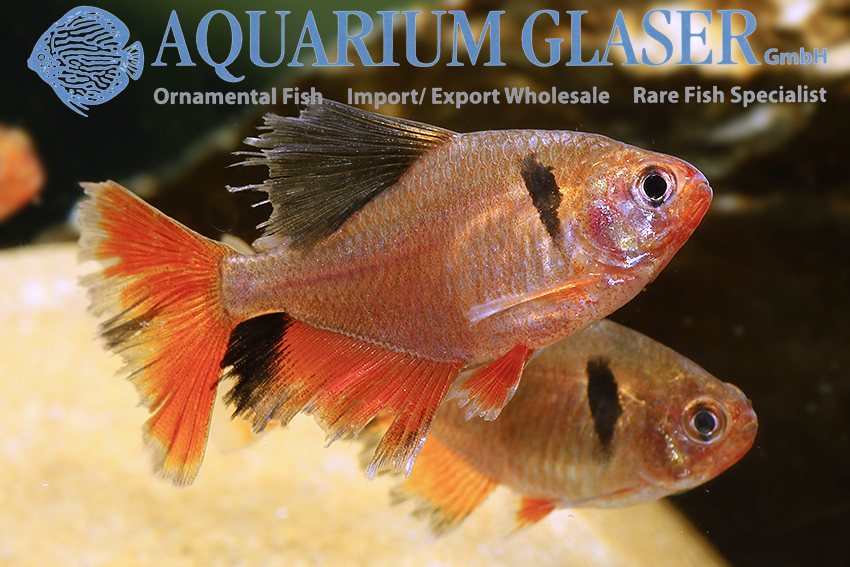
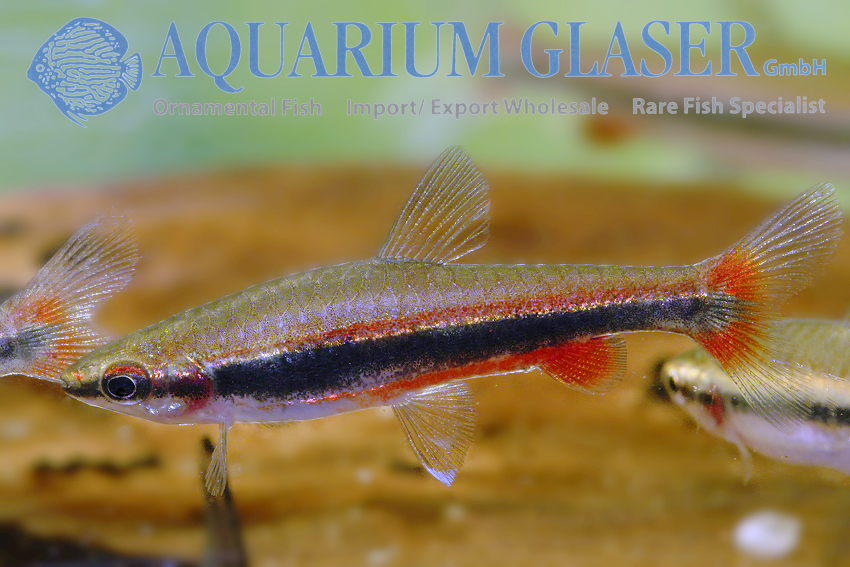
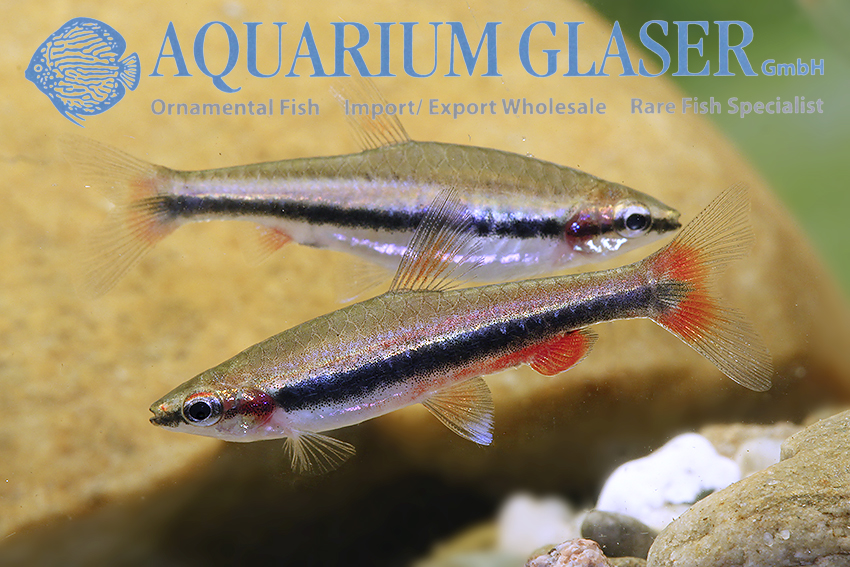
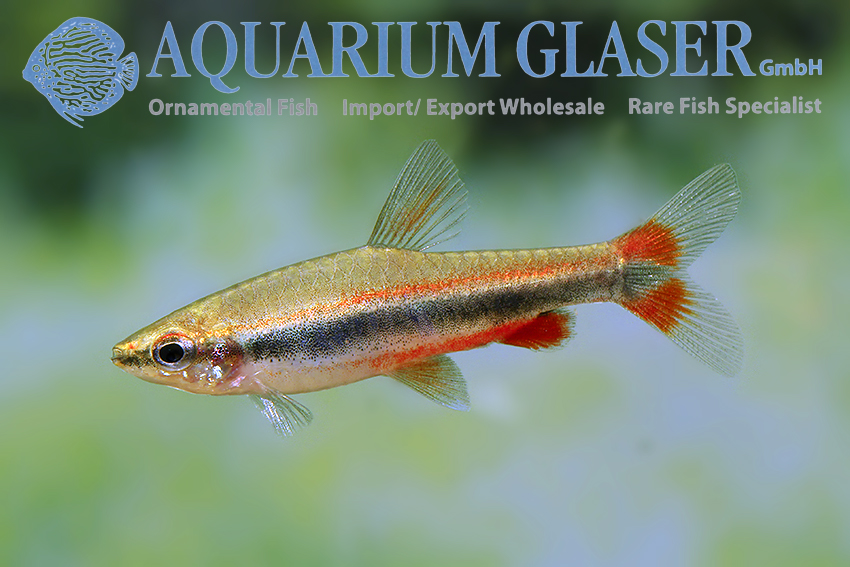
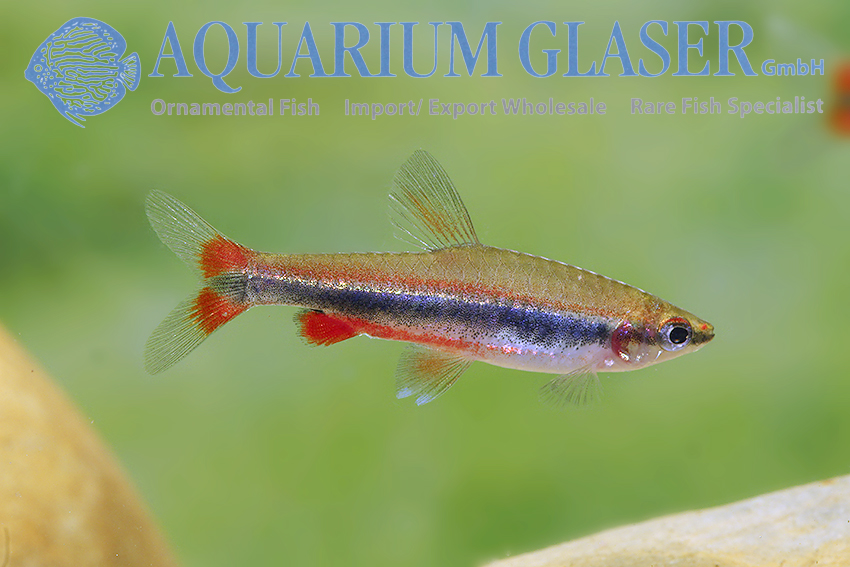
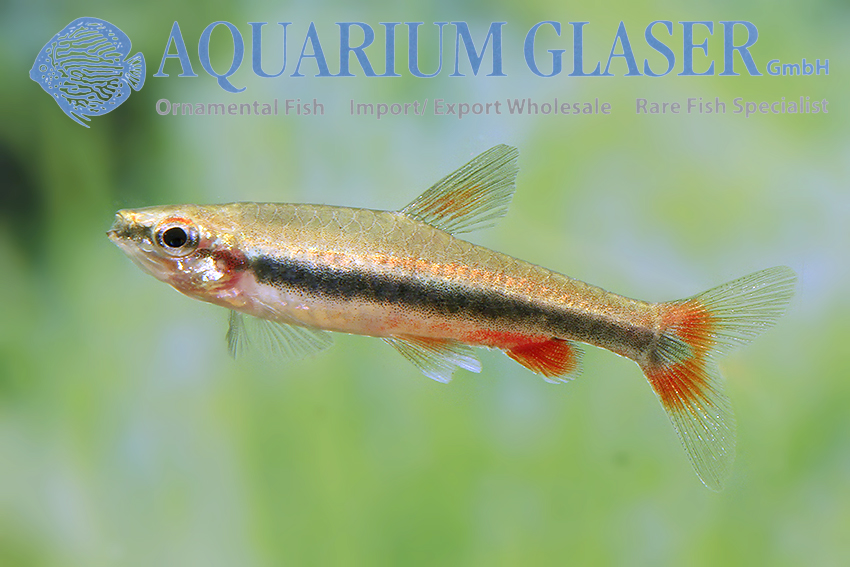
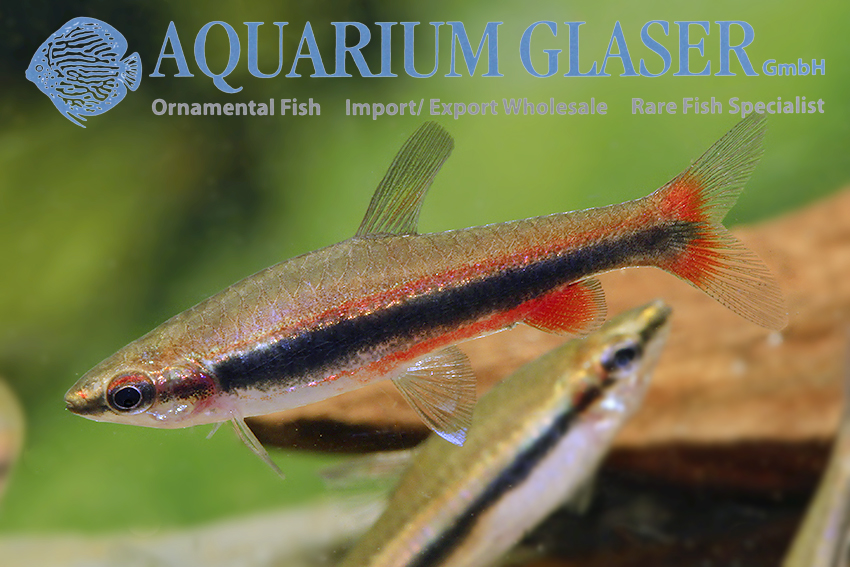
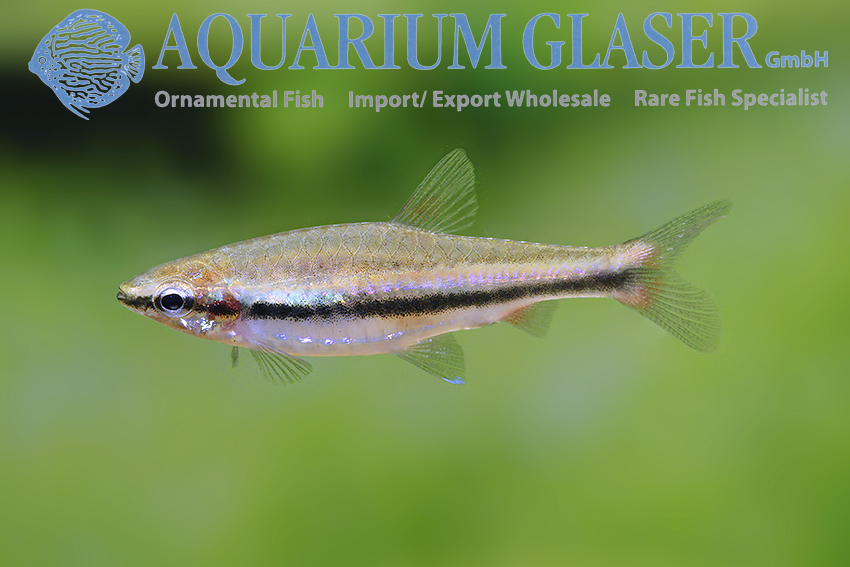
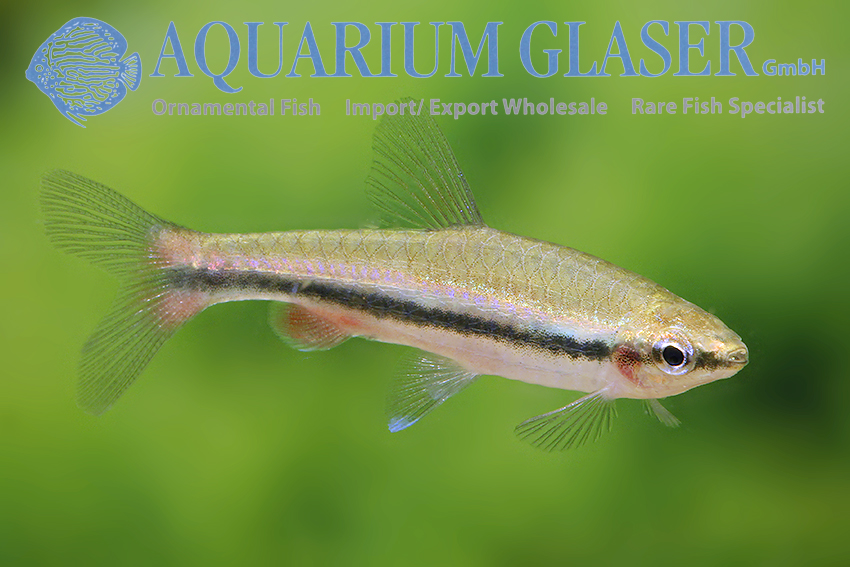
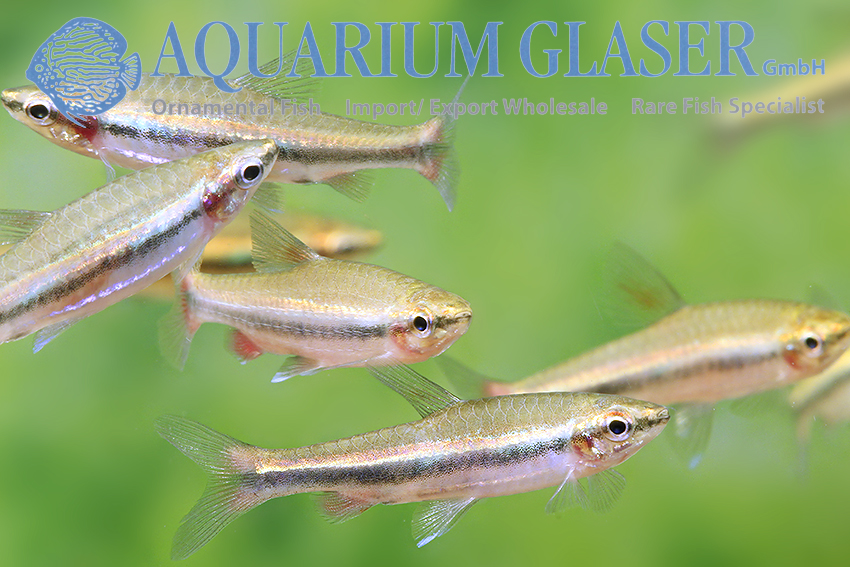
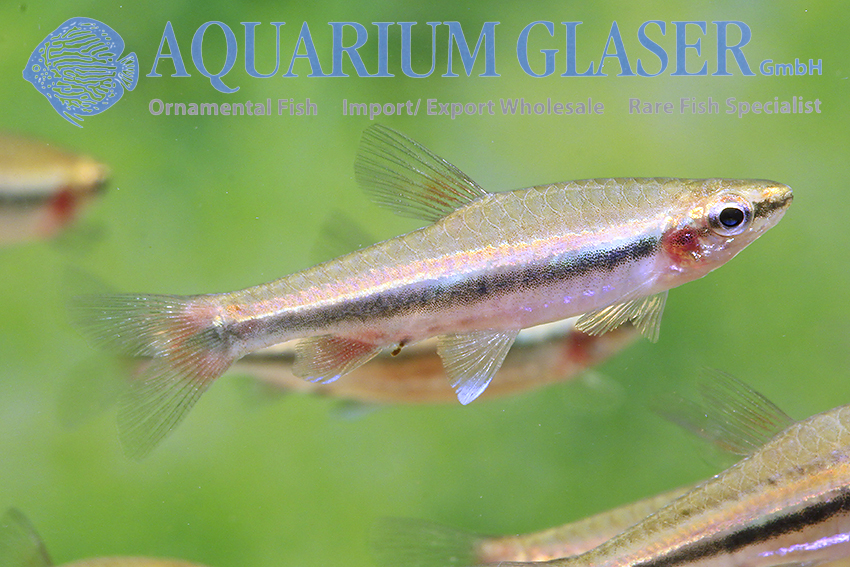
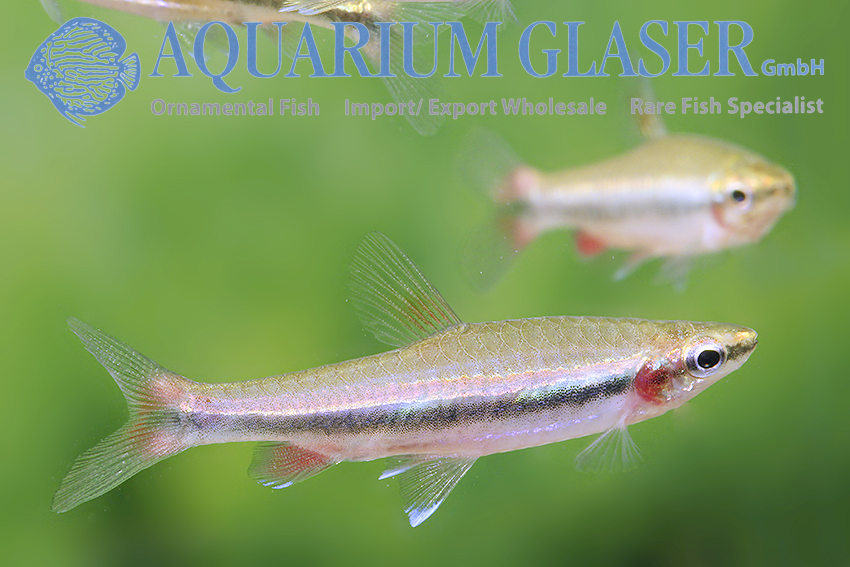
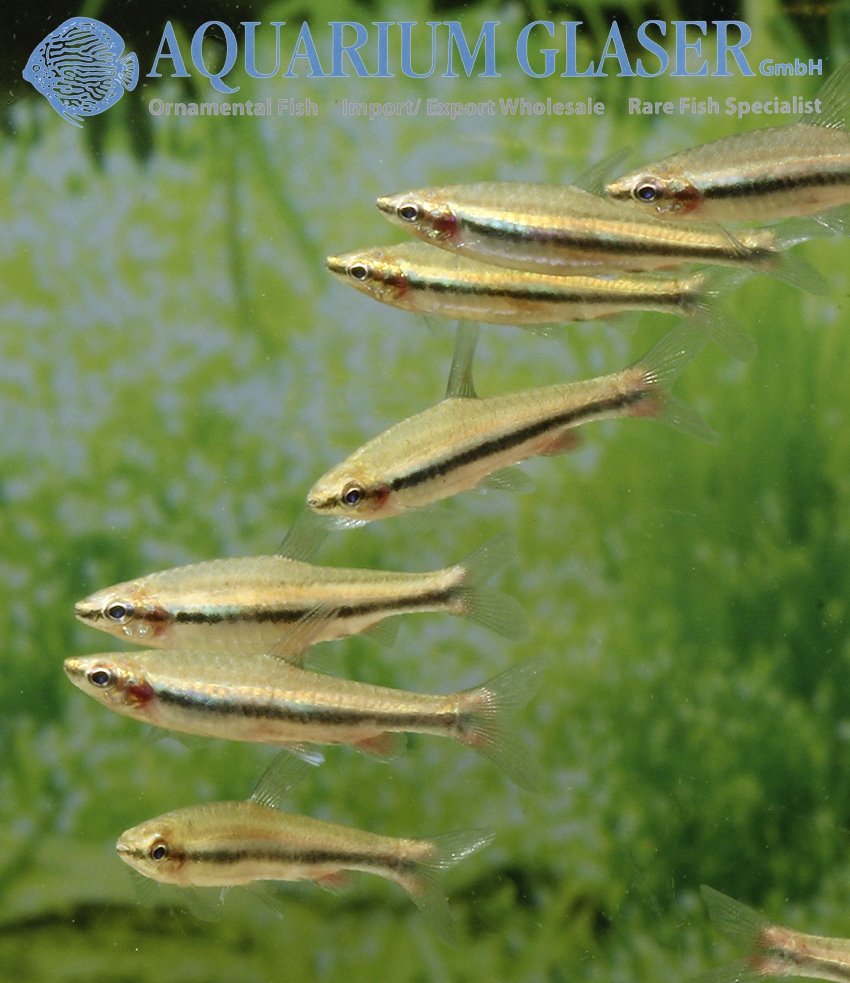
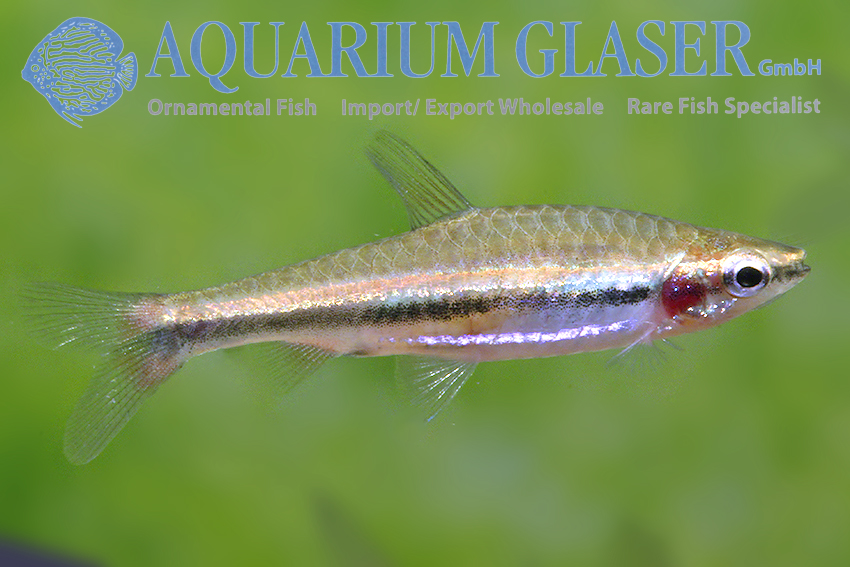
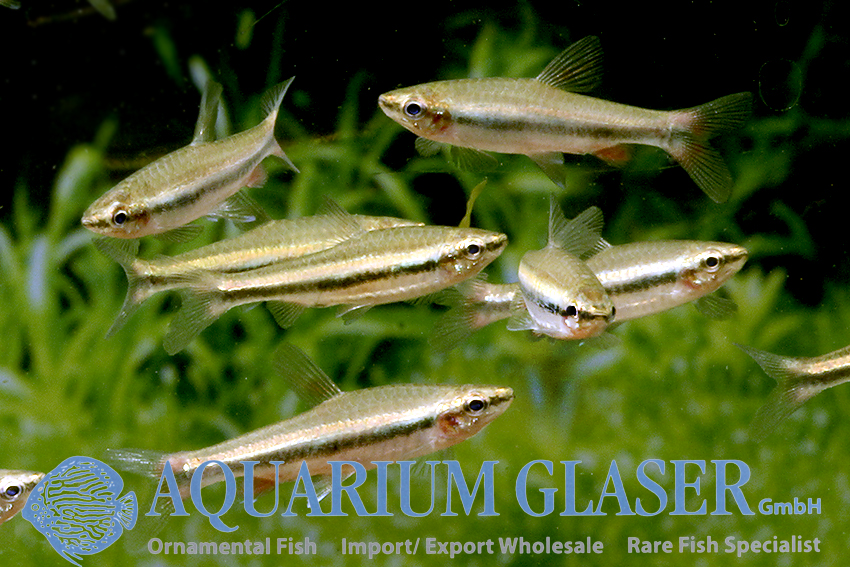
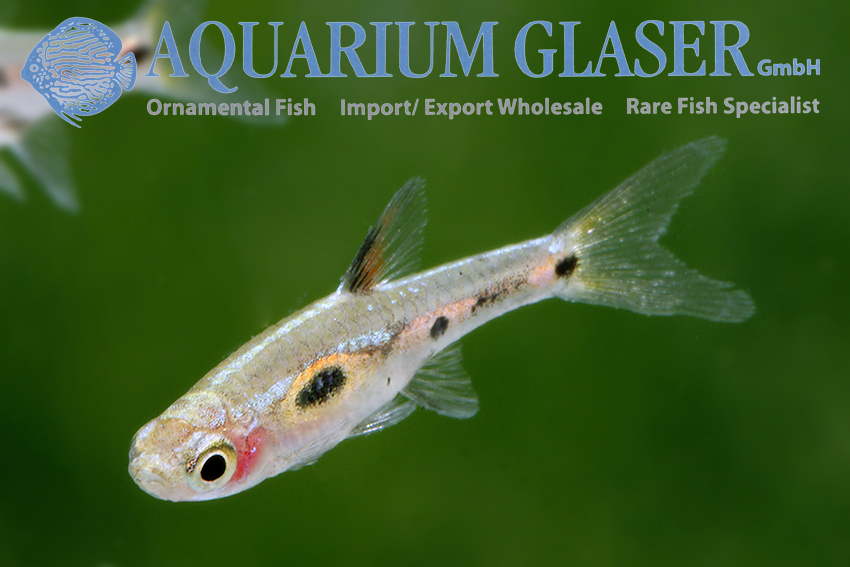
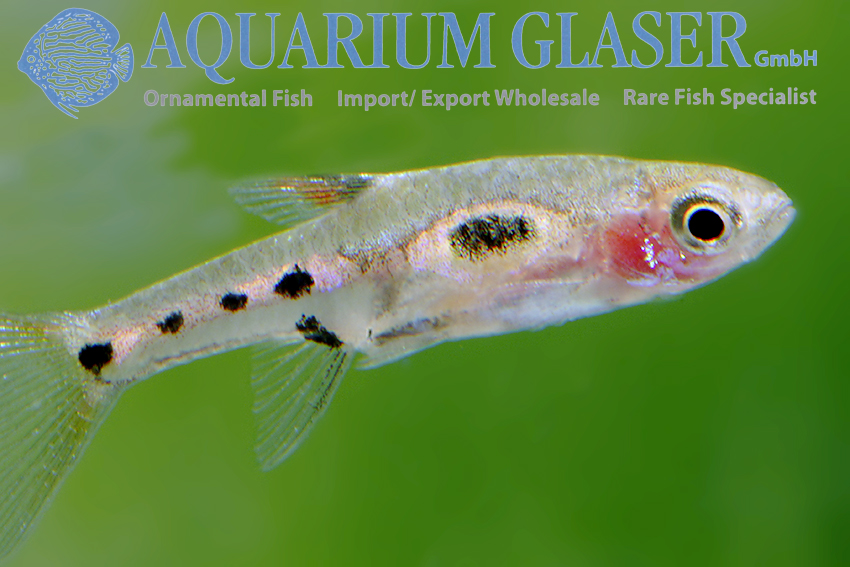
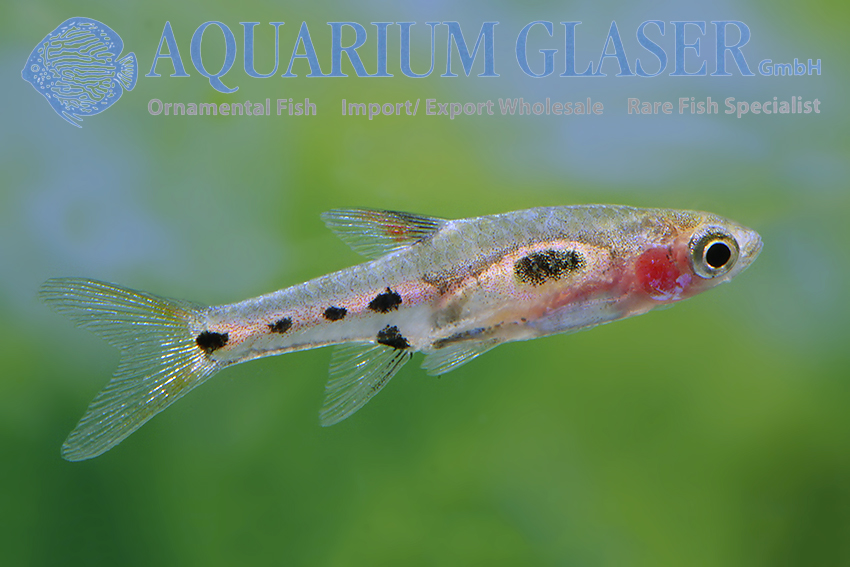
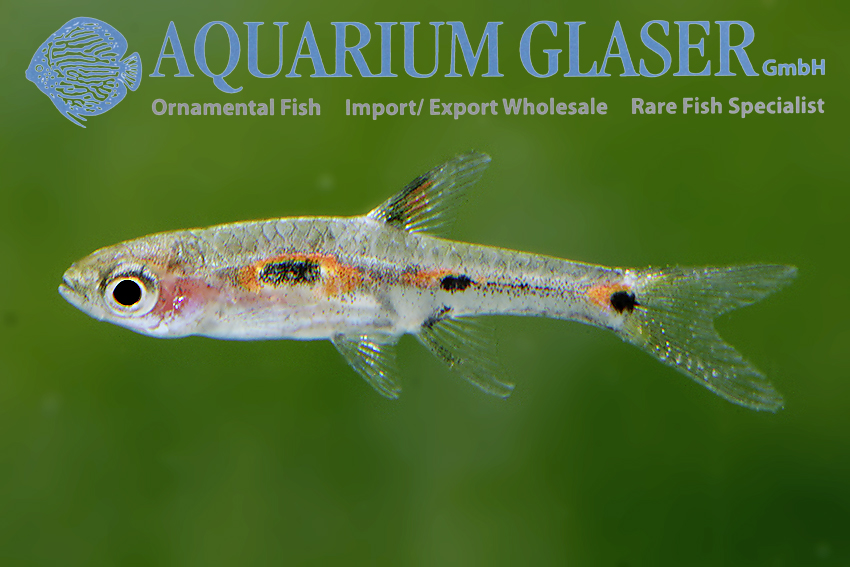
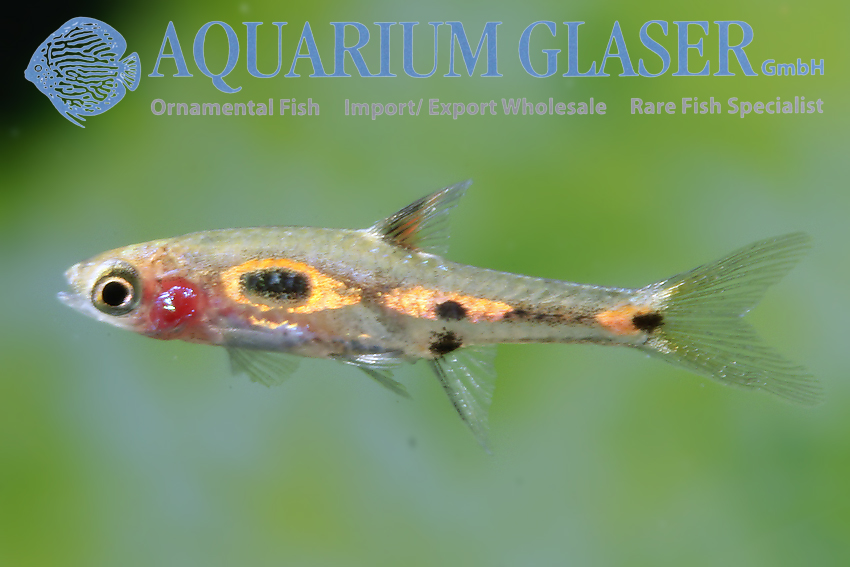
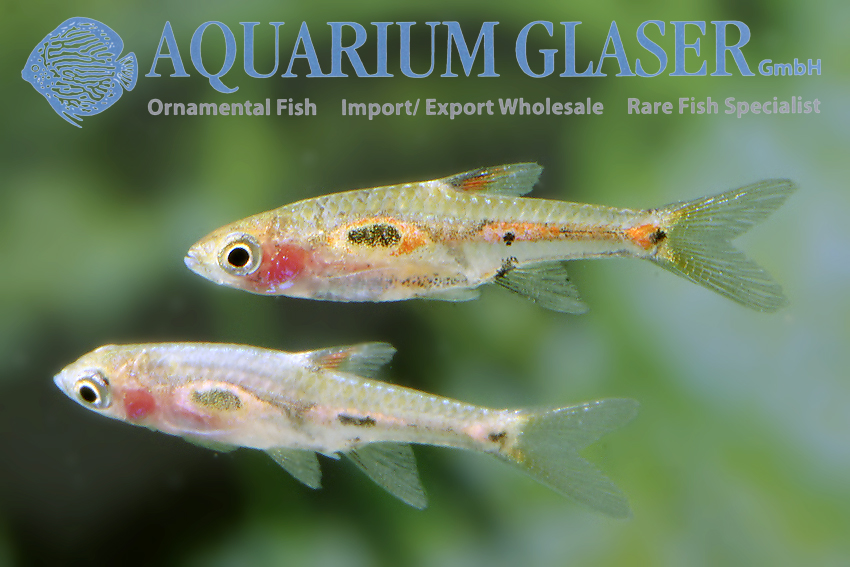
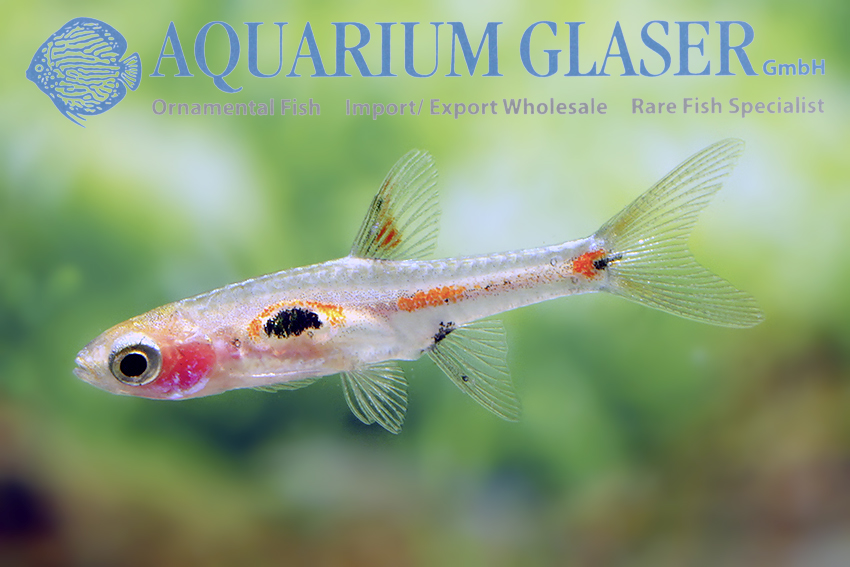
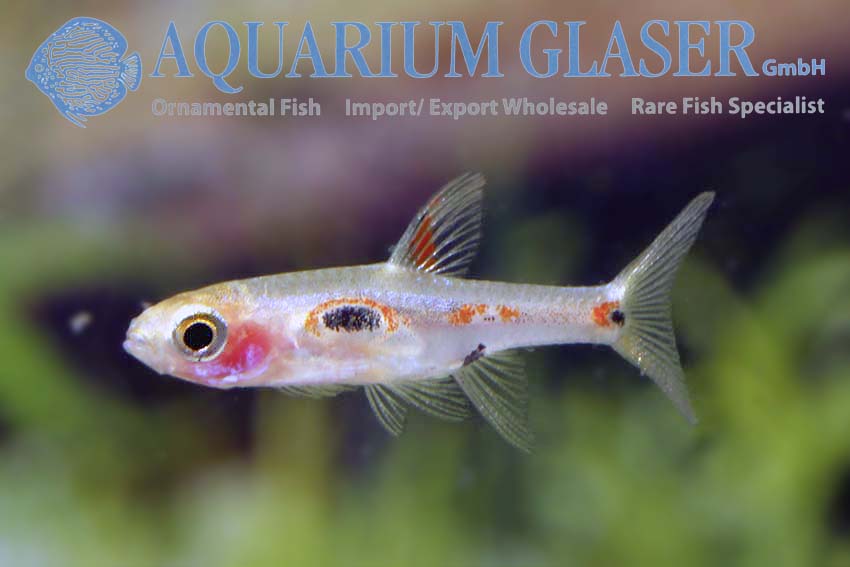
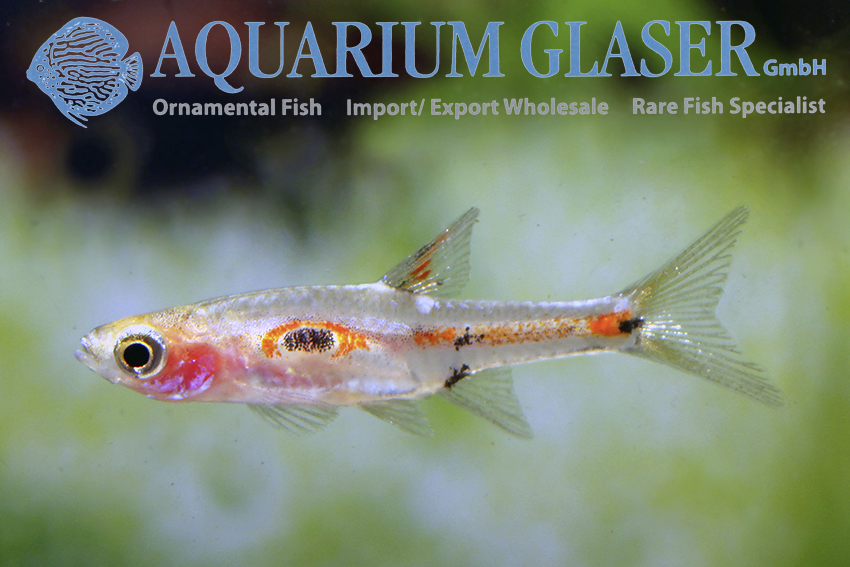
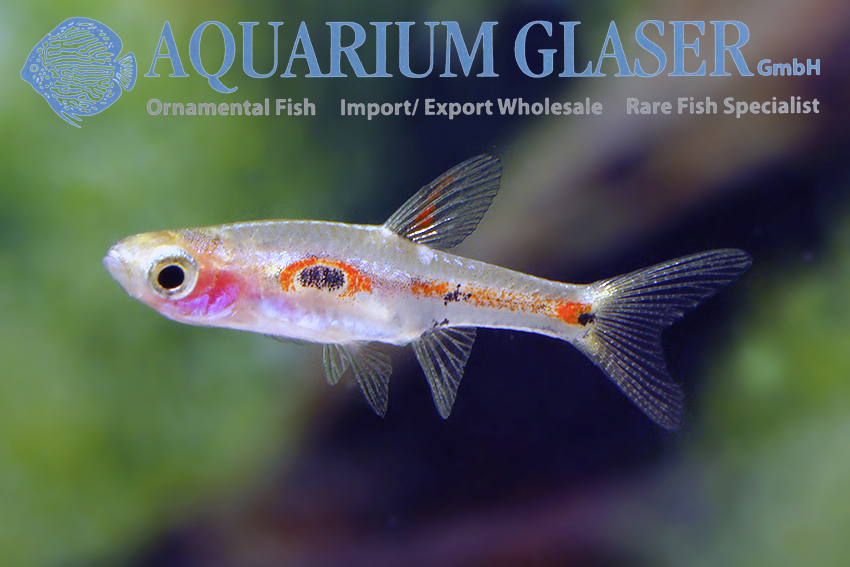
Currently we have very nice Boraras merah in stock. The species is a very close relative to B. brigittae and at least in some populations the females of B. merah look like B. brigittae and only the males have a typical B. merah pattern (see also http://www.aquariumglaser.de/en/boraras-brigittae–boraras-merah_de_1107.html). Cross-breeding experiments also show that both varieties are extremely close to each other in a genetic sense. In the population we could import now, however, both sexes seem to be represented and both look like B. merah.
For our customers: the animals have code 452752 on our stocklist. Please note that we exclusively supply the wholesale trade.
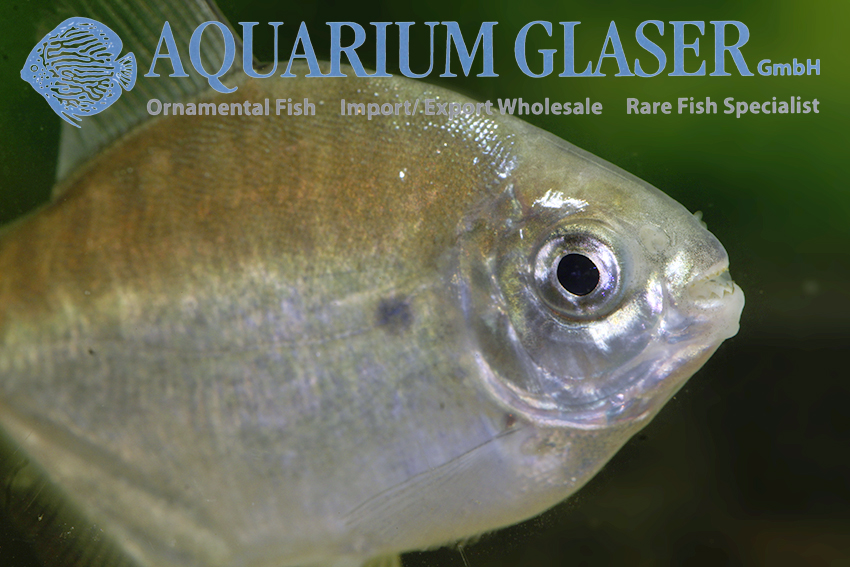
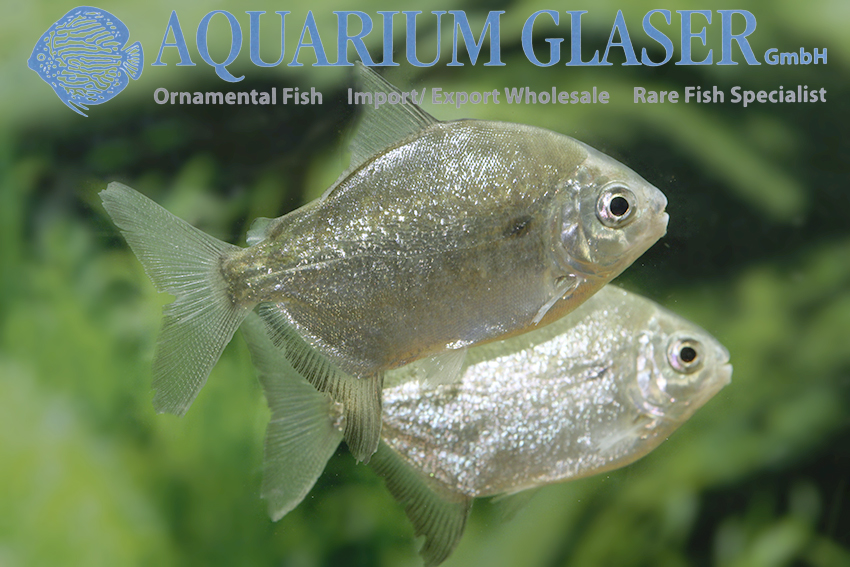
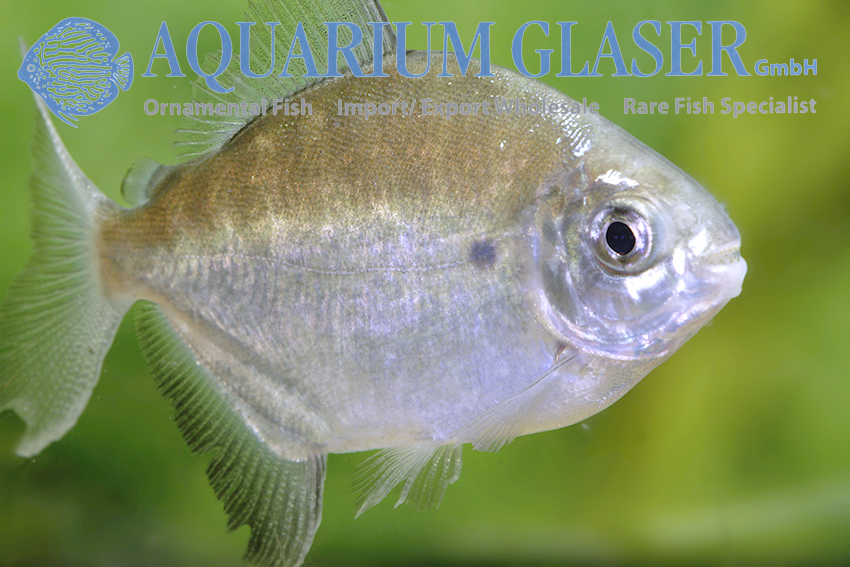
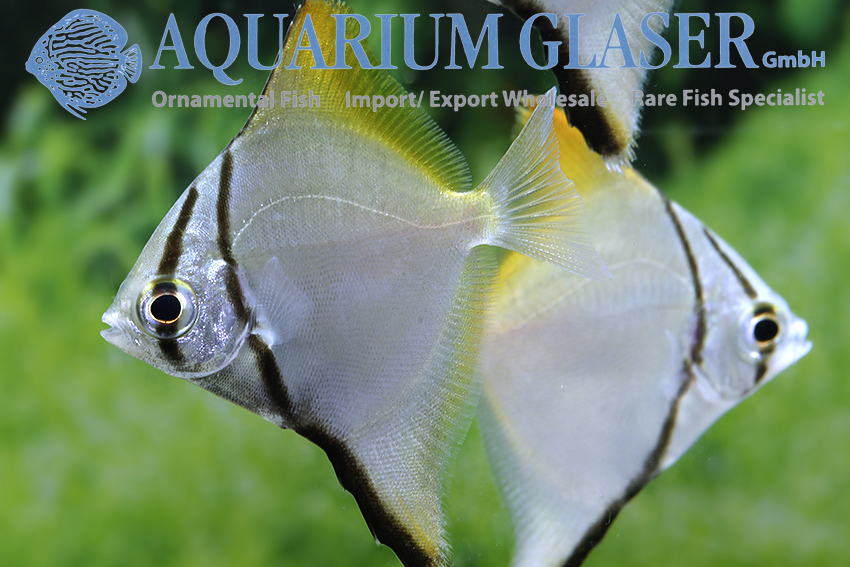
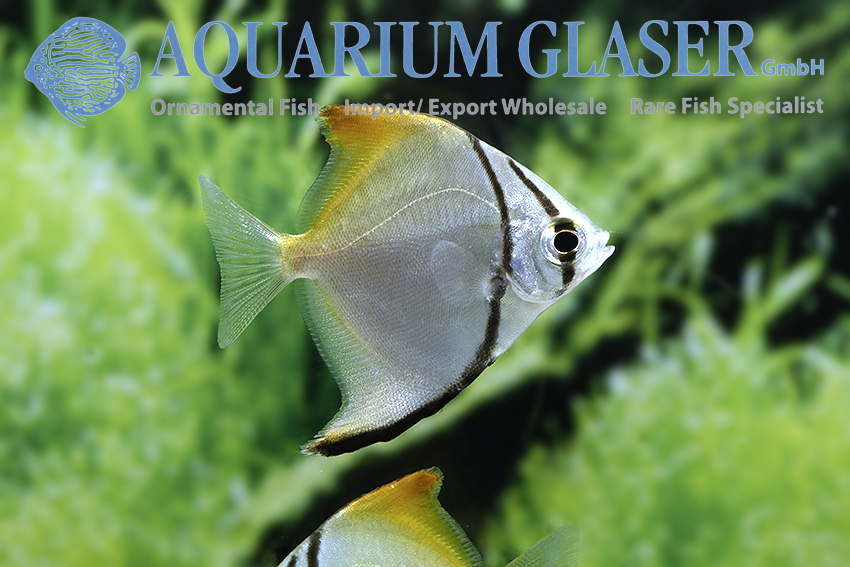
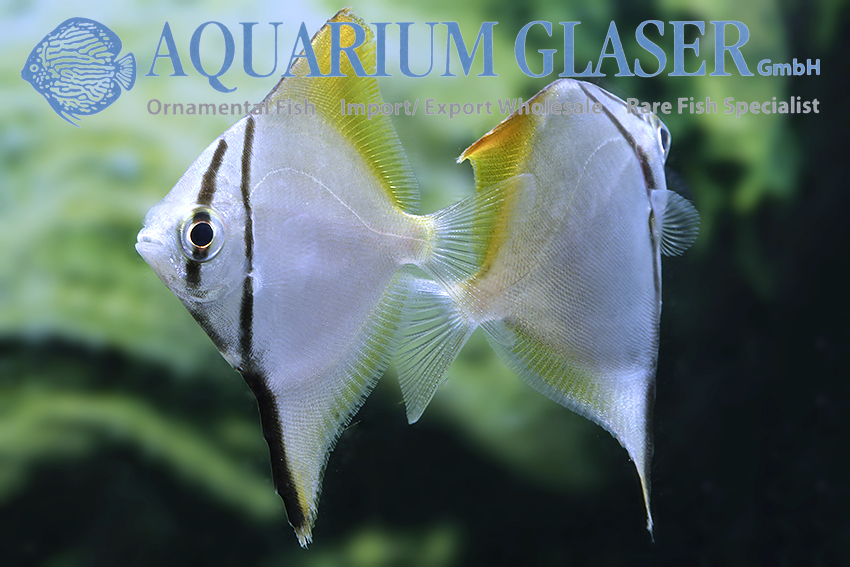
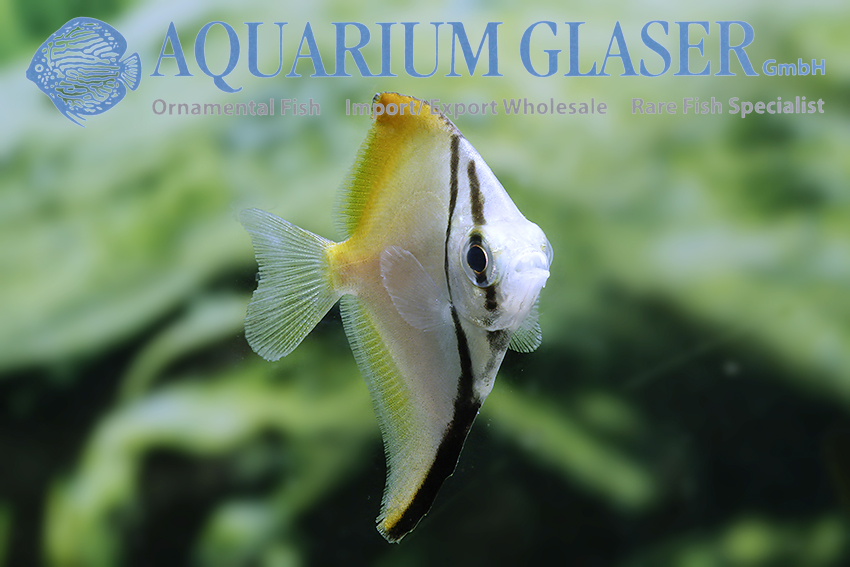
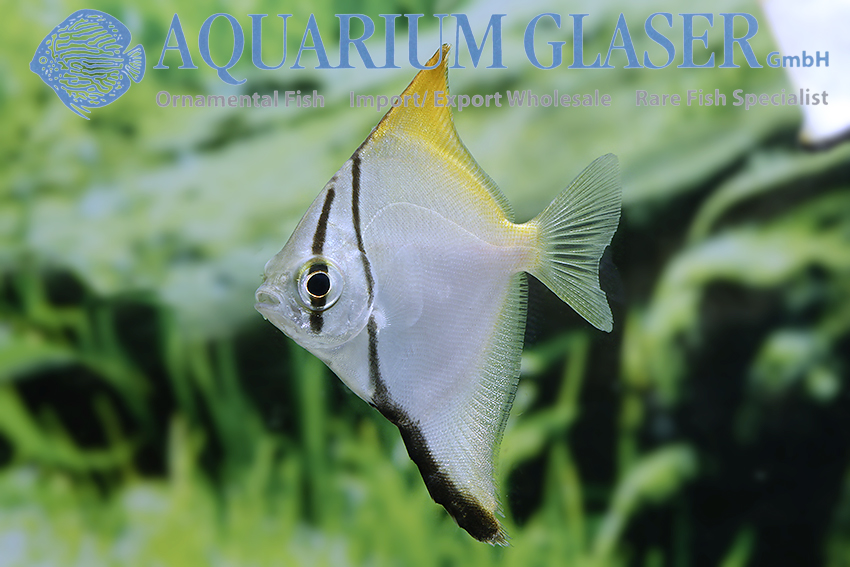
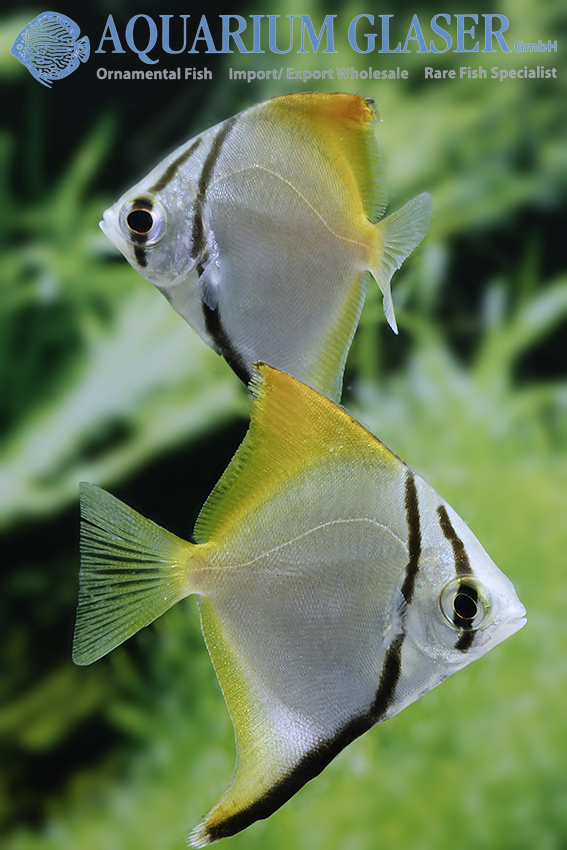
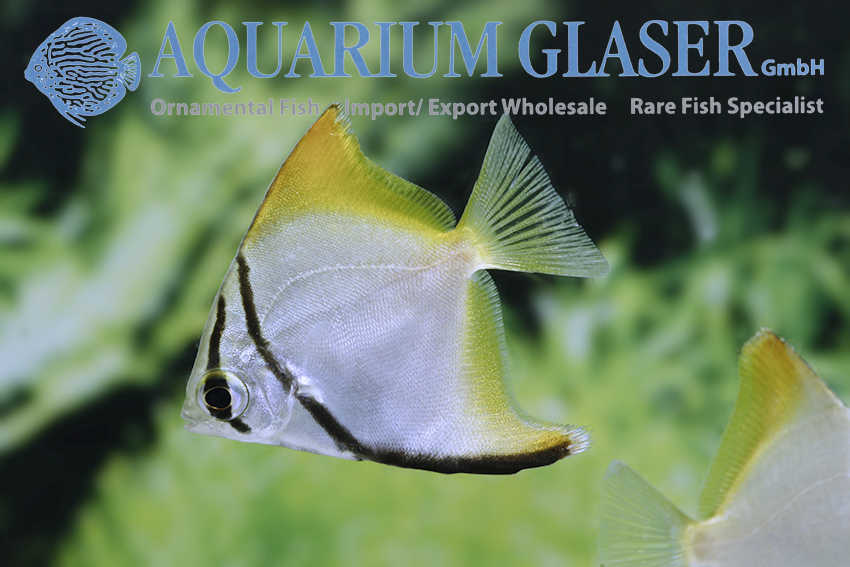
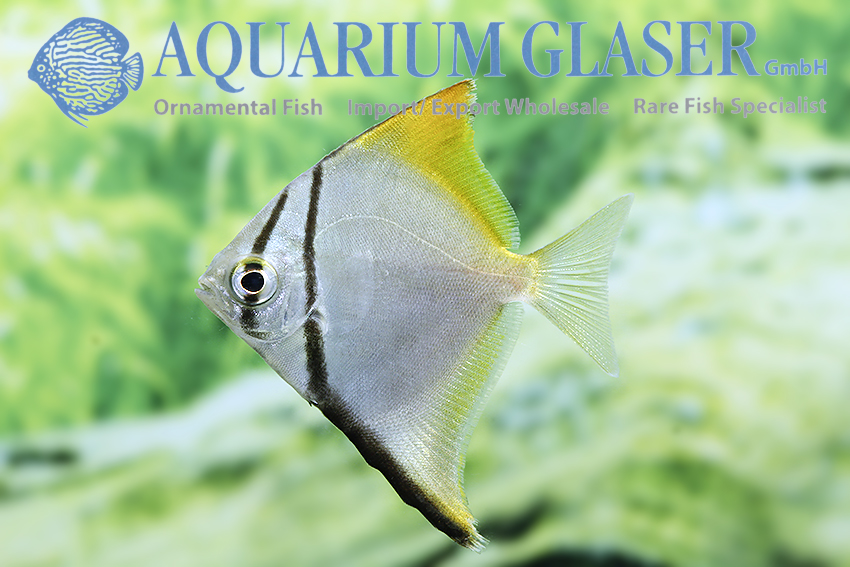
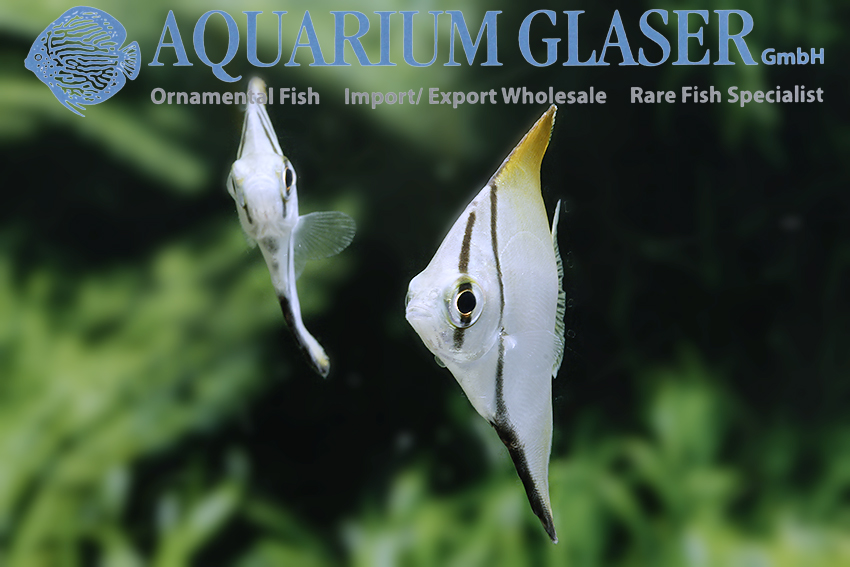
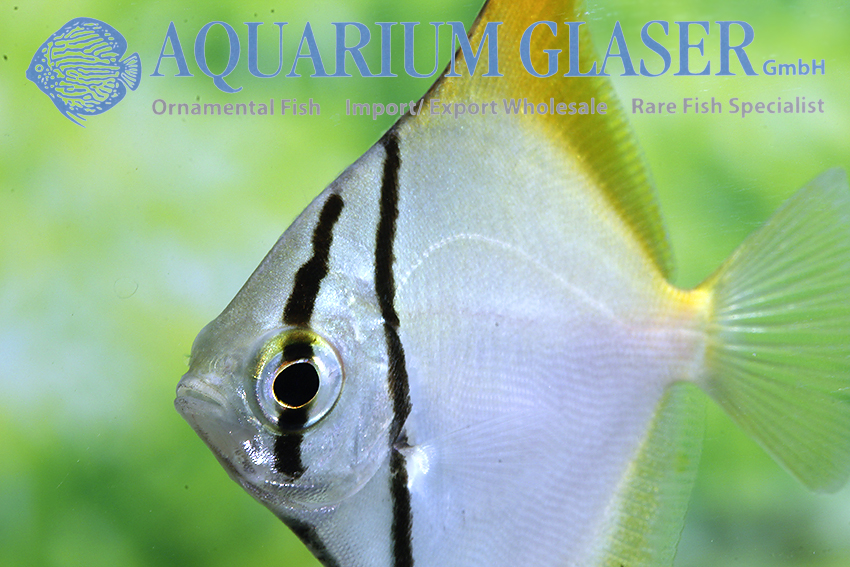
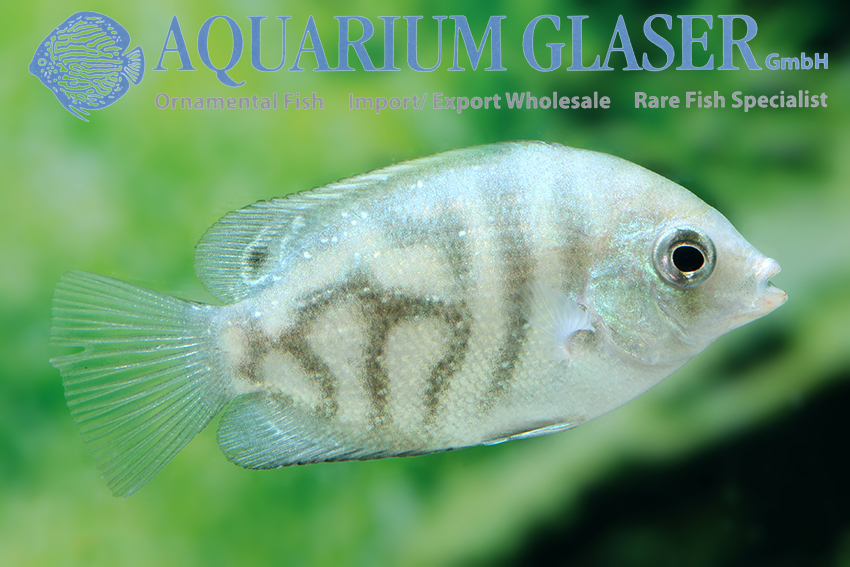
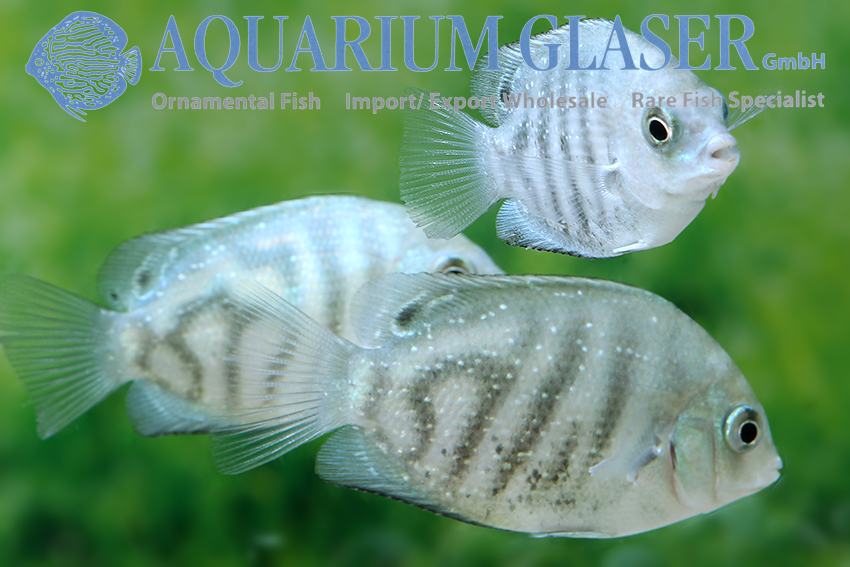
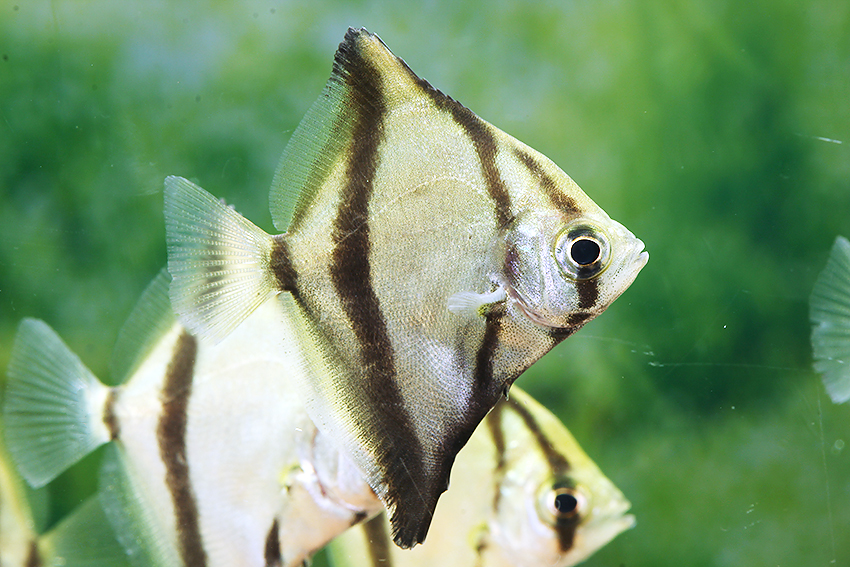
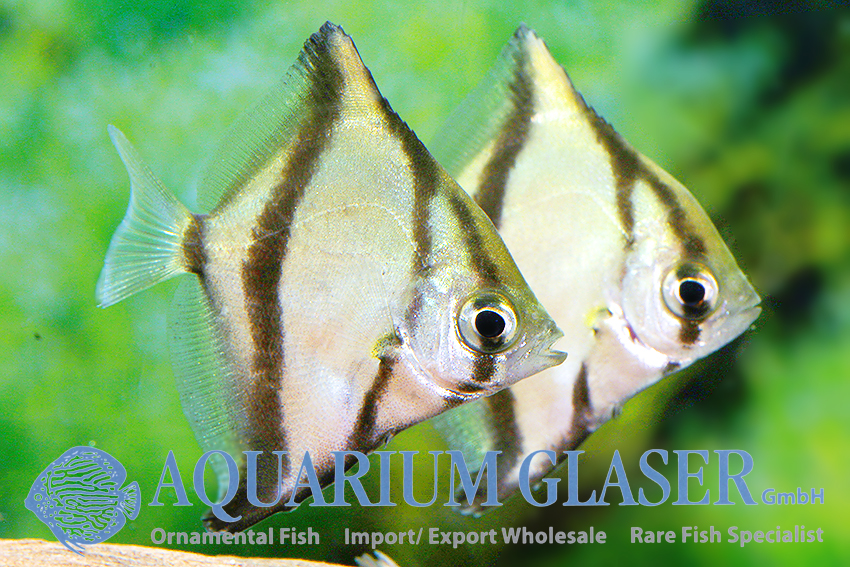
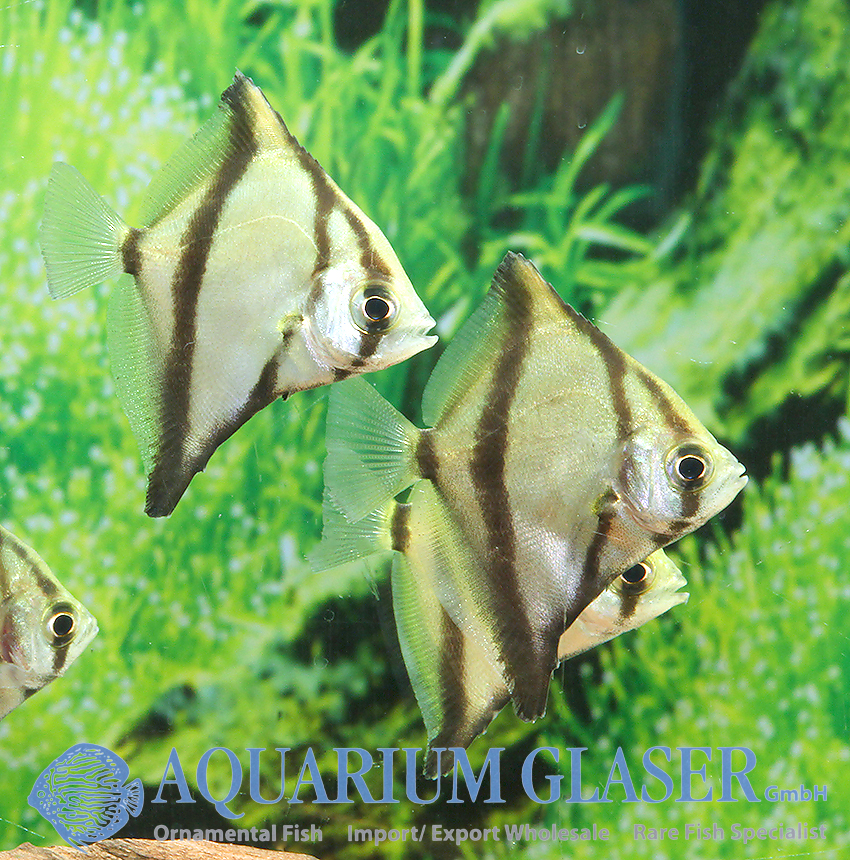
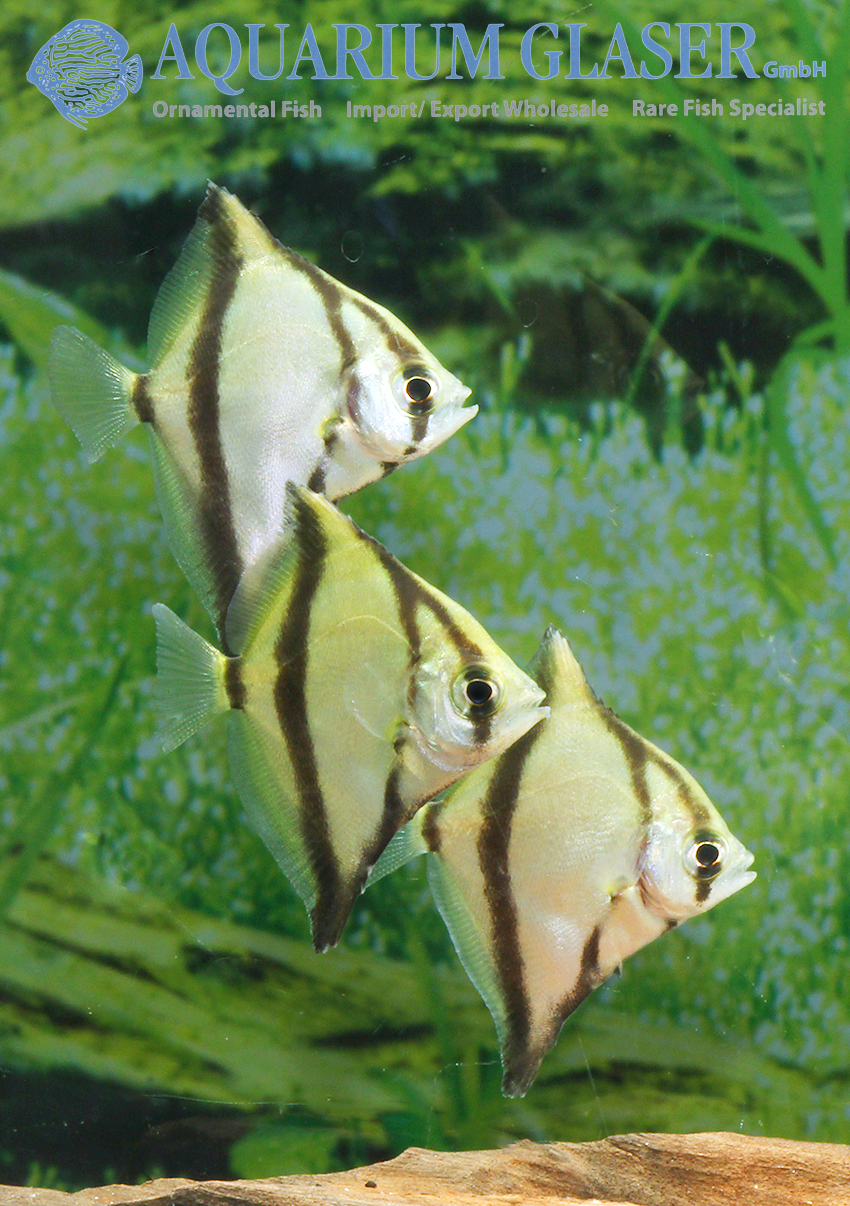
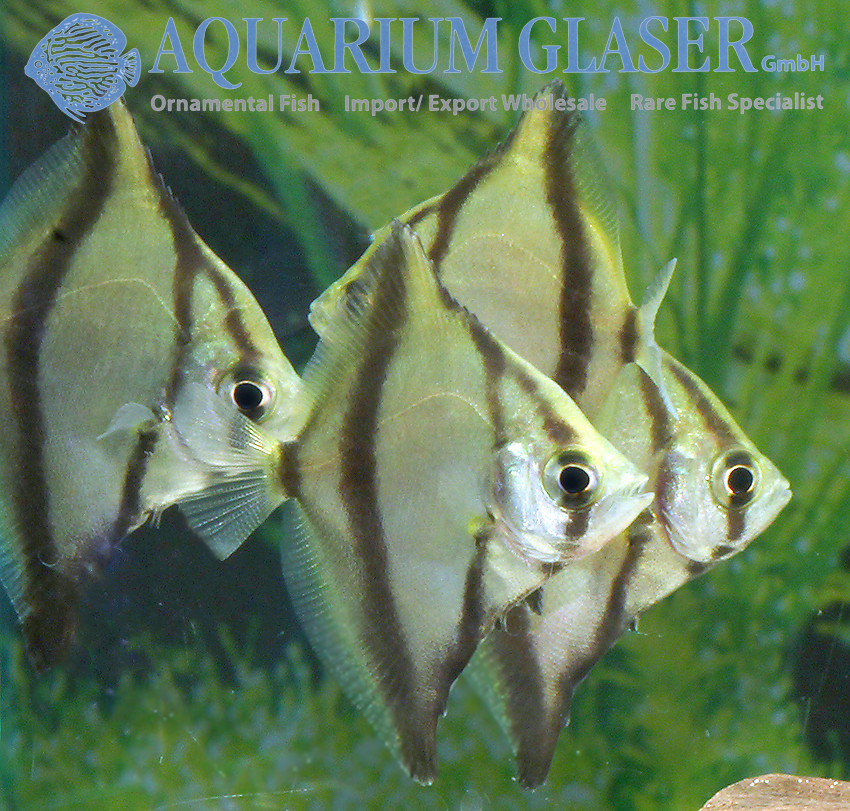
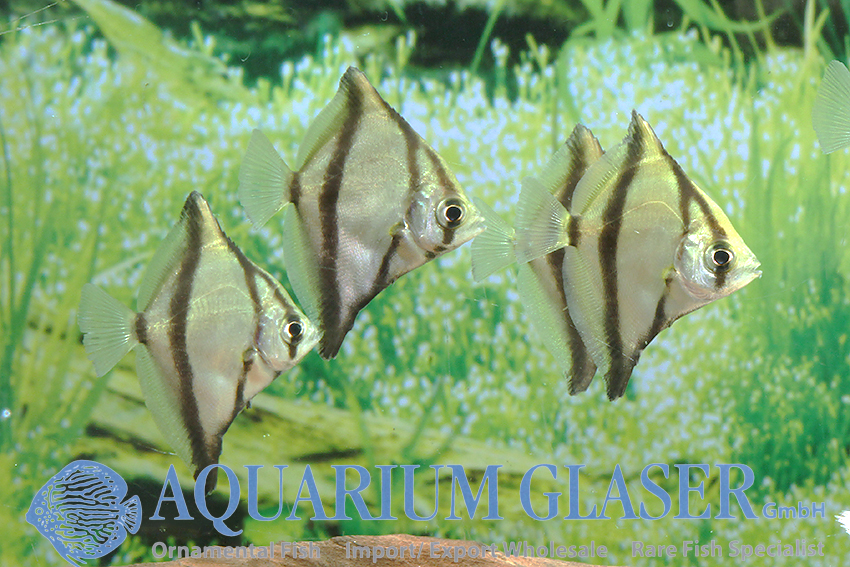
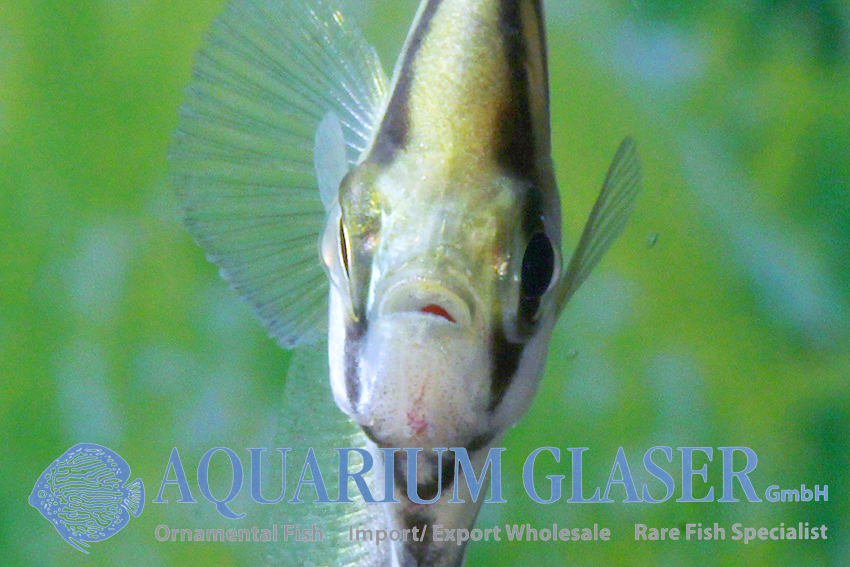
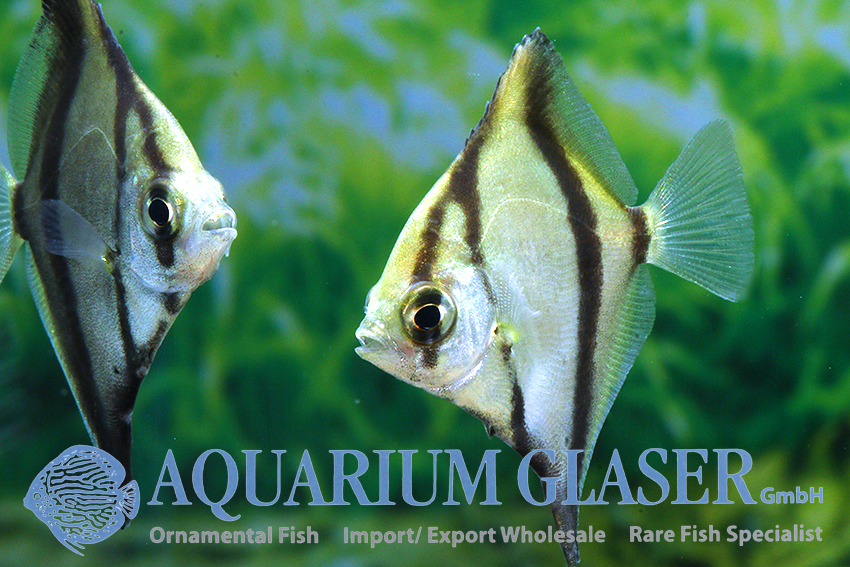
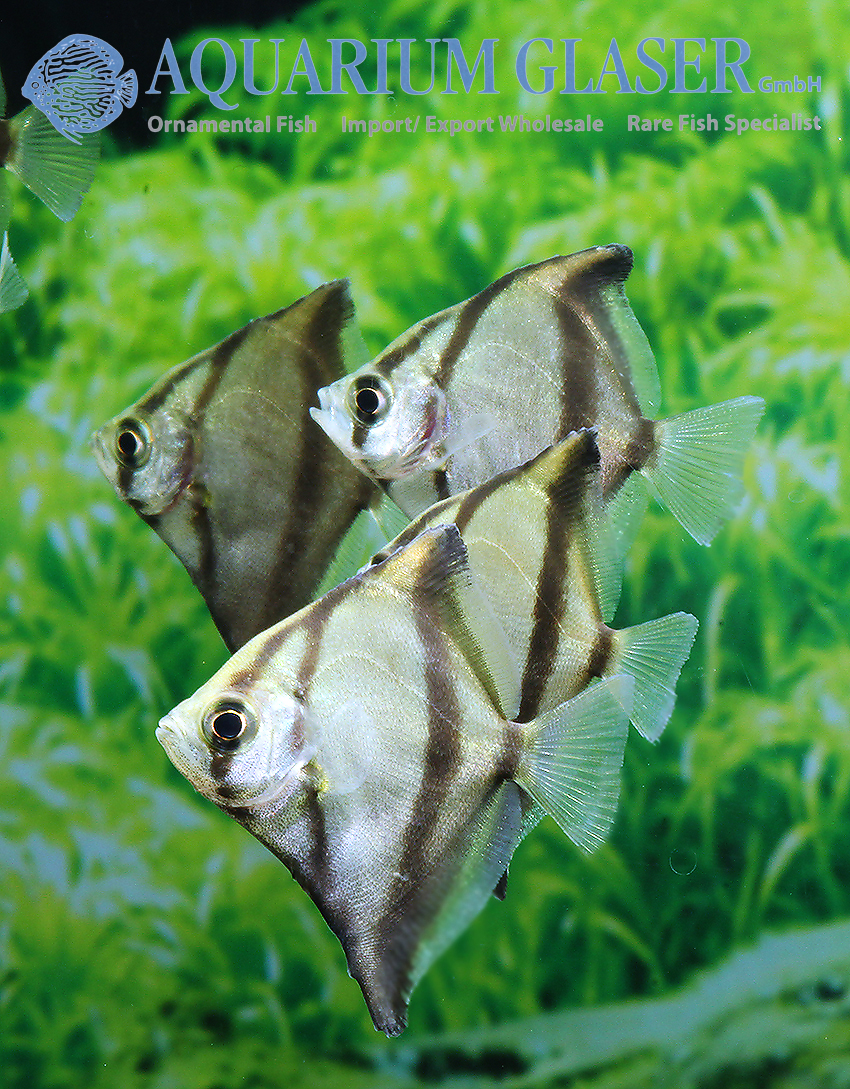
Moonies are magnificent brackish water fish. In pure fresh water they should be kept only temporarily, if possible, because they are very sensitive there. If it has to be freshwater, then the pH value must not drop below 7 and the nitrate value must not rise above 50 mg/l, nitrite is harmful even in very small amounts. In brackish or seawater (from 10-15 g salt/liter), however, they are robust animals. The fish we can offer right now are from Indonesia and were caught near Java.
Monodactylus argenteus should be kept in aquariums as large as possible, because they grow to a length of 15-20 cm and are very eager to swim. Juvenile specimens can be very incompatible with conspecifics, but this varies from individual to individual and there are also very compatible animals. It is best to keep them in a group of 10-12 (or more) so that any aggression is dispersed. A strong current and a good oxygen supply are further prerequisites to enjoy the animals for many years. The sexes cannot be distinguished externally. The fish spawn at night. They are free spawners without brood care.
The temperature should be between 24 and 28°C. They eat all usual dry, frozen and live food, if it fits into their mouth. Since these fish have a high metabolism, feeding several times a day in small portions is recommended.
For our customers: the fish have code 436202 on our stocklist. Please note that we only supply wholesale.
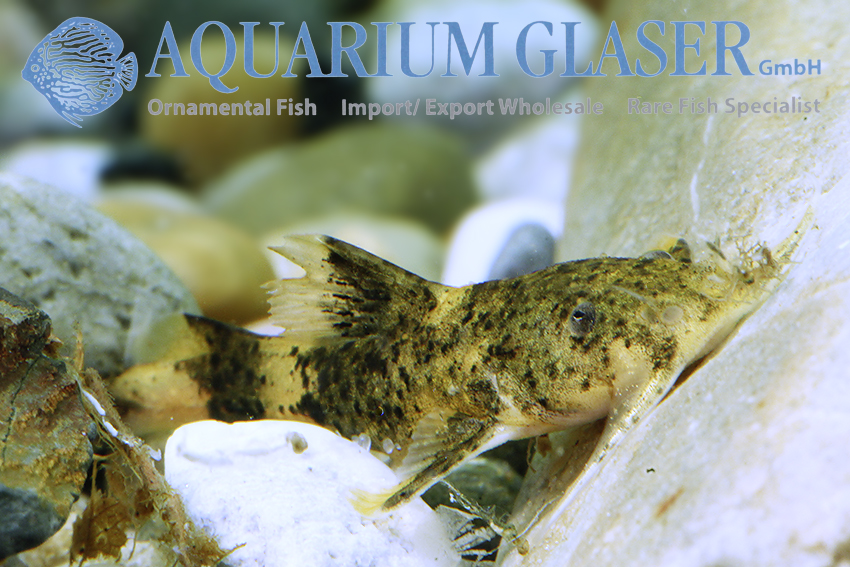
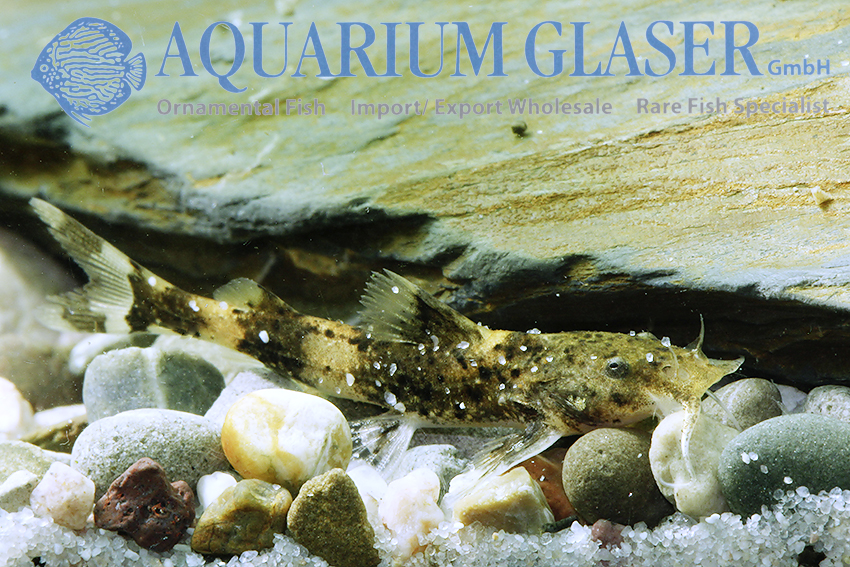
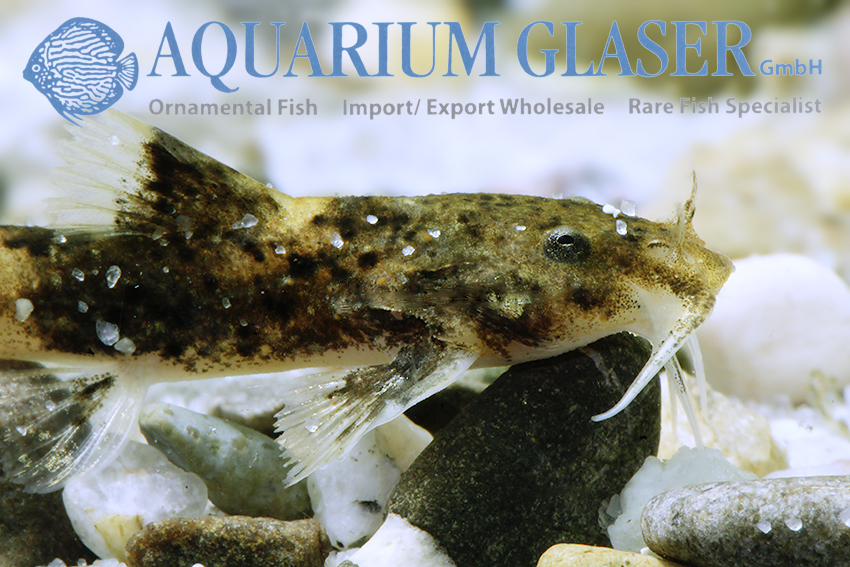
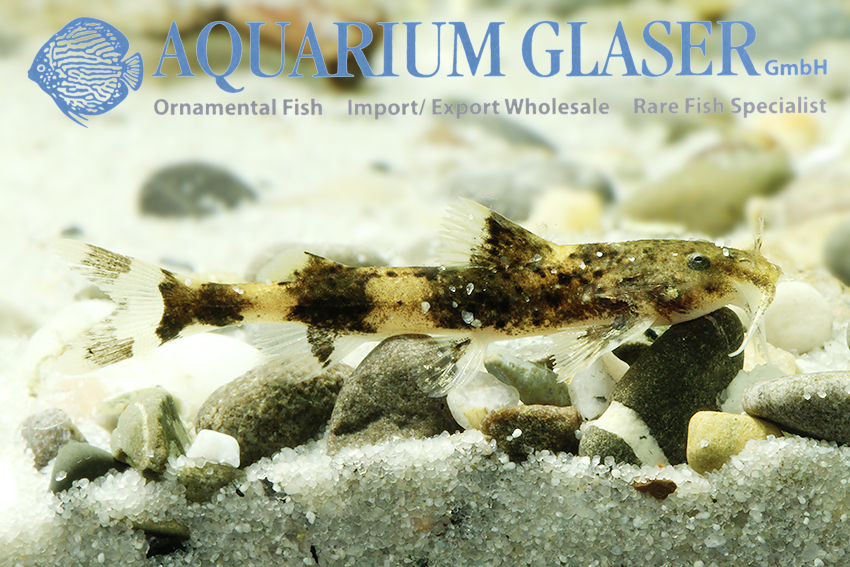
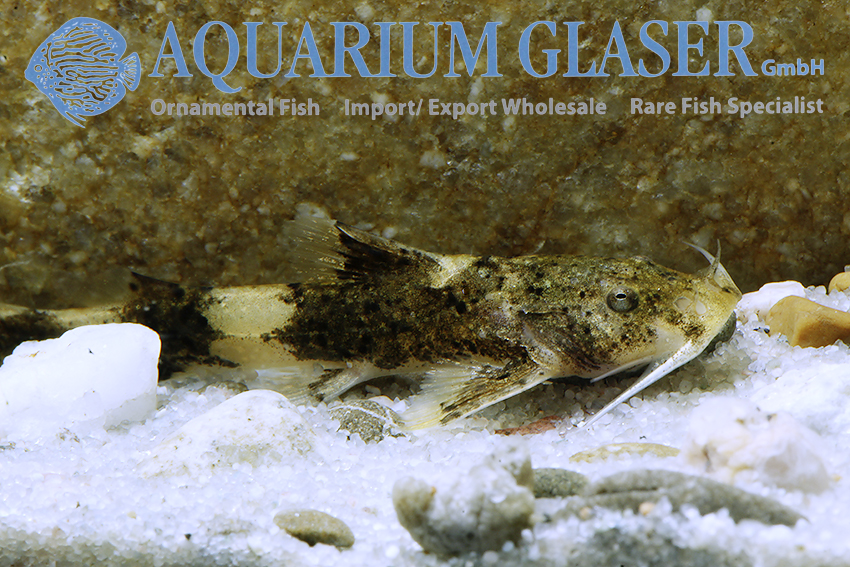
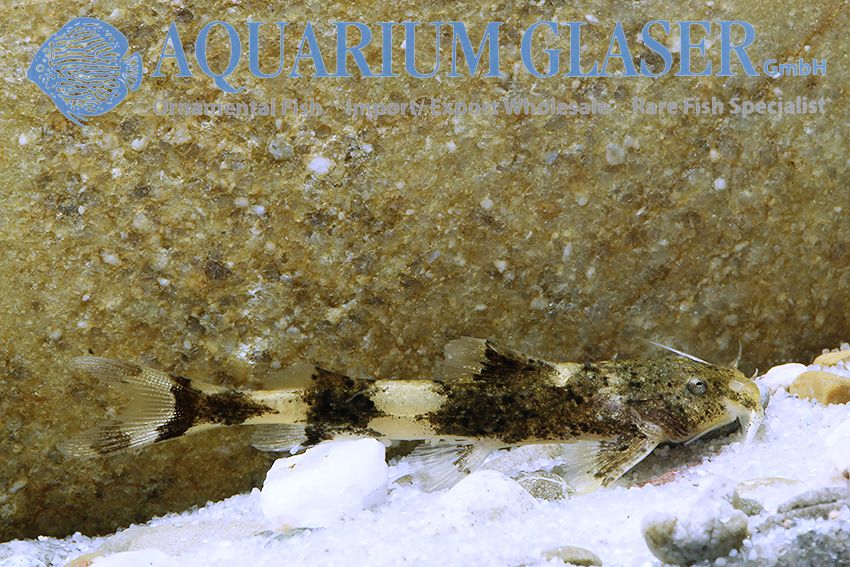
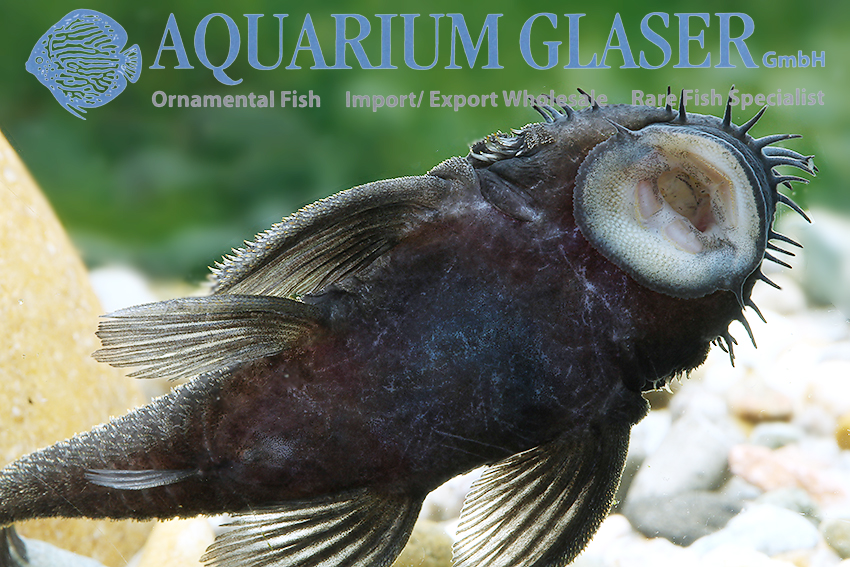
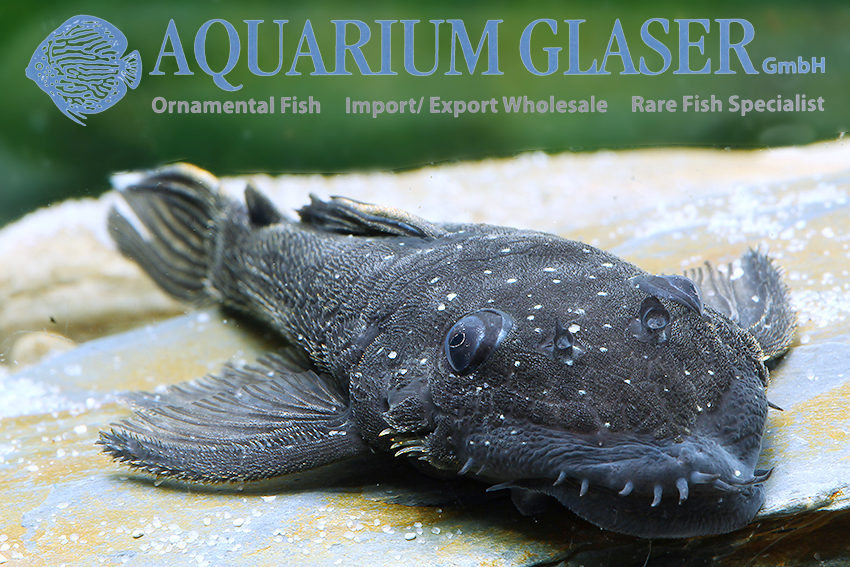
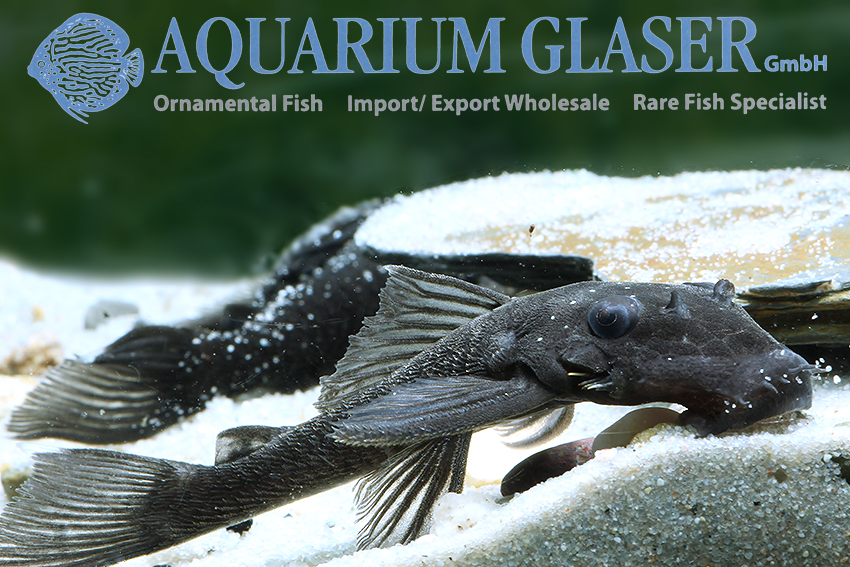
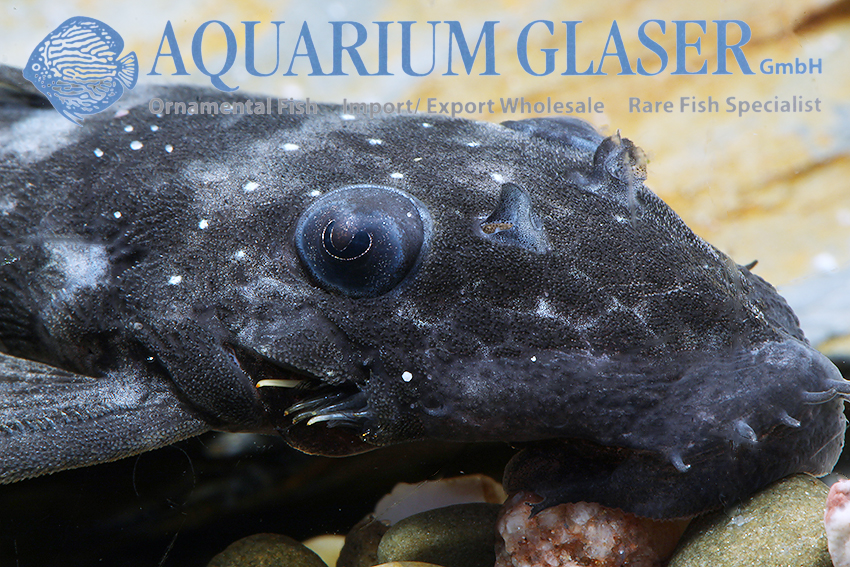
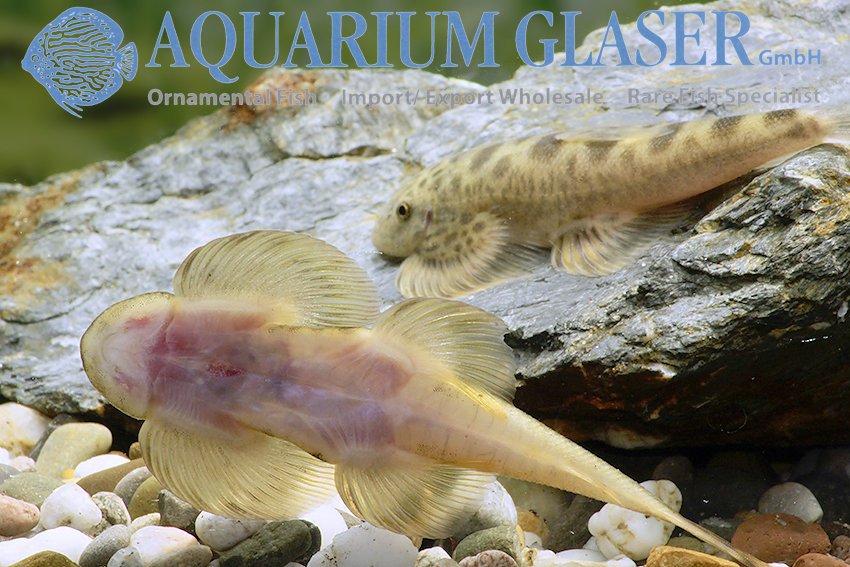
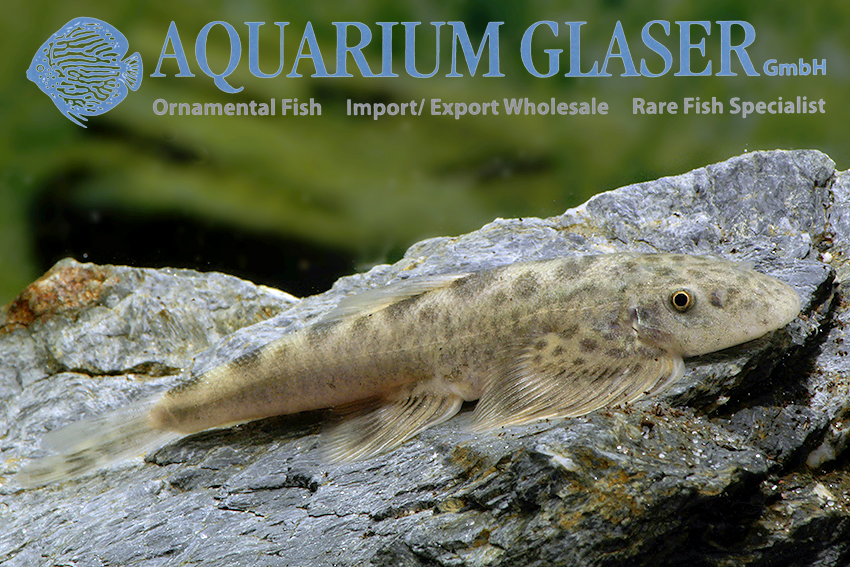
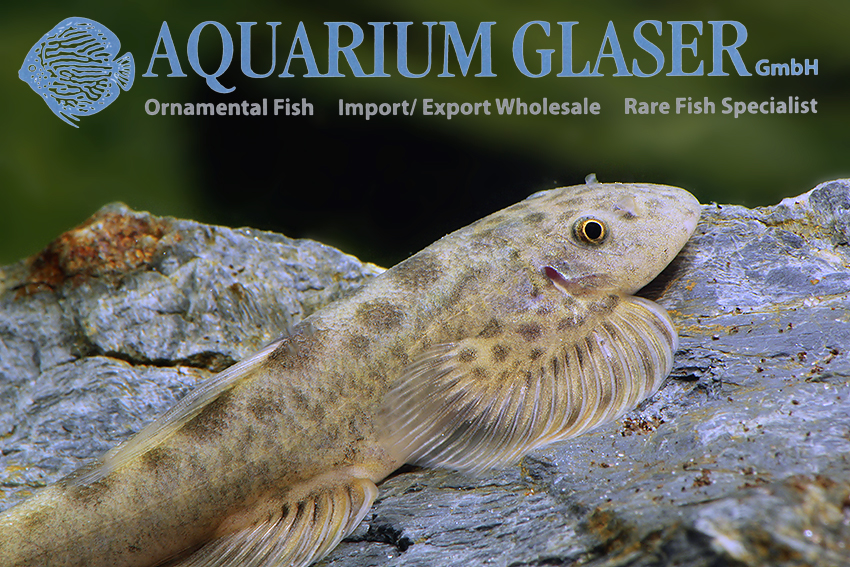
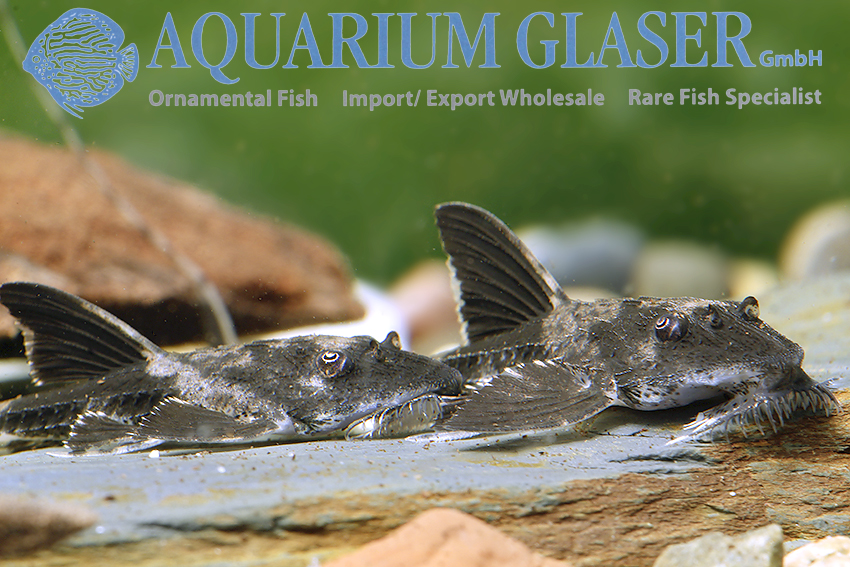
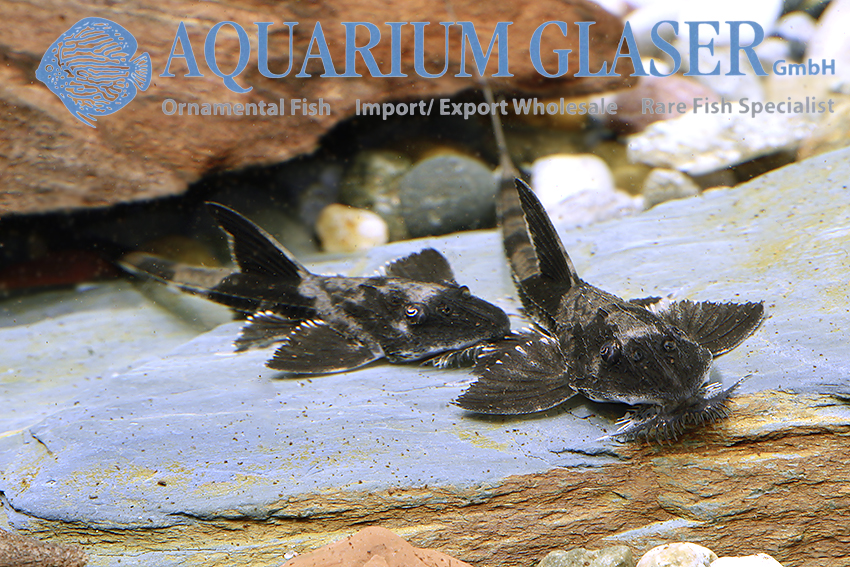
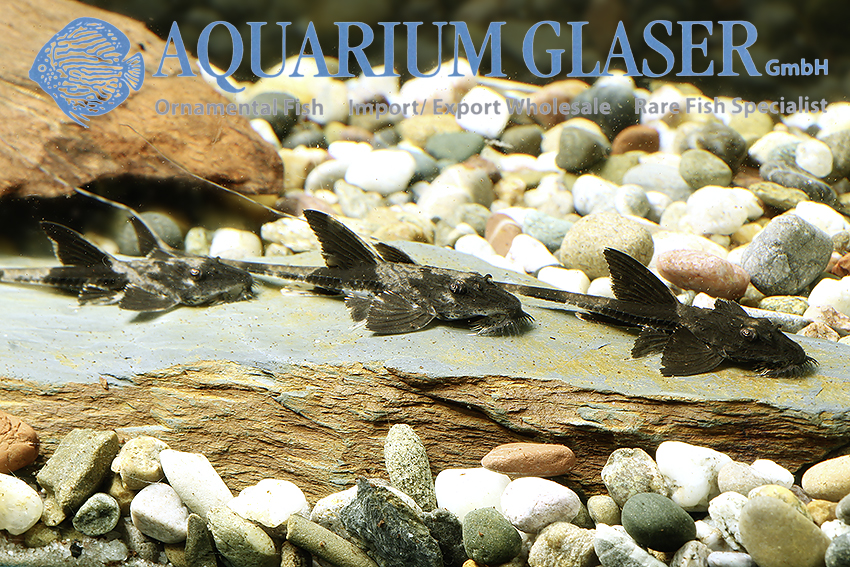
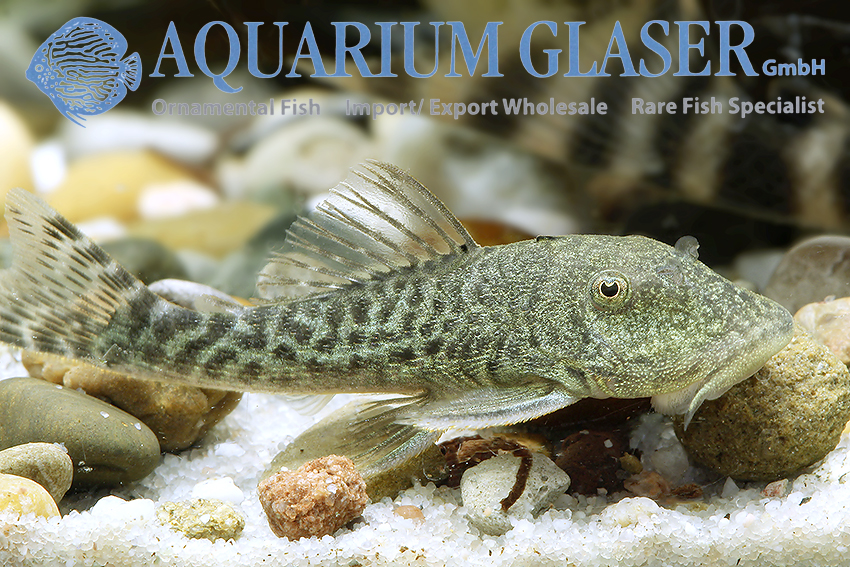
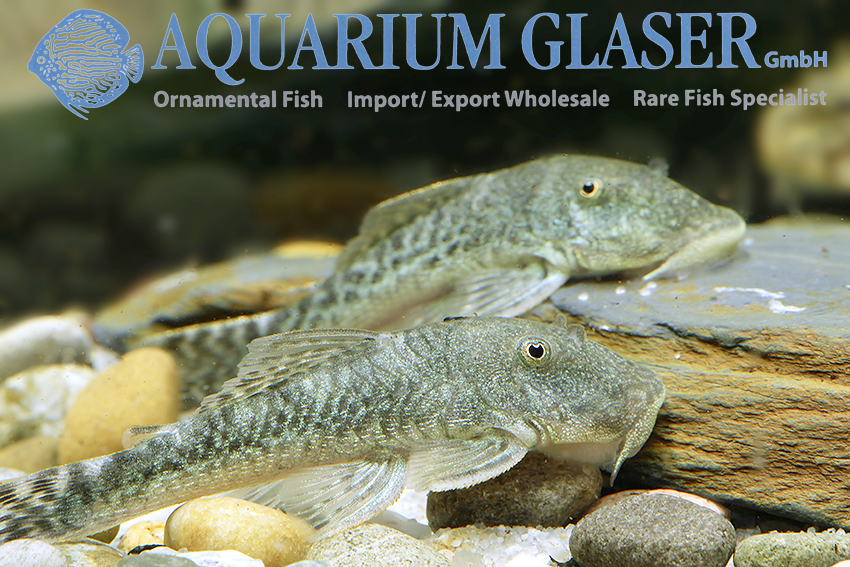
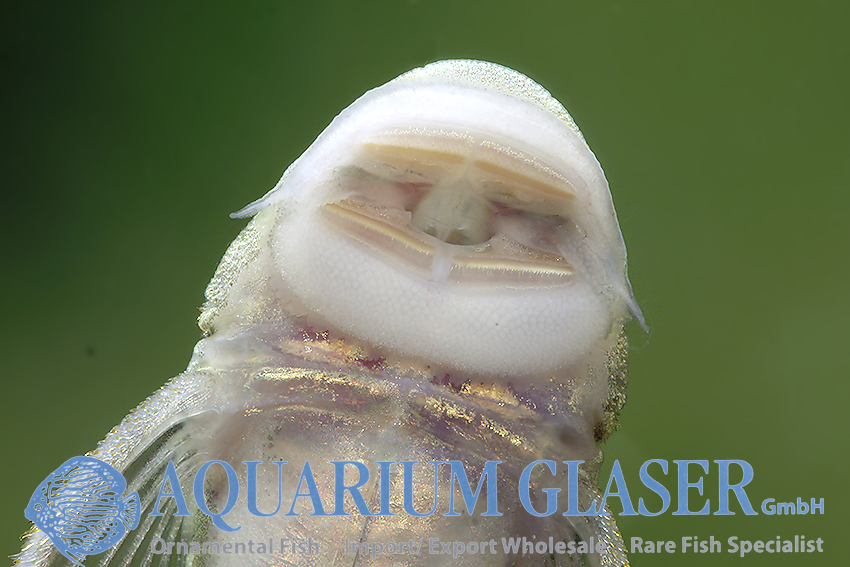
The belly sucker catfishes (Glyptothorax) are almost unknown in aquaristics. It is a very species-rich group (over 100 accepted plus probably still numerous undescribed species) of mostly small, current-loving catfishes. The extremely sparse care experiences with these catfishes show that they are (as with many stream fishes) sensitive animals, which tolerate neither stronger organic pollution nor the accompanying bacterial load. In other words: the largest possible, well acclimated, vigorously filtered and sparsely stocked aquariums are the basic prerequisite for the long-term successful care of these fish.
Concerning the compatibility it is to be said that neither other species nor conspecific fish are bothered. As flowing water inhabitants they are adapted to sandy substrate (in which they also sometimes burrow) with larger stones. Chemical water composition is incidental, but remember that hard, alkaline water provides more favorable living conditions for many bacteria than soft, acidic water. Therefore, because of their sensitivity to bacterial infections, we recommend soft to medium hard water and a pH between 6 and 7. These fish are also demanding in terms of diet. Dry food and granulates are hardly accepted, at least not during acclimation. Preferably live food is given (white mosquito larvae and adult Artemia are ideal for hygienic reasons, but the animals also like to eat Tubifex and red mosquito larvae, plus mayfly larvae and various small crustaceans), later the animals also take frozen food.
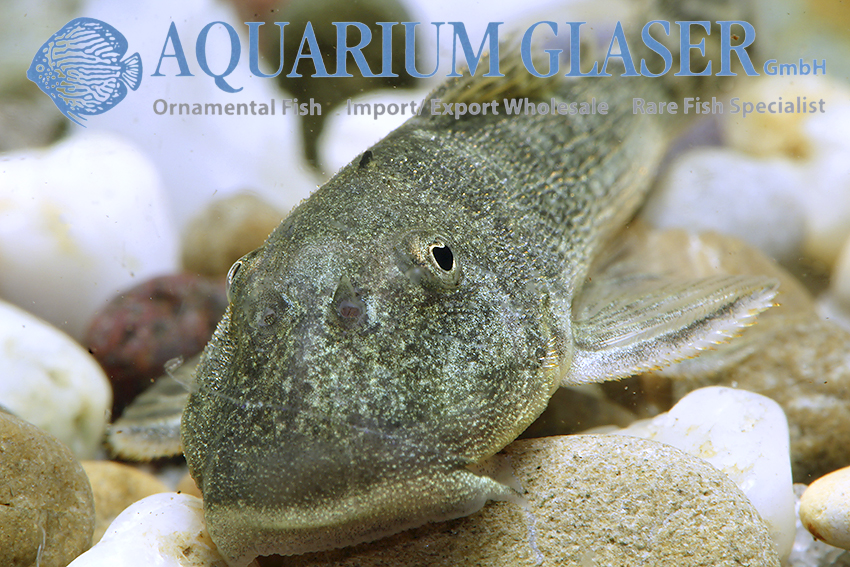
From South India (Kerala) we have now received 2-3 cm long juveniles of a Glyptothorax species, which is tricky to determine. Unfortunately all Glyptothorax from Kerala have to be considered as endangered species, because the distribution areas are small and pollution by industry and agriculture is increasing everywhere; the few specimens caught for aquaristsics do not pose a threat to the free-living population, that much can be considered as certain.
But which species have we imported? Of the Glyptothorax species reported from South India so far, G. lonah, G. trewavasae, G.poonaensis, G. elankadensis, G. davissinghi and G. annadalei can be excluded because they have a completely different pattern, while G. madraspatanus, G. malabarensis, G. anamaliensis and G. housei roughly correspond to our animals in terms of body coloration. Since we received only juveniles (all mentioned species grow to about 10 cm) we decided to call them G. cf. housei for the time being, to which they correspond most closely in coloration at present.
For our customers: the animals have code 418053 on our stocklist. Please note that we supply exclusively to wholesalers. Only a few specimens available!
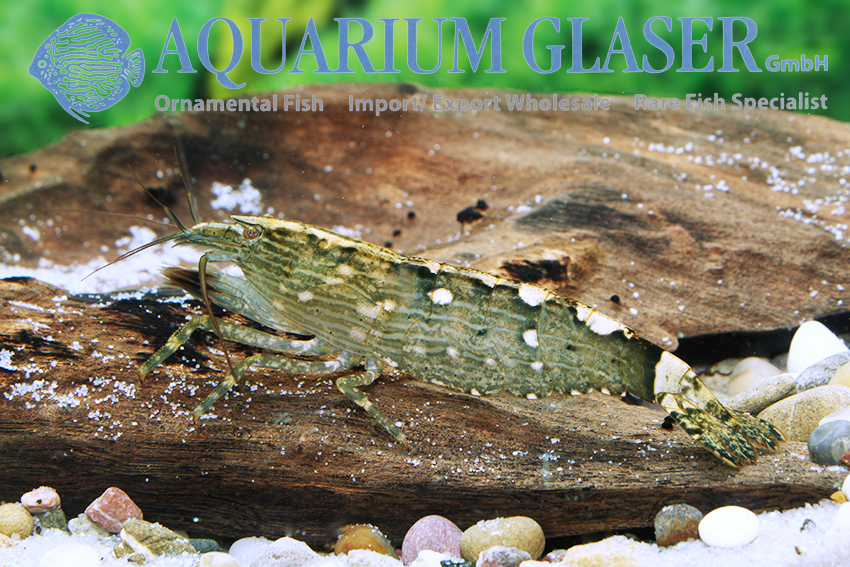
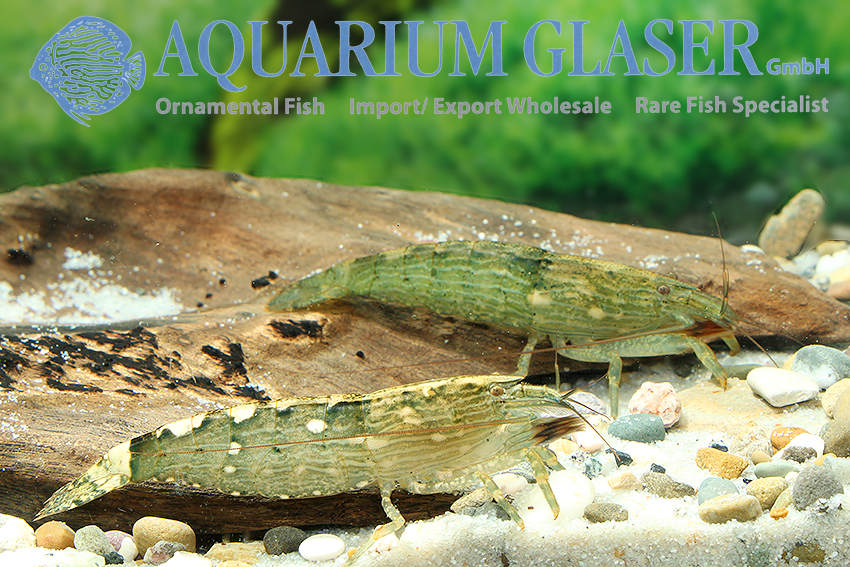
Among the numerous shrimp species that have gained a firm foothold in the hobby are two larger species of fan shrimp, namely Atyopsis moluccensis, the Moluccan mountain rock shrimp from Southeast Asia, and Atya gabonenis, the Gabon giant fan shrimp from West Africa. They grow relatively large (A. moluccensis approx. 9 cm, A. gabonensis approx. 14 cm), but are completely harmless to even small fish, as they only fish small food particles out of the water with their claws, which have been transformed into fans.
For food acquisition, the shrimp sit down in the current and open their hand fans. This looks a bit like they are positioning radar antennas. As an adaptation to the strong currents in the natural habitat, the end limbs of the rear three pairs of walking legs are re-shaped into pointed spines, with which the shrimp still find a firm hold even in tiny cracks in the rock. Fortunately, the animals do not only eat the floating material they fish out of the water, but also finely grated dry food, food tablets and frozen cyclops.
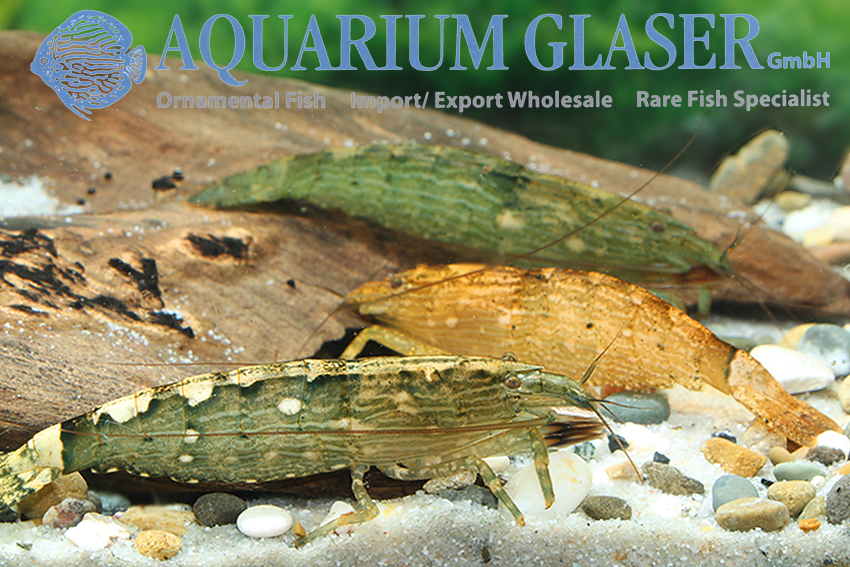
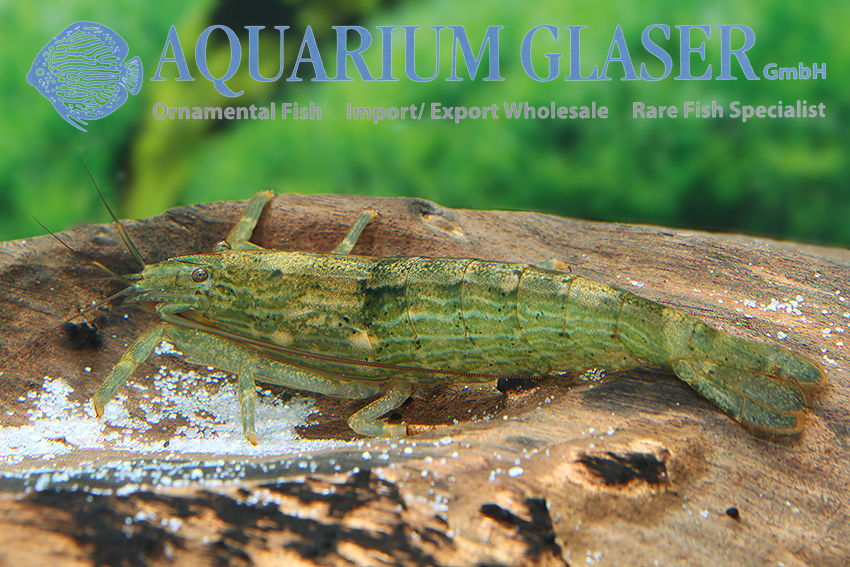
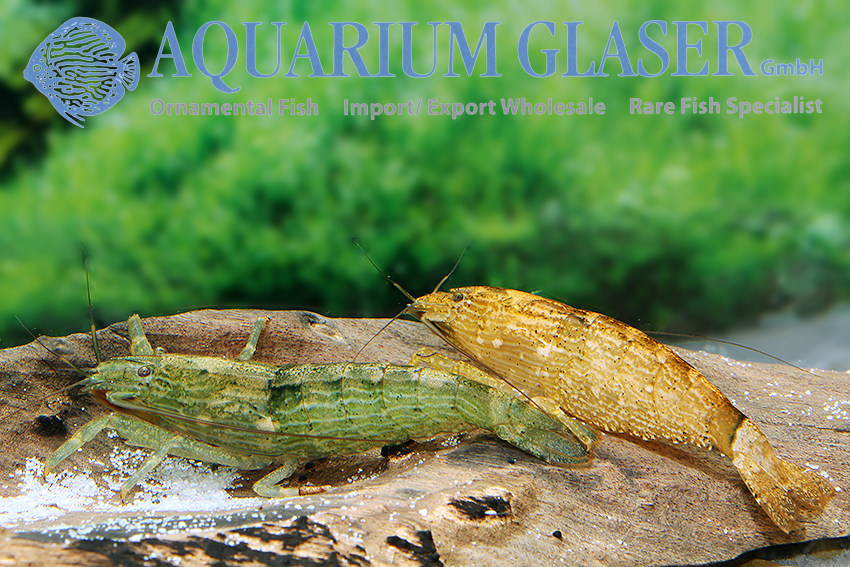
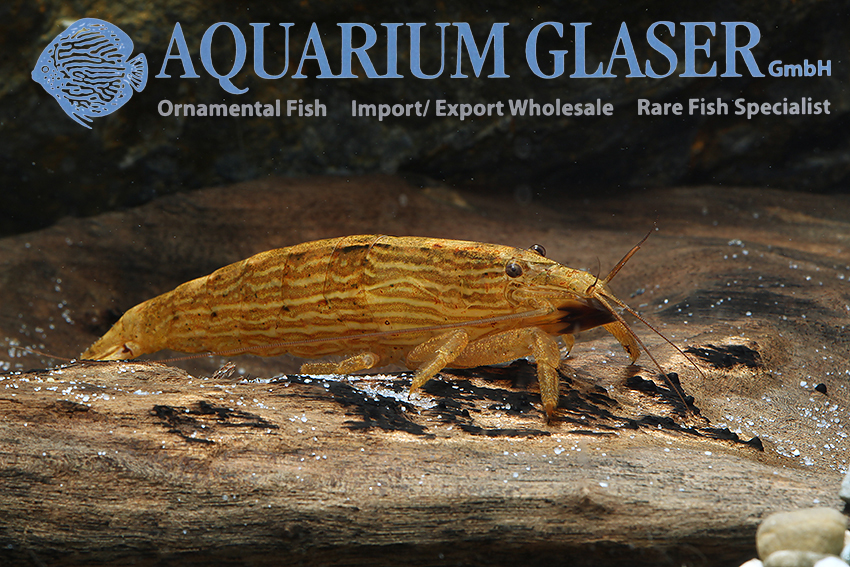
Atyopsis moluccensis is enormously variable in color, there are beige, green and brown animals within one import, they can have a dorsal stripe or also a diamond pattern or white spots. All color variants have the characteristic stripes on the side of the carapace. The males can be recognized by the thickened first pair of walking legs.
Usually these shrimps are not bred, because the larvae develop only in seawater and their breeding is connected with some expenditure; since the adult shrimps are popular food in their countries of origin, the comparatively few animals, which are needed for aquaristic purposes, are available inexpensively as wild collected specimens.
For our customers: the animals have code 481235 on our stocklist. Please note that we supply exclusively to the wholesale market.
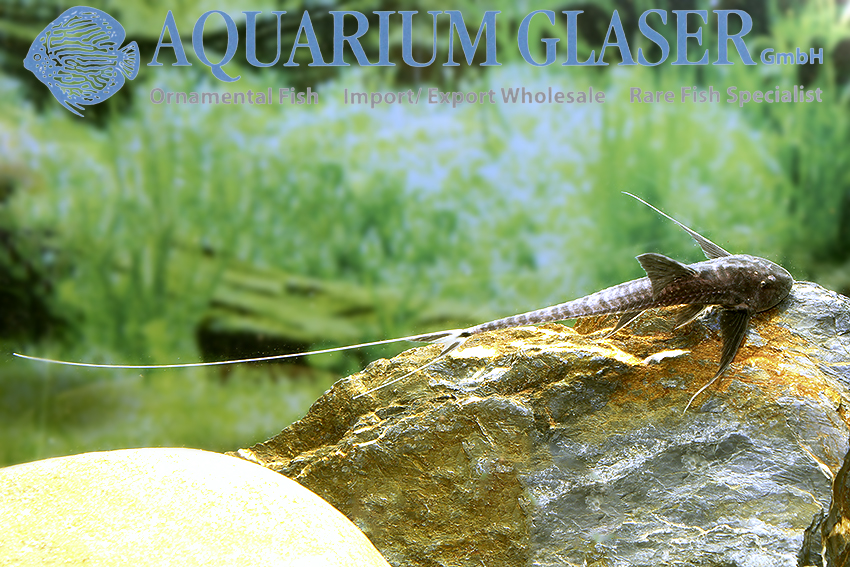
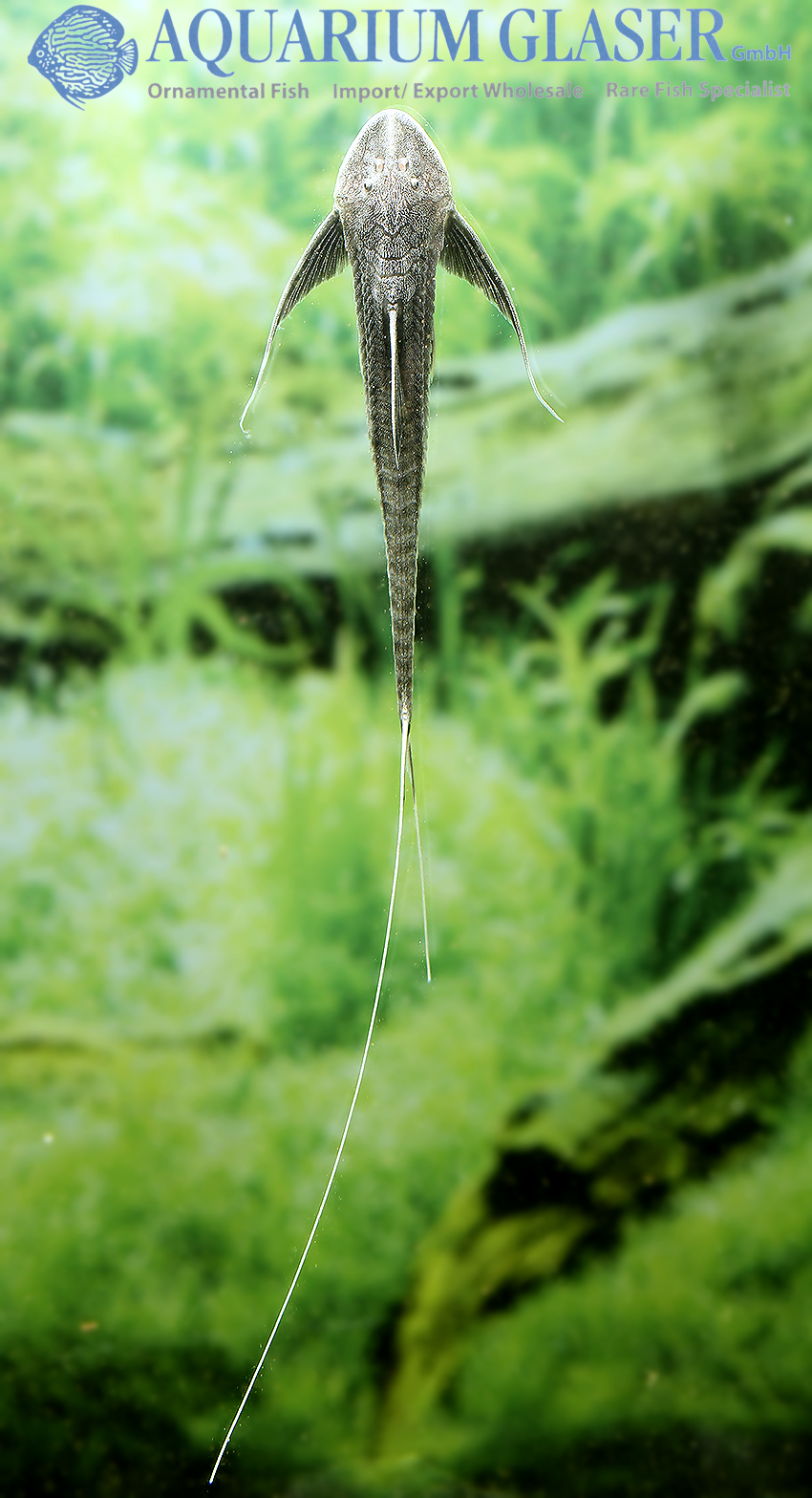
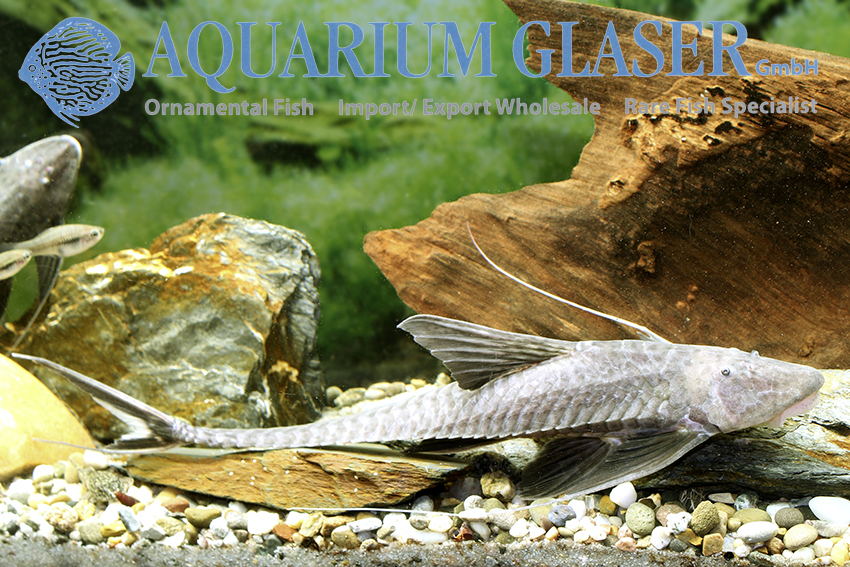
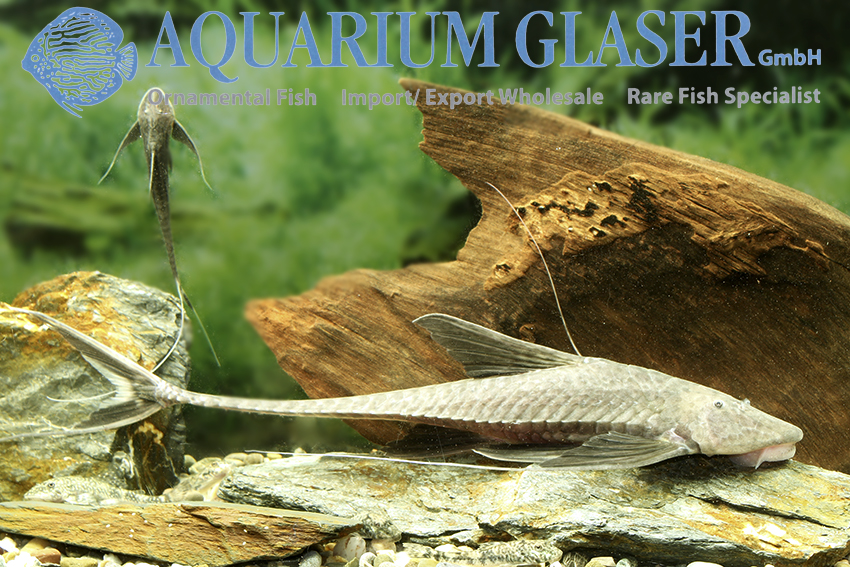
From Brazil we received beautiful whiptail catfishes, which we thought at first sight to be Rineloricaria lanceolata, a species with a very wide distribution. The high proportion of reddish animals was striking. The majority of the fish are small, 3-4 cm long and marked like R. lanceolata, but there are a few adult specimens among them. These fish have a conspicuous dot pattern on the head. Consultation with loricariid specialist Ingo Seidel and review of the original description revealed that it is probably Rineloricaria heteroptera. This whiptail catfish was described from the Manaus area in 1976; the paratype shown in the original description is spotted exactly like our adult fish.
According to Evers & Seidel (Welsatlas Vol.1), R. heteroptera was often bred in the former GDR, but was later displaced by the similar and more productive R. lanceolata. The popular Red Whiptail Catfish, a breeding form, probably originates from the old strains of R. heteroptera.
This whiptail catfish grows to about 13-15 cm in length and is very suitable for aquarium care and breeding. The clutches are relatively small with 40-60 eggs. Rineloricaria are mixed feeders, eating both plant and animal foods. They appreciate free bottom areas with sand and gravel. They breed in relatively narrow burrows (bamboo tubes or the like), the male guards the spawn and larvae until they swim free. The water temperature should be between 24 and 30°C, for breeding usually soft and slightly sour (pH 5,5-6,5) water is necessary. Without breeding intentions the water values are of secondary importance.
For our customers: the fish have code 288352 on our stocklist. Please note that we only supply wholesale.
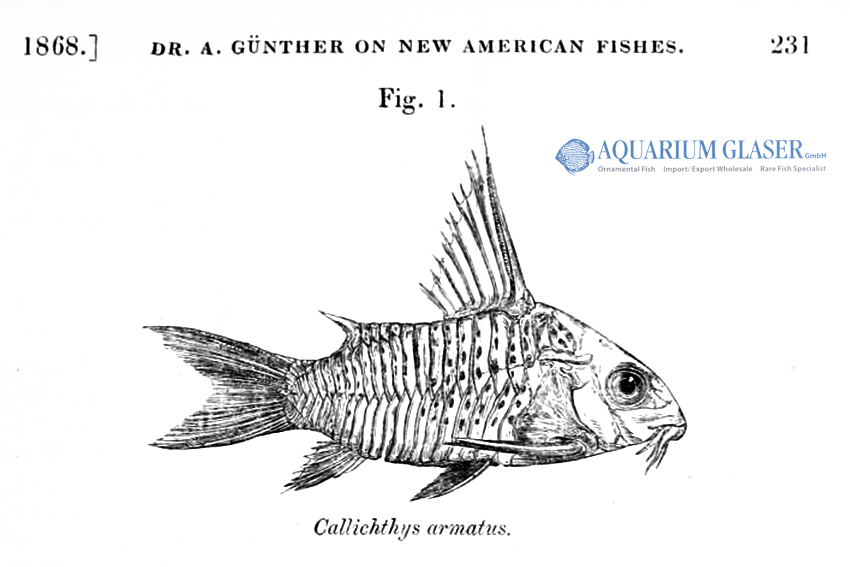
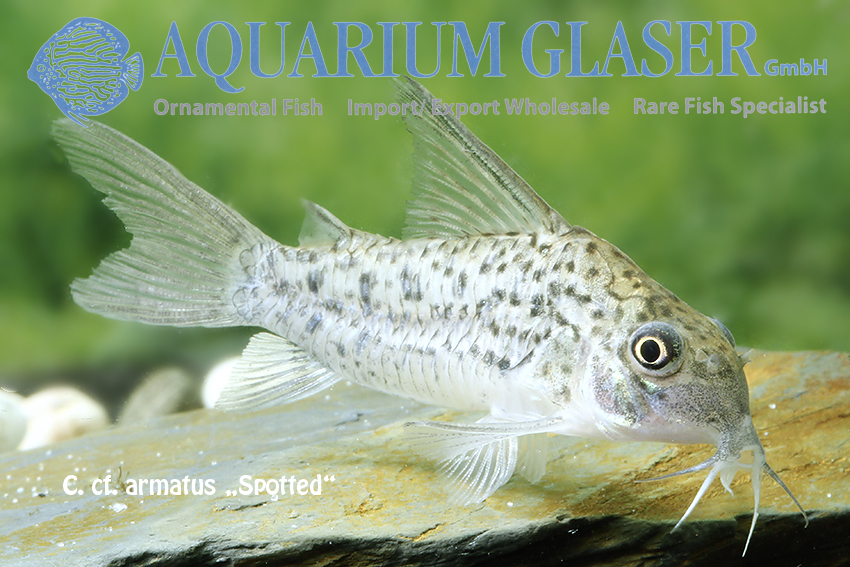
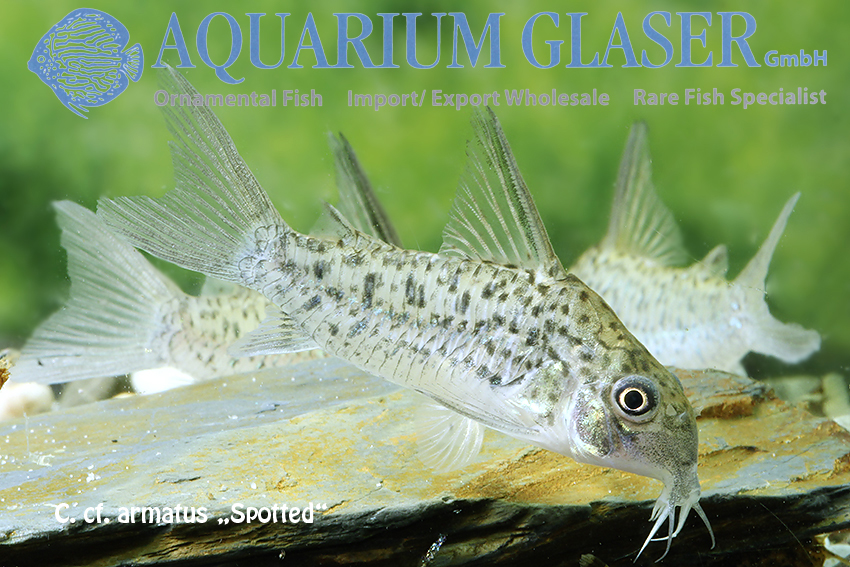
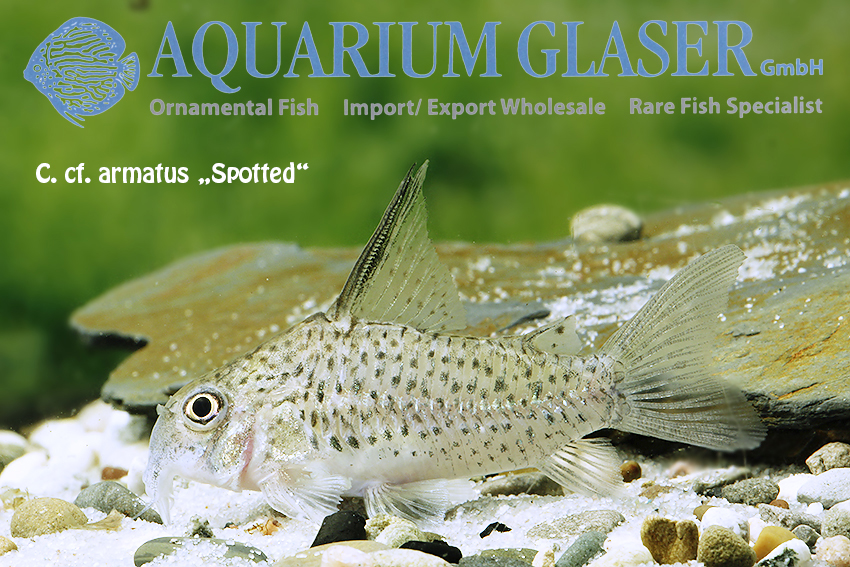
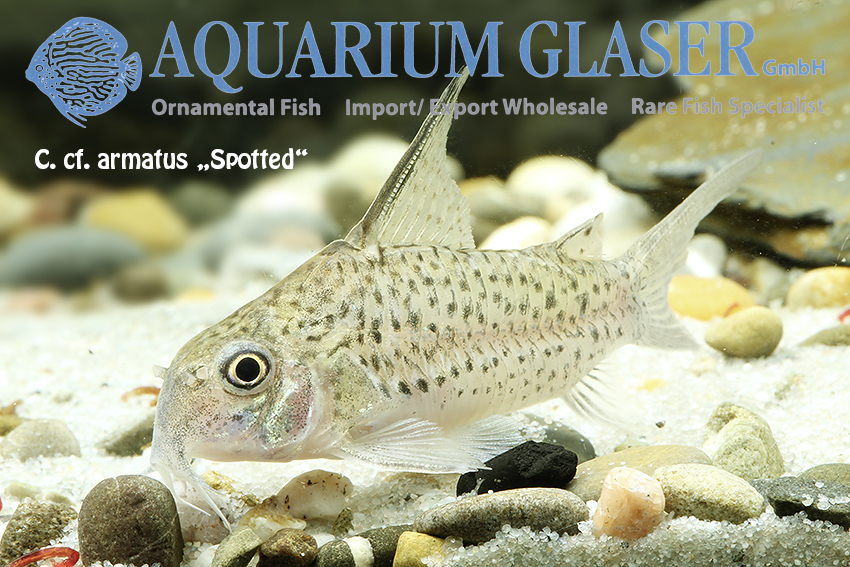
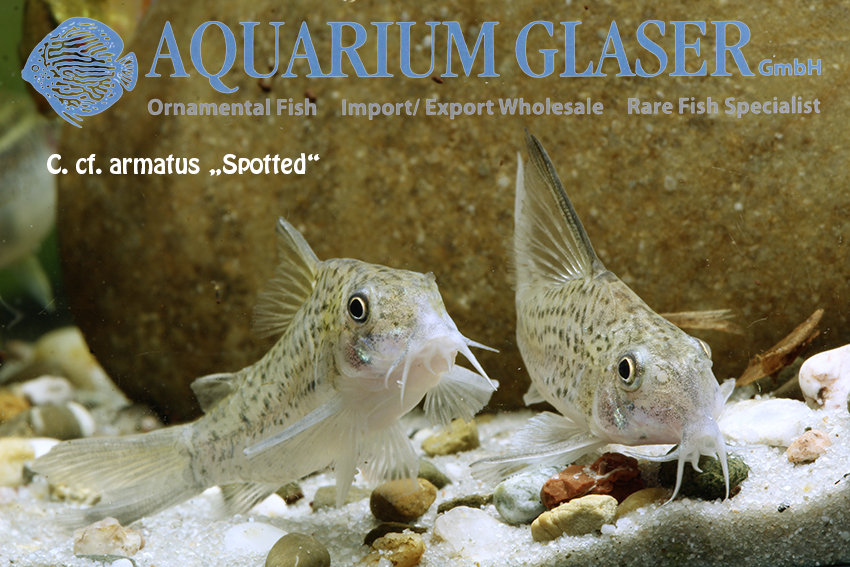
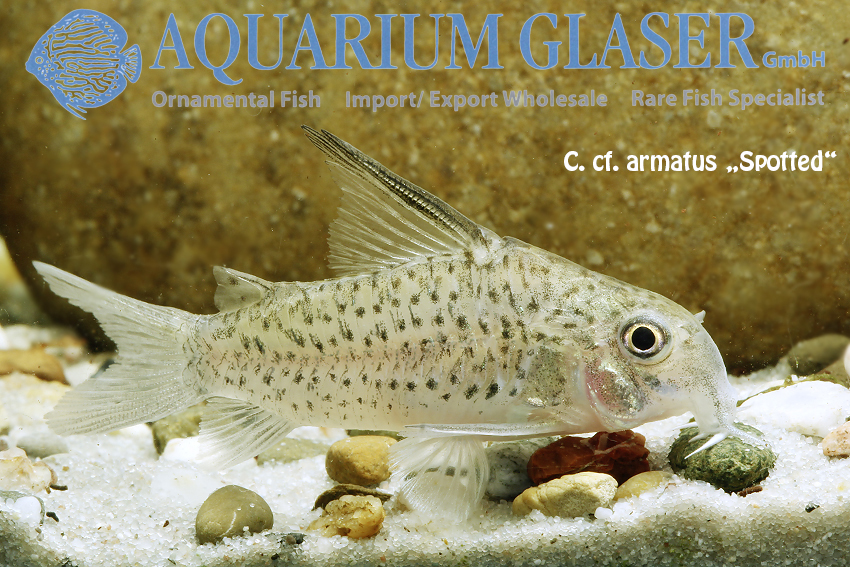
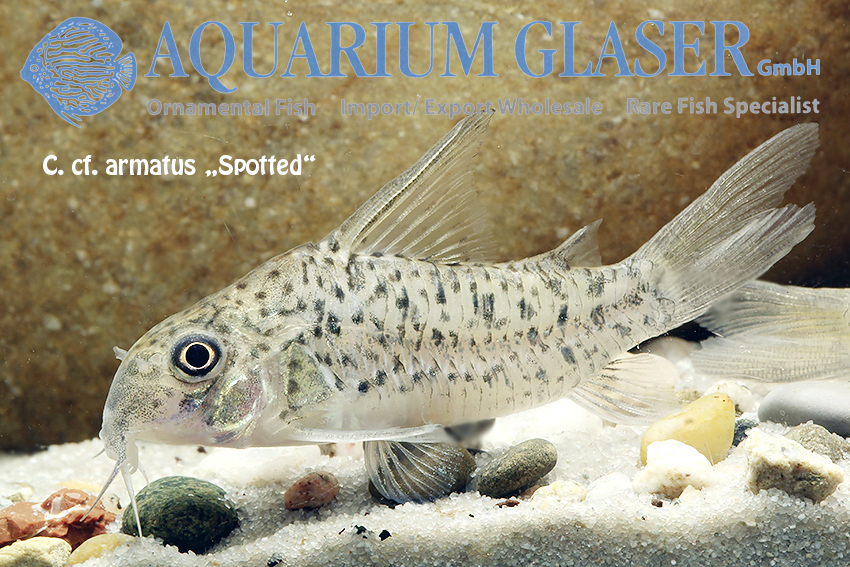
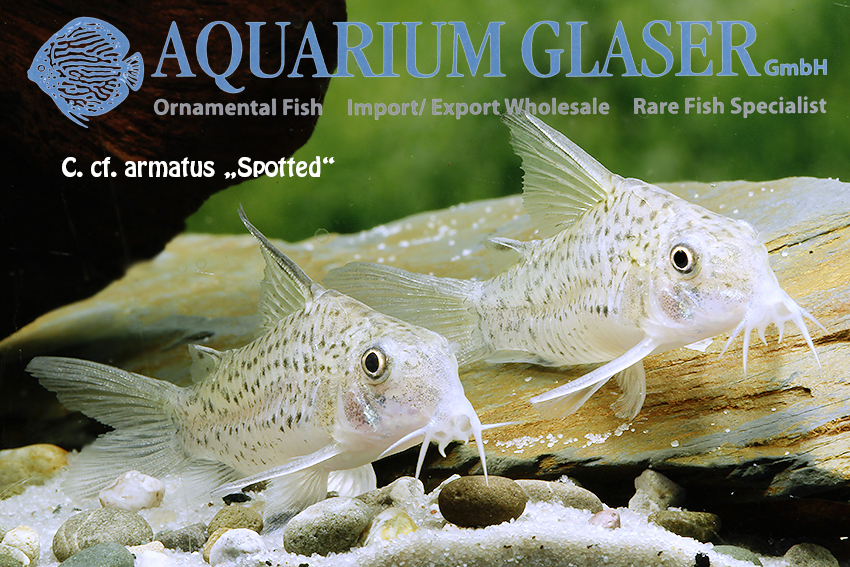
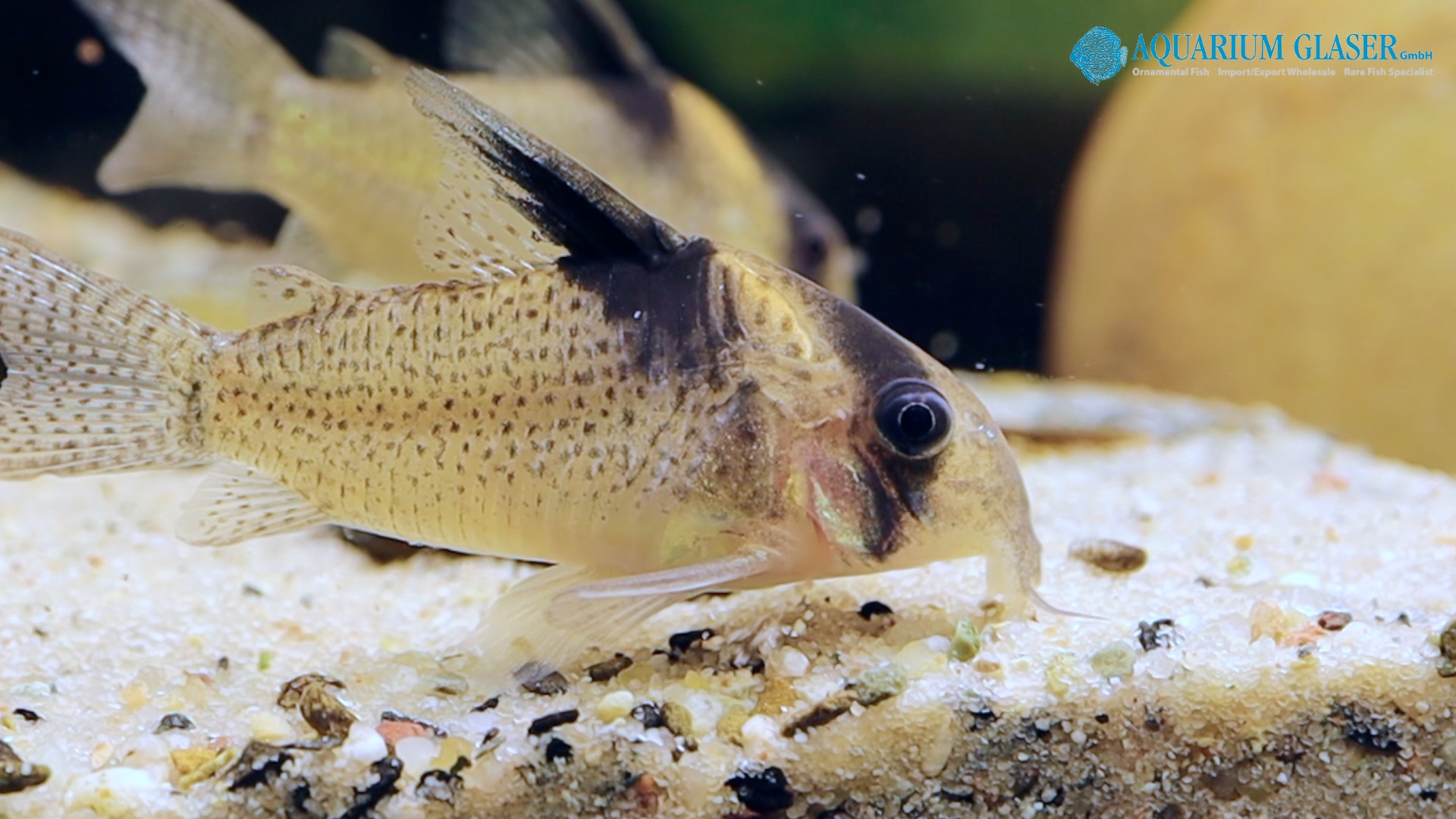
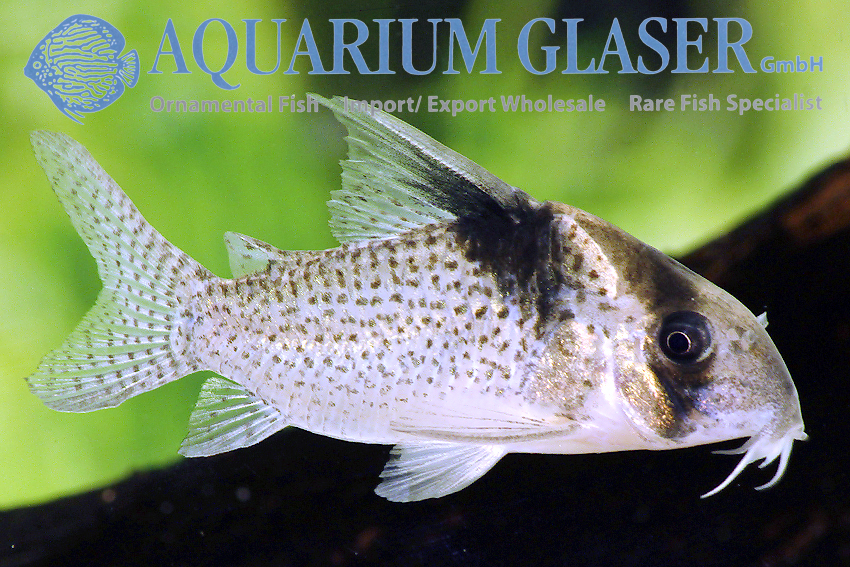
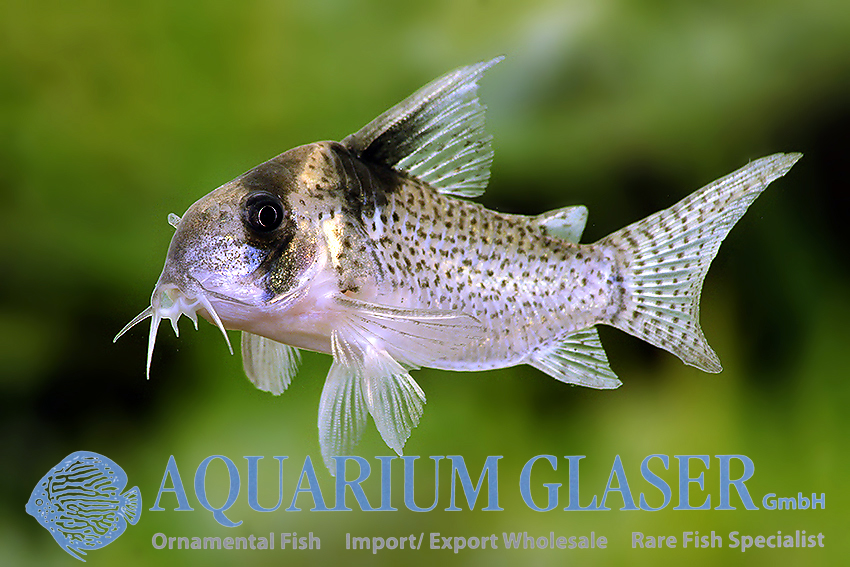
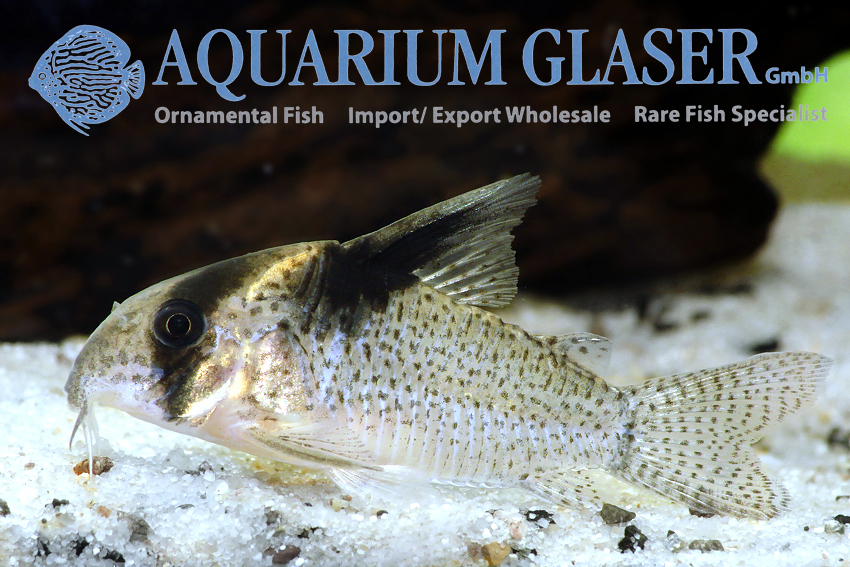
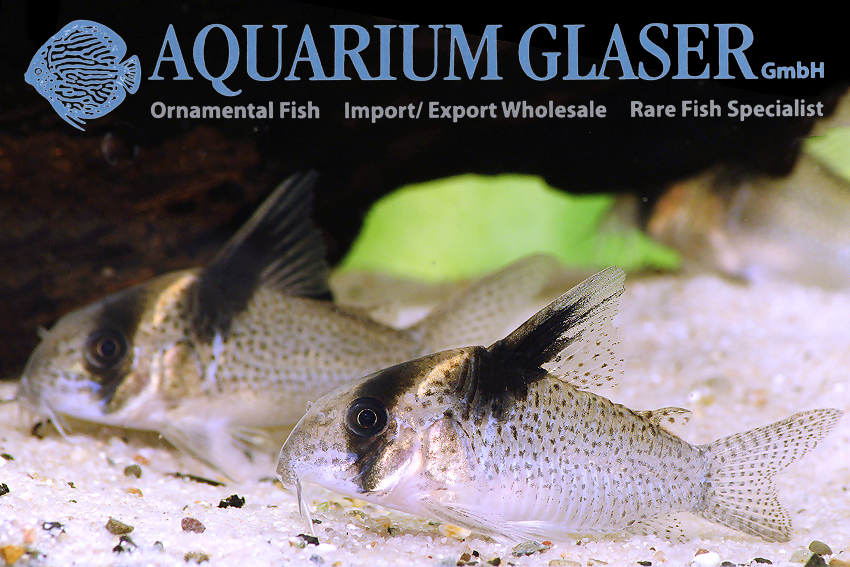
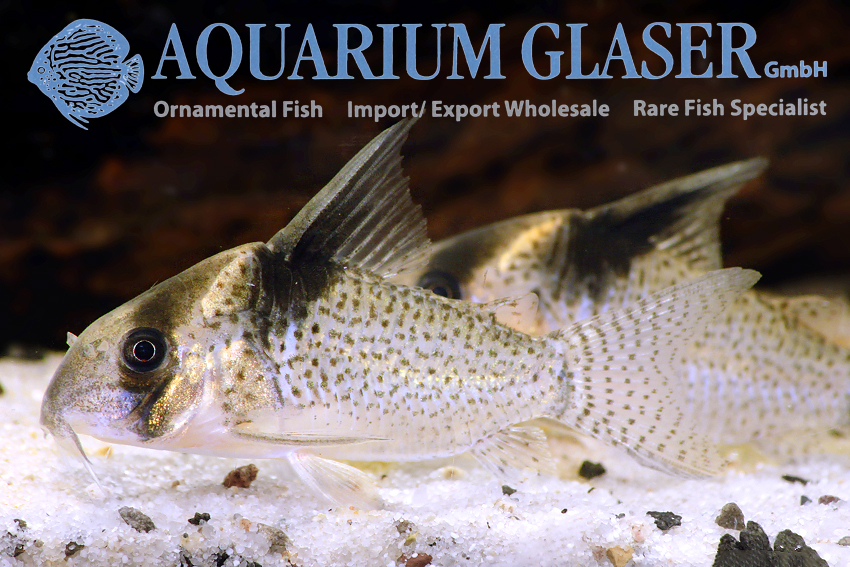
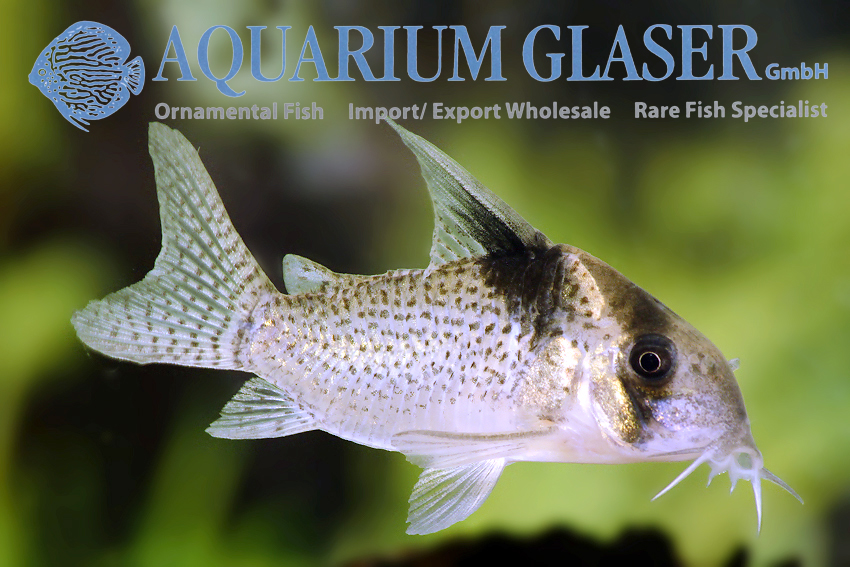
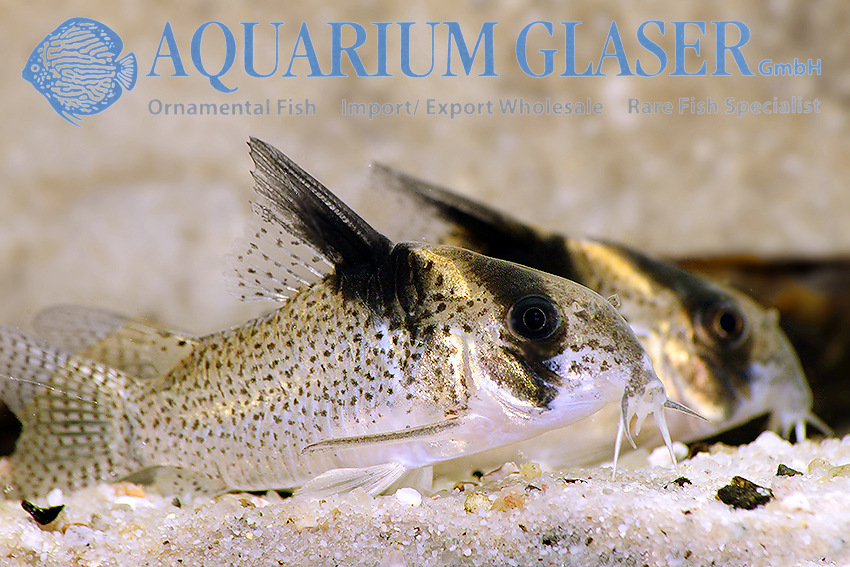
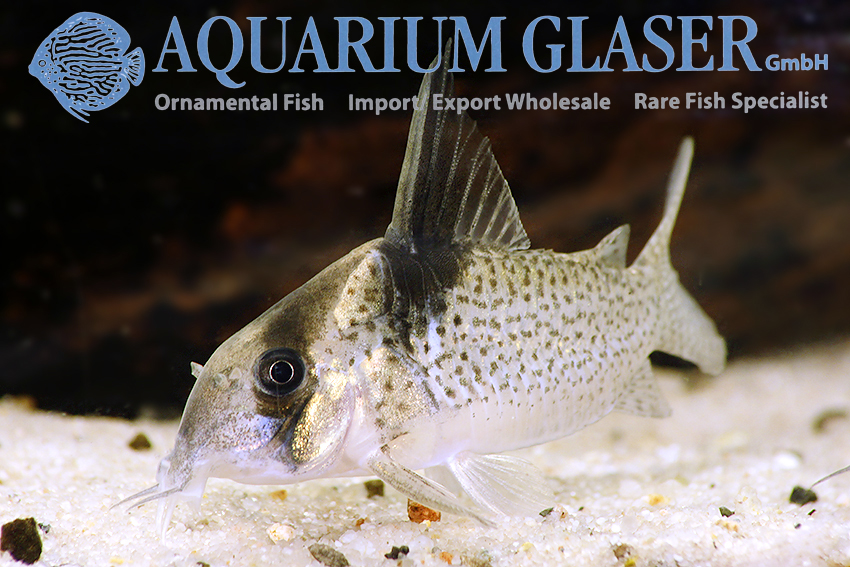
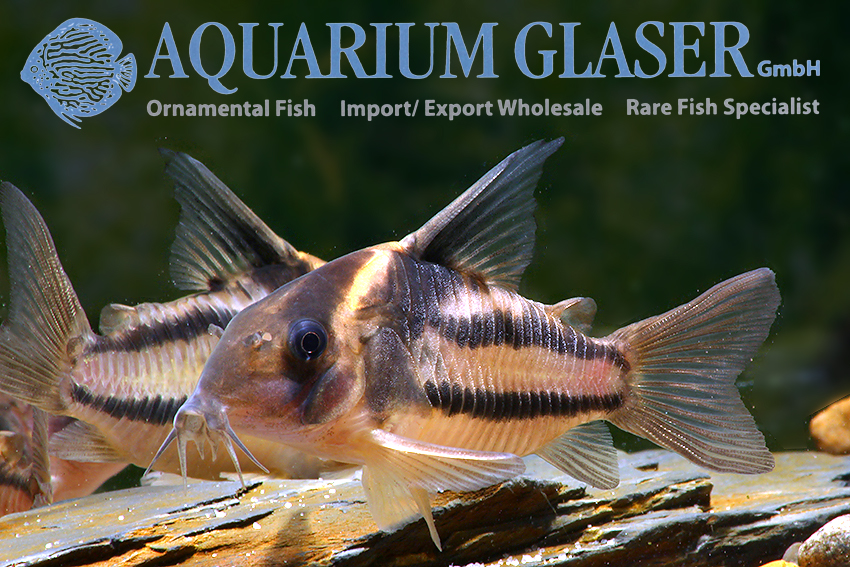
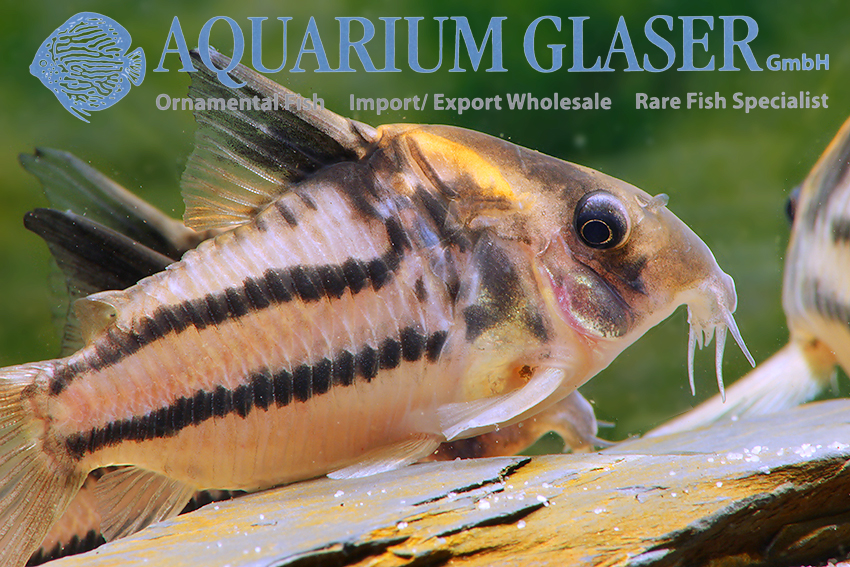
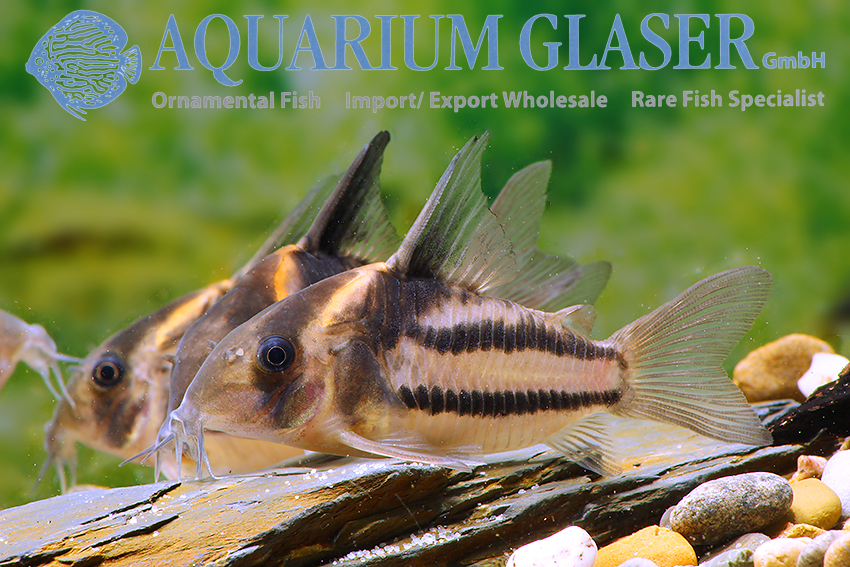
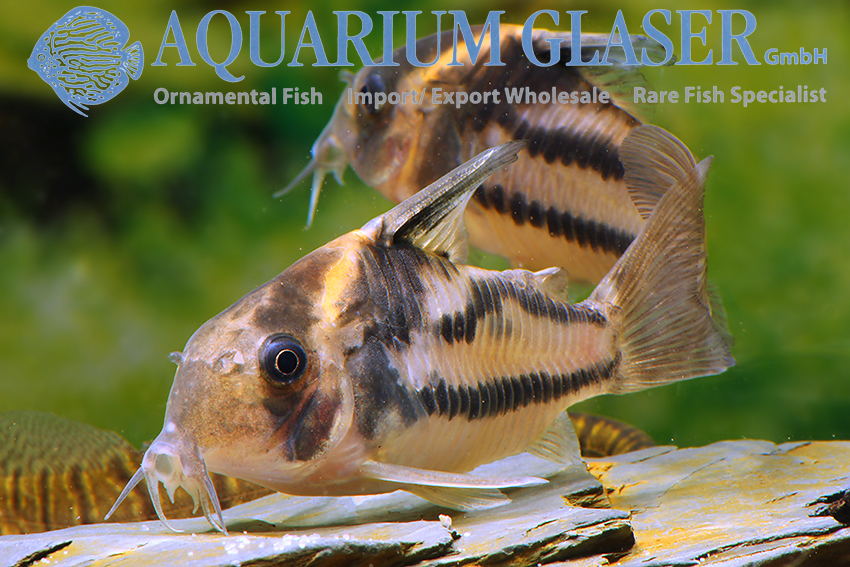
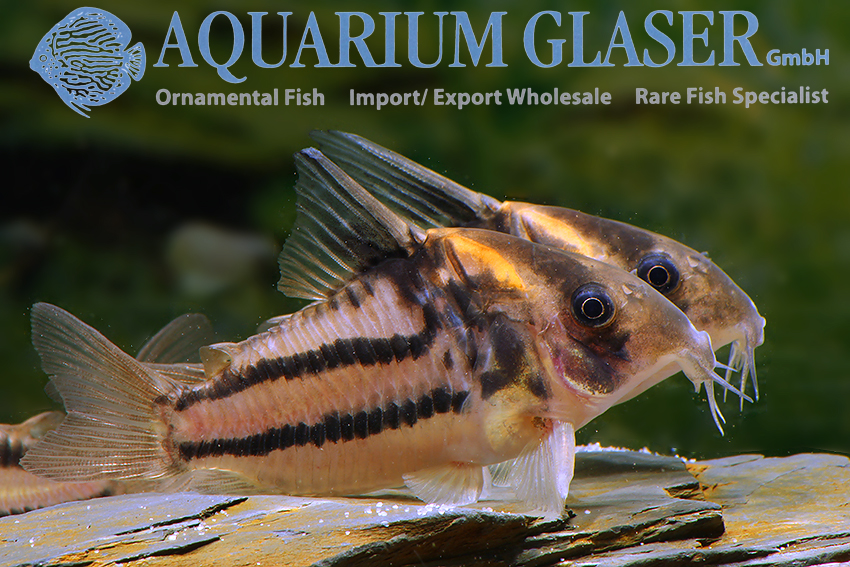
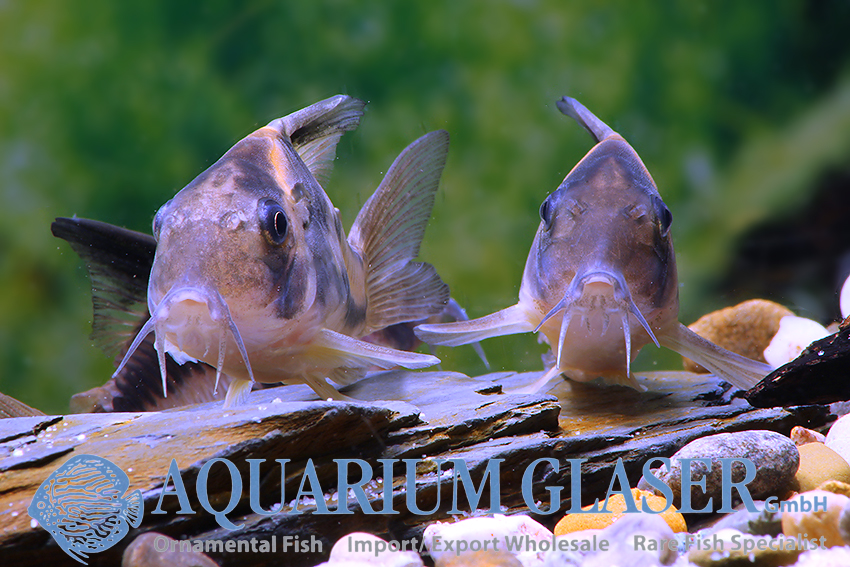
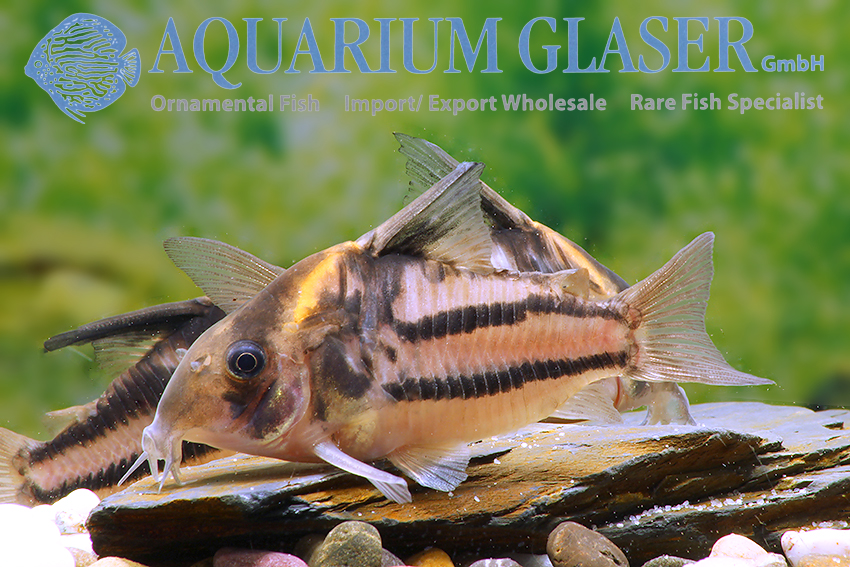
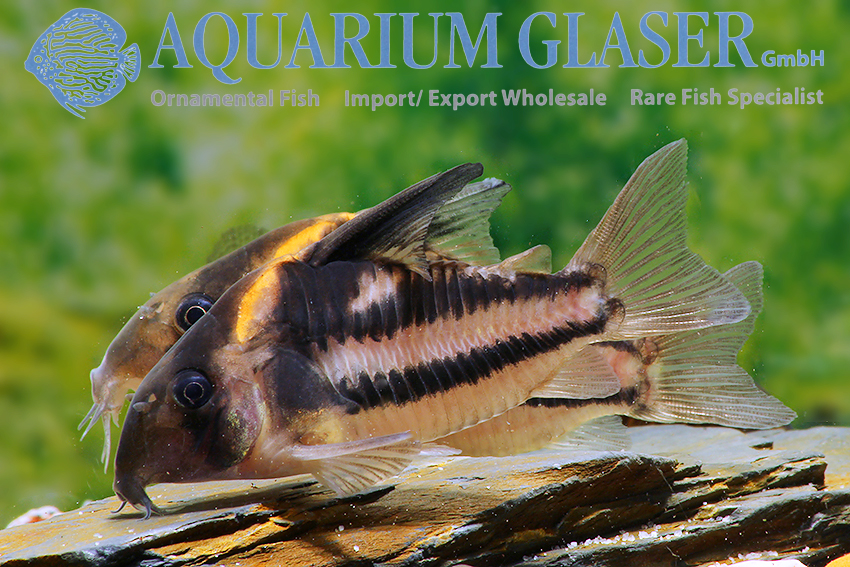
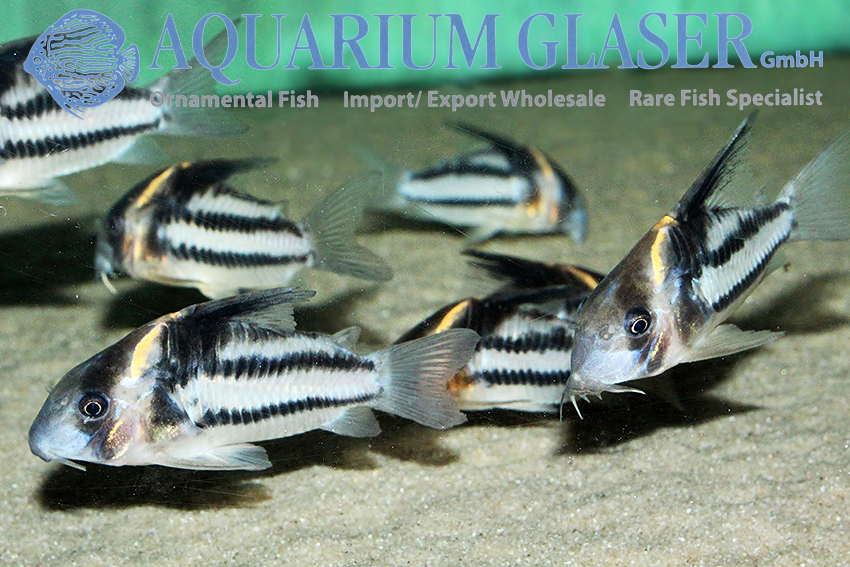
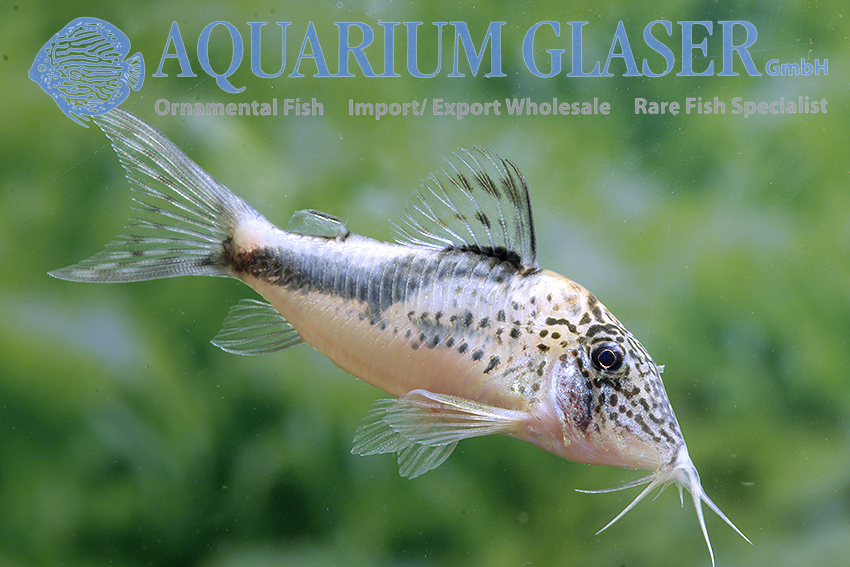
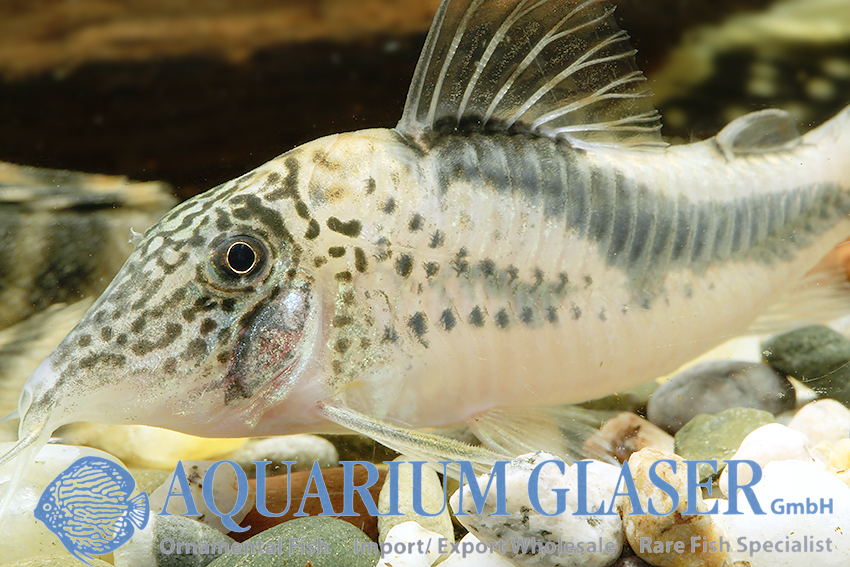
From Colombia we received a nice Corydoras species, which threw us into some confusion during identification. They were sent as C. armatus, a species described from the Rio Huallaga, a right-bank tributary of the Rio Maranon (the larger of the two headwaters of the Amazon) in Peru. C. armatus is a conspicuously high-backed species with a black, particularly elongate dorsal-fin spine, and is one of the first species of Corydoras ever known to science. The species was described in 1868 as Callichthys armatus.
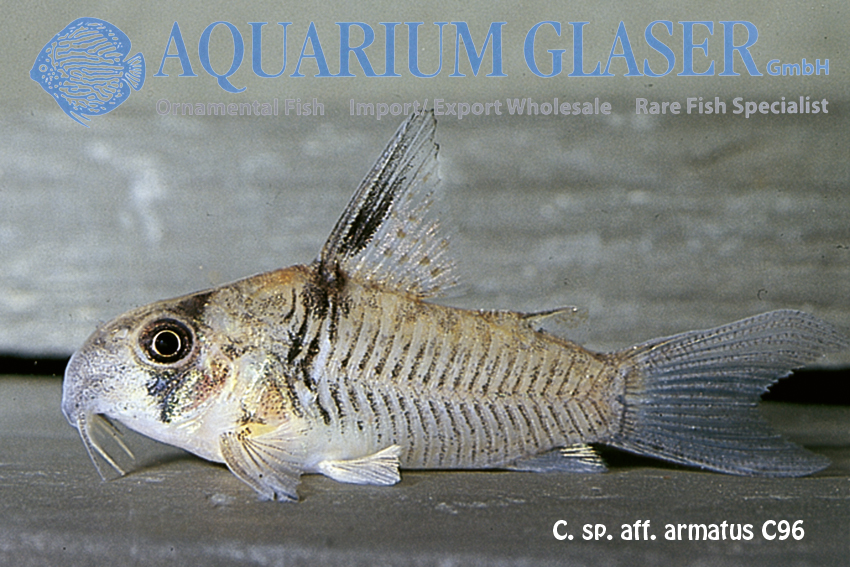
In the hobby, a scientifically undescribed species from Peru was initially thought to be C. armatus, which today bears the C number 96 and has a conspicuous dark stripe running vertically below the dorsal fin. In addition, this species has a distinctive eye mask. It originates from the Rio Nanay.
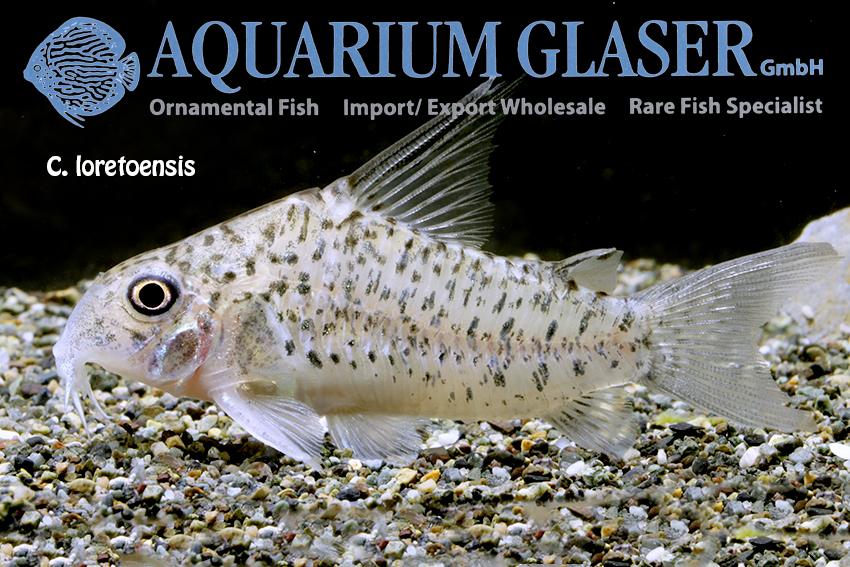
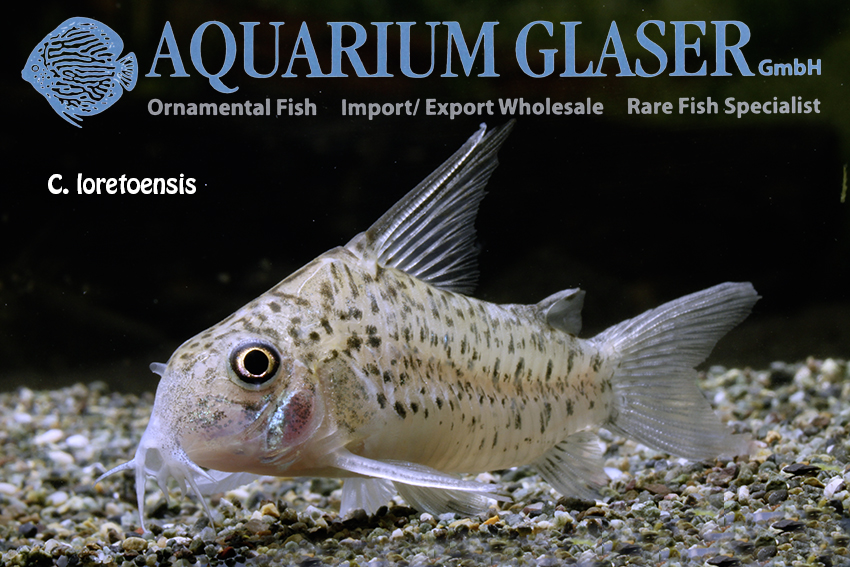
There is also a very close resemblance to Corydoras loretoensis, which is less high-backed compared to C. armatus. C. loretoensis comes from the province of Loreto in Peru.
Finally, in the border area of Brazil and Bolivia, in the upper Rio Madeira basin (Rio Abuna), there is a Corydoras optically not separable from C. armatus, which is traded as C. sp. “dorsalis” or C. sp. “ogawae”. If there were not 2.500 km air-line between both localities, nobody would doubt that the animals should be counted to C. armatus. This fish got the code CW86.
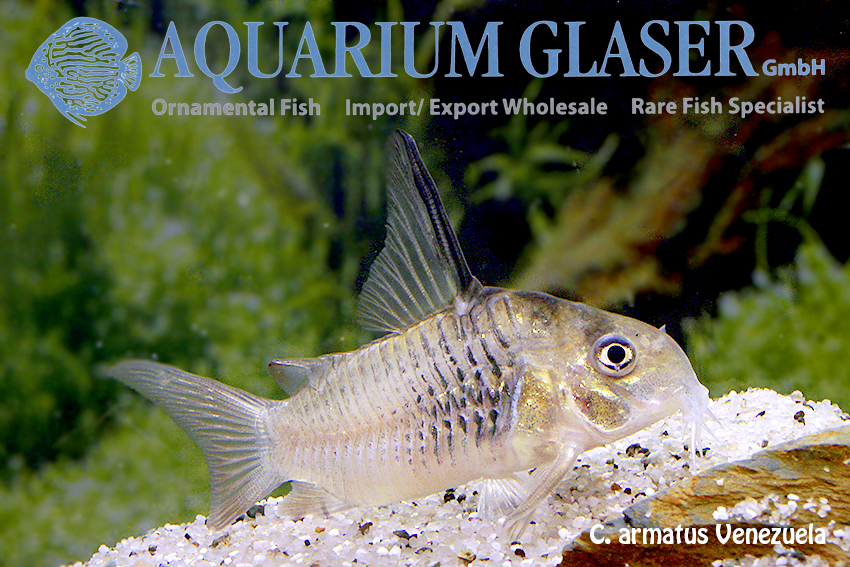
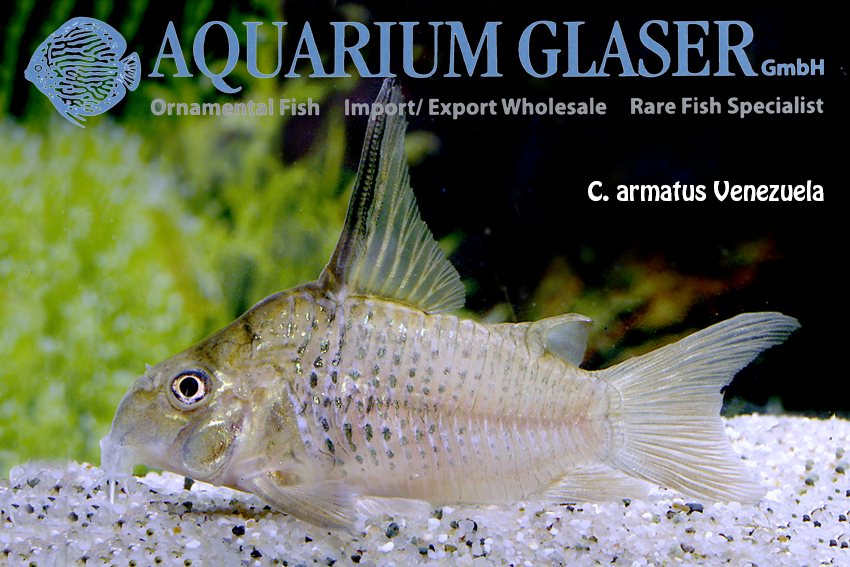
Also the Corydoras armatus, which we sometimes receive from Venezuela, are optically indistinguishable from typical specimens from the Rio Huallaga.
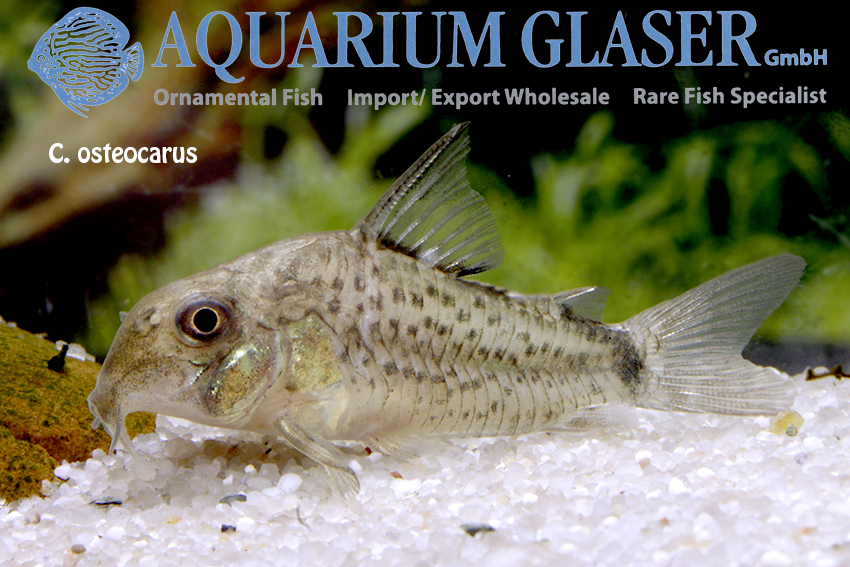
Also very similar is Corydoras osteocarus from Venezuela, which is very rare in the trade. It can be recognized quite well by the short dark band immediately in front of the caudal fin and the much lower dorsal fin.
Back to the Colombian: these animals are in their physique rather of the flat type and we suspected at first, it would be C. loretoensis, which the Colombian supplier had bought in Peru. This was indignantly rejected by the supplier and in the two days of correspondence with the supplier some of the animals also developed a black coloration in the dorsal fin spine which was not seen before. In fact, they now look more like C. armatus than any other species in the complex. We have learned that they originate from the Rio Putumayo, a left-sided Amazon tributary in the border region between Colombia and Brazil.
For our customers: the animals have code 222124 on our stocklist. Please note that we only supply wholesale.
The Flying Fox, Epalzeorhynchos kalopterum (Epalzeorhynchos is neuter, so if the species name is an adjective – as in this case – it must end in the Latin neuter suffix -um), originates from Indonesia, Malaysia and Thailand, where it is a resident of flowing waters that carry deep dark brown black water. They are probably the most beautiful algae eaters of all. From time to time we have offspring on offer, which is why only relatively rarely wild catches are imported. Currently, however, we have once again received adult specimens via Singapore, whereby “adult” refers to the wild animals. In the wild they reach 10-12 cm in length, while old aquarium specimens are said to have grown up to 16 cm. This is because fish grow throughout their lives (albeit slowly and little after reaching sexual maturity), and since such a Flying Fox will easily live up to 10-15 years in the aquarium (hardly ever over 3 years in the wild), they can grow quite large under certain circumstances.
You will certainly not keep these beauties only because of their algae-eating properties, especially since adult animals are rather to be classified as “lazy” in this respect, in contrast to 3-4 cm long juveniles, but they still have to grow.
Among themselves, the animals can be quarrelsome, which is why you can often keep only one specimen in smaller aquariums. In large tanks (from 150 cm), which are also furnished with a lot of root wood, this is much less unpleasant. Although the fish form a hierarchy, which is strictly observed, they are often found resting together in the same hiding place. If you want to try a group keeping, there should not be less than 8 specimens, so that this behavior can develop. Epalzeorhynchos kalopterum are usually peaceful against fishes of other species as long as they don´t look similar to the Flying Fox.
For our customers: the animals have code 415306 on our stocklist. Please note that we only supply wholesale. Only a few specimens available!
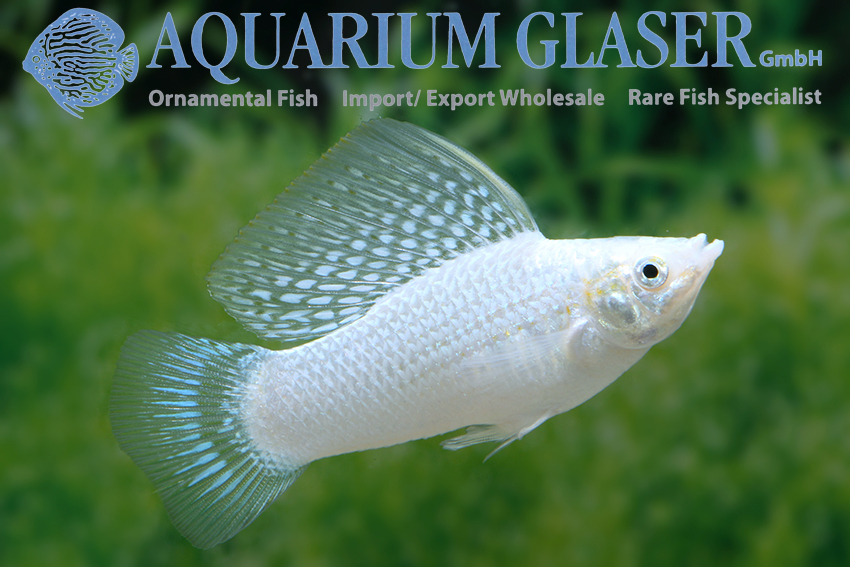
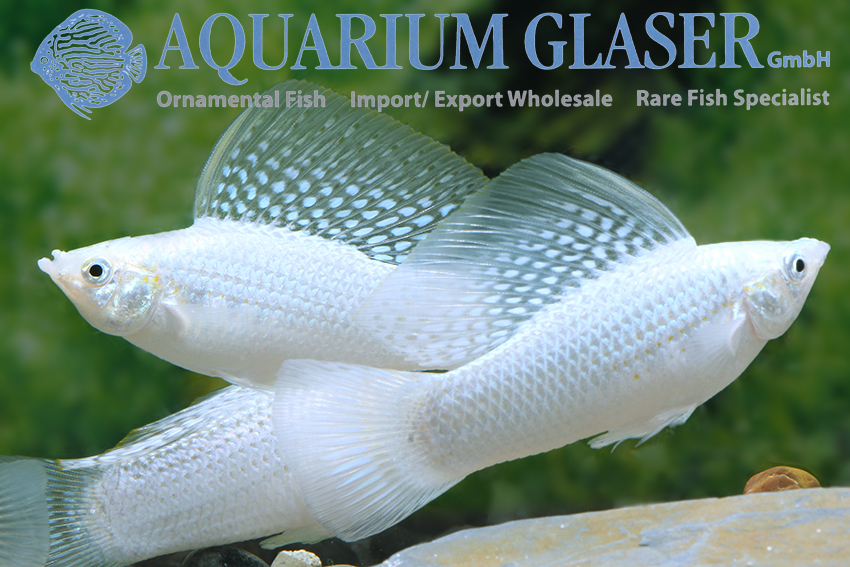
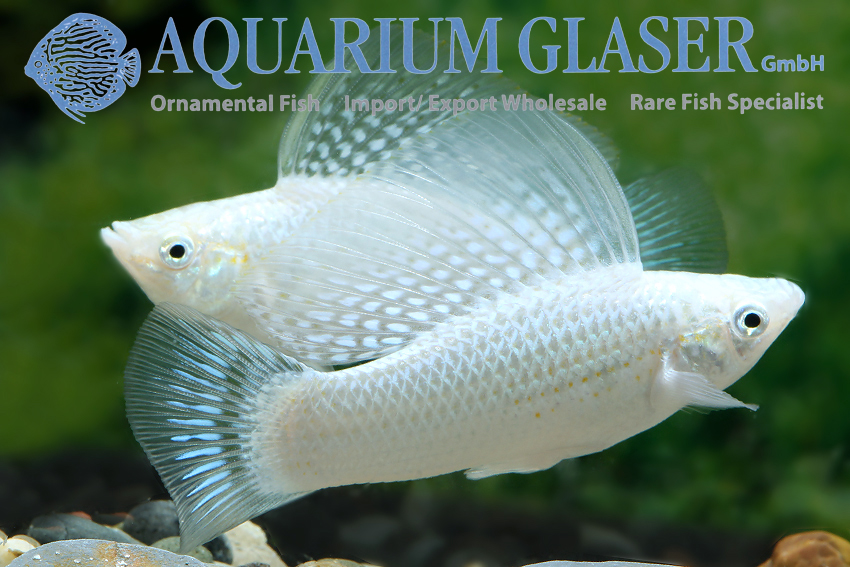
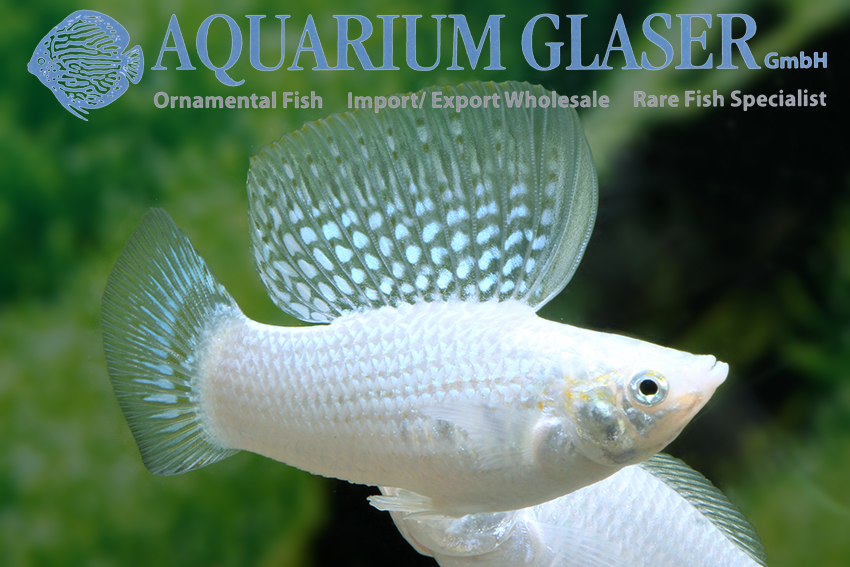
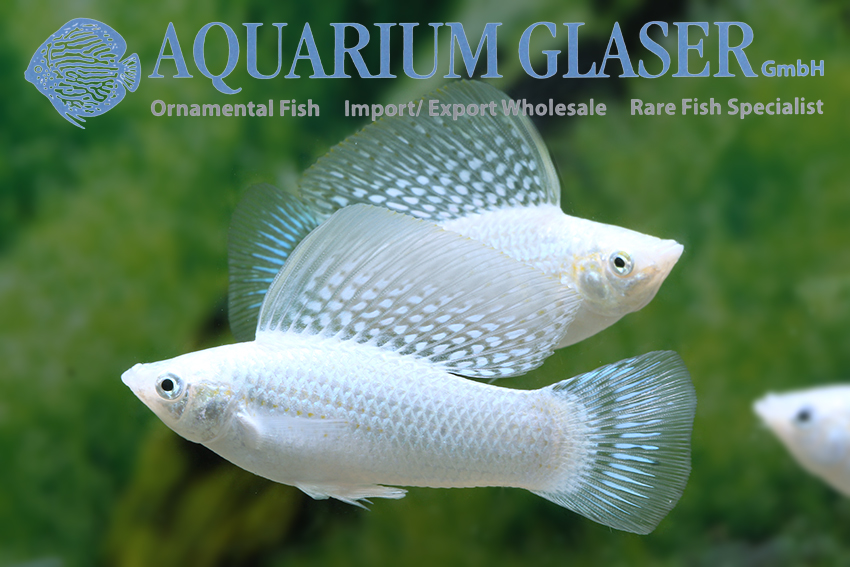
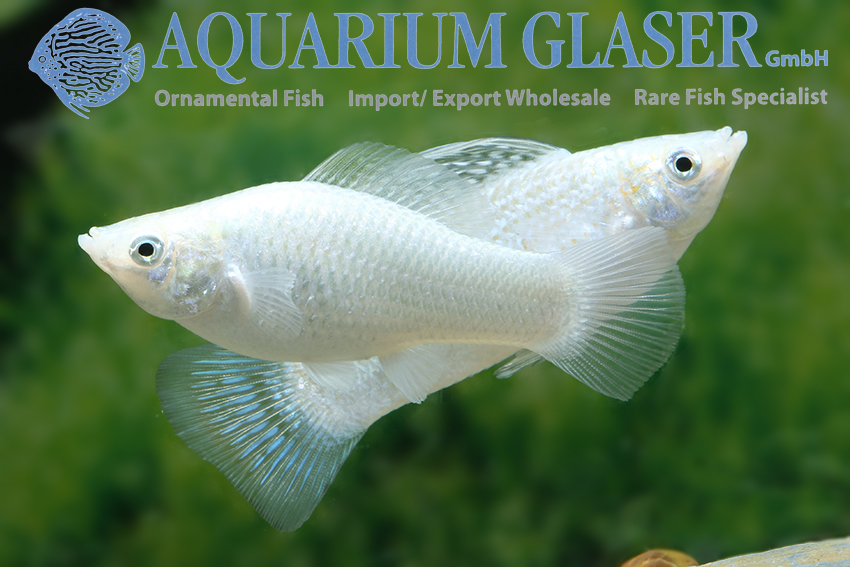
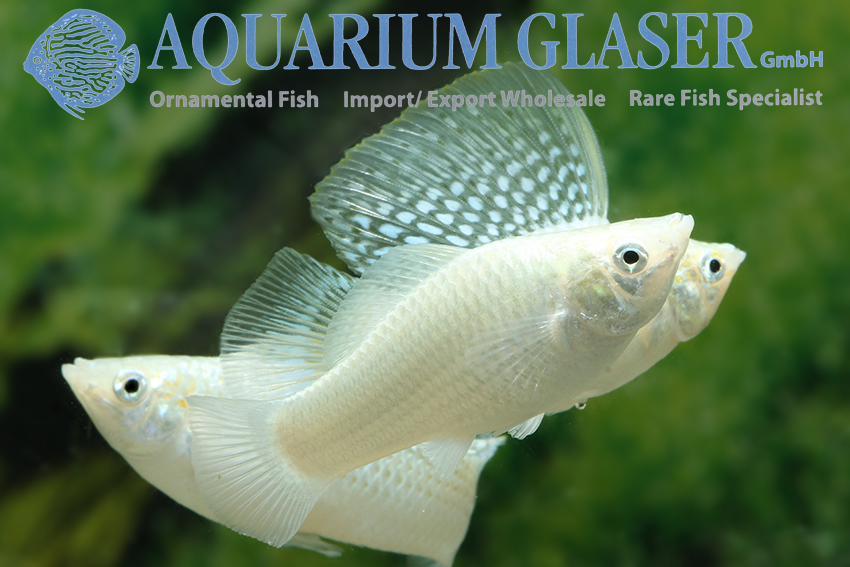
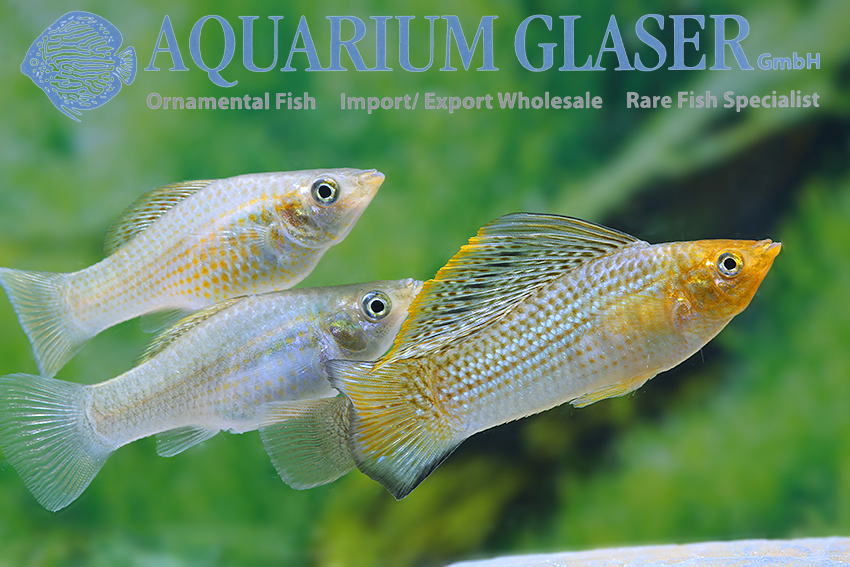
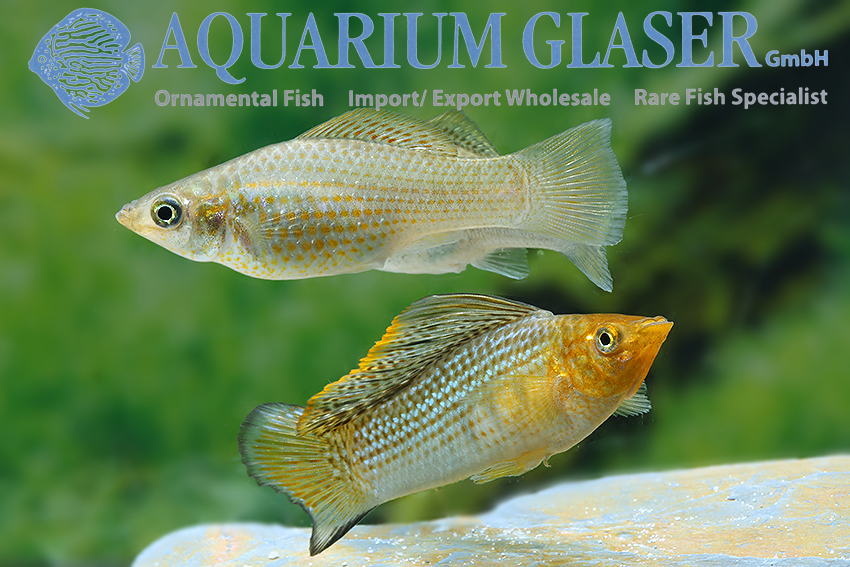
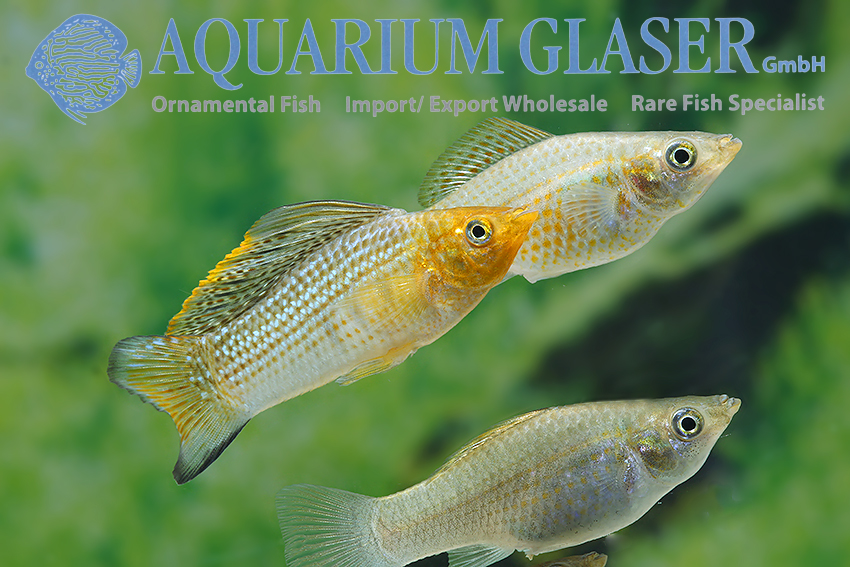
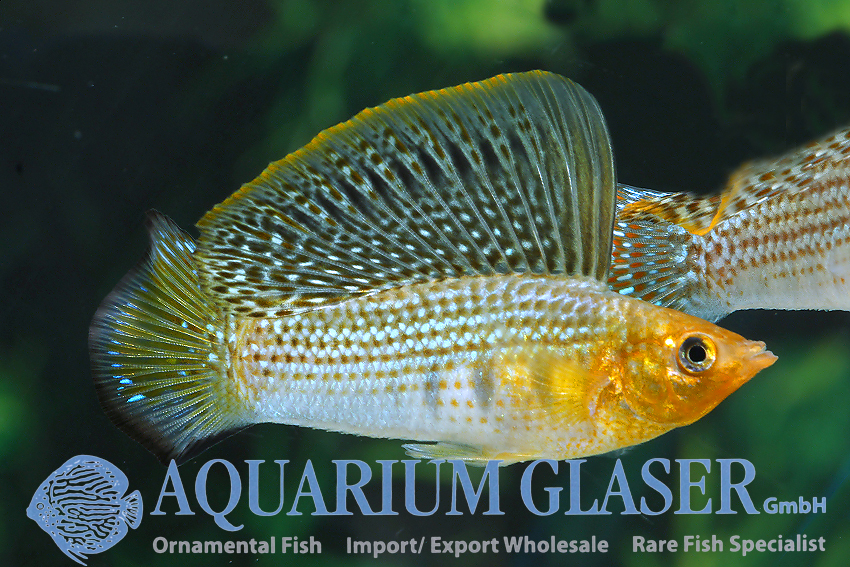
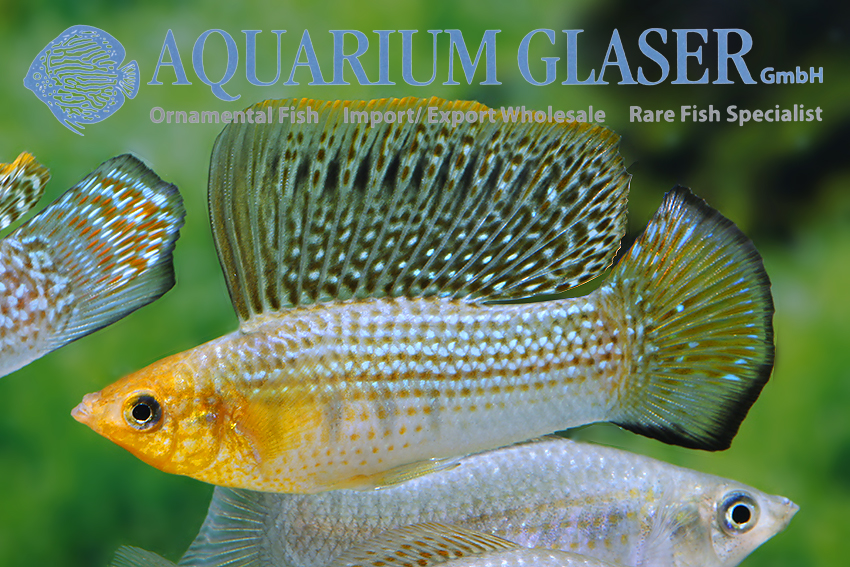
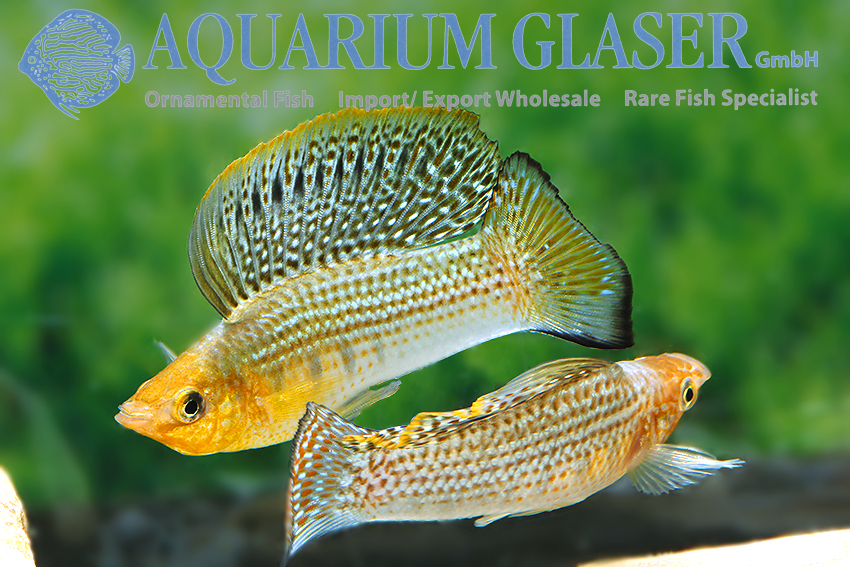
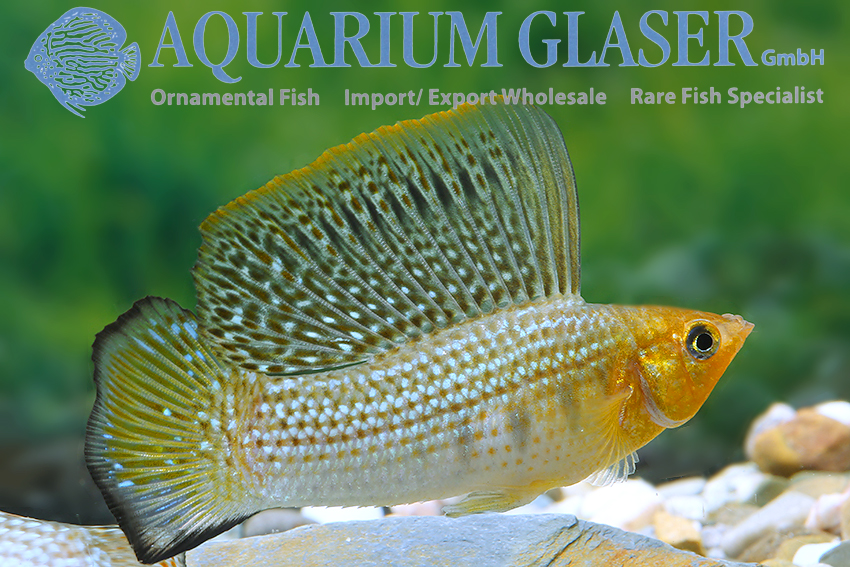
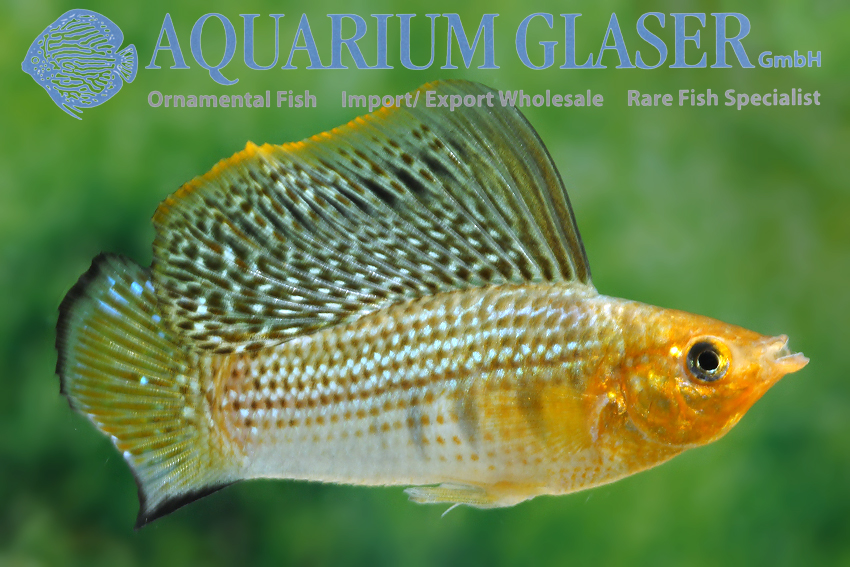
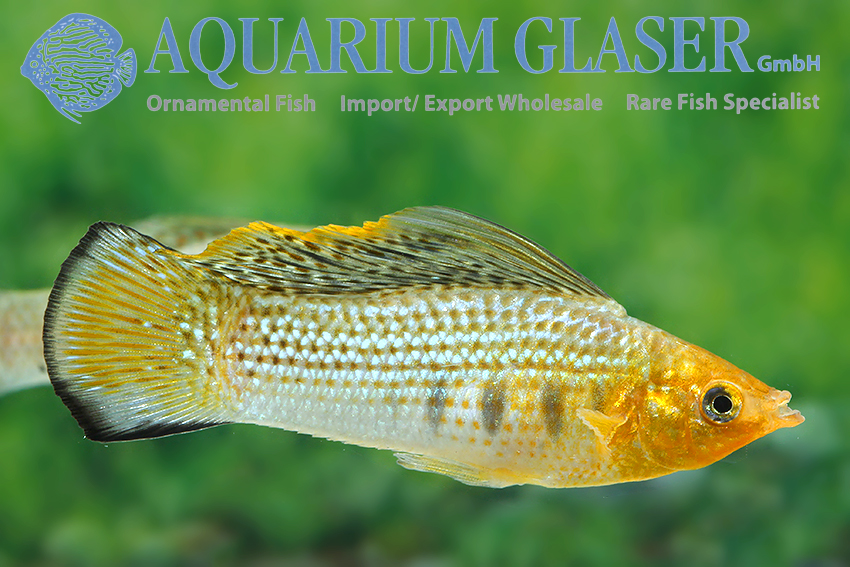
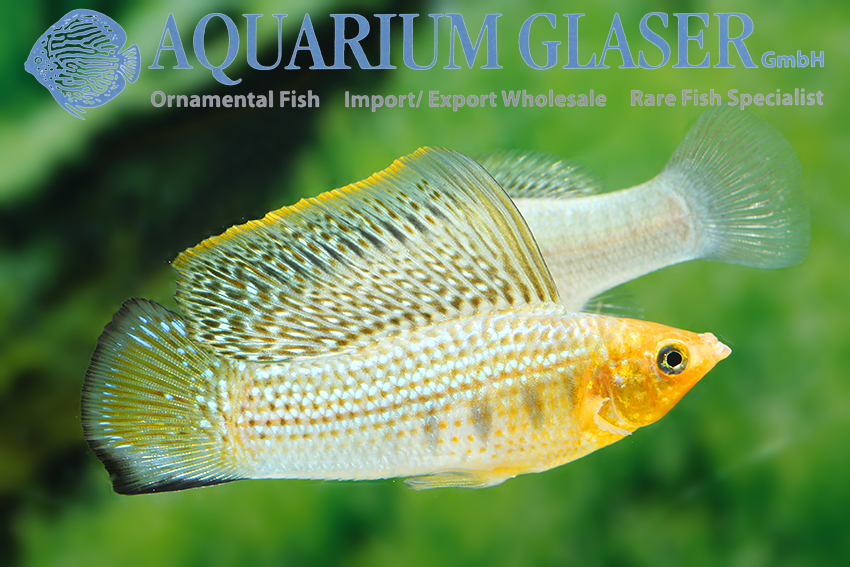
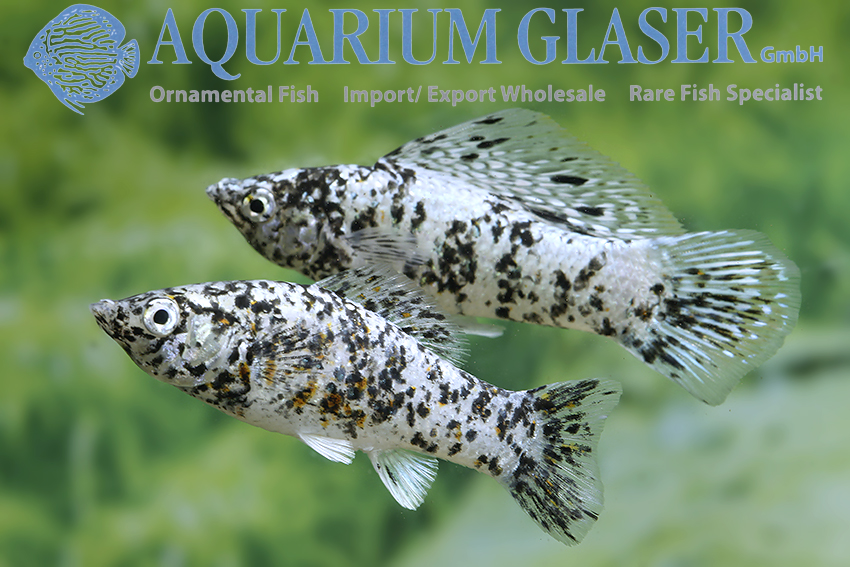
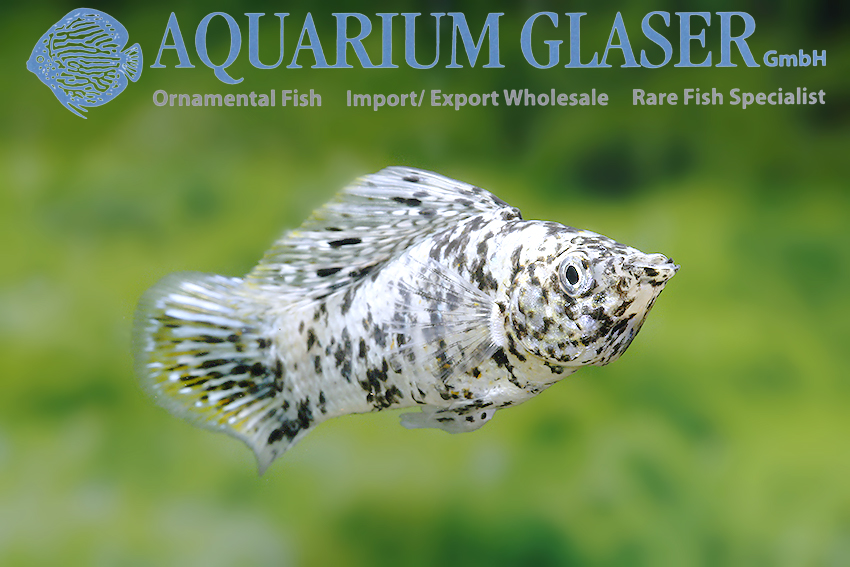
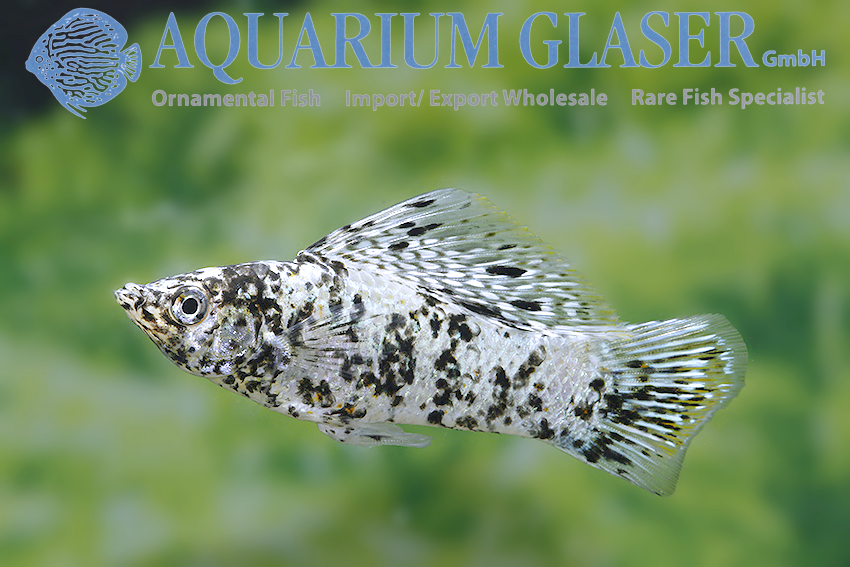
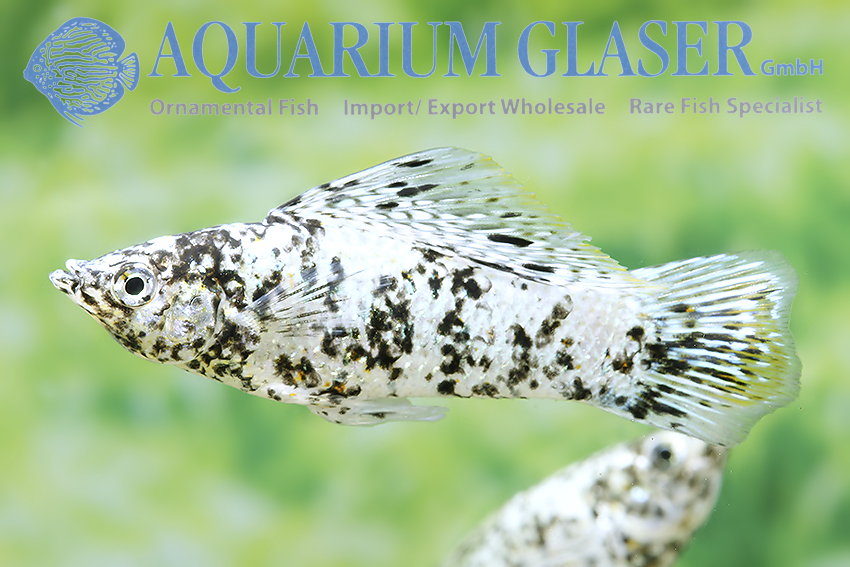
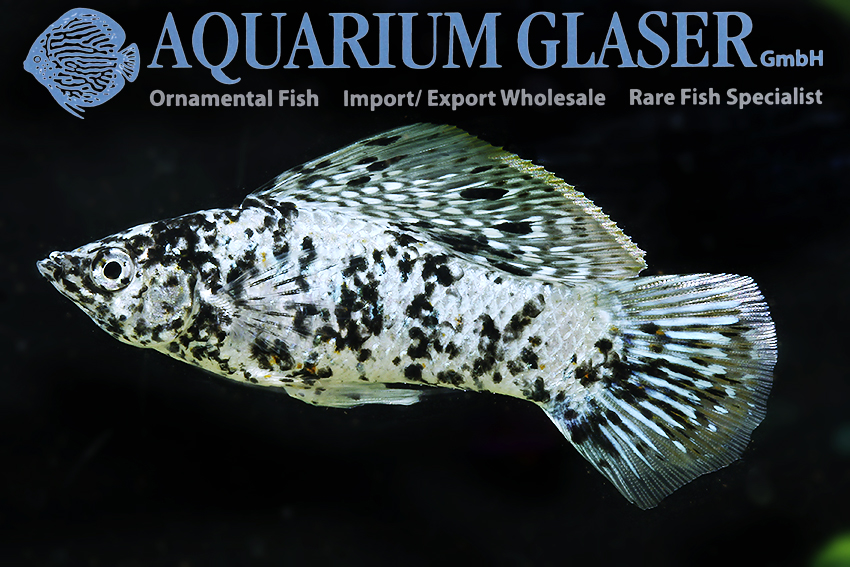
Silver mollies are among the most popular livebearers. Most of the silver mollies in the trade are a breeding form of Poecilia latipinna. Since the species Poecilia latipinna, P. sphenops, P. mexicana and P. velifera can be crossed and color characteristics and certain fin shapes (e.g. lyratail) are transferred to the hybrid young, the desired characteristics can be transferred to the parent species by backcrossing the hybrid young to the parent species. This is what happened with the silver colored sailfin mollies (Poecilia velifera), which, like sailfin mollies in general, are not easy but splendid fish for advanced enthusiasts.
For our customers: the animals have code 433034 on our stocklist. Please note that we supply exclusively to wholesalers.
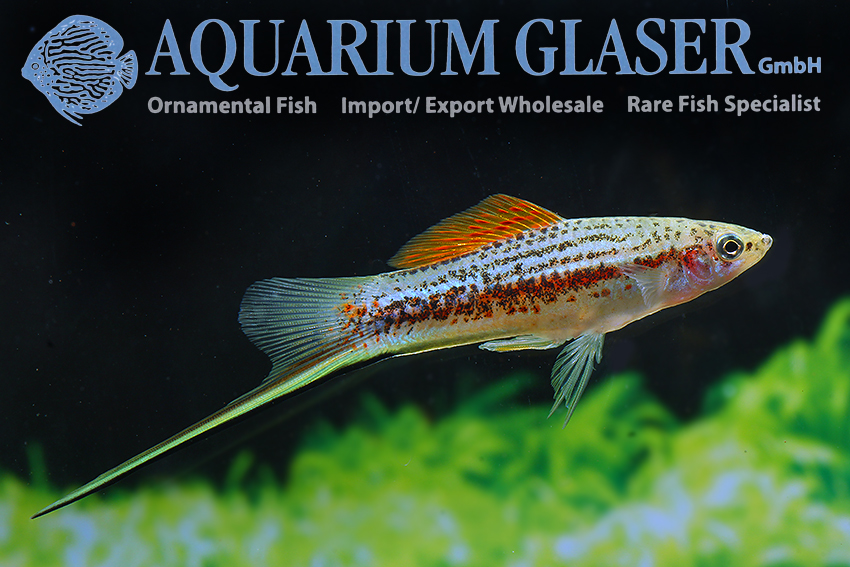
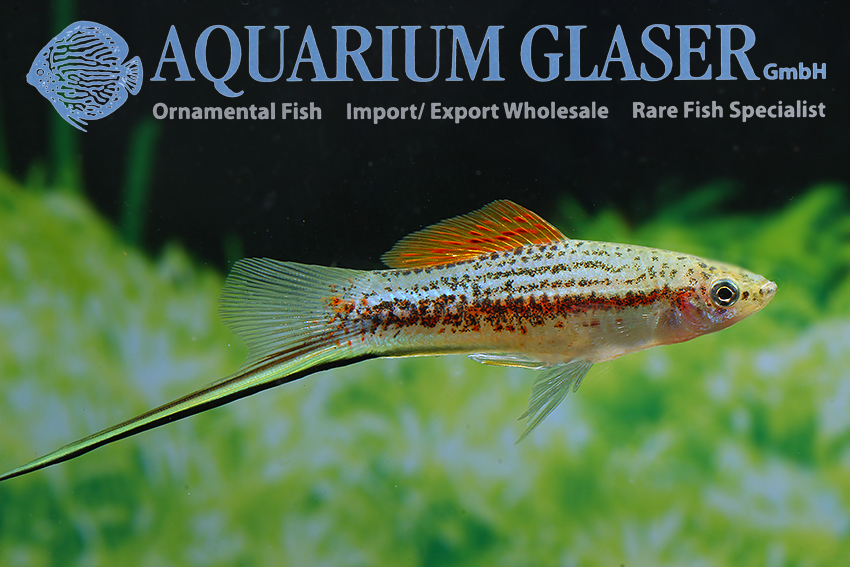
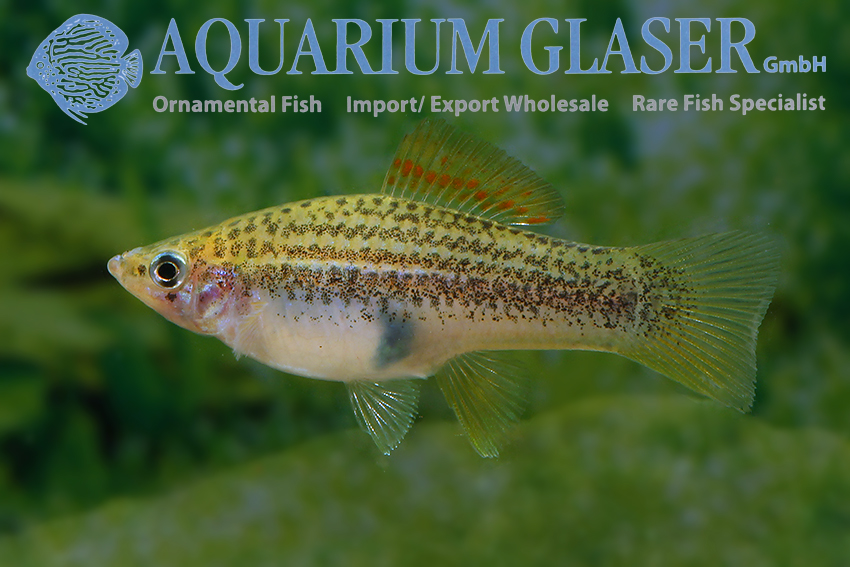
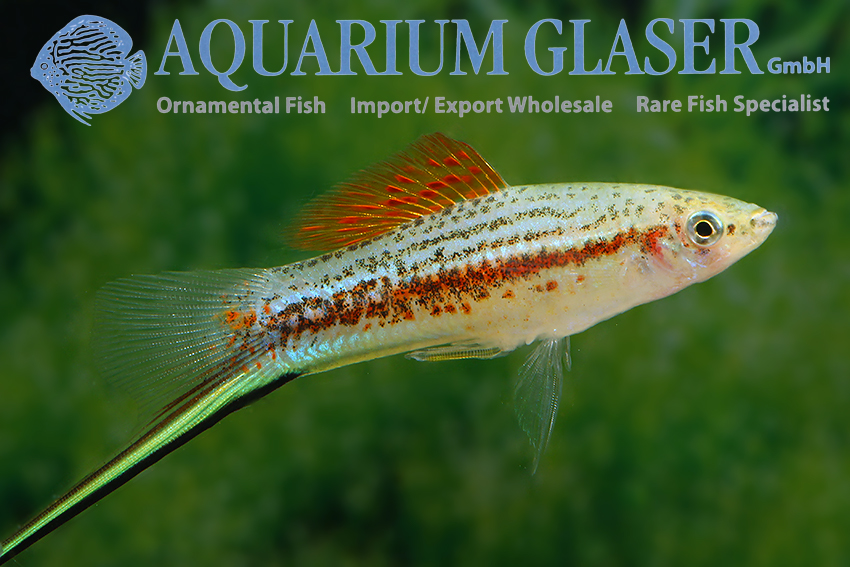
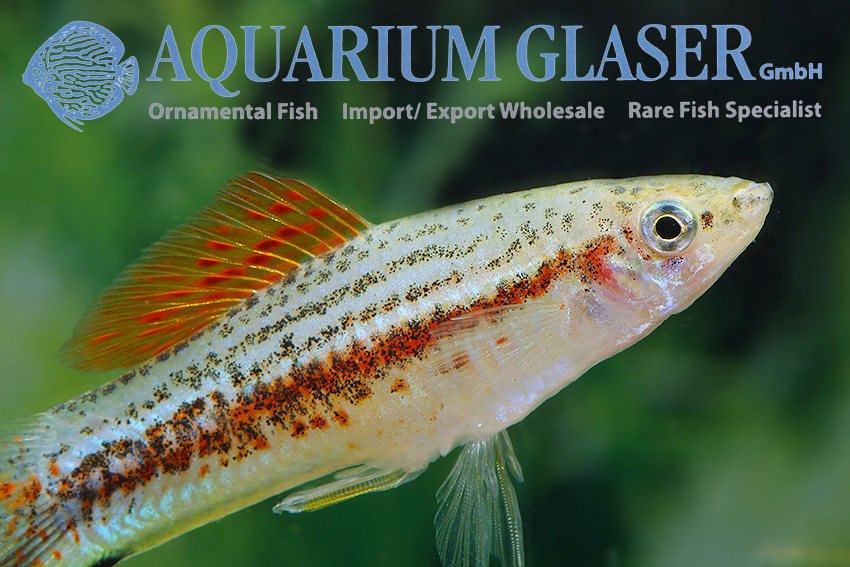
From a German breeder we received this extraordinarily attractive wild form of the swordtail. Unfortunately we could not find out where exactly and by whom these animals were collected. It could only be determined that they were originally brought from Yucatan (Mexico). As a distinction to the completely different looking X. hellerii “Yucatan” (see https://www.aquariumglaser.de/en/fish-archives/xiphophorus_hellerii_yucatan_en/) the animal is called Xiphophorus hellerii “Yucatan 2”.
Besides the attractive coloration Xiphophorus hellerii “Yucatan 2” stands out due to its peaceful nature. It is well known that males of the swordtails can be quite incompatible with each other, but the males of “Yucatan 2” are a laudable exception to this rule, according to the breeder!
For our customers: the animals have code 476759 on our stocklist. Please note that we only supply wholesale.
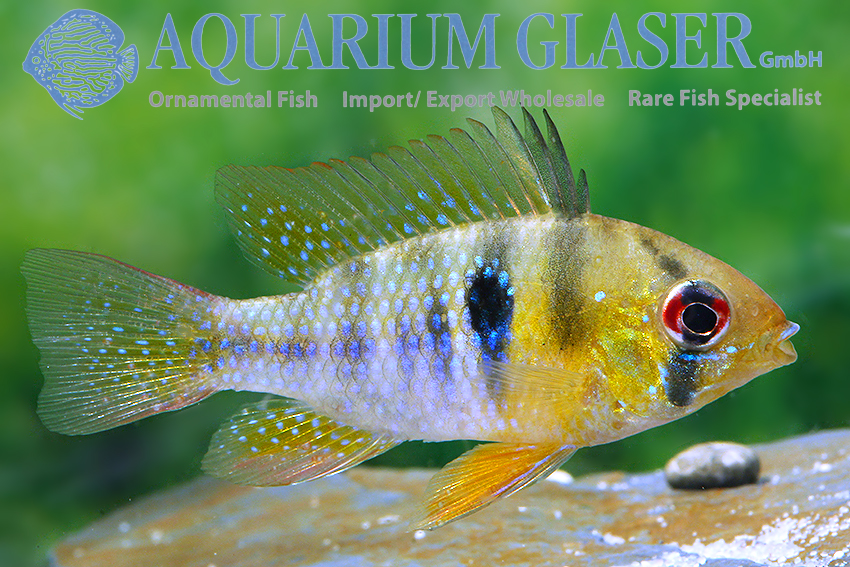
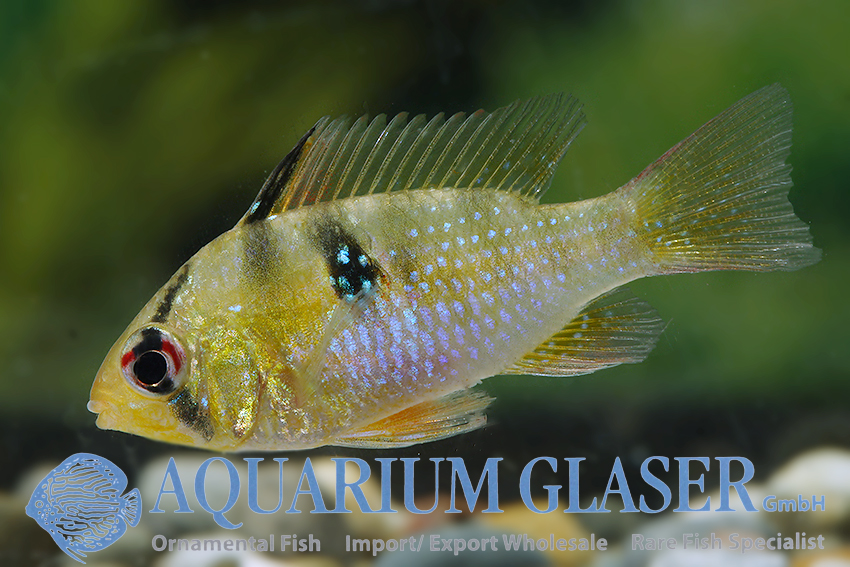
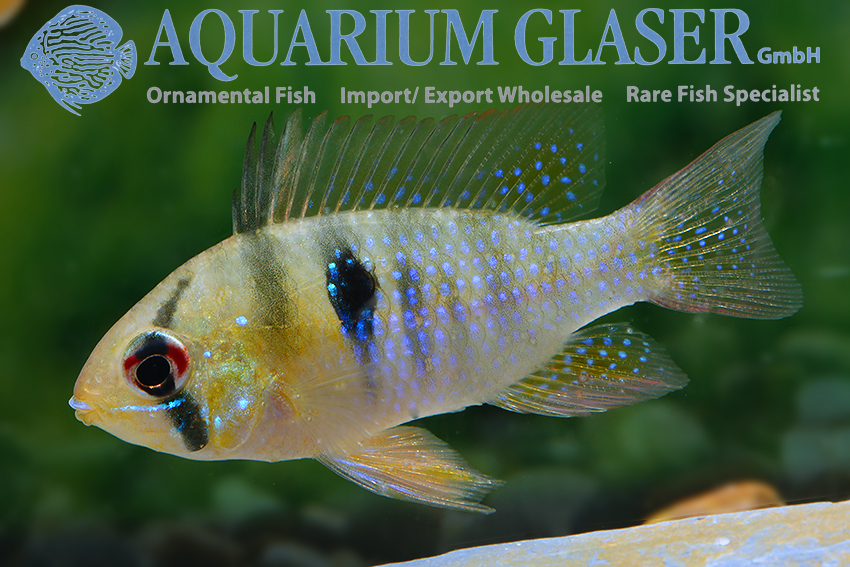
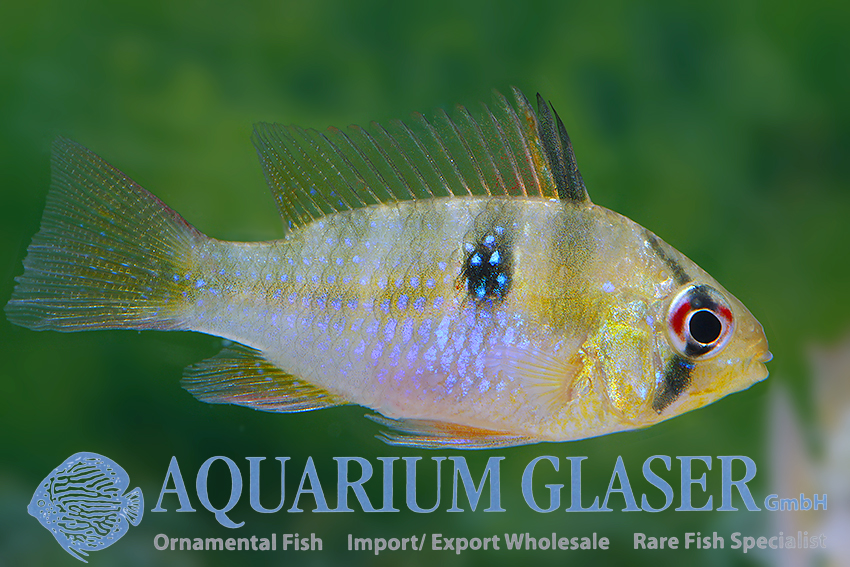
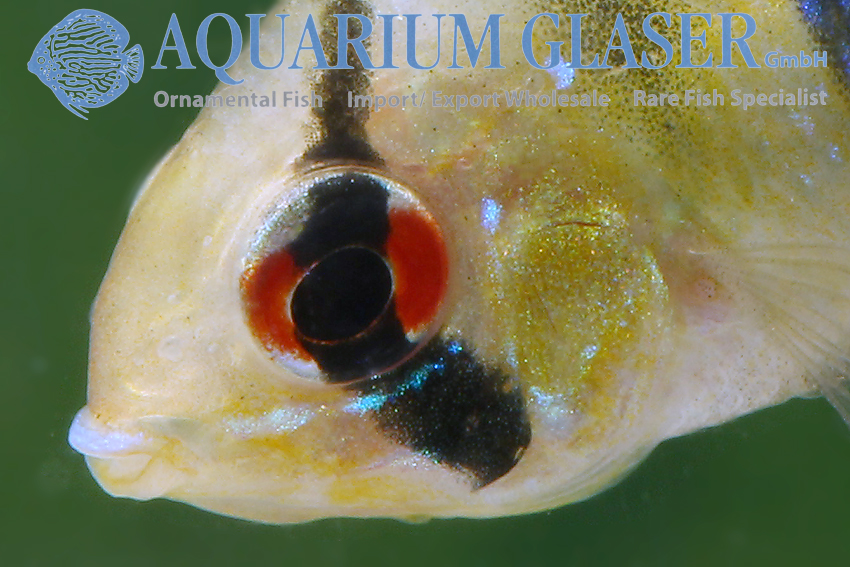
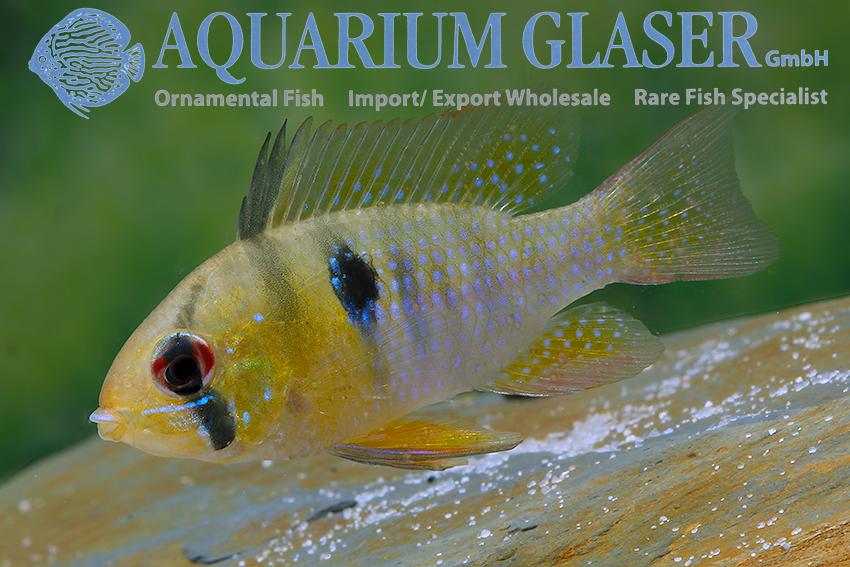
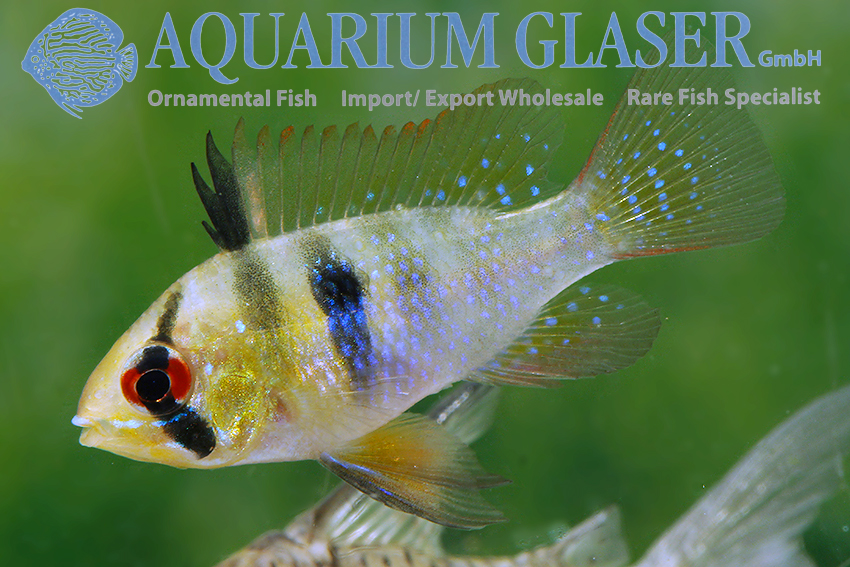
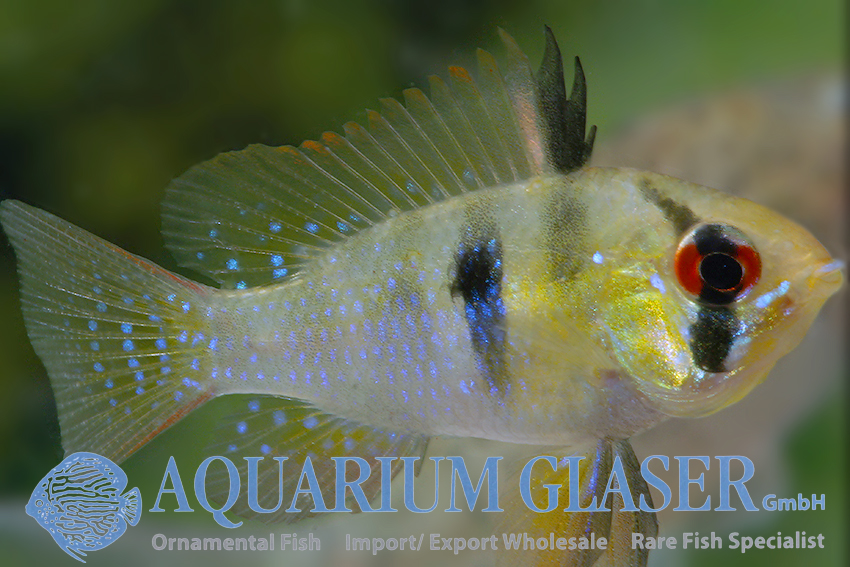
Because of the enormous popularity of the butterfly cichlid or blue ram (Mikrogeophagus ramirezi), there are mainly offspring and breeding forms on the market. Also the wild-colored offsprings differ clearly from the wild species: they are considerably larger (4-5 cm body length without caudal fin compared to 2-3 cm with wild-caught fish) and at the same time twice as heavy!
The original home of the blue ram is in the hot Llanos in the Orinoco basin of Colombia and Venezuela. We obtain them fairly regularly from there, although in much smaller numbers than the offspring, because at first glance the wild cousins appear more colorless and inconspicuous, which is why offspring sell much better in the trade. The wild cousins are rather something for connoisseurs and experts.
Recently, when we had jumbo offspring in the stock again, we wanted to photograph a wild-caught male and an offspring male together to demonstrate the difference, but the offspring – probably due to their body mass – intimidated the natural cousins so much that they did not approach each other – the offspring dominated in the tank, the wild-caught hid. That’s why the wildlings remained alone in the photo tank for a while after the offspring rams had already moved out again. After a short time they felt so well there that they marked out territories and showed by their lively nature and their beautiful color, why they became one of the most popular ornamental fish at all!
For our customers: the animals have code 686513 on our stocklist. Please note that we supply exclusively to wholesalers.
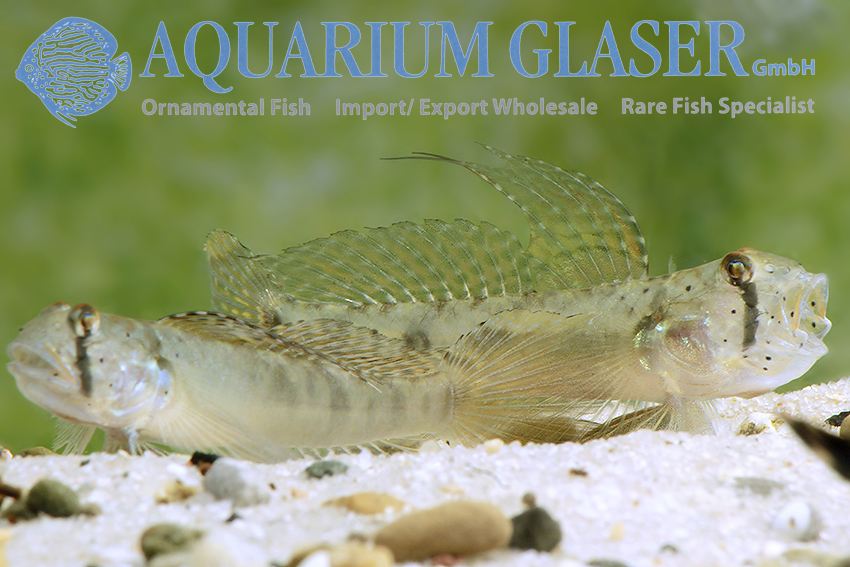
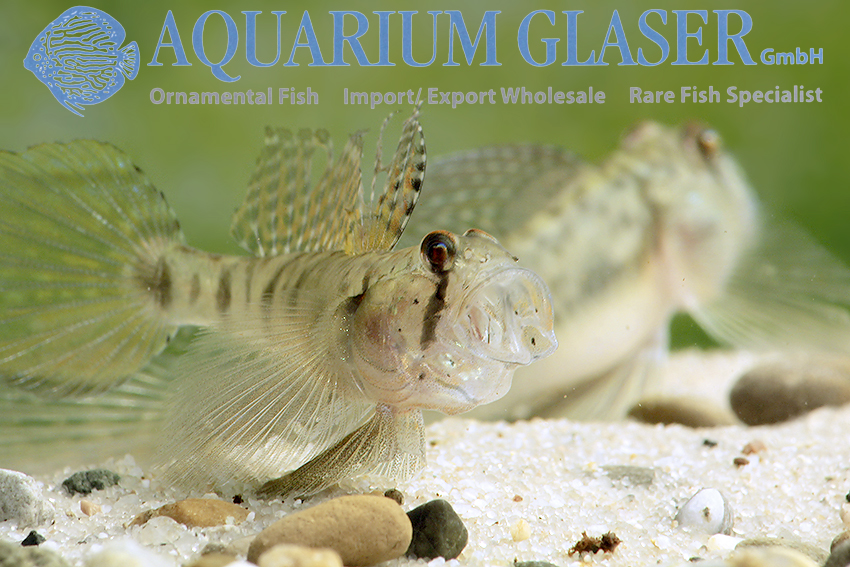
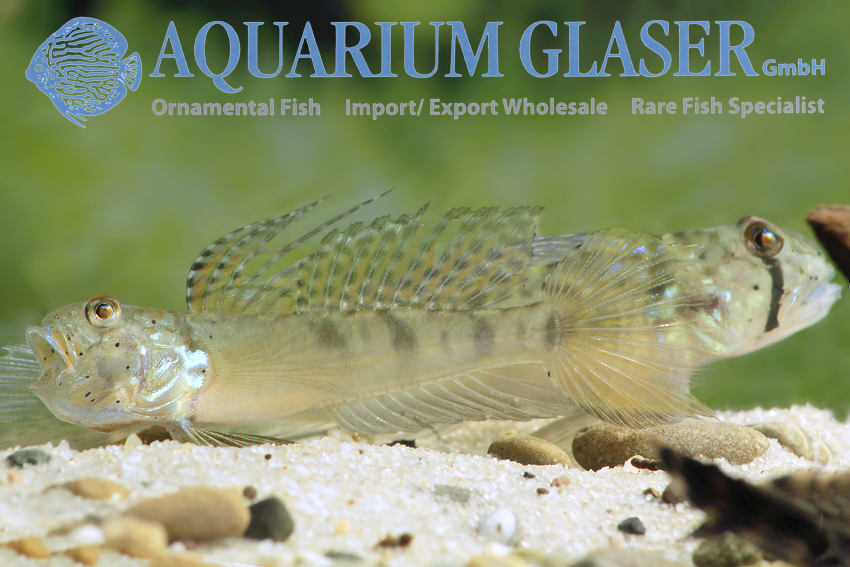
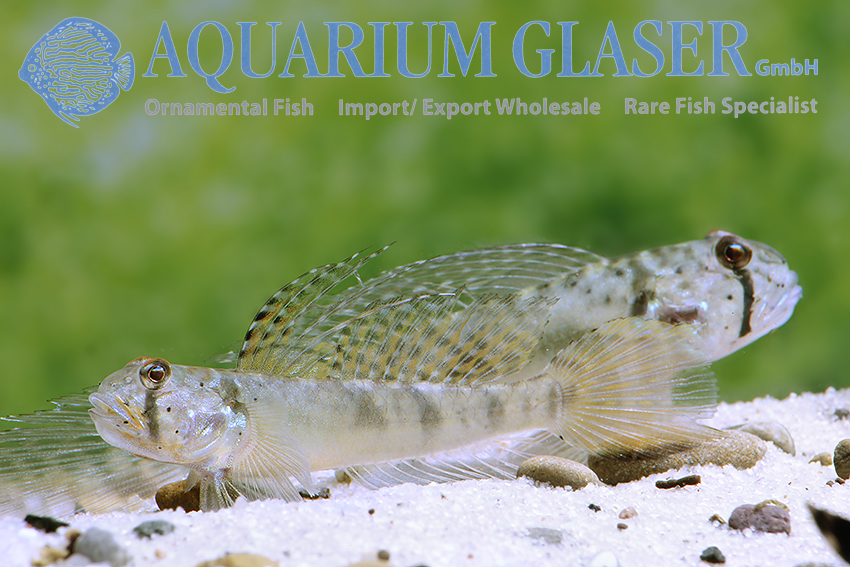
Oligolepis acutipennis is one of the most widespread gobies of the Indo-West Pacific. The species, which can grow up to 15 cm long, is distributed from South Africa via East Africa, the Persian Gulf, Madagascar, Indonesia and along the entire coast of Southeast Asia to Japan. From this wide distribution one can easily conclude that the larvae of this goby develop in the sea. However, the goby itself is euryhalin, so it can tolerate both pure freshwater and pure seawater (and any salt content in between). Only the pH-value must never drop below 7, just above 8 is better. Our specimens come from Indonesia, are 4-6 cm long and sexually fully developed. We maintain them in pH-stabilized fresh water.
When the males bicker – and they love to bicker – it is a fantastic sight. With their mouths wide open and their fins literally stretched to breaking, the males circle around each other until one of them gives up. Females are similar in colour to the males, but have less strongly developed fins. The fish are cave spawners, the male guards – as far as we know – the spawning until the hatching of the young.
The whole colouring of the fish indicates that sandy bottom is their preferred habitat. On the sand, which should be as fine as possible, a few flat stones of about 6-8 cm diameter are placed, which become the centre of the males’ territory and are undermined. Everything that fits into the (big!) mouth is eaten, even small fish, but actually the big drawer is used to chew through the sand for small food particles.
For our customers: the animals have code 439722 on our stocklist. Please note that we only supply the wholesale trade.
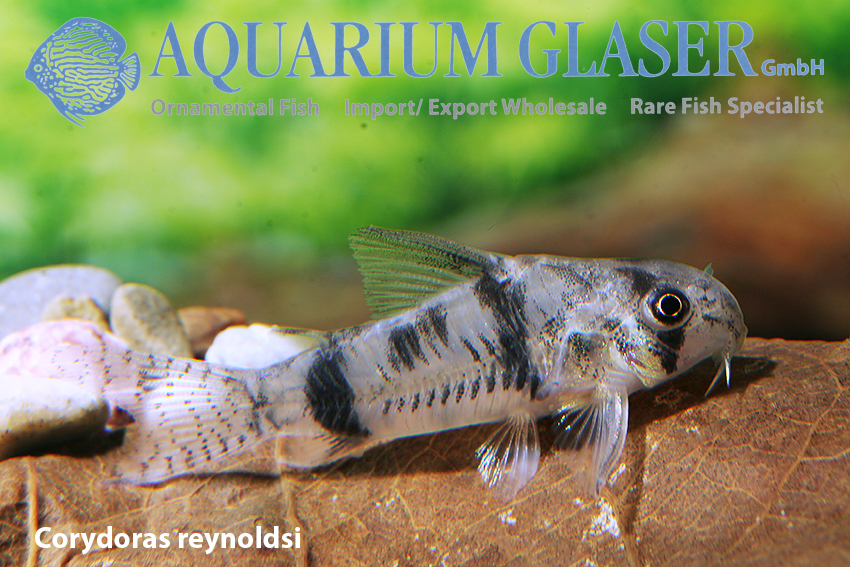
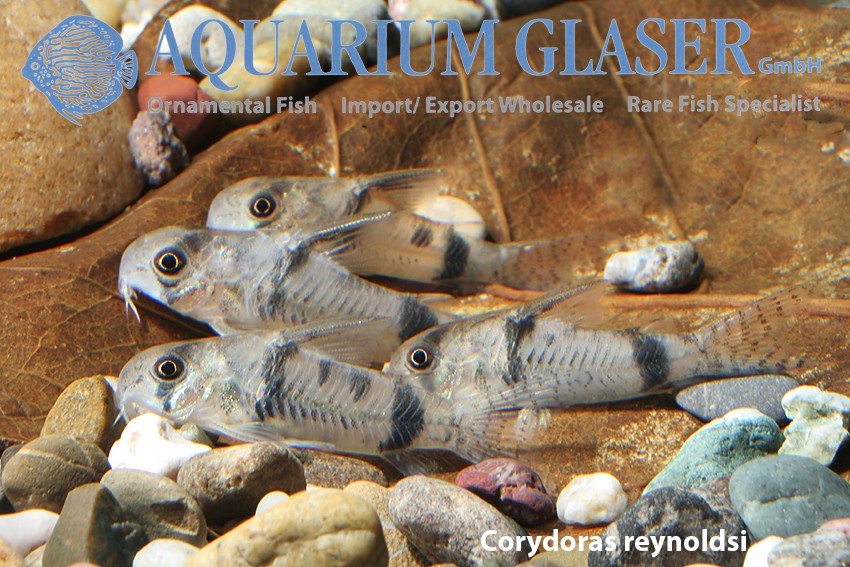
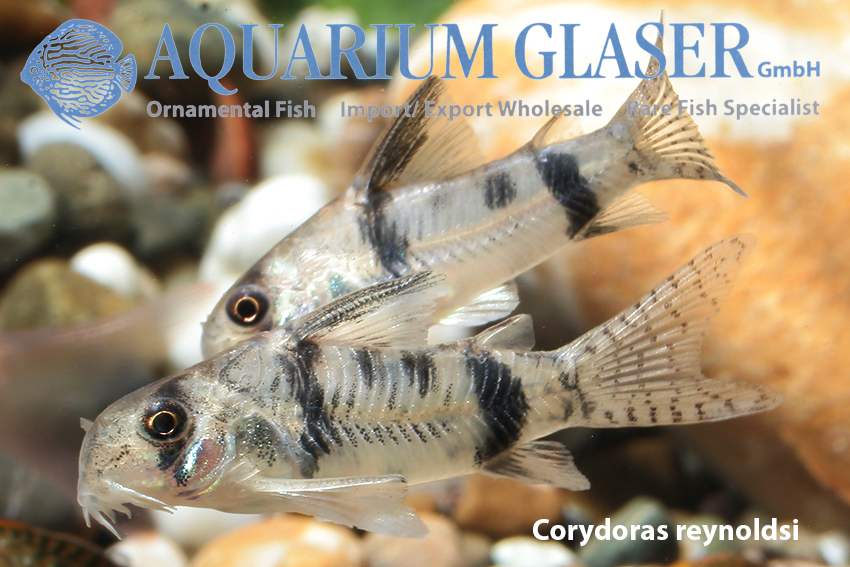
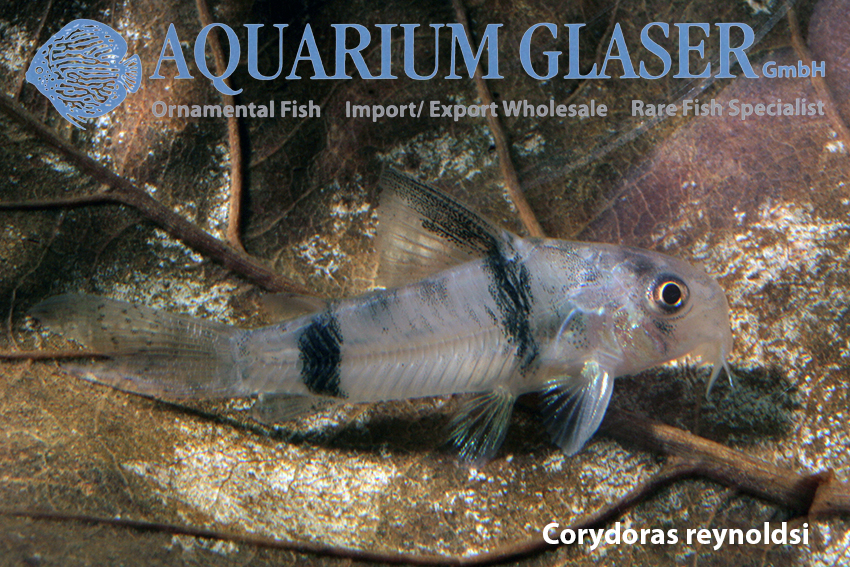
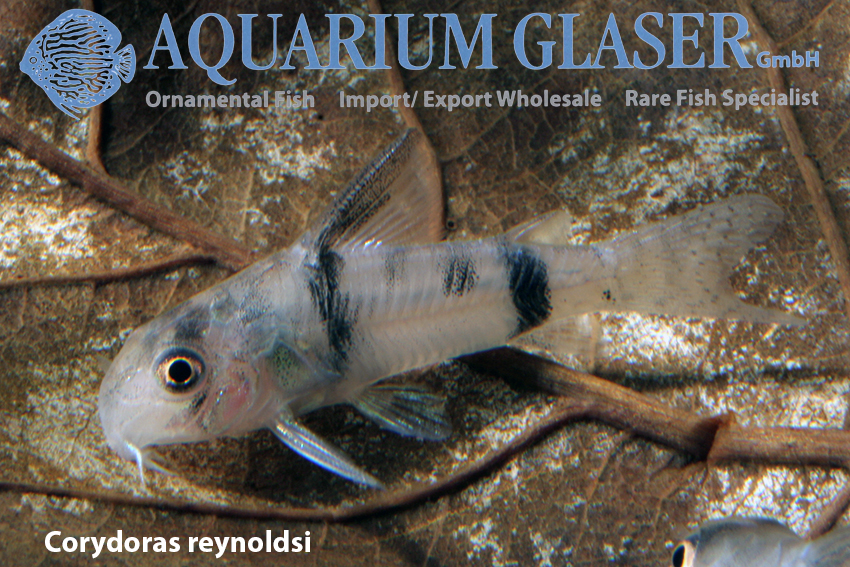
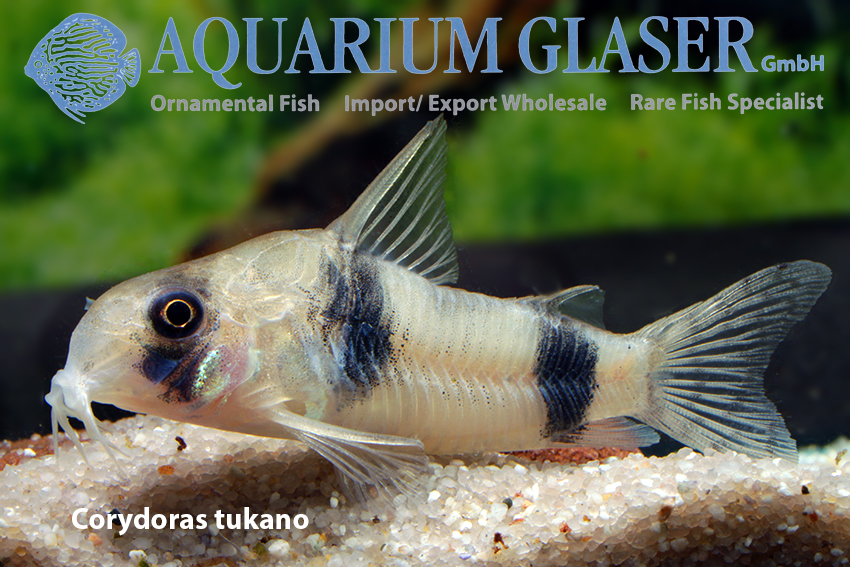
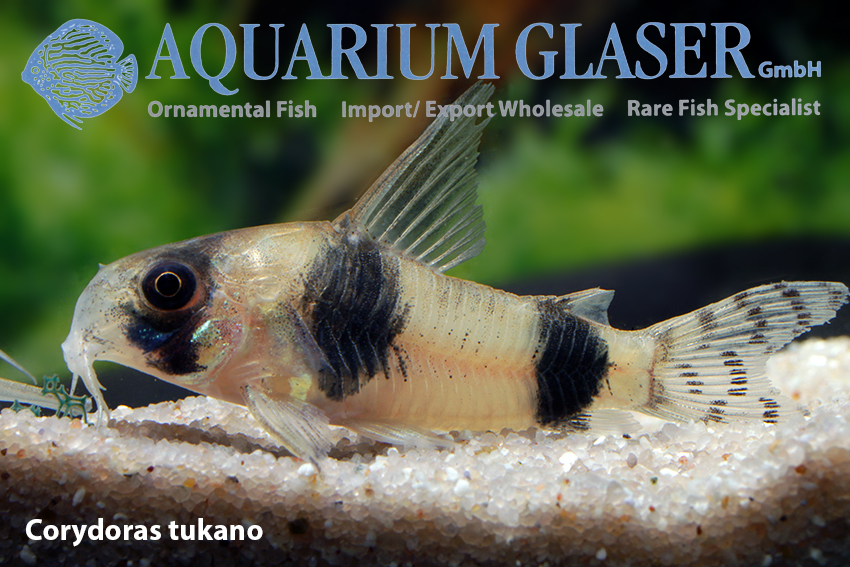
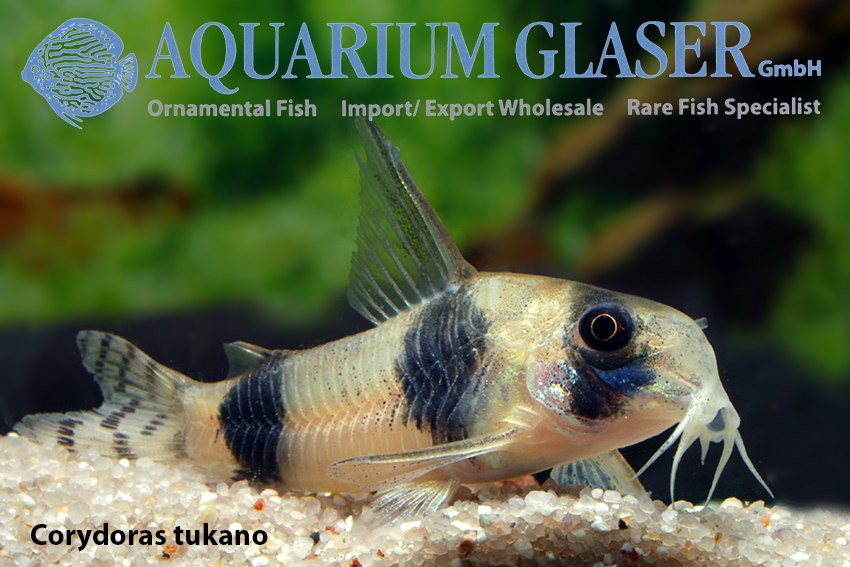
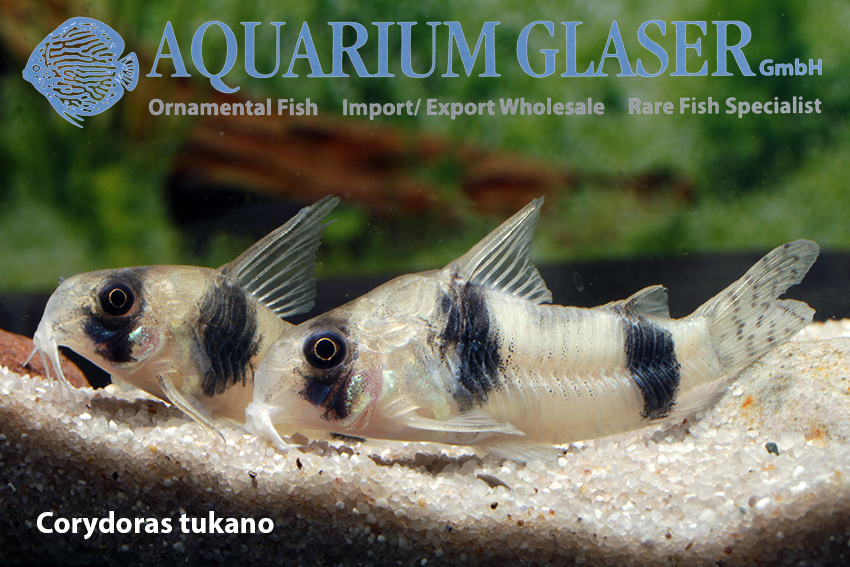
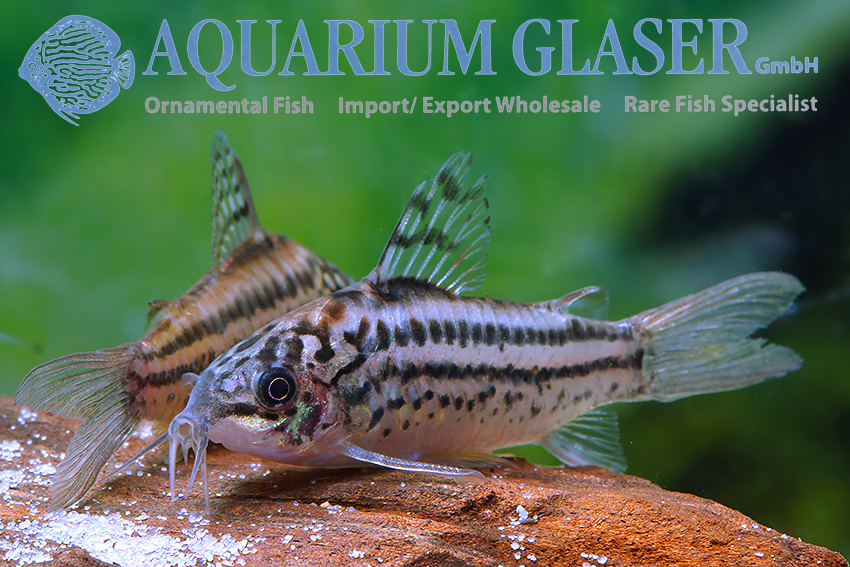
Corydoras reynoldsi is a pretty cory catfish that has been described in 1960. It was collected in the Caquetà province, eastern Colombia. It remained unknown in the hobby quite long, as this area is far away from the usual collecting areas. In 1997 the cory enthusiasts became aware of another, quite similar species of Corydoras that was exported from Brazil. Although the species looked very much like Corydoras reynoldsi, there were also many differences. So the new fish was called Corydoras sp. aff. reynoldsi (= similar species to reynoldsi). Another usual trade name was Corydoras „Asher“ after the exporter. Only 2004 the real Corydoras reynoldsi appeared in the hobby. Now it was clear that we were dealing with two different species. The “Asher“ in the meantime (2003) had been scientifically described as Corydoras tukano. Its natural distribution is the Rio Tique in Brazil, which is a tributary of the Rio Negro basin.
Both Corydoras species are really nice and stay relative small. They hardly reach 5 cm. However, they should be kept by experienced aquarists only, as they are rather delicate and easily get bacterial infections. It is necessary to keep them at high temperatures (26-28°C), and soft and acidic water.
For our customers: Corydoras tukano has code 245622, Corydoras reynoldsi 243603 on our stocklist. Please note that we exclusively supply the wholesale trade.
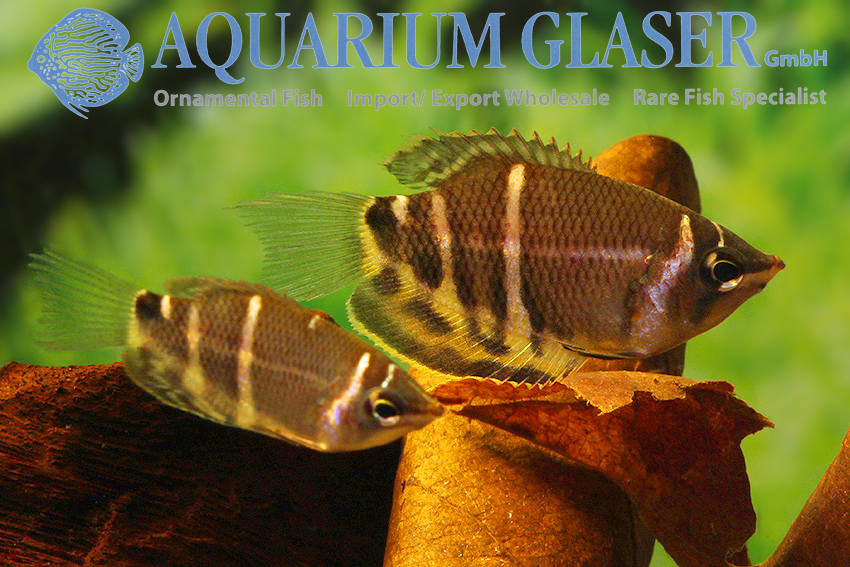
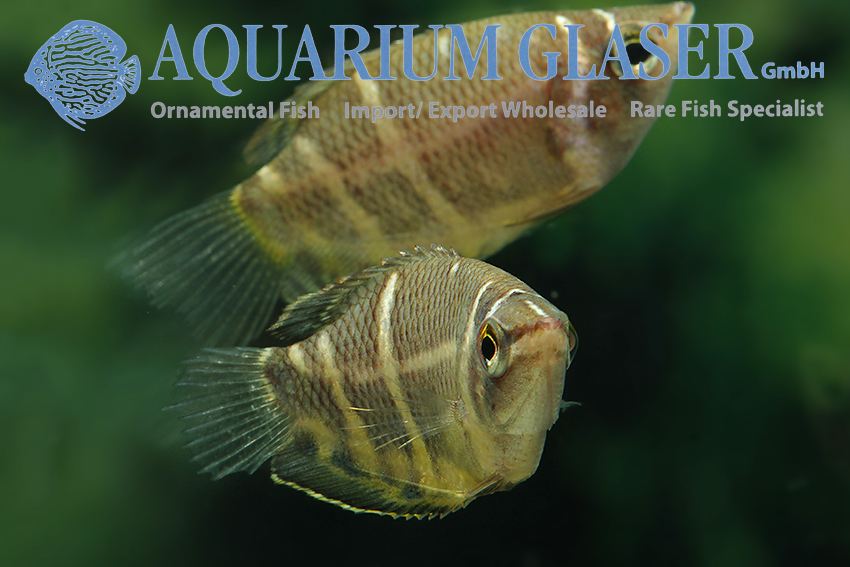
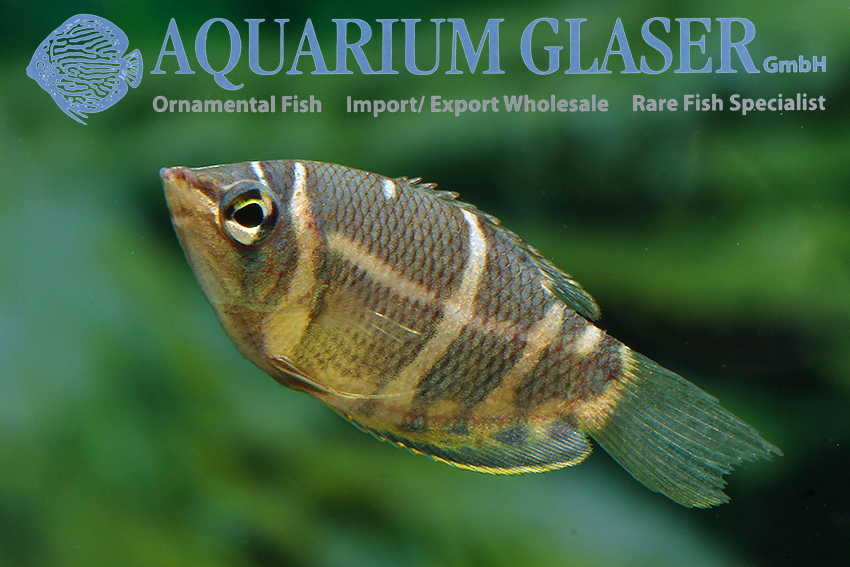
The chocolate gourami (Sphaerichthys osphromenoides) still belongs to the legendary ornamental fish species. Although the species is common in the wild and other fish of the same habitat (e.g. harlequin barbs) do not cause significant problems in the aquarium, it is a gamble whether chocolate gouramis will do well there. Possibly this is related to the fact that there are several, very similar species and that they have different sensitivities – at least this is what some observations and field collections indicate.
Additionally, all chocolate gouramis are extremely susceptible to infectious diseases of all kinds and tolerate medications poorly – an unfavorable combination!
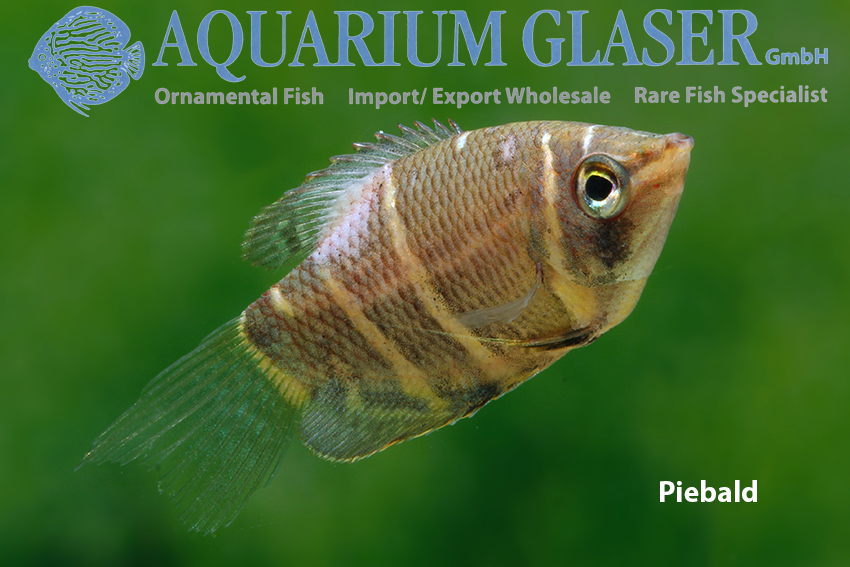
We currently have chocolate gouramis in stock from Jambi Province on Sumatra. Many specimens from this population stand out with an attractively marked anal fin. Another peculiarity of these fish is that there are often specimens with Piebald markings. This refers to animals in which pigmentless (i.e. white), irregular spots appear. At first sight this seems frightening, because bacterial infections and also other diseases look quite similar. However, treatment is not necessary, and may even be harmful. We observe this phenomenon with the animals of Jambi from time to time, first we noticed it in 2007. We bred these fish once as a test, the photo of the breeding female is from this time.
For our customers: the fish have code 455803 on our stocklist. Please note that we only supply wholesale.
The Green panchax (Aplocheilus blockii) is one of the tiniest and most beautiful species of panchax in Asia. We were able once more to import the species from Kerala (South India). Its maximum length is around 3 cm, at least as far as wild collected specimens are concerned. Aquarium specimens may become a bit larger due to the paradise-like aquarium conditions. The absolutely peaceful animals are ideally suited for the so called nano-aquaria. Regarding water chemestry the species is not demanding at all, but very soft or very acidic water should be avoided. In the case such a water runs out of the tap, one should add a teaspoon of salt (for reef aquaria) per 10 litres of water.
Live food is very much wanted, but the fish also feed readily on frozen or dried food items. The Green panchax ignores plants with the exeption of spawning. Here the fish prefers the roots of small swimming plants like Salvinia.
For our customers: the fish have code 303213 on our stocklist. Please note that we exclusively supply the wholesale trade.
Lexicon: Aplocheilus: means “with a simple lip”, refers to the mouth structure. blockii: dedication name.
This is one of the large river catfishes of Africa. We were able to import some specimens once more from Nigeria. However, the species has a very far distribution and is found in the Nile, most parts of West Africa and also in the rivers that flow through the savannahs and riparian forests of East Africa. The species can become as long as 80 cm.
In the aquarium these cats are rather peaceful, but of course small fish are eaten. Clarotes laticeps is swimming more often if the open water than one is used to see from that type of fish. They also try to jump for food over the water surface; so it is wise to cover the tank properly.
For our customers: the fish have code 114954 on our stocklist. Please note that we exclusively supply the wholesale trade. Available in small numbers only!
For a long time this beautiful dwarf cichlid from the basin of the Rio Nanay in Peru sailed under the name “cf. juruensis” or “sp. Black Chin”. Only the scientific description of the species in 2012 put an end to the confusion.
Great similarity exists to A. juruensis and A. cacatuoides. From both species living Apistogramma allpahuayo (the species name refers to the type locality, small streams flowing into the Quebrada Allpahuayo in the Reserva Nacional Allpahuayo Mishana) can be distinguished by the pitch black chin area, which is only rarely not well visible in very few mood situations.
These are very beautiful, easy-care dwarf cichlids. Males grow to about 7 cm, females to about 4 cm. One should offer them, like all Apistogramma species, preferably germ-poor water, sandy soil and structure-rich furnished aquariums. In nature a large part of the food of Apistogramma species consists of decaying plant parts (dead leaves etc.). The fish do not digest the plants (they cannot do that), but the numerous microorganisms living in the “compost”. In the aquarium you must therefore be careful not to feed too fat, the digestive system of these fish is set up for high fiber food. Wrong feeding (e.g. too much worm food) makes Apistogramma inevitably ill.
Apistogramma allpahuayo is a black water inhabitant and shows accordingly in soft, sour water the most beautiful colors. The temperature can be between 24 and 28°C.
For our customers: the animals have code 622723 on our stocklist. Please note that we supply exclusively to wholesalers.
The large-sized species of the spiny catfishes (Pimelodidae) belong as adult fishes to the desired food fishes and not less desired species for fans of predatory catfishes with giant aquariums. As juveniles, these animals often look completely different and have, for example, absurdly long fin processes.
The Shovelnose catfishes of the genus Sorubim are with about 50 cm final length still to be counted to the smaller representatives of this group. Their youngsters have a gigantic enlargement of the lower tail fin half, which is colored black besides. The purpose of this anatomical peculiarity is probably that potential predators mistake this caudal fin lobe for the fish. If they snap at it, the thrust often goes nowhere because a prey grabber expects the prey to move forward.
Aside from their expected size, Sorubim are good aquarium fish that are peaceful toward conspecifics and other species that are not considered food. Sorubim like to stand vertically, head down, on wood or large plant leaves, so this should be taken into consideration when setting up the aquarium.
Interestingly, Shovelnose catfish shed their skin regularly, similar to what is known from reptiles. When catching them, beware of the pointed pectoral fin spines, which can sting poisonously.
In the aquarium, small juveniles prefer to eat live food (e.g. white mosquito larvae), but Sorubim can be well accustomed to frozen food. Grown-up animals are best fed with frozen smelts. Shovelnose catfish are not interested in plant food.
For our customers: the animals have code 293202 on our stocklist. Please note that we supply exclusively to wholesalers.
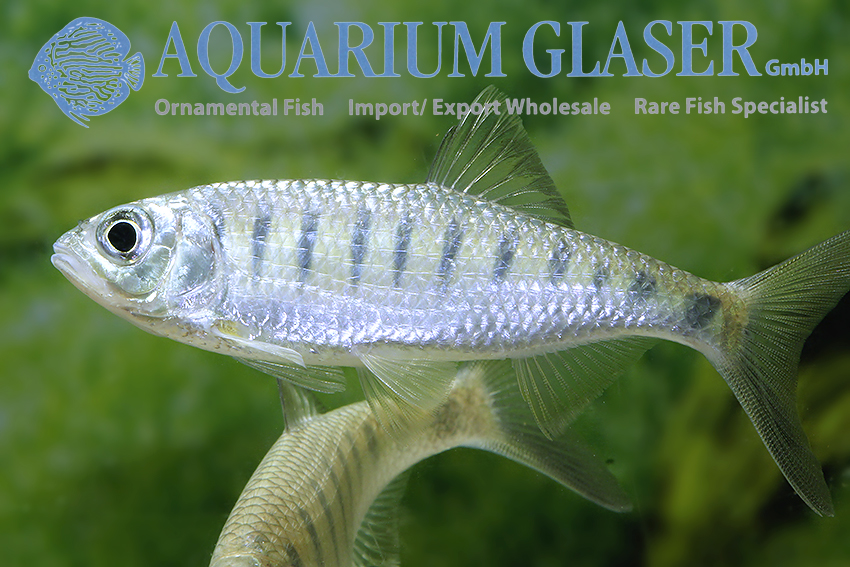
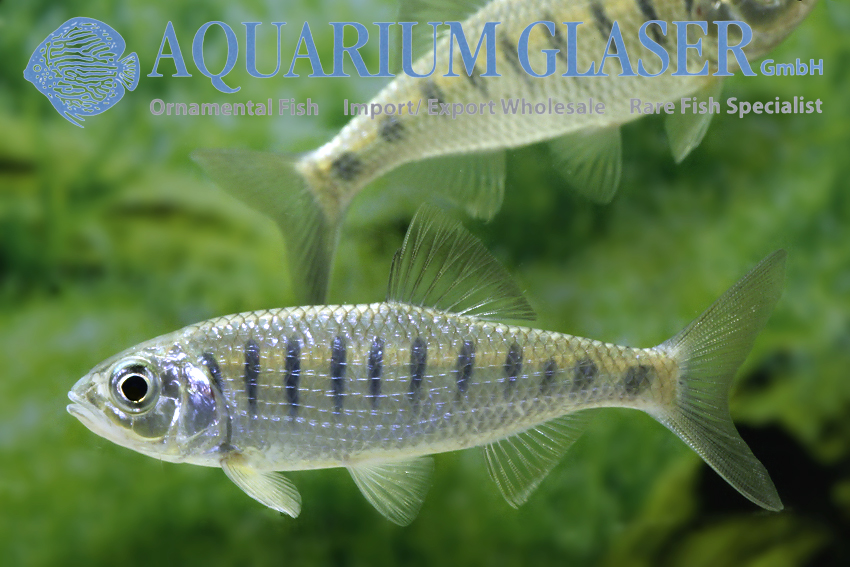
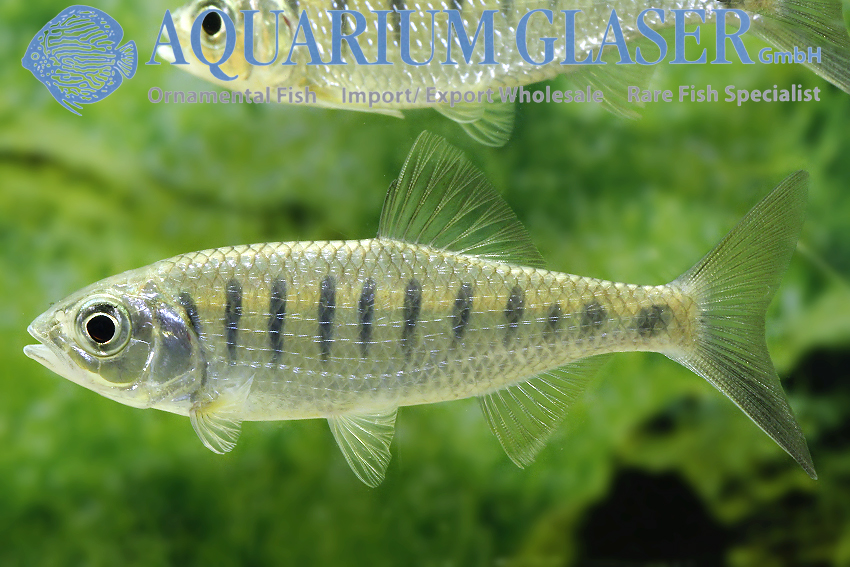
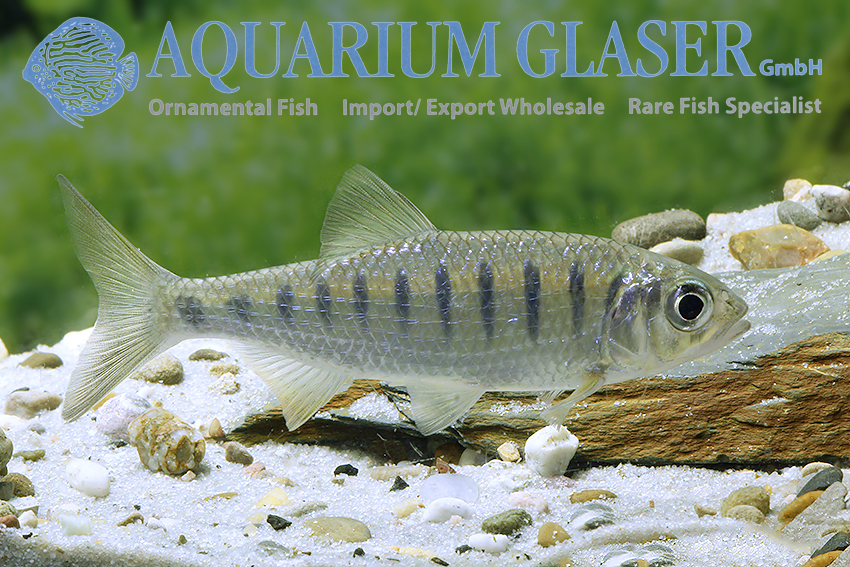
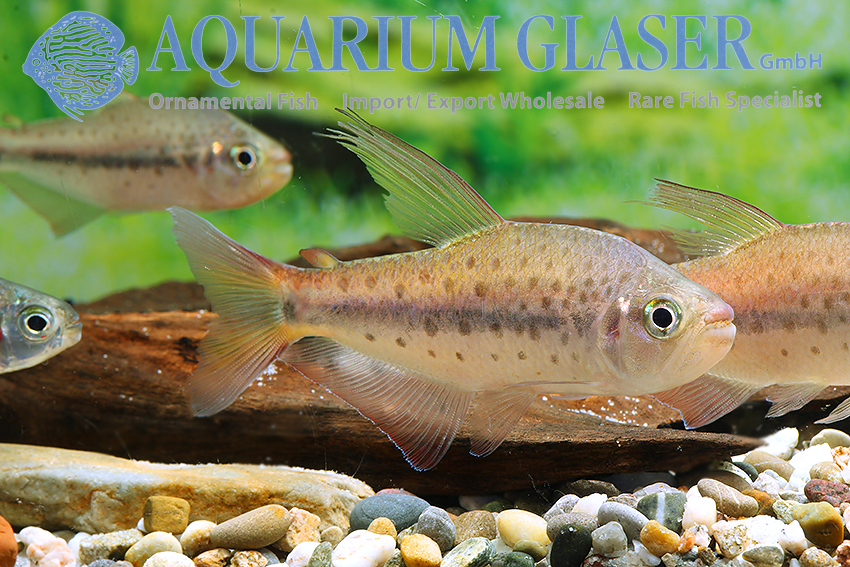
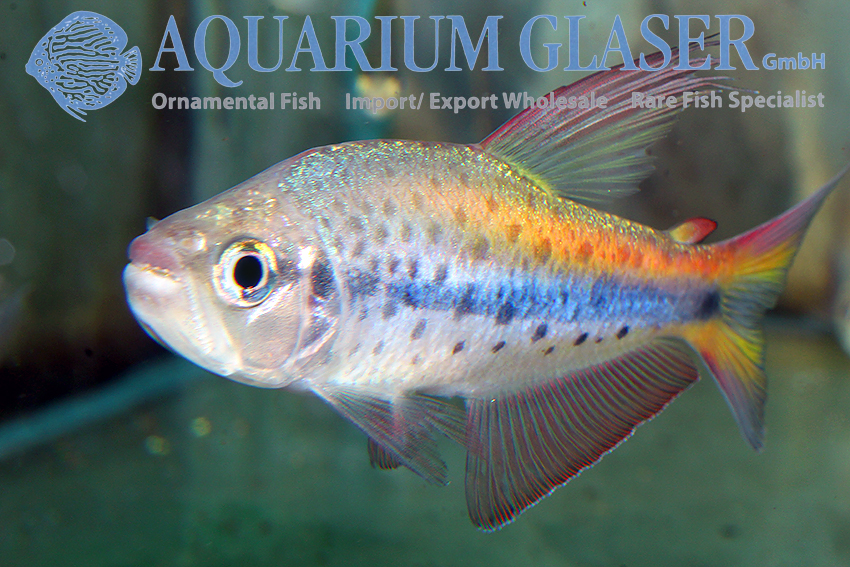
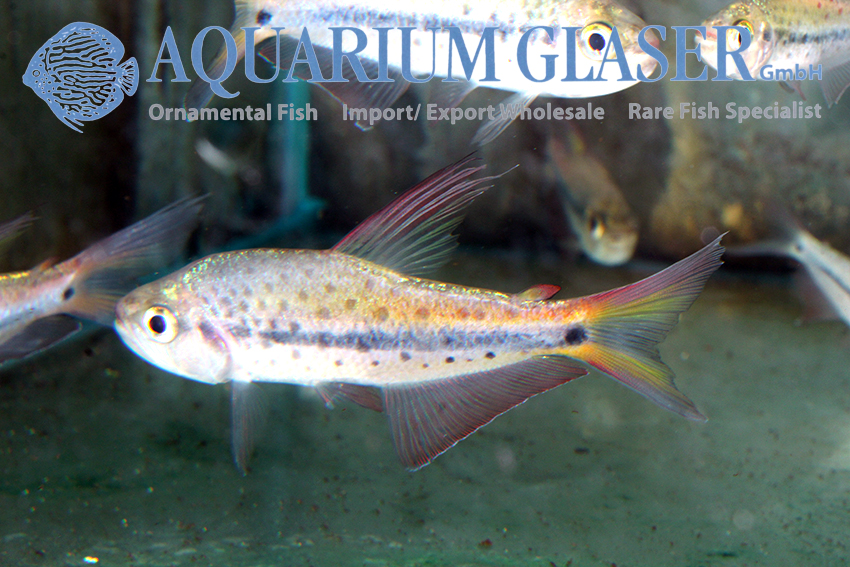
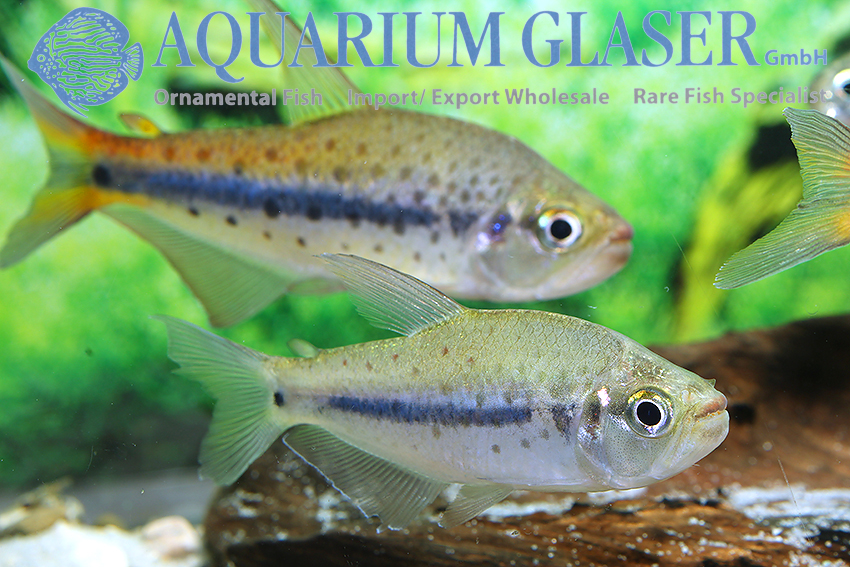
Fishes of the genus Barilius are ecologically best compared to trout in the Indian region, where they do not naturally occur. Barilius thus prefer to live in clear waters with a gravelly bottom and some current. They are mostly seen in loose groups, they are not really schooling fish. They like to “play” among themselves, chasing each other over short distances, but without harming each other. They are small predators that prefer to eat insects that fall on the water surface, but also insect larvae living in the water, crustaceans or even small fish belong to the prey spectrum. The mouth gap of Barilius is comparatively large.
The coloration of Barilius is also comparable to that of young trout. Both have a number of dark vertical stripes on the flanks. There is a lack of striking colors, but Barilius are nevertheless often very colorful, especially yellow and blue colors iridesce on their bodies depending on the incidence of light.
Quite different from trout, however, is their reproductive behavior. While trout are migratory fish that move upstream to reproduce and dig pits in the ground where they spawn, Barilius, as far as this is known at all, dive into the ground and spawn in the gravel. However, it must be said at this point, the reproductive behavior of Barilius species is virtually unexplored.
One of the most beautiful Barilius species is B. ardens from the Indian state of Karnataka, which we can offer just once again. The magnificent fish grows (with caudal fin) about 12 cm long.
Very similar (and apparently sometimes mixed with B. ardens) is B. malabaricus, which differs from B. ardens by smaller flank spots and a differently colored caudal fin; in B. malabaricus the median caudal fin rays are not white.
For our customers: the animals have code 372842 (md) and 372843 (lg – xl) on our stocklist. Please note that we supply only wholesale.
The Hypancistrus catfishes with striped pattern are on the one hand a wonderful enrichment for the aquaristics, because they look beautiful, don’t grow too big and can be bred quite well, on the other hand they are constant cause for quarrel. Because in many cases it is hardly possible to determine them exactly. This is due to the fact that these catfishes are extremely variable in their markings and also vary greatly in body shape. In the case of the Rio Xingu species (L66 & Co.) it has already been established by molecular genetic studies that they frequently hybridize in nature.
The said applies in full extent also to L475, which we could import now. According to the exporters it originates from the Rio Nhamunda (Brazil), where ornamental fishes have been caught for a long time because of the very beautiful discus fishes that occur there. However, Hypancistrus are hard to catch without diving equipment, which is why the entire genus of these very conspicuous and by no means rare catfishes was not scientifically recorded until 1991.
There are not two specimens of L475, which have exactly the same pattern. Most animals have an irregular banding pattern of broad, dark bands on a white background, but there are also specimens where the dark bands are so broad that it looks as if in this case black animals have a pattern of white, thin bands. In most animals the dorsal fin has three horizontal bands, but there are also animals with a vertically striped dorsal fin. Typical for all individuals of L475 is that they have a white nuchal band running around the body from one ventral edge to the other, beginning at the base of the pectoral fins and continuing in most cases on the inner side of the fins, behind the spine ray. Furthermore, all animals have a white, suggestively W-shaped band just anterior to the base of the dorsal fin.
Like all Hypancistrus, L475 are mixed feeders, eating both plant and animal foods. The maximum length seems to be 12-14 cm. Such fish are kept in aquariums rich in hiding places and caves, with strong currents and good filtration and temperatures between 28 and 32°C. Too low temperatures are the most common care mistake with these fish. The water values are of secondary importance for the fish, but soft water with a pH around 6 is favorable, because less bacteria develop in this environment than in hard water with a pH around 8.
For our customers: the animals have code 26480-L 475-3 (8-10 cm) and 26480-L 475-4 (10-12 cm) on our stock list. Please note that we only supply wholesale.
Mostly we receive the Indian Pearl Cichlid (Etroplus suratensis) as wild catch from South India (formerly also from Sri Lanka) or as German offspring from zoo aquariums. Now, for the first time, we have imported bred ones from Indonesia; some specimens of these offspring do not show a stripe pattern, but have an irregular bow and scroll pattern on the back half of the body. In the wild, such fish would have little chance of survival. Juvenile Etroplus suratensis live in larger groups and whoever stands out in color quickly becomes the prey of a fish eater. But in the aquarium there are no predators and so such mutations can survive. One thing is for sure, they look very interesting!
We were able to import the rare Red-eyed Deltatail-suckercat, Lasiancistrus heteracanthus, in small numbers from Peru. The species attains a total length of 15-18 cm. Besides the bright red eye the most striking feature of the species is the pretty brown-red lower lappet of the caudal fin.
Lasiancistrus, in general, are good algae-eaters and fit in any community tank of appropriate size. The water temperature should be a bit higher than usual, 25-29°C are ideal. In the natural habitat, the water is only slightly acidic or even alcalic; so there is no need for a low pH, to the contrary, one should avoid a pH lower than 6.5.
Like almost all species of ancistrine catfish this species is a cave-brooder. A clutch of eggs found in the wild contained about 200 eggs and was deposited in a cave in a tree lying under water. The male guards the eggs.
For our customers: the fish have code 264952 (5-7 cm) on our stocklist. Please note that we exclusively supply the wholesale trade. Available in limited numbers only!
Lexicon: Lasiancistrus: Latin, means “shaggy ancistrus”, referring to the skin-spines (odontodes). heteracanthus: ancient Greek, means “with aberrant spines”.
From the sailfin molly, Poecilia velifera, which originates in the hot coastal regions of Mexico, there are mostly cultivated forms in the trade: Golden, chocolate, leopard, dalmatian, black, etc.. The “green” wild form is much rarer, although they are very colorful animals. All sailfin mollies on the market are bred ones.
The huge dorsal fin of the males is not bred to the sailfin molly, it is a species characteristic. It is not useful for anything – except showing off. Sailfin females are obviously totally into showing off (quite different from human females; who would have ever heard that a woman falls for a guy just because he looks good, drives a swanky car and has a fat watch on his wrist) and so the huge dorsal fin developed already in nature by the breeding choice of the females.
For our customers: the animals have code 432604 on our stocklist. Please note that we only supply wholesale.
From time to time we receive a very flat-bodied Ancistrus from the Orinoco drainage in Colombia and Venezuela under the name of A. ranunculus/L 34. However, this species does not exist there, A. ranunculus is only known from the Amazon tributaries Xingu and Tocantins/Araguaia; the Orinoco species is Ancistrus macrophthalmus, which has received the LDA number 74.
The easiest way to distinguish between the two is by the caudal fin, which in A. macrophthalmus is always distinctly pointed above and below and has white tips. In A. ranunculus the caudal fin appears truncated, sometimes even slightly rounded above and below. In males there is another easily recognizable difference: A. ranunculus never has “antennae” on the middle of the snout towards the forehead, A. macrophthalmus does.
Regarding coloration, most A. macrophthalmus are pure black (with a bluish tinge under suitable light), but they may also have small white spots. Both color forms can be found mixed in the same import. When A. macrophthalmus is nerved, light transverse stripes appear over the back. The large eye and the dusky coloration already show that A. macrophthalmus is a crepuscular animal, which only comes out of its hiding place during the day after a longer period of acclimation. Otherwise the usual care conditions for Ancistrus apply, with the restriction that A. macrophthalmus likes it warm and is comparatively oxygen-demanding.
For our customers: the animals have code 26480-LDA 074-2 on our stocklist. Please note that we exclusively supply the wholesale trade.
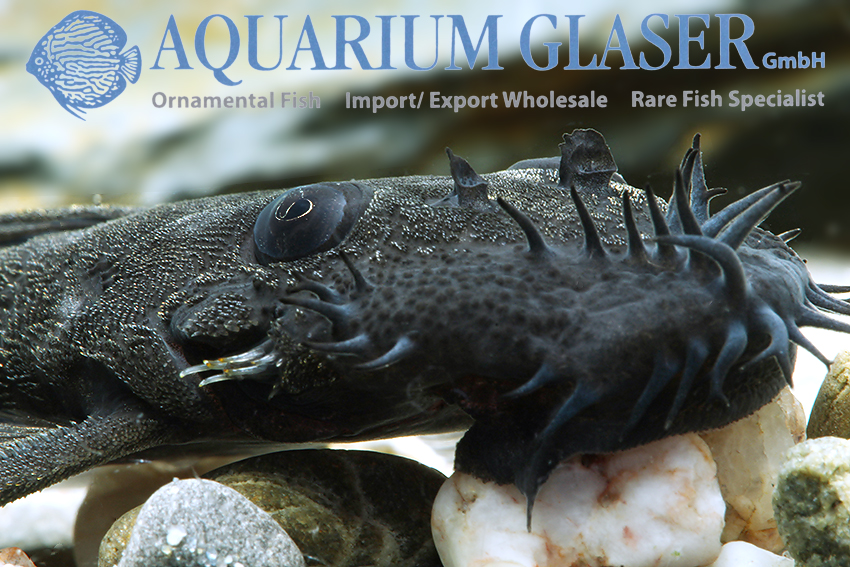
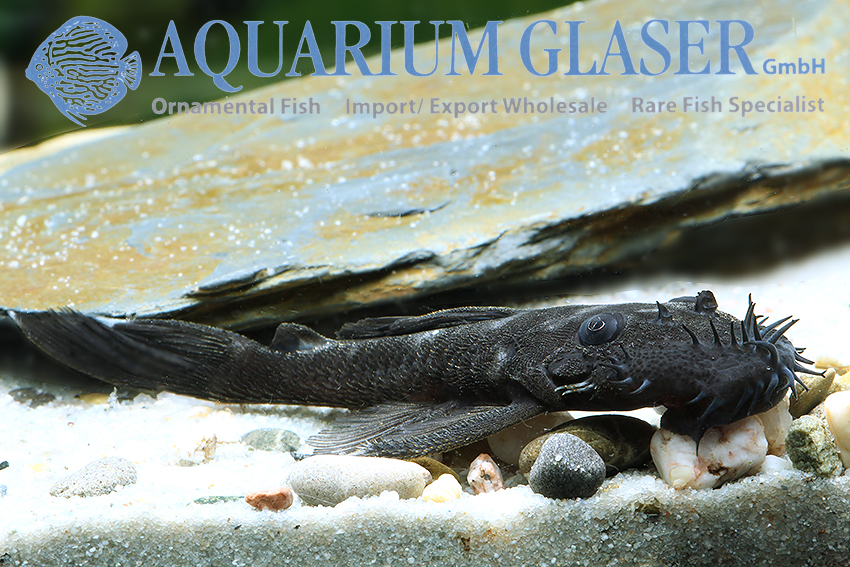
This week we received a good number of the interesting frogmouth catfishes of the species Chaca bankanensis from Sumatra. In contrast to the rather reddish animals we could import earlier (https://www.aquariumglaser.de/en/fish-archives/chaca_bankanensis_en/), this time they are rather brown-black colored, probably an origin-related color characteristic.
Very interesting is that some animals have striking white colored eyes. At first we thought of a mechanical injury or a parasite, but both do not seem to apply, because in all corresponding animals both eyes are equally affected. In the macrophotography we can also see well that only the upper half of the iris is white, the pupil and the lower half of the iris, however, are sharply demarcated. Presumably this is a characteristic that sexually active males show, this seems to us at least the most plausible explanation of the phenomenon. Externally recognizable sexual characteristics are not yet known with certainty in Chaca, but in the top view of a presumed pair one recognizes quite well the possible sex differences (head width, ventral fins).
For our customers: the animals have code 408253 on our stocklist. Please note that we only supply wholesale.
The genus Curimatopsis comprised five described species until 2009 – now (2021) there are more than twice as many, namely 11! Curimatopsis can be divided into two major groups. First the C. macrolepis group with 6 species and second the C. evelynae group with 5 species. The best distinguishing feature of the two groups is the mouth position. In the species of the C. macrolepis group the lower jaw is longer than the upper jaw, i.e. it protrudes slightly, in the C. evelynae group both halves of the jaw are of equal length.
We could now import some Curimatopsis from Venezuela, which are C. macrolepis. This attractive little fish has hardly found its way into the aquarium so far.
Curimatopsis macrolepis grows to a maximum length of 6 cm, but at 4 cm it is fully sexually differentiated and colored. The males can be recognized by their clearly higher tail and the quite differently shaped tail spot. This is round or lengthways-oval with females, with the male on the other hand at the end moved out to a stripe, that runs through the entire tail fin. Depending on the social rank within the group, a red tail spot shines with different intensity. Again, only the males have this color characteristic. That means, every animal with a red tail spot is a male, but not every individual without this spot is a female. Socially weak males also do not show the spot or only indistinctly!
Curimatopsis macrolepis is a very peaceful fish, which is ideal for a community aquarium. It is most beautiful in a water colored slightly yellow by peat or leaves, then sometimes a neon green stripe shines along the body flank.
The mouth of Curimatopsis is toothless, a peculiarity among the tetras; accordingly, they are to be fed with soft foods, in nature they eat mainly detritus, that is, the “mulm” consisting of rotting plants and microorganisms. Live plants are not on the menu. Artemia nauplii, adult Artemia, cyclops and flake food are the optimal diet for the fish in the aquarium.
For our customers: the species has the code number 251333. Please note that we only supply wholesale.
The charming licorice gouramis are ideal inhabitants of nano tanks. They can not compare with other fish and so they settle even in nature extreme habitats. The water there is very poor in nutrients, very soft and acidic. These dwarfs among the anabantoids become astoundingly old and can easily reach an age of 5 or more years. So they compensate the low number of eggs they produce per spawning – usually less than 20. These tiny fish should be kept in one-species tanks. They can be fed exclusively with live brine shrimp nauplii (Artemia).
Parosphromenus gunawani comes from the island of Sumatra from the province of Jambi. It is a Parosphromenus species of the bintan type and was scientifically described only in 2012; previously it was known to specialized labyrinthfish enthusiasts as Parosphromenus sp. Danau Rasau. The fish attain a length of about 3 cm. In all licorice gouramis the sexes can be distinguished even in fright coloration. Both males and females look like Betta-females in that mood, but the caudal fin of the females is completely hyaline whereas in the caudal fin of the males always a iridescent shine can be observed that reflects the courtship-coloration.
For our customers: the fish have code 441133 on our stocklist. Please note that we exclusively supply the wholesale trade.
Lexicon: Parosphromenus: means “stands beside Osphromenus”; Osphromenus is another genus of anabantid. bintan: after the island of Bintan, the type locality; gunawani: the species is named in honour of Gunawan ‘Thomas’ Kasim, who, together with Horst Linke and others, collected the type specimens of this taxon.
Already in 1894 the three-banded flag tetra (Hyphessobrycon heterorhabdus) was described scientifically; the animals on which the description was based came from the Brazilian state of Pará, more detailed information or illustrations are not available. From 1910 and in the 1920s, when the tetras advanced to the most popular aquarium fishes, also three-banded tetras came to Europe; these animals had a red, a white and a black longitudinal band over the entire body length – hence three-banded tetras. According to some sources, they came from the lower Rio Tocantins (whose lower reaches are in Pará), according to other sources from the southern tributaries of the middle Amazon (i.e. Rio Madeira, Rio Tapajós, Rio Xingu). A whole group of species has been named after the three-banded tetra – the Hyphessobrycon heterorhabdus group. They have a black longitudinal band as a common characteristic. From the Hyphessobrycon heterorhabdus group many new species have been described in the last years and some more are already known but not formally described yet; this makes identification not easy.
We have now received very nice animals of this group with the locality Apeú, whereby it is not specified whether this means the district of the large city Castanhal in Pará or the small river Apeú, which flows through the district of the same name, but this forgives nothing. Freshly arrived the animals showed only two stripes, one light and one black, which is why we first determined the species as Hyphessobrycon agulha, but after a few days of acclimation red colored scales were also visible above the light longitudinal band. We are now of the opinion that this is indeed the “true” H. heterorhabdus, while the central Amazonian form mentioned in the old literature probably belonged to the species Hyphessobrycon sateremawe described only last year (2020). H. sateremawe differs from H. heterorhabdus by a much wider black longitudinal band.
For our customers: the animals have code 261103 on our stocklist. Please note that we supply exclusively to wholesalers.
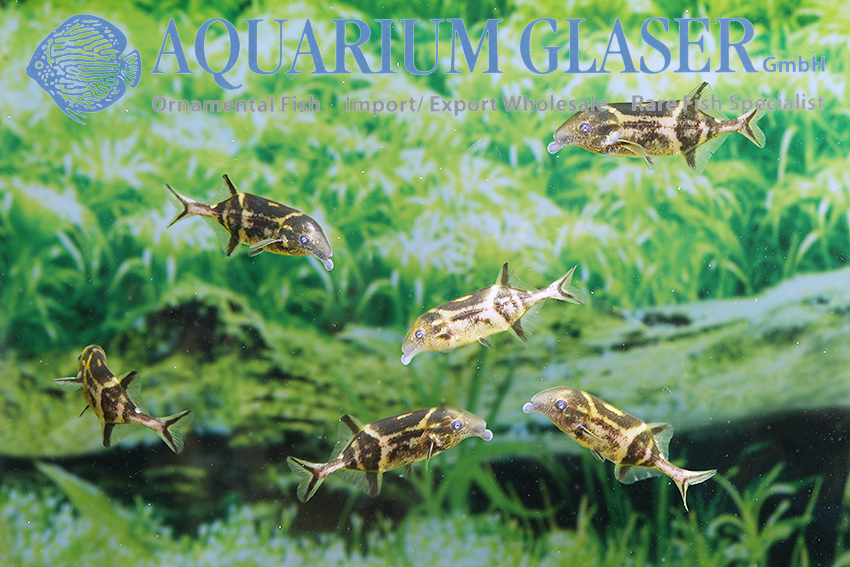
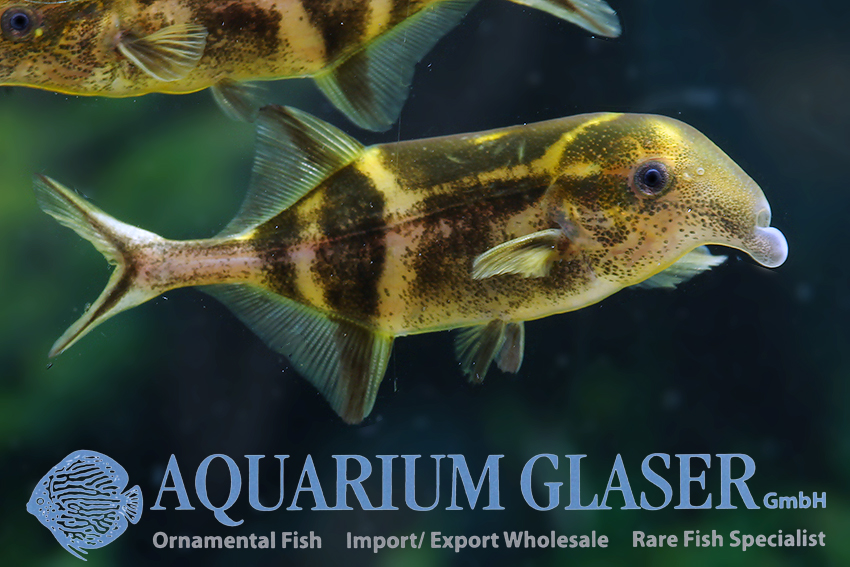
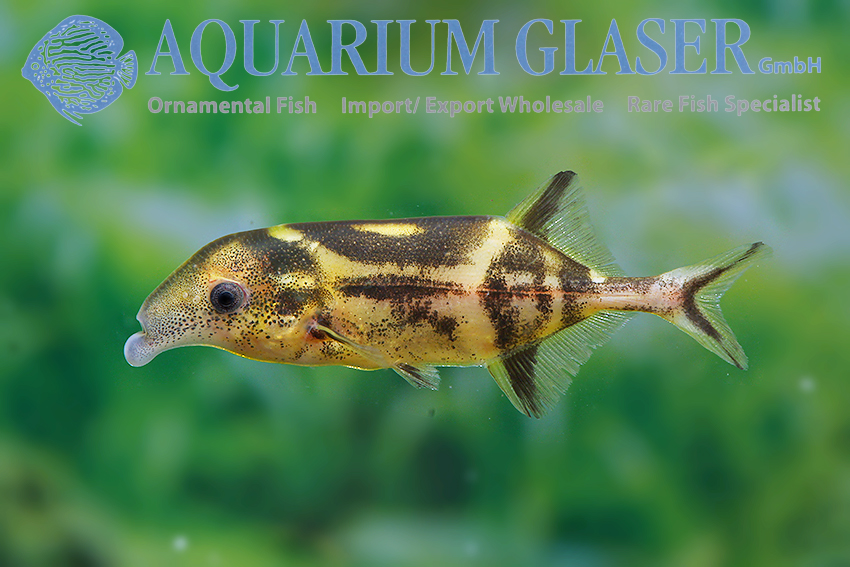
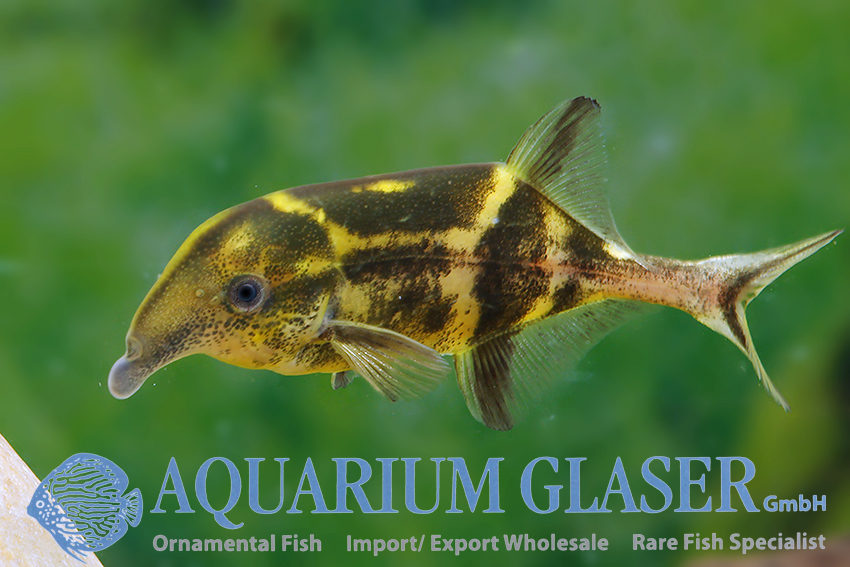
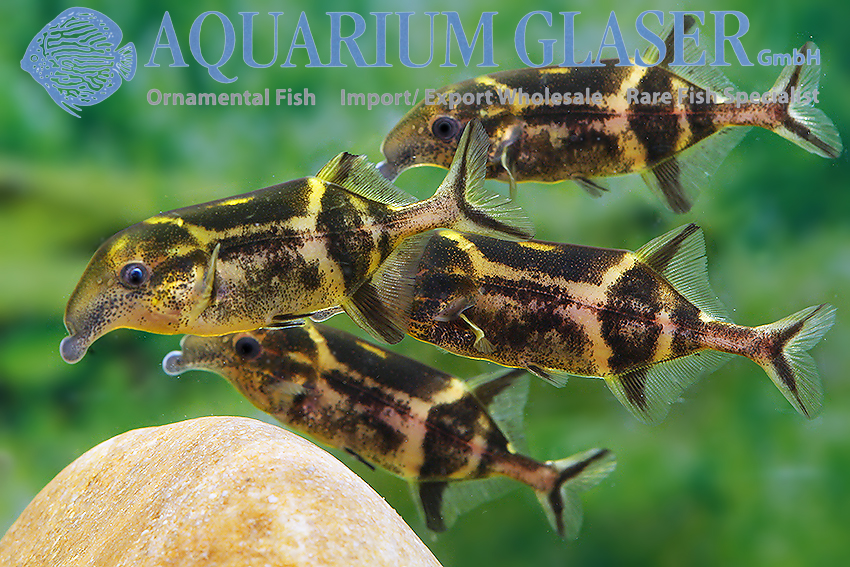
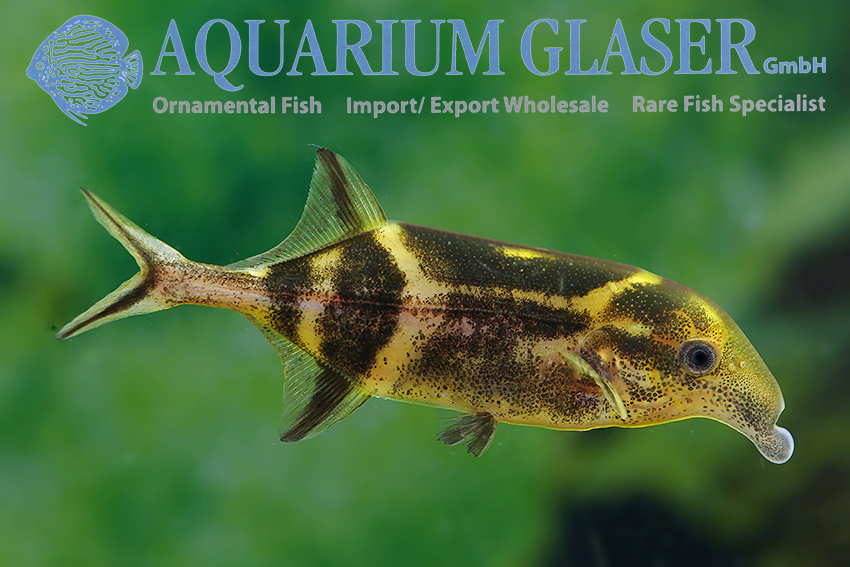
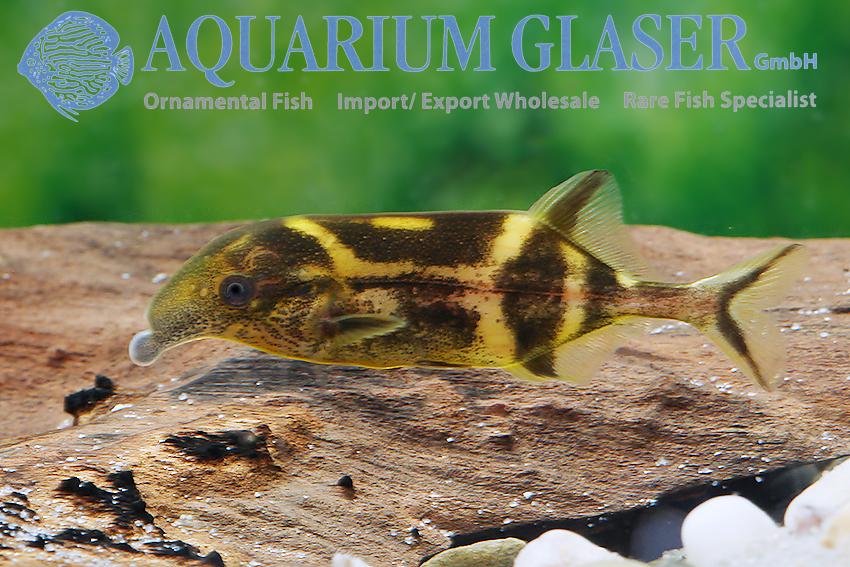
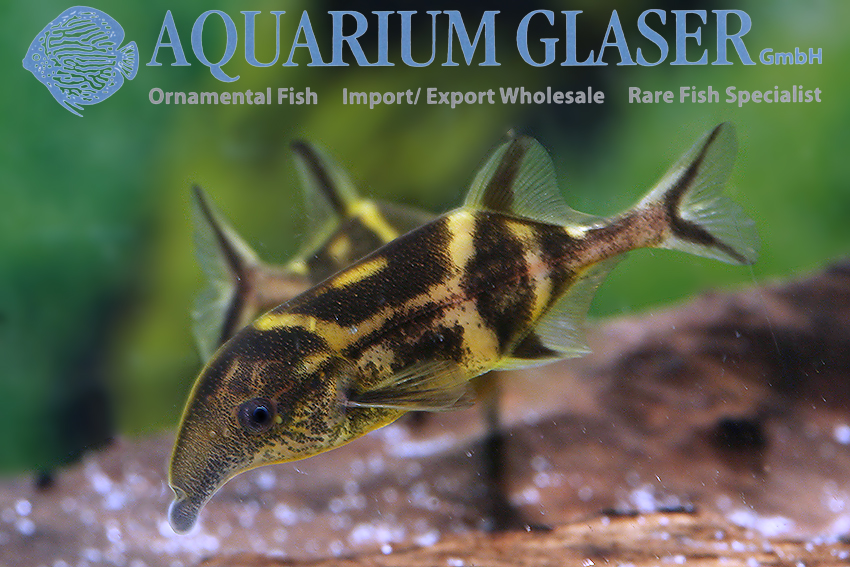
Elephant fishes or mormyrids are very interesting and also entertaining fish. They communicate among themselves with electrical signals and have – similar to birds – a relatively well developed cerebellum. Their bizzare body shape makes them additionally interesting. However, they have little to offer in terms of color, mostly coming along in shades of brown and black, broken up by dull white or light gray.
The most colorfully attractive mormyrid, additionally equipped with a “proboscis”, is Campylomormyrus tamandua, at least as a juvenile. The species is widespread in western Africa (drainages of the rivers Volta, Niger, Shari (including Lake Chad) and Congo) and can become stately 40 cm long, but even in the wild it is very rare to see animals larger than 15-20 cm. Very old animals darken and lose almost all markings.
Since a few years we can offer this fish as offspring from Indonesia. Campylomormyrus tamandua are not very compatible with each other, in a group there is constant chasing and fighting. In principle not much happens, because mormyrids do not have teeth, but in the long run the bickering can lead to losses. If you only have a medium sized aquarium, you can therefore only keep a single animal. Against other fish (no mormyrids) C. tamandua is peaceful.
The key to successful group keeping is as large a group as possible (at least 10, better 20 or more specimens), as large an aquarium as possible, plenty of hiding places, and abundant feeding. Bloodworm (frozen or live) are particularly suitable as food. Spawning takes place in crevices, the animals do not practice brood care. The sexes are indistinguishable in juveniles, sexually mature females are fuller and the anal fin shape of males and females is different. But it should be emphasized again: keeping them in pairs is not possible.
For our customers: the animals have code 110111 on our stocklist. Please note that we supply exclusively to wholesalers.
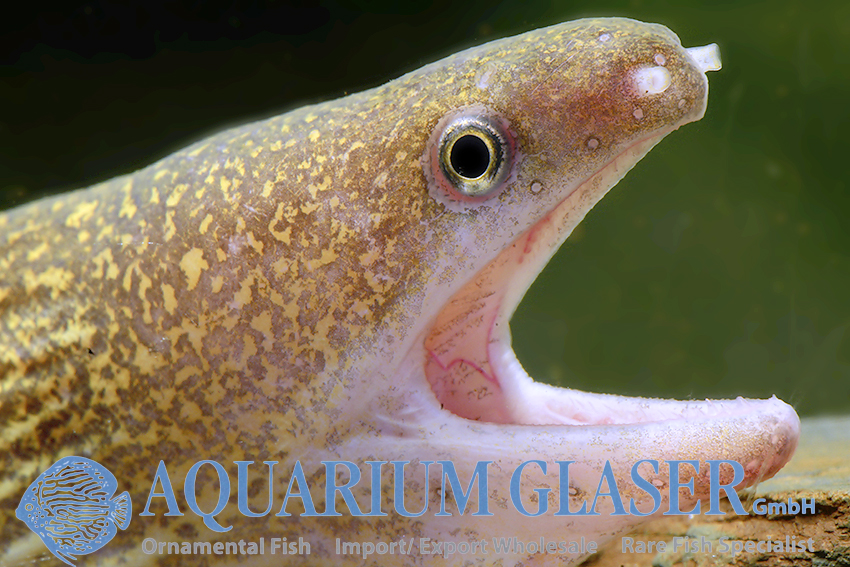
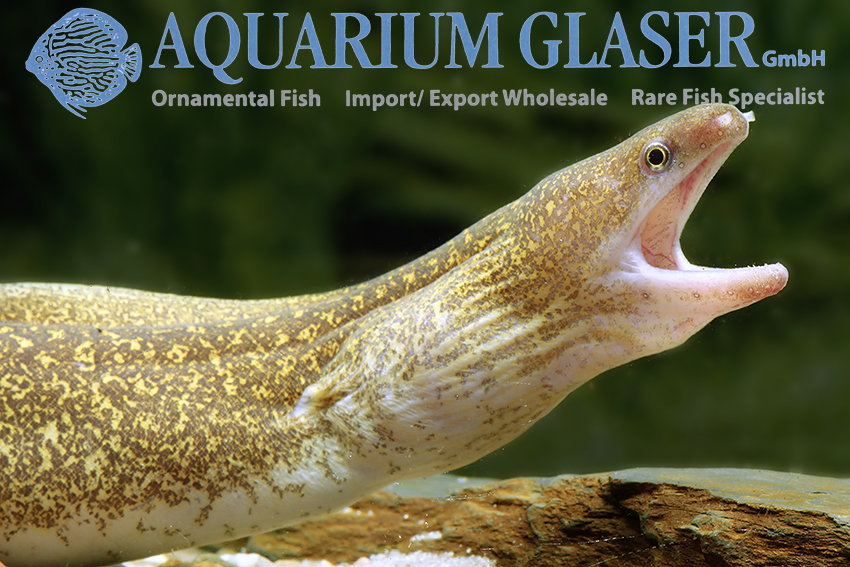
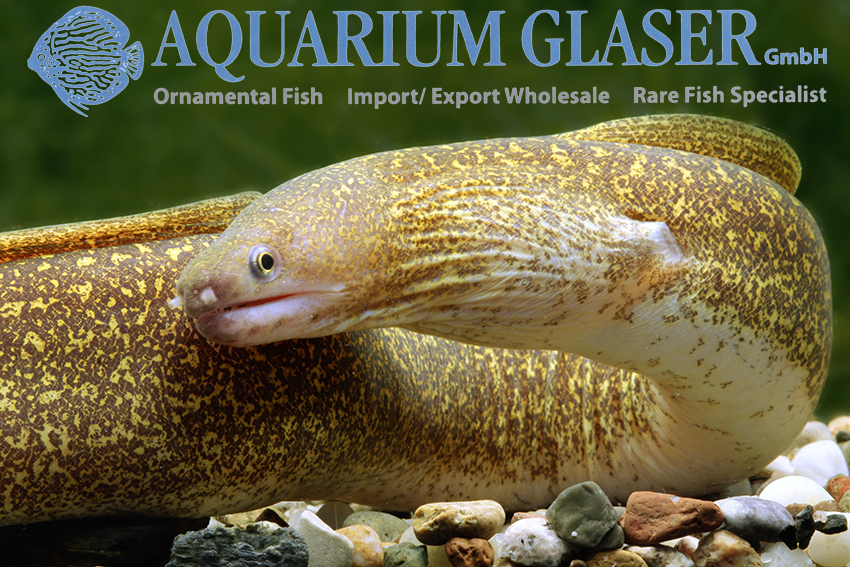
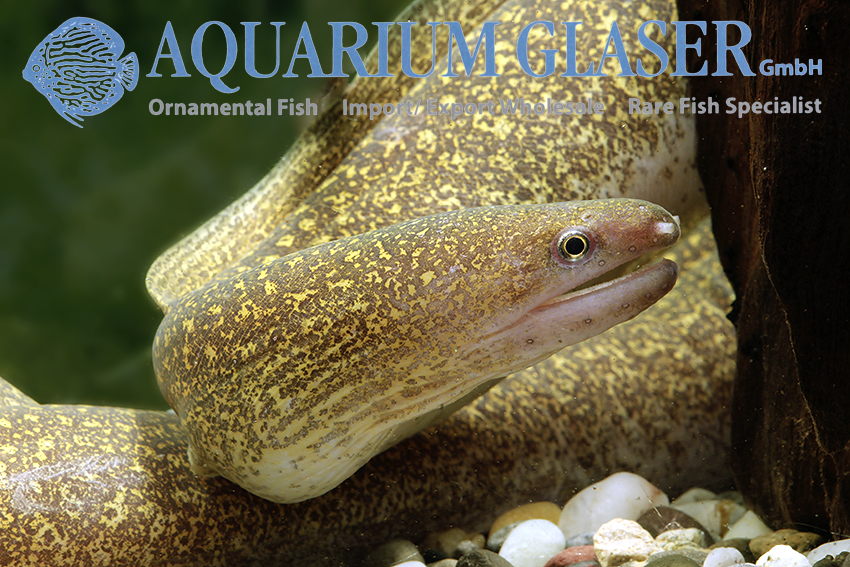
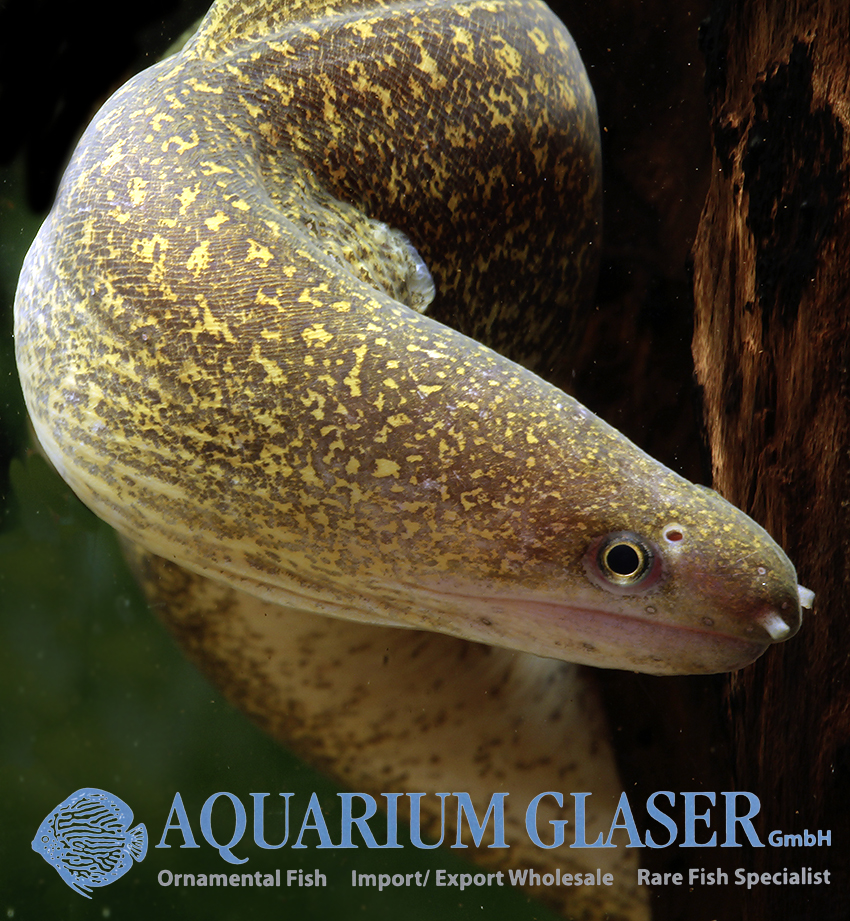
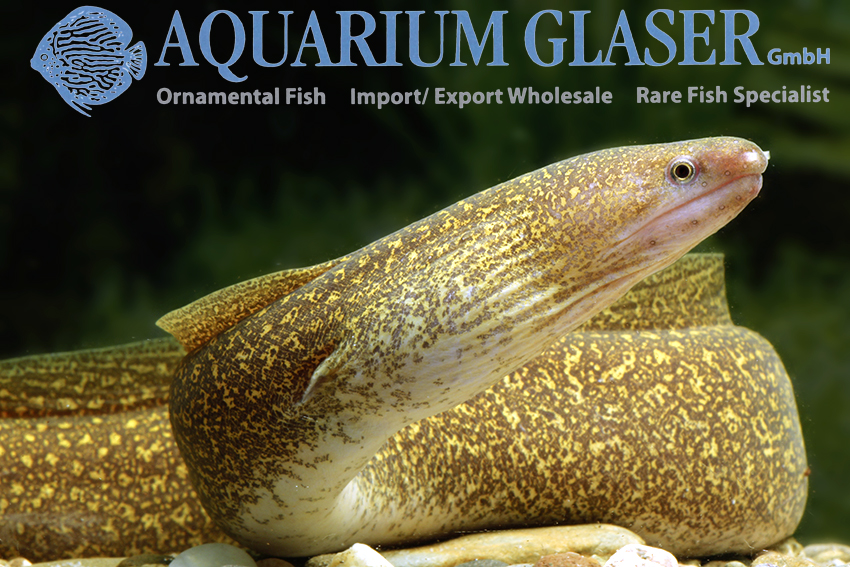
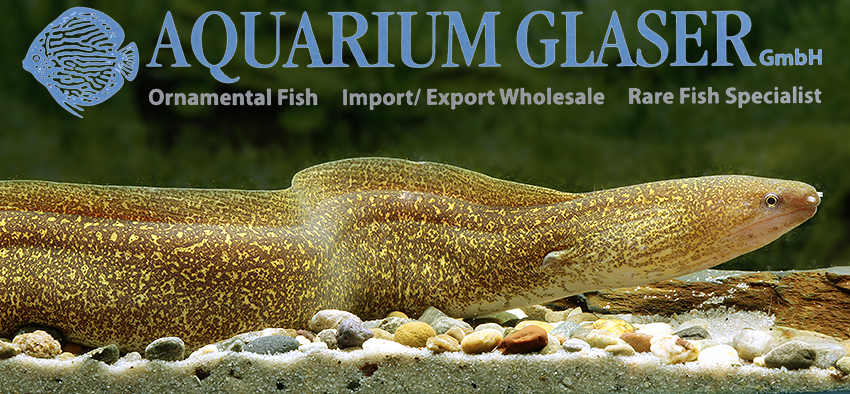
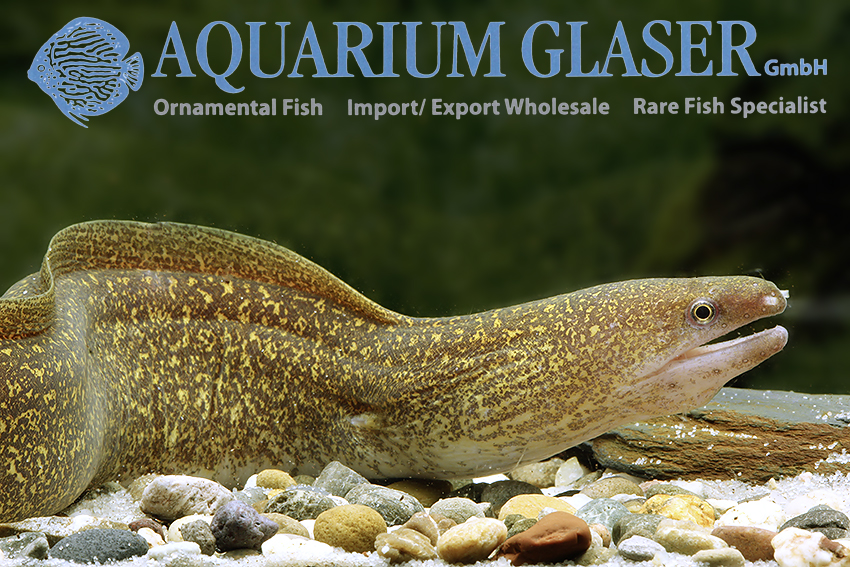
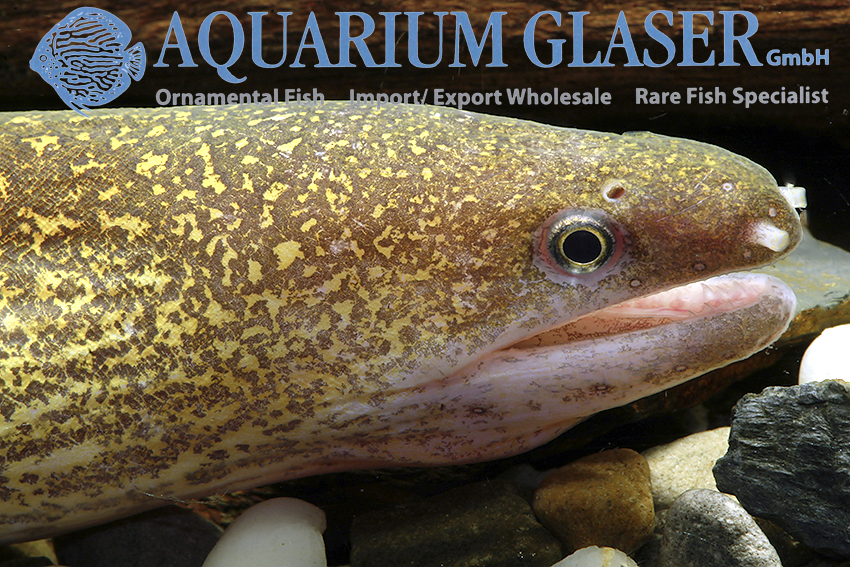
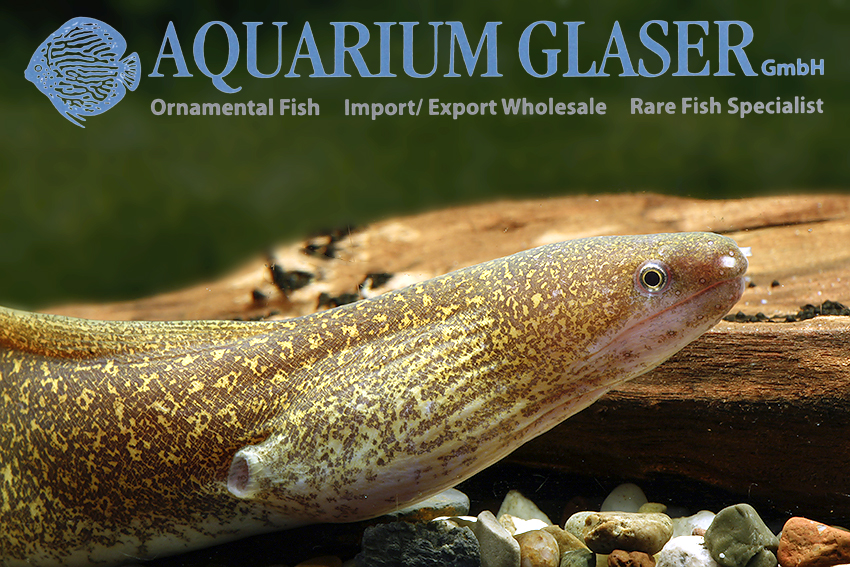
Only very rarely marbled swamp eels from South America are available. After a quite long time we now have a number of juveniles from Peru in stock. The species attains a maximum length of about 1.5 m. These very large individuals are always males, because swamp eels change their sex. Most of them are born as females and become males at an age of about 4 years. This type of sex change, which is quite common in marine fish, but very unusual for freshwater fish, is called protogynous hermaphroditism. All species of swamp eel can breath atmospheric air and so survive in very oxygen-poor water.
For our customers: the fish have code 295202 on our stocklist. Please note that we exclusively supply the wholesale trade.
This beautiful Corydoras belongs to a scientifically undescribed species. It originates from the upper Rio Negro in Brazil. Because of the bright orange neck spot it is usually misidentified as Corydoras burgessi, which also comes from this region, especially as C. burgessi has a very variable pattern and there are also spotted colour variants of this species. Overall, CW 98 reminds us more of C. brevirostris from the Orinoco drainage.
For our customers: the animals have code 225043 on our stocklist. Please note that we only supply the wholesale trade.
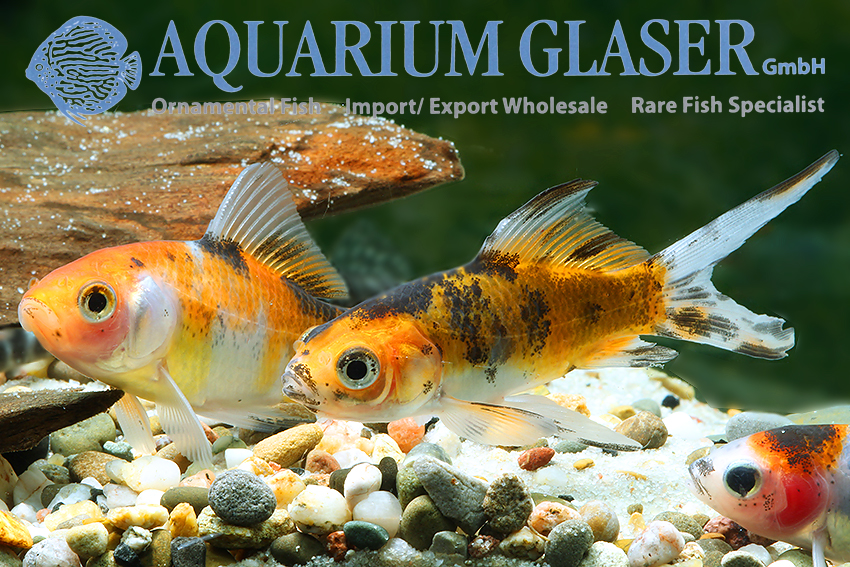
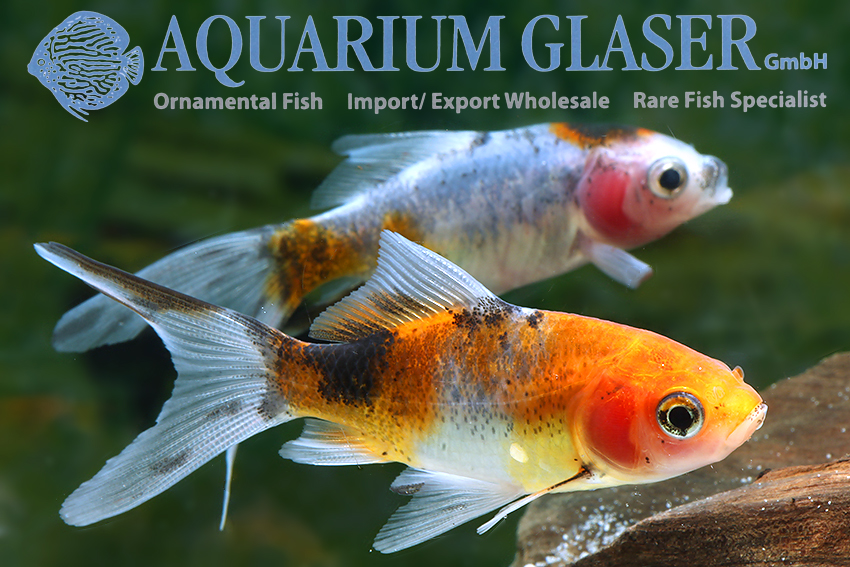
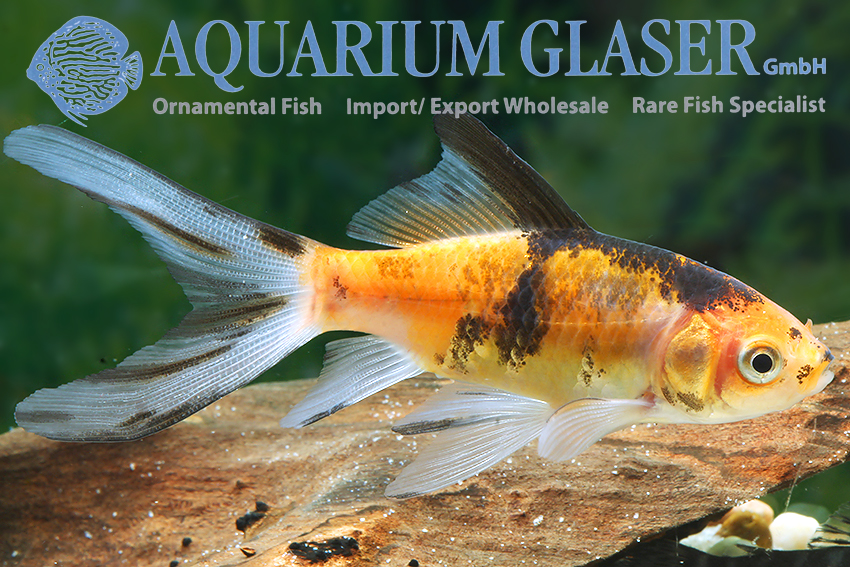
It is and remains the oldest ornamental fish in the world: the goldfish (Carassius auratus) and its many cultivated forms. It has been propagated and kept by humans for about 1,000 years.
Many consider goldfish to be garden pond fish, especially the varieties with “nomal”, wild fish-like body types. This is quite true, and they do grow into huge (over 20 cm, sometimes up to 30 cm long), magnificent specimens in the pond. But there is a reason why the goldfish has been in culture for so long: the wild form is also one of the most adaptable fish in nature. The temperature range can be between 0 (!) and over 30°C, the fish can also tolerate temporary oxygen deficiency due to special physiological adaptation mechanisms and if in nature the water is only small and the food supply is low, it only grows to 5-8 cm in length and also reproduces at this size. That is why all goldfish forms can be excellently kept in the aquarium. However, our western understanding of animal husbandry is not so much to push the genetic limits of what is possible; we prefer to keep animals as “optimally” as possible, i.e. under the conditions that are subjectively most comfortable for the animals.
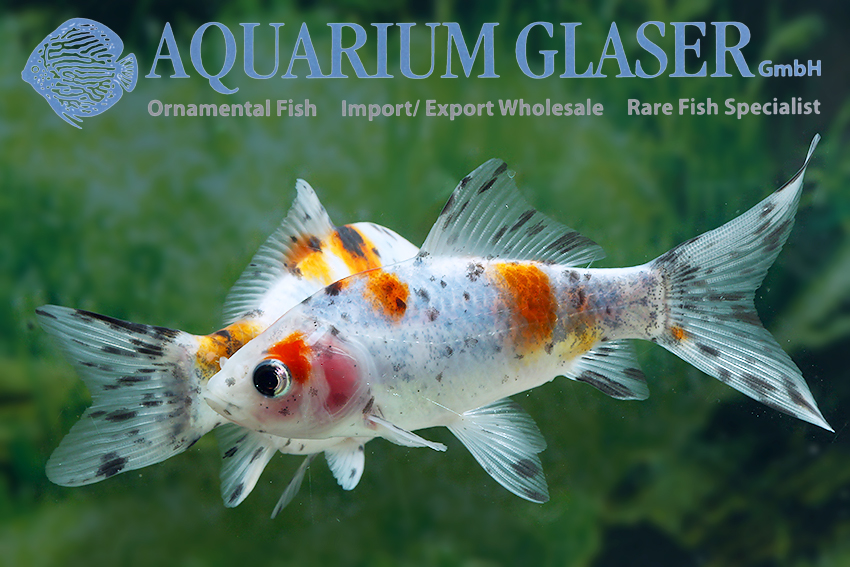
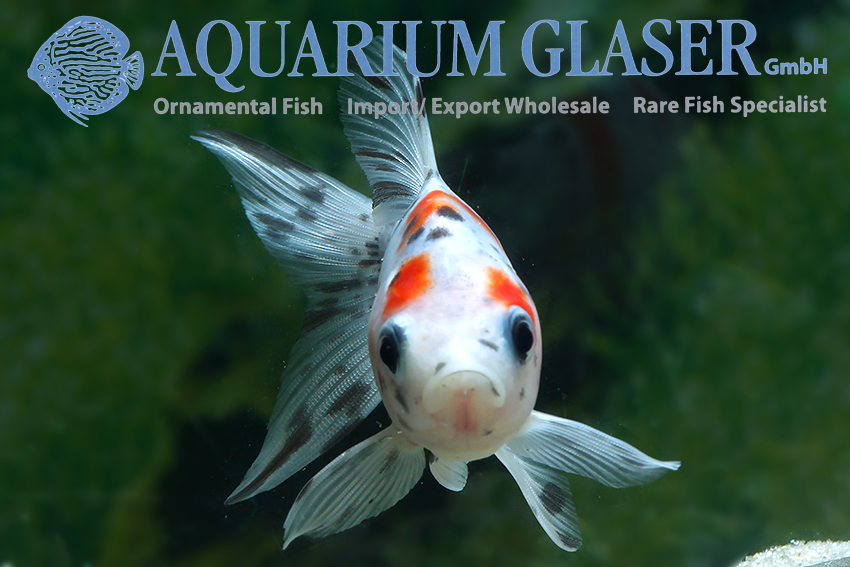
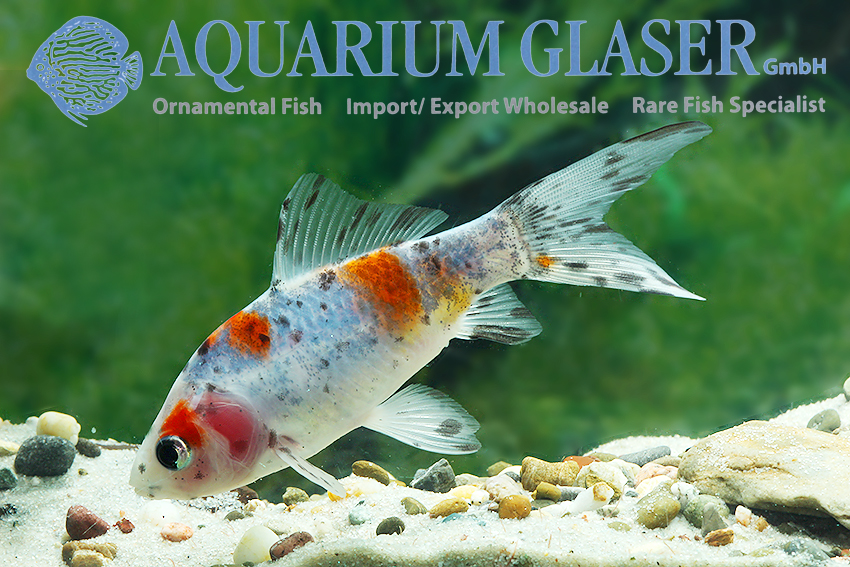
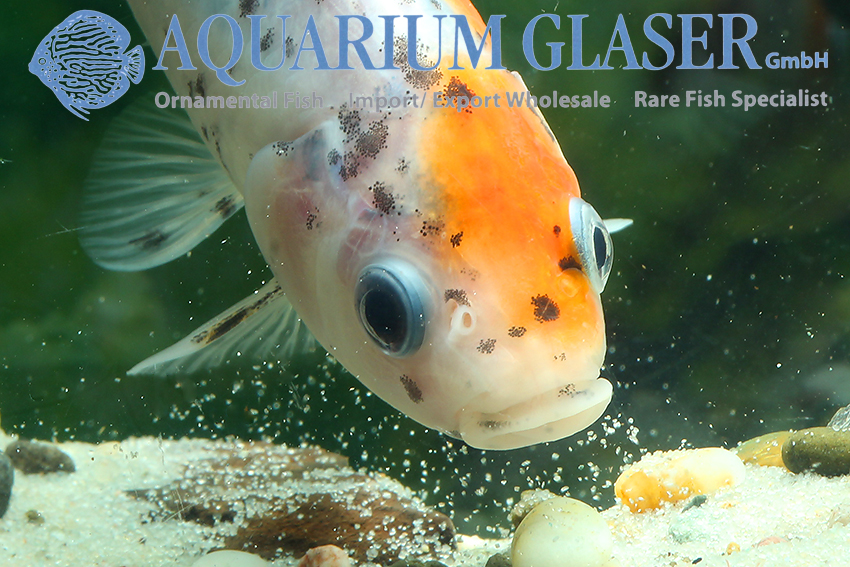
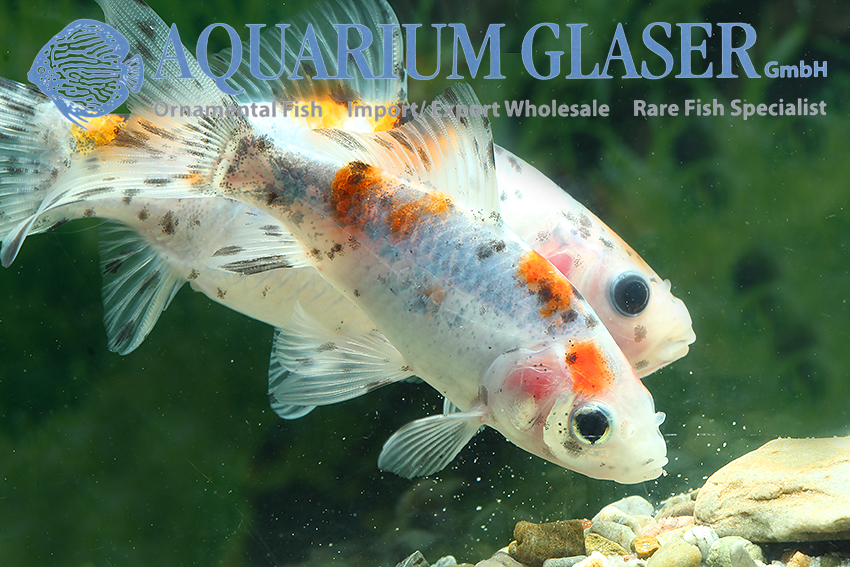
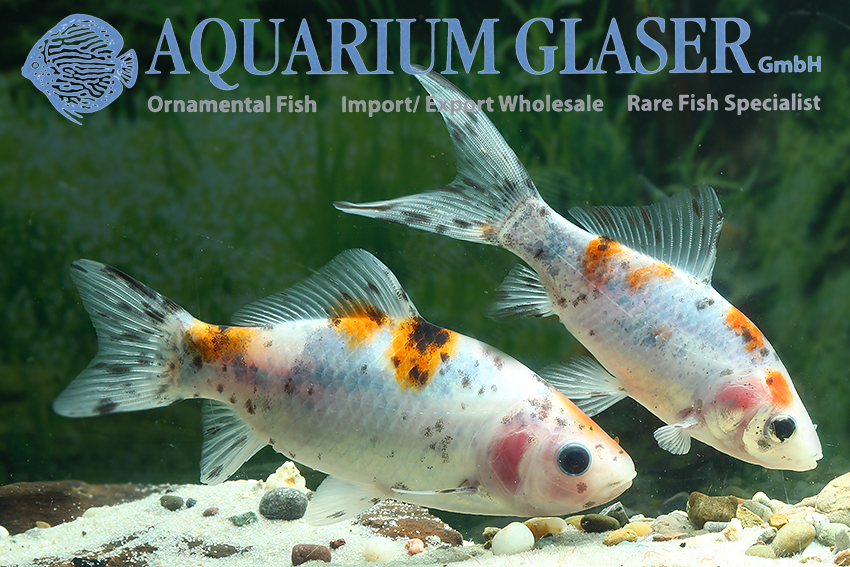
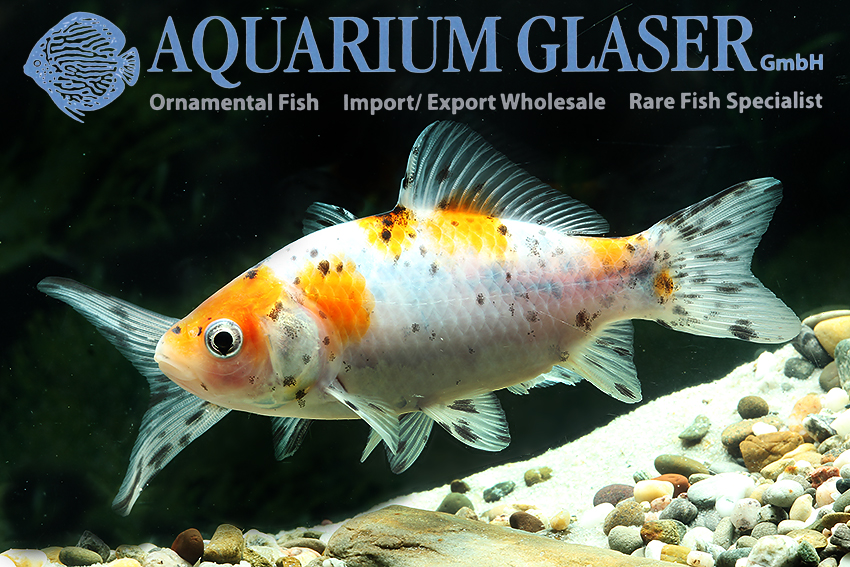
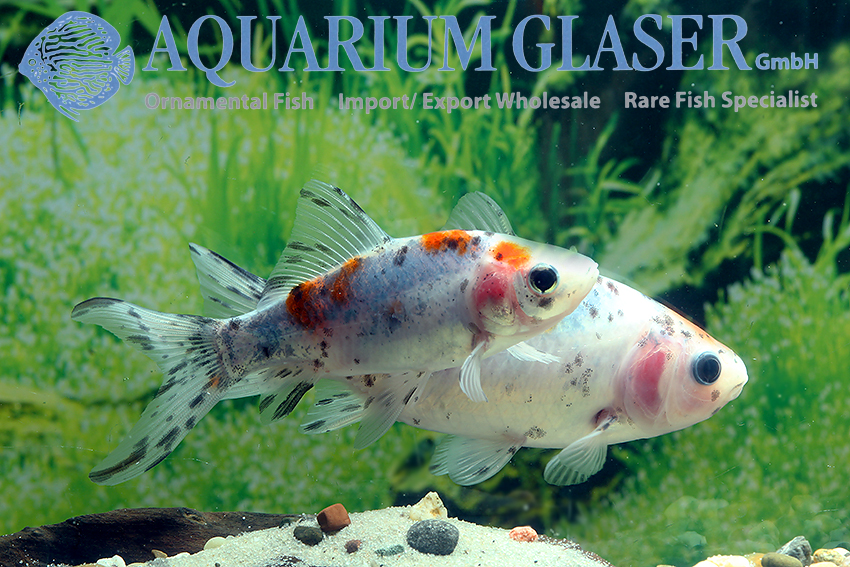
The Shubunkin belongs to the large-growing goldfishes and therefore should be kept in large aquariums (from 150 cm). It is a five-colored breeding form, in which blue, red, orange, white and black colors can be found in highly variable proportions. Five-colored goldfish are also called calico goldfish in Japan (calico is actually a special cotton fabric, which was colorfully printed in Japan). Usually shubunkin are sorted by the primary colors of blue and red, but this need not be the case. Pure goldfish breeding forms, where one animal looks like the other, do not exist, because the genes for fin length and body colors are located on several alleles. Many prefer the shubunkin as a comet (i.e. with elongated fins), but in the same brood normal-finned siblings can also occur. Because of the complex inheritance relationships, each Shubunkin is unique.
The Shubunkin is a relatively young breeding form, which was “only” created in 1892 by the Japanese breeder Yoshigoro Akiyama I by crossing calico dragon eyes (“Telskop-Eyes„), common goldfish and wakin with a single tail fin. Shubunkin were first introduced to the public in 1902. The name “Shubunkin” was coined by Shinosuke Matsubara, whom the bright colors reminded of a kimono.
For our customers: we have shubunkin in several sizes on sale all year round. They have depending on size, code 811000-811007 on our stock list. Please note that we supply only wholesale.
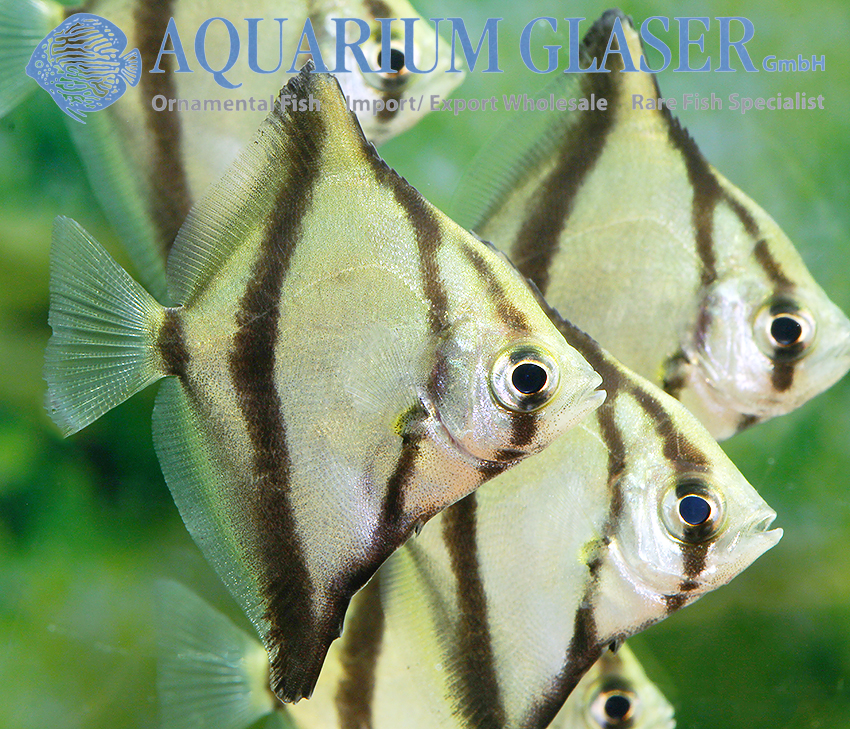
The African Mono is widely distributed along the tropical Atlantic coast of Africa. As a completely euryhaline fish, it can freely change between fresh, brackish and seawater; it prefers to stay in brackish water. In its native range M. sebae is a common fish and is caught there for food. In the past, aquaristic needs were met by wild-caught fish from Lagos Bay, Nigeria, but for decades this species has only been available as offspring from Southeast Asia.
M. sebae was one of the first marine fishes to be successfully reared in the aquarium. First breeding reports date back to 1968, planned breeding succeeded since the 1970s. The animals are free spawners without brood care, the spawn swims around during development, external sex differences are not known.
With a maximum length of 25 cm (but mostly around 15 cm, the animals are spawning at about 10 cm at the age of about 1 year) Monodactylussebae is not a small fish, furthermore they are fast swimmers and should be kept in a troop (from 8 specimens upwards). So they require a correspondingly large aquarium. A value of 3-4 g/l has proven to be the ideal salt content. Monos are carnivores, which can be well fed with all common frozen and live foods. Dry food is accepted, but should not be used as a sole food. Monos like it warm, the water temperature should be between 25 and 28°C.
For our customers: the animals have code 150002 on our stocklist. Please note that we supply exclusively to wholesalers.
The attractive Apistogramma sp. Oregon comes from the wider surroundings of Iquitos in Peru. Don’t ask us why this one is called “Oregon” – we don’t know that either. It belongs to the closer relationship of A. nijsseni, but differs clearly from this species by the bulky body structure, the large tail spot and a group of black spots on the lower half of the caudal peduncle.
This beautiful fish is quite hardy and adaptable, but it has been shown that for long-term care and breeding, very soft water with a pH of 5-6 is most favorable. In hard water with higher pH, the fish first become paler and then start to care. It is still unclear whether the soft acidic water is actually a physiological necessity or whether the animals – like so many fish from comparable habitats – just cannot tolerate the higher bacterial load in harder and more alkaline water.
According to the information available so far, A. sp. Oregon is known from only one forest pool. This does not necessarily mean that it does not exist elsewhere, but it has not been found so far. Therefore imports of the animals occur only in large time intervals, breeders should strive for them.
For our customers: the fish have code 625112 on our stocklist. Please note that we supply exclusively to wholesalers.
Literature
Römer, U. & D. P. Soares (2019): Beiträge zur Biologie von Apistogramma-Arten: Apistogramma sp. „Oregon“, ein selten gepflegter Zwergbuntbarsch aus dem peruanischen Amazonas-Tiefland in Loreto. DCG-Informationen 50 (8): 174-183
Just as L-numbers are assigned for undetermined loricariids, C- and CW-numbers are assigned for undetermined Corydoras. One of the first species to receive such a number was Corydoras parallelus, which was assigned the number C2 in 1993. In the same year Burgess described it as C. parallelus.
The species originates from the upper Rio Negro and never came frequently to Europe, mostly as by-catch to Corydoras schwartzi and C. incolicana. The exporters called him C. “Perreira II”. Why the species is so rarely caught is unknown. It can be bred quite well, but never in large numbers, so that usually the offspring go directly from aquarist to aquarist and never appear in the general trade.
We have now received magnificent XXL-Corydoras from Brazil that almost exactly match the colours of Corydoras parallelus, but actually come from the Rio Jamanxim, a tributary of the Tapajós. These animals are still scientifically undescribed and were given the code number CW127 by Ian Fuller. It is the round snouted sibling species of the Corydoras bifasciatus from the same area, a long snouted species that is currently not available in significant numbers in the hobby.
This is for sure: CW127 are really gorgeous fish!
For our customers: the animals have code 240254 on our stocklist. Please note that we only supply the wholesale trade.
With the import of Hemimyzon nanensis we were once again able to fill a white spot on the map of fishes that have become known in the aquarium with content. At least for us it is a first import. Hemimyzon belongs to the family of hillstream loaches (Balitoridae) and is closely related to the genus Jinshaia. Both genera differ quite well from the other Balitoridae in that in Hemimyzon and Jinshaia the pelvic fins are not merge together to form a sucking disc, but are still separate from each other. In Hemimyzon the caudal fin is straight cut off or slightly emarginated, in Jinshaia it is deeply forked.
The particularly interesting thing about H. nanensis is that all other species of the genus originate from China or Taiwan. H. nanensis, on the other hand, is found in the upper reaches of the Chao Phraya basin in northern Thailand. Like all hillstream loaches, H. nanensis loves strong currents and prefers to feed from solid substrate. The animals are very variable in colour and are peaceful among each other. You should not keep them too warm, 16-22°C are ideal. Very important is clear, oxygen-rich, bacteria-poor water, whose composition is otherwise rather secondary. A good lighting is favourable to promote algae growth. Many microorganisms live in the algae film and are used by H. nanensis as food.
Hemimyzon nanensis grows 6-8 cm long. Since these are fish for specialists, we have imported only a few specimens. They have code 421363 on our stocklist.
In our last post on this impressive and beautiful tetra species from Colombia, we wrote “This tetra usually grows to around 5 cm long, with 8 cm given as the maximum size.” (https://www.aquariumglaser.de/en/fish-archives/pseudochalceus-kyburzi-4/). Since last week we know, this maximum size can actually be reached! Wow, that’s the first thing we thought of these huge animals.
Moreover, one of these XXL males has also developed spring fever and got into courtship mood. These gorgeous colors were not visible before. To be on the safe side, we took pictures directly in the holding tank; unfortunately, it came as feared, in the relatively small and inevitably bright photo tank the animal faded immediately, which is why we show here, in order to be able to present the colors in full intensity, also one of the aesthetically less appealing pictures, as we shoot them for documentation purposes in principle of interesting new arrivals in the fishhouse.
For our customers: the fish have code 283804 on our stocklist. Please note that we supply exclusively to wholesalers.
For the first time we could (recognized) import this dolphin catfish from Peru. The small species (the biggest scientifically known animal had a standard-length – therefore without tail fin – of barely 8,5 cm) occurs in the area of the upper Amazon, where the river is still called Solimoes.
Tympanopleura cryptica was described scientifically only in 2015; before that the species was probably always confused with other species, hence the species name cryptica, which means “hidden, concealed”. The males of T. cryptica get a strongly extended back-fin during the reproductive-time – like all dolphin-catfish – that serves during the mating to press the female against the side of the male. The inner fertilization takes place on that occasion with a mating-organ, that is formed from the first five rays of the anal fin. One can recognize the males by it also outside the reproductive-period while the long back-fin-spine is shed. One can compare this quite well with the antlers of the stags, that is formed also again annually. The photographed animal is a male, clearly recognizable at the mating organ.
Interesting are the very large nose pores, which at first made us think that the animals had bumped somewhere. But since this phenomenon occurs in many specimens and always on both sides, and can also be seen in the preserved type specimens, we think it is normal.
In our facility these catfish are strictly nocturnal and move during the day only when food is given, as it is known from other driftwooid catfishes (e.g. Duringlanis (former Tatia) perugiae). Concerning the feeding it is to be said that one should be careful with Tympanopleura, what concerns the tankmates. Tympanopleura are predatory fish that can eat surprisingly large fish. However, the catfish also accept all usual frozen food.
For our customers: the animals have code 203033 on our stocklist. Please note that we only supply the wholesale trade.
In 1957, when the first Green Tetras or Neon Costello (Hemigrammus hyanuary) were imported, the tetras were absolute fashion fish. Otherwise the comparison with the neon or cardinal tetra can hardly be explained, because H. hyanuary – which by the way is named after Lake Hyanuary in Brazil – is really nicely colored, but it has little in common with a neon fish. Much more striking is the animal’s contrasting tail root pattern.
The Neon Costello is widely distributed in the upper Amazon region. Mostly bred ones are offered, we have currently pretty Peru imports in stock. In aquariums with sandy bottom and subdued light, as it can be well achieved by floating plants, the animals are most beautiful. They should be kept in a group (10-20 specimens) at temperatures between 23 and 25°C (for breeding 2-3°C higher).
For our customers: the animals have code 256492 af our stocklist. Please note that we supply exclusively to wholesalers.
Unfortunately this interesting catfish from Venezuela is offered only very rarely. It lives in the tributaries of the middle Orinoco. With a maximum length of 10 cm (only very rarely some specimens reach this size, the normal size is 6-7 cm) the species remains relatively small. Pseudolithoxus species are all quite flat, but P. kelsorum especially. Besides the flat shape and appealing pattern, L189 has another characteristic that makes it particularly suitable for the aquarium: it is also very active during the day and by far not as addicted to hiding as many other L-catfish.
We have not yet heard of successful breeding of this species, but this is surely only due to the rare imports. The sex differences are well pronounced at 5-6 cm length, the males can be recognized by the strong bristling (see photos).
The flat body structure indicates that this species is adapted to stronger water currents. They are typical Aufwuchs feeders, which should be offered temperatures in the range of 26-30°C, whereby one must pay attention to good oxygen saturation.
The armored catfishes of the closer relationship around Corydoras elegans belong to the most interesting species of this huge genus. They do not live as strongly bottom-bound as most other armored catfishes and are very nicely colored. Males and females differ relatively clearly in coloration. However, it is not easy to provide a color description of these extremely variable colored animals because coloration changes with sexual activity. Animals ready to spawn are the most colorful and contrasting in coloration, the males also more intense than the females. Outside the spawning period the color intensity decreases.
Do you know the game “Silent Mail”? You play it with at least 10 participants, the more, the better. One of the players thinks up a term and whispers it – inaudible to the others – into the ear of the player next to him. This whispers what he has understood to the next one, and so on. It is often very exhilarating what comes out at the end.
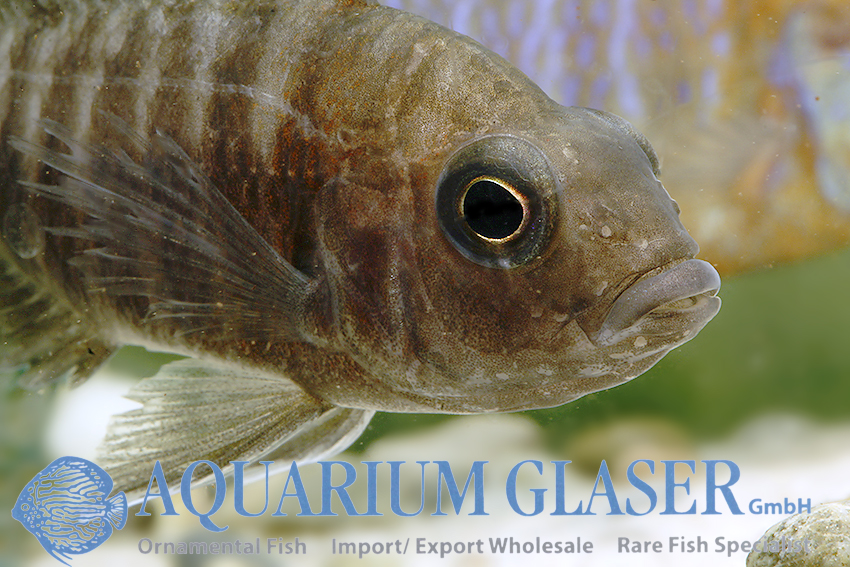
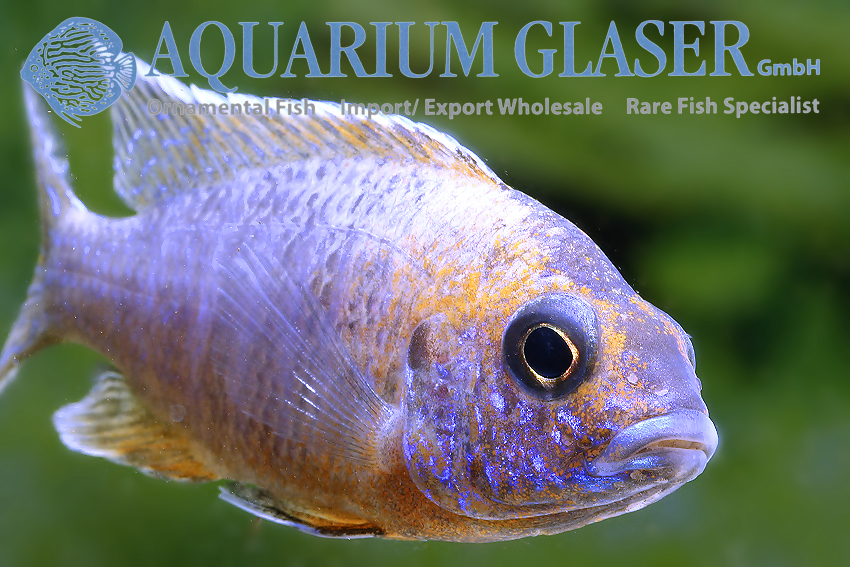
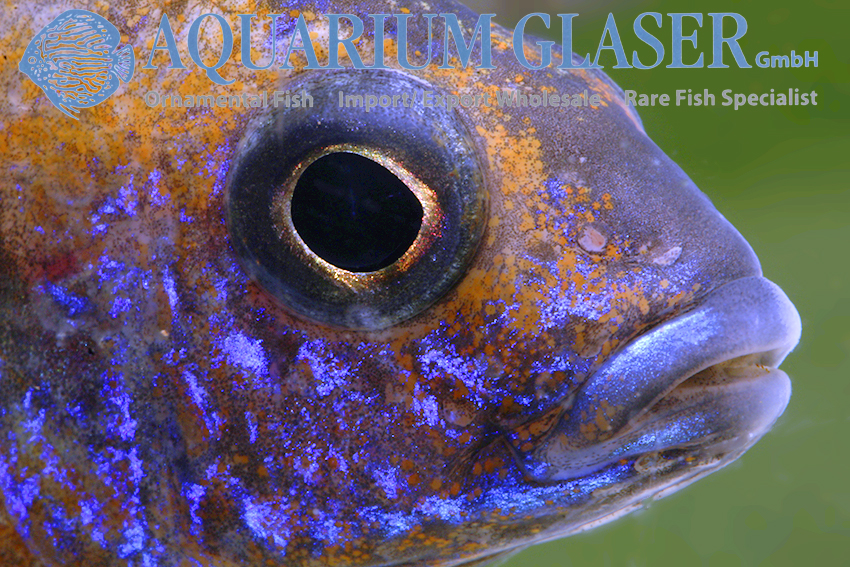
It sometimes goes similarly with ornamental fish names. Aulonocara “Rubescens” is a fantasy name, which is based on transmission errors. However, the fish is not a breeding form in the true sense, but only a selection breeding from wild animals, in this case from Aulonocara sp. “stuartgranti Maleri” from the population that lives near the island of Chidunga Rocks near Chipoka. Through continuous breeding with the most colorful animals, some of the fishes were very colorful. However, these are not really red, but rather orange. Nevertheless they became known as “Red Ruby”, which has nothing to do with the gemstone, but so – Rubin – was the first importer’s surname. At some point they were called “Rubescens”, which is Latin and means “blushing”. But this is not a scientific name.
We currently have very pretty offspring of the original “Rubescens” from Thailand in stock.
For our customers: the animals have code 502932 on our stocklist. Please note that we only supply the wholesale trade.
Squeakers or upside-down catfishes are a fish family occurring exclusively in Africa. The best known genus is Synodontis, which comprises over 130 species. Closely related to this genus is the genus Microsynodontis. The genus name means “small Synodontis” and is program, because these fish already become sexually mature with 3-4 cm of length, are thus true dwarf fish. The biggest known species becomes maximum 10 cm long, most reach 5-6 cm of final-length.
Unfortunately, it is very tricky to determine the species correctly; until 2004 the fish presented here were called M. batesii, then the species was divided into 8 species, but so far no scientist has found the time to correctly determine the animals imported by us from Nigeria. It is possible that this is a species that has not yet been scientifically recorded, among the already described species M. emarginata is the most similar one; it is obvious that all the species previously grouped under M. batesii look extraordinarily similar.
We receive these fish with a length of 2-3 cm and have never seen specimens larger than about 5 cm. They are very sociable animals that like to live in dense association with their conspecifics. Microsynodontis are very peaceful against other fish. They are well suited for the containment of a possible mass increase of small water snails, because these form a component of the food of the small catfish. Otherwise, all usual feeds are eaten gladly. The chemical water composition is of no importance for the care of these animals, but extremes should be avoided. The water temperature can lie in the range of 22-28°C.
For our customers: the animals have code 149302 on our stocklist. Please note that we only supply wholesalers.
At the moment we can once again offer very beautiful – i.e. strongly colored – offsprings of a dwarf spiny eel, which is not yet precisely identified. It is offered under the name Macrognathus aculeatus, but for various reasons it will probably not be this species. It shows the most similarity to Macrognathus siamensis, because like this species our redtail has strong pronounced, broad white bordered eye spots in the dorsal fin.
In any case they are very pretty, sociable animals, which under normal circumstances are not to be expected to grow much bigger than about 15 cm. All spiny eels are inquisitive and adaptive fish, which can give you a lot of pleasure. However, community fish should not be too small, otherwise they will be eaten. Water temperatures can be between 22 and 30°C, with the middle range being the most favorable. Every frozen and live food that fits into the mouth is eaten, also water fleas catch these fish skillfully from the water column, whereby they take a position like a seahorse. But also granulated food is accepted. Water hardness and pH-value do not play a role for the care, every drinking water is suitable.
There are two things to keep in mind when caring for spiny eels: absolutely escape-proof aquariums and sufficient hiding places in the form of caves. Since spiny eels also like to dig themselves in, the substrate should consist of sand at least in places.
For our customers: the animals have code 425208 on our stocklist. Please note that we only supply the wholesale trade.
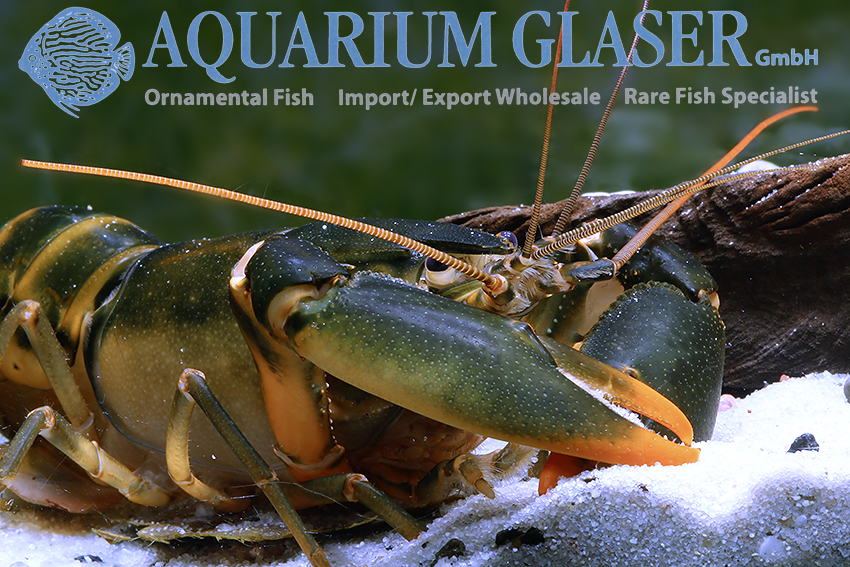
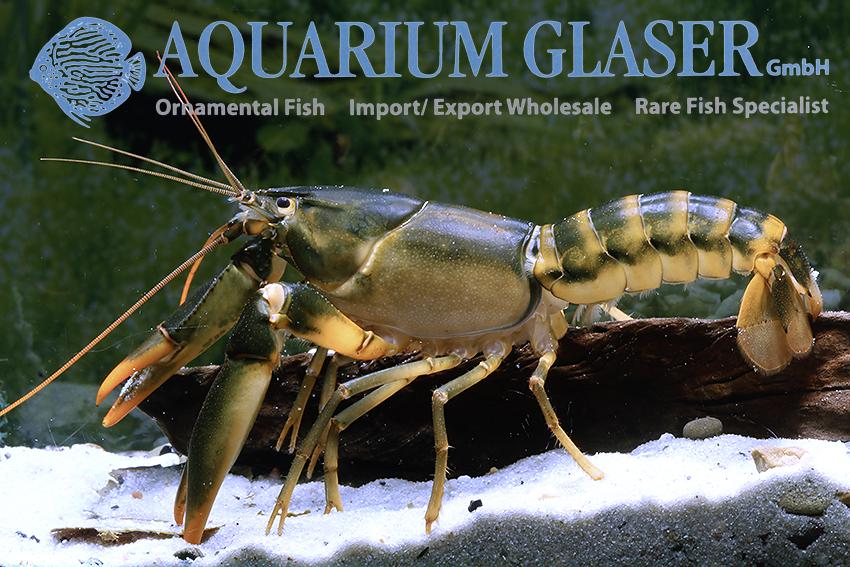
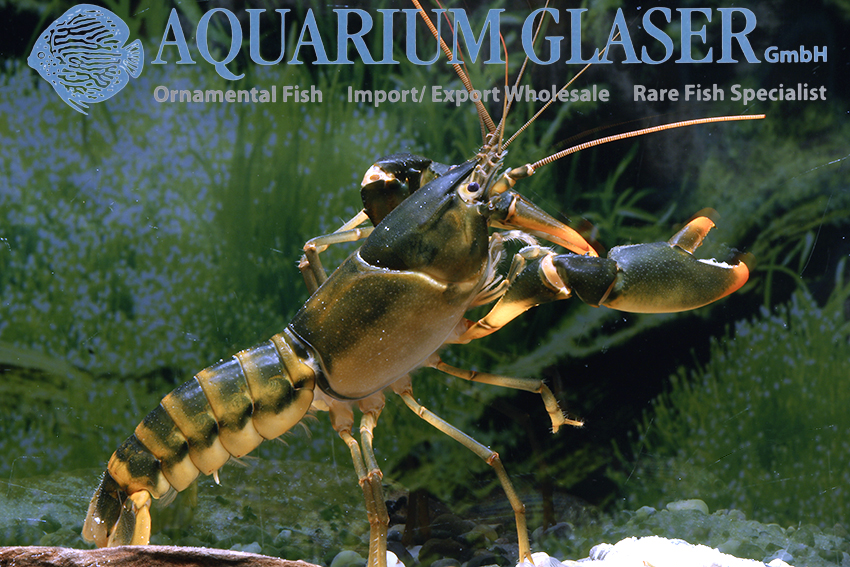
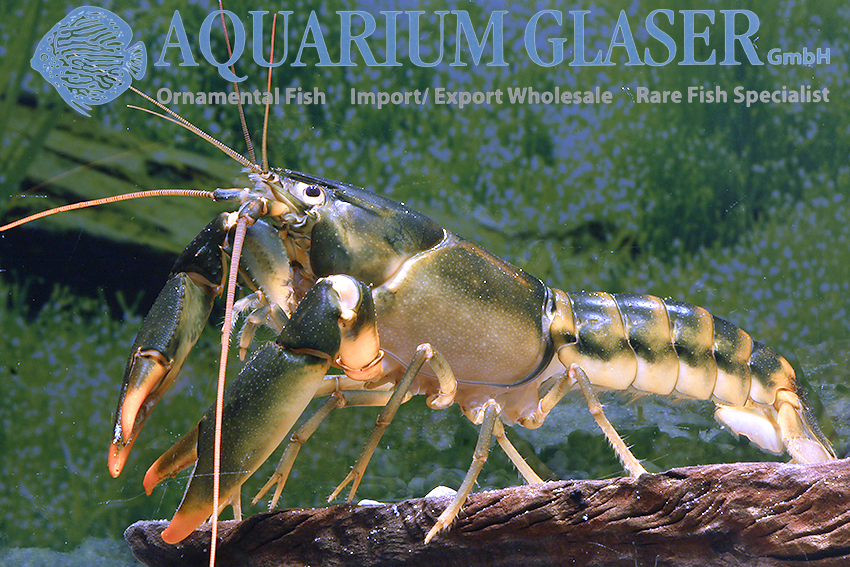
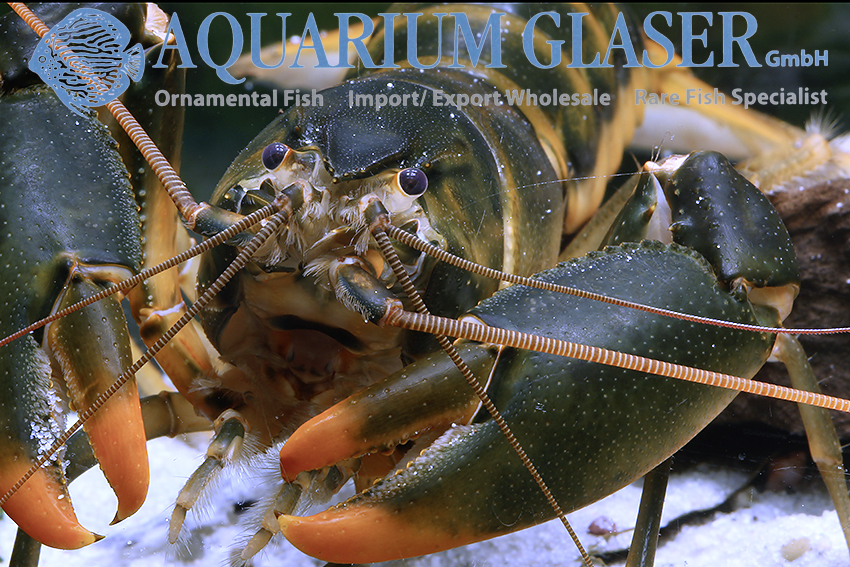
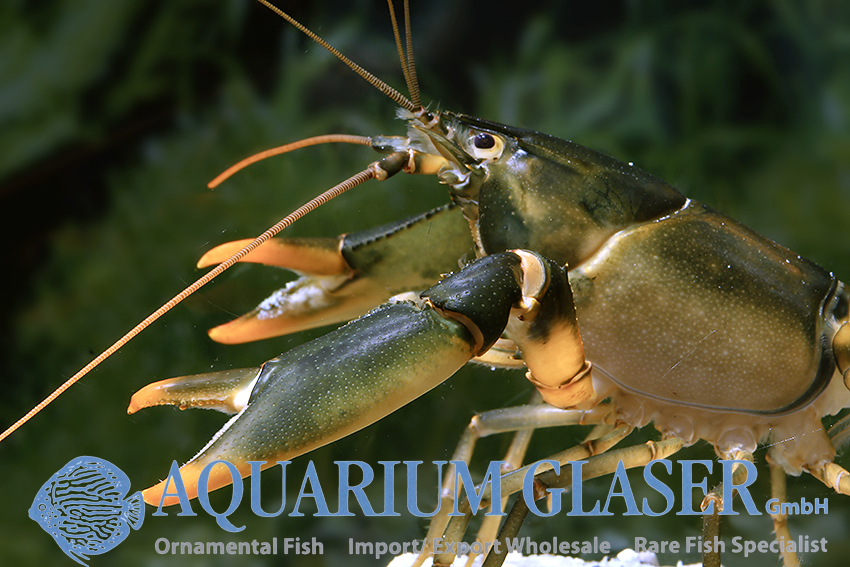
The diversity of the crayfishes of New Guinea is hard to keep track of. Most difficult is the decision, whether a freshly imported form is a color variant of a long known species or a new species; because the color variance within the species is enormous.
The Orange Tip is a very good crayfish to keep and breed in the aquarium. The only thing to know is that crayfish often have quite idiosyncratic ideas about how an aquarium should be set up and like to redecorate it. And they usually consider plants as food. But such trivialities one looks after these beauties with pleasure, isn’t it?
For our customers: the animals have code 481442 on our stockiest. Please note that we exclusively supply the wholesale trade.
This dwarf mouth-breeder comes from the middle and upper Congo, from where ornamental-fish-imports almost never reach us. Pseudocrenilabrus nicholsi is therefore only available as bred ones. The males are beautiful, the females are rather plain colored. The maximum length is about 7 cm, but also this size is reached rather rarely; the photographed, sexually mature animals are 3-4 cm long.
For our customers: the animals have code 566501 on our stocklist. Please note that we only supply the wholesale trade.
We obtained very nice Procatopus aberrans from Nigeria. These lampeyes are very peaceful schooling fish that live near the water surface or at least in the upper third of the water column. In contrast to most other species of lampeye that have an iridescent blue zone in the iris, in P. aberrans the iridescent zone in the eye is copper red. This is seen best when the light comes from top. It is recommended to keep lampeyes in general in a tank in which at least a few hours per day natural sunlight can shine in. Under these conditions the brillant turquoise flanks and the bright copper red eyes shine in a way the delights the heart of every real aquarist! Males become considerably larger than the females, the latter have moreover a differently shaped, much shorter anal fin.
For our customers: the animals have code 343102 on our stocklist. Please note that we exclusively supply the wholesale trade.
For the first time we could (recognized) import this dolphin catfish from Peru. The small species (the biggest scientifically known animal had a standard-length – therefore without tail fin – of barely 8,5 cm) occurs in the area of the upper Amazon, where the river is still called Solimoes.
Tympanopleura cryptica was described scientifically only in 2015; before that the species was probably always confused with other species, hence the species name cryptica, which means “hidden, concealed”. The males of T. cryptica get a strongly extended back-fin during the reproductive-time – like all dolphin-catfish – that serves during the mating to press the female against the side of the male. The inner fertilization takes place on that occasion with a mating-organ, that is formed from the first five rays of the anal fin. One can recognize the males by it also outside the reproductive-period while the long back-fin-spine is shed. One can compare this quite well with the antlers of the stags, that is formed also again annually. The photographed animal is a male, clearly recognizable at the mating organ.
Interesting are the very large nose pores, which at first made us think that the animals had bumped somewhere. But since this phenomenon occurs in many specimens and always on both sides, and can also be seen in the preserved type specimens, we think it is normal.
In our facility these catfish are strictly nocturnal and move during the day only when food is given, as it is known from other driftwooid catfishes (e.g. Duringlanis (former Tatia) perugiae). Concerning the feeding it is to be said that one should be careful with Tympanopleura, what concerns the tankmates. Tympanopleura are predatory fish that can eat surprisingly large fish. However, the catfish also accept all usual frozen food.
For our customers: the animals have code 203033 on our stocklist. Please note that we only supply the wholesale trade.
Loricaria simillima has a very wide distribution in South America. It is found in the Orinoco-, Amazon- and La Plata basins. A result of this large area many different color forms are known, which differ clearly regarding coloration and pattern. The species occurs in different water types. Black water forms are more demanding in maintenance and breeding than fishes originating from white water. For keeping them middlehard water with a pH of 6 – 8 and temperatures between 24 – 27°C is sufficient.
As omnivorous fishes they are rather undemanding in their nutrition, tablet food, flakes and frosted food are accepted. The aquarium should have a sandy soil, some dark corners made by stones and bogwood increase the comfort for the fish. With a total length of 25 cm they should be kept in not to small tanks, they are mouthbrooders, the male guards the eggs and larvae.
For our customers: the fish have code 266653 on our stocklist.Please note that we exclusively supply the wholesale trade.
Lexikon: Loricaria: from the Latin word „lorica“which is the chest protector of the Roman legionnaire, eg „one that wears a chest protector“. simillima: Latin, means “very similiar”, which refers to the similarity of the species to L. cataphracta.
At least three species of mollies are the parent species of the numerous breeding forms that exist of these fish today: Poecilia sphenops, P. latipinna, and P. velifera. Possibly P. mexicana was also involved, but this is unclear, as this species was long considered a synonym of P. sphenops.
Some color and fin characteristics could only be established in the strains through species crosses, but others occur naturally in wild mollies. These include the gene for black coloration, which is found in many natural populations of all four species mentioned. In its maximum expression it leads to the so-called Black Molly.
Very popular at present are the black speckled mollies, which are called “Dalmatians” after the dog race. In the wild, only one black speckled specimen occurs among thousands of normally colored animals, but the color morph, being inherited on only one allele and in both sexes, can be well established in selection breeding (when a morph is inherited from several alleles, possibly even on different chromosomes, breeding becomes complicated).
The largest of the Dalmatian mollies is the sailfin molly – and the most beautiful!
For our customers: the animals have code 433053 (lg) and 433054 (7-8 cm) on our stocklist. Please note that we supply only wholesale.
Lake Inle in Burma is a mountain lake located on the Shan Plateau about 900 meters above sea level; it is about 65 km long and 10-22 km wide. The water is relatively hard (12-17° GH) and in February the water temperatures drop to 14-18°C. Lake Inke is world-famous for its human inhabitants, whose entire life is completely focused on the lake. They live in villages built on stilts and practice agriculture on floating meadows. For aquarists the lake is especially interesting because of the many endemic small fish species, which are only found there.
One of them is Sawbwa resplendens, which is also called “Naked Microrasbora” because it has no scales – which is very rare among carp fish. In former times S. resplendens, which is nowadays also available as “Asian rummynose”, was a sought-after rarity, today it can be regularly purchased from Indonesia as offspring.
The maximum length of the species is 4-5 cm, mostly it stays 1-2 cm smaller. Males and females look completely different, only the male has a red head and the red spots in the caudal fin. The body of the males has a blue-green shine, the females are beige. And even very young animals can be distinguished quite well, because the females have a strong black spot directly above the anus, as we know from Microrasbora species.
Indoor aquariums for Sawbwa resplendens (there is only one species of the genus) do not need and should not be heated, water temperatures above 24°C are unhealthy for the fish. The peaceful animals prefer to live in a school (10-20 specimens) with their own kind. They can be kept along with all other peaceful fish with similar demands, even most tender plants leave Sawbwa in peace.
The spawn-behavior is quite unusual, the animals spawn in surface-proximity at the underside of broad-leaved plants. The rearing of the young is difficult, because although they are comparatively large, they can eat only finest food (infusoria, rotatoria). If no adequate food is available, only a small percentage of the fish survive the first 10 days until freshly hatched Artemia nauplii can be taken. If nutrient-rich rotifers (rotatoria) are available, this period can be shortened to up to four days.
For our customers: the animals have code 454002 on our stocklist. Please note that we only supply the wholesale trade.
Some of the earth-eaters of the genus Satanoperca have frightening names (Satanoperca = devil-perch, Jurupari = devil, Daemon = demon, Lilith = the bride of the devil), but there are only few cichlids that are as peaceful and harmless as they are. The most important thing they need in an aquarium is a part of the bottom with sand. Then they have fun and dig around in it all day long. Like children in a sandbox, but enough with the humanization. For an explanation of the devilish names see here: https://www.aqualog.de/blog/satanoperca-daemon-die-dreipunkt-teufelsangel/ (in German only, sorry).
Satanoperca jurupari grows up to 20 cm long. The animals are widespread in South America. They live in groups over sandy areas and are therefore territorial for a short time only during the breeding season. As ovophile, biparental mouth-breeders (i.e. both parents take the eggs into the mouth immediately after spawning) they defend the spawning place only for a few hours. Because of the wide distribution and because the animals look a little different everywhere, they are best named in the hobby with place of origin. The type locality of S. jurupari is the mouth of the Rio Negro into the Amazon (below Manaus).
We have currently very beautiful Juruparis of the population from the Rio Tapajós as offsprings in stock.
For our customers: the animals have code 678523 on our stocklist. Please note that we only supply wholesale.
For the first time we can offer these cute dwarf spined loach from Vietnam. They become (without caudal fin) at most 3,5 cm long. Lepidocephalichthys kranos was not recognized as an independent species until 2010. The species differences in Lepidocephalichthys are very subtle (otherwise they would have been scientifically identified earlier), but it is quite likely that our animals are L. kranos. The unique character of the species, the relatively large scales on the head (therefore kranos = helmet) are unfortunately not recognizable on the living animal.
In contrast to our native spined loach (Cobitis taenia), which is a typical inhabitant of gravelly soil, L. kranos tend to live in swampy terrain. The care of these dwarfs is very easy, one should offer them soft sandy ground, otherwise one can care for the sociable little animals excellently in each community aquarium with peaceful small fish.
For our customers: the fish have code 424102 on our stocklist. Please note that we supply wholesale only.
Since some time we can offer a very interesting knife-fish species of the genus Rhamphichthys, which we receive as offspring from Indonesia. Rhamphichthys are attractive fish, but they require strong nerves from their keeper, because they rest lying on their side and look like dead at first sight. But they are very happy, only sleeping. Apparently they can rely so much on their camouflage coloration that they can really lie around everywhere. Since they are twilight and nocturnal animals that rest during the day, this can be quite disturbing for the worried keeper!
In contrast to many other weakly electric fish species – to which Rhamphichthys belongs – which are usually quite quarrelsome with each other, Rhamphichthys like to cuddle and are looking for the physical closeness of conspecifics.
There are 8 currently recognized Rhamphichthys species, which look extraordinarily similar. Since we do not know the original origin of the bred animals, we keep the name Rhamphichthys rostratus for the time being. This species has a wide distribution in South America: Argentina, Bolivia, Brazil, the Guyana countries, Colombia and Uruguay. It grows to a maximum length of 100 cm, although such dimensions are probably very rare. Realistically, one must presumably proceed from approximately 50 cm in the aquarium, however, they need a very big aquarium in any case on a long-term basis. At present our animals are 15-20 cm long.
As the wide distribution already suggests, hardness and pH-value do not play a significant role for this species, the water temperature can be in the range of 22-28°C. Soft sandy ground, in which the animals can dig in, is highly recommended. In our facility they eat living Tubifex and frosted mosquito larvae. With their small, tubular mouth they are hardly dangerous for other fish.
For our customers: the animals have code 287403 on our stocklist. Please note that we only supply the wholesale trade.
For many aquaristis the Bucktooth tetra, Exodon paradoxus, is simply the most beautiful tetra from South America. The splendid fish glitter and glimmer like diamonds and they never stay still. They hunt and hit their conspecifics permanently and an uneducated watcher may become quite concerned that the fish will eventually hurt each other. But this doesn´t happen. In the wild, Exodon paradoxus feed almost exclusively on scales of other fish. Their highly specialized teeth enable that. Like a flash they attack their prey and the victim doesn´t understand what actually happened. The game of the Bucktooth tetras has two purposes. First: the game fools the potential victims and makes them „believe“ that the Bucktooth tetras are not interested in them. And second: for sure this permanent swimming is a perfect training for the small predators.
The species has a very wide distribution in South America. It can be found in Guyana and the whole Amazon and Orinoco basins. E. paradoxus attains a maximum length of about 7.5 cm. Keeping this fish is not complicated, but the tank should be large and the fish should be kept in a school as large as possible. Any type of usual fish food will be accepted readily. However, in respect of eventually planned tankmates one must be very careful. Best choice are catfish, for they have no scales at all and so they don´t fit the prey scheme of the Bucktooth tetras.
For our customers: the fish have code 253502 on our stocklist. Pleae note that we exclusively supply the wholesale trade.
This wonderful dwarf cichlid belongs to the rarest and most wanted species of Apistogramma in the trade. Nevertheless the animals are not very difficult to keep at all. If the fish is kept under the correct conditions it belongs to the hardier species of the genus. There do exist elder reports on the fish that say the opposite, but we learned in the meantime that the limited number of specimens available at this time led to this erroneous point of view. We currently have medium sized wild collected and fully grown offspring of the “Red Belly” selection in stock. The pictures in this post show the “Red Belly”, pictures of wild collected ones can be found here: https://www.aquariumglaser.de/en/fish-archives/apistogramma-elizabethae-2/
The successful keeping of these beautiful fish requires the basic rules of Apistogramma keeping: clean, bacteria-poor water (this can be settled the most easy way in soft water with an pH between 5.5 and 6.5), diversified food and at least on some places in the tank fine sand on the bottom. Especially the sand is important and the meaning of it often underestimated. In fact the sand is more important than the water chemistry (hardness, pH). In the wild, these fish feed mainly on particles they find in the sand. To find them the fish takes a mouth full of sand, chews the sand and releases the sand through the gill openings. Food particles attach on special anatomical structures on the gill arches and can be swallowed subsequently. In case an Apistogramma can find no sand it comes in a situation comparably to humans that get no opportunity to clean their teeth. This may work for a while, but in most cases sooner or later one becomes sick of it.
For our customers: the wild collected fish have code 618723, the bred ones 618704 on our stocklist. Please note that we exclusively supply the wholesale trade.
Suggestion of a common name: Elizabeth´s Dwarf Cichlid
Lexicon: Apistogramma: ancient Greek, means “with unreliable line”. It is not known whether the lateral line organ or the pattern is meant. elizabethae: dedication name for Elizabeth Cabot Cary Agassiz (1822-1902), the second wife of Louis Agassiz, who travelled with her husband on the famous Thayer expedition (1865-66) and wrote on the topic later. The name refers to the close relationship of A. elizabethae and A. agassizii.
The cardinal tetra, Paracheirodon axelrodi, is one of the most traded ornamental fish worldwide. It is a big exception in the ornamental fish trade, because it was mainly traded as a wild catch; it is different with almost all other important ornamental fishes, which are mainly or exclusively traded as bred ones. It is said that in the 1980s up to 10 million specimens were exported annually from Brazil. Scientific studies prove that this is without negative consequences for the natural stocks.
Unfortunately, ornamental fish exports from Brazil became increasingly difficult for political reasons. That is why nowadays more and more bred cardinal tetras are appearing on the world market, certainly at the expense of the natural environment – the unemployed ornamental fish catchers have to try to feed themselves and their families by slash-and-burn and gold mining, with devastating consequences for nature.
When an animal species is domesticated, it does not take long before mutations – i.e. changes in the genes – occur among the offspring. In contrast to nature, where 99.99% of all born animals die before they reach adulthood, up to 90% survive in human care. Although mutations also occur in nature, the probability that they will survive and pass on their genes is almost zero. For ornamental fish breeders, on the other hand, a mutation is virtually a survival advantage if it looks interesting. One such mutation is the Golden Red Neon.
Technically speaking it is a partial albino. The Golden Red Neon lacks the guanine, that is the silvery shining color, which almost all fish have. This makes the eye red and you can see the eggs in the belly of the females, because the normally silver reflecting belly skin is now transparent. The Golden Red Neon therefore look very strangely beautiful.
Due to the low genetic diversity – usually such breeding forms go back to only one specimen, which is crossed with a normally colored one; by inbreeding one finally gets hereditary strains – the Golden Red Neon are considerably less adaptable than normally colored conspecifics. One should treat it therefore very carefully.
For our customers: the animals have code 216614 on our stocklist. Please note that we only supply the wholesale trade.
The dotted Chaetostoma joropo is already for many years a popular sucker-catfish. Before its scientific description in the year 2016 it was given several names, e.g. sp. Spotted, cf. milesi, Villavicencio I, L187a etc. It originates from creeks in the catchment area of the Rio Meta in Colombia and therefore does not need to be kept as warm as many other L-numbers, 23-27°C are just right. With its large sucking mouth it is a striking appearance and an excellent glass-cleaner. The maximum length is around 20 cm.
We have just received very cute juveniles of this species. Many of them had such a strong metallic-green shimmer when they arrived two weeks ago that there was nothing to see of the species-typical spots. This phenomenon is also known from Corydoras catfish. In the aquarium this green shimmer disappears after a while.
For our customers: the animals have code 214831 on our stocklist. Please note that we only supply the wholesale trade.
The so-called filament barbs of the genus Dawkinsia were assigned earlier all together to the types Barbus or Puntius. They received the popular name because the back-fin of the males with its long fin-rays. The differentiation of the species is extraordinarily tricky, although several scientists tried in the last decades at them. Only a few weeks ago, a new study on filament barbs appeared, in which three new species are described and in a DNA-based phylogeny, also published only a few weeks ago, it was found that the red-striped topedo barbs (Sahaydria denisonii and S. chalakkudiensis) cannot be distinguished from Dawkinisia on a molecular level.
In the hobby, many filament barbs are only called Dawkinsia filamentosa or D. mahecola; the latter is particularly wrong because mahecola is a Puntius species that has nothing in common with the filament barbs except for the tail-root spot. P. mahecola has no markings at all in the caudal fin (filament barbs have a beautiful red-black marking in the caudal fin tips) and the males of P. mahecola do not get any extended dorsal fin rays either. P. mahecola is so colorless that it was or is practically never kept in an aquarium. Nevertheless, the name P. mahecola can hardly be eliminated from the trade at the moment, since an ornamental fish trade is not a museum business and the fish names in the merchandise management systems must be traceable for years. Particularly with species whose nomenclature is still subject to constant changes, new scientific findings are therefore very slow to establish themselves in the trade.
Dawkinsia assimilis
Dawkinsia assimilis was already described in 1849, but was seen as a synonym for D. filamentosa until the turn of the millennium. In a recent paper (Kateway et al., 2020), a neotype was defined in order to make the distinction possible (an original type apparently never existed), because it turned out that in the Indian state of Karnataka, where D. assimilis occurs, a second double species still exists. This double has been called “mascara barb” in the hobby so far – because of the dark eye mask. It was now described as Dawkinsia apsara.
Dawkinsia apsara
We have now received wonderful wild catches of filament barbels from Karnataka, which are a mixture of D. assimilis and D. apsara. While adult males of both species can be easily separated, it is a completely different matter with the females. For this reason we cannot sort the animals. Apart from the fact that this would mean enormous stress for the fish, the result would be more than questionable.
In any case, these are magnificent fish, which with their maximum length of 12 cm (without caudal fin) are an enrichment for every larger aquarium with river character.
Dawkinsia filamentosa, bred
Of course these animals are not cheap; but we also have a alternative in stock: European offspring of the actual filament barb (Dawkinsia filamentosa) – if it is this species. Young animals of all filament barbs in the narrower sense cannot be distinguished from each other without knowledge of their origin.
For our customers: the wild Dawkinsia (6-8 cm) have code 369504, the offspring (3-4 cm) 369912 on our stocklist. Please note that we only supply the wholesale trade.
Literature
Katwate, U., J. D. Marcus Knight, V. K. Anoop, R. Raghavan & N. Dahanukar (2020): Three new species of filament barbs of the genus Dawkinsia (Teleostei: Cyprinidae) from the Western Ghats of India. Vertebrate Zoology v. 70 (no. 2): 207-233.
The identity of Colisa labiosa, a gourami from Burma, is unclear; there is some evidence that the species so named in the hobby is actually not identical with C. labiosa in the sense of the first describer (Day, 1877), but it is much more likely that it is a scientifically not yet named species. But be that as it is: the “Aquarium Labiosa” is the ideal gourami for every well-kept and densely planted community aquarium: it is extremely colorful, calm, peaceful and not very susceptible to diseases.
From the “Aquarium-labiosa”, there is a stripless bred sport, with altogether the blue color portions are missing and which comes along therefore in a splendid yellow-orange. The sometimes used variety name “peach” is well chosen, because as with this fruit, the coloration is not evenly distributed over the whole body, but as with the wild form, different parts of the body have different intensity.
The males can be recognized by the pointedly extended dorsal fin (rounded at the end in the female). With approximately 6 cm of maximum-size, the „Aquarium-labiosa” of both color-forms (therefore wild type and orange) are fully grown. They are typical bubble nest builders with father-family, like all other gouramis of the genus also. In respect of feeding the animals are not very demanding, but you should consider that Colisa have a narrow throat and therefore cannot take up very large food chunks. They prefer to slurp finely grated dry food from the water surface.
Sexually mature males of the “Aquarium labiosa” have, just like the “real” Colisa labiosa, thickened lips – the species name “labiosa” means “lipped” and alludes to this anatomical peculiarity.
For our customers: the fish have code 411443 on our stocklist. Please note that we only supply the wholesale trade.
The pikeheads (Luciocephalus) are highly specialized labyrinth fish. They live as predators in blackwaters of Southeast Asia. Only two species are known, the “common” pikehead, which occurs on the Malay Peninsula and in Indonesia, and the Peppermint Pikehead, which is known so far only from the Province Jambi on Sumatra.
Currently we are able to offer the latter once more. The beautiful fish become about 10-12 cm long. Due to their feeding habits (they feed exclusively on live food, preferably shrimps, for feeder fish often transmit dangerous diseases) and the high demands regarding water qualtiy, pikeheads should be kept by experienced keepers only.
For our customers: the fish have code 424914 on our stocklist. Please note that we exclusively supply the wholesale trade.
For many years the up to 60 cm long moray eel species Gymnothorax tile has been sold as “freshwater moray”. It is true that G. tile can live in pure fresh water for a while (a few months) without showing any discomfort. But practice shows that this moray eel species is much more persistent in brackish or sea water (15-30 grams of salt per liter), as known from other fish species of the tidal zone, such as Scats, Monos etc. When keeping the fish in fresh water, the pH-value should not drop below 8, otherwise the moray eels will stop eating.
They are predatory fish that feed exclusively on carnivorous food: small fish, crabs and shrimps form their natural food. In the aquarium Frutti di Mare are an ideal substitute, frozen smelts and shrimps should be used as addition. It may take several weeks before these morays accept food. This is normal and not a cause for concern. The best thing is to put some live food fish in the aquarium; once they have disappeared, the spell is broken, the moray eel is accustomed and from now on it becomes a greedy eater. You have to watch your fingers a little bit; the moray eels see badly and orientate themselves by their sense of smell. If the keeper’s fingers still smell of food, it can happen that the moray eel bites him. This is not poisonous, but it bleeds violently and is in danger of infection.
Gymnothorax tile is very tolerant against conspecifics, as well as other large fish. The water temperature can be between 22 and 30°C. As with all brackish and saltwater fish the oxygen demand is high. The species is distributed along large parts of the coasts of the Indian Ocean.
For our customers: the animals have code 419675 on our stocklist. Please note that we only supply the wholesale trade.
Corydoras fowleri from Peru becomes 6-8 cm long and certainly belongs to the most beautiful Corydoras at all. Nevertheless, the species is only rarely bred, because the eggs are relatively small and the fish – despite their size – relatively unproductive. Therefore we are especially pleased to be able to offer wonderful German bred ones now.
Red Jewel Cichlids are gorgeous fishes. Their splendid coloration can be hardly topped. And they have a fascinating behaviour. They form a biparental family, both male and female take carefor the offspring together. No real hobbyist can hestitate to be banned by that look. The only negative aspect of these fishes is: they can be really nasty against tankmates, especilally when they have young (and they almost always have young). The degree of aggressivness depends both on the indiviual and on the respective strain.
Hemichromis sp. Red Gabon belongs – technically speaking – to the species Hemichromis stellifer. However there are many differences regarding the coloration between this Gabon population (our specimens are German bred ones) and the population from the Congo, from where H. stellifer has been described scientifically. So prudent people prefer to name the fish „sp. Gabon“. This Red Jewel is extremely colorful and belongs to the more peaceful members of its kind. In our tanks – they are, of course, rather densely populated – hardly ever even a small fin damage can be spotted.
For our customers: the fish have code 537502 on our stocklist. Please note that we exclusively supply the wholesale trade.
With the swordtails (Xiphophorus), the males carry a sword-like extension at the low end of the tail fin in many species. This is a luxury structure, that serves the intraspecific communication. Sword-bearing males appear especially sexy on the females and especially intimidating on male conspecifics. The also with primates (the ape-like animals) well known game “who has the longest” always wins Xiphophorus montezumae with the Xiphos.
We have now once again received a small number of offspring of this magnificent swordtail, which has a comparatively limited distribution area in nature (rivers in the state of San Lous Potosi, on the Atlantic side of Mexico). Since the Montezuma swordtail prefers relatively low temperatures (18-22°) for permanent keeping – it does no harm if the temperatures climb above 24°C in summer – it grows rather slowly. The species is also by far not as productive as for example Green Swordtails (X. hellerii), the litters usually include much less than 20 young. This explains why this beauty will always remain a rarity in the hobby.
For the care it is important that one has to pay attention to constantly good water quality. Generous weekly partial water changes are therefore absolutely necessary. The water should preferably be hard and the pH should be in the slightly alkaline range (8 – 8.5). A good flake food can be the nutritional basis, in addition one feeds frost and live food of all kinds. Regular feeding of Artemia nauplii (also to adult fish, 2-3 times a week) has proved very successful.
For our customers: the fish have code 420143 on our stocklist. Please note that we only supply the wholesale trade.
The genus Brachyrhamdia includes only five described species, another one, that is still scientifically undescribed, was imported over 10 years ago as accidental catch, since then, one heard nothing more of it. Brachyrhamdia are relatively small-growing catfish. Brachyrhamdia meesi comes from Brazil and grows to about 8 cm in length. Like all species of the genus, it swims as young-fish with different species of Corydoras in the same swarm. Although the coloration of B. meesi is not particularly similar to that of – for example – Corydoras schwartzi, B. meesi almost doesn’t stand out at all in the Corydoras school. The sense of this imitation is not yet explored. It could be a protection (however, Brachyrhamdia have powerful thorns in the pectorals and the back-fin, with which they can give very painful stings), the Corydoras could serve also to the camouflage, however, that makes it possible for the predatory Brachyrhamdia to come nearer to small prey.
In the aquarium, one should keep Brachyrhamdia meesi in a swarm with conspecifics and should add also a swarm of Corydoras in order to be able to observe and analyze the living together of the two species. One should choose a Corydoras with blindfold, approximately the already mentioned C. schwartzi or also C. leucomelas, C. agassizii and similar types. B. meesi are completely peaceful towards fish that are not suitable as food (i.e. all species that are about half the size or larger than the Brachyrhamdia). In the aquarium, the catfish are omnivores, that take any dry, frost and live-food. Plant-food doesn’t play any role, plants are completely ignored by the fish also otherwise.
The aquarium for B. meesi should have a fine sandy bottom, should be decorated with numerous roots and not be too brightly lit. It is best to cultivate a solitary plant – for example an Amazon sword plant (Echinodorus) – in a culture pot and illuminate only this plant specifically, while in the rest of the aquarium a little diffuse light can be used. The water values are of minor importance (pH between 5.5 and 8, dGH between 5 and 20° dH), the water temperature should be between 22 and 28°C.
Male Brachyrhamdia meesi develop enlarged dorsal and caudal fins with the onset of sexual maturity. With the females, the size of the fins remains constant. They debvelop eggs easily and are then very thick, however, a successful breeding was not yet reported in the aquaristic literature. Probably the reason for this is a too low interest of the aquarists in these beautiful catfish – what a pity! It can be assumed that B. meesi does not care for the brood and can be stimulated to spawn similar to the Corydoras species of the central Amazon basin. There are observations from the 1980s, according to which the species B. imitator from Colombia, which is related to B. meesi, was also stimulated to spawn by the spawning of Corydoras brevirostris, with whom they were kept together.
For our customers: the animals have code 211603 on our stocklist. Please note that we only supply wholesale.
It was believed for quite a long time that the genus Auchipterichthys would contain only one or two, very far spread species. In 2005 Ferraris, Vari, and Raredon revised the genus and could show that in reality four different species are involved. The species that was thought so far to be the most common in the hobby turned out to be restricted in distribution to the upper Rio Madeira basin: A. thoracatus. The most often imported species from the Amazon river basin is A. coracoideus and the most widespread species of the genus A. longimanus.
As early as 1840 a species of Auchenipterichthys was described by Cuvier and Valenciennes under the name of Auchenipterus punctatus. The species was forgotten for a long time, only 1996 it was „rediscovered“ and placed in the genus Auchenipterichthys. This is the only species in Auchenipterichthys with clearly visible round spots and so pretty easy identifyable. So far it has been reported only from the upper Orinoco and the Rio Negro in Venezuela, and from the central portion of the Amazon river in Brazil. The maximum size the species can attain is about 15-20 cm.
Now we were able to import Auchenipterichthys punctatus that were collected in Venezuela. It is quite astonishing that the females, despite they are only 6-7 cm long, already show a belly swollen from eggs.
For our customers: the fish have code 209653 on our stocklist. Please note that we exclusively supply the wholesale trade.
Now it is season for the cute chessboard dwarf cory, Corydoras habrosus. The fish grows to a maximum of four centimeters. It is completely peaceful and leaves the plants in peace, so it is very suitable for community aquariums. The usual care-recommendations for Coryoras are valid, which means they should be kept in groups and at least some places of the bottom should be covered with fine sand. Since C. habrosus originates from the Orinoco drainage (Colombia and Venezuela) and it is very warm there, the water temperature should be somewhat higher than usual, 26-30°C are correct. Any usual fish food is eaten, if it only fits into the little mouth.
For our customers: the animals have code 231003 on our stocklist. Please note that we only supply the wholesale trade.
The Goldeneye cichlid (Nannacara anomala) is a classic among aquarium fish. Already 80 years ago this species taught the aquarists what emancipation means, because here the female is the absolutely dominant fish. And the female often is only half as big as the maximum 8 cm long male.
Dwarf cichlids from the closer relationship of N. anomala can be found everywhere along the coast of the Guyana countries, where they inhabit the many smaller rivers, which usually flow into the sea without detour. Everywhere these Nannacara look somewhat different. It is not researched whether they are local variants, subspecies or even independent species. From a research trip, aquarists brought back collected Nannacaras from Crique Canceler (French Guyana, northwest of Roche Brigandin, west of Anse Canceler)and bred them, we can now offer these beautiful animals for the first time.
For our customers: the fish have code 684452 on our stocklist. Please note that we exclusively supply the wholesale trade.
For the first time we could import this beautiful barb from Burma. The largest scientifically known specimen of Systomus binduchitra (the species name comes from Sanskrit and means “spotted”) was 8 cm long including tail fin. Due to its close relationship to S. sarana, it can be assumed that it will probably grow somewhat larger in large aquaria over the years. In fact S. binduchitra was synonymous with S. sarana for decades.
They are very lively, extremely social animals, which one should absolutely care for in a school. It was hardly ever possible to have only one specimen in the picture, they stick together so closely. Otherwise, the usual rules of the barb-care apply, therefore here and there sandy ground to enable digging and varied nutrition, in which also vegetable components may not be missing. The water temperature can be in the range between 18 and 30°C, whereby a seasonal rhythm does the animals very well. The chemical composition of the water is rather indifferent, any drinking water is suitable for the care of S. binduchitra.
For our customers: the animals have code 369073 on our stocklist. Please note that we only supply wholesale.
Again and again it is circulated that the wild caught of ornamental fish threatens species and the diversity of species, is predatory exploitation of nature. However, there are no scientific studies that would prove this. All scientifically founded, serious work on the topic proves the opposite: Wild caught of ornamental fish is a clean thing!
In an elaborate documentation Don McConnell illuminates the background of the wild caught of ornamental fish in Amazonia. This documentary is a must for all those who are interested in ornamental fish, aquarium science and species protection even in the slightest.
Click here for the stream: https://vimeo.com/ondemand/wildcaughtaquariumfish/471489992?fbclid=IwAR1LOxszF-f6CkFa4SjmYaCJMgqQIb61He-oGgPTiksI5-7IfO6BqneMBQk
This content has been blocked.Durch das laden akzeptieren Sie unsere Data Privacy.
This cute dwarf armored catfish reaches a maximum length of only 3 cm. Aspidoras pauciradiatus comes from the central Rio-Negro area and is an ideal community fish for characins, dwarf cichlids etc. Strangely enough, the specimens on which the scientific description is based were allegedly collected in the Rio Araguaia near the town of Aruana, about 2,000 km from the usual fishing grounds of the species. Since then they could not be found there again.
For our customers: the animals have code 208704 on our stocklist. Please note that we only supply the wholesale trade.
Several goodeids are a parade play for the fact that conservation of species in captivity by hobby aquarists is possible and partially extraordinarily successful. The species Charcodon audax occurs endemically (i.e. exclusively there) in parts of the catchment area of the headwaters of the Rio Mezquital in the Mexican state of Durango. It is threatened by many influences. Mainly the species inhabits springs as long as they are clear enough. Because of the great drought in recent years, the individual populations are widely scattered and have hardly any contact with each other. In the remaining habitats released fishes are the biggest threat: Gambusia senilis, sunfish (Lepomis), black bass (Micropterus) and tilapias were exposed there, partly for mosquito control (which is useless, because they are eaten by Characodon as well), but mainly as food fish. Nowadays there are released tilapias in almost all habitats, which compete for habitat, food and oxygen, but also are direct predators, at least for young animals.
This year we had five different populations of this colorful goodeid on offer, but three of them were sold out before we could create a newsletter. Still in stock are “Guadalupe Aguilera” and “Puente Pino Suarez”. We ask our customers for understanding that we can not deliver such treasures by pairs and also the sizes are quite variable. There are only a few specimens available each year anyway, and we buy them all to support the conservation breeding efforts.
For our customers: Puente Pino Suarez has code 216273, Guadalupe Aguilera code 216243 on our stocklist. Please note that we only supply wholesale.
The first Indian dwarf puffer fish (Carinotetraodon travancoricus) of the new season have arrived. These cute animals – they are freshwater puffers – only grow 2-3 cm long in nature, in the aquarium they may grow a little bigger, but not much. You should keep these animals in a swarm if possible; then they form a ranking and are so busy with themselves that the dreaded fin biting, which almost all pufferfish species can (but do not have to!) show, is largely absent. Only among each other, there are slight fin-damages, that heal without complications.
The males can be recognized by the fact that they are much slimmer and have a longer head, they also become somewhat larger than the females. All pufferfish prefer to eat snails, mussels and shrimps. Thanks to their well-developed teeth, pufferfish can bite off well. So they can easily be fed with mussel meat and other Frutti di Mare from the freezer. All the usual types of frozen food can be added to it, red and white mosquito larvae are particularly sought after as live food, but daphnia (water fleas) are also healthy and an excellent occupation for the small animals, which, like all pufferfish, are always curious and playful. In nature, insects and their larvae, worms and crustaceans make up the largest part of the diet, but algae also make up a not to be underestimated food portion (approx. 25-30%), although it is not clear whether these algae are actively eaten or rather accidentally ingested. Dry food is not eaten by dwarf puffer fish.
Indian dwarf pufferfish originate from South India (Kerala), where they are unfortunately considered increasingly endangered by dam construction, deforestation and the conversion of forest areas into farmland. One can breed them quite well in the aquarium, they are plant-spawners without brood-care, but it is ecologically more meaningful and probably the only possibility to do something for the protection of these animals in this country if one buys wild catches. Although it is claimed occasionally that the catch for the aquarium supply would have led to a strong decline of the populations, there is no proof for that; one should look at such desk considerations, that are not supported by scientific field research, very, very skeptically.
For our customers: the animals have code 436302 on our stocklist. Please note that we supply wholesale only.
This is certainly one of the most peculiar loaches ever. The genus Vaillantella – at present three species are distinguished – has a band-shaped dorsal fin running over the entire back, while all other loaches have relatively short, triangular dorsal fins.
Vaillantella are black-water-inhabitants and become 12-15 cm long, usually remain however clearly smaller; V. maassi is widespread in the peat-swamp-areas of Malaysia and Borneo, a habitat extremely endangered through destruction for oil palm plantations. Unfortunately, therefore all fish (and other living beings), that occur there, must be classified as highly endangered. The catch of ornamental fish can help to preserve at least parts of these biotopes as economic areas and is therefore an active environmental and species protection.
Vaillantella maassi has so far only very rarely been kept in aquariums. One should care for it analogous to the well known Kuhli loaches (Pangio). The very large, forked tail fin enables Vaillantella an explosive propulsion; the aquarium must be covered therefore absolutely gaplessly, so that the animals do not land on dry land, if they are grabbed by the well-known wandering instinct, which many loaches show temporarily in the aquarium.
For our customers: the animals have code 473053 on our stocklist. Please note that we exclusively supply the wholesale trade.
There is a nice story about the discovery of the king tetra, which we don’t know if it’s true, but it’s worth telling: In the Instituto Nacional de Pesquisas da Amazônia (INPA), Manaus, Brazil, aquatic plants were kept in an aquarium. Fish were actually not in it. But suddenly, as if from nowhere, cute baby fish, apparently characins, appeared. When the animals had grown up, they fascinated by the bright blue color of the males. Moreover, it turned out to be a genus and species not yet known to science. So, one moved into the area, in which the water-plants had been collected, because obviously the fish had come as eggs, attached to the water-plants, into the aquarium. In the north of the federal state of Mato Grosso, in the Rio Aripuanã (a tributary of the upper Rio Madeira) they found what they were looking for. The genus was then described in honor of the institute: Inpaichthys, i.e. fish of the INPA. The species name kerri honors the then director of the institute, Warwick Estevam Kerr.
The king tetra is a very pretty, small (3-4 cm) tetra. In the wild type, only the male becomes blue in the back. The females (recognizable by the red adipose fin, that is blue with the male) have a beige-brown back in the wild type. Super Blue does not only turn blue earlier than the wild form (already at about 2 cm), but also the females get a blue back.
For our customers: the Super Blue has code 264722 on our stocklist Please note that we only supply the wholesale trade.
No other classic aquarium fish has had to put up with such a drastic renaming regarding the scientific name as the tiger barb. This is due to the fact that in earlier decades, characteristics that we now consider important species characteristics were only considered an unimportant variance. The actual tiger barb, Puntigrus tetrazona, which comes from Sumatra, has black in its fins, where our aquarium tiger barb has red. In the hobby this real Sumatran barb was practically never represented. Our aquarium fishes come from Borneo. The species P. anchisporus was already scientifically described in 1902, long before the first import of the fish for the aquarium in 1935. However, because of the small differences, which are only to be found in the living coloration, the species was considered to be identical to the P. tetrazona, which was described in 1855 from Sumatra.
The generic name Puntigrus is admittedly very young; it was coined only in 2013, when one finally went to classify the Asian small barbs correctly and according to the natural relations. Previously, one had accommodated it provisionally for centuries in so-called catch-all genera (Barbus, Puntius, Systomus), of which it was quite clear that they don’t form any natural unit. But the gigantic biodiversity of the Asian small-barbs, that is not completely grasped also today yet by far, let earlier attempts, to divide them up reasonably, fail again and again.
For our customers: the magnificent XL tiger barbs illustrating this post have code 371914 on our stocklist. Please note that we supply wholesale only.
The sword platy, Xiphophorus xiphidium, belongs to the top rarities among the live-bearers. The species is found on the headwaters of the Soto La Marina River and its tributaries, Tamaulipas State, on the Atlantic side of Mexico. The very pretty species remains with approx. 3 cm (male) resp. 4 cm (female) clearly smaller than the common Platy (Xiphophorus maculatus). Since both species can cross in the aquarium, one should refrain in view of the rarity of X. xiphidium from maintaining it together with its close relatives.
There are sword platies that look slightly different, for example those with a circular spot on the tail base, those with two small dots or with a crescent moon. Since these different colour forms also represent different populations, one should also pay attention to pure breeding on this level. Currently we have a variant without any tail pattern in stock.
Young males look very similar to females, also because they also have a “pregnancy spot”. Fully developed adult alpha males are very attractive fish with their tiger pattern.
The care and breeding of the sword platy is much more demanding than that of the ordinary platy. Above all, X. xiphidium should not be kept too warm, preferably at room temperature without additional heating.
For our customers: the animals have code 476702 on our stocklist. Please note that we only supply wholesalers.
This pleco from the Rio Xingu is an old friend, however, it received a scientific name only in 2005. It received the L-number 31 already in 1989.
The genus Parancistrus is closely related to the genus Spectracanthicus; the formerly often used genus Oligancistrus is invalid and declared synonymous with Spectracanthicus. The only difference between Parancistrus and Spectracanthicus is the size of the gill opening, which is significantly smaller in Spectracanthicus than in Parancistrus. Unfortunately, this is not visible in living animals.
The Peppermit Pleco reaches a respectable size of almost 25 cm; however, in nature the animals usually remain smaller by a third; in an aquarium, where the fish live much longer than in nature, a more significant size can be reached, therefore P. nudiventris can only be recommended to owners of large aquariums. There it is a peaceful and beautiful inhabitant.
Like all species from the Rio Xingu, it requires comparatively high temperatures of 26-30°C. L31 feeds on Aufwuchs and accepts almost every common fish food in the aquarium, as long as it is lying on the bottom.
For our customers: the animals have code 26480-L 031-3 on our stocklist. Please note that we only supply the wholesale trade.
This very elongated Piranha can be confused hardly with other species because of its characteristic body shape. Type locality is the Rio Guaporé, Mato Grosso, Brazil. Aquaristic imports are mostly from Peru.
Serrasalmus pingke from Venezuela was described from the Rio Apure. The holotype (54 mm long) is shown in MACHADO-ALLISON (2002); it has a black spot on the tail base. MACHADO-ALLISON evaluates this, as well as FERNÁNDEZ-YÉPEZ & RAMIREZ, 1967 as a juvenile pattern. S. pingke is a synonym for S. elongatus. This has been repeatedly contradicted and S. pingke is seen sometimes as a good species. The solution for this riddle can be found in the appendix of the “Piranha Book” by MYERS (1972). There are hand drawings of all piranha species from Venezuela by FERNÁNDEZ-YÉPEZ, which he distinguished. And there is a young specimen of S. manueli called S. elongatus. The assumption that S. pingke is a different species than S. elongatus was based on this confusion and S. pingke is surely a synonym for S. elongatus.
From about 8 cm length on S. elongatus develop a color pattern of vertical lines in the front part of the back and dots on the flanks. But some specimens are evenly dotted all over the body. A relatively small, roundish humeral spot is often present, but sometimes indistinct, the whole caudal fin is blackish up to the outermost edge, which is transparent. From about 10-12 cm length the iris is red, before silver. Sexually mature males seem to get a red belly and gill cover area. Striking and typical for S. elongatus is a dark eye mask. With a maximum length of about 30 cm S. elongatus is one of the largest piranha species. The species is considered to be very aggressive, is a notorious fin biter and should be cared for individually if possible to avoid losses.
The distribution area of Serrasalmus elongatus covers the entire entry of Orinoco and Amazon.
For our customers: S. elongatus has code 291804 on our stocklist. Please note that we only supply the wholesale trade.
Text & photos: Frank Schäfer
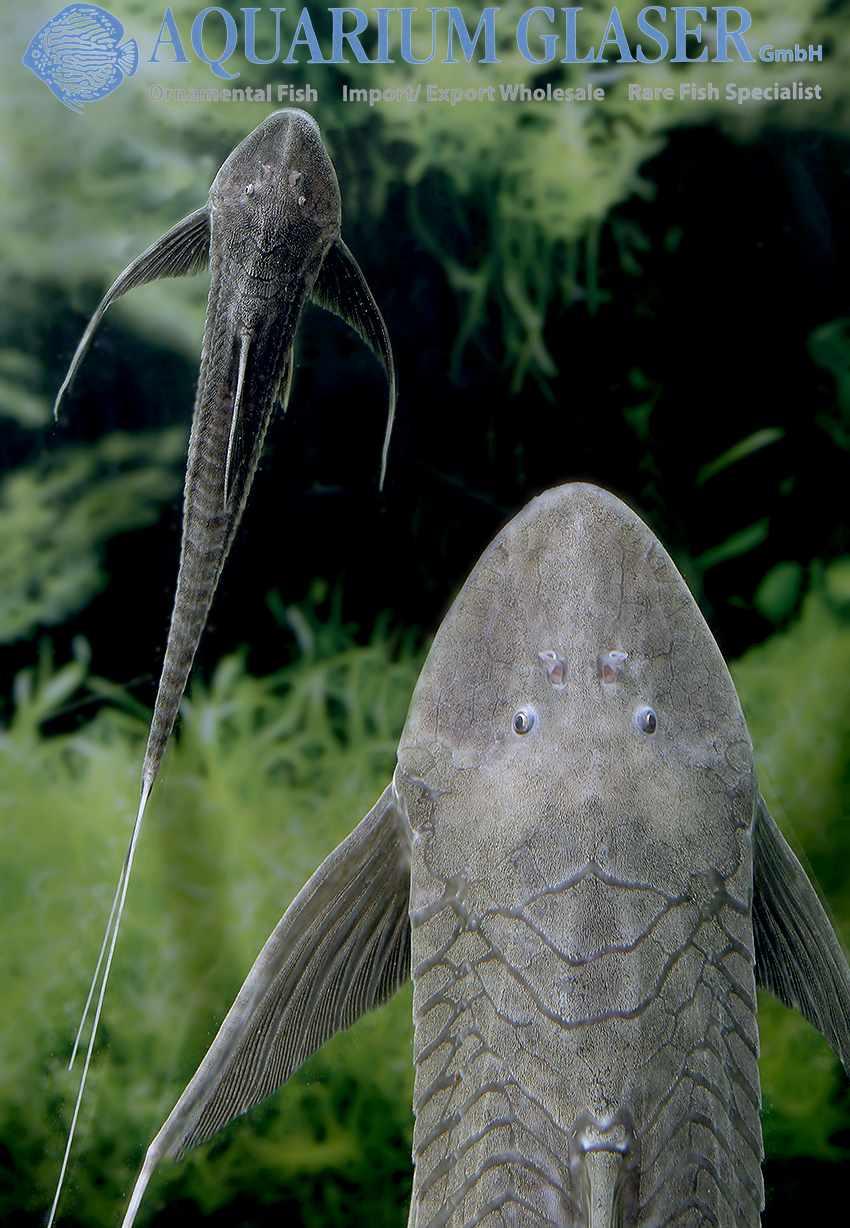
Literature:
FERNANDEZ-YEPEZ, A. & M.V. RAMÍREZ (1967): Los caribes (serrasalmidos) de Venezuela y las pesquerías. Trabajos anexos a la Comisión Contribuciones al tema. Ier Foro Internacional sobre Planificación y Desarrollo Pesquero, Caracas: 1-25 + 18 Figs.
MACHADO-ALLISON, A. (2002): Los peces caribes de Venezuela: una aproximación a su estudio taxonómico. Boletín de la Academia de Ciencias Físicas Matemáticas y Naturales de Venezuela, 62: 35-88
MYERS, G. (1972): The Piranha Book. Trop. Fish. Hob. Publ., Neptune City, NJ. 125 pp.
Only rarely does the pretty barbel Acrossocheilus paradoxus reach us, which is native to China and Taiwan. It is a medium sized species; in the wild you usually find specimens up to 12 cm total length, but the record for this species is 22.5 cm. Such large animals look different, the head is longer and the banded pattern gives way to a uniform green-golden shine.
In nature this subtropical species lives in boulder-filled rivers, which resemble smaller alpine rivers in their structure. The mouth of this barbel has a horny layer at the front edge, which probably serves to rasp off growth from the rock. In addition, A. paradoxus also has two well developed barbels, which are used for detecting small animals in the sand.
In behavior Acrossocheilus paradoxus resemble other algae-eating barbels, like Garra or sharks (Labeo and allies). Among themselves they can be a bit quarrelsome. Regarding the water composition A. paradoxus is undemanding. Since the water-temperatures in the home-waters of the species can sink under 15°C in the winter, one should maintain it occasionally cool with reduced lighting. Then also the breeding should be possible, about which was not reported yet. One can assume however that it is a free spawner without special brood-care.
For our customers: the animals have code 361903 on our stocklist. Please note that we only supply the wholesale trade.
One of the smallest loricariid species at all is Parotocinclus eppleyi, the Peppermint-Oto. The species is fully grown with a length of 3 cm (without caudal fin), but such animals can already be seen as xxl-format and are extremely rare. Usually the species, which is common in the upper and middle Orinoco, is 0.5-1 cm smaller.
These cute dwarfs are considered to be tricky, especially in the acclimatization phase. One should always give them dead leaves and roots, which have been in the water for a long time and have a lot of Aufwuchs, in the tank. In addition, food tablets are a well suited food for Parotocinclus species.
As so often it seems to be decisive with these animals, with how much expertise they were treated in their home country after the catch; our current import from Venezuela is very stable and does not cause any problems.
For our customers: the animals have code 276562 on our stocklist. Please note that we only supply wholesale.
Via Manaus we have been able to import splendid Brochis splendens. The Emerald Cat comes from a huge area, from Peru to the Pantanal in Brazil; based on the experience with other Corydoras it is more than likely that there are several species hiding behind the name “Brochis splendens”. But such things should be subject of a scientific revision and not the speculation of hobbyists. One should only be aware that it makes little sense to assemble a breeding group from different imports from different countries of origin. For further variations see https://www.aquariumglaser.de/en/fish-archives/brochis-splendens-and-b-cf-splendens-cw-35/
For our customers: Brochis splendens “Rio Negro” has code 212496 on our stocklist. Please note that we only supply wholesale.
Since its first import in the 1930er years, the White Cloud Mountain minnow (Tanichthys albonubes) is available practically exclusively as offspring for the aquarium hobby. Nowadays, this is all the more true since the free-living stocks are considered highly endangered due to environmental pollution. However, the “simple” white cloud is not really bred by most professional breeders, but only multiplied, however in masses and very successful.
What is possible, however, if you dedicate yourself to breeding in the literal sense of the word, is just shown to us by one of our German breeders, who is specialized in a few fish species, among them white clouds. Currently he supplies us with e.g. “Gold Longfin”. We think the pictures speak for themselves.
For our customers: The animals have code 457552 on our stocklist. Please note that we only supply the wholesale trade.
The identification of many Piranha species is difficult. One of the earliest described piranha species and therefore with many taxonomic problems is Serrasalmus humeralis. Valenciennes was the first descriptor in 1850, but there is no question that he had received the type specimen, for which he states “Amazon” as the type locality, from Castelnau. In Valenciennes ́ description no picture is provided. Castelnau made up for this in 1855 and at the same time corrected the type locality to “Araguaia”. It must therefore be assumed that S. humeralis is found in the Tocantins system. Castelnau’s drawing is very true to detail and there is no reason to assume that it does not correspond to nature in the essential details.
The piranhas, which we now imported from the Tocantins as Serraslmus humeralis, correspond in all essential characteristics (shoulder spot, caudal fin pattern, body shape, coloration) to Castelnaus’ illustration, but have so far been identified in the aquaristic and scientific literature as S. eigenmanni. The latter species was described in 1929 on the basis of a specimen from Guyana. If S. humeralis and S. eigenmanni are identical, the valid name would be S. humeralis. However, we currently assume that both species are valid and only very similar.
Serrasalmus humeralis grows about 20 cm long. It belongs to the group of fin-eating piranhas, which are best kept individually in the aquarium on a long-term basis, if one wants undamaged specimens. For unpredictable reasons, Piranhas of the fin-eating behavior type – often after months of living together – look out and mob an individual of the group. The mobbed individual becomes marked with a bite mark directly before the dorsal fin. Usually the mobbed fish is eaten after some days by the remaining herd, independently of the available food supply. The attempt of a group-attitude requires by the way really very big aquariums, in basins under 150 cm length, such attempts are hopeless from the outset.
For our customers: the fish have code 292254 on our stocklist. Please note that we exclusively supply the wholesale trade.
The pearl gourami (Trichogaster leerii, Trichopodus leerii) is one of the most popular aquarium fishes at all. It is probably not exaggerated if one assumes millions of individuals in aquariums all over the world. All these fish are bred ones. It is only little known that the pearl gourami belongs to the endangered species as a black water inhabitant in the wild, because the habitat is dwindling more and more. We have already succeeded in importing animals from southern Thailand (https://www.aquariumglaser.de/fischarchiv/trichogaster-leerii-wild/) and from Sumatra (Jambi), now also from Borneo.
We very much hope that interested enthusiasts will succeed in building up strains of this wonderful animal of known origin by the occasional import (a threat to the free-living stocks by such removals is excluded from a scientific point of view). This would be an active contribution to the protection of species. Already frequently, species or populations of small fishes could be saved from extinction by such hobbyist—based breedings. However, a possible return to nature may only be attempted with animals whose original origin is known.
For our customers: the fish have code 469513 on our stocklist. Please note that we only supply the wholesale trade.
Where does a species start, where does the location variant end? This question is really difficult to answer for some groups of fish, e.g. killies and cichlids from Lake Malawi and Lake Tanganyika. In the case of Pseudotropheus sp. “Acei” from Lake Malawi, the species is not described scientifically. Mostly the light blue, yellow-fin “Acei” from the area around Msuli is in trade at the moment. (https://www.aquariumglaser.de/en/fish-archives/pseudotropheus-sp-acei-2/). But the “White Tail” from the area around Ngara has been swimming in the enthusiasts’ basins for a longer time, since about 30 years. It is very dark, often almost black, to which the white caudal fin and the other light-coloured fin elements contrast wonderfully.
Like all “Aceis”, the “White Tail” is a hardly aggressive animal; in nature swarms with thousands of individuals have been seen. This species does not form territories. In the lake the fish feed primarily on algae, which they graze on trees that have fallen into the water. In nature these cichlids grow to about 12 cm (males) and 10 cm (females) in length, but in the aquarium they can become considerably larger. One should not feed these fish with a high protein diet, then they will remain more graceful and more colourful.
Like all cichlids from Lake Malawi the “Acei” also requires a pH-value above 8; otherwise the care is completely problem-free. Whether you keep more males or more females or even just groups of males is ultimately a matter of taste. But less than 5 individuals should not be kept in the “Acei”, otherwise the species-specific behaviour will not come into effect.
For our customers: the animals have code 568362 on our stocklist. Please note that we only supply the wholesale trade.
The toadfishes a very odd creatures. A total of about 73 species exists which are placed in around 22 genera and three subfamilies. One of these subfamilies – the Thalassophryninae – is also known as the “venomous toadfishes”. Thalassophryne amazonica, one of the very few freshwater species of the family, is placed in that subfamily.
The Amazon Toadfish can be easily told apart from all other toadfishes in South- and Central America. It is the only species in which dorsal, caudal, and anal fin are connected with each other. Although there are reports of a small number of additional species of the Thalassophryninae that enter occasionally brackish and fresh water, Thalassophryne amazonica is the only species of the subfamily that lives exlusively in fresh water. Our specimens originate from Peru.
The Thalassophryninae are thought to be the fishes with the highest developed venomous apparatus of all fishes in the world, despite the fact that there are a lots of venomous fishes – just think of the stonefish (Synanceia), which can place deadly stings to humans, or the stingrays, or the weeverfish (Trachinus) which are responsible for unpleasant experiences of thousands of holidaymakers in the Mediterranean each year.
The venomous glands are placed on the base of two hollow prickles (derived from dorsal fin spines) on the back and two additional prickles on the operculum. There are no reports on accidents with Thalassophryne amazonica, but each year appear several cases with the closely realated marine and brackish species Thalassophryne nattereri which is very abundand in Brazil. The sting causes strong pain, inflammation and sometimes necrosis, but the venom has obviously no systemic components. There are no reports on fatalities.
In the aquarium, Thalassophryne amazonica, which can attain a maximum length of about 8-10 cm, are very interesting fish to study. They need sandy bottom in which they can burrow themselves. The fish are fed with small feeder fishes. Against each other and any other fish that does not work as food, Thalassophryne amazonica are very peaceful. Due to the fact that toadfish don´t move unnecessarily they can be kept in comparatively small aquaria. Toadfish are said to take care for the brood, but no details are published so far.
For our customers: the animals have code 296451 on our stocklist. Please note that we exclusively supply the wholesale trade.
Lexicon: Thalassophryne: means “sea-toad”. amazonica: means “coming from the Amazon”. nattereri: dedication name for the naturalist Johann Natterer (1787-1843).
The characins of the genus Pyrrhulina can be better compared to cichlids than to other characins in terms of their behavior. The males occupy small territories in the breeding season, color themselves splendidly and defend the spawn energetically until the young hatch.
The generic name Pyrrhulina means “small bullfinch” because the males of many species develop splendid reds in the coloring in the breeding mood, that remind of the red plumage of the male bullfinch. Also Pyrrhulina brevis from Peru, which we can offer just once again, has this characteristic. The males first get strong orange fins with increasing spawning readiness, later they develop additionally cherry red spots on the body.
Unfortunately our current imports are not quite so far (but it can’t take long anymore), so we add to this post, which – as always – shows animals from our current stock, also a picture of a young adult male and a splendid male from previous imports.
Pyrrhulina brevis grows to about 7-8 cm in length, eats all common fish food and has no special requirements on the water quality. The water temperature can be between 22 and 30°C. Apart from the territoriality of the males at spawning time, the species can be considered peaceful, plants are not damaged.
For our customers: the fish have code 286753 on our stocklist. Please note that we only supply the wholesale trade.
Now the season for the very beautiful and much beloved orange blotch corys has started. There does exist a good number of different species and varieties, all have in common a brightly shining spot on the neck. Depending on light this glows from yellow to almosr red. This glowing spot helps the fish in the black waters of their homeland to stay together in a school.
In the past years it was often difficult for us to obtain Corydoras burgessi. Most often varieties reached us, for example spotted ones that were not as popular as the plain varieties among many of our customers. But now – finally – the pure stuff is available agian!
For our customers: the fish have code 225104 on our stocklist. Please note that we exclusively supply the wholesale trade.
The magnificent pacus of the genus Mylossoma that reach at most approximately 30 cm of length (the average length in the nature amounts to approximately half of this measure), are only with difficulty determinable. The last revision from 2018 (Mateussi et al.) distinguishes 4 species south of the Andes (another species, M. acanthogaster, occurs in Lake Maracibo, i.e. north of the Andes): M. albiscopum and M. aureum from the Amazon and Orinoco basins, M. duriventre from the Paraguay-Parana-Uruguay basins, and M. unimaculatum from the Araguaia-Tocantins basin.
All Mylossoma species look the same in their youth dress. They are silver colored with an eye spot in the middle of the body. We have now received adorable, 3-4 cm long young animals from Venezuela. According to that they are either M. albiscopum or M. aureum. Since the difference between the two species can only be seen on x-rays and the name M. albiscopum is unknown in the aquarium world, but M. aureum is mentioned here and there, we decided to call the animals M. aureum. However, it is not excluded that it is a mixed swarm, consisting of both species.
Mylossoma are mixed feeders, which in nature feed on fruits, seeds and insects. They are regarded as white water fish; M. albiscopum is one of the most important food fish in the Brazilian Amazon, while M. aureum is less important in this respect.
The care should be done in the swarm in an accordingly large aquarium. The water temperature should be between 24 and 30°C. Mylossoma are usually peaceful among each other and against other fish. A planting is usually only possible with especially robust plants (Javafarn, Anubias etc.), sometimes however, also these are eaten. This can be counteracted by feeding green food (chickweed, salads, dandelion etc.). These Scheibensalmler do not have special requirements to the water composition.
For our customers: the animals have code 271001 on our stocklist. Please note that we only supply the wholesale trade.
The genus Microphysogobio comprises more than 30 species of small (6-10 cm) gudgeons. Many species look very similar to each other and for many of them it became clear only by molecular examinations (DNA) that the comparatively small differences are in fact species differences. Aquaristically, these animals, which usually colonize fast-flowing, cool waters in nature, have not yet made a significant appearance. They look simply too similar to our native gudgeon (Gobio gobio). The most important difference to the native gudgeon is usually not visible: the underside of the mouth region of Microphysogobio is fleshy and has numerous papillae.
We just succeeded in importing a really spectacular species of this genus, which originates from the southern Chinese province of Zhejiang, where it is endemic (i.e., seen worldwide, only there) in the system of the most important river of this province, the Qiantang. This province is not located in the tropics, the climate is subtropical; in winter, temperatures drop to just below 10°C, in summer they rise to 30°C. Accordingly, one should not keep the fish too warm and especially at seasonally varying temperatures.
The males of Microphysogobio tafangensis have sail-like, bluish dorsal fins with reddish fin rays, which looks truly magnificent; the import of females is still pending. They are peaceful among each other and against other fish. One should keep them, according to their origin, with good current and clear water; the bottom should be gritty-sandy.
For our customers: the animals have code 430814 on our stocklist. Please note that we only supply the wholesale trade. Only available in small quantities and only males!
Once more we were able to import a new species of tetra from Venezuela which does not resemble to any species known to us. According to the supplier the animals were collected in small brooks in the surroundings of Puerto Inirida.
There are no doubts that our new imports belong to the Astyanax relationship in the broadest sense, most probably to the genus Jupiaba. However, the diagnostic character of Jupiaba – elongated, sharp pelvic bones – are not visible in life fish. But our animals remind in respect of the shape of the body in J. pirana and in respect of the longitudinal band in J. antheroides. Unique in our fish is the black pigmented lateral line organ and the prominent caudal spot which is accompanied by two brillant red spots. Currently the fish are about 7 cm long, very lively and with a slight tendency to panic. The settlement of the animals is so far without any problems.
For our customers: the fish have code 209353 on our stocklist. Please note that we exclusively supply the wholesale trade.
The Cockatoo Dwarf Cichlid is one of the most popular members of the genus Apistogramma and found in petshops all over the World. Almost exclusively bred specimens of very colourful sports are traded. These do not appear in the wild.
However, “the” wild form of A. cacatuoides does not exist at all. Like so many other Apistogramma, this one is polychromatic in males. This means that even within one population males can look very different. The biological sense of the phenomenon is not understood at all. But the polychromatism is without any doubt the reason why in so many cases Apistogramma sports can be developed after only a few generations of breeding the fish.
Currently we have wild collected specimens of A. cacatuoides from Peru in our stock, where many males show a particularly high degree of yellow in coloration.
For our customers: the animals have code 617234 on our stocklist. Please note that we only supply the wholesale trade.
We received very nice, fully grown specimens of this only very rarely available species from Peru. This species of Corydoras is very variable in respect of the pattern. However, we think the darkest animals are the males.
For our customers: the fish have code 225215 on our stocklist. Please note that we exclusively supply the wholesale trade.
About from the end of May to the end of September the season of the beautiful Golden Nuggets of the genus Baryancistrus lasts. Although the fish are considered to be extremely common in nature, are also found in shallow water and have been used as food fish since time immemorial, they were only scientifically described as Baryancistrus xanthellus in 2011.
Although L18, L81, L81n and L177 are all considered to belong to the same species from a scientific point of view, in the ornamental fish trade they have been assigned different L-numbers because they are differently colored. All Baryancistrus xanthellus come from the Rio Xingu and its tributaries. One can distinguish four color forms: L18, “the” Golden Nugget, has relatively large spots, it comes from the main river. L81, on the other hand, has much smaller dots, and apparently occurs together with L18 in the main river. The largest points of all are found in L177, which comes from a tributary of the Xingu, the Rio Iriri. Recently, a variety has appeared on the market that resembles L81 in terms of the dot size, but has a much broader dorsal fin seam and a stronger yellow coloration. Since there is no L-number available for this form yet, it is called L81n “New Stardust” (the “n” stands for “new”). Nothing is known about the exact origin of these animals, only that they too are said to come from the Xingu.
In all four of them the dot sizes, the width of the fin seams and the yellow portion in the coloration vary considerably, so that sometimes it is difficult to assign them to an L-number in single animals. When they are fully grown – all four can reach a length of 25-30 cm – they all look relatively the same and the spots are much smaller than in the young animals.
The breeding of the animals can also succeed in the aquarium. They are typical cave breeders. However, the special requirements of these animals mean that breeding successes are very rare.
First of all you have to know that the Xingu has relatively warm water all year round. The catfish are sensitive to temperatures below 28°C. Then they are extremely needy animals, which are adapted in nature to constantly take up a relatively nutrient-poor food. With one or two feedings per day these catfish do not get along. Finally, they are territorial and quarrelsome animals, which need space once they have exceeded the 20-cm mark.
In summary one can say that the Baryancistrus L18, L81, L81n and L177 are very beautiful and desirable fish, but the care and breeding in the aquarium can only be successful if their very special requirements are met intensively.
At the moment we have especially beautiful L81 and L81n in stock, of which we present you here current pictures.
The redtail barb Discherodontus ashmeadi originates from the tropical Southeast Asia. It can reach an overall length of up to 14 cm. They occur widespread in the Mekong and Meklong areas. In their appearance especially the dark dorsal fin spot and the strong red markings of the caudal fin stand out.
In their native country they inhabit streams and rivers with clear water, a moderate to strong current and gravelly ground. There, they live from insects and other invertebrates, that they look for in decomposing leaves at the water-ground. Lively swarm-fish of this size need spacious aquariums.
More robust representatives of the Asian fish fauna are suitable for a community tank with D. ashmeadi. Especially loaches (Botias in the farthest sense) or other barb-types come into consideration for it.
From Venezuela we could import Anodus orinocensis for the first time. As a young fish A. orinocensis often lives in mixed shoals with Hemiodus gracilis. The two species really look amazingly similar, but Anodus is a Aufwuchs eater, and also filters the water for small organisms and swims mostly in “normal” horizontal swimming position, while H. gracilis is a small animal eater and almost always swims in slanting head-up position. With a final length of a good 30 cm A. orinocensis becomes considerably larger than H. gracilis.
They are peaceful animals, which require an attentive diet with the smallest possible food (cyclops, fine flake food, small granules). The water composition is not important, but like so many species from the Orinoco, A. orinocensis needs warmth and should therefore be kept in the range of 24-30°C.
For our customers: the animals have code 205403 on our stocklist. Please note that we only supply the wholesale trade.
Text & photos: Frank Schäfer
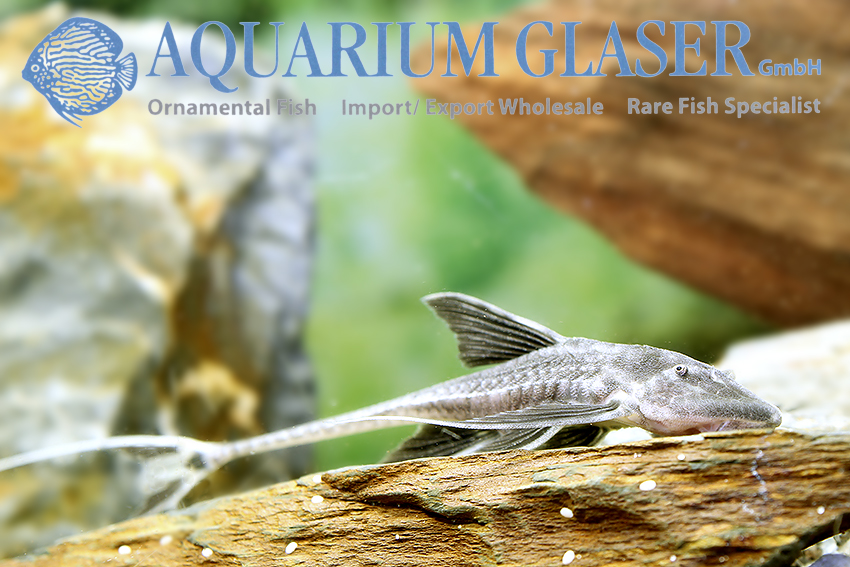
We use cookies
We use cookies on our website. Some of them are essential while others help us to improve this website and your experience.